17 Thanksgiving Hosting Tips
These Thanksgiving hosting tips are the ones I actually use in my own house, and the first lesson is the simplest: a calm Thanksgiving is planned, not performed. I used to spend the whole Thursday sprinting between the oven and the doorbell, and my guests could feel it. Now I work from a two-week timeline, I finish most of the cooking before the big day, and I sit down at my own table. I picked these 17 tips by testing them across several Thanksgivings in my home, keeping only the ones that saved real time, lowered real stress, or stopped a real disaster, and dropping the pretty ideas that fell apart in practice.
Thanksgiving Day is Thursday, November 26 this year, and a 4 p.m. dinner is my anchor for everything below. Work backward from that hour and the day clicks into place. First-time hosts should start with tips 1, 2 and 8; experienced hosts can jump straight to the oven schedule, the cooler trick, and the labeling habit.
Key Takeaways
- Two-week timeline: guest list and menu at T-14, non-perishables and written schedule at T-7, perishables and table at T-2, pies and potatoes at T-1.
- 70/30 rule: only about 30% of the work lands on Thursday itself.
- Label dishes, put drinks in coolers, and let the turkey rest to free the oven.
- Write the day-of schedule down and hand out jobs.
- Protect one hour to actually enjoy your guests.
17 Thanksgiving Hosting Tips That Actually Lower Stress
1. Work From a Two-Week Timeline, Not a Thursday Panic
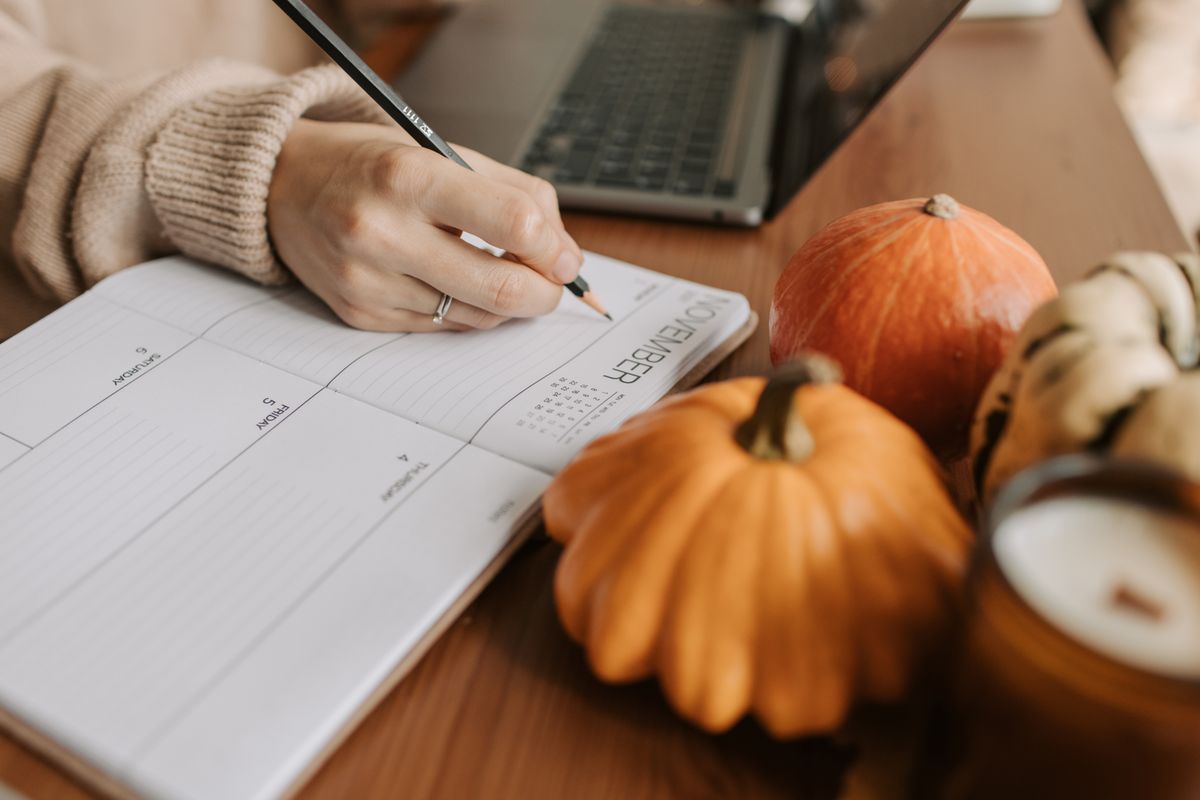
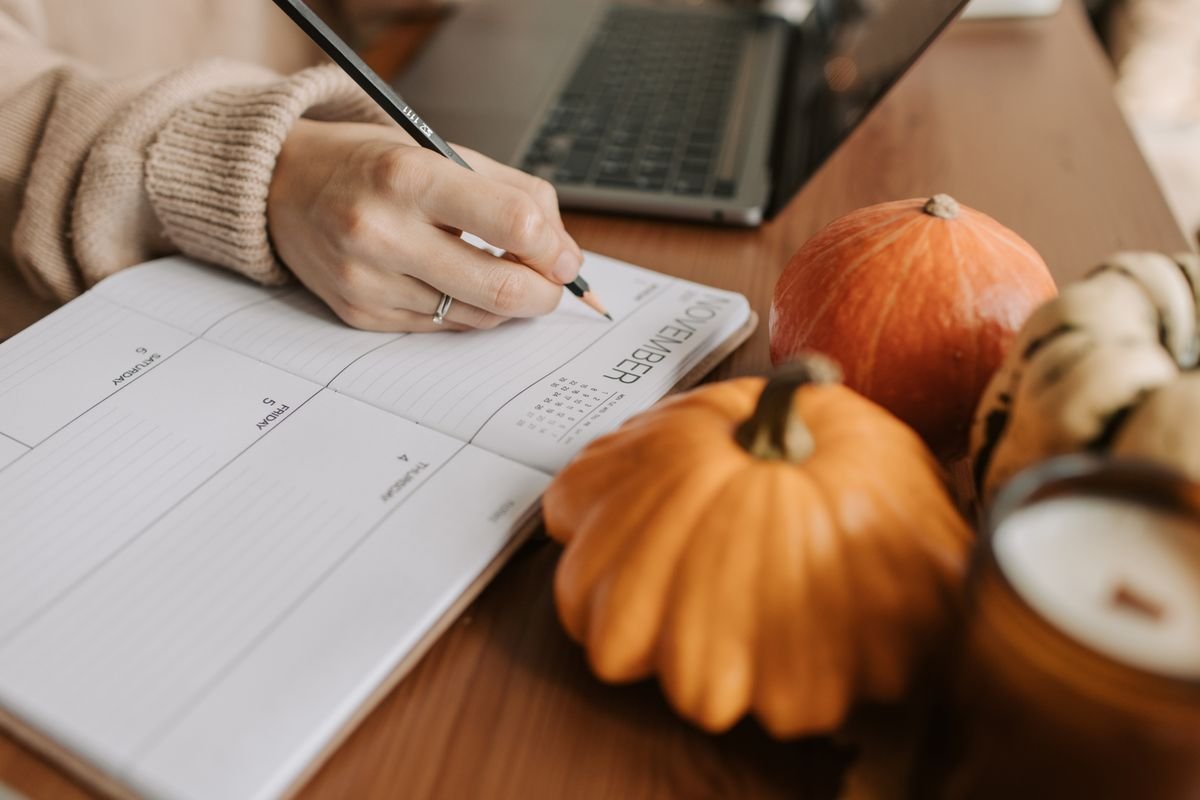
The two-week timeline is the frame everything else hangs on. At T-14 I confirm the guest list and the menu and I ask who can bring a dish. At T-7 I buy non-perishables, count chairs and plates, and write the day-of schedule on paper. At T-2 I buy perishables and set the table. At T-1 I bake pies, make mashed potatoes, and build the drink station. The first year I tried it, I finished cooking by 3 p.m. and actually showered before guests arrived.
The downside: a timeline only helps if you look at it, so I tape mine to the fridge. If you hate rigid plans, keep it to ten lines.
Cost: $0 | Time: 30 minutes to write | Difficulty: Easy
Pro Tip: Put the timeline on the fridge, not in your phone.
2. Confirm the Guest List Early and Ask About Food Needs
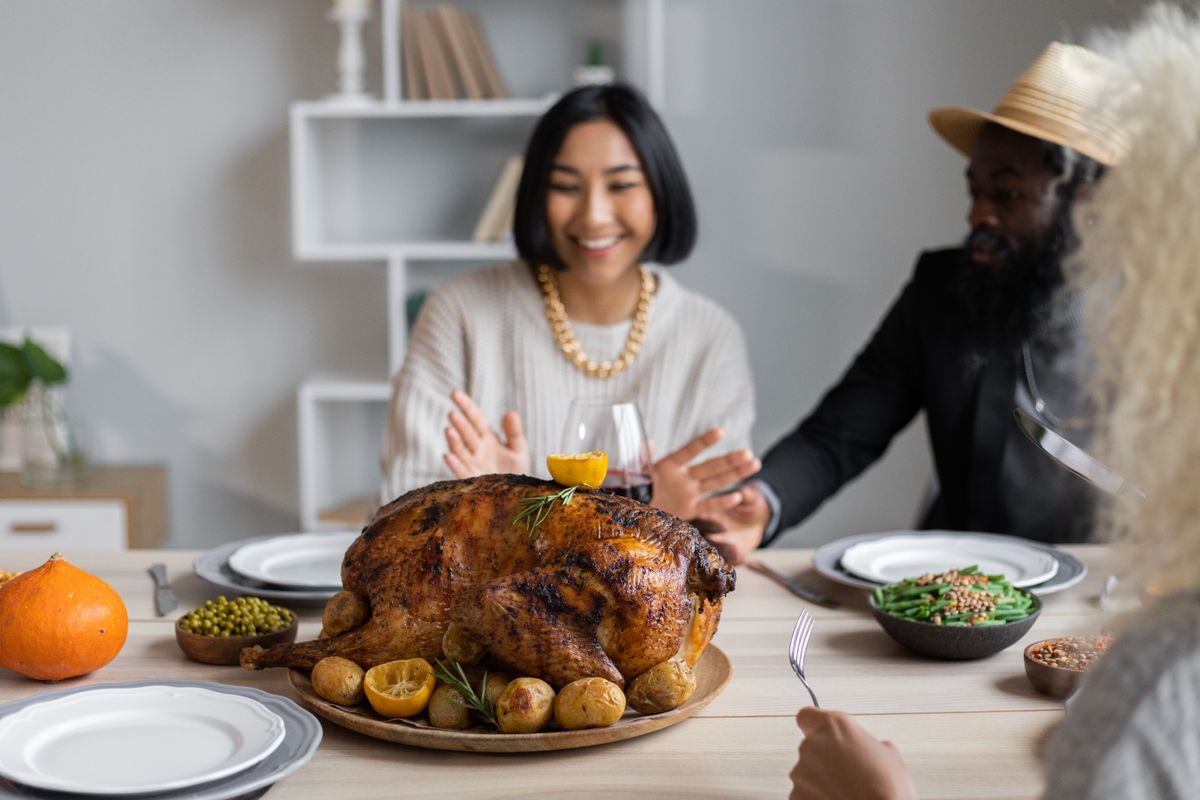
At T-14 I send one message to everyone: the date, the 4 p.m. dinner time, what I am cooking, and one direct question about allergies, vegetarian needs, or anything they cannot eat. It prevents the two worst hosting moments: discovering a nut allergy at the table and cooking for twelve when only eight come. I keep a headcount list on the fridge with each person’s dish and dietary note. Knowing the real number also decides the turkey size and chair count.
The downside is vague replies, so I ask again at T-7 with a cheerful deadline. One year I did not, and my cousin’s vegetarian partner ate only bread rolls.
Cost: $0 | Time: 20 minutes | Difficulty: Easy
Pro Tip: Ask about food needs in the invitation message itself.
3. Let Guests Bring a Dish and Mean It
Delegating is not lazy hosting; it is how a single oven feeds fourteen people. I keep the turkey, gravy, and mashed potatoes, and I assign the rest: one person brings a salad, one brings rolls, one brings a dessert, one brings drinks. I write each assignment on my fridge list so nothing doubles up. Guests like contributing, and the table ends up more varied than anything I would cook alone. Last year my sister’s cranberry sauce was the dish people asked about most, and I had not cooked it.
The watch-out is quality control, so I only assign dishes people already make well, and I keep backup rolls and a store-bought pie in case someone cancels.
Cost: Saves $30–60 | Time: 15 minutes to assign | Difficulty: Easy
Pro Tip: Assign specific dishes, not “bring whatever.”
4. Set the Table Two Days Early

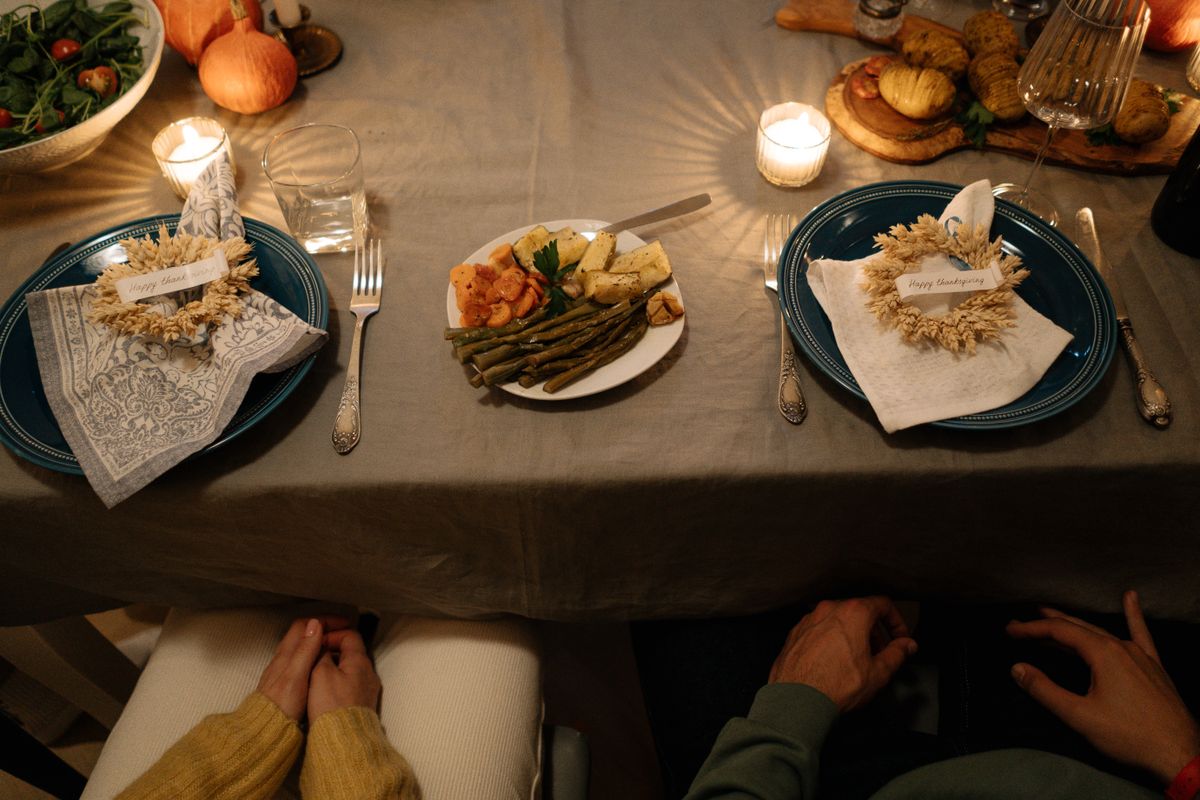
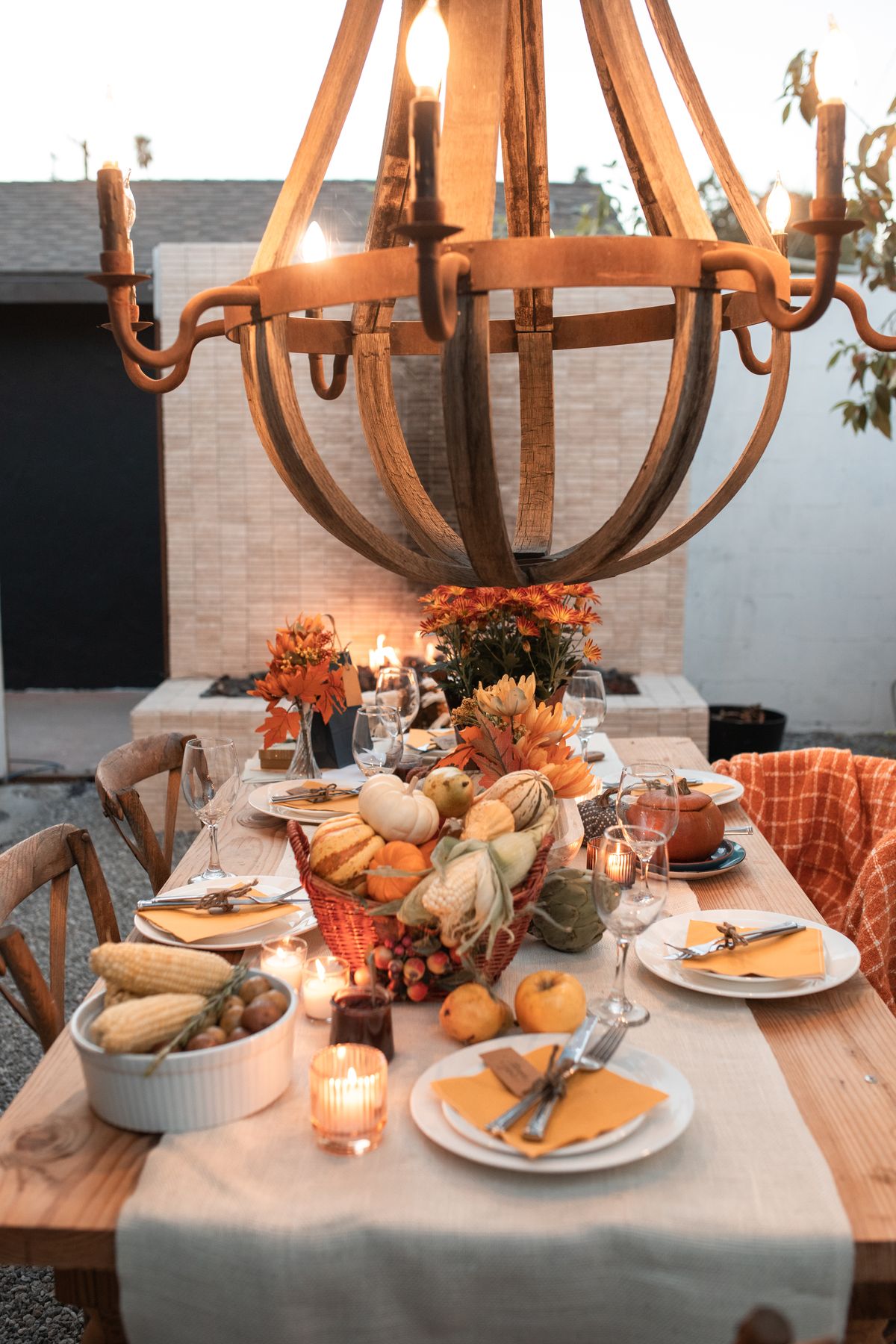
Setting the table at T-2 is the highest-return hour in the whole countdown. I lay the cloth, count out plates, glasses, and cutlery, place the centerpiece, and put a small card or a folded napkin at each seat. Doing it early means I discover the missing wine glasses on Tuesday, when I can still fix it, instead of Thursday at 3 p.m., when I cannot. I cover the finished table with a clean sheet if kids or pets are around.
The downside is that a set table collects clutter fast, so I declare the dining room off-limits for bags and mail until Thursday.
Cost: $0–20 for candles or napkins | Time: 45–60 minutes | Difficulty: Easy
Pro Tip: Set one extra place for a surprise plus-one.
Related article: my Thanksgiving table decoration ideas if you want the table itself to feel special without buying a whole new set of decor.
5. Label Every Serving Dish Before Guests Arrive
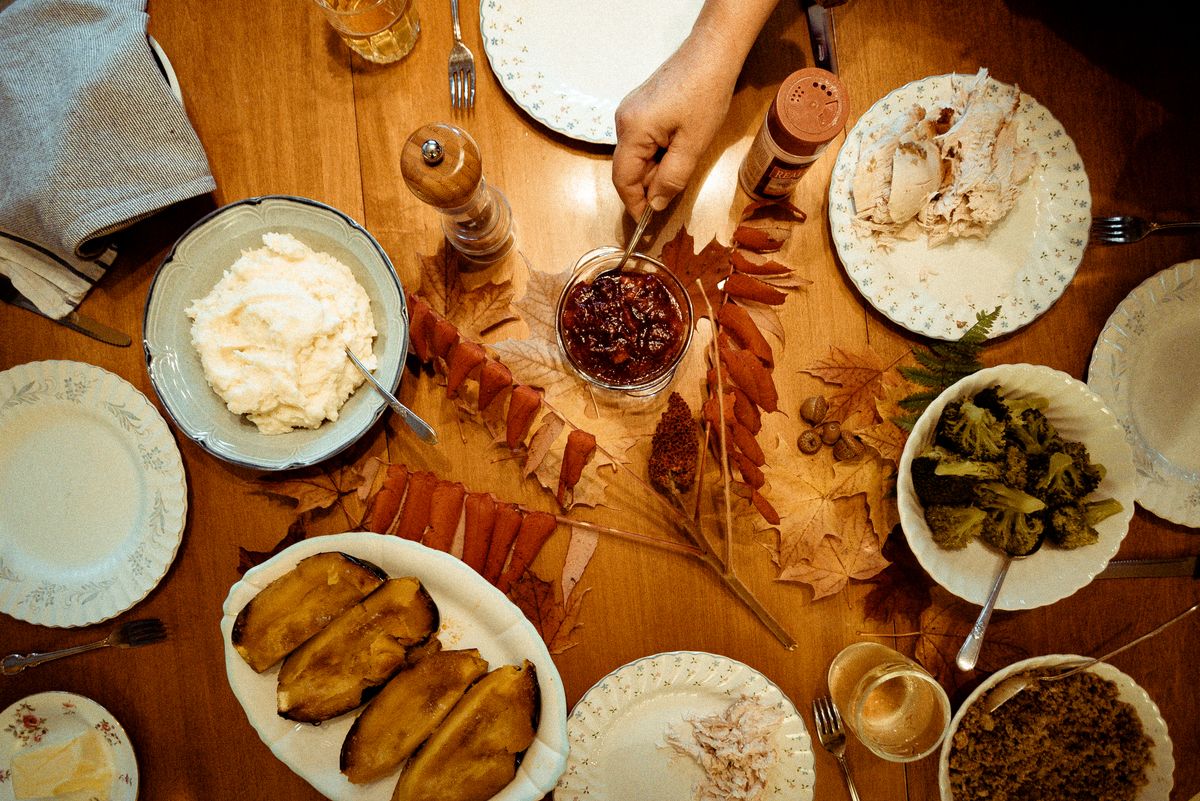
This is the smallest tip with the biggest payoff. I put a little card in front of every dish: “Mashed Potatoes,” “Vegan Stuffing,” “Contains Nuts.” Guests plate their own food without asking, and people with allergies eat safely without a public announcement. I write the cards while the table is being set at T-2, using the serving dishes I actually own, so on Thursday I just match card to dish. It also solves the mystery-dish problem, because every casserole looks identical under foil. The first year I did this, my aunt with a gluten intolerance said it was the first holiday meal where she had not felt awkward, and that made it permanent.
The only downside is knocked-over cards, so I use folded cardstock that stands up, not flat paper.
Cost: $0–5 | Time: 15 minutes | Difficulty: Easy
Pro Tip: Note allergens on the card, not just the dish name.
6. Put Drinks in Coolers and Free the Fridge
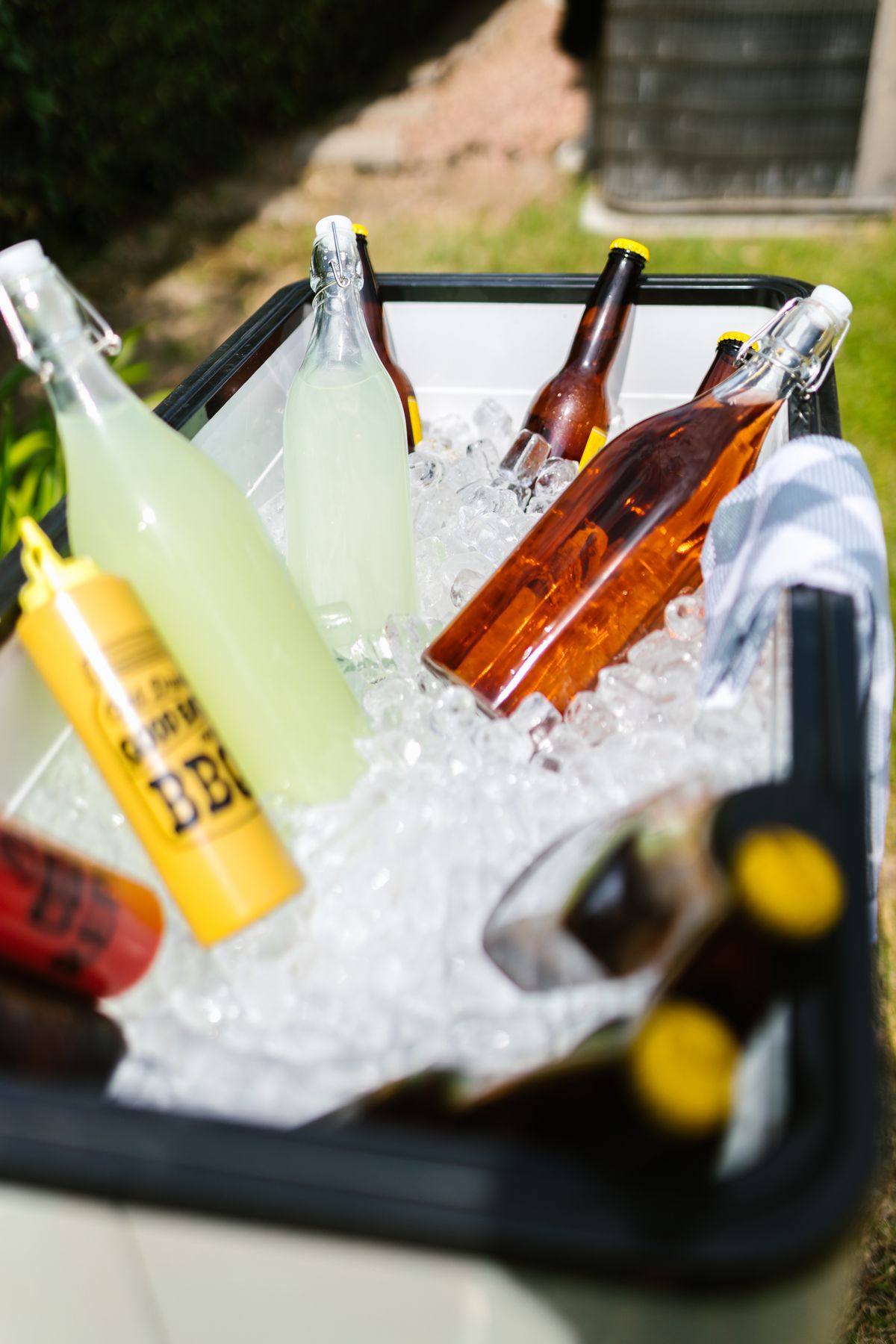
On Wednesday night I fill two coolers with ice and load every cold drink into them: water, soda, wine, sparkling cider, and juice boxes for kids. The fridge then holds only food, which matters because Thursday’s fridge is always fuller than you expect.Guests help themselves from the coolers without opening my fridge or wandering into my kitchen. I put one cooler near the front door and one near the dining area.
The downside is melted ice, so I freeze a few water bottles as extra ice packs and I drain and refill the coolers once, midway through the afternoon.
Cost: $5–10 for ice | Time: 20 minutes | Difficulty: Easy
Pro Tip: Chill drinks overnight first.
Also read: my Thanksgiving drink ideas for a self-serve station guests can run themselves.
7. Build the Oven Schedule Around the Turkey’s Rest
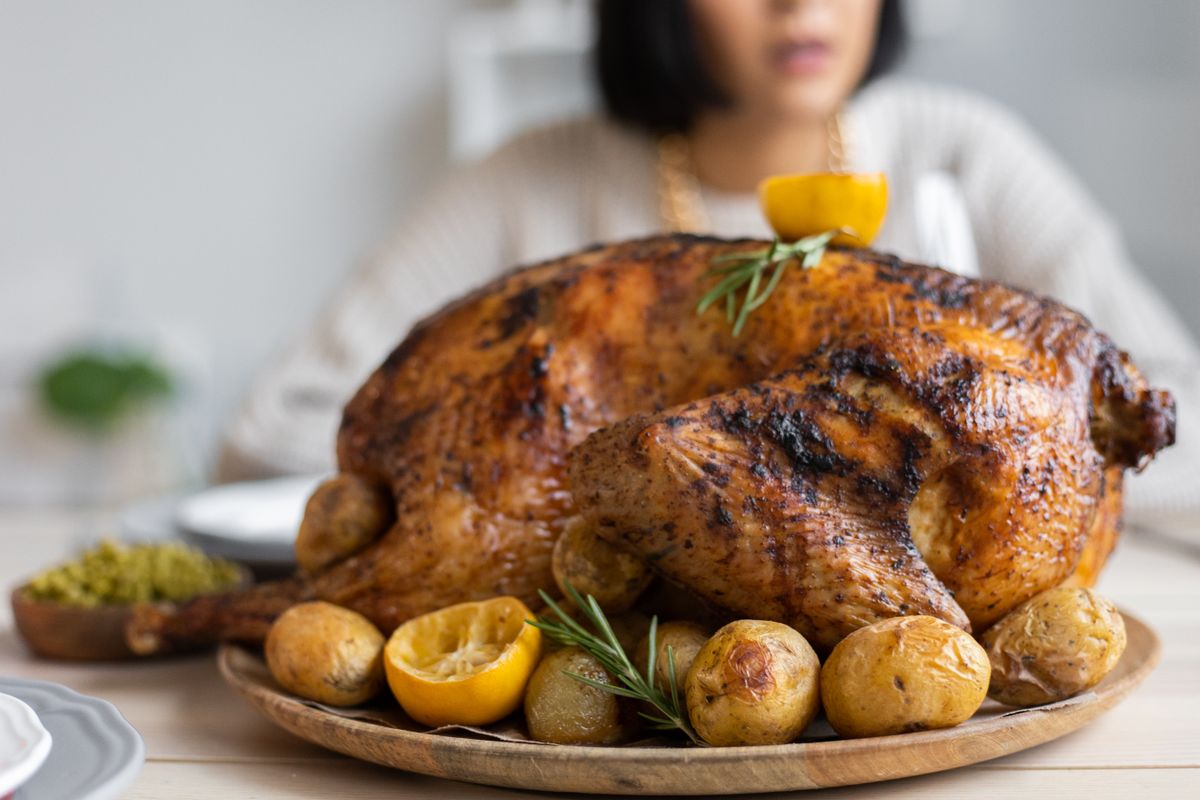
One oven, five hot dishes, one afternoon: this is the puzzle that ruins most Thanksgivings, and the turkey’s rest is the solution. A roasted turkey needs 20 to 30 minutes of resting before carving, and it must reach 165°F in the thickest part of the thigh. During that rest, the oven is free for rolls, stuffing, and green bean casserole.I write the oven schedule with real clock times, not just a list, and set phone alarms for each swap. The turkey also carves better after resting, because the juices settle instead of running out onto the board.
The watch-out is food safety: never let the turkey sit out for more than two hours total, and keep finished sides covered and warm, not cooling on the counter.
Cost: $0 | Time: 15 minutes to plan | Difficulty: Medium
Pro Tip: Tent the resting turkey loosely with foil and a towel.
8. Write the Day-of Schedule Down, Hour by Hour
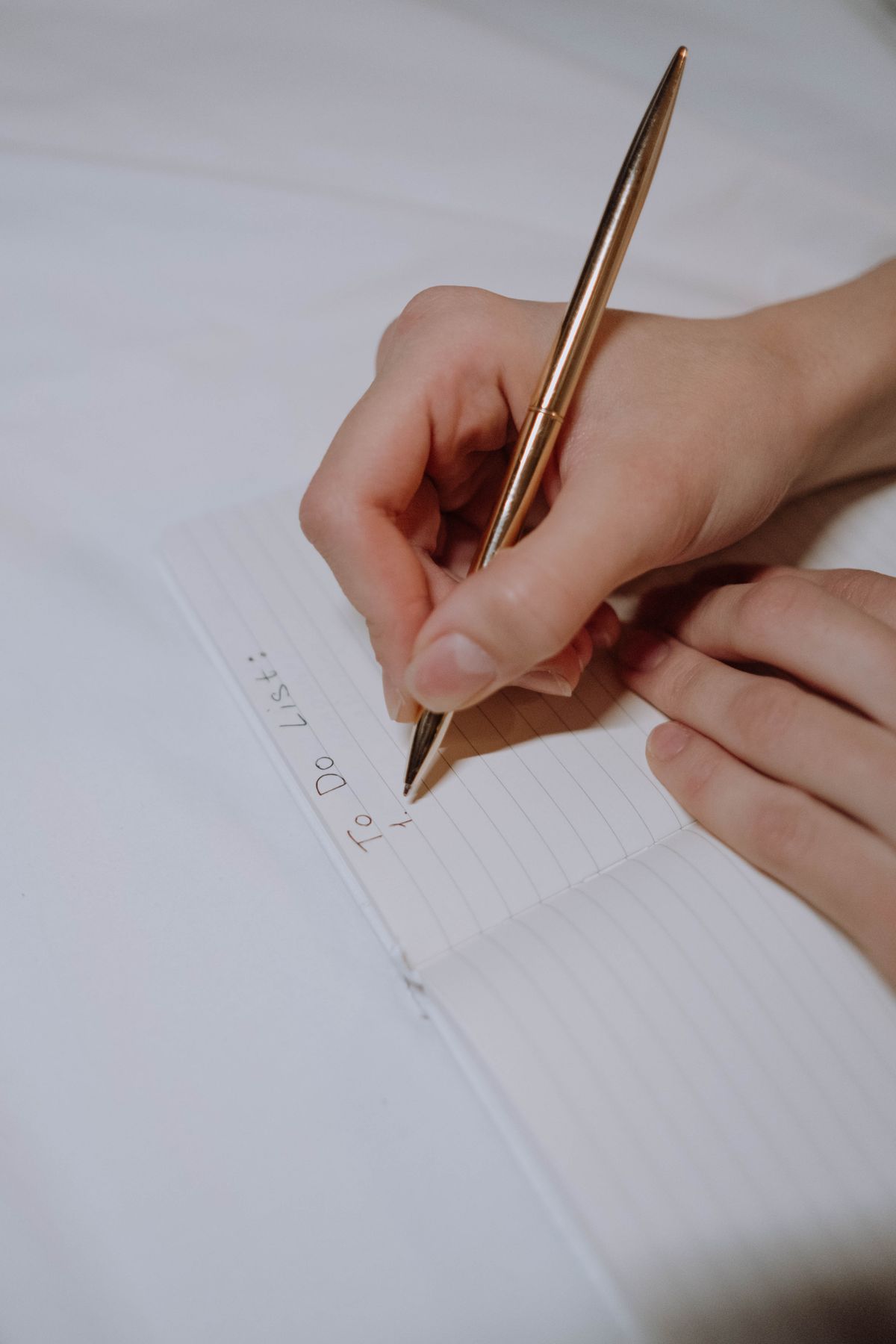
My day-of schedule is one page, taped to a kitchen cabinet, and it runs backward from a 4 p.m. dinner. Mine reads: 9 a.m. turkey in, 11 a.m. appetizers out, 3:30 p.m. turkey out to rest, 4 p.m. dinner.Writing it down matters because on Thursday my brain is not reliable: I am tired, the doorbell is ringing, and someone always needs something. A written schedule also lets a helper step in without asking questions.
The downside is that real days slip, so I build in two 15-minute buffers and I never schedule anything in the last 30 minutes before dinner except plating.
Cost: $0 | Time: 20 minutes at T-7 | Difficulty: Easy
Pro Tip: Give one copy to your most reliable helper.
9. Carve at a Station, Not at the Table
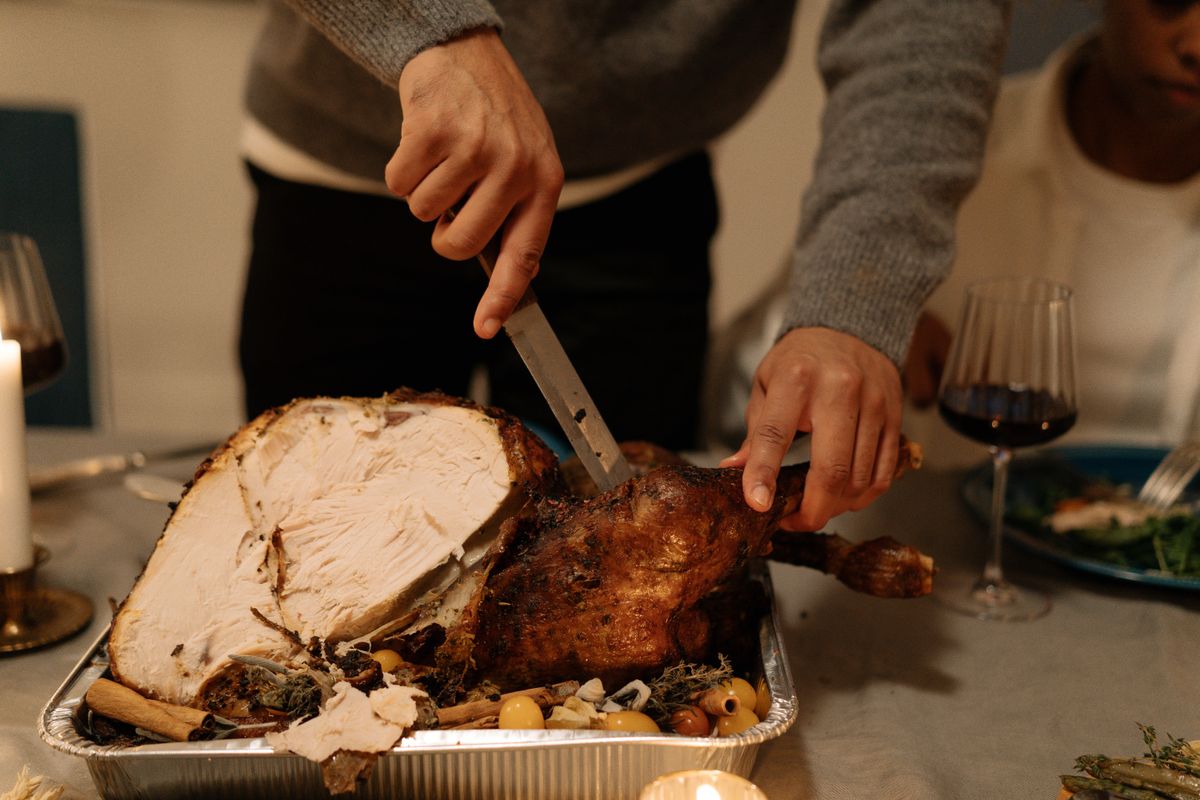
Table-side carving looks wonderful in movies and is a mess in real kitchens. I carve on a sturdy board at the kitchen counter, with a sharp knife and a serving platter, while guests settle in with appetizers.It takes about 15 minutes for a 14-pound bird and lets me arrange sliced meat neatly on a warmed platter. The carcass goes straight into a pot for stock later.
The watch-out is knife safety: a carving knife is seriously sharp, so keep kids out of that corner and cut away from your body.
Cost: $0 | Time: 15–20 minutes | Difficulty: Medium
Pro Tip: Warm the serving platter for five minutes first.
10. Put Appetizers Out Before the First Guest Arrives
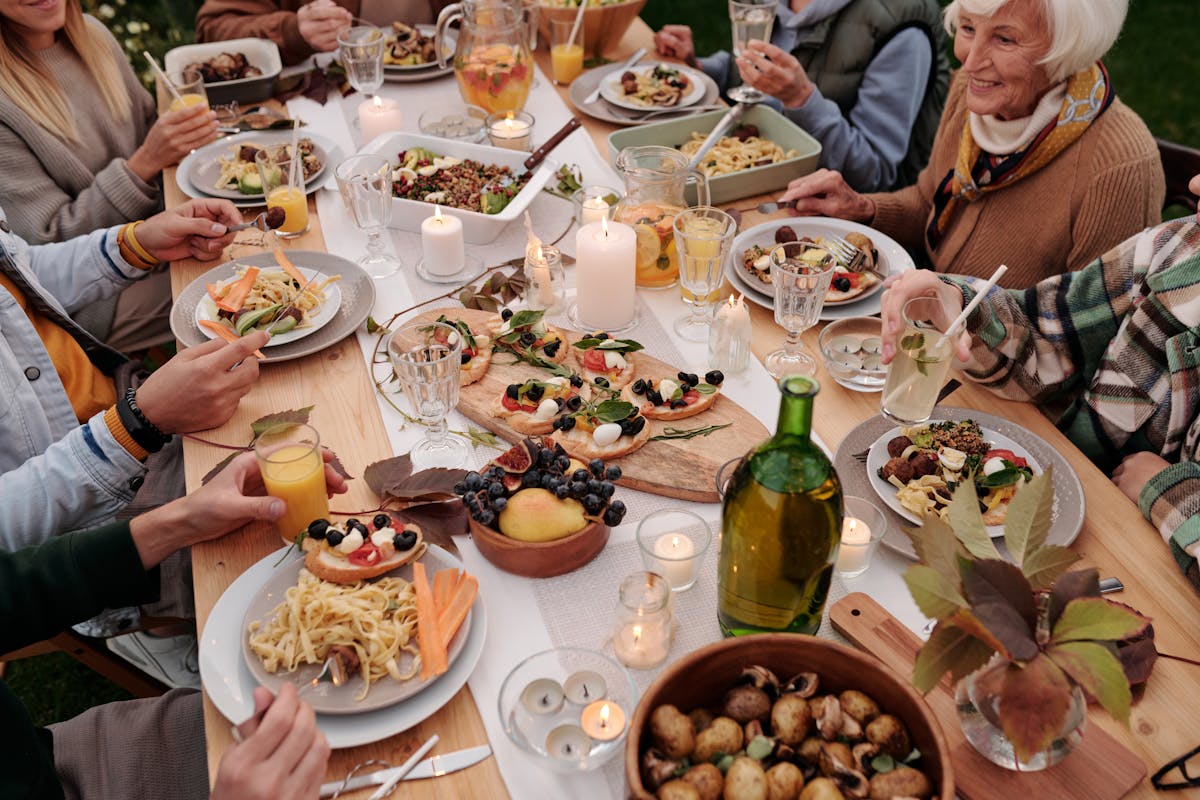
Guests arrive hungry, and hungry guests hover in the kitchen asking when dinner is ready. I set out a simple appetizer spread by 2 p.m.: a cheese board, something crunchy, something warm, and a dip.Nothing fancy and nothing needing my attention, because everything is already out when the doorbell rings. This buys me the quiet hour I need to finish cooking.
The downside is appetite management, so I keep portions small; a full appetizer feast means nobody is hungry at 4 p.m.
Cost: $20–40 | Time: 30 minutes | Difficulty: Easy
Pro Tip: Use appetizers that hold at room temperature for two hours.
Read this next: my Thanksgiving appetizer ideas for crowd-pleasing bites that do not steal oven space.
11. Make a Seating Plan That Prevents Awkward Corners
I sketch the seating plan while I set the table at T-2: chatty people spread out, couples split up, and anyone who knows few people sits next to a warm, talkative guest.A good seating plan is invisible when it works. I skip formal place cards most years, since a quick chat with key guests does the same job, but I place host seats at the ends where I can get up without squeezing past anyone. The first year I skipped a plan, my shy cousin spent dinner next to a stranger’s teenager and barely spoke.
Plans can feel controlling, so I keep it loose: suggested seats, not assigned thrones.
Cost: $0 | Time: 15 minutes | Difficulty: Easy
Pro Tip: Seat your usual helper near the kitchen end.
12. Give Kids Their Own Corner Table
A kids’ table is not exile; done right, it is the most popular seat in the house. I set a small table with a washable cloth, unbreakable cups, a coloring activity, and food cut into easy pieces.Kids eat faster, spill more, and want to get up, so separating them protects both the adult table and their fun. I seat one responsible older cousin at the end of their table and keep their food simple: turkey slices, mashed potatoes, rolls, and something sweet. Last year the kids’ table invented a cranberry-sauce game.
The safety note matters: keep hot dishes, candles, and sharp knives off the kids’ table entirely, and keep the activity age-appropriate for the youngest child there.
Cost: $0–15 | Time: 30 minutes | Difficulty: Easy
Pro Tip: Put the kids’ table where you can see it.
13. Create a Coat, Bag, and Shoe Landing Zone
The first ten minutes of a party decide whether your hallway becomes a mountain of coats. I clear one spot near the door before anyone arrives: a row of hooks or a portable rack, a basket for bags and small items, and a tray for wet shoes if the weather is bad.I tell each guest as they come in, “Coats go here,” because a system nobody knows about does not exist. This keeps chairs free and means nobody’s good coat ends up under a pile on the bed. In my house the landing zone is an entryway corner with a bench.
In a small home, the back of one bedroom door and a single basket is enough.
Cost: $0–20 | Time: 15 minutes | Difficulty: Easy
Pro Tip: Empty the landing zone completely before guests arrive.
14. Have the Dessert and Coffee Station Ready by Noon
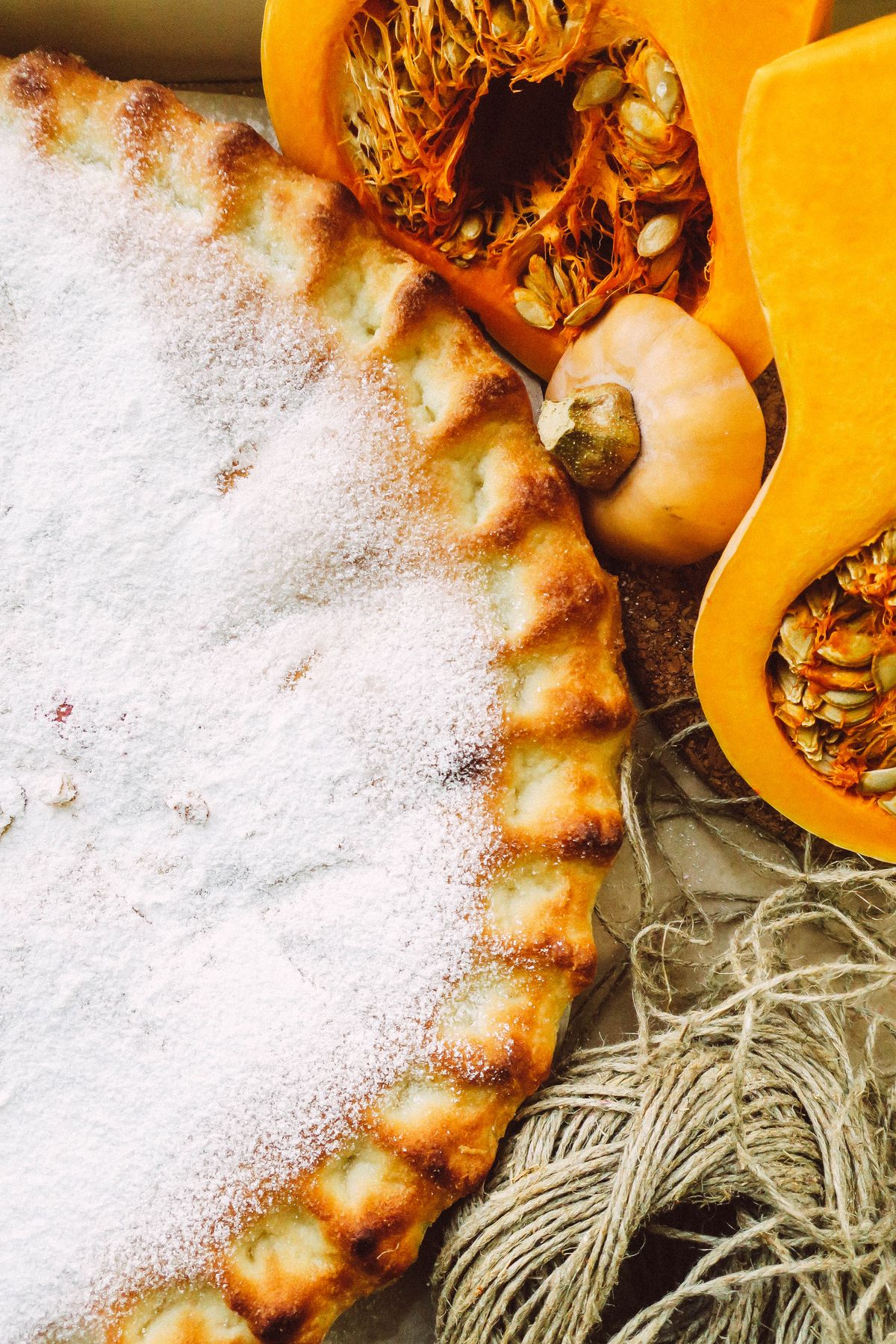
Dessert is the part of the day most hosts forget until everyone is full and standing around. I bake pies at T-1, and by noon on Thursday the dessert station is set: pies on stands, small plates, forks, a coffee maker ready to start, mugs, cream, and sugar.When dinner ends, I press one button for coffee and uncover the pies, and dessert happens without a scramble. Pies made a day early also set and slice more cleanly after a night in the fridge, and it removes a whole baking session from Thursday. The year I baked pies on Thursday morning, the oven was jammed.
I store pies in stackable containers, covered, away from strong smells.
Cost: $10–25 | Time: 60–90 minutes at T-1 | Difficulty: Easy
Pro Tip: Brew coffee in two smaller batches.
15. Prep Leftover Containers Before Dinner, Not After
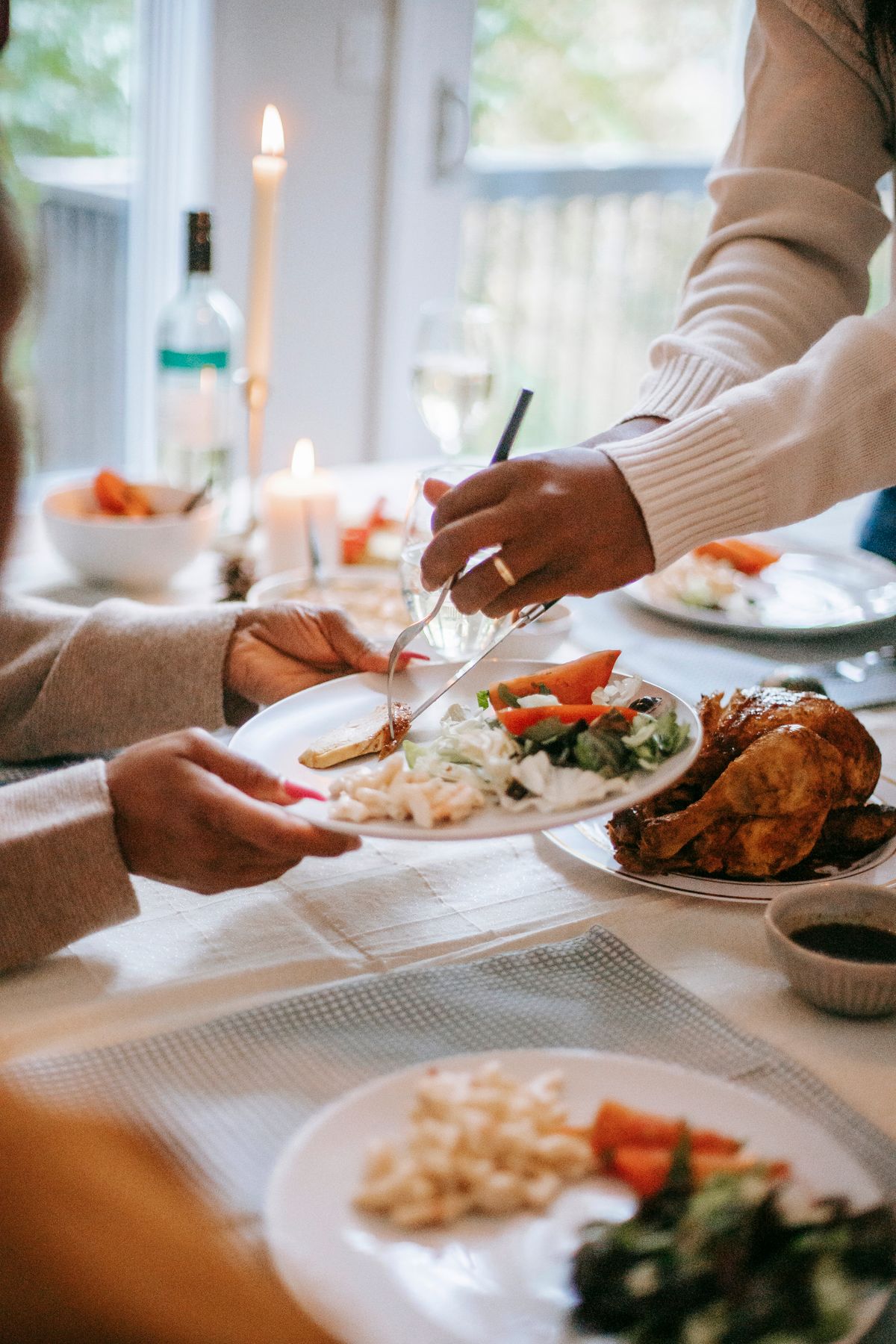
At the end of the night, nobody wants to hunt for containers while they are tired and full. I set out containers, lids, and a marker before dinner, and I tell guests early that leftovers go home with them.After dessert, packing takes ten minutes instead of forty, because everything is already in reach. I label each container with masking tape and a name, which avoids the mystery-box fridge problem. Leftovers must be refrigerated within two hours of serving, so I start packing while people are still eating dessert.
I keep a few disposable containers as backup and never send food home in my good dishes.
Cost: $0–10 | Time: 10 minutes to prep | Difficulty: Easy
Pro Tip: Pack your own next-day plate first.
16. Protect One Hour to Be a Guest at Your Own Party

This is the tip I resisted longest and needed most. I now choose one hour, usually right after dinner, when I do no hosting work at all: no clearing, no kitchen trips, no fixing things. I sit, I eat dessert, I talk.Guests take their cue from the host: if I am frantically clearing plates, everyone feels they should help or leave, but if I am relaxed, the party relaxes. The house will not fall apart in one hour. The first year I tried this, my mother-in-law said it was the first Thanksgiving where I had actually seemed to enjoy myself, and she was right.
The downside is a messier kitchen afterward, so I pair this hour with tip 17’s team tidy.
Cost: $0 | Time: 60 minutes of not working | Difficulty: Hard, emotionally
Pro Tip: Tell one helper you are off duty that hour.
17. End With a 15-Minute Team Tidy, Not a Solo Marathon
When the last dessert plate is cleared, I set a 15-minute timer and everyone helps: one loads the dishwasher, one wipes the table, one packs leftovers, one takes out trash.Fifteen minutes of many hands does more than an hour of one tired host, and guests usually welcome a small job as a graceful way to wind down. After the timer, I stop, whatever is left waits until morning, and I go to bed without resentment. The one rule: nothing sharp, hot, or breakable gets rushed, and the good platter is never part of the speed round.
A speed tidy hides things in odd places, so I do one slow pass the next morning.
Cost: $0 | Time: 15 minutes | Difficulty: Easy
Pro Tip: Start the dishwasher before the tidy ends.
Thanksgiving Hosting Tips at a Glance
| Tip | Best For | Cost | Effort |
|---|---|---|---|
| Two-week timeline | First-time hosts | Free | Low |
| Guest list and food needs | Mixed-diet groups | Free | Low |
| Delegate dishes | Big guest lists | Saves money | Low |
| Set the table at T-2 | Calm Thursdays | Free | Medium |
| Label serving dishes | Allergy safety | Free | Low |
| Drinks in coolers | Full fridges | $5–10 | Low |
| Oven schedule and turkey rest | One-oven kitchens | Free | Medium |
| Written day-of schedule | Stress-free timing | Free | Low |
| Carving station | Neat presentation | Free | Medium |
| Early appetizers | Hungry early arrivals | $20–40 | Low |
| Seating plan | New acquaintances | Free | Low |
| Kids’ corner table | Families with young kids | $0–15 | Low |
| Coat landing zone | Small entryways | Free | Low |
| Dessert and coffee station | Smooth evenings | $10–25 | Low |
| Leftover containers ready | Easy clean-up | Free | Low |
| Guest-hour for yourself | Burned-out hosts | Free | Hard, emotionally |
| 15-minute team tidy | Next-morning sanity | Free | Low |
Mistakes I Made (So You Don’t Have To)
I cooked everything on Thursday. My first hosted Thanksgiving, I started at 7 a.m. and was still peeling potatoes when guests arrived. Now only about 30% of the work happens on Thursday. If your Thursday list has more than six tasks, move half of them.
I never wrote the schedule down. I kept it all in my head, forgot the rolls, and served them black. A one-page schedule on the cabinet door fixed a problem I had blamed on bad luck.
I tried to do it all myself. I refused dish offers because I wanted everything perfect, and ended up exhausted at my own table. Accepting help did not lower the standard; it raised the mood.
I forgot the fridge has a limit. One year the turkey, pies, and four contributed dishes would not fit, and I spent an hour playing fridge Tetris on Thursday morning. Coolers for drinks and a T-7 fridge audit are now non-negotiable.
FAQ
What are the best Thanksgiving hosting tips for a first-time host?
Start with the two-week timeline, the guest list with food questions, and a written day-of schedule. Those three cost nothing and prevent the three most common first-timer disasters: wrong headcount, unknown allergies, and dishes finishing at different times.
How far ahead should I start planning Thanksgiving?
Two weeks is the sweet spot: T-14 for the guest list and menu, T-7 for non-perishables and the schedule, T-2 for perishables and the table, T-1 for pies and potatoes. Parties of twenty or more may want three weeks, mainly to borrow extra chairs and tables.
What time should Thanksgiving dinner be served?
4 p.m. works beautifully: guests arrive through the afternoon, appetizers cover early arrivals, and evening remains for dessert and games. Whatever hour you pick, work every cooking time backward from it and write those times down.
How long did your timeline actually take to follow?
Honest answer: writing it took 30 minutes, and following it saved me roughly three frantic hours on Thursday. The first year I slipped twice, and the buffers in the schedule absorbed both without anyone noticing.
What would you do differently next year?
I would delegate one more dish and buy one more cooler, because drinks and sides always outgrow my plan. I would also set the dessert station even earlier; the year I set it at noon instead of 3 p.m., the evening felt unhurried.
How do I keep food safe all afternoon?
Keep hot food hot and cold food cold, and refrigerate leftovers within two hours of serving. The turkey must reach 165°F in the thigh, and perishable dishes should not sit out all afternoon; I refresh small batches instead.
Final Thoughts
Good hosting is not about a perfect table or a flawless turkey; it is about a host who is present instead of panicked. The timeline, labels, coolers, and oven schedule are just tools to buy you that presence. Pick the three tips that solve your biggest headaches, try them this year, and add two more next year. If you take one idea from this list, let it be the 70/30 rule: do most of the work before Thursday, so on the day itself you can simply enjoy the people at your table.