How to Host a Friendsgiving Dinner Party (Menu, Decor + Potluck Guide)
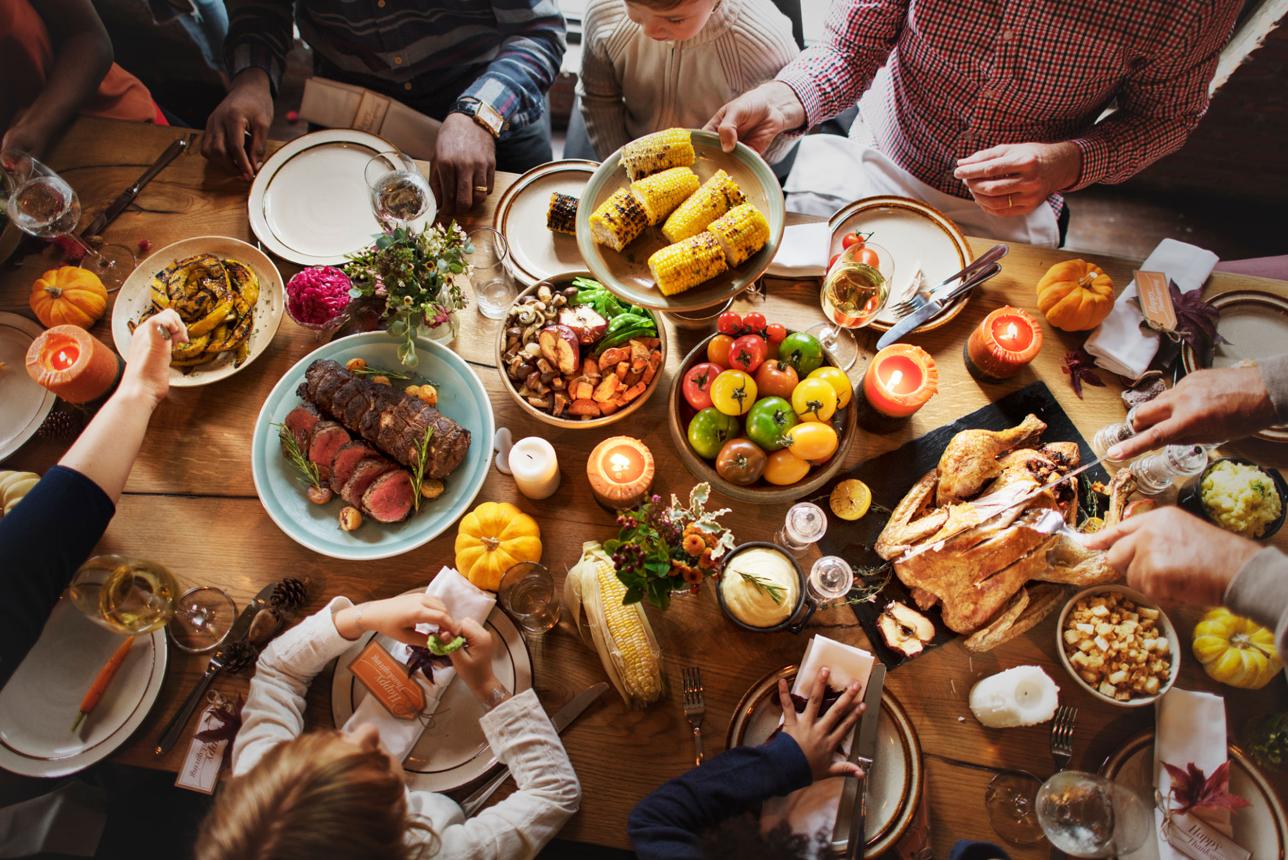
Hosting a Friendsgiving dinner party is one of my favorite ways to bring friends together for good food, meaningful conversations, and a relaxed fall celebration. I believe the best gatherings are not about expensive decorations or perfectly matched dishes. They are about making everyone feel welcome and giving people a reason to slow down and enjoy each other’s company.
When I plan a Friendsgiving dinner, I focus on three things: a practical menu, a coordinated potluck, and a comfortable setting. With a little preparation, I can create a memorable evening without spending too much or getting stuck in the kitchen while everyone else has fun.
I recommend planning Friendsgiving for 12–20 guests, ideally on the Saturday before Thanksgiving. A partial potluck is an affordable and manageable option because I provide the main dish, gravy, drinks, and a few essentials while guests contribute assigned sides and desserts.
For a group of 15, I would start with a host budget of around $130–$180, depending on local prices and the amount of food and decor I provide. I also prepare a simple decorating plan, set up a welcome station with drinks and appetizers, and follow a day-of schedule so I can spend more time with my guests.
Save this for later

Table of Contents
The secret to a successful Friendsgiving is clear communication. I assign food categories instead of asking everyone to bring whatever they like, check dietary needs in advance, and prepare the essentials before guests arrive.
Key Takeaways
- Best date: I prefer the Saturday before Thanksgiving because it leaves room for family celebrations.
- Ideal guest count: I find that 12–20 people offer a good balance between a lively gathering and manageable hosting.
- Best hosting style: A partial potluck allows me to control the main meal while sharing the workload.
- Food planning: I handle the main protein, gravy, drinks, and essential starters.
- Affordable decorations: I use candles, mini pumpkins, natural greenery, and simple table linens or kraft paper.
- Potluck organization: I assign categories, serving quantities, and deadlines before the party.
- Stress-free hosting: I prepare a timeline, set up stations early, and keep the menu realistic.
Related article: 13 Best Thanksgiving Party Games for the Whole Family
What Is Friendsgiving — and What It Actually Should Feel Like
I think of Friendsgiving as a Thanksgiving-inspired meal shared with friends who feel like family. It usually takes place around Thanksgiving, often on the weekend before the holiday, so everyone can enjoy a special dinner without competing with their family commitments.
Unlike a formal holiday dinner, Friendsgiving gives me more freedom to choose the menu, decorations, activities, and overall atmosphere. I can serve traditional turkey and pie, try new recipes, or make the evening completely vegetarian if that suits my group.
What I want Friendsgiving to include:
- A shared meal with enough food for everyone to enjoy.
- A comfortable atmosphere where guests can talk, laugh, and relax.
- A manageable guest list that suits the available seating and kitchen space.
- A potluck plan that makes everyone’s contribution useful.
- Decorations that feel welcoming without requiring a large budget.
What I don’t think Friendsgiving needs:
- A professionally styled table or expensive matching dinnerware.
- An elaborate menu with several complicated recipes.
- Strict rules about who can attend or what everyone must wear.
- Decorations that cost more than the food.
- A packed schedule that leaves no time for conversation.
I want the evening to feel personal rather than staged. A few candles, familiar dishes, good music, and food that people enjoy can create a much warmer experience than an expensive setup.

How Do You Plan a Friendsgiving Dinner Party Step by Step?
Step 1 — Pick Your Date and Guest Count
I start by choosing a date and deciding how many people my space can comfortably accommodate. The Saturday before Thanksgiving is a practical choice, although the weekend after the holiday can work just as well for friends with busy schedules.
I send invitations around three to four weeks in advance. This gives everyone time to confirm attendance, choose a potluck contribution, and plan around other holiday commitments.
For a first Friendsgiving, I would aim for 12–15 guests rather than inviting everyone I know. I can always expand the guest list in future years once I understand how much food, seating, and preparation the gathering requires.
If I am planning at the last minute, I keep the menu simple, use readily available decorations, and ask guests to confirm their contributions as soon as possible.
Pro Tip: I include the date, arrival time, dress suggestion, dietary-restriction question, and potluck details in the invitation. This reduces follow-up messages and helps guests know exactly what to expect.

Step 2 — Choose Your Hosting Format Before You Invite Anyone
Before I send invitations, I decide how the food will be divided. This prevents confusion about whether guests should bring an appetizer, a complete dish, or nothing at all.
Here are three common hosting formats I consider:
| Format | What I Provide | What Guests Bring | Estimated Host Budget | Planning Effort |
|---|---|---|---|---|
| Full Host | All food, drinks, and most decorations | Optional wine or small gifts | $250–$500 | High |
| Partial Potluck | Main dish, drinks, and selected essentials | Assigned sides, salads, and desserts | $130–$180 | Moderate |
| Full Potluck | Venue, basic setup, and coordination | Most or all food and drinks | $60–$100 | Low to moderate |
These amounts are planning estimates rather than fixed prices. Actual spending depends on location, grocery costs, guest count, and what I already have at home.
My preferred option is a partial potluck. I can manage the most important parts of the meal while allowing guests to contribute something they enjoy making or buying.
I also make the arrangement clear before anyone accepts the invitation. Guests should know whether they are expected to bring food, drinks, or simply themselves.
Pro Tip: I use a simple sign-up sheet with a limited number of spaces for each food category. Guests can choose what suits them, and I can see which items still need to be covered.

Step 3 — Set Up a Potluck System That Actually Works
I have learned that a successful potluck needs more than a friendly group message. If I tell everyone to bring something, I risk ending up with too many desserts, several similar salads, and not enough substantial side dishes.
Instead, I assign categories and suggest serving quantities. For a gathering of 15, I might organize the list like this:
- Starters and appetizers: 2 contributions.
- Vegetable sides: 3 contributions.
- Starchy sides, such as stuffing or potatoes: 2–3 contributions.
- Salads: 1–2 contributions.
- Desserts: 3 contributions, including at least two pies if guests enjoy them.
- Additional drinks: 2 contributions.
I also ask guests to note whether their dish contains common allergens or needs to be served hot. This makes it easier to arrange the buffet and accommodate different dietary needs.
A shared spreadsheet, online sign-up form, or potluck planning app can all work. I choose the simplest system my guests will actually use rather than making the process unnecessarily complicated.
For each category, I provide a clear description. For example, instead of asking for a vegetable side, I might request roasted carrots or green beans that serve eight to ten people.
Pro Tip: I set a confirmation deadline about 10–14 days before the party. If a category is still empty, I can fill the gap before the final grocery run.

Step 4 — Plan the Host’s Menu
I keep the main menu under my control because the central dish usually determines when dinner can be served. If I am preparing turkey, I would rather handle its cooking time and temperature myself than depend on a guest to transport it at the right moment.
For a group of 15, my basic shopping list includes:
- Two turkey breasts, with the size chosen according to their total weight and the other dishes being served.
- Gravy, either homemade or a good ready-made option.
- Cranberry sauce.
- Apple cider, sparkling water, and other drinks.
- A small selection of appetizers.
- Basic serving supplies and extra ice if needed.
As a rough starting point, I might budget $30–$44 for two turkey breasts, $5–$8 for gravy, $3–$5 for cranberry sauce, and $6–$8 for a gallon of apple cider. These figures are illustrative estimates from the original planning scenario, so I would check current local prices before shopping.
I also make sure the main dish is large enough for the group. Rather than relying only on the number of turkey breasts, I check the package weight, follow the cooking instructions, and consider whether guests are bringing other protein-rich dishes.
Gravy is one item I never leave to chance. I prepare it ahead of time or buy a reliable option so that dinner is not missing an important accompaniment.
Pro Tip: I write down the oven temperature, estimated cooking time, resting time, and serving time before the day begins. I also use a food thermometer to verify that poultry reaches a safe internal temperature of 165°F (74°C).

Step 5 — Build Your Harvest Table (Without Spending $200)
I don’t believe a beautiful Friendsgiving table needs matching plates or expensive centerpieces. I prefer a layered, welcoming look with a few seasonal details that work together.
I usually focus on three elements.
Candles in different holders
I collect candleholders from thrift stores or reuse pieces I already own. Mixing different shapes and heights creates interest without making the table feel overly formal. I keep flames away from napkins, dried plants, and other flammable decorations.

Natural seasonal textures
Mini pumpkins, pinecones, eucalyptus, dried wheat, and seasonal branches can create a simple centerpiece. I arrange them loosely down the table rather than building a tall display that blocks conversation.

A consistent color palette
I choose a few colors, such as rust, cream, amber, and sage. The plates and decorations don’t need to match perfectly, but repeating a small group of colors helps the table feel connected.
For inexpensive DIY touches, I might use:
- A kraft paper runner that doubles as a surface for guests to write messages.
- Mini pumpkins with handwritten name cards.
- Clean mason jars filled with seasonal greenery.
- Reusable cloth napkins in a coordinating color.
- Small handwritten food labels for the buffet.
I set a budget before buying decorations and check what I already own. A few carefully chosen pieces often look better than a table crowded with seasonal accessories.

Pro Tip: I switch off harsh overhead lighting during dinner if the room has enough safe, comfortable illumination from lamps and other fixtures. Warm lighting and a few candles can make the setting feel more relaxed without leaving guests struggling to see their food.
Step 6 — Set Up Your Drinks and Starter Station
I like to have drinks and appetizers ready before the first guest arrives. This gives people something to enjoy while I finish cooking and prevents everyone from gathering around the kitchen asking when dinner will be served.
I set up a separate welcome station about 30–45 minutes before guests arrive. Depending on the layout of my home, I use a kitchen counter, sideboard, or small table.
For a seasonal signature drink, I make cranberry-orange punch using cranberry juice, orange juice, and ginger ale. A rosemary sprig or a few orange slices can add a festive finishing touch. I keep the ingredients chilled and offer a nonalcoholic option so guests have a choice.

I also prepare a simple appetizer board with a mixture of cheeses, crackers, sliced apples, grapes, jam, and nuts. For 15 guests, I adjust the quantities based on the rest of the menu and whether dinner will be served soon after arrival.
I label any ingredients that commonly cause allergies and keep perishable foods refrigerated until they are ready to serve. This is particularly important when cheese, cut fruit, and other temperature-sensitive foods are sitting out.

Pro Tip: I place glasses, napkins, a small trash bowl, and a water pitcher beside the drinks. These little details help guests serve themselves without needing to ask me for every item.
Step 7 — Follow a Hosting Timeline
A written timeline helps me manage the cooking, decorations, and guest arrivals without feeling as though everything needs attention at once.
I work backward from the planned dinner time and leave extra room for unexpected delays. Here’s an example schedule for a Friendsgiving dinner served at 4:30 p.m.

| Time | Task |
|---|---|
| 9:00 AM | Arrange the table, place decorations, and prepare the dining area. |
| 10:30 AM | Prepare the turkey and begin cooking according to its weight and recipe. |
| 12:00 PM | Set up the drinks station and chill beverages. |
| 1:00 PM | Prepare the appetizer board and refrigerate perishable ingredients. |
| 2:30 PM | Finish decorating, check serving dishes, and get ready. |
| 3:00 PM | Welcome guests and serve appetizers and drinks. |
| 4:00 PM | Arrange the buffet, check side dishes, and prepare serving utensils. |
| 4:30 PM | Serve dinner, allowing time for any final cooking adjustments. |
| 6:30 PM | Bring out pies and other desserts. |
| 8:00 PM | Offer hot chocolate or warm cider and start a gratitude-card activity. |
| 10:00 PM | Begin winding down and help guests gather their belongings. |
I adjust this schedule to match the actual turkey size, oven capacity, and number of dishes that need heating. I also ask one or two friends to help with simple tasks rather than trying to manage every detail alone.
Pro Tip: I prepare a small checklist for the final hour, including checking food temperatures, setting out serving utensils, filling water pitchers, and making sure guests have clear access to the buffet.
What Are the Best Friendsgiving Themes for 2026?
I choose a theme based on the atmosphere I want rather than the latest decorating trend. A theme gives me a starting point for the colors, table settings, invitations, and even the menu, but it should never make hosting more complicated.
Here are five themes I would consider for a Friendsgiving gathering.

| Theme | Overall Feel | Suggested Colors | Estimated Decor Budget | Difficulty |
|---|---|---|---|---|
| Classic Harvest | Warm and traditional | Rust, cream, deep gold | $50–$100 | Easy |
| Modern Boho | Relaxed and earthy | Sage, cream, terracotta | $75–$150 | Easy |
| Cozy Cabin | Rustic and comfortable | Deep red, plaid, natural wood | $60–$120 | Easy |
| Glam Harvest | Elegant and candlelit | Gold, black, amber | $100–$200 | Moderate |
| Outdoor Firepit | Casual and cozy | Natural shades and warm lights | $50–$90 | Easy |
These are example budgets, not verified current market prices. I can reduce spending considerably by borrowing decorations, using existing tableware, and choosing seasonal items that are available locally.
Also read: 15 DIY Thanksgiving Centerpiece Ideas That Look Expensive (And Cost Under $25)
Classic Harvest is my first choice for an easy, traditional celebration. Pumpkins, simple candles, warm colors, and natural greenery are enough to establish the theme.

Modern Boho works well when I want a lighter look with linen, earthy colors, and simple ceramic pieces.

Cozy Cabin is a good fit for cold weather. Plaid napkins, wooden serving boards, warm drinks, and soft blankets can create a comfortable atmosphere.

Glam Harvest suits an evening dinner when I want a more polished setting. Metallic accents, dark linens, and candlelight can make the table feel special without requiring professional styling.

Outdoor Firepit is ideal when the weather is comfortable and I have a safe outdoor space. I can serve dinner outside or move the gathering outdoors for dessert and s’mores after the meal.

My advice is to choose one theme and repeat its colors in a few places. I don’t need to decorate every corner of the house for the concept to feel complete.
What Should You Serve at a Friendsgiving Dinner?
I plan the menu around one main dish, a variety of sides, and desserts that guests can share. The exact number of dishes depends on the group size, serving portions, and whether the gathering includes children.
For a group of 15, I would organize the menu like this:

| Item | Estimated Cost |
|---|---|
| Two herb-roasted turkey breasts | $30–$44 |
| Gravy | $5–$8 |
| Cranberry sauce | $3–$5 |
| Apple cider | $6–$8 |
| Two bottles of wine | $20–$30 |
| Estimated host food and drink total | $64–$95 |
These figures are approximate and should be checked against current prices. They also don’t include every possible expense, such as appetizers, ice, additional nonalcoholic drinks, or decorations.
For guest contributions, I might suggest the following budgets:
- Vegetable side dish serving 8–10: approximately $15–$25.
- Starchy side dish: approximately $10–$20.
- Pie or dessert: approximately $10–$18.

I ask guests to coordinate their contributions so the final menu includes different flavors and textures. For example, roasted vegetables, mashed potatoes, stuffing, a fresh salad, and several desserts can provide variety without requiring every guest to prepare a full meal.
I also provide clear information about dietary needs. If guests are vegetarian, vegan, or avoiding particular ingredients, I plan at least one substantial alternative and label dishes clearly.
Pro Tip: I add small food labels beside the serving dishes. They can include the dish name and useful notes such as “contains nuts,” “vegetarian,” or “dairy-free,” based on the ingredients. This makes the buffet easier to navigate and helps guests make informed choices.
How Much Does a Friendsgiving Party Cost?
I set a realistic budget before shopping because the cost can change quickly when I add extra appetizers, decorative pieces, and drinks.
For a gathering of 15, I might use the following planning ranges:
| Budget Level | What It Includes | Estimated Total |
|---|---|---|
| Bare Bones | Partial potluck, simple decorations, basic main dish | $60–$100 |
| Standard Host | Partial potluck, drinks, table decorations, and appetizers | $130–$180 |
| Mid-Range | More food supplied by the host and additional styling | $220–$300 |
| Premium | Full menu, elaborate decorations, and a more extensive drinks setup | $350–$500 |
These totals are illustrative estimates, not guarantees. The lower ranges assume guests contribute a meaningful share of the meal, while higher budgets reflect more food and extras supplied by the host.

When I use the standard partial-potluck approach, I can spread the cost across the group without asking one person to pay for everything. For example, a host spending $150 on a gathering of 15 is spending an average of $10 per invited guest before considering the value of guest contributions.
I save money by reusing table decorations, borrowing extra chairs, preparing some dishes from scratch, and choosing seasonal ingredients. I also avoid buying serving pieces that I may only use once.
A restaurant meal can be convenient, but hosting at home gives me more flexibility over the menu, atmosphere, and time spent together. I simply make sure the budget reflects the experience I actually want to provide.

Common Friendsgiving Hosting Mistakes to Avoid
I find that most hosting problems are easier to prevent than to fix on the day of the party. A little organization keeps the dinner running smoothly and gives me more time to enjoy my friends.
Here are the mistakes I watch out for:
– Vague potluck instructions: I assign food categories and serving quantities instead of asking everyone to bring anything they like. This helps me avoid duplicates and missing dishes.
– Leaving the main dish to a guest without a clear plan: I usually handle the turkey or other main protein because cooking times, transportation, and food safety need careful coordination.
– Forgetting the gravy: I put gravy on my shopping list early. If I am serving turkey, I don’t assume another guest will bring it.
– Using uncomfortable lighting: I check the dining area before guests arrive and use enough warm, practical lighting for eating and conversation.
– Trying to match every decoration: I focus on a consistent color palette rather than buying a complete matching set of tableware.
– Skipping the hosting timeline: I write down the important tasks and deadlines so I don’t spend the entire evening in the kitchen.
– Starting the turkey too late: I calculate the cooking and resting time from the package instructions and the planned serving time. I use a thermometer rather than relying on appearance alone.
– Ignoring dietary needs: I ask about restrictions in advance and clearly identify dishes that contain common allergens.
– Forgetting serving supplies: I check for serving spoons, plates, napkins, glasses, trash bags, and enough seating before the first guest arrives.
– Making too many complicated dishes: I keep my own menu manageable and let the potluck provide variety. I would rather serve a few reliable dishes well than attempt several new recipes at once.

The biggest lesson I have learned is that a relaxed host makes it easier for guests to relax, too. Good planning doesn’t make Friendsgiving formal; it gives everyone more time to enjoy the gathering.
🎉 Quick Summary
- Best for: Friend groups of approximately 12–20 people.
- Suggested date: The Saturday before Thanksgiving, or another convenient weekend.
- Estimated host budget: Around $130–$180 for a standard partial potluck, depending on local prices.
- Planning time: I start three to six weeks ahead and confirm food contributions before the final week.
- Best hosting format: A partial potluck with assigned categories.
- Main items I provide: Turkey or another main dish, gravy, essential drinks, and a welcome appetizer.
- Budget-friendly decor: Candles, mini pumpkins, seasonal greenery, and a simple table runner.
- Most useful planning tool: A shared potluck sign-up sheet and a day-of schedule.
- Important safety step: I check food temperatures and keep perishable dishes at safe temperatures.
- Final reminder: I plan enough to stay organized, but I leave room for conversation, laughter, and a little spontaneity.

Friendsgiving FAQ
What is the difference between Thanksgiving and Friendsgiving?
Thanksgiving is a traditional US holiday celebrated on the fourth Thursday of November, while Friendsgiving is an informal meal shared with friends around the same time of year. I approach Friendsgiving with more flexibility because the menu, guest list, decorations, and activities can reflect the preferences of my friend group.
When should Friendsgiving be held?
I prefer the Saturday before Thanksgiving because it often works well around family plans. The weekend after Thanksgiving or another date that suits the group can work, too. I recommend sending invitations three to four weeks ahead and confirming potluck contributions about 10–14 days before the gathering.
How many people should be at Friendsgiving?
For a home gathering, I would start with 12–20 guests if I have enough seating and kitchen space. A smaller group can make dinner more intimate, while a larger gathering needs more planning for food, serving space, and seating. I choose a number my home can comfortably support rather than inviting more people than I can accommodate.
What food should you bring to Friendsgiving as a guest?
I bring the dish category assigned by the host and prepare enough for the requested serving size. If no categories have been assigned, I ask what the menu needs before choosing a dish. Vegetable sides, salads, stuffing, and desserts are useful options, but I avoid bringing another main protein unless the host requests one.
Is Friendsgiving just for women?
No. Friendsgiving is for friends of any gender. I think the best guest list includes people who enjoy spending time together and feel comfortable sharing a meal. The gathering can be co-ed, women-only, men-only, family-inclusive, or a mix of friends and relatives.
Q: How do I organize a Friendsgiving potluck without getting three pumpkin pies?
I assign categories rather than leaving the menu open-ended. For example, I reserve spaces for vegetable sides, starchy sides, salads, and desserts, then let guests select from the available options. A shared spreadsheet or online form makes it easy to see which categories are already covered.
Q: How far in advance should I plan a Friendsgiving?
I like to begin four to six weeks before the party. During the first week, I settle on a date, guest count, and hosting format. Next, I send invitations and organize the potluck. In the final two weeks, I confirm contributions, plan the shopping list, and prepare anything that can be made ahead.
Q: What does the Friendsgiving host always provide — vs. what do guests bring?
I generally provide the main protein, gravy, essential drinks, and a few starter items. Guests bring assigned sides, salads, desserts, or additional drinks. I make exceptions when a different arrangement suits the group, but I confirm responsibilities in advance so the main meal doesn’t depend on last-minute decisions.
Q: How do I set up a Friendsgiving table on a budget?
I choose a small color palette, add a few candles in reusable holders, and use seasonal items such as pumpkins, pinecones, or greenery. A simple paper runner can replace an expensive tablecloth if it suits the setting. I also reuse dishes and decorations rather than buying a new set for one dinner.
Q: How many dishes do I need per person at Friendsgiving?
For 15 guests, I plan one main dish, two or three vegetable sides, one or two starchy sides, a salad, and several desserts. The exact amount depends on portion sizes and whether guests are bringing appetizers or additional dishes. I focus on having a balanced menu rather than calculating a separate full dish for every person.
Q: What’s the best Friendsgiving theme for 2026?
I would choose Classic Harvest for an easy, traditional gathering. Warm shades, candles, natural textures, and simple seasonal decorations work in many homes and can fit different budgets. For a more contemporary look, I would use sage, terracotta, and cream with understated tableware.
Q: Can I host Friendsgiving in a small apartment?
Yes. I keep the guest list manageable, move the drinks and appetizers to a separate counter, and use a compact dining table or safely arranged folding table if needed. I also choose dishes that can be prepared ahead so the kitchen doesn’t become crowded. Warm lighting and a thoughtful seating arrangement can make a small space feel welcoming.
Q: What drinks should I serve at Friendsgiving?
I offer water, sparkling water, and apple cider as a starting point. I might add wine or a seasonal punch, depending on the guests and the type of gathering. After dinner, hot chocolate or warm cider can be a simple treat. I always provide appealing nonalcoholic options.
Q: What’s a good Friendsgiving activity beyond just eating?
I enjoy activities that encourage conversation without interrupting the evening. Guests can write gratitude cards, share funny Friendsgiving awards, or gather around an outdoor firepit for s’mores when conditions are safe. I keep activities optional so people can participate at their own pace.
Q: How do I keep potluck dishes warm at Friendsgiving?
I coordinate with guests about when their dishes will arrive and whether they need reheating. Insulated carriers help with transport, while covered oven-safe dishes can be reheated according to the recipe and food-safety guidance. I use chafing dishes when appropriate and make sure hot food stays at a safe temperature rather than sitting out for hours.
Q: What should I NOT potluck at Friendsgiving?
I usually keep the main protein and gravy under my control because their timing affects the entire meal. I also avoid assigning dishes that require complicated last-minute preparation unless I have agreed on the arrangement with the guest. Ice and essential serving supplies are best handled by someone who has explicitly accepted that responsibility.
Q: How do I handle guests with dietary restrictions at Friendsgiving?
I ask about dietary restrictions when I send the invitation and share relevant information with the people preparing food. I label dishes clearly and provide suitable alternatives where possible. If guests have severe allergies, I discuss ingredients and cross-contact precautions directly rather than assuming a dish is safe based on its name.
Q: What’s the most important thing a Friendsgiving host can do?
I make a practical plan and communicate it clearly. A confirmed guest list, coordinated potluck, realistic menu, and day-of timeline help me avoid unnecessary stress. I also remember that the goal isn’t a perfect table or a flawless dinner. It’s to create a comfortable gathering where friends can eat, connect, and enjoy being together.
Read this next: 21 Minute To Win It Thanksgiving Games
Conclusion
When I host Friendsgiving, I want the experience to feel generous, relaxed, and personal rather than expensive or complicated. I focus on a balanced menu, clear potluck assignments, simple seasonal decorations, and a schedule that leaves me time to enjoy the people around me.
I also remind myself that not every dish needs to be homemade and not every decoration needs to match. A few thoughtful details, enough food, and good company are what make the gathering memorable.
If you’re planning your first Friendsgiving, start with a manageable guest list and a partial potluck. Once the essentials are organized, you can enjoy the fun parts of hosting, from choosing a seasonal drink to setting out a beautiful harvest table.



3 Comments