20 First Birthday Traditions to Make the Day Extra Special
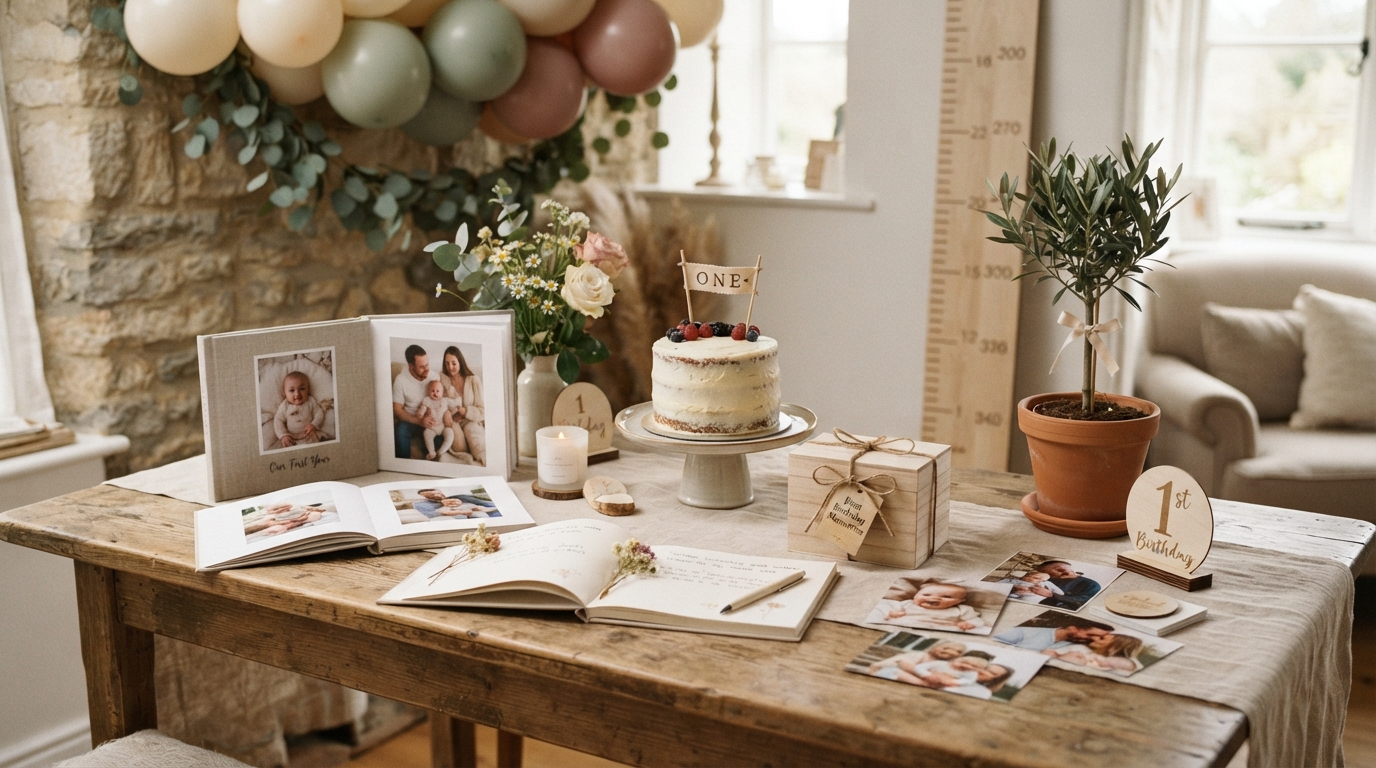
A first birthday is a big milestone for the whole family. Your baby may not remember the party itself, but the little traditions you start now can become memories your family returns to every year.
When I plan a first birthday, I think beyond the decorations and cake. A simple ritual that takes 10 minutes can sometimes become more meaningful than an elaborate activity that is difficult to repeat. That is why this list includes keepsakes, photographs, family experiences, reading traditions, nature ideas, and even long-term gifts.
These 20 first birthday traditions give me plenty of ways to make the milestone meaningful without making the celebration complicated. Some are one-time keepsakes, such as a time capsule, handprint, clothing quilt, or birthday newspaper. Others are designed to continue every year, including height photographs, birthday interviews, books, letters, special outings, and photo albums.
I’ve also included ideas that work for different budgets and living situations. If storage is limited, a digital letter or annual photograph may make more sense than a large keepsake. If your family enjoys experiences, a yearly birthday outing can become the tradition instead of another physical gift.
Save this for later
Table of Contents
The best choice is the one that fits naturally into family life. Starting with one tradition and repeating it consistently is much easier than choosing several ambitious projects and abandoning them after the first year.
Key Takeaways
- Choose traditions that match your available time, budget, storage space, and family routine.
- Small keepsakes can preserve details from the first year without creating unnecessary clutter.
- Repeating the same photo, interview, book, or experience each birthday creates a long-term family record.
- Keep decorations and small keepsake materials safely away from young children.
- Digital traditions can be excellent alternatives when physical storage is limited.
- A first birthday tradition does not need to be expensive to become meaningful.
Related article: Berry First Birthday Prep Guide
First Birthday Time Capsule
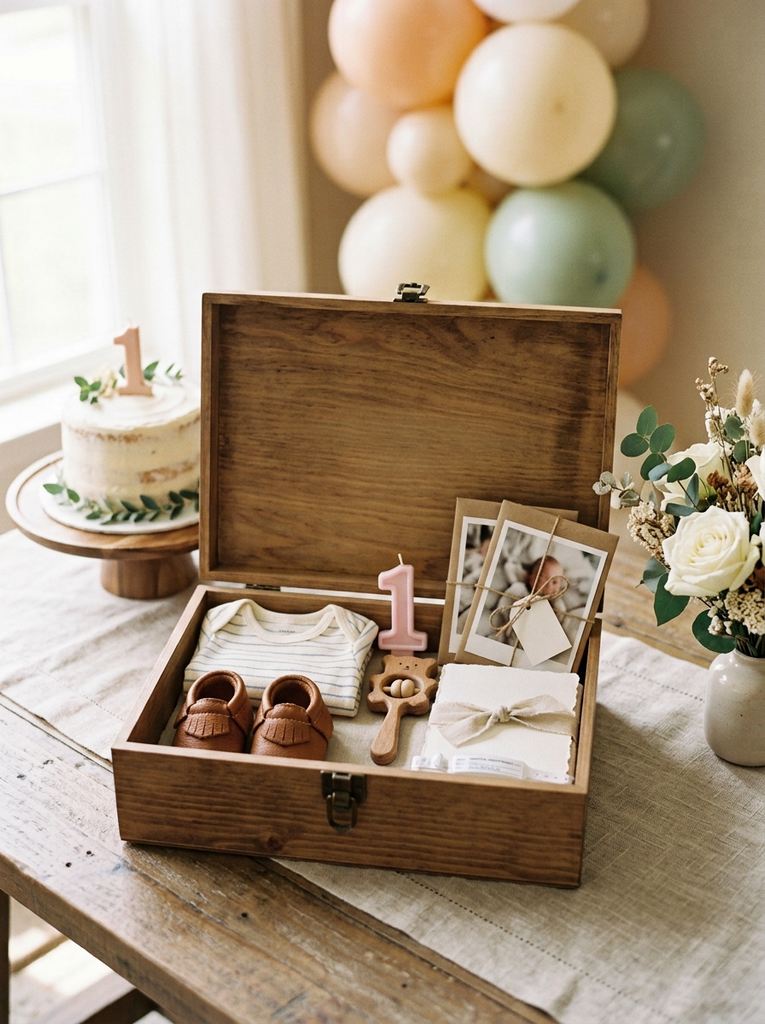
A first birthday time capsule gives me a place to preserve the little details that are easy to forget. Rather than filling a large box with everything from the first year, I’d choose a handful of items that genuinely tell the story of this particular stage.
A small sturdy box could hold a favorite baby outfit, a photograph, a birthday invitation, a handwritten note, and a list of current favorites. I might also include the child’s height and weight as a snapshot of that day, along with memories such as their favorite food, toy, song, or first word.
For digital memories, I’d avoid relying on a single USB drive. A printed note can identify where the digital files are stored, while important photographs or videos can also be backed up separately.
The opening date is part of the fun. It could be a 16th or 18th birthday, graduation, or another milestone that has meaning for your family.
Pro Tip: Make a simple inventory of the box before storing it. It saves you from forgetting what you included and makes the eventual opening even more special.
Handprint and Footprint Keepsake
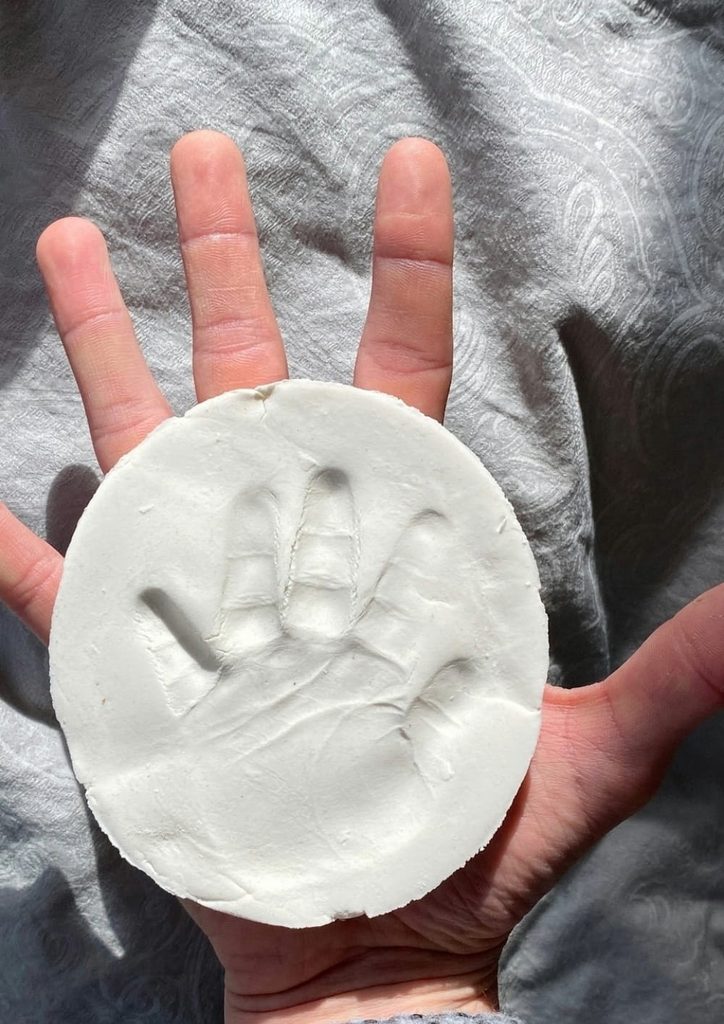
Baby hands and feet change quickly, so a first birthday is a natural time to capture their size. A simple handprint or footprint on quality paper can be inexpensive and easy to store in a baby book or memory box.
Air-dry clay offers another option if you want something three-dimensional. For families who want less mess, an inkless print kit can make the process easier.
I’d put the child’s name and first birthday date on the finished piece rather than relying on memory later. A protective sleeve or frame can also help prevent fingerprints, moisture, and fading from damaging the keepsake.
This tradition works particularly well when time is limited because the actual activity can be completed quickly. There’s no need to turn it into a large craft project.
First Birthday Family Portrait
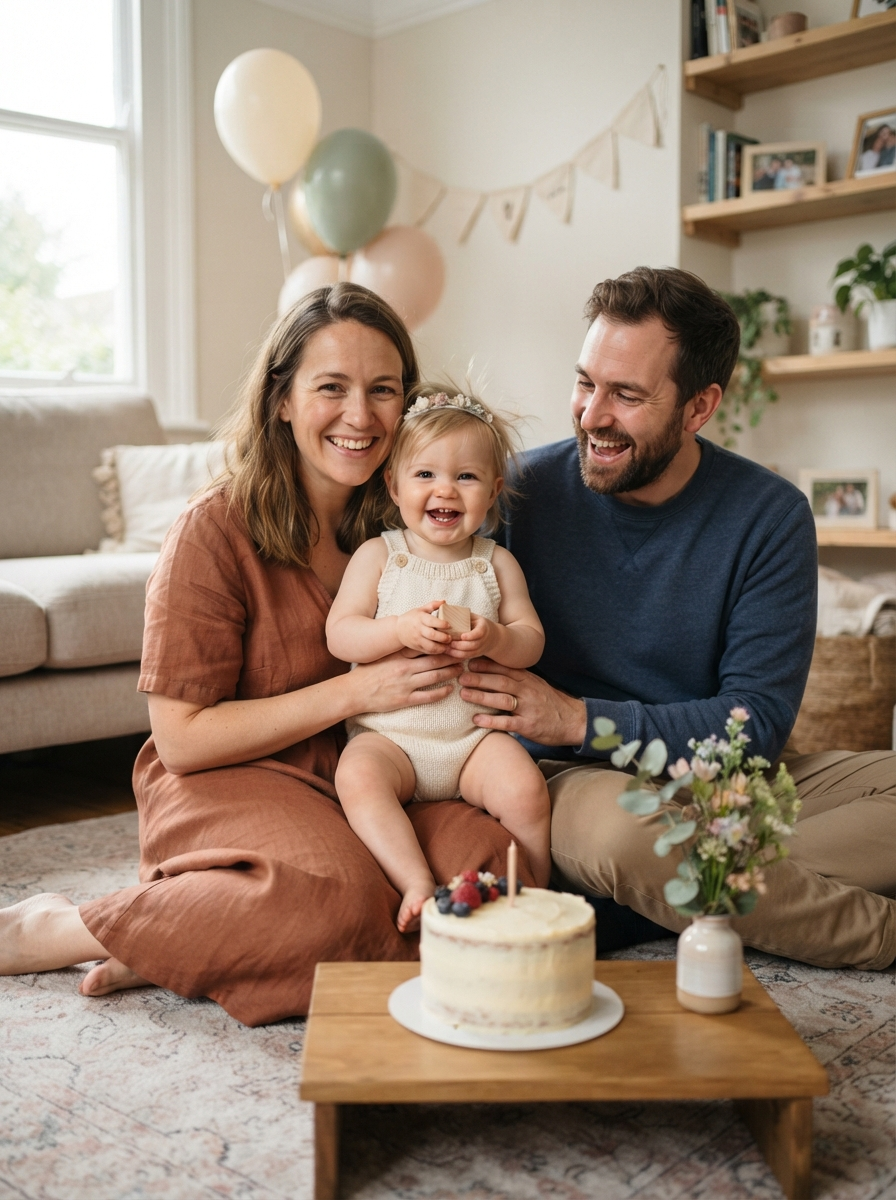
A first birthday family portrait can become the starting point for a yearly family picture. It doesn’t require a professional photographer if that isn’t practical for your budget.
A tripod and timer can work at home, while a shaded outdoor location can provide natural-looking light. I’d coordinate clothing colors without making everyone dress identically, then take a few formal photographs alongside relaxed family shots.
The key is choosing a setup that can be repeated. A favorite room, porch, garden, or nearby location is more useful for a long-term tradition than a complicated backdrop that only works once.
If you plan to create a yearly comparison, keep the general camera position and framing similar whenever possible.
First Birthday Photoshoot
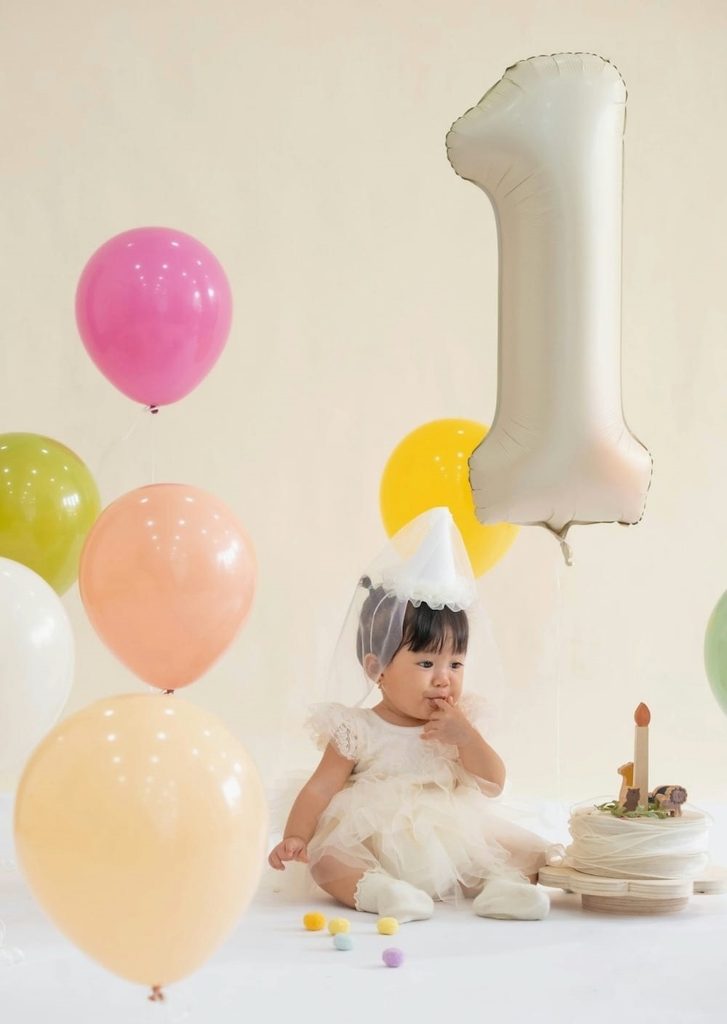
A first birthday photoshoot focuses on the baby rather than the whole family. Cake smash photographs are popular, but the setup can be much simpler if you want something less messy.
A large number-one decoration, favorite toy, meaningful blanket, or a few party details can provide enough context. Neutral backgrounds and natural light also make the photographs easier to print and display later.
I’d schedule the photos before the baby becomes tired or overstimulated. If the shoot includes cake, photographing a few clean portraits first gives you a better mix of polished and messy pictures.
Keep props age-appropriate and within an adult’s supervision. Small decorative pieces should never be left within a baby’s reach simply because they look good in photographs.
Birthday High Chair Décor
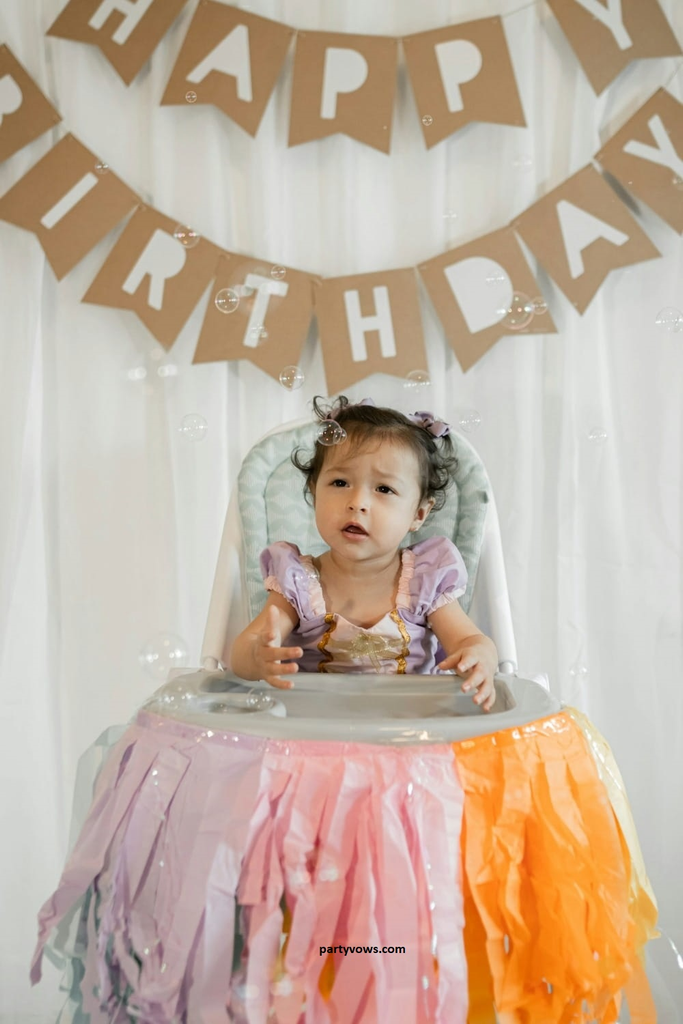
The high chair often becomes the main setting for cake photographs, so even a small amount of decoration can make it feel special. A fabric banner, simple paper decoration, or small sign can connect the chair to the rest of the birthday theme.
For a smaller celebration, there is no need to cover the entire chair. One decorative element can provide enough visual interest while keeping the setup manageable.
Safety matters more here than decoration. I’d keep ribbons, cords, strings, loose balloons, small ornaments, and other detachable pieces away from the baby. Decorations should also be firmly secured so nothing falls into the child’s hands or onto their food.
Pro Tip: Photograph the high chair before the cake arrives. Once the celebration gets underway, the decorations and outfit may quickly become much less tidy!
Birthday Quilt Made from Baby Clothes
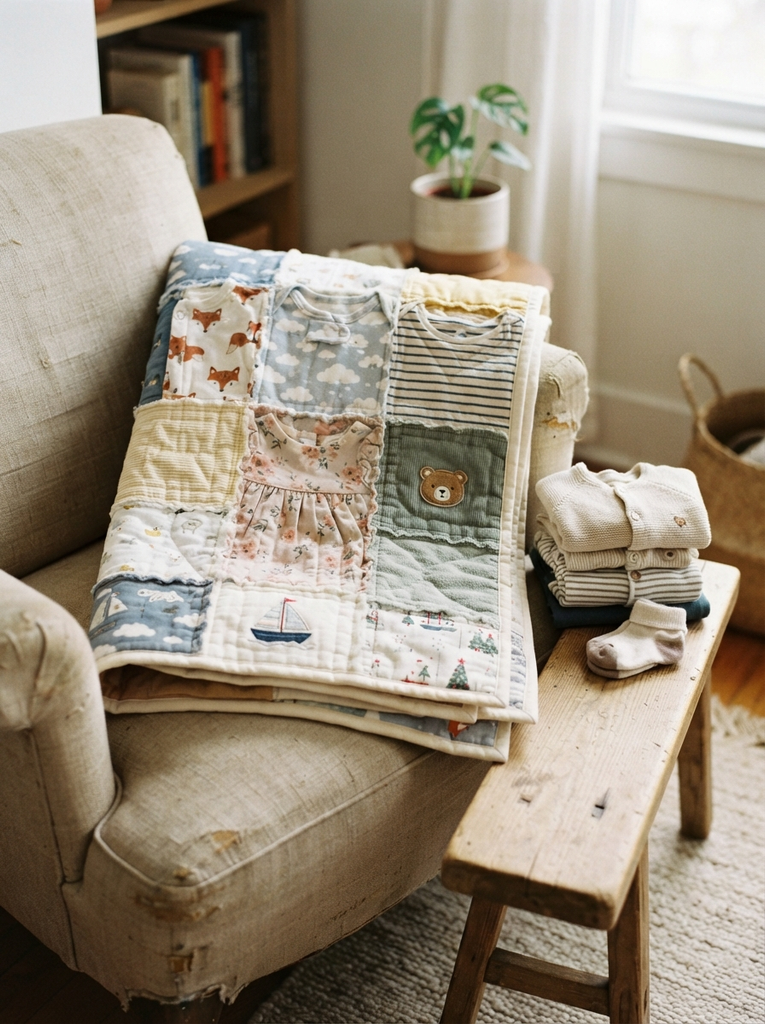
A memory quilt can turn clothing that is difficult to part with into something useful. Instead of saving every outfit, I’d select pieces connected to important memories or stages from the first year.
The project can be done gradually. Clothes can be washed, dried thoroughly, folded, and stored in a clean, dry container until there is enough material for the quilt.
If sewing is part of your skill set, it can become a DIY project. Otherwise, a professional memory-quilt maker may be a better option. The important thing is choosing a realistic approach rather than creating another unfinished project.
A small embroidered section with the child’s name and dates can give the finished quilt a clear connection to the first birthday.
First Year Milestone Photo Display
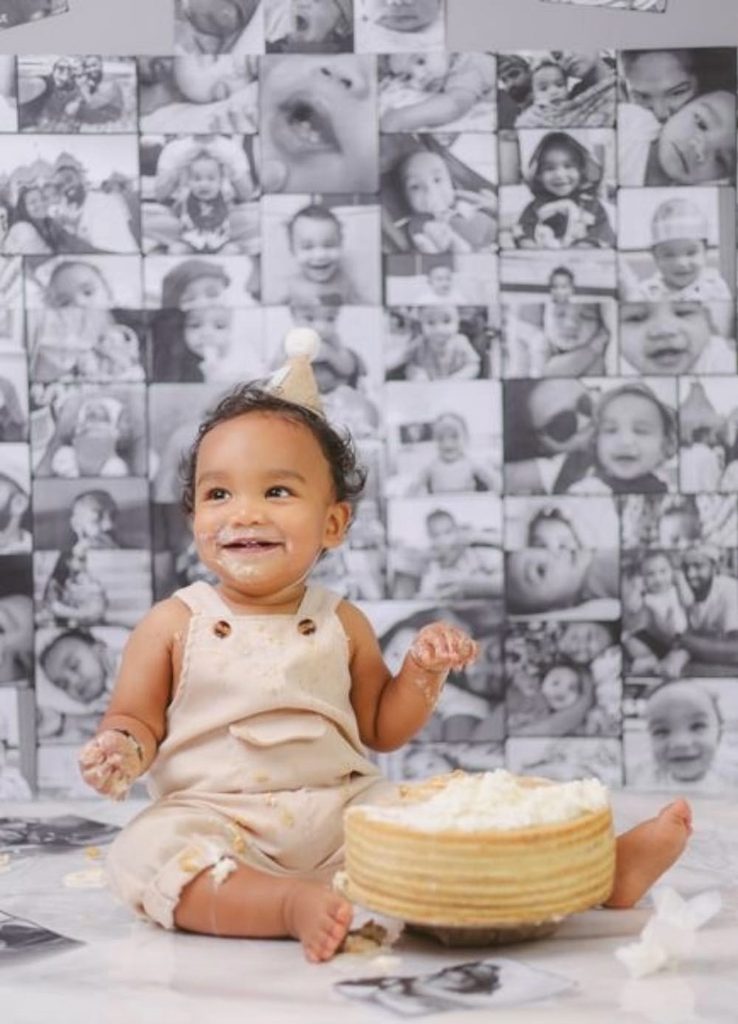
A first birthday milestone display can show the transformation from newborn to one-year-old in one place. Twelve monthly photographs arranged in a grid, garland, or framed display are enough to tell the story.
I’d choose photographs with similar framing when possible, but perfection isn’t necessary. The changing expressions, clothing, and surroundings are part of what makes the display personal.
After the party, the individual photographs can be placed into a baby album instead of being discarded. That gives the decoration a useful second purpose.
If monthly photos weren’t taken consistently, don’t feel pressured to recreate them. A smaller collection of meaningful photographs can work just as well.
Birthday Guest Book with Wishes for the Future
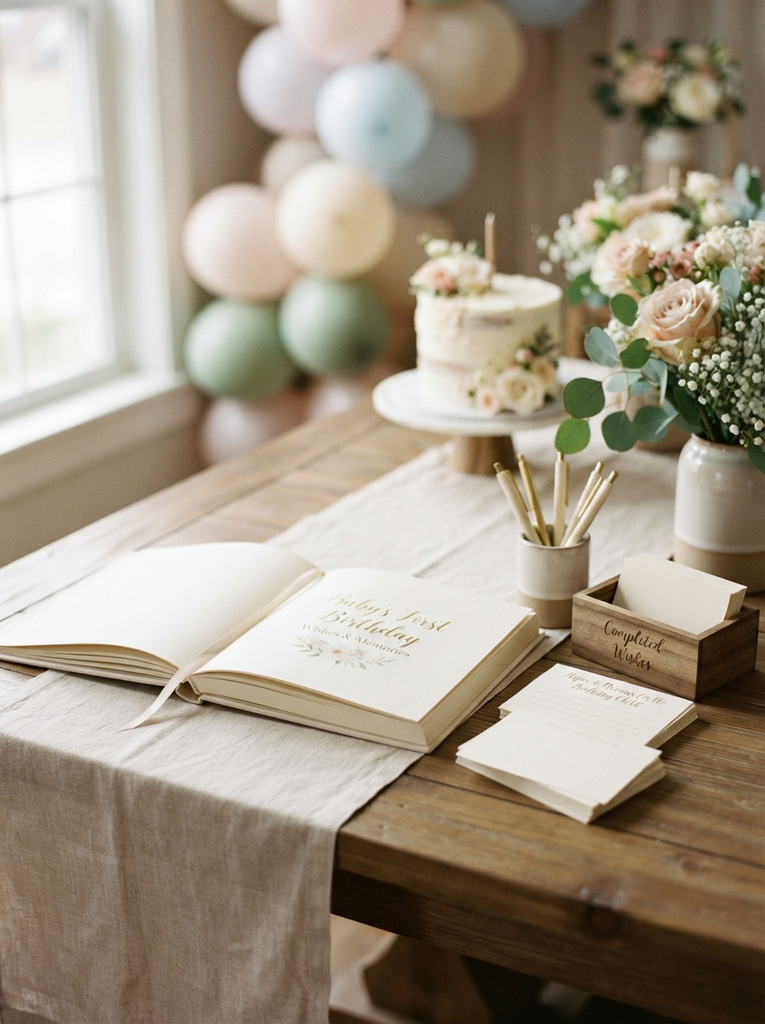
A traditional guest book records who attended, but a birthday wishes book can preserve something more personal. Guests can answer a short prompt such as what they hope the child learns, enjoys, or remembers as they grow.
Cards are especially practical for a first birthday because they can be stored in a small box or envelope. A bound notebook works well too if you want everything in one place.
Another option is to seal the messages and open them at a future milestone. Five, ten, 16, or 18 are possible choices depending on what feels right for your family.
This works best when guests have enough time to write. I’d place the book or cards somewhere visible but away from food and children’s activities so they don’t get damaged.
Also read: How to Host a Cute Holy Cow I’m One First Birthday Party
First Birthday Vlog
Video captures parts of a birthday that photographs simply cannot: voices, laughter, music, movement, and the way your baby reacts to familiar people.
A phone is enough for this tradition. Rather than filming continuously, I’d capture short clips throughout the day—getting ready, the decorated room, relatives arriving, cake time, gifts, and a quiet family moment.
Assigning one person to record can prevent the host from feeling responsible for documenting everything. It also means the person celebrating with the baby can stay present instead of watching the day through a screen.
Afterward, a short highlight video is easier for most families to revisit than hours of unedited footage. Keep the original files backed up if they are especially important.
Make a Custom Birthday Newspaper
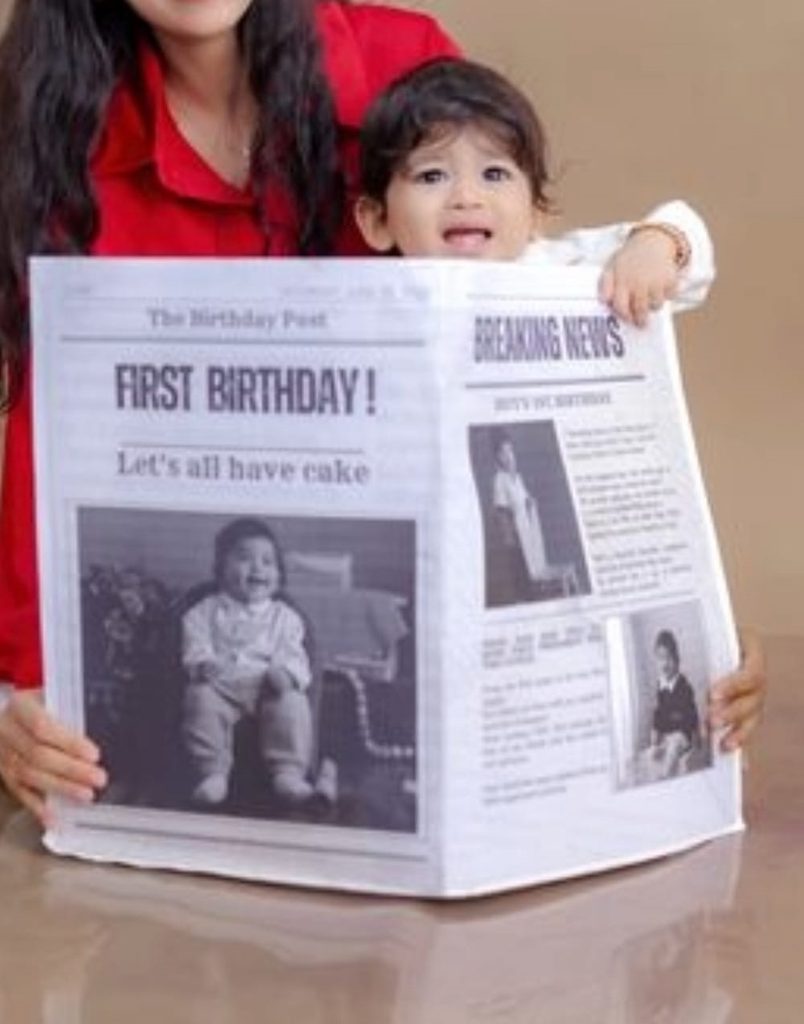
A custom birthday newspaper is a creative way to summarize the first year. The front page could include the child’s birth date, funny family moments, favorite foods, memorable milestones, photographs, and little stories from the year.
I’d keep the design readable rather than trying to fill every available space. A few strong photographs and short sections usually make a better keepsake than pages packed with text.
It can also serve as inexpensive party décor. Displaying one near the gift table or dessert area gives guests something to read during the celebration.
For a budget-friendly version, a digital design can be saved as a PDF and printed later. That also makes it easier to correct spelling or update a detail before ordering multiple copies.
Birthday Traditions to Start on the First Birthday
Annual Height Measurement Tradition
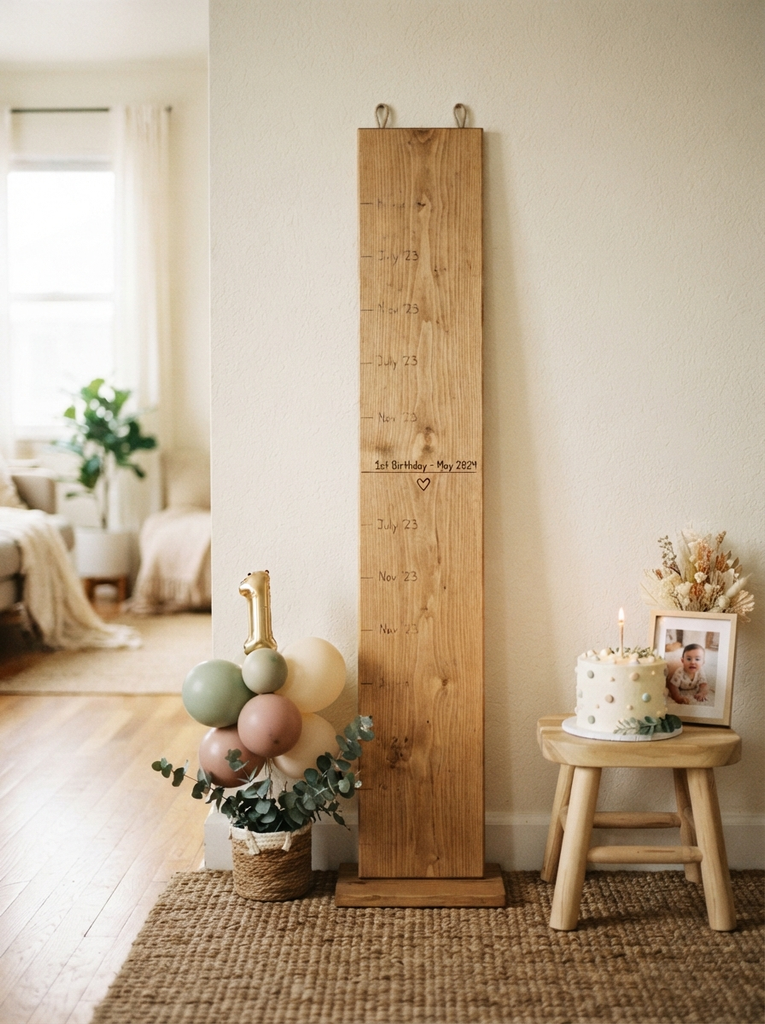
Marking your child’s height on their birthday can become a fun family memory tradition. I’d use a removable growth chart, wooden ruler, or another dedicated surface rather than treating the walls of a rental home as a permanent record.
Each year, record the date beside the mark and take a photograph of the child standing next to it. Over time, the collection shows how their appearance and personality change alongside the marks.
This is simply a family keepsake, not a substitute for professional growth measurements or medical advice. The goal is to remember how your child looked and stood at each birthday.
Pro Tip: Keep the growth chart in a location where it won’t be moved between birthdays. Consistency makes the comparison much more meaningful.
Annual Birthday Photo in the Same Spot
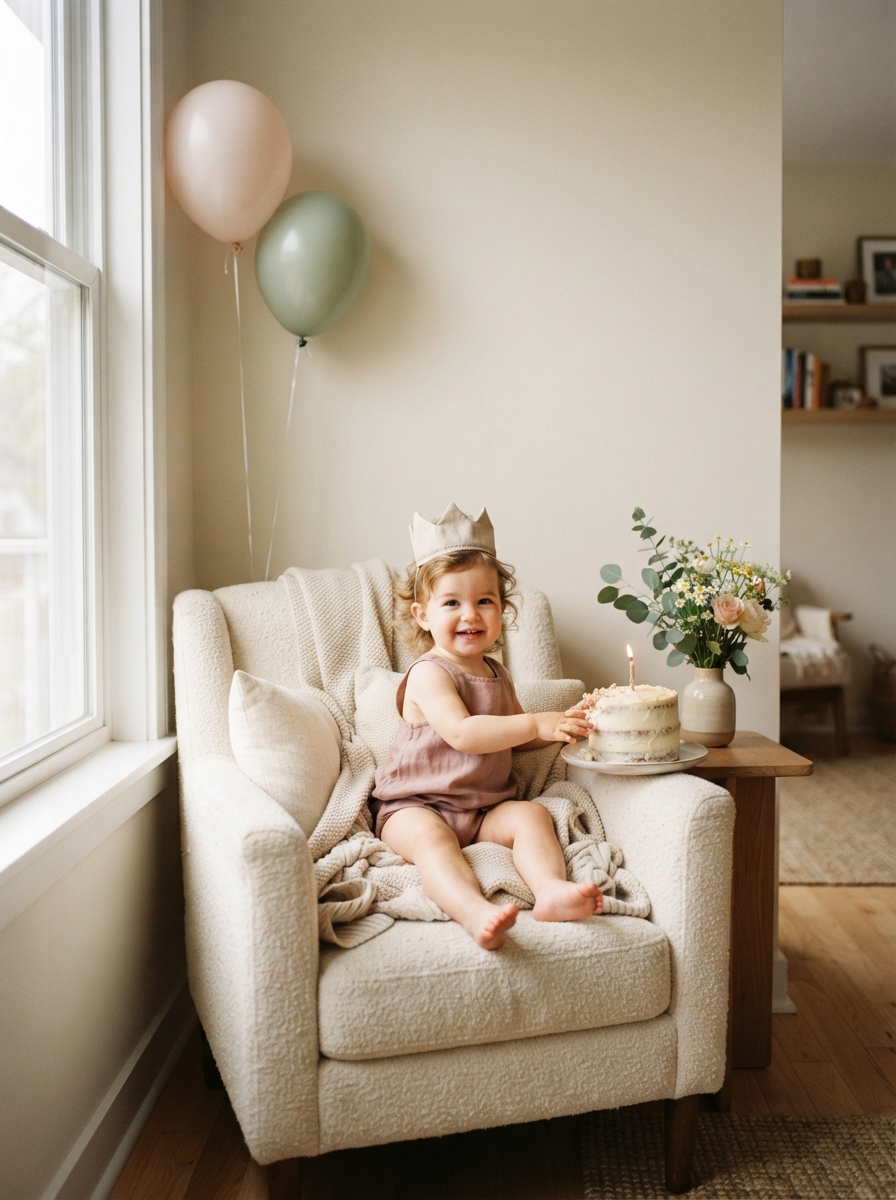
Choosing one location for the birthday photograph makes this tradition extremely easy to repeat. A front porch, favorite chair, garden corner, or plain wall can all work.
The most interesting part is keeping the basic composition consistent while everything else changes. The child gets taller, their interests change, and eventually their personality comes through in the photographs.
A favorite stuffed animal can be included when they are young, while an older child might hold a hobby-related item instead. There’s no need to force the same prop forever.
At the end of several years, these photographs can be printed as a chronological album or displayed together as a family timeline.
Tree Planting Tradition
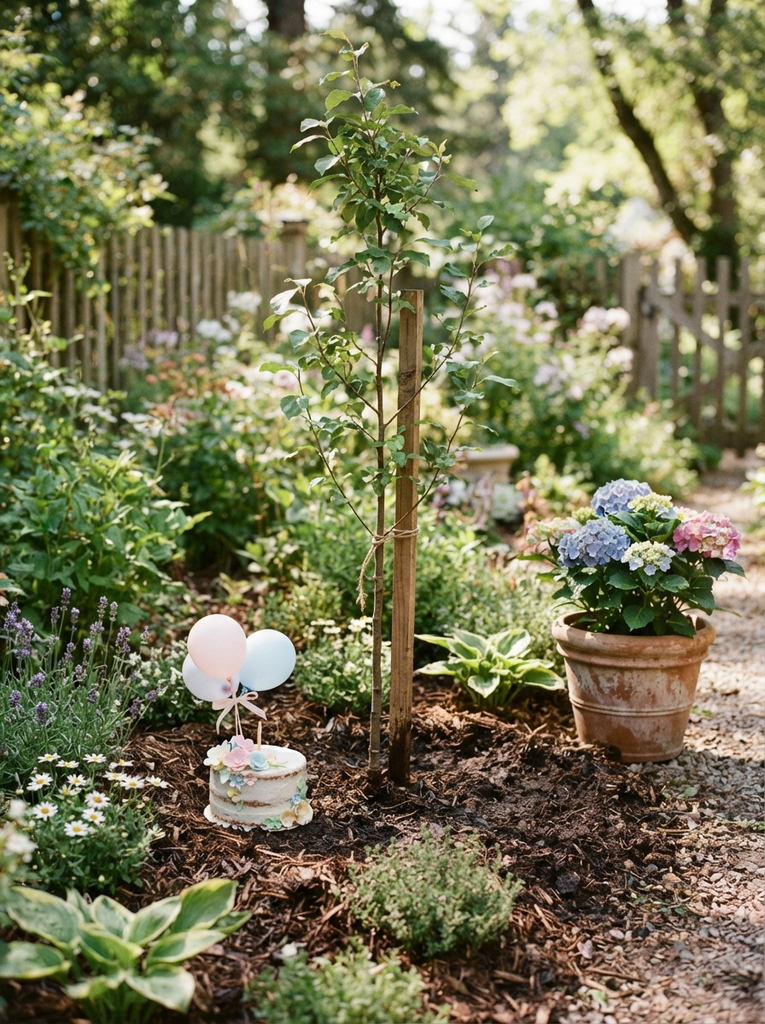
Planting something on a child’s first birthday gives the family a tradition that grows with them. A tree is one option, but a shrub, flowering plant, or container garden can work when outdoor space is limited.
Before planting, I’d check the mature size of the tree, local growing conditions, sunlight requirements, and how close it will be to buildings, fences, pathways, and underground services.
Families who rent or move frequently can adapt the tradition with a large container plant. The important part is choosing something that can realistically be cared for over time.
Adding a small marker with the child’s name and birth year can identify the plant without turning the garden into an elaborate project.
Birthday Email Until Age 18
A birthday letter archive gives me a place to record the child they are right now, rather than only the major milestones. Each year’s message could include favorite activities, funny comments, family events, challenges, and hopes for the coming year.
A dedicated email account is one option, but I’d also keep another copy of important letters. Digital services, passwords, and accounts can change, so a second secure backup is worthwhile.
There is no need to write a long essay every year. Even a few honest paragraphs can become incredibly valuable when read together years later.
For families who enjoy video or audio, a short birthday message can be saved alongside the written letter.
Yearly Birthday Photo Album
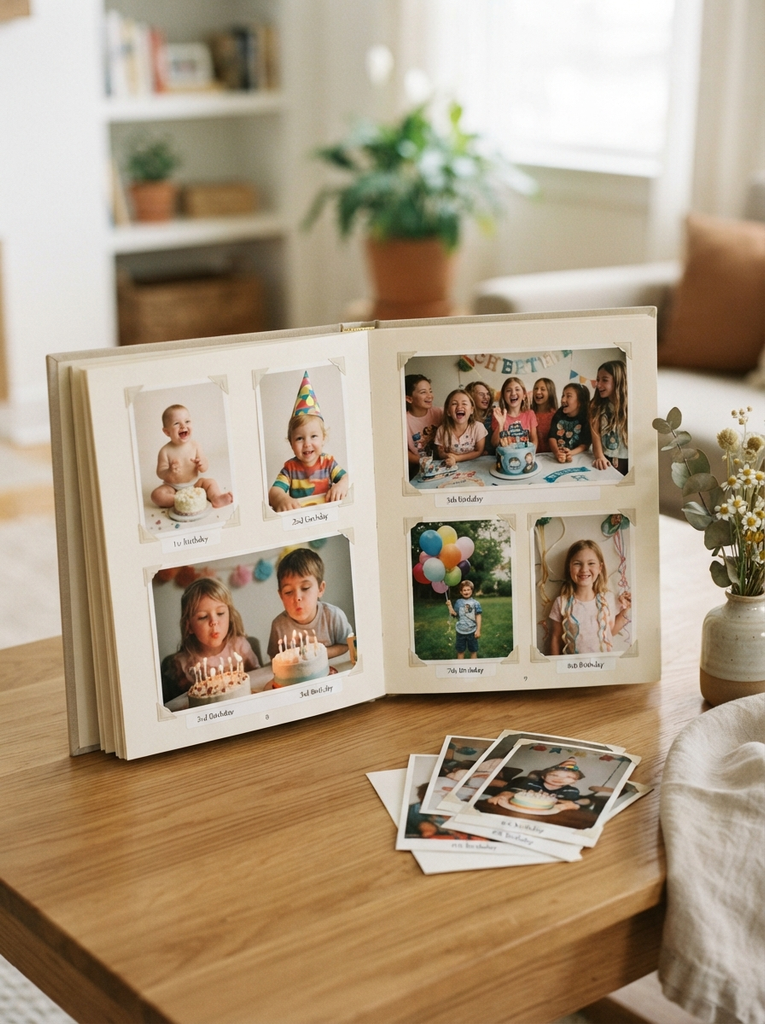
A yearly birthday album gives every celebration its own permanent place. Rather than trying to include hundreds of photographs, I’d choose a manageable number from each birthday.
A simple format might include the birthday date, location, a few photographs, and two or three sentences about what made that year memorable.
Digital photo books can reduce the storage problem and allow several years to be collected before printing. For a physical album, using a consistent page layout makes it easier to keep the project going.
This tradition is different from a general yearly photo because it preserves the celebration itself—the people, decorations, cake, activities, and little moments that made each birthday unique.
Birthday Interview Tradition
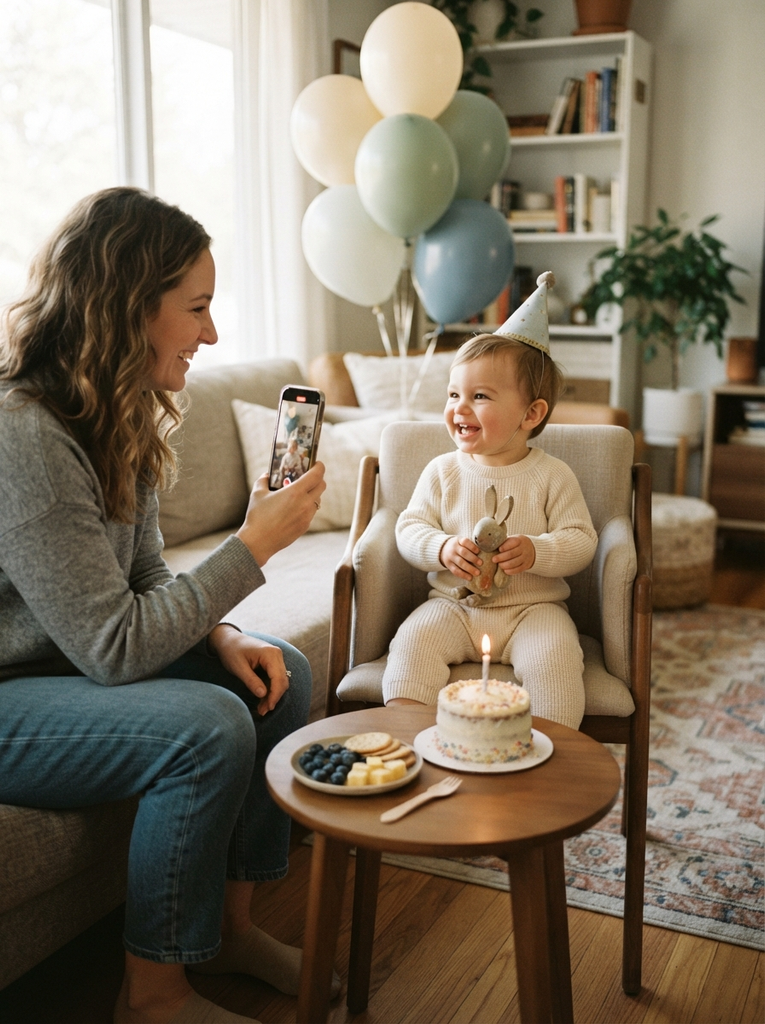
A birthday interview can become one of the most entertaining traditions as children grow. At age one, the “interview” can simply be a short video of sounds, gestures, favorite foods, or the parent describing what the child is like.
Once the child can answer questions, use the same core questions each year. Favorites, current interests, friendships, hobbies, and future dreams can reveal how much their personality changes.
I’d keep the interview short enough that it doesn’t feel like homework. Five minutes is plenty for a young child.
Saving each recording with the year and age in the filename will make the collection much easier to organize later.
Birthday Bucket List Tradition
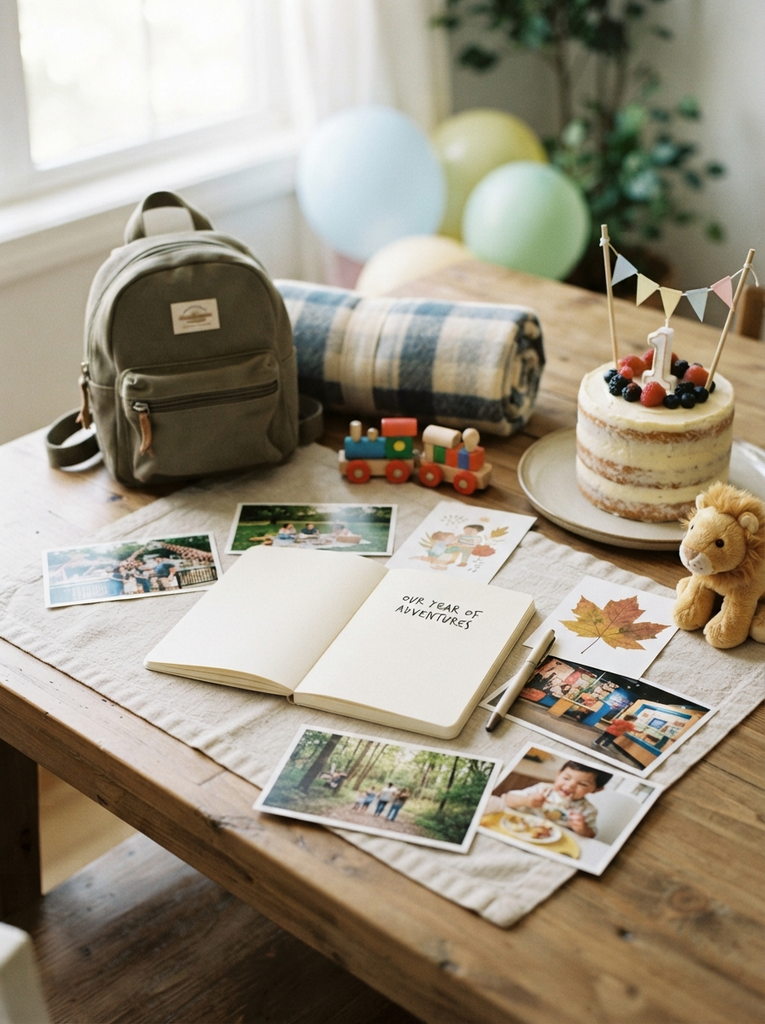
Instead of making a birthday entirely about gifts, one special experience can become the tradition. For a toddler, that might mean a zoo visit, picnic, children’s museum, nature walk, or favorite meal.
As children get older, giving them a say in the activity makes the tradition more personal. The experience can also be scaled according to the family’s budget.
There’s no need for a major trip every year. A local outing can become just as memorable when it is something the child looks forward to.
Keeping a simple list or journal of the experiences creates a record of the tradition without adding another large collection of physical items to the home.
A Book Each Year
One birthday book is an easy tradition for families who want something practical and sentimental. I’d write the date and a short message inside the cover so the child eventually has a record of when and why each book was given.
The book can reflect the child’s age and interests. Picture books work naturally during the early years, while later birthdays can bring in novels, nonfiction, biographies, hobbies, or other subjects they enjoy.
Another meaningful option is choosing a book that mattered to a parent or grandparent during childhood. A short note explaining that connection can become part of the gift.
If bookshelf space is limited, digital reading options or borrowing a special book from the library can keep the tradition going without creating clutter.
Birthday Sunrise Tradition
A sunrise tradition creates a quiet beginning before the birthday becomes busy. When the weather and schedule cooperate, a few peaceful minutes outside can be enough.
With a one-year-old, the ritual might simply involve watching the morning light, sharing breakfast, or taking a photograph together. It doesn’t need to become a formal event.
Families with busy party schedules may find this particularly useful because it creates one private moment before guests arrive.
If sunrise isn’t practical, the same idea can be adapted to another calm birthday-morning ritual that your family can repeat each year.
Birthday Investment
A birthday contribution can become a long-term family tradition alongside a physical present or experience. Some parents choose to put money into a savings or investment account intended for their child’s future.
The amount, account type, investment choice, tax treatment, and rules vary by country and individual circumstances. For that reason, I’d keep this tradition flexible rather than treating one approach as right for every family.
The sentimental part can be just as valuable as the financial contribution. A short birthday note explaining the purpose of the gift creates a record of what the family hoped to provide in the future.
For families who prefer something simpler, keeping a written record of each birthday contribution can make the tradition easy to maintain and review over time.
Read this next: Celebrate in Style with a ‘One Happy Dude’ First Birthday Party
Frequently Asked Questions
What is a good first birthday tradition to start?
A yearly photo, time capsule, birthday letter, or handprint keepsake is easy to start and can become more meaningful as your child grows.
Do first birthday traditions need to be expensive?
No. Simple traditions such as taking a photo in the same spot, writing a birthday letter, or choosing a special family activity can cost little or nothing.
How can I keep a birthday tradition going every year?
Choose something that fits your normal routine and takes little preparation. Keeping the format simple makes it much easier to repeat each birthday.
Conclusion
A first birthday doesn’t need dozens of activities to become meaningful. In fact, I find that the traditions with the best chance of lasting are usually the simplest ones to repeat.
A handprint can preserve a tiny moment. A yearly photograph can show an entire childhood changing frame by frame. A book, letter, interview, outing, or garden tradition can become something your family looks forward to every year.
Before choosing, I’d think about what actually fits your household. Consider your budget, available time, storage space, whether you travel often, and whether your family enjoys keepsakes or experiences more.
The first birthday is only the beginning. Choosing one tradition that feels manageable—and returning to it every year—is enough to create a meaningful family history.


3 Comments