18 Dice Games for Parties That Need Almost Nothing to Start
Dice games for parties are my favorite kind of party game, because a handful of dice turns a quiet living room into a loud one in about two minutes flat. I picked these the same way I test everything I share here: I played them at real parties, with real guests, and kept only the ones that got people laughing instead of checking their phones.
Every game here needs almost nothing to start. Most need just dice, and a few need a cup, a scorecard, or a dollar-store prize. No boards, no apps, no long rulebooks read out loud while everyone zones out.
Key Takeaways
- I tested all 18 dice games for parties at real gatherings, and kept only the ones that got guests laughing in round one.
- Most games need just dice. A $10 set of mixed dice and a few cups covers nearly every game here.
- Roll dice in a tray or shallow box, or half your game night will be spent crawling under the table.
- Short rounds beat long games: 10 to 20 minutes each keeps energy high and lets shy guests rotate in and out.
- We play for points, candy, and silly prizes only. Nothing here needs money or betting.
18 Dice Games for Parties That Actually Work at a Party
1. Bunco
Bunco is the loudest game I own, and the one I run when I want a whole room buzzing. You need 12 players at three tables of four, three dice per table, and a bell. Each round has a target number, everyone rolls as fast as they can to hit it, then winners move up a table and losers move down.
The first time I hosted Bunco, I forgot the bell and banged a pot with a spatula, which worked so well I still do it. One warning: Bunco needs groups of four, so with 10 guests two people sit out, and sitting out feels like watching a party through a window.

Pro Tip: Put a small prize at every table, not just for the overall winner, so nobody plays for nothing.
Cost / Time / Difficulty: About $10 for dice and a bell / 60 minutes for six rounds / Easy.
2. Tenzi
Tenzi is pure chaos in the best way. Every player gets 10 dice, picks a number, then rolls as fast as they can until all 10 show it. First to get all 10 shouts “Tenzi!” and the table erupts. A round takes about two minutes, perfect as a warm-up.
I once ran Tenzi with my kids against the adults, and my 9-year-old beat us twice because she just kept rolling without overthinking it. The downside is real, though: dice fly everywhere, so give everyone a tray or baking sheet, or you will lose dice under the couch by round three.

Pro Tip: Use a different color set per player. Sorting mixed dice back out takes longer than the game itself.
Cost / Time / Difficulty: About $12 for sets of 10 dice / 2 minutes per round / Easy.
3. Farkle
Farkle is my favorite push-your-luck game. Roll six dice and score for ones, fives, and three-of-a-kind, then decide: bank your points or roll again and risk losing them all. Roll with no scoring dice and you “farkle” — your turn’s points vanish, and the table groans.
My brother-in-law farkled three turns in a row and pretended to leave, then sat right back down because he could not stand watching us play without him. The only watch-out: scoring takes a minute to learn, so print a small cheat sheet or round one will be all questions and no rolling.

Pro Tip: Play to 5,000 instead of 10,000 at parties. It keeps the game under 30 minutes and the ending tense.
Cost / Time / Difficulty: Free if you own six dice / 30 minutes / Easy to medium.
4. Liar’s Dice
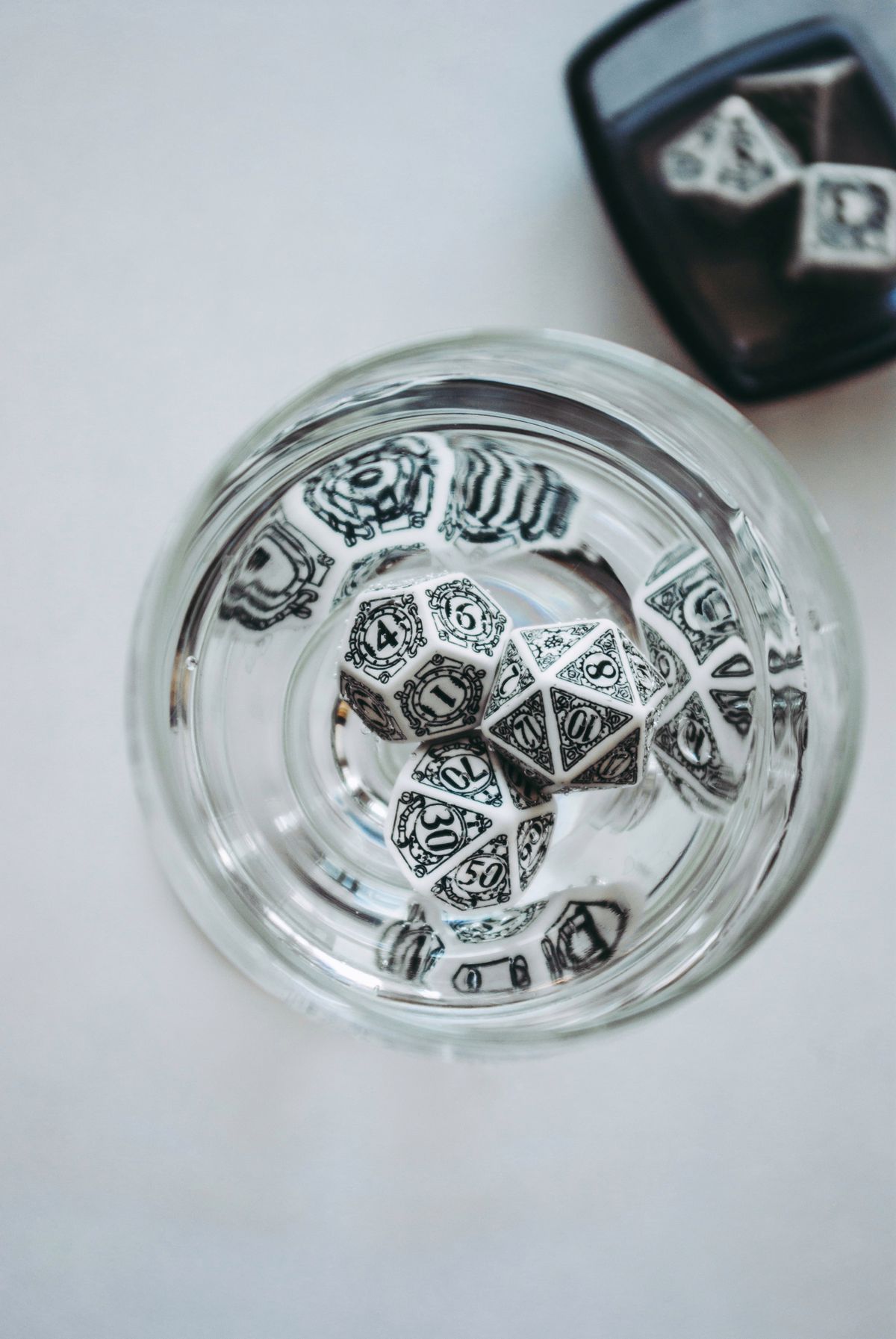
Liar’s Dice is the bluffing game that turns quiet guests into schemers. Everyone gets five dice and a cup, shakes, and peeks in secret. Players bid on how many of a number are showing across the table, and anyone can call a bluff. Lose the challenge and you lose a die.
My quietest aunt turned out to be the most ruthless bluffer at our table, winning with a straight face while holding nothing. You need a cup or mug per player, and a fairly quiet corner, because if two conversations run at once, nobody can track the bids.
Pro Tip: Play the first round open-handed, with everyone showing their dice, so new players learn the bidding before the bluffing starts.
Cost / Time / Difficulty: About $10 for dice and cups / 20 minutes / Medium.
5. Pig
Pig is the simplest dice game on this list, and the one I teach first whenever kids are at the party. Roll one die and add up your points, but stop and bank them at any time. Roll a 1 and you lose everything from that turn. First to 100 wins, and every roll is a tiny decision.
I taught Pig to my 6-year-old in two minutes, and within ten she was yelling at her dad to stop rolling while he was ahead. The downside: cautious players drag the game out, so at parties I play first to 50 instead of 100.

Pro Tip: Use a big foam die for large groups. Everyone can see the roll, and the drama of a giant 1 is somehow much funnier.
Cost / Time / Difficulty: Free with one die / 15 minutes / Easy.
6. Left-Center-Right
Left-Center-Right, usually called LCR, is the game I pull out when guests arrive in waves and I need something anyone can join mid-game. Everyone starts with three tokens and rolls three dice marked L, C, R, and dots: L passes a token left, R passes one right, C puts one in the middle, and a dot means you keep it. Last player holding tokens wins.
My grandma once won with a single token left after twenty minutes of everyone assuming she was out, and the table cheered louder for her than for any other winner that night. The watch-out: with more than eight players the game wanders, so split big groups into two games.

Pro Tip: Use wrapped candy as tokens. Even the players who lose walk away with something sweet, which takes all the sting out of it.
Cost / Time / Difficulty: About $8 for an LCR dice set, or free with marked regular dice / 20 minutes / Easy.
Related article: 18 Party Games for Large Groups That Actually Work With 20+ Guests
7. Ship, Captain and Crew
Ship, Captain and Crew is a five-dice game with a perfect party hook: roll a 6 for the ship, a 5 for the captain, and a 4 for the crew, in that order, and your last two dice are your cargo score. You get up to three rolls per turn, highest cargo wins. Everyone understands it in one sentence, which is rare.
We played it at a birthday to decide who picked the movie, and my sister rolled the full ship, captain, and crew on her very first roll, then scored a 12 and acted like she had planned it. The downside is luck: some turns score zero because the ship never shows up, so I always play best of three rounds.
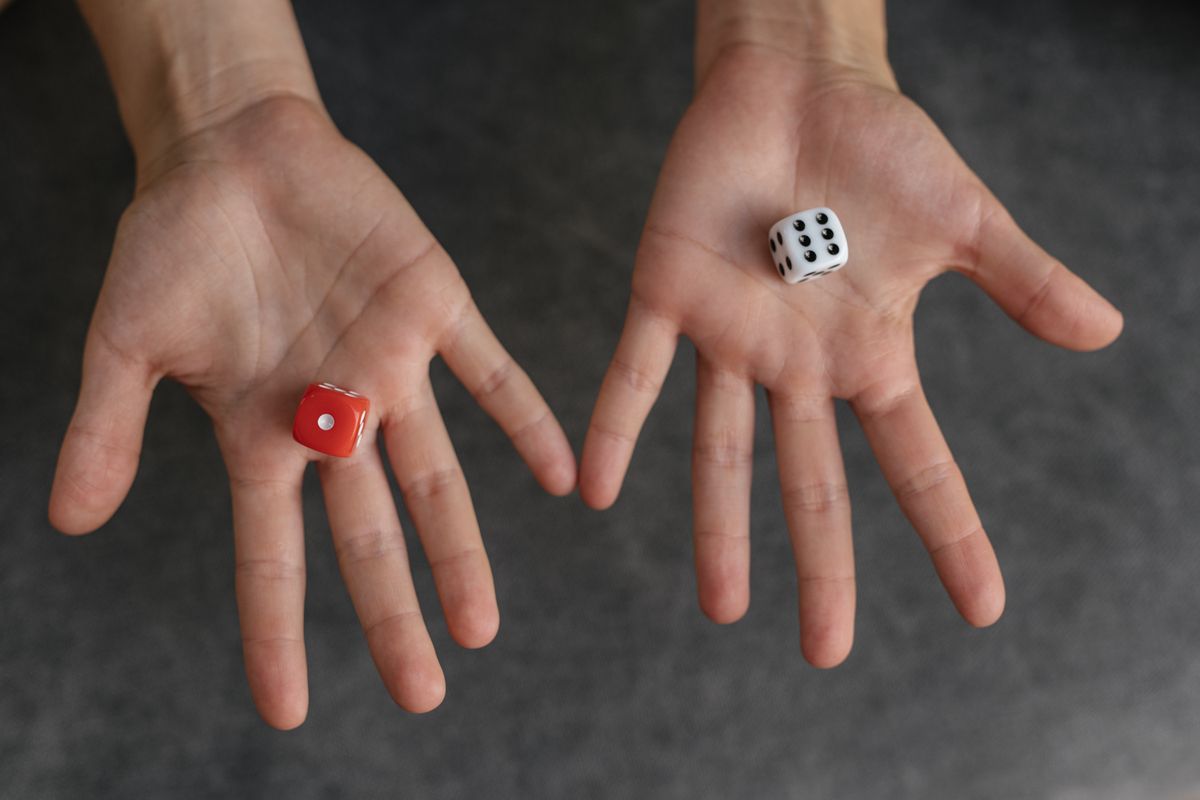
Pro Tip: Give the winner of each round a small prize instead of playing one long game. It keeps the stakes fun and the losers willing to play again.
Cost / Time / Difficulty: Free with five dice / 15 minutes / Easy.
8. Sevens
Sevens is the game I run when the party needs noise but nobody wants to learn rules. Everyone starts with seven tokens. Roll two dice: a 7 puts a token in the middle, doubles take one back out. First to run out of tokens wins, so the game can flip in a single roll.
My teenagers turned it into a dare version where rolling a 7 meant a silly dare instead of dropping a token, and it became the most requested game of the night. The downside: Sevens is almost pure luck, so my competitive friends grumble. Keep the stakes silly and nobody minds.
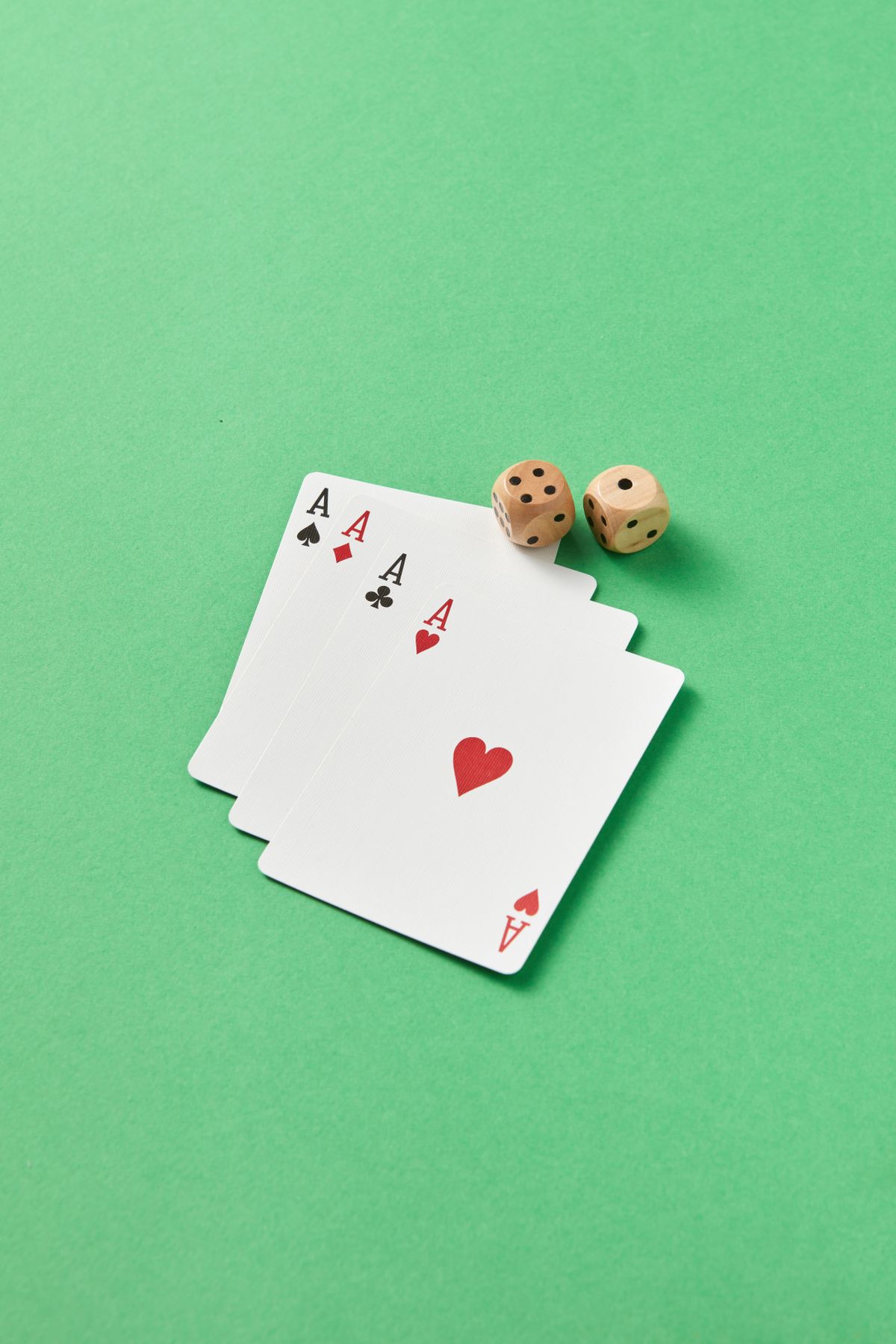
Pro Tip: Use two different-colored dice so everyone can see at a glance whether a 7 actually came up, which stops most arguments before they start.
Cost / Time / Difficulty: Free with two dice and tokens / 15 minutes / Easy.
9. Dice Bingo
Dice Bingo fixes regular bingo’s one problem: waiting forever for your number. One person rolls two dice and calls the total, and everyone marks it on their card. First to complete a row, column, or full card shouts bingo. Rolls come fast, so nobody zones out between calls.
I made our cards on the computer with dot markers, and my kids fought over who got to be the caller because rolling felt like being in charge of the whole party. The only catch: making cards takes about 20 minutes, so do it the day before, not while guests arrive.

Pro Tip: Play blackout bingo for the last round of the night. One big final game with a real prize ends the evening on a high.
Cost / Time / Difficulty: Free plus printed cards / 20 minutes / Easy.
10. Yahtzee-Style Scorecard Party
This is the classic five-dice scorecard game, run party-style. Everyone gets categories like ones through sixes, three of a kind, full house, straights, and the famous five-of-a-kind. Three rolls per turn, pick where to score, highest total wins, and the last rounds get genuinely tense.
I run it as a four-player tournament, and my dad still talks about rolling a five-of-a-kind on his final turn to steal the win. The watch-out: scorecards confuse first-timers, so pair every new player with an experienced one for game one, and game two runs itself.
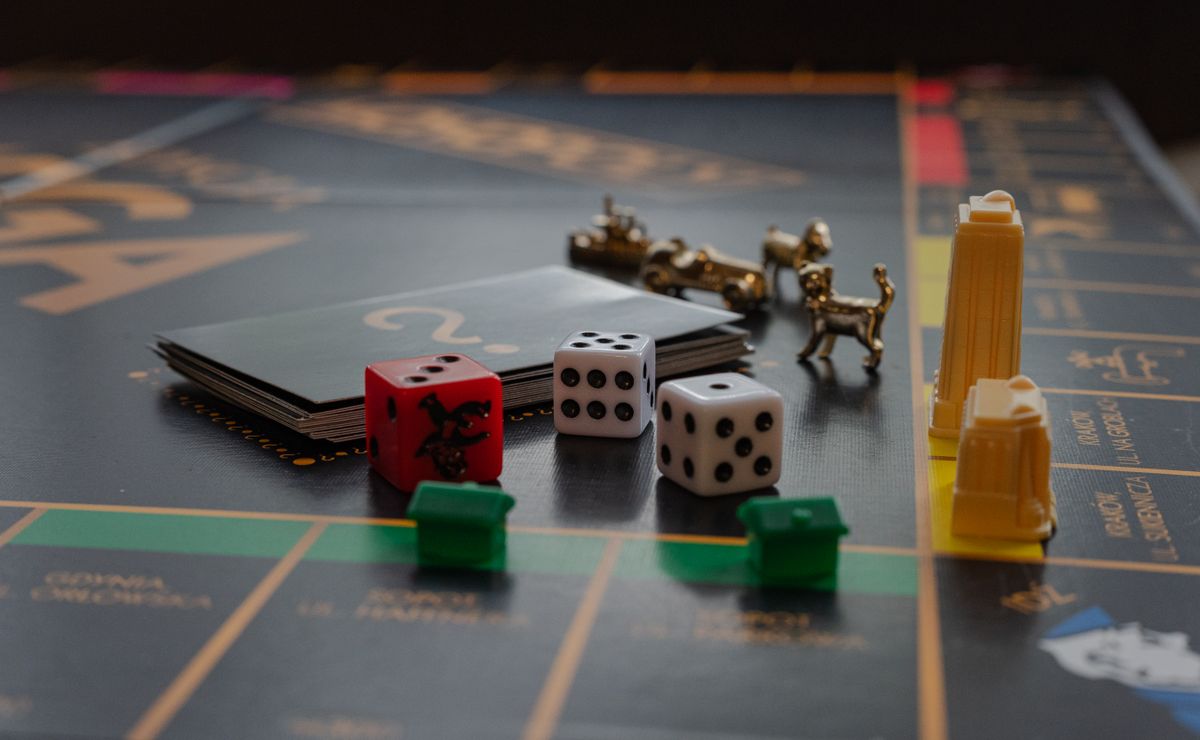
Pro Tip: Print scorecards on cardstock, not plain paper. Paper scorecards get soggy near drinks, and a ruined scorecard ruins the whole game.
Cost / Time / Difficulty: Free plus printed scorecards / 30 minutes / Easy to medium.
11. Roll-and-Draw Monster
Roll-and-Draw Monster is the silliest game on this list, and kids absolutely love it. Each player rolls one die six times, and each roll decides one monster part: head shape, number of eyes, arms, legs, horns, and a bonus feature. Everyone draws what they rolled, then the table votes on scariest, funniest, and most likely to eat the host.
My daughter once rolled a three-eyed, one-horned, five-legged monster and won “scariest” by a landslide; the drawing is still on our fridge. The downside: guests who say they cannot draw get shy, so judge on silliest rather than best, and the shy ones compete hardest.
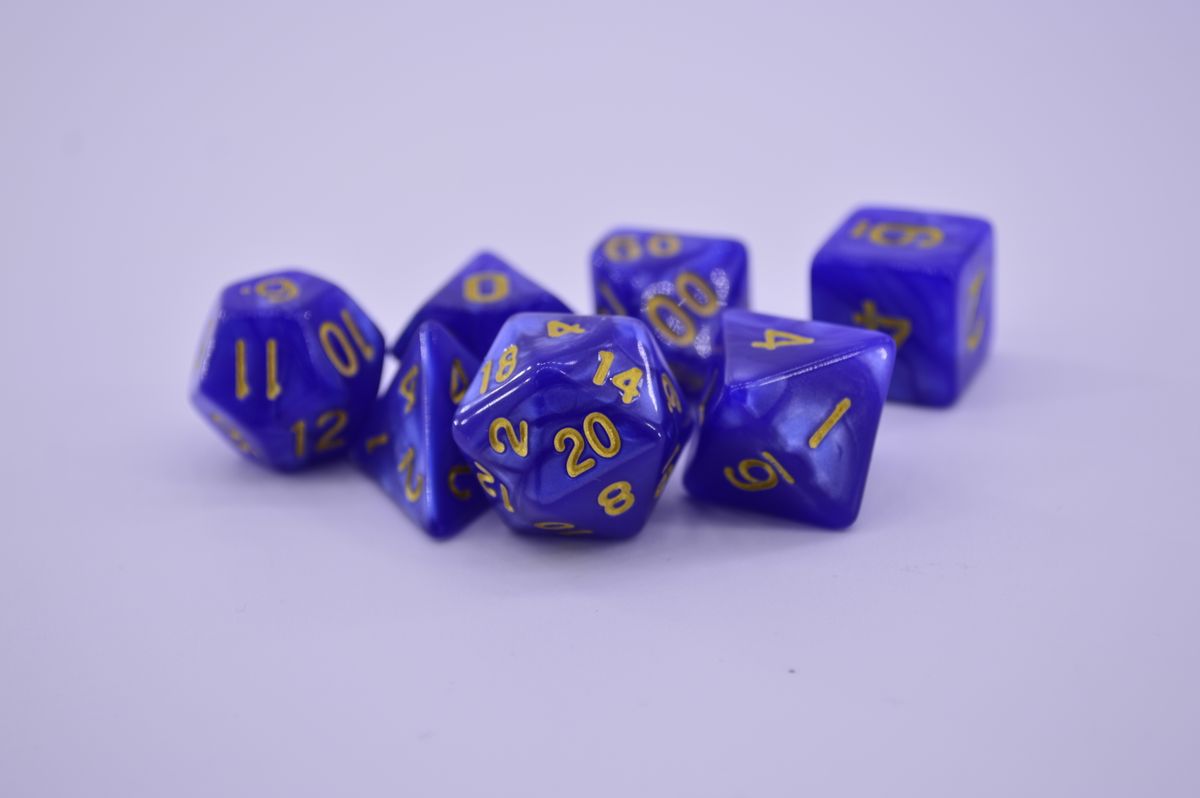
Pro Tip: Give everyone the same six-sided die chart on a card. If players have to remember what each number means, the drawing stops and the asking starts.
Cost / Time / Difficulty: Free plus paper and crayons / 20 minutes / Easy.
12. Dice Storytelling
Dice Storytelling turns a roll into a story nobody could have planned. Assign each die a job first: hero, place, problem, and so on, using a simple chart. Players roll, then take turns adding one sentence each to a shared story. It always goes gloriously off the rails.
My dad once rolled a pirate, a dentist’s office, and a runaway goat, and his sentence about a pirate dentist chasing a goat through a waiting room still gets quoted at family dinners. The watch-out: shy storytellers freeze, so allow a “pass and add one word” rule, and even the quietest guest contributes.

Pro Tip: Write the story down as you go, or have someone type it in their phone. Reading it back at the end is always the funniest part of the night.
Cost / Time / Difficulty: Free with dice and a chart / 20 minutes / Easy.
Also read: 18 Party Games for Adults Without Alcohol That Still Get Loud
13. Dice Icebreaker
Dice Icebreaker is the game I use when half the guests do not know each other yet. Write six questions on a card, one per number: dream trip, hidden talent, favorite meal, first job, bucket-list item, most embarrassing song you love. Each guest rolls, answers, and passes the die. Ten minutes later, strangers swap stories.
I used it at a housewarming where I knew maybe half the room, and within two rounds strangers were planning a hiking trip together. The downside: some questions flop, so let anyone re-roll once, no questions asked, and the game never stalls on a dud.

Pro Tip: Keep the questions light and a little funny. Anything that feels like a job interview kills the mood in about thirty seconds.
Cost / Time / Difficulty: Free with one die and a question card / 15 minutes / Easy.
14. Dice Gift Swap
Dice Gift Swap is my white-elephant upgrade, and chaos in the best sense. Everyone puts a wrapped gift in the middle. Roll: 1 steals a gift, 2 swaps with anyone, 3 passes everything left, 4 unwraps yours, 5 keeps what you have, 6 chooses any gift. Play until every gift is unwrapped.
At our last holiday swap, the same scented candle got stolen four times, and the person who ended up with it acted like she had won the lottery. The downside: feelings bruise when a favorite gift gets stolen, so set a steal cap of two per gift and say it out loud before the first roll.

Pro Tip: Post the roll chart where everyone can see it. If players keep asking what a 3 does, the game slows to a crawl.
Cost / Time / Difficulty: Free plus wrapped gifts / 25 minutes / Easy.
15. Dice Stacking Race
Dice Stacking Race is a dexterity game, not a luck game, which makes it a great change of pace. Each player gets six dice and one cup. On “go,” use the cup to scoop and stack all six into a tower, one hand only, other hand behind your back. Fastest tower wins; a collapsed tower means starting over.
My nephew practiced for a full week and still lost to my sister, who had never tried it and just had steadier hands. The catch: dice slide on smooth tables, so play on a felt mat, placemat, or tray, or the dice will skate away mid-stack.

Pro Tip: Run it as a relay for big groups. Teams of four, one stacker at a time, and the whole room starts shouting encouragement.
Cost / Time / Difficulty: Free with dice and a cup / 10 minutes / Easy to medium.
16. Dice Trivia Challenge
Dice Trivia Challenge is how I sneak trivia into a party without it feeling like a quiz show. Write six categories on a card: food, music, movies, sports, geography, wild card. Teams roll to pick a category, then answer. Right answer earns a point, first to 10 wins. The die decides, so nobody can complain the questions were unfair.
I combined it with our regular trivia night and it instantly became the format everyone asked for again, because the roll added just enough luck to keep the losing team hopeful. The downside: a hard question can stall a team, so allow one phone-a-friend per team and the game never dies on one question.
Pro Tip: Write your own questions instead of buying a trivia set. Questions about your own friend group land ten times harder than generic ones.
Cost / Time / Difficulty: Free plus question cards / 25 minutes / Easy.
17. Run for It
Run for It is the simplest racing game I know, and it gets absurdly loud. Players sit in a circle with one die, aiming to roll 1, then 2, then 3, all the way to 6, in order. Keep rolling until you hit your next number, then pass the die. First to 6 wins the round; a full game is best of five.
Our table got so loud during the final round that my neighbor knocked to check we were okay, which I took as a compliment. The only problem: one die per table means waiting, so use one die per four players and run two or three races at once.

Pro Tip: Play it standing up for the last round. Something about standing makes everyone roll faster and shout louder, and it ends the night perfectly.
Cost / Time / Difficulty: Free with one die / 10 minutes / Easy.
18. Dice Charades
Dice Charades takes the best party game ever and removes the hardest part: picking what to act out. Write six categories on a card: animals, movies, jobs, sports, food, famous people. Roll for your category, draw a prompt, and act it out in 60 seconds while your team guesses. No talking, no pointing, just pure performance.
My husband’s impression of an octopus, involving all four limbs and a very committed face, is now a family legend reenacted at every gathering. The watch-out: camera-shy guests dread their turn, so let them be timer keeper for round one, and by round two they usually volunteer.

Pro Tip: Keep prompts to things everyone knows. A prompt nobody recognizes does not test acting skill, it just kills the round.
Cost / Time / Difficulty: Free plus prompt cards / 25 minutes / Easy.
Which Dice Game Should You Start With?
Short on time? Start with Tenzi, Run for It, or Pig. Room full of strangers? Dice Icebreaker. One game to carry the night? Bunco or the Yahtzee-style scorecard game.
| Game | Players | Time | Best For | Supplies |
|---|---|---|---|---|
| Bunco | 12 | 60 min | A full party night | 36 dice, bell |
| Tenzi | 2-8 | 2 min/round | Fast warm-ups | 10 dice each |
| Farkle | 2-8 | 30 min | Risk-takers | 6 dice |
| Liar’s Dice | 2-10 | 20 min | Bluffers | 5 dice + cup each |
| Pig | 2-10 | 15 min | Kids and beginners | 1 die |
| Left-Center-Right | 3-8 | 20 min | Mixed ages | 3 dice, tokens |
| Ship, Captain and Crew | 2-8 | 15 min | Quick decisions | 5 dice |
| Sevens | 3-10 | 15 min | Noisy rooms | 2 dice, tokens |
| Dice Bingo | 4-20 | 20 min | Big groups | 2 dice, cards |
| Yahtzee-Style Scorecard | 2-6 | 30 min | Serious gamers | 5 dice, scorecards |
| Roll-and-Draw Monster | 2-12 | 20 min | Kids and silly adults | 1 die, paper |
| Dice Storytelling | 3-10 | 20 min | Creative groups | Dice, chart |
| Dice Icebreaker | 4-20 | 15 min | Strangers | 1 die, questions |
| Dice Gift Swap | 5-20 | 25 min | Gift exchanges | 1 die, gifts |
| Dice Stacking Race | 2-8 | 10 min | Competitive types | 6 dice, cup |
| Dice Trivia Challenge | 4-20 | 25 min | Trivia lovers | 1 die, questions |
| Run for It | 3-12 | 10 min | High energy | 1 die, prompts |
| Dice Charades | 4-20 | 25 min | Performers | 1 die, prompts |
Mistakes I Made (So You Don’t Have To)
Playing without trays. My first dice night, I let everyone roll straight on a wooden table, and we spent more time hunting dice under furniture than playing. Now every table gets a baking sheet or shallow box, and not one die has escaped since.
Explaining every rule up front. I once read out the rules for four games before anyone rolled anything, and half the room had mentally left by game two. Now I teach one game, play it, then introduce the next.
Letting one game run too long. A Farkle game once stretched past 45 minutes because I played to 10,000 points, and the energy died. Now I set a timer for every game, and when it rings, we switch, even mid-game.
Forgetting a prize for last place. At one party, the winner got a gift basket and everyone else got nothing, and the ending mood was flat. Now I keep a silly last-place prize, like a rubber duck, and the loser usually gets the biggest laugh of the night.
Frequently Asked Questions
How many dice do I need for a party? A set of 30 to 40 mixed dice covers everything here, plus six cups for Liar’s Dice and Dice Stacking. A bulk bag costs less than a pizza.
Can kids play these dice games? Yes. Pig, Tenzi, Roll-and-Draw Monster, and Dice Bingo are the best starting points. My kids learned Pig at six and Tenzi at seven, and both kept them at the table longer than any board game.
Do any of these games involve gambling or money? No. Every game here is played for points, candy, or small silly prizes. Where a game traditionally uses chips, we use wrapped candy or tokens instead.
What if I only own two dice? You can still play Pig, Sevens, Dice Icebreaker, Run for It, and Dice Charades tonight. Two dice and a good group are enough for a full evening.
How do I stop dice from flying all over the room? Roll in a tray, a baking sheet, or a shallow box. It sounds fussy, but it saves every game from becoming a dice hunt, especially Tenzi and Dice Stacking.
Final Thoughts
If you take one thing from this list, let it be this: you do not need a big budget or complicated setup to host a great game night. A handful of dice, a tray to roll them in, and one game everyone understands turns a regular evening into the party people keep talking about. Start with Tenzi, run Bunco or Farkle as the main event, and finish with Dice Charades.
Read this next: 18 Trivia Night Party Ideas for Adults That Keep Everyone Playing