
17 Bottle Flip Game Ideas
Bottle flipping is a simple activity I can turn into a fun party competition with nothing more than a plastic water bottle, a little water, and a flat surface. Whether I am planning a birthday party, a backyard get-together, or an afternoon of games with kids, I can use a few creative rules to make every round more interesting.
What makes these games enjoyable is that players do not need special equipment or advanced skills to join in. Beginners can practice basic flips, while experienced players can try trick shots, timed rounds, team relays, and accuracy challenges.
I can turn ordinary bottle flipping into 22 different games for parties, family gatherings, school activities, and outdoor events. The ideas range from simple table flips and target challenges to obstacle courses, relay races, endurance tests, and moving-target games. I can make each activity easier or harder by changing the target size, distance, number of attempts, or scoring rules.
Save this for later

Table of Contents
For a smooth start, I recommend using a capped plastic bottle with roughly one-quarter to one-third of its capacity filled with water. I can also set a clear playing area, establish a time limit, and keep score so everyone knows how to win.
Key Takeaways
- Choose the right bottle: I find a small, lightweight plastic water bottle with a stable base is a practical starting point.
- Adjust the water level: I can begin with about one-quarter to one-third full and test a few flips to find what works best for the bottle.
- Make the rules simple: I can use points, turns, time limits, or elimination rounds to keep the game moving.
- Match the challenge to the group: Beginners and younger children can start with basic flips, while experienced players can try trick shots and obstacle courses.
- Keep the playing area safe: I use plastic bottles, clear breakable objects from the area, and avoid risky throws or climbing on furniture.
- Keep everyone involved: Team games, friendly competitions, and personal-best challenges give players different ways to enjoy the activity.
Related article: 19 Outdoor Graduation Party Games
22 Bottle Flip Game Ideas to Keep the Fun Rolling
I do not need to buy special party supplies to run these games. A few bottles, some paper targets, a timer, and ordinary household objects are enough for most of the challenges below.
I recommend explaining the rules before each round and giving everyone a short practice session. That way, the competition feels fair, and players can focus on improving their technique rather than figuring out what to do.
1. Classic Table Flip with a Twist

I like starting with the classic table flip because almost everyone can learn the basic movement quickly. Each player tosses a partly filled plastic bottle onto a flat table and tries to make it land upright on its base.
Once everyone understands the basics, I can introduce a new rule after each successful landing. Players might move to a different marked spot, use a different starting position, or attempt the flip from a slightly greater distance.
To keep the game fair, I use the same bottle and landing surface for everyone. I can award one point for each successful landing and declare the winner after five or ten rounds.
Pro Tip: I start with a sturdy, waist-height table and allow a few practice attempts before keeping score. Changing only one condition at a time makes it easier to see which skills need improvement.
2. Target Landing

For a target landing game, I ask players to flip their bottles onto a specific marked area rather than anywhere on the table. I can make targets using paper circles, masking tape, or different-sized squares.
I give the largest target the first round, then introduce smaller targets as players become more accurate. If I want a scoring system, I award one point for landing inside the outer target, two for the middle, and three for the center.
This activity works well at birthday parties because players can compete individually without needing to move around much. It also gives beginners a chance to improve their aim over several rounds.
Pro Tip: I tape paper targets securely to the table so they do not slide when a bottle lands. I also define whether the bottle’s base must sit completely inside the target or whether touching its edge counts.
3. Cap Landing Challenge

The cap landing challenge is a harder variation because I ask players to make the bottle land balanced on its cap rather than its base. It requires more control over the bottle’s rotation and landing position.
I begin with a small plastic bottle and a broad, level surface. Each player gets a set number of attempts, and a successful landing earns a point. If the group finds it too difficult, I can let players practice first or award a bonus for landing the bottle close to its cap.
This challenge is best for older children, teenagers, and adults who already have some bottle-flipping experience. I keep the bottle low and avoid narrow ledges or raised furniture.
Pro Tip: I treat a cap landing as an optional advanced challenge rather than a requirement for beginners. The aim is to make the game challenging without making it frustrating.
4. Flip and Stack

In this game, I challenge players to build a small tower using bottles that have landed upright. The first player flips a bottle onto the table, then attempts to land a second bottle on top of the first without knocking it over.
I start with a goal of two bottles and increase the target as players gain confidence. A successful stack earns a point, while a toppled tower means the player must rebuild it before trying again.
I use identical, empty or lightly filled plastic bottles for this game, depending on how stable the setup is. I also keep the tower low to reduce the chance of bottles falling onto someone’s hands or feet.
Pro Tip: I use a wide, level table and establish a maximum tower height before the game begins. A low tower is usually more enjoyable than a tall structure that repeatedly collapses.
5. The Long-Distance Flip

I use the long-distance flip to test how well players control their throws as the starting point moves farther from the landing area. Each player begins close to a table or marked landing zone and attempts to land the bottle upright.
After a successful flip, the player moves back one marked step. If they miss, they can stay at that distance and try again or lose a life, depending on the rules I choose.
For an outdoor party, I can mark starting positions with chalk or cones. This makes it easy to compare results and prevents players from choosing different distances without agreement.
Pro Tip: I use a clear, open area and keep the throwing distance reasonable. Accuracy matters more than throwing the bottle as hard as possible.
6. Musical Bottle Flip

I combine bottle flipping with a music game to create a lively activity for a group. Players take turns attempting flips while music plays, and everyone must stop when the music pauses.
To make the rules fair, I decide in advance whether a player needs to complete a successful landing before the music stops or whether the game simply pauses between turns. For an elimination version, anyone who fails to land a bottle during their turn loses a life.
I can also make the game more relaxed by giving each player one attempt per musical round. The last player with lives remaining wins, or I can award points for each successful landing.
Pro Tip: I use a speaker at a comfortable volume and keep the playing area clear. A fixed turn order prevents players from throwing bottles at the same time.
7. Obstacle Course Flip

I turn bottle flipping into a small obstacle course by setting up several stations that players must complete in sequence. One station might involve landing a bottle on a table, another could require hitting a marked target, and the final station could be a successful flip from a designated line.
I use books, cardboard boxes, cones, or paper markers to create the course. Each player follows the same route, and I time how long it takes to finish all the stations.
The winner can be the fastest player who completes every challenge, or I can add a penalty for each missed flip. I prefer the penalty system when accuracy matters as much as speed.
Pro Tip: I make sure all obstacles are stable and do not require climbing or jumping onto furniture. I test the course myself before inviting players to compete.
8. Blindfold Flip

For a blindfold flip, I add a communication challenge by pairing players together. One player wears a comfortable blindfold while the partner gives verbal directions about where to stand and when to attempt the flip.
Because the player cannot see the landing area, I keep this version stationary and use a clear, open space. The partner should guide the player before the throw rather than encouraging them to move around blindly.
I award one point for each successful upright landing, with three attempts per team. If a blindfold makes players uncomfortable, I offer a no-blindfold alternative in which they must follow verbal instructions without looking at the target during setup.
Pro Tip: I never allow blindfolded players to walk through obstacles or throw toward other people. A stationary setup with a partner supervising closely is the safer way to run this variation.
9. Flip on the Move
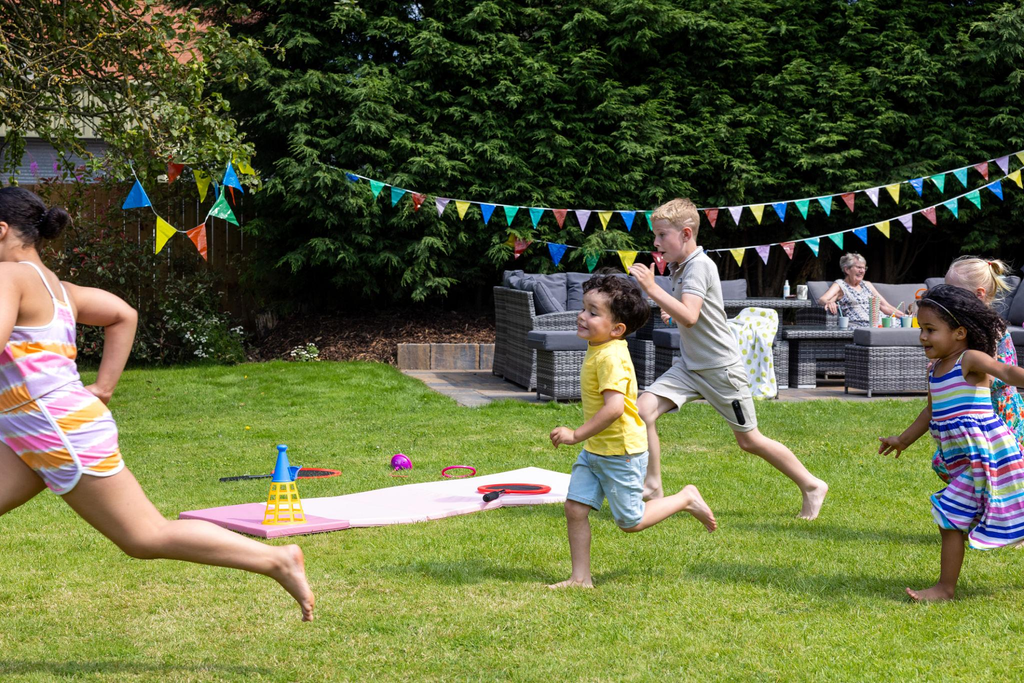
I make bottle flipping more active by asking players to complete a flip after walking between two marked spots. They must stop at the designated line, attempt the flip, and continue along the course once they finish their turn.
For an easier version, players walk at a comfortable pace before stopping to flip. More experienced participants can add a dance move at the starting point or perform a simple action before attempting the bottle landing.
I avoid asking players to throw bottles while running, jumping, or moving through crowded areas. Separating the movement task from the actual throw makes the game easier to manage.
Pro Tip: I use a clear path, place the landing surface away from foot traffic, and make sure players have stopped before releasing the bottle.
10. Trick Shot Challenge

The trick shot challenge lets players create their own bottle-flipping moves. I ask each participant to demonstrate a legal trick, such as flipping from a marked position, using their non-dominant hand, or landing the bottle inside a small target.
Every player gets the same number of attempts, and the group can score each trick based on difficulty and successful execution. For a simple system, I award one point for a basic trick and two points for a more difficult one.
I keep the tricks within a safe, controlled area. I do not encourage throws over people’s heads, shots near fragile objects, or attempts that require standing on unstable furniture.
Pro Tip: I ask players to demonstrate their trick slowly before scoring begins. This helps everyone understand the challenge and gives each person a fair chance to attempt it.
11. Timed Flip Frenzy

I use a timer to see how many successful bottle flips a player can complete in a set period. Each participant gets 30 seconds, and every upright landing counts as one point.
After the first round, players can try again to beat their own score. I can also run a team version in which every successful flip contributes to the team’s total.
The short time limit keeps turns moving and makes this game suitable for parties with many guests. I make sure players have enough space to retrieve the bottle without colliding with the next participant.
Pro Tip: I use the same timer, bottle, and surface for everyone. If a bottle rolls off the table, I pause the clock while the player retrieves it so the game stays fair.
12. Spin the Bottle—Flip Edition

I adapt the familiar spin-the-bottle concept by using a bottle flip to determine who chooses the next challenge. Players sit or stand around a table, and one person takes a turn flipping the bottle.
If it lands upright, that player can nominate someone to choose a challenge from a prepared list. If it falls, the player follows a simple rule, such as taking another turn or attempting an easier target.
I avoid challenges that pressure people into embarrassing or uncomfortable actions. A list of optional, lighthearted tasks keeps the activity friendly for children, families, and mixed-age groups.
Pro Tip: I prepare the challenge list before the party starts and let anyone pass on a task. That keeps the game playful rather than putting someone on the spot.
13. Flip and Catch

This variation tests hand-eye coordination. I ask players to toss a lightweight, empty plastic bottle a short distance into the air and catch it safely before it reaches the ground.
For an advanced version, players can use their non-dominant hand or attempt a gentle toss after completing a simple movement. I keep the bottle low and use an open area with enough space between participants.
I do not combine a high bottle toss with an attempt to catch the bottle while balancing on furniture or moving through obstacles. A controlled toss is enough to make this activity challenging.
Pro Tip: I begin with a soft, low toss and increase the difficulty only when the player feels comfortable. If a bottle is damaged or has sharp edges, I replace it before continuing.
Also read: 19 cool Teen-Favorite Party Games for Teenagers to Make the Night Epic
14. Partner Flip Relay

I split players into pairs or small teams for a relay race. The first person attempts a bottle flip, and once the bottle lands upright, they pass it to the next teammate.
The team continues until every member has completed a successful flip. If a player misses, they must try again before passing the bottle along, so teams need both accuracy and steady communication.
I can set a three-attempt limit per player to prevent the relay from running too long. The first team to finish wins, provided everyone follows the same rules.
Pro Tip: I arrange teams in separate lanes and use one bottle per team. This reduces waiting time and makes it easier to see which team finishes first.
15. The Bottle Ladder

For the bottle ladder game, I create several marked levels on a table or board. Players must land their bottles in the first target before moving to the next, with each new level requiring a more precise flip.
I can use tape to mark three or four target zones rather than stacking objects to create height. The first player to complete all levels wins, while a missed landing means the player repeats the current level.
This version rewards consistency because players cannot skip ahead after a lucky throw. It also gives beginners a clear goal and makes progress easy to track.
Pro Tip: I use flat, clearly marked zones instead of unstable piles of books or boxes. The challenge should come from aiming, not from balancing the playing equipment.
16. Extreme Outdoor Flip
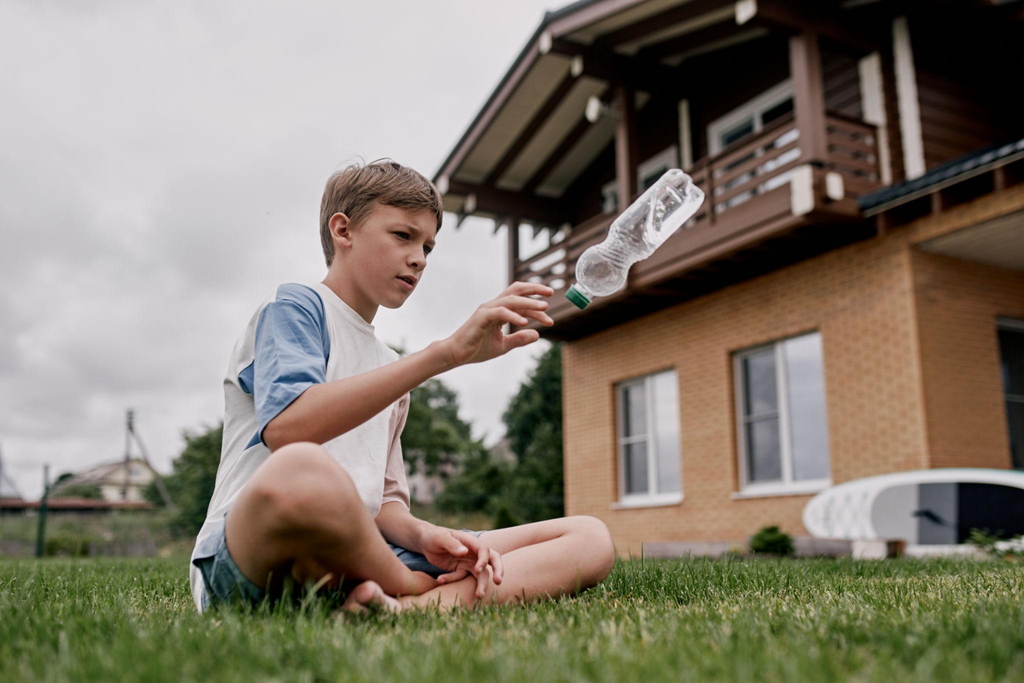
I use the long-distance flip to test how well players control their throws as the starting point moves farther from the landing area. Each player begins close to a table or marked landing zone and attempts to land the bottle upright.
After a successful flip, the player moves back one marked step. If they miss, they can stay at that distance and try again or lose a life, depending on the rules I choose.
For an outdoor party, I can mark starting positions with chalk or cones. This makes it easy to compare results and prevents players from choosing different distances without agreement.
Pro Tip: I check the ground for holes, slippery patches, and trip hazards before starting. A shaded area with a stable table is often the easiest setup for a longer party game.
17. Endurance Flip

I use the endurance flip to test how many consecutive successful landings a player can achieve. Each player starts with a clean bottle and continues flipping until the bottle fails to land upright.
The player’s score is the number of consecutive successful flips. I can let everyone take two rounds and keep their highest score, or run a head-to-head competition between the top performers.
This game works well for people who enjoy improving their own records. It also makes it easy to compare results without needing complicated scoring rules.
Pro Tip: I record each player’s best streak on paper and give everyone the same bottle and surface. I keep rounds short enough that players can take breaks between attempts.
How to Make Bottle Flipping Actually Fun at a Party
I find that bottle flipping becomes much more enjoyable when I give it a clear purpose. Instead of letting everyone flip randomly, I set up a few short rounds with simple rules and a way to track progress.
I also choose challenges that suit the size and age range of the group. Younger children may enjoy hitting large targets, while teenagers and adults might prefer timed rounds, trick shots, and team competitions.
A few practical details make a big difference:
- Use a consistent water level. I start with about one-quarter to one-third of the bottle’s capacity filled with water, then test a few throws. The best amount can vary with bottle shape and size.
- Choose one bottle model. I give everyone the same type of plastic bottle so differences in weight and shape do not affect the competition.
- Keep turns short. A 30-second turn works well for timed rounds, while a fixed number of attempts makes accuracy challenges easier to manage.
- Display the scores. I use a whiteboard, paper chart, or chalkboard so players can follow the standings.
- Explain what counts as a win. I decide whether the bottle must land fully upright, whether it may touch a target’s edge, and how missed attempts are handled.
- Offer practice time. I allow a few unscored attempts before the competition begins so first-time players are not at a disadvantage.
Pro Tip: I prepare two or three different games instead of relying on one activity for the entire party. Switching between accuracy, speed, and team challenges helps keep players interested.
5 More Bottle Flip Challenges Your Friends Haven’t Tried Yet
When the basic games become too easy, I introduce challenges that need more timing, accuracy, or teamwork. These five options use simple materials, but I test each setup before the group begins so the rules are clear.
18. The Blindfolded Flip

For this version, I give each player a blindfold and a set number of attempts to land the bottle upright. I keep the player in one place and have a helper position the bottle and confirm that the landing zone is clear before the attempt.
I award one point for each successful landing, and the player with the highest score wins. If nobody lands the bottle, I can give everyone another round or switch to a simpler challenge.
I keep this activity separate from obstacle courses and never ask blindfolded players to walk around or reach for a moving bottle. Players who prefer not to wear a blindfold can take part as the guide or scorekeeper.
Pro Tip: I use a clear, stationary setup and stop the round immediately if anyone moves into the playing area.
19. Domino Chain Flip

I arrange five plastic bottles in a line with enough space between them for the first bottle to make contact with the next. The player’s goal is to flip the first bottle upright so that its landing or movement knocks into the second bottle and starts a chain.
This challenge takes experimentation because the spacing and bottle shape affect the result. I begin with a small number of bottles and adjust the distance until the chain is possible without making the setup unstable.
I can award points based on how many bottles move in sequence. For example, a chain that moves three bottles earns three points, while a full five-bottle chain earns a bonus.
Pro Tip: I test the spacing before the competition and use identical lightweight bottles. If the bottles do not reliably knock into one another, I change the setup rather than blaming the player.
20. The Moving Target Flip

For the moving target game, I ask a helper to slide a flat tray slowly across a table while the player attempts to land a bottle on it. The player must time the flip so the bottle reaches the target while it is moving.
I start with slow movement and a large target. Once players understand the timing, I can make the target move a little faster or reduce the available landing area.
I use a lightweight tray on a stable table and keep the movement controlled. I avoid moving the target near table edges or asking anyone to catch a falling bottle.
Pro Tip: I give the person moving the target a clear start and stop signal. Consistent movement makes the game fairer and helps players learn the timing.
21. Relay Race Flip

I divide the group into two teams and line up the players behind separate tables or marked lanes. Each teammate must land a bottle upright before passing it to the next person.
I allow up to three attempts per player before deciding how to handle a missed turn. For a faster game, the player can move to the back of the line and try again after teammates have had their turns.
The first team to complete the relay wins. I can also run several heats and award a point to the team that finishes first in each round.
Pro Tip: I keep team sizes equal and provide the same bottle and landing surface for both sides. If one team has fewer players, I let a teammate take an extra turn so the race stays balanced.
22. The Bounce and Land

I make the bounce-and-land challenge a controlled test of timing. A player releases a plastic bottle from an agreed low height over a hard, clear surface and tries to make it bounce once before landing upright.
The floor material and bottle design can change how much the bottle rebounds, so I test the setup before scoring begins. I use the same release height for every player and count only attempts that meet the agreed one-bounce rule.
Because the bottle may bounce unpredictably, I keep players’ feet and hands away from the landing area. I also avoid high drops, which can cause a bottle to strike someone or damage nearby objects.
Pro Tip: I start with a low release height and adjust it only if the bottle behaves consistently. I do not ask players to throw the bottle forcefully at the floor.
Bottle Flip Game Ideas for Different Settings
I choose bottle flip games based on the available space, the number of players, and how much time I have. A structured tournament works well at some events, while a casual drop-in game is often better for outdoor gatherings.
At a Birthday Party

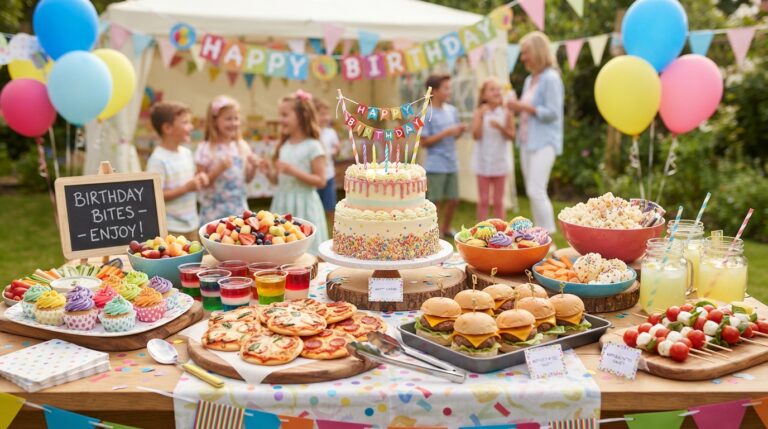
I can turn bottle flipping into a mini-tournament by giving each guest three practice attempts and then placing players into a simple bracket. Each match can be decided by the best of three rounds, with the winner advancing to the next stage.
I prepare a small prize, certificate, or homemade trophy for the champion. I also give out lighthearted awards for categories such as best trick, most improved player, and best teamwork so the event does not focus only on winning.
For a large party, I keep the rounds short and assign someone to track the scores. This helps avoid confusion and gives guests time to enjoy other activities between matches.
Pro Tip: I keep a few spare bottles ready and announce the rules before the tournament starts. A clear schedule makes it easier to fit the game into a busy party.
With Kids (Ages 7–12)

For children between seven and twelve, I start with simple games such as the classic table flip, target landing, and partner relay. These activities are easy to explain and can be adjusted to suit different skill levels.
I use lightweight plastic bottles that children can grip comfortably, along with a low, stable table. I avoid blindfolded movement, high drops, and challenges that require climbing or throwing bottles over people.
To keep the activity encouraging, I give children enough practice time and celebrate progress as well as successful landings. A child who improves from one successful flip to three has a reason to feel proud, even if they do not win the round.
Pro Tip: I use large targets and short turns for younger or less experienced players. I also ask an adult to supervise the play area and make sure bottles are collected after each round.
At a Backyard BBQ
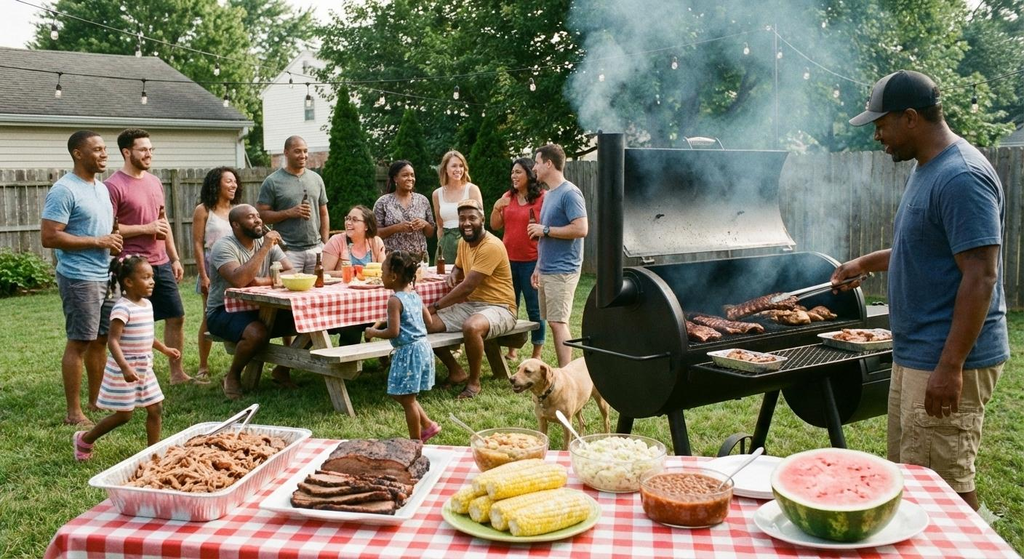
For a backyard barbecue, I set up a bottle-flipping station on a stable picnic table or outdoor table. Guests can join whenever they like, attempt a few flips, and record their best score without needing to enter a formal tournament.
I choose games that are easy to understand, such as target landing, timed flips, or a team relay. These activities work well when guests are moving between conversations, food, and other party activities.
I use plastic bottles, keep the landing zone away from food and drinks, and check the ground for uneven areas. If the weather is windy, I avoid lightweight targets that can blow away and use tape or heavier markers instead.
Pro Tip: I keep the rules visible on a small sign beside the table. Guests can start playing without waiting for a full explanation, and the game stays easy to manage throughout the event.
Frequently Asked Questions
What’s the easiest bottle flip game for beginners?
I recommend starting with the classic table flip. I fill a plastic water bottle about one-quarter to one-third full, stand close to a flat table, and use a gentle underhand toss to try to land it upright.
I give each player five attempts and count the successful landings. Once everyone understands the basic movement, I can introduce a target or a simple points system.
What kind of bottle works best?
I start with a standard plastic water bottle of around 500 ml because it is usually easy to hold and light enough to flip. A bottle with a stable base is a useful choice for beginners.
The shape, weight, and water level all affect how a bottle rotates and lands. I avoid glass bottles, damaged containers, and bottles with unusual shapes that make the game harder to control.
Can you play bottle flip games indoors?
Yes, I can play many bottle flip games indoors using a sturdy table, countertop, or clear floor area. I remove fragile objects from the surrounding space and make sure the landing zone is away from people walking through the room.
I use plastic bottles only and avoid high throws near ceiling lights, televisions, and other breakable items. Target landing, timed flips, and relay games are practical indoor options.
How do you make bottle flipping more competitive?
I add a simple scoring system and a clear finish line. For example, a basic upright landing can earn one point, a successful target landing can earn two, and a more difficult agreed challenge can earn three.
Players can race to ten points, compete in elimination rounds, or try to beat their own best score. I keep the same rules for everyone so a win depends on skill rather than changing conditions.
How much water should you put in a bottle for flipping?
I begin with roughly one-quarter to one-third of the bottle’s capacity filled with water. That is a useful starting point because the water can move inside the bottle and affect its rotation and landing.
There is no single water level that works perfectly for every bottle. I test a few attempts, adjust the amount if needed, and use the same bottle and fill level throughout a competition.
Read this next: 19 Toddler Halloween Party Ideas (Ages 1–4: Cute, Calm & Not Scary)
Final Thoughts
Bottle flipping can be much more than a casual trick when I give it a clear goal and a few simple rules. I can turn it into a target contest, a timed challenge, a team relay, or a full party tournament without spending much money on supplies.
My favorite approach is to start with the classic flip, introduce harder variations gradually, and let players choose challenges that match their abilities. A consistent bottle, a suitable water level, and a safe playing area make the experience easier to manage.
Whether I am organizing a birthday party, keeping children entertained, or adding a quick game to a backyard gathering, these 22 ideas give me plenty of ways to keep everyone involved. I can start with one simple challenge and build from there as the group gets more confident.




One Comment