18 Trivia Night Party Ideas for Adults That Keep Everyone Playing
I have hosted trivia night party ideas in my living room, in a church hall, and once in a garden with a whiteboard that kept blowing over, and I picked these 18 the same way every time: they had to work for guests who know a lot about one thing and nothing about another, and they had to keep everyone playing, not just the quiz expert in the corner. I kept only the rounds that got a whole room arguing happily, and I dropped every round that made half the room go quiet.
These trivia night party ideas are the ones I return to whenever I want a full room, not just a clever quiz, playing together.
Key Takeaways
- Mix easy and hard questions in every round, or the same two people will win every time and everyone else will stop trying.
- Teams of four to six work best: small enough that everyone talks, large enough that nobody carries the team alone.
- Picture and music rounds break up question-and-answer fatigue and give different kinds of knowledge a chance to shine.
- Keep rounds to ten questions and ten minutes, or trivia night becomes a lecture with snacks.
- A final wager round lets a losing team catch up, which keeps the last round exciting instead of ceremonial.
18 Trivia Night Party Ideas
1. Music Trivia Round
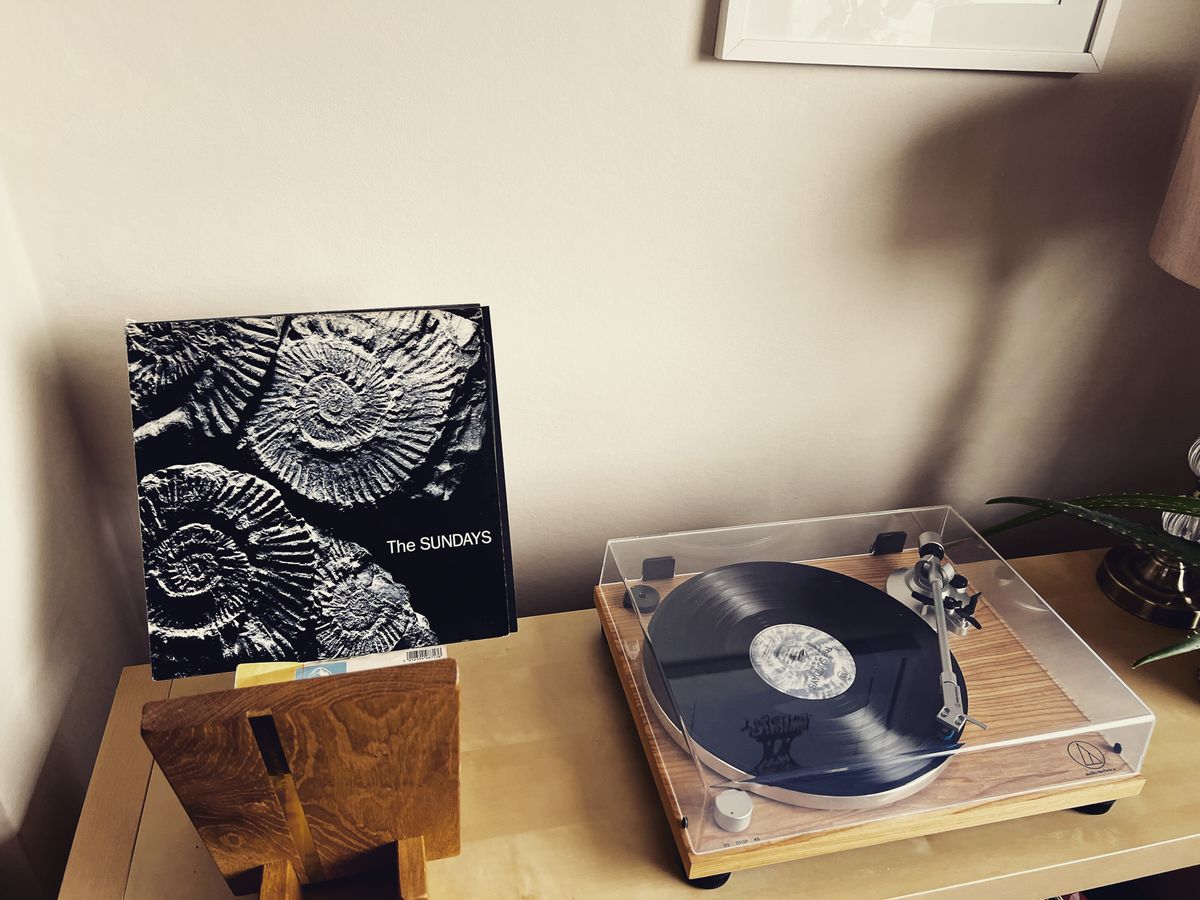
A music trivia round, where I play five seconds of a song and teams name the artist and title, is my best opener because it wakes the room up. I use songs from the 80s, 90s, and today, so every generation in the room gets at least one, and I keep clips short so nobody can Shazam them.
The risk is volume: in a noisy room, a five-second clip is hard to hear. I play clips through a speaker, not a phone, and I repeat each clip once, which takes ten seconds and saves ten minutes of arguing about what was played.
Pro Tip: Make a playlist in advance and number the clips, or you will spend the round searching for songs while guests wait.
Cost: $0 | Time: 10 minutes | Difficulty: Easy
2. Movie Trivia Round
Movie trivia works because almost everyone watches films, even if they do not watch quizzes. I ask about famous lines, actors, and plot twists, and I keep questions to films most guests will have seen, not art-house films only I have seen, which I learned after a round where nobody scored a point.
Write questions with one clear answer, and avoid “which actor played…” questions where two actors played the same role at different ages, or you will spend the round debating, not playing. I also include one question about a film we watched together, which always gets a laugh.
Pro Tip: Show a still from the film for one question per round; a picture jogs memory faster than a description.
Cost: $0 | Time: 10 minutes | Difficulty: Easy
3. Food Trivia Round
Food trivia is my secret weapon for mixed groups, because everyone eats, even if they do not follow sport or history. I ask about ingredients, cuisines, and food history, like which country grows the most coffee, and guests who were quiet in other rounds suddenly light up.
Keep food questions factual, not opinion-based, or the round becomes a debate about the best pizza topping, which is fun for five minutes and then just an argument. I also avoid questions that require exact numbers, like calories, because nobody knows them and everyone guesses wildly.
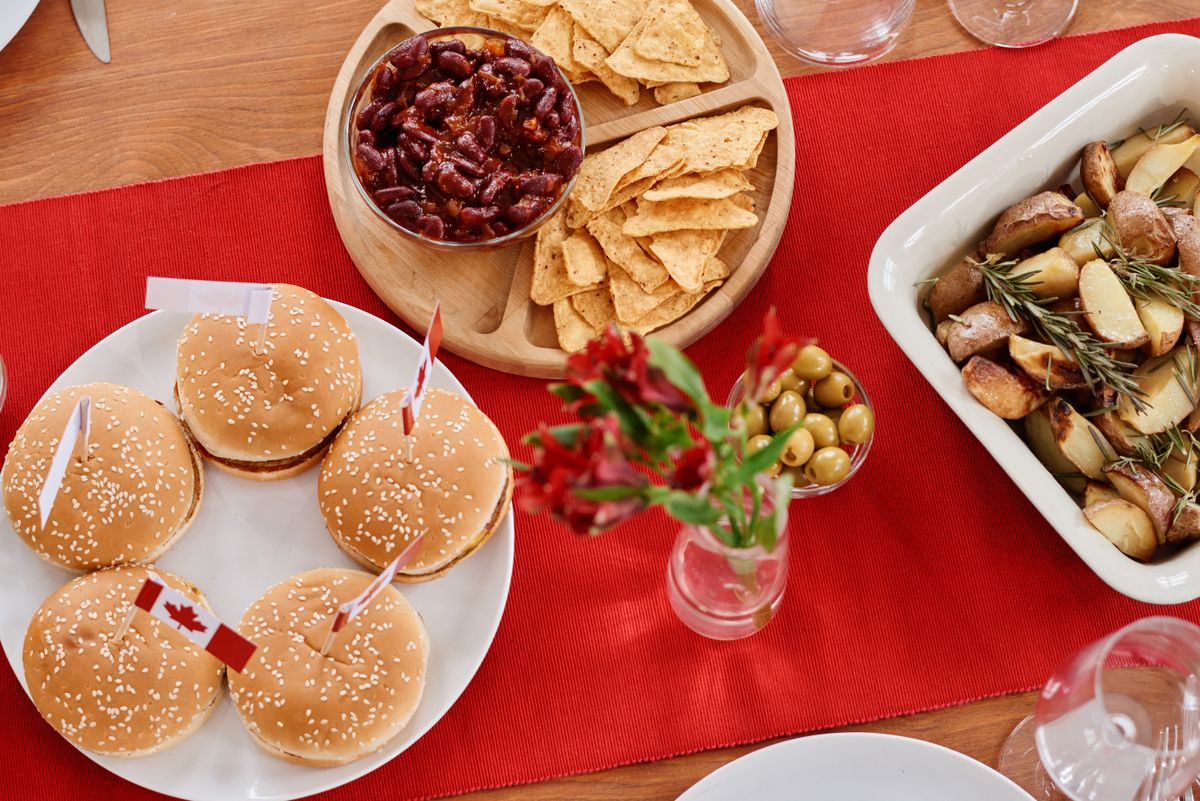
Pro Tip: Serve a snack related to one question, like olives for a Mediterranean question, and guests will remember the round long after the night.
Cost: $0-$5 for snacks | Time: 10 minutes | Difficulty: Easy
4. Travel and Geography Round
Travel trivia, with questions about capitals, landmarks, and flags, works best when I mix famous places with surprising facts. I ask about the longest river, the smallest country, and the city with the most bridges, and guests who have travelled light up, while guests who have not still enjoy guessing.
Avoid questions that are just capital cities in a row, or the round feels like a school test. I mix capitals with landmarks, foods, and languages, so different kinds of travel knowledge count, not just memorised capitals.
Pro Tip: Use a map on a screen for one question, and ask teams to point to a place; visual questions break up text questions beautifully.
Cost: $0 | Time: 10 minutes | Difficulty: Easy

5. History Round, Lightly Done
History trivia works if I keep it light and surprising, not like an exam. I ask about inventions, famous firsts, and funny historical facts, like the first item sold on an online auction site, and guests enjoy learning something while they play.
The trap is making history questions too detailed, with dates and names nobody remembers. I use decades, not exact years, for most questions, and I give partial points for answers within five years, which keeps the game friendly.
Pro Tip: Tell the story behind one answer per round; a two-sentence story makes a fact stick, and guests retell it later.
Cost: $0 | Time: 10 minutes | Difficulty: Easy

6. Science and Nature Round
Science trivia, with questions about animals, space, and everyday science, surprises guests who think they are bad at science. I ask why the sky is blue, how many legs a spider has, and which animal sleeps the longest, and the room fills with confident guesses, some right, some gloriously wrong.
Keep explanations short and plain, not textbook, or guests will feel lectured. I give the answer in one sentence, with a fun fact, and then move on, because trivia night is not a science lesson.
Pro Tip: Use animal questions for younger or less confident players; almost everyone knows something about animals, even if they do not know chemistry.
Cost: $0 | Time: 10 minutes | Difficulty: Easy

7. Sports Trivia, For Everyone
Sports trivia works for a mixed group if I avoid obscure statistics and use famous moments, teams, and sports rules instead. I ask about Olympic sports, famous finals, and which sport uses a shuttlecock, and non-sports fans still score, because the questions are about culture, not just scores.
The mistake I made once was a round of pure football statistics, which half the room skipped. Now I mix sports with music and film, and I include one question about a sport nobody plays, like curling, which always gets a laugh.
Pro Tip: Ask sports questions in a “which sport…” format, not “in what year…”, because formats are easier to guess and more fun to discuss.
Cost: $0 | Time: 10 minutes | Difficulty: Easy

8. TV Show Trivia Round
TV trivia is perfect for a relaxed night, because guests have strong opinions about shows they love. I ask about catchphrases, characters, and famous episodes, and I keep questions to shows that are widely watched, not niche shows only two guests know.
Avoid questions about a show’s final episode if guests have not finished it, or you will spoil it and ruin friendships. I check with the group first, “Has everyone finished this show?”, and if not, I skip that question, no matter how good it is.
Pro Tip: Use theme tunes for two questions; a tune is recognised faster than a plot description, and it wakes the room up.
Cost: $0 | Time: 10 minutes | Difficulty: Easy

9. Childhood Nostalgia Round
A nostalgia round, with questions about toys, cartoons, and school days from the 80s, 90s, and 2000s, is my favourite round for mixed-age groups, because everyone has a childhood, even if they do not share one. I ask about a toy that buzzed, a cartoon theme, and a school lunch item, and the room fills with “Oh, I remember that!”
Keep nostalgia questions broad, not specific to one country or one decade, or half the room will feel left out. I mix decades, so a 25-year-old and a 60-year-old both get questions from their own childhood.
Pro Tip: Bring one physical nostalgia item, like an old toy or a photo, and show it for one question; a real object beats a description every time.
Cost: $0 | Time: 10 minutes | Difficulty: Easy
10. Local Trivia Round
Local trivia, with questions about our town, our street, and our shared history, is the round guests talk about for weeks. I ask about the oldest building in town, the year our school opened, and the name of the café that used to be on the corner, and guests who live locally light up, while newcomers learn something.
Check your facts in advance, or a local expert in the room will correct you, which is embarrassing for the host. I verify local facts with two sources, and I avoid questions about local people by name, because that can feel personal.
Pro Tip: Ask one question about the host’s house, like “What year was this house built?”, and guests love guessing, even when they are wildly wrong.
Cost: $0 | Time: 10 minutes | Difficulty: Easy

11. Picture Round
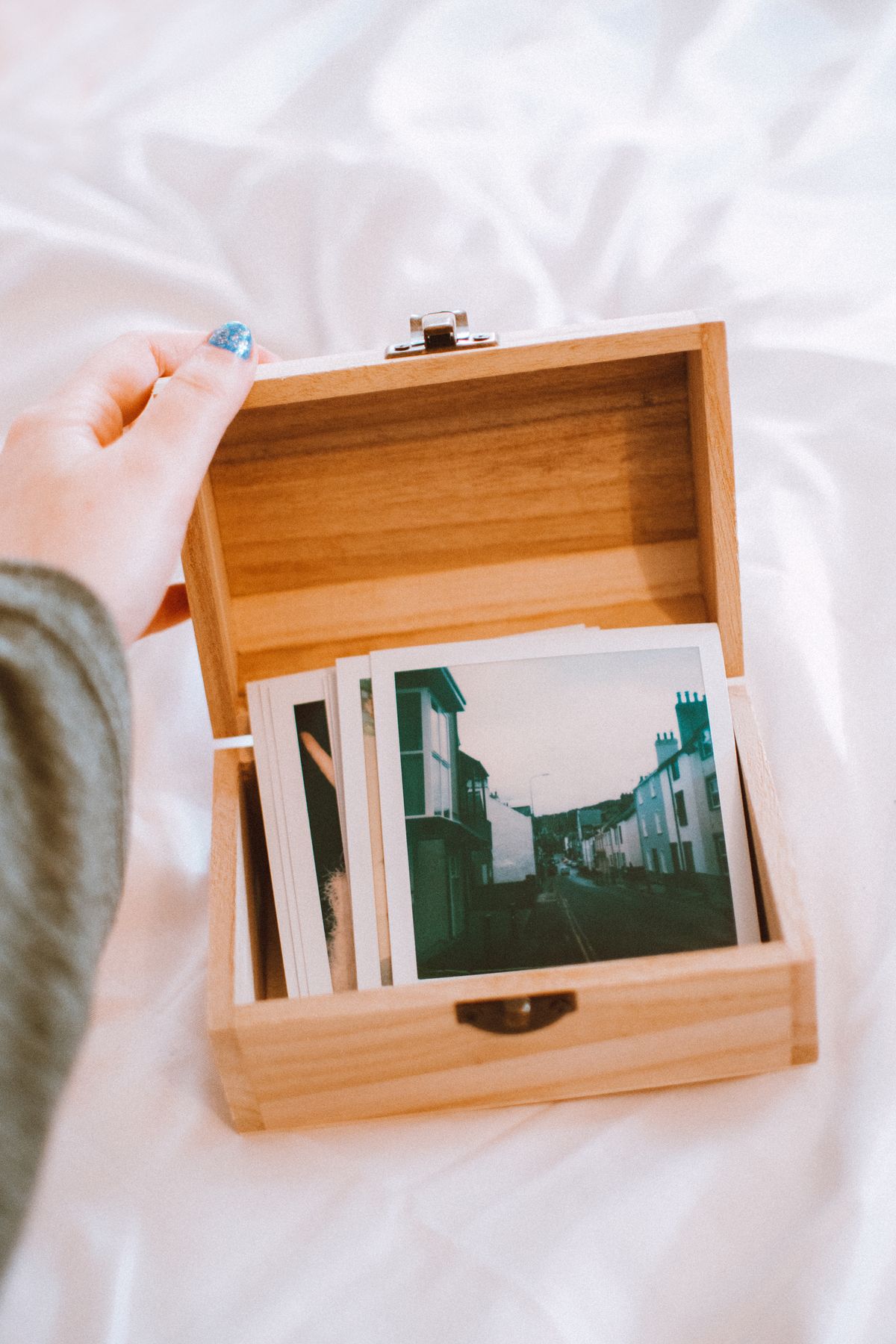
A picture round, where teams identify famous faces, places, or objects from cropped photos, is the best break from spoken questions. I print ten pictures, pass them around, and teams write answers, which gives quiet guests a chance to contribute without speaking up in a noisy room.
Crop pictures tightly, but not so tightly that nobody can guess. I test the round on one friend first, and if they get fewer than three right, I make the pictures easier, because a picture round where nobody scores is just frustrating.
Pro Tip: Use a mix of easy and hard pictures, and include one funny picture, like a celebrity in a silly hat, to keep the mood light.
Cost: $2-$5 for printing | Time: 15 minutes | Difficulty: Easy
12. Music Intro Round
A music intro round, where I play the first three seconds of a song and teams name it, is fast, loud, and addictive. I use a mix of decades and genres, and I keep the round to ten songs, because after ten, guests start to tire, even if they love music.
Use a speaker with clear sound, and play each intro twice, once for listening and once for writing. I also ban phones during this round, or someone will Shazam every song and win unfairly, which ruins the fun for everyone.
Pro Tip: Include one song that everyone knows but nobody can name, like a famous advert tune; it always causes a hilarious argument.
Cost: $0 | Time: 10 minutes | Difficulty: Easy

13. True or False Speed Round
A true-or-false speed round, with 20 statements in five minutes, is my best energy reset when trivia night starts to drag. Teams shout true or false, I keep score fast, and the room gets loud again, because speed rounds feel like a game show, not a test.
Write statements that are surprising, not obvious, or the round will be too easy. I use statements like “Bananas are berries, true or false?” and “A group of flamingos is called a flamboyance, true or false?”, which are fun even when guests guess wrong.
Pro Tip: Use a buzzer sound on your phone for the speed round; a silly sound effect makes a simple round feel like a show.
Cost: $0 | Time: 5 minutes | Difficulty: Easy

14. Team Trivia With Lifelines
Team trivia with lifelines, where each team gets one “phone a friend”, one “50-50”, and one “ask the room”, is brilliant for mixed-knowledge teams, because lifelines let a weak team survive a hard round. I have seen a team in last place win the night on a well-used lifeline, which is exactly the drama trivia night needs.
Limit lifelines to one per round, or teams will use them on every question and the game will slow down. I also make lifelines visible, with cards on the table, so teams remember they have them and do not forget until the final round.
Pro Tip: Let the “ask the room” lifeline be a vote, not a shout, or the loudest guest in the room will answer for everyone.
Cost: $0 | Time: 15 minutes | Difficulty: Easy

15. Work and Office Trivia
Work trivia, with questions about our workplace, our industry, and funny office moments, is perfect for a work party trivia night. I ask about the year the company started, the name of the first product, and the funniest meeting moment, and colleagues who never talk outside work suddenly have stories to share.
Keep work questions light and kind, never about a person by name in a negative way, or the round will feel like gossip, not a game. I also avoid questions about salaries, redundancies, or anything sensitive, because a party is not the place for that.
Pro Tip: Ask one question about a shared work joke, and the room will laugh for five minutes, which is worth more than any point.
Cost: $0 | Time: 10 minutes | Difficulty: Easy

16. Holiday Trivia Round
Holiday trivia, with questions about Christmas, Halloween, and summer traditions around the world, is perfect for a seasonal trivia night. I ask about the country that started the Christmas tree tradition, the Halloween candy that sells the most, and the summer festival with tomatoes, and guests enjoy learning about traditions they do not celebrate.
Check cultural facts carefully, and present them respectfully, not as jokes, because holiday traditions matter to people. I also mix holidays, so no one tradition dominates the round, and everyone learns something new.
Pro Tip: Serve a seasonal snack during this round, like mince pies at Christmas, and the round feels like a celebration, not just a quiz.
Cost: $0-$5 for snacks | Time: 10 minutes | Difficulty: Easy

17. Books and Literature Round
Books trivia works if I keep it to famous books, famous first lines, and famous authors, not obscure literary theory. I ask “Who wrote Pride and Prejudice?” and “What is the first line of A Tale of Two Cities?”, and guests who read a lot shine, while guests who do not read still enjoy guessing.
Avoid questions about books that only one guest has read, or the round will feel exclusive. I mix classic books with popular modern books, so a teenager and a grandparent both get questions they can answer.
Pro Tip: Read the first line aloud for one question, and ask teams to name the book; hearing a first line is more evocative than reading a title.
Cost: $0 | Time: 10 minutes | Difficulty: Easy

18. Final Wager Round
A final wager round, where teams bet points on one last question, is the perfect ending, because it lets a losing team win and keeps the winning team nervous. I ask one big question, teams write their wager in secret, and then we reveal answers and wagers together, which is always dramatic.
Choose a final question that is hard but guessable, not impossible, or the wager round will feel random. I use a question with a numerical answer, like “How many countries are in the world?”, where teams can guess close, and I give points for the closest guess, not just the exact answer.
Pro Tip: Use a big reveal, with teams holding up their answers at the same time, or the last team to reveal will copy the first team’s answer.
Cost: $0 | Time: 10 minutes | Difficulty: Easy
Comparison Table
| Round | Best for | Cost | Effort |
|---|---|---|---|
| Music trivia | Openers, energy | Free | Low |
| Picture round | Quiet guests, variety | Low | Medium |
| True or false speed | Energy resets | Free | Low |
| Team trivia with lifelines | Mixed knowledge | Free | Low |
| Local trivia | Groups who know each other | Free | Medium |
| Final wager | Dramatic endings | Free | Low |
| Food trivia | Mixed groups | Low | Low |
| Holiday trivia | Seasonal nights | Low | Low |
Mistakes I Made (So You Don’t Have To)
First, I once wrote a round of pure football statistics and half the room skipped it. Now I mix topics in every round, so different kinds of knowledge count.
Second, I let a round run for 30 minutes and lost the room to phone-checking. Now I cap rounds at ten questions and ten minutes, no exceptions.
Third, I forgot to test my picture round, and nobody could guess a single picture. Now I test every round on one friend first, and I make it easier if they struggle.
Fourth, I used a question that spoiled a TV show for guests who had not finished it, and the room went quiet. Now I check “Has everyone finished this?” before any spoiler question.
FAQ
How many rounds should a trivia night have?
Six to eight rounds, ten questions each, works best in my experience. Fewer feels too short, more feels like an exam, and guests start checking their phones after round nine.
What would you do differently for a first trivia night?
I would use fewer rounds, more easy questions, and a final wager round, because a first trivia night should feel fun and forgiving, not competitive and stressful.
How long does a trivia night actually take?
About two hours, including snacks and breaks, if you keep rounds to ten minutes. Without breaks, guests get tired, and with too many rounds, they get bored, so plan a snack break halfway.
Skip this if…
Skip any round that only one guest can answer, and skip questions that are trick questions with no clear answer. Both make guests feel excluded, which is the opposite of a party.
Final Thoughts
Trivia night party ideas work when you mix topics, keep rounds short, and let every kind of knowledge shine, from music to food to local history. Do that, add a final wager round for drama, and guests will leave arguing happily about answers, which is the best sign of a trivia night done right.
Related article: Dinner Party Games for Adults. Also read: Ice Breaker Party Games for Adults. Read this next: Friendsgiving Games for Adults.