
18 Kids Games With Paper and Pencil Only (No Screens, No Supplies to Buy)
Rainy afternoons, long car waits, and power cuts all taught me the same lesson: kids games with paper and pencil are the easiest screen-free backup a parent can have. I picked and tested these 18 games at home, keeping only ones that needed nothing more than paper and a pencil, lasted over five minutes, and did not end in a rules argument.
No app, no board, no batteries. Just a pad, a few pencils, and a kitchen table.
Key Takeaways
- Every game needs only paper and a pencil, nothing to buy.
- Most suit ages 5 and up; a few work for younger kids with help.
- Short games suit waiting rooms; longer ones suit rainy afternoons.
- Keep spare pencils handy, because one always rolls under the table.
Why Kids Games With Paper and Pencil Still Win at Home
Paper games work because they are instant. There is nothing to charge, download, or set up, and children can see the whole game in front of them. That helps younger players follow along, and makes it easy to pause and come back later. A small notebook also fits in a handbag, a glovebox, or a picnic basket, so I keep one in the car.
Related article: if your kids love a hunt-style challenge, try these ideas next.
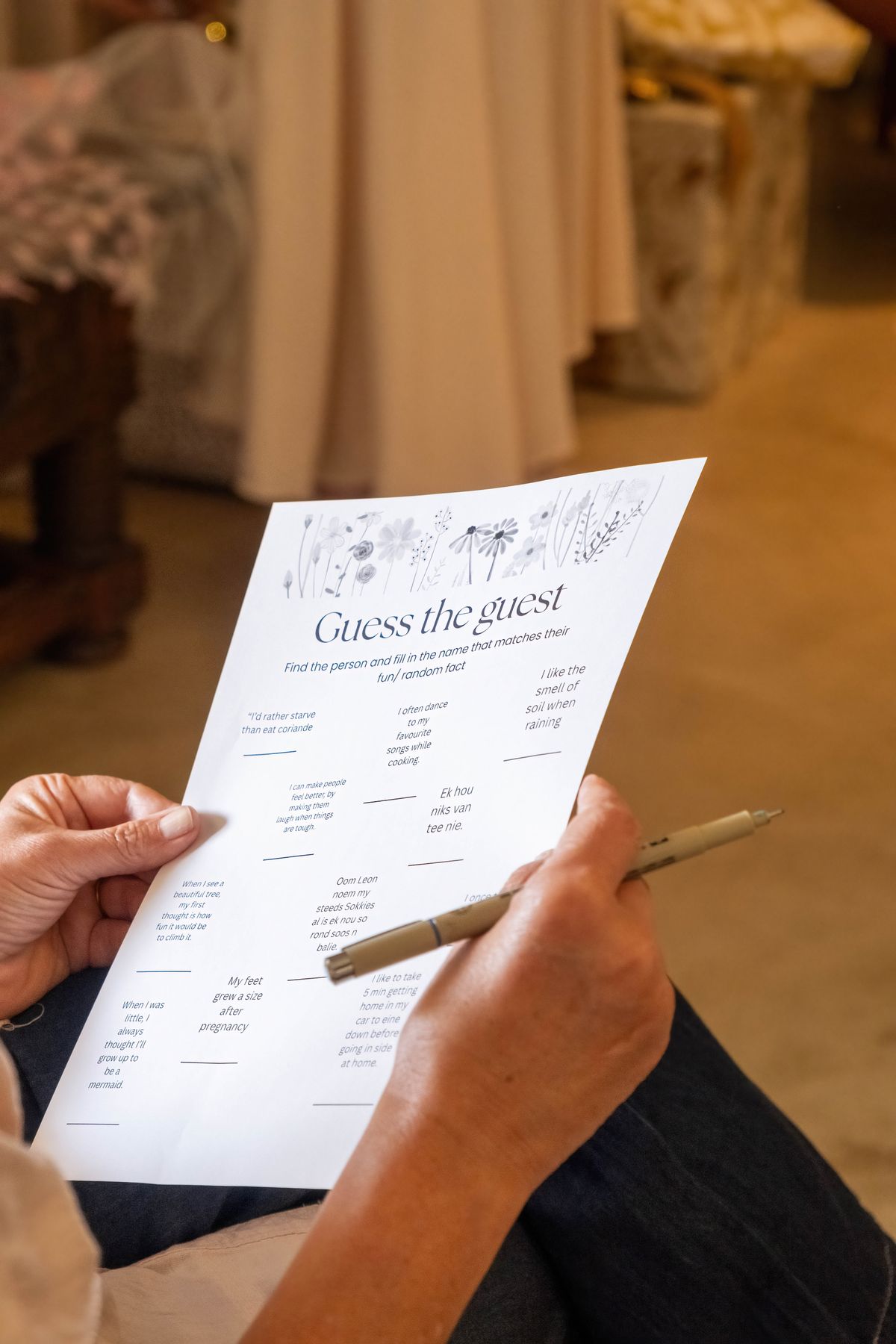
1. Tic-Tac-Toe Tournament
Best-of-five series, winner stays on, next player steps in. I ran one wet Saturday with a bracket on the back of an old envelope; the youngest won two rounds in a row. The downside is that older children quickly learn the draw strategy, so switch to a bigger grid when every game ends in a tie.
Pro Tip: Play on a 4 x 4 grid for older kids, where four in a row wins.
Cost: Free | Time: 5–20 minutes | Difficulty: Easy
2. Hangman
Spelling game in disguise; one player thinks of a word, dashes for each letter, others guess letters, wrong guesses add to the drawing. I played with my daughter using animal names; she guessed “elephant” with only two guesses wrong. The gallows theme can upset sensitive children, so draw a melting snowman or a flower losing petals instead.
Pro Tip: For younger players, use categories like animals or foods so guesses feel fair.
Cost: Free | Time: 10–20 minutes | Difficulty: Easy
3. Dots and Boxes
Grid of dots; join two neighbouring dots; completing a box, write your initial inside and take another turn; most boxes wins. A 6 x 6 dot grid on A4 paper during a long train wait kept two children quietly competing for a full half hour. Younger children get frustrated when an older sibling keeps winning, so start on a smaller 4 x 4 grid.
Pro Tip: Use a different coloured pencil per player.
Cost: Free | Time: 15–30 minutes | Difficulty: Easy to medium

4. Battleships on Paper
Two 10 x 10 grids each, secretly place ships, call coordinates like “C4”. A rainy afternoon with two clipboards back to back so neither child could peek lasted nearly forty minutes. Setup — drawing neat grids takes a few minutes, so start younger children on a 6 x 6 grid with only three ships.
Pro Tip: Number rows and letter columns clearly before you start, to avoid arguments.
Cost: Free | Time: 20–40 minutes | Difficulty: Medium

5. Paper Pictionary
One player draws a word while others race to guess it, against a timer; no talking, no letters, no numbers in the drawing. At a family gathering with words on folded slips in a bowl, my son drew a cake so wobbly everyone guessed “volcano” first. Shy children may hate drawing in front of everyone, so let pairs draw together, or let the drawer pick from three words.
Pro Tip: Set a 60-second timer per round.
Cost: Free | Time: 20–30 minutes | Difficulty: Easy

6. Word Search Race
Same grid for every player; first to find all hidden words wins; draw grid by hand, hide words horizontally, vertically, or diagonally, fill empty squares with random letters. A car journey with ten animal words in a 12 x 12 grid kept my daughter focused for the whole drive to her grandparents’ house. Preparation time, about ten minutes by hand, so keep ready-made grids in the car notebook.
Pro Tip: Circle found words in different colours per player.
Cost: Free | Time: 15–25 minutes | Difficulty: Easy to medium

7. Paper Fortune Teller
Folded paper chatterbox; numbers outside, fortunes underneath. I folded one with my daughter on a quiet evening, with silly fortunes like “You will find a lost sock today”; she took it to school the next day. Folding neatly takes practice, so fold the first one as a demo, then let children copy step by step.
Pro Tip: Use square paper if you have it, or trim A4 paper to a square first.
Cost: Free | Time: 10–20 minutes | Difficulty: Easy to medium

8. Draw the Other Half
One player draws half a picture down the fold, e.g. half a butterfly or half a house; the other completes the mirror image as symmetrically as they can. I tried with kids using a butterfly; results wonderfully wonky, one wing twice the size of the other, best attempts taped to the fridge. Perfectionists get frustrated when their half does not match, so award a point for the funniest, wonkiest version.
Pro Tip: Start with simple shapes like hearts, stars, and butterflies before moving to faces.
Cost: Free | Time: 10–20 minutes | Difficulty: Easy

9. Number Bingo on Paper
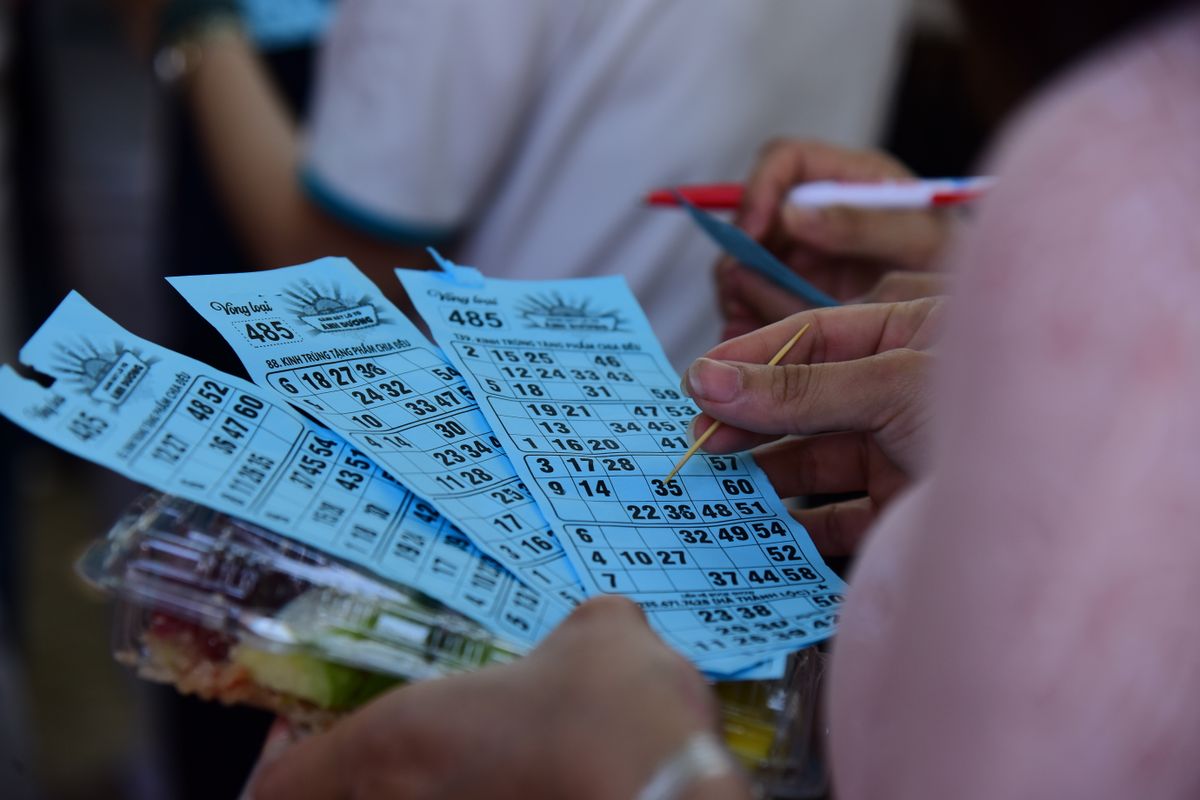
Each player draws a 3 x 3 or 5 x 5 grid and fills it with numbers; one person calls numbers at random; first to complete a row, column, or full card shouts “Bingo!” A small birthday gathering with eight children worked because every child had a different card, caller role rotating each round. Children who fall behind lose interest, so keep rounds short and offer a second prize for the first completed row.
Pro Tip: Keep called numbers written in a visible list so nobody argues about repeats.
Cost: Free | Time: 15–25 minutes | Difficulty: Easy
10. Categories Game (Name, Place, Animal, Thing)
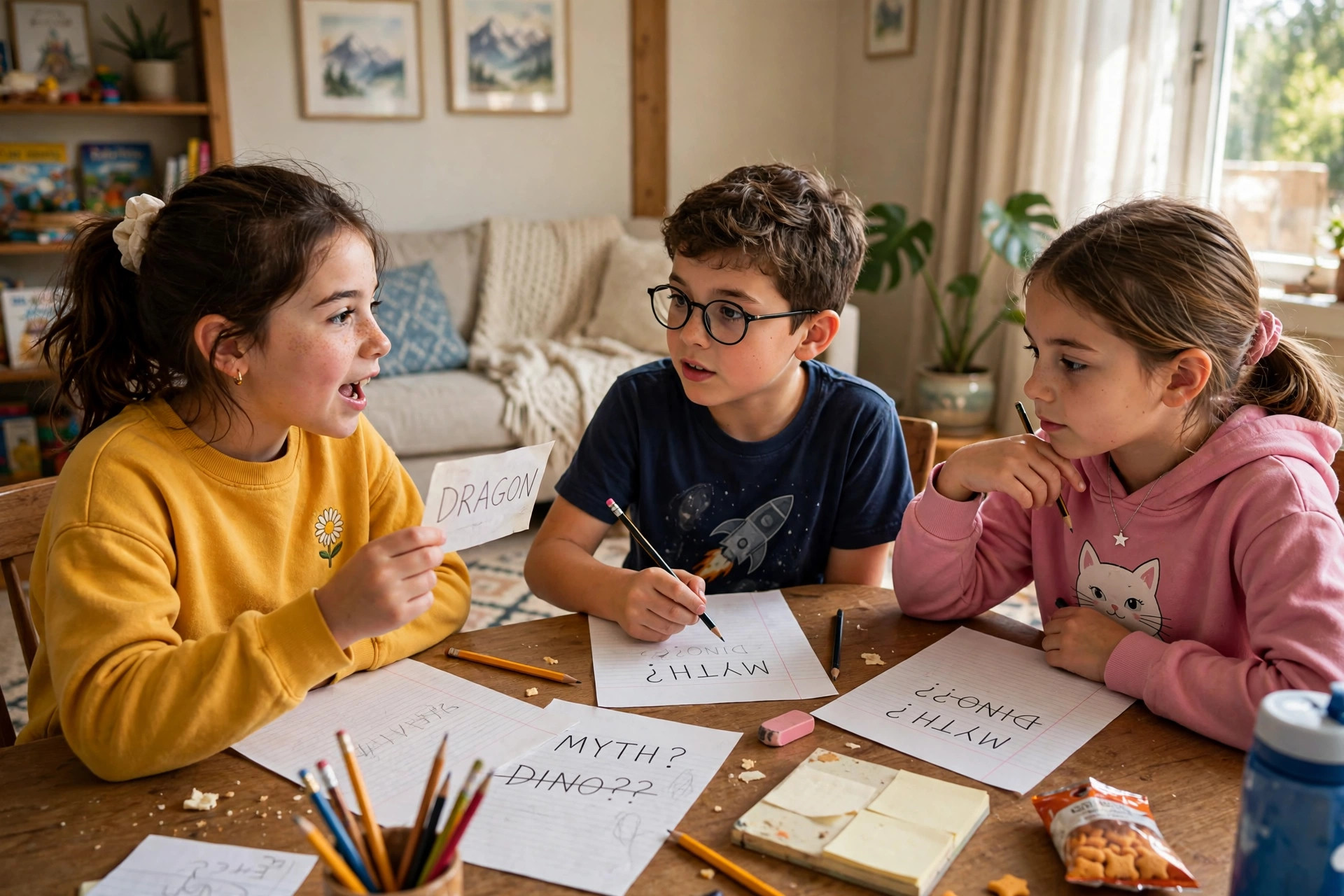
Letter plus categories name, place, animal, thing; race to write one answer per category starting with that letter; unique answers score more. At the dinner table with letter “B”; my son wrote “banana” for thing while I argued it was a food. Arguments about whether an answer counts, so agree rules before the first round and let the group vote on disputes.
Pro Tip: Add a fifth category like ‘food’ or ‘job’ for older children to raise the competition.
Cost: Free | Time: 15–30 minutes | Difficulty: Easy to medium

11. Paper Mazes
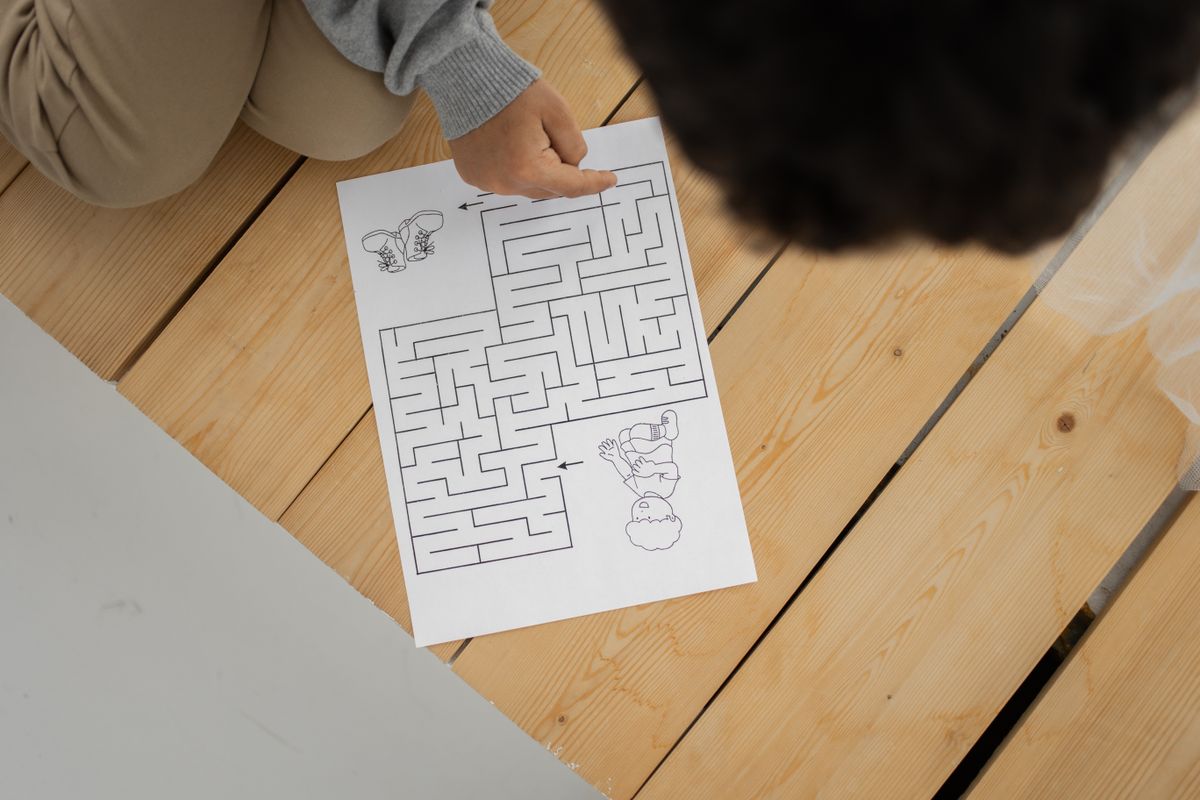
Solve a maze someone else drew, or draw your own for someone else; start with one entrance, one exit, a few dead ends, then twistier paths. I drew a maze for my daughter one Sunday morning with a “treasure” at the centre; she solved it in three minutes before demanding a harder one. A maze that is too hard feels like a trick, so always test-solve your own mazes first.
Pro Tip: Draw mazes in pencil first so you can erase and fix a blocked route.
Cost: Free | Time: 10–30 minutes | Difficulty: Easy to medium
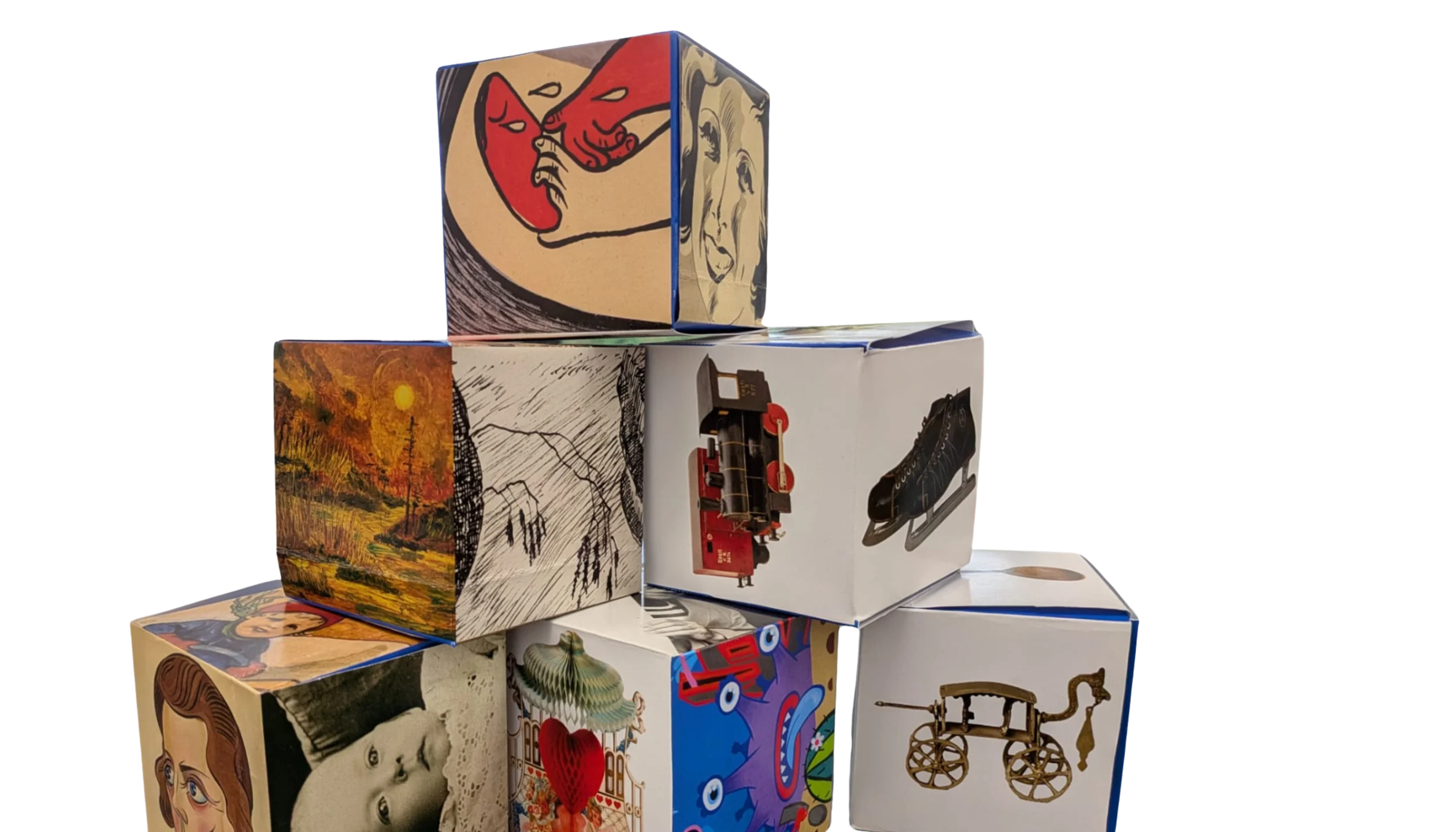
12. Story Dice Drawn on Paper
Hand-drawn cubes: each player draws a grid of six squares, fills each with a different picture prompt such as a dragon, a key, or a storm cloud, then picks one square to start a story. A set made with kids using simple doodles; the story from “a cat, a castle, and a lost shoe” was far funnier than anything planned. Children who struggle with storytelling may freeze, so let them add just one word or one short sentence, with no wrong answers.
Pro Tip: Keep picture prompts simple and bold so they are easy to read at a glance.
Cost: Free | Time: 20–30 minutes | Difficulty: Easy to medium
13. Connect Four on Grid Paper
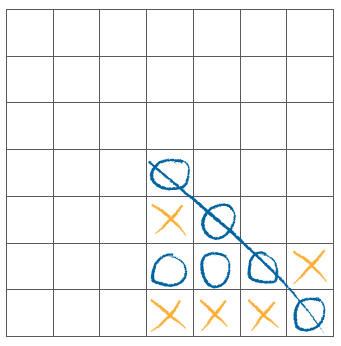
7 x 6 grid; take turns marking X or O in a column, always filling from the bottom up; first four in a row horizontally, vertically, or diagonally wins. A 7 x 6 grid on squared paper for a car journey worked well even on bumpy roads because the paper stayed flat on a book. Younger players forget to “drop” their mark to the lowest free square, so circle the bottom row first and remind them gravity still counts on paper.
Pro Tip: Use squared or graph paper if you have it, or rule your own grid with a ruler.
Cost: Free | Time: 10–20 minutes | Difficulty: Easy
14. Paper Airplane Target
Each player folds a paper plane, then throws at a target drawn on paper on the floor, points for different rings or zones. A hallway setup with a target taped to the floor and three planes each; my daughter’s plane flew straight into the highest-scoring ring on her first throw. Planes fly differently every time and a draught can ruin a perfect throw, so close doors and windows first and mark a clear throwing line.
Pro Tip: Let each player test-fly their plane before scoring starts, so nobody blames a bad fold.
Cost: Free | Time: 15–30 minutes | Difficulty: Easy

15. Squiggles Game
One player draws a random squiggle, passes it on; next player turns it into a complete picture. A rainy afternoon; one wild loop became a snail, another a roller coaster, a third a very confused-looking dog. Some children stare and say they cannot see anything, so turn the page around, or suggest looking for a letter or animal shape.
Pro Tip: Use a two-minute timer per picture to keep the game moving and stop overthinking.
Cost: Free | Time: 15–25 minutes | Difficulty: Easy

16. Paper Telephone (Pass the Drawing)
One player writes a phrase at the top of a folded paper pad; next draws it, folds words away; following player guesses phrase from drawing alone, alternating words and pictures. Four family members at Christmas, starting with “a cat wearing a crown”, ending as “a lion eating spaghetti”. Needs at least four players to work well, drags with only two, so save for group gatherings.
Pro Tip: Fold the pad carefully after each turn so the next player sees only the latest drawing or phrase.
Cost: Free | Time: 20–30 minutes | Difficulty: Easy

17. Guess the Word With One-Word Clues
Clue-giver may say only one word; guesser gets one guess per clue. Examples: “stripes” for tiger, “cold” for ice cream. I played in the car with my daughter, clues for animals first; she guessed “penguin” from just “waddle” and “ice”. A clue that is too vague, like “big”, can stall the game, so allow the clue-giver one “pass” per round to swap to a new word.
Pro Tip: Agree on a theme before each round, such as animals or foods, so clues stay fair.
Cost: Free | Time: 10–20 minutes | Difficulty: Easy
18. Paper Treasure Map
Draw a simple map of rooms or garden, mark route with a dotted line, add a big X for the treasure spot, hide a small treat or toy there. A birthday afternoon; paper crumpled and stained lightly with a used tea bag so it looked properly old. A map that is too vague leaves children wandering and frustrated, so always walk the route first, checking every landmark is easy to spot.
Pro Tip: Tear the map edges and crumple it gently for an authentic old-map look children love.
Cost: Free (plus a small treat) | Time: 20–40 minutes | Difficulty: Easy to medium

Quick Comparison Table
| Game | Best For | Time | Difficulty |
|---|---|---|---|
| Tic-Tac-Toe | Waits, 4+ | 5–20 | Easy |
| Hangman | Spelling, 5+ | 10–20 | Easy |
| Dots and Boxes | Focus, 6+ | 15–30 | Easy–medium |
| Battleships | Rainy days, 7+ | 20–40 | Medium |
| Pictionary | Parties, 5+ | 20–30 | Easy |
| Word Search | Car journeys, 6+ | 15–25 | Easy–medium |
| Fortune Teller | Crafty kids, 6+ | 10–20 | Easy–medium |
| Draw the Other Half | Creative kids, 4+ | 10–20 | Easy |
| Number Bingo | Groups, 5+ | 15–25 | Easy |
| Categories | Family dinners, 7+ | 15–30 | Easy–medium |
| Mazes | Solo play, 5+ | 10–30 | Easy–medium |
| Story Dice | Imaginative kids, 6+ | 20–30 | Easy–medium |
| Connect Four | Travel, 6+ | 10–20 | Easy |
| Airplane Target | Active kids, 5+ | 15–30 | Easy |
| Squiggles | Youngest players, 3+ | 15–25 | Easy |
| Paper Telephone | Groups, 6+ | 20–30 | Easy |
| One-Word Clues | Car journeys, 5+ | 10–20 | Easy |
| Treasure Map | Birthdays, 4+ | 20–40 | Easy–medium |
Also read: for outdoor play ideas when the weather clears up.
Safety Notes for Paper and Pencil Play
For children under five, use short, chunky pencils or crayons instead of sharp points, and keep pencil sharpeners out of reach. Keep small erasers away from toddlers who still put things in their mouths. Scissors, where a game uses them, should always be child-safe scissors, used with an adult nearby.
Mistakes I Made (So You Don’t Have To)
- I started with games that were too hard. First Battleships attempt with a five-year-old ended in tears because the grid was too big. Now start small and build up only when a child asks for a harder game.
- I forgot to agree the rules first. Categories Game caused the biggest argument, over whether “banana” counted as a thing. Now agree rules before the first round, and let the group vote on disputes.
- I let one child always be the drawer. In Pictionary, the shyest child kept avoiding her turn. Pairing players, or letting the drawer choose from three words, fixed it overnight.
- I ran out of paper mid-game. Nothing kills a good game faster than a pad running out during a tournament. Now keep a spare pad and four sharpened pencils in the game drawer.
Frequently Asked Questions
What age are these games best for?
Most suit ages 5 and up, with simpler games like Squiggles, Tic-Tac-Toe, and Draw the Other Half working well from age 3 or 4 with a little help. For younger children, use chunky crayons instead of sharp pencils and keep games short.
Do I need anything besides paper and a pencil?
No. Every game was chosen because it needs nothing else. A ruler helps for neat grids, and coloured pencils make scoring easier, but neither is essential.
How long did your games actually last?
Short games like Tic-Tac-Toe lasted about ten minutes in my house, while Battleships and Paper Telephone regularly filled thirty to forty minutes.
Final Thoughts
The best thing about kids games with paper and pencil is how little they ask of you. No charging, no downloads, no setup, just a few minutes of your attention and a willingness to be silly for a while. Start with Tic-Tac-Toe or Squiggles for young children, and save Battleships for older kids.
Read this next: for a splashy summer party, these ideas pair well with paper games for quieter moments.
If you try one game from this list this week, I would love to know which one your family loved most. In our house, it is still Paper Telephone.




One Comment