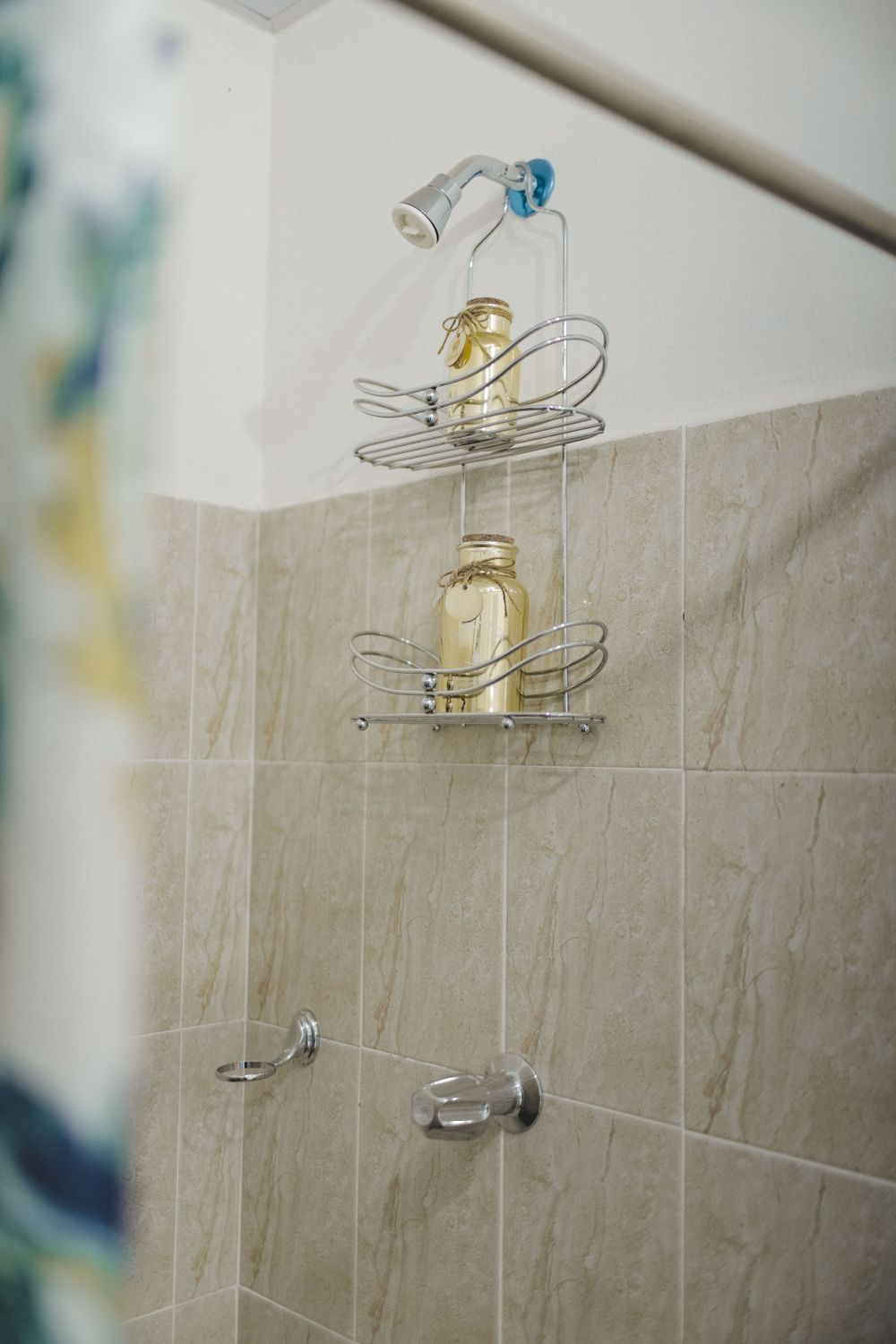
23 Neutral Bathroom Ideas to Revamp Your Space
If you’re anything like me, you want a bathroom that feels relaxing, clean, and easy to update over time. That’s exactly why I love neutral bathroom designs. Neutral colors never feel outdated, they work with almost any decorating style, and they create a calm atmosphere that makes everyday routines more enjoyable.
Whether I’m designing a small guest bathroom or refreshing a primary bath, neutral shades like beige, cream, gray, taupe, and warm whites always deliver a timeless look. The best part is that I can easily switch accessories, towels, or decor pieces later without needing a complete makeover.
Table of Contents
Neutral bathrooms remain one of the most popular design choices because they combine style, versatility, and long-term value. In this guide, I share 23 neutral bathroom ideas that range from modern minimalist spaces and spa-inspired retreats to cozy farmhouse-inspired designs.
You’ll discover ways to use natural materials, layered textures, statement lighting, stone surfaces, warm wood finishes, and subtle contrasts to create a bathroom that feels fresh and welcoming. These ideas work for both large and small bathrooms while helping create a space that stays beautiful for years.
Key Takeaways
- Neutral color palettes create a timeless bathroom design.
- Natural materials add warmth and texture without overwhelming the space.
- Layering different shades of beige, gray, cream, and white creates depth.
- Statement lighting can become a focal point in a neutral bathroom.
- Wood, stone, and woven accents help make bathrooms feel more inviting.
- Black, brass, and chrome fixtures add contrast while maintaining balance.
- Proper lighting can make neutral colors appear brighter and more spacious.
- Neutral bathrooms often appeal to future buyers and may help resale value.
Related article: 21 Basement Bathroom Ideas
Modern Minimalist Bathroom With Neutral Tones
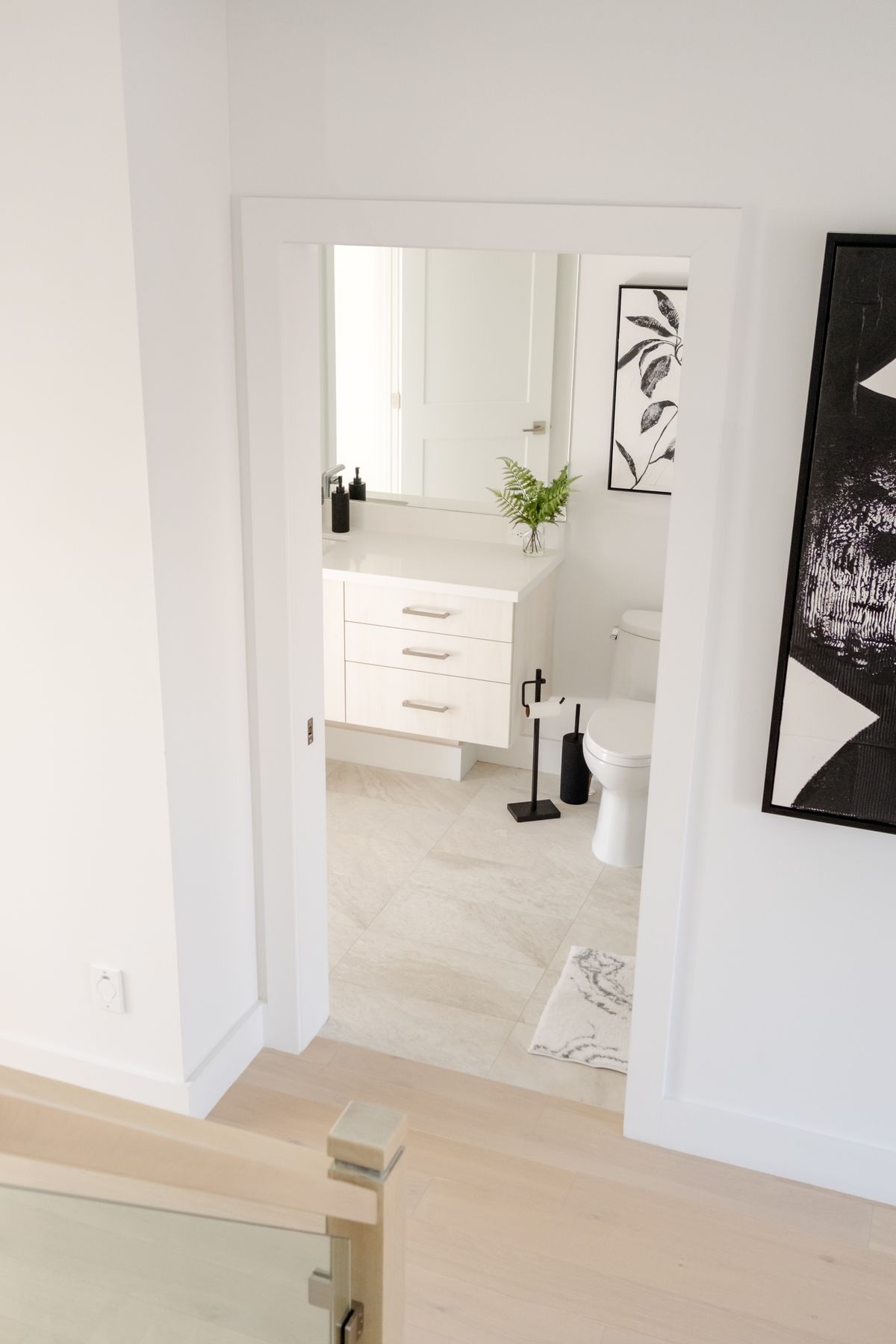
When I want a bathroom to feel calm and uncluttered, I usually start with a simple gray and white palette. These colors reflect light well and create a clean atmosphere that never feels overwhelming.
I like using a floating vanity because it exposes more floor area and helps smaller bathrooms appear larger. According to design experts, visual floor space can significantly improve the perception of room size.
Wall-mounted fixtures and frameless mirrors help reinforce a streamlined look. I keep decorative items to a minimum and focus on quality materials instead.
Pro Tip: I recommend choosing one decorative item, such as a small plant or elegant soap dispenser, rather than filling the countertop with accessories.
Warm Beige Bathroom With Natural Wood Accents
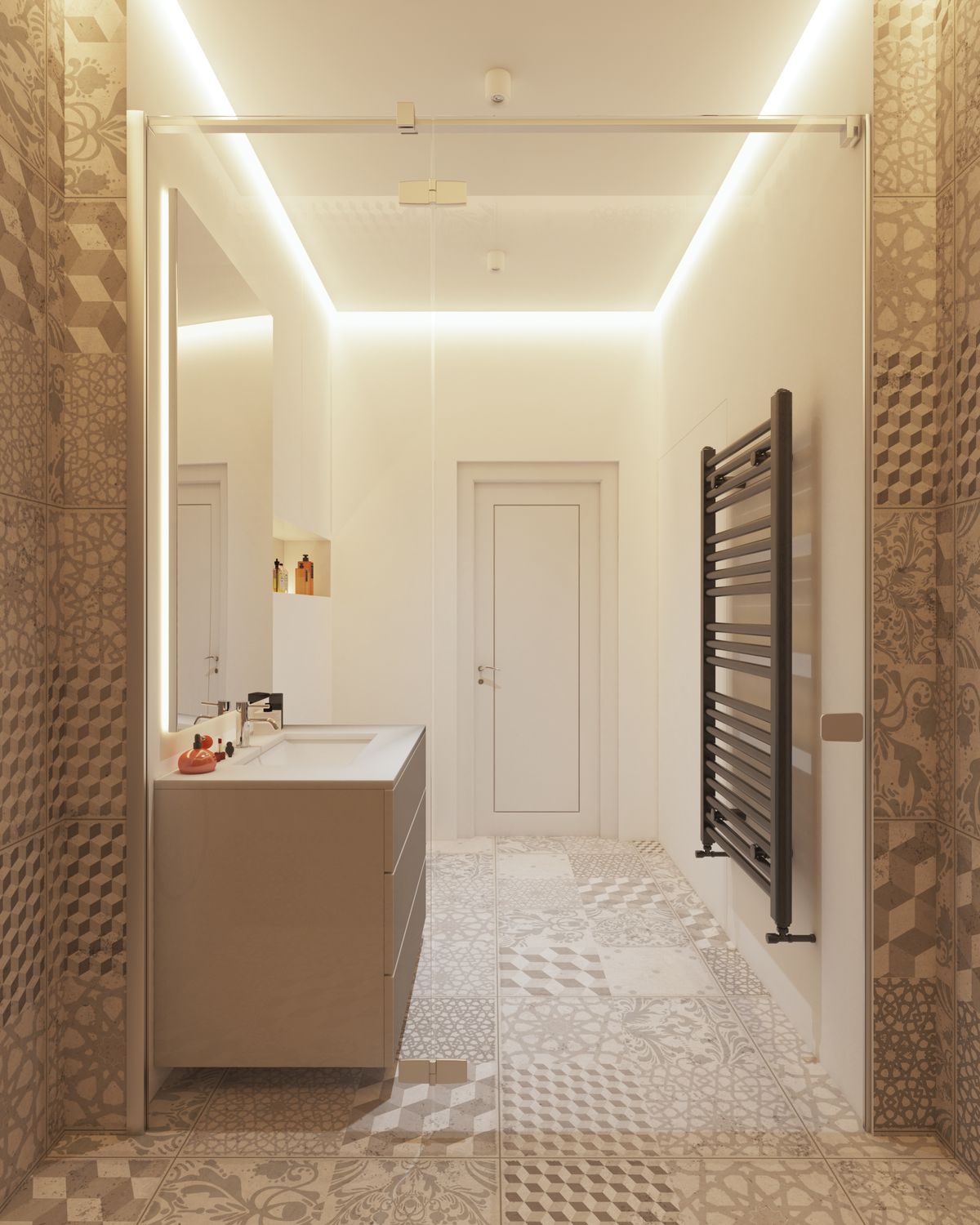
Warm beige walls instantly make a bathroom feel comfortable and welcoming. Whenever I use beige tones, I pair them with natural wood finishes to prevent the room from feeling flat.
A vanity with visible wood grain adds character and creates a connection to nature. This combination works especially well in bathrooms where I want a relaxing, spa-like atmosphere.
Woven storage baskets are another favorite addition of mine. They provide hidden storage while introducing texture and warmth that neutral spaces often need.
Greige Color Palette For A Timeless Look
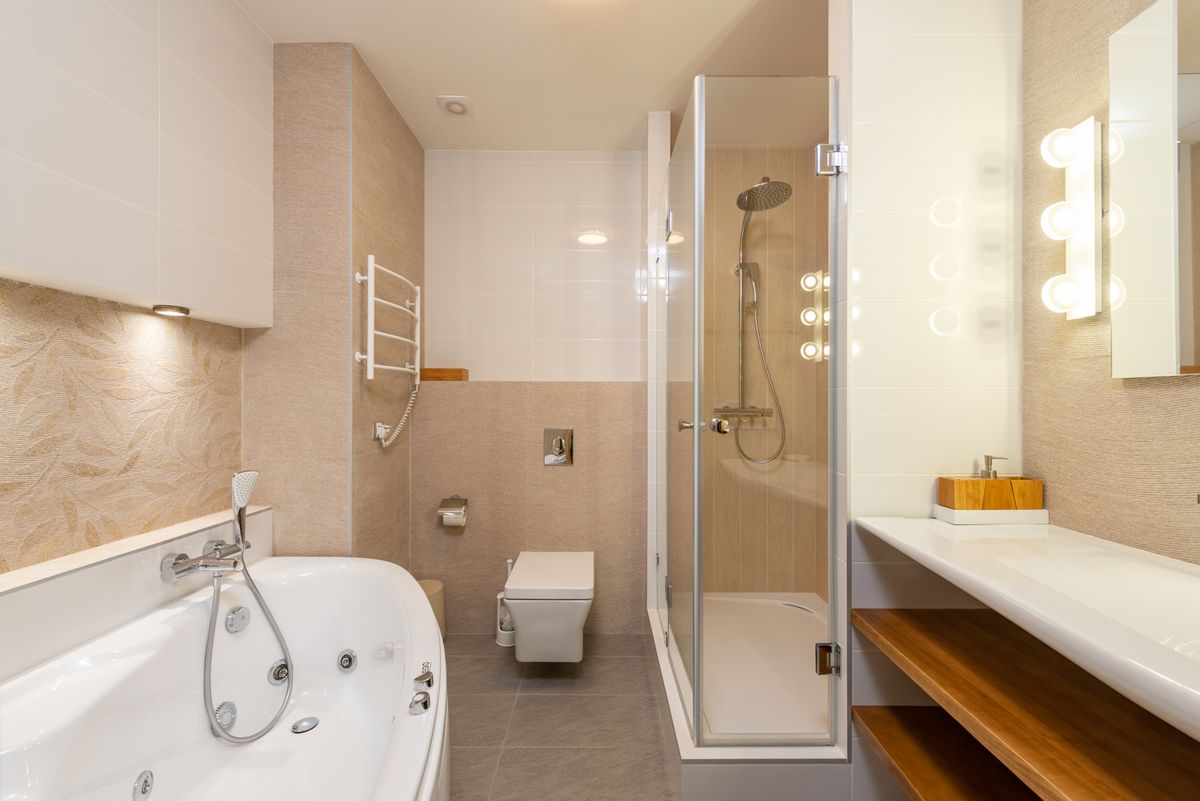
Greige has become one of my favorite neutral colors because it combines the warmth of beige with the sophistication of gray. It offers flexibility that few other paint colors can match.
I often pair greige walls with classic white tile to keep the room bright and balanced. The contrast feels subtle but still creates visual interest.
Chrome or brushed nickel fixtures work beautifully with this palette. One reason I recommend greige so often is that it complements nearly every accent color if I decide to refresh the decor later.
Pro Tip: Before painting an entire bathroom, I always test greige samples throughout the day because lighting can dramatically affect how the color appears.
Stone And Taupe Bathroom Design
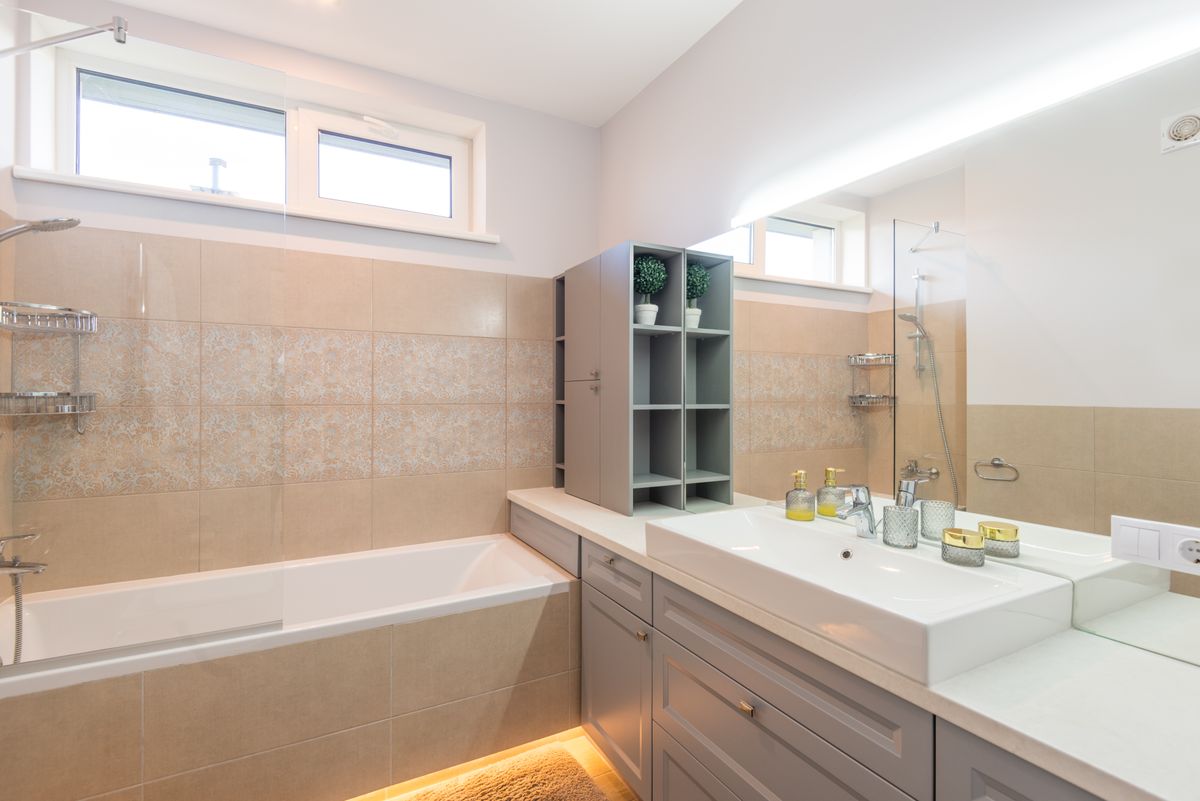
Natural stone textures help create a peaceful environment that feels inspired by luxury spas. I often use stone-look tile because it delivers a similar appearance while requiring less maintenance.
Soft taupe walls work beautifully alongside stone finishes. The combination feels warm, balanced, and sophisticated without looking overly decorated.
A freestanding bathtub becomes even more impressive when placed near a textured stone or pebble feature wall. It instantly creates a focal point that elevates the entire room.
White And Cream Bathroom With Textured Elements
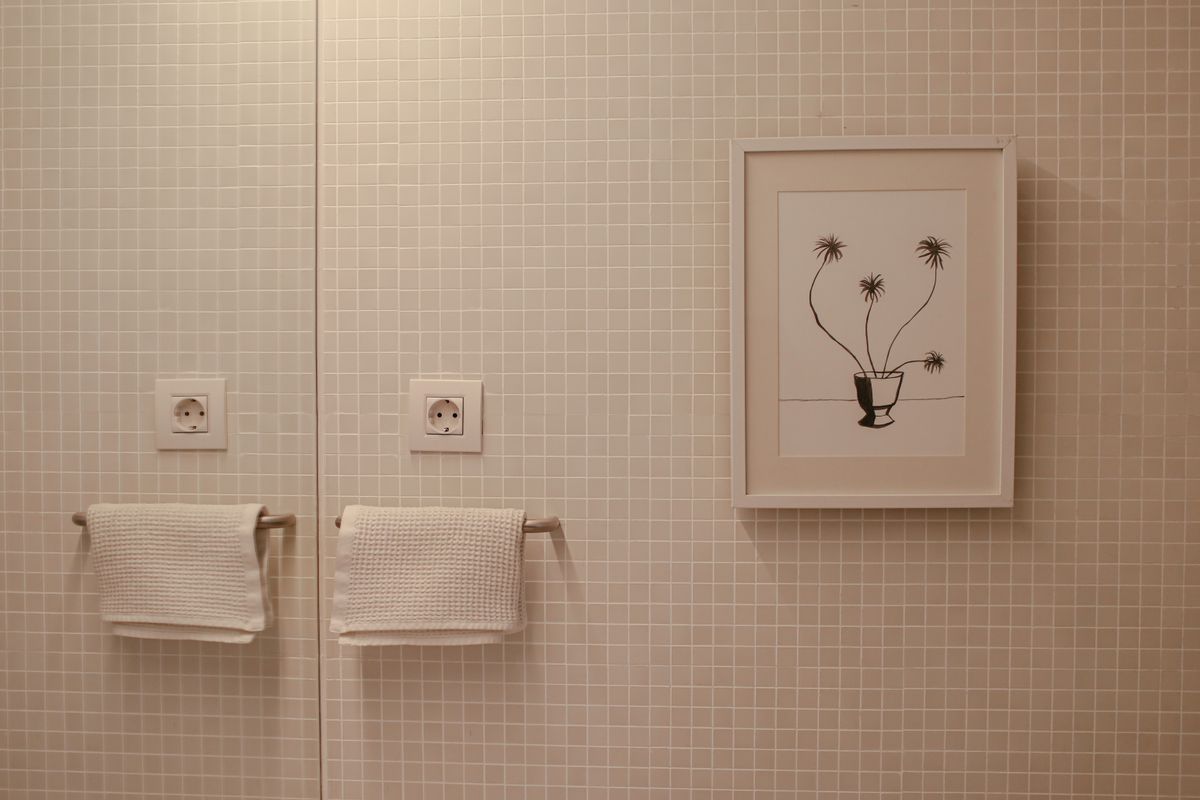
White and cream together create a bright yet softer alternative to an all-white bathroom. I find this combination especially useful when I want a space to feel airy without looking stark.
Texture becomes extremely important when working with light neutrals. Subtle wallpaper patterns, decorative mirrors, and woven lighting fixtures help add dimension.
Rather than relying on bold colors, I focus on layered materials to create visual interest. This approach keeps the design elegant and timeless.
Pro Tip: Mix at least three different textures in a neutral bathroom to prevent the design from feeling one-dimensional.
Neutral Bathroom With Statement Light Fixtures
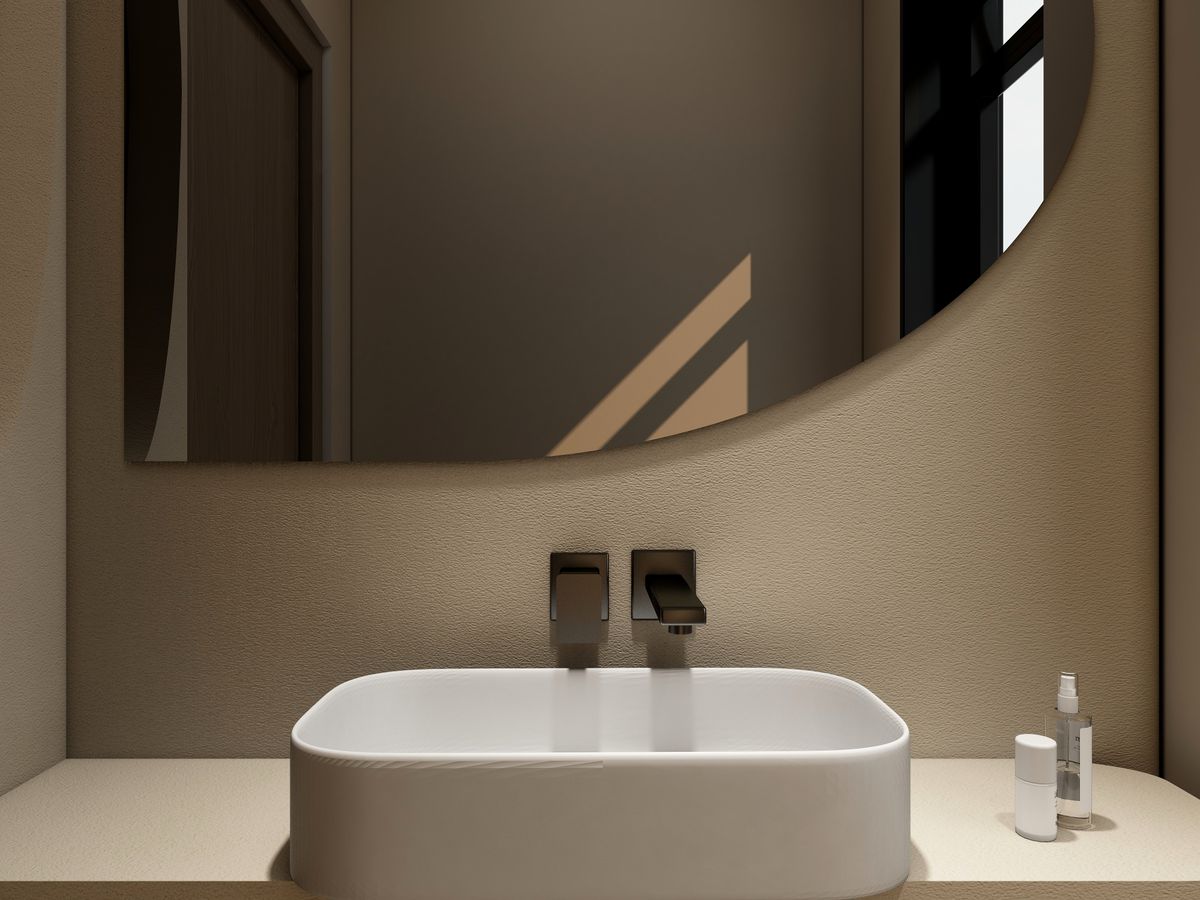
Sometimes the easiest way I refresh a neutral bathroom is by upgrading the lighting. A striking fixture can completely transform the room without changing paint colors or tile.
Soft sandy walls create an excellent backdrop for eye-catching pendants or chandeliers. The neutral surroundings allow the lighting to stand out naturally.
I often recommend oversized fixtures above a bathtub or unique pendant lights near the vanity. They add personality while preserving the calm feeling of the overall design.
Sand-Colored Tiles With White Fixtures
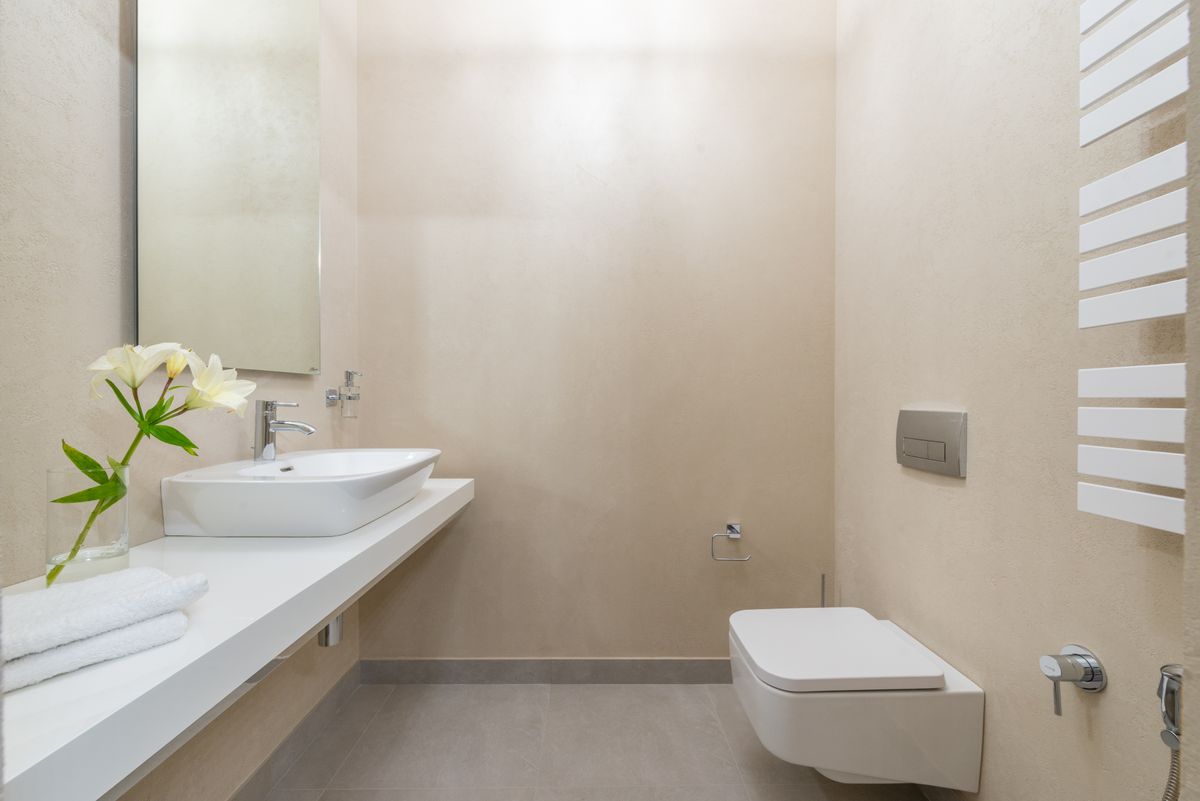
Sand-toned tiles remind me of luxury coastal resorts because they create a warm and seamless appearance. Using the same tile on walls and floors helps the room feel larger and more connected.
I like pairing these warm tones with bright white fixtures for contrast. A freestanding tub or pedestal sink instantly stands out against the softer background.
This color combination works especially well in bathrooms that receive plenty of natural light, as the warm tones become even more inviting throughout the day.
Soft Gray Bathroom With Marble Countertops
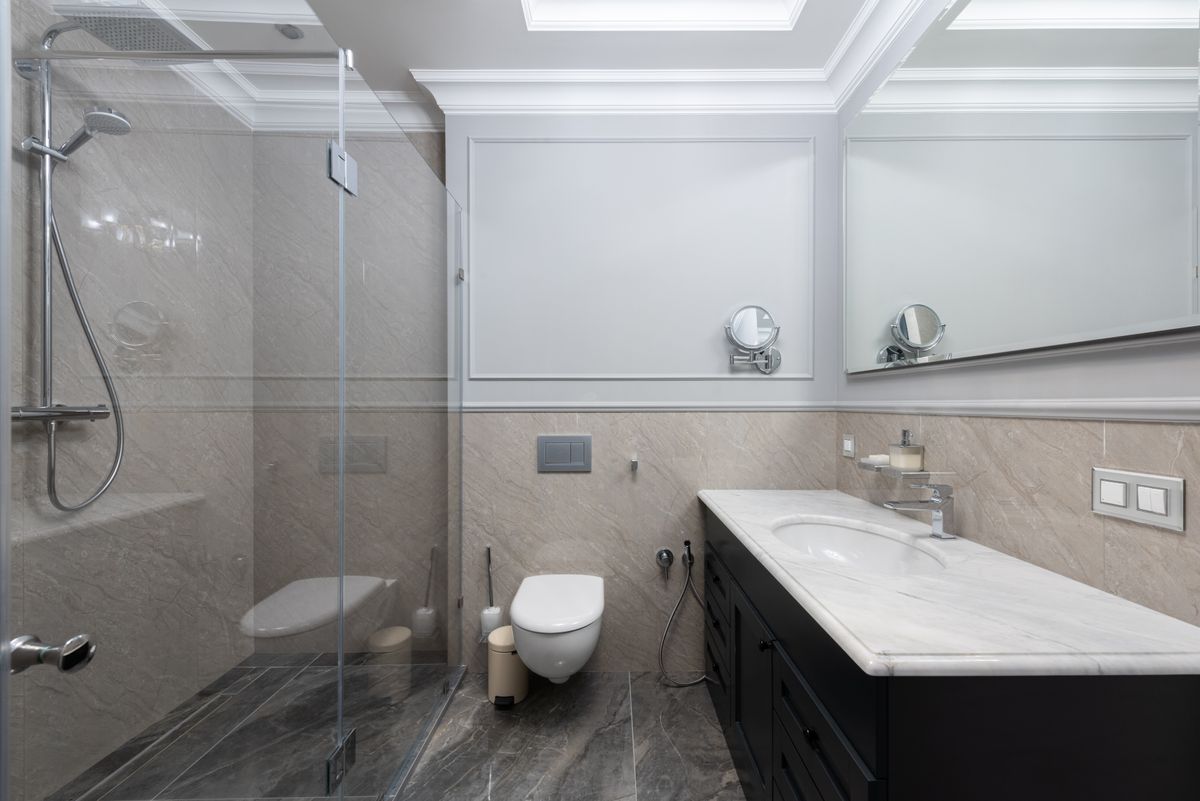
Soft gray walls provide a refined backdrop that works with almost any bathroom style. I often recommend gray because it creates depth while remaining neutral and versatile.
Marble countertops introduce natural veining and movement without overpowering the room. Every slab is unique, which adds character to the design.
A double vanity can improve functionality for busy households while maintaining a luxurious appearance. I also love using rounded mirrors because they soften the straight lines commonly found in bathrooms.
Pro Tip: If natural marble isn’t within your budget, high-quality quartz surfaces with marble-inspired patterns can offer a similar appearance with less maintenance.
Neutral Bathroom With Black Hardware For Contrast
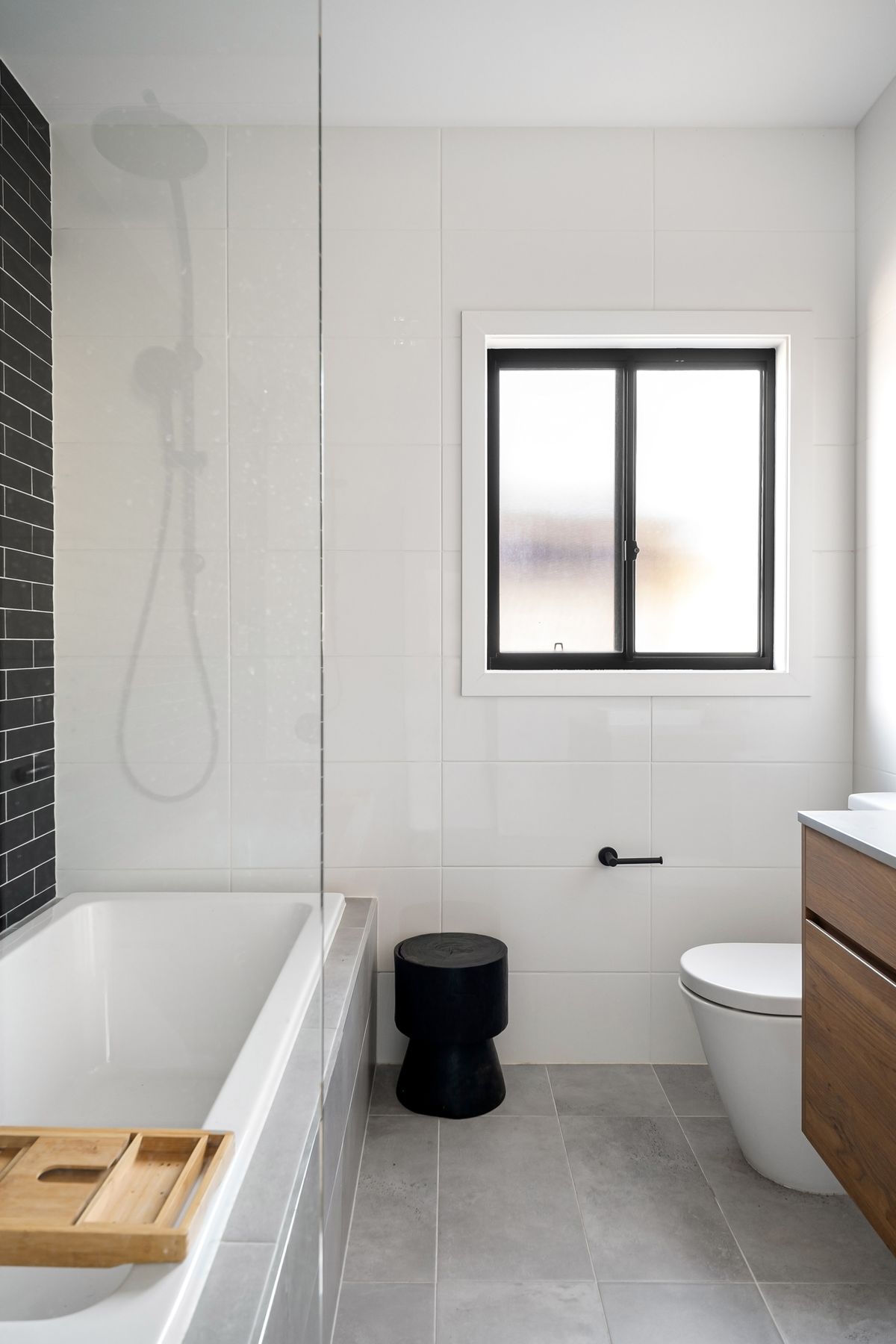
One of the simplest upgrades I make in a neutral bathroom is swapping standard hardware for matte black finishes. This small change creates strong visual contrast without disrupting the calm color palette.
Light beige or off-white walls provide the perfect background for black faucets, shower frames, and cabinet handles. The combination feels modern, clean, and intentional.
I like how black hardware adds definition to the room while keeping the overall design simple. It’s a budget-friendly update that can make an older bathroom feel much more current.
Pro Tip: For the most cohesive look, I stick to one hardware finish throughout the space instead of mixing multiple metals.
Ivory And White Bathroom With Woven Details
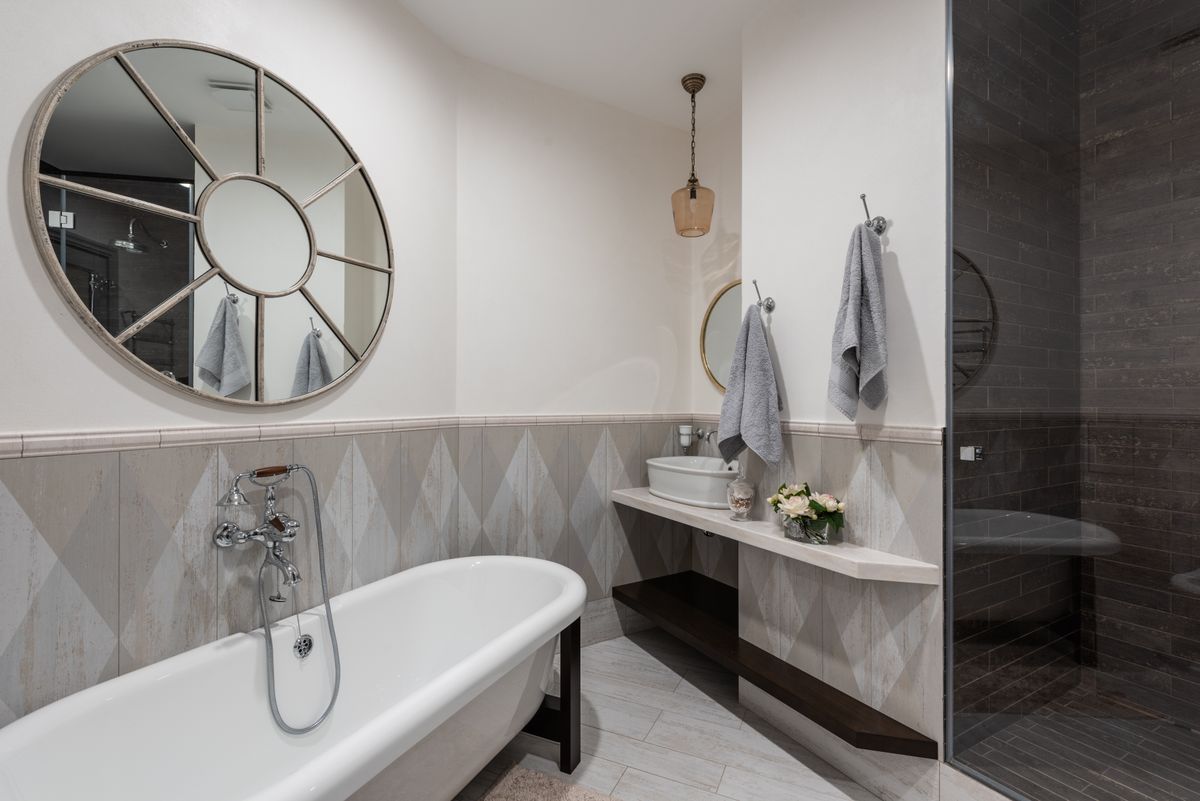
Ivory walls create a softer appearance than bright white and help make the bathroom feel warm and inviting. I often use this color when I want a relaxed, comfortable atmosphere.
White fixtures stand out beautifully against ivory backgrounds while maintaining a fresh and clean aesthetic. The contrast is subtle but effective.
To add texture, I incorporate woven materials such as pendant lighting, baskets, or small accent pieces. These natural elements help prevent the room from feeling too plain.
A simple rattan stool beside the bathtub can also provide convenient storage for towels, candles, or bath essentials.
Neutral Bathroom With Large Window For Natural Light
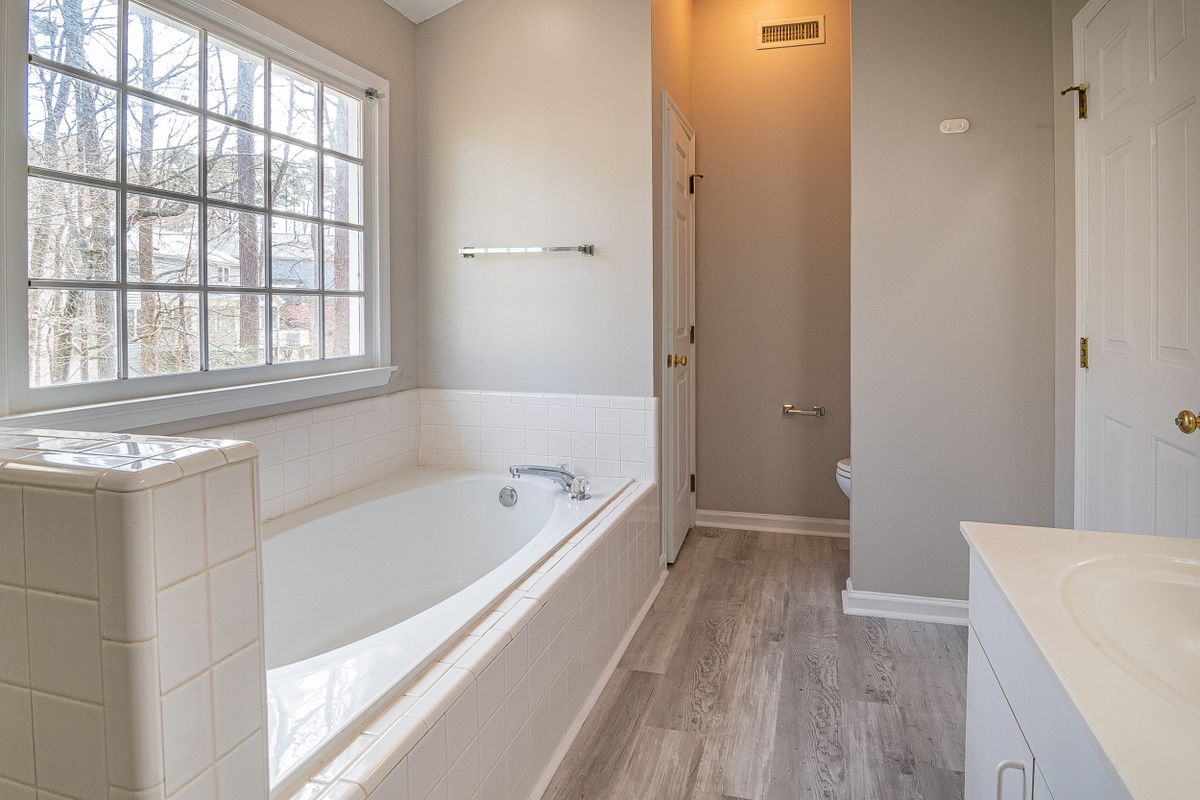
Natural light can completely transform a bathroom. Whenever possible, I design the space to maximize sunlight because it enhances every neutral color in the room.
A freestanding tub placed near a large window creates a relaxing focal point while allowing outdoor views to become part of the experience.
I keep furniture, decor, and accessories minimal so the light remains the main attraction. Lighter shades of beige, cream, and gray help reflect sunlight and make the room feel more open.
Research shows that natural light can positively influence mood and help spaces feel larger, which makes it especially valuable in bathrooms.
Pro Tip: If privacy is a concern, I recommend frosted glass or sheer window treatments that still allow plenty of daylight inside.
Concrete And Wood Neutral Bathroom Design
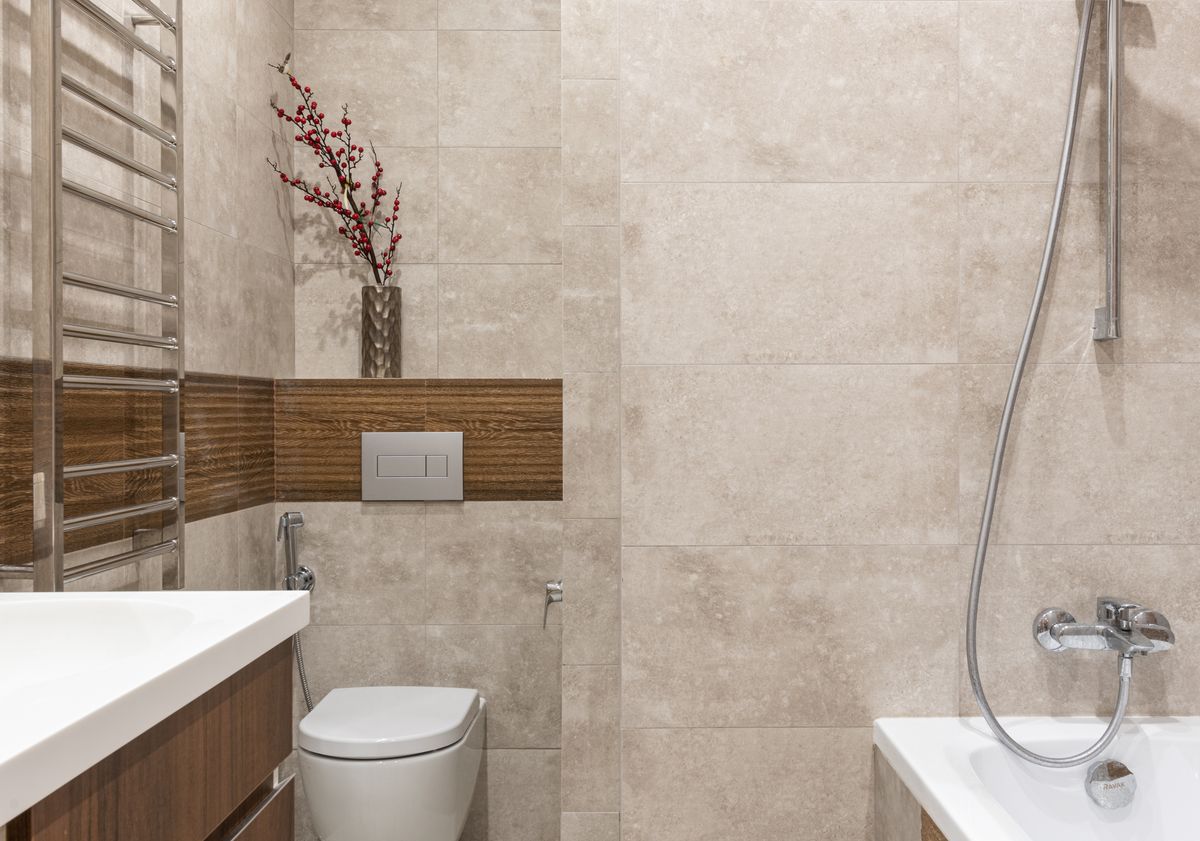
I love pairing concrete and wood because they balance each other perfectly. Concrete introduces a modern, industrial touch, while wood adds warmth and comfort.
Concrete countertops or sinks bring texture and durability to the bathroom. Their natural variations create subtle character without relying on bold colors.
A wood vanity softens the look and prevents the space from feeling cold. Neutral shower tiles and clear glass enclosures help tie everything together while maintaining an open feel.
This combination works especially well in contemporary homes where simplicity is a priority.
Cream Bathroom With Vintage-Inspired Elements
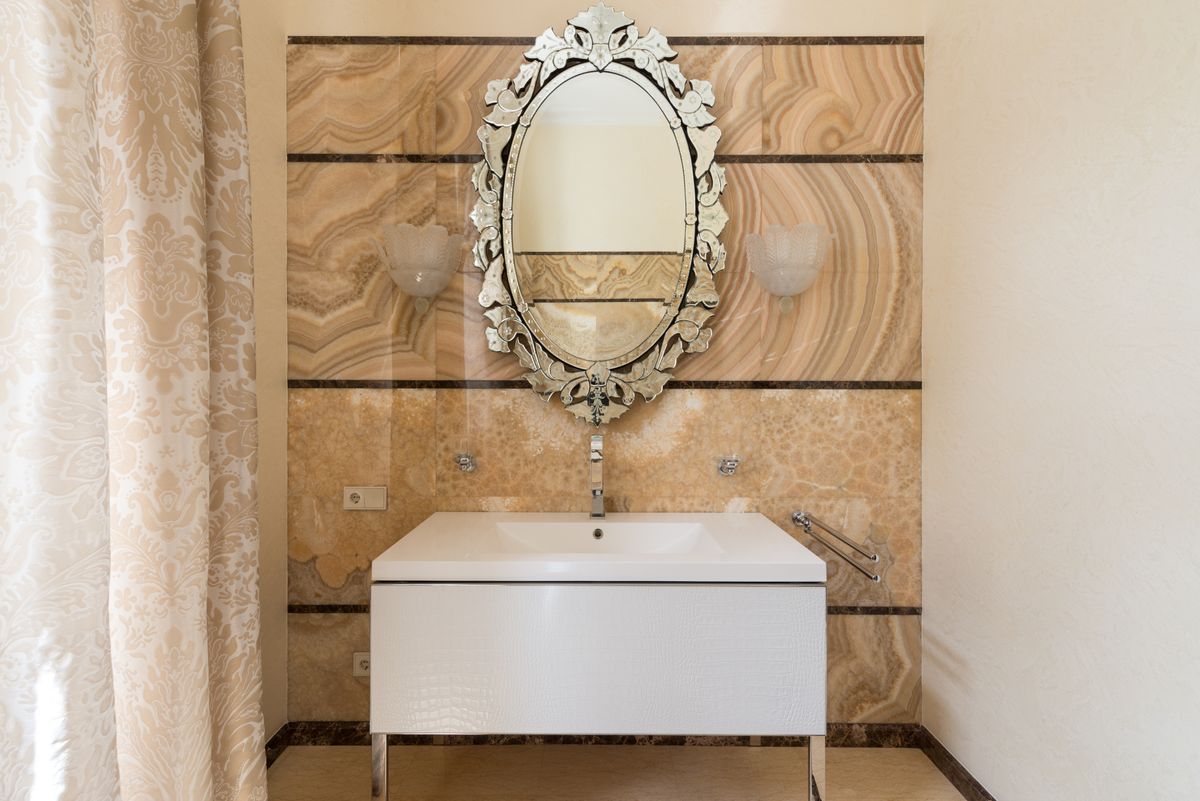
A cream-colored bathroom can feel both elegant and welcoming. I often use this palette when creating spaces with traditional or vintage influences.
A clawfoot tub instantly becomes a standout feature and adds timeless charm. Pairing it with classic-style faucets creates a look that never feels outdated.
Vintage-inspired mirrors, decorative details, and traditional hardware contribute to the overall character without making the room feel overly themed.
The result is a bathroom that feels collected over time rather than designed around short-lived trends.
Pro Tip: I like mixing one or two antique-style pieces with newer fixtures to create balance and keep maintenance simple.
Neutral Bathroom With Open Shelving
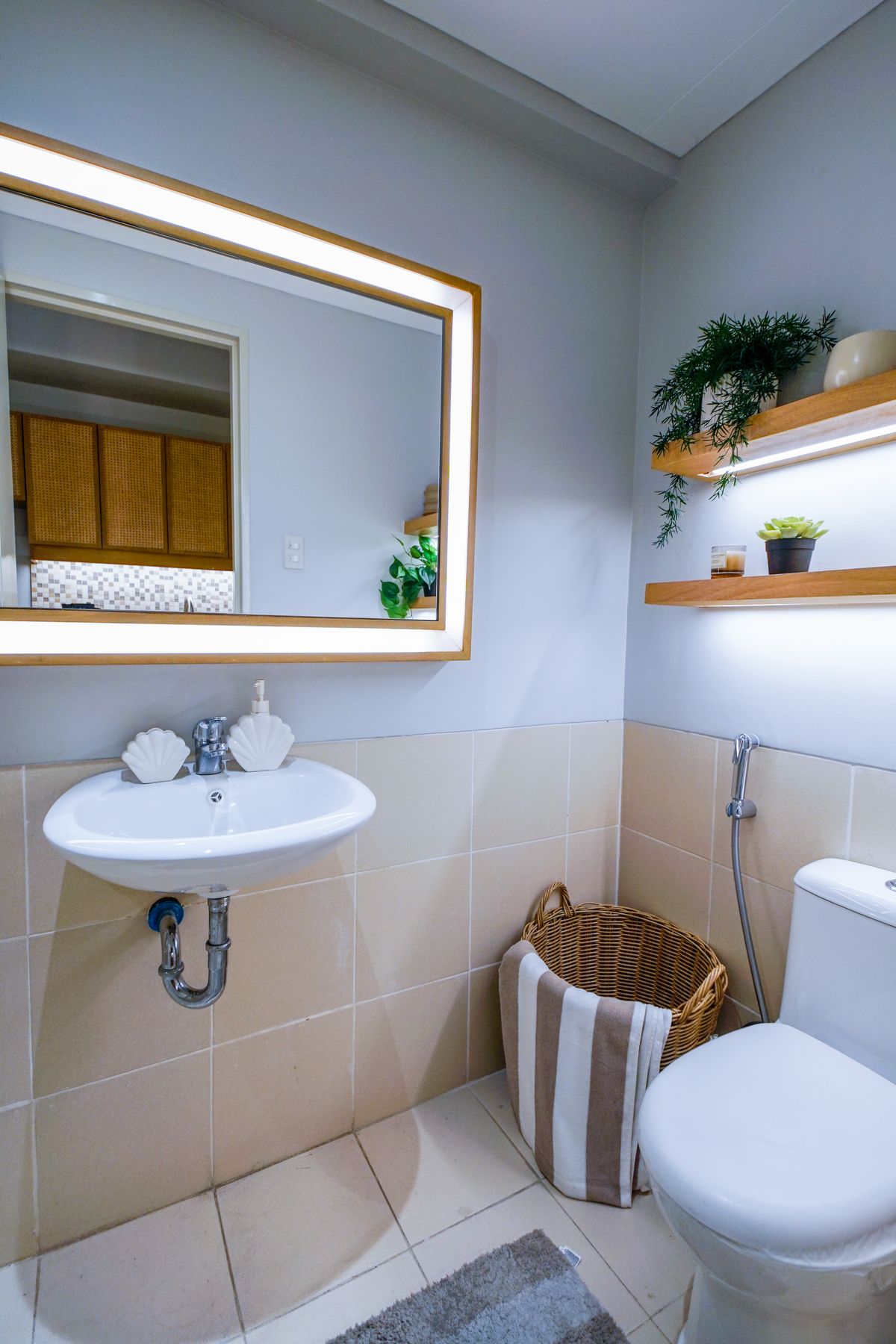
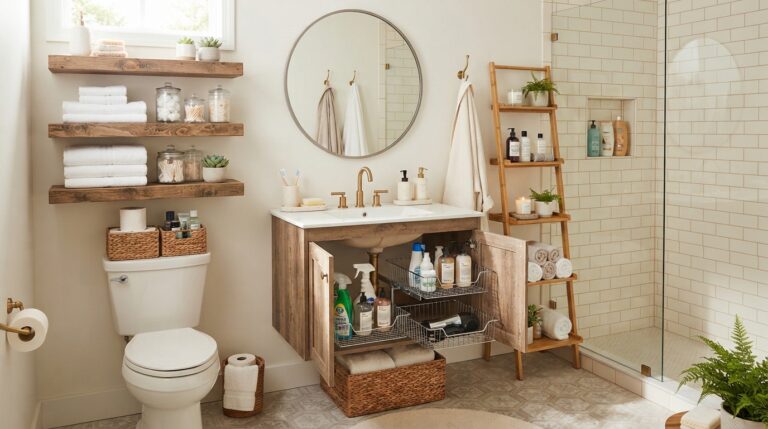
Open shelving is one of my favorite ways to combine storage and decoration in a bathroom. It keeps essentials accessible while helping the room feel more spacious.
Wooden shelves add warmth and contrast beautifully against neutral walls. I use them to display neatly folded towels, small plants, and a few carefully selected accessories.
The key is avoiding clutter. Too many items can make shelves look messy rather than intentional.
By keeping displays simple and organized, I can add personality without sacrificing the clean feel that makes neutral bathrooms so appealing.
Also read: 19 Summer Bedroom Ideas for Your Breezy Escape
Tan And White Bathroom With Brass Fixtures
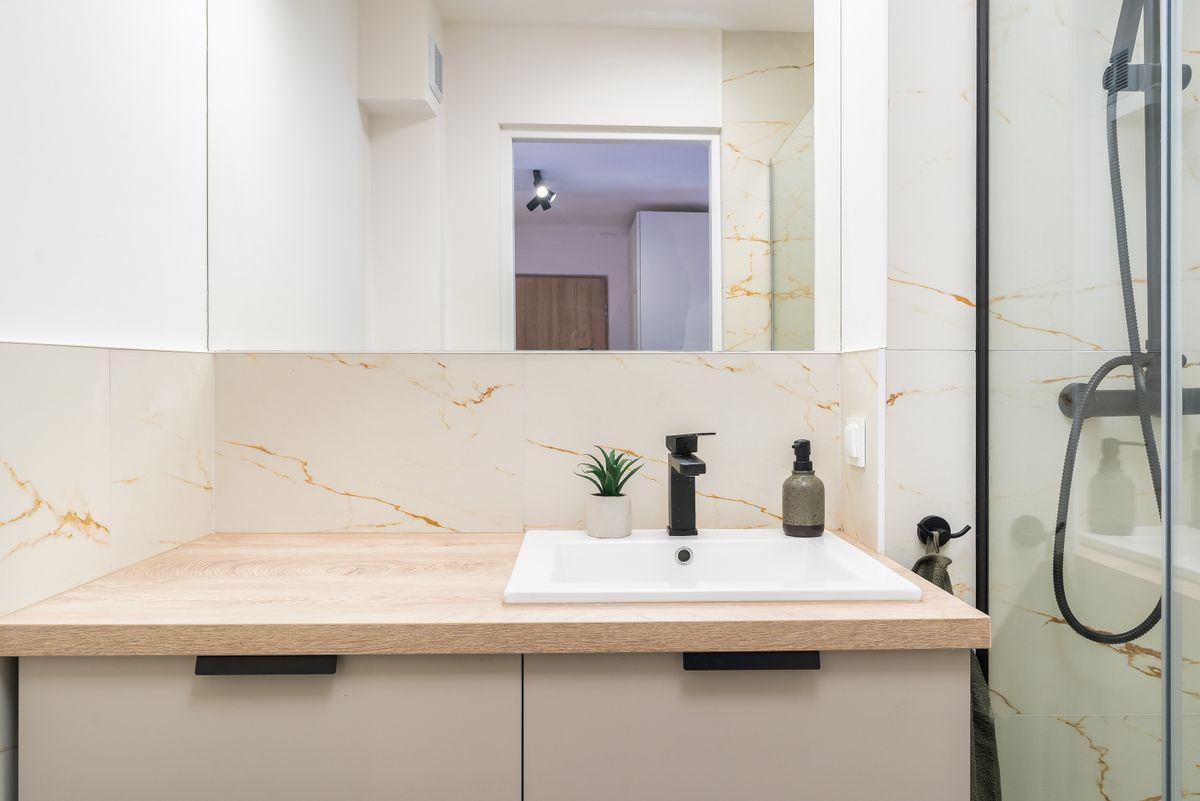
Warm tan walls create a cozy foundation that feels comfortable and inviting throughout the year. I often pair them with classic white tile for a timeless combination.
Brass fixtures add warmth and sophistication that other metals sometimes lack. Their subtle golden tone works particularly well alongside earthy neutral colors.
Whether I use brass faucets, shower hardware, or cabinet pulls, these accents bring just enough shine to keep the room visually interesting.
The overall effect feels balanced, elegant, and welcoming without becoming overly formal.
Pro Tip: Brushed brass finishes typically hide fingerprints and water spots better than highly polished options.
Matte Neutral Finishes For A Contemporary Look
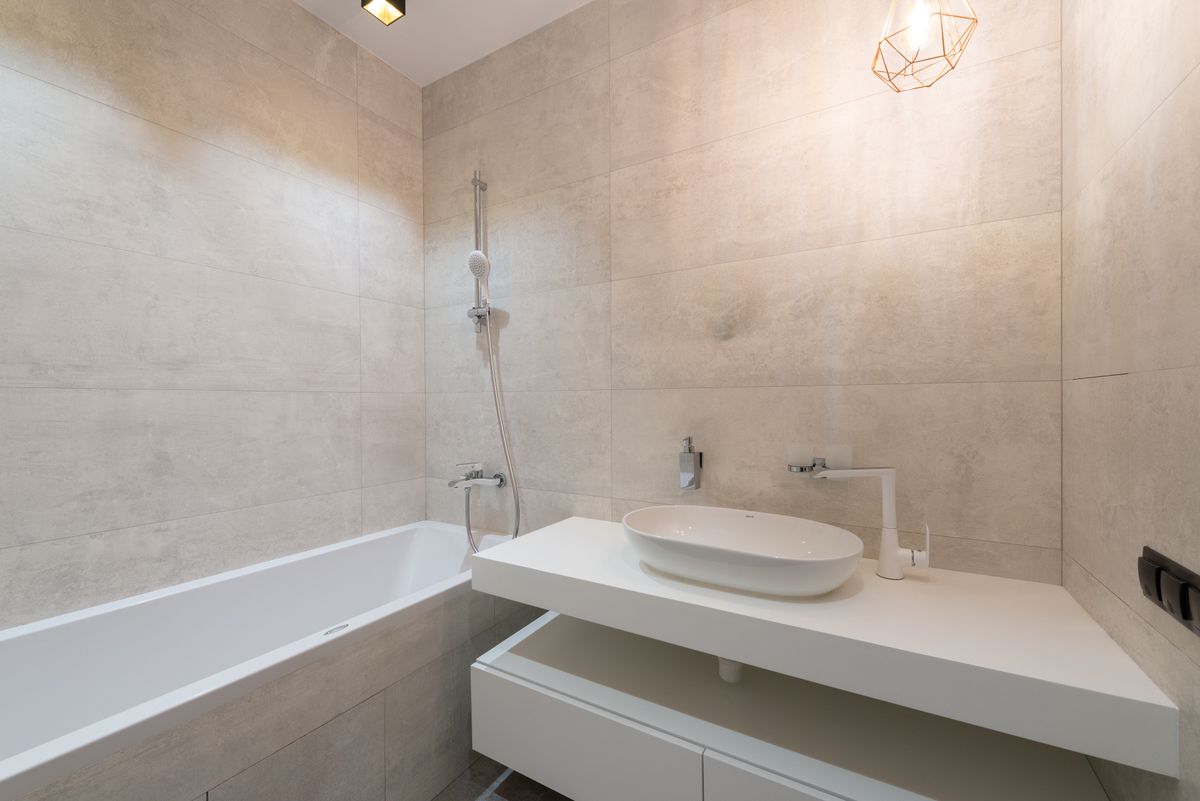
Matte finishes have become increasingly popular because they create a softer and more refined appearance. I often choose matte surfaces when designing modern bathrooms.
Matte beige or taupe tiles absorb light rather than reflecting it, giving the room a calm and sophisticated feel.
Flat-panel cabinetry, simple fixtures, and understated details help maintain a seamless look. Instead of drawing attention to individual elements, the design works together as a whole.
What I appreciate most about this style is its ability to feel modern without appearing trendy. It remains relevant year after year while supporting the timeless appeal of a neutral palette.
Pro Tip: When selecting matte finishes, I always compare samples in both natural and artificial light to ensure the color remains consistent throughout the day.
Stone Sink And Neutral Wall Coverings
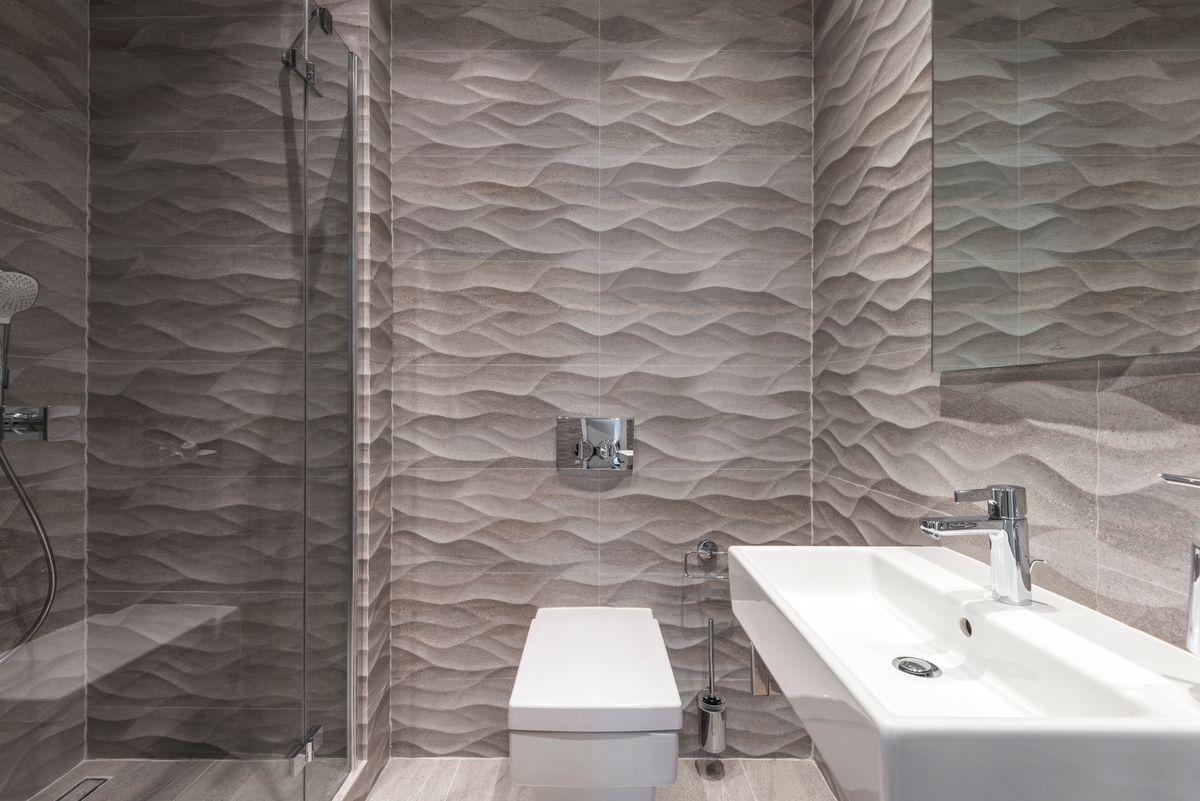
A natural stone sink can become the centerpiece of a neutral bathroom without requiring bold colors or decorative patterns. I love how every stone sink has unique textures and variations that make the space feel more custom.
To complement the sink, I usually choose wall coverings with subtle texture rather than strong prints. Textured wallpaper, limewash finishes, or lightly patterned tiles can add depth while keeping the room calm.
I keep surrounding surfaces simple so the natural beauty of the stone remains the focal point. This approach works especially well in bathrooms where I want a spa-inspired atmosphere.
Pro Tip: Seal natural stone surfaces properly and follow the manufacturer’s care recommendations to help prevent staining and water damage over time.
Travertine Tile Bathroom In Warm Neutrals
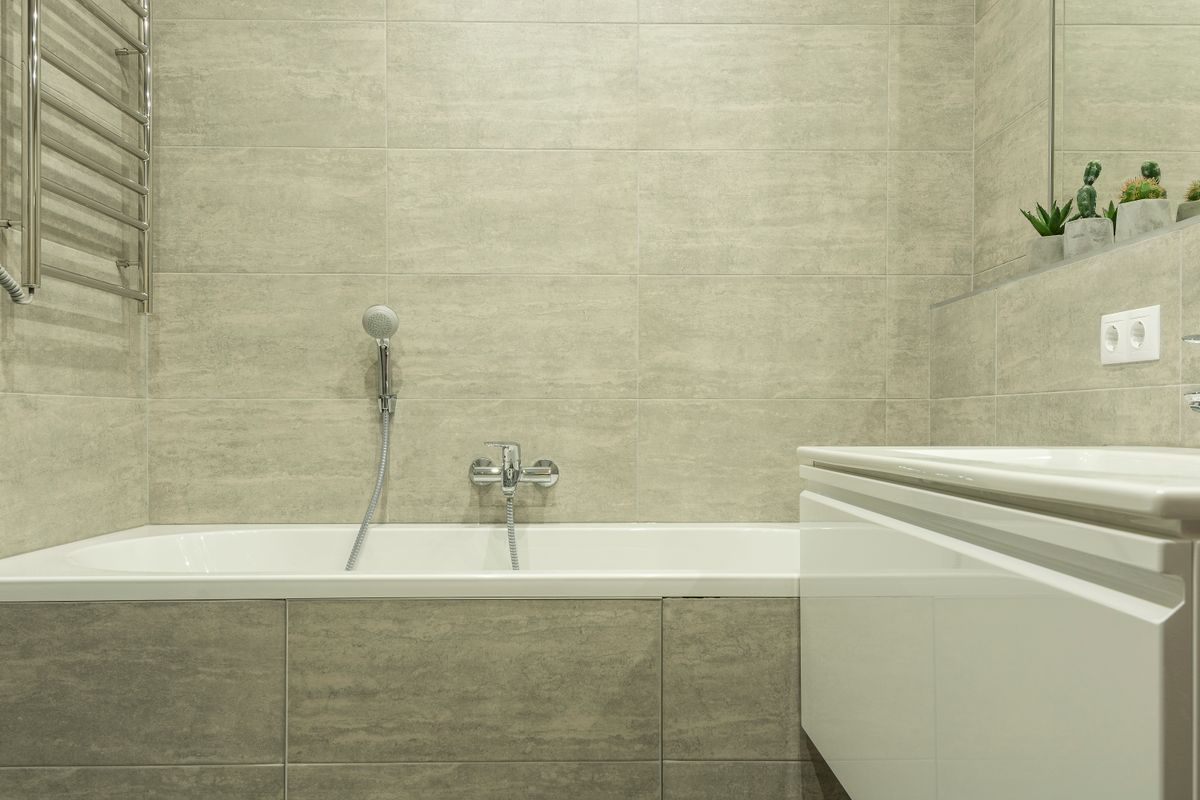
Travertine remains one of my favorite materials for creating a luxurious bathroom. Its natural variation adds character while maintaining the soft neutral tones that make a space feel relaxing.
Using travertine on both floors and walls creates a seamless appearance that helps the room feel larger and more cohesive. The warm tones work beautifully with a wide range of decorating styles.
I typically pair travertine with simple fixtures and frameless glass shower enclosures. This allows the natural stone to take center stage rather than competing with busy design elements.
The finished result often feels like a high-end resort bathroom designed for comfort and relaxation.
Neutral Bathroom With Plant Accents
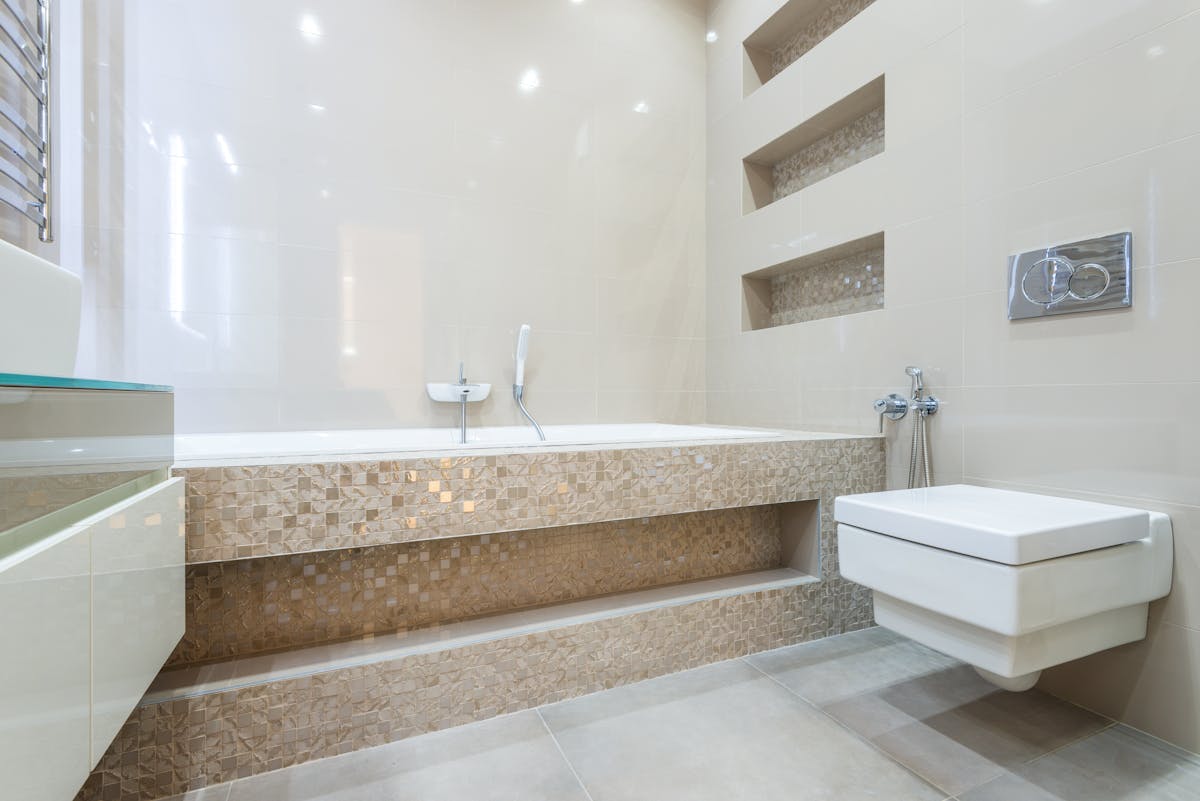
Plants are one of the easiest ways I bring life into a neutral bathroom. Greenery adds natural color without overpowering the soft palette.
Low-maintenance plants such as pothos, snake plants, ZZ plants, and certain succulents can thrive in bathroom environments depending on the available light. Many also help improve indoor air quality.
I place small potted plants on countertops and shelves while hanging trailing varieties near windows or showers where humidity levels are higher.
The contrast between soft neutrals and vibrant greenery creates a fresh, balanced look that never feels overwhelming.
Pro Tip: Choose plants based on your bathroom’s natural light conditions rather than appearance alone to improve long-term success.
White Oak Vanity With Neutral Surroundings
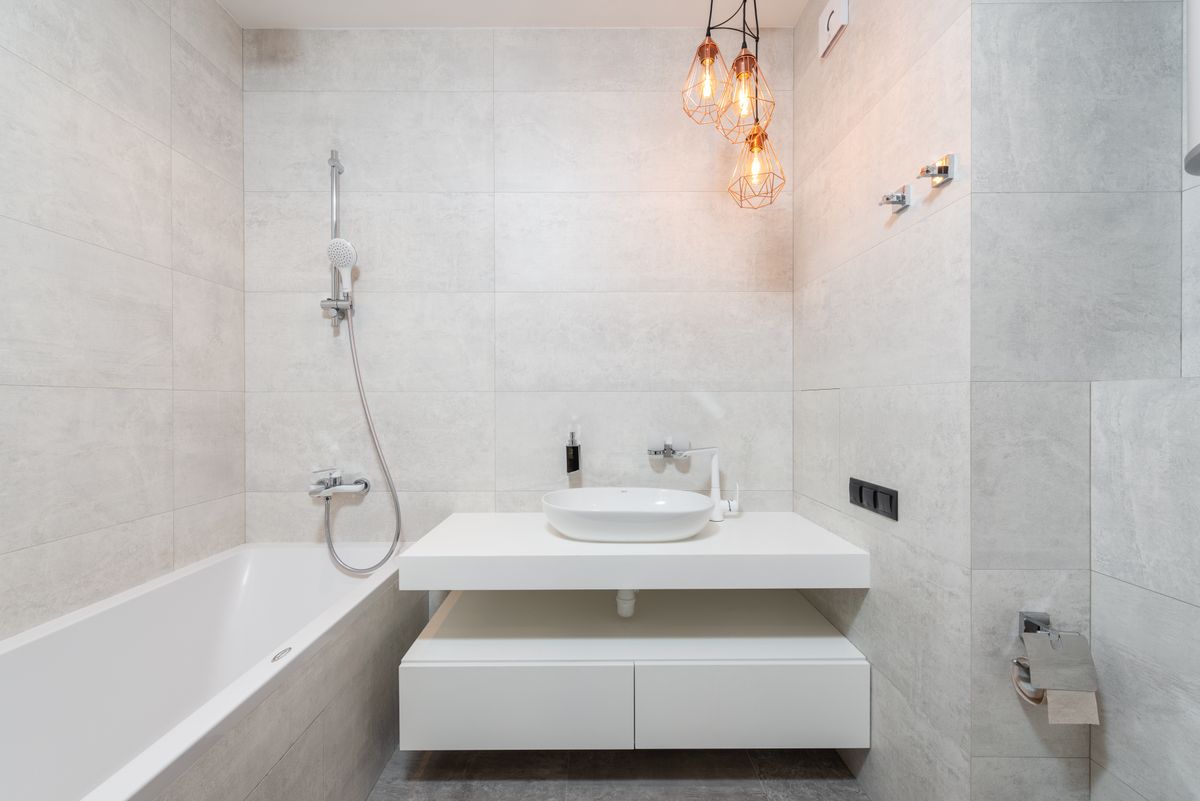
A white oak vanity can instantly add warmth and character to a bathroom. I often use it as the main design feature while keeping the rest of the room simple.
White walls, neutral flooring, and minimal decor allow the natural grain of the wood to stand out. This creates visual interest without relying on bright colors.
I usually pair white oak with clean-lined mirrors and understated lighting to maintain a balanced aesthetic.
The beauty of this approach is that natural wood remains stylish regardless of changing design trends.
Limestone Features In A Neutral Bathroom
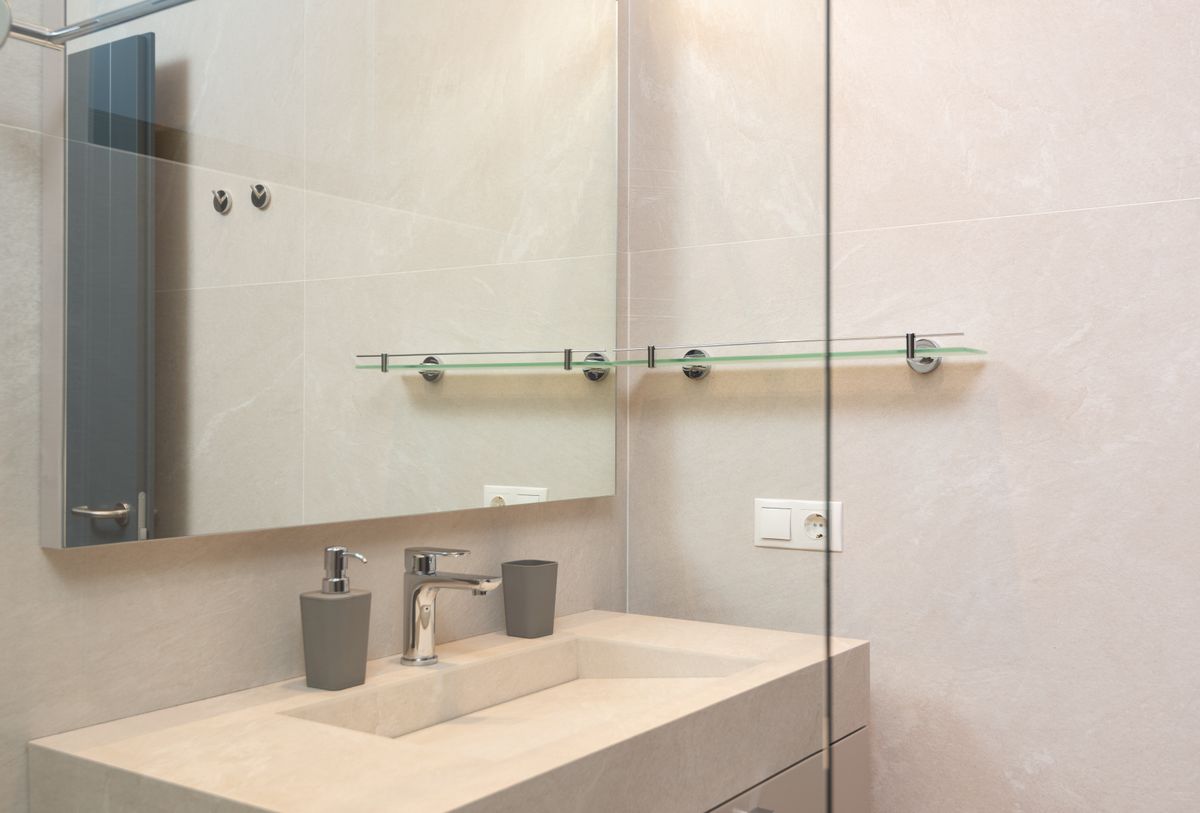
Limestone creates a sophisticated and organic look that fits perfectly within a neutral design scheme. I like using it across multiple surfaces to establish consistency throughout the room.
Limestone walls, countertops, or flooring can provide subtle texture while maintaining a soft and calming appearance. The natural variation keeps the design from feeling flat.
Simple chrome or brushed nickel fixtures work particularly well with limestone because they don’t distract from the stone’s beauty.
When paired with crisp white towels and minimal accessories, the bathroom feels peaceful, elegant, and inspired by nature.
Pro Tip: Because limestone is naturally porous, regular sealing can help protect it from moisture and everyday wear.
Read this next: 23 Bedroom Decor Trends in 2026
Neutral Bathroom With Subtle Pattern Mixing
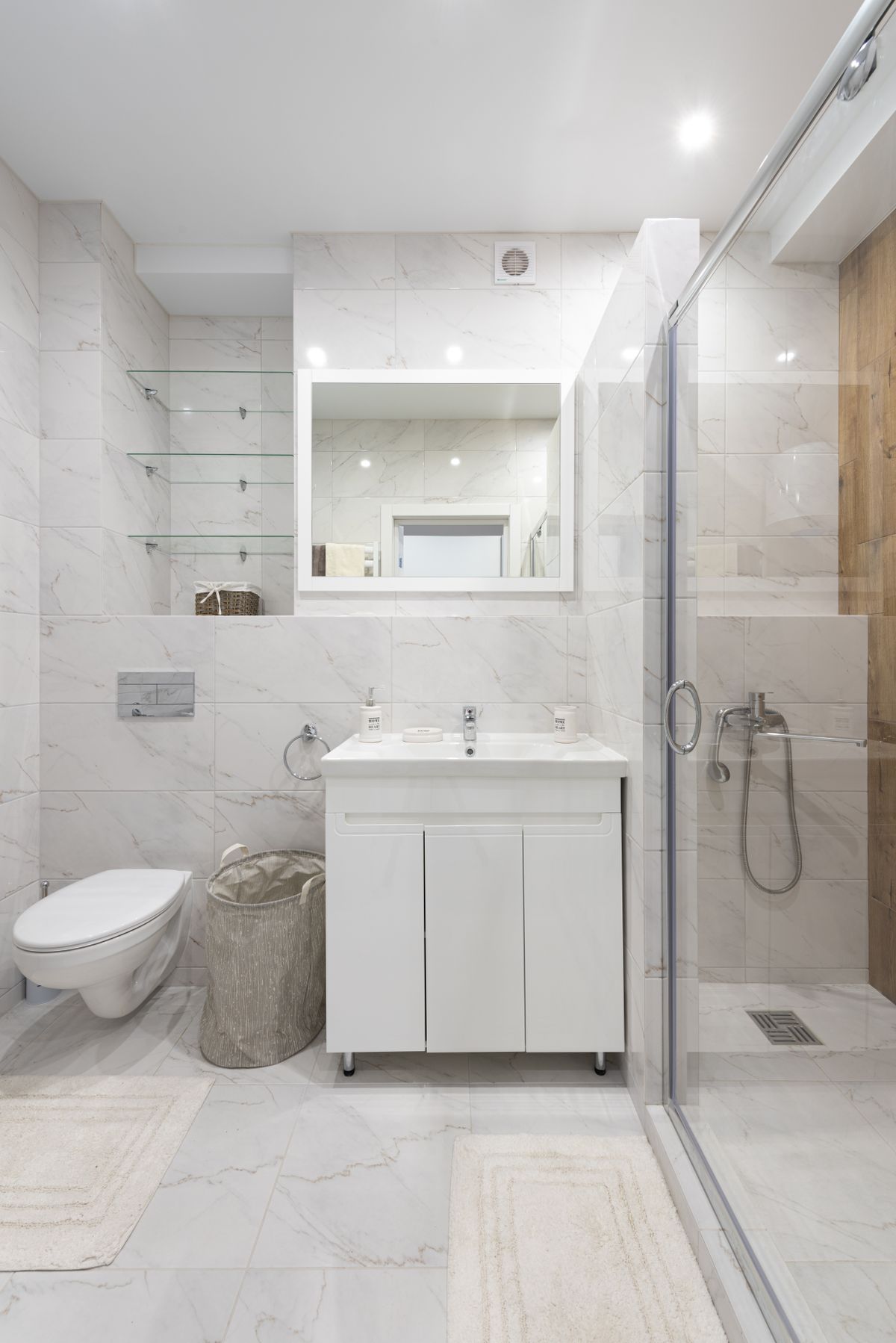
Many people think neutral bathrooms have to be plain, but I’ve found that subtle pattern mixing can add personality without creating visual clutter.
I often combine herringbone floor tiles with simple geometric wall patterns or striped textiles in similar color families. The key is keeping the colors consistent while varying the scale of the patterns.
This technique creates depth and movement while preserving the calming feel that neutral spaces are known for.
When done carefully, pattern layering can make a bathroom feel professionally designed without appearing busy.
Cozy Neutral Bathroom With Soft Textiles
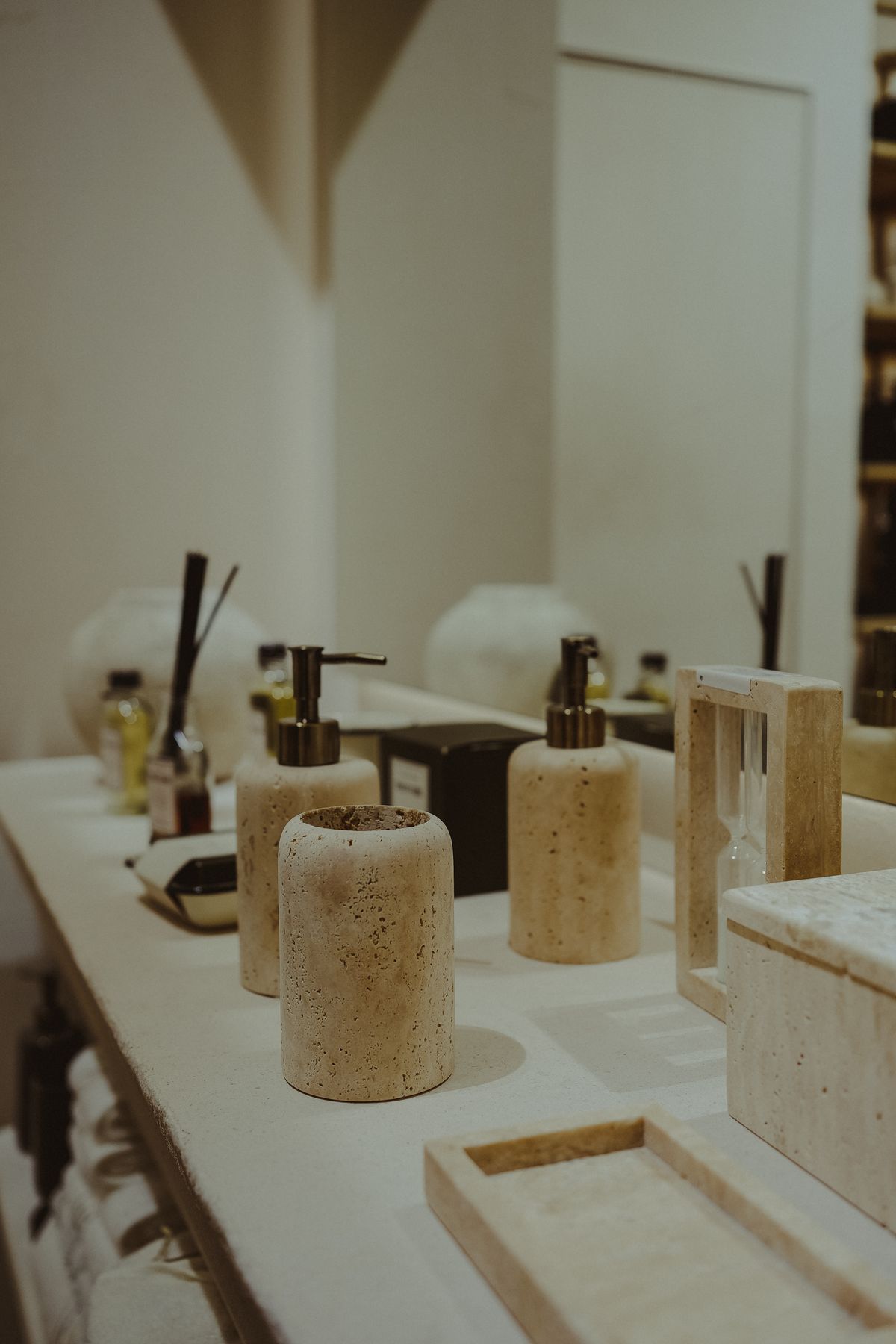
Textiles play a huge role in making a bathroom feel warm and comfortable. Even the most beautiful bathroom can feel cold if it lacks soft materials.
I like layering plush towels, textured bath mats, linen shower curtains, and woven storage baskets throughout the space. These elements add warmth and help soften hard surfaces such as tile, stone, and glass.
Using several shades within the same neutral family creates dimension while maintaining a cohesive appearance.
Small details like these often have the biggest impact on how comfortable a bathroom feels during everyday use.
Pro Tip: Invest in high-quality towels made from cotton or Turkish cotton. They tend to last longer, absorb moisture better, and create a more luxurious experience.
FAQ’s
What colors work best in a neutral bathroom?
I typically recommend shades such as white, cream, beige, greige, taupe, soft gray, and warm tan. These colors create a timeless foundation and pair well with a variety of materials and finishes.
How can I make a neutral bathroom feel more interesting?
I focus on layering textures instead of adding bold colors. Natural wood, stone, woven baskets, patterned tile, textured wallpaper, and quality lighting can all add depth and character.
Are neutral bathrooms still popular?
Yes. Neutral bathrooms remain one of the most requested design styles because they feel clean, calming, versatile, and appealing to a wide range of homeowners and potential buyers.
Conclusion
Creating a beautiful neutral bathroom doesn’t mean settling for a boring design. Through thoughtful use of color, texture, natural materials, lighting, and carefully selected finishes, I can create a space that feels both stylish and relaxing.
Whether I prefer modern minimalism, cozy farmhouse charm, spa-inspired luxury, or timeless traditional details, neutral colors provide a flexible foundation that works for nearly any design style. By layering materials like wood, stone, woven accents, and soft textiles, it’s possible to build a bathroom that feels welcoming today and remains relevant for years to come.
The best neutral bathrooms aren’t defined by a single color. They’re created through balance, texture, and attention to detail that make everyday routines more enjoyable.

One Comment