23 Bedroom Decor Trends in 2026
Bedrooms are becoming more personal, healthier, and smarter than ever before. In 2026, I am seeing a strong shift toward sustainable materials, wellness-focused design, flexible furniture, and technology that improves daily comfort. The best part is that many of these trends can work in both large and small bedrooms without requiring a complete renovation.
Whether I want a calming retreat, a stylish modern space, or a bedroom that supports better sleep, these trends offer practical ideas that combine beauty with function. From eco-friendly bamboo furniture to intelligent bedding systems, there is something here for every style and budget.
Save this for later
Table of Contents
The biggest bedroom trends for 2026 focus on sustainability, wellness, technology, and comfort. Natural materials like bamboo, terracotta, and mycelium-based products are becoming more popular as homeowners look for environmentally responsible choices. Smart mattresses, adaptive lighting, acoustic sound panels, and indoor gardens are helping create healthier sleep environments.
Design styles are also changing. Curved furniture, layered textures, metallic wall finishes, asymmetrical mirrors, and personalized décor are replacing cookie-cutter bedroom designs. The goal is simple: create a bedroom that feels relaxing, functional, and uniquely yours.
Key Takeaways
- Sustainable materials continue to dominate bedroom design.
- Smart technology is increasingly focused on sleep quality.
- Nature-inspired elements help create calmer spaces.
- Curved furniture shapes are replacing sharp edges.
- Layered lighting improves comfort and functionality.
- Personalized décor is becoming more important than mass-produced designs.
- Wellness features such as sound control and air purification are growing trends.
- Flexible storage solutions help maximize bedroom space.
Related article: 19 Summer Bedroom Ideas for Your Breezy Escape
Sustainable Bamboo Furnishings
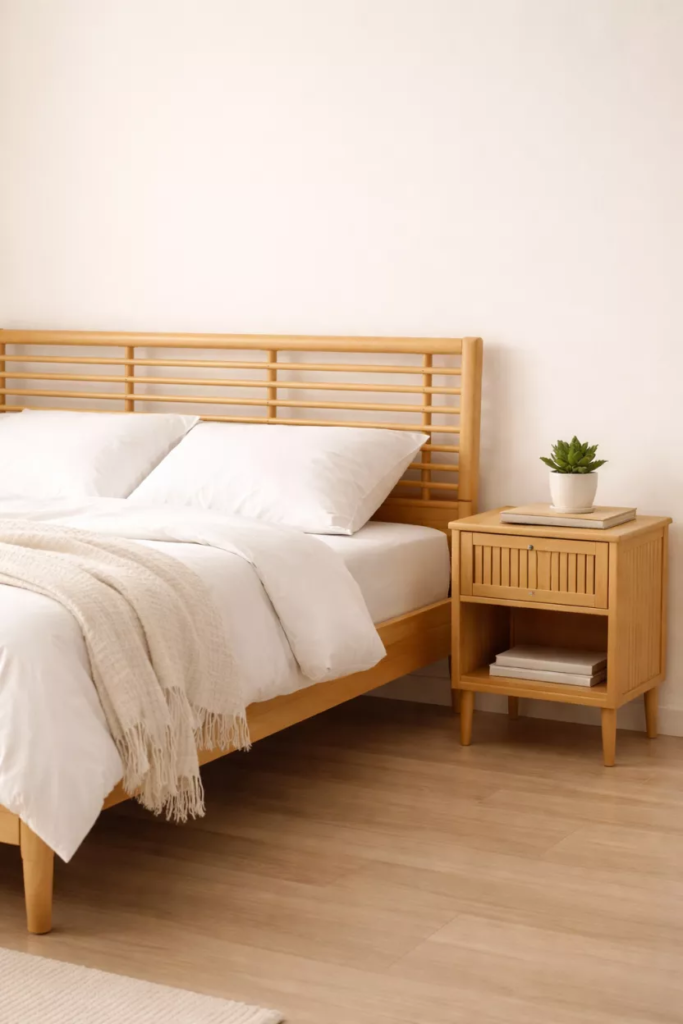
Bamboo furniture is becoming one of my favorite options for modern bedrooms. It grows much faster than traditional hardwood trees, making it a more renewable material for furniture production. Many experts consider bamboo one of the most sustainable materials used in home design today.
I like how bamboo furniture feels light and clean while still being durable enough for everyday use. Bed frames, dressers, nightstands, and storage units made from bamboo work especially well in smaller rooms because they don’t feel visually heavy.
Pro Tip: When shopping for bamboo furniture, I always look for certifications that verify responsible harvesting and manufacturing practices. This helps ensure the product is genuinely eco-friendly.
Pairing bamboo furniture with crisp white bedding and neutral décor creates a fresh, timeless bedroom style that fits perfectly with 2026 trends.
Biophilic Wall Coverings
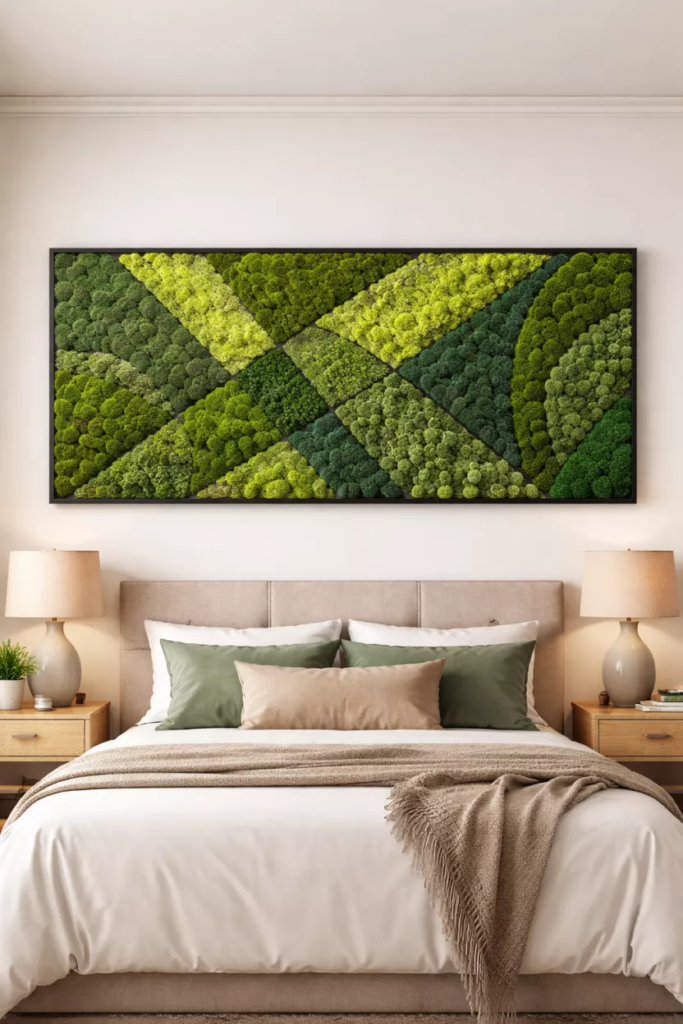
Bringing nature indoors continues to be a major design movement. One trend I am seeing more often is biophilic wall décor, especially preserved moss panels and living plant walls.
These installations add texture, color, and a calming atmosphere to a bedroom. Research has shown that exposure to natural elements indoors may help reduce stress and support relaxation, making them especially valuable in sleep spaces.
If maintaining live plants feels overwhelming, preserved moss artwork offers a low-maintenance alternative. It delivers the same natural appearance without watering or daily care.
For homeowners willing to invest more, smart irrigation systems can make living walls surprisingly easy to manage.
AI Powered Smart Bedding
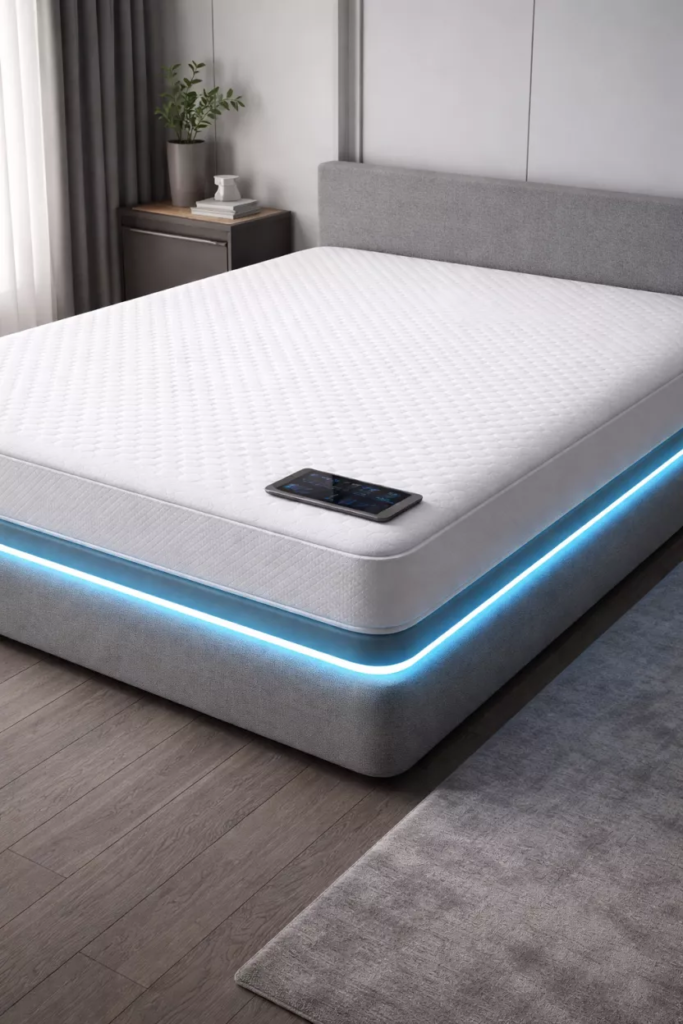
Sleep technology has advanced rapidly, and smart bedding is becoming a major bedroom upgrade. Today’s intelligent mattresses can monitor sleep patterns, adjust temperature settings, and even modify firmness levels throughout the night.
I find this trend especially useful because temperature plays a significant role in sleep quality. According to sleep research, cooler sleeping environments often contribute to deeper and more restful sleep.
Many smart beds now connect with mobile apps, giving users detailed insights into sleep duration, movement, and recovery patterns. Some systems even integrate with smart home devices.
Pro Tip: If investing in a full smart mattress isn’t in your budget, start with a smart mattress topper or temperature-regulating bedding for similar benefits.
Curved Organic Furniture Shapes
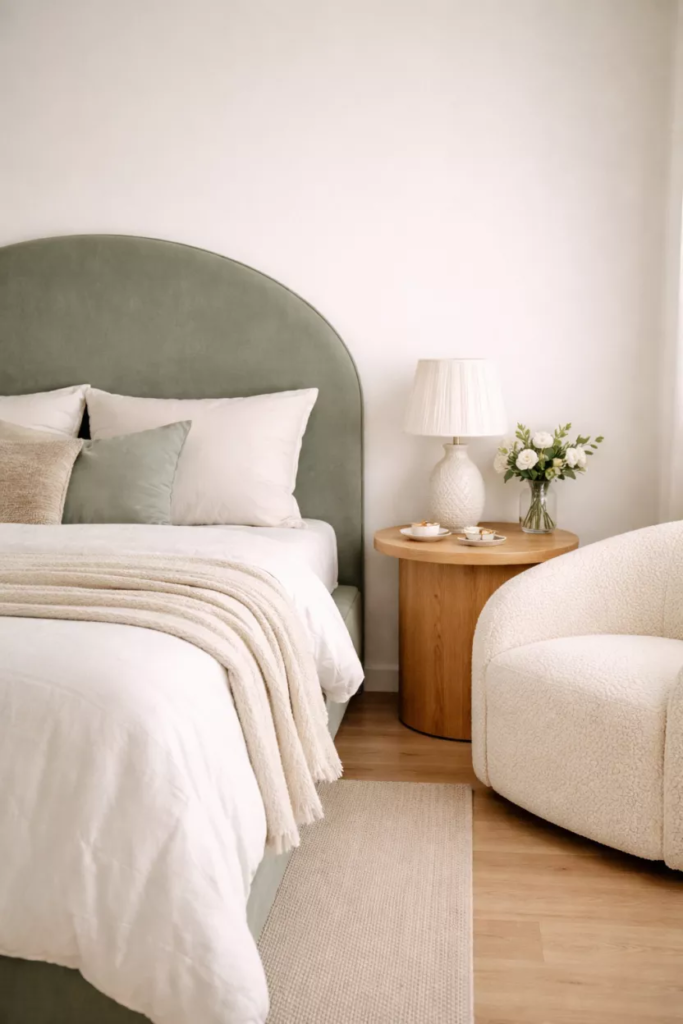
Bedrooms are moving away from rigid lines and harsh angles. In 2026, rounded furniture designs are creating softer and more welcoming spaces.
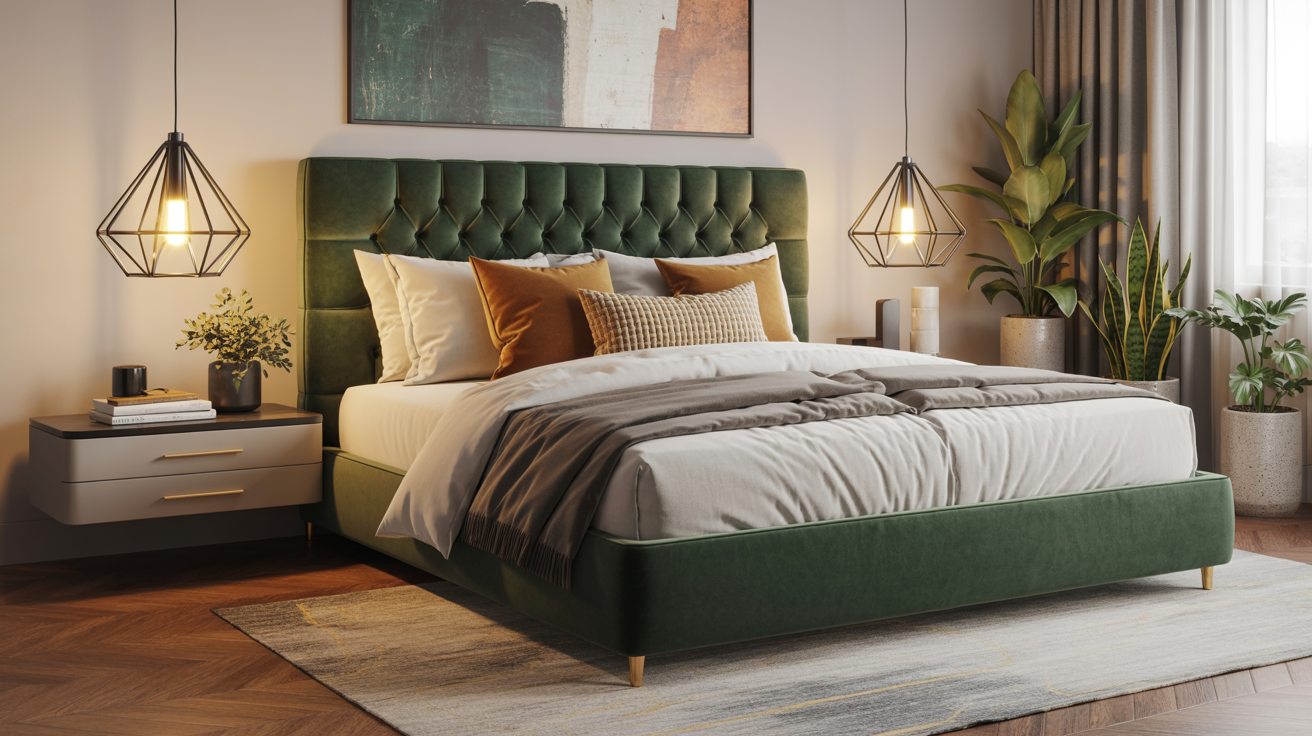
I love how curved headboards, rounded nightstands, and arched accent chairs instantly make a room feel more relaxed. These shapes encourage visual flow and can make a bedroom appear more spacious.
Beyond aesthetics, curved furniture is practical. It reduces sharp corners and creates easier pathways through the room, especially in tighter layouts.
Velvet, boucle, and textured upholstery work particularly well with organic shapes and help add warmth to the overall design.
Holographic Nightlights
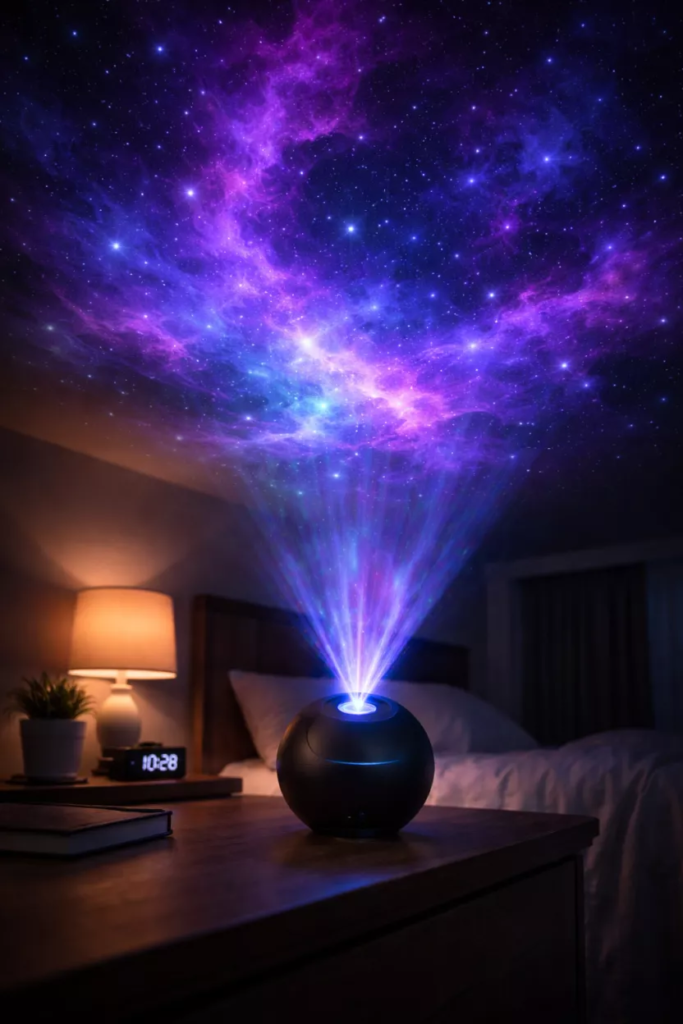
Traditional bedside lamps are no longer the only option for bedroom lighting. Holographic projectors are gaining popularity because they create immersive visual experiences with minimal effort.
These devices can display galaxies, northern lights, clouds, stars, and other atmospheric effects across ceilings and walls. Many models include customizable colors, brightness settings, and smartphone controls.
I enjoy how these lights can completely transform a room’s mood within seconds. They work especially well for relaxation routines before bedtime.
Since most models use LED technology, energy consumption remains relatively low while still producing impressive visual effects.
Recycled Textile Layering
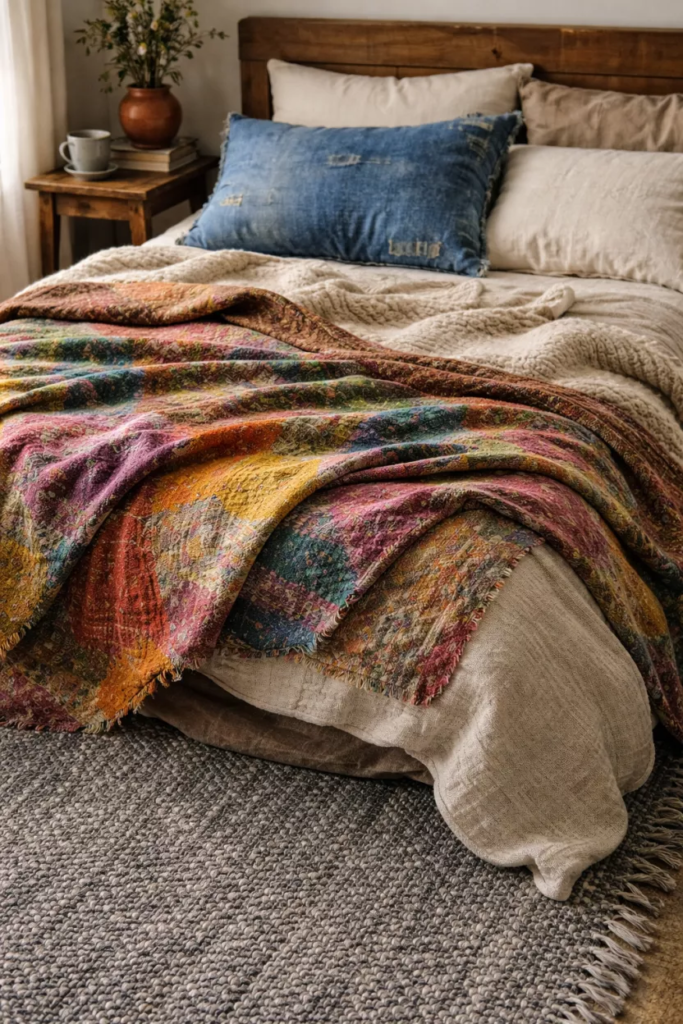
Layering different fabrics continues to be one of the easiest ways I add personality to a bedroom. In 2026, the focus is shifting toward recycled and repurposed materials.
Throw blankets made from reclaimed textiles, cushions created from reused fabrics, and rugs manufactured from recycled plastics are becoming increasingly available. This trend combines sustainability with visual interest.
The secret is balancing textures rather than matching everything perfectly. Mixing soft linens, woven throws, denim accents, and textured rugs creates depth and comfort.
Pro Tip: Choose a consistent color palette first, then experiment with different materials. This keeps the room cohesive while still feeling layered and inviting.
Earthy Terracotta Accents
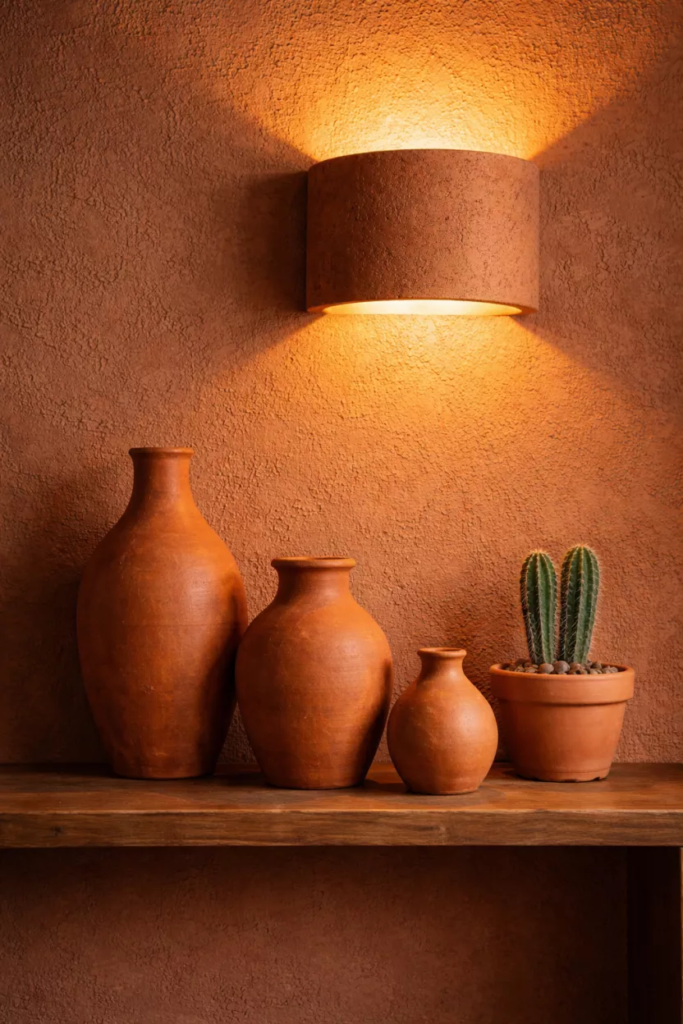
Warm terracotta tones continue to grow in popularity because they bring natural warmth into a space. I often use terracotta accents when a bedroom feels too cold or sterile.
Decorative vases, wall sconces, planters, and ceramic accessories in clay-inspired shades instantly make a room feel more grounded. These earthy colors work beautifully alongside natural wood finishes and indoor plants.
One reason terracotta remains timeless is its versatility. It complements modern, rustic, bohemian, and Mediterranean-inspired interiors equally well.
For durability, I always check that ceramic pieces are properly sealed before purchasing.
Metallic Sheen Wall Finishes
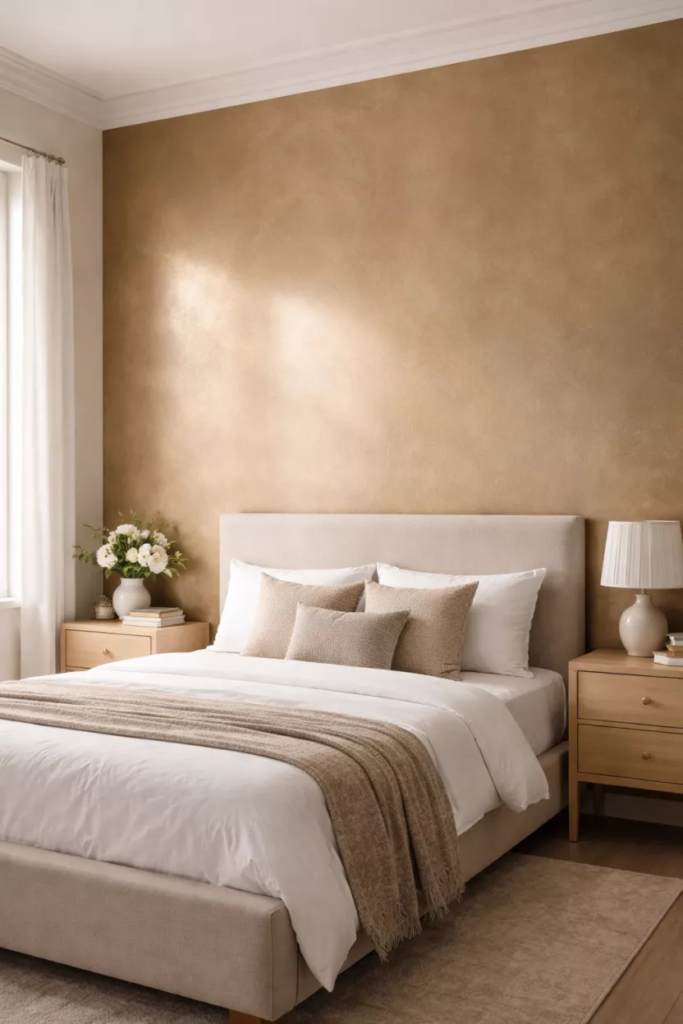
Instead of high-gloss walls, 2026 is embracing softer metallic finishes. Subtle champagne, pearl, and brushed silver effects can create depth without overwhelming the room.
I have noticed that metallic finishes help reflect natural light, making bedrooms feel brighter and more spacious. This can be especially useful in smaller rooms with limited windows.
The key is moderation. I typically recommend using metallic treatments on a single accent wall while keeping surrounding walls neutral.
Pro Tip: Test metallic paint samples under both daylight and evening lighting before committing to a full wall application.
Vertical Herb Gardens
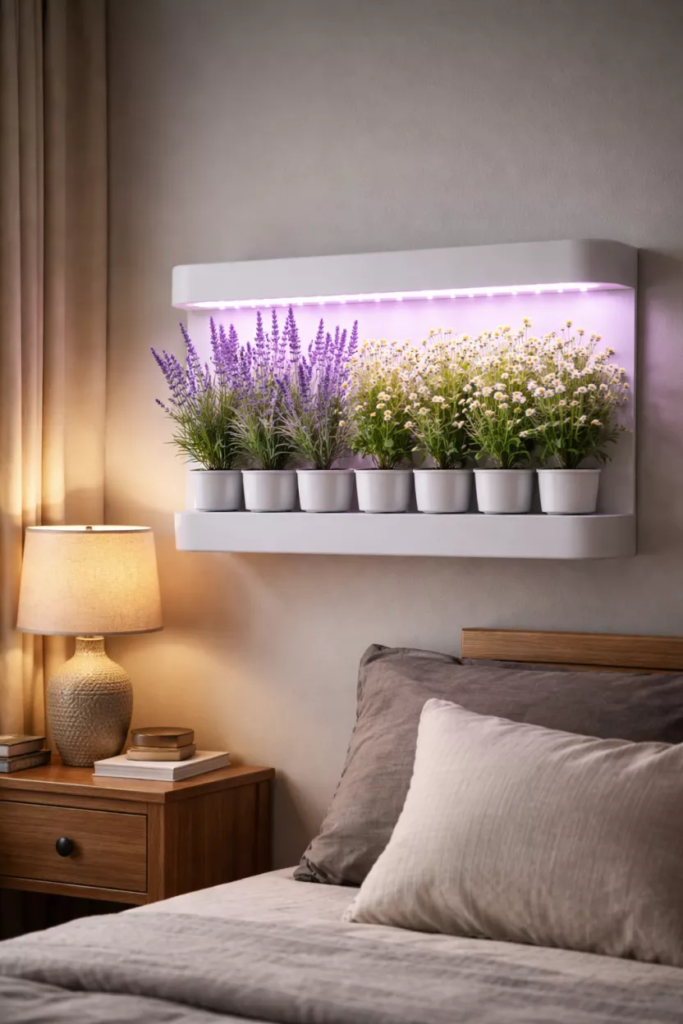
Indoor gardening is evolving beyond decorative houseplants. Vertical herb gardens are becoming functional design features that combine beauty with wellness.
Wall-mounted hydroponic systems allow homeowners to grow herbs such as lavender, chamomile, mint, and lemon balm directly inside the bedroom. Many systems include built-in grow lights and automated watering reminders.
I particularly like the sensory benefits these gardens provide. Pleasant natural scents can help create a more relaxing bedtime environment.
As a bonus, many of these herbs can also be used for teas and aromatherapy routines.
Asymmetrical Mirror Arrangements
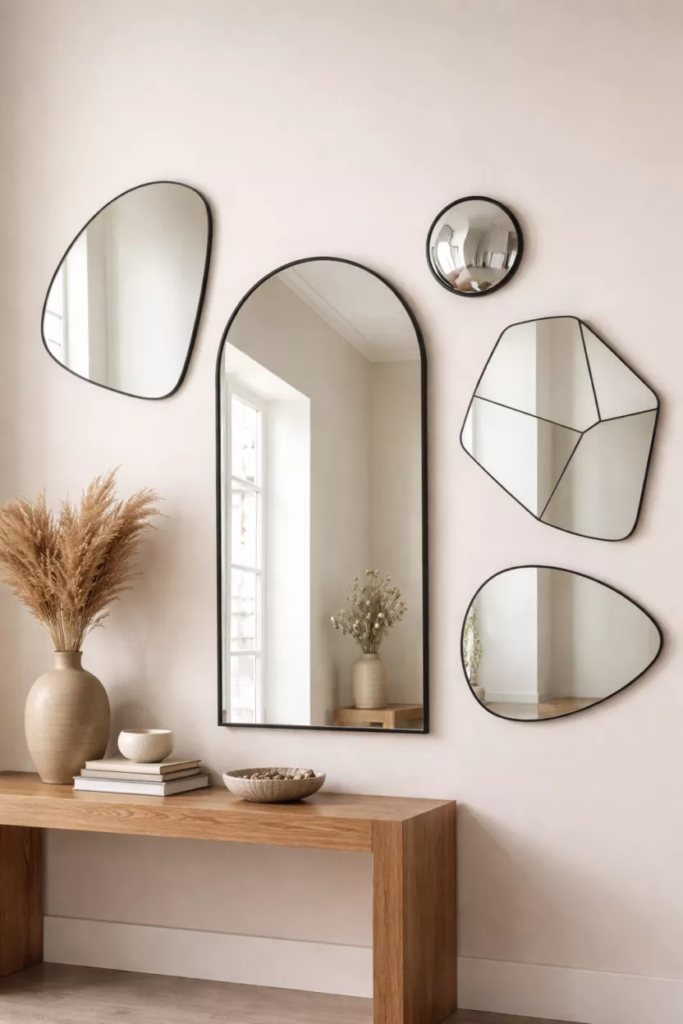
Single mirrors are giving way to creative groupings of multiple shapes and sizes. This trend adds visual interest while helping distribute light throughout the room.
I often combine circular, arched, and irregular mirrors to create a gallery-style display. The result feels artistic without requiring expensive artwork.
Mixing frame finishes can add even more personality. Matte black, bronze, smoked glass, and natural wood all work well together when balanced carefully.
Beyond decoration, strategically placed mirrors can make a bedroom feel significantly larger and brighter.
Glow In The Dark Accents
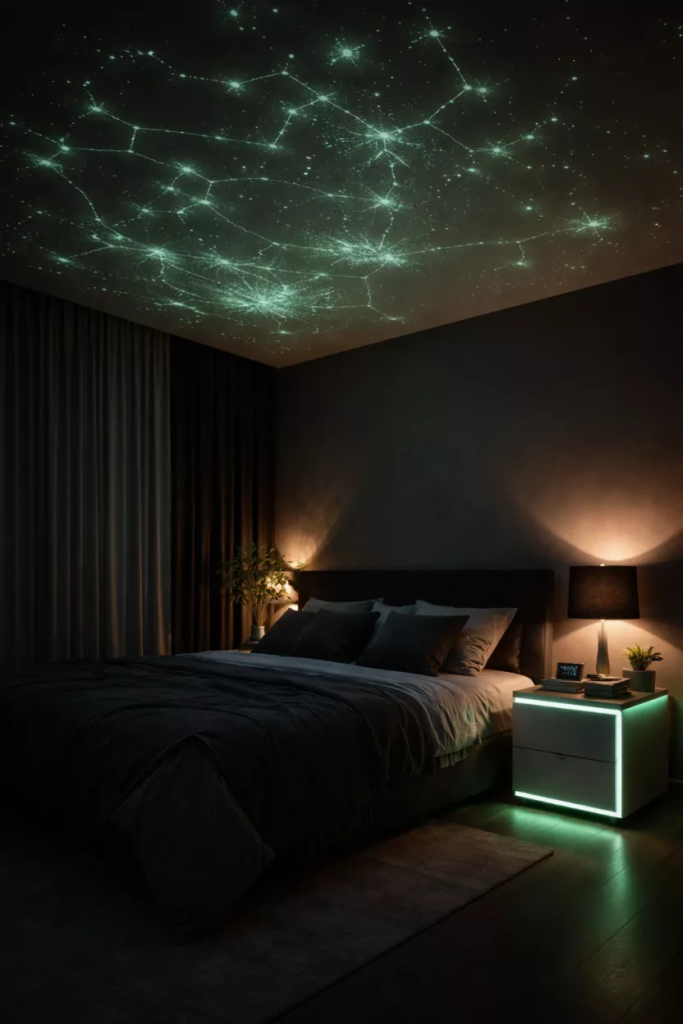
Glow-in-the-dark décor has grown far beyond children’s bedrooms. Today’s materials are more refined and designed to blend seamlessly into modern interiors.
I like using subtle glow elements on ceilings, wall art, furniture edges, or trim details. During the day, they remain almost invisible, but at night they create a soft ambient light that helps with navigation without disrupting sleep.
Many modern phosphorescent paints and wallpapers are non-toxic and recharge naturally through sunlight or indoor lighting.
Pro Tip: Use glow accents sparingly around pathways, headboards, or furniture edges for a sophisticated look rather than covering large areas.
Also read: 21 Cozy Guest Bedroom Ideas
Wellness Sound Panels
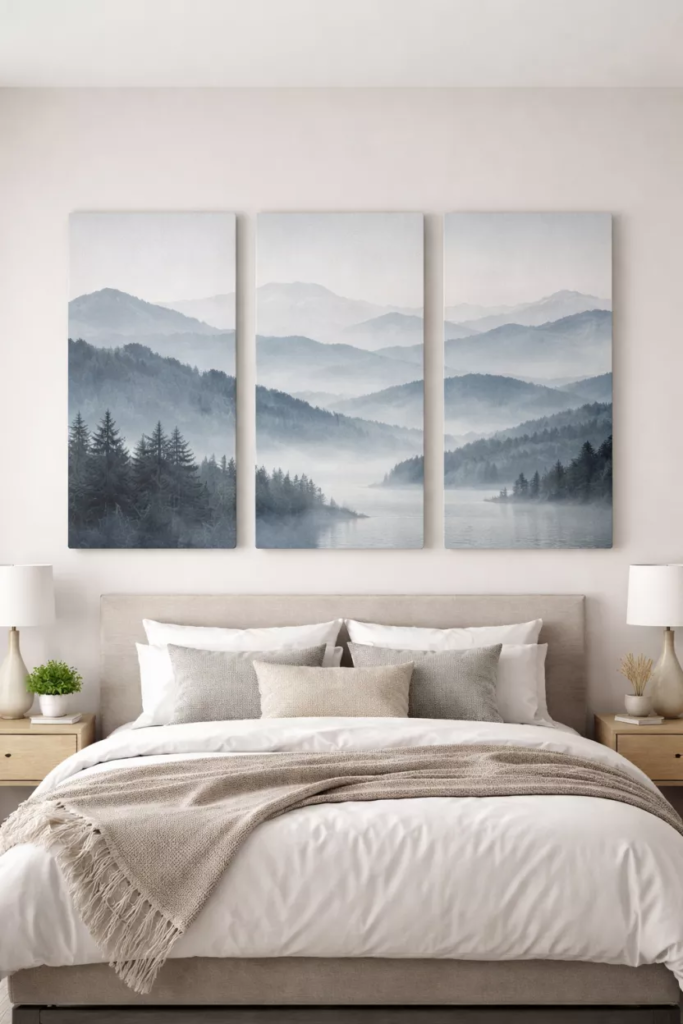
Creating a peaceful sleep environment is becoming a top priority, and wellness sound panels are one of the smartest upgrades I have seen recently.
These panels serve two purposes. They improve room acoustics while also functioning as decorative wall art. Some advanced models even include integrated speakers that play calming sounds, meditation tracks, or white noise.
Research consistently shows that noise disturbances can negatively affect sleep quality. Acoustic treatments help reduce unwanted sounds from traffic, neighbors, or other household activities.
When selecting sound panels, I prefer designs that match the room’s existing color palette so they feel like intentional décor rather than technical equipment.
Neon Earth Tone Pops
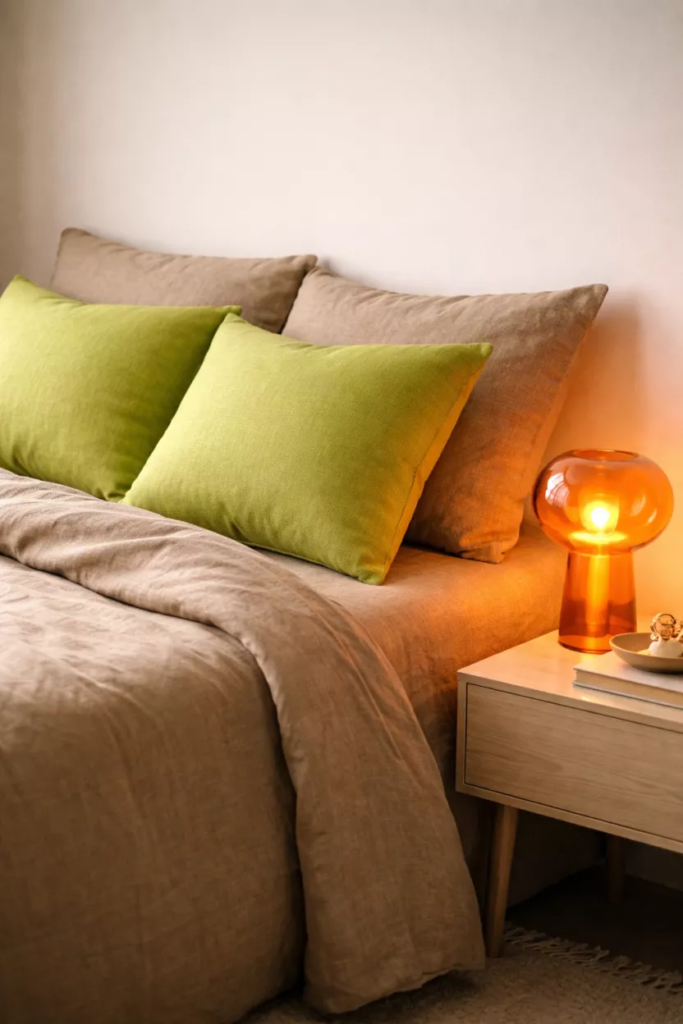
Bright neon shades are returning, but with a softer and more mature twist. Instead of bold electric colors dominating the room, designers are using muted neon-inspired accents alongside earthy neutrals.
I enjoy adding small touches of bright sage green, warm coral, or glowing rust tones through pillows, lamps, artwork, and decorative accessories.
This approach creates visual energy without overwhelming the bedroom’s calming atmosphere.
Since accessories are easy to replace, this trend allows experimentation without making permanent changes.
Pro Tip: Limit neon-inspired accents to about 10% of your décor to keep the space balanced and relaxing.
Adaptive Lighting Layers
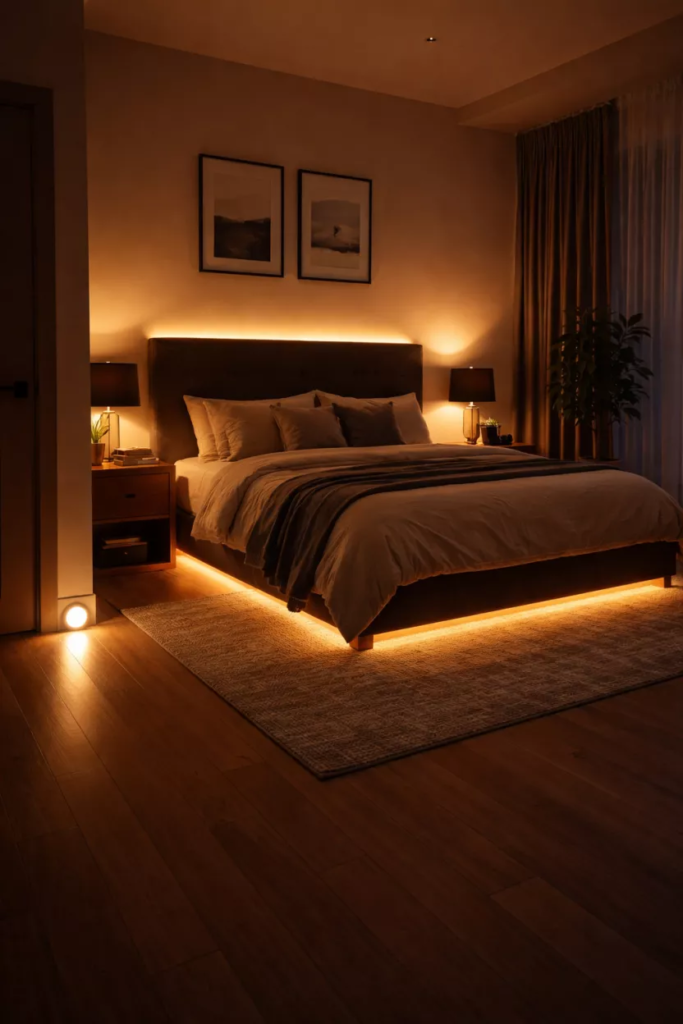
One ceiling light is no longer enough for a modern bedroom. Layered lighting is becoming essential for comfort, functionality, and better sleep habits.
I usually recommend combining ambient lighting, task lighting, and accent lighting throughout the room. This creates flexibility for reading, relaxing, dressing, and sleeping.
Smart LED systems can now mimic natural daylight cycles, gradually brightening in the morning and dimming in the evening. This supports healthier circadian rhythms and can make waking up feel easier.
Motion-activated floor lighting is another practical addition that improves nighttime safety without requiring bright overhead lights.
Vintage Tech Revival
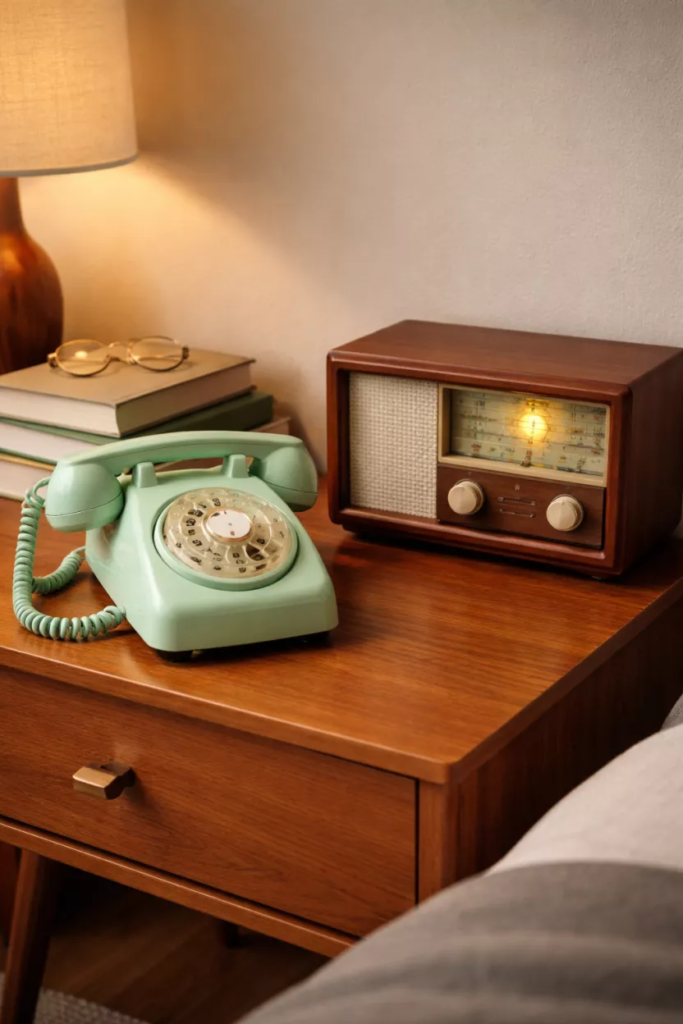
Old-school technology is making a comeback, but with modern functionality hidden inside. This trend combines nostalgia with convenience.
I have seen beautifully restored rotary phones, cassette players, radios, and vintage speakers repurposed with Bluetooth connectivity and modern audio systems.
These pieces bring character and personality to bedrooms that might otherwise feel too modern or generic.
Thrift stores, flea markets, and antique shops are often excellent places to find unique pieces that can be restored or customized.
Pro Tip: Look for working vintage pieces that can be professionally upgraded rather than purely decorative replicas.
Fungi Inspired Textures
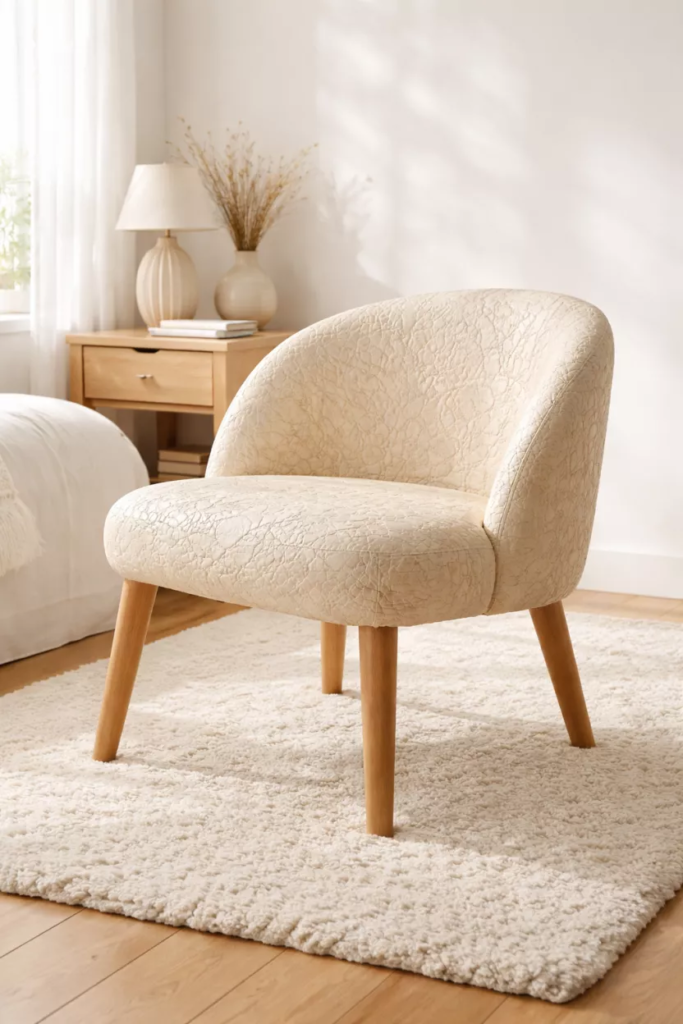
Sustainable innovation continues to influence bedroom design, and mycelium-based materials are becoming increasingly popular.
Mycelium, which comes from mushroom root structures, can be used to create eco-friendly alternatives to leather and other synthetic materials. These products are biodegradable and require fewer resources during production.
I appreciate the unique texture that mycelium materials bring to furniture, wall panels, and decorative accessories. They add a natural feel while supporting environmentally conscious design choices.
Many manufacturers also promote these materials as hypoallergenic, making them appealing for people with sensitivities.
Personalized 3D Printed Art
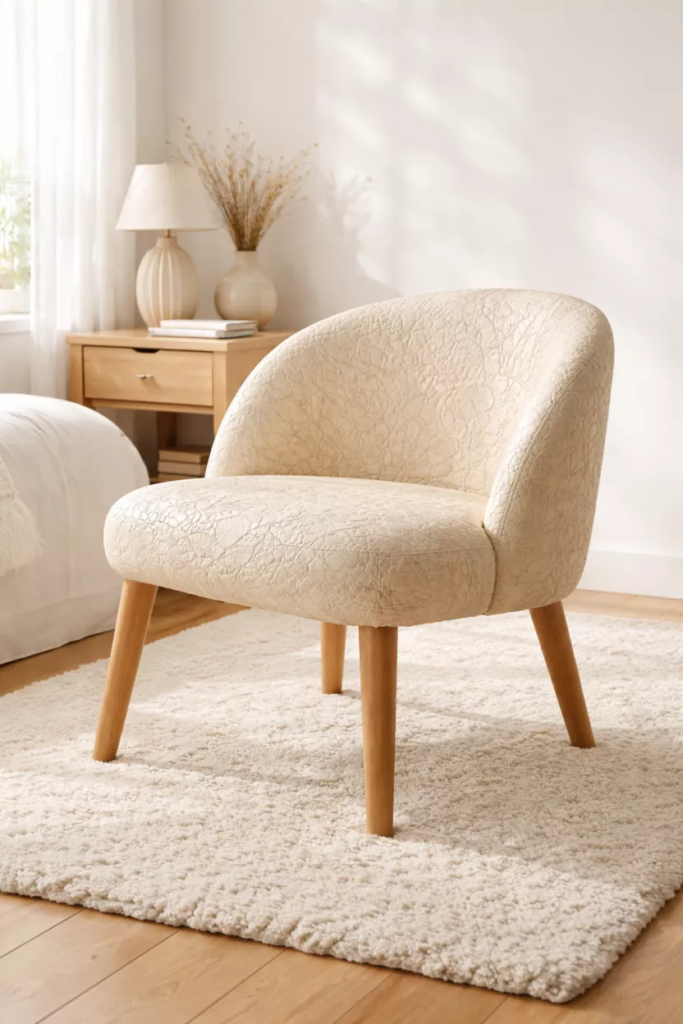
Customization is becoming one of the biggest themes in home décor. Thanks to advances in 3D printing, creating one-of-a-kind artwork is easier than ever.
I love how 3D printing allows homeowners to design wall sculptures, lamps, decorative objects, and personalized accessories tailored specifically to their space.
Many printing services now offer environmentally friendly materials, including recycled plastics and plant-based alternatives.
The result is artwork that feels meaningful, unique, and impossible to duplicate exactly.
Pro Tip: Choose designs that complement your room’s color palette and furniture style to maintain a cohesive look.
Aromatherapy Diffuser Walls
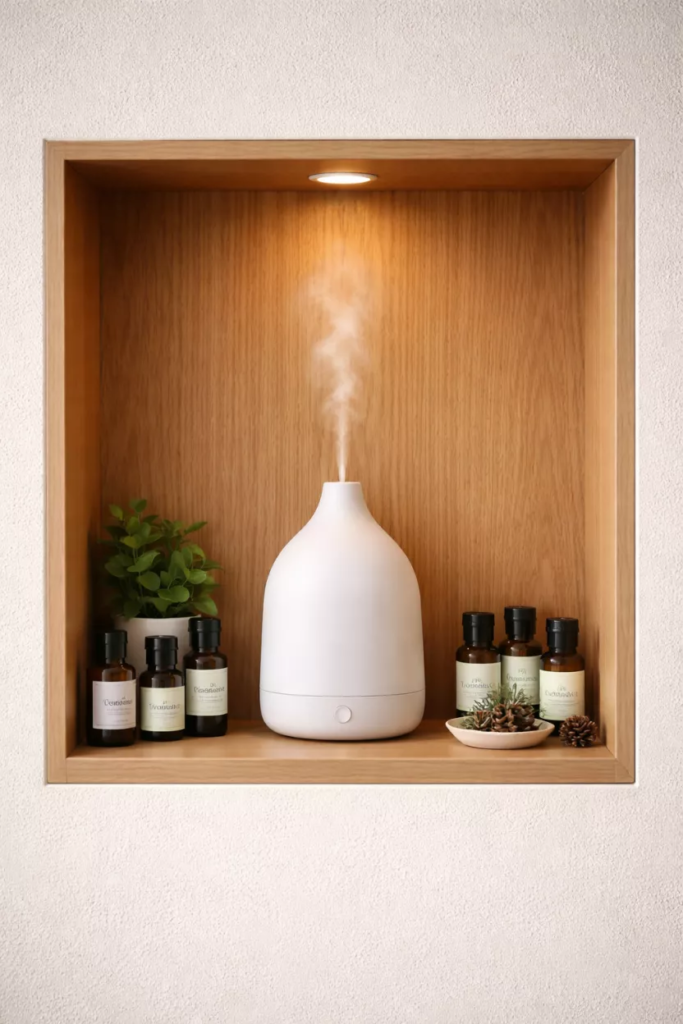
Aromatherapy is moving beyond tabletop devices and becoming integrated directly into bedroom design.
Built-in diffuser niches create a clean, organized appearance while eliminating countertop clutter. These recessed spaces can hold ultrasonic diffusers, essential oils, and decorative accessories.
I find this trend particularly appealing because scent can significantly influence relaxation and sleep routines. Popular choices include lavender, chamomile, sandalwood, and cedarwood.
For homeowners interested in DIY projects, creating a small recessed niche can be a relatively affordable weekend upgrade.
Floating Modular Shelves
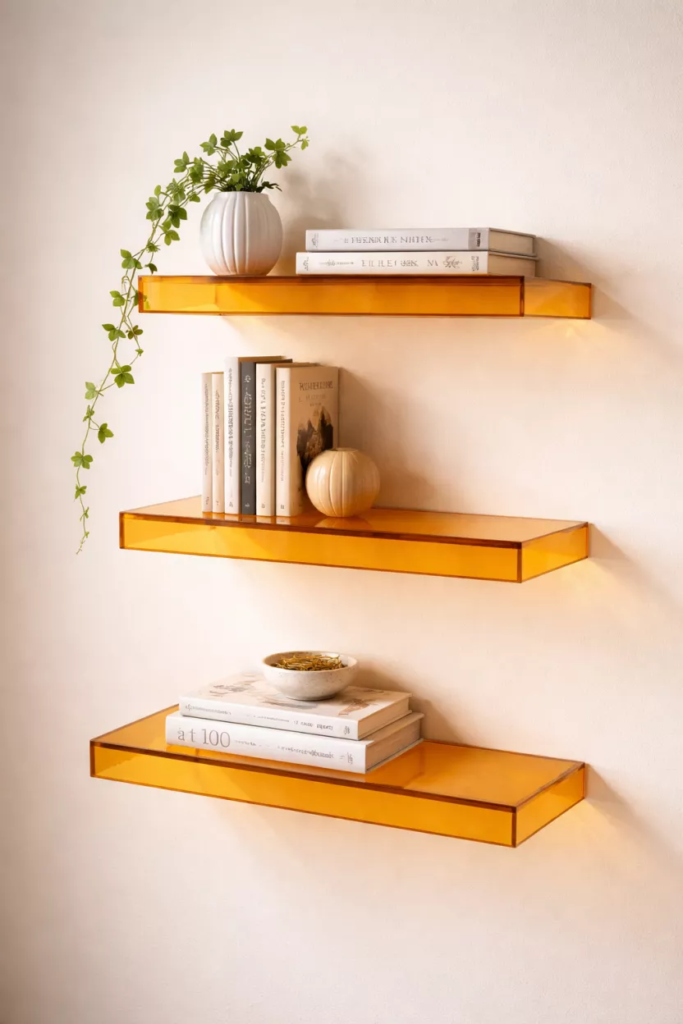
Storage needs change over time, which is why modular shelving systems are gaining attention in 2026.
Unlike fixed shelving, modular designs can be rearranged, expanded, or adjusted whenever needed. This flexibility makes them ideal for evolving lifestyles and changing décor preferences.
I especially like translucent acrylic shelves because they create a floating appearance that keeps walls feeling open and uncluttered.
When installed correctly, these shelves can support books, plants, framed photos, and decorative objects without sacrificing style.
Pro Tip: Leave some empty space on shelves. Overcrowding can make even the most beautiful display feel messy.
Silk Road Pattern Revival
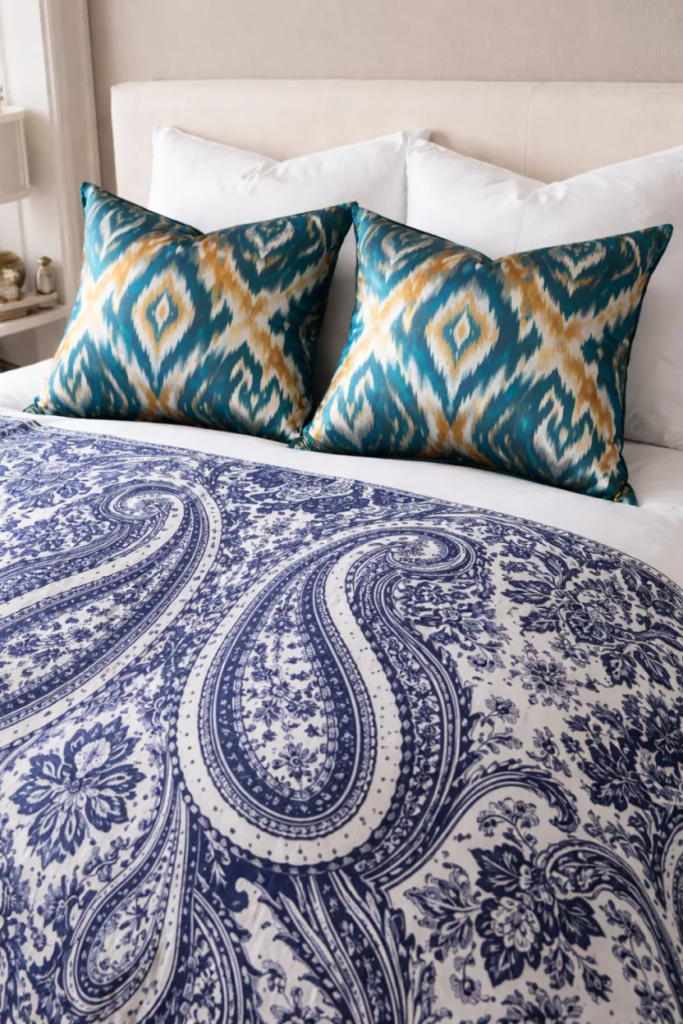
Historical textile patterns are returning with a fresh, modern interpretation. Large-scale paisley, ikat, and globally inspired prints are appearing on bedding, curtains, rugs, and accent pillows.
I appreciate how these patterns add depth, personality, and cultural character without making a room feel overly traditional.
Modern digital printing technology has improved fabric quality significantly. Colors remain vibrant longer and resist fading through repeated washing.
Mixing one or two statement patterns with neutral furniture creates a balanced look that feels stylish rather than overwhelming.
Pro Tip: Choose one dominant pattern and one secondary pattern to avoid visual clutter while still achieving a layered designer look.
Kinetic Mobile Sculptures
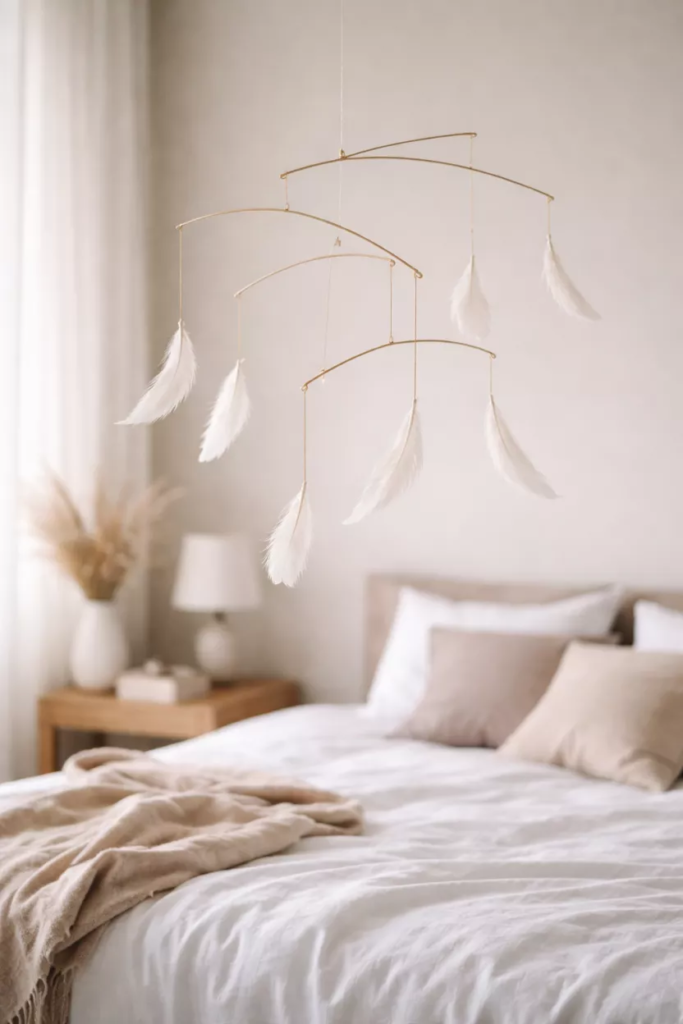
Ceiling décor is becoming more creative, and kinetic mobile sculptures are one of the most interesting trends I am seeing for 2026.
Unlike traditional wall décor, these hanging pieces introduce gentle movement into the room. Whether made from brass, wood, recycled metals, or lightweight acrylic, they create visual interest without taking up valuable floor space.
I find the slow motion of a well-designed mobile surprisingly calming. Watching subtle movement before bed can help create a more relaxing atmosphere at the end of a busy day.
Some modern versions even include nearly silent motors that keep the sculpture moving throughout the day.
Pro Tip: Hang kinetic sculptures where natural airflow can create gentle movement, but avoid placing them directly over areas where they could become distracting.
Read this next: 35 Teen Boy Bedroom Ideas that Balance Cool and Functional
Celestial Ceiling Murals
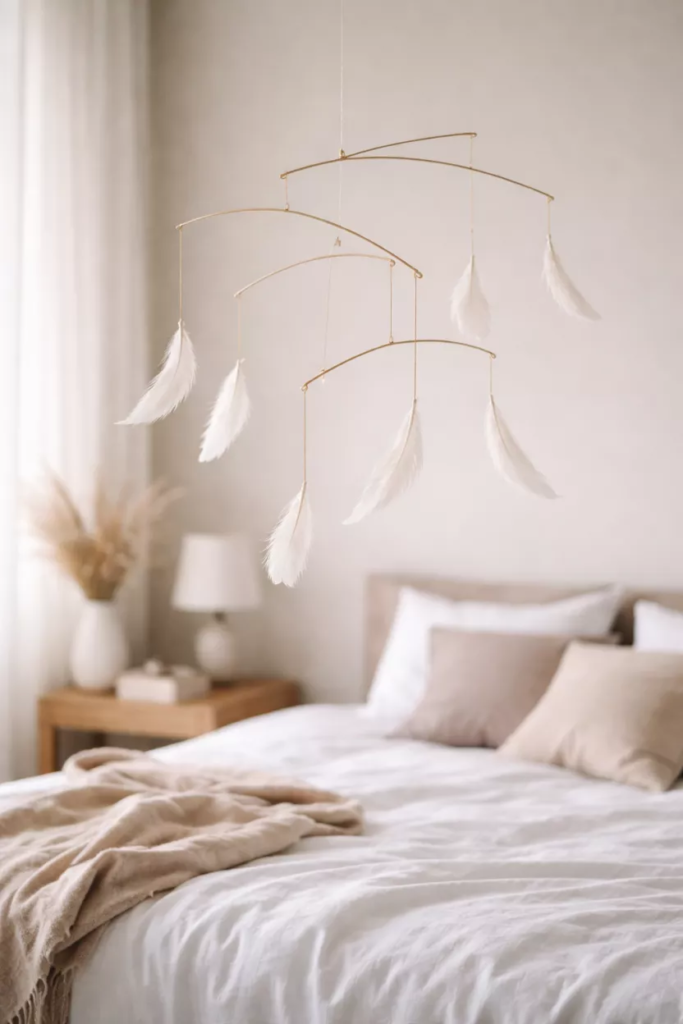
Bedroom ceilings are no longer being ignored. In 2026, more homeowners are turning the “fifth wall” into a focal point with celestial-inspired designs.
Galaxy murals, constellations, moon phases, and star-filled night skies can transform an ordinary bedroom into a personalized retreat. Fiber-optic lighting systems make these designs even more immersive by creating realistic twinkling stars.
I especially like this trend because it adds character without taking up any usable space. Looking upward becomes part of the room’s experience.
If painting a full mural feels too ambitious, removable ceiling decals can provide a similar effect with less commitment.
Pro Tip: Use UV-resistant paints and high-quality materials to keep colors vibrant for years without noticeable fading.
Bamboo Charcoal Air Purifiers
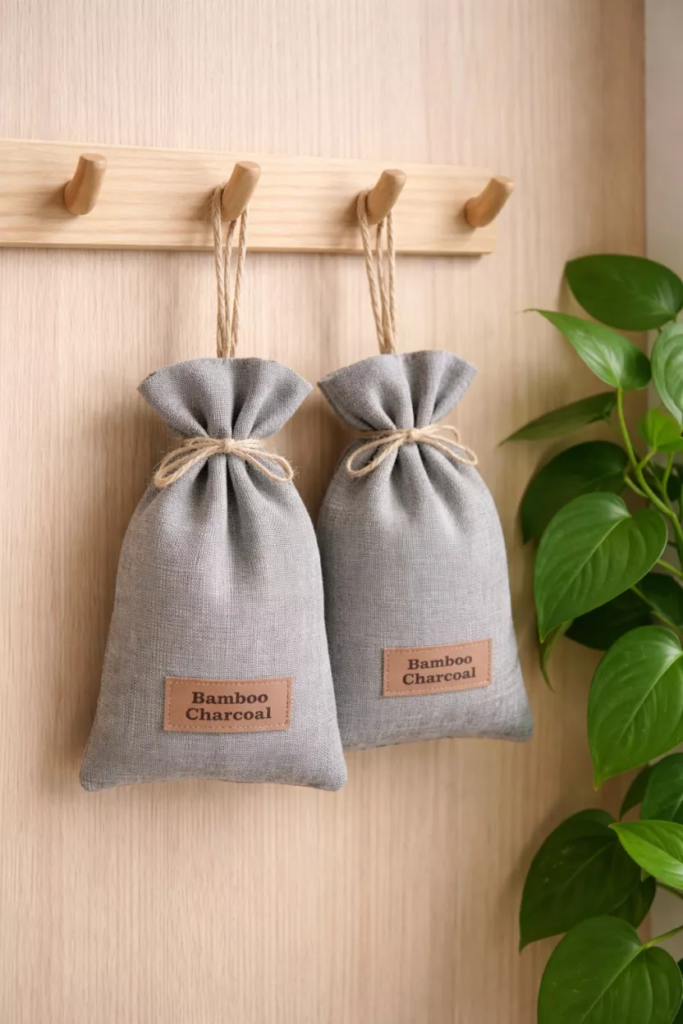
Better indoor air quality is becoming an important part of bedroom design, and bamboo charcoal purifiers offer a simple, natural solution.
These small charcoal-filled pouches absorb moisture, odors, and certain airborne pollutants without requiring electricity or replacement filters. They work quietly in the background while blending into the room’s décor.
I appreciate how easy they are to maintain. Most products only need a few hours of direct sunlight every month to refresh their effectiveness.
For anyone looking to reduce clutter, bamboo charcoal bags provide a discreet alternative to bulky air-purifying machines.
Pro Tip: Place charcoal pouches near closets, under beds, and in corners where moisture and odors tend to collect for maximum effectiveness.
FAQs
What is the biggest bedroom trend for 2026?
Sustainability is one of the biggest bedroom trends for 2026. Eco-friendly materials such as bamboo furniture, recycled textiles, mycelium-based products, and natural air-purifying solutions are becoming increasingly popular.
How can I update my bedroom without spending a lot of money?
I recommend starting with affordable changes such as new bedding, layered lighting, decorative pillows, asymmetrical mirror arrangements, indoor plants, or terracotta accessories. Small updates can create a major visual impact.
Are smart bedroom products worth buying?
For many people, yes. Smart mattresses, adaptive lighting, and sleep-focused technology can improve comfort, convenience, and sleep quality. However, choosing products that solve a specific problem usually provides the best value.
Conclusion
The biggest bedroom décor trends of 2026 are focused on creating spaces that feel healthier, smarter, and more personal. Instead of following one specific design style, homeowners are combining technology, sustainability, wellness, and self-expression to build bedrooms that truly support everyday life.
What stands out most to me is how practical many of these trends are. Smart bedding improves sleep, adaptive lighting supports healthier routines, bamboo furniture reduces environmental impact, and modular storage adapts as needs change. Even small updates like terracotta accents, layered textiles, or asymmetrical mirrors can make a noticeable difference.
The best approach is to choose trends that genuinely fit your lifestyle rather than trying to adopt everything at once. A bedroom should feel comfortable, functional, and uniquely yours. When you focus on that goal, many of these 2026 trends naturally fall into place.