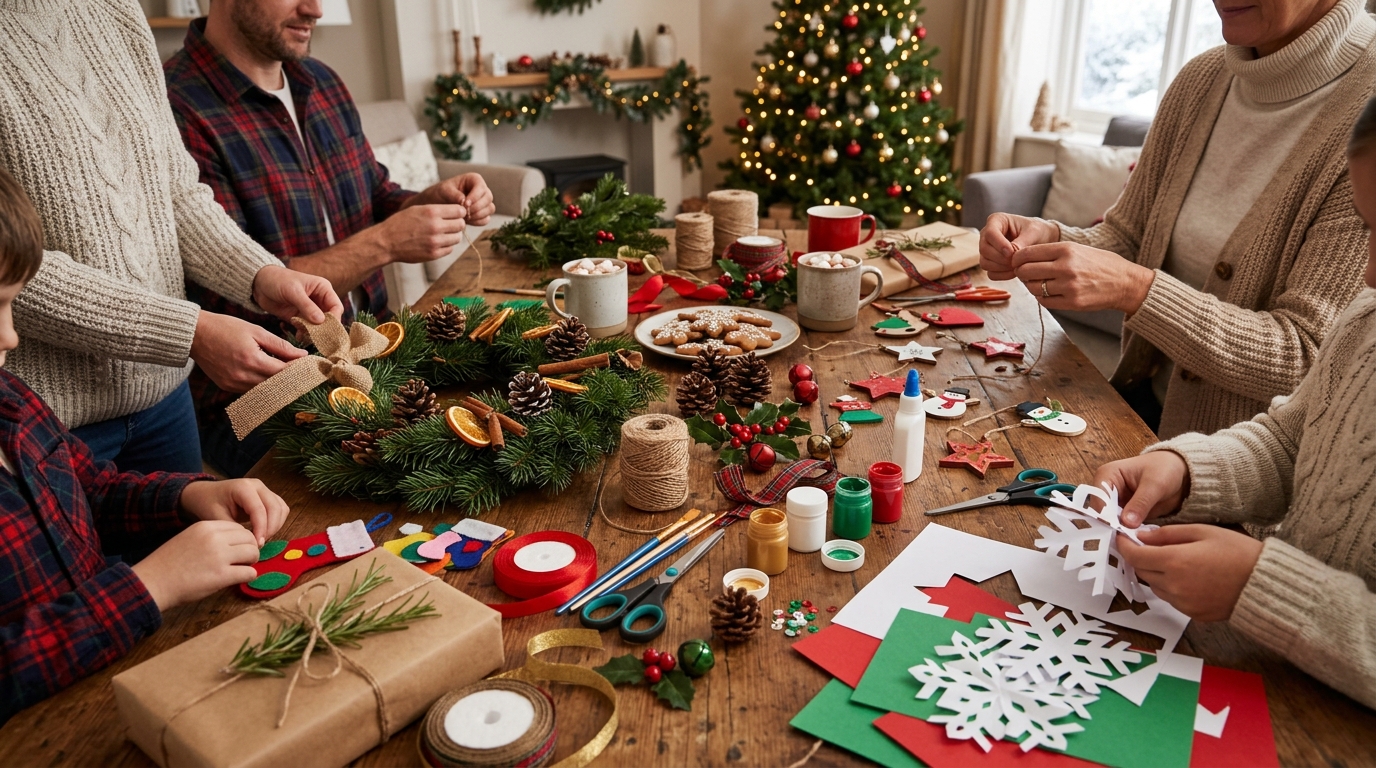
21 Festive Christmas Crafts That Sell Like Crazy
Christmas is one of my favorite times to turn simple craft supplies into thoughtful gifts and decorations that people can enjoy year after year. If I were planning a small seasonal business, I would focus on handmade items that look special, are easy to personalize, and can be produced without spending too much on materials.
The 21 Christmas craft ideas below cover everything from wooden snowmen and pet stockings to crochet ornaments, reusable fabric crackers, and handmade gift products. I would choose a few designs that suit my skills, calculate the full cost of making each item, and test customer interest before producing a large batch. No craft is guaranteed to sell, but attractive photos, careful finishing, and sensible pricing can help improve its chances.
I can use the Christmas season to sell handmade decorations, personalized ornaments, useful household gifts, and festive accessories. Wooden snowmen, pet stockings, mason jar luminaries, embroidery hoop signs, crochet coasters, macrame trees, and felt ornaments are all ideas worth testing. For a small budget, I would start with crafts that use affordable materials, have repeatable designs, and do not take too long to make.
Save this for later
Table of Contents
Before selling, I would calculate material costs, packaging, labor, marketplace fees, and delivery expenses. I would also check local requirements for products such as cosmetics and candles, use safe materials, and photograph each finished item clearly. Starting with a small collection helps me understand what customers actually want before investing in more supplies.
Key Takeaways
- Start small: I would test three to five craft designs before committing to a large inventory.
- Offer personalization: Names, colors, dates, and custom messages can make ordinary decorations feel more meaningful.
- Track every expense: Materials, packaging, selling fees, shipping supplies, and working time all affect profit.
- Choose repeatable projects: Simple patterns and batch production can help me complete more orders consistently.
- Think beyond decorations: Pet stockings, hand salves, coasters, and fabric Christmas crackers can appeal to people shopping for practical gifts.
- Use original product photos: Clear images of my own finished crafts help customers understand the size, quality, and details of what they are buying.
Related article: 41 Classy Christmas Crafts You Should Make
Christmas Crafts to Sell
Wooden Tabletop Snowman Face

I would put wooden snowman faces near the top of my list because they combine a rustic look with materials that are often easy to find. Small wood pieces, white paint, black chalk paint, and a few simple details can turn into cheerful winter decorations for shelves, entryway tables, or fireplace mantels.
I would make a reusable template for the snowman’s face so every piece has a consistent shape. Then I would offer a few variations, such as different hat styles, painted cheeks, or small scarves. These options give customers a choice without requiring me to learn an entirely new design for each order.
Pro Tip: I would sand rough edges before painting and allow each coat to dry fully. A smooth finish and a stable base help the decoration look more professional.
Pet Christmas Stockings

I would consider pet stockings a practical option because many people include their dogs and cats in holiday celebrations. A stocking made from fleece, flannel, or soft sherpa fabric can be personalized with a pet’s name, a paw print, or a contrasting cuff.
I would start with two standard sizes and a small selection of fabrics rather than offering unlimited combinations. Once I know which styles customers prefer, I could introduce matching stockings for multiple pets in the same household.
Pro Tip: I would reinforce the hanging loop and check every seam before shipping. I would also keep loose decorations and small detachable pieces away from areas where pets might chew them.
Snowy Mason Jar Luminaries

Snowy mason jar luminaries are an idea I would try when I wanted to turn ordinary glass jars into seasonal home decorations. A frosted, snow-covered finish paired with twine and greenery creates a winter look that works on dining tables, shelves, and mantelpieces.
I would clean and dry each jar thoroughly before applying the decorative coating. I would also use battery-operated tea lights for products intended for households with children or pets. For a coordinated collection, I could sell single jars as well as sets of two or three.
Pro Tip: I would test the finish after drying to check whether the decorative coating sheds. I would package each jar with padding to prevent breakage during delivery.
Dollar Tree Rustic Snowmen

I would look at rustic snowman decorations as a way to offer larger pieces of Christmas décor without using expensive materials. A snowman wreath made with a suitable wreath base, white decorative material, a dark hat, and a colorful scarf can suit farmhouse-style homes and winter displays.
The important part would be making the design sturdy enough to hang securely. I would prepare the base first, then attach the decorative details and check that the wreath keeps its shape when lifted.
I would also offer a few scarf colors to make each version feel distinct. Before producing several, I would calculate the cost of the wreath form, embellishments, adhesive, packaging, and the time needed to assemble it.
Pro Tip: I would take a photograph of the wreath hanging on a door so buyers can judge its proportions more easily than they could from a close-up picture.
Beeswax Hand Salve

Not every Christmas craft needs to be a decoration. I would consider beeswax hand salve for gift baskets and stocking fillers because it is a useful product that can be presented in small jars with simple seasonal labels.
A typical formulation may include beeswax, a carrier oil, and a butter such as shea butter. The proportions matter because beeswax helps make the salve firm, while the oils affect how easily it spreads. I would test the texture and stability before preparing a batch for sale.
Unlike ordinary decorative crafts, skin-care products require extra care. I would use ingredients intended for cosmetic use, follow good hygiene practices, provide a complete ingredient list, and check the labeling, safety, and cosmetic regulations that apply where I sell.
Pro Tip: I would avoid unverified medical claims and would never describe a homemade salve as a treatment for a skin condition. A clear ingredient label and properly sealed packaging help customers make informed choices.
Wine Cork Angels

Wine cork angels are a small craft I would consider for gift exchanges, teacher presents, and handmade ornament collections. A cork body, a wooden bead for the head, ribbon wings, and a hanging loop can create a simple angel with a handmade appearance.
I would use clean corks with similar dimensions so a finished set looks consistent. Buying craft corks or using clean recycled ones can help keep the materials manageable, and leftover ribbon can provide extra color without much additional expense.
I would also make a few styles, such as gold-and-white angels, natural rustic angels, and colorful versions for children’s trees. This gives shoppers a choice while allowing me to reuse the same basic construction method.
Pro Tip: I would make sure the head, wings, and hanging loop are securely attached. If I plan to market these as children’s products, I would pay particular attention to small parts and applicable safety requirements.
Embroidery Hoop Christmas Signs

I like the flexibility of embroidery hoops because I can use the same basic frame for several seasonal designs. A hoop filled with festive fabric, lettering, ribbon, or simple stitched details can become a lightweight decoration for a wall, door, or gallery display.
I would begin with a small collection of designs featuring familiar Christmas themes, such as trees, stars, snowflakes, or short holiday greetings. A limited color palette would make it easier to create matching pieces and keep the collection visually consistent.
For a more personalized product, I could add a family name or a short message. I would make sure the lettering is easy to read and that the fabric sits evenly inside the hoop.
Pro Tip: I would trim and secure the excess fabric at the back so the finished sign looks tidy from every angle.
Folded Paper Christmas Advent Calendar

A folded-paper Advent calendar would be one of my choices for a lightweight product that is easy to store and ship. I could make small paper trees or folded boxes, number them for the countdown to Christmas, and leave space inside for small treats, notes, or tiny gifts.
I would use sturdy cardstock that folds neatly without tearing. Consistent sizing and careful creasing would help the finished calendar look polished, especially when the pieces are displayed together on a shelf or mantel.
I could sell the calendar empty for customers who want to fill it themselves, or offer a version with suggested activities or messages. If I include edible treats or toys, I would clearly describe the contents and account for the extra cost and safety considerations.
Pro Tip: I would test the calendar with a few sample items first. Every compartment needs enough room for its intended contents and should open without damaging the paper.
DIY Christmas Tree Soap

Felted Christmas tree soap is a distinctive gift idea I would explore if I already enjoyed working with wool. A bar of soap wrapped in wool roving and decorated with a small Christmas tree design can combine a useful product with a decorative handmade finish.
I would start with a small number of designs and practice getting the wool to fit snugly around each bar. The finished covering should be secure without creating bulky or uneven patches, and the soap should be allowed to dry properly before packaging.
Since the product touches the skin, I would use suitable soap and wool materials and provide accurate information about the ingredients. I would also check the rules that apply to selling handmade soap in my location.
Pro Tip: I would package each bar in a breathable wrapper or suitable gift box that protects the decoration while allowing the product to remain dry in storage.
DIY Gnome Christmas Ornaments

I would make Christmas gnome ornaments when I wanted a product that could use small fabric scraps, faux fur, yarn, and wooden beads. Their simple shapes make them easy to adapt into different sizes, from tiny hanging decorations to larger figures for a tabletop tree.
I would create one reliable pattern and use it for the whole collection. Then I could change the hat fabric, beard color, and trim to make several variations without changing the basic construction.
I would also offer coordinated sets of three or four ornaments. Matching designs can make an appealing gift, while different colors allow customers to choose something that suits their tree.
Pro Tip: I would attach the hanging loop before closing the ornament and test it with a gentle pull. A secure loop matters when the item will be handled and hung repeatedly.
Golden Glass Ornaments

Golden glass ornaments are a good option I would consider for shoppers who prefer a more polished or modern Christmas look. Clear glass ornaments decorated with gold paint, glitter, or vinyl lettering can look elegant without requiring a complicated shape.
If I owned a cutting machine, I could offer short personalized messages, names, or dates. I would keep the text short enough to fit the ornament neatly and check the alignment before applying the vinyl.
Glass can break during handling and shipping, so I would inspect each piece carefully and use protective packaging. I would also provide clear information about the ornament’s size and material.
Pro Tip: I would test my lettering and decorative finish on one ornament before preparing a batch. This helps me check adhesion and avoid wasting more expensive glass blanks.
Also read: 22 Fun Christmas Pajama Party Ideas For Adults
Crochet Christmas Coasters

Crochet Christmas coasters are a practical choice I would make if I wanted to sell something that people can use throughout the holiday season. They add color to a coffee table or dining area, and a matching set can make a thoughtful gift for someone who enjoys handmade home accessories.
I would begin with simple round or square patterns using festive colors. Cotton yarn is worth considering because it is commonly used for household textiles, but I would check the care instructions for whichever yarn I choose.
I could sell the coasters individually or in sets of four, with a small ribbon or paper band around the finished stack. Using the same pattern for every coaster would help me keep the sizes consistent and estimate production time more accurately.
Pro Tip: I would make one complete coaster before calculating the price of a set. That gives me a better estimate of yarn use, working time, and the number I can realistically finish before Christmas.
Christmas Tree Skirts

A Christmas tree skirt can become the main fabric accent beneath a decorated tree. I would consider making these for customers who want something different from the standard red-and-green designs available in many stores.
I would offer a few fabric choices, such as traditional plaid, neutral linen-look fabric, or a soft velvet-style material. Personal touches like embroidered initials, a family name, or a small year marker could make the skirt more suitable for gifting.
Before making one for sale, I would check how the fabric falls around the tree stand and whether the opening and fastening are easy to use. I would also think about storage, since customers may want to fold the skirt away after the holidays.
Pro Tip: I would choose washable or easy-care fabric where possible and include accurate care instructions with every finished skirt.
Macrame Christmas Trees

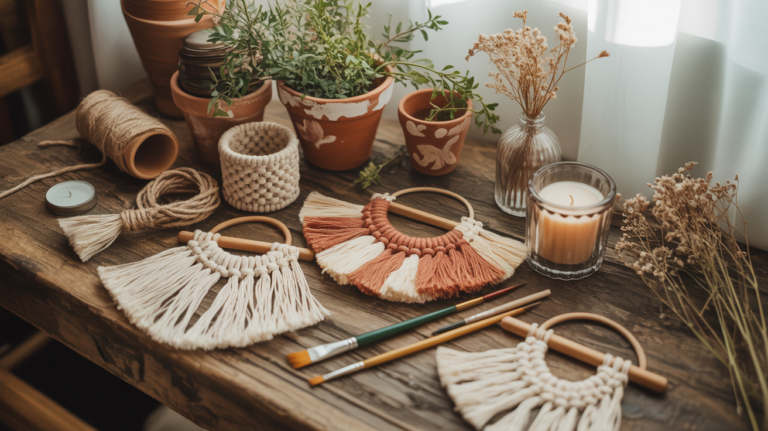
Macrame Christmas trees would be a good fit for a collection with a natural, minimalist style. I would use cotton cord, a small wooden dowel or suitable hanging support, and a simple combination of knots to create tree-shaped decorations.
One advantage of this idea is that I could produce different sizes from the same basic pattern. Small versions could hang on a Christmas tree, while larger ones could work as wall decorations or part of a festive display.
I would practice keeping the knots evenly spaced and the overall shape balanced. These details make a big difference when several pieces are displayed together.
Pro Tip: I would measure the cord for a few sample pieces before buying supplies in bulk. Macrame can use more cord than expected, and accurate measurements help prevent waste.
Granny Square Christmas Tree Ornaments

I would use granny-square crochet patterns to make small Christmas tree ornaments with a handmade, traditional feel. By working with green, red, cream, and gold yarn, I could create festive pieces without needing a large range of supplies.
The square itself can be decorated with a small star, a hanging loop, or a few embroidered details. I would keep the finishing simple so the ornament remains lightweight and easy to hang.
Once I had settled on the pattern, I could make several ornaments during short crafting sessions. I would still time the complete process, including weaving in loose ends and attaching the hanger, before deciding how much to charge.
Pro Tip: I would block the crochet pieces when needed so they hold their shape. Consistent sizing makes a set look much more professional.
Clay Pot Elf Ornaments

Mini clay pot elves would bring a playful look to a Christmas ornament collection. I would use small terracotta pots as the base and add painted details, felt, ribbon, and other suitable decorations to create little holiday characters.
I would plan the colors before assembling the ornaments. A coordinated set could include elves with green hats, red hats, striped trim, or different facial expressions, all made with the same basic pot size.
Because clay pots can chip or break, I would inspect each one and package it carefully. I would also make sure any hanging attachment is strong enough to support the finished ornament.
Pro Tip: I would let paint and adhesive dry fully before adding the final details. Rushing the drying stage can lead to smudges, loose decorations, and extra repair work.
Pink Yarn Gnome Ornaments

Pink yarn gnomes would be an option I would test for customers who enjoy softer colors and Scandinavian-inspired Christmas decorations. Their yarn hats and fluffy beards create a cozy look, and the basic design can be adapted to many color schemes.
I would make a few sample hats in dusty pink, cream, sage green, and traditional red. That would let me offer customers a choice without buying too many different materials at the start.
The most important details are the shape of the hat, the fullness of the beard, and the placement of the nose. I would use a simple template or measurement guide to help keep those features consistent across a set.
Pro Tip: I would trim the yarn over a tray or piece of paper so I can collect loose fibers and keep the work area tidy. A final check for stray strands helps each ornament look neat.
4 x 4 Snowmen

I would consider chunky wooden snowmen for customers looking for simple porch, shelf, or entryway decorations. A short piece of wood can be painted white and finished with a snowman face, buttons, and a fabric scarf to create a sturdy seasonal accent.
I would sand the wood, check that it sits flat, and apply paint in thin coats. A plaid scarf or a small piece of textured fabric can add color without making the design too complicated.
These decorations could be offered in a few heights or as a coordinated family of snowmen. I would clearly state the dimensions so customers know whether the piece is suitable for a tabletop or a larger outdoor display.
Pro Tip: I would use a suitable exterior finish only if the decoration is designed for outdoor use, and I would explain any limits on weather exposure.
Reusable Fabric Christmas Crackers

Reusable fabric Christmas crackers would suit customers who want a festive table setting that they can bring out again each year. I would use washable fabric, neat seams, and ribbons or ties to create a cracker shape that can be opened and refilled.
I would offer a few fabric themes, such as tartan, botanical prints, gold accents, or simple neutral colors. Selling them as a matching table set would make it easier for customers to coordinate their holiday decorations.
I would decide whether the crackers would be sold empty or with small contents. Empty crackers are easier to standardize and allow customers to choose their own treats, notes, or little gifts.
Pro Tip: I would test each cracker to make sure it opens and closes without straining the seams. Clear washing and storage instructions would also help customers reuse them.
Crochet Angels
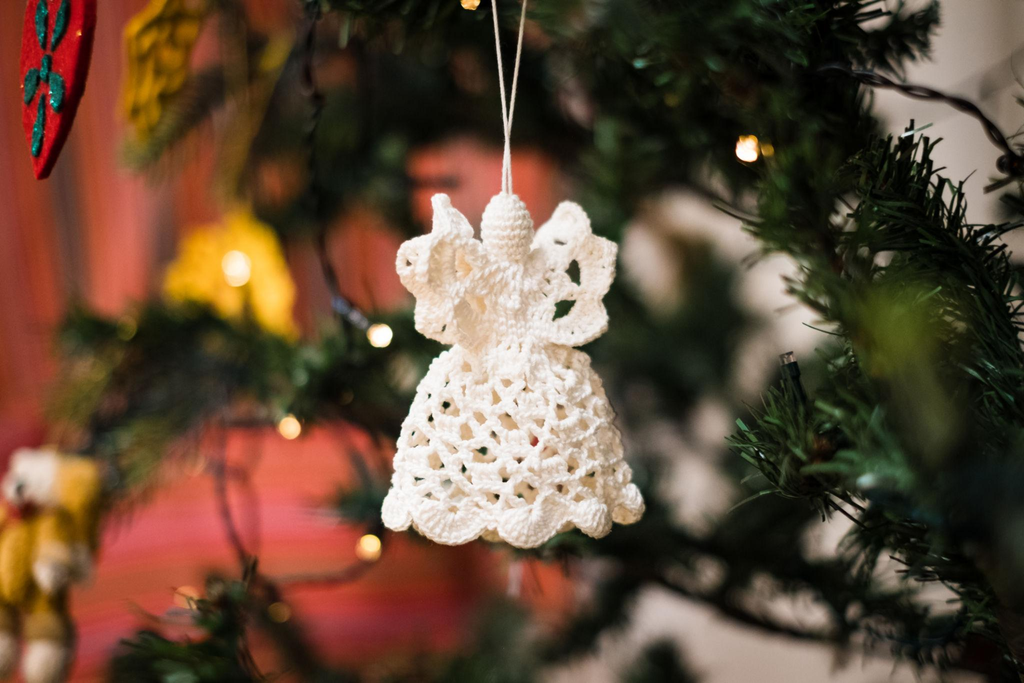
Crochet angels would be a good addition to a collection of handmade ornaments and mantel decorations. Their delicate shape can work with traditional Christmas colors or a simple white-and-cream palette.
I would choose a pattern that matches my skill level and make a sample before committing to a full set. Small crochet details can take longer than expected, particularly when the project includes wings, a halo, or several separate pieces that need to be attached.
I could offer the angels as hanging ornaments or freestanding decorations if the pattern supports that use. I would check the finished shape carefully so the wings and other details remain visible.
Pro Tip: I would use the same yarn weight and hook size throughout a batch unless the pattern calls for a change. This helps keep the ornaments close to the same size.
Felt Santa and Angel Ornament

I would finish my collection with felt Santa and angel ornaments because felt is easy to cut into simple shapes and comes in a wide range of colors. These decorations could hang from a Christmas tree, decorate a wreath, or be tied to a gift package.
I would make paper templates for the main shapes and use them to cut matching pieces of felt. A little embroidery, contrasting fabric, or carefully attached ribbon can add personality without requiring expensive materials.
I would offer the ornaments individually and in small themed sets. Since felt is lightweight, the finished products can be relatively easy to pack, although I would still protect any delicate stitching or attached decorations.
Pro Tip: I would keep the cut edges clean and check the back of each ornament for visible knots or loose threads. Those small finishing details can make a handmade product look much more polished.
How I Would Choose Christmas Crafts to Sell
I would not make all 21 crafts at once. Instead, I would choose a small group based on my budget, available time, crafting skills, and the kind of customers I want to reach.
For a low-cost starting point, I would test paper Advent calendars, yarn gnomes, wine cork angels, and simple felt ornaments. If I already had sewing or crochet skills, I would consider pet stockings, Christmas tree skirts, and coasters.
I would also calculate my selling price before buying supplies in bulk. My basic pricing formula would include materials, labor, packaging, selling fees, and other overhead costs, with a profit margin added afterward.
Pro Tip: I would photograph a finished sample, show it to potential customers, and take note of genuine inquiries before investing in a large batch. Early interest can help me decide which designs deserve more time and money.
Frequently Asked Questions
What are the most profitable Christmas crafts to sell?
I would start with personalized pet stockings, handmade ornaments, crochet coasters, fabric Christmas crackers, and wooden decorations. These products can be customized to suit different budgets and styles. However, profitability depends on material costs, production time, selling fees, and customer demand.
What Christmas crafts can I make and sell with a small budget?
I would consider felt ornaments, paper Advent calendars, wine cork angels, yarn gnomes, and simple crochet decorations. These projects can use relatively inexpensive materials, and some allow me to use leftover fabric, yarn, or ribbon. I would make a few samples first to estimate costs and check customer interest.
When should I start making Christmas crafts to sell?
I would begin planning in late summer or early fall so I have time to test designs, purchase supplies, photograph products, and prepare listings. Starting early also gives me more time to handle custom orders and shipping before the holiday rush.
How can I price my handmade Christmas crafts?
I would calculate the cost of materials, labor, packaging, selling fees, and overhead before setting a price. Then I would compare similar products to understand the market while making sure my price covers expenses and leaves a reasonable profit. I would also charge appropriately for personalization and extra production time.
Read this next: 28 Lovely Farmhouse Outdoor Christmas Decoration To Recreate
Conclusion
I see Christmas crafts as an opportunity to combine creativity with a small seasonal business. From rustic wooden snowmen to personalized glass ornaments and handmade crochet decorations, there are plenty of products I could test without trying to make everything at once.
My approach would be to start with a few designs, keep track of production costs, and focus on quality and useful personalization. I would also plan ahead because making, photographing, listing, packaging, and shipping handmade products all take time during the busy holiday season.
The best craft to sell is not necessarily the one that looks the most complicated. It is the one I can make well, price fairly, and produce consistently while meeting the needs of my customers.




3 Comments