
18 Party Games for Large Groups That Actually Work With 20+ Guests
I have run party games for large groups at a 30-person birthday, a work party with 40 guests, and a family gathering where three generations tried to play together, and I picked these 18 the same way every time: they had to work when I could not hear half the room, when guests arrived late, and when nobody wanted to wait their turn for 20 minutes. I kept only the games that scale, that let latecomers join, and that do not fall apart when the group gets loud.
Key Takeaways
- For large groups, team games beat turn-taking games every time, because nobody waits 20 minutes for a turn.
- Split into teams of six to eight, or the game becomes a crowd, not a team, and quiet guests disappear.
- Use a loud signal, like a whistle or a bell, to get attention, because shouting over 30 people does not work and hurts your throat.
- Have a game that latecomers can join mid-round, or late guests will stand awkwardly while everyone else plays.
- End with a group game where everyone plays at once, so the night ends together, not with one winning team and 25 spectators.
18 Party Games for Large Groups
1. Human Bingo
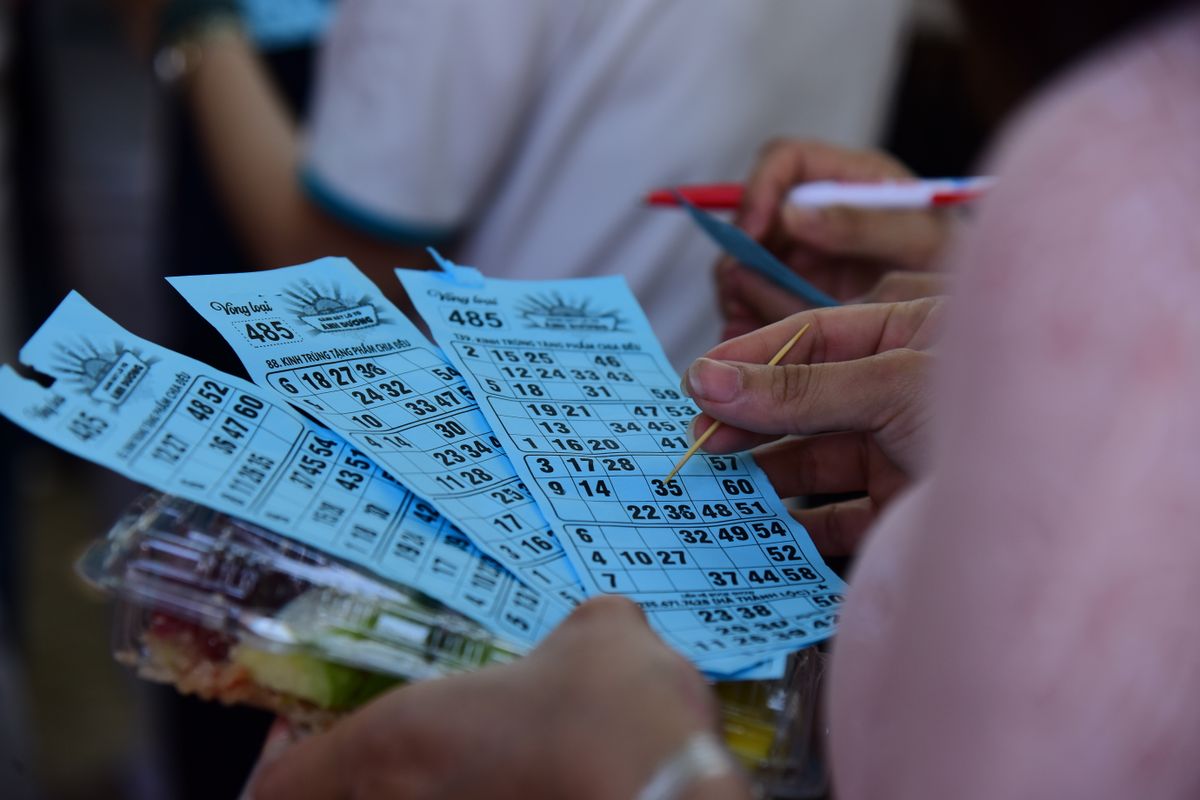
Human bingo, where each guest gets a card with squares like “has travelled to Asia” or “can play an instrument” and must find a different person for each square, is my best large-group opener. It gets 30 people talking in five minutes, it needs no equipment beyond printed cards, and latecomers can join simply by taking a card.
The risk is that guests will fill cards by talking only to friends, not to strangers. I fix that by making one rule: no more than two squares from the same person, which forces guests to mingle, which is the whole point.
Pro Tip: Print cards on card, not thin paper, or they will tear in the first five minutes of a lively party.
Cost: $2-$5 for printing | Time: 20 minutes | Difficulty: Easy
2. Team Scavenger Hunt
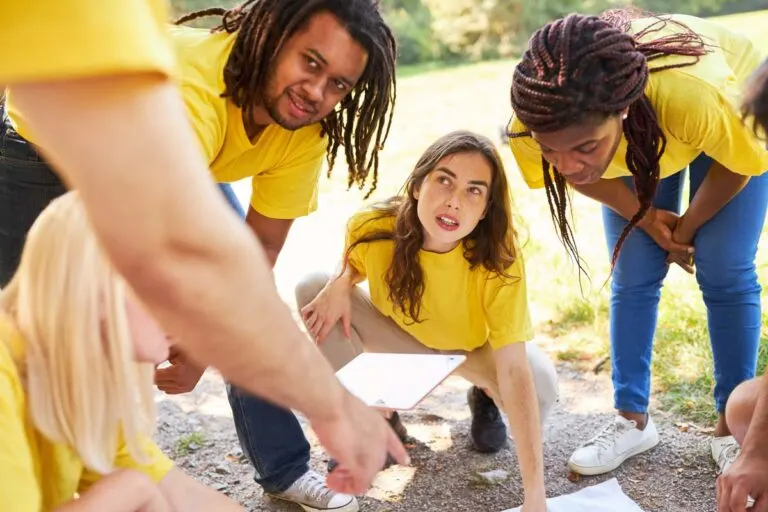
A team scavenger hunt, with teams of six hunting for 20 items or photos around a house or garden, scales beautifully to large groups because teams play in parallel. I have run hunts with 40 guests in six teams, and the energy is incredible, because every team is racing at the same time.
Set a strict time limit of 20 minutes, and make the list a mix of easy and tricky items, or one team will finish in ten minutes and wait bored while others are still hunting. I also use photo proof for fragile items, so nobody carries a vase around a crowded garden.
Pro Tip: Give each team a different coloured bandana or sticker, so teams can spot each other and the host can spot a team that is stuck.
Cost: $0-$5 | Time: 20-30 minutes | Difficulty: Easy
3. Team Charades Relay
Team charades relay, where teams take turns acting and guessing in a relay format, works for large groups because multiple teams play at once, not one team at a time. I set up three stations, each with a different word list, and teams rotate every five minutes, so nobody waits long.
Keep words easy and large-print, or teams will stall on one impossible word while other teams race ahead. I also use a timer per station, so rotation is fair and no team hogs a station.
Pro Tip: Use a bell to signal rotation, not your voice, because your voice will not carry over 30 people acting at once.
Cost: $0-$2 | Time: 30 minutes | Difficulty: Easy

4. Giant Jenga Tournament
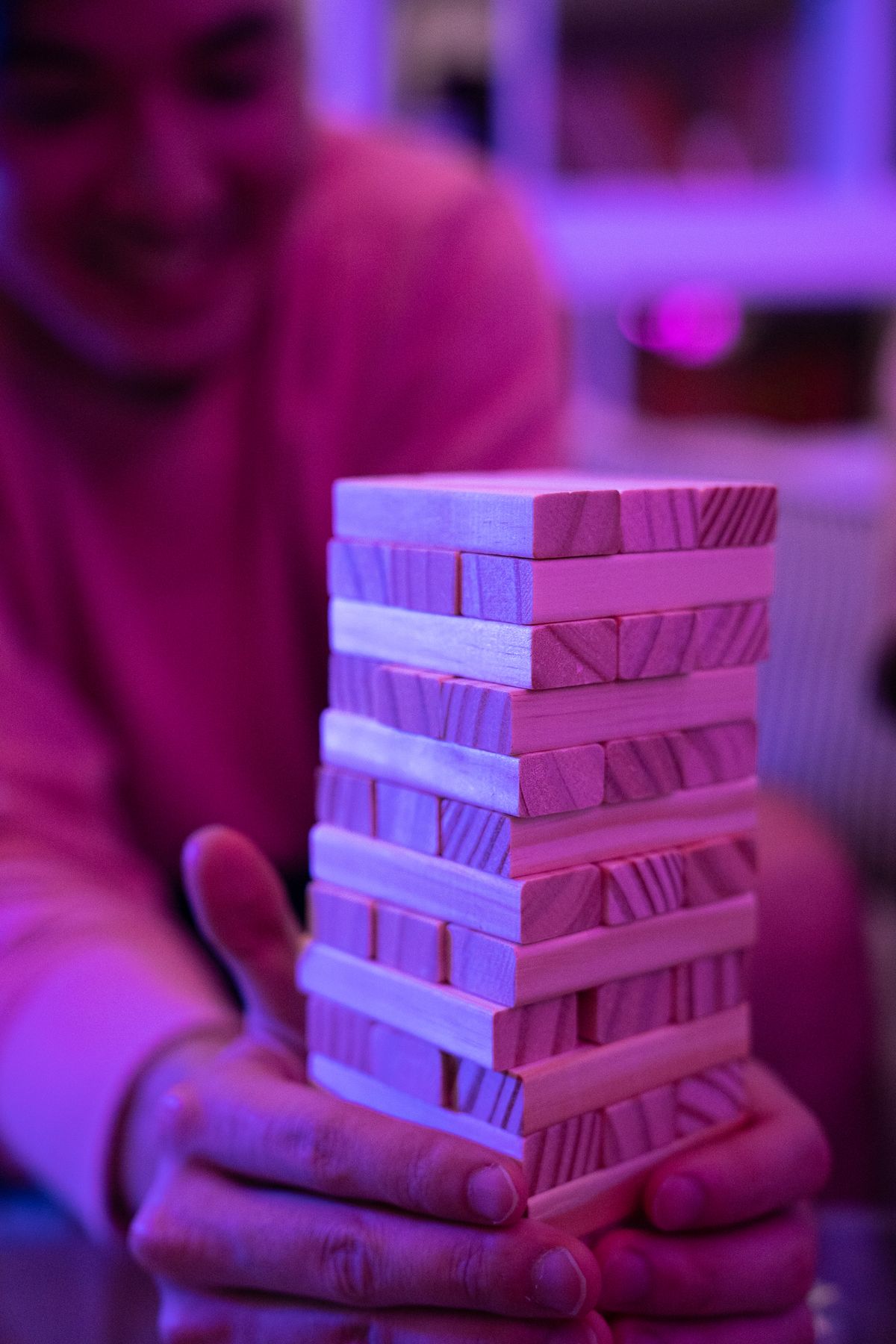
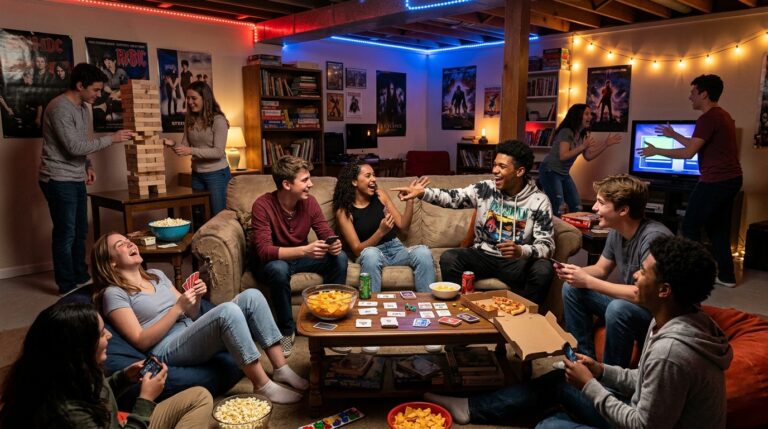
A giant Jenga tournament, with a large Jenga set and a bracket, is perfect for large groups because it is visual, tense, and easy to watch. Guests gather around, cheer, and groan when the tower falls, and even guests who are not playing enjoy watching, which is rare for a large-group game.
Use a proper giant Jenga set, not a small tabletop set, or only four guests will see it. I also set a time limit per move, 30 seconds, or cautious players will take five minutes per move and the tournament will drag.
Pro Tip: Put the Jenga tower on a sturdy table, not a wobbly garden table, or the tower will fall for the wrong reason and guests will argue.
Cost: $20-$40 for a giant set | Time: 30-45 minutes | Difficulty: Easy
5. Team Trivia Bracket
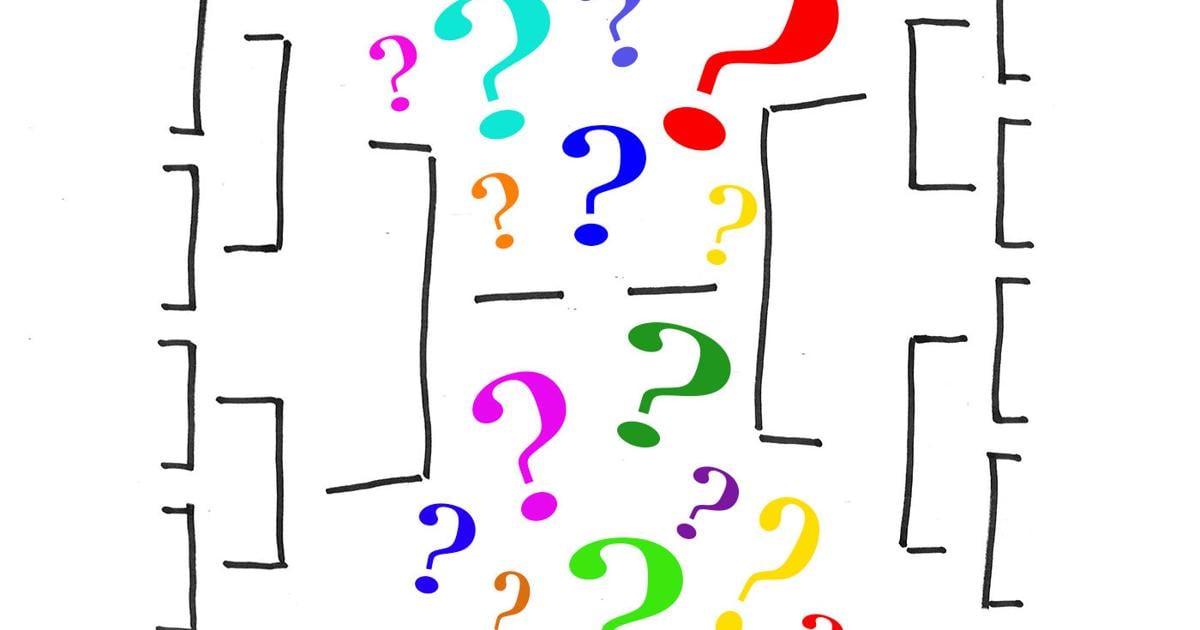
Team trivia in a bracket format, where teams compete in heats and winners advance, works for large groups because it turns trivia into a tournament, not a lecture. I run heats of four teams, with ten questions per heat, and the winning teams meet in a final, which keeps the whole night exciting.
Keep heats short, ten questions, or the bracket will take all night. I also give losing teams a consolation game, like a quick bingo, so they do not sit out for an hour while winners play the final.
Pro Tip: Use a simple bracket on a whiteboard, visible to everyone, so teams can see who they play next and when.
Cost: $0 | Time: 45-60 minutes | Difficulty: Easy
6. One-Minute Speed Challenges
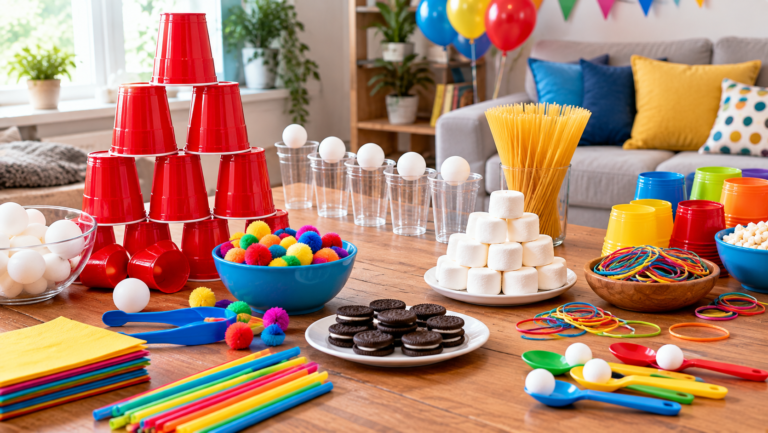
One-minute speed challenges, where teams race to complete a simple task in 60 seconds, like stacking cups or sorting coloured balls, are brilliant for large groups because they are fast, visual, and easy to run in parallel. I set up four stations, teams rotate, and the whole room is busy at once, which is exactly what a large party needs.
Choose tasks that are simple, safe, and do not need special equipment, or setup will take longer than the game. I also time challenges with a visible countdown on a phone, so teams can see the clock and the tension builds.
Pro Tip: Test each challenge yourself first, and time it, or you will discover mid-party that a task takes three minutes, not one, and the schedule falls apart.
Cost: $5-$10 for cups and balls | Time: 30 minutes | Difficulty: Easy

7. Balloon Pop Relay
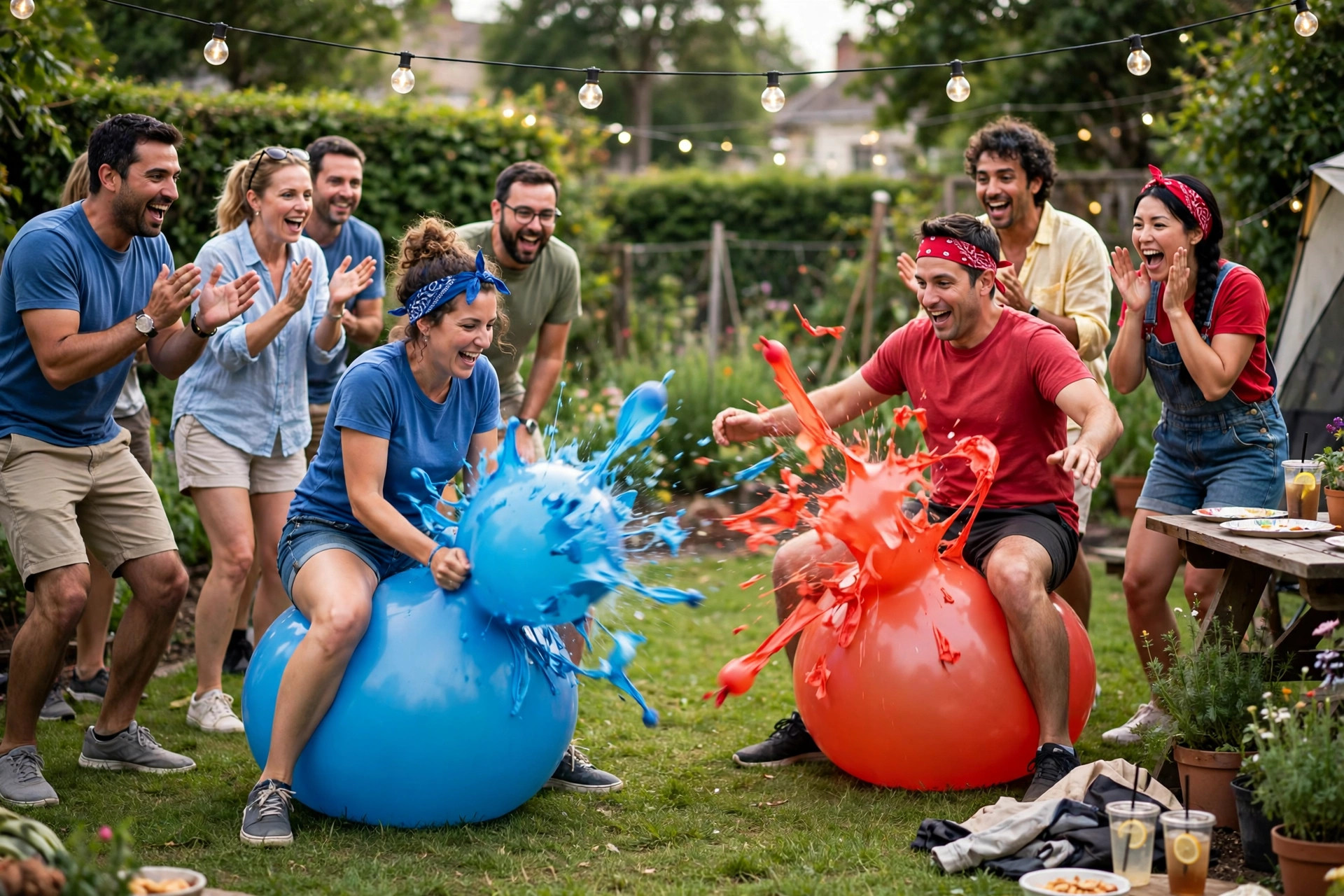
A balloon pop relay, where teams race to pop balloons by sitting on them or by passing them without hands, is loud, silly, and perfect for large groups with outdoor space. I have run it with 30 guests in a garden, and the noise and laughter carried to the neighbours, who came to watch, which tells you how fun it is.
Use balloons that are easy to pop, not tough balloons that resist popping and frustrate guests. I also set a clear rule: no popping by hand, only by sitting, or the game becomes a free-for-all and someone will get hurt.
Pro Tip: Have spare balloons ready, because balloons pop early, burst in transport, and always run out at the worst moment.
Cost: $3-$5 for balloons | Time: 20 minutes | Difficulty: Easy
8. Pictionary Teams
Pictionary in teams, with a large whiteboard and teams taking turns to draw, works for large groups if I use multiple boards, not one. I set up two boards, two teams draw at once, and the room splits into two cheering crowds, which is much better than one crowd watching one board.
Use large markers and a big board, or guests at the back will not see the drawing. I also set a 60-second timer per drawing, so the game moves fast and no team hogs the board.
Pro Tip: Use words that are drawable, like “elephant” or “bicycle”, not abstract words like “justice”, which are impossible to draw and frustrate everyone.
Cost: $5-$10 for boards | Time: 30 minutes | Difficulty: Easy

9. Outdoor Lawn Games
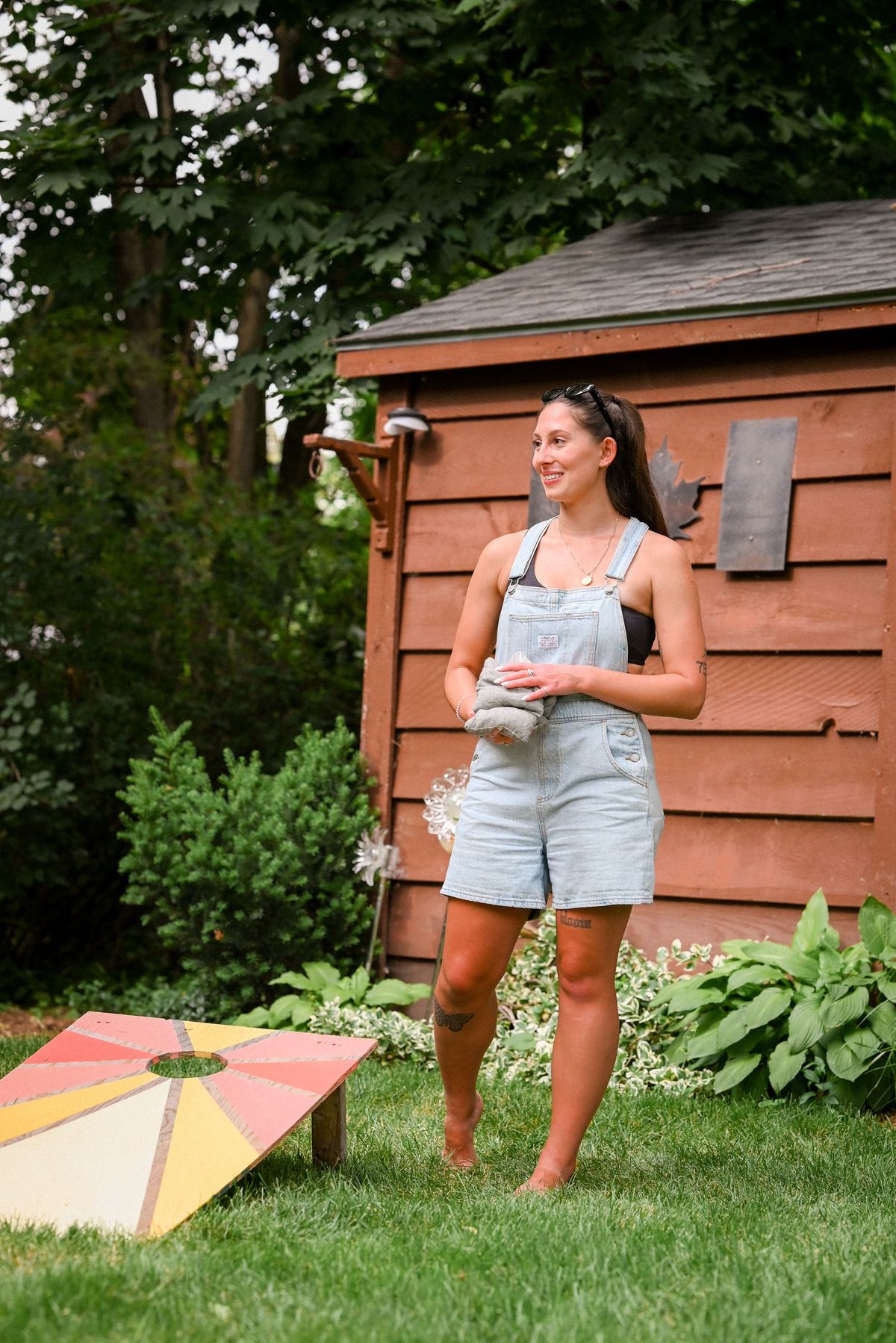
Outdoor lawn games, like cornhole, ring toss, and giant Connect Four, are ideal for large groups because they are self-running: guests play in small groups, at their own pace, without a host directing every move. I set up four games in a garden, and guests drift between them all afternoon, which is the most relaxed large-group format I know.
The downside is weather: rain ruins lawn games instantly. I always have an indoor backup, like board games or a quiz, ready to go, so a sudden shower does not end the party.
Pro Tip: Put a score sheet by each game, so guests can record wins without needing a host to referee every round.
Cost: $20-$50 for sets, or borrow | Time: All afternoon | Difficulty: Easy
10. Karaoke Teams
Karaoke in teams, where teams sing a song together and are judged on enthusiasm, not talent, works for large groups because nobody sings alone. I have run team karaoke with 30 guests, and the shiest guests sang happily in a group, which would never happen solo.
Judge on fun, not skill, or the best singers will win every time and everyone else will stop trying. I use a simple scorecard: energy, costumes, and crowd reaction, each out of ten, which rewards effort over talent.
Pro Tip: Let teams choose their song from a short list, not any song in the world, or choosing will take longer than singing.
Cost: $0-$10 for a karaoke app | Time: 45-60 minutes | Difficulty: Easy

11. Dance Competition
A dance competition, with teams performing a short routine or freestyling to a random song, is the most energetic large-group game I have run. I give teams ten minutes to prepare, then each team performs for two minutes, and the room erupts, because dancing in a group is joyful, not embarrassing.
Keep performances short, two minutes maximum, or the competition will take all night. I also use a random song generator for freestyle rounds, so teams cannot prepare a perfect routine and the game stays spontaneous.
Pro Tip: Have a clear, flat dance area and remove tripping hazards first; dancing in a crowded room with cables is dangerous.
Cost: $0 | Time: 30-45 minutes | Difficulty: Easy

12. Photo Scavenger Hunt
A photo scavenger hunt, where teams have 20 minutes to take photos matching prompts like “a team member pretending to be a statue” or “the whole team in a lift”, scales perfectly to large groups because teams play independently. I have run it with 40 guests in a town centre, and teams returned with hilarious photos and stories.
Set prompts that are safe and legal, not prompts that encourage trespassing or bothering strangers. I also set a meeting point and a strict return time, or one team will wander off and miss the rest of the party.
Pro Tip: Show the photos on a screen at the end, with teams voting for the funniest, which turns the hunt into a second game.
Cost: $0 | Time: 20-30 minutes | Difficulty: Easy

13. Card Tournament Bracket
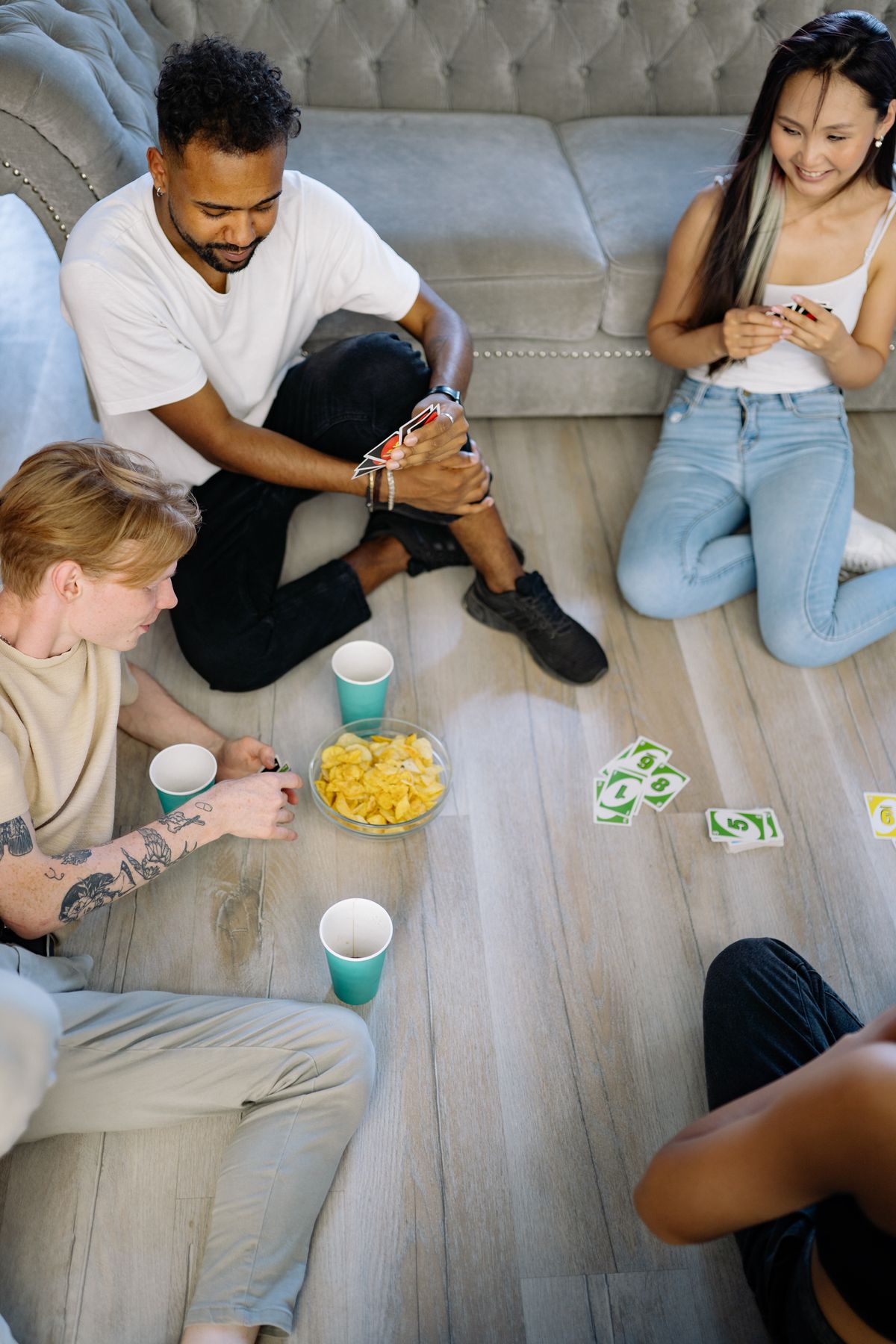
A card tournament, with a bracket and short games like Uno, works for large groups because it is structured, portable, and easy to run in parallel. I set up four tables, each with a game, and winners advance, while losers join a consolation table, so nobody sits out for long.
Teach the game in two minutes, with a practice round, or new players will spend the first round confused. I also use a simple points system, so a player who loses one game can still win the tournament.
Pro Tip: Use card holders and large-print cards for older guests, because small cards and fast games exclude guests who need a little help.
Cost: $0-$15 | Time: 60 minutes | Difficulty: Easy
14. Talent Show, Short Acts
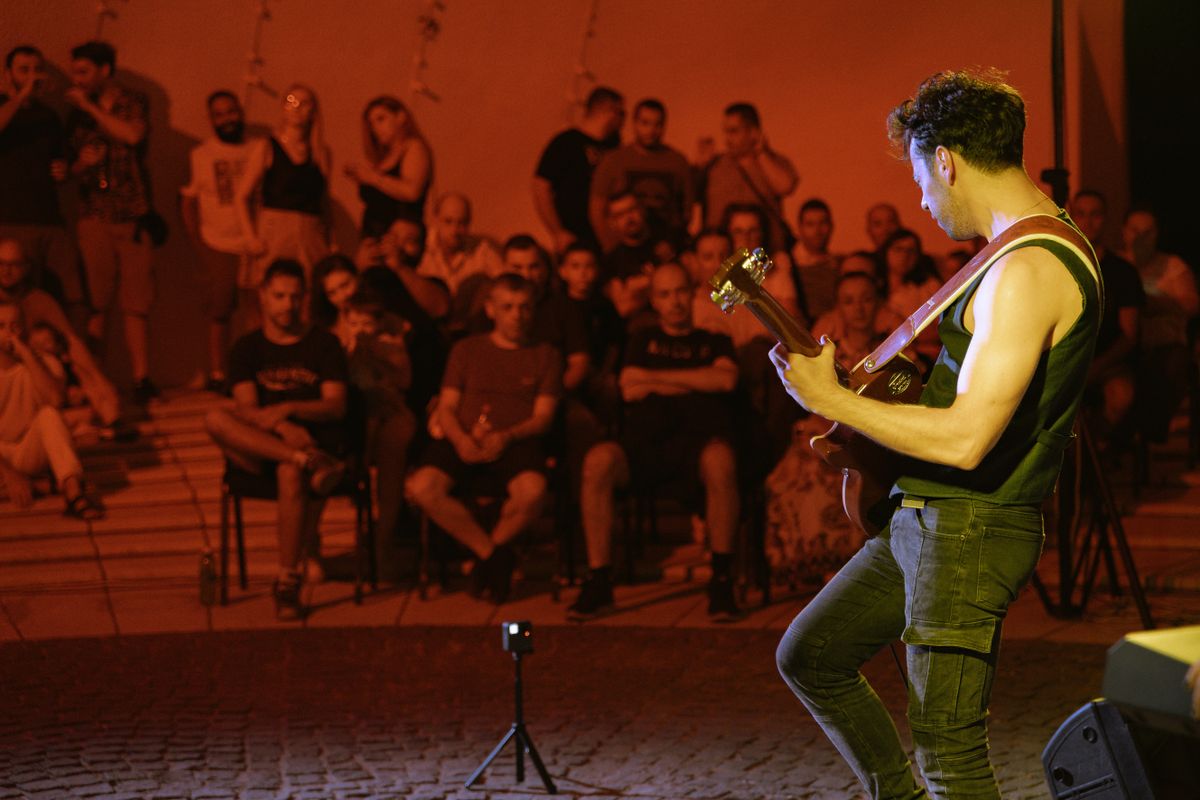
A talent show with short acts, two minutes each, is my favourite large-group finale, because it lets guests show off skills the host never knew about. I have seen magic tricks, poems, juggling, and a guest who could imitate a cat perfectly, and the room loved every act, because short acts keep energy high.
Cap acts at two minutes, strictly, or one long act will kill the show. I also let guests sign up in advance, so shy guests can prepare, and I never force anyone to perform, because a forced talent show is just embarrassing.
Pro Tip: Have a host who introduces each act warmly, with a joke, so performers feel supported, not judged.
Cost: $0 | Time: 30-45 minutes | Difficulty: Easy
15. Relay Races, Indoor or Outdoor
Relay races, with teams racing to complete a course or pass an object, are the most physical large-group game I run, and they work indoors in a hall or outdoors in a garden. I use simple relays, like balancing a spoon, passing a balloon, or hopping in a sack, and teams cheer so loudly that the whole party stops to watch.
Choose relays that are safe for all ages and abilities, or guests with mobility issues will feel excluded. I offer a non-physical role, like team captain or timer, for guests who cannot run, so everyone belongs to a team.
Pro Tip: Mark the course clearly with cones or tape, or teams will argue about the route, which is the least fun argument at a party.
Cost: $5-$10 for props | Time: 20-30 minutes | Difficulty: Easy

16. Group Bingo
Group bingo, with a caller and cards for every guest, is the simplest large-group game, because everyone plays at once, nobody waits, and latecomers can join by taking a card. I use custom bingo cards with party words, and the room fills with guests listening for their squares, which is surprisingly tense and funny.
Call numbers slowly and repeat them, or guests at the back will miss a square and lose interest. I also use a microphone or speaker for large rooms, because a caller’s voice does not carry over 30 people.
Pro Tip: Give a prize for a full house, not just a line, or the game will end too quickly and guests will want more.
Cost: $0-$5 | Time: 20-30 minutes | Difficulty: Easy

17. Two Truths, Large Group Version
Two truths and a lie, adapted for large groups, works when I use a panel format: five guests sit at the front, each says three statements, and the room votes on the lie. It is faster than going around a circle of 30, and it gives the room a shared moment, instead of 30 separate moments.
Choose panel guests who are comfortable speaking, and brief them in advance, so they have good truths ready. I also let the room vote by holding up coloured cards, which is visual, fast, and fun for a large crowd.
Pro Tip: Use a mix of panel guests, old friends and new, so the room learns about people they do not know yet.
Cost: $0 | Time: 20 minutes | Difficulty: Easy

18. Awards Ceremony Finale
An awards ceremony finale, where I give silly awards like “Best Dancer”, “Best Team Spirit”, and “Most Creative Photo”, is the perfect ending for a large-group party, because it celebrates everyone, not just the winning team. I make paper certificates, read out the winners, and the room applauds, which is a warm, joyful ending.
Make awards for many guests, not just three, or most guests will feel left out. I give at least one award per team, plus a few individual awards, so everyone leaves with a smile, even if their team did not win.
Pro Tip: Write the awards in advance, but leave two blank, so you can add awards for moments that happen during the party, which always get the biggest laugh.
Cost: $0-$5 for certificates | Time: 15 minutes | Difficulty: Easy

Comparison Table
| Game | Best for | Cost | Effort |
|---|---|---|---|
| Human bingo | Openers, mingling | Low | Low |
| Team scavenger hunt | Outdoor, energy | Low | Medium |
| Team charades relay | Acting, big laughs | Free | Low |
| Giant Jenga tournament | Watching, tension | Medium | Low |
| Team trivia bracket | Competitive nights | Free | Medium |
| One-minute speed challenges | Parallel play | Low | Medium |
| Balloon pop relay | Outdoor, silly energy | Low | Low |
| Pictionary teams | Drawing, guessing | Low | Low |
| Outdoor lawn games | Relaxed afternoons | Medium | Low |
| Karaoke teams | Shy singers, together | Low | Low |
| Dance competition | High-energy finales | Free | Low |
| Photo scavenger hunt | Independent teams | Free | Low |
| Card tournament bracket | Structured, parallel play | Low | Medium |
| Talent show, short acts | Showcasing guests | Free | Low |
| Relay races | Physical, outdoor or hall | Low | Medium |
| Group bingo | Everyone at once | Low | Low |
| Two truths, large group version | Getting to know guests | Free | Low |
| Awards ceremony finale | Warm endings | Low | Low |
Mistakes I Made (So You Don’t Have To)
First, I once used a turn-taking game with 30 guests, and guests waited 20 minutes for a turn, then left to get food. Now I use team games only for large groups, so nobody waits.
Second, I tried to shout over 30 people to explain a game, and lost my voice by 9 pm. Now I use a bell or whistle, and I explain games in writing on a board, so guests can read the rules.
Third, I forgot a game for latecomers, and three guests stood awkwardly while everyone else played. Now I always have a join-anytime game, like human bingo, ready for late arrivals.
Fourth, I ended a large party with a single winning team and 25 spectators, which felt flat. Now I end with a group game or awards, so the night ends together.
FAQ
How many guests count as a large group for party games?
In my experience, 20 or more guests is a large group, because turn-taking games break down at that size. Below 20, turn-taking can work; above 20, use team games.
What would you do differently for a first large-group party?
I would start with human bingo, then a team scavenger hunt, then group bingo to end. That arc, mingle, compete, celebrate together, works for almost any large group.
How do you handle guests who arrive late during a game?
I give late guests a human bingo card or a team to join immediately, and I do not stop the game to explain everything. A quick “Join this team, they will catch you up” is enough, and guests prefer joining to waiting.
Skip this if…
Skip any game where one person plays at a time for a long turn, and skip any game that needs quiet, because a large group is never quiet. Choose team games where everyone plays at once instead.
Final Thoughts
Party games for large groups work when you think in teams, not turns, and when you give every guest a role, a team, and a way to join late. Do that, use a bell to get attention, and end with everyone together, and a party of 30 will feel like a party, not a crowd, which is exactly what I want from a big night.
Related article: Friendsgiving Games for Adults. Also read: Fun Retirement Party Games. Read this next: Party Games for Teenage Birthday Parties.


2 Comments