18 Christmas Advent Calendar Ideas That Make December Feel Special
A Christmas advent calendar is the first decoration my family actually touches every single day in December, and I learned how much it matters the year I bought a flimsy one that fell apart by December 6. These christmas advent calendar ideas are the ones I have made, filled, or hung myself, and I kept only the styles that survived a full month of small hands, curious pets, and real December chaos.
How I picked these: I made or bought each style, filled it myself, and hung it where my family could reach it. I kept a style only if it stayed up for 24 days, the daily surprise still felt fun in week three, and I could refill or reuse it without starting over. Every idea below tells you what it cost me, how long it took, and where it went wrong.
Key Takeaways
- Start your advent calendar in late November, because filling 24 surprises always takes longer than you think.
- Small, useful surprises beat big, expensive ones by week two.
- Hang the calendar where children can reach it, but away from radiators, damp windows, and the dog’s tail.
- Refillable calendars cost more once and save money for years.
- Mix treats with activities, so December 24 still feels exciting and not just sugary.
18 Christmas Advent Calendar Ideas
1. The Classic Paper Bag Countdown
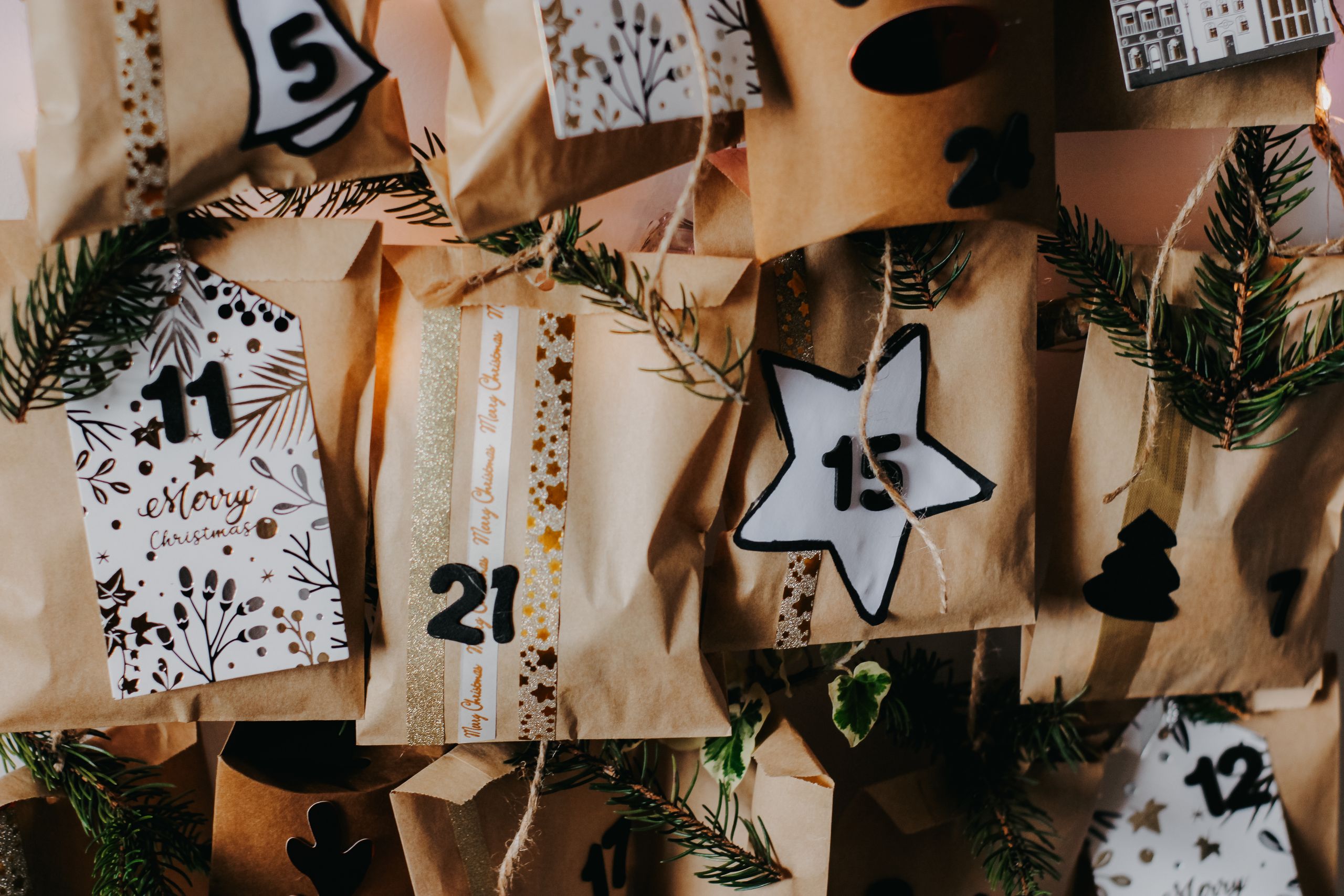
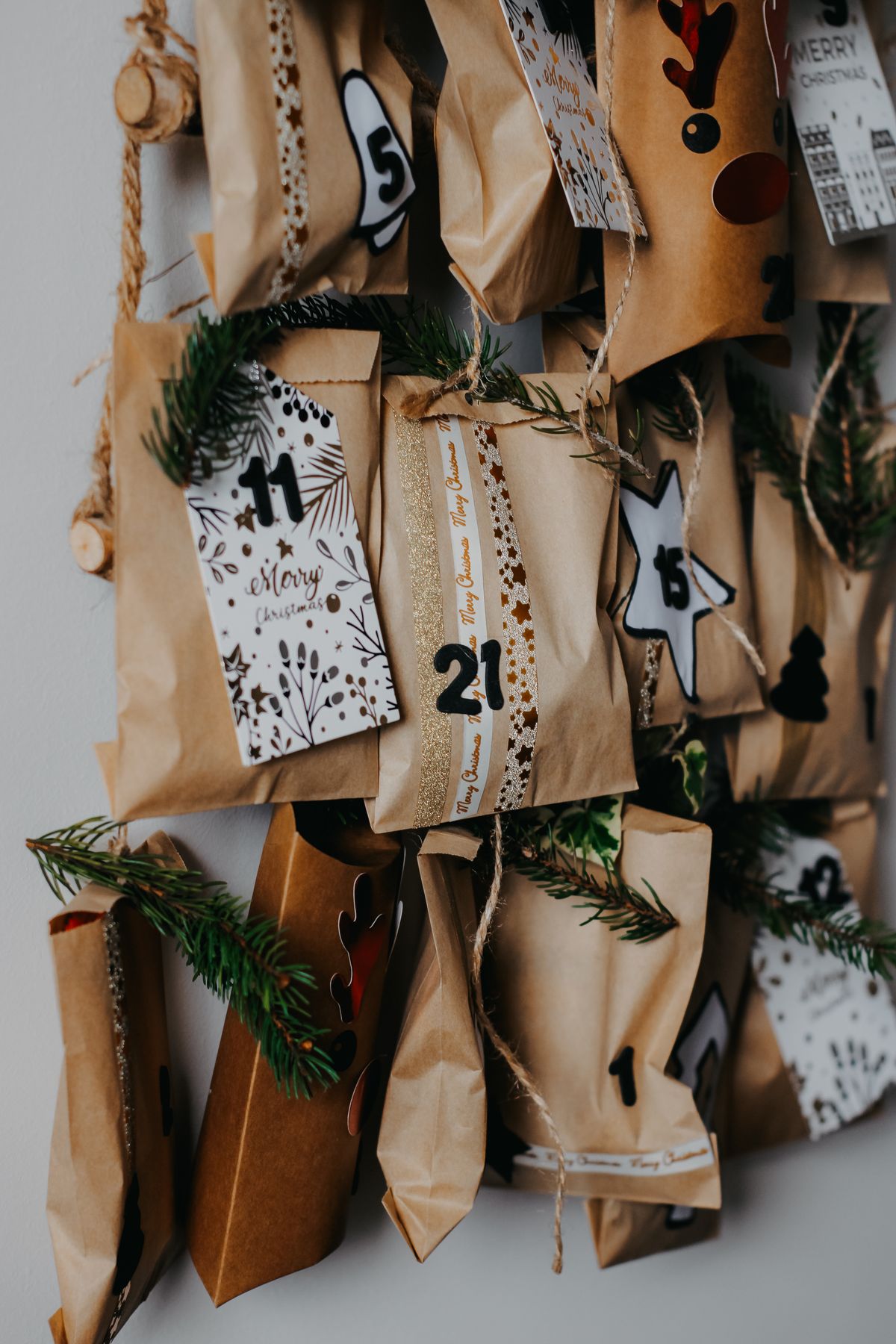
This is the christmas advent calendar I make when I want zero risk: 24 small paper bags, numbered 1 to 24, clipped to a string with wooden pegs. I used brown kraft bags, a black marker, and a length of twine across our living room wall, filling each bag with one small chocolate and one tiny note.
The downside is weight. My first bags tore when I put a small toy car in bag 12, and the whole row sagged by December 10. I switched to flat treats and paper notes only, and the bags stayed up all month.
Pro Tip: Keep every bag light and flat, and hang the string in two shorter rows instead of one long, sagging line.
Cost / Time / Difficulty: $8 to $15 for 24 bags | 2 hours to fill | Easy

2. The Matchbox Drawer Calendar
I glued 24 small matchboxes together in a grid, painted the fronts red and green, and slipped a tiny treat into each drawer. It looked like a miniature chest of drawers on our shelf, and my daughter loved pulling a drawer open each morning.
The downside is fiddly gluing. My first grid dried crooked because I rushed the glue, and two drawers stuck shut. I rebuilt it with a ruler, a cardboard backing, and slow-drying craft glue, and it has lasted three Decembers.
Pro Tip: Glue the boxes to a stiff cardboard back first, then paint, so the grid stays square.
Cost / Time / Difficulty: $10 to $18 | 3 hours | Medium

3. The Hanging Stocking Calendar
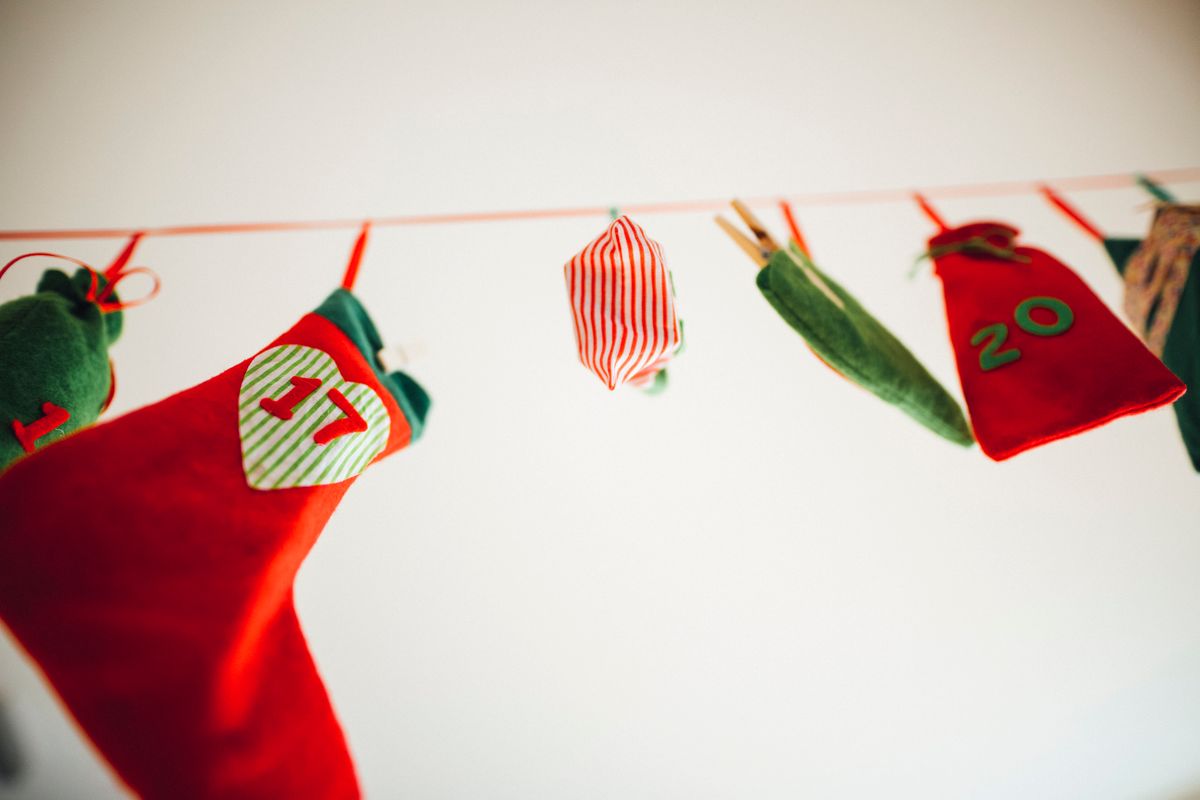
I hung 24 tiny felt stockings from a garland across the fireplace, each with a number ironed on in white. The stockings were cheap, washable, and easy to refill, and they looked festive even before December started.
The downside is size. My first stockings were so small that only a single wrapped sweet fitted inside, which disappointed my son by day five. I bought slightly larger stockings, about 15 centimetres long, and mixed sweets with activity cards.
Pro Tip: Buy stockings at least 15 centimetres long, or you will be limited to one tiny sweet per day.
Cost / Time / Difficulty: $12 to $20 | 1 hour to hang and fill | Easy
4. The Wooden House Calendar
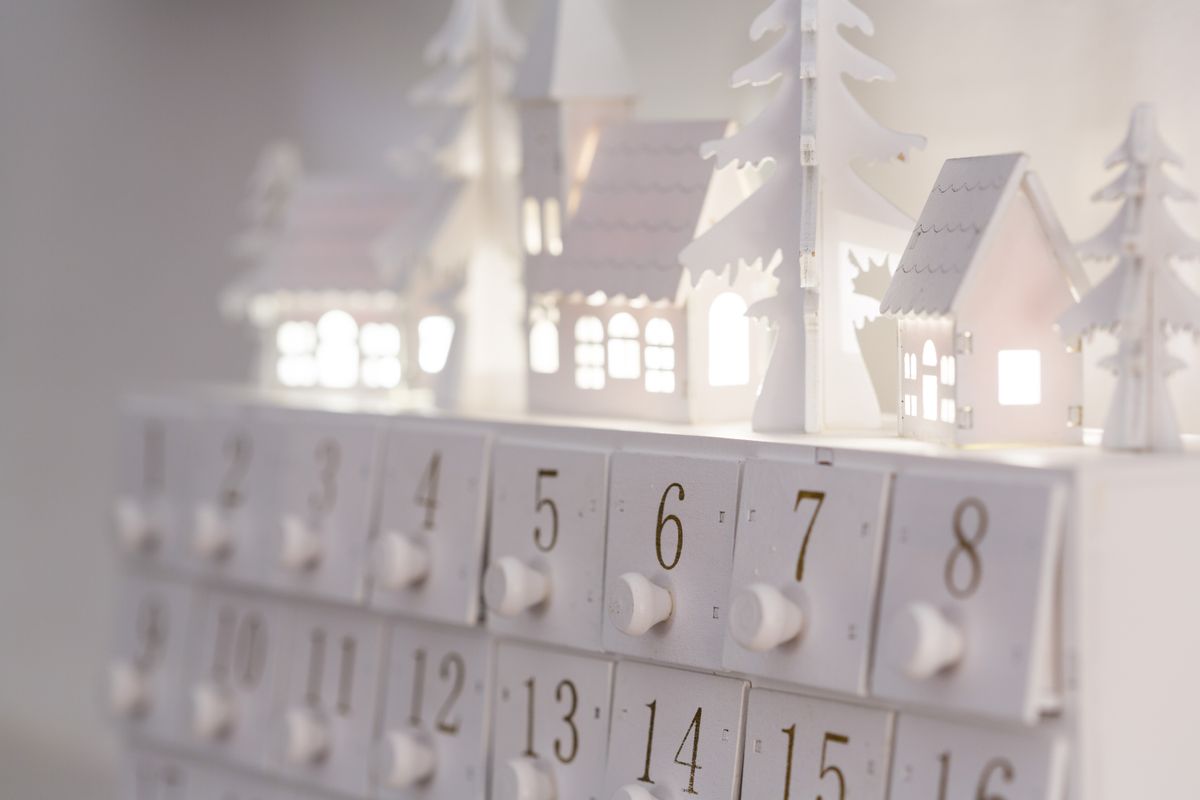
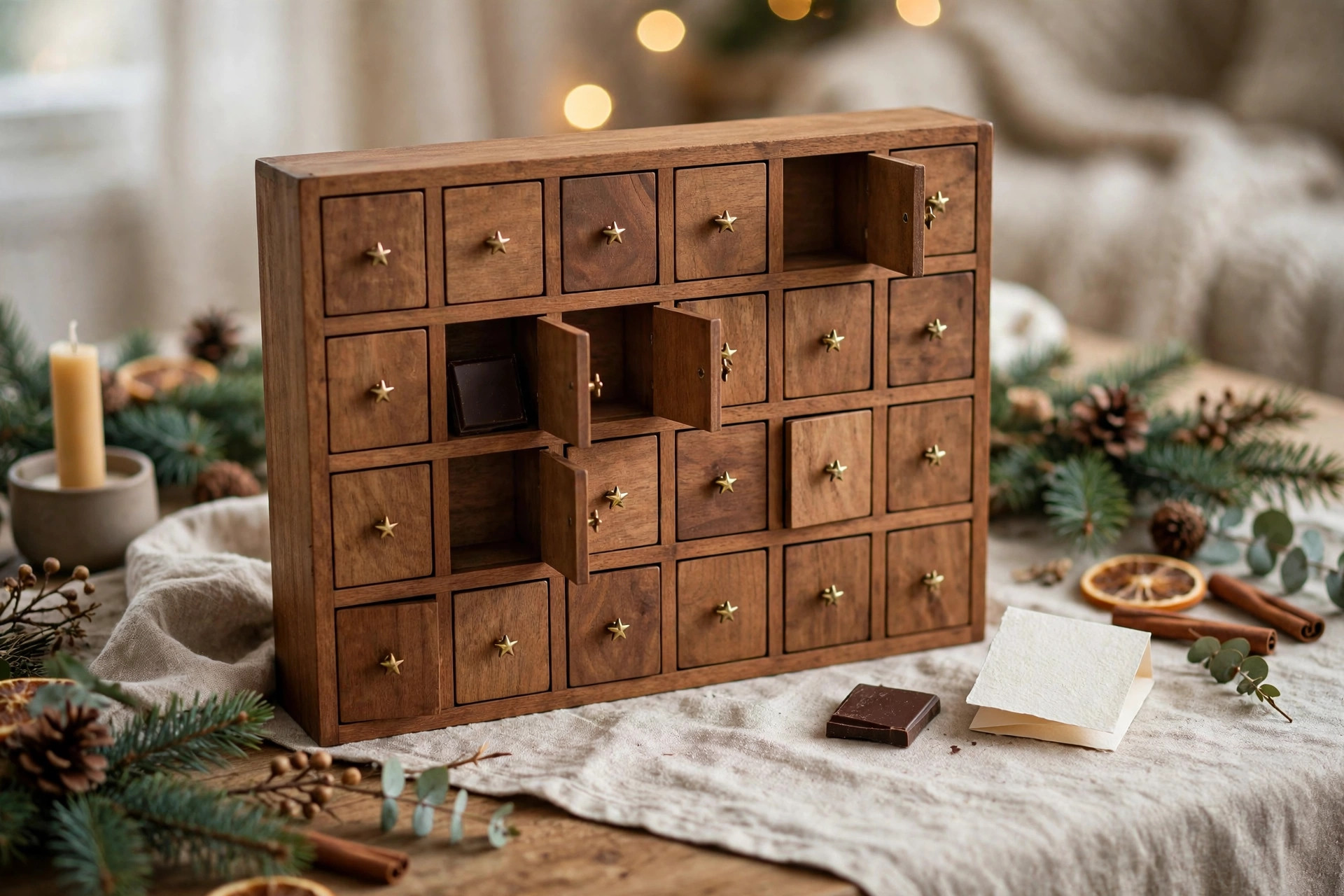
I bought a plain wooden house-shaped calendar with 24 tiny drawers, painted it white, and filled each drawer with a small chocolate or a tiny eraser. It sits on our hallway console and looks like a proper decoration, not a craft project.
The downside is price. At $25 to $45, it cost more than any other calendar here, and one drawer handle snapped in year two. I glued it back, and the calendar has still lasted four Decembers, so the cost per year is now low.
Pro Tip: Check the drawers before you buy, because cheap handles break fast with daily use.
Cost / Time / Difficulty: $25 to $45 | 2 hours to paint and fill | Medium
5. The Felt Pocket Calendar
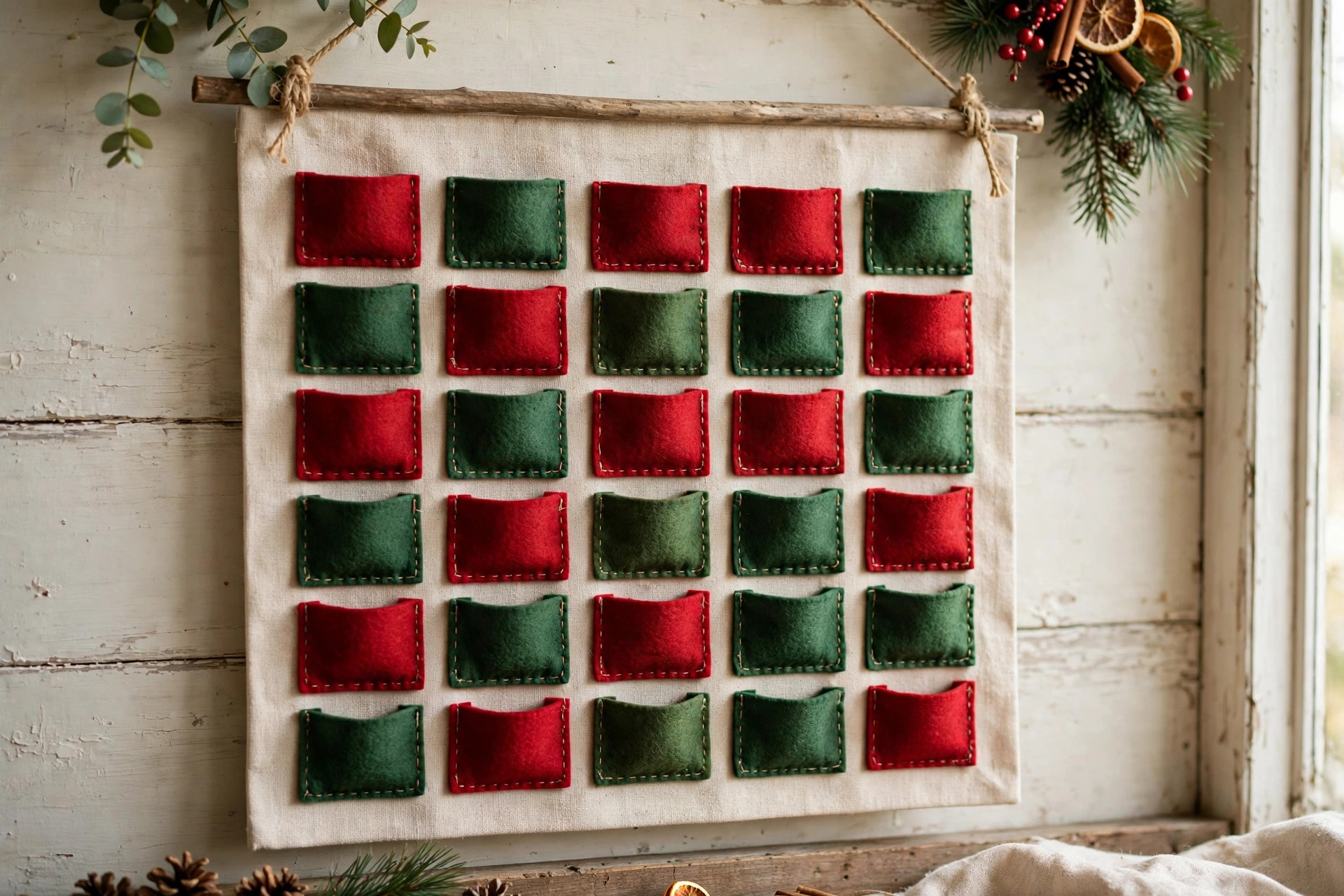
I sewed 24 felt pockets onto a large piece of green fabric, numbered each pocket with iron-on numbers, and hung it on the wall with a wooden dowel. Each pocket holds a small treat or an activity card, and the whole thing folds away flat in January.
The downside is sewing time. My first version took nearly four hours because I cut every pocket by hand, and two pockets came out uneven. I used a template for the second version, and it looked far neater.
Pro Tip: Cut all pockets from one template, or the rows will look uneven.
Cost / Time / Difficulty: $10 to $16 for felt | 3 to 4 hours | Medium
6. The Muffin Tin Calendar
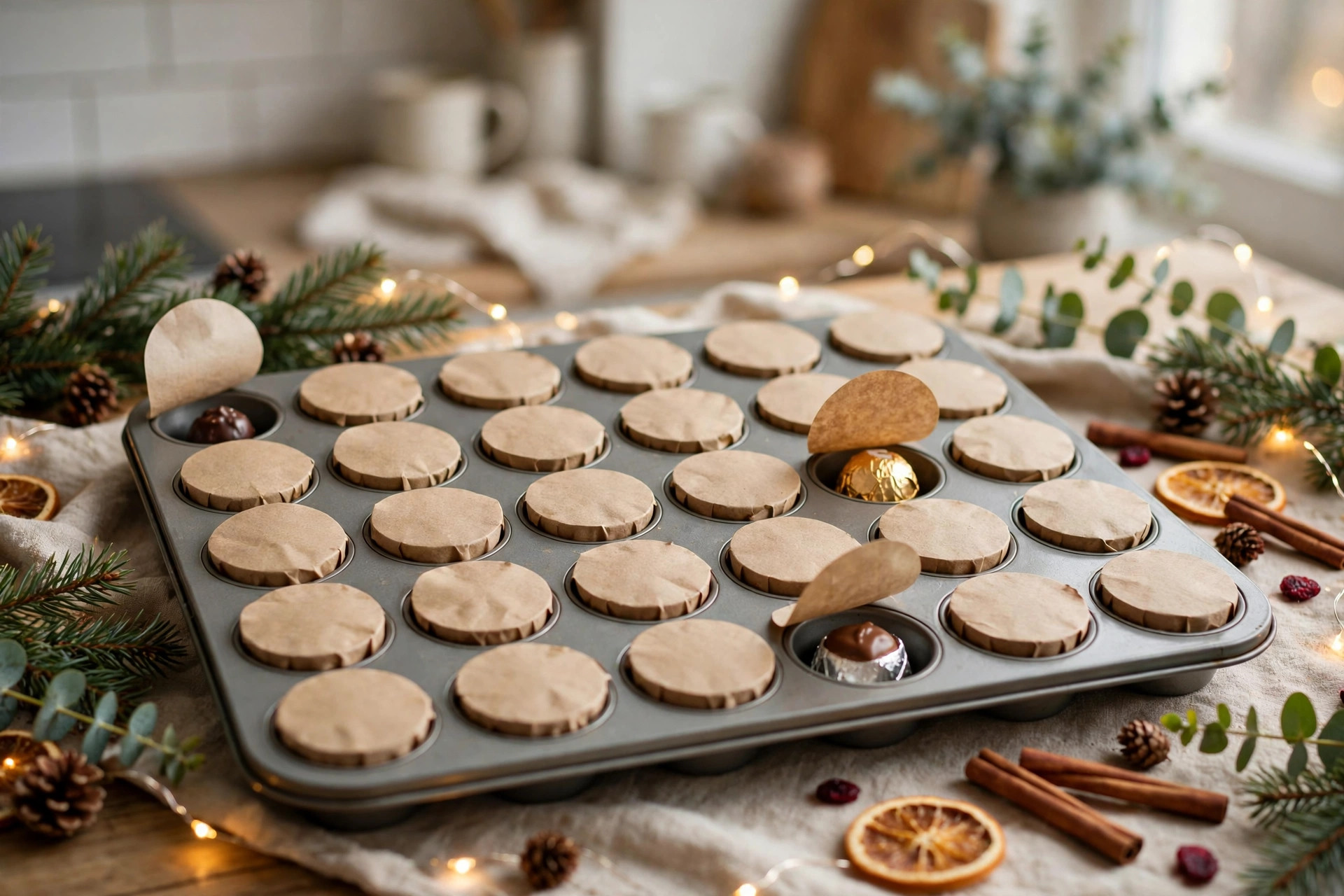
I took an old 24-cup mini muffin tin, placed one small sweet in each cup, and covered each cup with a numbered paper circle held down with washi tape. Each morning, my children peeled back one circle to find the treat underneath.
The downside is storage. The tin is bulky, and I had to find a shelf for it all December. I now use a mini tin, not a standard one, and I keep it on a tray so it can be moved easily.
Pro Tip: Use a mini muffin tin and a tray, or the calendar will take over your counter.
Cost / Time / Difficulty: $5 to $10 | 1 hour | Easy
7. The Envelope Garland Calendar
I made 24 small envelopes from patterned paper, wrote a number on each, and clipped them to a long piece of twine with mini pegs. Inside each envelope was either a small sweet, a joke, or an activity, so opening one felt different every day.
The downside is paper thickness. My first envelopes tore when I stuffed a small toy inside, and one ripped open early. I switched to flat notes and sweets only, and the garland stayed intact all month.
Pro Tip: Keep envelope surprises flat, or the paper will tear when children pull them open.
Cost / Time / Difficulty: $4 to $8 | 2 hours | Easy
8. The Jar Calendar
I filled a large glass jar with 24 folded paper notes, each numbered, and my children pulled one out each morning. Some notes promised a treat, others promised an activity like baking or a Christmas film, and the jar looked lovely on our kitchen counter.
The downside is order. My children shook the jar and pulled notes out of sequence, which ruined the countdown for my youngest. I now number the notes clearly and keep the jar on a high shelf, taking it down each morning.
Pro Tip: Keep the jar out of reach between mornings, or children will pull notes early.
Cost / Time / Difficulty: $2 to $5 | 30 minutes | Easy

9. The Train Box Calendar
I bought a set of 24 small cardboard boxes shaped like a train, decorated them with stickers, and filled each carriage with a small sweet or a tiny toy. The train ran along our windowsill, and my children loved moving the engine one step forward each day.
The downside is space. The train was nearly a metre long, and it blocked our windowsill plants. I now use a shorter train with smaller boxes, and I keep it on a low shelf instead of the windowsill.
Pro Tip: Measure your shelf before you buy a train calendar, because 24 boxes take more room than you expect.
Cost / Time / Difficulty: $10 to $18 | 2 to 3 hours | Medium

10. The Book Advent Calendar
I wrapped 24 picture books in kraft paper, numbered each one, and stacked them in a basket by the sofa. Each evening, my children unwrapped one book, and we read it together before bed, which made December bedtimes calm instead of chaotic.
The downside is cost if you buy new books. My first year, I spent over $30 on new books alone. I now borrow most books from the library, wrap books we already own, and buy only two or three new ones.
Pro Tip: Use library books and books you already own, and the calendar costs almost nothing.
Cost / Time / Difficulty: $15 to $30 with new books, far less with library books | 1 hour to wrap | Easy

11. The Activity-Only Calendar
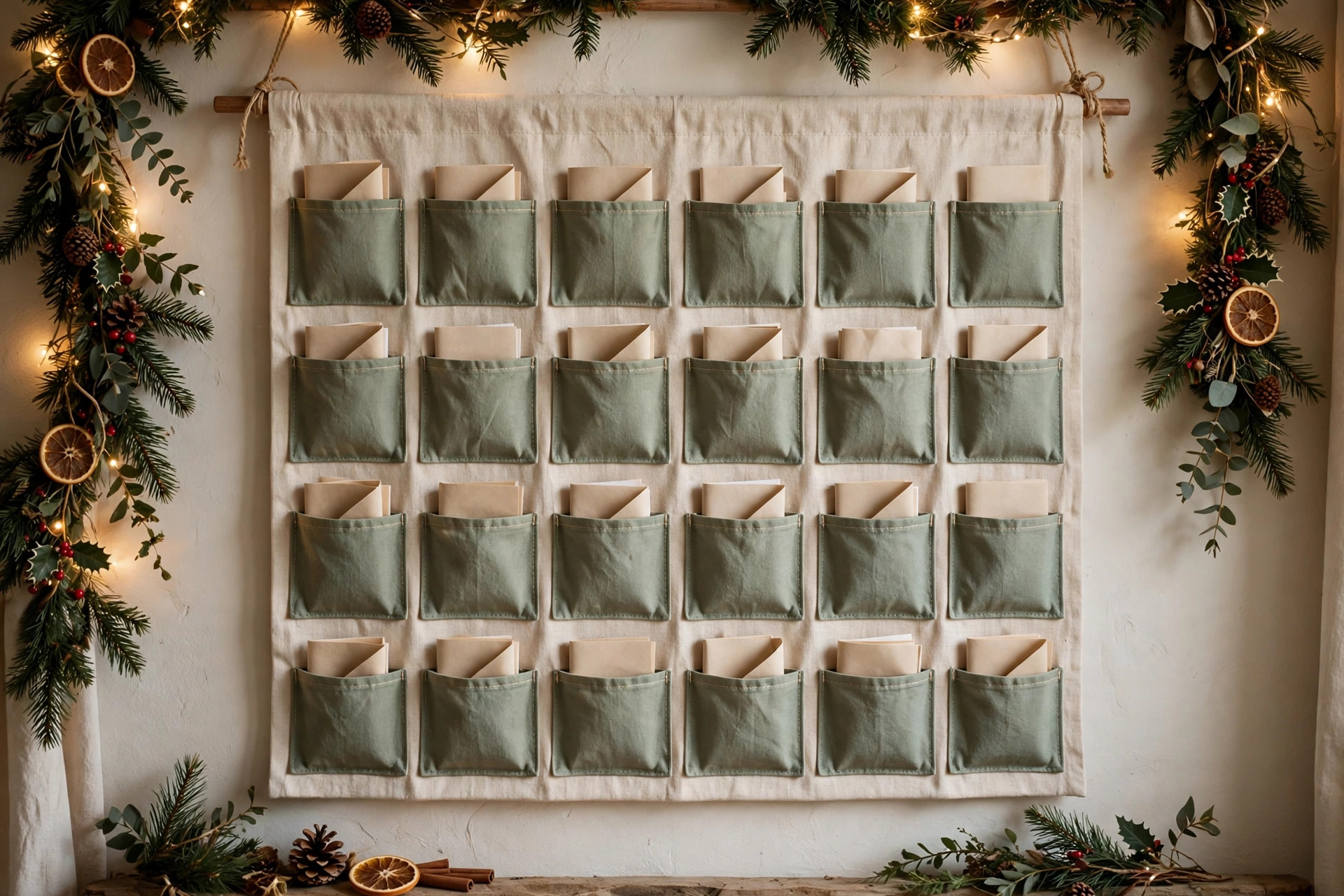
I made a wall chart with 24 pockets, each holding a card with one activity: bake cookies, make paper snowflakes, watch a Christmas film, or call Grandma. There were no sweets at all, and my children still asked for it again the next year.
The downside is planning. My first chart promised a big activity on a school night, and we missed half of them. I now save big activities for weekends and keep weekday cards simple, like hot chocolate or a Christmas story.
Pro Tip: Put big activities on weekends only, and keep school-night cards to ten minutes or less.
Cost / Time / Difficulty: $3 to $6 | 1 hour | Easy
12. The Photo Calendar
I printed 24 small family photos from past Christmases, clipped them to twine with mini pegs, and turned each photo face-down until its day arrived. Each morning, my children flipped one photo over and guessed which Christmas it was from.
The downside is printing. My home printer ran out of ink halfway through, and the last photos came out pale. I now print at a shop or use a photo service, which costs a little more but gives even colours.
Pro Tip: Print photos at a shop if your home printer is unreliable, or the last photos will look washed out.
Cost / Time / Difficulty: $6 to $12 for prints | 1 hour | Easy

13. The Chocolate and Note Mix Calendar
I used a simple cardboard advent calendar with 24 drawers, but I replaced half the chocolates with folded notes: jokes, compliments, and tiny dares like “sing a Christmas song.” The mix kept my children guessing, and week three still felt exciting.
The downside is effort. Writing 12 good notes took longer than I expected, and my first notes were rushed and boring. I now write the notes in November, one evening, with a cup of tea, and I keep a list of ideas on my phone.
Pro Tip: Write all notes in one November evening, or you will rush them in December.
Cost / Time / Difficulty: $5 to $12 | 30 minutes to write notes | Easy
14. The Tea Calendar
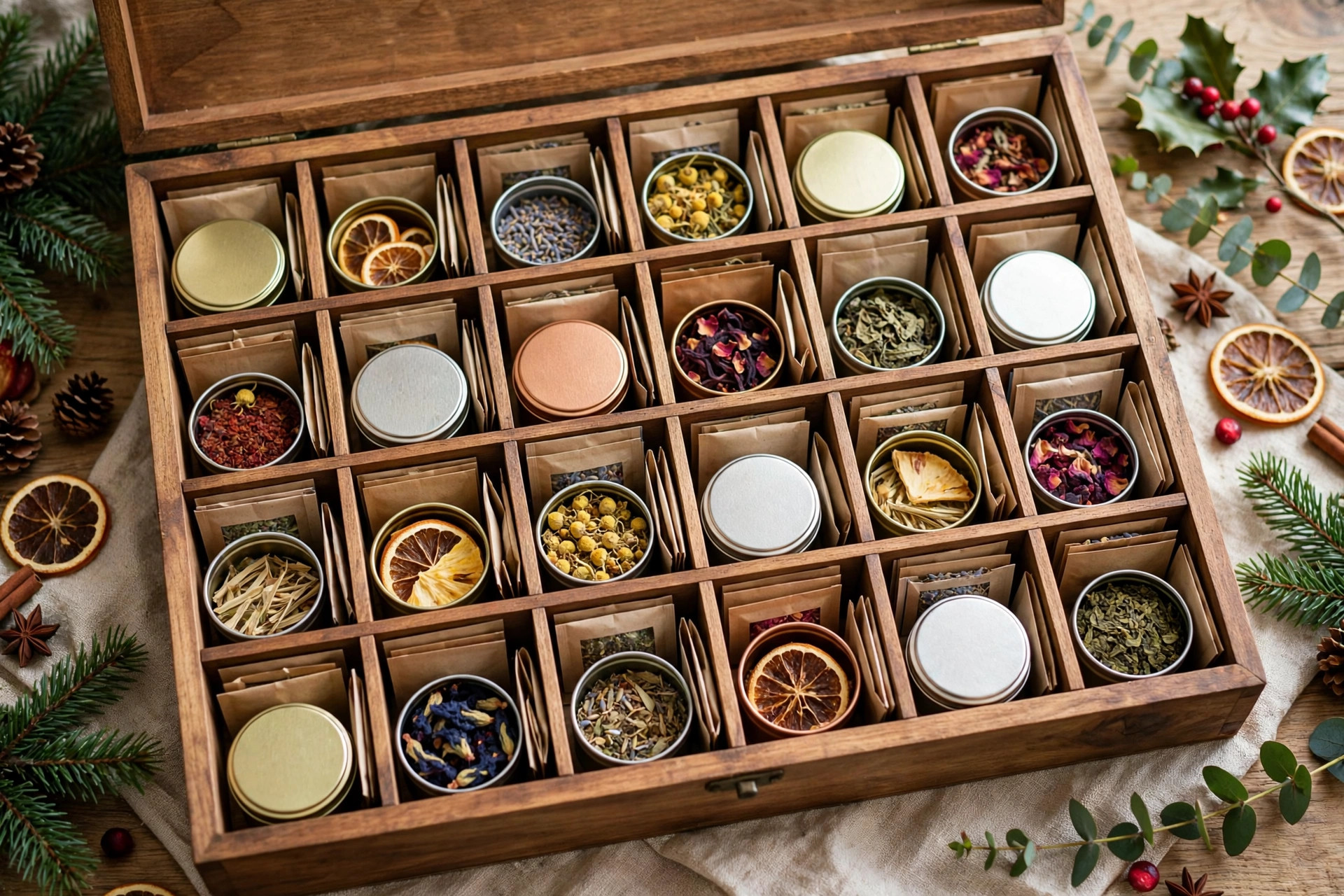
I made a tea advent calendar for myself: 24 small tins and packets of different teas, arranged in a wooden box with numbered labels. Each morning, I opened one tea, brewed it slowly, and had five quiet minutes before the house woke up.
The downside is variety. My first box had five similar black teas in a row, which felt repetitive. I now mix black, green, herbal, and fruity teas, and I include one new flavour each week.
Pro Tip: Mix tea types and add one new flavour each week, or the calendar feels repetitive.
Cost / Time / Difficulty: $12 to $20 | 1 hour | Easy
15. The Craft Supply Calendar
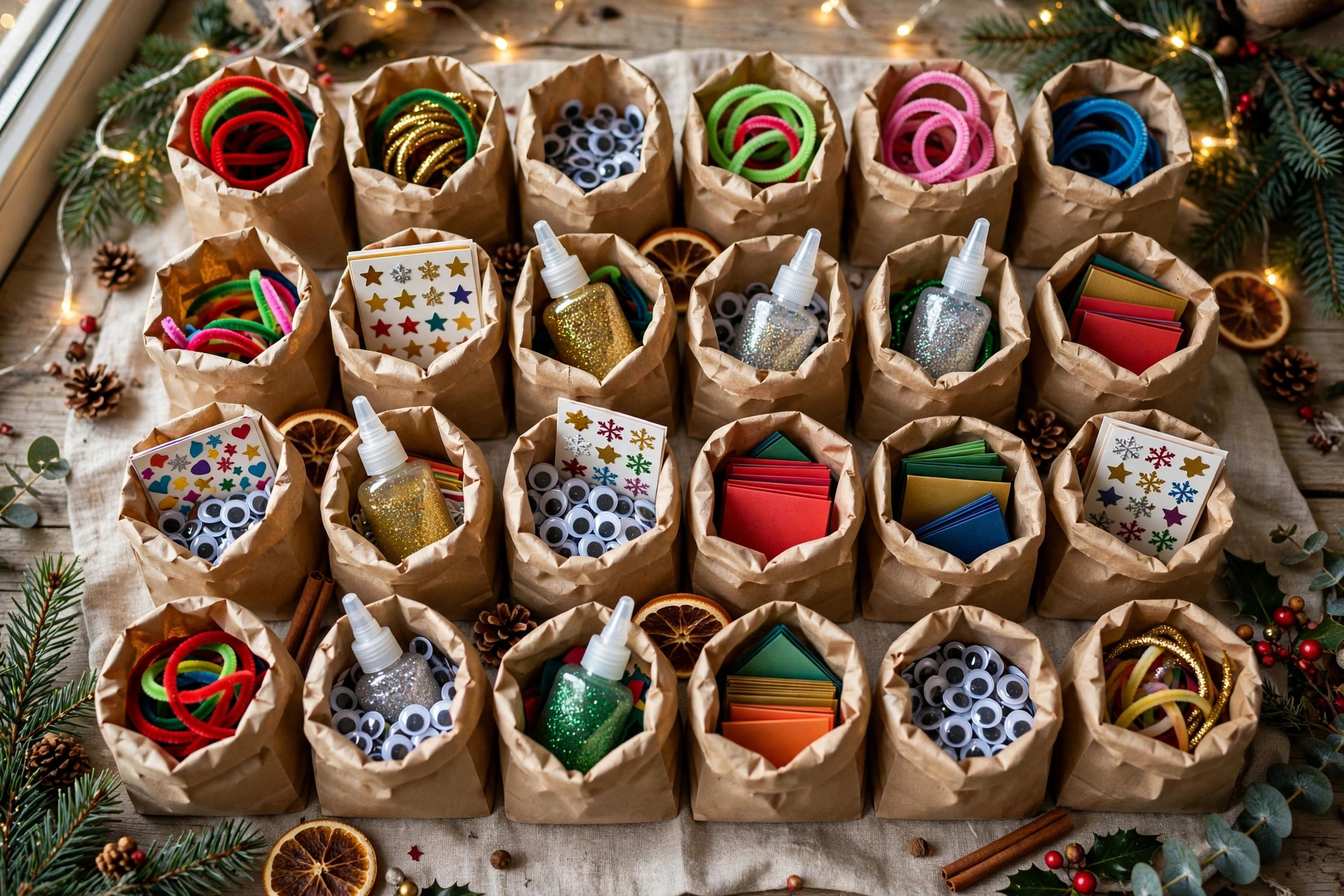
I filled 24 small bags with craft supplies: stickers, googly eyes, glitter glue, pipe cleaners, and tiny pom-poms. Each day, my children opened one bag and added its contents to a growing Christmas craft, which became a garland by December 24.
The downside is mess. Glitter ended up on our table, floor, and one unfortunate cat. I now keep a craft tray under the project, and glitter supplies go in sealed bags inside the main bag.
Pro Tip: Use a craft tray and double-bag glitter, or your house will sparkle until January.
Cost / Time / Difficulty: $10 to $18 | 2 hours | Easy
16. The Building Brick Calendar
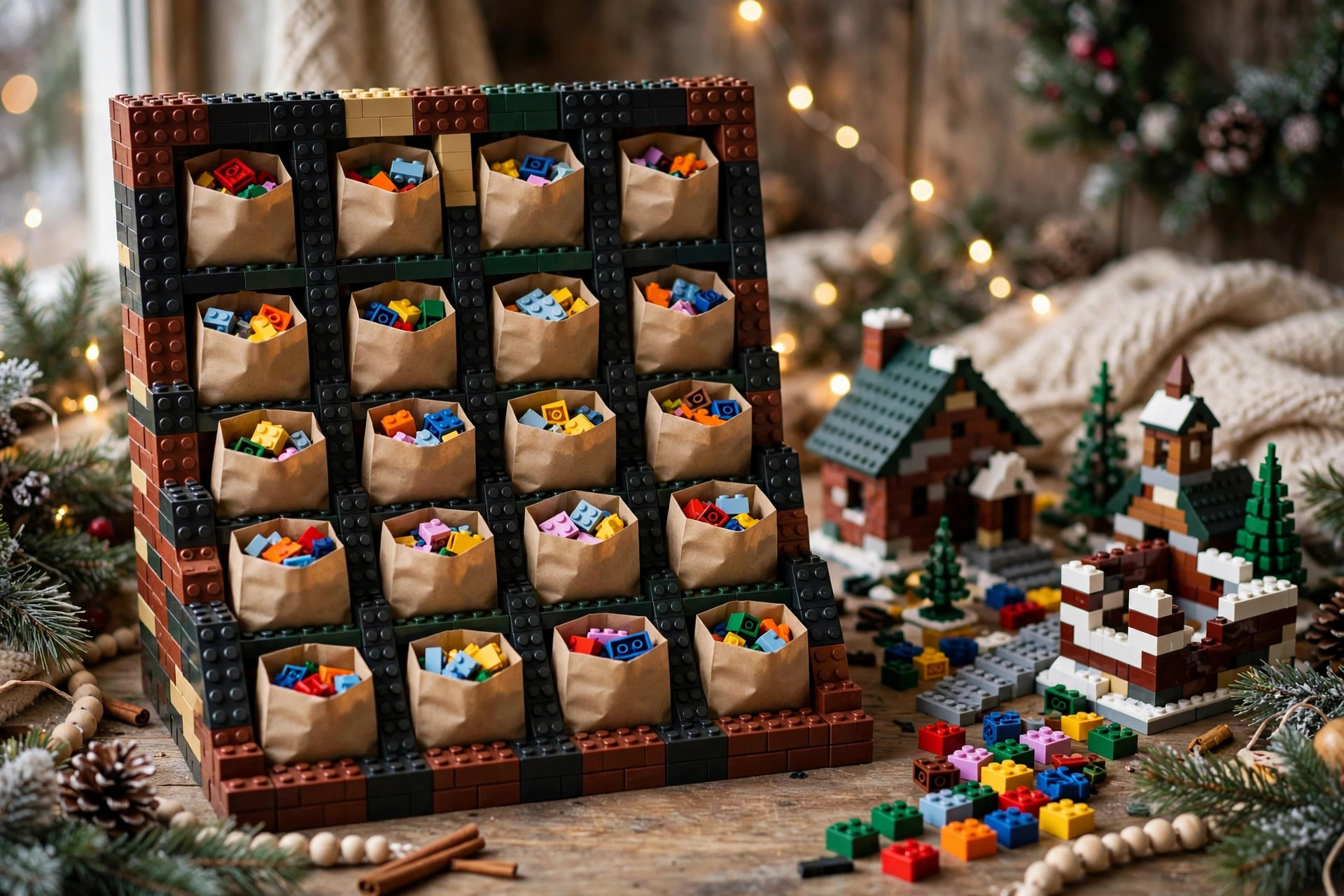
I bought a small building brick Christmas set, split the pieces into 24 small bags, and numbered each bag. Each day, my children opened one bag and added its pieces to a growing Christmas village, which was finished on December 24.
The downside is sorting. My first set had tiny pieces mixed together, and sorting took two hours. I now sort pieces by build step, not by colour, and I keep a photo of the finished village on the box.
Pro Tip: Sort pieces by build step, and keep a photo of the finished model nearby.
Cost / Time / Difficulty: $15 to $30 for a small set | 2 hours to sort | Medium
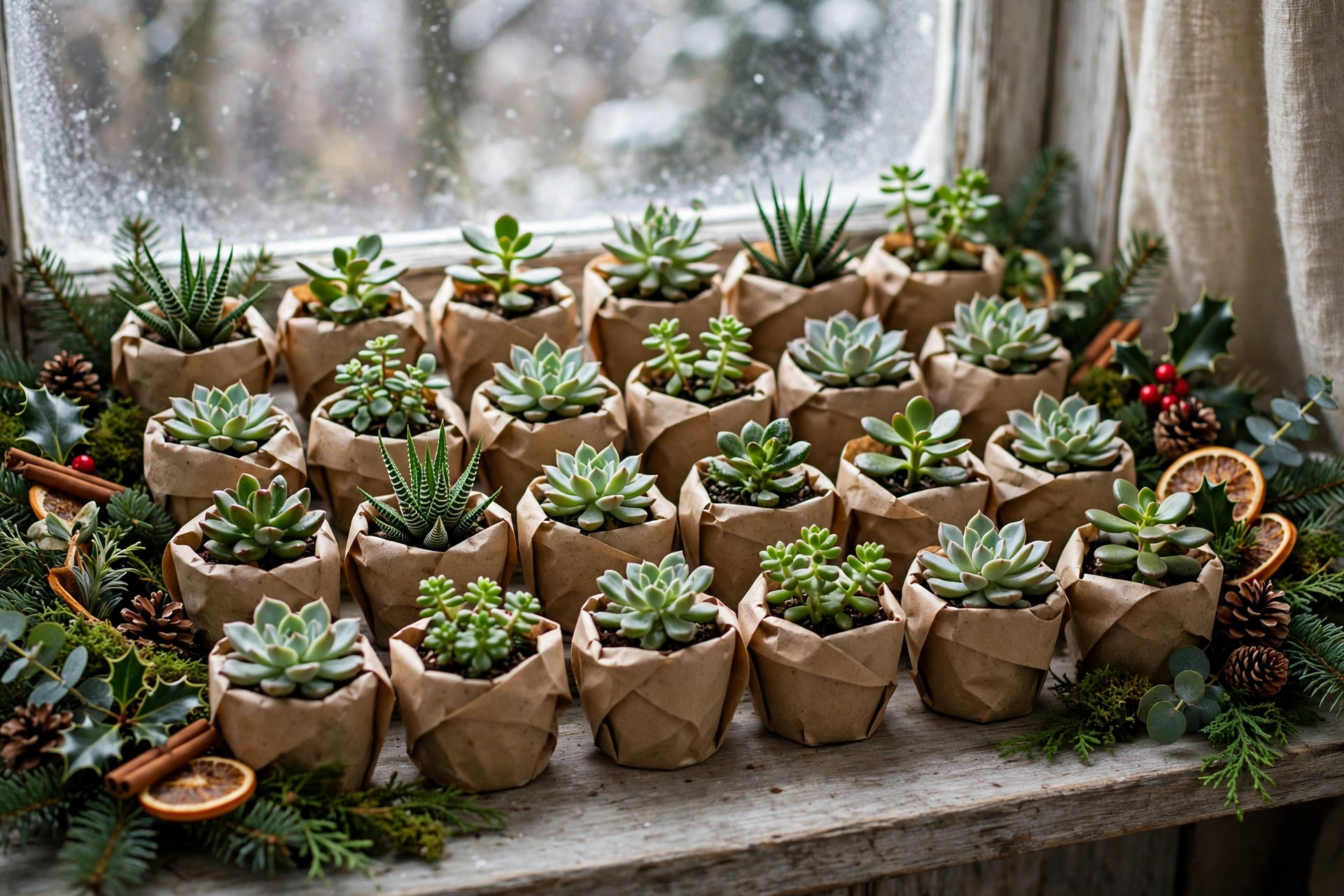
17. The Mini Plant Calendar
I wrapped 24 tiny succulents and small plants in kraft paper, numbered each one, and lined them up on our windowsill. Each day, my children unwrapped one plant, and by Christmas we had a full windowsill garden.
The downside is watering. My first plants dried out because I forgot to water them in December. I now choose hardy succulents, water them once a week, and keep them away from cold draughts.
Pro Tip: Choose hardy succulents and water once a week, or the plants will not last until Christmas.
Cost / Time / Difficulty: $20 to $35 | 1 hour | Easy
18. The Kindness Chain Calendar
I cut 24 strips of red and green paper, wrote one kind act on each strip, and linked them into a paper chain. Each day, my children tore off one link and did the kind act on it, like helping a neighbour or donating a toy.
The downside is timing. My first chain promised a big act on a busy school day, and we skipped it. I now put simple acts, like saying thank you or sharing a snack, on weekdays, and bigger acts on weekends.
Pro Tip: Keep weekday acts simple and save bigger acts for weekends.
Cost / Time / Difficulty: $1 to $3 | 30 minutes | Easy

Comparison Table: Which Advent Calendar Should You Make?
Style | Best for | Cost | Effort
Paper bag countdown | First-time makers | Low | Low
Wooden house calendar | Reusing every year | Higher | Medium
Envelope activity calendar | Less sugar, more time together | Very low | Low
Book advent calendar | Calm bedtimes | Medium | Low
Tea calendar | Adults | Medium | Low
Kindness chain calendar | Families who want meaning | Very low | Low
Mistakes I Made (So You Don’t Have To)
I filled bags too heavy, and the string sagged by December 10. Now I keep every surprise flat and light.
I promised big activities on school nights and missed half of them. Now big acts go on weekends only.
I hung a calendar over a radiator, and chocolate melted into the paper. Now I check for heat and damp before hanging.
I bought all new books and toys in year one, and December cost far more than Christmas itself. Now I mix library books, things we already own, and a few new surprises.
Frequently Asked Questions
How long does it take to fill a 24-day advent calendar?
About two hours if you buy the surprises in one shop, and a full evening if you make them by hand. Do it in late November, never in December itself.
What if I start late, on December 5 or later?
Start with a 12-day or 7-day version instead of forcing 24 days. I did a 12-day paper bag calendar one year, and my children never minded the shorter countdown.
How do I keep an advent calendar fun in week three?
Mix treats with activities, jokes, and photos. Pure chocolate gets boring by day 15, but one activity or photo day resets the excitement.
Is a reusable advent calendar worth the higher price?
Yes, if you use it for at least three years. My wooden house cost more once, but it has lasted four Decembers, while disposable calendars added up to more.
Final Thoughts
A good christmas advent calendar is not about the most expensive surprise. It is about a small, reliable moment every morning in December that your family actually looks forward to. Pick a style you can fill in November, keep surprises light and mixed, and hang it where everyone can reach it. Then December 24 will feel like a celebration, not a relief.
Related article: Christmas Centerpiece Ideas
Also read: Christmas Entryway Decor Ideas
Read this next: Christmas Tablescape Ideas