
27 Christmas Crafts to Sell
I’ve found that choosing a Christmas craft to sell is a little different from choosing something to make just for my own home. When I’m making one item for myself, I can spend extra time on tiny details. When I’m making several for a holiday market, I need to think about materials, production time, consistency, packaging, and how easy each piece will be to transport.
That’s why I look for projects that can be repeated without losing their handmade character. Small ornaments, fabric decorations, upcycled pieces, and giftable items can work well for a seasonal collection because I can often make several at once and vary the colors or finishing details.
I also consider the customer who will take the item home. A glass ornament needs protective packaging, a fabric stocking needs strong seams, and food or body-care products need more attention to ingredients and labeling. Those details are part of making a handmade product, not something I leave until the end.
These 27 Christmas crafts include ornaments, home decorations, handmade gifts, edible treats, fragrance products, fabric projects, and upcycled crafts. I’ve included ideas that can work for craft fairs, holiday markets, gifting, or small seasonal collections.
Small ornaments are particularly practical when I want to make batches because they generally take up little display and storage space. Personalized stockings, painted jars, wreaths, and other home decor pieces give me more room to offer different colors, names, fabrics, or seasonal styles.
Food, bath products, candles, and fragrance crafts need additional care because the customer will use them on or around the body, food, flame, or living spaces. I would check applicable labeling and selling requirements before offering those products commercially.
Save this for later
Table of Contents
Before producing a large quantity, I make a sample and look at the complete process. Material cost, decorative supplies, packaging, labor, damaged pieces, and finishing time all contribute to the actual cost of a handmade product.
Key Takeaways
- I choose crafts that I can reasonably repeat in small batches.
- I calculate material, packaging, and labor costs before setting a price.
- Small ornaments can be easier to store, display, and transport.
- Personalization can make simple handmade gifts more appealing without requiring a completely different project.
- Glass, finished surfaces, food, fragrance, and other sensitive materials need appropriate packaging.
- I test construction, finishes, and materials before making a large inventory.
- Food, bath, candle, and fragrance products need appropriate ingredient, use, care, and labeling information.
- A little variation can keep handmade pieces personal while still allowing an efficient production process.
Related article: 20 Farmhouse Christmas Decor Projects
1. DIY Dollar Tree Lantern
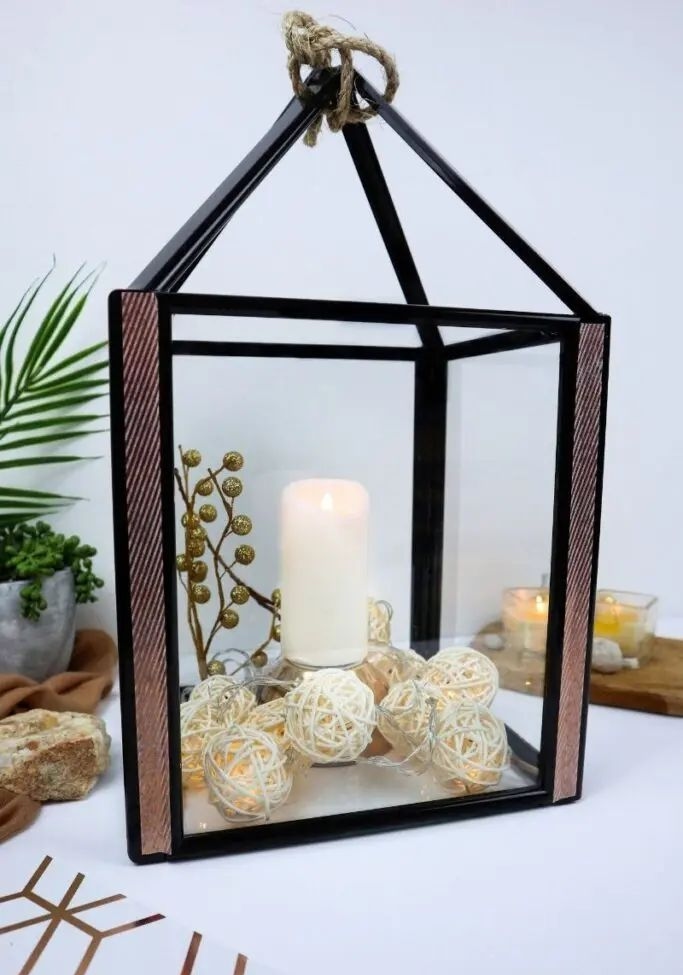
An inexpensive lantern can become a useful starting point for seasonal home decor. Instead of adding every Christmas decoration I have, I would choose two or three details such as greenery, ribbon, a small ornament, or faux snow and keep the design easy to repeat.
For a small batch, I would decorate several lanterns using the same basic arrangement and change only the accent color or ribbon. That saves time while still giving customers a choice.
If the lantern is intended to hold a light, I prefer a battery-operated LED tealight for a general decorative product. If an open-flame candle is used instead, I would make sure the finished design leaves appropriate clearance and provide clear candle-safety information.
Pro Tip: Time the complete process from cleaning the lantern to attaching the final decoration. Knowing the actual hands-on time makes it much easier to compare this project with other crafts before deciding what to make in quantity.
2. DIY Paint Swirl Ornament
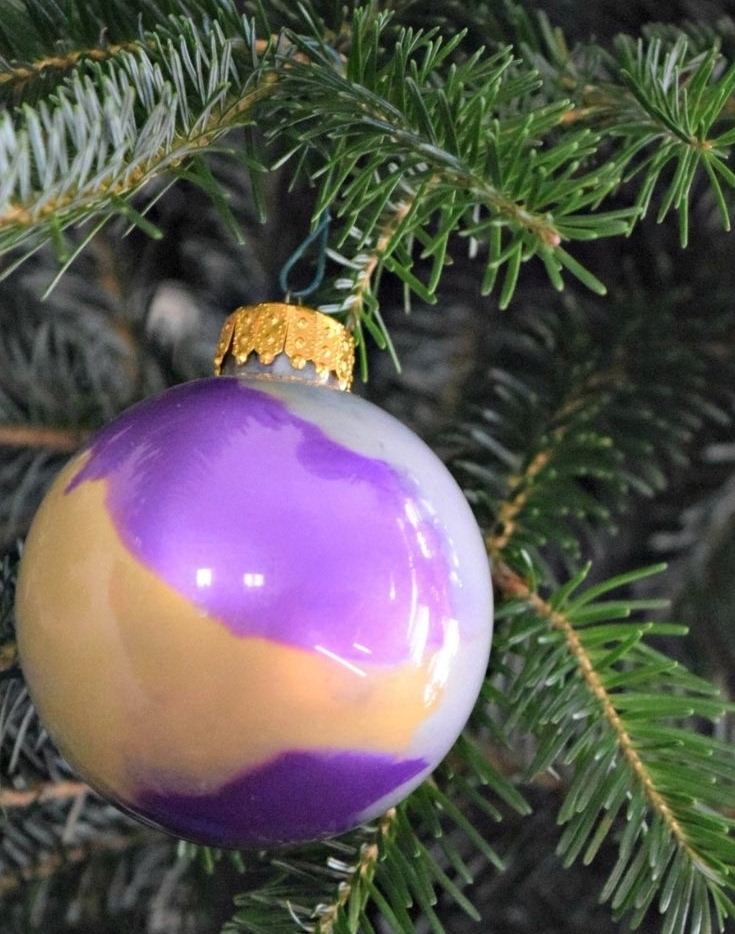
Clear glass ornaments give me a simple base for creating one-of-a-kind Christmas designs. I can use two or three compatible paint colors and rotate the ornament so the colors move across the inside surface.
I would start with one test ornament to see how much paint I need and how the colors behave together. Once I have a finish I can repeat, I can work through several ornaments in the same session.
The finished pieces need careful inspection. I check for cracks, chips, loose ornament caps, and unfinished areas before wrapping each one. If I were shipping them, I would use individual protective wrapping and a sturdy outer box rather than placing loose glass ornaments together.
3. Upcycled Tin Cans
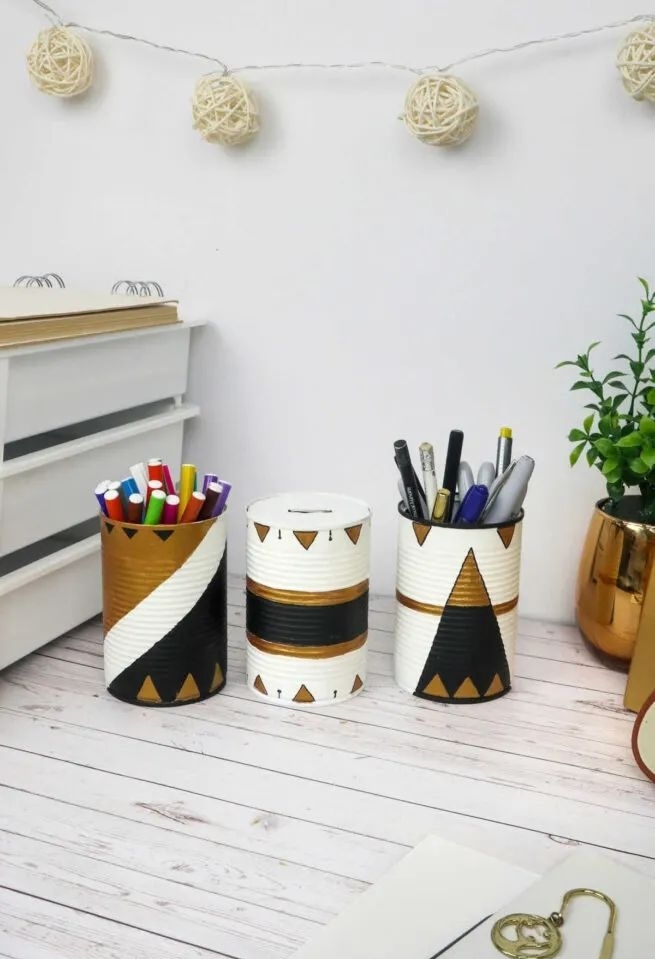
Empty tin cans can become useful seasonal containers instead of going straight into the recycling bin. After removing labels and cleaning the cans thoroughly, I can paint them and use them as pencil holders, small planters, utensil containers, or Christmas storage pieces.
The rim and base deserve extra attention. I check for sharp metal edges and damaged areas before decorating. Any cutting, sanding, or edge treatment needs to leave the finished container comfortable to handle.
For selling, I like the idea of making a small coordinated collection. Three cans using the same color palette can look intentional while still giving each one a slightly different pattern.
Pro Tip: Decide what the finished can is actually meant to hold before choosing the size and decorative finish. A container marketed as a planter, for example, needs a different presentation from one designed as a desk organizer.
4. Merry Mint Bath Salts
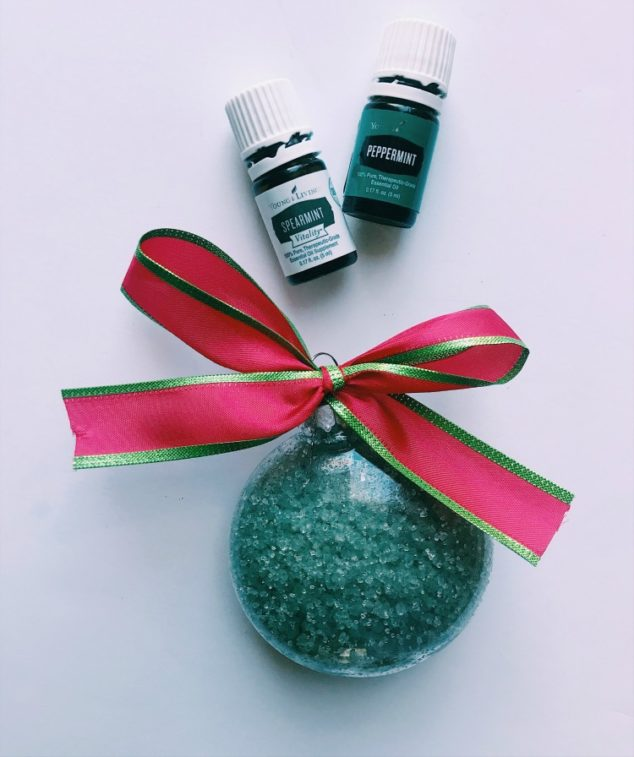
Bath salts can make compact Christmas gifts, especially when packaged in small jars with a simple seasonal label. The basic ingredients may be straightforward, but I treat this as a personal-care product rather than an ordinary decorative craft.
Accurate measuring matters when I’m making a batch. I use a consistent formula and follow the manufacturer’s guidance for any fragrance or essential oil I add. I don’t assume that an ingredient is suitable for everyone simply because it is natural.
Ingredient disclosure is important too. I would list the ingredients clearly and check the labeling and selling requirements that apply where I live before offering homemade bath products commercially.
I also choose packaging that protects the mixture from moisture and keeps the product clean during storage and handling.
5. Scented Candles
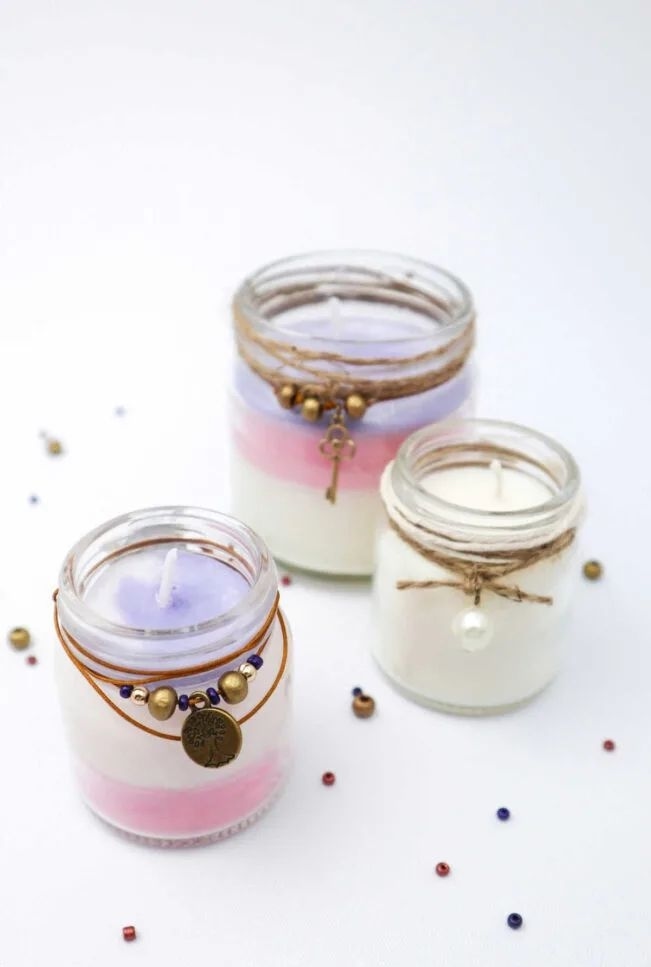
Candles give me plenty of ways to create a Christmas collection through fragrance, vessel style, wax color, labels, and seasonal packaging. The basic design can remain consistent while the scent or finish changes.
Candle making requires more testing than simply melting wax and pouring it into a jar. Wick size, wax type, fragrance amount, and container shape all affect the finished candle. I would test the exact combination I plan to sell before making a large batch.
After the candle is finished, I check the wick, container, surface, label, and overall appearance. I would also include appropriate burn and care instructions so the customer knows how to use the candle responsibly.
Because this product involves an open flame, I would never present the decorative appearance as a substitute for safe candle use.
Pro Tip: Keep notes for each tested candle formula. If I change the container, wax, fragrance, or wick, I treat it as a new combination that needs to be evaluated rather than assuming the previous results will be identical.
6. Snowman Wood Chip Ornament

Wood slices make a convenient base for simple Christmas ornaments. I can paint a snowman face, add a tiny hat or scarf, and finish the piece with twine or ribbon for hanging.
Before painting, I inspect each wood piece for splinters, loose bark, nails, or other problems. A quick sanding can help smooth rough areas, but I still check every finished piece by hand.
If I’m making a batch, I would paint the backgrounds first, let them dry, and then add the faces and smaller details. This is faster than completing each ornament from beginning to end separately.
Any drilling for the hanging hole is a job I handle with the appropriate tool and precautions. Children can help with suitable decorating steps, but I would keep power tools and sharp tools with the responsible adult.
7. Rudolph Hot Cocoa
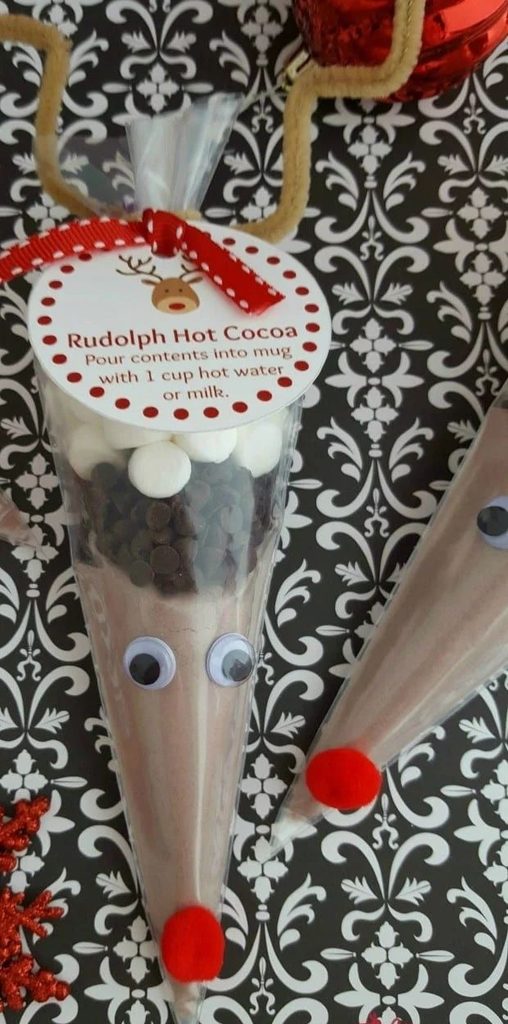
A hot cocoa gift gives me a way to combine a consumable treat with Christmas packaging. I can layer a cocoa mixture and suitable additions in a food-safe container, then finish the package with a Rudolph-inspired tag or decoration.
The packaging needs to protect the ingredients from moisture and contamination. I also clearly identify the ingredients and potential allergens rather than assuming the recipient will know what is inside.
If I were selling these at a market, I would include simple preparation and storage information where appropriate. I would also check the food-selling and labeling requirements that apply where I live before offering them commercially.
Pro Tip: I would make one finished package before buying supplies for a large batch. It lets me check the container size, ingredient quantities, label placement, and overall presentation at the same time.
8. Easy Macrame Christmas Tree Ornaments
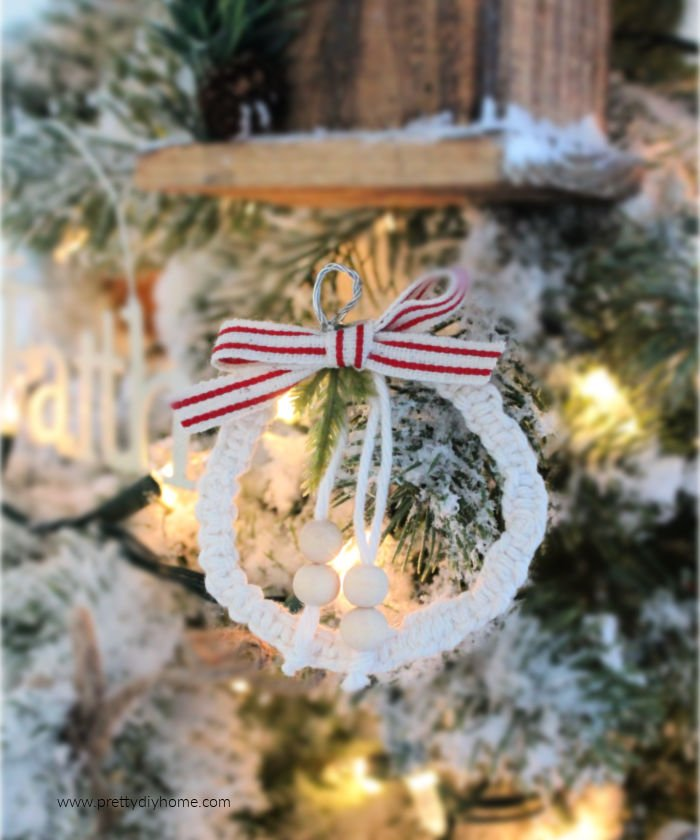
Macrame Christmas trees are useful when I want a soft, handmade decoration that works with neutral, rustic, or traditional Christmas decor. Cotton cord can be shaped into a small tree and finished with a hanging loop.
For a batch, I measure and cut the cord pieces together instead of measuring each one separately. That helps reduce wasted material and makes the finished trees more consistent.
I can change the cord color, add a wooden bead, or vary the top decoration to create several versions from the same basic pattern. I prefer this approach to completely redesigning every ornament.
Before packaging, I check the knots and hanging loop and trim loose ends neatly.
9. Hot Chocolate Stirrers
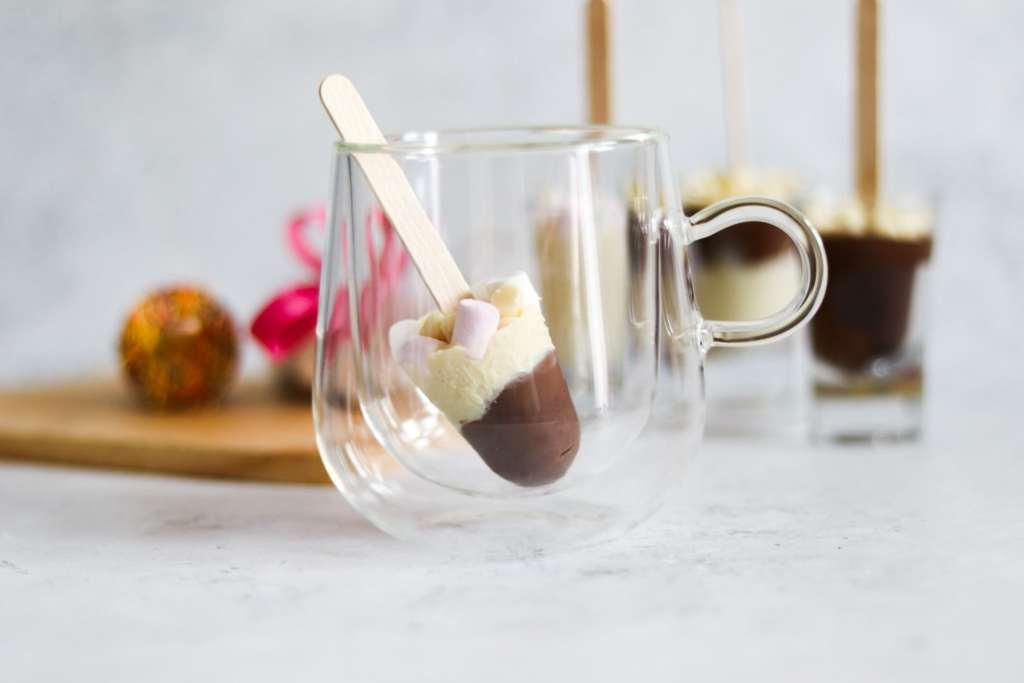
Chocolate stirrers are another small gift idea that can fit naturally into a Christmas collection. I can use melted chocolate, suitable toppings, and food-safe sticks to create individual portions for hot cocoa.
The toppings are where I would pay particular attention to ingredients. Chocolate and decorations can contain common allergens, so I would provide accurate ingredient information and avoid vague descriptions.
Once the chocolate has set completely, I package each stirrer in suitable food-safe packaging. Moisture and heat can affect the finished product, so I also consider where and how it will be stored before it reaches the customer.
For selling, I would check the applicable food requirements in my area rather than assuming homemade treats are covered by the same rules everywhere.
10. Christmas Reed Diffusers

A Christmas reed diffuser can work as a small home-fragrance gift with plenty of room for seasonal packaging. A simple glass bottle, decorative label, reeds, and a suitable fragrance can create a coordinated product without making the decoration overly complicated.
I follow the instructions supplied with the fragrance materials I use, including recommended handling and dilution information. Concentrated fragrance materials should not be treated like ordinary craft supplies.
Spills are another consideration. I would choose a secure bottle and closure and provide usage information that reminds customers to protect children, pets, furniture, and surfaces that could be affected by the liquid.
If I were making these for a market, I would keep several finished samples upright for display and transport the remaining stock in a way that reduces the chance of tipping.
11. Painted Mason Jars
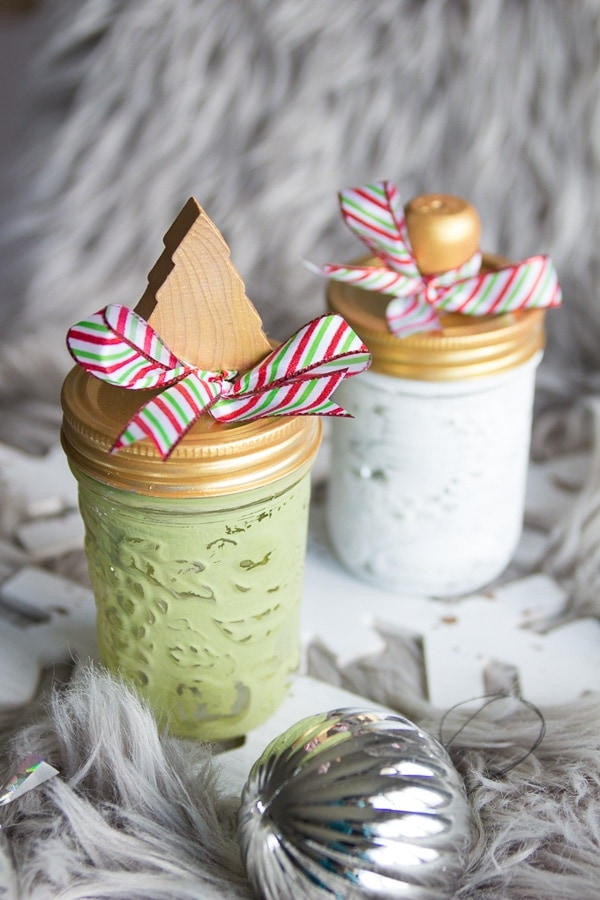
Mason jars are easy to adapt to different Christmas styles. I can paint them in traditional red and green, soft neutrals, metallic accents, or rustic colors and then use ribbon, twine, or a simple seasonal detail to finish them.
The preparation matters more than it may seem. I wash the jars thoroughly, remove residue, and allow them to dry completely before painting. A dirty or damp surface can interfere with the finish.
Once the paint has dried, I can lightly distress selected areas if I want a vintage or farmhouse look. I keep the distressing controlled so the piece still looks intentionally finished.
For selling, I decide on the intended use before choosing the final coating and decorative materials. A jar intended purely for display does not need the same considerations as one being marketed for food storage.
Pro Tip: Batch the cleaning and preparation first, then paint all of the jars together. Preparing materials in stages can make a repetitive project much easier to manage.
12. DIY Winter Checkers Game
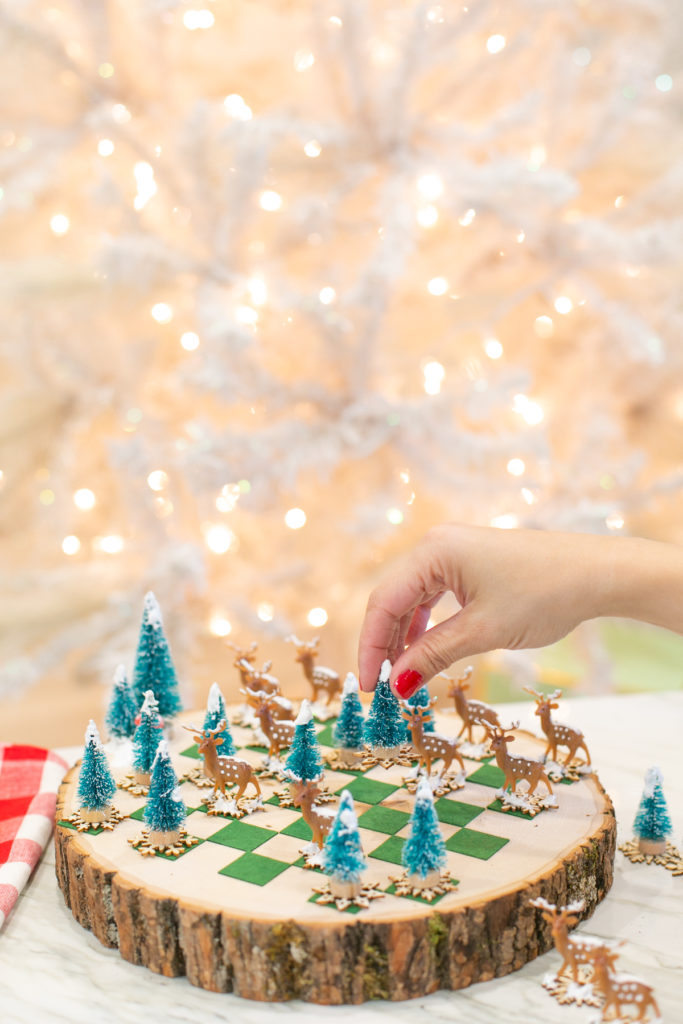
I like the idea of selling something that can become part of a family’s Christmas activities rather than simply another decoration. A winter-themed checkers set can combine a decorated board with seasonal playing pieces.
The board can use simple winter colors, while the pieces can feature trees, snowflakes, snowmen, or other shapes. I would keep the design readable so the seasonal details don’t make the game confusing to use.
Small playing pieces need secure storage. I would package the complete set in a box, pouch, or other suitable container so customers can keep everything together.
Because the set contains small components, I would also identify the intended audience appropriately rather than describing it generally as a children’s product without considering the individual pieces.
13. Quilted Christmas Stocking

A quilted stocking gives me plenty of opportunity to use fabric scraps while creating something customers can personalize. I can keep the basic stocking shape consistent and change the fabric, cuff, lining, or name.
The construction needs to hold up to repeated use. Before selling one, I inspect the seams, lining, hanging loop, and decorative stitching. Loose threads and weak attachment points are much easier to fix before packaging than after a customer receives the stocking.
Personalization can add a special touch without changing the basic sewing process. I could offer a limited selection of names, initials, fabrics, or colors instead of making every stocking completely custom.
For storage and transport, I also avoid compressing finished stockings under heavy items that could crush decorative details.
Also read: 19 Creative Christmas Stocking Ideas To Make
14. DIY Christmas Cement Ornaments
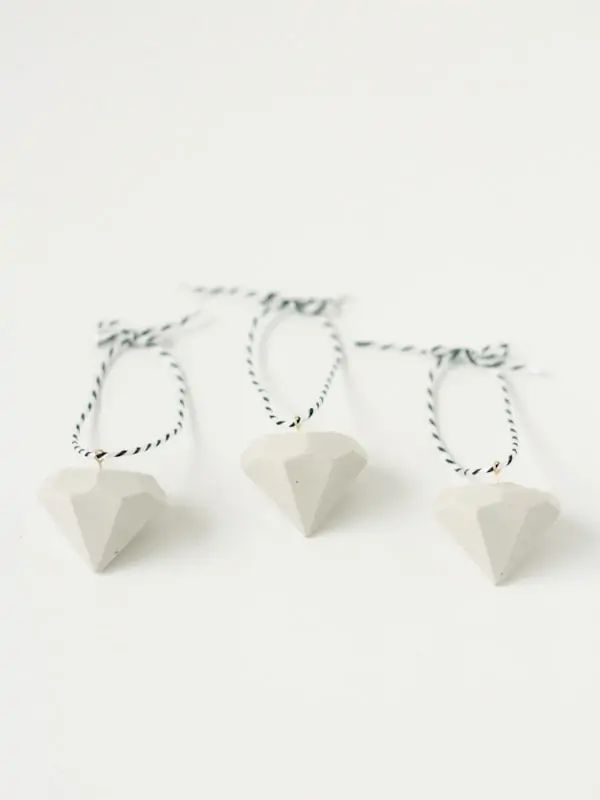
Cement ornaments offer a heavier option for Christmas decor and can work particularly well with simple, modern, rustic, or neutral designs. Silicone molds allow me to repeat the same shape while changing the finish.
I measure the cement mixture according to the product instructions and mix it in a suitable work area. Cement dust should not be treated casually, so I use appropriate protection and avoid creating unnecessary airborne dust.
The pieces need enough time to set and cure before I demold, sand, drill, paint, or package them. I check each finished ornament for cracks, weak edges, rough points, and a secure hanging hole.
Because these ornaments are heavier than many traditional tree decorations, I also think about where the customer is likely to use them and how I will package them for transport.
Pro Tip: Make a test batch before purchasing large quantities of molds or decorative finishes. One successful piece tells me much more about the real process than an untested supply list.
15. DIY Christmas Snow Scene Jar

A snow scene jar lets me create a miniature Christmas display using a clear jar, faux snow, miniature decorations, and optional battery-operated lights.
I start by deciding where each element will sit before filling the jar. That helps prevent a crowded arrangement and makes it easier to repeat the same layout for a small batch.
If I use miniature trees, animals, buildings, or other pieces, I check that they fit securely inside the container and don’t shift too easily during handling. This is especially important if I plan to transport the jars to a holiday market.
Battery-operated lights can add interest without introducing an open flame. I keep the battery compartment accessible and follow the lighting product’s instructions.
16. Beaded Spiral Ornament
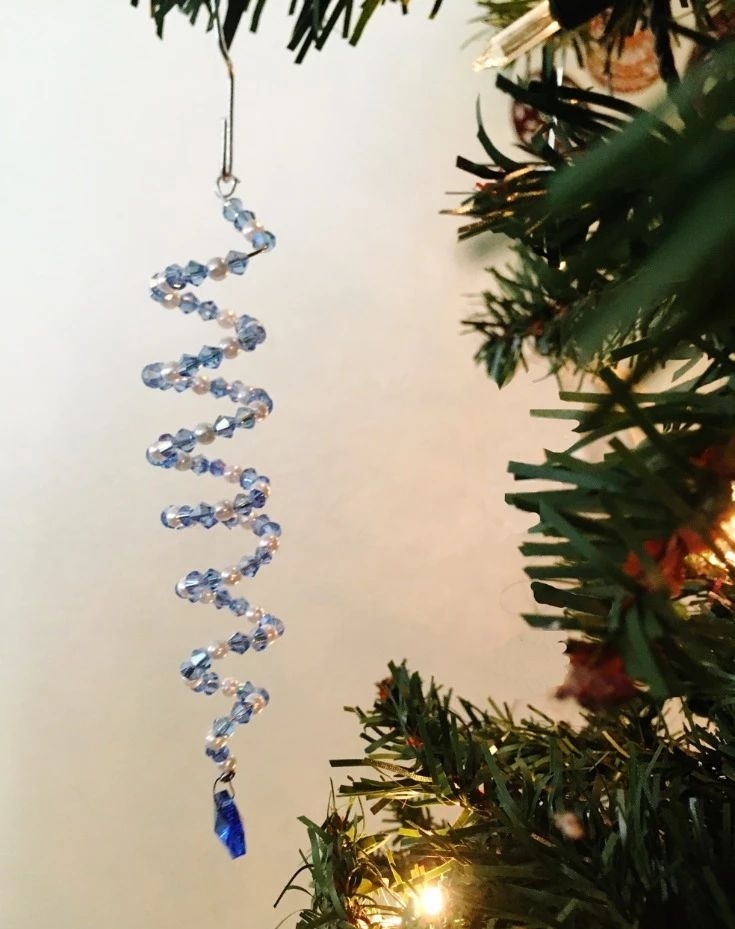
Beaded spiral ornaments are small enough to display in groups and can be made in many Christmas color combinations. I can use traditional red and green, metallic beads, winter whites, or neutral tones depending on the collection I’m creating.
Floral wire gives me the structure, while pliers help with shaping and finishing. I pay attention to the wire ends because exposed points can catch on clothing or scratch the skin.
For batch production, I can cut equal lengths of wire and prepare the beads before shaping the spirals. The finished ornaments don’t need to be perfectly identical; small differences are part of the handmade character.
I would still check every piece before packaging to ensure the beads are secure and the hanging loop is properly formed.
17. DIY Rustic Scrap Snowman

Scrap wood snowmen are a practical way to use leftover pieces from other woodworking or home projects. I can paint the wood, add simple facial features, and use fabric or ribbon to create the scarf.
Before using reclaimed or leftover wood, I inspect it carefully for nails, staples, splinters, rot, or other damage. Sanding the surface can improve the finish, but I don’t rely on sanding alone to make an unsuitable piece usable.
For a batch, I can cut or prepare the wood pieces together, paint the base coats at the same time, and add the details after they dry.
Different scarf fabrics and facial expressions give me some variety without making production completely individual.
18. Alcohol Ink Ornaments
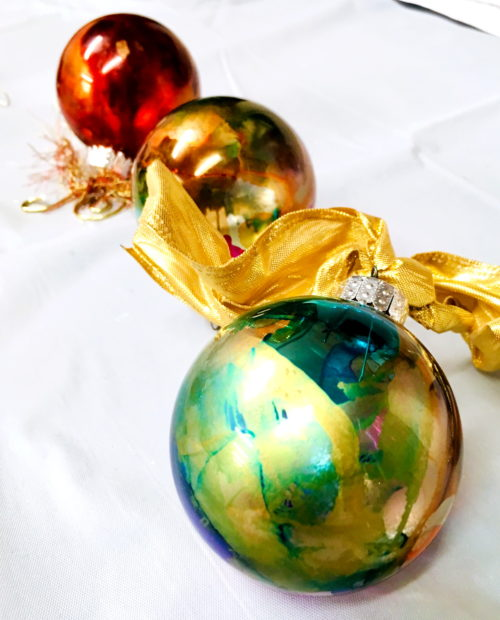
Alcohol ink can create flowing patterns that look different on every ornament. I find that useful for handmade selling because the customer gets something that has natural variation rather than a design that looks mass-produced.
I use a suitable non-porous surface for this technique and protect my work area from stains. Alcohol inks and related products also need appropriate ventilation and careful handling, so I follow the manufacturer’s directions.
Before starting a batch, I test the colors and application technique on one ornament. A small change in the amount of ink or the way it moves across the surface can noticeably change the result.
Once the ornaments are finished and fully dry, I inspect the surface, ornament cap, hanging hardware, and overall finish before wrapping them.
19. DIY Flannel Trees
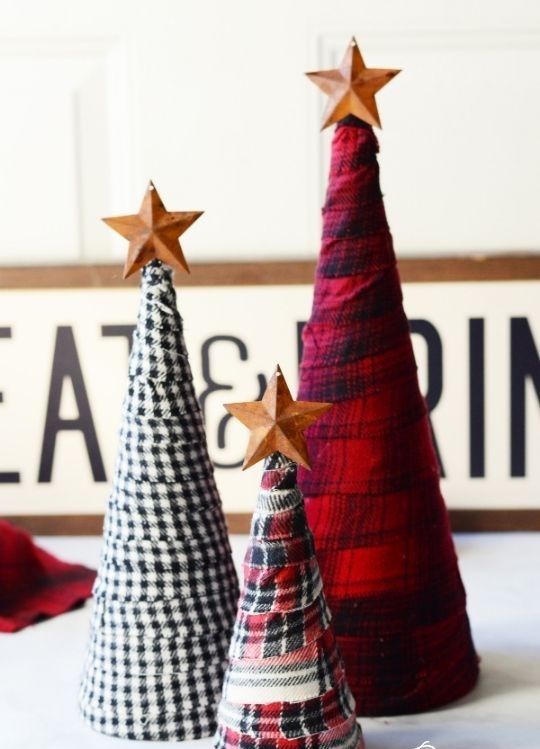
Flannel trees are a good choice when I have fabric scraps or old flannel pieces that can be repurposed. A cone-shaped base gives me a simple structure, while strips of fabric create the tree’s layered appearance.
I cut several fabric strips before I begin gluing. Working in batches keeps me from repeatedly stopping to measure and cut while the adhesive is being used.
The edges of flannel can fray, so I look at the cut edges before deciding how I want them finished. A clean edge can make a noticeable difference in the final presentation.
For a small Christmas collection, I could make several tree sizes using the same fabric family. That gives customers options while keeping the materials and construction manageable.
Pro Tip: Keep the number of fabric patterns limited if you’re making these for a market. A small coordinated collection is easier to photograph, display, store, and replenish than dozens of unrelated designs.
20. Vintage Toy Car Christmas Wreath
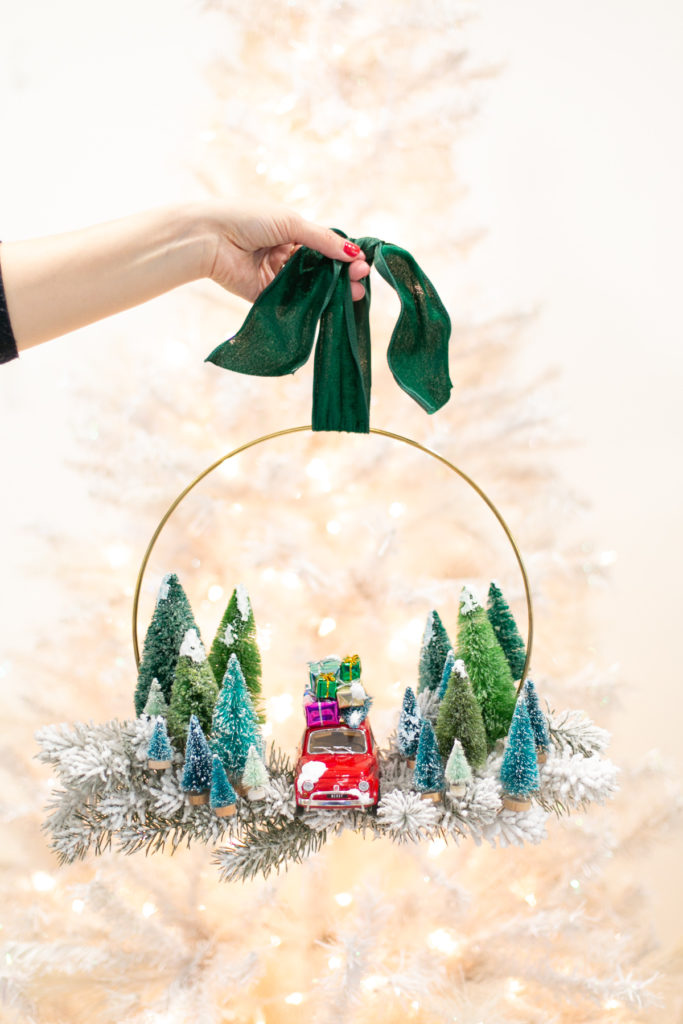
A vintage-style toy car wreath can become a statement piece when I combine a simple wreath base with a miniature car, greenery, trees, presents, or other Christmas details.
The biggest practical consideration for me is weight. Before attaching everything permanently, I arrange the decorations and check how the finished wreath balances.
Once the design is complete, I inspect the attachment points and hanging hardware. If the wreath will be transported to a market, I protect the more delicate decorations so they don’t snap or fall off during the journey.
This type of wreath can also work well as part of a themed collection. I could create several versions around different car colors, greenery styles, or ribbon choices without changing the basic construction.
21. DIY Sugar Scrub Snowball
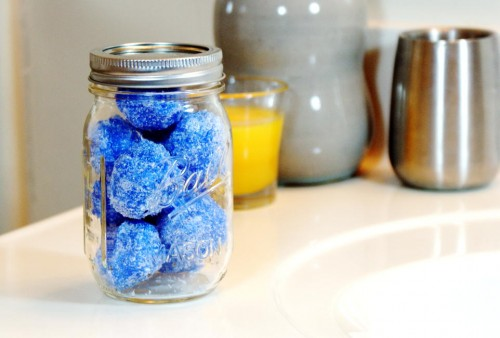
A sugar scrub shaped like a snowball can make a small Christmas gift when presented in appropriate packaging. The seasonal appearance does much of the decorative work, so I don’t need to add excessive embellishments.
For body-care products, consistent formulation matters. I use measured ingredients and follow a tested recipe rather than changing quantities casually. Fragrance or essential oils also need to be used according to appropriate supplier guidance.
The ingredient list should be clear to the customer, and I avoid making medical, therapeutic, or unsupported skin-treatment claims.
Packaging should protect the product from contamination and moisture and be suitable for the way the customer is expected to use it.
Before selling commercially, I would check the labeling and other requirements that apply where I live.
22. Christmas Crackers
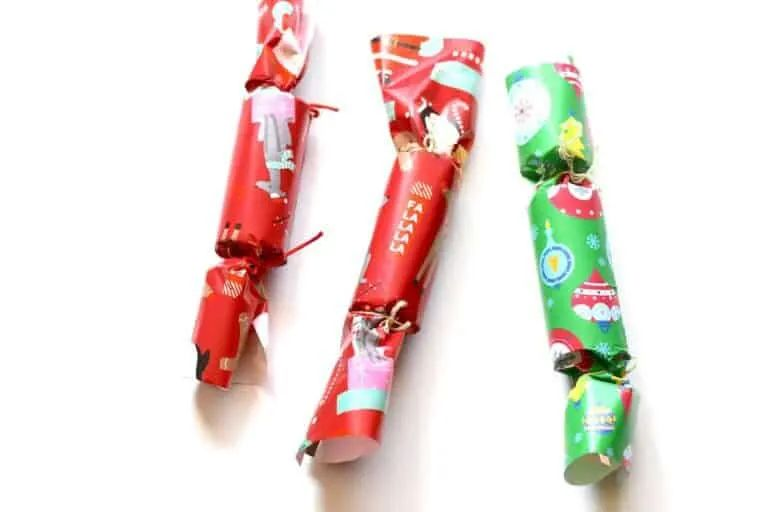
Christmas crackers can be made in batches, which makes them interesting for holiday tables, party favors, and seasonal gift collections. I can cover cardboard tubes with Christmas paper and add suitable small items inside.
The contents need more thought than the outside decoration. I avoid including loose items that aren’t appropriate for the intended recipient, particularly when small pieces could be handled by young children.
If the crackers use a popping mechanism, I follow the instructions for the specific components and make the finished product according to their intended use.
For selling, I would package the crackers carefully enough that the paper, decorations, and contents remain intact during transport. A small label explaining the contents or intended use can also make the product easier for customers to understand.
23. Winter Lantern Terrarium
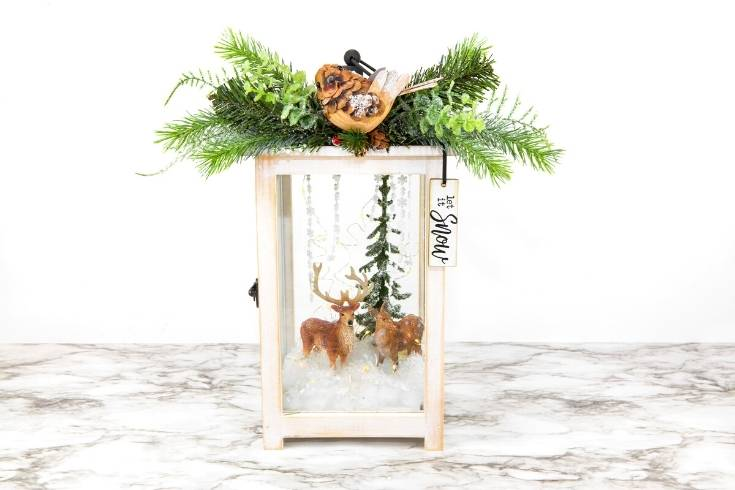
A winter lantern terrarium gives me a way to create a miniature seasonal scene without needing a traditional snow globe. I can arrange faux greenery, miniature trees, deer figures, and artificial snow inside a lantern.
Before securing anything, I arrange the scene while looking at it from several angles. A display that looks good from the front can become crowded from the side, especially in a glass-sided lantern.
Battery-operated lights can provide a soft glow without using an open flame inside the display. I keep the lighting components accessible and follow their instructions.
For selling, I pay attention to stability and transportation. Small pieces should not be able to rattle around freely if the finished lantern will be carried or shipped.
24. Wine Cork Sled

A tiny sled made from wine corks gives me an easy upcycling project with a distinctly handmade feel. Several corks can form the body, while cord or another suitable material can be shaped into the runners.
I glue the corks together securely and allow the adhesive to cure fully before adding the final decorations or hanging loop. The small construction means I check each joint rather than assuming the adhesive has bonded simply because the pieces look connected.
This craft is particularly suitable for a small ornament collection because the finished pieces are compact. I can display several together without taking up much table space.
If I sell them as ornaments, I check that the hanging loop is secure and that no sharp wire or rough adhesive remains exposed.
25. Nativity Set Painted Rocks
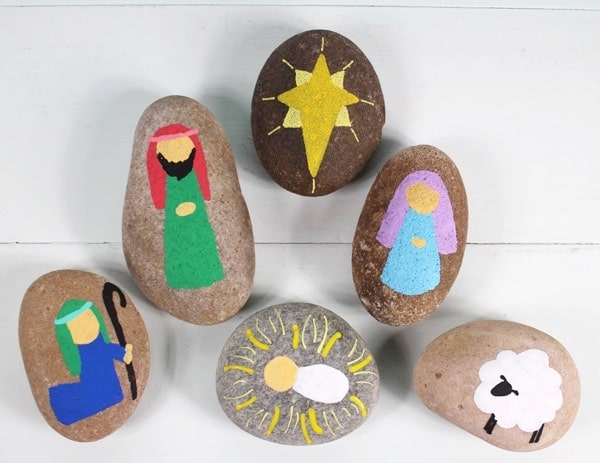
Painted rocks can become a simple handmade Nativity set when I assign different stones to the figures and other elements. I can create Mary, Joseph, baby Jesus, animals, and a star using basic painted shapes rather than trying to make every figure highly detailed.
I wash and dry the stones before painting and choose pieces that sit reasonably well on a flat surface. After the paint dries, I inspect the edges and finish before putting the set together.
Because a complete set contains multiple small pieces, I would package them in one container or pouch so they stay together. I would also avoid presenting the set as a toy for young children unless the materials, construction, and intended use have been considered appropriately.
For a Christmas market, a small display card showing the complete set can help customers understand what is included.
26. Quilled Christmas Lights Card
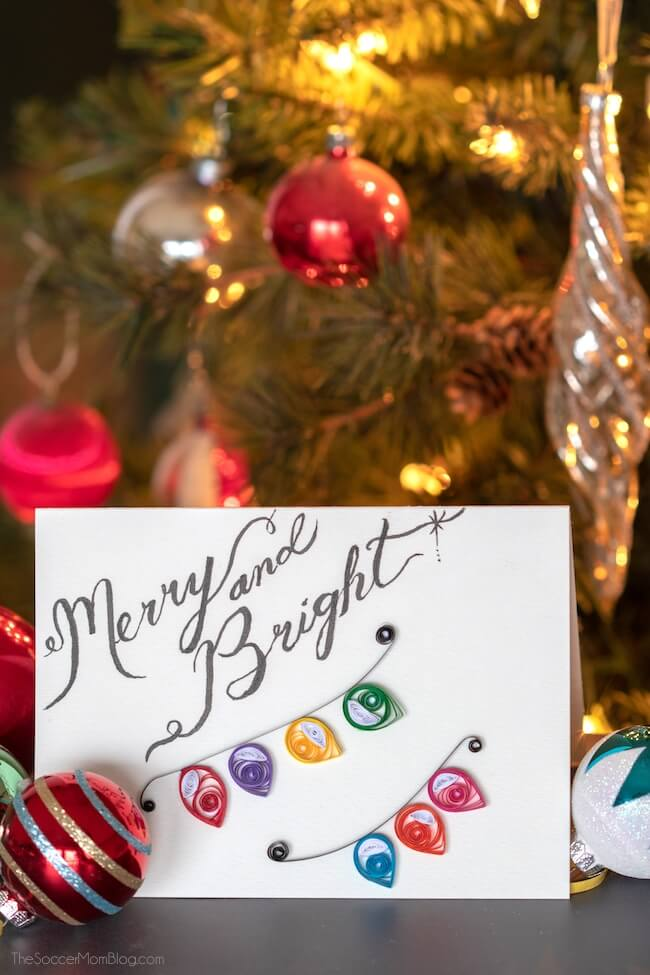
Quilled Christmas cards give me a way to turn simple strips of paper into raised holiday designs. Christmas lights are particularly easy to recognize, and I can arrange the paper pieces as a string of bulbs across the front of a card.
I use cardstock that can support the added paper without bending too easily. Each quilled section needs to be attached securely, especially if the card will be mailed.
For selling, I would think about the finished thickness as well as the design. A heavily raised card may need more protective packaging than a flat handmade card.
Making cards in small sets can also save time. I can prepare the paper pieces in batches and assemble several cards with the same basic design while changing the message or color combination.
27. DIY Christmas Ornaments With Gold Marble
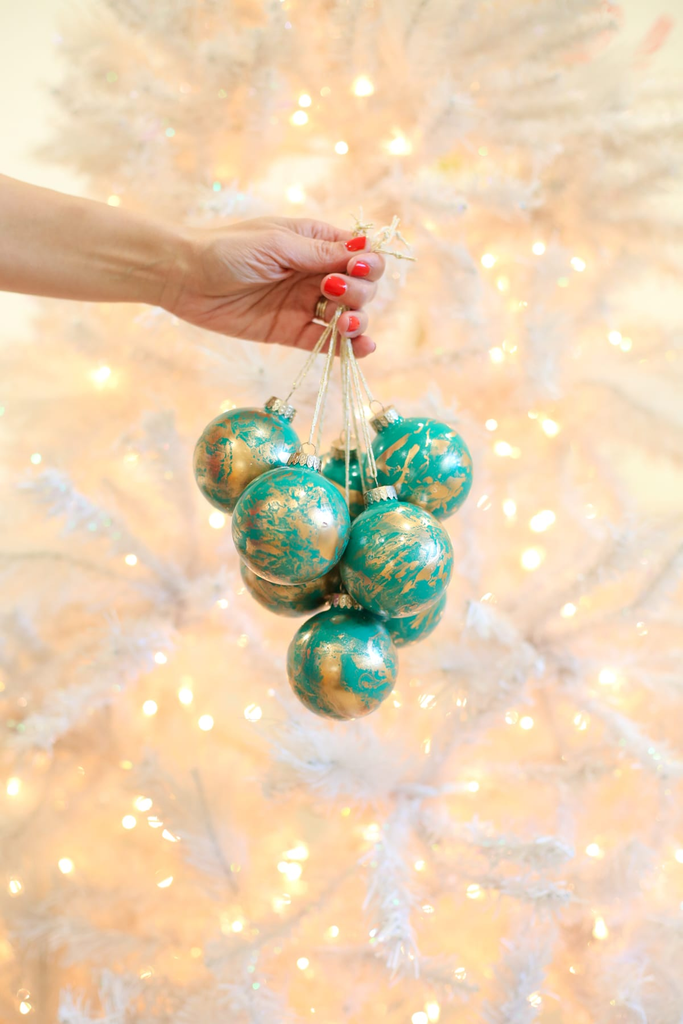
Gold marble ornaments can give clear glass baubles a decorative finish using a small number of materials. I can combine spray paint with metallic details to create several variations while keeping the basic process the same.
I protect my work surface before spraying and use suitable ventilation according to the product instructions. The metal ornament cap should be removed when the painting method requires it, then replaced securely once the finish is ready.
I let the painted surface dry completely before handling or packaging the ornaments. Each piece gets a final check for uneven areas, loose caps, scratches, or other flaws.
If I were shipping these, I would wrap each glass ornament separately and use enough cushioning to prevent the pieces from hitting one another. For a craft-fair display, I would also transport them in divided containers rather than letting finished ornaments move around freely.
Pro Tip: When I calculate the cost of a handmade ornament, I don’t stop at the blank ornament and paint. I consider decorative materials, hanging hardware, packaging, labels, test pieces, and the time spent preparing and finishing each item.
Frequently Asked Questions
What are good Christmas crafts to sell at a holiday market?
Small ornaments, painted jars, fabric stockings, macrame decorations, and other lightweight handmade items can be practical choices. I look for crafts that are easy to display, package, and reproduce in small batches.
How should I price handmade Christmas crafts?
I start by adding up materials, decorative supplies, packaging, labels, and other production costs. Then I consider the time required to make each item so I understand the real cost before choosing a selling price.
How can I make Christmas crafts in batches?
I break the project into stages instead of completing one item at a time. For example, I may prepare all the materials first, paint several pieces together, allow them to dry, then assemble and package the finished products.
What Christmas crafts are easiest to personalize?
Stockings, ornaments, painted jars, wood decorations, cards, and gift items are easy to customize with names, initials, colors, fabrics, or small design changes. I prefer offering a limited number of options so personalization doesn’t slow down production too much.
What should I consider before selling homemade Christmas products?
I check the finished product for quality, durability, safe construction, and suitable packaging. For food, bath products, candles, and fragrance items, I also consider ingredients, usage instructions, labeling, and the selling requirements that apply where I live.
Read this next: 17 Beautiful Mason Jar Christmas Gift Ideas For Loved Ones
Conclusion
For me, the best Christmas craft to sell isn’t automatically the most complicated one. A simple ornament or upcycled decoration can make more sense than an elaborate project if I can produce it consistently, package it properly, and finish it without spending an unreasonable amount of time on every piece.
I always find it useful to make a small test batch before committing to a larger inventory. That gives me a chance to see how much material the craft really uses, how long the process takes, what parts are difficult to repeat, and how the finished item handles storage and transportation.
Production time matters just as much as the material list. A craft that takes 10 minutes to finish is very different from one that takes 40 minutes, even if the raw materials cost about the same. I want my pricing decisions to reflect the actual work involved rather than simply adding up the supplies.
Packaging, customer instructions, and safety also become part of the product once I decide to sell it. Glass needs protection, candles need appropriate care information, food needs clear ingredient details, and body or fragrance products need responsible labeling and handling information.
Personalization can add another layer of value, but I don’t think every product needs to be completely custom. Offering a few colors, names, initials, fabrics, or design choices gives customers options while allowing me to keep the production process manageable.
The Christmas crafts I return to are the ones that balance creativity with practical work. If I can make them in sensible batches, inspect each finished piece, package them appropriately, and explain how customers should use or care for them, I have a much stronger starting point for a handmade holiday collection.




2 Comments