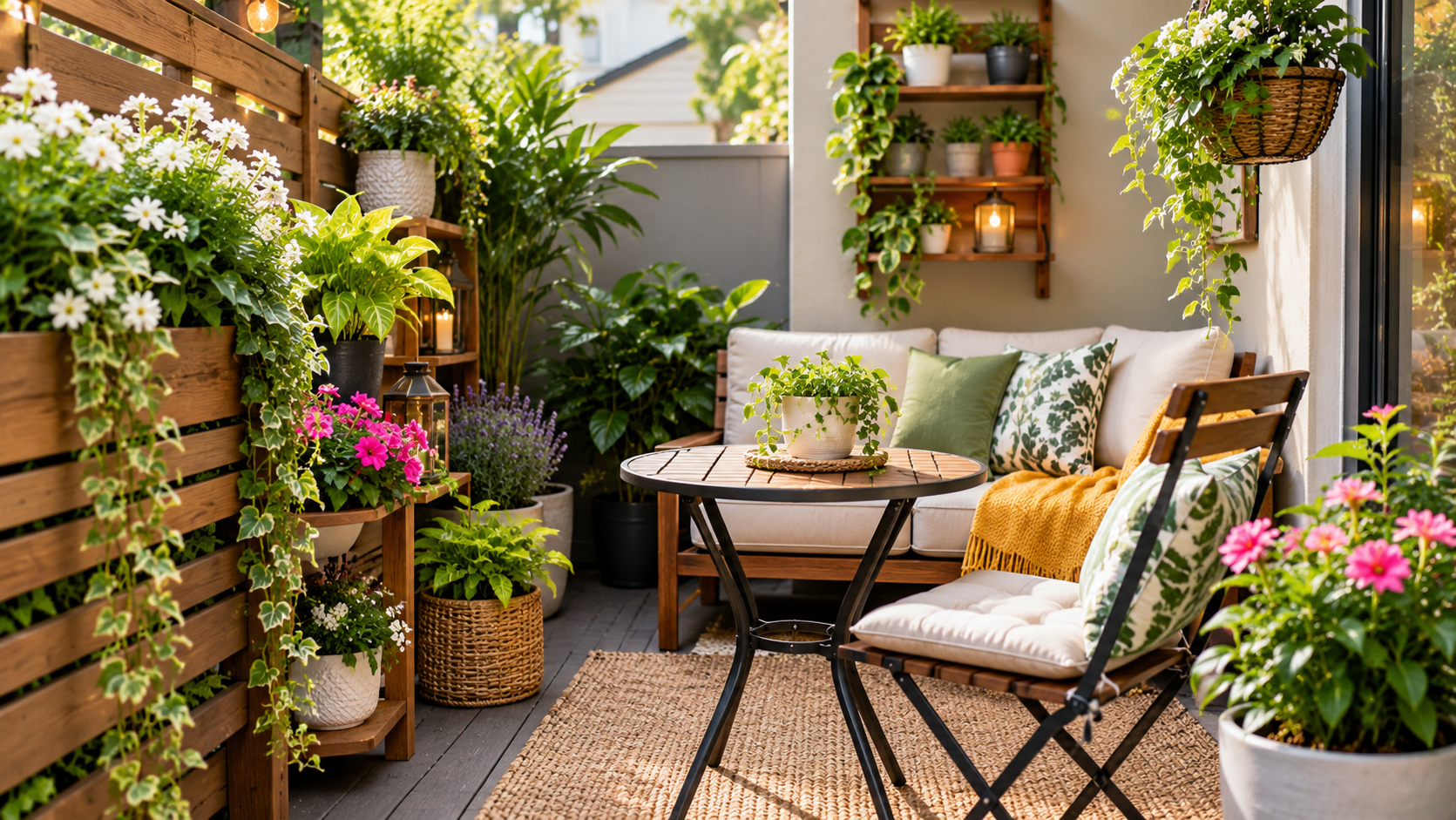
18 Ways to Incorporate Plants into Small Outdoor Areas
I know how difficult it can feel to decorate a small outdoor space. When I have a tiny balcony, narrow patio, or compact backyard, I don’t want plants to make the area feel crowded.
The good news is that I don’t need a large garden to enjoy beautiful greenery. With smart placement and the right containers, even the smallest outdoor area can feel fresh, relaxing, and full of life.
I can add plants to a small outdoor area without sacrificing valuable floor space by thinking vertically and choosing multi-purpose solutions. From vertical gardens and hanging planters to rail planters, compact raised beds, plant carts, and living walls, there are plenty of ways to create a beautiful green space.
Save this for later
Table of Contents
In this article, I share 18 practical ideas for incorporating plants into small balconies, patios, decks, and backyards. I also explain why adding greenery to an outdoor area can improve comfort, privacy, biodiversity, and the overall appearance of my space.
Key Takeaways
- I can use walls, railings, and ceilings to grow plants without taking up floor space.
- Vertical displays help small outdoor areas look fuller without feeling cluttered.
- Portable planters make it easier for me to move plants based on sunlight and weather.
- Herbs, flowers, vegetables, shrubs, and small trees can all work in compact outdoor spaces.
- Plants can improve privacy, provide shade, support pollinators, and make an outdoor area feel more welcoming.
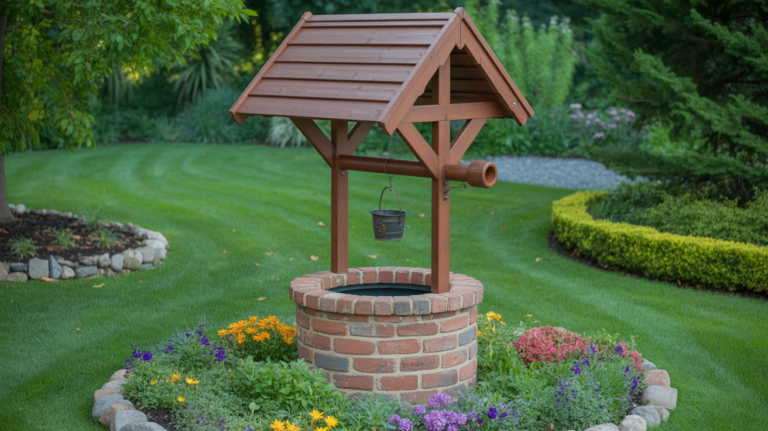
Related article: 15 Outdoor Wishing Well Garden Ideas for Garden Charm
How to Incorporate Plants into Small Outdoor Areas
When I work with a small outdoor space, I try to use every available area instead of placing all my plants on the ground. Walls, corners, railings, and overhead spaces can all become useful growing areas.
Here are 18 ideas I use to bring more greenery into a compact outdoor space.
Vertical Gardens
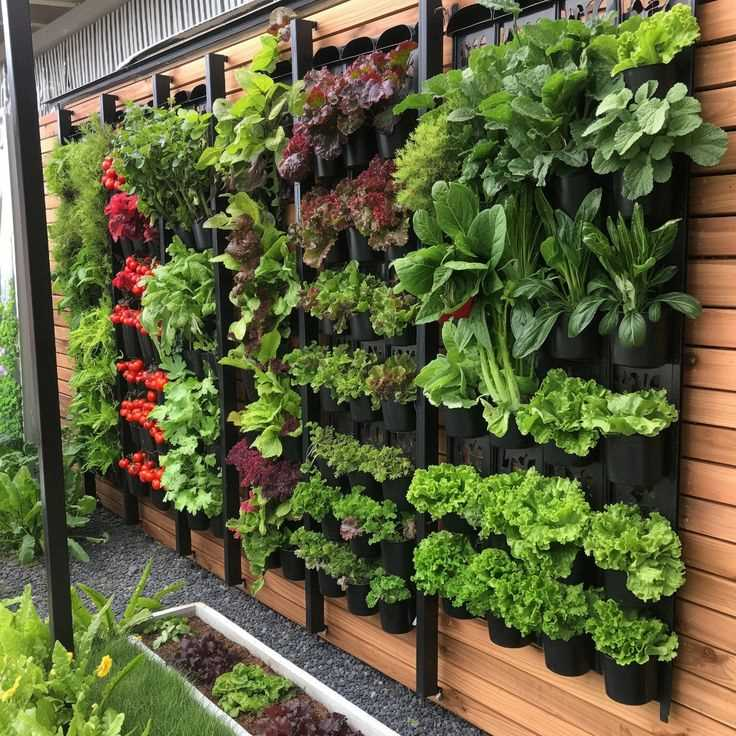
A vertical garden is one of my favorite solutions when I don’t have much floor space. I can attach planters, wall pockets, or containers directly to an outdoor wall or fence.
I like using herbs, ferns, succulents, and compact flowering plants for this type of display. Grouping plants vertically creates a strong visual feature while keeping the ground clear.
Pro Tip: I make sure the wall receives the right amount of sunlight before choosing my plants. This helps me avoid placing sun-loving plants in a heavily shaded area.
Hanging Planters
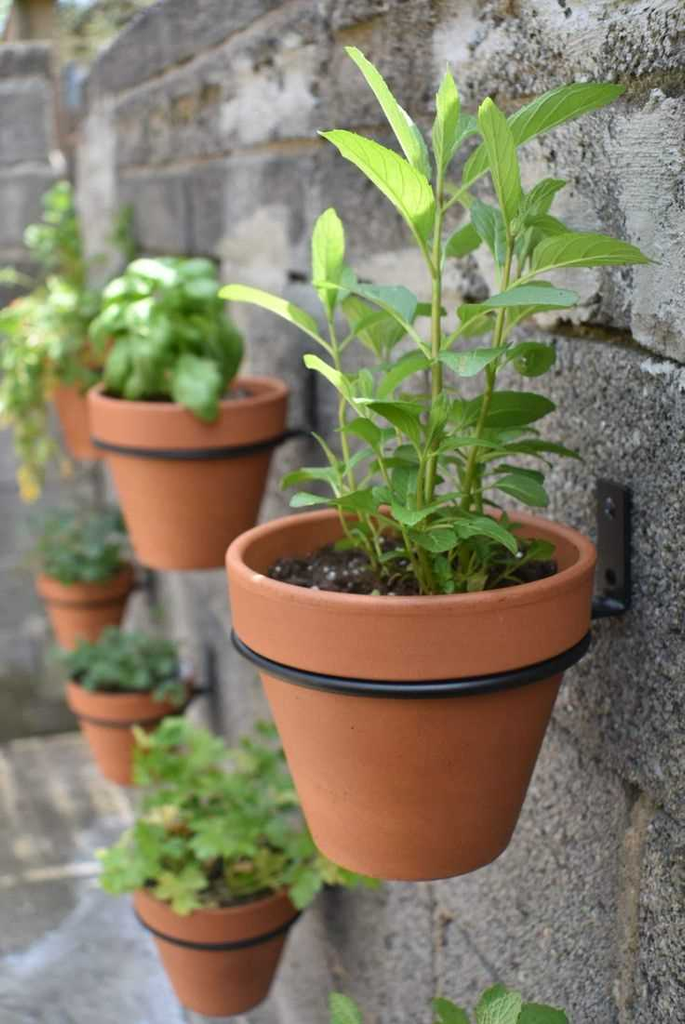
Hanging planters allow me to bring greenery into an outdoor space without using tables or floor space. I can hang them from hooks, ceilings, beams, or sturdy railings.
Trailing plants work especially well because they create a softer and fuller appearance as they grow. Pothos, petunias, spider plants, and other cascading varieties can look beautiful in hanging containers.
I also make sure my hooks and supports can safely hold the weight of the planter after watering.
Window Boxes
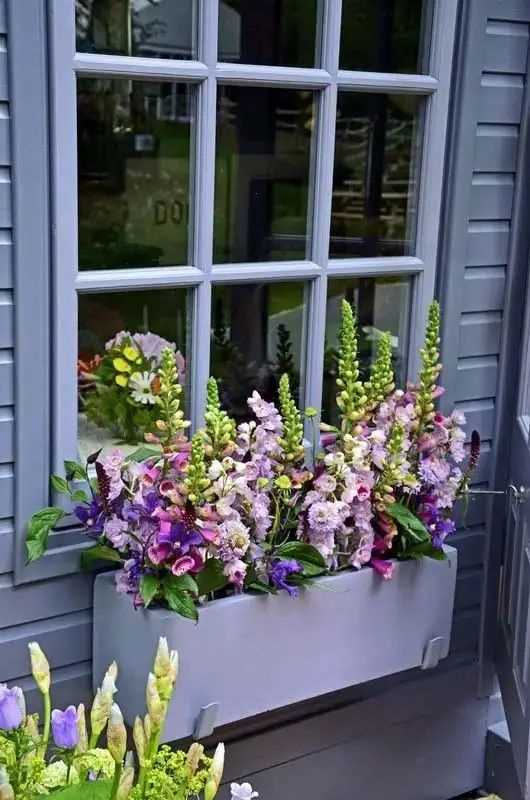
Window boxes are a simple way for me to add plants to windows, balcony edges, and railings. They are especially useful when I want greenery close to my living space without adding bulky containers.
I can fill them with colorful flowers, herbs, leafy plants, or compact vegetables. Their convenient position also makes watering and regular care easier.
Mixing different plant textures and colors can make a small outdoor area feel more interesting.
Tiered Plant Stands
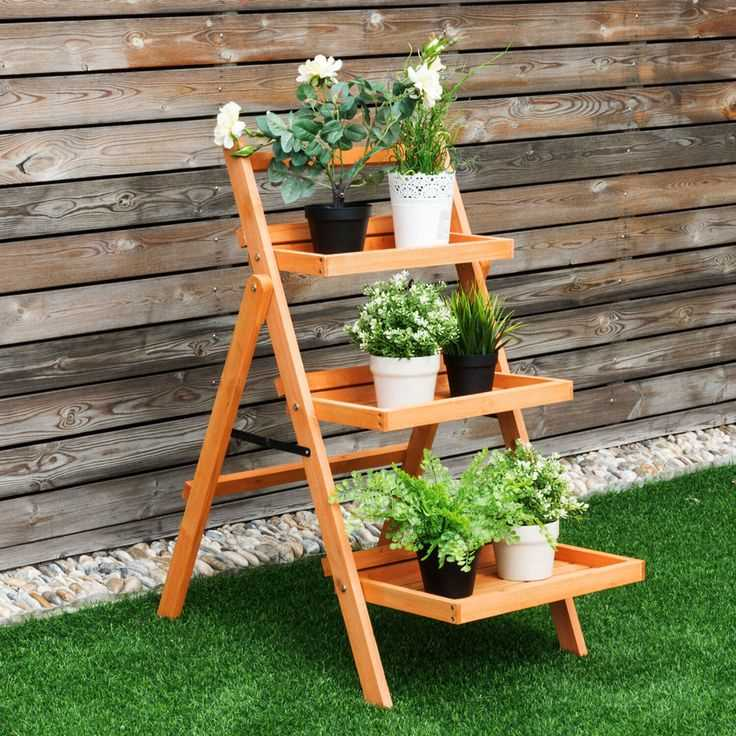
A tiered stand lets me display several plants while using a small footprint. Instead of spreading containers across the patio, I can arrange them upward.
I like placing taller plants near the back and smaller ones closer to the front. This creates layers and prevents the display from looking flat.
Tiered stands are also useful when I want to keep plants organized in one area.
Shelving Units
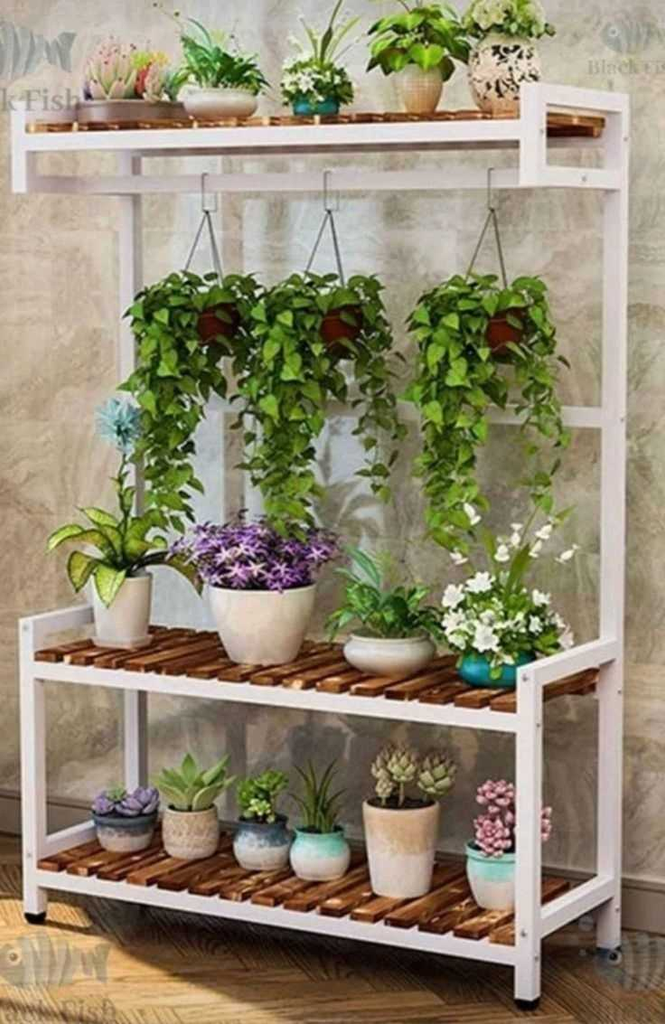
Outdoor shelving gives me another way to use vertical space. I can place several pots on different levels rather than lining them all across the ground.
Shelves work well against a wall, fence, or other unused area. I can also move the pots around whenever I want to change the appearance of my outdoor space.
I prefer shelves made from materials that can handle moisture and changing weather conditions.
Pro Tip: I leave enough room between plants so air can circulate properly. Crowding pots too closely can increase moisture problems and make plant care more difficult.
Plant Trellises
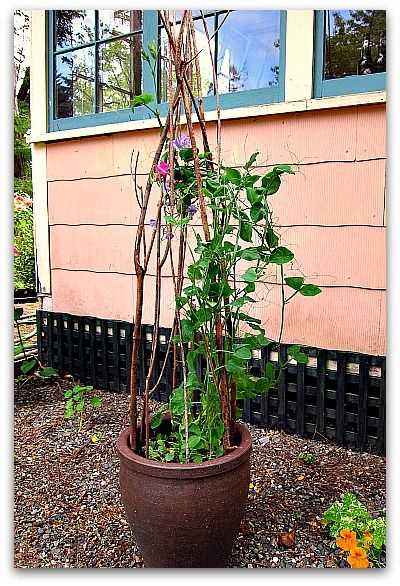
A trellis is a great choice when I want to grow upward instead of outward. Climbing plants can cover a wall or create a natural green feature without taking up much ground space.
Depending on my climate, I might choose climbing roses, clematis, jasmine, or ivy. I always check how large the plant will eventually become before planting it.
A trellis can also help me create more privacy on a balcony or patio.
Potted Trees
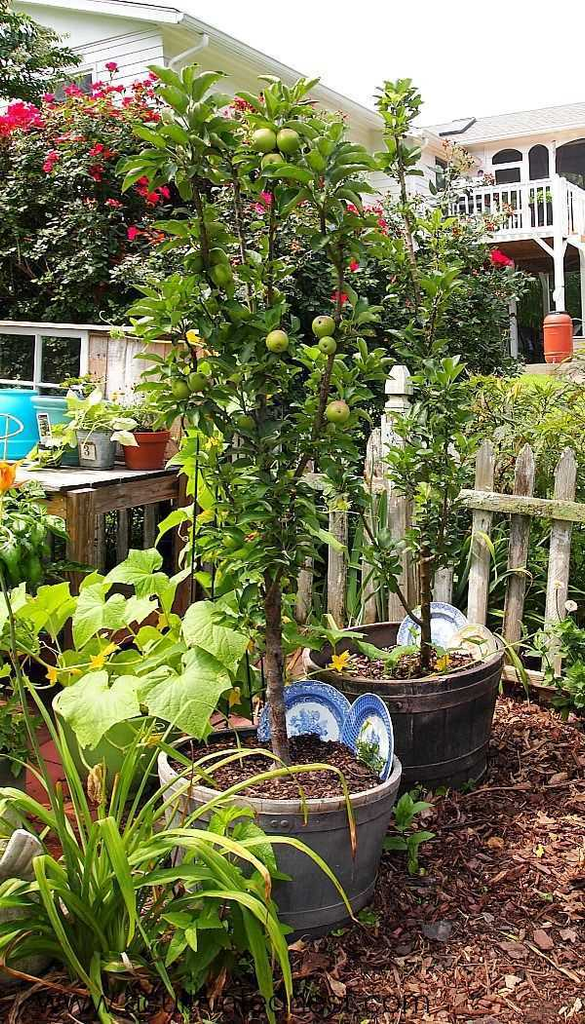
A small tree in a container can become the main feature of a compact outdoor area. I like this option because a tree adds height, structure, and shade.
Dwarf citrus trees and other varieties suitable for containers can work well when chosen for the local climate. The container should have drainage holes and enough room for healthy root growth.
I also remember that trees in containers usually need more regular watering than trees planted directly in the ground.
Rail Planters
Rail planters are perfect when I have a balcony, deck, or porch with sturdy railings. They allow me to use space that would otherwise remain empty.
I can grow herbs, flowers, leafy plants, or small vegetables in these containers. Keeping plants at railing height also makes them easy to reach for watering and trimming.
For safety, I always make sure the planter is properly secured.
Step Ladder Gardens
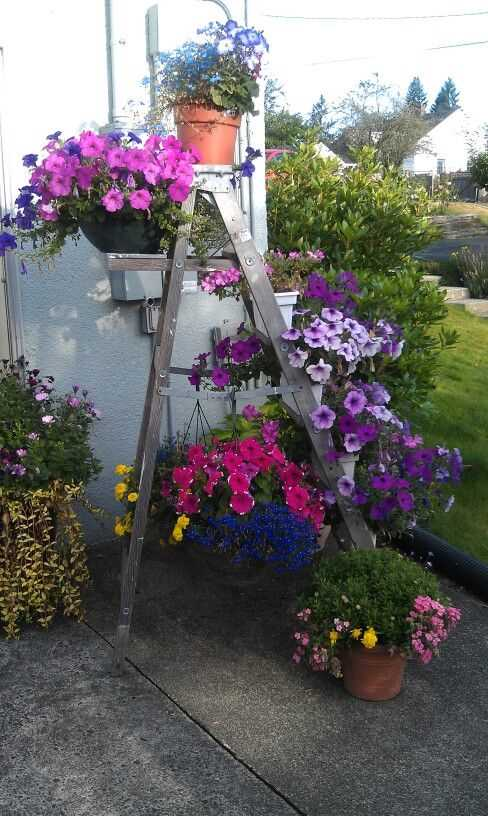
I can turn an old step ladder into a useful plant display by placing containers on each level. This creates a layered look while using very little floor space.
I can leave the ladder with a natural finish or paint it to match my outdoor decor. Different pot sizes and plant varieties help create more visual interest.
This is also an affordable DIY option for anyone who enjoys repurposing old furniture.
Portable Planters
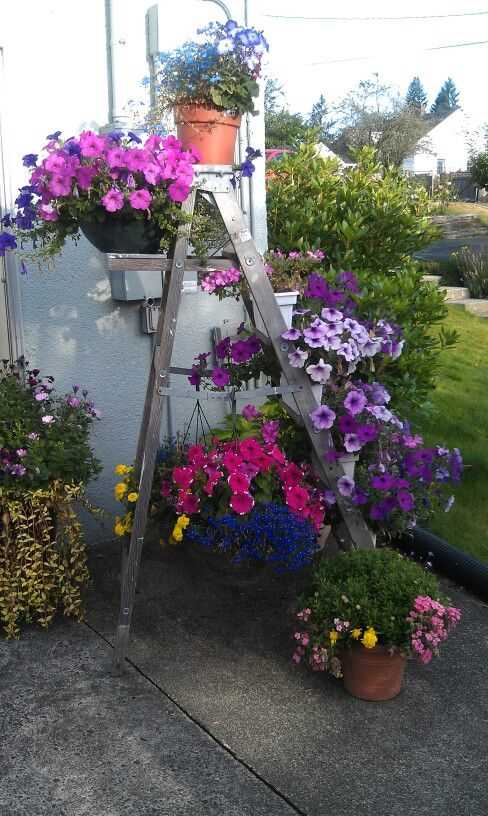
Portable planters give me more flexibility because I can move them whenever necessary. Some containers come with wheels, while others are lightweight enough to carry easily.
This is particularly helpful when I need to move plants toward more sunlight or protect them from strong winds and heavy rain.
I also find portable containers useful for changing the layout of my outdoor space without having to redesign everything.
Garden Benches with Planters
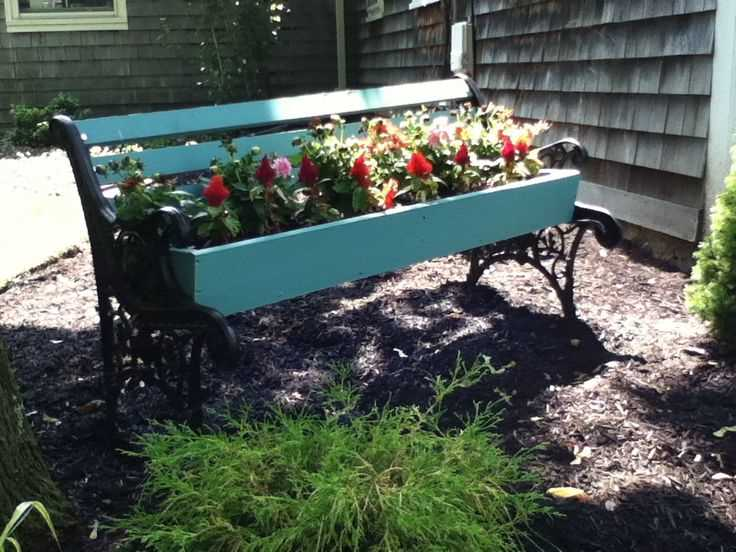
Multi-purpose furniture is especially useful when space is limited. A garden bench with built-in planters gives me seating and greenery in one piece.
Some designs include planting areas on the sides, behind the seat, or underneath the bench. This helps me make better use of a small patio or garden.
I like this option when I want my outdoor space to feel functional as well as attractive.
Corner Plant Stands
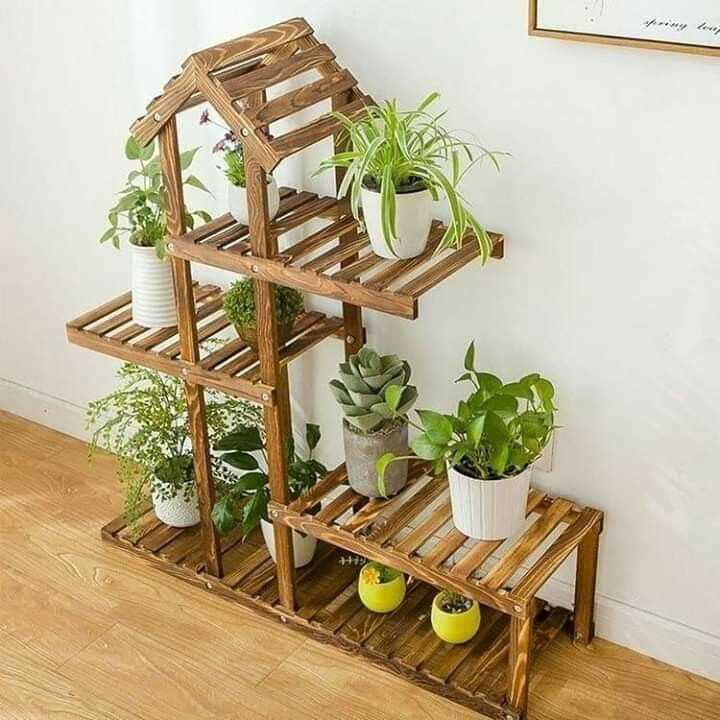
Corners are often forgotten when I arrange an outdoor area. A corner plant stand allows me to turn that unused space into a small green display.
I can place several containers at different heights without blocking walkways. This is particularly useful for narrow balconies and compact patios.
Adding greenery to corners can also make the entire space feel more complete.
Also read: 20 Fall Garden Decor Ideas To Brighten Outdoor Beds
Balcony Rails
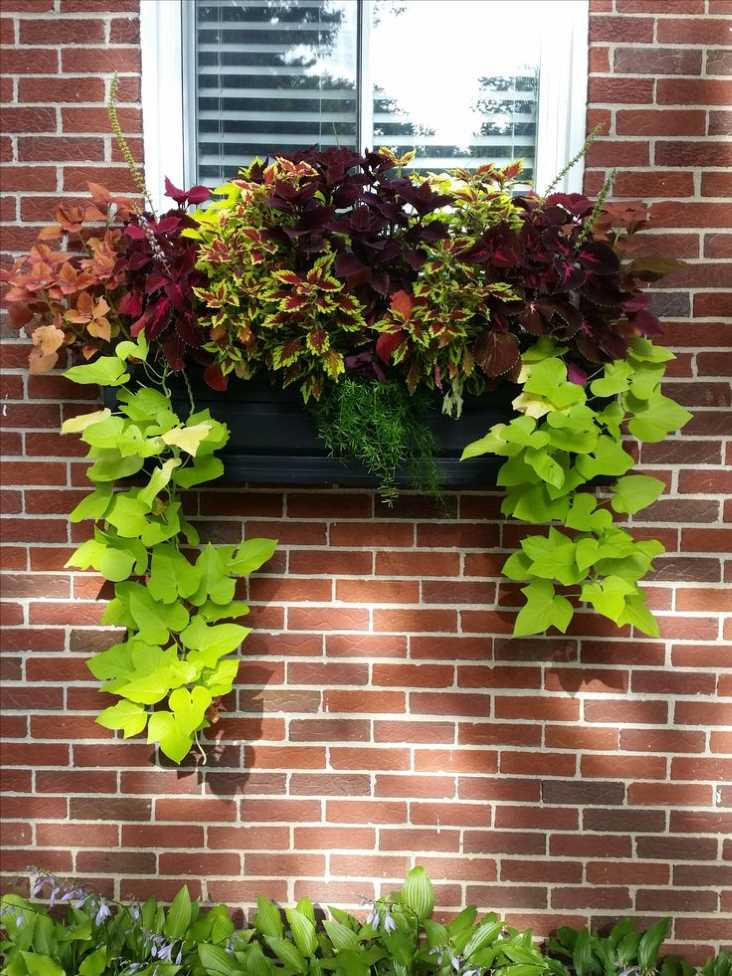
I can use balcony railing space for plants by adding suitable containers and securely attaching them. This brings greenery closer to eye level and frees up the floor.
Flowers and compact leafy plants work especially well here. I can also grow herbs if the area receives enough sunlight.
Safety is important, so I never place unstable or unsecured pots where they could fall.
Stacked Pots
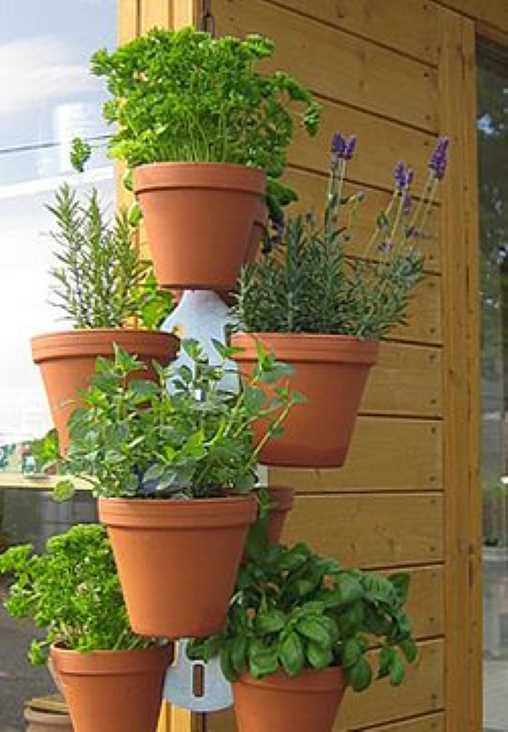
Stacked pots are a creative way for me to add height when I have limited room. By arranging containers vertically, I can create a layered plant display.
I use containers that are stable and appropriately sized for stacking. Smaller pots should be securely positioned rather than loosely balanced.
This approach can create an interesting focal point while using only a small section of the ground.
Pro Tip: I avoid stacking containers too high unless they are designed for that purpose. Stability should always come before appearance.
Outdoor Plant Carts
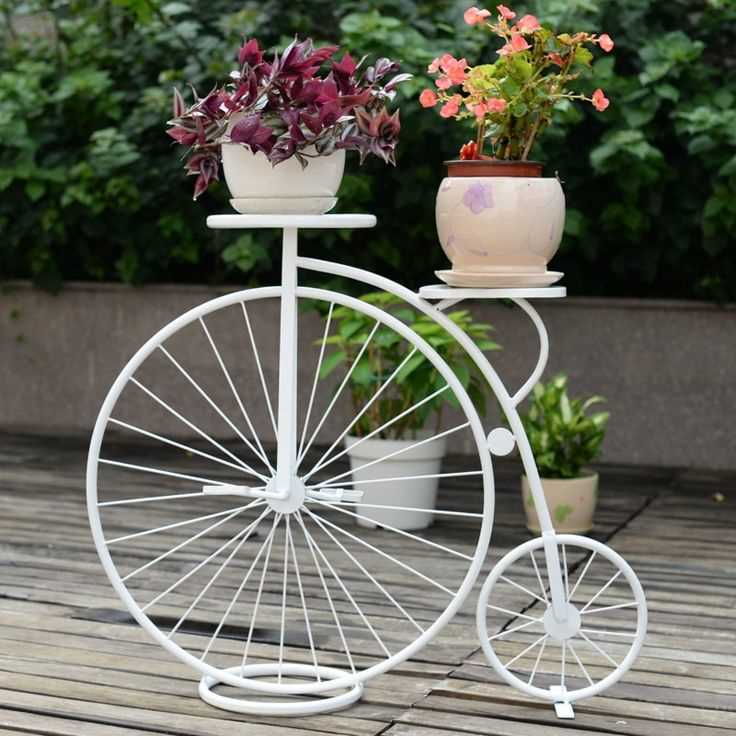
A plant cart gives me a mobile display that I can move around my patio, deck, or balcony. I can use different shelves to arrange flowers, herbs, and small potted plants.
During extreme weather, I can quickly move the cart to a safer location. It also makes cleaning and rearranging the outdoor space much easier.
I find this especially useful when my plants have different sunlight needs throughout the year.
Hanging Baskets
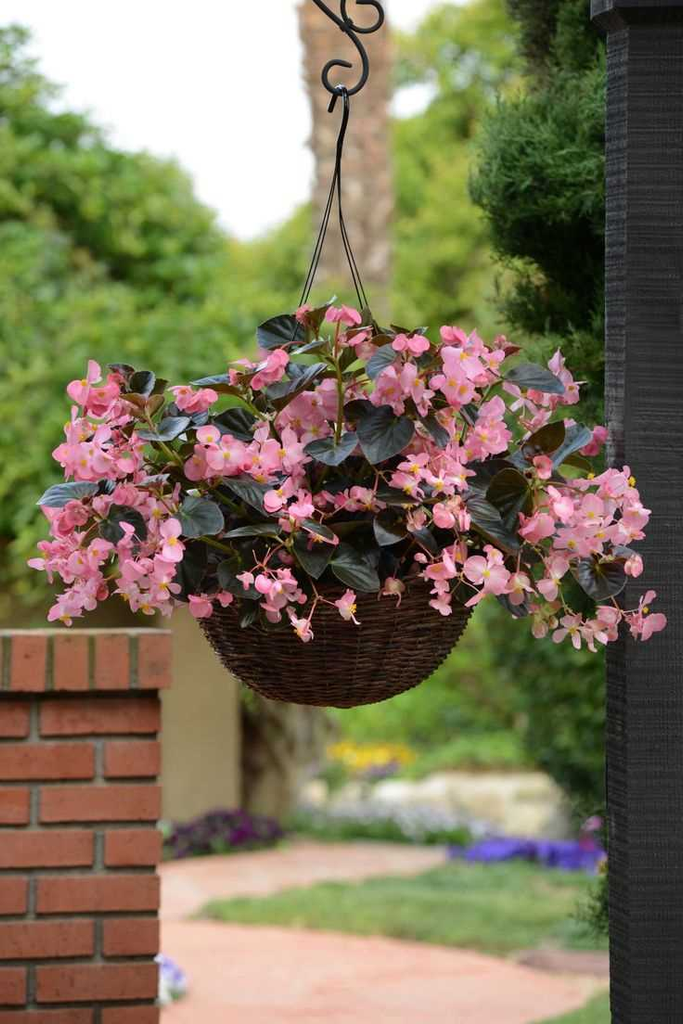
Hanging baskets are another simple way I use overhead space for plants. They are ideal for varieties that grow downward and create a cascading appearance.
I can hang them from pergolas, porch ceilings, hooks, or strong wall brackets. Ferns, trailing flowers, and climbing plants can all work well depending on the conditions.
Regular watering is important because hanging baskets can dry out faster than containers placed on the ground.
Living Walls
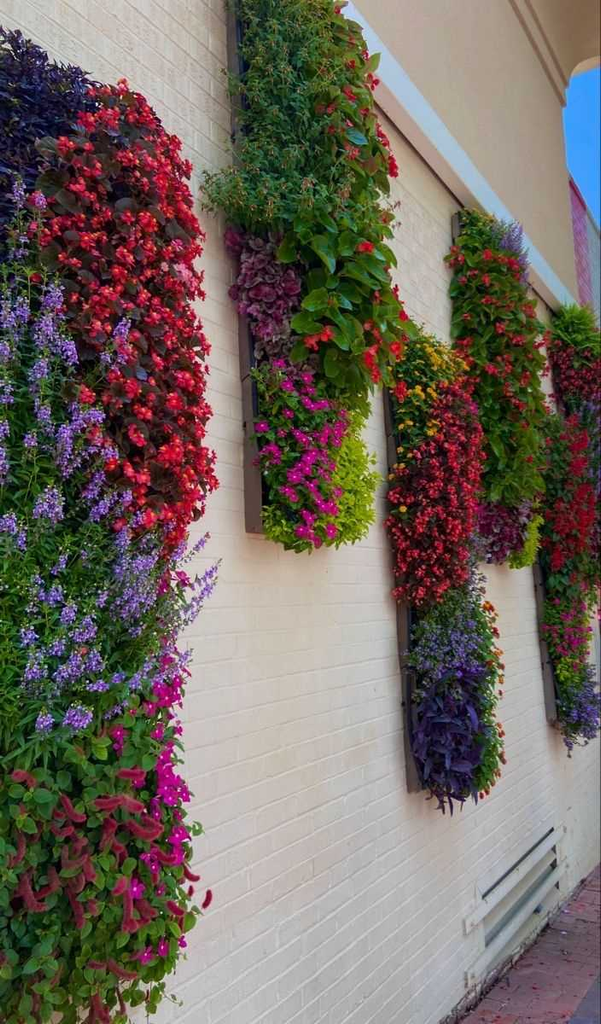
A living wall can turn a plain outdoor wall into a major feature. Instead of growing plants horizontally, I can create an entire vertical planting system.
Some systems include built-in watering features, which can make maintenance easier. I can choose plants based on sunlight, climate, and how much care I want to provide.
Living walls are especially useful when my outdoor area has very little available floor space.
Compact Raised Beds
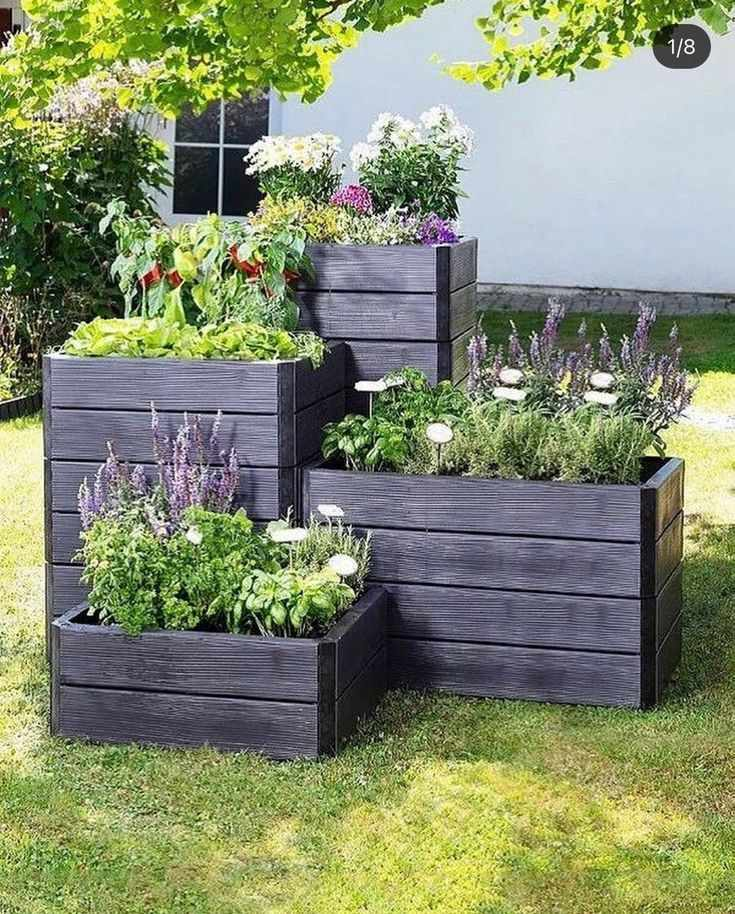
Compact raised beds allow me to grow plants in a controlled space. I can use them for herbs, vegetables, flowers, and other small plants.
One benefit I appreciate is that I can choose the soil mix more carefully and improve drainage when necessary. Raised beds can also make gardening more comfortable because I don’t always need to bend as far.
Even a small raised bed can produce useful herbs and vegetables when it receives enough sunlight.
By using these ideas, I can turn a small balcony, patio, or backyard into a green and comfortable place without making it feel crowded.
Reasons to Incorporate Plants into Your Outdoor Area
Adding plants does more than improve the appearance of my outdoor space. Greenery can make an area more comfortable, useful, and enjoyable.
Here are some of the biggest reasons I believe plants are worth adding to an outdoor area.
Improves Air Quality
Plants use carbon dioxide during photosynthesis and release oxygen. While outdoor air quality depends on many factors, greenery can contribute to a healthier natural environment.
Plants can also help capture dust and other particles on their leaves.
Reduces Stress
I often find that spending time around greenery makes an outdoor area feel calmer. Research has linked exposure to natural environments with reduced stress and improved well-being.
Even a small collection of plants can help create a more peaceful setting for relaxing outdoors.
Enhances Aesthetic Appeal
Plants add natural color, texture, and shape to an outdoor space. Flowers can provide seasonal color, while leafy plants can create a softer and more relaxing look.
I can also change containers and plant arrangements to match my personal decorating style.
Increases Privacy
Tall plants, climbing plants, shrubs, and trellises can create a natural screen. This is useful when I want more privacy from nearby homes or busy areas.
I choose plants based on their mature size so they can provide coverage without overwhelming my small space.
Supports Biodiversity
Plants can provide food and shelter for insects, birds, and other wildlife. Flowering plants may attract bees, butterflies, and other pollinators.
Adding a variety of suitable plants can help create a more active and balanced outdoor environment.
Boosts Mood
Gardening gives me something positive to focus on and can be a satisfying daily activity. Watching plants grow and caring for them can also create a stronger connection with my outdoor space.
A colorful and healthy plant display can simply make the area more enjoyable to spend time in.
Provides Shade and Cooling
Trees, shrubs, and larger plants can provide shade in outdoor areas. Shade can make a patio or backyard more comfortable during warmer weather.
Plants can also help reduce the amount of direct sunlight hitting certain surfaces.
Promotes Physical Activity
Gardening keeps me moving. Tasks such as planting, watering, pruning, carrying containers, and maintaining the area all involve physical activity.
Even light gardening can be a productive way to spend more time moving outdoors.
Grows Fresh Produce
I can grow herbs, vegetables, and some fruits even when I have limited space. Basil, mint, lettuce, tomatoes, and other compact crops can often be grown in containers.
Growing food at home also gives me quick access to fresh ingredients right outside my door.
Reduces Noise Pollution
Plants and landscaping features can help soften the feel of a noisy outdoor environment. While plants alone won’t completely block loud sounds, layers of vegetation can contribute to a more comfortable setting.
Combining plants with fences or other barriers may provide better results.
Increases Property Value
A clean and attractive outdoor area can improve the overall appearance of a home. Well-maintained landscaping and usable outdoor spaces may also increase buyer interest.
I focus on keeping the area neat and healthy because neglected plants can have the opposite effect.
Encourages Creativity
Choosing plants, containers, layouts, and colors gives me a chance to experiment with different styles. I can create a modern display, a cottage-style garden, or a simple green retreat.
My outdoor space can change over time as I discover new ideas.
Improves Soil Health
Plants can play an important role in protecting soil. Their roots help hold soil in place, while organic matter from plant material can support soil structure.
Healthy soil is especially important when I grow plants directly in a garden or raised bed.
Provides a Habitat for Pollinators
Flowers can provide important food sources for pollinators such as bees and butterflies. Choosing a variety of flowering plants can help support these beneficial visitors.
I try to select plants suited to my local environment whenever possible.
Pro Tip: I choose flowers with different blooming periods so my outdoor space can provide pollen and nectar across more of the growing season.
Enhances Outdoor Living Space
Plants make an outdoor area feel more finished and welcoming. They can soften hard surfaces such as concrete, walls, and railings.
A few well-placed containers can make me more likely to sit outside, relax, or enjoy meals outdoors.
Offers Educational Opportunities
Gardening teaches me about plant growth, soil, insects, weather, and seasonal changes. It can also be a fun learning activity for children.
Growing herbs or vegetables is a practical way to understand where food comes from.
Read this next: 18 Summer Garden Decor Ideas
Improves Mental Focus
Natural surroundings may support attention and concentration, especially when I take breaks from indoor environments and screens.
Creating a small green space gives me a pleasant place to pause and reset during the day.
Creates a Sense of Accomplishment
There is something rewarding about seeing a plant grow because of my care. From planting the first seed to enjoying flowers or harvesting herbs, gardening gives me visible results.
Even maintaining a few healthy containers can give me a strong sense of satisfaction.
FAQ’s
How can I add plants to a small outdoor space?
I can use vertical gardens, hanging planters, rail planters, shelves, and tiered stands to add plants without taking up much floor space.
What plants are best for small outdoor areas?
Compact plants such as herbs, succulents, ferns, flowers, climbing plants, and dwarf trees are great choices, depending on the sunlight and climate.
How do I make a small outdoor area look full of plants?
I like combining plants at different heights by using hanging baskets, shelves, stacked pots, and vertical planters. This creates a lush look without making the space feel crowded.
Conclusion
I don’t need a large backyard to create a beautiful outdoor garden. A small balcony, patio, deck, or compact backyard can become a relaxing green space when I use the available area wisely.
Vertical gardens, hanging baskets, rail planters, tiered stands, raised beds, and portable containers all help me add more plants without creating clutter.
For me, the best approach is to start small and choose plants that match my available sunlight, climate, and maintenance routine. With a little planning, even the smallest outdoor area can become a welcoming place filled with greenery.

2 Comments