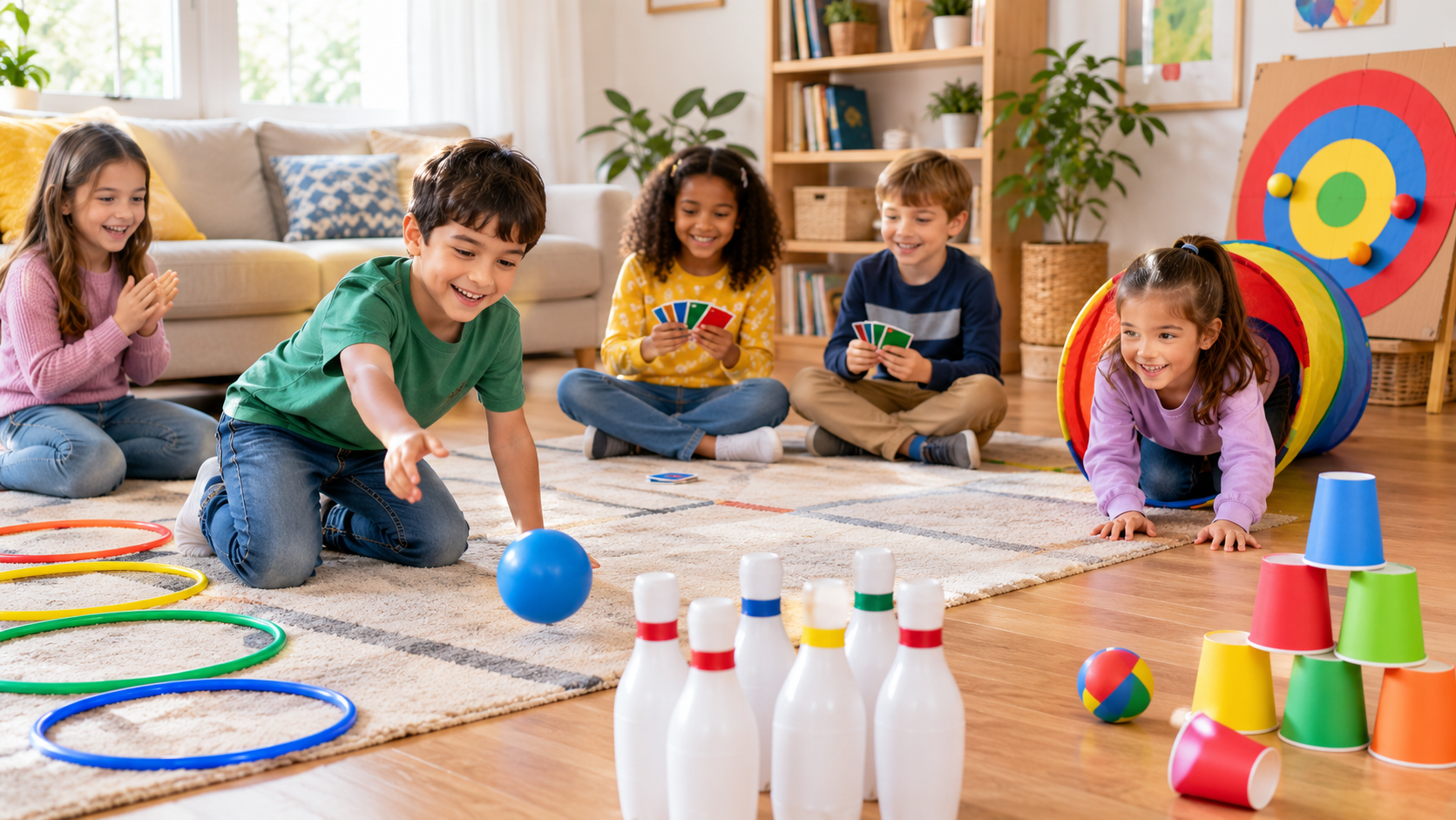
Simple Indoor Games Ideas For Kids
When I’m stuck inside with energetic kids, especially on a rainy day, I know how quickly the house can start to feel chaotic. Within minutes, the sofa becomes a climbing frame, everyone is hungry again, and boredom turns into arguments.
While screens can give me a quick break, I don’t always want them to be the only answer. I’ve found that a few simple indoor games can keep kids moving, thinking, laughing, and using their energy in a much better way.
The best part is that most of these games need very little preparation. I can use cushions, balloons, books, paper, laundry baskets, or things I already have around the house.
I’ve put together 24 simple indoor games for kids that work well in real homes, apartments, classrooms, and small play spaces. Some games help children burn energy through jumping, balancing, crawling, and moving, while others encourage quiet concentration and creative thinking.
From cushion jumps and balloon games to sensory activities, paper airplanes, building challenges, and pretend play, there is something here for different ages and energy levels. I also like mixing active games with calm ones so kids can move first and then settle down.
Save this for later
Table of Contents
These indoor activities are especially useful during rainy days, school breaks, hot weather, quiet afternoons, or any time outdoor play is not an option.
Key Takeaways
- Most indoor games can be played with simple household items.
- Active games can help children use extra energy in a controlled way.
- Quiet activities are useful during study time, naps, or calm afternoons.
- Short games often work better than long activities for younger children.
- I recommend alternating energetic activities with calmer games.
- Safety matters, so I always clear away sharp objects and make enough room for movement.
- Changing the rules or setup can make the same game feel new again.
Related article: 22 Ideas For Kids Group Games
How Can You Keep Kids Active With Indoor Games On Rainy Days?
When kids have to stay indoors for hours, I notice their energy can build up quickly. They may start running through rooms, climbing furniture, or arguing simply because they need something to do.
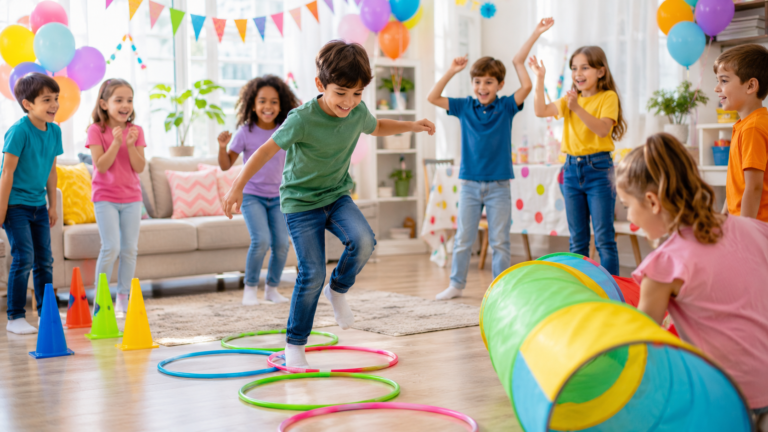
I try to give that energy a purpose instead of expecting kids to sit still all day. Simple movement games involving jumping, stretching, crawling, balancing, or reaching can help children stay physically active indoors.
According to the World Health Organization, children and adolescents aged 5 to 17 should average at least 60 minutes of moderate-to-vigorous physical activity each day. Indoor movement games can be one helpful way to contribute to that activity when outdoor play is limited.
I don’t need a large playroom or expensive equipment either. Even a hallway, clear section of the living room, or bedroom floor can become a fun activity space.
Pro Tip: I usually start with a more active game for 10 to 15 minutes and then switch to something quieter. This often helps kids settle more easily afterward.
Which Quiet Indoor Games Work Well During Nap Or Study Time?
There are times when I need children to stay busy without turning the whole house upside down. Nap time, homework sessions, work calls, and quiet afternoons all call for activities with less noise.
I find that calm games work best when kids have something specific to focus on. Puzzles, building activities, guessing games, books, and sorting challenges can keep their minds occupied.
When children concentrate on a task, they often become less focused on boredom. Quiet activities can also support skills such as problem-solving, hand-eye coordination, creativity, and attention.
I like keeping a few easy quiet activities ready so I don’t have to think of something new every time the house needs to stay calm.
Creative Towers
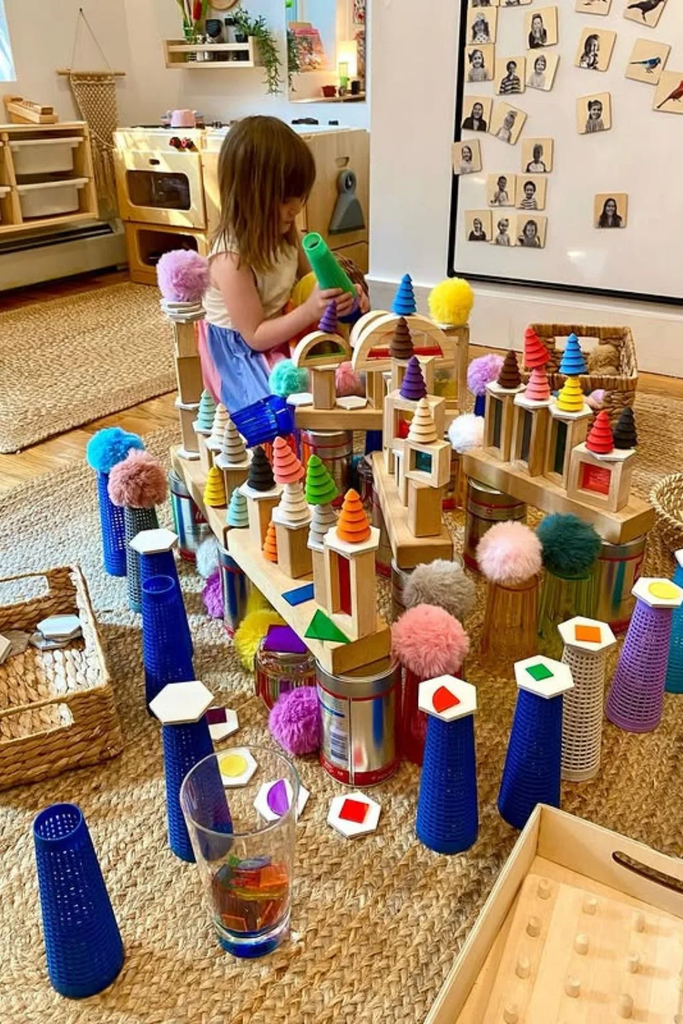
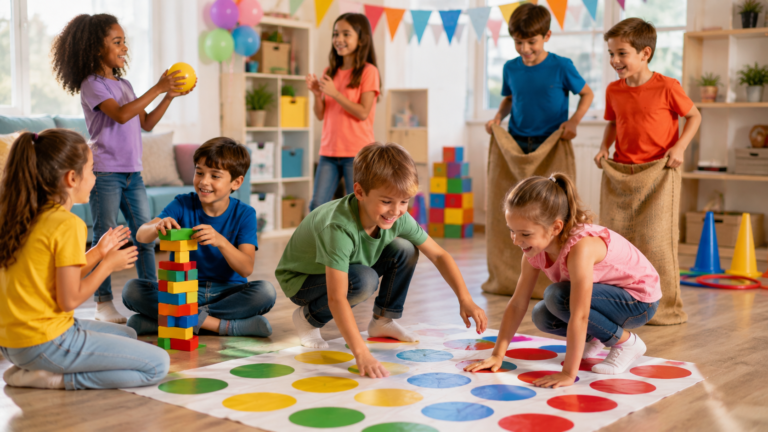
I love tower-building games because they give kids a simple goal while keeping their hands busy. They can build tall structures, test what stays balanced, and start again when everything falls.
I can use blocks, plastic cups, empty containers, cardboard pieces, or other lightweight items. The challenge can be as simple as building the tallest tower possible.
This activity works especially well on the floor or a low table. Kids naturally stay focused while stacking, adjusting, and trying different arrangements.
Pro Tip: I encourage kids to build slowly instead of racing. This turns the activity into a quieter challenge and helps them practice patience.
Soft Bowling
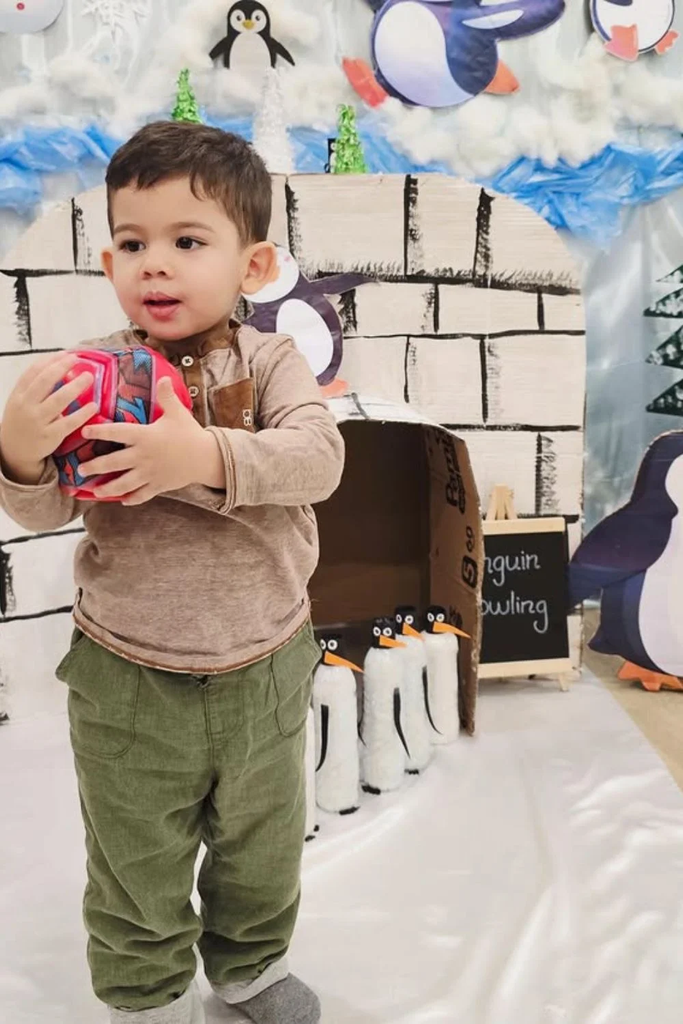
Indoor bowling is one of my favorite games when kids need movement but I don’t want hard objects flying around the room. A soft ball and lightweight pins are usually enough.
I use plastic bottles, soft toys, paper cups, or other safe objects as bowling pins. Then kids roll the ball and count how many items they knock down.
A hallway or open area works well because it creates a natural bowling lane. Kids also get extra movement from walking back and resetting the pins.
For younger children, I place the pins closer together. Older kids can stand farther away or try to beat their previous score.
Cushion Jumps
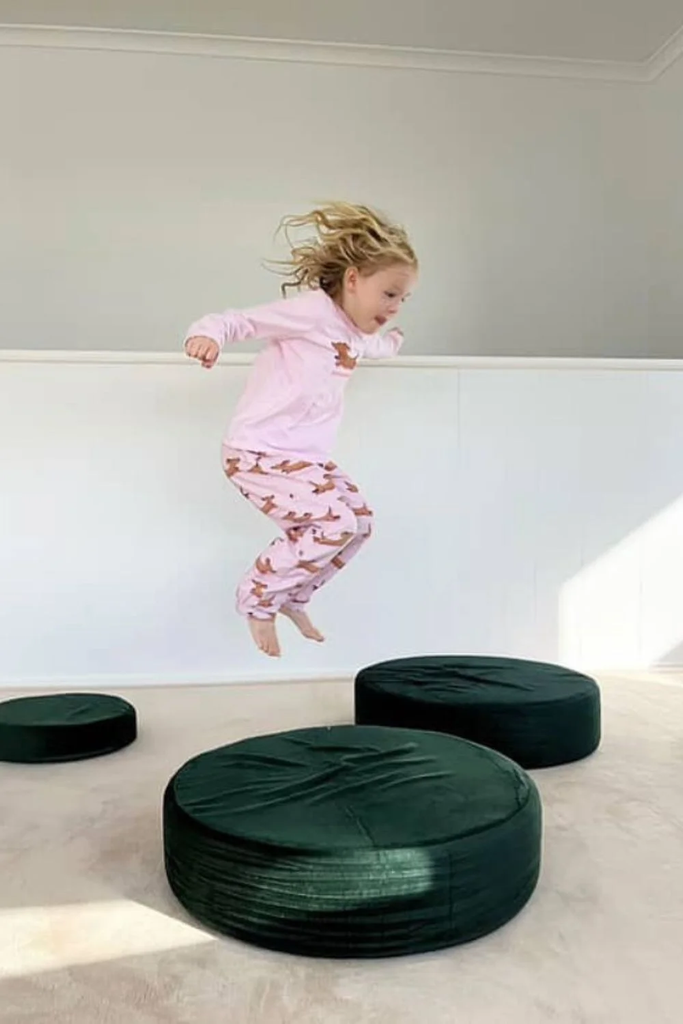
When kids really need to move, cushions can create a simple jumping game. I place cushions or soft floor pads with enough space between them and let children jump from one spot to another.
The cushions give kids a clear place to land instead of encouraging random jumping around the room. I always make sure the surface underneath is stable and safe.
I can make the game more interesting by asking kids to jump with both feet, take giant steps, or follow a simple pattern.
Pro Tip: I keep this activity away from furniture corners, tables, and anything breakable. A clear floor space makes a big difference.
Wall Climb
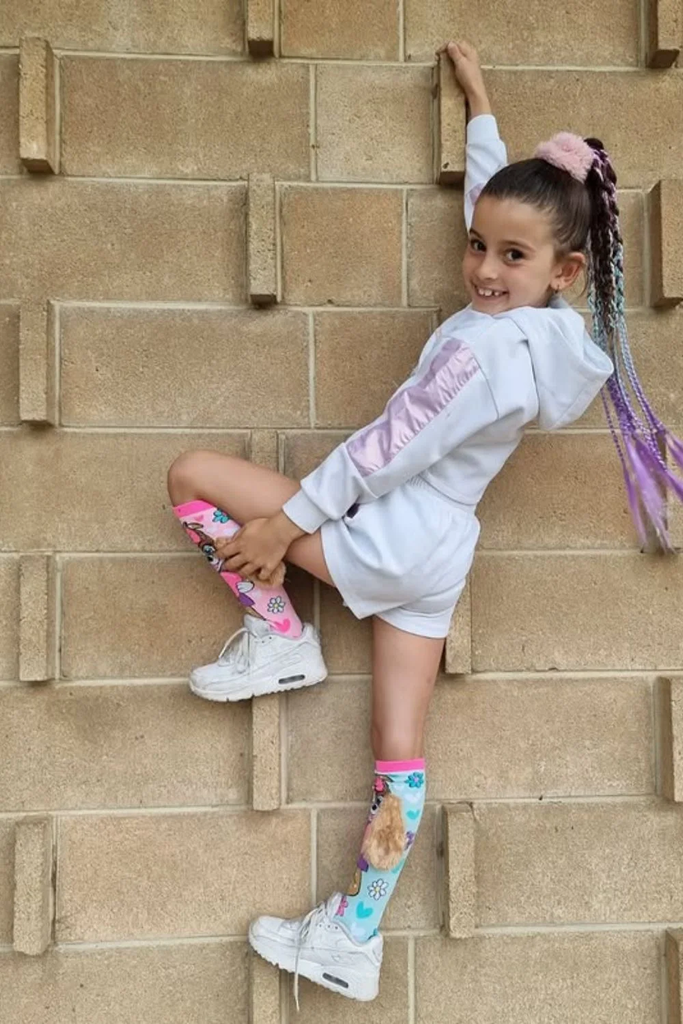
For children who enjoy physical challenges, climbing activities can provide a different kind of movement. I prefer using equipment specifically designed for indoor climbing rather than encouraging children to climb regular furniture.
A safe climbing area can help children use their arms, legs, and core while practicing coordination and balance. Slower climbing can also feel more controlled than running around the house.
I focus on safe movement and proper supervision, especially with younger children. A padded surface underneath is important when using suitable climbing equipment.
This type of activity can be particularly appealing to kids who enjoy movement challenges and need more than simple running games.
Balloon Targets
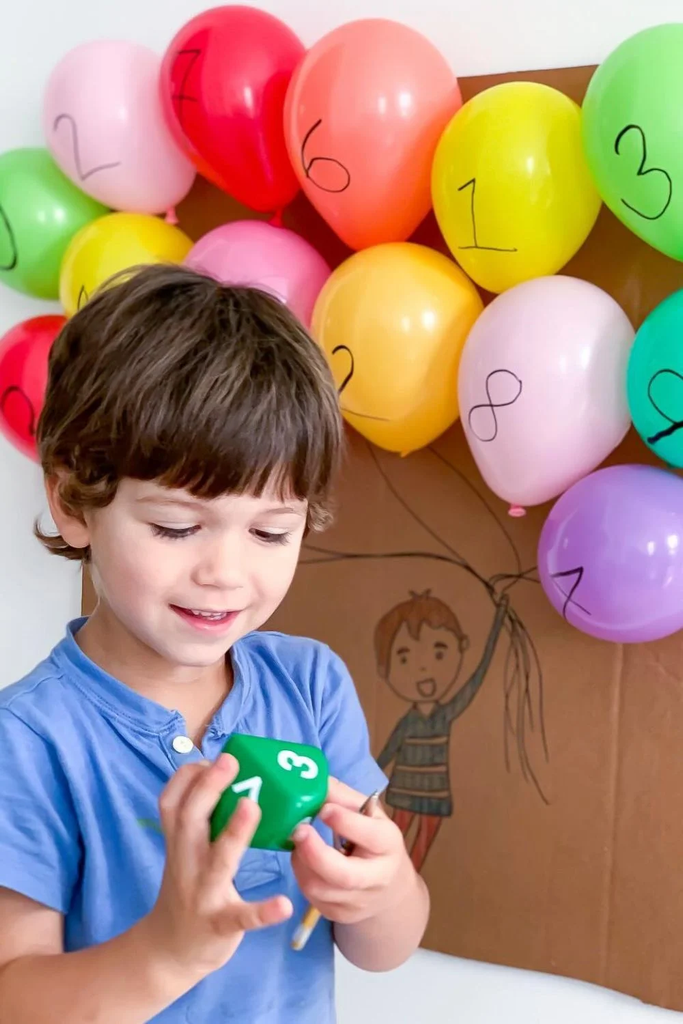
Balloons can turn into an easy target game with very little setup. I write numbers, letters, colors, or simple instructions on balloons and place them in a designated area.
Then I call out a target and let kids reach, tap, or gently hit the correct balloon. The game can also be adapted for learning by using numbers, spelling words, or colors.
I like balloons because they move slowly compared with regular balls. That can make indoor play feel safer and easier to control.
All I usually need is a few balloons, tape, and a marker.
Balance Walk
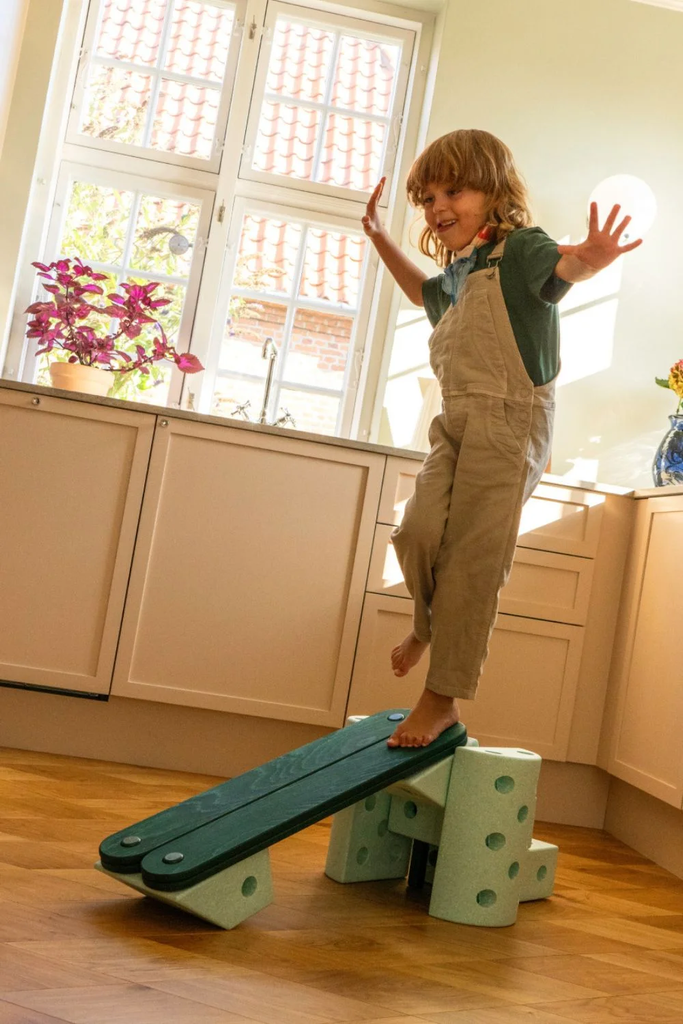
A balance game can slow energetic kids down while still keeping their bodies active. I create a simple path using tape on the floor or safe, low balance equipment.
Kids can walk heel-to-toe, stretch their arms out, or try to carry a lightweight object while following the line. The goal is control rather than speed.
Balance activities can support body awareness and coordination. They are also easy to adjust for different ages and skill levels.
I like using a straight path first and then adding turns when kids are ready for a bigger challenge.
Puzzle Corner
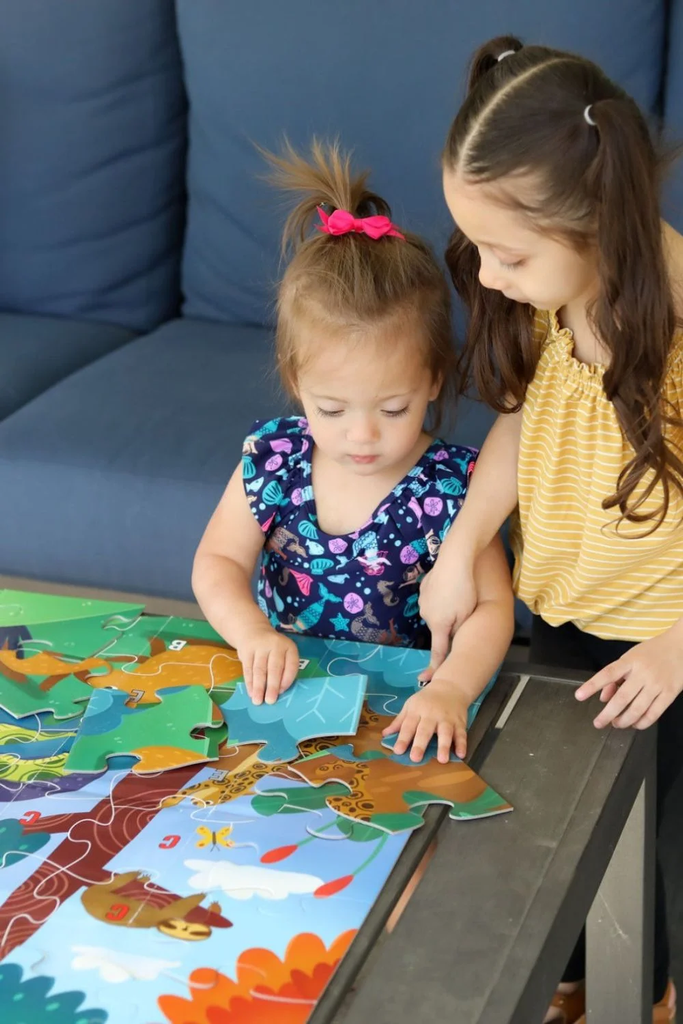
When I want a quieter activity, puzzles are always a useful choice. I set up a small area where children can sit comfortably and work together or independently.
Large floor puzzles can be especially engaging because kids can move around while still focusing on a calm task. Smaller puzzles work well on coffee tables or low surfaces.
I sometimes give each child a different job. One can search for edge pieces while another looks for matching colors or patterns.
This helps create a shared activity without making the game too competitive.
Role Play
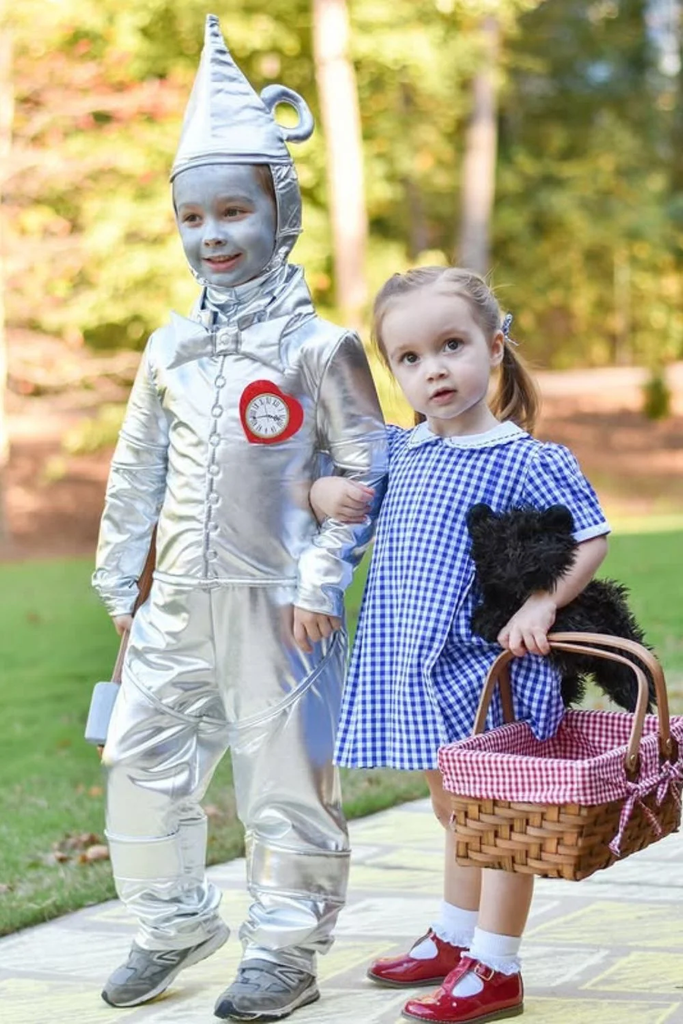
Pretend play can keep kids entertained for a surprisingly long time. I’ve seen a simple room turn into a grocery store, animal rescue center, campsite, space station, or pretend restaurant.
Children don’t need expensive costumes for this. Hats, bags, cardboard boxes, blankets, and everyday household items can help create a story.
I like giving kids a simple idea and then letting their imagination take over. They often come up with far more creative details on their own.
Role play can also encourage communication, storytelling, and social interaction when children play together.
Step Path
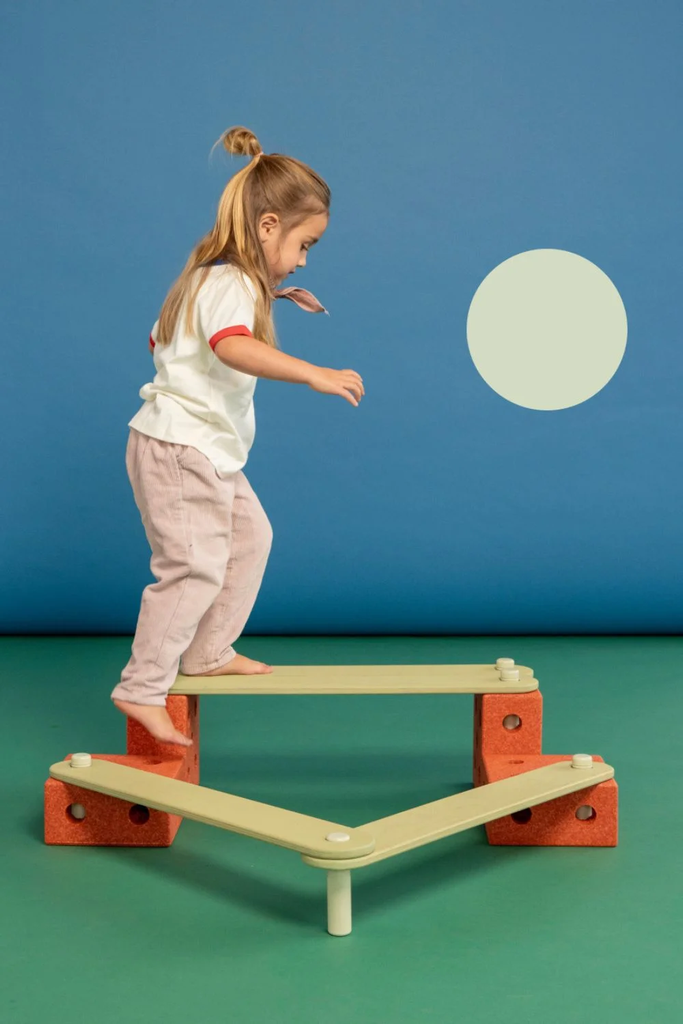
A simple path can turn ordinary movement into a game. I create a route using tape, cushions, safe stepping spots, or low and stable equipment.
Kids follow the path by stepping, stopping, balancing, or changing direction. I can also add instructions such as “freeze,” “turn around,” or “take three slow steps.”
The activity is easy to set up in a living room or play area once there is enough clear space.
I like this game because kids stay active without needing to run at full speed.
Gentle Passing
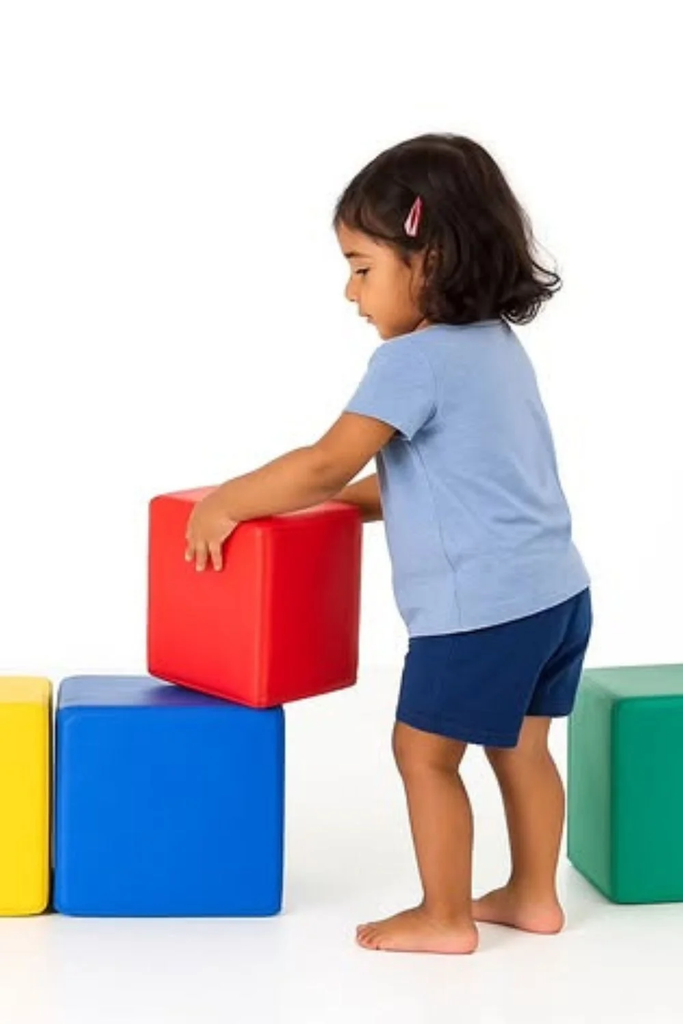
Passing games are a good option when I want kids to work together. I use a soft ball, stuffed toy, or lightweight object that is safe for indoor play.
Children can sit, stand, walk slowly, or move around while passing the object. I sometimes add simple rules, such as passing only after saying a color or counting to five.
This activity can support coordination and teamwork while keeping the pace manageable.
A rug or soft play area can also help reduce noise when objects are accidentally dropped.
Block Moves
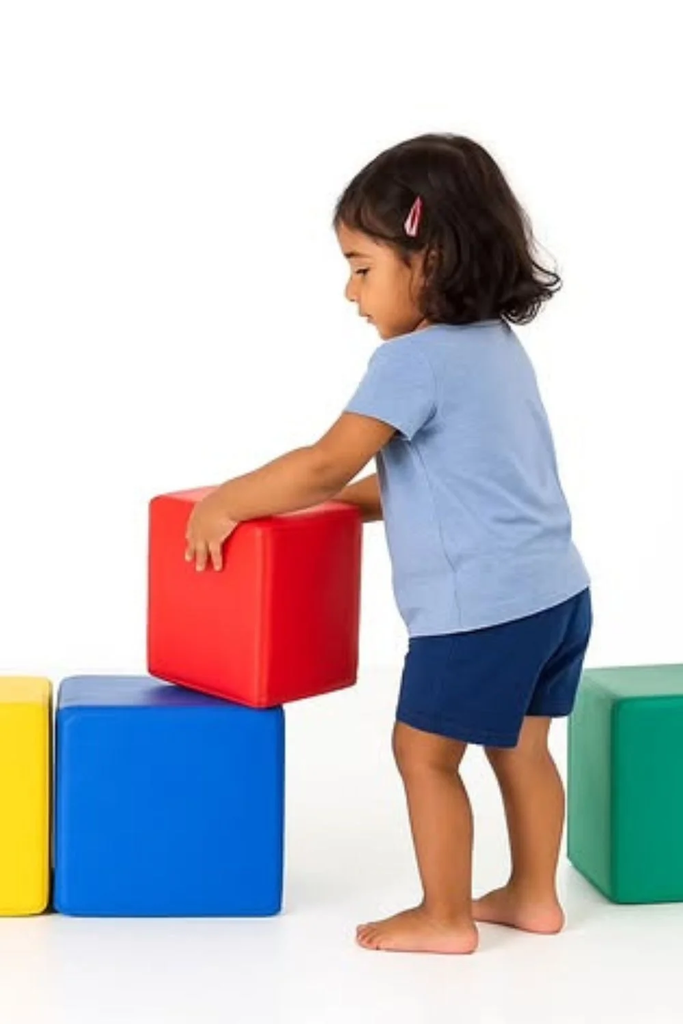
Instead of letting restless kids run around without direction, I sometimes give them a moving job. Lightweight blocks or foam pieces can be carried, stacked, sorted, and rearranged.
I might ask kids to move all the blocks to one side of the room and then build something with them. They stay active while having a clear purpose.
The lifting and carrying should always match the child’s age and ability. I stick with lightweight materials that are easy to handle.
This activity combines movement with creativity and can keep children busy for longer than expected.
Book Nook
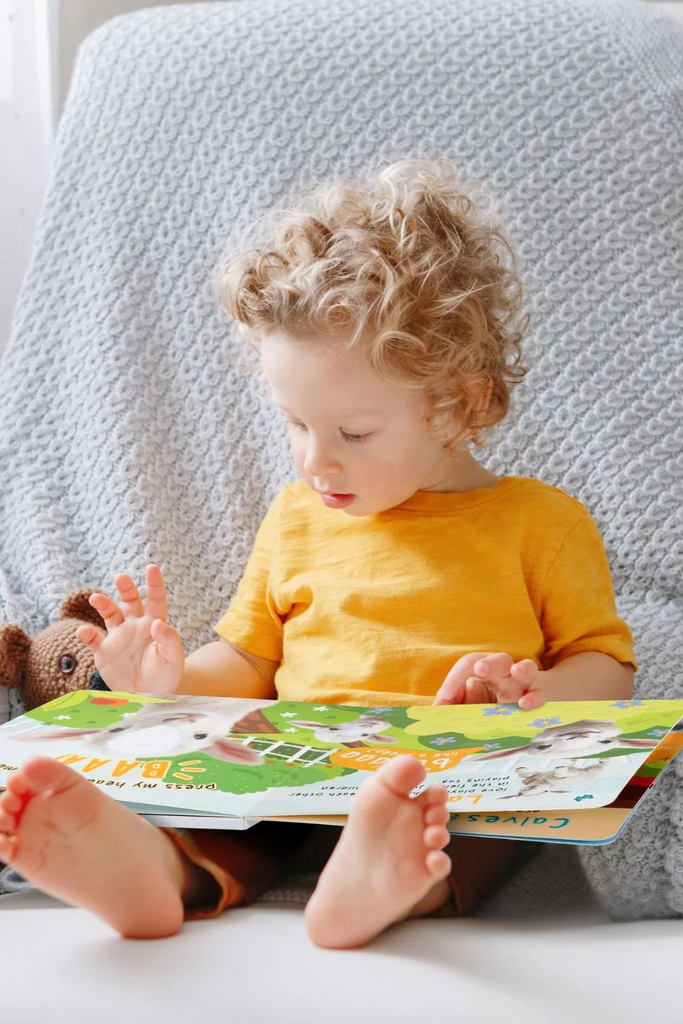
Sometimes the best indoor game is a quiet break with books. I create a comfortable reading corner with cushions, a chair, or a soft blanket.
Picture books, board books, activity books, and books with interesting illustrations can all encourage children to explore independently.
I don’t always need to read aloud. Sometimes I let kids turn pages, look at pictures, and tell their own version of the story.
A cozy reading space can be especially useful after active games when children need time to calm down.
Also read: 22 Party Games for Kids
Sensory Guess
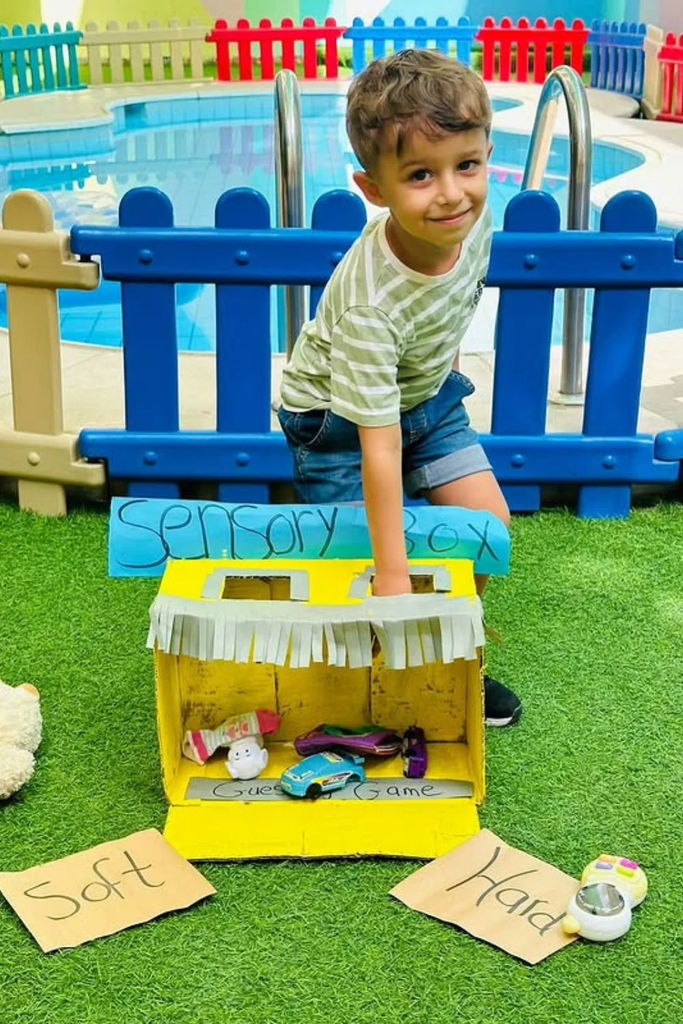
A mystery-feel game is easy to create with a box or bag and a few safe household objects. I place items with different textures inside and ask kids to guess what they are without looking.
For example, I might use a soft sponge, wooden spoon, cotton ball, toy, or other child-safe item. I avoid anything sharp, fragile, or small enough to create a choking risk.
Kids use their sense of touch and describe what they feel before making a guess.
This simple activity can support vocabulary, observation, and sensory awareness while keeping the environment quiet.
Cushion Fort
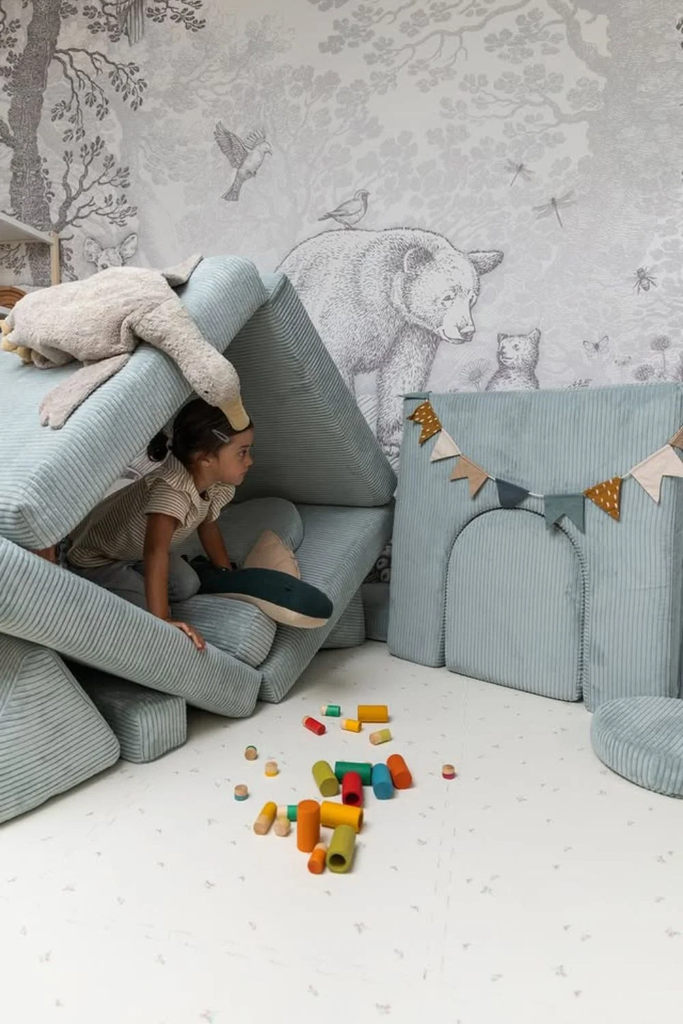
Building a fort is one of those indoor activities that can easily become several games in one. I use cushions, blankets, chairs, and other stable household items to create a simple hideout.
Kids can crawl through tunnels, decorate their fort, tell stories inside, or pretend it is a castle, campsite, or secret base.
I always make sure the structure is stable and avoid placing heavy items where they could fall.
Pro Tip: I let kids help with the building process. Creating the fort often keeps them just as busy as playing inside it.
Paper Flight
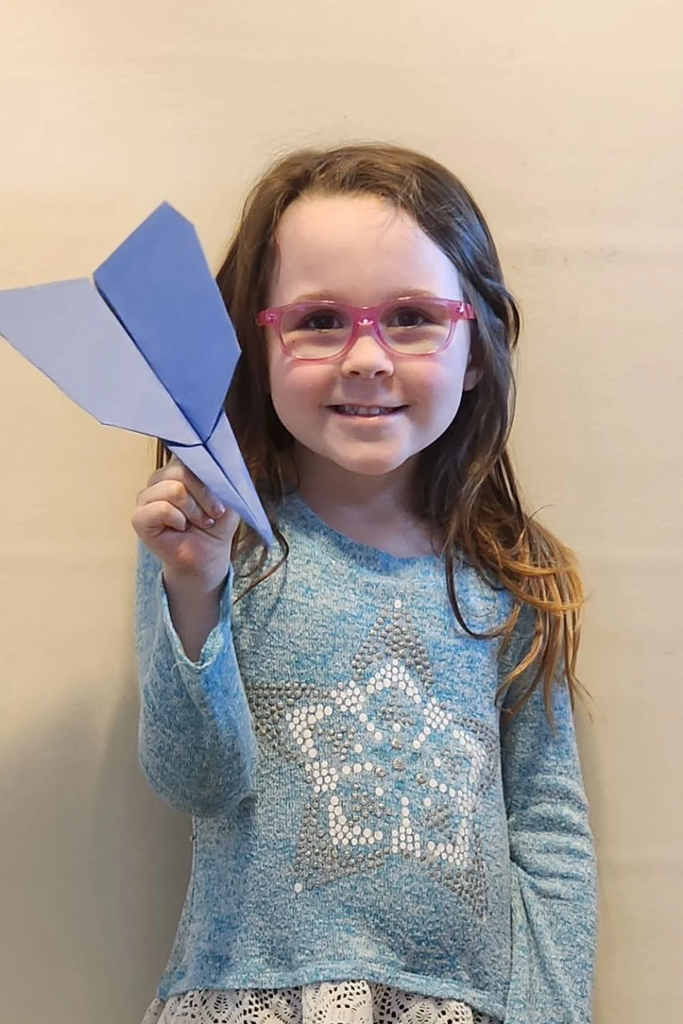
Paper airplanes are simple, affordable, and easy to adapt. I can fold basic planes for younger children or try different designs with older kids.
Then we test which airplane travels the farthest or stays in the air the longest. A hallway is usually a good place because it gives a clear direction for gentle flights.
Kids can also decorate their planes before flying them. This adds a creative part before the movement begins.
I remind everyone to keep throws gentle and stay away from lamps, shelves, and breakable objects.
Grid Build
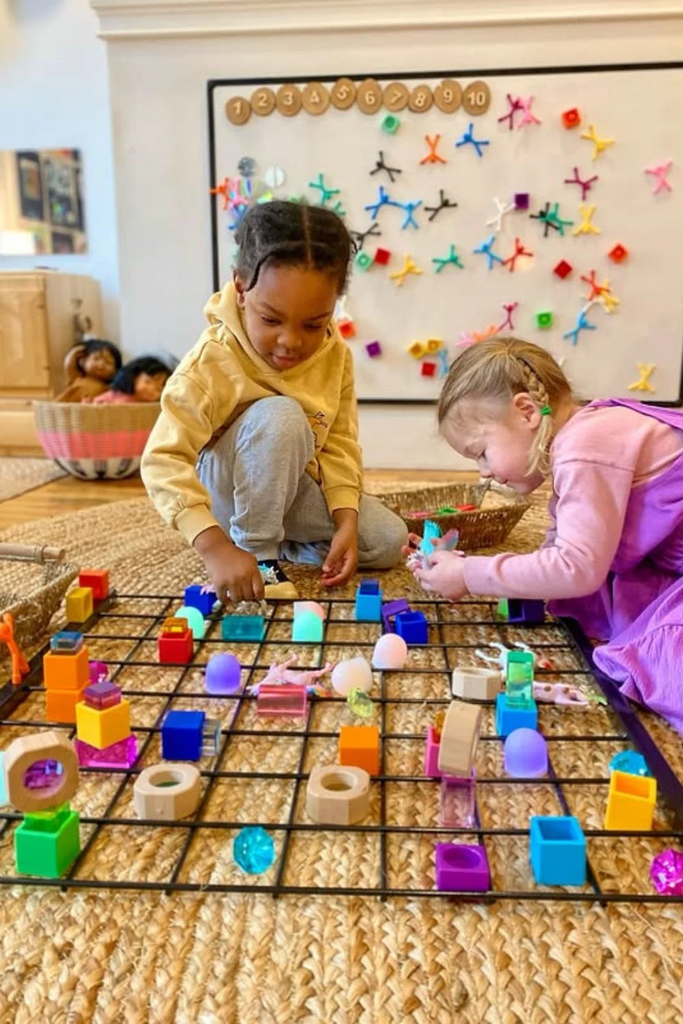
A building grid can help kids focus on patterns and problem-solving. I create squares or sections using tape, a tray, or a simple mat.
Children place blocks, tiles, toys, or other safe objects into different spaces. I can give them a pattern to copy or let them create their own design.
For group play, one child can build a pattern while another tries to match it.
This activity encourages concentration and can work well during quiet indoor time.
Balloon Swat
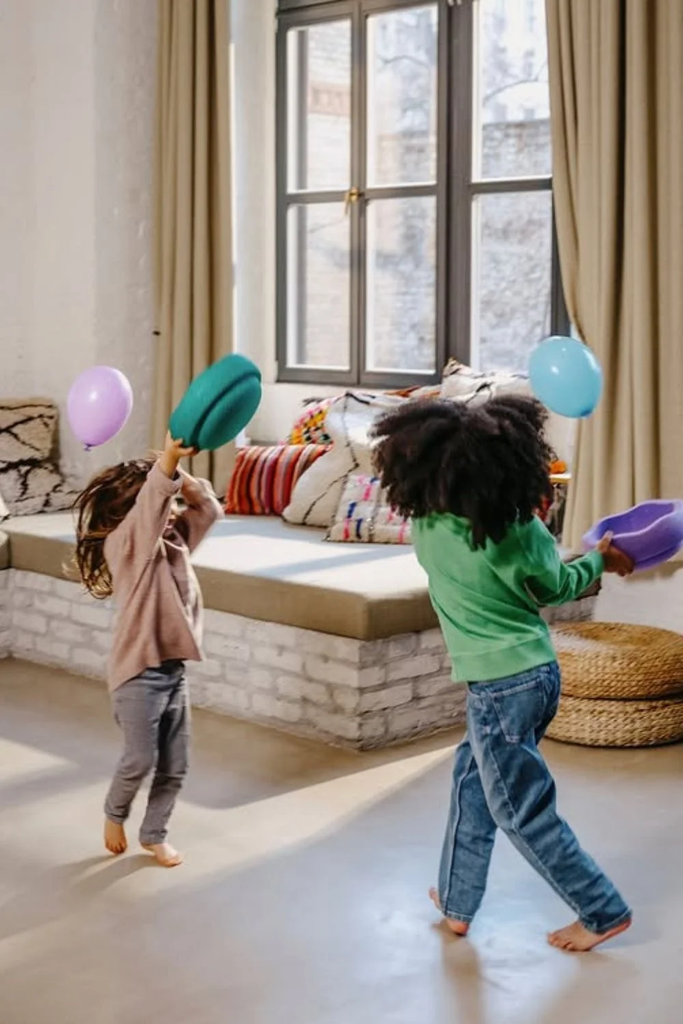
A balloon instantly changes the pace of an indoor game because it floats instead of bouncing quickly like a regular ball. Kids can tap it upward and try to stop it from touching the floor.
I can make the challenge harder by asking them to use only one hand or alternate hands.
Children naturally reach, stretch, turn, and move while following the balloon. This makes it a fun way to encourage active play without much equipment.
I make sure there is enough room around furniture and other people before starting.
Scarf Dance
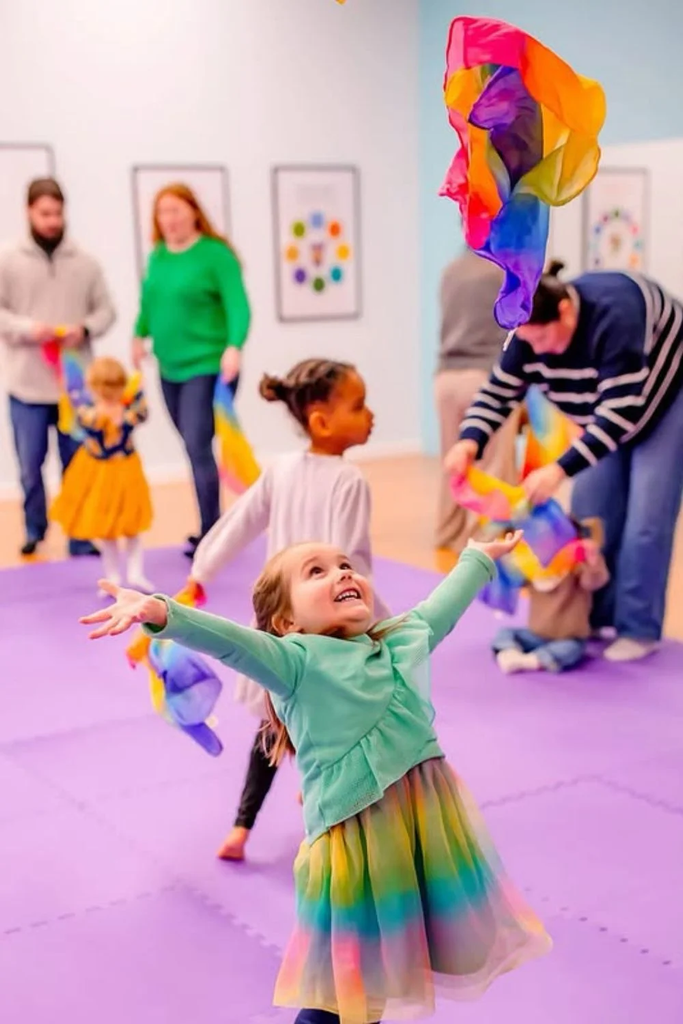
Scarves can make movement feel calmer and more creative. I play gentle music and let kids wave, twirl, lift, and move their scarves with the rhythm.
The lightweight fabric encourages slower motions compared with running or rough play. Kids can copy movements or create their own little dance.
I sometimes call out instructions such as “move high,” “move low,” or “freeze.”
This is a great choice when children need physical activity but the house also needs to stay relatively peaceful.
Sock Slide
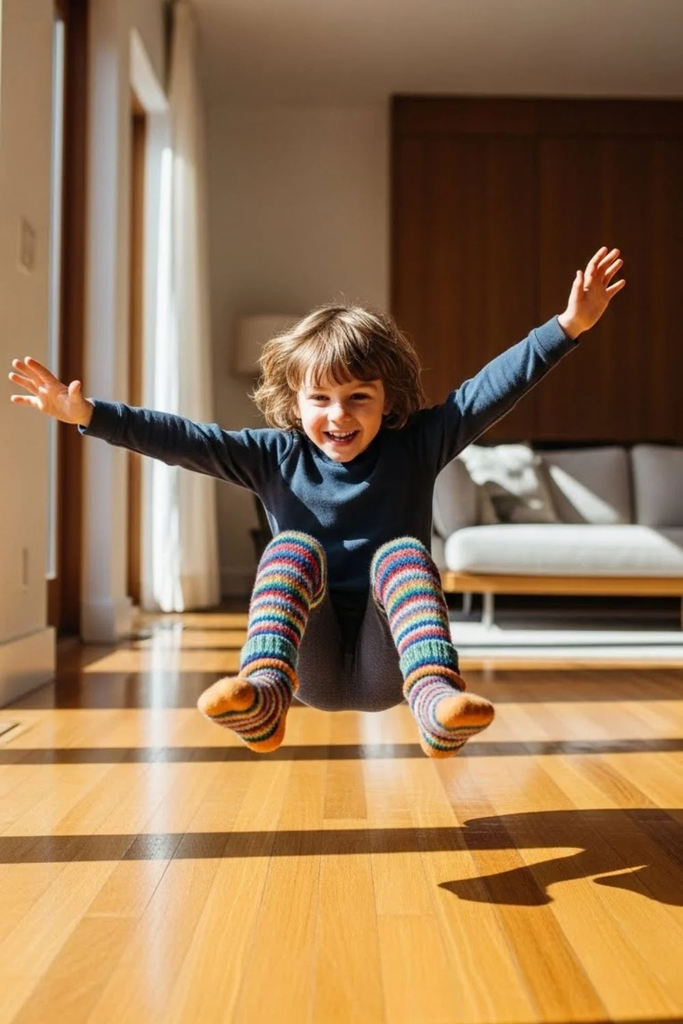
For homes with suitable smooth floors, a controlled sliding game can be fun. I clear the area first and make sure there are no obstacles or slippery hazards.
Kids can slide toward a tape line and try to stop before crossing it. I can also create simple starting and finishing points.
The activity encourages body control and movement, but safety should always come first.
I avoid this game near stairs, furniture, sharp corners, or crowded areas.
Shadow Freeze
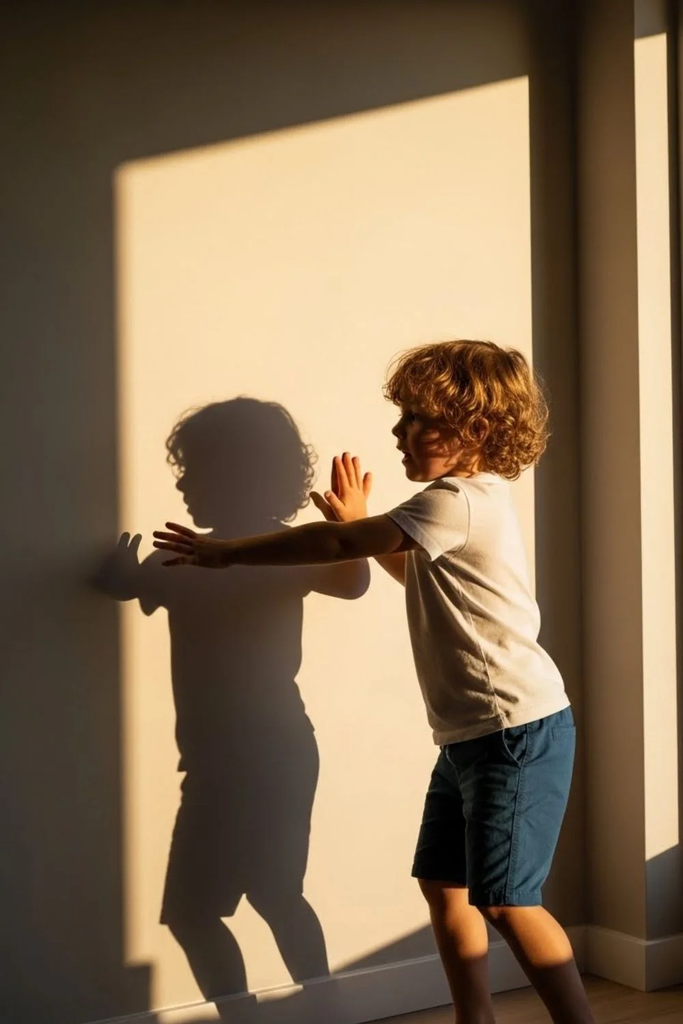
Shadows can turn an ordinary room into a creative movement game. I ask kids to watch their shadows and make different shapes with their bodies.
They can stretch tall, curl small, move slowly, or freeze in funny positions. I can also play a version where everyone freezes when the light changes.
Natural light near a wall can work well, and lamps can create interesting shadows in the evening.
This game is simple but can encourage creativity and body awareness without needing toys.
Sticker Path
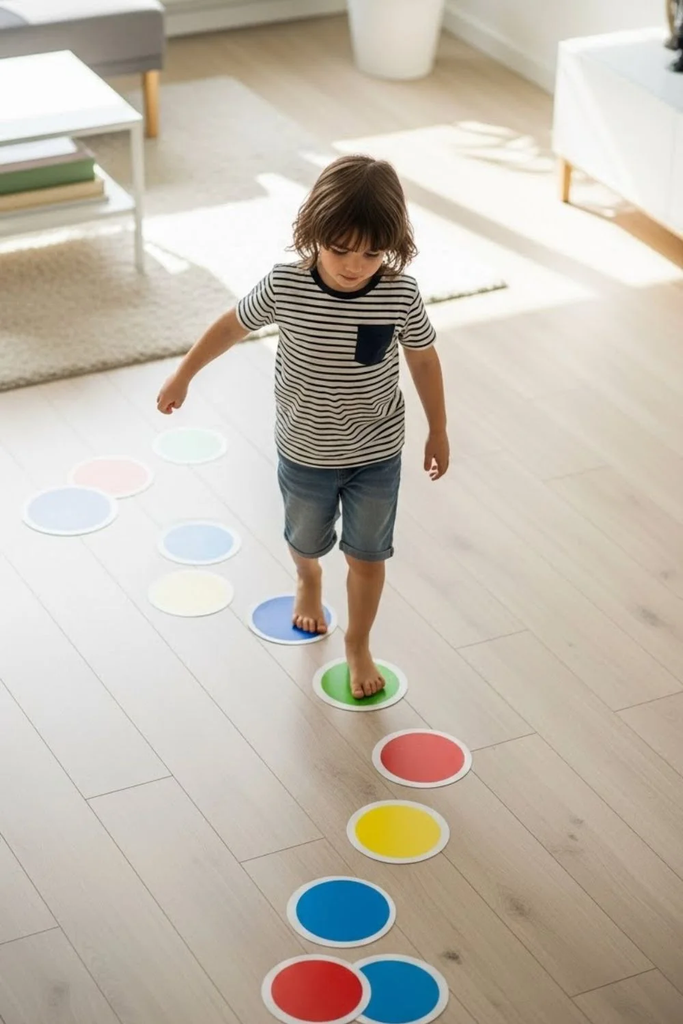
Removable stickers or pieces of tape can create an instant indoor obstacle path. I place them across the floor and ask kids to step, hop, tiptoe, or move between them.
I can create curves, zigzags, circles, or stopping points. The setup works especially well in smaller homes because the path can fit into a limited area.
Changing the layout keeps the activity interesting without buying anything new.
I like this game before homework or another quiet activity because it gives kids a chance to move first.
Sound Copy
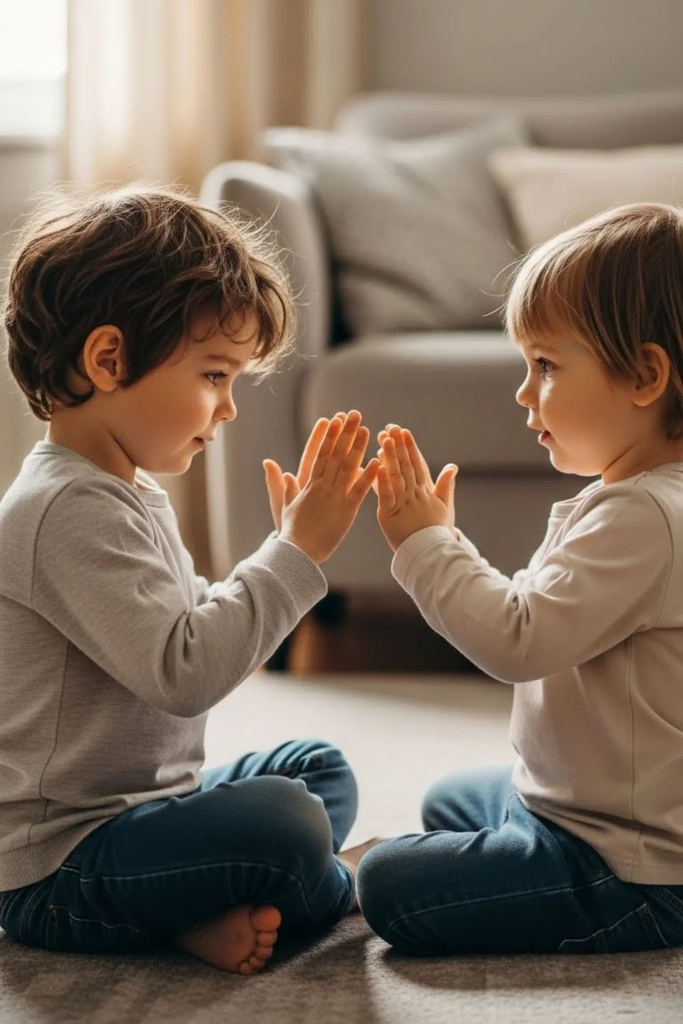
Sound Copy is a simple listening game that can help children focus. One child creates a pattern using quiet claps, taps, snaps, or gentle stomps.
The other players listen carefully and repeat the same pattern. Then everyone can take turns becoming the leader.
I start with easy sounds and gradually make the rhythm more challenging.
This game supports listening skills, memory, and attention while keeping the noise level under control.
Laundry Push
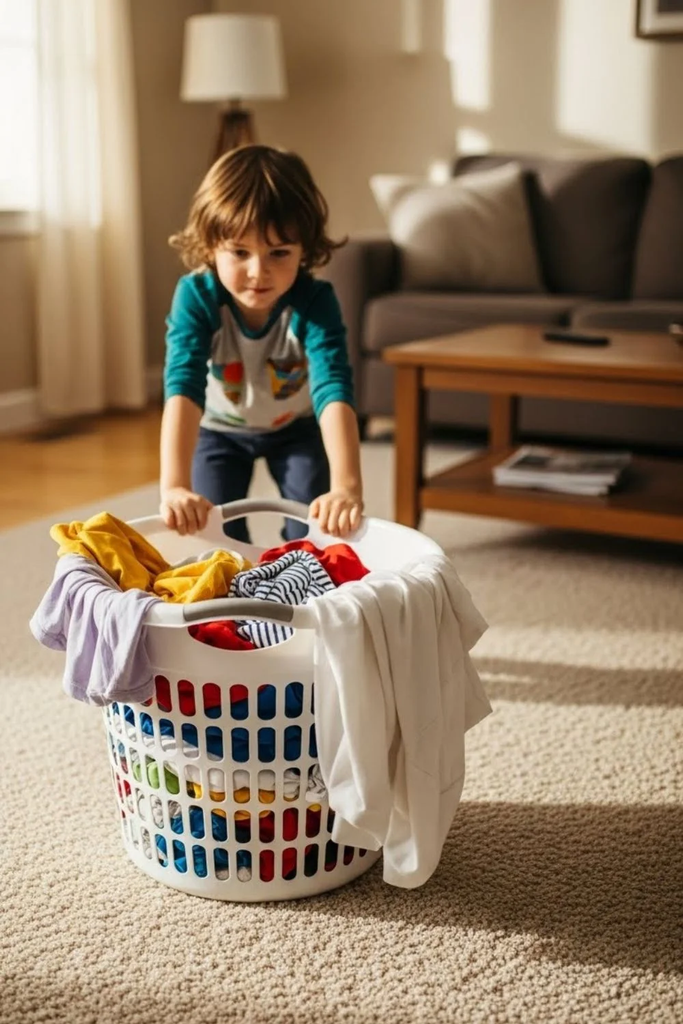
Sometimes I give energetic kids a safe “heavy work” activity using a laundry basket filled with soft clothing or towels. They can push it slowly across a carpeted area toward a chosen destination.
I keep the basket light enough for the child’s age and avoid adding anything heavy.
Kids can push from one room marker to another or follow a simple route. The activity gives their muscles something to do while encouraging controlled movement.
I find this works well when kids seem restless but don’t need a high-energy game.
Read this next: 30 Fall Birthday Party Ideas for A Cozy Celebration
Color Corners
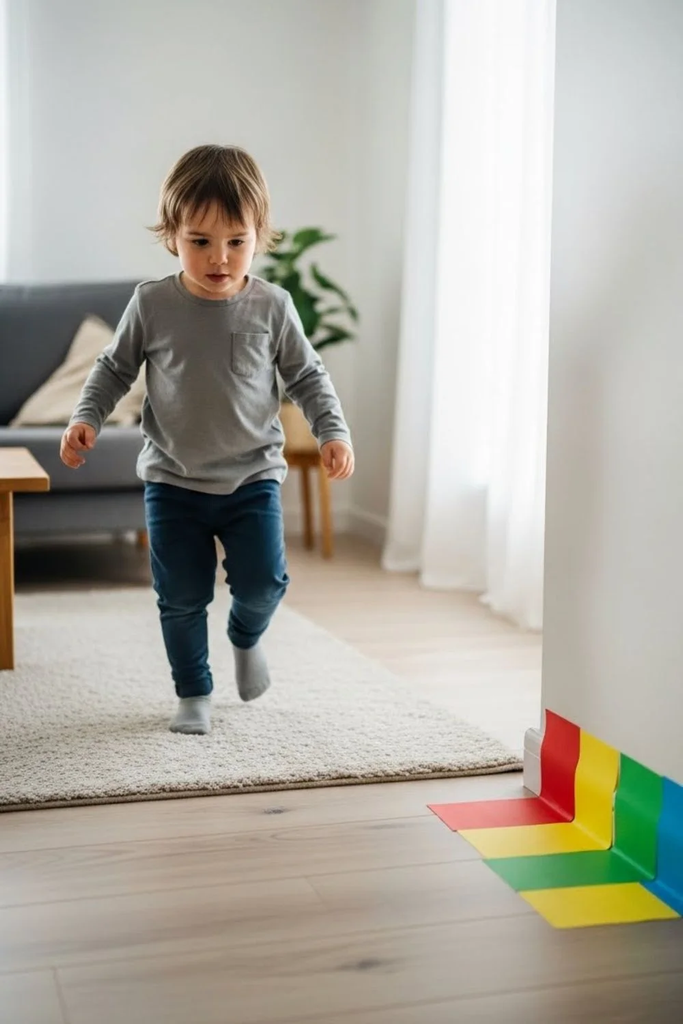
This is one of the easiest games to set up when I need a little structure. I place different colored papers or cloths in separate corners of the room.
Then I call out a color and give kids an instruction for how to get there. They might walk, crawl, stretch, or tiptoe.
I keep the rule simple: no running. That makes the game more manageable in apartments and smaller rooms.
Changing both the colors and movement instructions helps keep kids interested.
Pro Tip: I sometimes use this game as a learning activity by adding shapes, numbers, or letters to each corner.
FAQ’s
How long should indoor games last before kids lose interest?
I usually find that 10 to 15 minutes is enough for many indoor games, especially for younger children. Short activities can feel exciting without becoming tiring or repetitive.
Of course, some kids may stay interested longer when they are building, pretending, or solving puzzles. I watch their attention instead of forcing a set time.
When interest starts to fade, I prefer switching activities. Ending while kids are still having fun can also make them more excited to play again later.
Should indoor games be active or calm first?
When kids are full of energy, I normally begin with an active game. Jumping, balancing, dancing, or moving can help them release some of that restless energy.
Afterward, I switch to a calmer activity such as reading, puzzles, sensory guessing, or building.
This active-to-calm routine can work well during long days indoors because it gives children both movement and time to focus.
What are the best indoor games for small spaces?
For small rooms or apartments, I prefer games that don’t require running. Sticker paths, Sound Copy, Balloon Targets, Sensory Guess, puzzles, and Color Corners can all work in limited spaces.
I focus on games that use one small area at a time. Clearing a little floor space is often enough.
The key is choosing controlled movement instead of fast movement when the room is small.
How can I make indoor games safer for younger kids?
I always start by checking the play area. I move breakable objects, sharp items, and anything that could cause tripping or falling.
I also choose materials that are appropriate for the child’s age and supervise activities that involve climbing, jumping, or physical challenges.
Simple games are usually the easiest to manage. A safe setup and clear rules can make indoor play more enjoyable for everyone.
Conclusion
I know keeping kids entertained indoors can feel challenging, especially when bad weather or a busy day keeps everyone inside. But I’ve learned that indoor play doesn’t need expensive toys, complicated setups, or a dedicated playroom.
A few simple games can help children move their bodies, use their imagination, build skills, and take a break from screens. I like keeping a mix of active and quiet ideas ready so I can match the activity to the moment.
Whether I need kids to burn off energy, stay calm during study time, or simply have fun on a rainy afternoon, these simple indoor games give me plenty of easy options to try.


2 Comments