32 Clever DIY Storage Solution For Small Spaces
Keeping a small home organized can feel difficult when there never seems to be enough room for everything. I know that simply owning less is not always the answer. Sometimes, I still need practical places for seasonal items, kitchen supplies, clothes, paperwork, and everyday essentials.
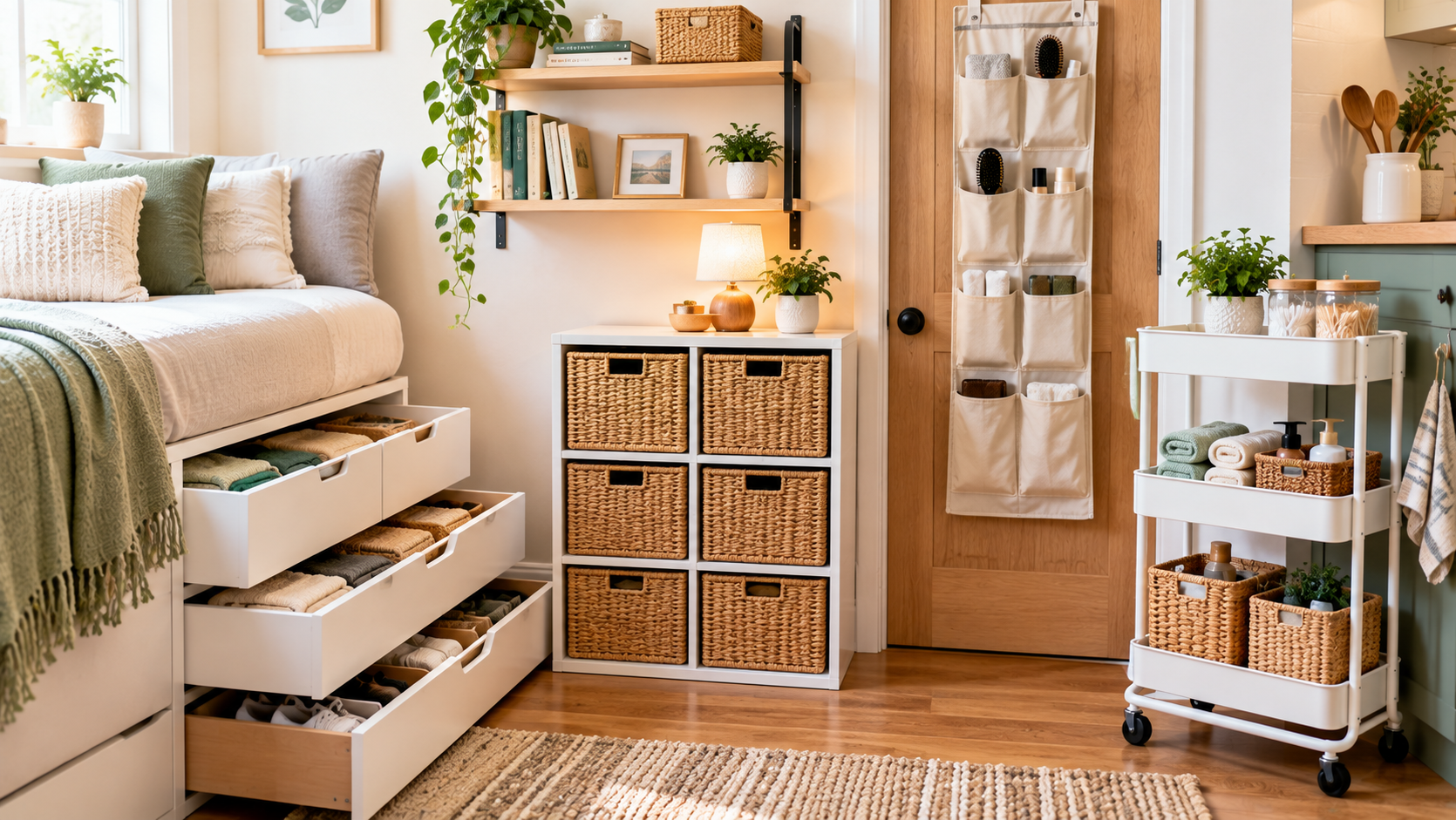
What has helped me most is learning to use the space I already have in smarter ways. Empty walls, cabinet doors, corners, and the area under furniture can all become useful storage.
In this article, I’m sharing 32 practical DIY storage solution ideas for small spaces. These ideas focus on using vertical space, hidden areas, doors, corners, drawers, and multi-purpose furniture to create more room without making a home feel crowded.
Save this for later
Table of Contents
From hanging organizers and under-bed bins to pegboards, crate shelves, fold-down desks, and repurposed everyday items, these storage ideas can work in apartments, bedrooms, kitchens, bathrooms, offices, and small homes. Most can also be adapted to different budgets and skill levels.
Key Takeaways
- Vertical storage can help free up valuable floor space.
- Empty areas under beds, stairs, and furniture can provide hidden storage.
- Doors and walls are often underused in small homes.
- Drawer dividers make small items easier to find.
- Multi-purpose furniture can provide storage without adding extra bulk.
- Repurposing everyday items can save money on organization.
- The best storage systems keep frequently used items easy to reach.
Related article: 15 Amazing Bedside Table Ideas for Small Spaces
A good storage setup does more than make a room look tidy. In my experience, it can also save time because I spend less time searching for things.
Here are my favorite ideas for making a small space work harder.
1. Hanging Shoe Organizer
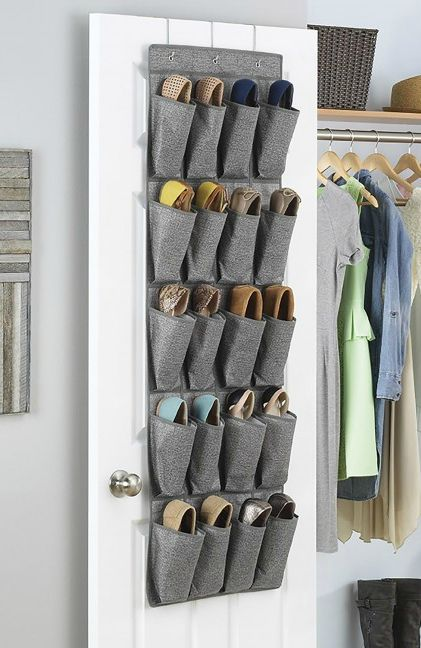
I like hanging shoe organizers because they take advantage of unused vertical space. Instead of letting shoes spread across the floor, I can keep them together in one compact location.
The pockets are also useful for more than footwear. I can store scarves, accessories, cleaning products, toys, or small bathroom supplies in them.
Pro Tip: I like to use the higher pockets for items I rarely need and keep everyday essentials at eye level.
2. Under-Bed Storage
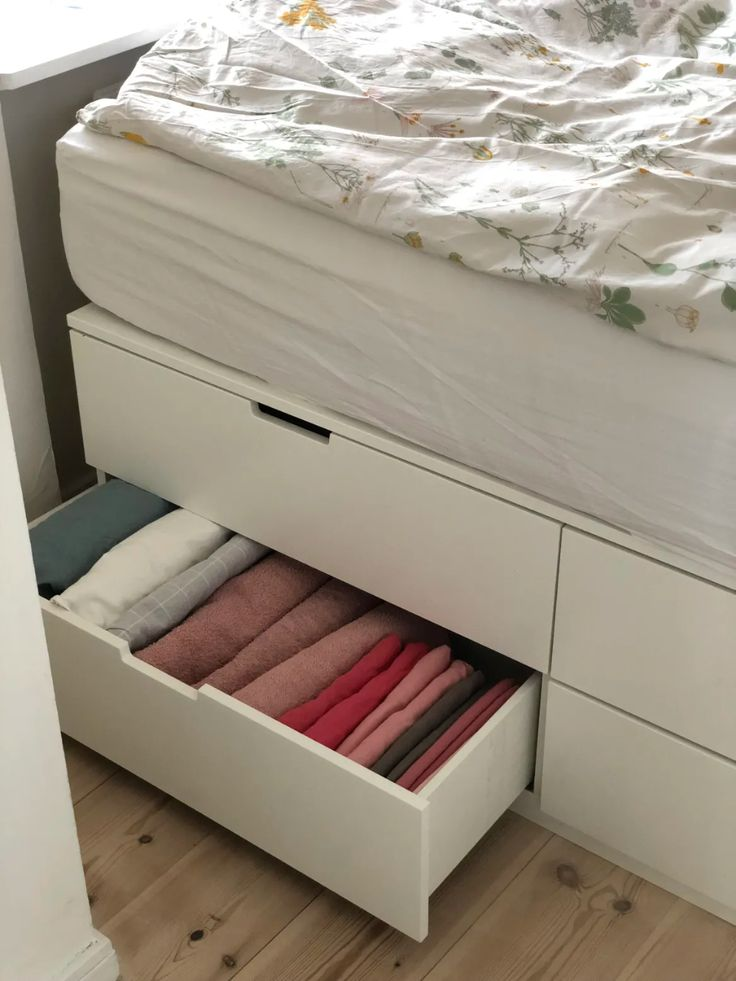
The space beneath a bed can hold a surprising amount of stuff. I use this area for extra blankets, seasonal clothing, spare bedding, or items that I do not need every day.
Low-profile storage boxes or containers with wheels make it easier to slide everything in and out.
For small bedrooms, hidden under-bed storage can reduce the need for additional furniture.
Pro Tip: Clear containers make it easier for me to see what I stored without opening every box.
3. Floating Shelves
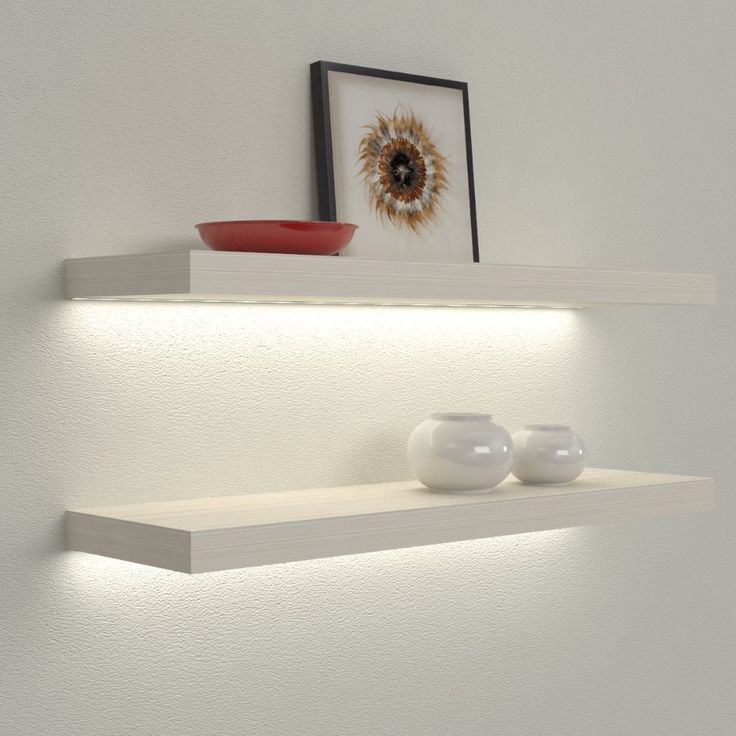
Floating shelves are one of my favorite ways to add storage without using floor space. They can hold books, plants, small baskets, kitchen items, or decorative pieces.
I can install them above furniture, around a desk, or on an empty wall that would otherwise serve no purpose.
Wall-mounted storage can also make a small room feel less crowded than adding another bulky cabinet.
4. Pegboard Organizer
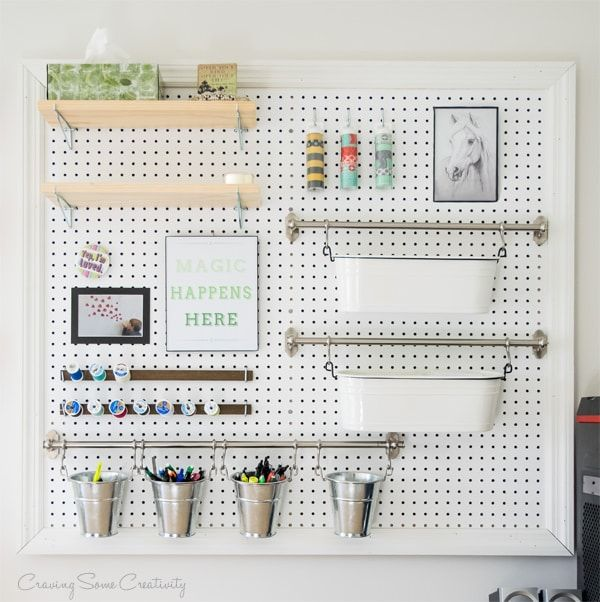
A pegboard gives me flexible storage that I can change whenever my needs change. I can move hooks, baskets, and small shelves around instead of being stuck with one layout.
This works especially well for craft rooms, kitchens, home offices, garages, and entryways.
I like being able to see frequently used tools instead of digging through drawers.
Pro Tip: I group similar items together on the pegboard so everything is easier to find.
5. Mason Jar Storage
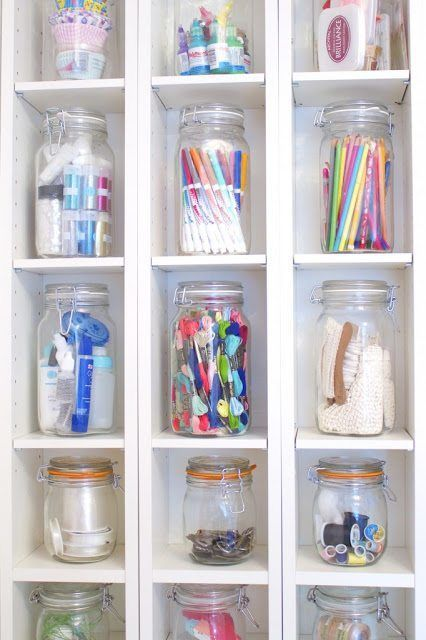
Mason jars are an affordable option for organizing small items. I can use them for craft supplies, spices, cotton pads, buttons, screws, or other loose items.
Because the jars are transparent, I can quickly see what is inside.
I can place them on shelves or attach jars to a mounted board for wall storage.
Pro Tip: Adding simple labels can make a group of jars look organized while helping everyone in the home put things back in the right place.
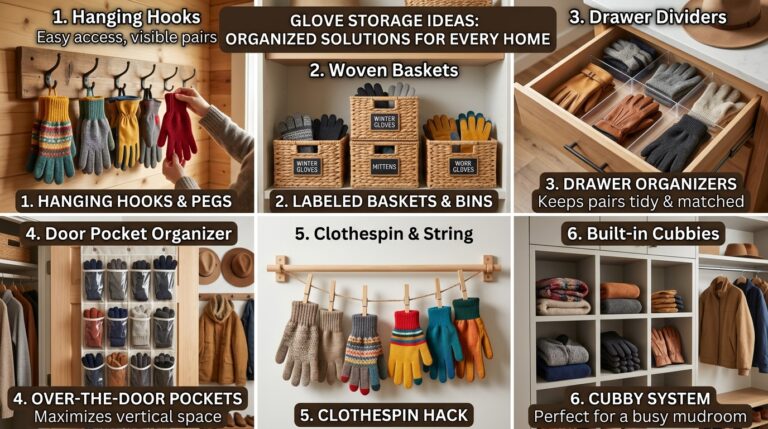
6. Drawer Dividers
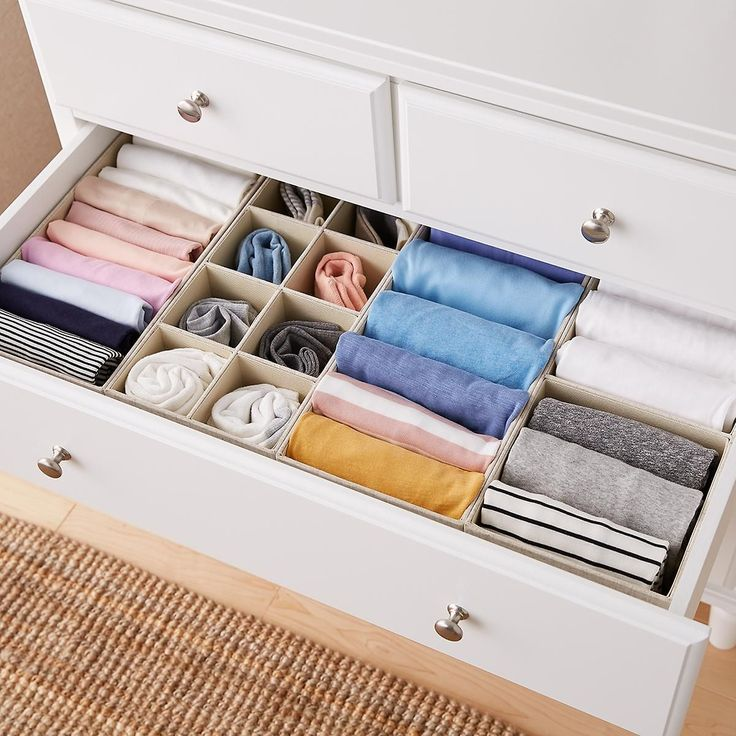
Messy drawers waste space because items end up piled together. I use dividers to create individual sections for different items.
They work well for clothing, office supplies, makeup, kitchen utensils, and bathroom products.
I can make simple DIY dividers from cardboard, thin wood, or other sturdy materials.
Custom dividers are especially useful because I can size them to fit the exact drawer.
7. Cabinet Door Organizers
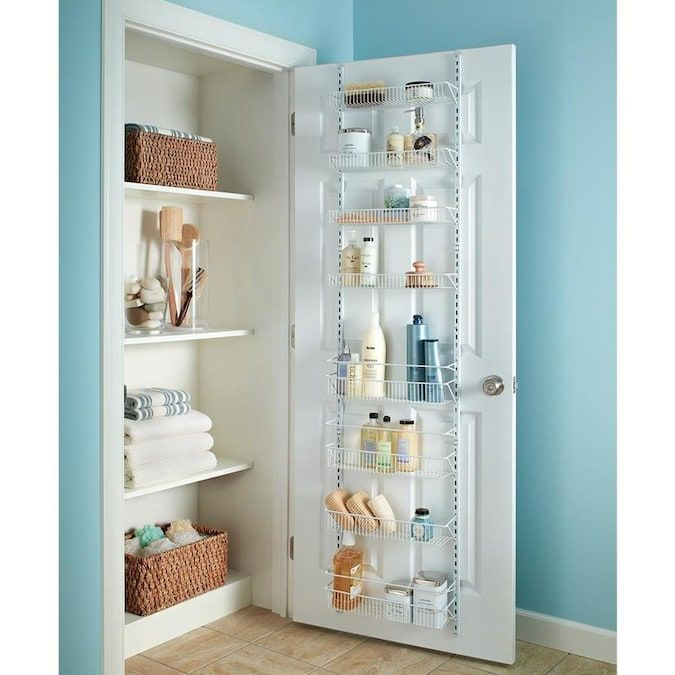
The inside of a cabinet door is often unused, but I can turn it into valuable storage.
Small racks, hooks, or narrow organizers can hold cutting boards, cleaning products, towels, pot lids, or bathroom tools.
This helps keep shelves and countertops less crowded.
Pro Tip: Before attaching anything to a cabinet door, I check that there is enough clearance for the door to close properly.
8. Fold-Down Desk
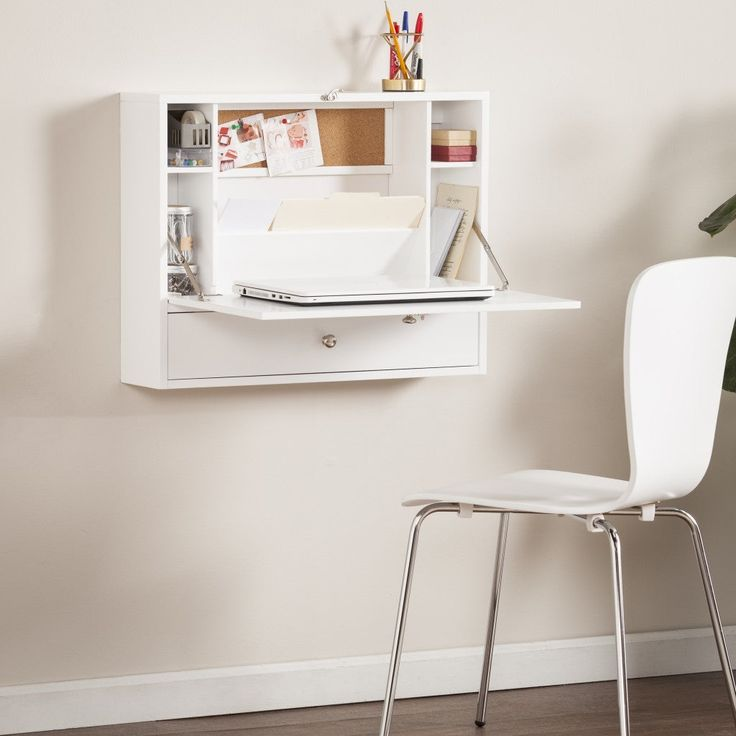
A fold-down desk is a smart choice when I need a workspace but do not have room for a permanent desk.
When I need to work, study, or craft, I can open it. When I finish, I can fold it away and get my floor space back.
Some designs also include shelves or small compartments for supplies.
This type of furniture is especially useful in studio apartments and small bedrooms.
9. Tension Rod Dividers
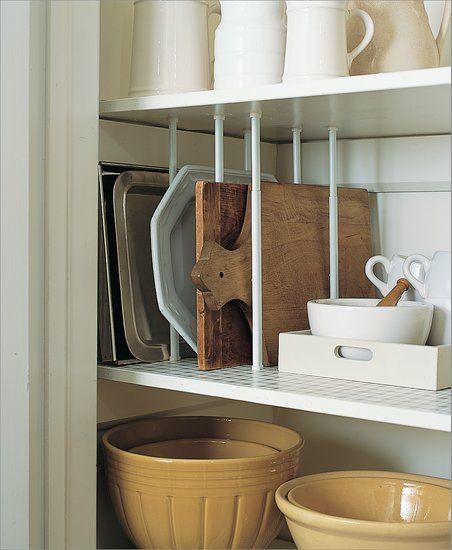
Tension rods are inexpensive and easy to adjust. I can place them inside cabinets to create vertical sections for trays, cutting boards, lids, and baking sheets.
This keeps flat items from becoming a messy stack.
Since tension rods can usually be removed without major changes, they can also be useful for renters.
Pro Tip: I measure the cabinet carefully before buying rods so they fit securely.
10. Magnetic Spice Rack
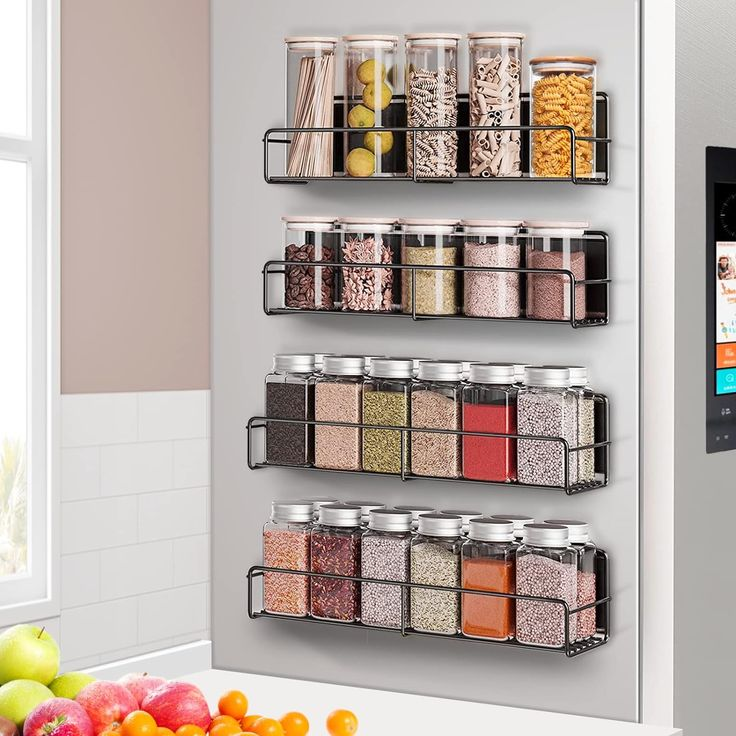
A magnetic spice organizer can free up cabinet and counter space in a small kitchen.
I can place spice containers on a metal board, refrigerator side, or another suitable magnetic surface.
Keeping spices visible also helps me notice when something needs to be replaced.
I recommend placing spices away from excessive heat and moisture to help maintain their quality.
11. Hanging Closet Organizer
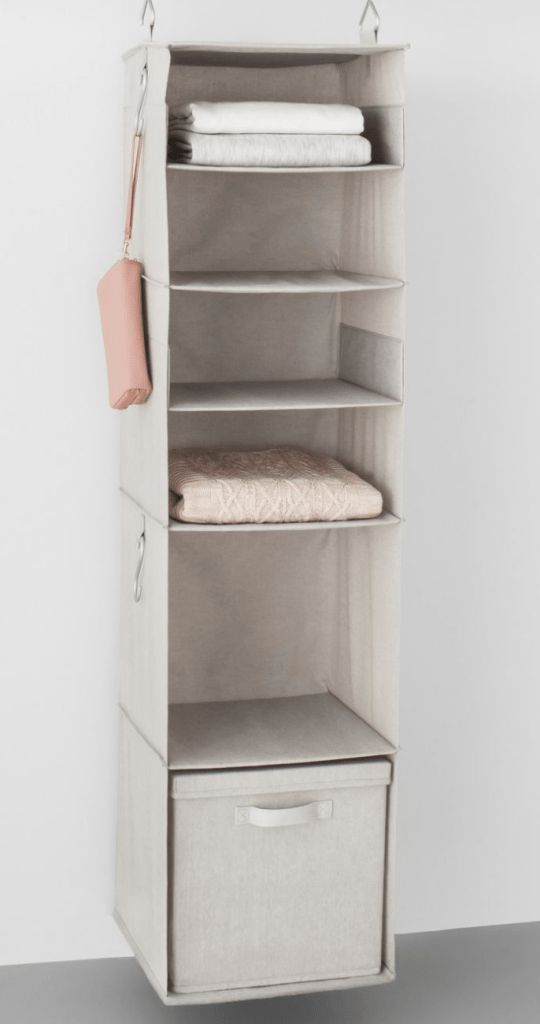
Closet space can disappear quickly, especially in small bedrooms. A hanging organizer lets me use the vertical area below a closet rod.
I can store folded clothes, shoes, accessories, handbags, or small baskets inside.
This is a simple way to create extra compartments without installing permanent shelving.
Pro Tip: I avoid overloading fabric organizers because too much weight can cause them to sag.
12. PVC Pipe Organizer
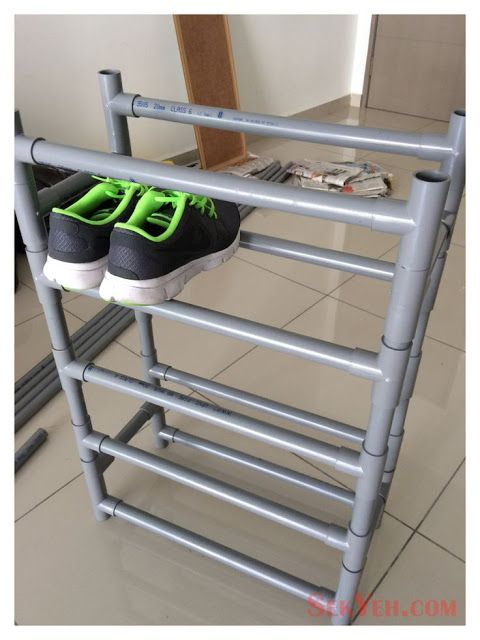
PVC pipes can become useful storage compartments with a little DIY work. I can cut them into sections and arrange them to suit the items I need to store.
They work well for wrapping paper, umbrellas, craft materials, hair tools, or exercise equipment.
Different pipe sizes give me flexibility depending on the item.
Before cutting PVC, I always measure carefully and smooth any rough edges.
13. Fold-Out Pantry
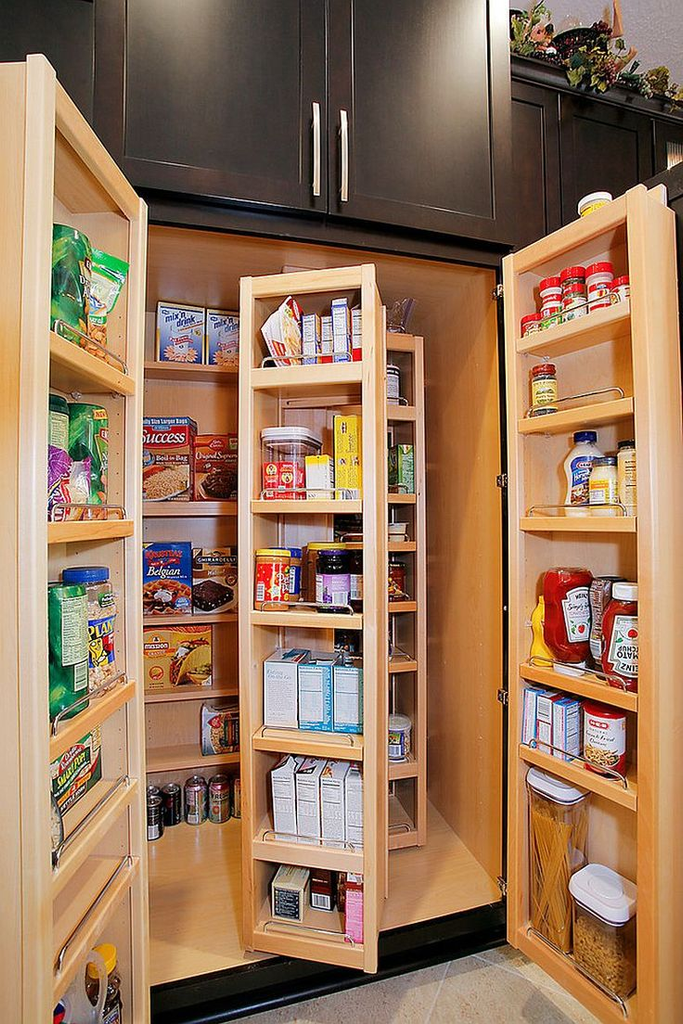
A fold-out pantry can help me make use of a narrow or overlooked area in the kitchen.
I can add slim shelves for canned goods, spices, snacks, and other pantry basics.
When designed properly, the storage can stay hidden while still giving me easy access to everything.
This is particularly useful in compact kitchens where standard cabinets are limited.
Pro Tip: I store heavier items on lower shelves to help keep the unit stable.
14. Over-the-Door Storage
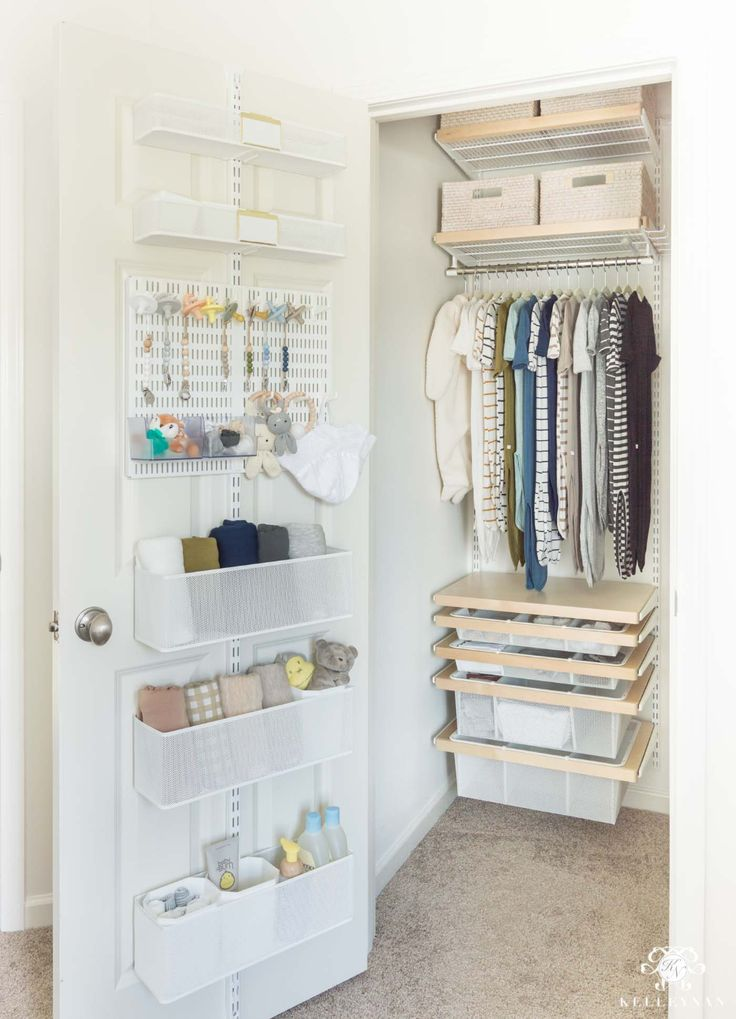
Doors offer storage potential without taking up floor space. I can use over-the-door organizers in bedrooms, bathrooms, kitchens, and closets.
They are useful for shoes, toiletries, accessories, cleaning supplies, and other lightweight items.
This type of storage is also convenient because many options require little or no permanent installation.
For renters, removable storage solutions can be especially helpful.
15. Crate Shelves
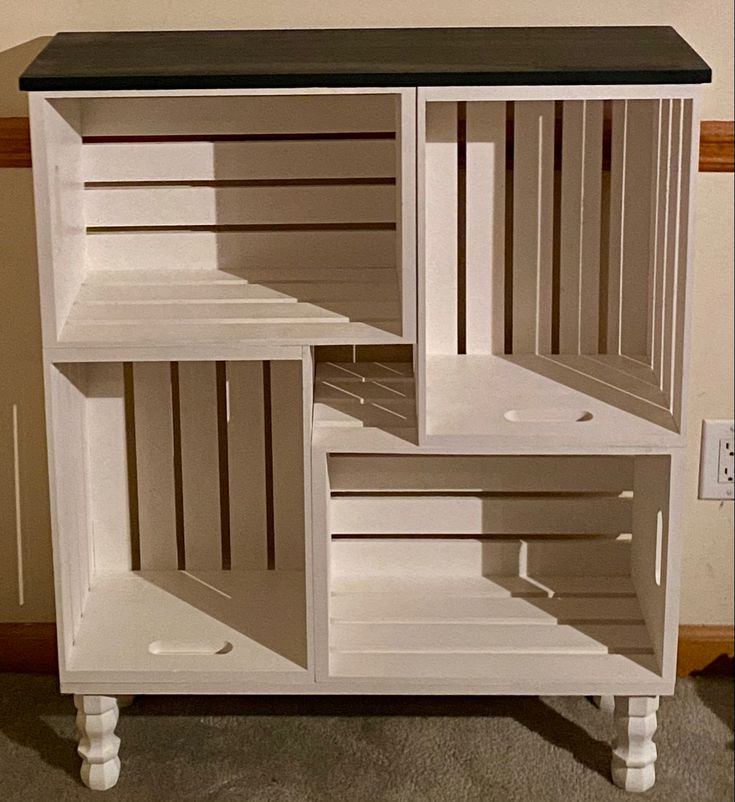
Wooden crates can be turned into simple shelves with plenty of personality. I can stack or mount them in different arrangements depending on the room.
They can hold books, shoes, toys, baskets, or decorative accessories.
I like that I can paint or stain crates to match my existing decor.
Pro Tip: I secure stacked crates properly rather than relying only on their weight, especially in homes with children or pets.
16. Cork Board Organizer
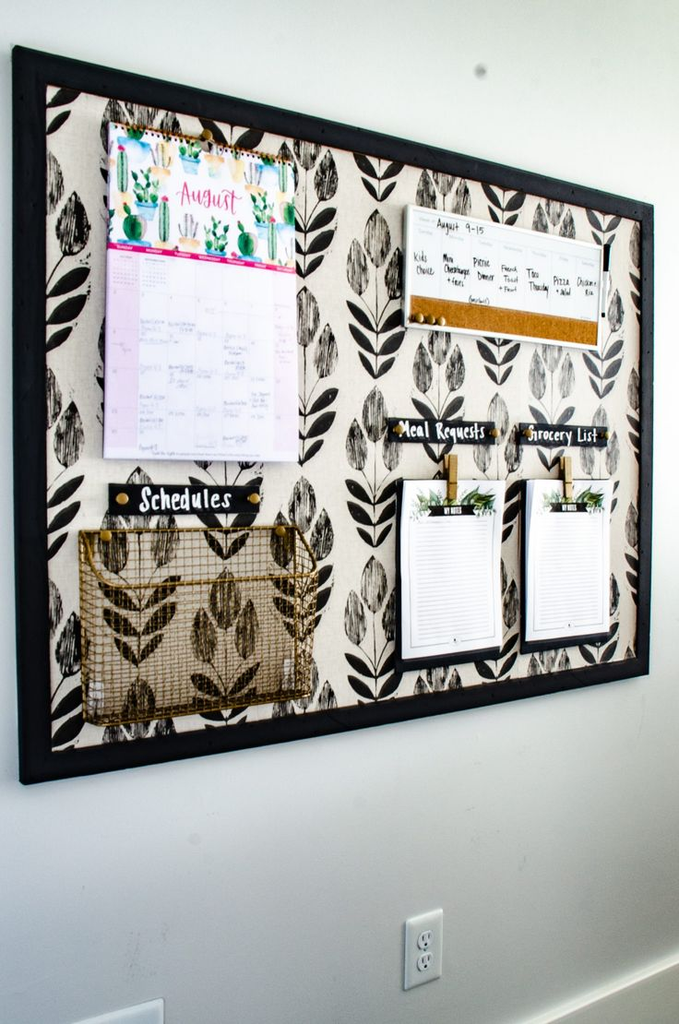
A cork board can serve as both storage and a planning area. I can pin reminders, photos, notes, jewelry, and lightweight accessories to it.
This keeps important things visible instead of buried under piles on a desk.
I can also cover the board with fabric or add a frame to make it match the room.
For small home offices, this can combine organization and wall decor.
Also read: 18 Ways to Incorporate Plants into Small Outdoor Areas
17. Repurposed Ladder Shelf
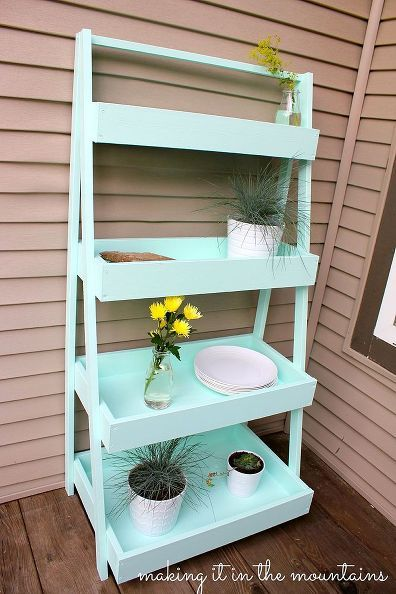
An old ladder can become vertical storage for towels, blankets, plants, or baskets.
I like this idea because it uses height instead of taking up much floor area.
A ladder shelf can work in a bathroom, bedroom, living room, or laundry area.
I can repaint or refinish the ladder to suit my decorating style.
Pro Tip: I make sure the ladder is stable and secure before placing heavier items on it.
18. Bike Hooks
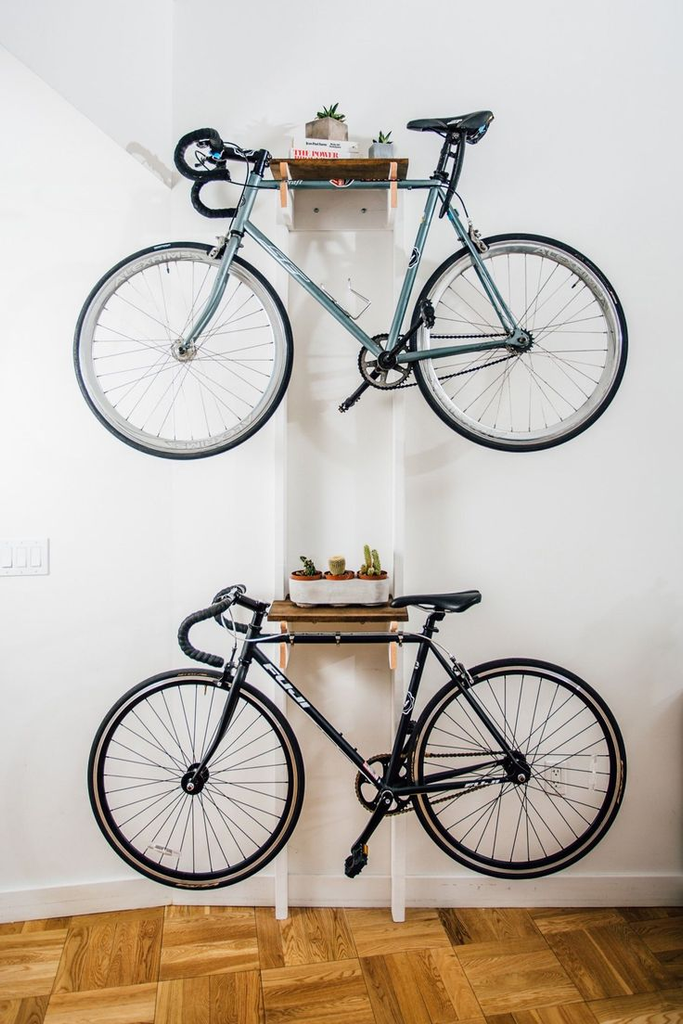
Bikes can take up a large amount of floor space, especially in apartments and small garages.
Wall or ceiling hooks can keep bicycles stored vertically and out of the way.
This can also reduce the risk of bikes falling against furniture or blocking walkways.
I recommend using hardware designed for the bike’s weight and mounting it securely into an appropriate support.
19. Drawer Organizer Inserts
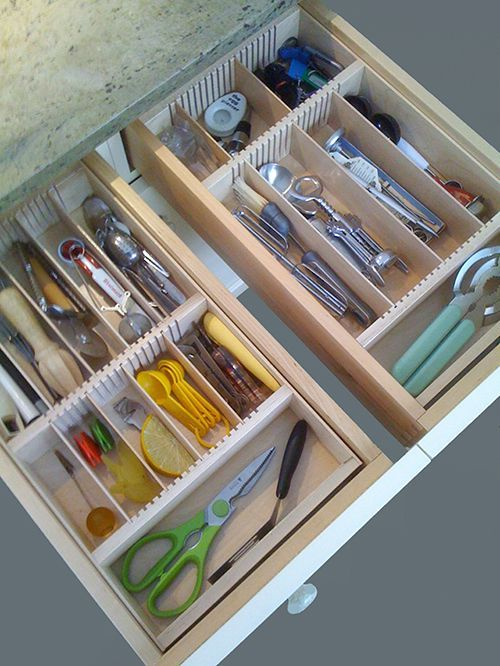
Drawer inserts give me a more organized layout by dividing one large space into smaller sections.
I can make custom inserts for office supplies, makeup, tools, kitchen gadgets, or accessories.
This prevents small items from moving around every time I open and close the drawer.
Custom DIY inserts are useful when store-bought organizers do not fit the drawer dimensions.
20. Pallet Furniture
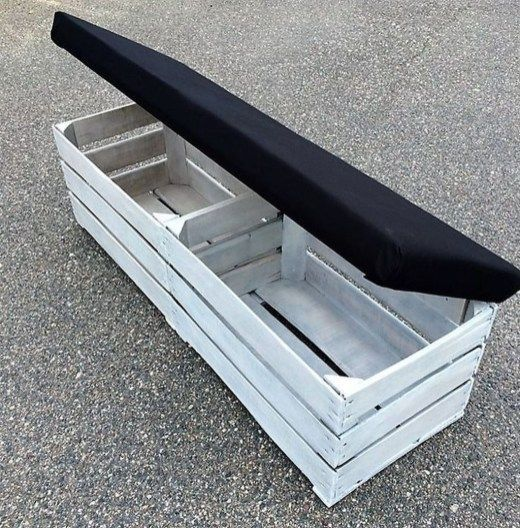
Wooden pallets can be repurposed into furniture with built-in storage. Depending on the project, I can create benches, coffee tables, shelves, or storage units.
This can be a budget-friendly way to add functional furniture to a small room.
However, I always inspect reclaimed wood carefully before bringing it indoors.
Pro Tip: I sand rough surfaces and check that reclaimed materials are clean and suitable for indoor use before starting a project.
21. Staircase Storage
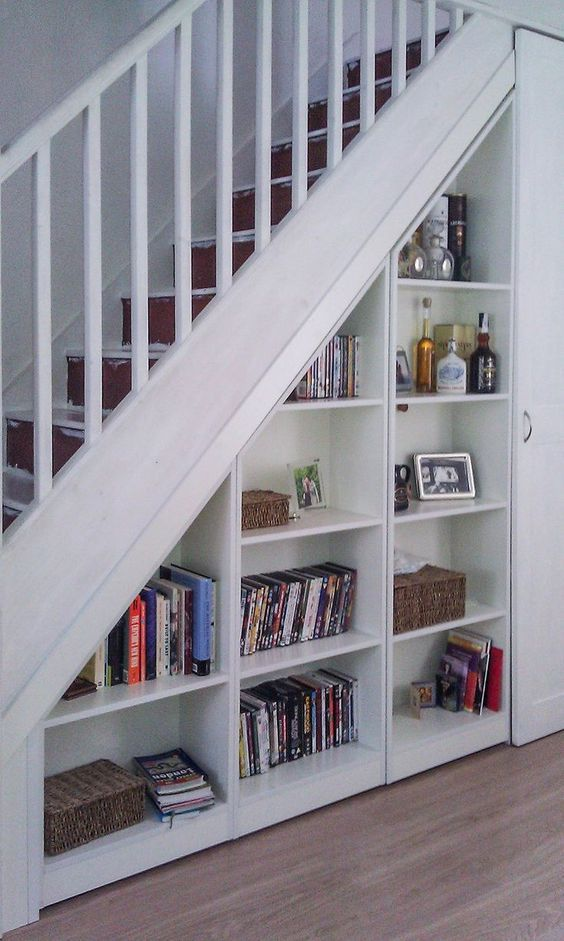
The area beneath a staircase can become valuable storage instead of remaining empty.
I can add drawers, shelves, cabinets, or baskets depending on the shape of the space.
This area can hold shoes, books, coats, household supplies, or seasonal decorations.
Built-in storage can be especially effective because it uses an area that might otherwise go unused.
22. Magnetic Knife Strip
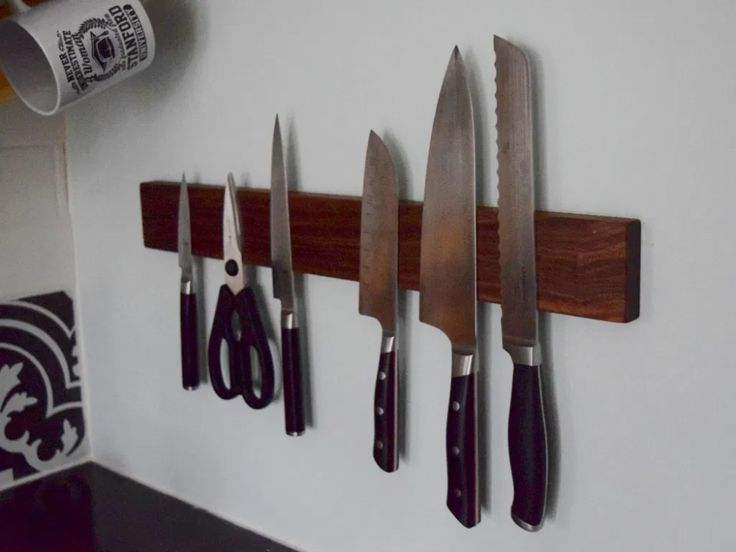
A wall-mounted magnetic knife holder can free up both counter and drawer space.
I like having cooking tools accessible while preparing meals, but proper installation is important for safety.
The strip should be securely mounted and placed where children cannot easily reach sharp knives.
This can also help prevent knives from getting mixed with other utensils in a crowded drawer.
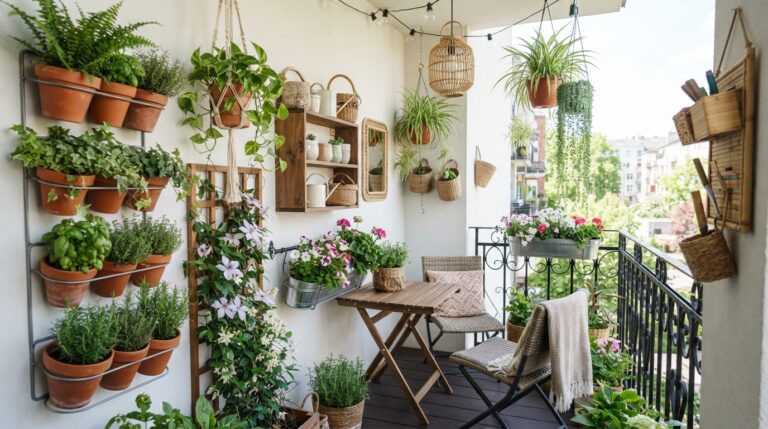
23. Vertical Garden
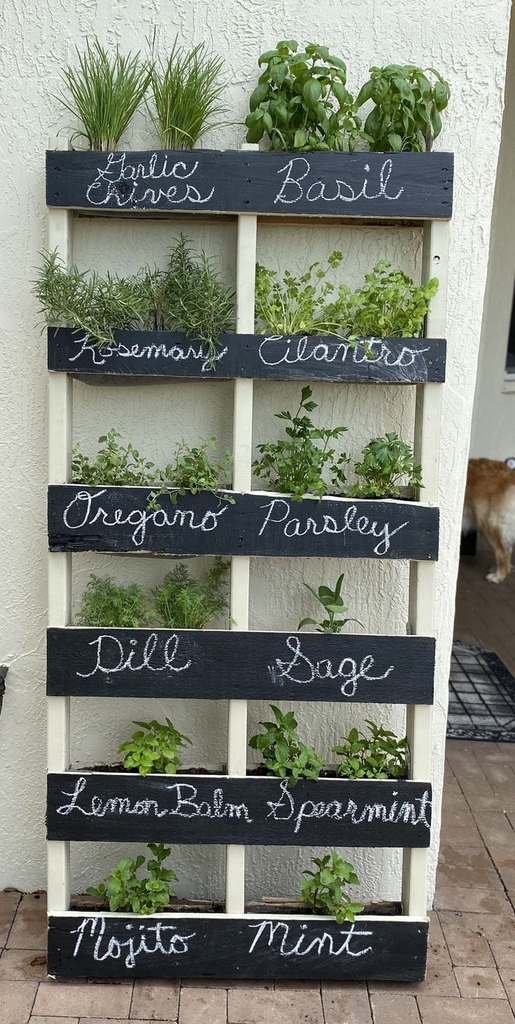
A vertical garden lets me enjoy plants without filling a balcony, patio, or room with pots.
I can use wall planters, hanging containers, or mounted shelves to grow herbs, flowers, or small plants.
This is particularly useful for compact outdoor spaces.
If I grow herbs, I can also have fresh ingredients close to the kitchen.
Pro Tip: I consider sunlight and water drainage before choosing where to install a vertical garden.
24. Bungee Cord Ball Holder
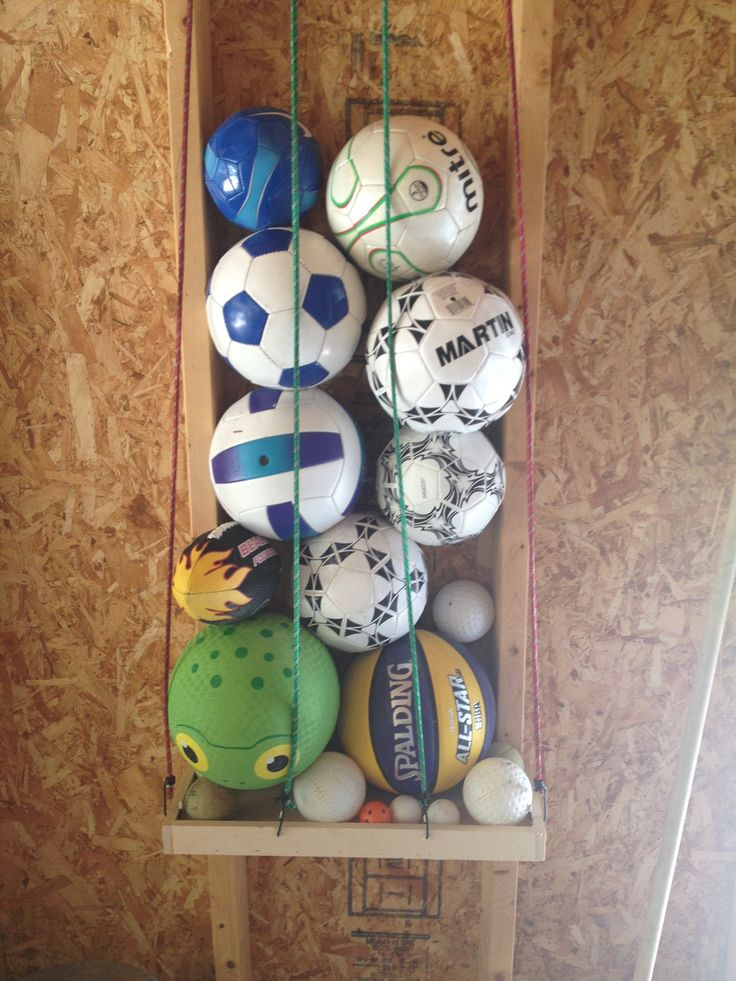
Sports balls can quickly become a problem because they roll around and take up floor space.
A simple bungee cord holder can keep basketballs, footballs, soccer balls, and similar equipment in one place.
The flexible cords make it easier to remove and return balls without needing individual containers.
I find this idea useful for garages, kids’ rooms, and activity spaces.
25. Towel Bar Organizer
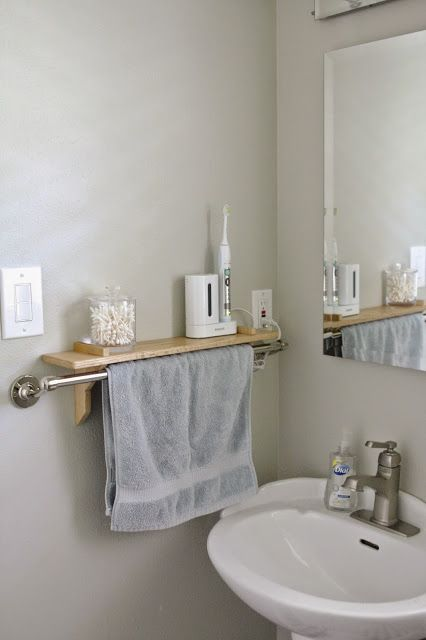
Towel bars can be used for much more than towels. I can install them to hang kitchen tools, craft supplies, ribbons, or office accessories.
This keeps frequently used items visible and frees up drawers.
I can also add hooks or small containers to create a more customized storage system.
Vertical organization is especially useful when countertop space is limited.
26. Fold-Up Ironing Board
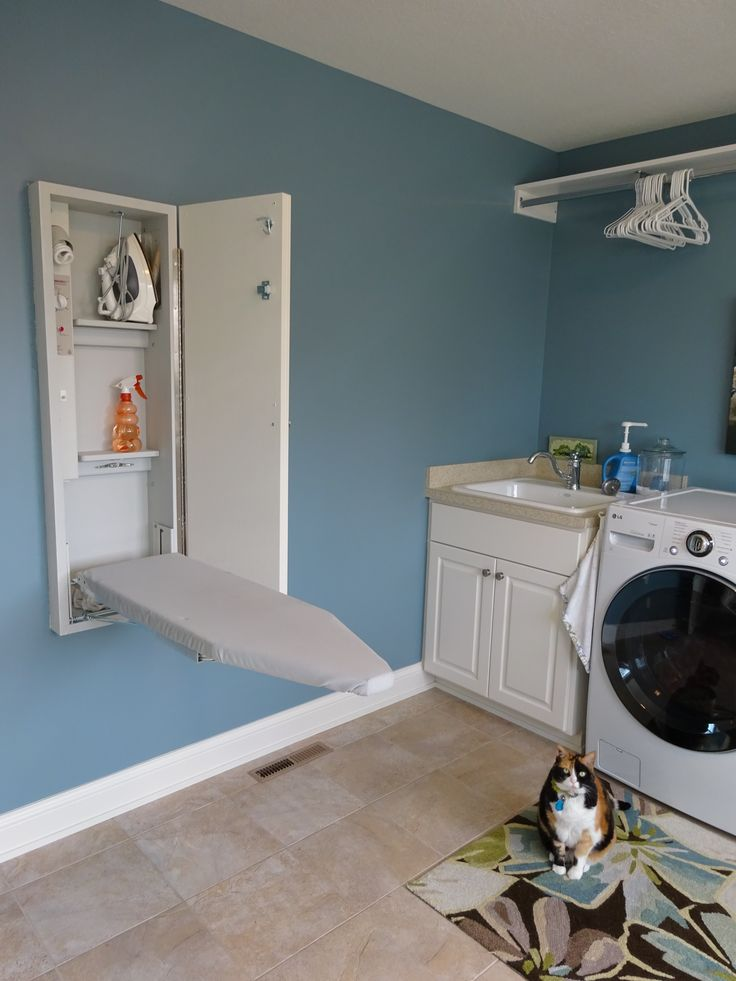
A full-size ironing board can take up a lot of room when storage is limited.
A fold-up version can be mounted inside a cabinet, closet, or other compact location.
When I need it, I can open it. When I finish, I can put it away quickly.
This gives me a dedicated ironing area without permanently losing floor space.
Pro Tip: I make sure the mounting surface and hardware are strong enough to support the board safely.
27. Magnetic Strip for Makeup
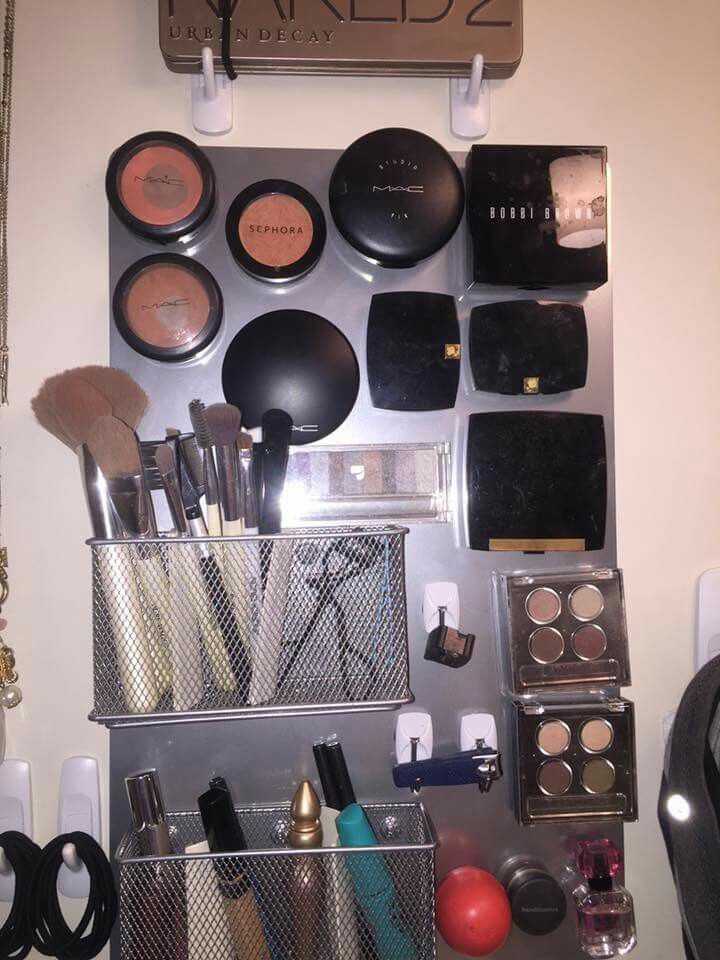
A magnetic strip can help organize small metal makeup containers and accessories.
I can mount it inside a cabinet or another suitable area to keep selected items off the countertop.
This can be particularly useful in small bathrooms where drawer and counter space are limited.
I only use it for lightweight items that can be stored securely.
Keeping everyday products visible can also speed up my morning routine.
28. Drawer Organizers for Jewelry
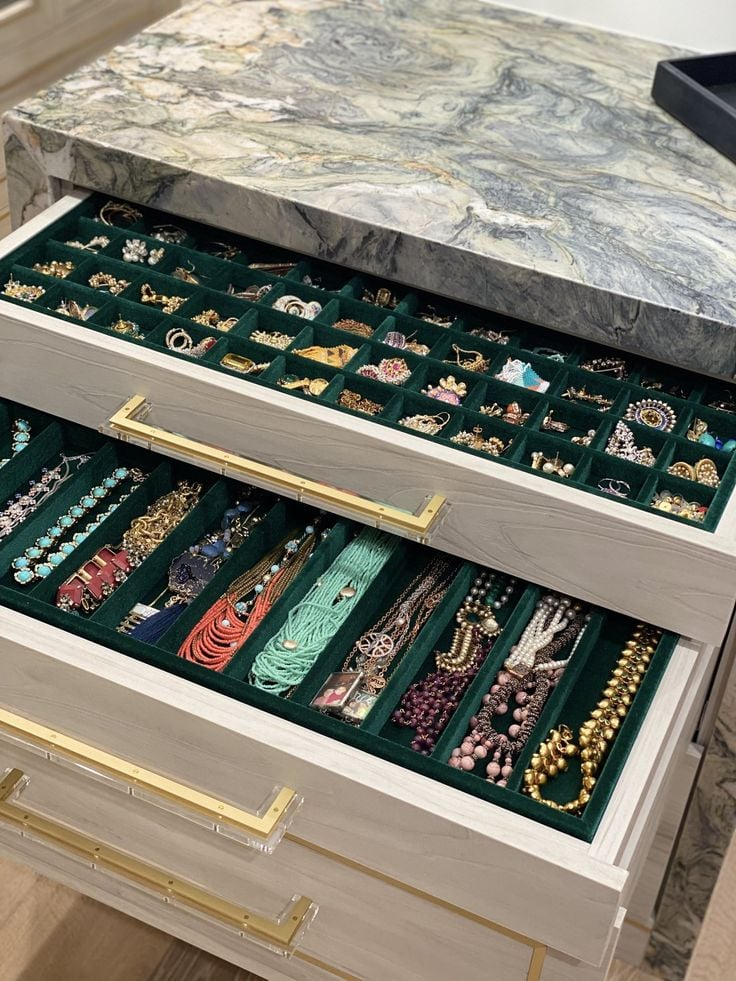
Jewelry can become tangled when everything is stored together. I use small compartments to separate rings, earrings, necklaces, and bracelets.
Simple household items can sometimes work as organizers, including small trays, containers, or divided inserts.
Giving every item a designated spot also makes it easier for me to notice what I actually own.
This is a simple storage solution that can make a drawer much more functional.
29. Fold-Out Desk Organizer
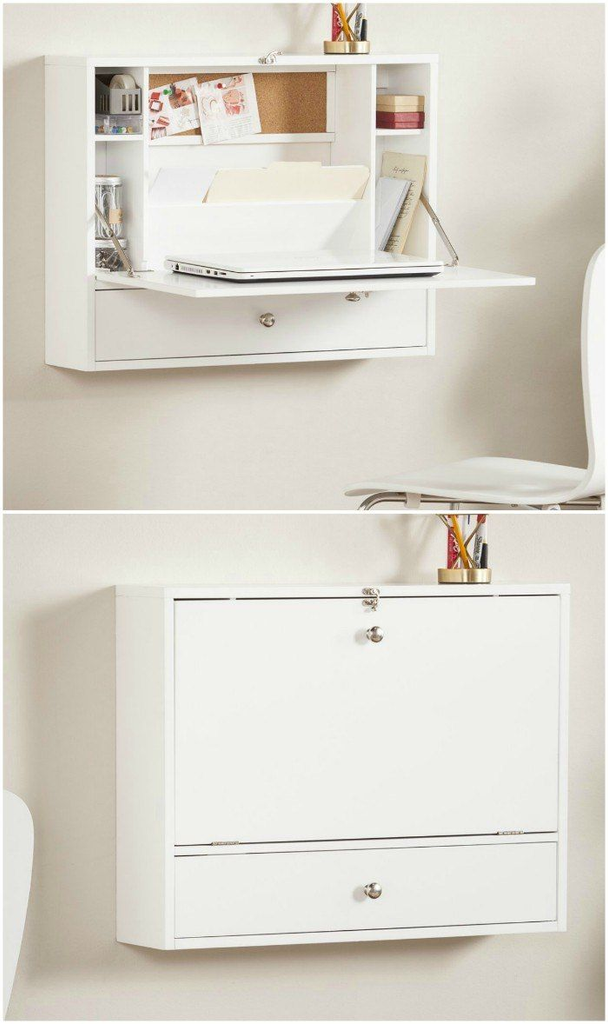
A fold-out desk organizer combines workspace and storage in one compact setup.
I can include shelves or small compartments for notebooks, mail, keys, stationery, and other essentials.
When the desk is closed, the room can return to its normal layout.
This is a practical option for anyone working or studying in a small apartment or bedroom.
Pro Tip: I keep only regularly used supplies in the desk organizer so the workspace stays functional.
Read this next: 15 Outdoor Wishing Well Garden Ideas for Garden Charm
30. Repurposed Tin Cans
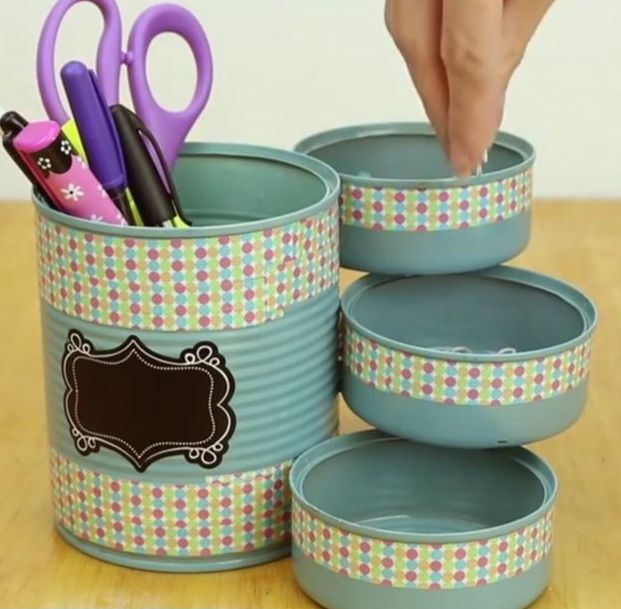
Empty tin cans can become inexpensive organizers for desks and craft areas.
After cleaning and preparing them properly, I can decorate them to hold pens, pencils, brushes, tools, and other supplies.
This gives everyday items another use instead of immediately throwing them away.
I can also group several cans together on a tray to create one organized station.
Pro Tip: I check carefully for sharp edges and cover or smooth them before using a repurposed can.
31. DIY Corner Shelves
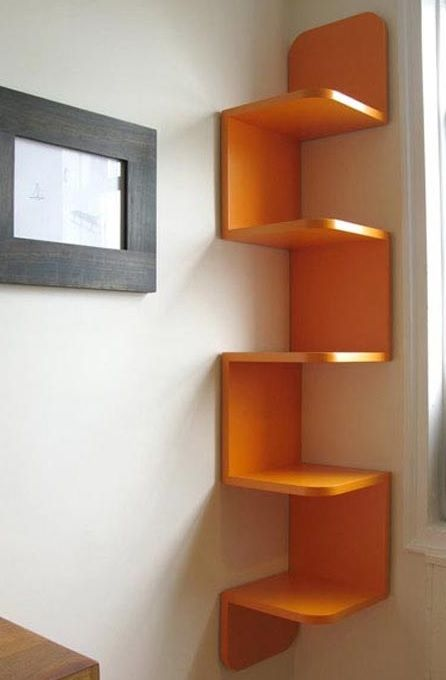
Corners are often forgotten when planning storage, but they can be surprisingly useful.
Corner shelves give me a place for books, plants, baskets, and decorative items without taking up much room.
I can build them to fit the exact size of the corner.
Using awkward areas more effectively is one of my favorite strategies for organizing a small home.
32. File Organizer Mail Sorter
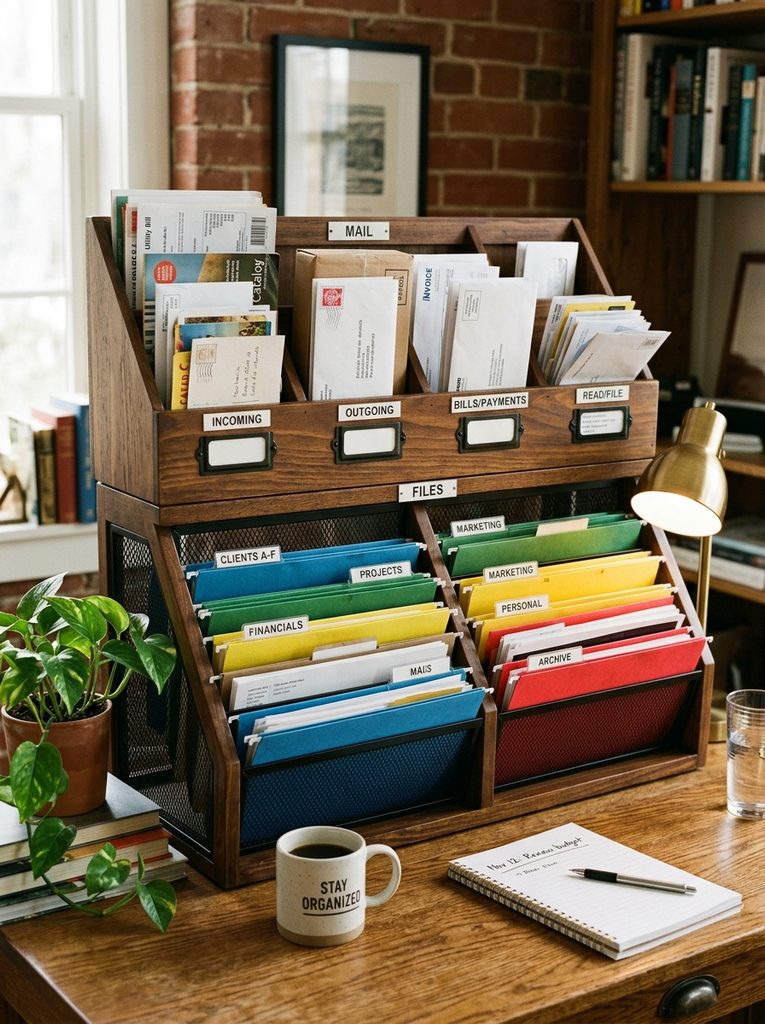
Paper clutter can build up quickly on counters and desks. I use a compartment organizer to separate incoming mail, bills, documents, and papers that need attention.
This helps prevent important paperwork from disappearing into a random pile.
I can label each section based on how I manage my household documents.
A simple sorting system can also make it easier to deal with mail regularly instead of letting it accumulate.
FAQ’s
What is the best storage solution for a small space?
The best storage solution depends on your needs, but vertical shelves, under-bed storage, and over-the-door organizers are great for saving space.
How can I create more storage without adding furniture?
I recommend using walls, cabinet doors, corners, and the space under furniture. Floating shelves, hooks, and hanging organizers can add storage without taking up floor space.
What are some cheap DIY storage ideas?
You can repurpose mason jars, tin cans, wooden crates, cardboard, and PVC pipes to create affordable storage solutions at home.
How do I keep a small space from becoming cluttered?
I find it helpful to give every item a designated place and regularly organize high-traffic areas. Using drawer dividers and labeled containers also makes staying organized easier.
Conclusion
Small spaces can be easier to organize when I stop focusing only on cabinets and closets. Walls, doors, corners, furniture, and hidden areas can all provide extra storage.
These 32 DIY storage solution ideas show that creating more room does not always require a major renovation or expensive furniture. Sometimes a hanging organizer, a few shelves, drawer dividers, or a repurposed household item can make a noticeable difference.
When I organize a small space, I try to focus on two things: making good use of available space and keeping everyday items easy to reach. The best storage solution is not just one that holds more stuff. It should also make daily life simpler.
I recommend starting with one problem area, such as a messy drawer, crowded kitchen counter, or overflowing closet. Once that area is organized, it becomes easier to see which storage solution will help next.

2 Comments