Scavenger Hunt Party Games
Scavenger hunt games are the only party activity I have ever seen work for a shy five-year-old and a competitive twelve-year-old at the same time, and I picked the hunts on this list by running them at birthday parties, backyard gatherings, and one very muddy park afternoon, then keeping only the ones where every child finished with something to show. My test is simple: if the kids are still talking about it at cake time, it stays. Every hunt below passed that test at least once, and most of them passed twice.
One safety note before you start: set clear boundaries before anyone runs off. I walk the hunt area with the kids first, point out the edges, and name the spots that are off-limits — the street, the neighbor’s yard, the pond. For kids under eight, I always pair them with an older buddy or an adult, and for any hunt near water or roads, an adult walks with each team.
Key Takeaways
- Picture lists beat word lists for kids under eight — they can hunt independently instead of waiting for an adult to read every clue.
- Always walk the boundaries with the kids before the hunt starts, and pair younger children with an older buddy.
- Ten to fifteen items is the sweet spot; longer lists cause quitting, shorter lists end too fast.
- Photo hunts (snap it, don’t grab it) protect gardens, wildlife, and your neighbor’s flower beds.
- End every hunt with a small prize for every team, not just the winners — the kids who finished last remember that part.

18 Scavenger Hunt Party Games That Actually Work
1. Classic Backyard Nature Hunt
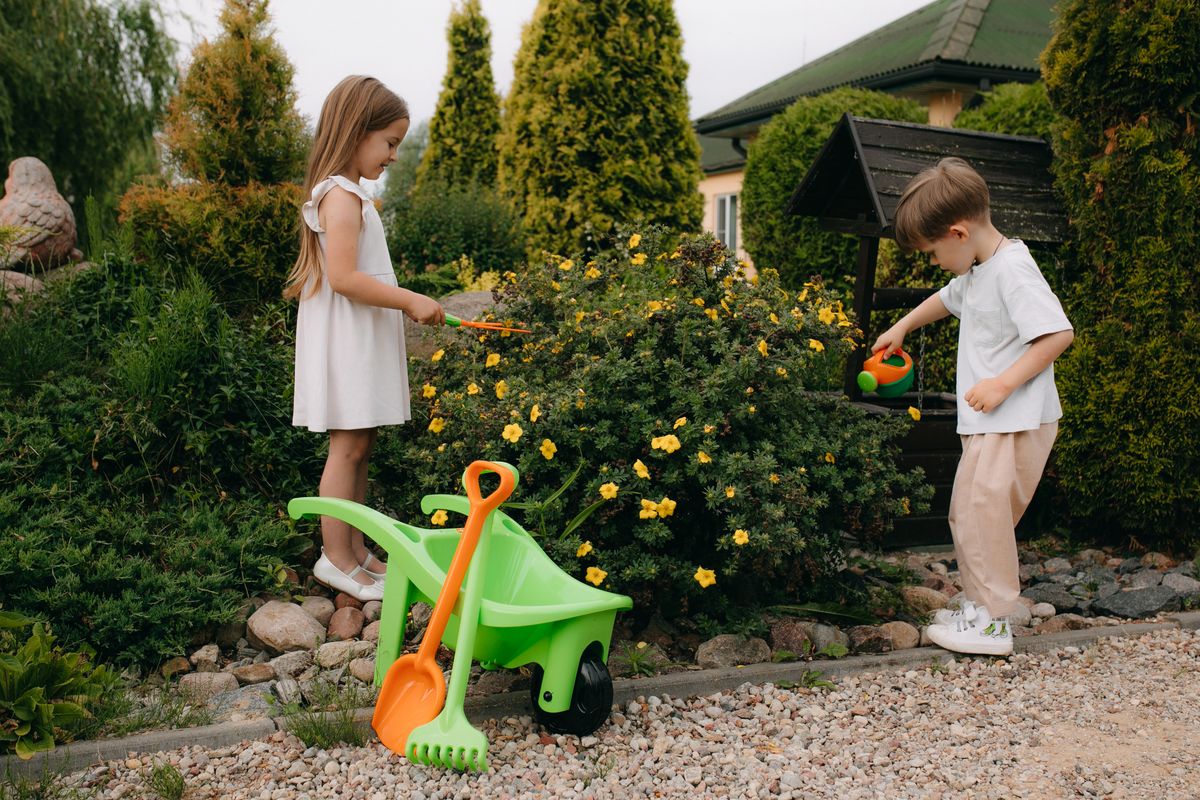
This is where every scavenger hunt journey should start. The first time I ran it, I wrote only words, and my youngest spent the whole hunt asking me to read the list instead of hunting. The downside: competitive kids will strip a bush bare if you let them, so I added a rule — one of each item per team, and nothing still growing on a plant.
Pro Tip: Laminate the lists or slip them into zip-top bags.
Cost / Time / Difficulty: Free to print / 20 minutes / Easy.
2. Photo Scavenger Hunt
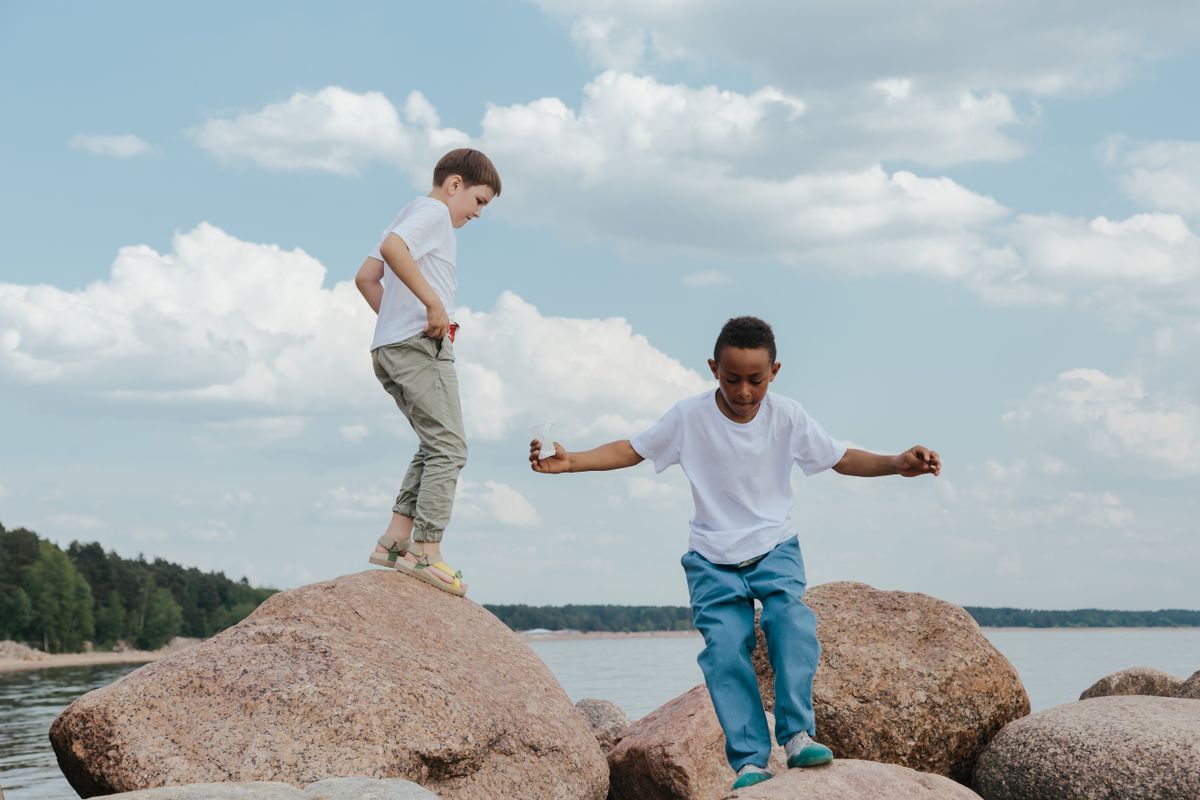
Instead of collecting items, teams photograph them: something round, a shadow shaped like an animal, someone jumping, a puddle reflection, a sign with the letter S. At my daughter’s tenth birthday, one team photographed a dog wearing a bandana for “something fancy,” and it won the whole hunt on creativity points. This is my favorite hunt for parks and neighborhoods because nothing gets picked, broken, or carried home. The watch-out: set a strict time limit, because without one, teams wander for an hour and lunch goes cold.
Pro Tip: Include three silly items (“a grown-up pretending to be a statue”) — they force teamwork and produce the photos everyone remembers.
Cost / Time / Difficulty: Free / 30 minutes / Easy.
3. Riddle Clue Chain Hunt
Each clue is a riddle that leads to the next hiding spot, and the final spot holds the prize. I hide the cards in order and give the first clue to each team. This one takes the most prep of any hunt on my list — about forty-five minutes of writing and hiding — but it is the one older kids ask for again. I learned to hide a “hint envelope” at each clue spot that teams can open for a penalty of two minutes, and it saved more than one hunt from grinding to a halt.
Pro Tip: Test-solve the chain yourself before the party, walking the exact route.
Cost / Time / Difficulty: Free / 30–40 minutes / Medium.

4. Color Hunt
Give each team a paint-sample card or a sheet of colored squares, and they must find one natural item matching each color: red, orange, yellow, green, blue, purple, brown, white. This is the hunt I run for the youngest kids, because it needs no reading at all — they just match colors. I learned to include brown and green, which are easy, alongside one hard color like purple, so every team finishes but the order still matters. Skip this one in winter if your yard is all brown and gray — I tried it in February and the kids just stared at me.
Pro Tip: Use paint chips from a hardware store instead of printed squares — they are free, sturdy, and kids love carrying them like real tools.
Cost / Time / Difficulty: Free / 20 minutes / Easy.
5. Alphabet Hunt
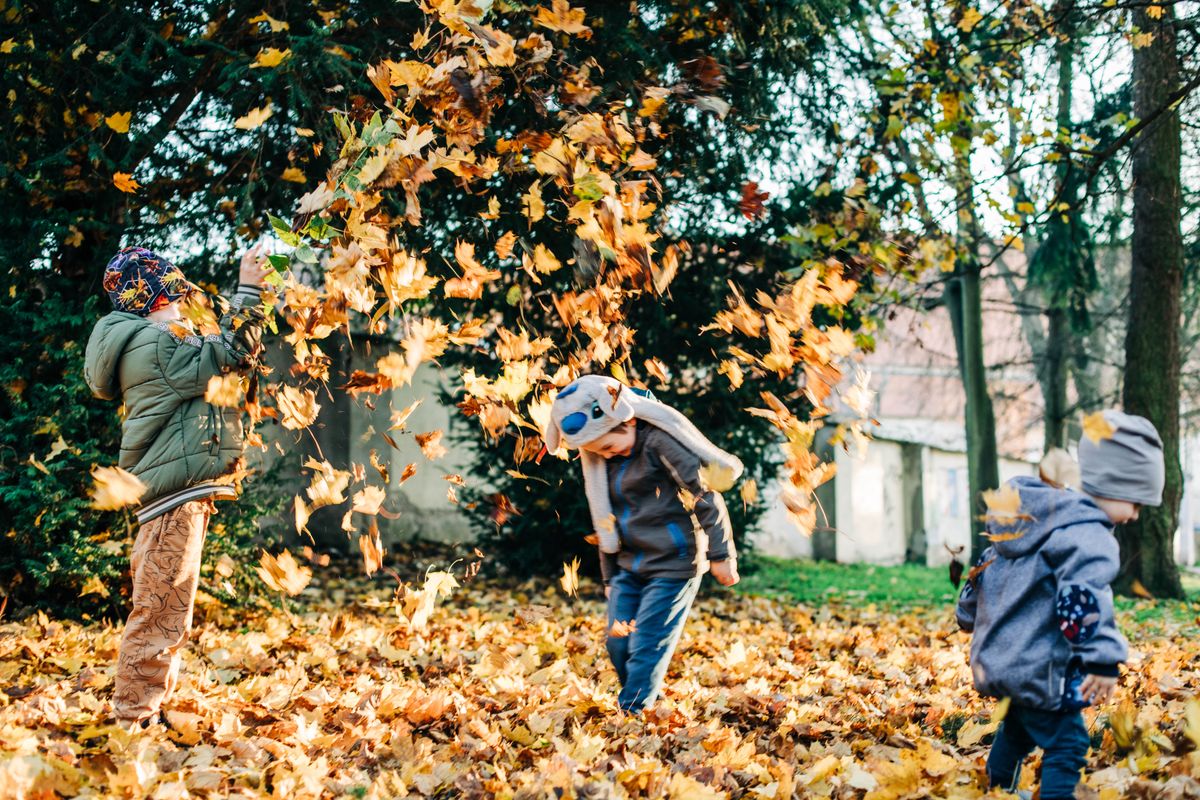
Teams find one item for each letter of the alphabet — apple, bark, clover, daisy — and write it on their sheet. The first time I ran the full alphabet, I gave teams forty-five minutes and they still did not finish, because Q, X, and Z are nearly impossible outdoors. Now I either skip those letters or allow “sounds like” answers, and the game finishes in a satisfying thirty minutes. This is secretly an educational game, but I would never tell the kids that.
Pro Tip: Let teams use one “free letter” they can fill with any item and a made-up reason — it ends arguments about whether quartz counts for Q.
Cost / Time / Difficulty: Free / 30 minutes / Medium.
6. Indoor Rainy-Day Hunt
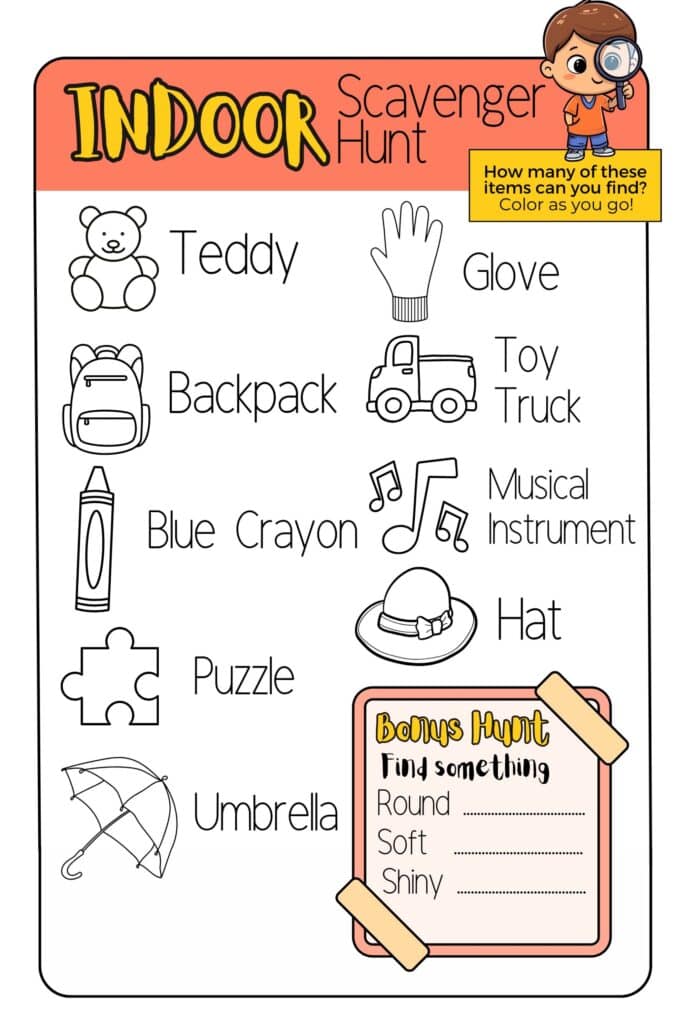
When rain cancels the yard, I run the hunt inside: find something soft, something that makes a sound, something with four legs (a chair counts), something you can wear on your head, a book with a red cover. I write the list the morning of the party based on what is actually in my house, which takes about ten minutes, and I set two rules — no opening closed drawers, and nothing from anyone’s bedroom. The downside is the noise level: twelve kids hunting indoors is loud, so I run it in two waves of six if the group is big.
Pro Tip: Include one item that requires asking an adult (“something Grandma loves”) — it slows the fastest team down and spreads the fun around.
Cost / Time / Difficulty: Free / 20 minutes / Easy.
7. Treasure Map Hunt
I draw a simple map of the yard on a brown paper bag — torn edges, a big X, a dotted path — and hide a small treasure chest (a decorated shoebox) at the X. Kids follow the map, and I add two or three landmarks they must find along the way. The map itself is half the magic: I stain the paper with tea and let it dry the night before, which takes five minutes and makes kids’ eyes go wide. The watch-out: draw the map from the kids’ eye level, not yours — my first map used the roof as a landmark and nobody could see it.
Pro Tip: Hide a decoy X with a joke prize (“a single sock”) — the groans are worth it, and it teaches kids to check their work.
Cost / Time / Difficulty: Under $5 / 25 minutes / Medium.

8. Grocery Store Hunt (With a Grown-Up)
For a birthday outing, I take a small group to the grocery store with a list: something that grows on a tree, something frozen, something in a can, the biggest fruit, the smallest vegetable. Each team has an adult, a budget of a few dollars, and a strict rule about not opening anything. I buy the items at the end as party snacks, so nothing is wasted. The honest downside: it is slow. Budget forty-five minutes and a patient attitude, and skip it if your group is bigger than eight.
Pro Tip: Give each team a different colored basket so checkout staff can tell groups apart, and call the store ahead — most are happy to help if they know you are coming.
Cost / Time / Difficulty: A few dollars per team / 45 minutes / Medium.

9. Bug Hunt
Armed with magnifying glasses and clear containers with air holes, kids hunt for ants, ladybugs, worms, and spiders — look, don’t touch, and release everything at the end. I set this one up in a garden bed and along a stone wall, where bugs actually live, instead of expecting kids to find them on a lawn. The first time I ran it, I forgot the release rule and a very proud boy tried to take a beetle home in his pocket. Safety note: teach kids before the hunt which creatures to leave alone — bees, wasps, and anything they cannot identify — and keep the hunt away from nests and hives.
Pro Tip: Hunt in the morning when bugs are active and slow, not in the heat of the afternoon when everything has hidden.
Cost / Time / Difficulty: Under $10 for magnifiers and containers / 25 minutes / Easy.

10. Neighborhood Walk Hunt
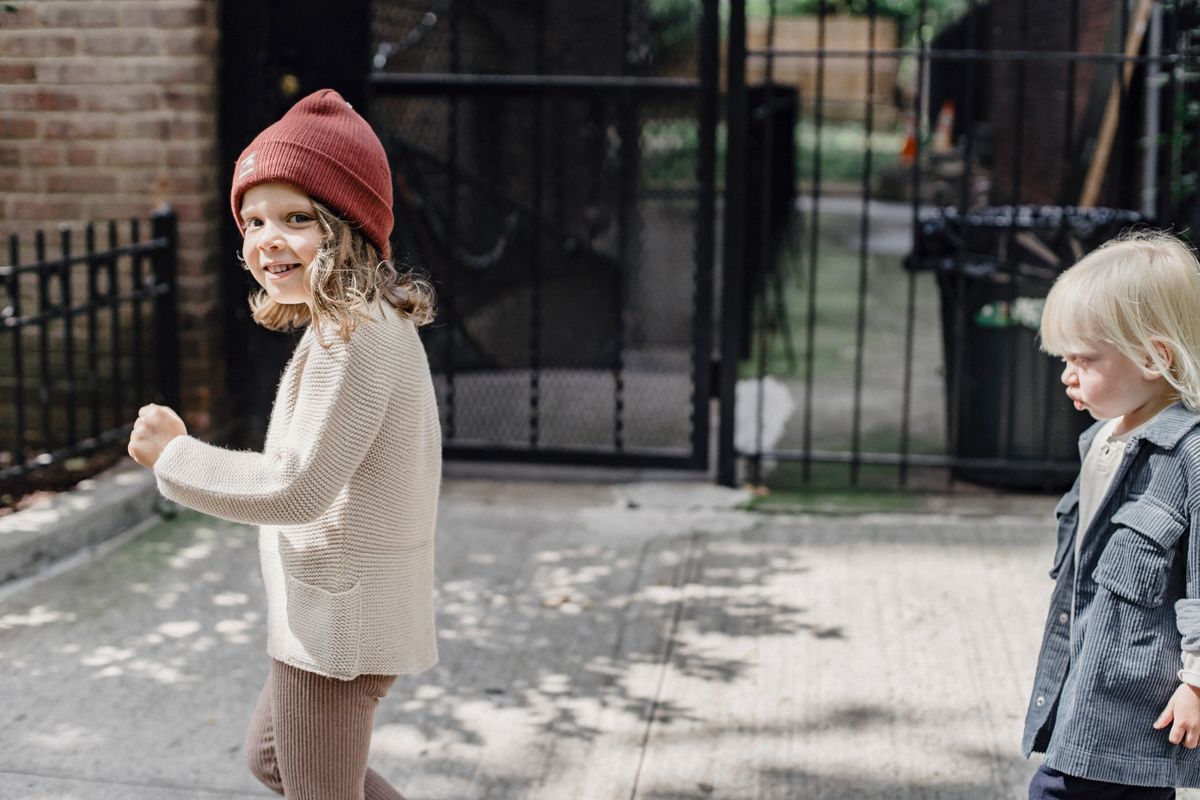
Teams walk a set route — I map it in advance and mark it on a printed sheet — and check off things they spot: a red door, a fire hydrant, a dog, a house number ending in 7, a flag. I ran this at a block party with four teams and it was the calmest, happiest hour of the day, because walking and talking is built into the game. The downside is weather dependence: I once had to cancel mid-route for a thunderstorm, so now I always have the indoor hunt (number 6) ready as a backup and I check the forecast twice.
Pro Tip: End the route at a park or an ice cream stop.
Cost / Time / Difficulty: Free / 40 minutes / Easy.
11. Glow-in-the-Dark Night Hunt
After sunset, I hide glow sticks, glow-in-the-dark stars, and small reflective items around the yard, give each team a flashlight, and send them out in the dark. This is the most exciting hunt on my list by a mile — the kids’ shrieks when they spot a glow stick in a bush are unforgettable — and it is also the one with the most rules. I ran it at a sleepover party and the kids talked about it more than the cake. Streetlights and porch lights wash out the glow, so I switch off every outdoor light I can and choose a moonless weekend when possible.
Pro Tip: Count glow sticks out and back in.
Cost / Time / Difficulty: Under $10 for glow sticks / 20 minutes / Medium — night rules apply.

12. Sensory Hunt
Instead of naming items, the list names sensations: find something smooth, something rough, something that smells good, something that makes a sound when you shake it, something soft. I ran it with a group that included a child with limited reading skills, and it was the first hunt where he finished first, because his hands were faster than everyone else’s eyes. The watch-out: define “smells good” before you start, or someone will bring you a bin lid and argue their case for ten minutes. (It happened. He had a point.)
Pro Tip: Blindfold one round for older kids — feeling for “something rough” without looking turns a simple hunt into a real challenge.
Cost / Time / Difficulty: Free / 20 minutes / Easy.
13. Puzzle Piece Hunt
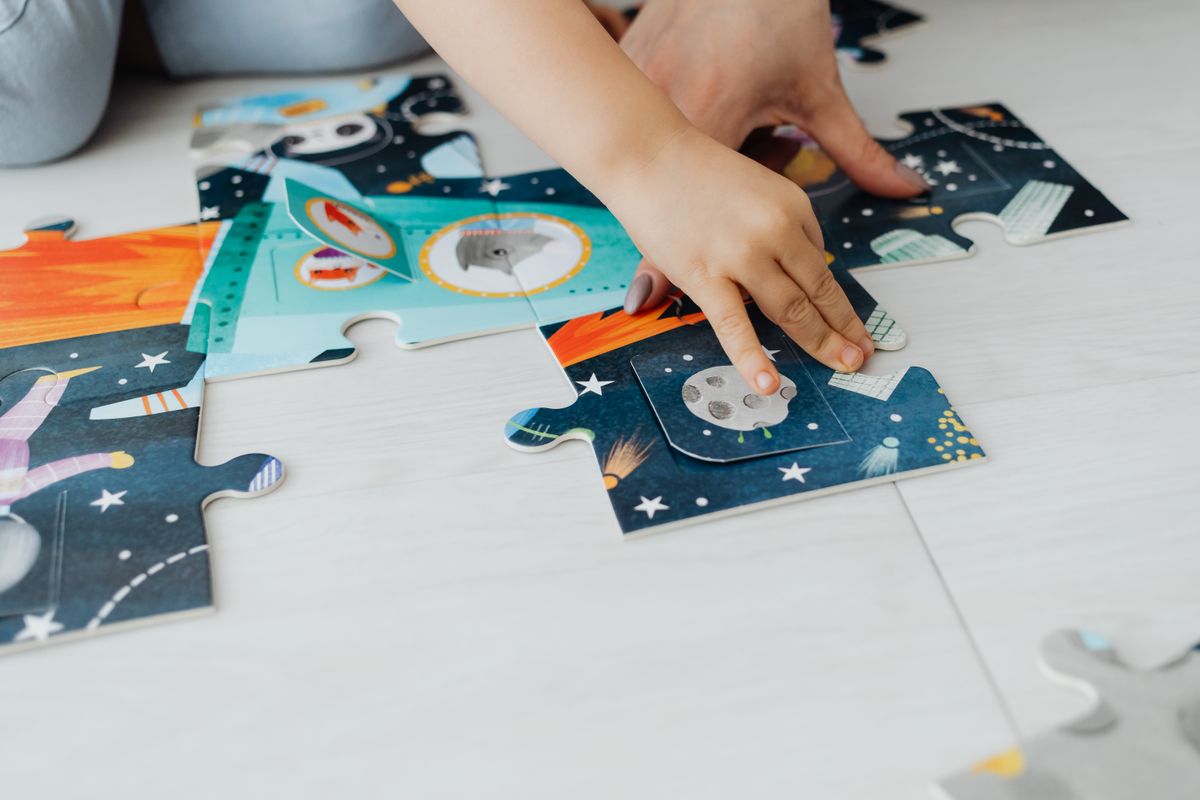
I take a simple jigsaw puzzle — 24 pieces works well — hide the pieces around the yard, and teams race to find pieces and assemble the puzzle. The twist: pieces are hidden in two colors of envelopes, and each team can only collect their color, so there is no stealing. I learned to use a puzzle with a bright, obvious picture — a red barn, a rainbow — because a puzzle of a cloudy sky is miserable to assemble under time pressure. Also, count the pieces before hiding them. I once hid 23 of 24 pieces and spent twenty minutes convinced a team had cheated.
Pro Tip: Tape a photo of the completed puzzle to each team’s table so they know what they are building toward.
Cost / Time / Difficulty: Under $10 for a puzzle / 30 minutes / Medium.
14. Sound Hunt
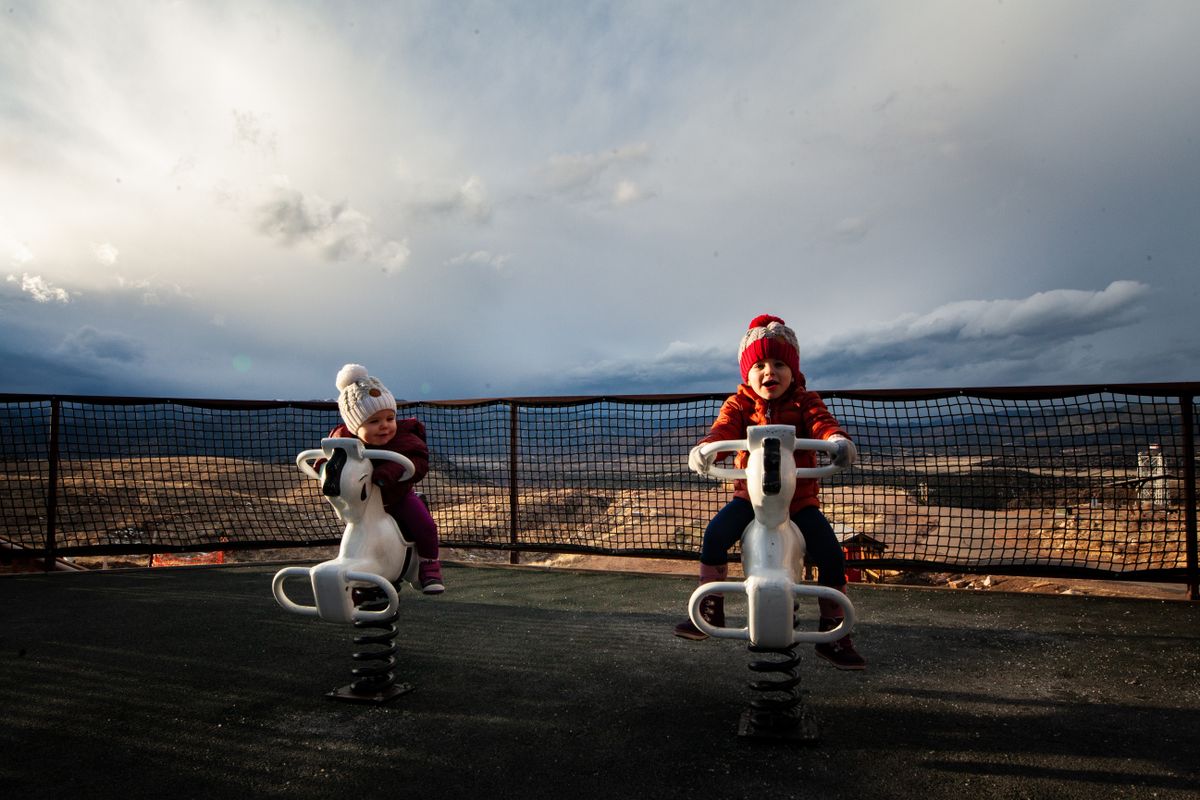
Teams sit quietly for two minutes and list every sound they hear — birds, a lawnmower, water, wind in the trees, a distant dog — then compare lists. It sounds calm, and it is, which is exactly why I use it as a wind-down hunt after the high-energy ones. I add a competitive edge by awarding bonus points for the most unusual sound, and at one party a team won by hearing a woodpecker nobody else noticed. I fix that by hiding a few sound-makers in advance — a wind chime, a ticking clock in a box, a squeaky toy — so there is always something to find with your ears.
Pro Tip: Give each team a “quiet captain” whose job is to shush the group.
Cost / Time / Difficulty: Free / 15 minutes / Easy.

15. Reverse Hunt
In a reverse hunt, the kids hide and the adults hunt — or one team hides ten items and the other team must find them. I love this version because the hiding is as much fun as the finding, and kids are far more creative hiders than adults. I give the hiding team ten minutes and a boundary, then the seeking team gets fifteen minutes to find everything. The game works best with older kids, ages 8 and up, because younger kids hide everything in the same bush and then giggle while pointing at it.
Pro Tip: Make the hiding team write down their spots. Without a list, you will be finding items for weeks.
Cost / Time / Difficulty: Free / 30 minutes / Easy.

16. Beach Hunt
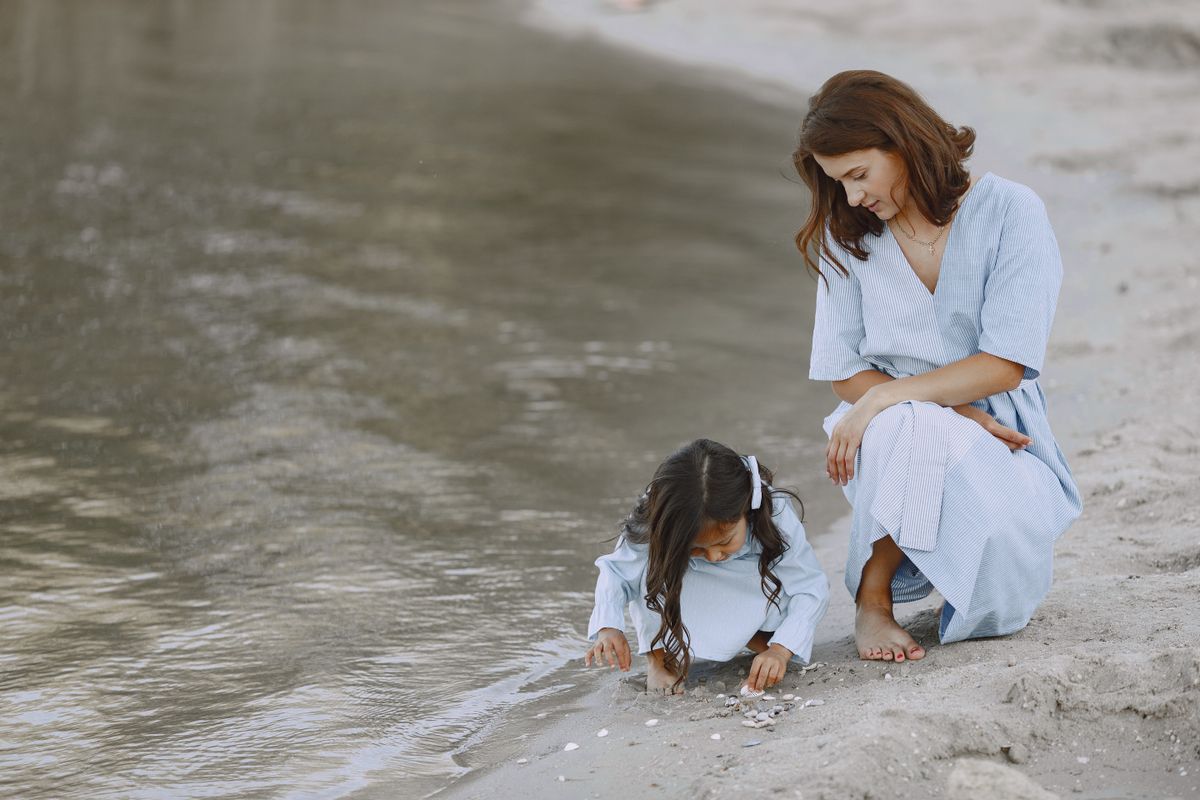
At the beach, the list writes itself: a shell with a hole, a piece of sea glass, a feather, something white, a rock with a stripe, a footprint bigger than yours. I run this with buckets, a time limit of thirty minutes, and a firm boundary — nobody goes past the lifeguard flags, and nobody goes in the water during the hunt. The finds become a craft afterward: we glue the best ones onto a piece of cardboard as a beach collage. Also, check local rules — some beaches do not allow collecting shells, and I have had to switch to a photo version more than once.
Pro Tip: Bring a small field guide or a phone app for shell identification — kids love learning the name of what they found.
Cost / Time / Difficulty: Free / 30 minutes / Easy.
17. Holiday Theme Hunt
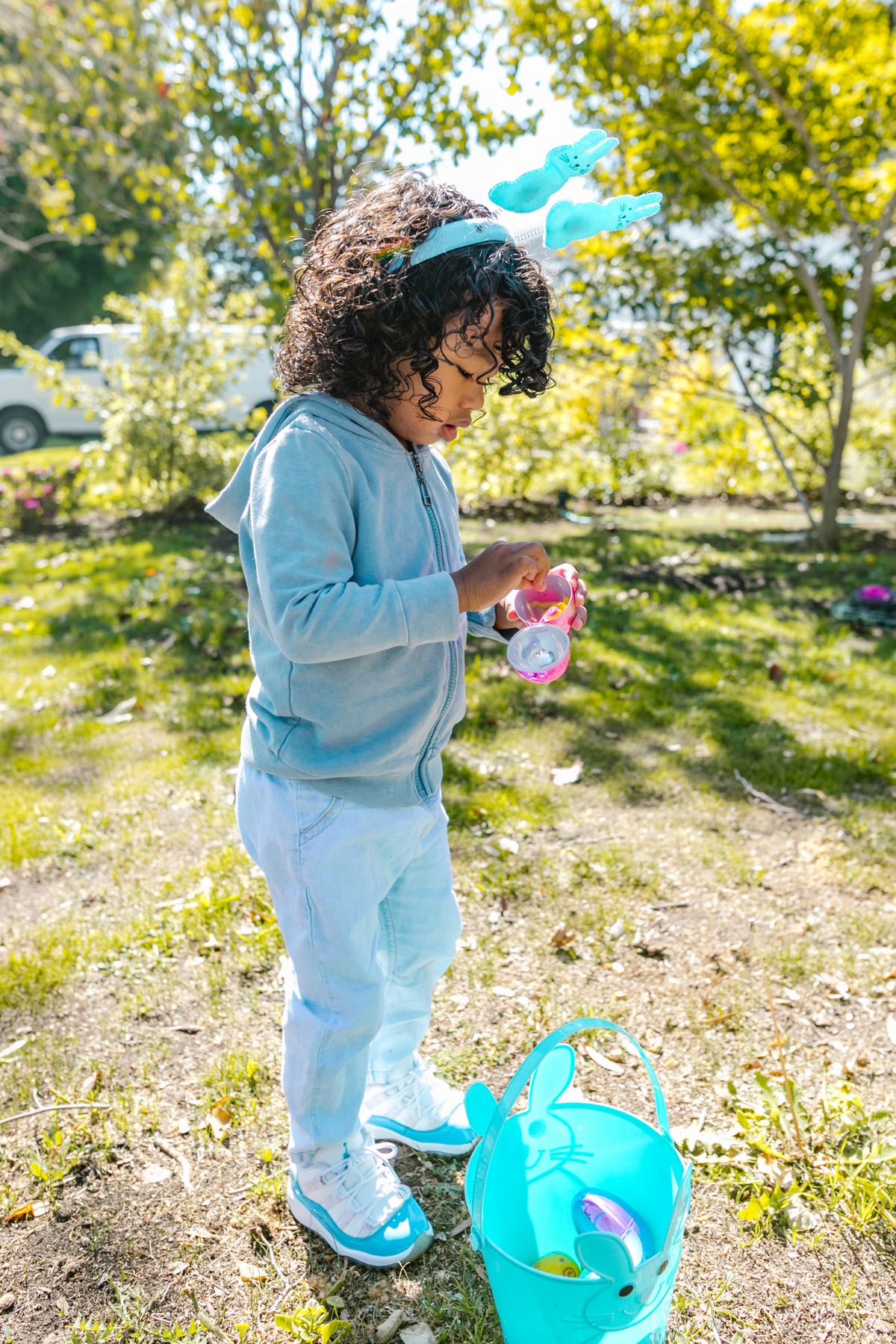
Adapt the classic hunt to any holiday: Easter eggs with clues inside, Halloween items hidden among decorations, Christmas ornaments hidden around the living room. For Halloween, I once hid glow-in-the-dark plastic spiders among the decorations, and the kids still mention it. The trick is matching difficulty to the holiday chaos: at Christmas, with a house full of guests, I keep the list short (eight items) and the area to one room, because a whole-house hunt during a party is just lost children and worried adults.
Pro Tip: Hide one “golden” item worth a big prize — a golden egg, a gold-wrapped chocolate — and watch the energy double.
Cost / Time / Difficulty: Under $10 for themed items / 20 minutes / Easy.
18. Team Relay Hunt
Each team gets a list, but only one member hunts at a time — they run out, find one item, run back, tag the next teammate, and so on. I ran it with sixteen kids at a park party and it was gloriously chaotic in the best way. The downside: the fastest kids dominate if you are not careful, so I require each team member to find at least two items before anyone can find a third. That one rule keeps the whole team involved, and the slower kids get their moment when they sprint back with the final item and the whole team erupts.
Pro Tip: Place the item table far from the hunting ground so the run back is part of the fun, not a two-step shuffle.
Cost / Time / Difficulty: Free / 25 minutes / Medium.

If your crew loves team games, also read these DIY party games for kids, and for simpler group play, check out these simple group games for kids. Planning an outdoor celebration? Read this next: outdoor park birthday party ideas.
Mistakes I Made (So You Don’t Have To)
- I made the list too long once. Twenty-five items sounded ambitious; in practice, half the teams quit at item fourteen. Now I cap lists at twelve to fifteen items, and every hunt finishes with energy to spare.
- I forgot to walk the boundaries. At a park party, I described the boundary instead of walking it, and one team ended up two fields away. Now I walk it with the kids, every single time, and I point at the actual trees and fences that mark the edge.
- I hid items too well. A clue chain where one clue was tucked inside a hollow fence post stalled three teams for fifteen minutes. Now I test-solve every hunt myself before the party, and if I cannot find it in two minutes, it moves.
- I only prized the winners. The team that finished last left in tears at one early party, and I felt terrible. Now every team gets a small prize, and the winners get a slightly bigger one. It costs a few dollars more and it is worth every cent.
Scavenger Hunt Games at a Glance
| Hunt | Best For | Cost | Effort |
|---|---|---|---|
| Backyard Nature Hunt | First-timers, all ages | Free | Low |
| Photo Hunt | Parks, no mess | Free | Low |
| Riddle Clue Chain | Ages 8+, problem solvers | Free | High prep |
| Color Hunt | Ages 4–7, no reading needed | Free | Low |
| Glow-in-the-Dark Hunt | Sleepovers, big excitement | Under $10 | Medium |
| Bug Hunt | Curious kids, gardens | Under $10 | Low |
| Team Relay Hunt | Big groups, high energy | Free | Medium |
| Beach Hunt | Beach days, keepsakes | Free | Low |
Frequently Asked Questions
How many items should be on a scavenger hunt list for kids?
Ten to fifteen items is the sweet spot for most ages. Younger kids (4–7) do best with eight to ten picture items, while older kids (8–12) can handle fifteen, especially in a riddle or photo hunt. Longer lists sound fun but cause quitting — I learned that the hard way with a 25-item list that half the teams abandoned.
How long did your scavenger hunts actually last?
Most of my hunts run 20 to 30 minutes, plus about 10 minutes for judging and prizes. The riddle chain and the neighborhood walk run longer, around 40 minutes. I always plan a buffer: if a hunt finishes early, free play fills the gap, but a hunt that runs long eats into cake time, and nobody wants that.
What would you do differently next time?
I would pre-print twice as many lists as I think I need. Lists get wet, torn, lost, and fought over, and a spare stack in my pocket has saved more hunts than any clever clue ever did.
Are scavenger hunts safe for younger kids?
Yes, with two rules: clear boundaries walked in advance, and a buddy system pairing every child under eight with an older child or adult. Keep hunts away from streets, water, and parking areas, and use photo hunts instead of collection hunts anywhere you do not want things picked or disturbed.
Final Thoughts
A good scavenger hunt is not about the cleverest clues — it is about a list every child can finish, boundaries every child understands, and a prize for every team. Do that, and the kids will be asking for another hunt before the cake is even cut.