Road Trip Games for Kids
Road trip games for kids are what stand between a happy family drive and the dreaded backseat chorus of “are we there yet,” and I picked the games on this list by playing them on real drives — a three-hour trip to my parents’ house, a five-hour summer holiday drive, and one very long rainy motorway journey I still think about. That last rule matters: the driver drives, full stop, and every game below is designed for passengers only.
Car safety first, before any game starts: seatbelts stay on for the whole game, nothing gets thrown inside the car, and if a game needs looking out of the window, the child looks — the driver never does. I also pack a small bag per child with their game supplies, so nobody is reaching into the trunk at highway speed.
Key Takeaways
- The driver never plays — every game here is passenger-only, so the driver’s eyes stay on the road.
- Seatbelts stay on for every game, and nothing is thrown inside the car, ever.
- Pack one small bag per child before you leave, with paper, pencils, and game cards inside.
- Mix looking games, talking games, and quiet games so the car energy rises and falls instead of exploding.
- Plan a stop every two hours. No game survives a child who needs the bathroom and a stretch.
18 Road Trip Games for Kids That Actually Work
1. License Plate Bingo
I print a simple bingo card with things to spot on license plates and road signs — a plate from another state, a plate with the number 7, a red car, a truck with a picture on it — and kids mark them off as we drive. The first to get a line wins, and I keep spare cards because the first card fills faster than you expect on a busy highway. The watch-out: this game needs the kids looking out of the window, which is great, but I ban leaning across siblings to see — everyone watches from their own window, or the game becomes a wrestling match.
Pro Tip: Make two versions of the card — an easy one for younger kids and a harder one for older ones — so nobody finishes in ten minutes while their sibling is still hunting.
Cost / Time / Difficulty: Free to print / 30–60 minutes / Easy.
2. I Spy (Car Edition)
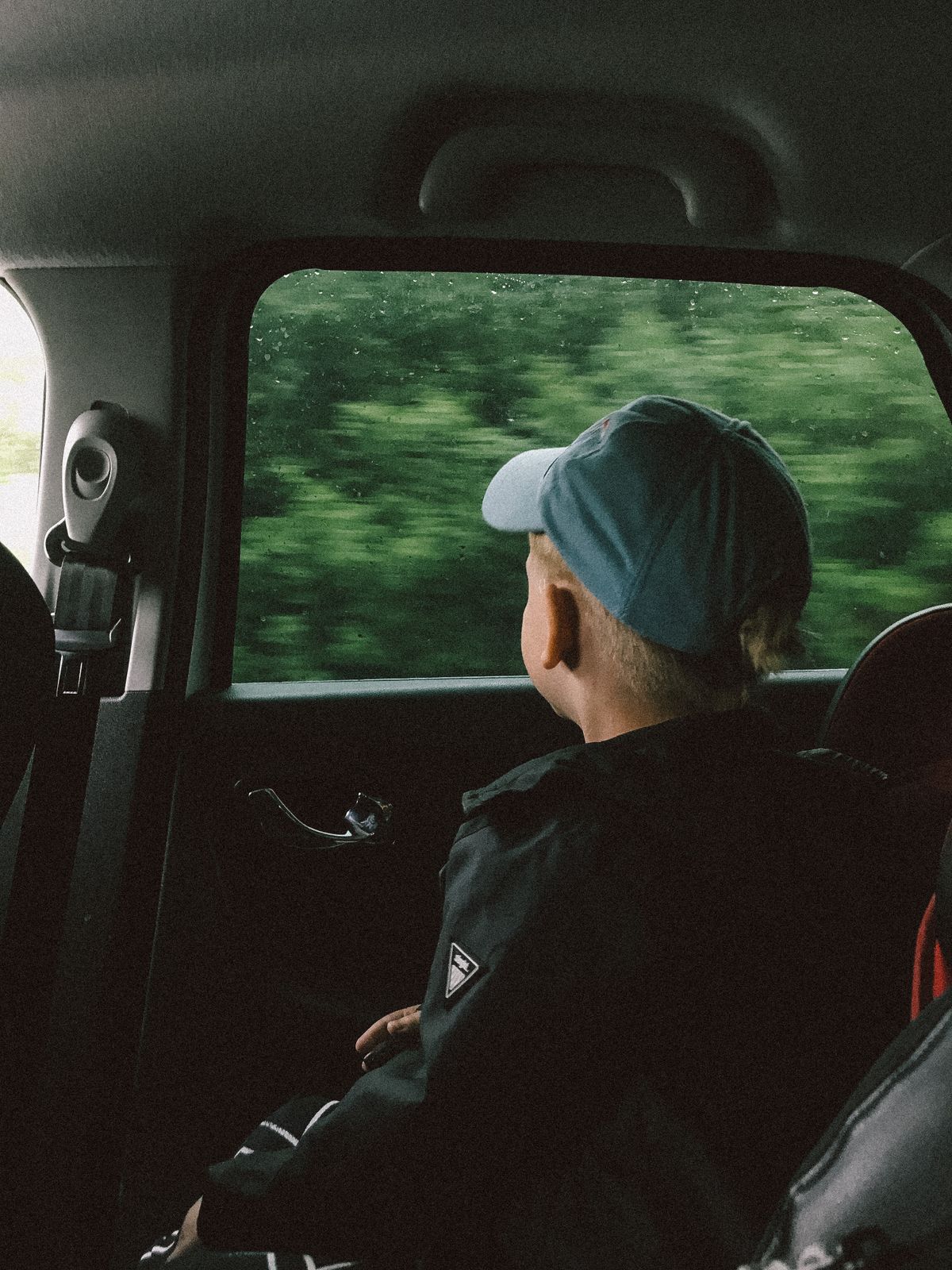
The classic, adapted for the car: “I spy with my little eye something beginning with T” — and the answer has to be visible from the car right now, not something from ten miles back. On our five-hour holiday drive, I Spy filled the first hour almost entirely, because the changing scenery keeps refreshing the game. The downside: it gets repetitive after a while, so I use it in bursts — twenty minutes of I Spy, then a different game, then back to it later when the scenery has changed. For toddlers, I switch to colors only — “I spy something red” — which they can play without knowing letters.
Pro Tip: Ban answers that are inside the car.
Cost / Time / Difficulty: Free / 20 minutes per burst / Easy.
3. Twenty Questions
One player thinks of something — an animal, a person, a thing — and everyone else asks yes-or-no questions, with twenty questions to guess it. On a rainy motorway drive, my kids played this for over an hour, inventing increasingly ridiculous answers (a thinking “purple elephant wearing a hat” took nineteen questions). The honest downside: younger kids struggle with yes-or-no logic and get frustrated, so for under-sevens I play a simpler version where the thinker gives three clues first, and then questions begin. The driver is exempt from this game entirely — thinking of answers while driving is a distraction, and I do not allow it.
Pro Tip: Keep a notepad for the question count.
Cost / Time / Difficulty: Free / 20 minutes per round / Easy to medium.
4. The Alphabet Game
Players find letters A to Z in order on road signs, billboards, and license plates — first to Z wins. This is the game that turns a dull highway into a treasure hunt, and it is secretly educational, though I would never tell the kids that. On a rural drive with few signs, we once spent forty minutes stuck on Q, so now I allow a “skip one letter” token per player, which keeps the game moving. The game needs no supplies at all, which makes it my emergency backup whenever I forget the game bag.
Pro Tip: Play it as a team game on long trips — everyone works toward Z together, and the arguments disappear.
Cost / Time / Difficulty: Free / 30–60 minutes / Easy.
5. Would You Rather
Take turns asking silly dilemmas: would you rather be able to fly or be invisible? There are no wrong answers, which is why this game works for every age at once — my five-year-old’s answers are just as valid as my twelve-year-old’s, and often funnier. The downside: the debates can get loud, and loud backseat debates distract the driver, so I set a volume rule — inside voices, or the game pauses. It works, mostly, because the kids would rather whisper than stop playing.
Pro Tip: Let each child ask three questions in a row before passing the turn.
Cost / Time / Difficulty: Free / 20 minutes / Easy.
6. Car Bingo (Picture Version)
Like License Plate Bingo, but with pictures instead of words: a cow, a bridge, a gas station, a yellow car, a church, a windmill. I print picture cards for younger kids, and they mark each picture with a crayon as they spot it. I laminate the cards and use dry-erase markers so one set lasts all summer. The first time I used paper cards, a spilled juice box ended the game in minutes, so lamination is now non-negotiable in our car. The watch-out: on a route with few landmarks, the cards fill slowly, so I include a few guaranteed items like “a white car” and “a tree” to keep every card moving.
Pro Tip: Make the center square a free space, and the first card to complete a row wins a snack from the snack bag.
Cost / Time / Difficulty: Free to print / 45 minutes / Easy.
7. Story Chain
One person starts a story with a sentence, the next adds a sentence, and so on around the car. I keep a jar of prompt words in the game bag for anyone who gets stuck, and I set one rule: no killing off anyone else’s character. This game fills long stretches without any supplies, and it works for ages six and up. The downside: it needs everyone awake and willing, so I save it for the middle of the drive, not the first ten minutes when kids are still settling, and not the last hour when everyone is tired and grumpy.
Pro Tip: Start with a gloriously silly first sentence yourself.
Cost / Time / Difficulty: Free / 20 minutes / Easy.
8. Sing-Along Challenge
Pick a theme — songs about animals, songs with a color in the title, songs from a favorite film — and take turns singing a line or a chorus. I make a playlist before the trip with songs everyone knows, because a sing-along where nobody knows the words dies in two minutes. A car full of enthusiastic singers is loud, and the driver needs to concentrate, so I keep sing-alongs to daytime highway stretches, never in heavy traffic or bad weather, and I pause the game whenever the driver says so, no arguments.
Pro Tip: Award a bonus point for the silliest performance, not the best singing.
Cost / Time / Difficulty: Free / 30 minutes / Easy.
9. Travel Journal and Drawing
Give each child a notebook and colored pencils, and challenge them to draw what they see, keep a trip diary, or invent a comic about the journey. I buy cheap notebooks specifically for trips, because a dedicated trip journal feels special in a way a school notebook does not. The downside is car sickness: drawing in a moving car makes some kids queasy, so I watch for the first signs — pale face, quietness — and switch that child to a looking game immediately. I also use pencils, never markers, because a marker in a moving car ends up on the upholstery.
Pro Tip: Give a drawing prompt every twenty minutes — “draw the next bridge,” “draw a car you wish existed” — so the journal keeps moving.
Cost / Time / Difficulty: A few dollars for notebooks and pencils / 30 minutes / Easy.
10. Counting Game
Pick something to count — red cars, trucks, bridges, cows — and see who spots the most before the next stop. I use this as a calm-down game because counting is focused and quiet, and it works for ages four and up with no reading required. The game ends at each stop, we compare counts, and the winner picks the next thing to count. The watch-out: kids will argue about whether that was really a truck or just a big van, so I appoint one child as the “judge” per round, and the judge’s ruling is final.
Pro Tip: Rotate the judge every round.
Cost / Time / Difficulty: Free / 20 minutes per round / Easy.

11. Guess the Song (Humming Edition)
One player hums a song, everyone else guesses it. On our last trip, my son hummed a song so badly that we guessed five different songs before landing on the right one, and the wrong guesses were the best part. The downside: humming requires a tune in your head, and younger kids hum the same three notes for every song, so for under-sixes I switch to clapping the rhythm instead, which they can actually do.
Pro Tip: Limit each hummer to thirty seconds. Without a limit, one determined hummer will hum the same song for five minutes while everyone else loses the will to live.
Cost / Time / Difficulty: Free / 20 minutes / Easy.

12. Rest Stop Scavenger Hunt
At each rest stop, I hand out a mini scavenger list: find a vending machine, a map, a picnic table, a flower, a sign with an arrow, a dog. I set a boundary — the rest stop area only, no going near the road or the parking lanes — and every child stays with an adult. This game turned our rest stops from dreaded delays into the parts of the trip my kids ask about afterward. The watch-out: rest stops are busy places with cars moving, so I hold hands with under-sevens the whole time, and I never let kids hunt near the fuel area or the truck parking.
Pro Tip: Make the list different at every stop. A repeated list gets boring by the second stop, but a fresh list feels like a new game each time.
Cost / Time / Difficulty: Free / 15 minutes per stop / Easy.
13. The Quiet Game (With a Twist)
The first person to speak loses — but with a twist: I give each child a silly task to complete silently, like drawing a picture of the driver (without showing them) or writing down ten things they can see. The twist is what makes it work, because pure silence lasts about forty seconds with my kids, while silent tasks last twenty minutes. I deploy this game when the car needs calm — after lunch, when the baby is sleeping, or when the driver needs quiet to navigate. The task version, though, is genuinely peaceful, and I have had whole stretches of highway pass in near-silence, which felt like a miracle.
Pro Tip: Award the winner a small prize from the snack bag. A prize makes silence a competition instead of a punishment.
Cost / Time / Difficulty: Free / 20 minutes / Easy.

14. Name That Animal
One player thinks of an animal, gives one clue (“I live in Africa”), and everyone guesses, asking for more clues as needed. I use this for younger kids, ages 4 to 7, because it is simpler than Twenty Questions but still feels like a real game. The clues get delightfully wrong — “I am big and I eat leaves” could be an elephant or a very ambitious caterpillar — and the guessing is the fun part. The game needs no supplies and works in any car, which makes it my backup when the game bag is forgotten.
Pro Tip: Let the guesser who gets it right become the next clue-giver. It keeps the turns moving without any adult management.
Cost / Time / Difficulty: Free / 15 minutes / Easy.

15. Car Card Games
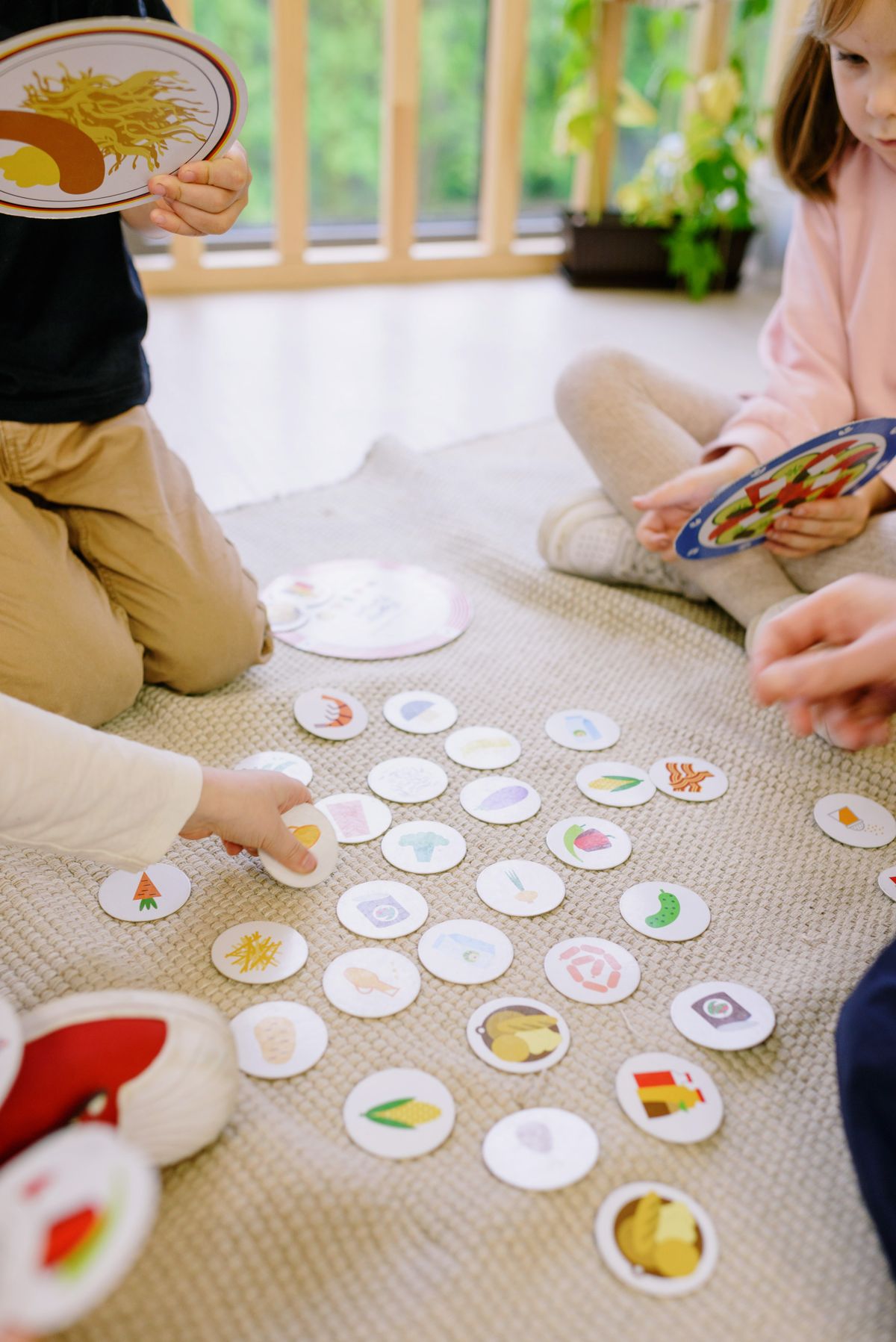
A deck of cards and a game that works in a lap: Go Fish, Uno, or simple matching pairs laid out on a tray or a book. I choose games with few pieces and no board, because boards slide and pieces roll under seats, never to be seen again. The downside: card games in a car only work for one or two kids at a time, so I rotate players every fifteen minutes, and the waiting child plays a looking game meanwhile. Also, keep cards away from toddlers — small cards are a choking hazard for under-threes.
Pro Tip: Use a rubber band around the deck between games. A loose deck in a car bag becomes fifty-two individual cards in about four seconds.
Cost / Time / Difficulty: A few dollars for cards / 20 minutes / Easy.
16. Spot the Difference (Memory Version)
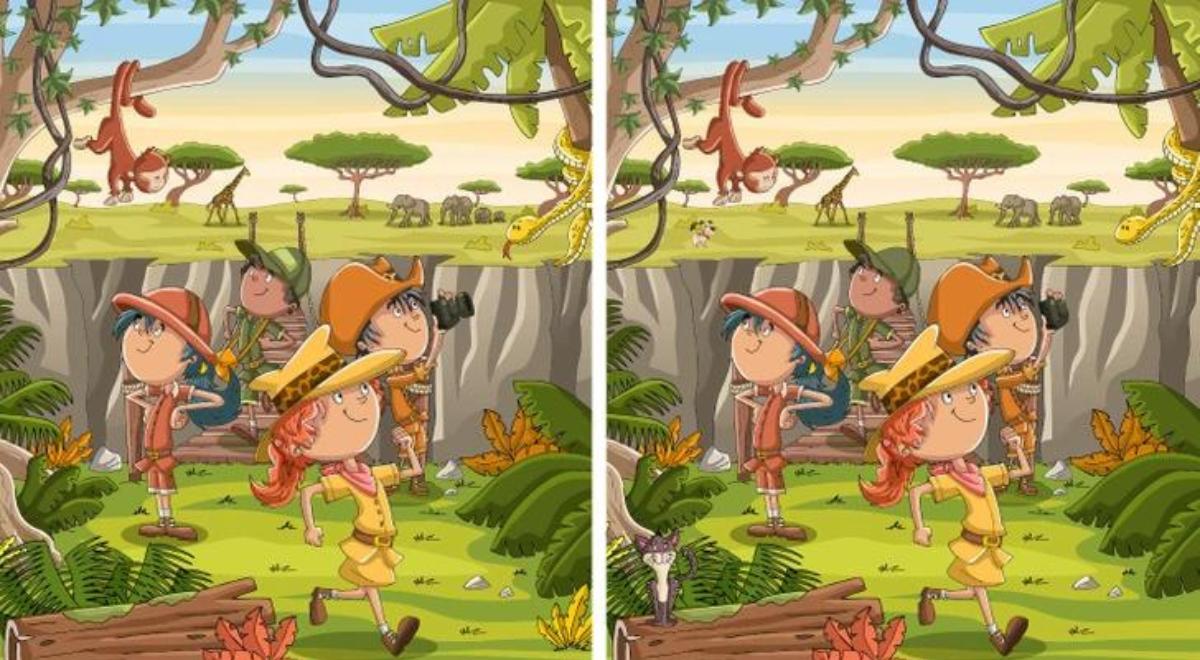
Everyone looks out of the window for thirty seconds, then closes their eyes, and one player describes something they saw — the others must remember if they saw it too. I play this in the countryside, where the scenery changes slowly enough to remember, rather than on a motorway where everything blurs past. The game takes about fifteen minutes and works for ages six and up. The honest downside: on a fast highway, nobody remembers anything, and the game falls flat, so I save it for slower rural roads and save the fast games for the motorway.
Pro Tip: Let the describer give one extra detail as a hint if nobody remembers. “It was red and it had a pointy roof” is usually enough.
Cost / Time / Difficulty: Free / 15 minutes / Easy.
17. Two Truths and a Lie
Each player says three things about themselves — two true, one false — and everyone else guesses the lie. This is the game that taught me things about my own kids I did not know, including a passionate claim about having seen a fox in our garden that turned out to be entirely true. I play it in the late afternoon of a drive, when everyone is a bit tired and a sitting-and-talking game is welcome. The downside: kids will invent increasingly outrageous lies, and the game can drift into pure silliness, but honestly, pure silliness at hour four of a drive is exactly what you want.
Pro Tip: Let each player write their three statements down first if they are old enough. It stops them from changing the lie halfway through.
Cost / Time / Difficulty: Free / 20 minutes / Easy.

18. Audiobook Bingo
Before the trip, I make a bingo card of things that might happen in the audiobook we are listening to — a character laughs, someone says a place name, a door slams, a song plays — and kids mark them off as they listen. The downside: it only works if the audiobook is genuinely good, so I let the kids choose it, and I preview the first chapter before the trip to make sure it is age-appropriate. The driver, of course, just listens — no marking cards while driving.
Pro Tip: Make the bingo squares generic enough to fit any story — “someone eats,” “someone travels,” “a surprise happens” — so one card works for any audiobook.
Cost / Time / Difficulty: Free to print / Full audiobook length / Easy.



For more group fun at your destination, also read these simple group games for kids, and for party games when you arrive, check out these DIY party games for kids. Planning a kids’ party later? Read this next: party games for kids.
Mistakes I Made (So You Don’t Have To)
- I let the driver join a game once. Answering questions while navigating a busy junction was a wake-up call I never want to repeat. Now the driver is exempt from every game, no exceptions, and the kids know the rule before we leave.
- I forgot the game bag once. Three hours with nothing but I Spy, which the kids were bored of by mile fifty. Now the bag is packed the night before and lives by the front door, and I check it before we lock up.
- I skipped rest stops to save time. We arrived twenty minutes earlier and spent the first hour of the holiday dealing with grumpy, stiff, bathroom-desperate kids. Now we stop every two hours, and the trip is better for it.
- I used markers for car drawing once. One bump, one marker line across the seat, and a cleaning bill. Pencils only in the car, forever.
Road Trip Games for Kids at a Glance
| Game | Best For | Cost | Effort |
|---|---|---|---|
| License Plate Bingo | Highways, ages 5+ | Free | Low |
| I Spy (Car Edition) | Any road, any age | Free | Low |
| Twenty Questions | Ages 8+, long stretches | Free | Low |
| Alphabet Game | Sign-rich routes | Free | Low |
| Would You Rather | All ages, talking fun | Free | Low |
| Car Bingo (Pictures) | Ages 4–7 | Free | Low |
| Story Chain | Creative kids, mid-drive | Free | Low |
| Audiobook Bingo | Tired kids, long drives | Free | Low prep |
Frequently Asked Questions
What road trip games work without screens?
Every game on this list is screen-free by design. The best starters are I Spy, the Alphabet Game, and License Plate Bingo, because they need no supplies and work from the moment you pull out of the driveway. For longer drives, add Twenty Questions, Story Chain, and Audiobook Bingo to rotate through.
How long did your road trip games actually last?
On our five-hour holiday drive, the games filled about four hours, with a rest stop every two hours breaking it up. I Spy and Twenty Questions each ran about an hour in bursts, the Alphabet Game ran nearly the whole drive in the background, and Audiobook Bingo covered the final tired stretch. No single game lasted the whole drive — rotation is the secret, not one perfect game.
What would you do differently next time?
I would pack a second game bag for the return journey. By the drive home, the bingo cards were filled, the pencils were blunt, and the novelty had worn off. Fresh cards and a new notebook for the return trip would have made the drive home as smooth as the drive there.
Are these road trip games safe for the driver?
Yes, because every game here is passenger-only and the driver never participates. Seatbelts stay on, nothing is thrown in the car, and games that need looking out of the window are for passengers only. If a game gets loud or distracting, I pause it until the road is quiet — the driver’s concentration always wins over the game.
Final Thoughts
The secret to a happy road trip is not one brilliant game — it is a bag of simple games, a stop every two hours, and one firm rule: the driver drives, and everyone else plays. You will arrive with your sanity intact, and the kids will ask when the next trip is.