
27 Classroom Crafts
After fourteen years of crafting through every season, I know the projects that never fail are the simple ones — which is why I love collecting classroom crafts. Teachers do not need expensive kits or glitter explosions. You need cheap supplies, quick setups, and ideas that work for wiggly kindergartners and confident fifth graders alike.
Every craft here uses supplies most classrooms already have: construction paper, glue sticks, washable paint, scissors, and recyclables. I have noted which are low-mess, which double as bulletin board displays, and which tie into seasons and read-alouds.
Key Takeaways
- All 27 crafts use budget supplies most classrooms already stock.
- Most projects finish in a 30–45 minute session, including cleanup.
- Low-mess options like paper chains, snowflakes, and mosaics suit carpeted rooms and sub days.
- Several crafts double as bulletin board displays or holiday gifts for families.
- Pre-cutting pieces and supply caddies keep craft sessions calm and on time.
27 Classroom Crafts
1. Rainbow Paper Chain Garlands
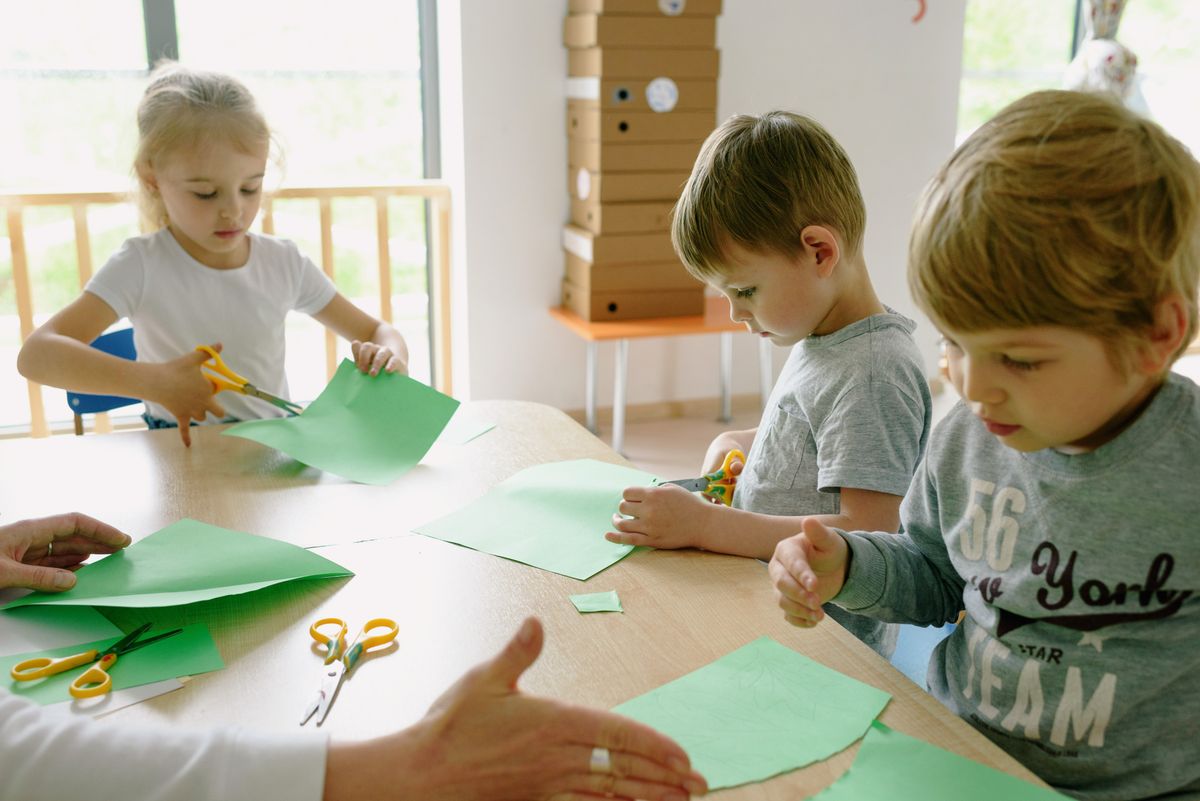
I start the year with paper chains because every child can succeed at them. Students cut paper strips, loop, glue, and link — red to orange to yellow — until the chain stretches across the room. It teaches patterns and costs almost nothing.
Hang finished chains along the ceiling or across the windows. Mine stay up for months — the color makes the whole room feel cheerful.
Pro Tip: Let each table group make one color family, then link the groups together for a true rainbow.
2. Paper Plate Animal Faces
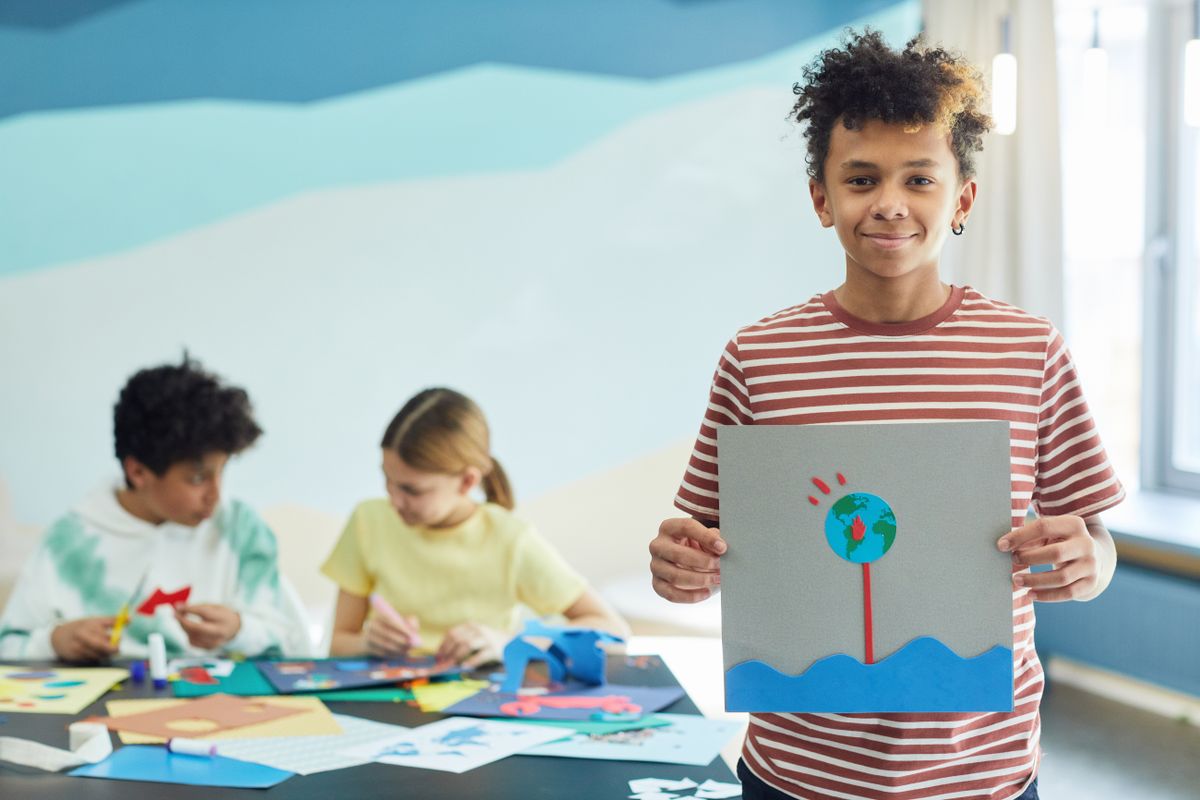
A plain paper plate becomes a lion, owl, panda, or frog with paint, paper ears, and a marker smile. I set out photos of real animals so students can study the markings first. It pairs beautifully with a zoo read-aloud.
Glue on a craft stick and the faces become masks. Younger classes love parading them around the room.
Pro Tip: Use washable tempera cakes instead of squeeze bottles — far less mess on little hands.
3. Coffee Filter Butterflies
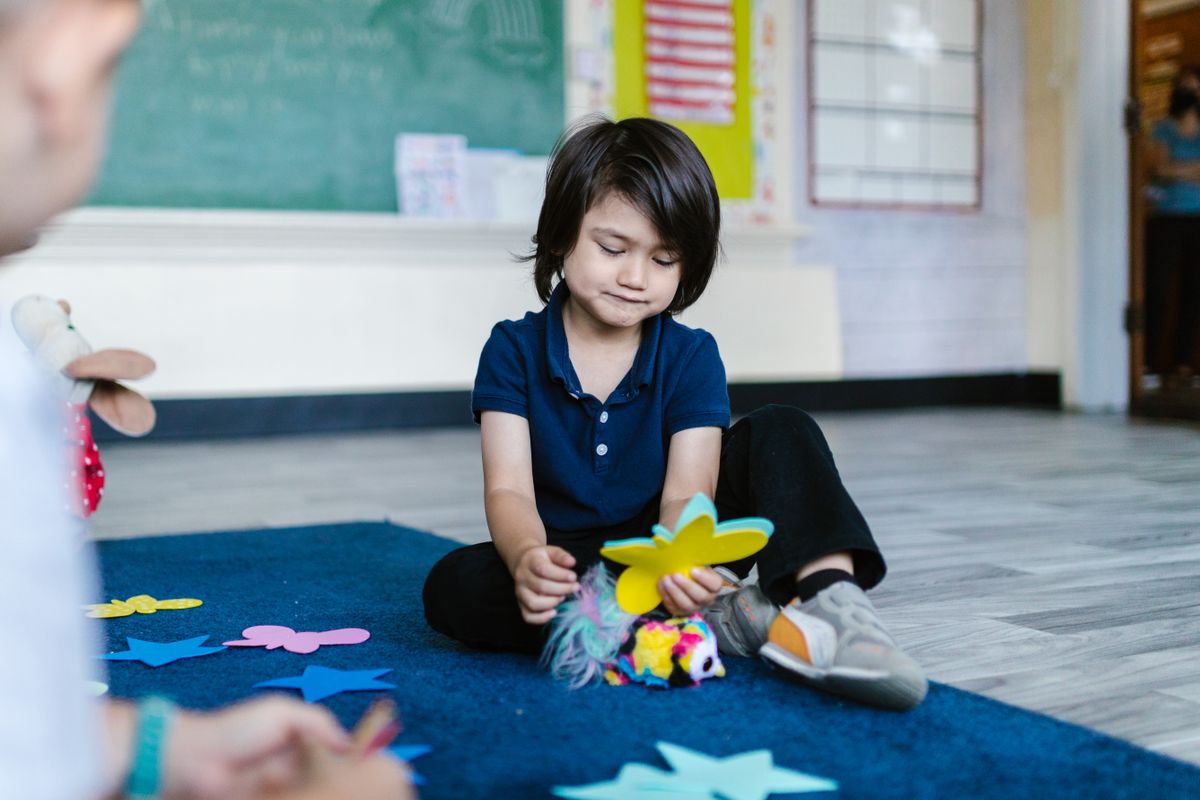
This spring favorite feels like magic. Students color a coffee filter with washable markers, mist it with water, and watch the colors bleed together. Once dry, pinch the center with a clothespin and fan out the wings.
Add pipe cleaner antennae and clip butterflies to a bulletin board branch. During our butterfly unit, the whole wall looks ready to flutter away.
Pro Tip: Do the spraying over a tray, and let filters dry on newspaper so desks stay clean.
4. Handprint Flower Bouquets
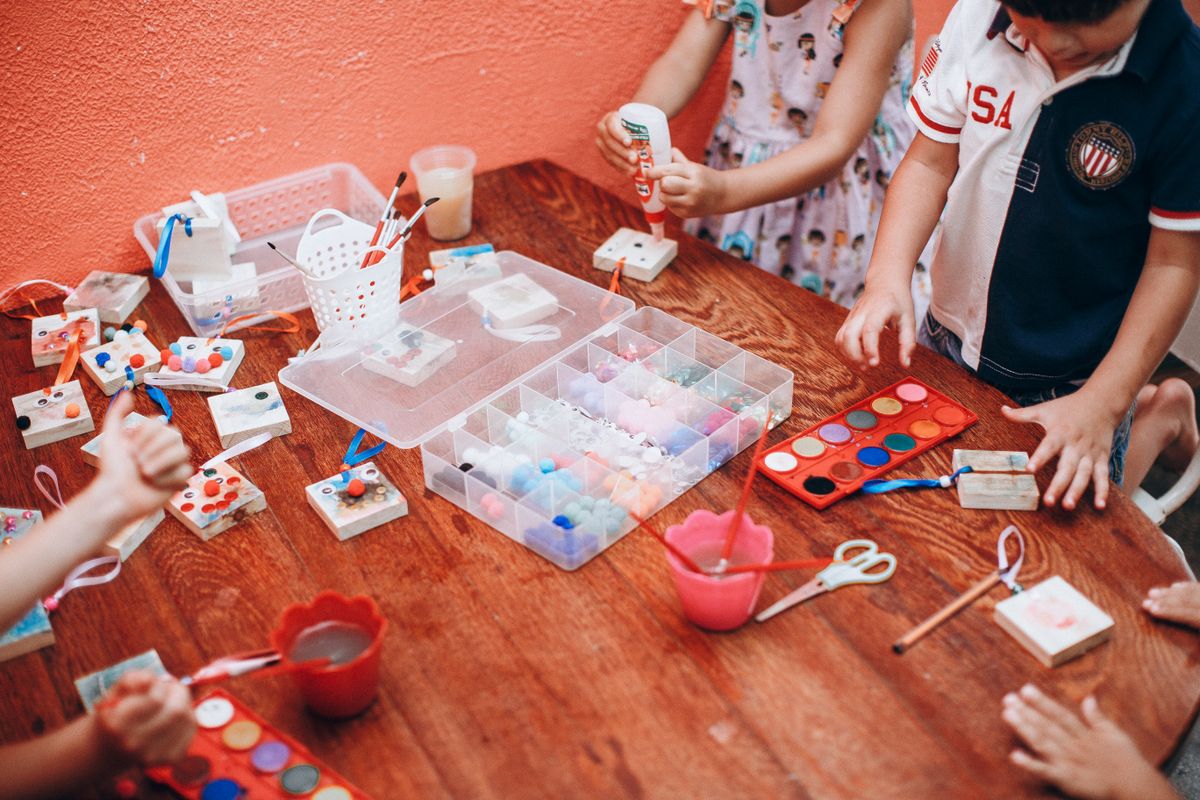
Paint each child’s palm, press it onto paper, and a tulip is born. Add a green stem and leaves and a whole bouquet blooms — A sweet keepsake for Mother’s Day.
Older students write a kind note on the back of each flower. I bundle bouquets with twine — a gift families genuinely keep.
Pro Tip: Keep a basin of soapy water and paper towels at the paint station for instant hand washing.
5. Painted Wooden Birdhouses
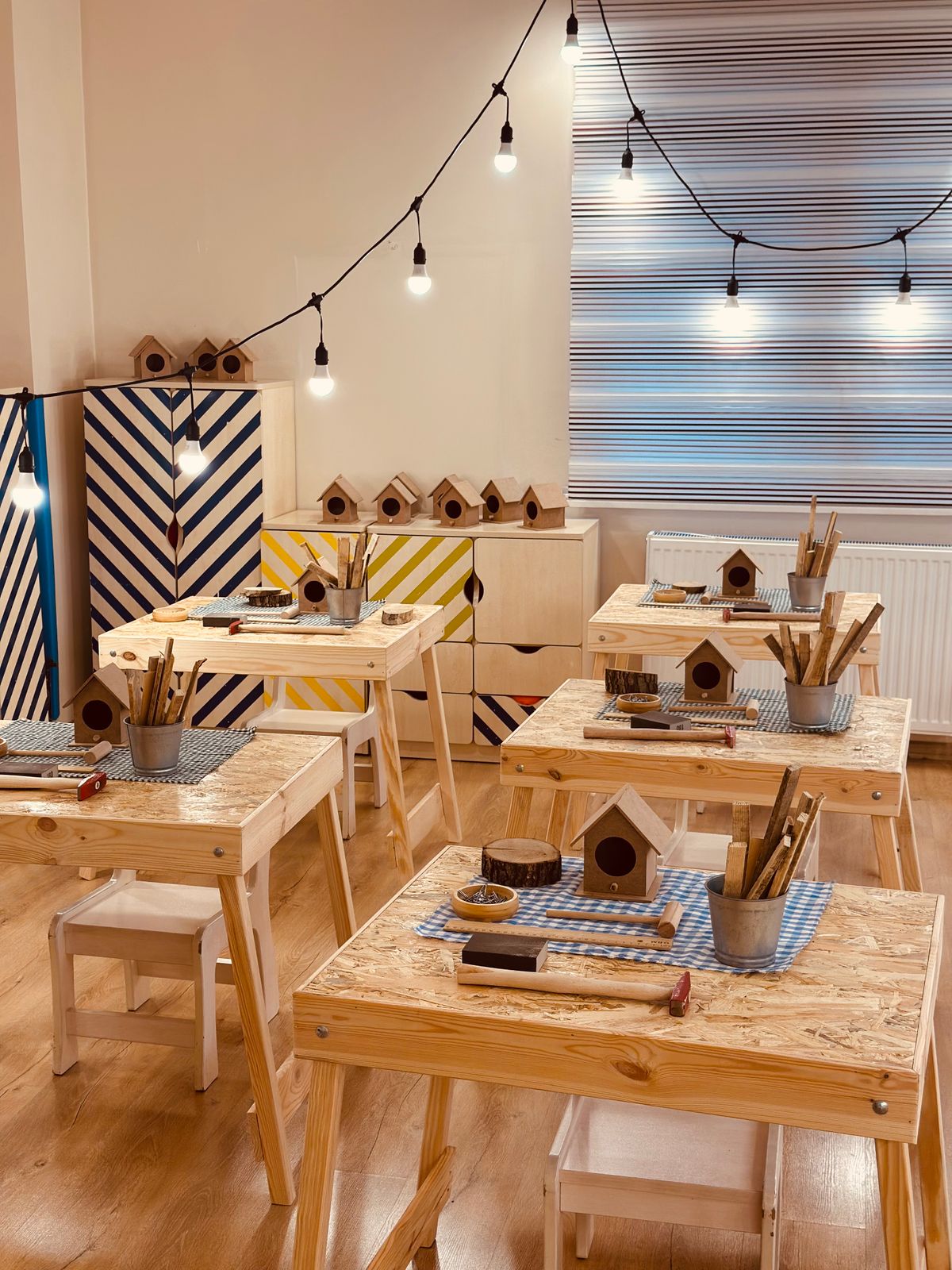
Small unfinished birdhouses turn into a week-long delight. My classes paint them in stages — base coat one day, details the next — which builds patience.
Hang finished houses in the school garden or send them home as gifts. Simple stripes and polka dots look charming clustered on a shelf.
Pro Tip: Cover tables with cut-open grocery bags — free, sturdy, and they catch every drip.
6. Tissue Paper Suncatchers
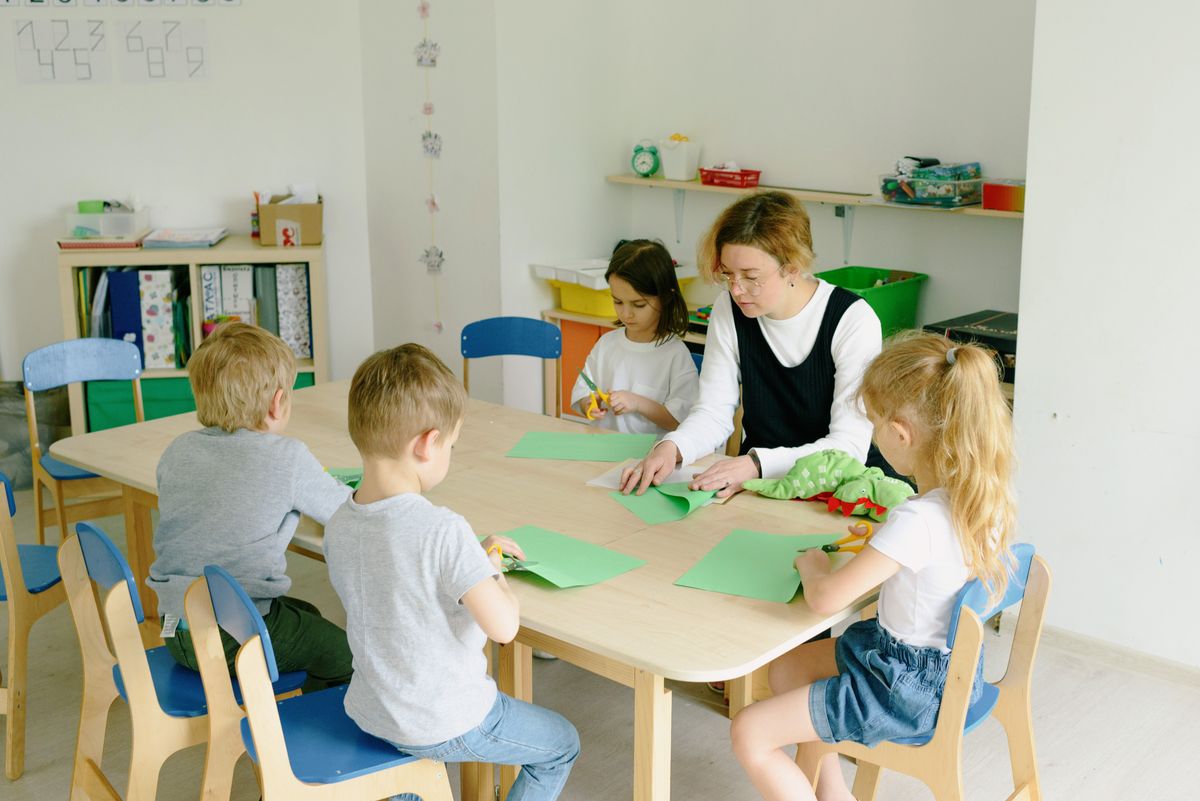
For an almost no-mess window craft, layer tissue paper squares onto clear contact paper cut into circles, hearts, or leaves. Seal with a second piece, trim, and tape it where the light pours through.
I change shapes with the seasons — pumpkins in October, snowflakes in January, flowers in May.
Pro Tip: Pre-cut the tissue into small squares for younger kids so the session stays about designing, not cutting.
7. Paper Bag Puppets
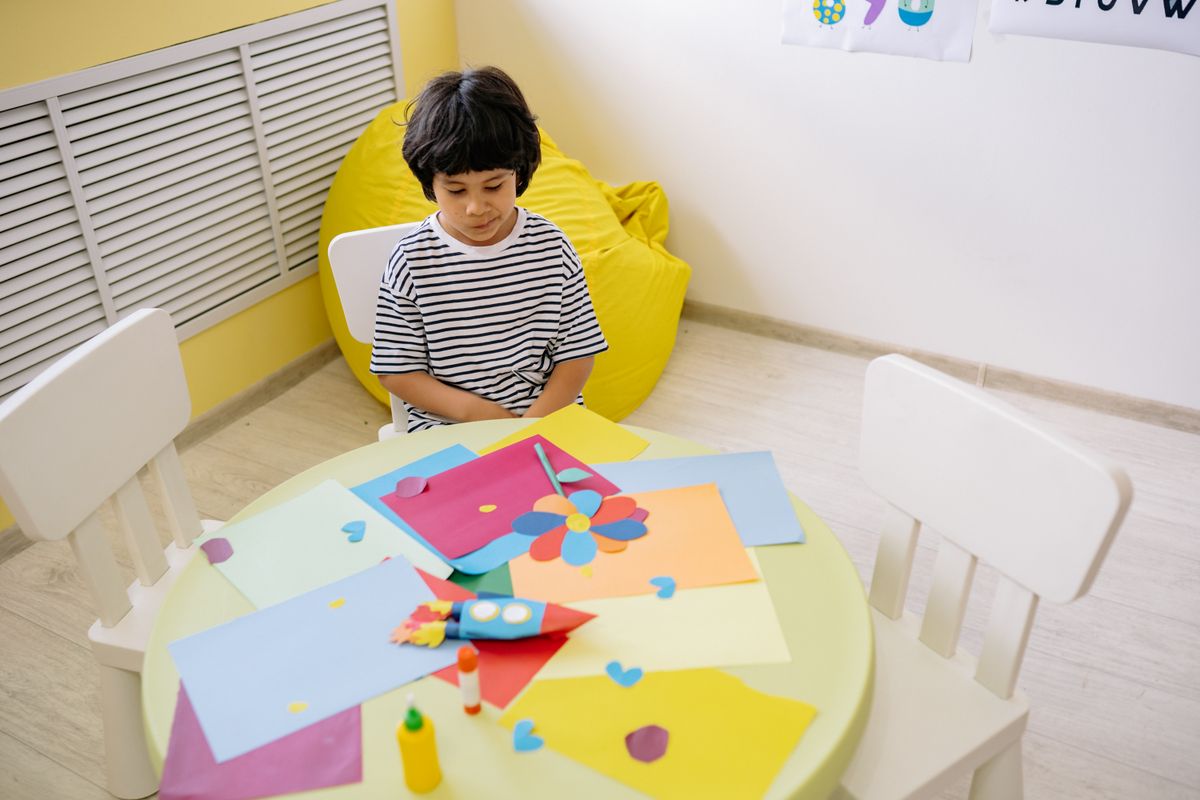
Lunch-size paper bags plus yarn, buttons, and paper scraps make the best storytellers. Students design a character — a storybook hero, a helper, their own pet — using the bag flap as the mouth.
Then comes my favorite part: puppet interviews. Pairs question each other in character, sneaking speaking and listening practice into craft time.
Pro Tip: Set out a scrap bin only — puppets built from leftovers stretch your supply budget beautifully.
8. Hanging Solar System Mobiles
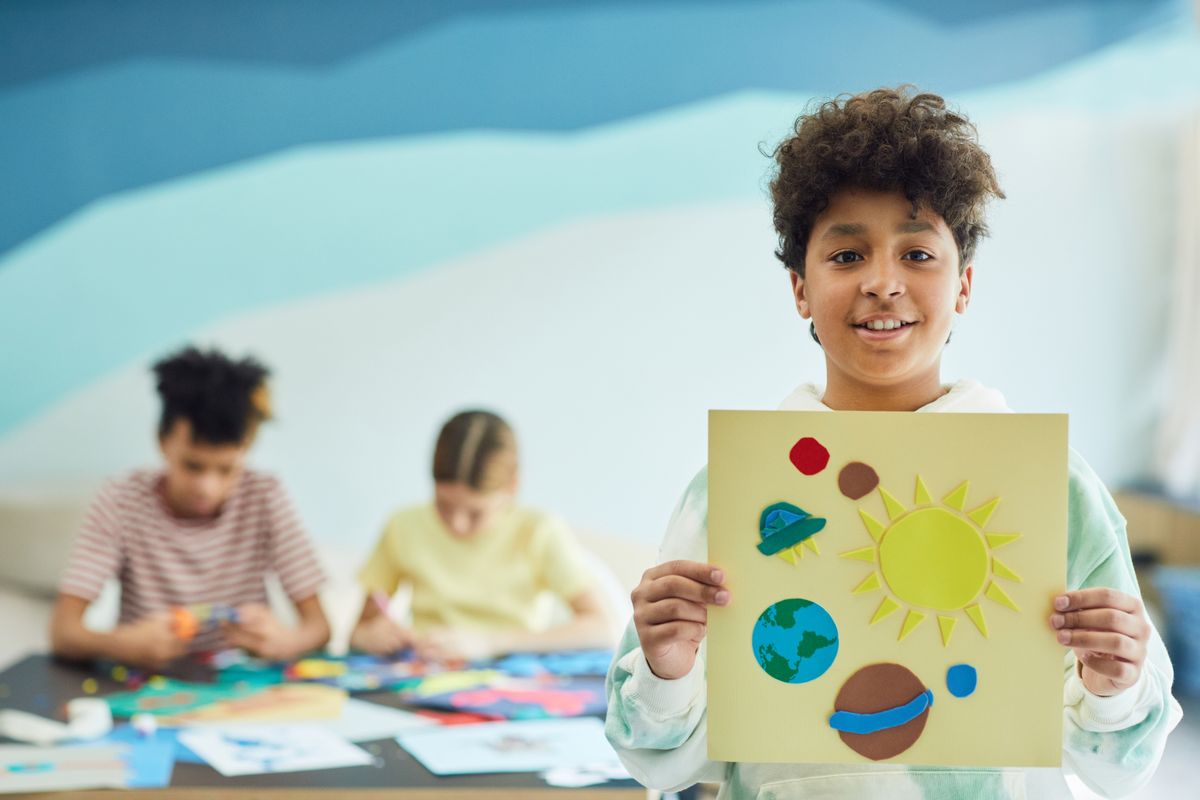
During our space unit, students paint paper circles for each planet, label them, and hang them in order from an embroidery hoop. Watching a child explain why Saturn gets the biggest ring never gets old.
Suspend mobiles at different heights and the classroom turns into a little planetarium.
Pro Tip: Punch holes and tie yarn before painting — dry planets, tidy strings, no tangles.
9. Fold-and-Cut Paper Snowflakes
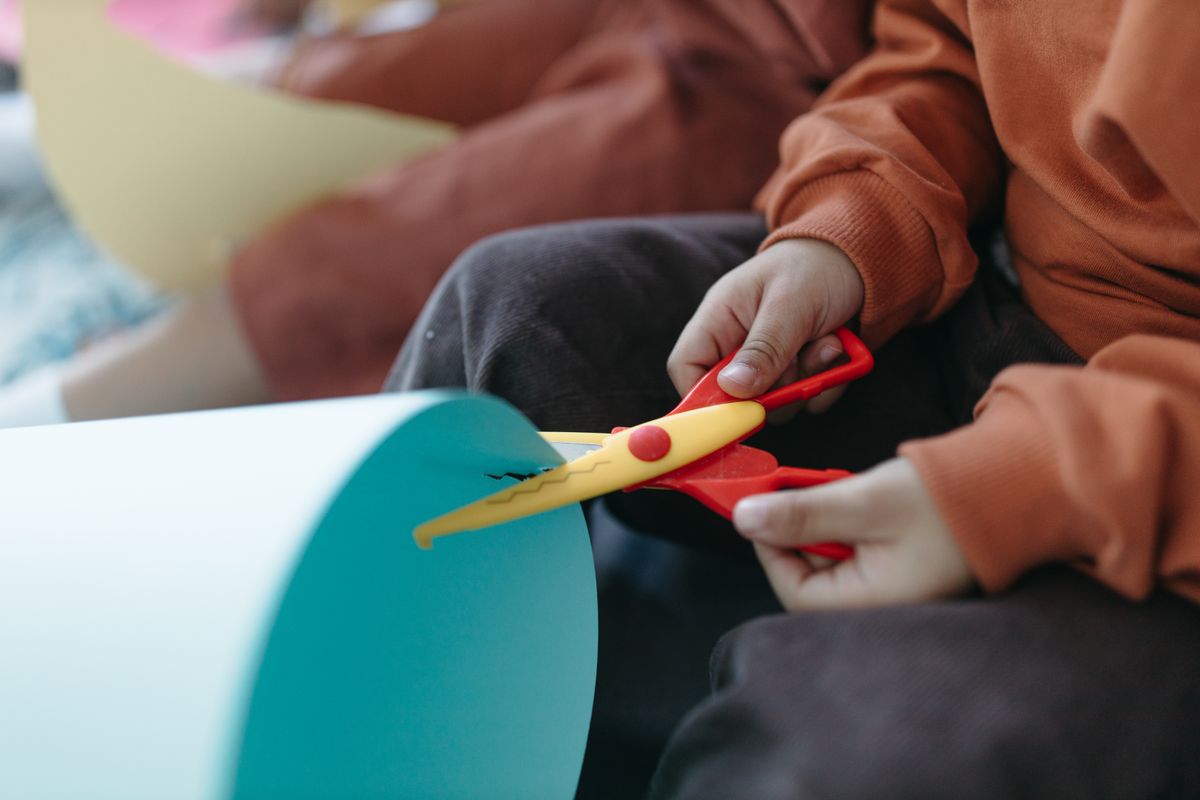
Fold, snip, unfold, gasp — paper snowflakes are winter’s perfect craft. I teach one simple fold, then let students experiment with cuts and curves. No two flakes ever match, which is the science tie-in.
String them on fishing line across the windows for a snowfall that lasts until spring.
Pro Tip: Coffee filters fold thinner than copy paper, so small hands can cut through every layer easily.
Related article: When autumn arrives, I rotate in even more seasonal projects — my roundup of 40 Fun Fall Art Activities for Kids has the leaf, pumpkin, and harvest ideas my students beg for yearly.
10. Glitter Glue Name Plates
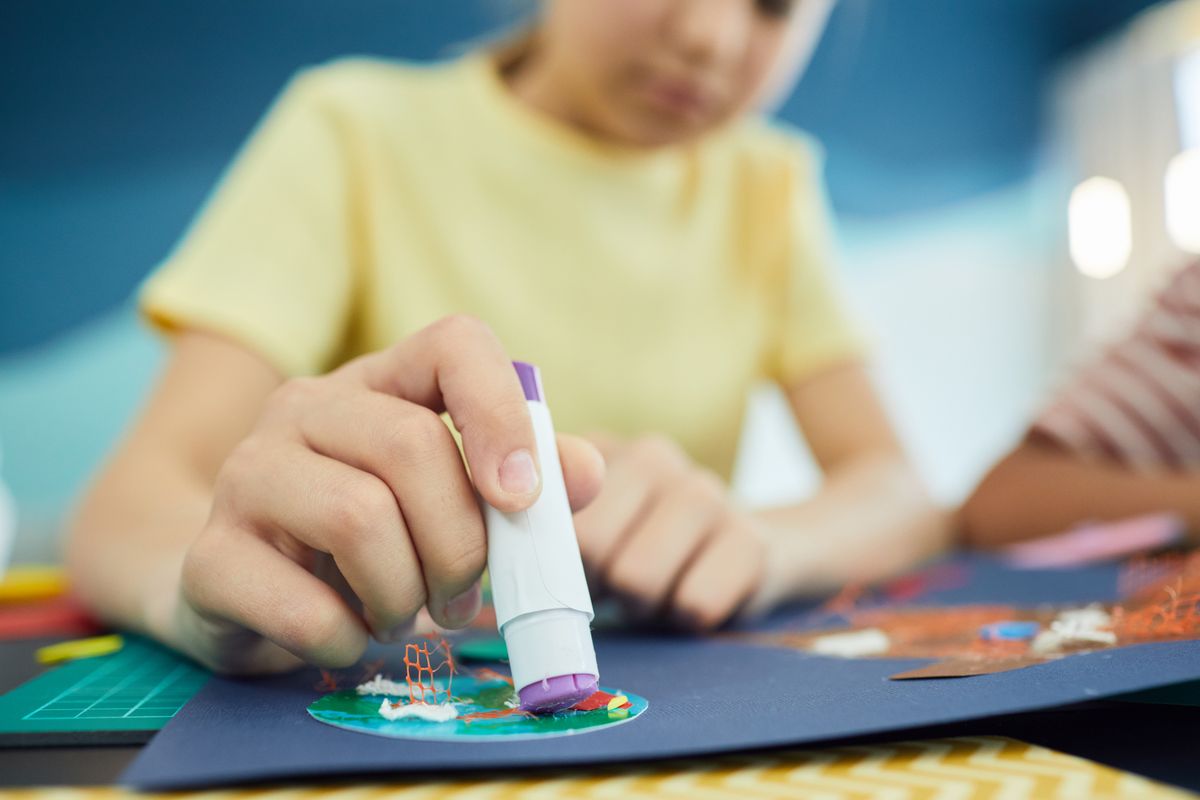
In the first week of school, my students trace their names in glue on card stock, shower them with glitter or colored sand, and shake off the extra. The result becomes their desk name plate for the month.
It is quiet, focused work that helps me learn names fast — and practices letter formation without a single worksheet.
Pro Tip: Write names in pencil first so students trace instead of guessing at spacing.
11. Paper Leaf Garlands
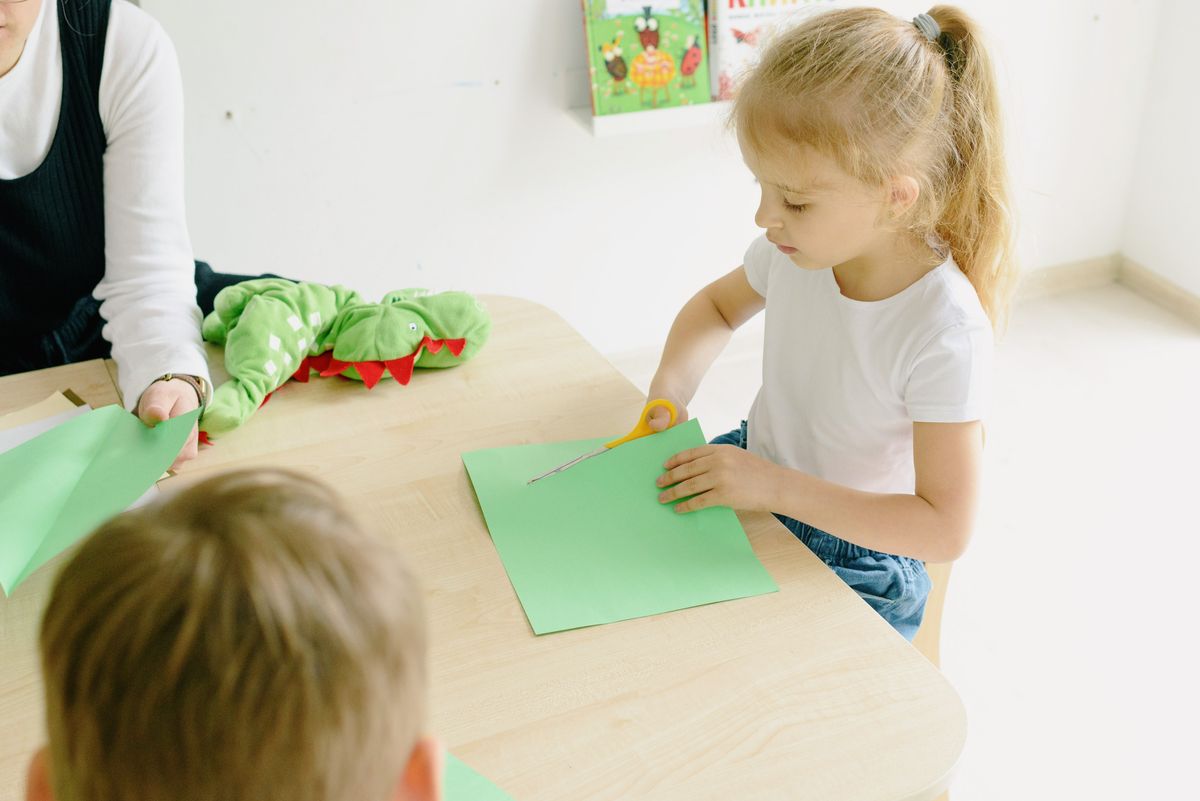
Give me green, gold, and russet paper and I will give you a classroom that looks like an autumn forest. Students trace and cut leaf shapes, add crayon vein lines, and string them onto yarn.
I drape garlands around the door frame and across the word wall. In spring we repeat it in fresh greens for a garden theme.
Pro Tip: Fold paper accordion-style and cut one shape to get six leaves at once.
12. Watercolor Resist Rainbows
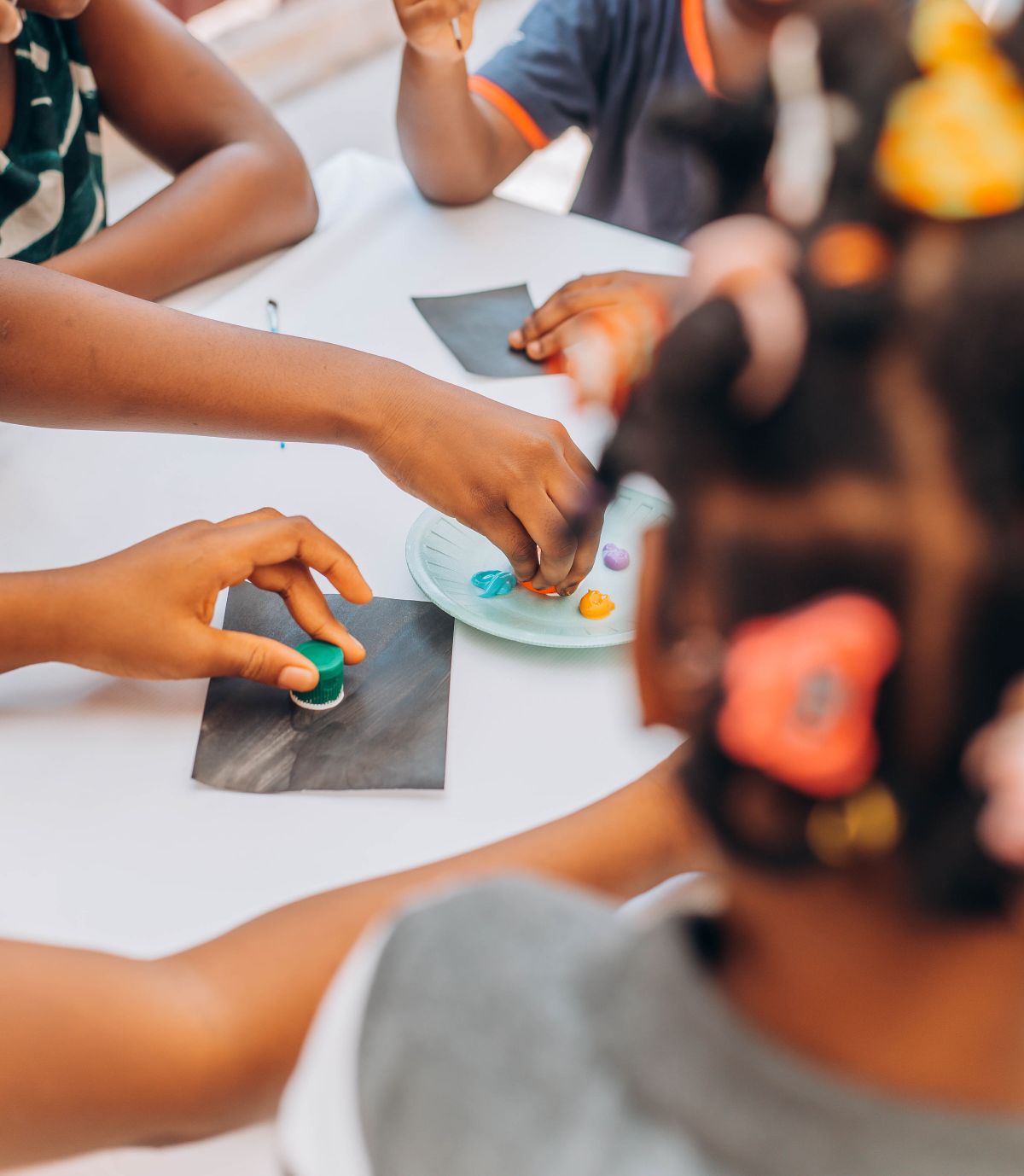
Draw with a white crayon, paint over it with watercolor, and watch the hidden picture appear like a secret message. My students draw rainbows and suns, then gasp as their invisible art shows through the color.
It is a wonderful first painting project: crayon lines keep colors corralled, and every result looks gallery-worthy on the drying rack.
Pro Tip: Press hard with the crayon — light lines disappear under the paint instead of resisting it.
13. Feather Bookmarks
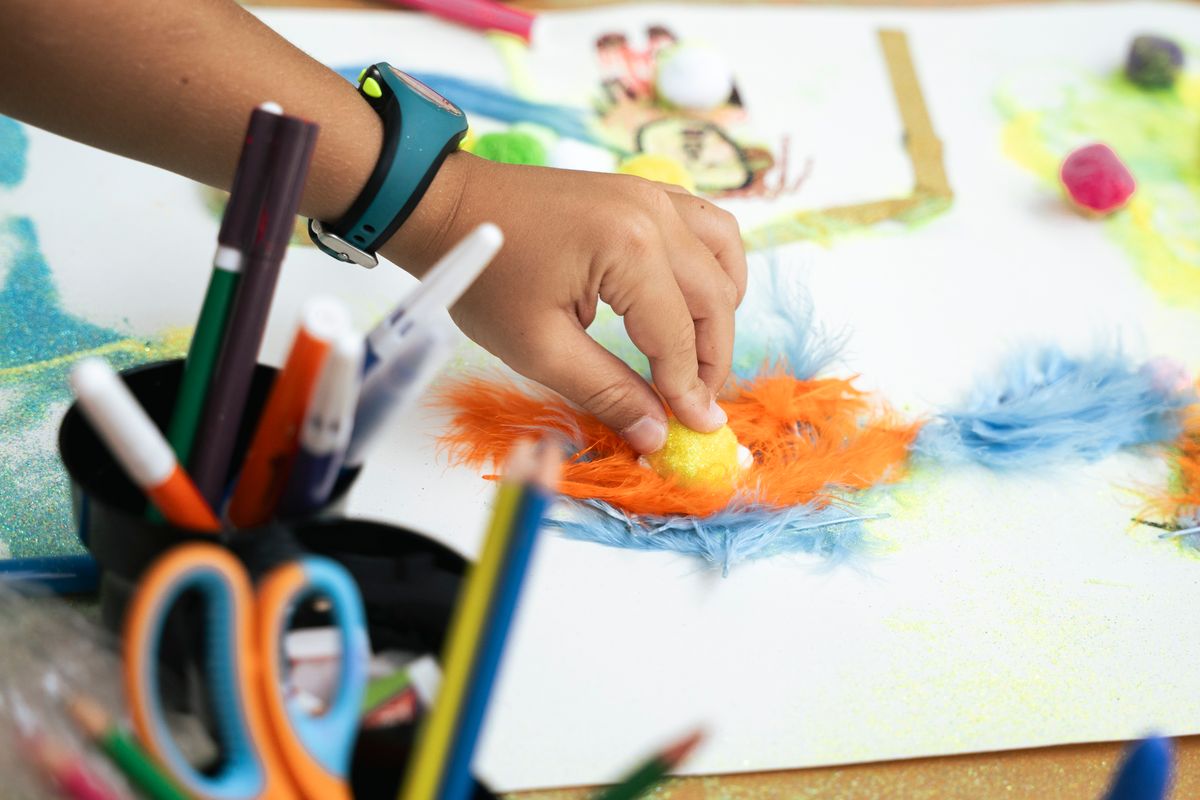
Craft feathers turn a plain card stock strip into a bookmark kids actually want to use. Students glue one or two feathers down the strip, draw around them, and add their name in fanciest lettering.
Clear tape over the top works as a quick laminate, so feathers survive a year of reading.
Pro Tip: A dot of glue under each feather tip keeps them flat while the bookmark dries.
14. Geometric Paper Lanterns
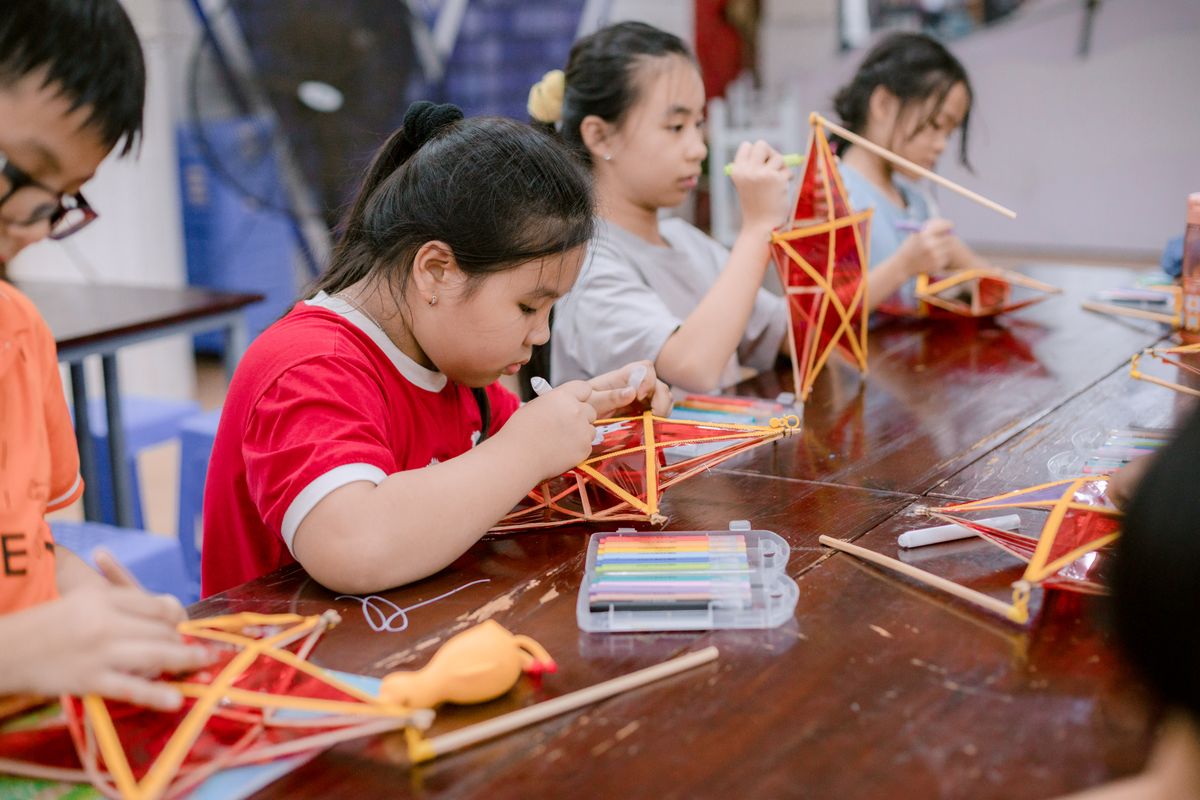
Fold construction paper, cut slits along the fold, roll it into a tube, and staple — a lantern appears. It gently introduces three-dimensional thinking, and students love how the shape puffs open.
Hang rows of lanterns for Lunar New Year, celebrations, or reading week. Red and gold paper looks especially festive.
Pro Tip: Draw light pencil lines as cutting guides the first time — straight slits make sturdier lanterns.
Also read: Animal lovers in my class adore a good creature project, so I keep this collection of 21 Horse Craft Ideas Kids Can’t Wait to Try bookmarked for farm units and rainy-day afternoons.
15. Air-Dry Clay Mini Sculptures
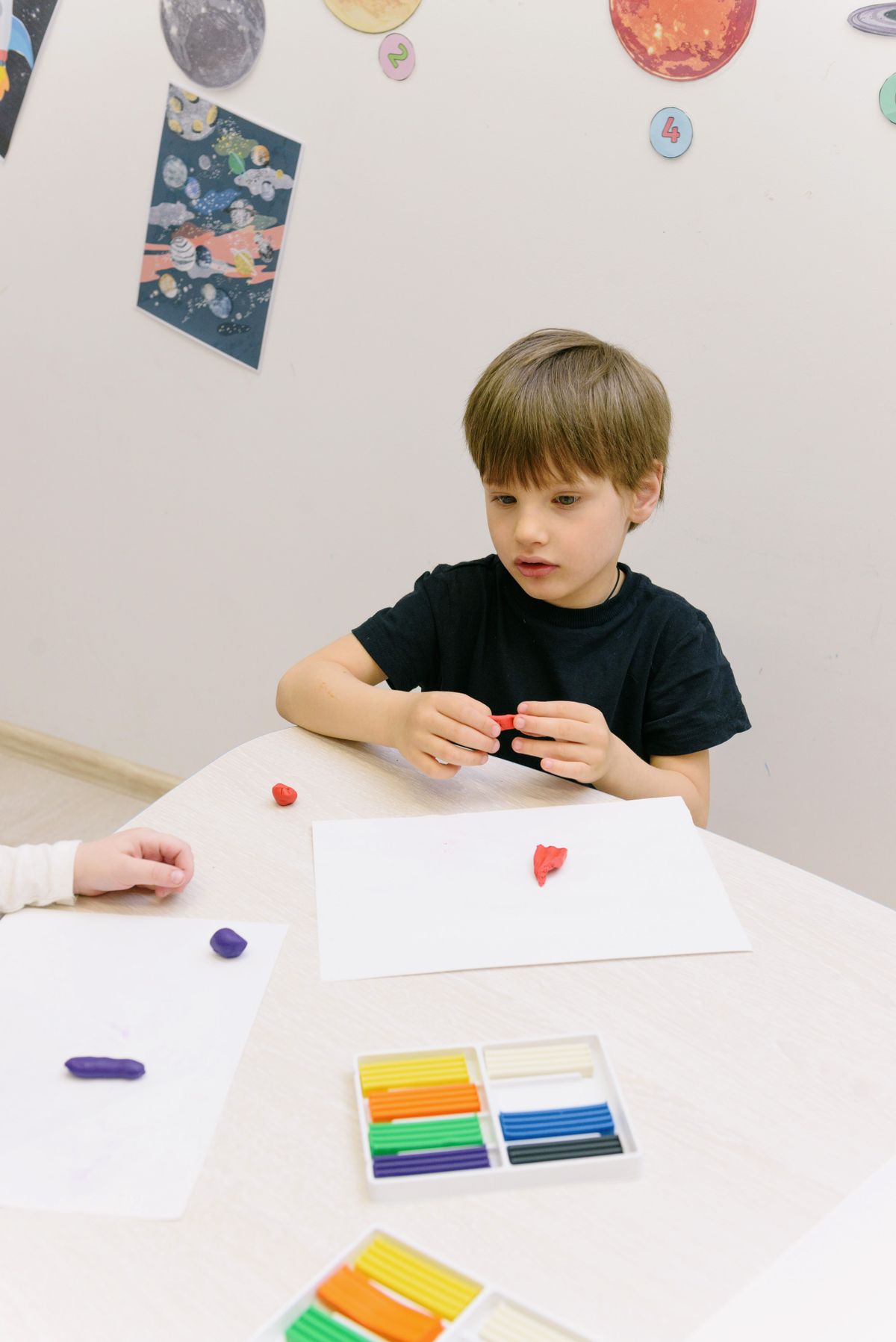
A walnut-size ball of air-dry clay per child is all it takes. Students pinch, roll, and coil their way to tiny animals and pinch pots. The sculpting builds hand strength that pays off in handwriting, too.
Let pieces dry overnight, then paint the next day. I send sculptures home in paper cups for protection.
Pro Tip: Keep clay portions small — tiny sculptures dry evenly and rarely crack.
16. Paper Rocket Ships
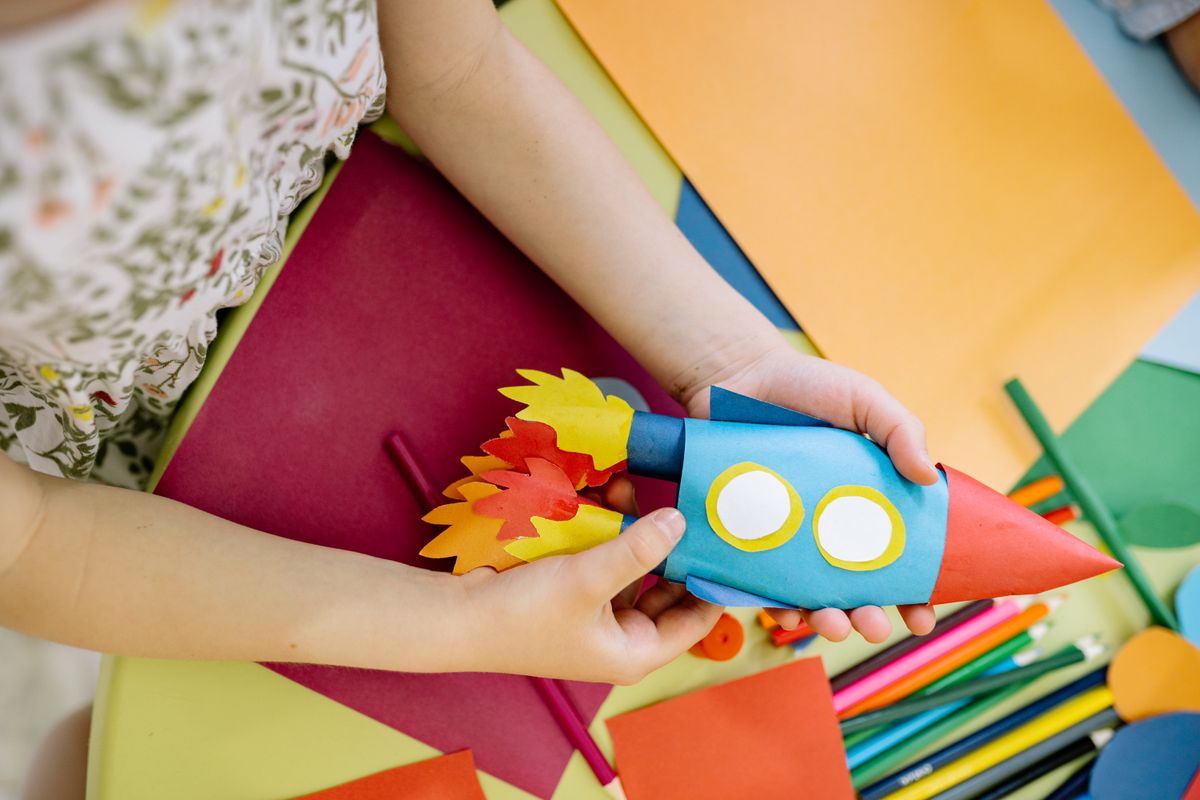
A triangle nose cone, a rectangle body, two fins, and tissue paper flames — that is all a paper rocket needs. Students decorate theirs with portholes, flags, and astronaut names.
Mount rockets on dark blue paper with cotton ball smoke trails for an instant space bulletin board.
Pro Tip: Let students plan with scrap paper first; one practice rocket makes the final one fly.
17. Dinosaur Track Paintings
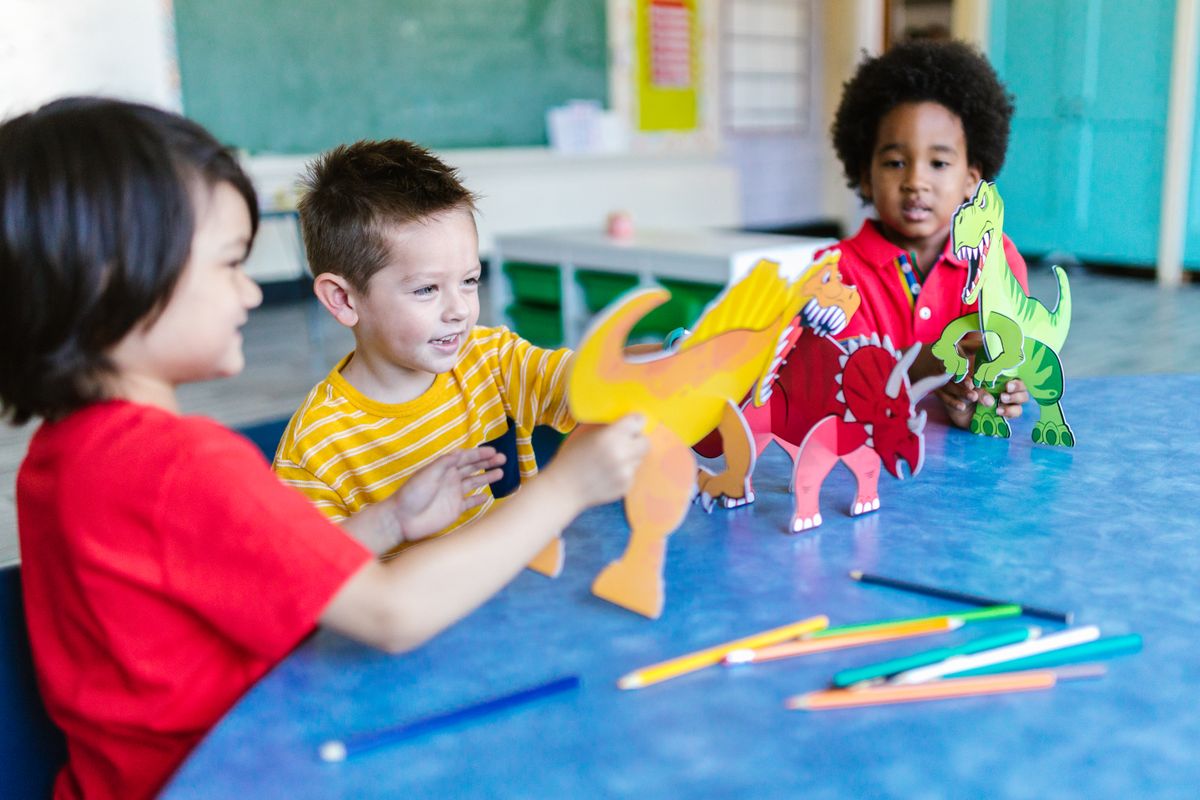
Dip toy dinosaur feet in washable paint and stomp them across a long sheet of butcher paper. My class makes a whole dinosaur parade, then labels which tracks belong to which dinosaur like real paleontologists.
It is gloriously fun and surprisingly tidy with paint in shallow trays. The finished mural stretches down the hallway during dinosaur week.
Pro Tip: Put one paint color per tray and one dinosaur per tray — no muddy mixing, easy cleanup.
18. Popsicle Stick Picture Frames
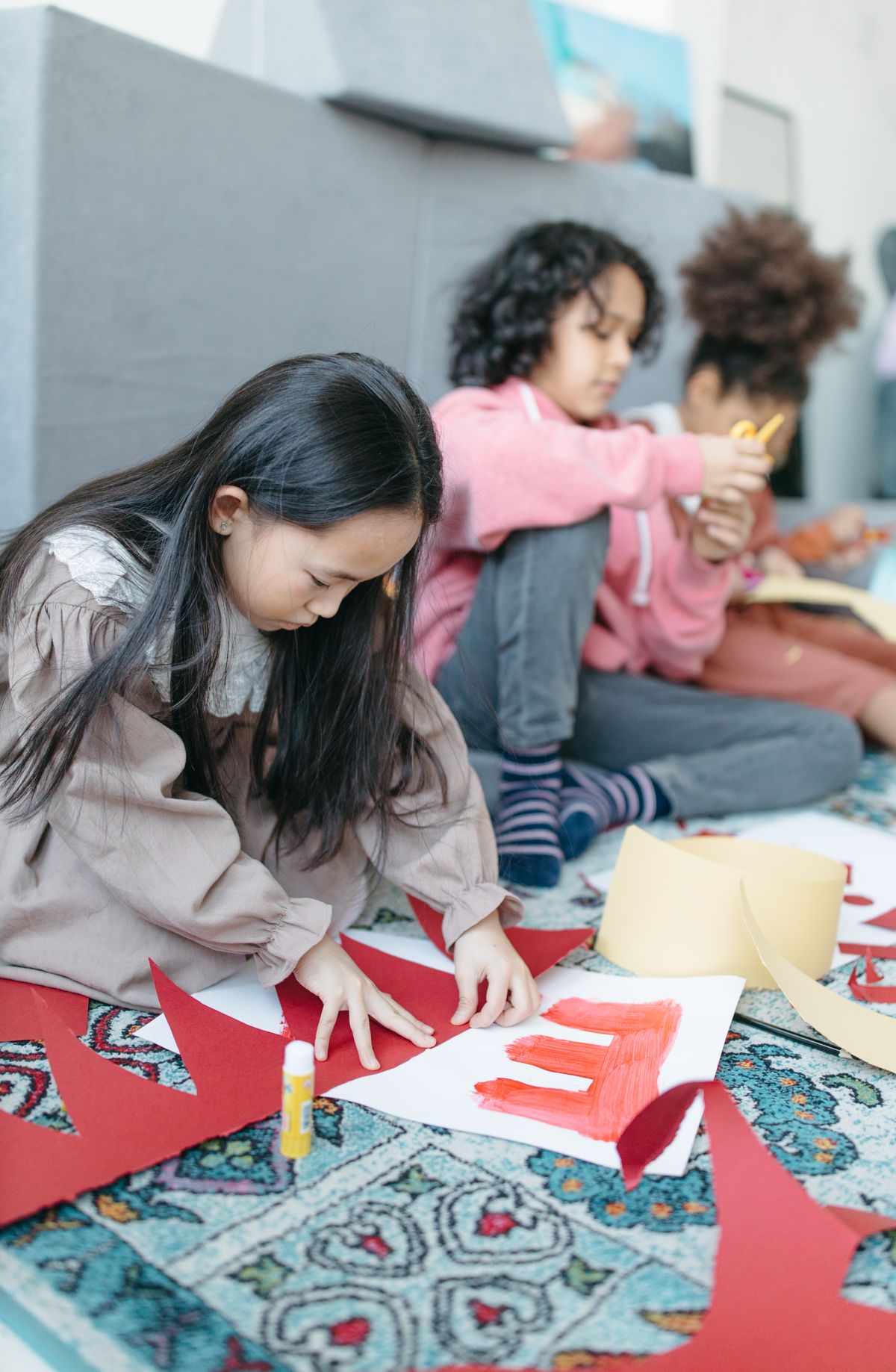
Four craft sticks, a square of cardboard, and scrap-bin decorations — that is a frame ready for a class photo. Students paint the sticks, glue the corners, and decorate with buttons, sequins, or patterns.
These are my go-to family gift for holidays and end-of-year celebrations. Add a magnet strip and they live on refrigerators for years.
Pro Tip: Glue the frames a day ahead so they are fully dry and sturdy when decorating begins.
19. Collaborative Paper Quilts
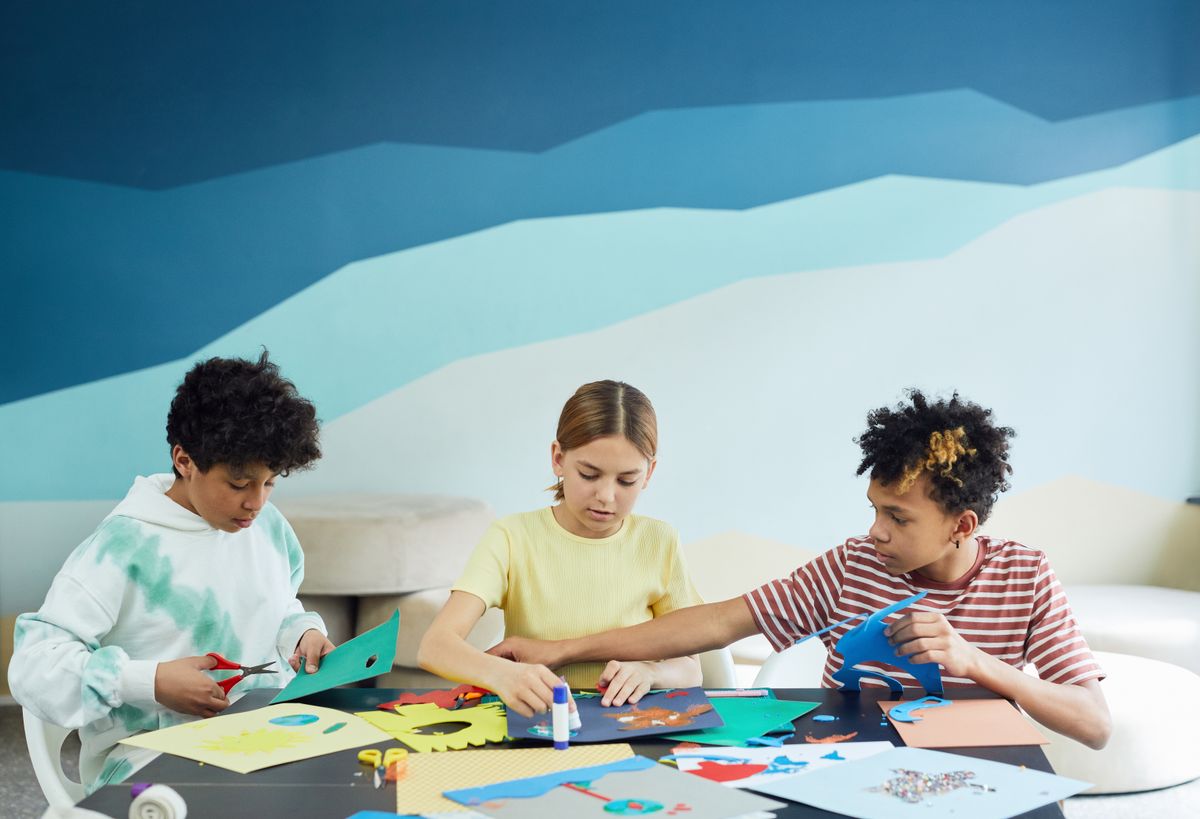
Each student decorates one paper square around a theme — kindness words, favorite books, autumn leaves — and I mount them edge to edge on bulletin paper. Separately sweet; together they stop hallway traffic.
The quilt is my favorite back-to-school display: it says, in one glance, every child’s work belongs here.
Pro Tip: Give every square the same border color — it unifies wildly different artwork instantly.
20. Torn Paper Mosaics
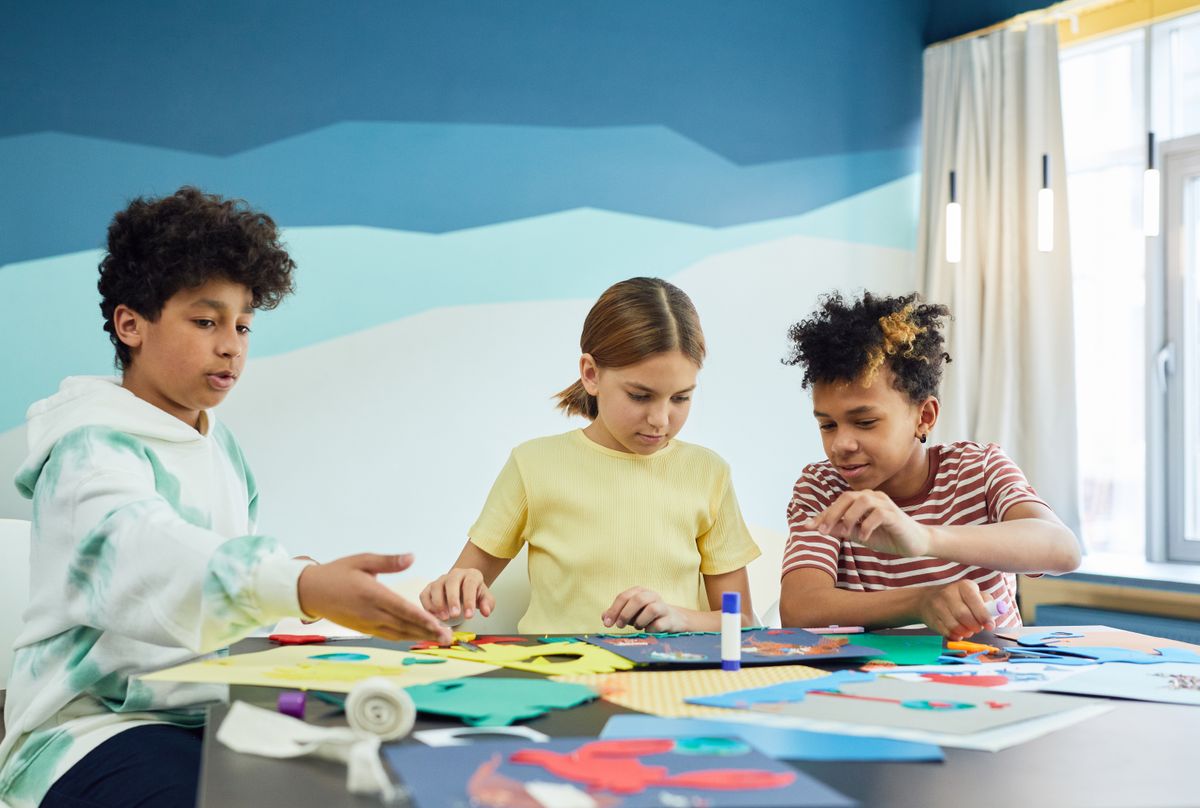
No scissors, no problem. Students tear colored paper into small pieces and glue them inside a simple outline — an apple, a fish, a pumpkin — until the shape glows with texture. Tearing is wonderful fine-motor practice.
A tub of pre-torn scraps from other projects makes this the cheapest craft on my entire list.
Pro Tip: Glue sticks beat liquid glue here; pieces stay put without wrinkling the base paper.
21. Comic Strip Creations
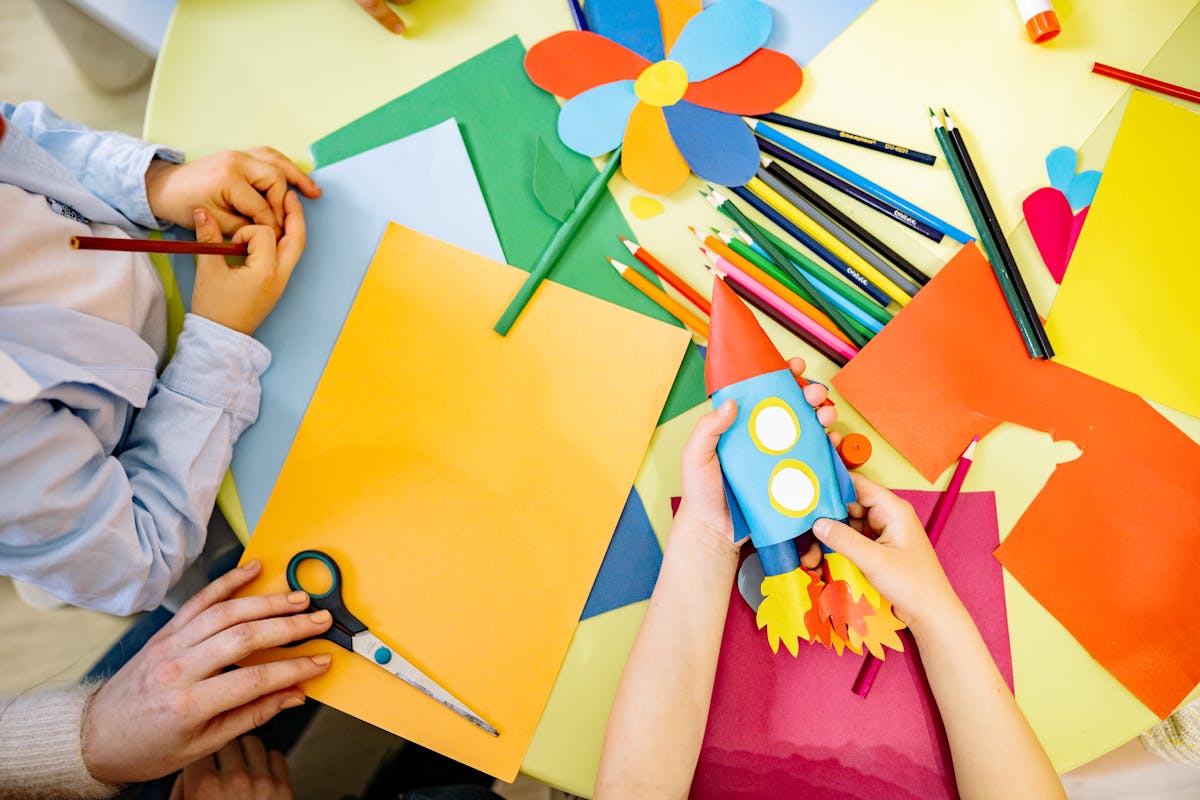
Fold a paper strip into four boxes and students become cartoonists. They draw a beginning, middle, and end, add speech bubbles, and suddenly writing workshop has pictures, dialogue, and giggling.
Younger children can dictate captions to a buddy. I bind the year’s strips into a class comic book.
Pro Tip: Start with a shared class comic on the board so reluctant writers see the pattern first.
22. Mystery Bag Craft Challenge
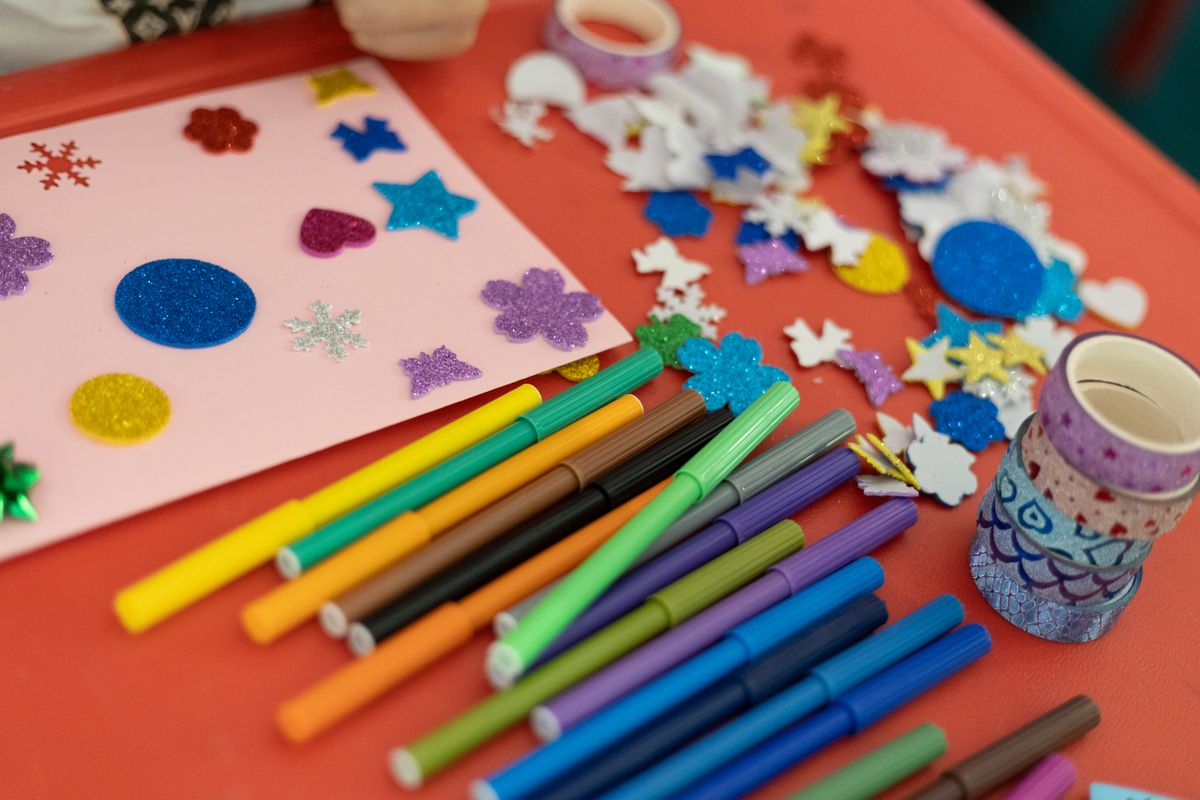
Fill a paper bag with random bits — a paper tube, three stickers, a pipe cleaner, scraps — and challenge each child to invent something from only what’s inside.
Perfect for early finishers and indoor recess, it quietly uses up every odd supply saved all year.
Pro Tip: Keep five ready bags in a drawer; they are a lifesaver when a lesson ends early.
Read this next: For an ocean unit finale, my students go under the sea — this collection of Under the Sea Crafts for Kids is full of fish, turtles, and wavy blue projects.
23. Handmade Greeting Cards
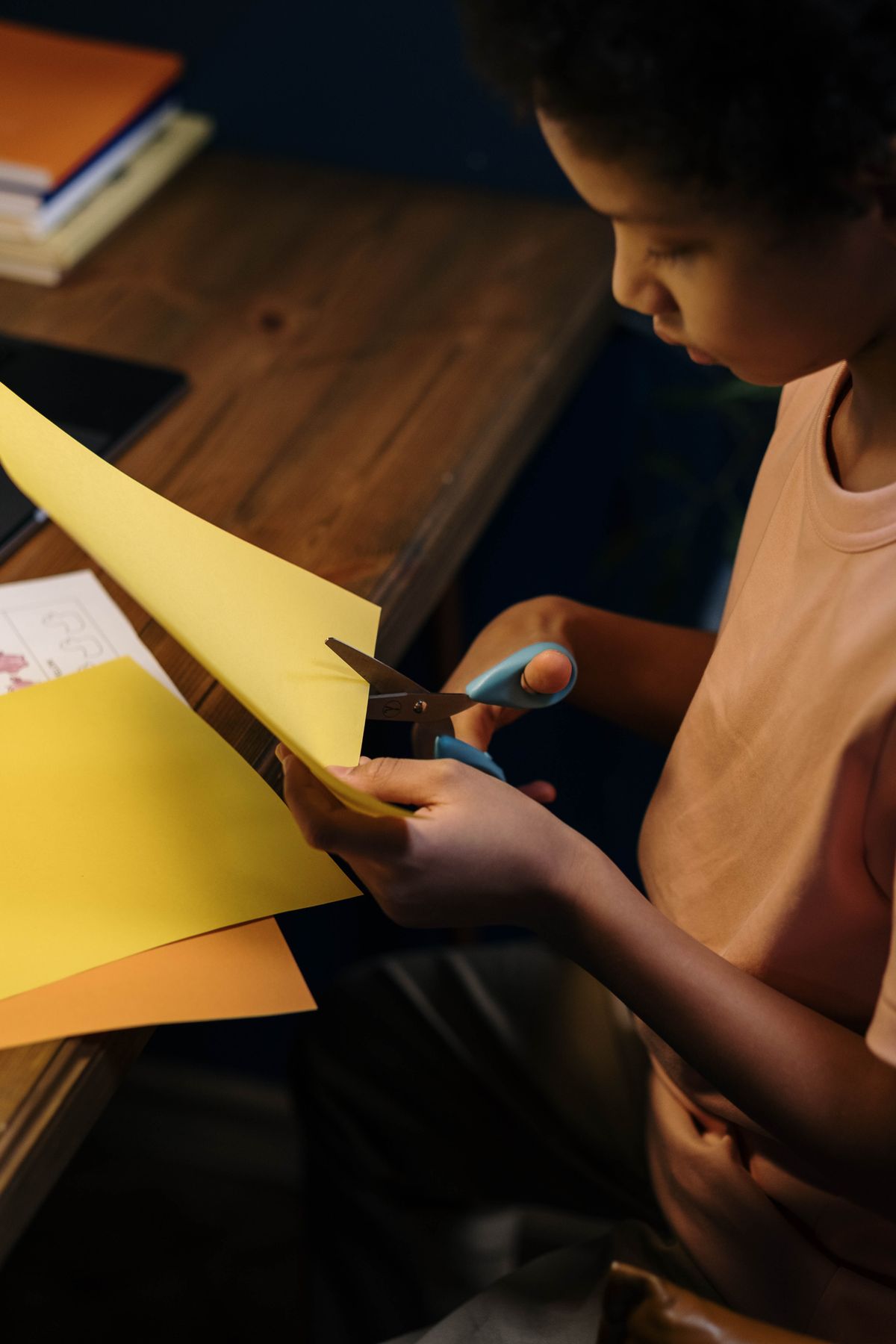
Folded card stock, a few stickers, and a heartfelt sentence — handmade cards teach gratitude better than any lesson plan. My classes make them for custodians, cafeteria staff, nurses, and families.
A card station in the writing center is always the busiest corner at free choice time.
Pro Tip: Model one inside message format — greeting, kind sentence, closing — for young writers.
24. Directed Drawing Pages
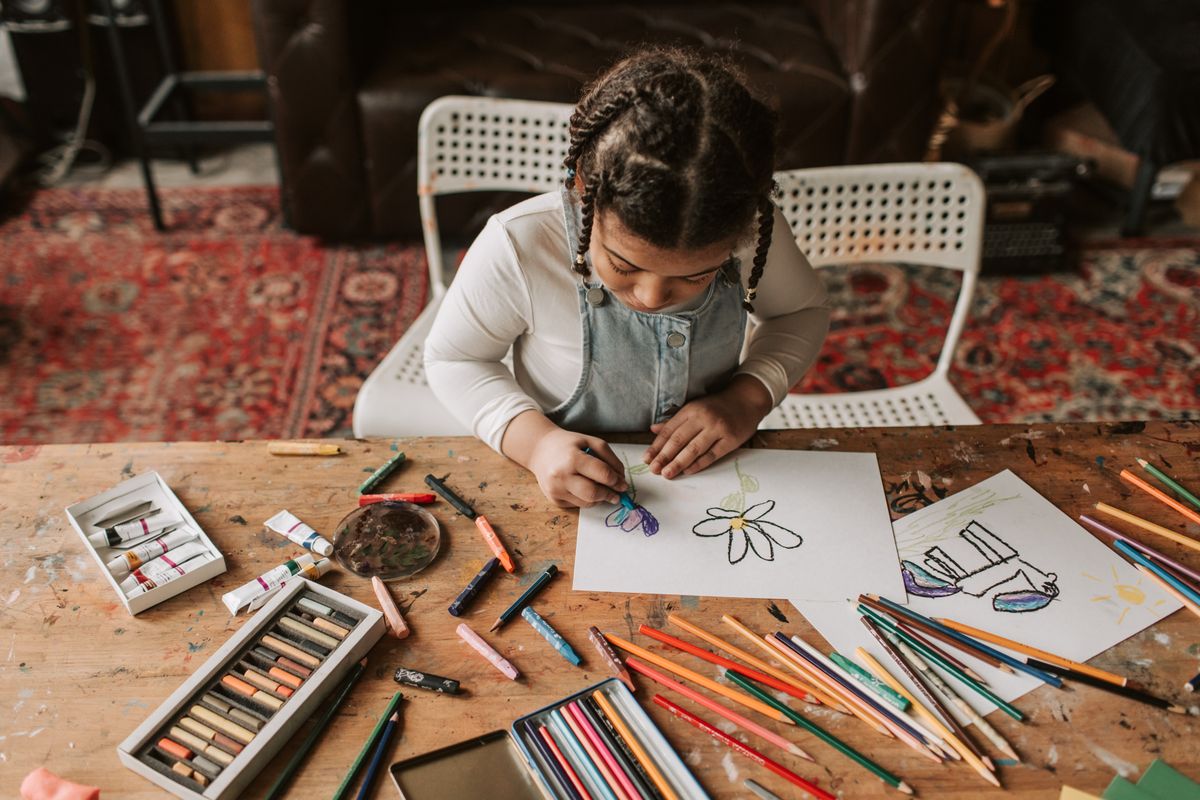
I draw one step at a time on the board — a circle, two ears, a curly tail — and students follow along. Children who swear they “can’t draw” beam when a recognizable owl or puppy appears.
Afterward, everyone colors and adds their own background, so no two pages match.
Pro Tip: Draw in pencil first and trace with marker last; mistakes quietly disappear.
25. Paper Teddy Bear Friends
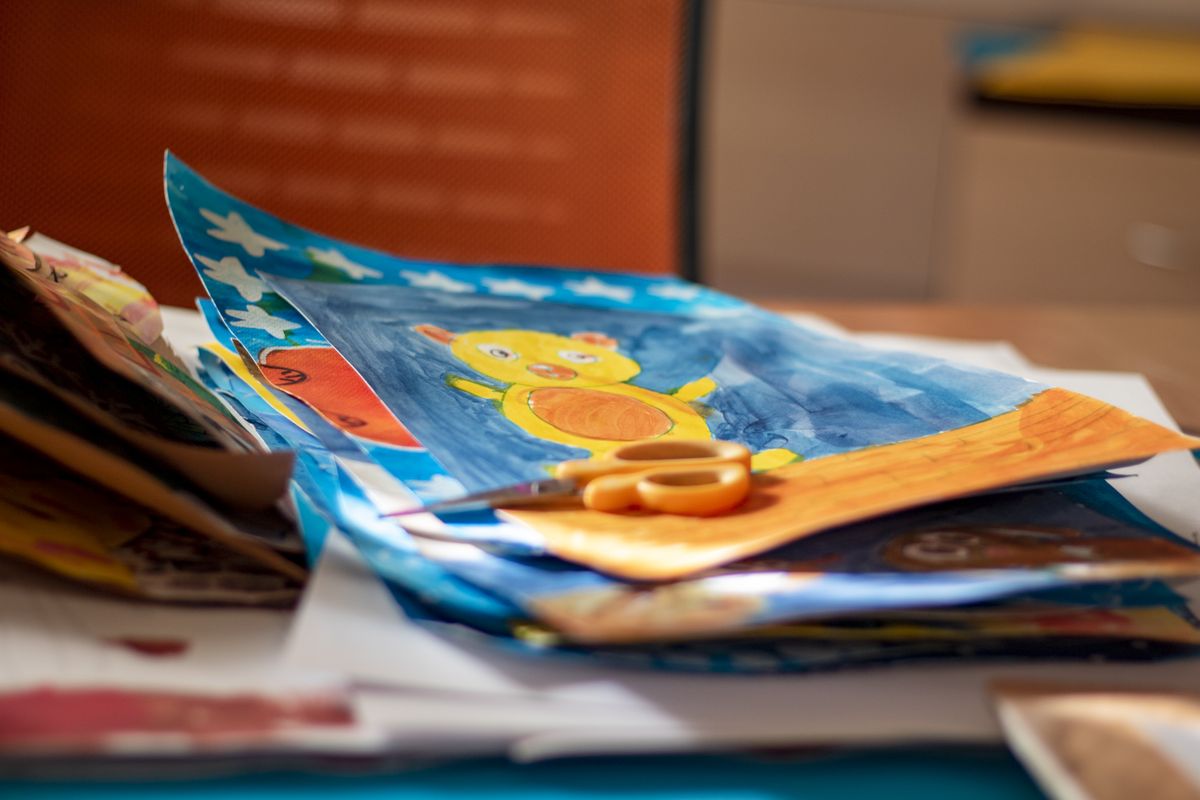
Circles for the head, ears, and belly — that is the whole secret. Students assemble the pieces, draw a friendly face, and dress their bear with a bow tie or superhero cape.
We make these during teddy bear picnic week, and the bears join story time all year as beloved reading buddies.
Pro Tip: Pre-cut circles for kindergarten, but let older grades trace and cut their own sets.
26. Storybook Character Crafts

After a beloved read-aloud, we craft its star: a paper-plate ladybug, an egg-carton caterpillar, a wild thing with paper teeth. Retelling while building locks the plot into little memories.
I display characters beside the book cover in our library corner, and students gravitate to those books again and again.
Pro Tip: Keep one finished sample hidden until after reading — the reveal builds delicious anticipation.
27. Letter Crown Parade
For letter-of-the-week, each child decorates a sentence-strip crown with the focus letter — L gets leaves and ladybugs, S gets stars and suns. Then we parade around the room wearing our letters like royalty.
It is joyful, a little silly, and remarkably effective: nobody forgets the letter they wore on their head all afternoon.
Pro Tip: Fit and staple crowns before decorating so art time is not spent re-measuring heads.
Frequently Asked Questions About Classroom Crafts
What are the best low-mess classroom crafts?
Paper chains, snowflakes, torn paper mosaics, and directed drawings are my cleanest crafts — paper, scissors, and glue sticks only. I reach for these on carpeted floors, during short periods, or whenever a substitute is covering my room.
How can I keep classroom crafts cheap?
Save every scrap. My mosaic tub, puppet bin, and mystery bags are filled with leftovers from other projects. Paper, glue sticks, and washable paint cover most of this list, and donated paper tubes stretch the budget further.
How long should a classroom craft take?
Most crafts here finish in 30 to 45 minutes including cleanup. Painting projects work better split across two days. A visible timer for the last five minutes keeps cleanup from eating the next lesson.
Can younger children do these crafts too?
Yes — pre-cutting is the secret. I cut shapes and strips ahead for preschool and kindergarten, so their session focuses on gluing and designing. Older students earn independence by measuring and cutting every piece themselves.
How do I display finished classroom crafts?
Clothespins on a string line are my favorite: fast to hang, gentle on artwork, easy to change weekly. Quilts anchor bulletin boards, mobiles use ceiling space, and suncatchers belong on your brightest window.
What supplies should every classroom craft station have?
My non-negotiables: construction paper, glue sticks, child-safe scissors, washable markers and paint, crayons, craft sticks, and a scrap bin. A caddy per table group keeps supplies calm and cleanup a two-minute job.
Final Thoughts
If years of glue sticks and glitter taught me one thing, it is that children remember the days they made something with their own hands. These crafts are not about perfect results — just color on the walls and pride on small faces.
Start with a low-mess favorite, like paper chains or snowflakes, and build from there. Before long you will have your own treasured list — and a scrap bin full of next month’s masterpieces.



One Comment