25 LEGO Storage Ideas for an Organized Play Space
If you have ever stepped on a stray brick in the dark, you already know why I went looking for better LEGO storage ideas. Our playroom used to be one giant bin and a prayer — every build session started with ten minutes of digging and ended with pieces in every corner of the house. Sound familiar?
Over the past year I have tested just about every system a family can try, from dollar-store bins to a full drawer wall, and I have learned what actually survives real kids. These 25 ideas are the ones that stuck in our home: a mix of sorting systems, display solutions, and quick-tidy tricks that keep building fun and cleanup painless.
Key Takeaways
- Sort by color for young builders and by piece type for older kids — the right system depends on how they actually build.
- One big everyday bin plus smaller sorted containers beats a fully sorted system nobody maintains.
- Works in progress need their own tray or shelf, or they will be swept into the bin and lost forever.
- Clear containers and photo labels let kids tidy up independently, without asking where things go.
- Display space for finished builds is storage too — it keeps favorite creations off the floor and out of the sort bins.
- The best system is the one your kids will reset in under five minutes; test before you invest in a big setup.
25 LEGO Storage Ideas for an Organized Play Space
1. One Big Everyday Bin for Free Building
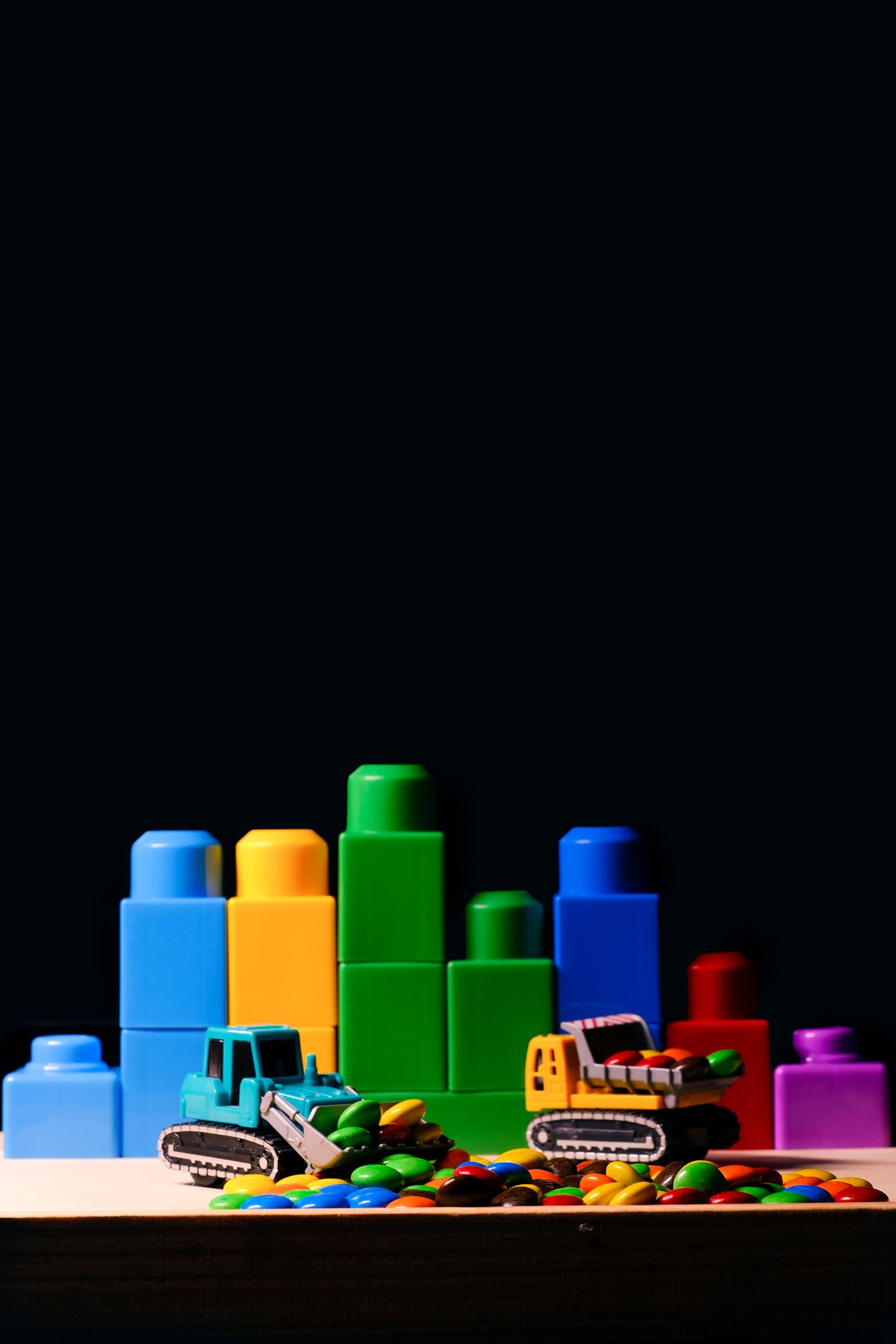
Start simple: one big, shallow bin for the bricks your kids reach for daily.
This bin is the heart of our system. Everything else on this list supports it, because free building is where the magic happens, and a single grab-and-go bin keeps that magic mess contained to one spot.
Pro Tip: Line the bin with a play mat so cleanup is a lift-and-pour job when pieces scatter.
2. Clear Bins Sorted by Color
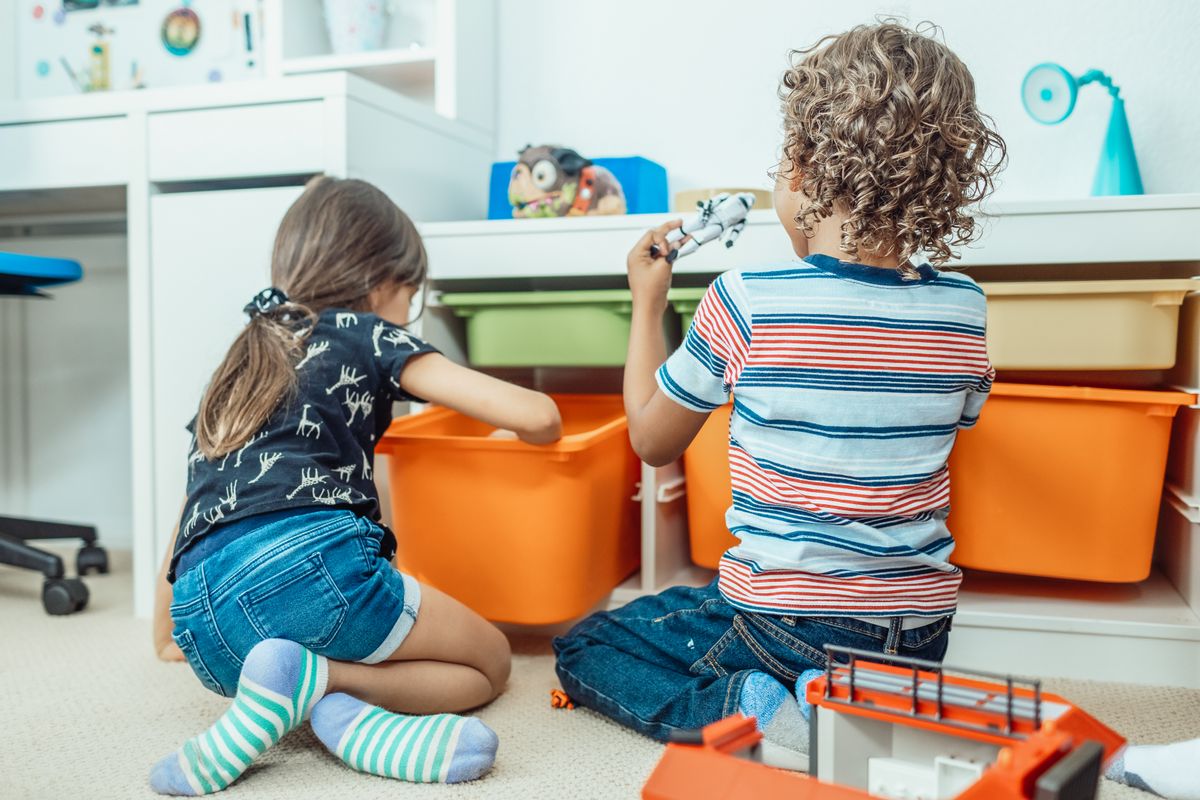
Sorting by color is the system young builders understand instantly.
Clear bins are non-negotiable for us — lids and opaque boxes hide the contents and the system dies within a week. Stack two rows high at most so little arms can reach everything safely.
Pro Tip: Print a color swatch label for each bin so cleanup doubles as a color-matching game for toddlers.
3. Numbered Drawers for a Serious Collection
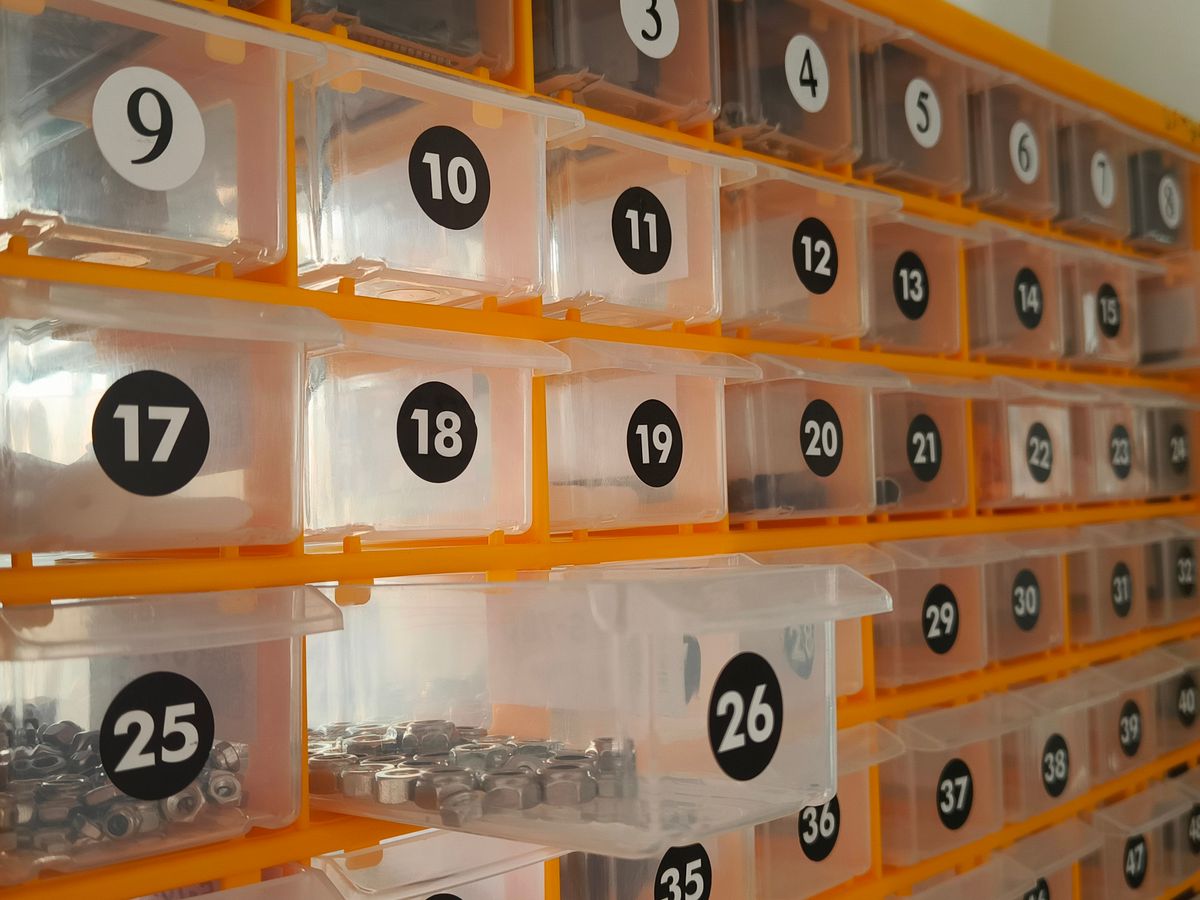
When a collection outgrows color sorting, hardware-style drawer units are the grown-up solution.
These units are inexpensive at hardware stores and mount on a wall or sit on a desk. Start with one unit of 20 to 30 drawers rather than a wall of them; collections grow drawer by drawer.
Pro Tip: Keep a small ‘unsorted’ drawer for strays so new pieces have a home until sorting day.
4. Compartment Boxes for Tiny Pieces

The tiniest pieces — studs, jewels, tools, minifigure accessories — vanish in big bins.
These boxes stack beautifully in a drawer or on a shelf and travel well to grandparents’ houses. One box per category keeps things sane: one for minifigure gear, one for food pieces, one for sparkly bits.
Pro Tip: Choose boxes with latches on two sides; single-latch boxes spill dramatically when dropped, and they will be dropped.
5. A Dedicated Build Table with Storage Edge
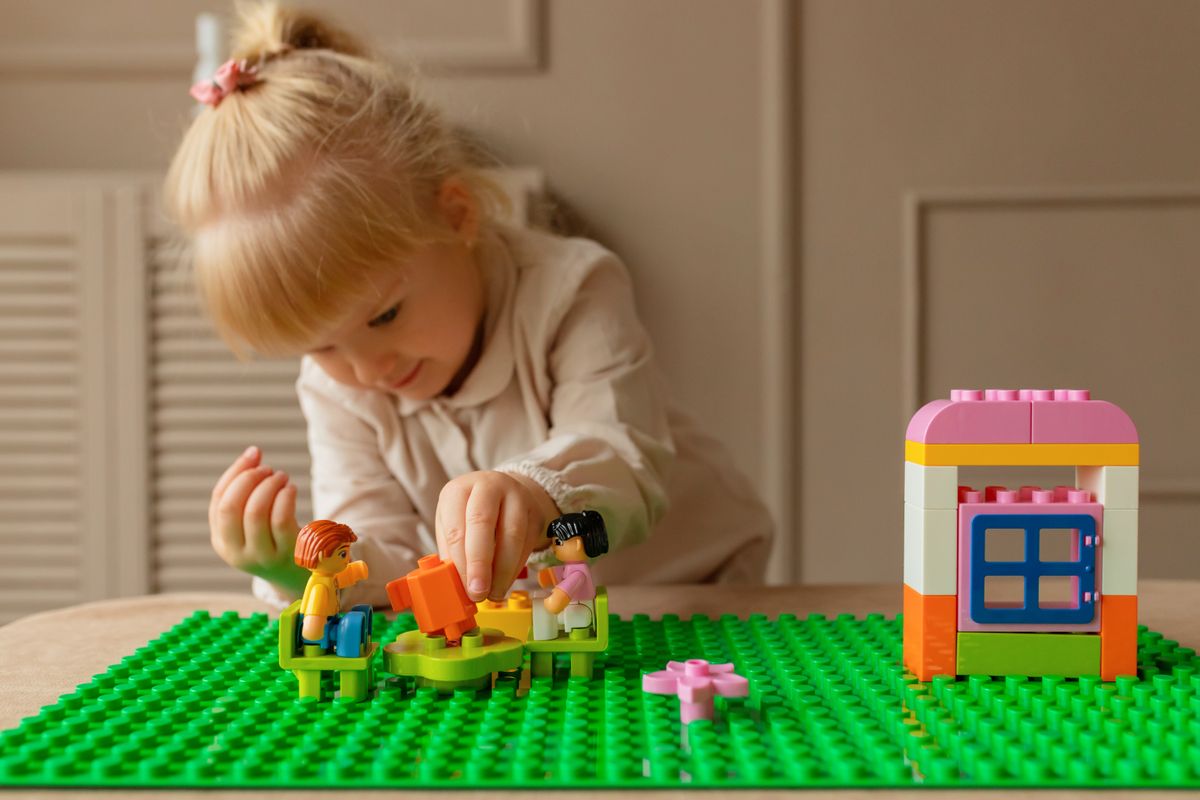
A build table changed everything for us.
If you are handy, a thrifted coffee table plus baseplates makes a weekend version. Add bins underneath for sorted colors and the table becomes a complete building station.
Pro Tip: Stick to one rule: bricks that leave the table get swept into the everyday bin at tidy-up time, no exceptions.
6. A Play Mat That Becomes the Storage
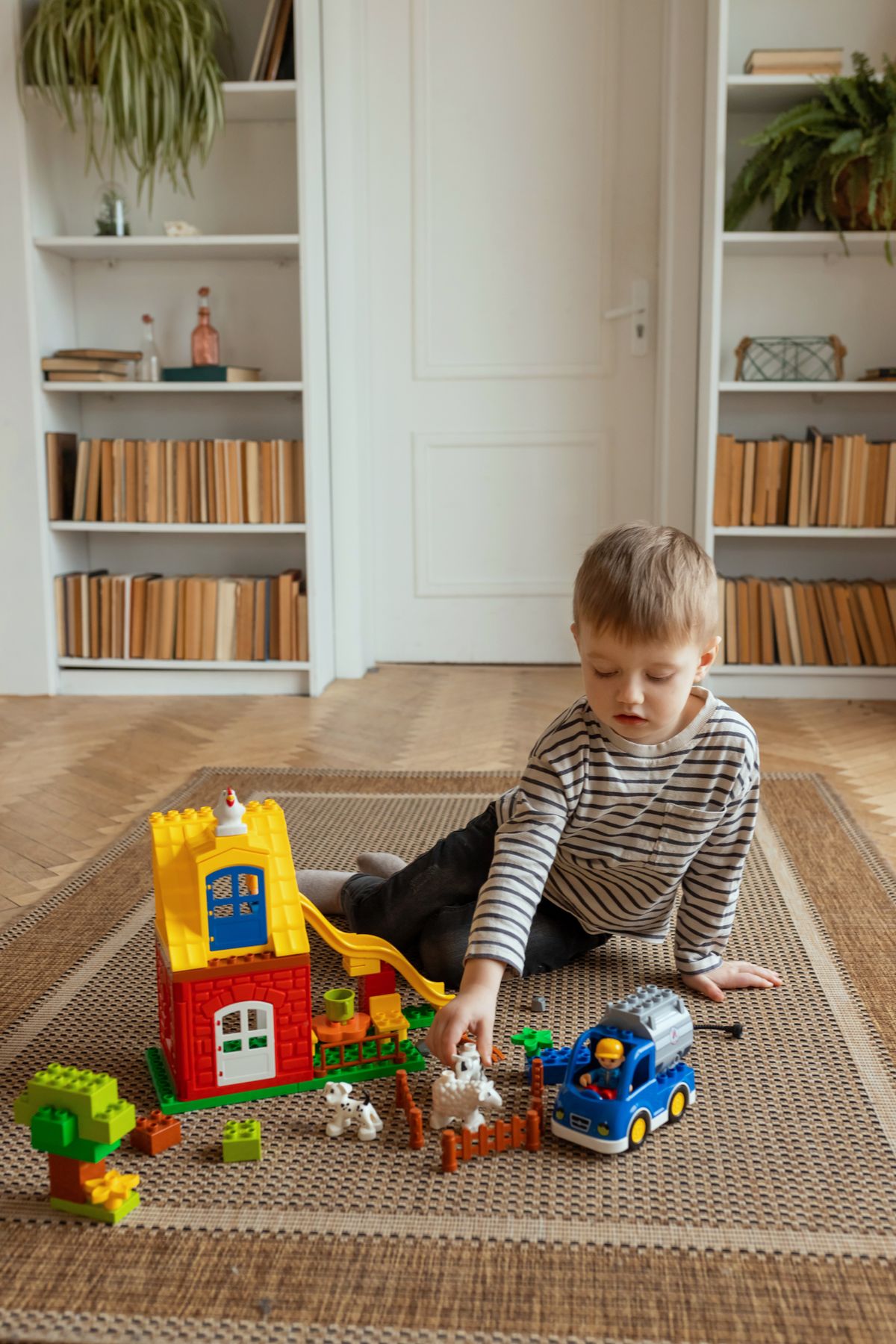
For floor builders, a drawstring play mat is pure genius.
The mat works best with the everyday mixed bricks rather than sorted sets. Hang the gathered bag on a hook behind the playroom door and it takes up zero floor space.
Pro Tip: Shake the mat outside once a week — you will be amazed at the dust and tiny pieces it collects.
7. Rainbow Sorting Trays for Building Sessions
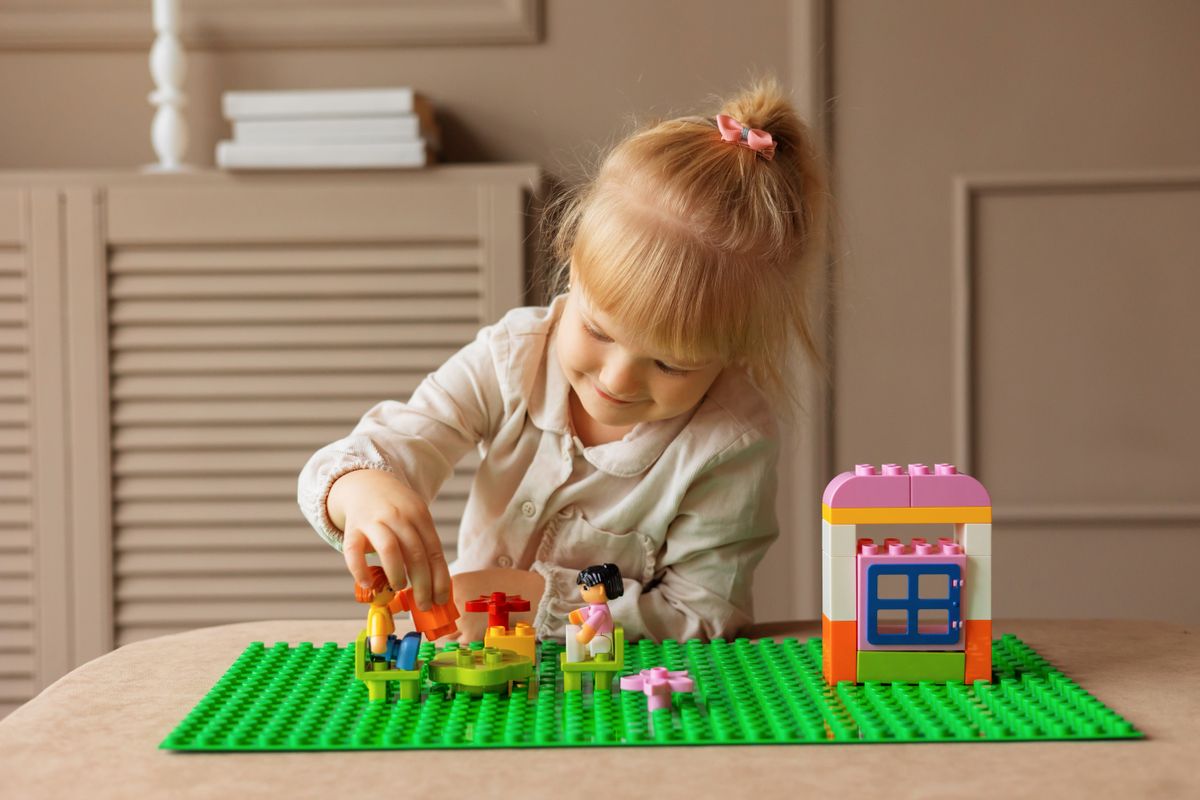
Muffin tins, cafeteria trays, and divided craft trays all make brilliant session sorters.
Trays also save works in progress: a half-built creation and its remaining pieces ride the tray to a shelf, untouched, until tomorrow. We own four trays and they are in constant rotation.
Pro Tip: Stack trays on a designated shelf so ‘in progress’ builds stay sacred and siblings know hands off.
8. A Low Shelf Wall Like a Brick Library
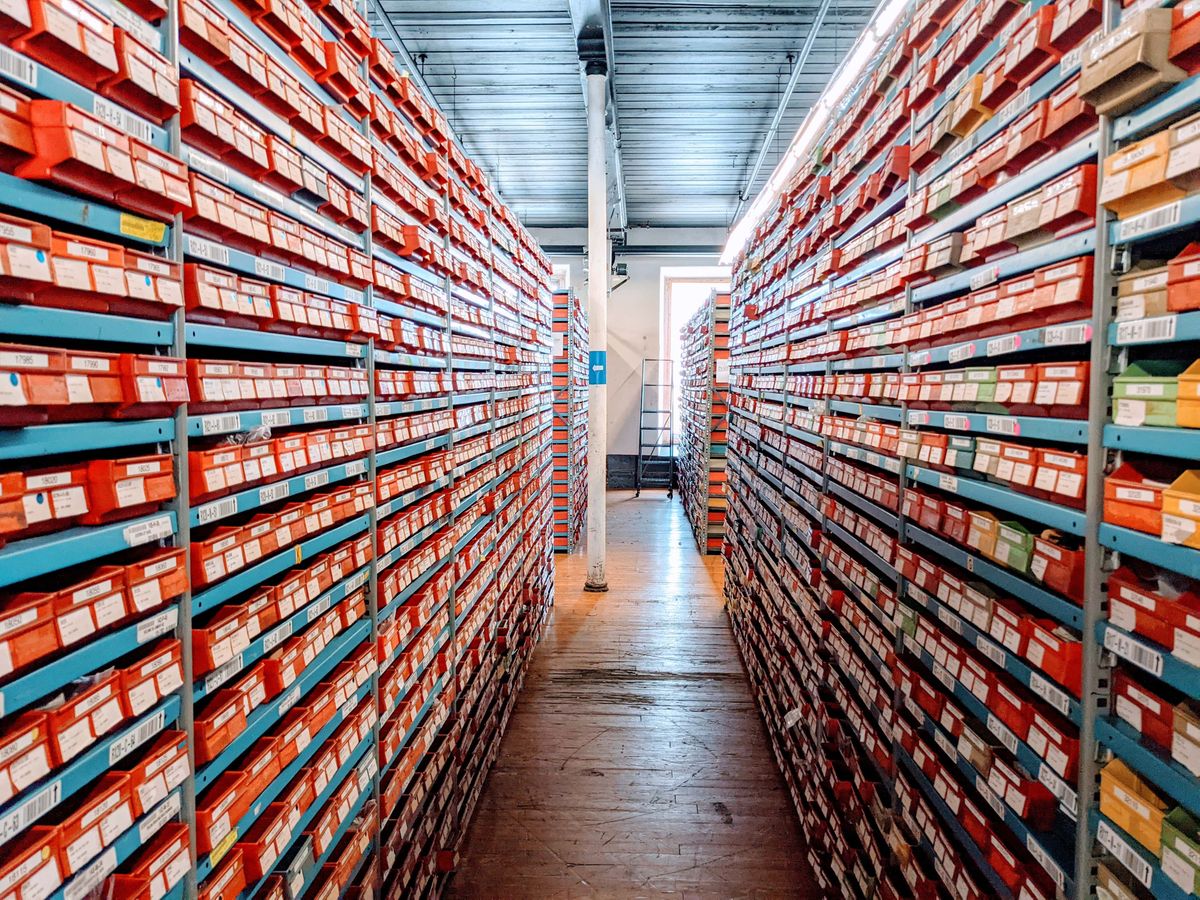
Big collections deserve library treatment: uniform boxes on open shelves, each labeled with its contents.
Uniform containers are the secret — mismatched boxes read as clutter no matter how organized they are inside. Measure your shelf depth and buy boxes to fit it exactly, edge to edge.
Pro Tip: Put the most-used boxes at kid height and archive-style storage up high for sets in rotation.
Related article: The same sort-and-label thinking tames art supplies too, and my desk drawer roundup is full of small-container tricks: 20 Pencil Storage Ideas for 2026.
9. Build Zone on the Living Room Rug
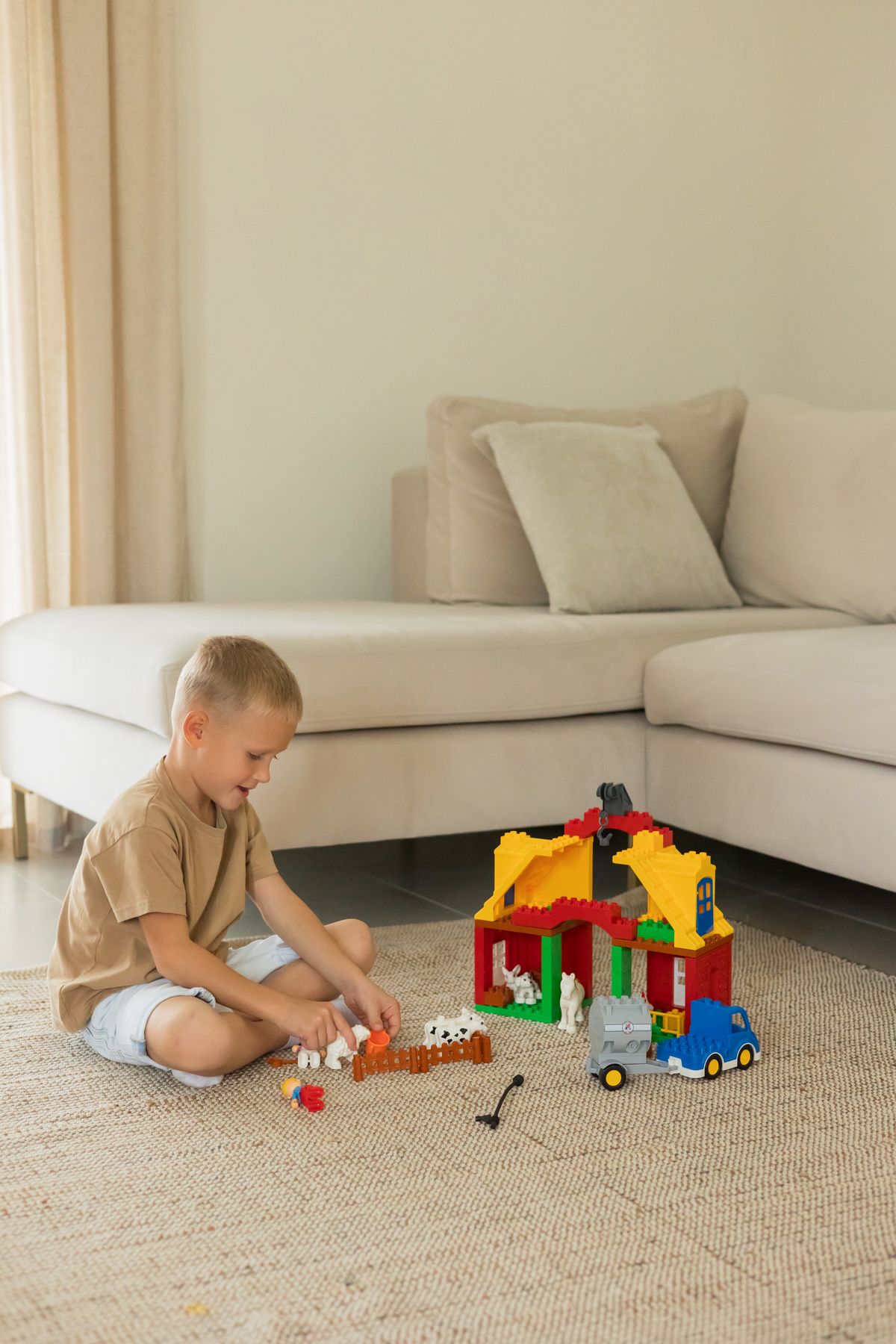
Not every family has a playroom, and living room building is real life.
A washable rug under the zone is essential — it catches strays, muffles the brick-dump noise, and visually marks the boundary. At tidy-up, everything on the rug goes in the bin, done.
Pro Tip: Choose a bin with a lid for shared spaces so the room resets to calm when guests arrive.
10. Two-Kid Sorting Teamwork
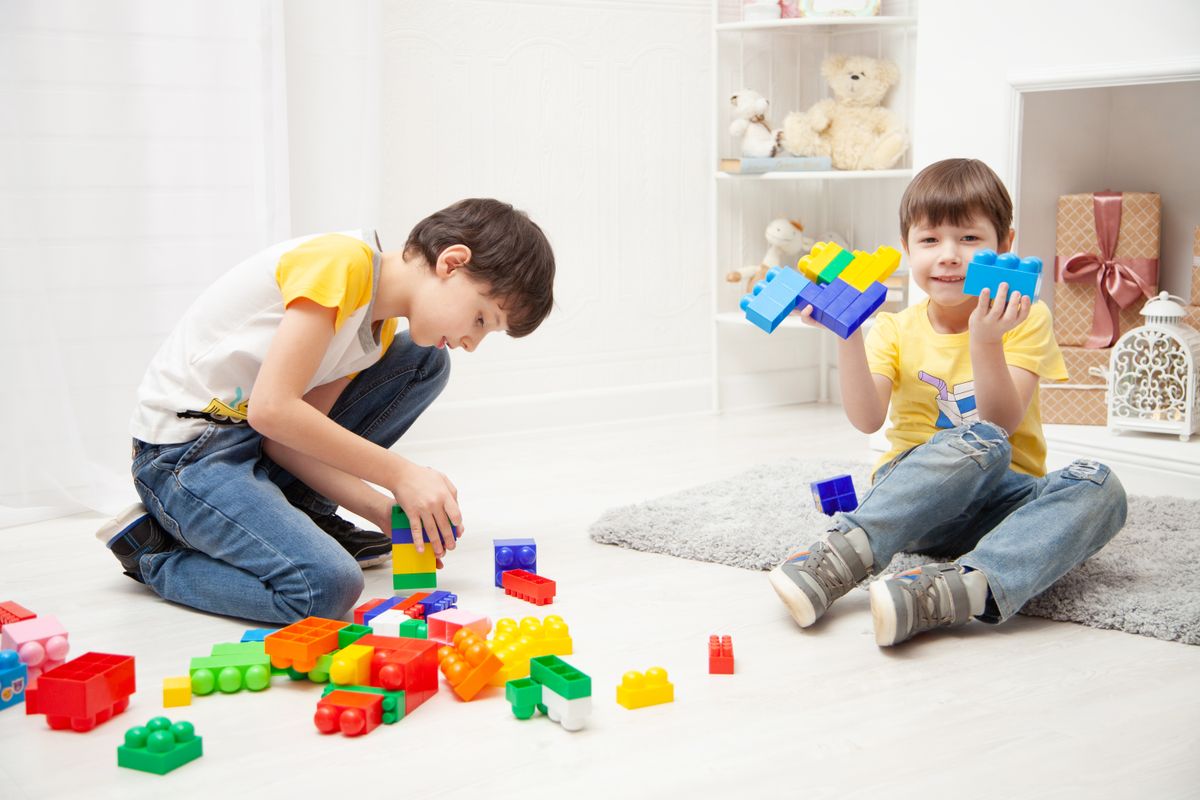
Shared collections need shared systems.
When both kids tidy together, sorting takes half the time and half the arguing. We make it a race — who can fill their color bin first — and the floor clears itself.
Pro Tip: Give each child a different colored personal box so ownership is obvious at a glance.
11. A Display Shelf for Finished Masterpieces
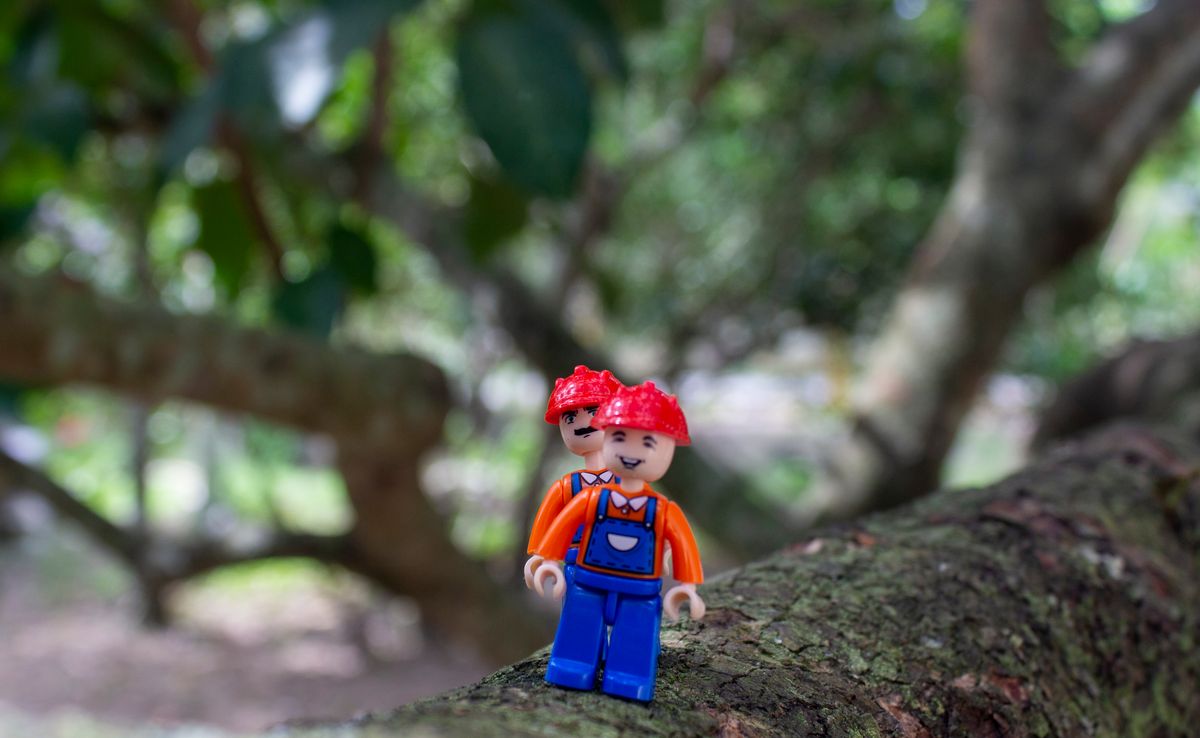
Finished builds need a home that is not the floor.
Rotate the display monthly and photograph each build before it comes down — the photo album becomes a portfolio kids love revisiting, and letting go of the physical build gets much easier.
Pro Tip: Keep one ‘untouchable’ rule sacred: nobody raids the display shelf for parts, ever.
12. Castle and Theme Sets Kept Together
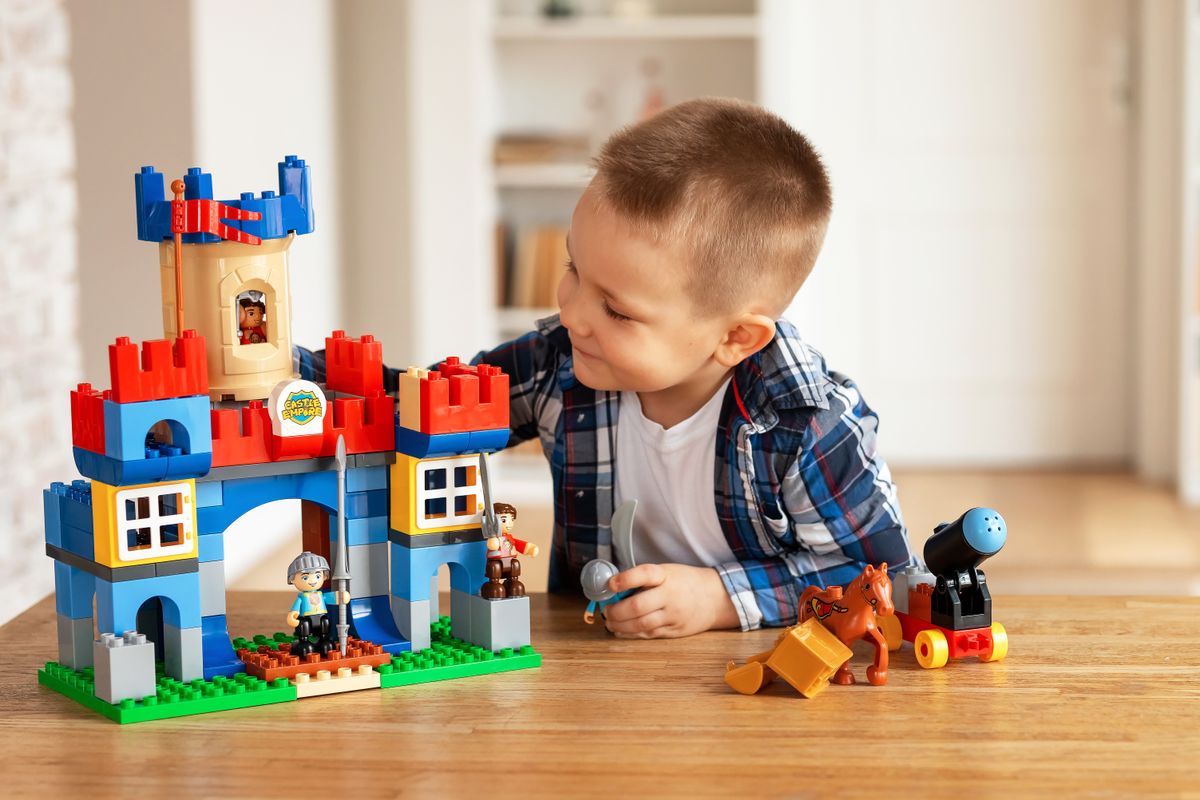
Theme sets — castles, space, farms — work best stored as complete kits.
This hybrid approach suits most families: everyday bricks mixed for free building, beloved sets kept whole. It respects both kinds of play without doubling your storage furniture.
Pro Tip: Photograph the finished set for the bin’s label so kids know exactly which kit lives inside.
13. The Coffee Table Drawer Compromise

Our coffee table has a wide shallow drawer that became secret brick storage, and I recommend the trick to everyone.
Shallow drawers beat deep ones here too — pieces stay in a single visible layer. Line the drawer with felt to hush the rattle and protect both bricks and wood.
Pro Tip: Measure treasured big pieces before choosing furniture; drawer height is the one number that matters.
Also read: Teachers run the tightest tidy-up systems I know, and my classroom roundup borrows their best tricks for home playrooms: 27 Classroom Crafts.
14. A Cozy Corner Build Nook
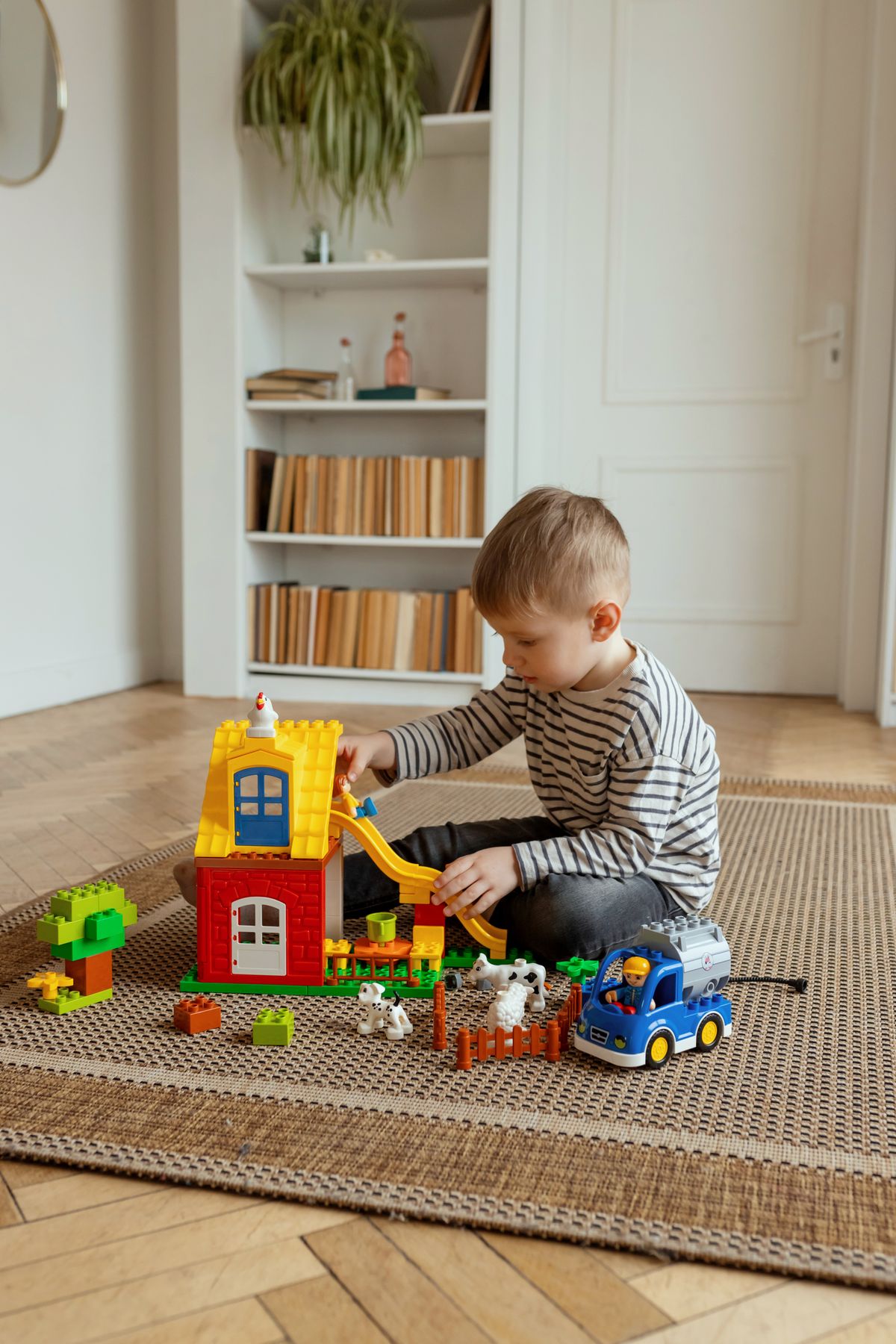
A corner nook with a small shelf, a cushion, and one bin gives solo builders a retreat.
Nooks work beautifully in bedrooms too, where a small station keeps building off the bed. Add a little lamp and it becomes the most requested seat in the house.
Pro Tip: Keep the nook’s bin small on purpose; a small bin is a five-minute tidy, and that is the whole point.
15. Vehicle Bricks in a Garage Bin
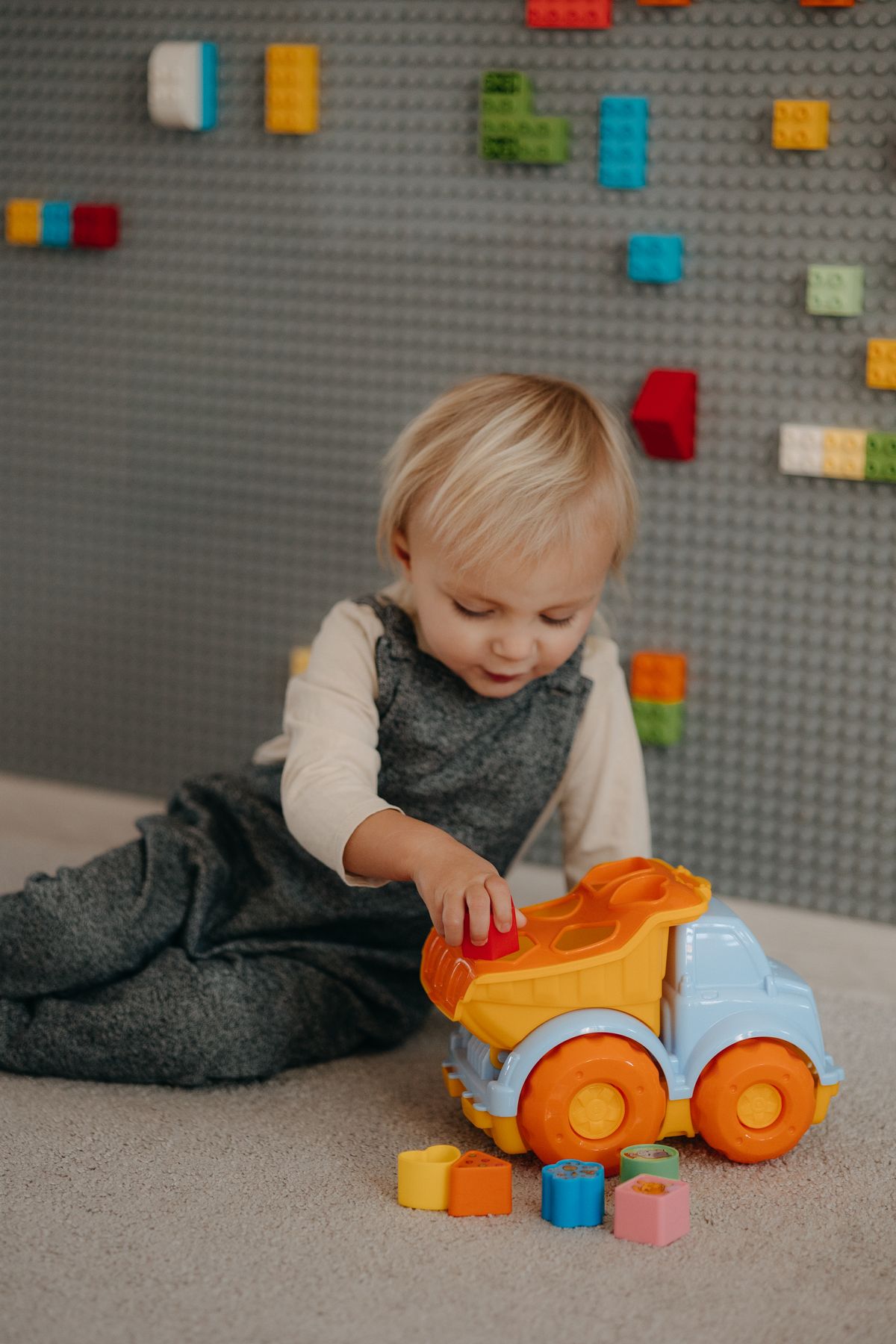
Wheels, chassis, and vehicle pieces deserve their own bin in our house — the garage bin.
Separating wheels alone transforms build sessions, because a brick without wheels is a five-minute frustration. Add doors, windshields, and steering wheels to the same bin.
Pro Tip: Draw a simple truck on the label so pre-readers can run cleanup themselves.
16. A Travel Case for Builds on the Go
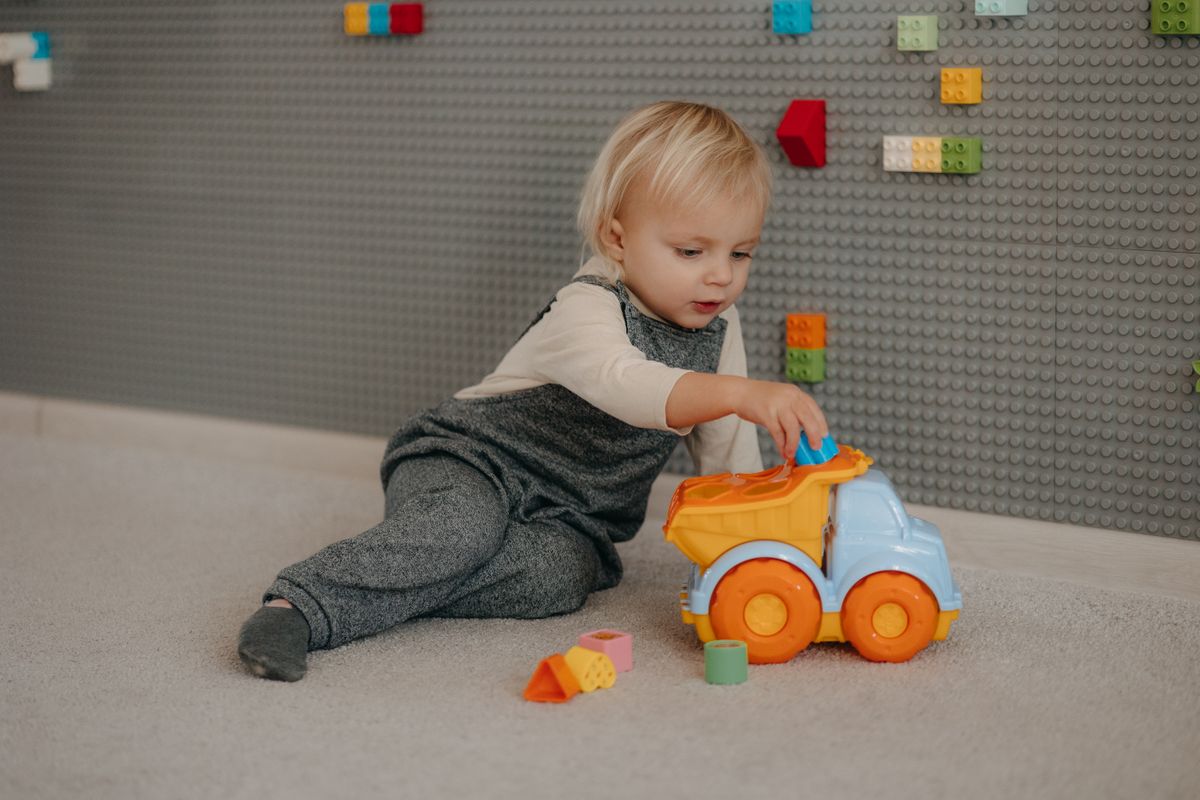
A small hard case with a handful of versatile bricks saves restaurants, waiting rooms, and long drives.
Rotate the case contents monthly so it stays exciting, and keep it by the door, packed and ready. Pieces that travel should be common ones — losing a rare brick on the road stings.
Pro Tip: Snap a photo of the case contents so rebuilding the kit after a trip takes two minutes.
17. Photo Labels So Everyone Can Tidy
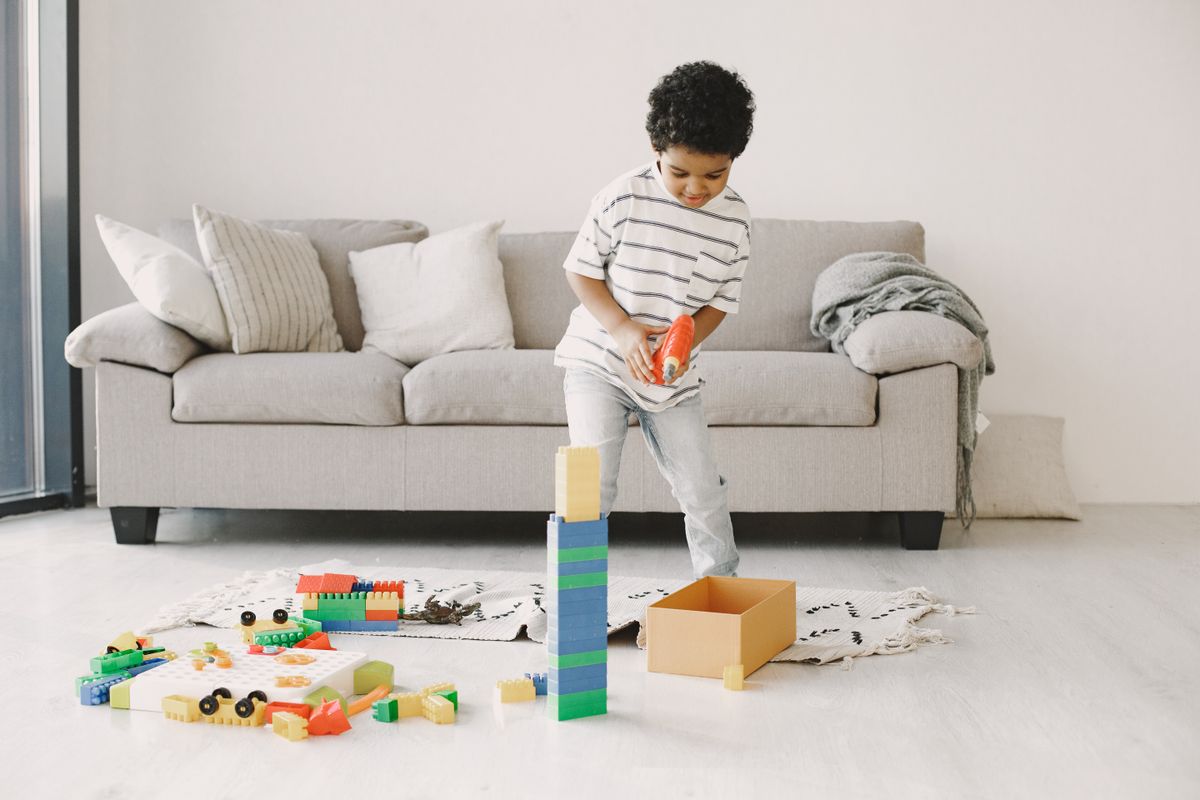
Labels with photos changed our cleanup forever.
Update photos when a bin’s job changes. Ours evolved from pure colors to ‘long bricks’ and ‘flat pieces’ as building skills grew, and new labels take ten minutes to make.
Pro Tip: Laminate or use clear packing tape over paper labels — playroom labels live a hard life.
18. Headphone-Tin Minifigure Storage
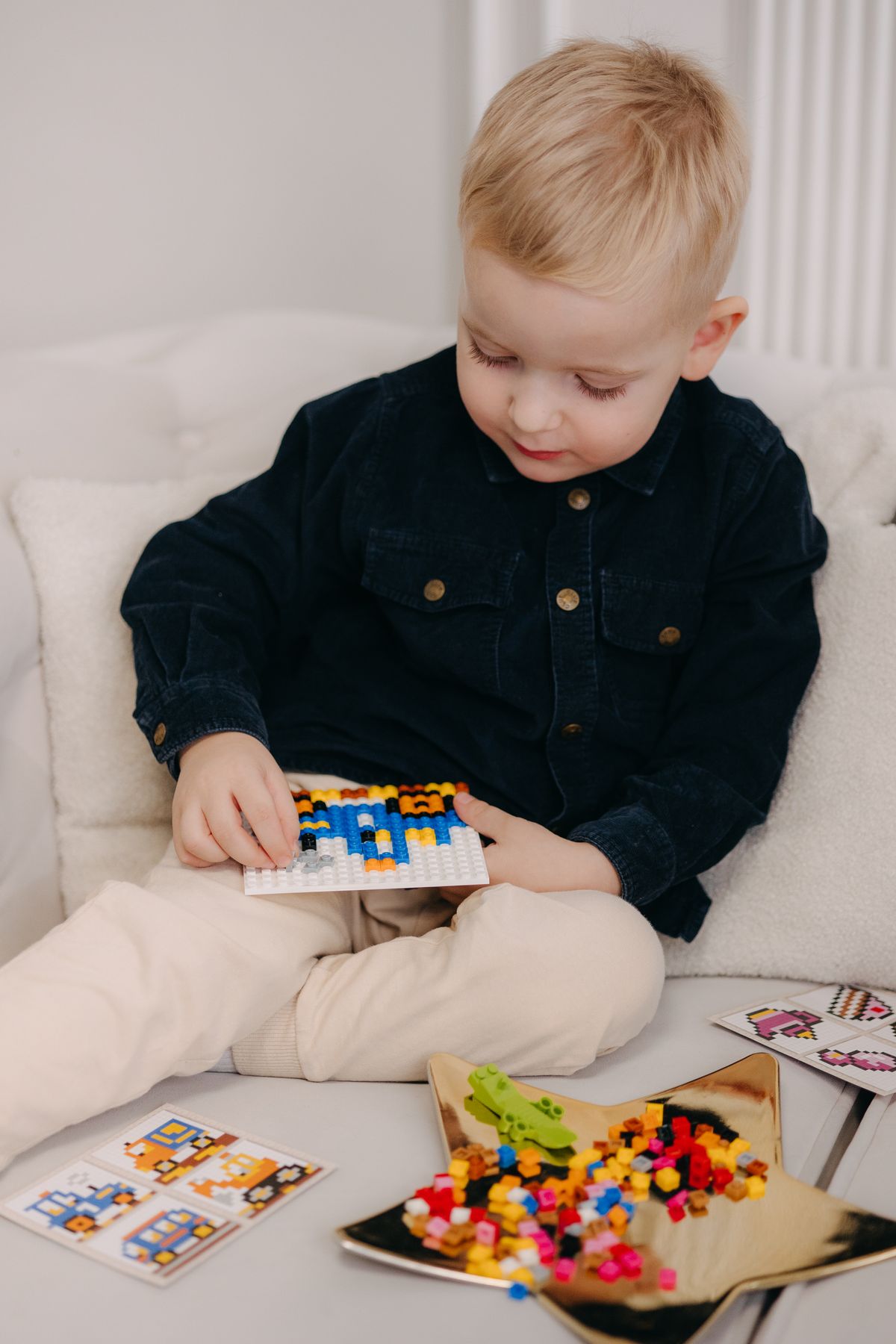
Minifigures multiply like rabbits and deserve special housing.
A display strip on the wall handles the current favorites while tins store the rest. This two-level system keeps beloved figures visible and the population explosion contained.
Pro Tip: Keep accessories — capes, tools, hair — in one shared tin; they are always the first pieces to wander.
19. Under-the-Bed Rolling Bins
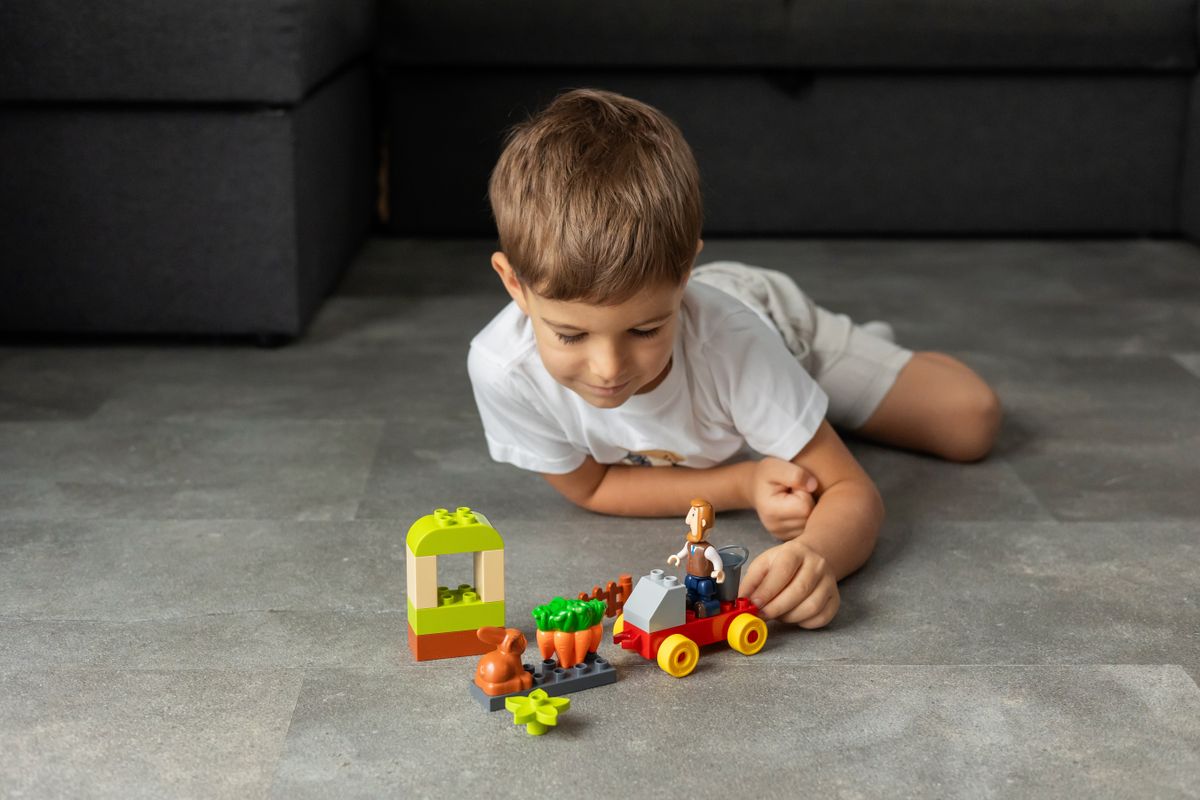
The space under a kids’ bed fits two long, flat rolling bins perfectly, and it is prime storage nobody sees.
Wheels matter: a bin a child cannot pull out alone is a bin that never gets tidied. Test the roll on your actual floor or carpet before committing to a set.
Pro Tip: Keep one under-bed bin for baseplates and big pieces that fit nowhere else.
20. Ziplock Kits Inside a Big Bin
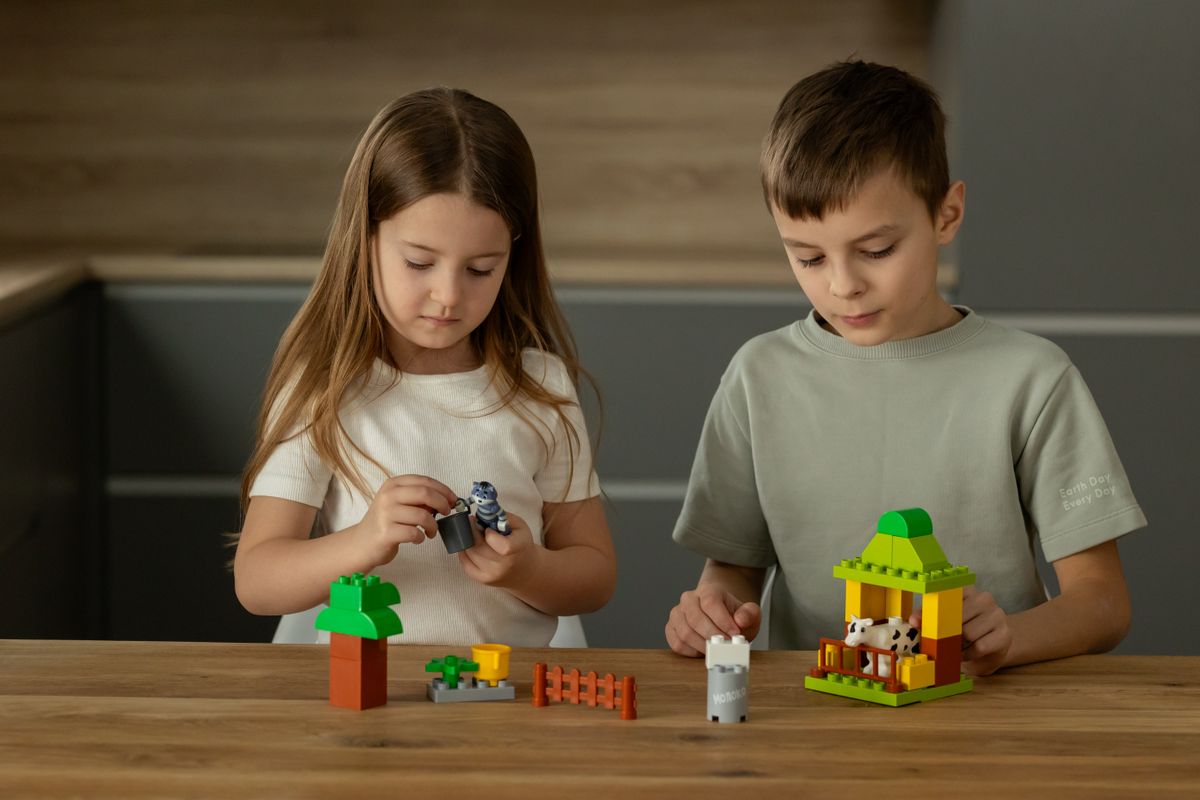
For semi-sorted storage, zip bags inside one big bin give structure without a furniture purchase.
Use sturdy reusable bags with a write-on label patch. This system travels well, too: grab three bags and a baseplate and you have a weekend building kit.
Pro Tip: Replace torn bags promptly; a burst bag quietly returns you to full chaos mode.
21. Over-the-Door Pocket Organizer
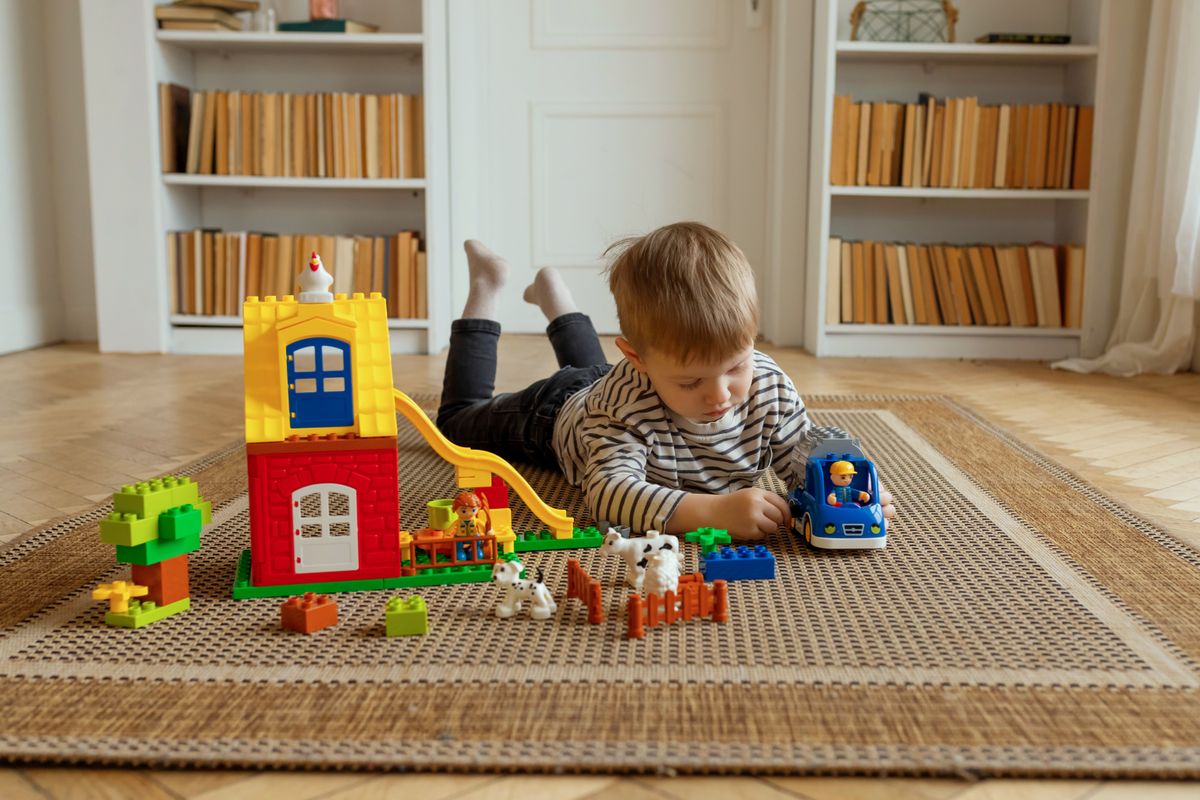
A clear over-the-door shoe organizer is secret-weapon storage for minifigures, special pieces, and this week’s favorite builds-in-progress.
This is ideal overflow storage in small homes where floor and shelf space ran out long ago. The clear pockets keep specialty pieces from sinking into the bins, and kids love the vending-machine feel of choosing a pocket.
Pro Tip: Reserve the top row for grown-up-held pieces like tiny accessories for the youngest builders.
Read this next: When little hands need a break from bricks, clay is our other playroom staple, and these are the projects my kids ask for most: 15 Air Dry Clay Craft Ideas For Kids To Recreate.
22. Instruction Booklets in a Binder

Loose instruction booklets shred, scatter, and break hearts.
The binder lives on the same shelf as the theme bins, and a sticky note on each booklet’s sleeve lists which bin holds its pieces. Five minutes of setup saves hours of hunting.
Pro Tip: Photograph booklet covers for bin labels so the binder and bins always match up.
23. A Weekly Sort-and-Swap Routine
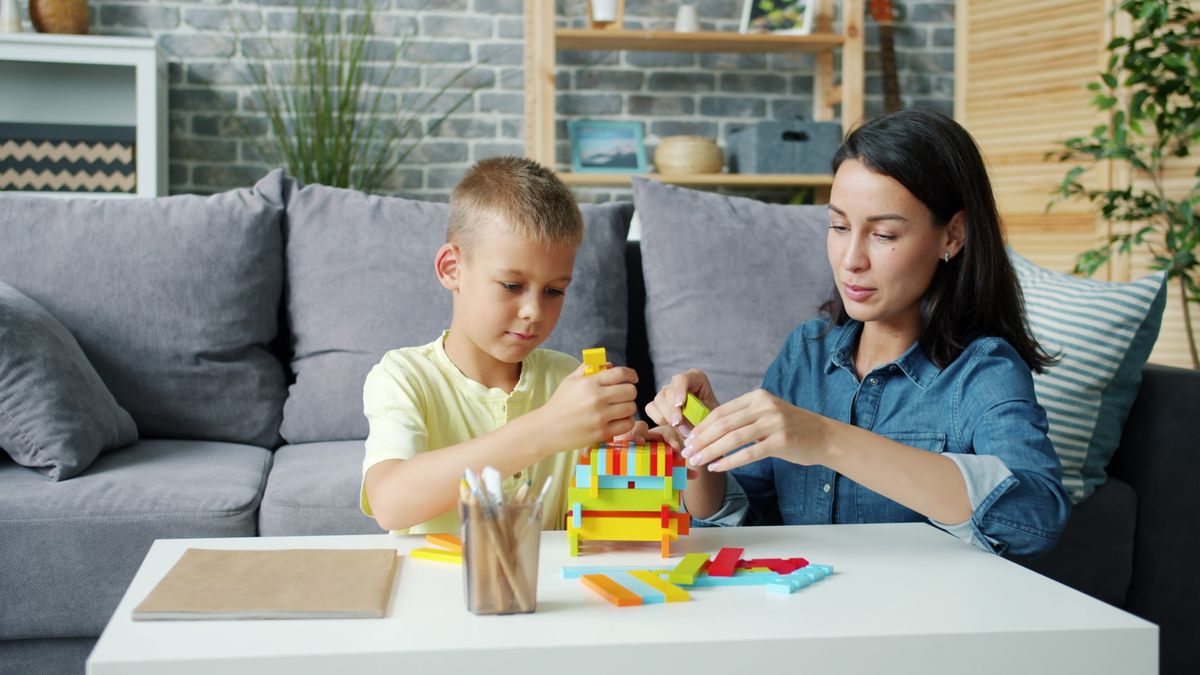
No system survives without a tiny routine, and ours takes ten minutes on Sunday: dump the stray-piece bowl, sort it together, and swap one stored set into rotation while another rests.
Rotation is the hidden benefit — sets that rest for a month feel brand new when they return, which stretches the collection without buying more bricks.
Pro Tip: Keep a small ‘stray bowl’ on the shelf all week so found pieces have a landing spot until sorting day.
24. Felt-Lined Drawers for Quiet Storage
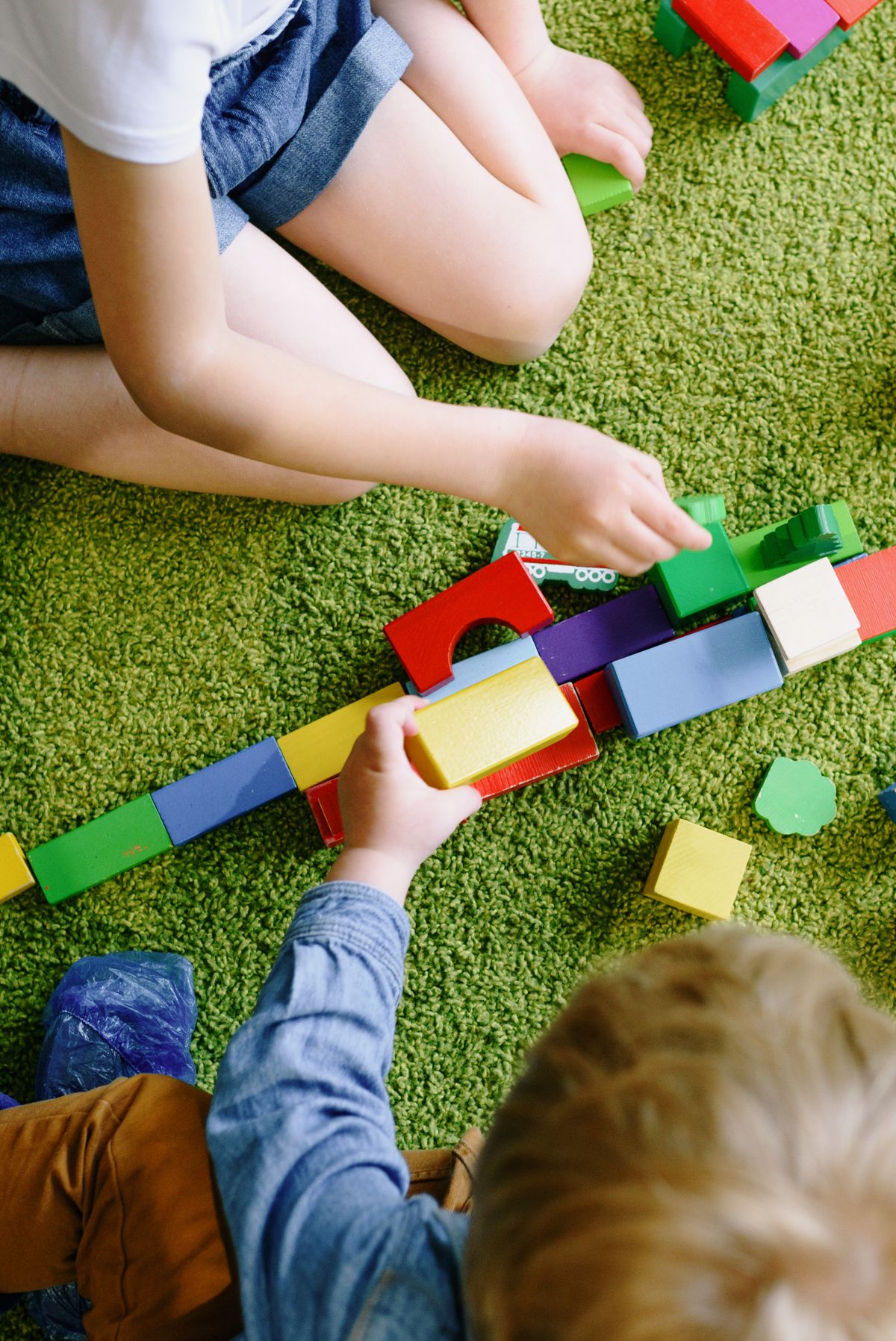
If the sound of a dumped bin makes you wince, felt-lined drawers are your peace treaty.
Drawers suit shared living spaces beautifully because the collection disappears completely. Assign one drawer per category and label the inside edge, where labels survive longer than on the front.
Pro Tip: Cut felt slightly small so it lifts out for a shake-clean over the trash.
25. The Five-Minute Reset Rule
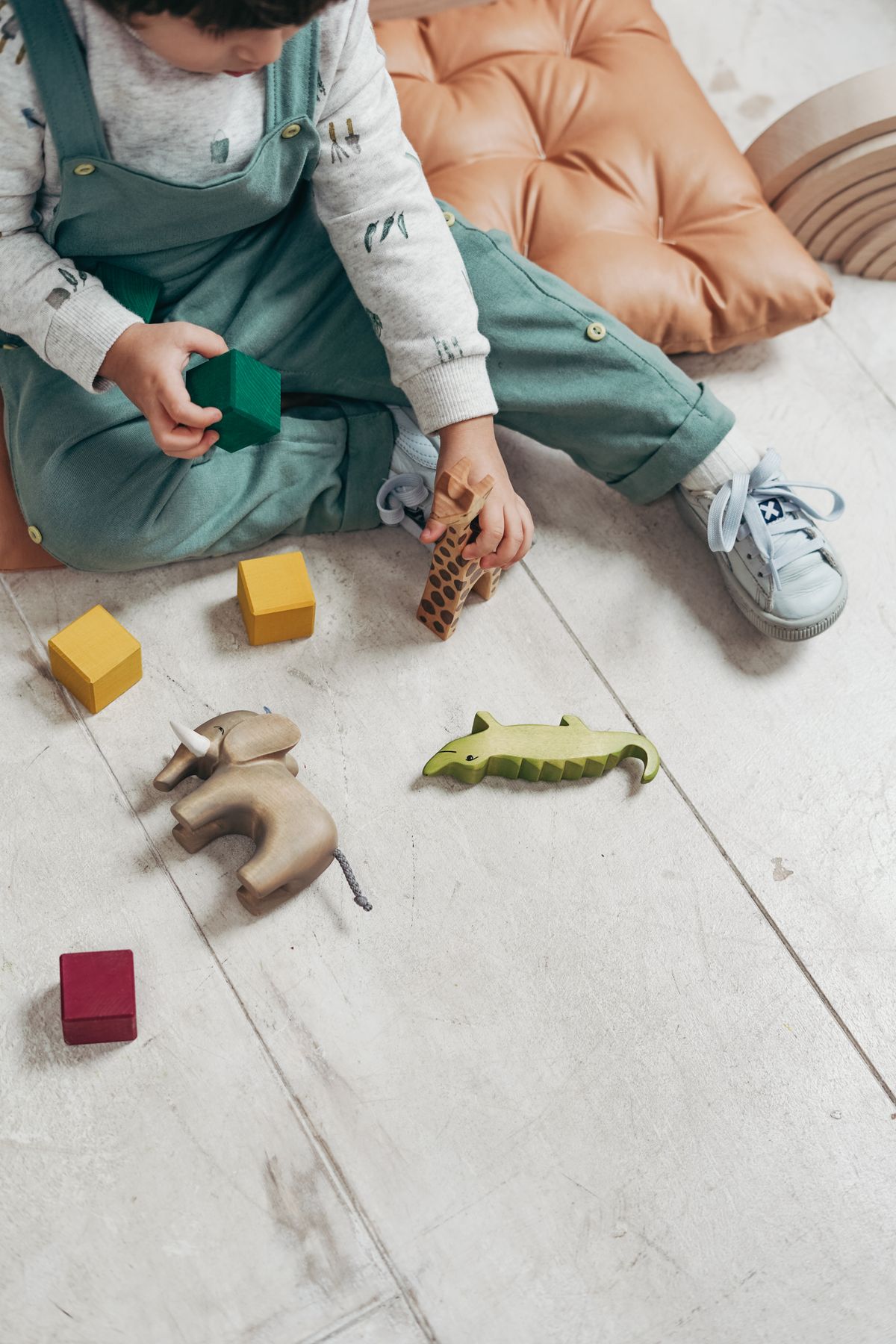
My last idea is not a container at all; it is the rule that makes every container work.
If your reset regularly takes twenty minutes, the system — not the kids — needs adjusting: fewer categories, bigger everyday bin, less sorting. Simplify until five minutes is honest, and the play space will stay organized for good.
Pro Tip: Let kids DJ the cleanup playlist; five minutes of their favorite songs is the best timer I have found.
Frequently Asked Questions About LEGO Storage
Should I sort LEGO by color or by piece type?
For builders under seven, sort by color — it matches how they search (‘I need a red one’) and makes cleanup a matching game.
How do I keep LEGO sets and their instructions together?
Store each set in a lidded bin or sturdy zip bag with its booklet in a zip pocket or page protector inside.
What is the best storage for a very small play space?
Go vertical and go dual-purpose: an over-the-door pocket organizer for special pieces, a play mat bag that hangs on a hook, and one lidded everyday bin that slides under a bed or sofa.
How do I stop pieces from spreading all over the house?
Contain building to one zone with a rug or mat as the boundary, and give strays a landing spot — a small bowl on the shelf — instead of pockets and random cups.
How often should we re-sort the whole collection?
A light weekly sort of the stray bowl keeps things from sliding.
What do I do with builds my child refuses to take apart?
Honor them with display space.
Final Thoughts
The perfect LEGO system is not the most sorted one — it is the one still working on an ordinary Tuesday. Start with an everyday bin and photo labels, add sorting only where your builders actually feel the friction, and protect their finished creations with a display shelf.
Our playroom is not a showroom, and bricks still escape — but now they escape within a system that five minutes can fix. I hope these ideas help your family spend less time digging and tidying, and more time on the floor building something wonderful together.