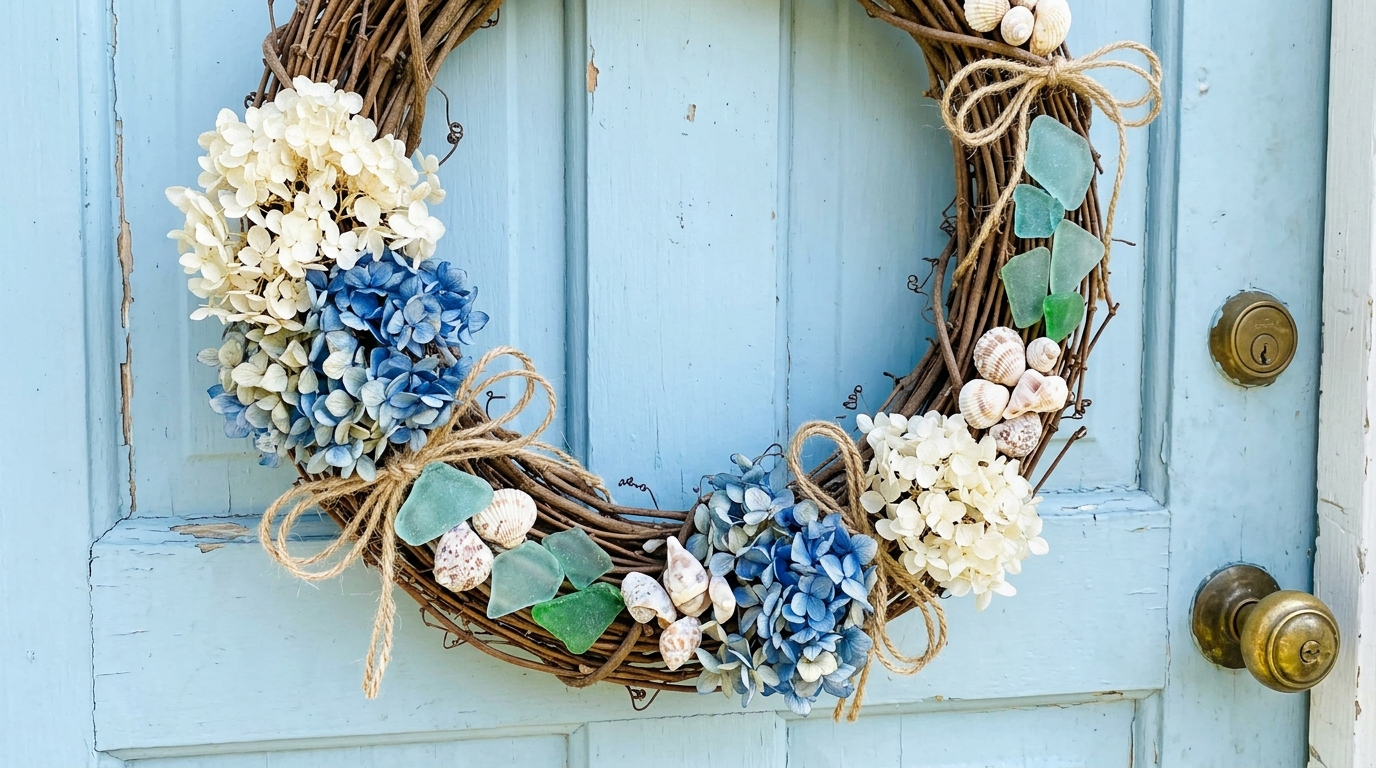
27 DIY Summer Wreath Ideas
Summer is one of my favorite times to refresh a front door because even a simple wreath can make the whole entryway feel more inviting. I don’t think a summer wreath needs to be expensive or complicated. A basic wreath form, faux flowers, ribbon, fabric, or a few seasonal accents can be enough to create something that feels personal.
When I make seasonal door decor, I also think about where the wreath will hang. A covered porch gives me more freedom with materials, while a door exposed to direct sun or rain needs faux greenery, weather-resistant ribbon, and secure attachments.
Below, I’ve gathered 27 DIY summer wreath ideas ranging from bright flowers and fruit themes to beach-inspired designs, upcycled materials, and simple greenery. I’ve included practical notes so you can choose a project based on your crafting time, materials, and decorating style.
These 27 DIY summer wreath ideas give me plenty of ways to decorate a front door, porch, or even an indoor entryway for the season. I can choose from floral wreaths, citrus and watermelon designs, beach themes, bird-inspired decorations, fabric projects, and simple greenery.
For outdoor use, I recommend choosing materials based on your porch conditions. Artificial flowers and greenery are usually easier to maintain than fresh plants, especially in hot weather. I also prefer securing lightweight decorations firmly because summer wind can turn loose ribbons, signs, and embellishments into damaged or lost pieces.
Some projects are especially useful when I want to reuse supplies I already have. Clothespins, wine corks, fabric scraps, old sun hats, embroidery hoops, and leftover craft materials can all become part of a seasonal wreath.
Key Takeaways
- I can make a summer wreath with inexpensive supplies instead of buying a finished decoration.
- Faux flowers and greenery are practical choices for hot or exposed outdoor areas.
- Citrus, watermelon, sunflower, lavender, and beach themes instantly give a wreath a seasonal feel.
- Lightweight materials should be attached securely when a wreath will hang outdoors.
- A reusable wreath base makes it easier to change decorations for fall, winter, or other seasons.
- I always consider the size and weight of a finished wreath before hanging it on my door.
Related article: 25 Dollar Store Halloween Decorations That Look High-End (DIY Hacks)
1. Pineapple Door Hanger
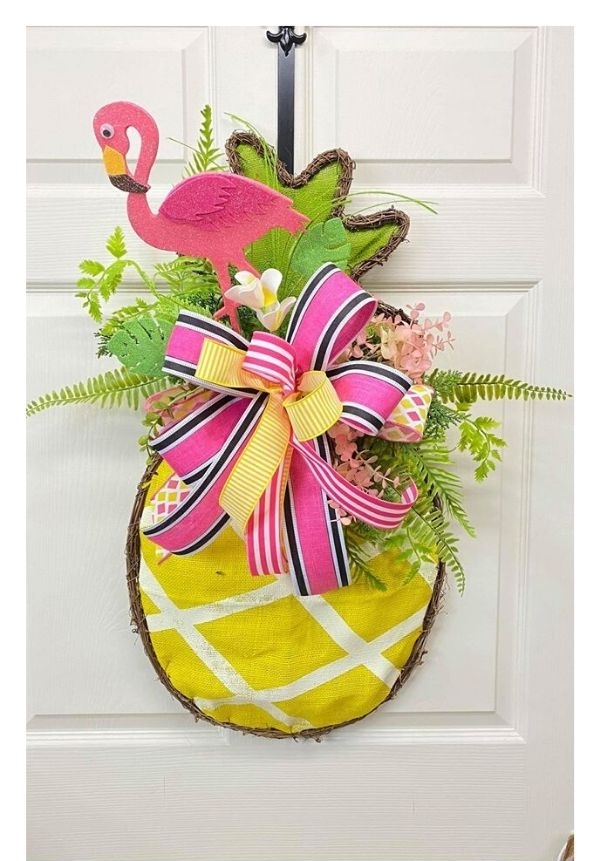
A pineapple-shaped door decoration is one of those projects I would use when I want something more playful than a traditional round wreath. The pineapple shape immediately gives the entryway a warm-weather look without requiring a complicated design.
I would start with a burlap or twig pineapple base and build around it with faux greenery and summer flowers. Wired ribbon can add a larger decorative bow, while zip ties are useful for holding heavier pieces in place.
Supplies I’d consider:
- Twig or burlap pineapple form
- Artificial greenery stems
- Faux floral stems
- Wired ribbon
- Zip ties
- Scissors
- Bow-making tool, if desired
Pro Tip: I would keep the decoration slightly lighter on the top portion so the pineapple shape remains easy to recognize.
2. Succulent Summer Wreath
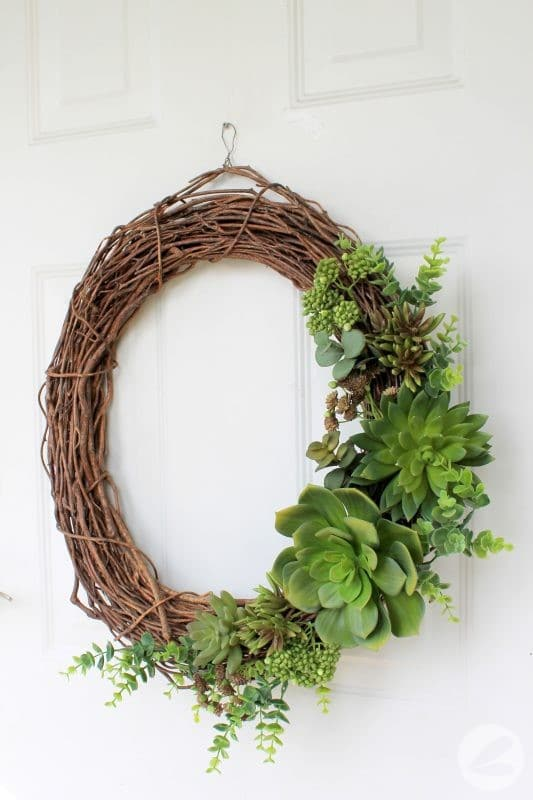
Succulents give me a softer, modern look when I want a summer wreath without bright tropical colors. I prefer faux succulents for an outdoor wreath because they don’t require watering and won’t wilt during hot weather.
I can attach several varieties around a simple wreath form and mix in small leaves or neutral flowers for extra texture. If I have leftover floral wire, I can also create a simple wire base instead of purchasing another wreath form.
For a wreath that will stay outside, I would check that the faux foliage is suitable for the location and keep the finished piece away from areas where water collects.
3. Lavender Grapevine Wreath
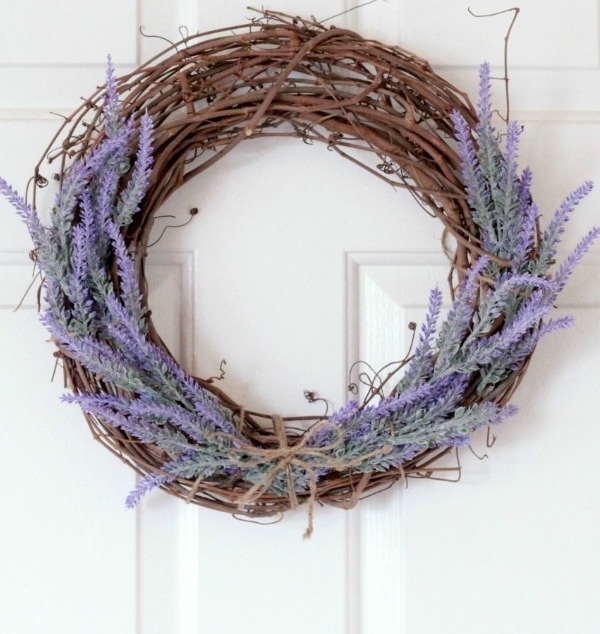
Lavender and grapevine make a natural combination that works well for a relaxed summer entryway. I like this option when I want something quieter than a wreath filled with large colorful flowers.
Dried lavender can add texture and a soft purple accent to the natural brown of a grapevine wreath. I would group the stems in small clusters rather than spreading them evenly around the entire circle.
Lavender is also commonly associated with calming scents, although a decorative dried-lavender wreath should not be treated as a substitute for any health or wellness treatment.
Pro Tip: If I’m making wreaths to sell, I’d keep the design simple enough to reproduce consistently and calculate the material cost before setting a price.
4. Sunflower Knot Wreath
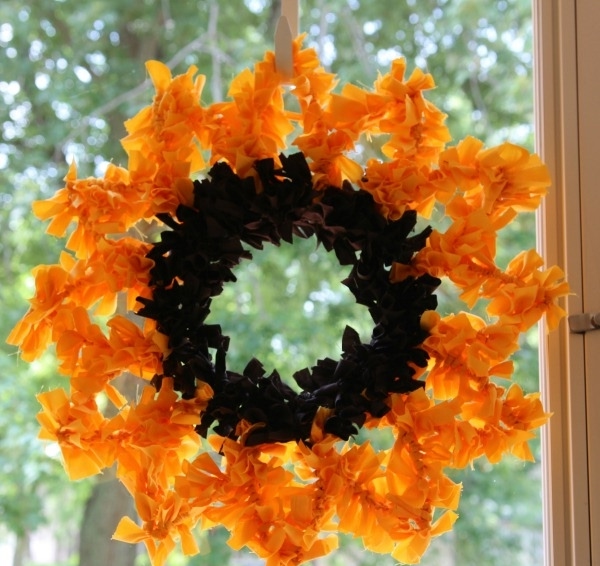
Sunflowers are almost made for summer decorating. Instead of using a traditional floral arrangement, I can create a sunflower-inspired wreath from fabric strips tied around a wreath frame.
This project works especially well when I have fabric scraps in yellow, brown, green, or other warm colors. I would cut the fabric into reasonably consistent strips so the finished wreath has an even texture.
A sturdy pair of fabric scissors makes a noticeable difference because I’ll be making many cuts. I also like using a measuring tape when I want the strips to be approximately the same length.
5. Daisy Wreath
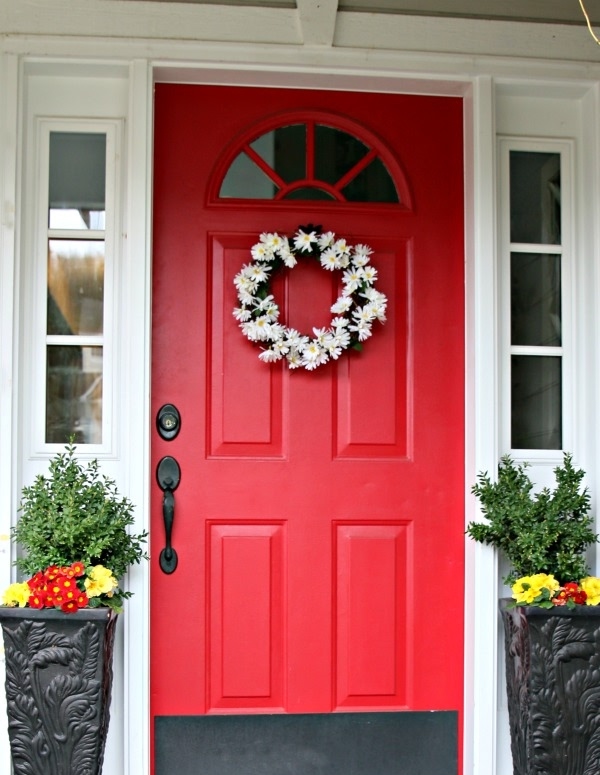
A daisy wreath gives me that simple, cheerful summer look without needing a complicated arrangement. Artificial daisies are particularly useful because they hold their shape and don’t need watering.
I would separate the flowers into individual stems with wire cutters and arrange them around a wreath base. Instead of completely covering the form, I might leave a little of the base visible for a more relaxed arrangement.
When cutting artificial stems, I use the proper wire cutters and keep my hands clear of the cutting point. Some faux flower stems contain surprisingly stiff wire.
Pro Tip: I like grouping daisies in small clusters rather than placing every flower the same distance apart. It makes the finished wreath look less mechanical.
6. Birdseed Wreath
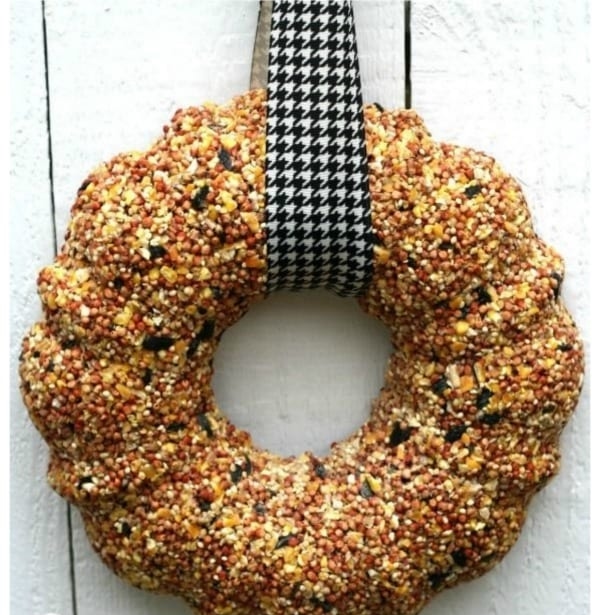
A birdseed wreath is a different take on seasonal door decor because it is designed for outdoor wildlife rather than simply decoration. I would place this type of project somewhere appropriate for birds instead of directly on a frequently used doorway.
A bundt pan can provide the ring shape for a homemade birdseed mixture. Once the mixture has set firmly, it can be removed and hung outside.
I would choose a cool, sheltered location away from heavy foot traffic and make sure the hanging point can support the finished weight. I would also avoid placing bird food where it could become contaminated by household chemicals or other hazards.
7. Hydrangea Wreath
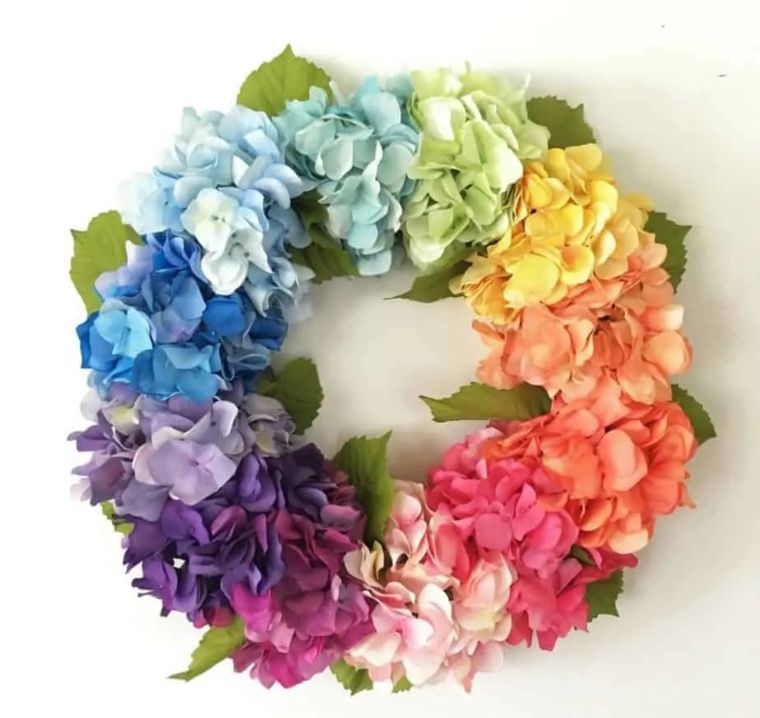
Hydrangeas have large flower clusters that can make a wreath look full without requiring dozens of individual stems. I particularly like faux hydrangeas because they come in many colors and can be reused from season to season.
For a classic summer look, I might combine white, blue, lavender, or soft green flowers. For something more colorful, several hydrangea shades can be arranged together.
Adding artificial leaves around the flowers can help cover gaps and give the wreath a fuller appearance.
8. Swimsuits On A Summer Wreath
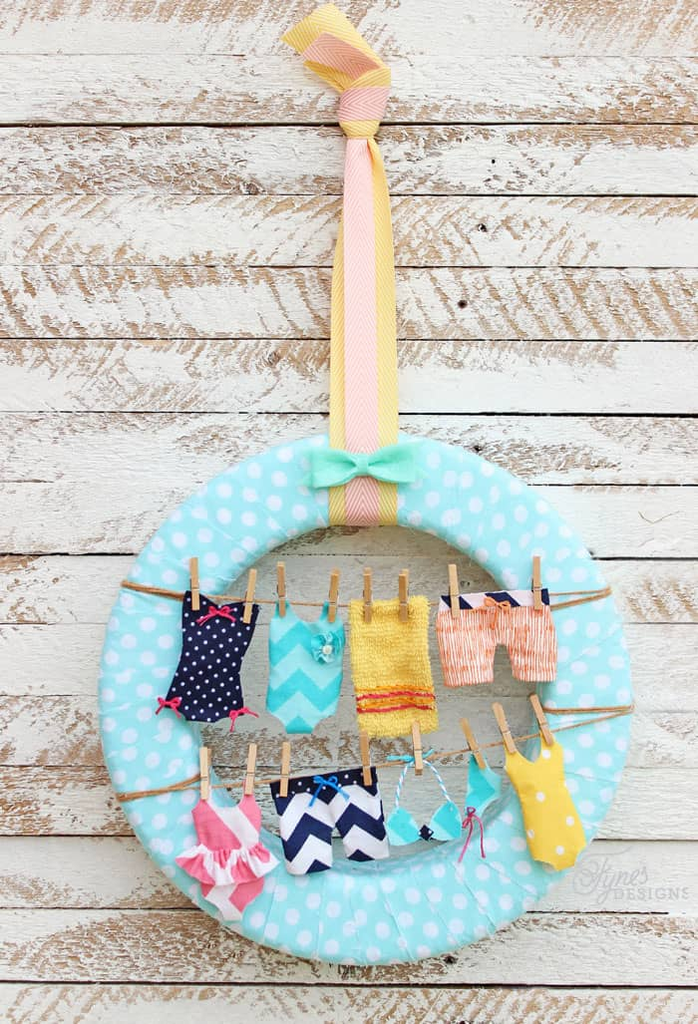
Miniature swimsuits can turn an ordinary wreath into a fun pool- or beach-themed decoration. I would use tiny fabric swimwear, miniature clips, or small decorative pieces arranged across a simple wreath frame.
If I’m making miniature fabric pieces myself, basic hand stitching is enough for such small shapes. There is no need to make the construction overly complicated.
This idea works particularly well for a pool party, vacation home, children’s summer party, or a family entryway.
Pro Tip: I would secure each miniature piece rather than relying only on the hanger. Outdoor wind can easily move small lightweight decorations.
9. Sunflower Clothespin Wreath
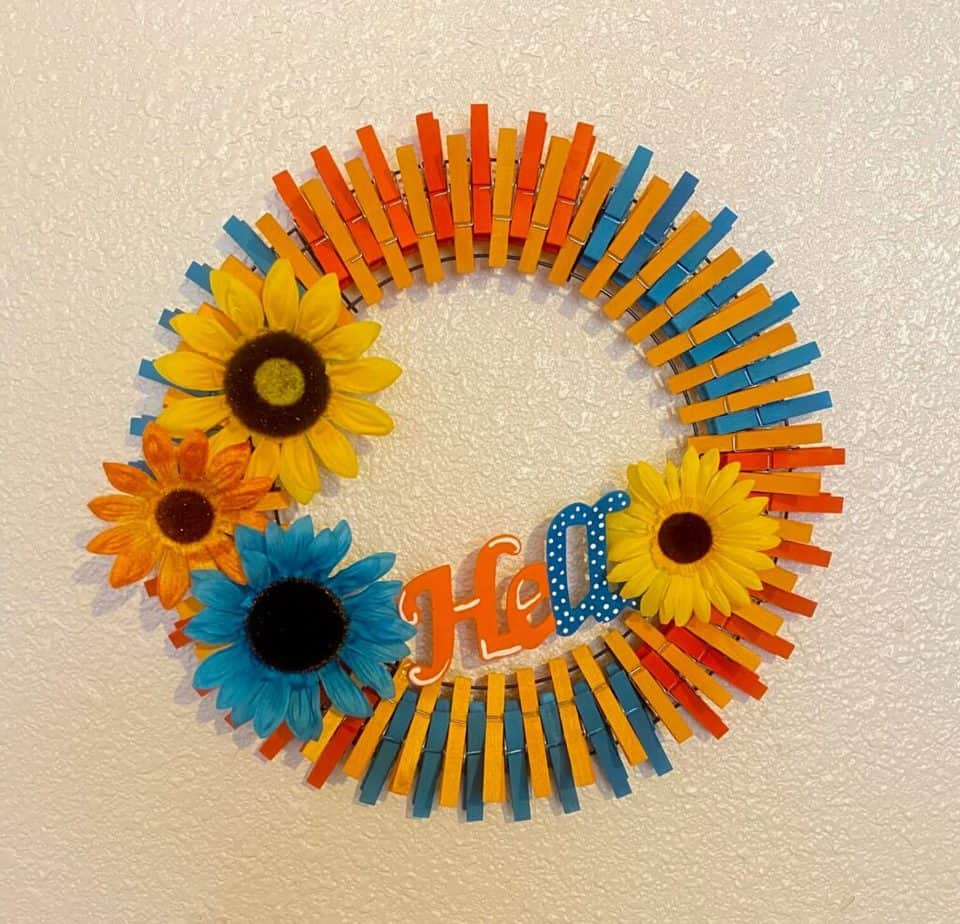
Clothespins are an inexpensive craft supply that can be transformed into a colorful wreath. For this sunflower-inspired version, I would combine painted clothespins with faux sunflower blooms.
The basic supply list can include:
- Artificial sunflowers
- Wooden clothespins
- Dye or paint
- Wire wreath form
- Acrylic paint
- Hot glue
- Small wooden greeting sign
I would test the paint or dye on a few clothespins first. Wood can absorb color differently depending on its finish, so a small test helps me avoid an unexpected result.
10. Wood Bead Floral Wreath
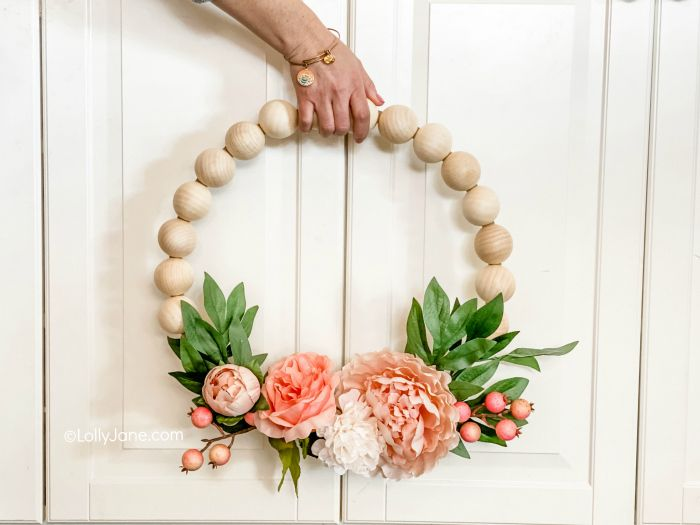
Wood beads give a summer wreath a natural, slightly modern appearance. I like this approach because the base can potentially be reused after summer rather than stored away for most of the year.
Large wooden beads can be arranged around a wreath form, with faux flowers added as the seasonal element. When autumn arrives, I can remove the summer flowers and replace them with fall foliage.
That makes the wreath more of a reusable decorating system than a one-season craft.
Pro Tip: Before gluing anything permanently, I would arrange the beads and flowers first. This lets me adjust the spacing without having to remove dried adhesive.
11. Summertime Sweet Lime Wreath
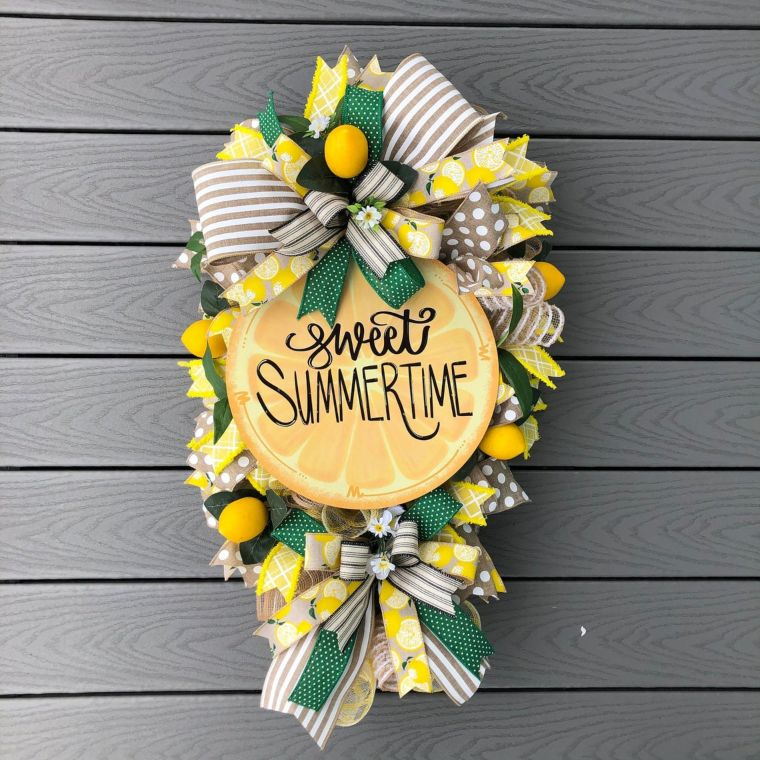
Citrus-themed decor immediately makes me think of bright summer kitchens, patios, and sunny porches. A lemon or lime-inspired wreath can combine faux fruit, greenery, ribbon, and large bows.
I would use artificial citrus slices or fruit picks rather than fresh fruit for a door wreath. Fresh fruit can attract insects, spoil, and become messy in warm weather.
A citrus-themed ribbon can pull the whole color scheme together. If I want a larger bow, a bow-making tool can help keep the loops more consistent.
12. Watermelon Wreath
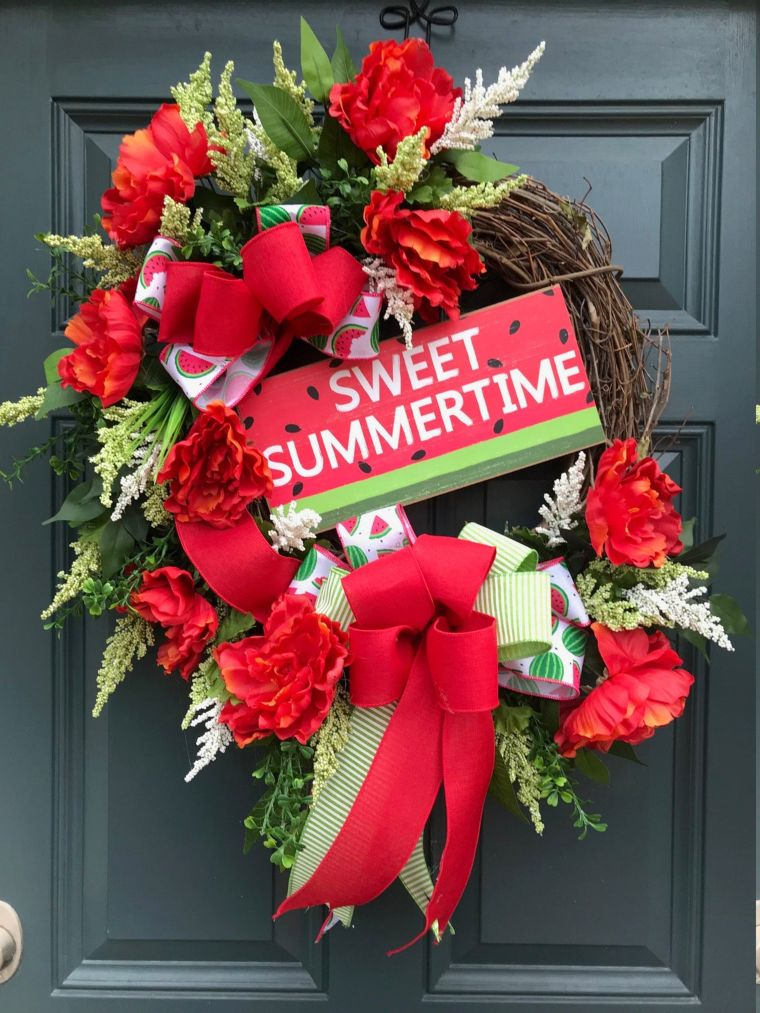
Watermelon colors give me an easy summer palette: green, white, red, and a touch of black for the seeds. I can build the design with faux flowers, ribbon, decorative fabric, or a small seasonal sign.
I would avoid using real watermelon or other fresh produce on an outdoor wreath because heat and moisture can quickly turn a decorative project into a cleanup job.
A small watermelon-themed sign can make the seasonal message clearer without covering the entire wreath with lettering.
13. Aloha Wreath

An aloha-themed wreath gives me a way to create a tropical feel without covering the entire door in bright decorations. Faux palm leaves, tropical flowers, greenery, and a small wooden sign can establish the theme.
I like using one darker green element to balance brighter flowers or metallic accents. The same wreath could also work as part of a luau or summer party display.
If I’m using it as a party centerpiece rather than a door decoration, I would keep the arrangement low enough that guests can see across the table.
Also read: 21 Fun Pinecone Christmas Crafts
14. Burlap Mesh Sunflower Wreath
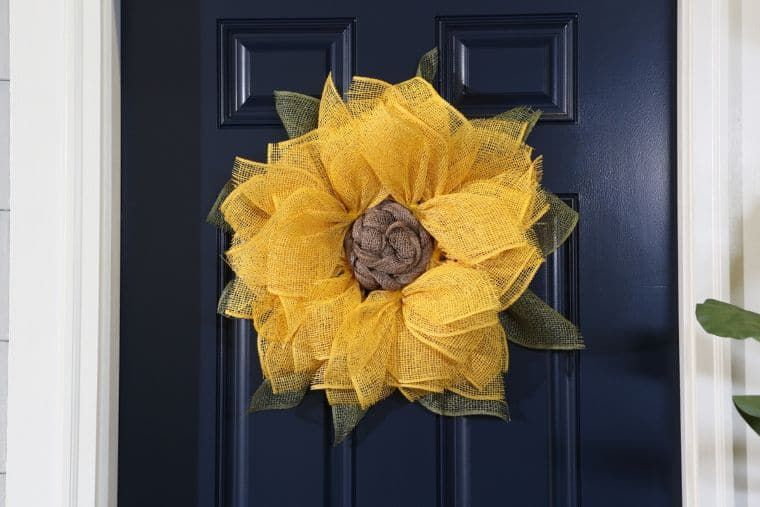
Burlap mesh can create plenty of volume, making it useful when I want a large wreath that looks full without buying a huge number of individual flowers.
For a sunflower design, I would work with yellow mesh, a wreath form, and a few coordinating accents. A rotary cutter and cutting mat can make repeated cuts easier and more consistent.
Supplies may include:
- Rotary cutter
- Cutting mat
- Scissors
- Pipe cleaners
- Burlap or deco mesh
- Zip ties
- Sunflower accents
I would keep the cutting area clear and use the rotary cutter only on a suitable cutting surface.
15. Simple Spring Wreath
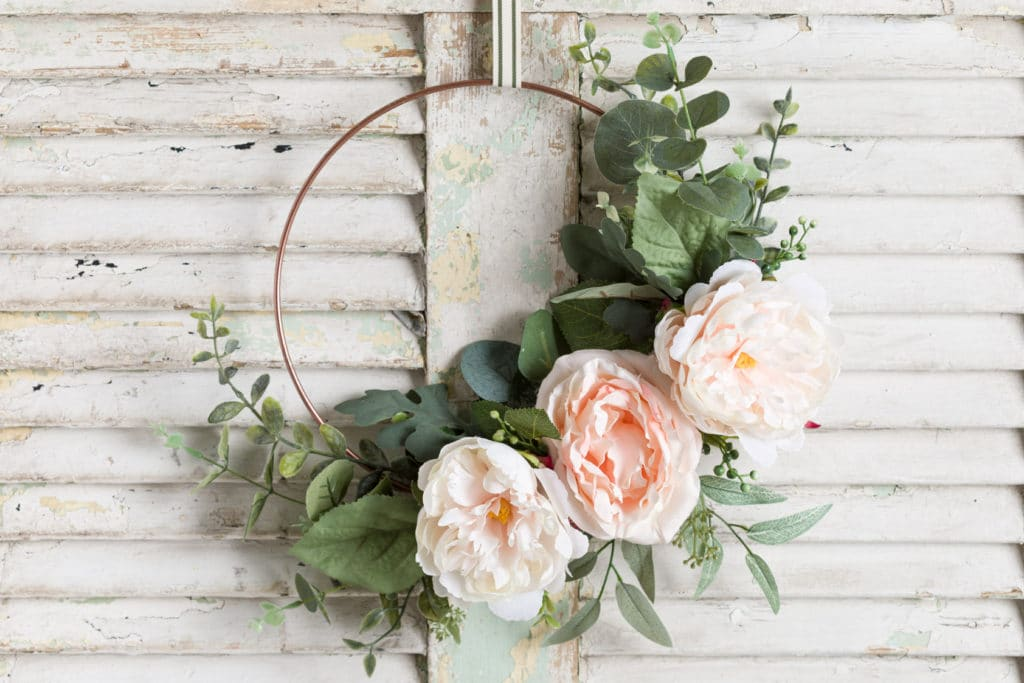
I don’t think every summer wreath needs to be large or heavily decorated. A simple wreath hoop with greenery and a few larger flowers can create a cleaner look.
I would place the flowers over one section of the hoop and leave part of the frame exposed. This works particularly well on a colorful front door because the open area allows the door itself to become part of the design.
For a modern home, I’d choose just two or three complementary colors rather than adding every summer shade at once.
16. Lamb’s Ear Wreath
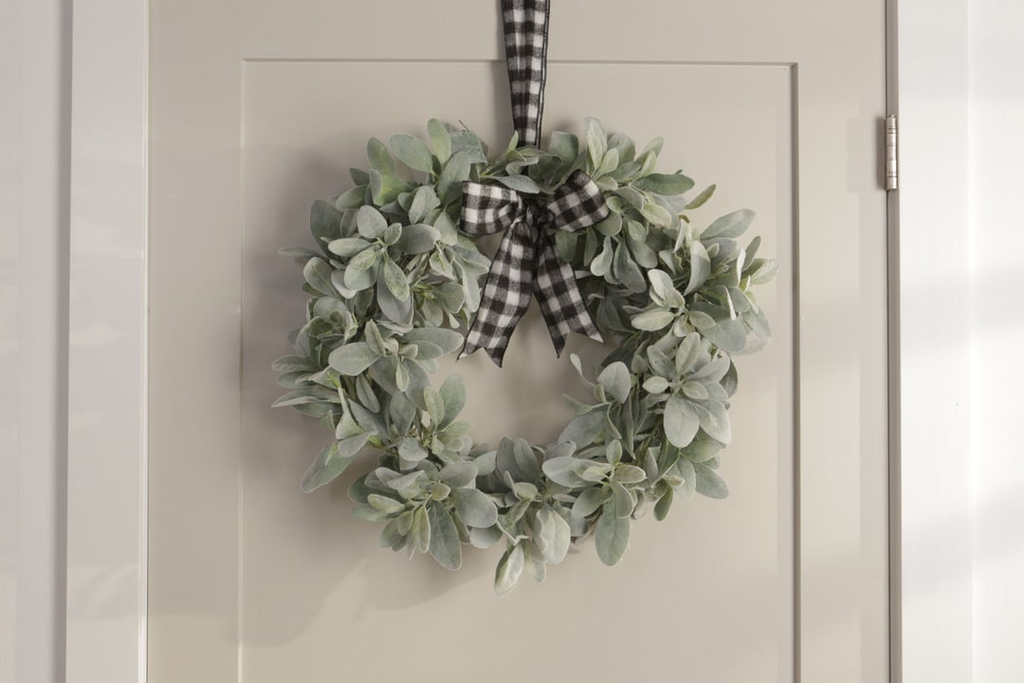
Lamb’s ear has soft-looking foliage that can create a calm, muted green wreath. I would pair it with a simple checked ribbon or another neutral accent when I want the greenery to remain the main feature.
When working with faux or preserved stems, I would leave enough length to tuck and secure each piece into the wreath base.
A ribbon can also serve as the hanging loop, provided the attachment point is strong enough for the completed wreath.
Pro Tip: I would attach the greenery first and add the bow afterward. That makes it easier to see where the wreath still needs coverage.
17. The Great Wreath of Green
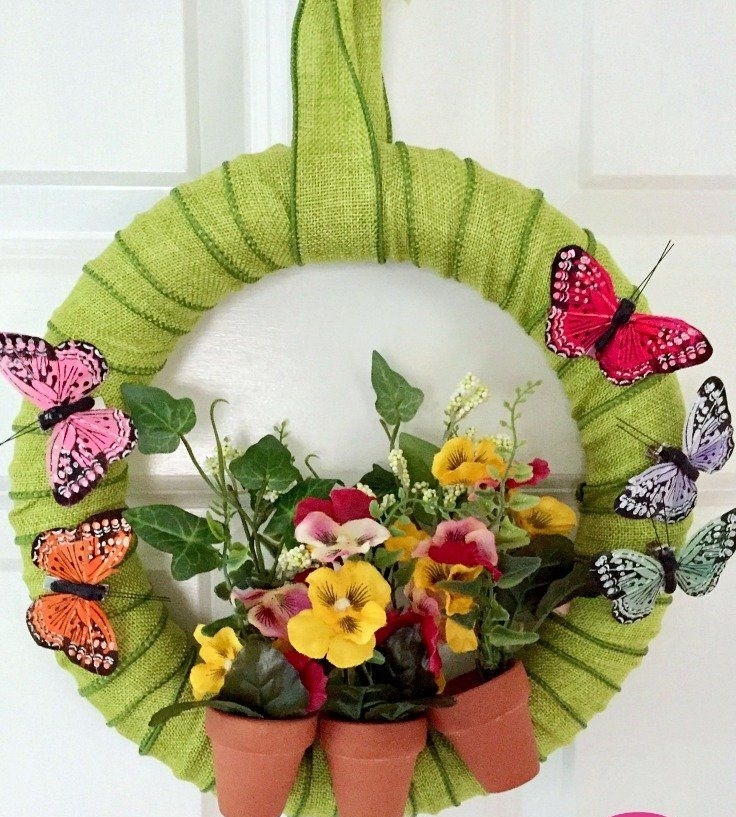
A bright green wreath can make a strong statement even without large flowers. I would use a foam or straw base and build the surface with green ribbon, small decorative pots, faux flowers, and lightweight embellishments.
Mini terracotta pots can add an unexpected garden element. Floral pins are useful for securing some decorations without permanently gluing every component.
This is also a good project for experimenting with different shades of green. I would place the materials together before attaching them so I can see whether the colors work well in natural light.
18. Birdhouse Wreath for Summer and Spring
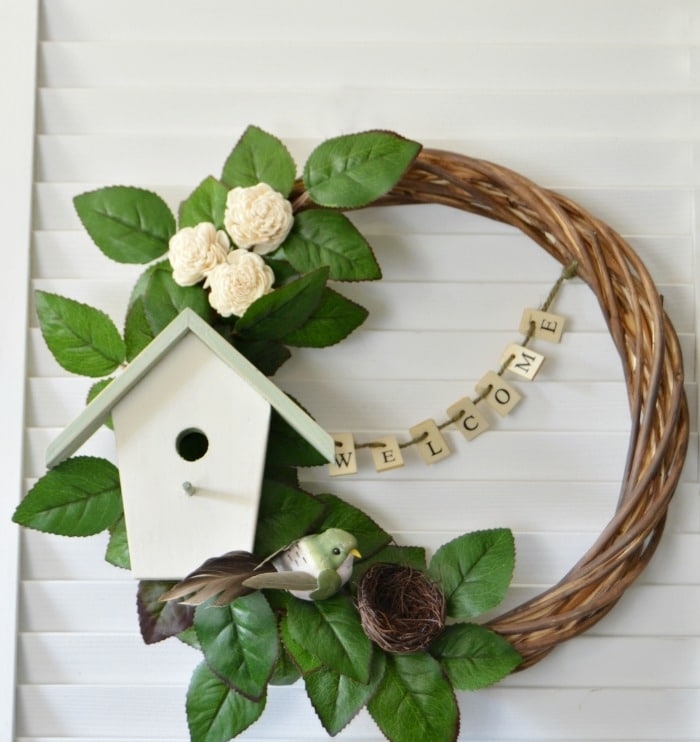
A small birdhouse can turn a standard floral wreath into something that feels more garden-inspired. I would combine it with faux flowers, greenery, ribbon, and a simple welcome message.
This project is also a good opportunity to use leftover craft supplies. I can reuse small fabric flowers, decorative pieces, or ribbon from previous projects rather than buying everything new.
If I want a different texture, dried decorative flowers can replace some of the fabric elements, as long as the wreath will be protected from rain.
19. Cocktail Umbrella Summer Wreath
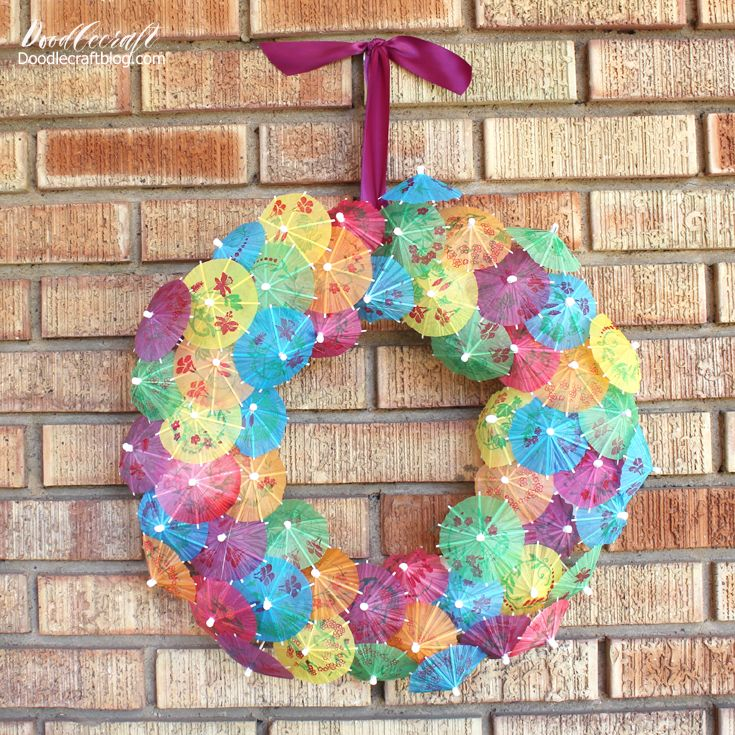
Cocktail umbrellas give me an easy way to create a colorful, playful summer wreath. This would work particularly well for a patio, pool party, barbecue, or tropical-themed gathering.
I would use a foam wreath form and insert the umbrella handles throughout the surface. The spacing doesn’t have to be perfectly uniform; some variation helps create a fuller appearance.
Because the umbrella ends can be pointed, I would keep this craft away from young children and handle the pieces carefully during assembly.
Pro Tip: I would attach the finished wreath securely and avoid placing it where sharp ends could come into contact with guests walking past.
20. Wine Cork Flower Wreath
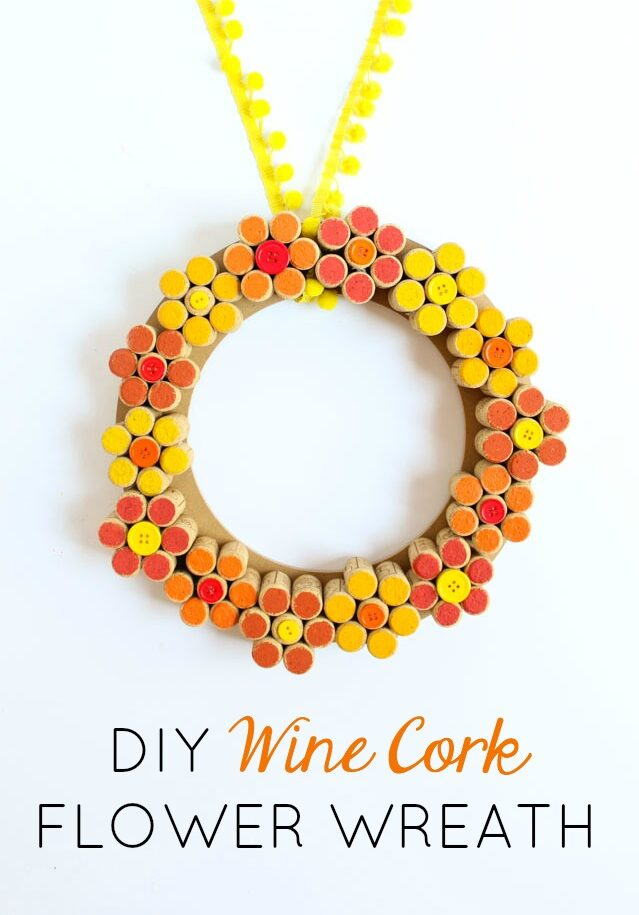
Wine corks can become surprisingly useful craft materials. For a flower shape, I would arrange corks in a circular pattern and add a decorative center such as a button, faux flower, or butterfly.
Before gluing the pieces, I would experiment with several color combinations. Blue and white would create a cooler summer palette, while yellow, orange, and red would feel warmer and more energetic.
If I don’t have enough corks saved, craft corks can be purchased specifically for projects like this.
21. Dollar Tree Sun Hat Wreath

A summer sun hat can make an unexpected wreath base. I like this idea when I want something inexpensive that looks different from a traditional circular floral wreath.
I would decorate the hat with artificial flowers, ribbon, and perhaps a simple hand-painted message. Because the hat itself already communicates a summer theme, I don’t need to overload it with decorations.
I would make sure the hanging method is attached to the hat securely, especially if the front door gets windy.
22. Beach Wreath
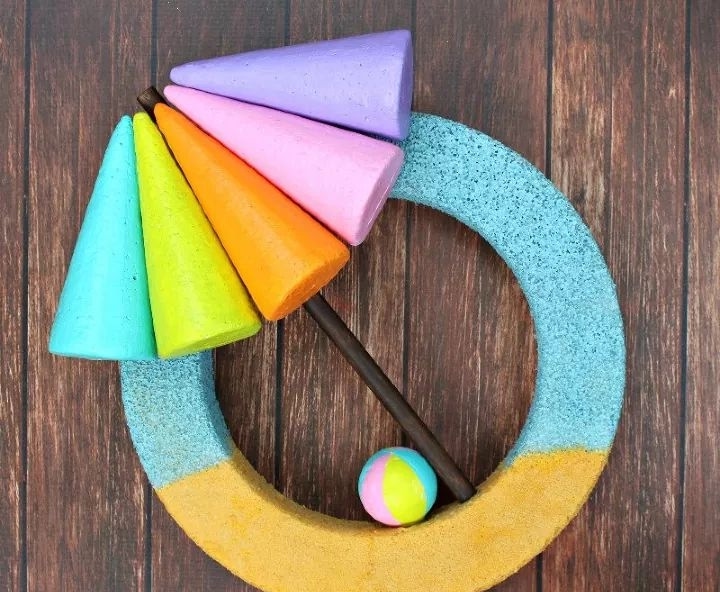
A beach-themed wreath can bring together sand colors, ocean-inspired shades, shells, and lightweight decorative elements. A foam wreath form gives me a solid base for adding unusual shapes and textures.
For a playful design, I could use foam cones, craft sand, paint, and a dowel or similar support piece. I would keep the materials lightweight so the finished wreath isn’t unnecessarily heavy.
This would also work well for a vacation rental, coastal home, summer party, or children’s beach-themed celebration.
23. Embroidery Hoop Wreath
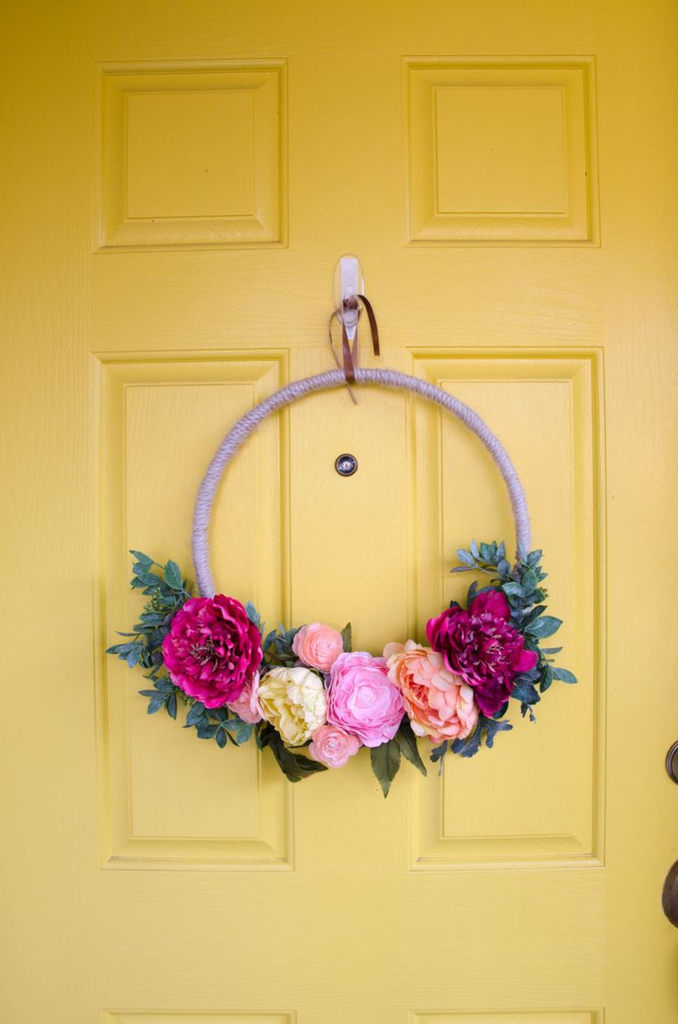
An embroidery hoop is an easy alternative to a traditional wreath form. Its simple circular shape works especially well when I want to create a smaller, lightweight decoration.
I would add greenery and a few flowers to one side of the hoop instead of covering the entire circle. Faux succulents can also work nicely when I want a slightly more modern appearance.
Because the hoop is relatively lightweight, this style can be useful for interior doors, cabinets, gallery walls, or smaller entryways as well as front doors.
24. Fern and Daisy Wreath
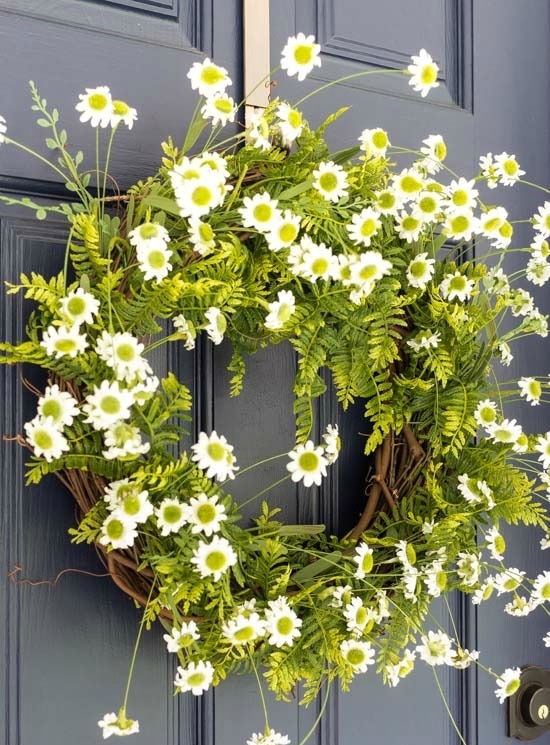
Ferns and daisies give me a natural-looking combination that feels appropriate for summer without being overly bright. The fern adds movement and greenery while the daisies provide small points of white.
I would arrange the foliage first and then fill in open areas with daisies. Keeping some of the wreath base visible can make the arrangement look lighter.
This style is especially useful when I want something that can transition from late spring into summer without looking tied to one specific holiday.
25. Sweet Watermelon Wreath
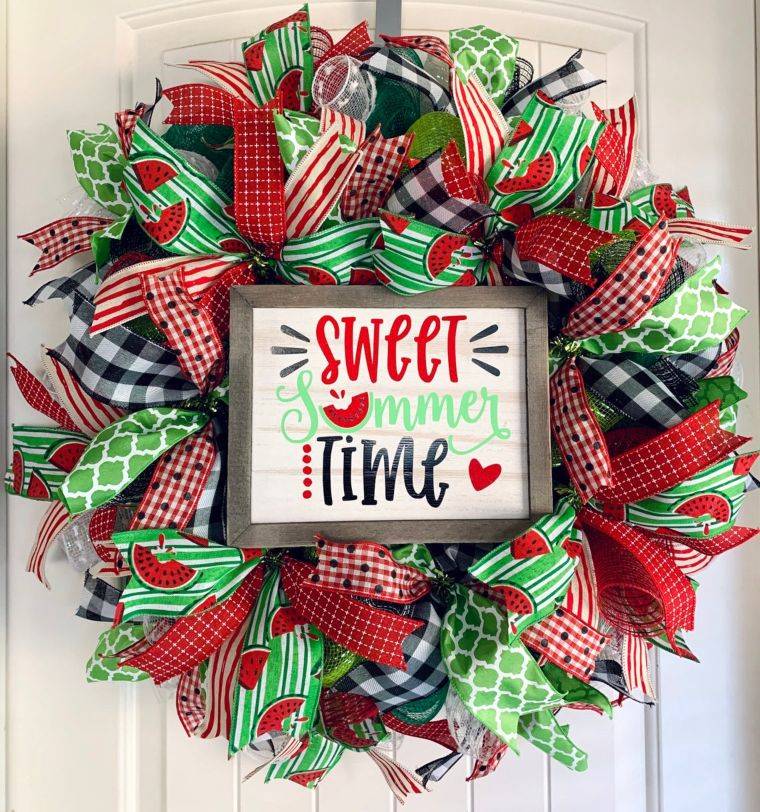
A watermelon wreath is another colorful choice for a summer door. I would build the design around watermelon-colored fabric, ribbon, faux greenery, and a small seasonal sign.
The main colors can do most of the work, so I don’t need dozens of different decorations. Green and white ribbon can create the rind-inspired effect, while red accents add the center color.
If I’m making this as a family craft, I could have children help decorate a wooden summer sign while an adult handles cutting and hot-glue work.
26. Summer in Bloom Wreath
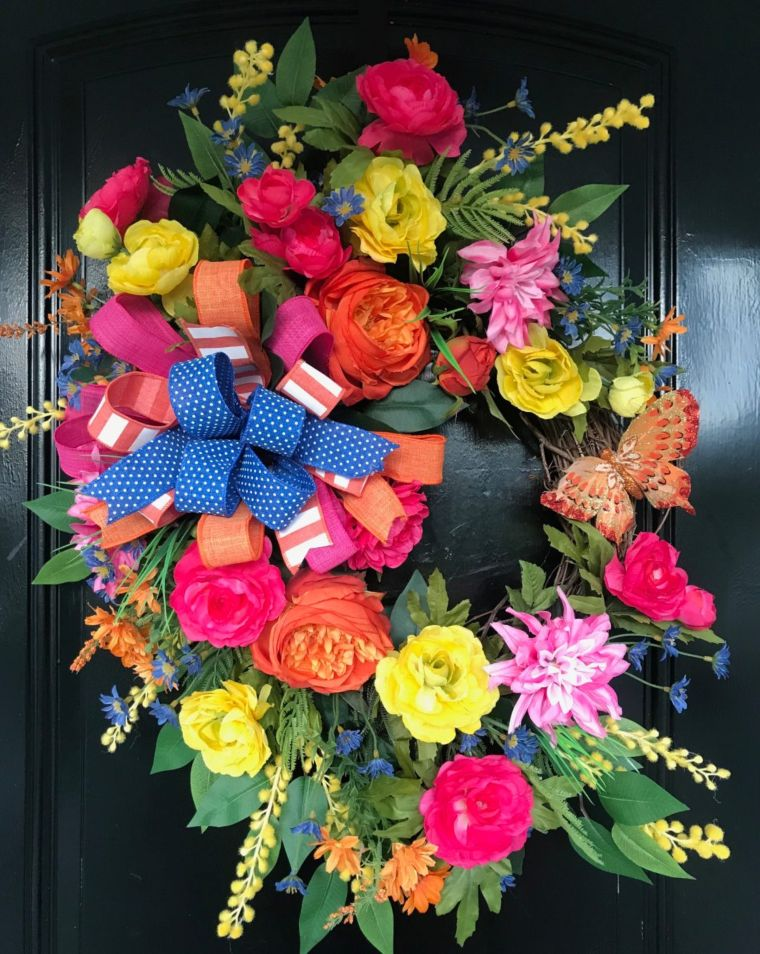
When I want my summer wreath to feel abundant and colorful, a mixed-flower design gives me plenty of room to experiment. I would combine faux wildflowers, greenery, ribbons, small filler flowers, and a few larger blooms.
A butterfly or other lightweight garden accent can add another seasonal detail without becoming the main feature.
I would begin with the largest flowers, then fill the open areas with smaller greenery and filler stems. This helps me avoid using too many materials before I know how much coverage the wreath actually needs.
Pro Tip: I always step back several feet while arranging a large wreath. A design that looks balanced up close can look noticeably heavier on one side when viewed from the street.
27. Like Bees to Wreaths
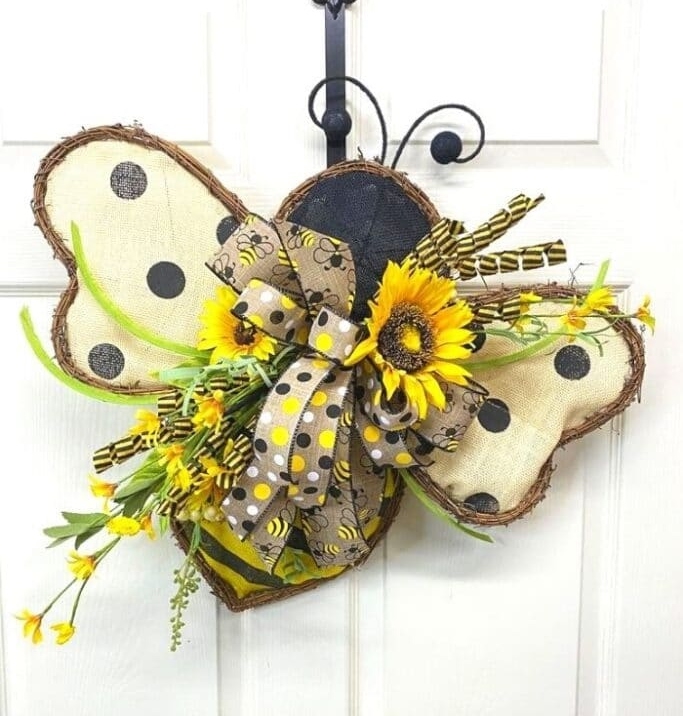
A bee-themed wreath makes a cheerful ending to this summer collection. I would combine yellow-and-black accents with faux flowers and greenery to create a garden-inspired design.
Rather than adding too many bee decorations, I would use one or two as focal details and let the flowers provide most of the visual interest.
For an outdoor wreath, I would secure lightweight bee figures carefully so they don’t blow away. If children are helping with the craft, I would keep hot glue, wire cutters, and other sharp tools with the adult handling those steps.
Read this next: 31 The Most Stunning Summer Farmhouse Decor Ideas
Frequently Asked Questions
What materials do I need to make a DIY summer wreath?
Most summer wreaths can be made with a wreath form, faux flowers or greenery, ribbon, floral wire, scissors, and a suitable adhesive. Some designs use fabric, wood beads, corks, miniature decorations, or seasonal accents.
What is the best type of wreath for outdoor summer use?
I usually prefer faux flowers, artificial greenery, and weather-resistant decorations for an outdoor summer wreath. These materials are easier to maintain and won’t wilt like fresh flowers. A covered porch also helps protect the wreath from rain and strong sunlight.
How do I keep a summer wreath securely attached to my front door?
I choose the hanging method based on the wreath’s weight and the type of door. A sturdy wreath hanger, outdoor-rated hook, or secure ribbon loop can work well. For windy locations, I also secure loose decorations and check the attachment periodically.
Can I reuse a summer wreath for other seasons?
Yes. I often use a reusable wreath form and change the flowers, greenery, ribbon, and seasonal accents. A neutral base can easily become a fall, winter, spring, or holiday wreath without starting the project from scratch.
Conclusion
I find that the best summer wreath projects are the ones that fit the way I actually decorate. Sometimes I want a bright sunflower or watermelon design, while other years I prefer simple greenery, lavender, or a beach-inspired arrangement.
I also like choosing a wreath base that I can reuse. Changing the flowers, ribbon, or seasonal accents can turn one basic frame into several different decorations throughout the year.
Before hanging a finished wreath outside, I check its weight, attachment points, and exposure to sun and weather. A few extra minutes spent securing the design can help keep the project looking good throughout the summer.