Christmas Bingo Games for Kids
Christmas bingo games for kids saved our family party last December, when rain cancelled our outdoor plans and twelve restless children arrived at once. I had printed bingo cards, a bowl of dried beans for markers, and very low expectations.
Within ten minutes, even my shyest niece was shouting for a snowman square, and the grown-ups had quietly joined in. That is the magic of bingo: every child can play at once, and a quiet child can win just as easily as the loudest one.
I tested these twenty versions at home, at a classroom party, and at our Christmas Eve gathering. I kept the ones that needed little preparation and dropped the ones that needed constant adult help.
Before you print, decide how you will play. Picture cards suit ages 3 to 6, word cards suit readers aged 7 and up, and mixed groups can use both. Always keep a spare card ready, because someone will spill juice on theirs.
Related article if you want more low-prep ideas for the same party.
Key Takeaways
- Picture bingo suits ages 3 to 6, and word bingo suits readers aged 7 and up.
- Print one extra card per game, keep markers in cups, and let a child call the pictures.
- Small prizes beat big prizes: stickers and candy canes keep the game friendly.
- Christmas bingo games for kids work for classrooms, family nights, and parties of almost any size.
20 Christmas Bingo Games for Kids
1. Classic Christmas Bingo Games for Kids at the Kitchen Table

This is the version I start with every year, and it never lets me down. I print cards with pictures of a tree, a star, a gift, and a candy cane, then I call out the pictures slowly so younger children can find them.
I once watched my four-year-old nephew study his card so seriously that he forgot his biscuit. The only downside is that very young players may need help finding a square, so seat a helper beside them.
Pro Tip: Laminate one set of cards if you plan to reuse them, and use dried beans as markers so nothing rolls away.
Cost: Free to print at home. Time: 20 minutes. Difficulty: Easy. Best for ages: 4 to 8.
2. Santa Bingo

In this version, every square is something linked to Santa: his hat, his sleigh, his boots, his sack, and his reindeer. I call out clues instead of names, like “the man in red drives this,” and the children love guessing before they mark the square.
My daughter still talks about winning Santa bingo twice in a row. The watch-out here is that younger children may argue about who shouted bingo first, so I always check the winning card before handing over a prize.
Pro Tip: Let the winner be the next caller, which keeps everyone keen to win the round.
Cost: Under $2 for printing. Time: 15 minutes. Difficulty: Easy. Best for ages: 4 to 9.
3. Reindeer Bingo

Reindeer bingo uses antlers, red noses, bells, and snowy hoof prints, and I add one square for each of Santa’s reindeer names for older children. It works beautifully as a calm-down game after a noisy present-opening session.
I learned that reading all nine reindeer names too fast confuses little ones, so now I point to a picture as I say each name. One honest downside is that children who know the names well will finish faster, so I mix in trickier pictures like a stable and a carrot.
Pro Tip: Give every child a pair of paper antlers to wear while playing, which makes even losing feel festive.
Cost: Free, plus paper antlers. Time: 15 minutes. Difficulty: Easy. Best for ages: 3 to 8.
4. Snowman Bingo

Snowman bingo is my go-to for a snowy afternoon indoors, with squares for a carrot nose, a scarf, coal eyes, buttons, and a top hat. I build the cards around things children can point to on a real snowman picture, which helps pre-readers play without help.
When we played this last winter, my son kept shouting “carrot!” before I finished the clue. The only watch-out is that snowman pictures can look alike, so I use bold, simple drawings with clear outlines.
Pro Tip: Use cotton balls as markers for this version, which fits the snowy theme perfectly.
Cost: Free to print. Time: 15 minutes. Difficulty: Easy. Best for ages: 3 to 7.
5. Ornament Bingo

For ornament bingo, I fill cards with baubles, stars, angels, bells, and tinsel, then I hold up a real ornament for each call. Children love seeing the actual object, and it slows the game down in a good way for younger players.
I tried this with glass ornaments once and spent the evening sweeping, so now I only use plastic or wooden ones. The downside is that you need a small collection of ornaments handy, but most homes already have a box of them.
Pro Tip: Let children take turns pulling an ornament from a bag, which makes them feel like the caller even when they are not.
Cost: Free if using ornaments you own. Time: 20 minutes. Difficulty: Easy. Best for ages: 4 to 9.
6. Gift Bingo

Gift bingo is perfect for Christmas morning or a gift-exchange party, because every square is a wrapped box, a bow, ribbon, a tag, or a stocking filler. I call out colours and sizes, like “a small red box with a gold bow,” which sharpens listening skills without feeling like school.
My niece once marked the wrong gift three times because she was too excited to listen. The watch-out is that this version can make children impatient for real presents, so I play it before gifts are opened, never during.
Pro Tip: Use tiny wrapped boxes as prizes, matching the theme.
Cost: Under $3 for small prizes. Time: 15 minutes. Difficulty: Easy. Best for ages: 4 to 10.
7. Stocking Bingo

Stocking bingo cards show stockings, candy canes, oranges, small toys, and chocolate coins, which are all classic stocking fillers. I like this version for a classroom party because it needs no mention of big gifts, so every child feels included.
I once used only food pictures, and two children with allergies felt left out, so now I balance food squares with toy and decoration squares. One downside is that hungry children may ask for the treats pictured, so I keep a small snack ready for after the game.
Pro Tip: Hang a real stocking on the wall and drop a called picture into it as a visual scoreboard.
Cost: Free to print. Time: 15 minutes. Difficulty: Easy. Best for ages: 3 to 8.
8. Cookie Bingo

Cookie bingo pairs perfectly with a baking afternoon, with squares for gingerbread men, candy canes, icing bags, sprinkles, and cookie cutters. I call out baking steps, like “the thing we use to roll the dough,” and children mark the matching picture.
When we played this after decorating cookies, the cards ended up with icing on them, which the children found hilarious. The honest downside is mess: keep markers in cups and cards away from the icing bowls.
Pro Tip: Offer a decorated cookie as the prize, which children value far more than a shop-bought sweet.
Cost: Free to print, plus cookies. Time: 20 minutes. Difficulty: Easy. Best for ages: 4 to 9.
9. Tree-Decorating Bingo

In tree-decorating bingo, children mark lights, garland, a star topper, baubles, and tinsel as I describe where each one goes on a tree. It works well while the tree is still up, because children can look at the real tree for clues.
I played this on decorating day, and my youngest kept running to the tree to check each square. The watch-out is that excited children may pull ornaments off the tree, so I set a clear rule: look, do not touch, until the game ends.
Pro Tip: Play this before decorating, and let the winner place the star on top as their prize.
Cost: Free to print. Time: 20 minutes. Difficulty: Easy. Best for ages: 4 to 9.
10. Family Game Night Bingo

Family game night bingo mixes Christmas pictures with game-night pictures: dice, cards, a board, a timer, and a trophy. It is the best version for a mixed-age family, because grandparents can play just as easily as grandchildren.
At our last family night, my father-in-law took the game more seriously than any child, which made everyone laugh. The downside is that competitive adults can dominate the calling, so I always hand the caller job to a child.
Pro Tip: Play in teams of one adult and one child, which helps younger players without singling them out.
Cost: Free to print. Time: 25 minutes. Difficulty: Easy. Best for ages: 5 to 12, plus adults.
11. Christmas Tree Bingo

Christmas tree bingo is the simplest version of all, with cards showing different trees: tall, small, snowy, colourful, and one with only lights. I use it as a warm-up game, because children learn the rules in under a minute.
I once used this with three-year-olds, and every child managed to play without help. The only downside is that older children may find it too easy, so I add a speed round where I call pictures twice as fast.
Pro Tip: Print trees in different colours so children can tell similar squares apart at a glance.
Cost: Free to print. Time: 10 minutes. Difficulty: Very easy. Best for ages: 3 to 6.
12. Elf Bingo

Elf bingo is full of pointy hats, striped socks, candy workshops, toy hammers, and shelves of toys. I call out elf jobs, like “the elf who wraps the dolls,” and children mark the matching workshop picture, which gets them talking about what elves might do all day.
My son invented an elf name during this game and answered to it for the rest of December. The watch-out is that children may want to dress as elves mid-game, so I keep a box of elf hats ready before we start.
Pro Tip: Let children write their own elf names on their cards, which makes each card feel personal.
Cost: Under $2 for elf hats. Time: 15 minutes. Difficulty: Easy. Best for ages: 4 to 9.
13. Gingerbread Bingo

Gingerbread bingo uses gingerbread houses, gumdrops, icing snow, peppermint sticks, and little gingerbread people. I play it on baking day, when the smell of gingerbread is already in the air, and it keeps children busy while houses set.
Waiting for icing to dry is the hardest part of gingerbread day, and this game filled that gap. The downside is that children may try to eat the markers if you use sweets, so I stick to beans or buttons for this version.
Pro Tip: Use a real gingerbread house as the centrepiece of the table while you play.
Cost: Free to print. Time: 20 minutes. Difficulty: Easy. Best for ages: 4 to 10.
14. Snow Day Bingo

Snow day bingo is for the afternoon after playing outside, with squares for mittens, snow boots, hot chocolate, a sled, and a snowball. I call out winter activities, and children mark what they did that day, which turns the game into a lovely recap of the morning.
When we played this after a snowy morning, the game gave the children a calm way to share their stories. The watch-out is that tired, cold children have short attention spans, so I keep this game to two short rounds only.
Pro Tip: Serve hot chocolate after the game, not during, or the cards will get soggy.
Cost: Free to print. Time: 15 minutes. Difficulty: Easy. Best for ages: 4 to 9.
15. Pajama Party Bingo

Pajama party bingo is my favourite for Christmas Eve, with squares for slippers, a blanket, a pillow, a bedtime story, and a mug of cocoa. Children play in their pajamas, which instantly makes the evening feel special and relaxed.
I once hosted this for a sleepover, and two children fell asleep before the final round, which I took as a compliment. The downside is that sleepy children may lose track of their cards, so I use large pictures and only one card per child.
Pro Tip: Play this as the last game of the night, right before the bedtime story.
Cost: Free to print. Time: 15 minutes. Difficulty: Easy. Best for ages: 3 to 8.
16. Gift-Opening Bingo

In gift-opening bingo, children mark squares as presents are opened around them: a book, a toy car, a doll, a puzzle, or a new sweater. It keeps children watching and cheering for each other instead of rushing through their own pile.
I introduced this when present-opening had turned into a frantic race, and it slowed everything down beautifully. The honest downside is that a child who receives fewer gifts may feel left out, so I only use this when gifts are shared fairly or opened in turns.
Pro Tip: Give every child a card, even adults, so nobody is just watching.
Cost: Free to print. Time: 20 minutes. Difficulty: Easy. Best for ages: 5 to 10.
17. Winter Story Bingo

Winter story bingo is played during story time, with squares for words and pictures you hear in a Christmas book: a star, a journey, a gift, a kind stranger, and a snowy night. I pause after each page and let children mark what they heard.
I tried this with a long story once and lost the younger children, so now I choose one short picture book. The watch-out is that children may shout out answers before others have listened, so I ask them to mark quietly and show me at the end.
Pro Tip: Choose a story you have read before, so children can predict what comes next.
Cost: Free to print. Time: 20 minutes. Difficulty: Medium. Best for ages: 5 to 9.
18. Living-Room Bingo

Living-room bingo turns your own decorations into the game, with squares for a fireplace, a wreath, a stocking, a candle, and a tree topper. Children look around the room to find each item, which works brilliantly when you have guests who have never visited before.
When cousins visited last year, this game helped them explore our house without running wild. The downside is that it only works in a decorated room, so I save it for the week when everything is up.
Pro Tip: Take a photo of the room first, and use it to make cards that match your actual decorations.
Cost: Free to print. Time: 20 minutes. Difficulty: Easy. Best for ages: 4 to 10.
19. Board-Game Bingo
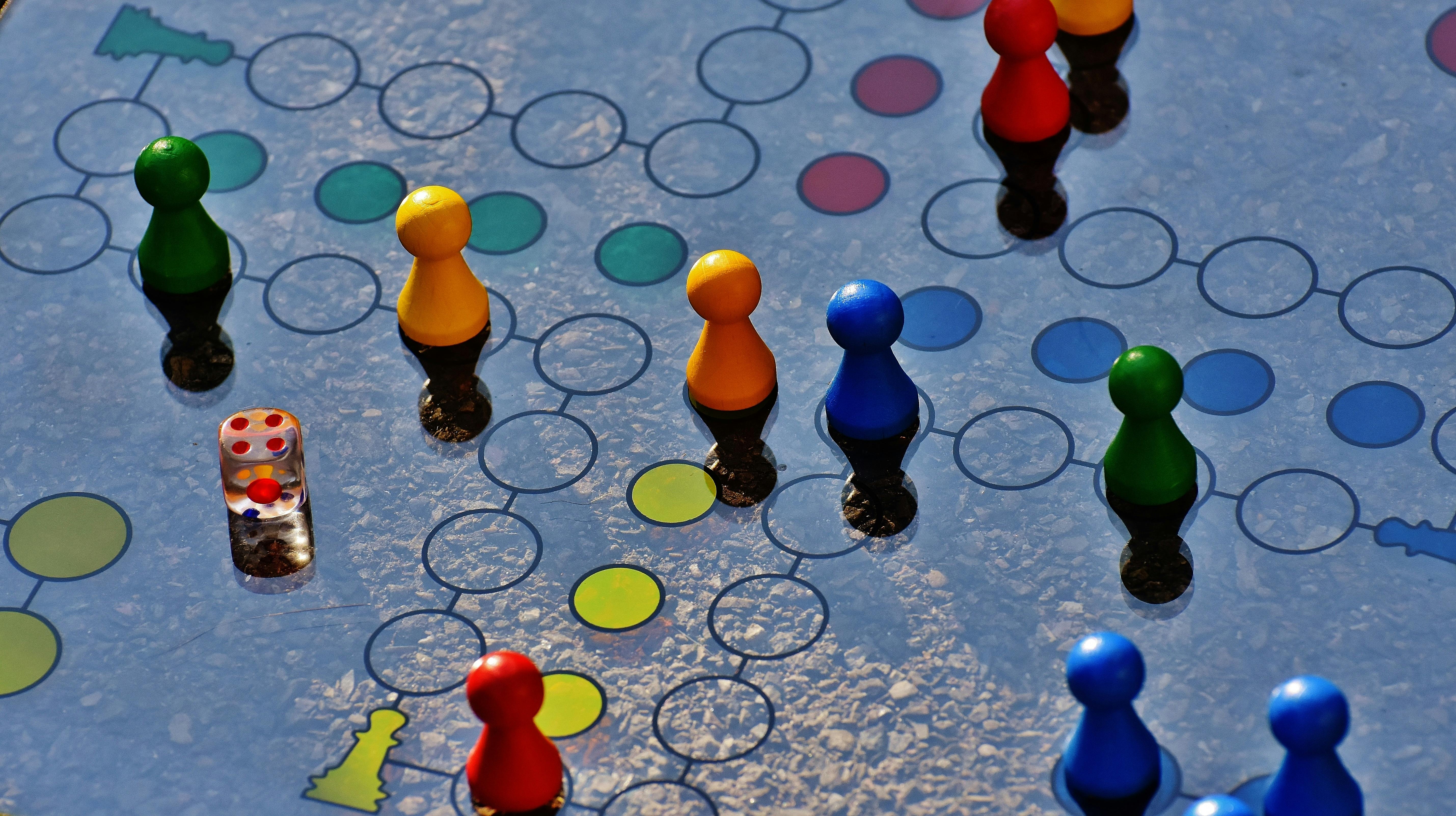
Board-game bingo is for older children who already love game night, with squares for a dice, a spinner, a pawn, a timer, and a score pad. I call out game rules, like “the thing you roll to move,” and children mark the matching piece.
I played this with my ten-year-old and her friends, and they turned it into a competition to name each piece’s board game. The watch-out is that younger children may not know these pieces, so I keep this version for ages 7 and up, or play it in mixed teams.
Pro Tip: Follow bingo with the actual board game pictured most often, so the game leads naturally into the next activity.
Cost: Free to print. Time: 20 minutes. Difficulty: Medium. Best for ages: 7 to 12.
20. Blackout Bingo Finale

Blackout bingo is the grand finale, where children must mark every square on their card to win, instead of just one line. I save it for last because it takes longer, and I use a card that mixes pictures from all the earlier games.
The first time we played blackout, the cheers when someone finished were louder than any other game that day. The downside is length: tired children may give up, so I offer a small prize for the first line too, to keep everyone in the game.
Pro Tip: Keep a big prize for blackout, like a small toy or a book, because it is the hardest round to win.
Cost: Under $5 for the finale prize. Time: 30 minutes. Difficulty: Medium. Best for ages: 5 to 12.
Comparison Table
| Version | Best Age | Players | Prep Time | Why Kids Love It |
|---|---|---|---|---|
| Classic Picture Bingo | 4 to 8 | 2 to 20 | 5 minutes | Everyone can play at once |
| Santa Bingo | 4 to 9 | 2 to 15 | 5 minutes | Clue guessing feels like a riddle |
| Reindeer Bingo | 3 to 8 | 2 to 15 | 5 minutes | Paper antlers make it silly |
| Snowman Bingo | 3 to 7 | 2 to 12 | 5 minutes | Cotton ball markers are fun |
| Ornament Bingo | 4 to 9 | 2 to 12 | 10 minutes | Real ornaments to hold |
| Gift Bingo | 4 to 10 | 2 to 15 | 5 minutes | Builds excitement for presents |
| Stocking Bingo | 3 to 8 | 2 to 15 | 5 minutes | Fair for every child |
| Cookie Bingo | 4 to 9 | 2 to 12 | 5 minutes | Pairs with baking day |
| Tree-Decorating Bingo | 4 to 9 | 2 to 12 | 5 minutes | Winner places the star |
| Family Game Night Bingo | 5 to 12 | 4 to 20 | 5 minutes | Adults join in too |
| Christmas Tree Bingo | 3 to 6 | 2 to 12 | 5 minutes | Simplest warm-up game |
| Elf Bingo | 4 to 9 | 2 to 15 | 10 minutes | Children invent elf names |
| Gingerbread Bingo | 4 to 10 | 2 to 12 | 5 minutes | Fills the icing-drying wait |
| Snow Day Bingo | 4 to 9 | 2 to 12 | 5 minutes | Recaps a snowy morning |
| Pajama Party Bingo | 3 to 8 | 2 to 10 | 5 minutes | Cosy Christmas Eve game |
| Gift-Opening Bingo | 5 to 10 | 2 to 12 | 5 minutes | Slows present opening down |
| Winter Story Bingo | 5 to 9 | 2 to 12 | 10 minutes | Links reading and play |
| Living-Room Bingo | 4 to 10 | 2 to 15 | 10 minutes | Uses your own decorations |
| Board-Game Bingo | 7 to 12 | 2 to 12 | 5 minutes | Leads into game night |
| Blackout Bingo Finale | 5 to 12 | 2 to 20 | 5 minutes | Biggest cheers of the day |
Mistakes I Made / What I Learned the Hard Way
Calling too fast. In my first year, I rushed the calls and half the children fell behind. Now I call slowly, repeat each picture twice, and show a picture card.
Using only one prize. I once gave one big prize to the winner and watched the others lose interest. Small prizes every round, plus a sticker for everyone, keep the mood kind.
Forgetting spare cards. Juice spills, torn cards, and a late cousin are certain at Christmas. I now print five extra cards and keep spare markers in a jar.
Playing too many rounds. Five rounds in a row will bore even keen players. I limit bingo to three rounds, then move to something active.
Also read for more party games that pair well with bingo night.
Frequently Asked Questions
What age is bingo best for? Picture bingo works from age 3, and word bingo works from age 7. For mixed ages, use picture cards for younger children and word cards for older ones, and play in teams.
How many players can play at once? Bingo has no real limit. I have played with 4 children at home and 25 at a classroom party, as long as every child could hear the caller.
Do I need to buy special bingo cards? No, print free cards at home or draw your own on paper. I draw grids for small groups and print cards for larger ones.
What should I use as markers? Dried beans, buttons, cotton balls, and small pom-poms all work well. Avoid sweets as markers for young children, because they will eat them before the game ends.
How do I keep bingo fair for younger children? Seat a helper beside them, use picture cards, and call slowly. I also let younger children play in a team with an older sibling, which helps without making it obvious.
Final Thoughts
Bingo has become my favourite Christmas tradition, not because it is fancy, but because it is fair, calm, and joyful. Every child gets a card and a chance.
Start with classic picture bingo, try one themed version, and finish with blackout if energy remains. Keep prizes small and calls slow.
Read this next if you want an active game to play after bingo, when everyone needs to move.