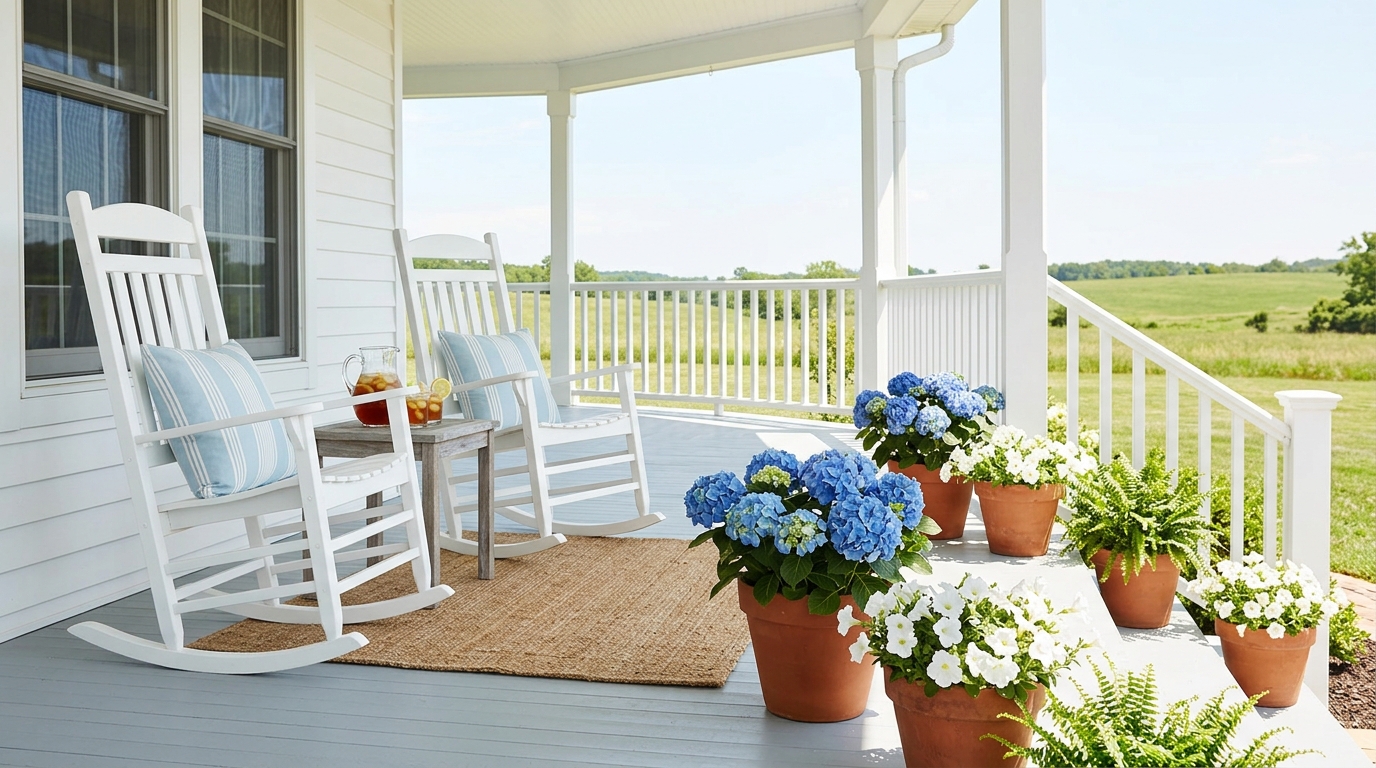
31 The Most Stunning Summer Farmhouse Decor Ideas
Summer is one of my favorite times to refresh a farmhouse-style home because I do not need to change the big pieces to make a room feel different. A few lighter textiles, fresh greenery, vintage containers, and seasonal colors can shift the mood without turning the house upside down.
The farmhouse look works particularly well for this because natural wood, wicker, metal, cotton, glass, and aged finishes already give me a flexible base. I can then add yellow lemons, blue accents, gingham, flowers, or summer fruit and remove those pieces when the season changes.
I also find that the best seasonal decorating decisions are usually the practical ones. A basket that stores something, a cushion cover that can be washed, or a shelf that actually holds everyday items will earn its place long after the summer decorations are packed away.
I put together these 31 summer farmhouse decor ideas to show how small changes can refresh kitchens, living rooms, bedrooms, entryways, fireplaces, porches, and outdoor areas. The projects range from styling thrifted containers to changing textiles, creating floral displays, and adding useful storage.
Throughout the ideas, I focus on combining rustic materials with lighter summer colors rather than making every surface look themed. Repeating one or two colors, such as blue and yellow, or materials such as wood and wicker, helps separate pieces feel connected.
Save this for later
Table of Contents
My approach is to keep permanent furniture and larger finishes relatively neutral, then use removable seasonal accents for color. That makes the transition into fall much easier and is especially useful in smaller homes and rental spaces.
Key Takeaways
- Mix weathered or rustic materials with lighter summer colors instead of making everything look heavily distressed.
- Use flowers, fruit, gingham, greenery, and lightweight textiles as temporary seasonal accents.
- Let one arrangement or display act as a focal point instead of decorating every available surface.
- Thrift stores can be useful for finding baskets, metal containers, glassware, trays, and small furniture pieces with character.
- Keep entryways, kitchen counters, and other working surfaces functional and easy to use.
- For outdoor decorating, check whether materials can handle moisture, sunlight, wind, and temperature changes.
- Secure wall-mounted pieces properly and keep decorative materials away from active cooking equipment and hot fireplace surfaces.
Related article: 25 Book Craft DIY Ideas for 2026
1. Bucket Bouquet
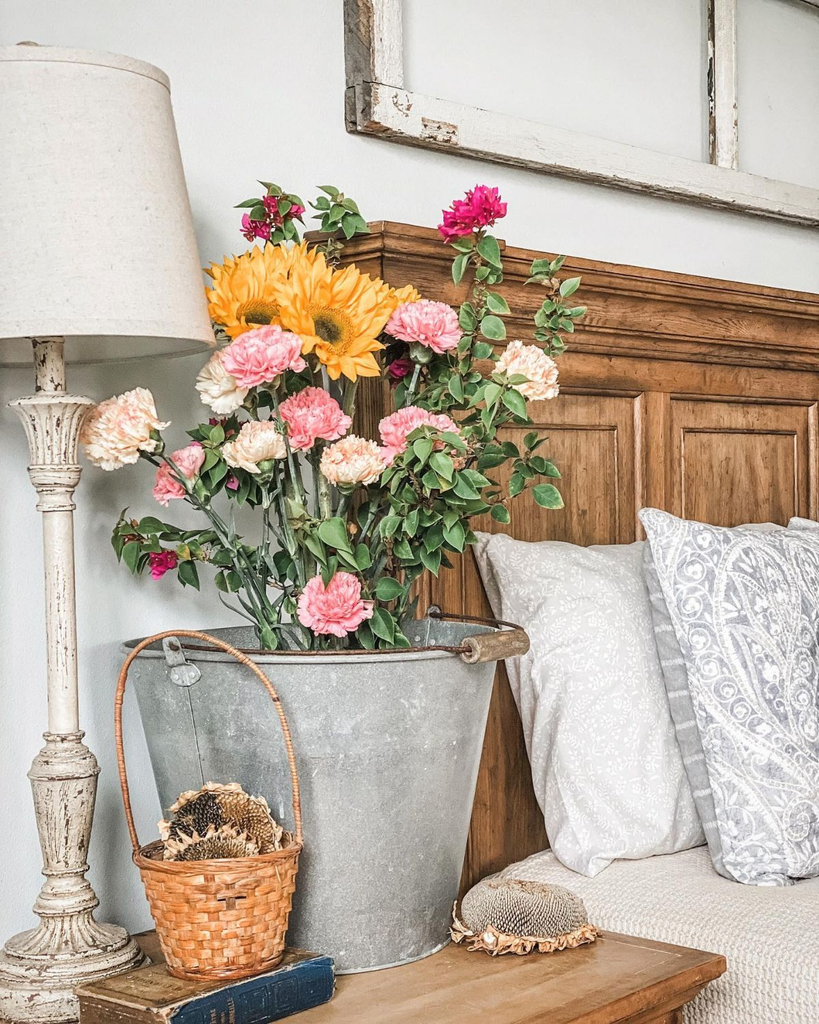
A metal bucket gives a casual flower arrangement a useful farmhouse detail without requiring an elaborate container. On a bedside table, kitchen counter, dining table, or covered porch, the combination of rough metal and delicate flowers creates a nice contrast.
For summer, I would fill the bucket with seasonal flowers or greenery and keep the arrangement proportional to the surface. A very large bouquet on a small table can quickly become more of an obstruction than a centerpiece.
Thrift shops are worth checking for older buckets and metal containers. If the bucket is not watertight, I place a smaller waterproof container inside it so water does not reach the furniture underneath.
Pro Tip: Use a bucket for a larger, relaxed arrangement and leave smaller vases for shelves or narrow surfaces. That difference keeps this idea visually distinct from the watering-can display later in the list.
2. Farmhouse Table Basket
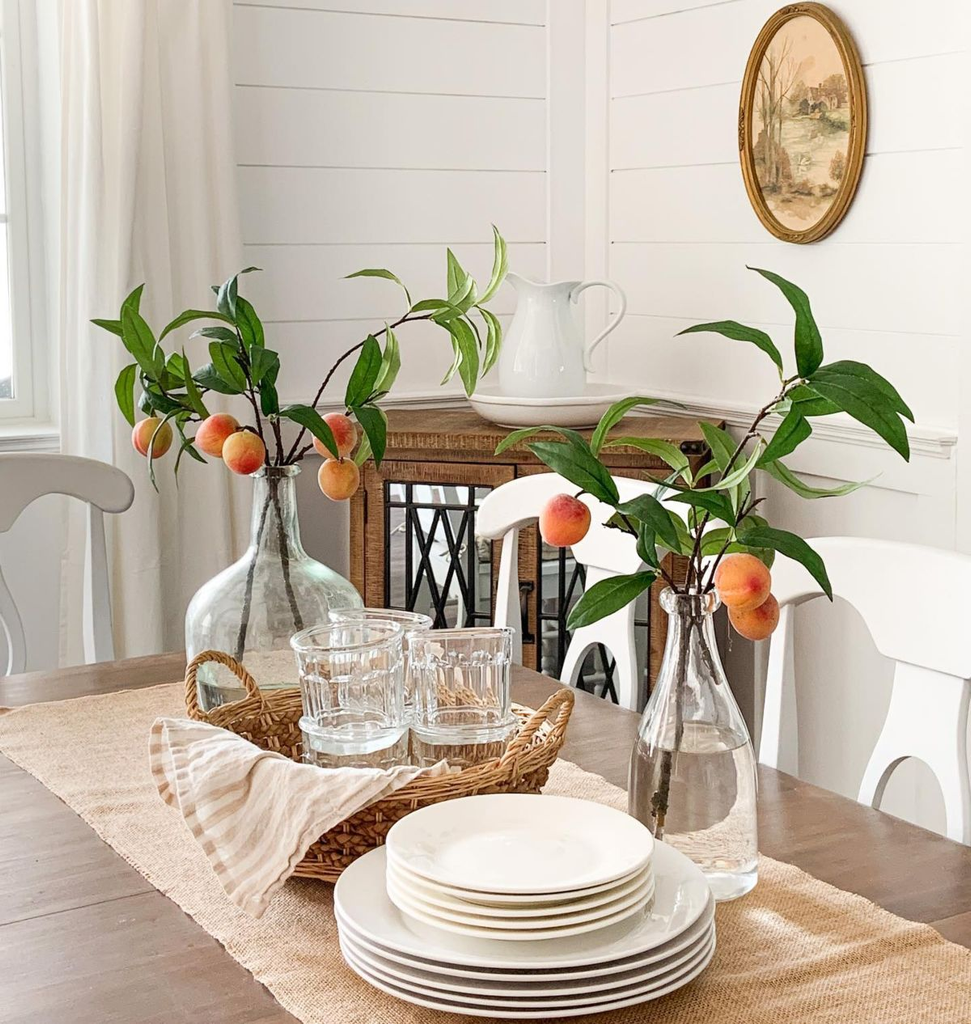
A wicker basket makes a useful centerpiece because it adds texture without taking up the entire table. I like pairing one with a lightweight cotton or canvas runner and a checked kitchen towel for an informal summer dining setup.
For extra color, seasonal fruit or a few small glass vases can sit inside the basket. I keep the arrangement low enough that people across the table can still see one another during meals.
This combination works because the rough basket and soft fabric balance each other. Adding glass also introduces a smoother, lighter material so the table does not become visually heavy.
3. Blue Chalk Cabinets
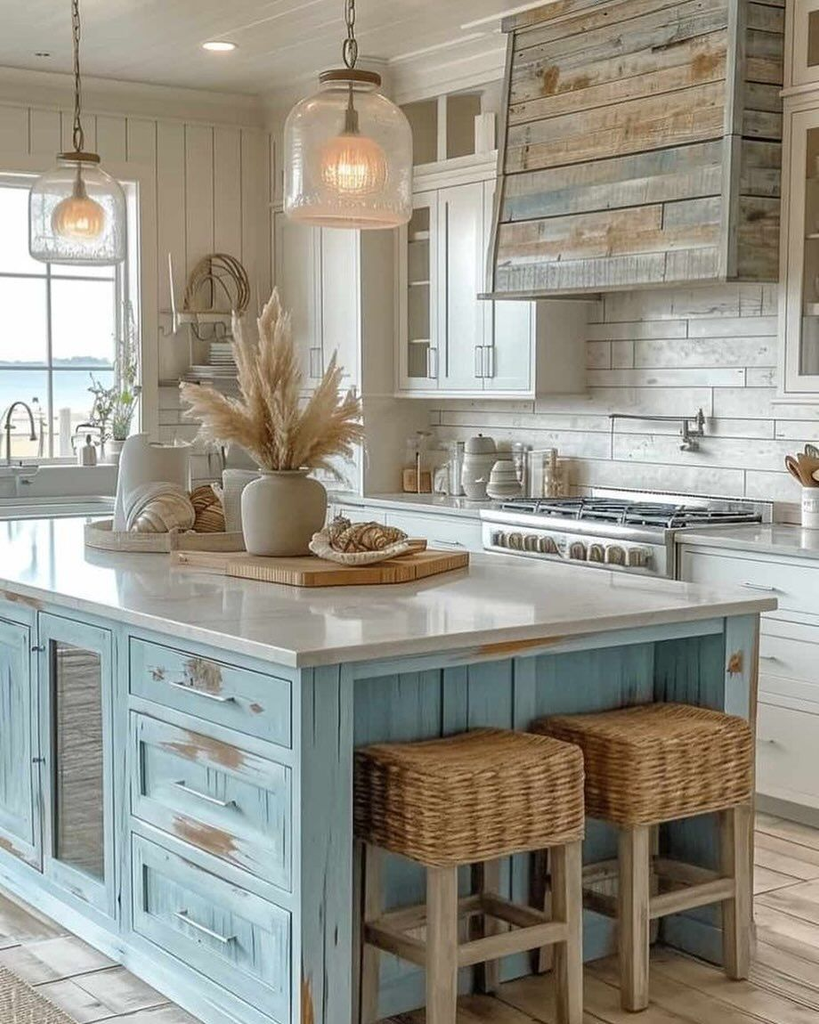
Muted blue cabinetry can bring summer color into a farmhouse kitchen while still working with neutral walls and natural wood. Rather than repainting every cabinet, a smaller island or a single cabinet bank can provide enough color to become the focal point.
Proper surface preparation matters more than creating an artificially worn finish. Cabinets should be cleaned and prepared according to the paint manufacturer’s instructions before painting.
If a distressed look suits the room, light sanding around selected edges can expose some of the underlying finish. I prefer restraint here because too much artificial wear can make a kitchen look busy.
Pro Tip: Test the blue in your actual kitchen before committing. Natural daylight, warm bulbs, countertops, and flooring can all change how the color appears.
4. Lemon Kitchen Vignette
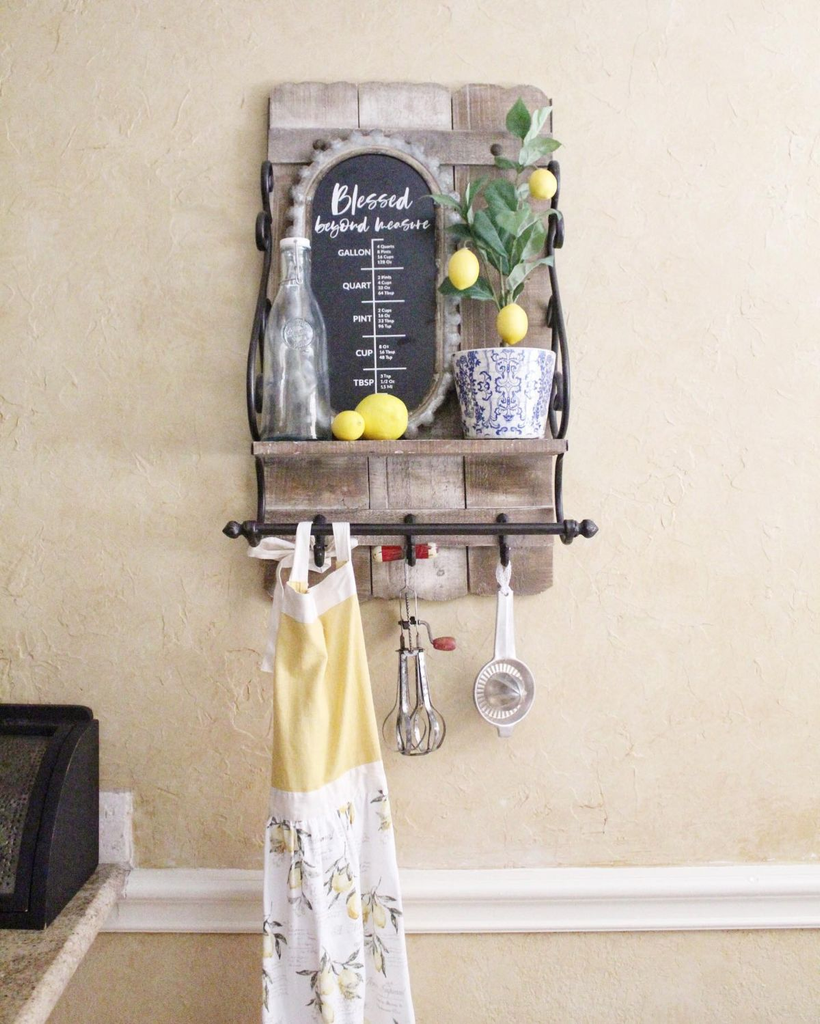
Lemons are an easy summer accent for a neutral kitchen because their yellow color immediately adds contrast. A small bowl, cutting board, glass jar, or vintage-style container can create a seasonal vignette without taking over the counter.
I usually group a few pieces at different heights rather than scattering yellow objects throughout the kitchen. The result feels more intentional and leaves most of the work surface available for cooking.
For a rental kitchen, this is also an easy update because the display can be removed at the end of summer without changing cabinets, walls, or fixtures.
5. White Bin Fruit Bowl
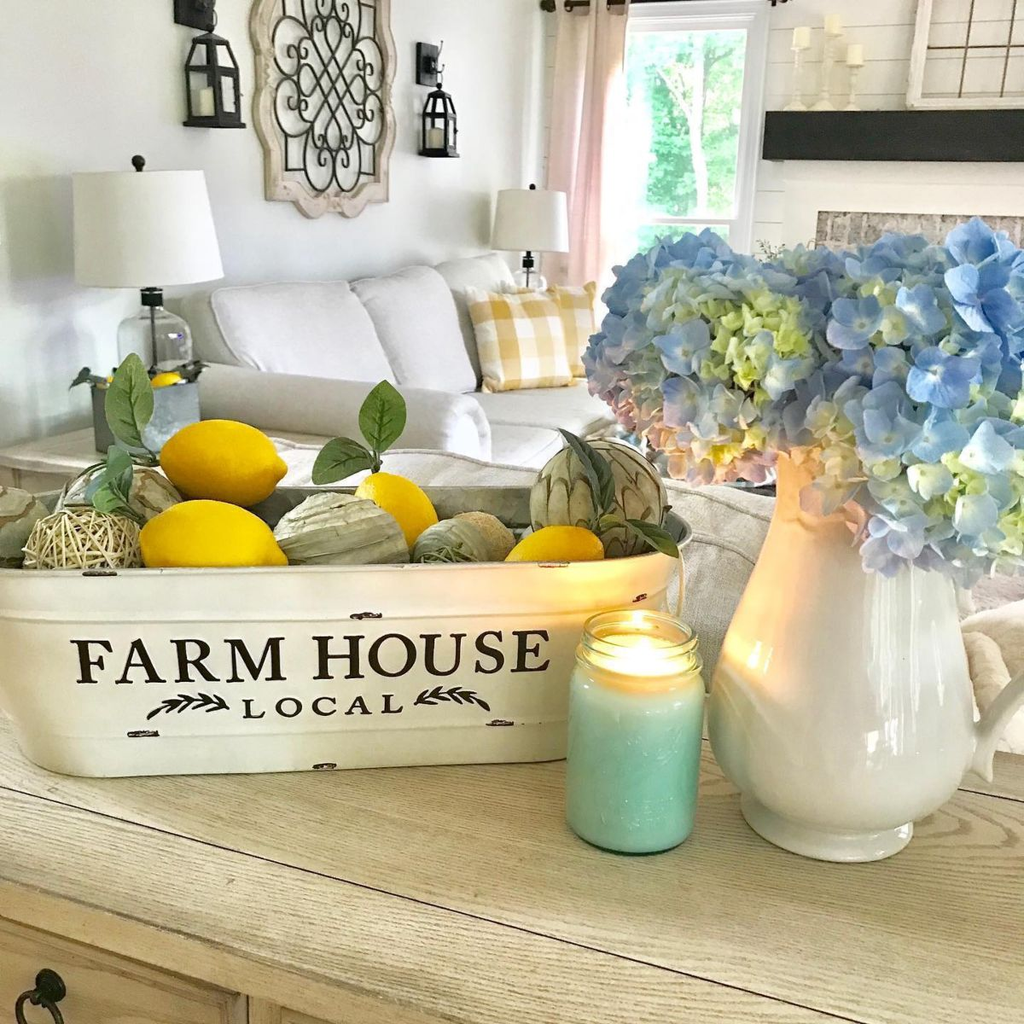
A white enamel-style container or farmhouse-inspired bin can become a casual fruit display. Bright lemons, peaches, or other seasonal fruit stand out against a white or cream background.
The important practical point is to separate decorative containers from food-contact surfaces unless the container is specifically suitable for holding food. A food-safe bowl placed inside the decorative piece solves that problem while preserving the look.
Unlike the table basket, this idea works particularly well on a kitchen counter or island where the fruit remains accessible for everyday use.
6. Red Gingham Sack Cushion
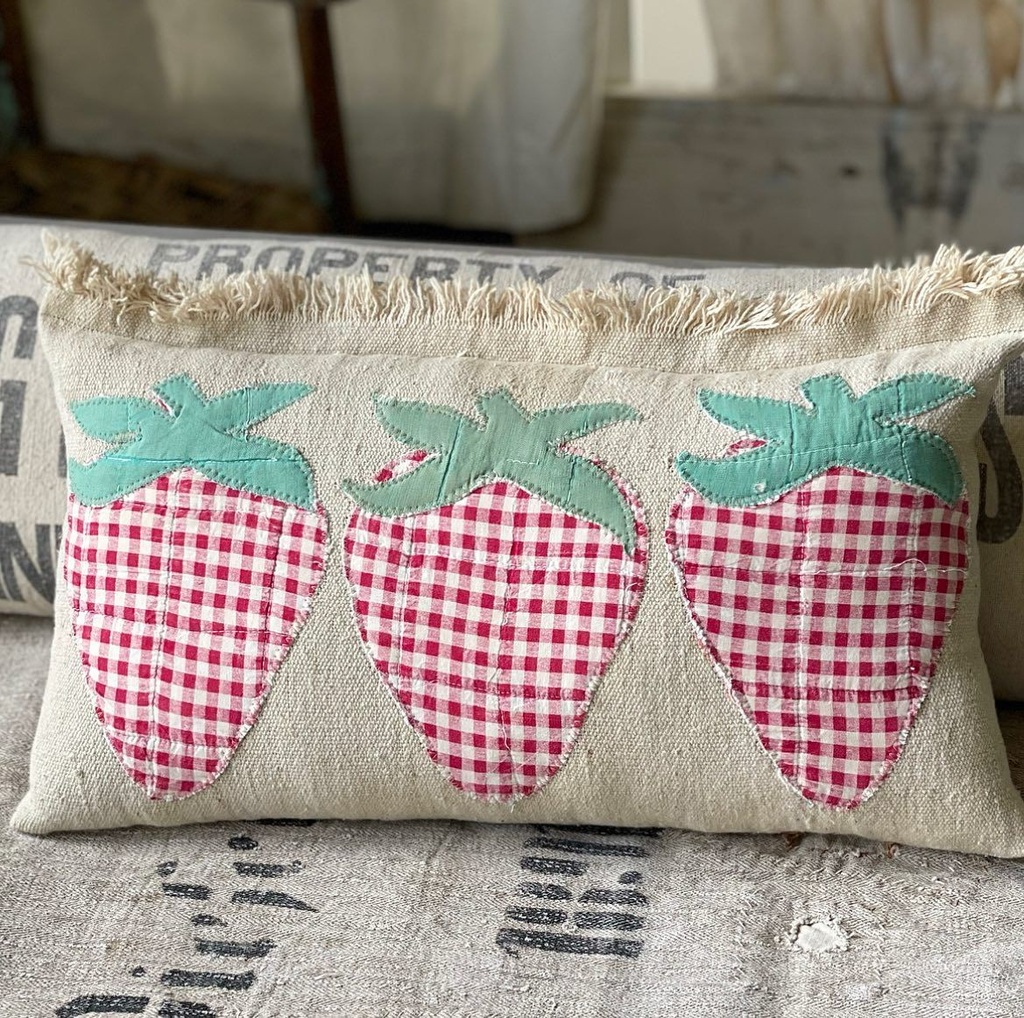
Red gingham brings a traditional country accent to a summer room without requiring a permanent change. A cushion can be placed on a porch chair, dining bench, bedroom chair, or sofa.
The pattern works especially well when the rest of the room has quieter colors. Instead of adding several red accessories, I would let one cushion provide the stronger accent and repeat a small amount of the color elsewhere if needed.
For a DIY version, a removable cushion cover is more practical than permanently altering the insert. It can be stored with other seasonal textiles when summer is over.
7. Gingham-Border Welcome Mat
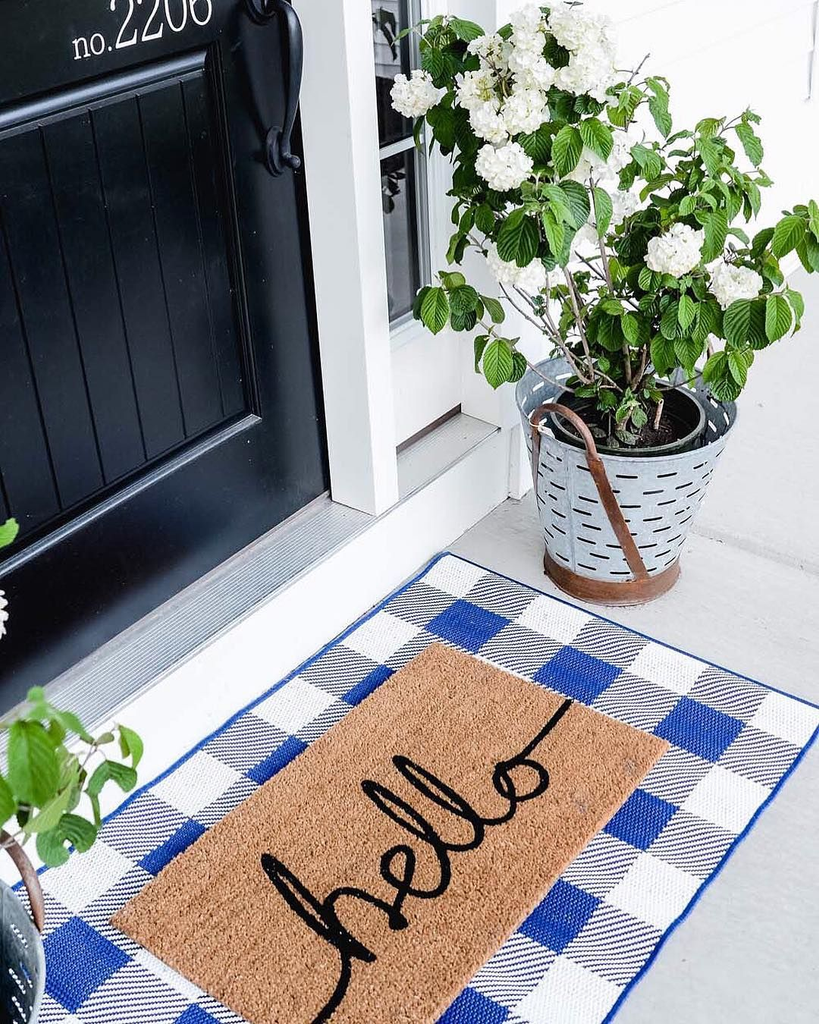
The front entrance is an easy place to introduce a small farmhouse pattern. A neutral welcome mat with a gingham detail adds summer personality while keeping the overall porch relatively understated.
A DIY painted border can work, but I would use a product intended for the mat’s material and outdoor conditions. Fully exposed entrances also need more durable materials than covered porches.
Keep the mat flat and stable so it does not create a tripping hazard. If the area receives strong wind, a lightweight decorative mat may need a more secure or heavier design.
8. Lemon and Blue Floral Wreath
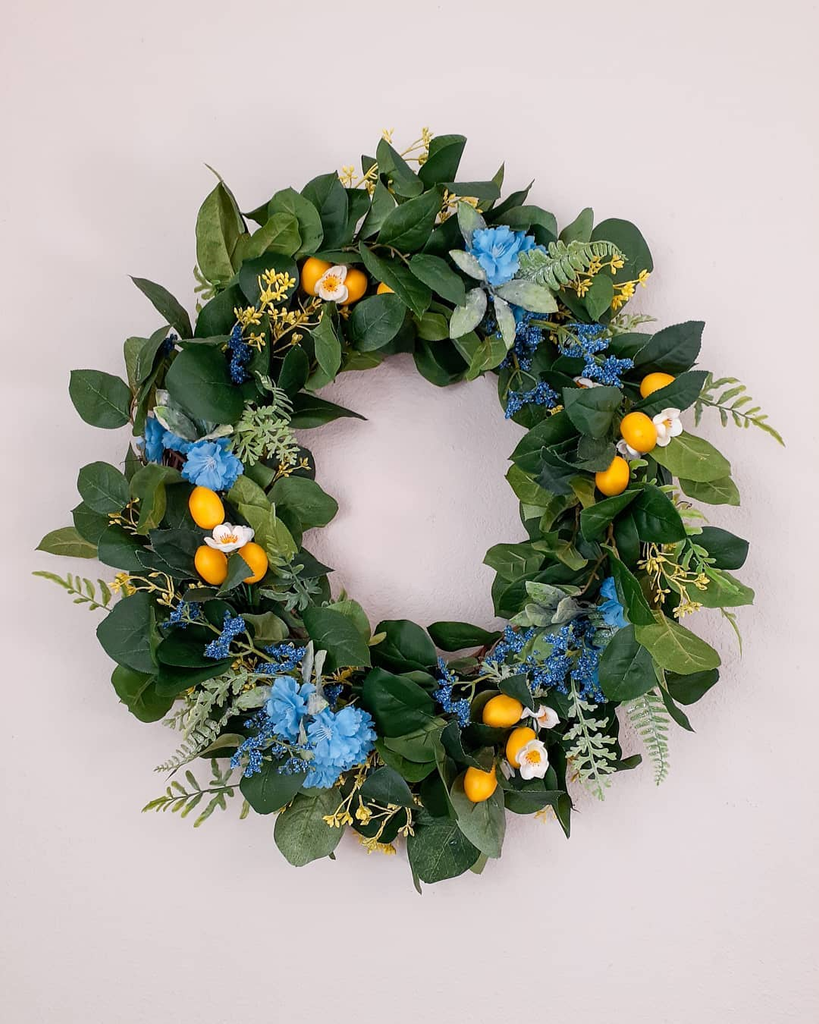
Blue and yellow make a natural summer combination, and a wreath lets me bring those colors to the front door without changing the porch furniture.
A grapevine-style base, faux greenery, blue flowers, and small lemon accents can create the look. I would keep the yellow details limited so the wreath reads as farmhouse decor rather than a fruit-themed display.
Outdoor placement matters. A covered door can protect materials from rain, while a fully exposed location can cause fading, moisture damage, and deterioration much faster.
9. Flag in a Mason Jar
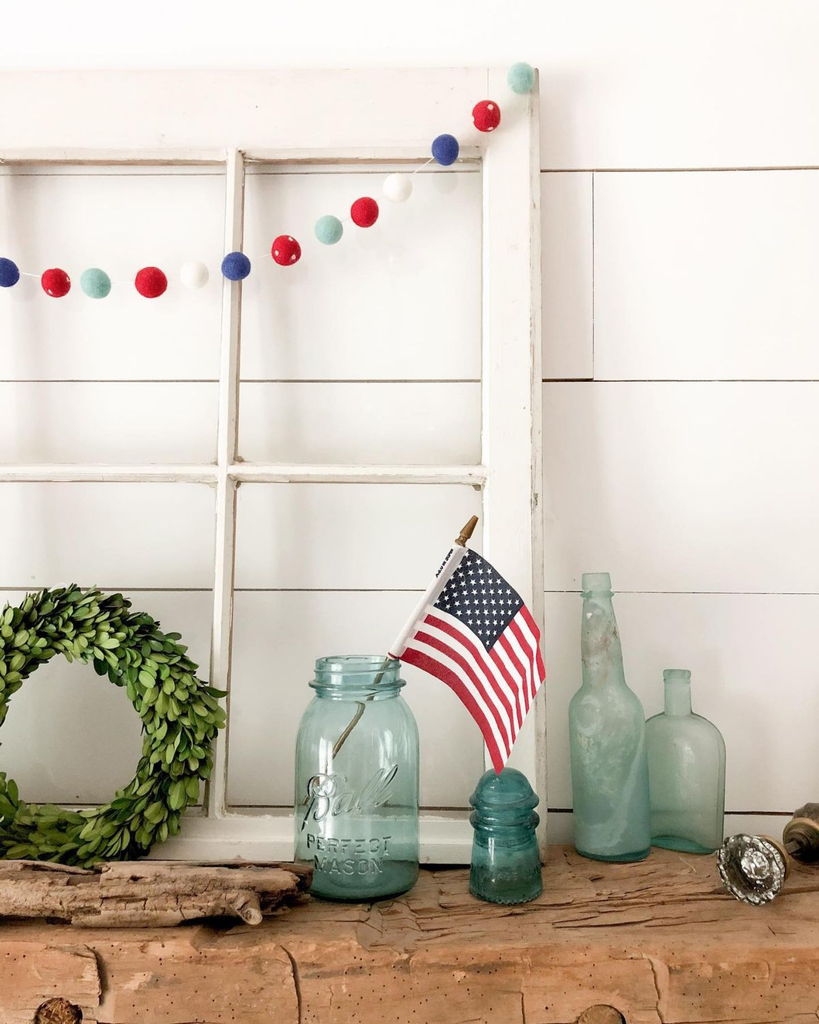
A mason jar can hold a small seasonal flag and work as a simple tabletop accent. I especially like this idea for summer gatherings because the color can be changed for different celebrations without replacing the entire centerpiece.
For a table, several jars can be grouped together with different heights or small amounts of greenery. I keep the arrangement stable and avoid placing lightweight jars where wind or frequent movement could knock them over.
The simplicity is part of the appeal. It leaves room on the table for food, drinks, and serving pieces rather than turning the centerpiece into an obstacle.
10. Rustic Tiered Flower Setting
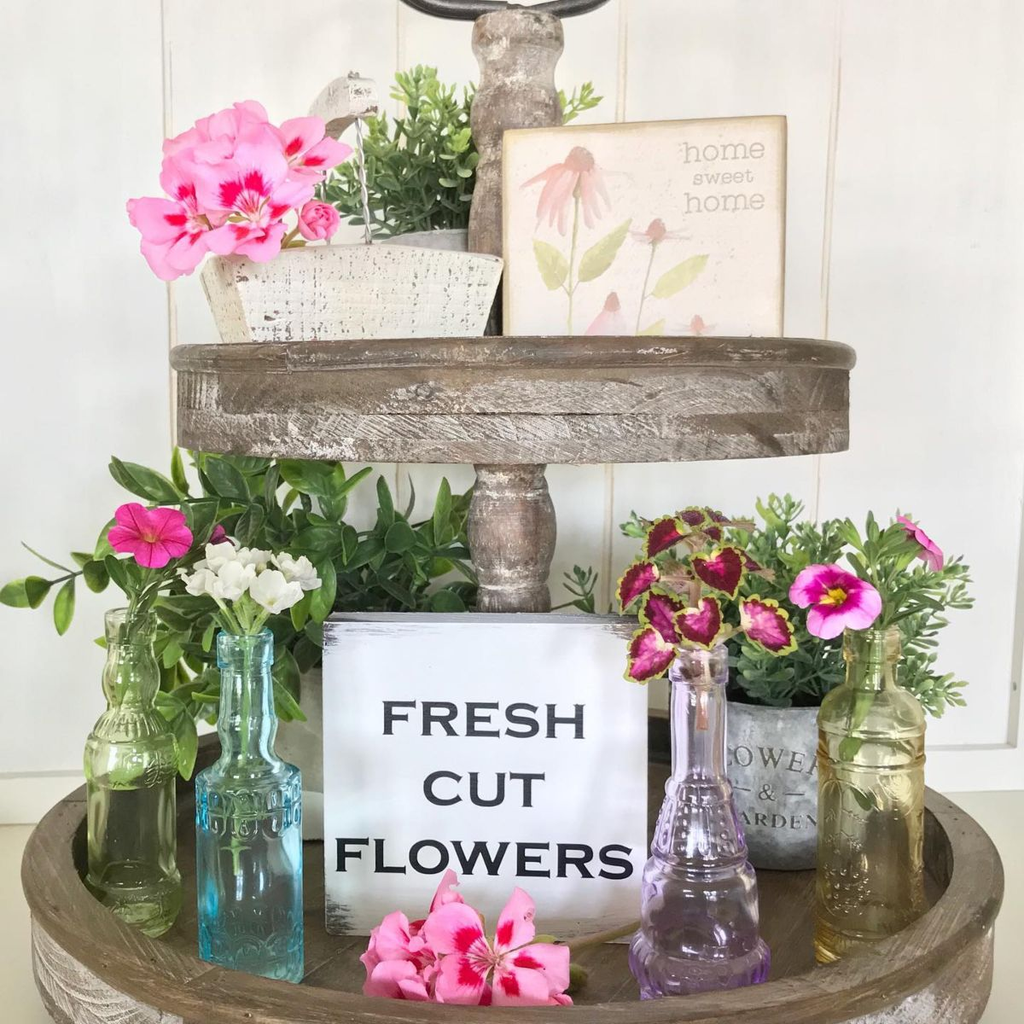
A tiered stand gives me a way to display several small flower arrangements vertically instead of spreading them across a large table. Small glass vases placed on different levels create visual height while using relatively little surface area.
Thrifted glassware can make the display feel collected rather than perfectly matched. I check older glass pieces carefully for cracks, sharp chips, or instability before using them.
This is also a good solution for a dining table where I want flowers but do not want one oversized arrangement blocking the view across the table.
Pro Tip: Repeating the same flower or a limited color palette across the small vases will make mismatched glassware feel intentional.
11. Thrifted Chest Side Table
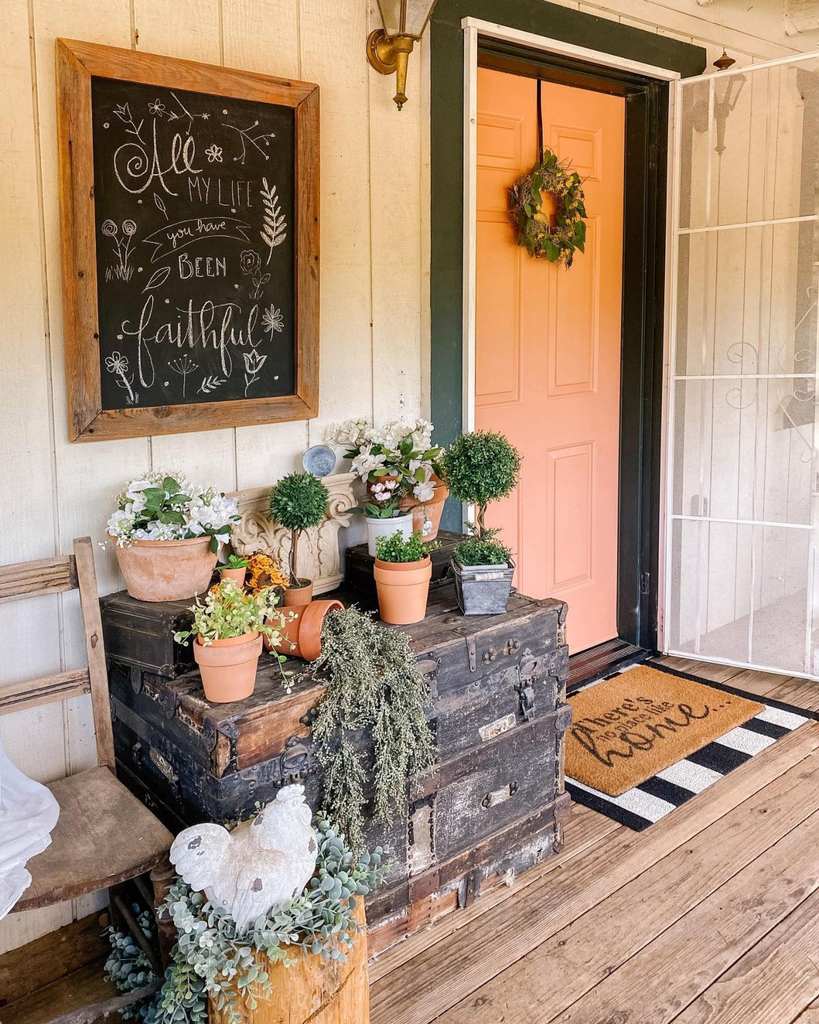
A sturdy old chest can serve as a side table while providing concealed storage. On a covered porch or sunroom, it can hold gardening supplies, outdoor cushions, or other items that need to stay nearby.
Before using a thrifted chest as furniture, I inspect the base, hinges, joints, and top surface. It should be stable and strong enough for the items I plan to place on it.
I would keep untreated or delicate vintage furniture under a covered area rather than assuming it is suitable for full outdoor exposure. Moisture and direct sunlight can damage wood and finishes over time.
12. Sunflower Table Vase
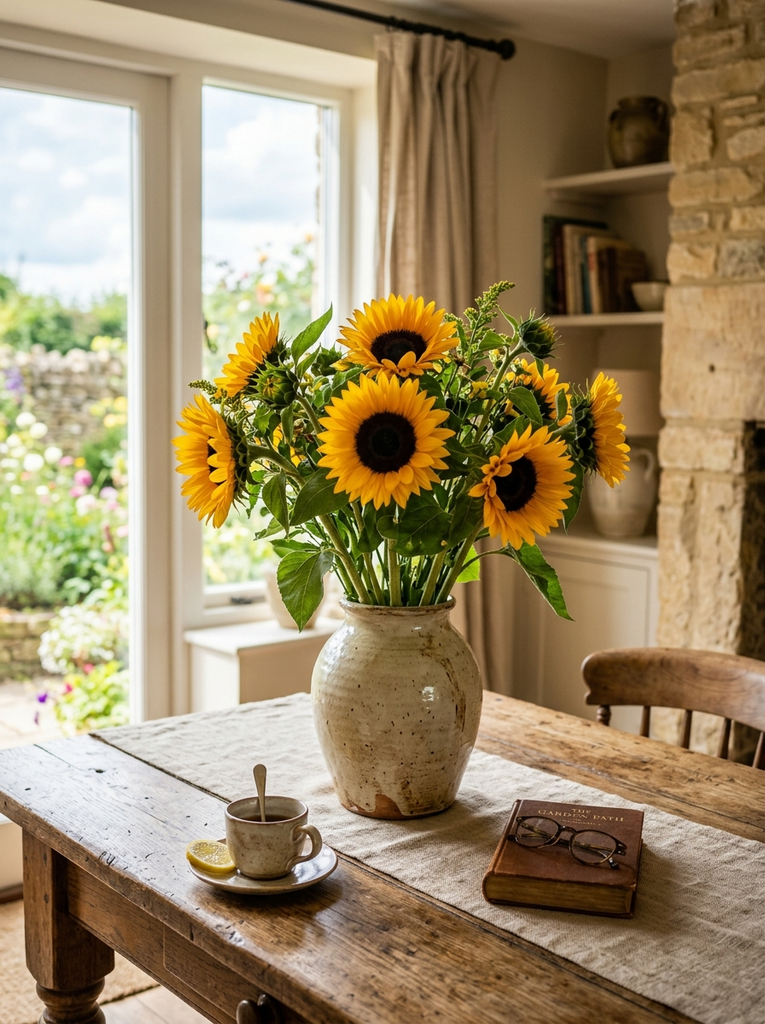
Sunflowers provide strong summer color, so they can serve as the main focal point of a dining table, kitchen island, or console. Fresh stems work beautifully in a simple pitcher, while quality faux flowers can be stored and reused.
Because the flowers are visually large, the surrounding decor can stay quiet. A wooden tray, neutral vase, or small amount of greenery is often enough to complete the arrangement.
This keeps the display connected to farmhouse style without filling the entire table with bright accessories.
13. Swap Out Cushion Covers
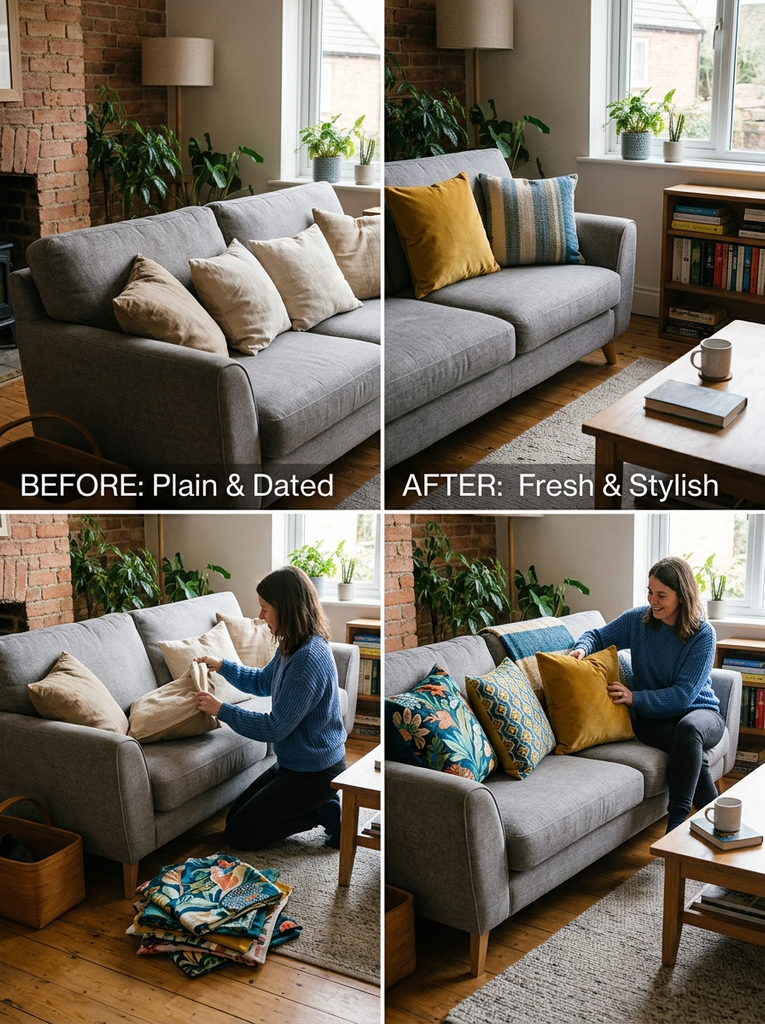
Seasonal cushion covers are one of the easiest ways I refresh a room without replacing furniture. Floral prints, lightweight cotton textures, stripes, and small checks can make a sofa or bed feel more appropriate for summer.
The advantage is practical as well as decorative: the inserts stay in place while only the covers need to be stored. This works particularly well in apartments where storage space is limited.
I like keeping the permanent upholstery neutral and using removable covers for stronger seasonal colors. That gives me more flexibility throughout the year.
14. Bring Lemons and Foliage Indoors
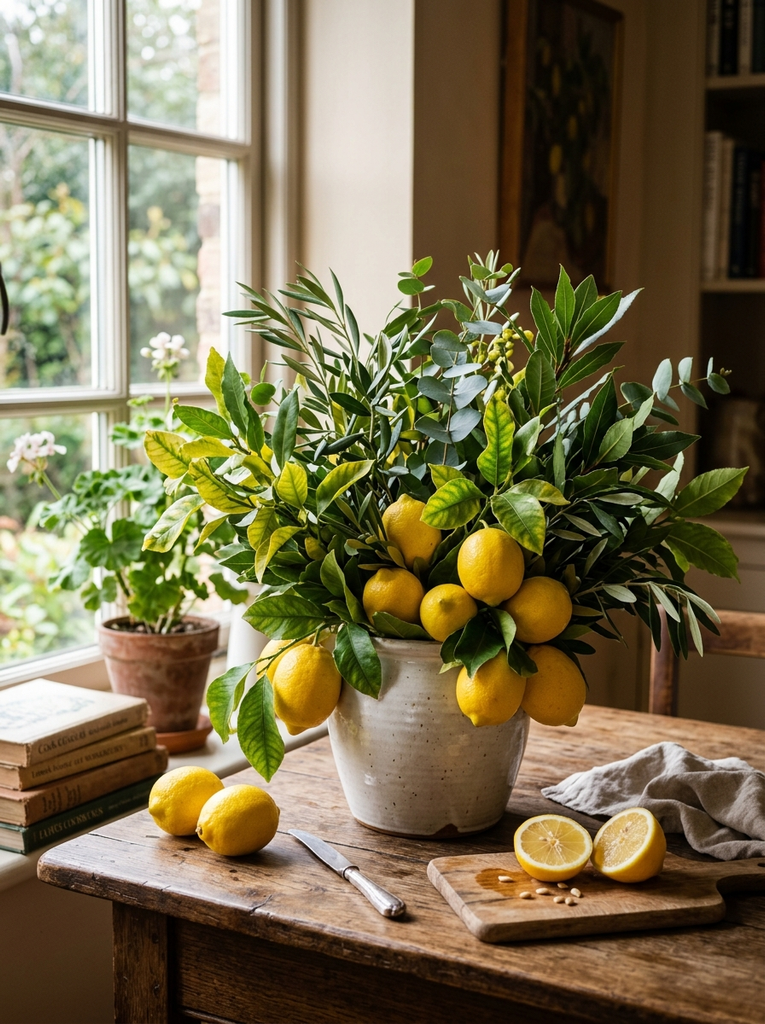
A few lemons and pieces of greenery can create a relaxed summer tablescape without buying a large collection of seasonal decorations. A shallow bowl, wooden tray, or vintage container can hold the arrangement.
When using fresh greenery from outdoors, I check it for insects, dirt, moisture, and plant damage before bringing it inside. Not every plant is appropriate around children, pets, or food, so I choose materials with their location in mind.
Faux foliage is another practical option when I want the arrangement to last throughout the season.
15. Strawberry Display
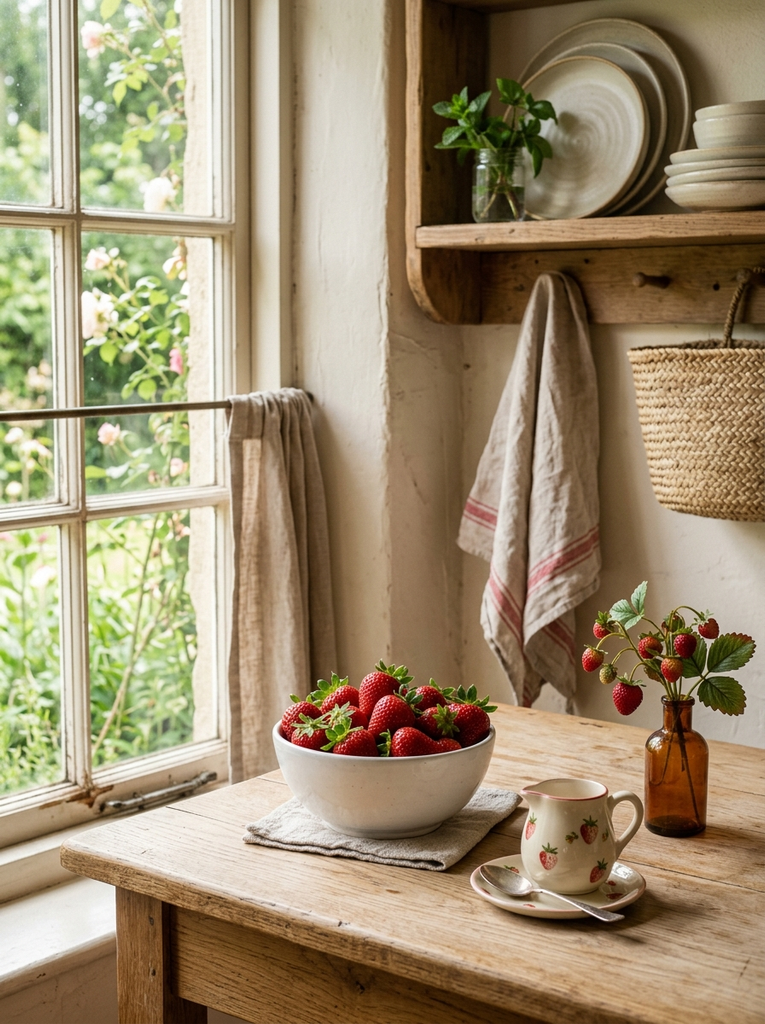
Strawberries bring a different summer color palette to farmhouse decorating. A bowl of fresh strawberries can function as both food and decoration, while strawberry-patterned ceramics or faux fruit provide a longer-lasting display.
This works particularly well in a kitchen breakfast area or small shelf where one bright accent can break up an otherwise neutral arrangement.
I would avoid mixing decorative faux fruit with edible fruit in a way that could cause confusion, especially when children are around.
Also read: Fall Leaf Crafts for Adults That Are Actually Worth Your Time
16. Build a Nook
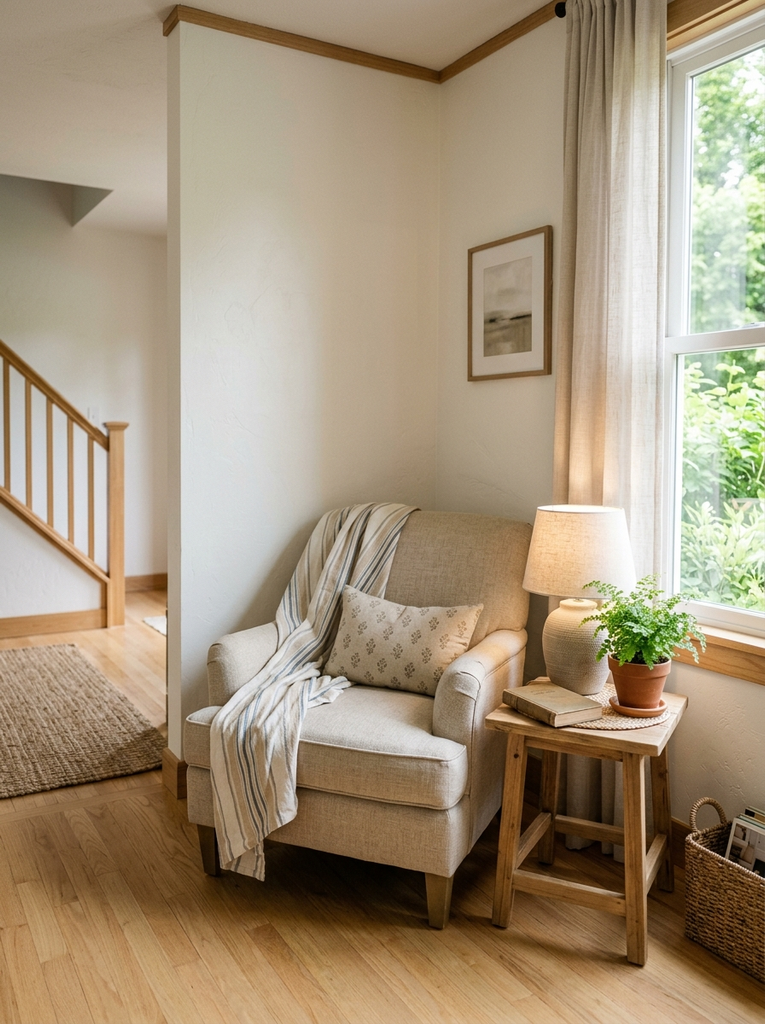
A summer reading nook can be created in a surprisingly small amount of space. A comfortable chair, compact side table, lamp, plant, and lightweight cushion can turn an unused corner into a useful resting spot.
Placement matters more than the number of accessories. I leave enough room around the chair for normal movement and avoid blocking doors, walkways, or frequently used storage.
A light throw or washable cushion cover can add seasonal color without making the nook feel heavy during warmer weather.
Pro Tip: In a small room, choose one substantial chair and a compact table rather than trying to recreate a full lounge area. Keeping the footprint small helps the space remain functional.
17. Embrace the Pink Peony Theme
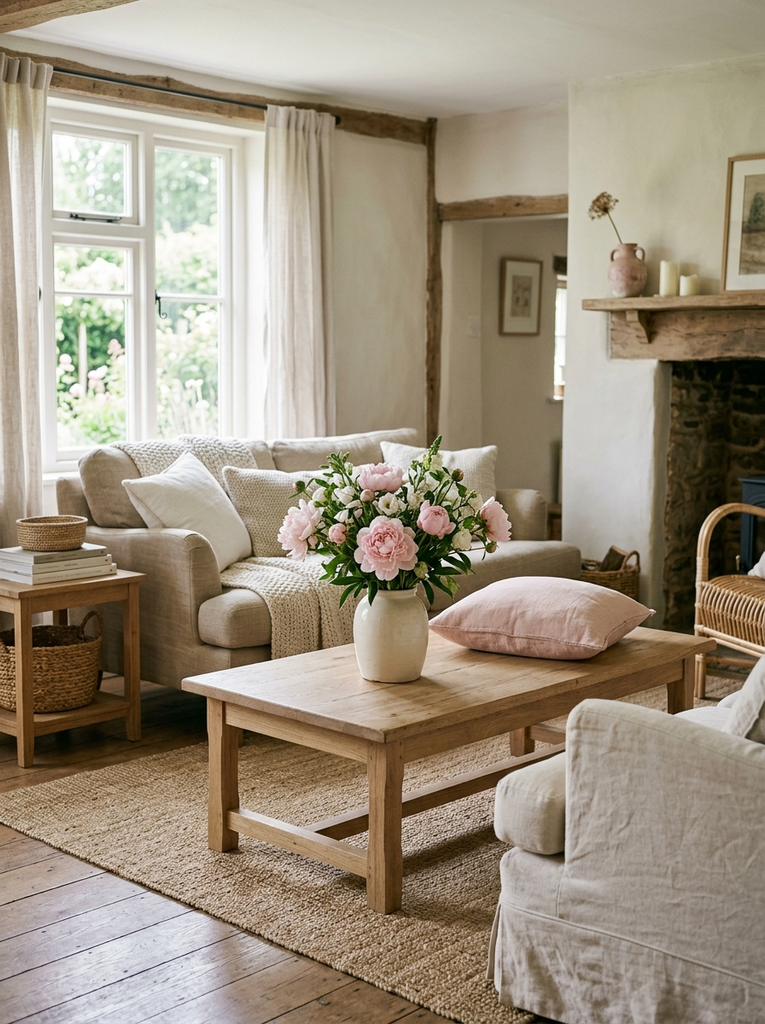
Soft pink works nicely with the cream, white, beige, and natural wood tones often found in farmhouse interiors. Fresh peonies can become the main seasonal feature, while faux flowers or pink textiles provide a longer-lasting alternative.
I like repeating the pink in only one or two supporting details, such as a cushion or small vase. That creates a connection between the pieces without turning the room into a single-color display.
This approach also makes the summer accent easy to remove when I want a more neutral look later in the year.
18. Spruce Up Your Entry Area
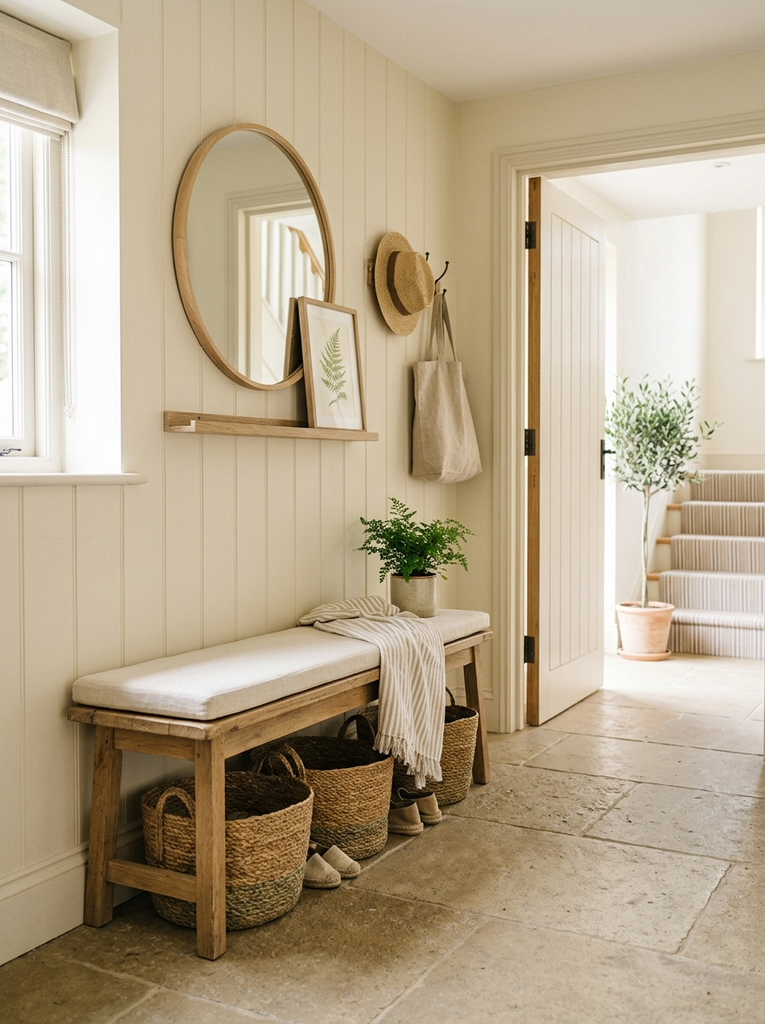
An entryway needs to do more than look attractive. It should give people enough room to enter, remove shoes, and move through the house without constantly bumping into furniture.
A compact cushioned bench or settee can provide seating while also creating a place for baskets underneath. A mirror or small piece of artwork can add height without taking floor space.
For narrow entryways, I would keep the furniture shallow and the accessories limited. The goal is a welcoming focal point that does not interfere with traffic flow.
19. Add Some Vintage Cushions
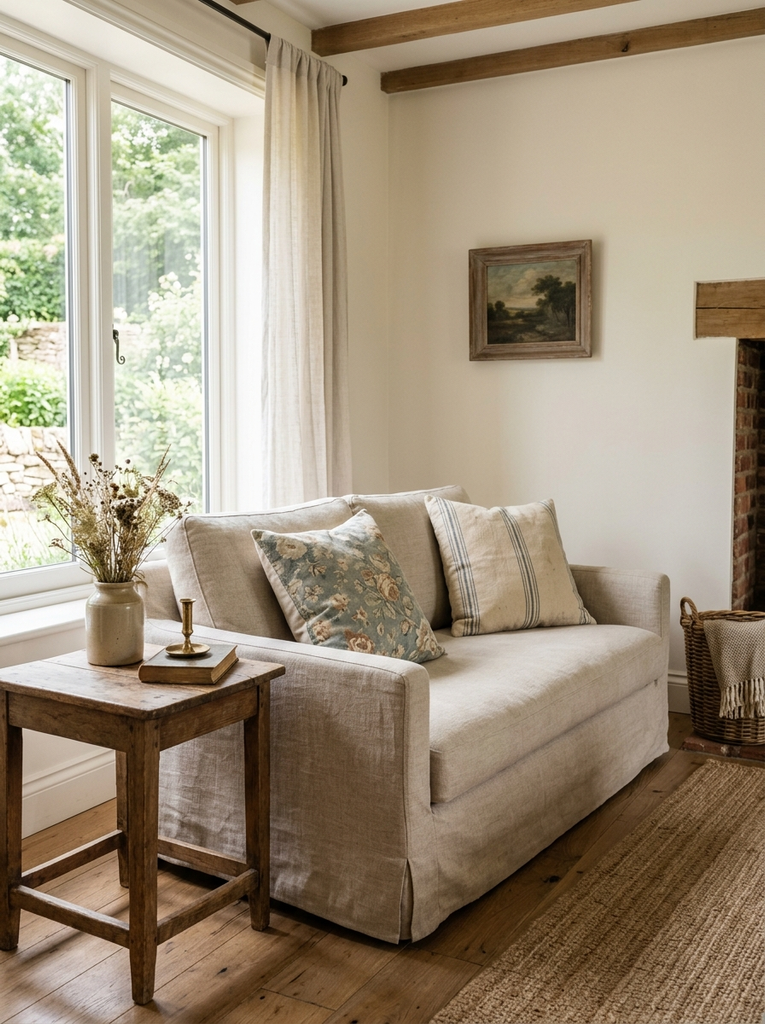
Vintage-inspired cushions can soften a modern sofa without requiring a change to the larger furniture. Faded florals, ticking stripes, traditional checks, and muted colors all work well with farmhouse materials.
This idea differs from simply changing cushion covers because the focus here is on the pattern and aged-looking character of the textile. One or two distinctive cushions can be enough.
If using genuine vintage textiles, I check their condition and care requirements before placing them on frequently used seating.
20. The Watering Can Vase
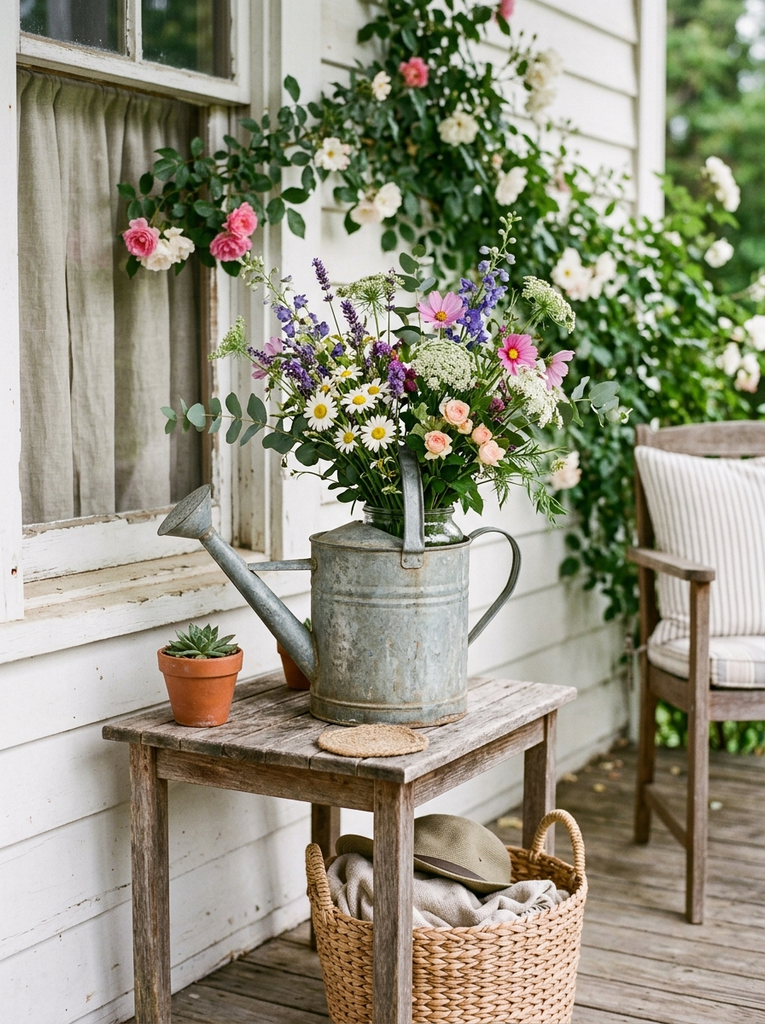
A metal watering can can become a decorative flower container and works especially well in a porch, mudroom, garden room, or kitchen corner. Its shape gives the arrangement more vertical interest than a standard bucket.
Fresh flowers create a useful contrast with the harder metal surface. If the can is decorative rather than watertight, I place a separate container inside to prevent leaks.
Unlike the bucket bouquet, I use this idea more as a garden-inspired accent. It works particularly well near other gardening elements or on an outdoor-inspired shelf.
21. Handmade Twig Bumblebee
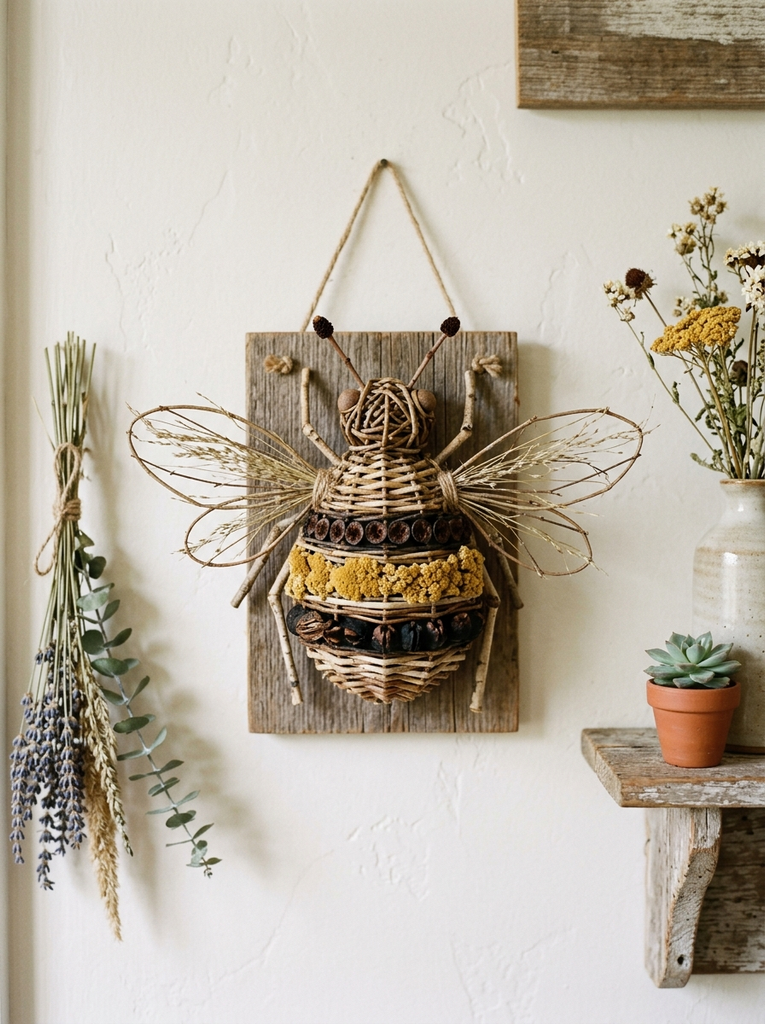
Twigs and small floral materials can be turned into a playful nature-inspired decoration for summer. A bee shape or wreath can work in a craft area, children’s activity space, covered porch, or seasonal wall display.
When gathering natural materials, I inspect them before bringing them indoors and avoid questionable plant material. If children are helping, adult supervision is appropriate for cutting tools, adhesives, wire, or small components.
The strongest farmhouse connection comes from the natural materials rather than adding lots of extra decoration around the finished piece.
22. Stoneware Fruit Vases
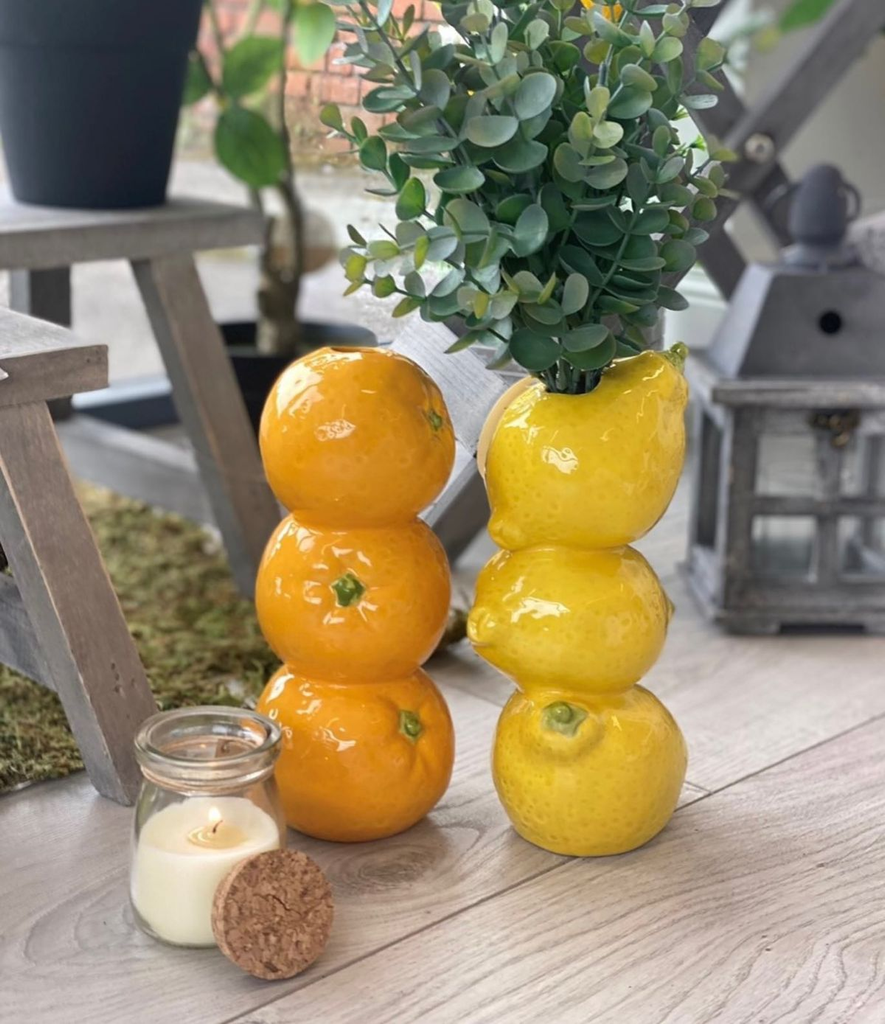
Fruit-shaped stoneware pieces can introduce summer color without relying on fresh produce. I like grouping a few pieces together on a kitchen shelf, dining table, or open cabinet.
The visual interest comes from combining rounded ceramic forms with natural wood or woven materials. Keeping the surrounding items neutral helps the fruit shapes remain the focal point.
If creating similar pieces as a DIY project, I would only use homemade containers for food when the materials and finish are specifically appropriate for food contact.
23. Watermelon Kitchen Display
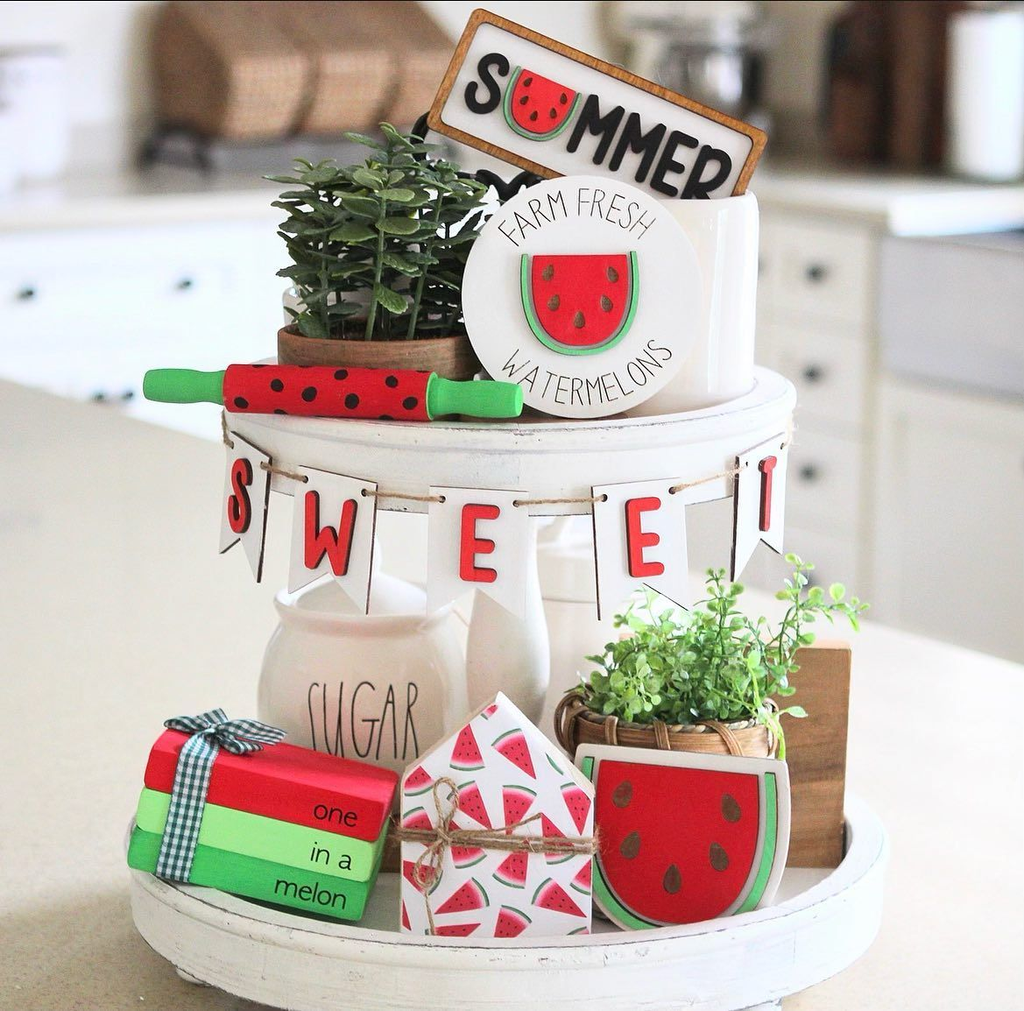
Watermelon gives a kitchen an unmistakable summer accent through its red, green, and pale tones. A bowl of real watermelon can be useful for everyday eating, while watermelon-colored ceramics or artwork can provide a longer-lasting decorative option.
I like using one display on a kitchen island or counter and keeping the surrounding workspace open. That balance makes the kitchen look seasonal without making food preparation more difficult.
For edible fruit, I keep the serving container clean and separate from purely decorative pieces.
24. Vintage Guest Bedroom Tray
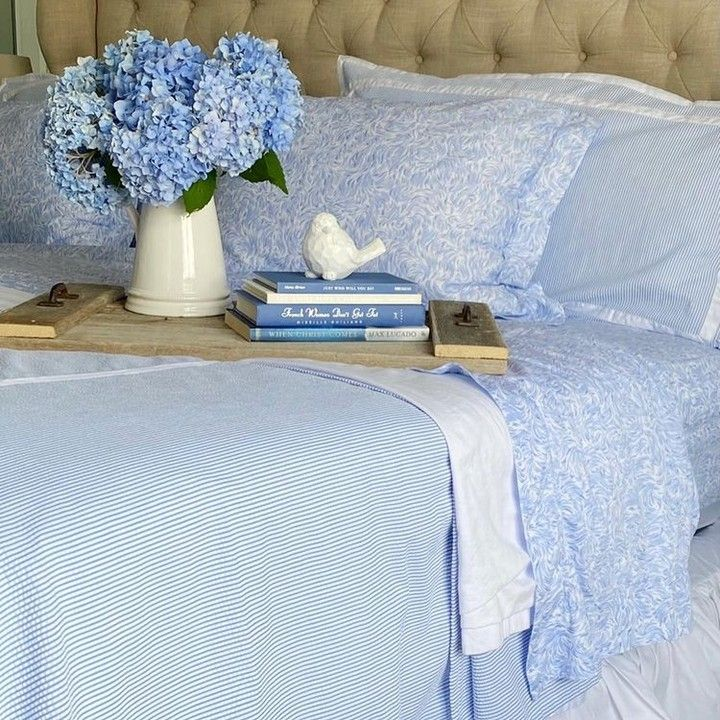
A small tray can make a guest bedroom feel considered without filling the nightstand with unnecessary objects. A simple vase, a couple of books, and useful guest items can create a welcoming arrangement.
I like trays because they also make cleanup easier. When the surface needs to be cleared, several small objects can be moved together instead of individually.
For summer guests, lightweight textiles and a small seasonal floral arrangement can add color without permanently changing the room.
25. Wooden Key Rail
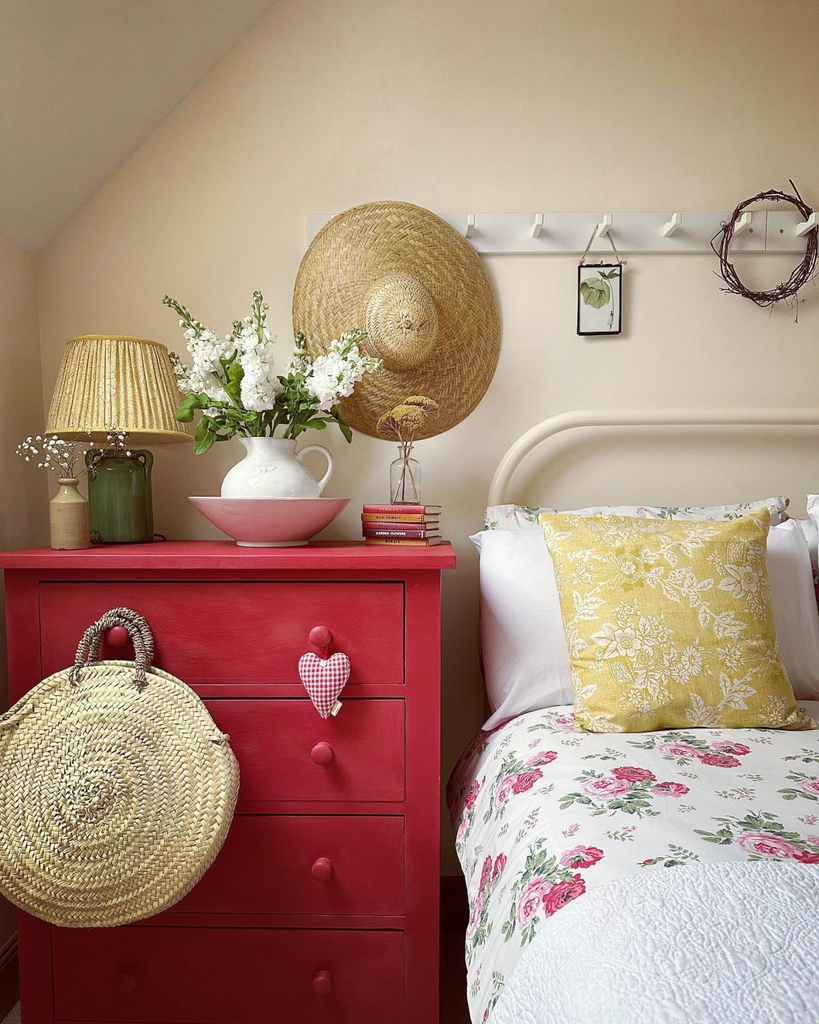
A wooden rail with hooks is useful when a bedroom, hallway, or entry area needs additional hanging storage. Hats, lightweight bags, scarves, and small decorative items can all have a designated place.
This idea is particularly useful in smaller homes because the wall space can provide storage without taking up floor area. For renters, a freestanding hook rack or removable adhesive option may be more appropriate when drilling is not allowed.
For permanent installation, I make sure the hardware and wall anchors are appropriate for the wall type and the intended load.
26. Stovetop Fruit Tree Decor
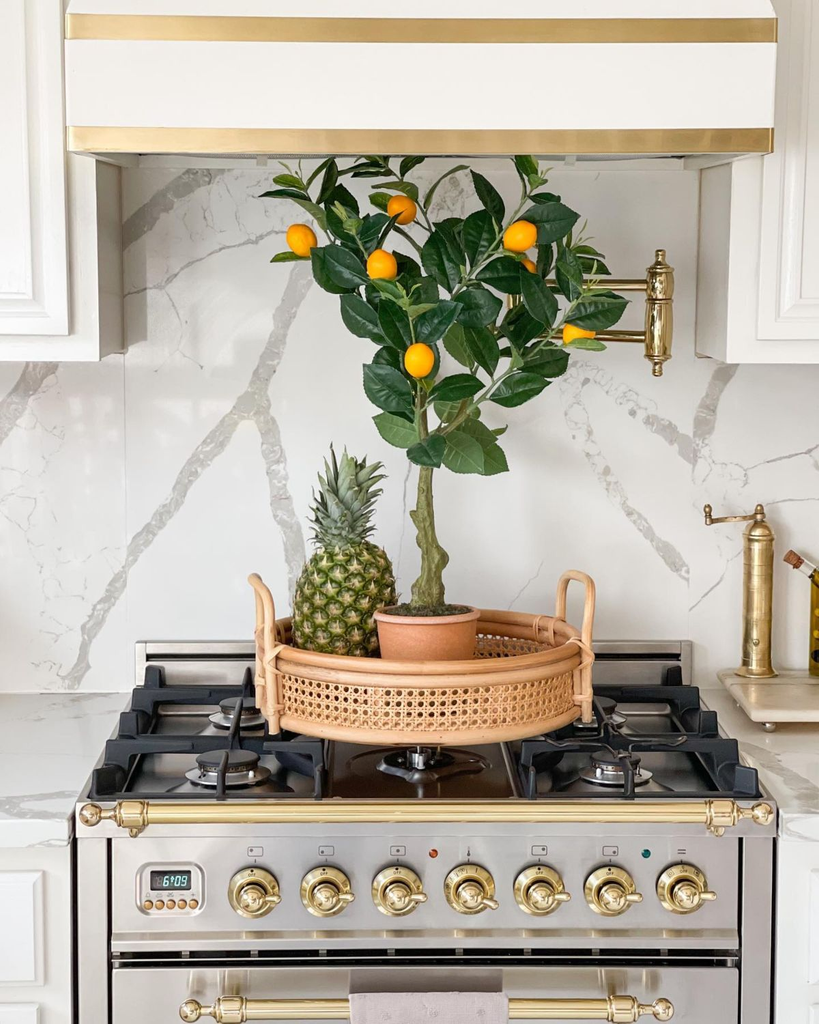
The area around a kitchen range can sometimes become an overlooked visual space, but I treat it carefully because cooking equipment creates heat and requires clear working areas.
A portable tray with seasonal greenery can be placed on a nearby counter or another suitable area when the stove is not in use. I never place decorative plants, wicker, paper, fabric, or other heat-sensitive materials on active burners or where they can interfere with cooking.
The portable arrangement is useful because it can be moved completely out of the cooking area when needed.
27. Vintage Fireplace Cover
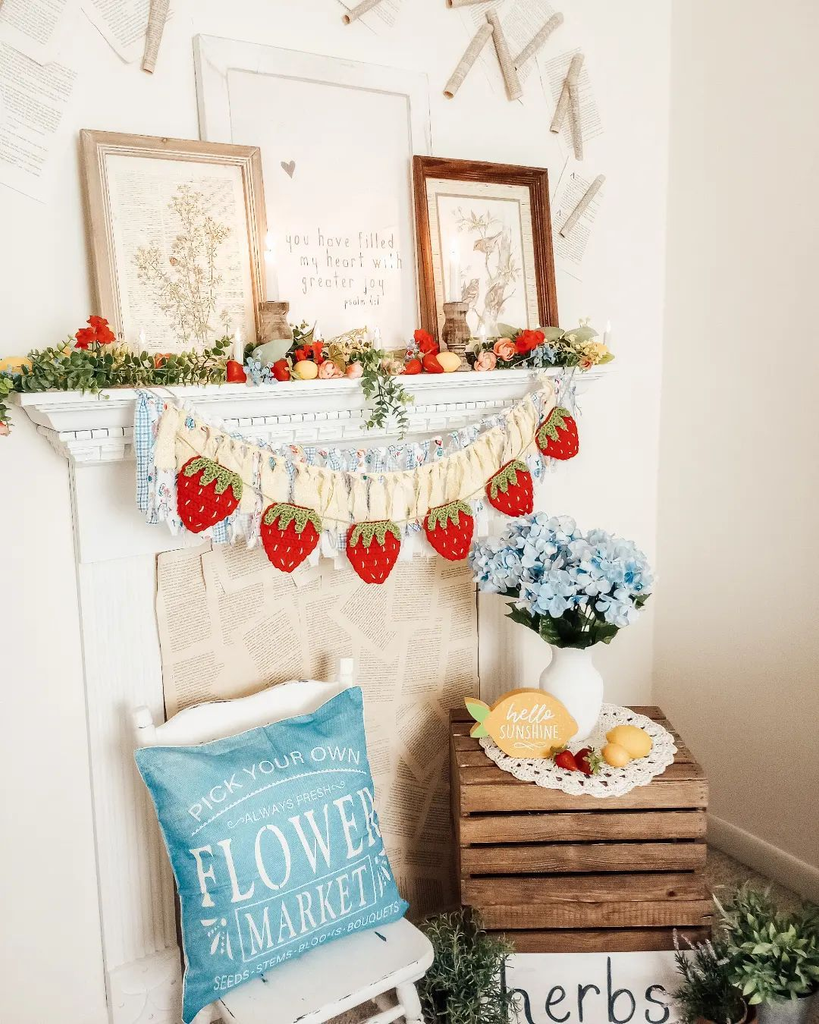
During warmer months, an unused fireplace can become part of a seasonal room arrangement, but this is one area where decoration should never come before safety.
I might style the surrounding hearth with a chair, basket, flowers, or other non-combustible accents, depending on the fireplace design. I keep paper, fabric, dried flowers, and other combustible materials away from active or recently heated fireplace components.
Before covering or decorating any fireplace, I follow the manufacturer’s instructions and make sure the appliance is fully safe to use with the proposed setup.
28. Color-Coded Vase Mantelpiece
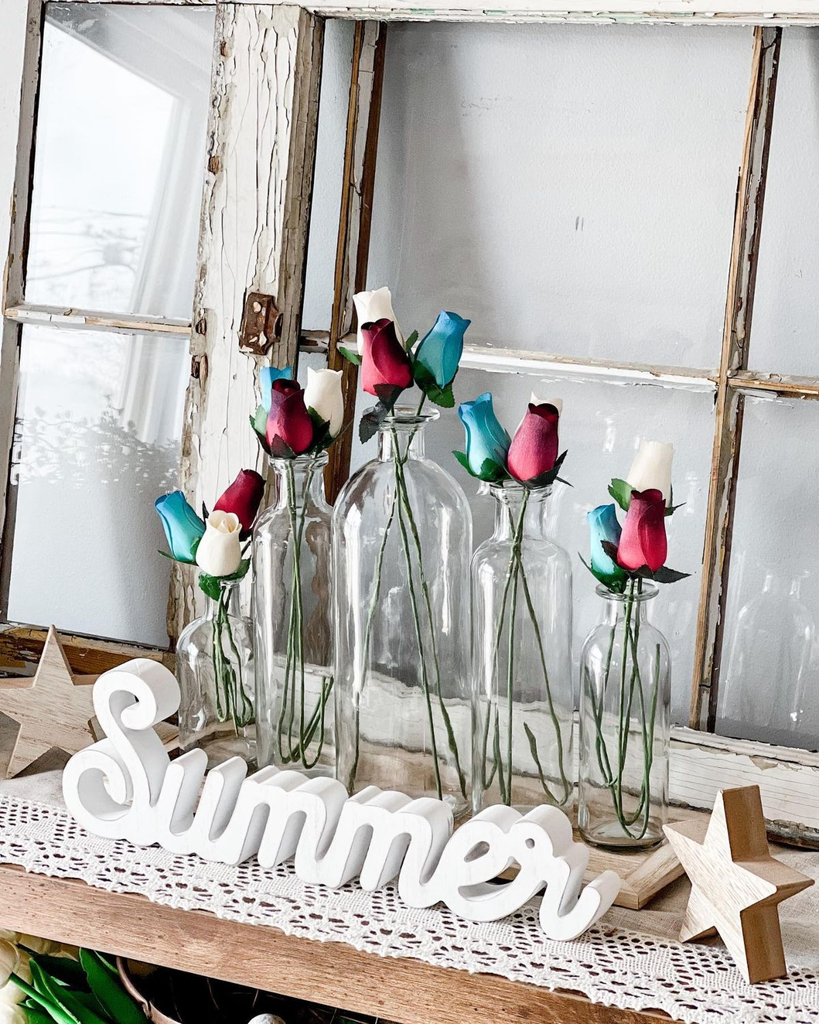
A collection of clear vases can create a light summer mantel without requiring a large number of decorative objects. Grouping flowers by color gives the display a visual connection while the transparent glass keeps it from feeling heavy.
Blue, yellow, white, or soft pastel flowers can work depending on the rest of the room. I prefer choosing one main color and using smaller accents rather than trying to represent every summer color at once.
This approach also makes seasonal changes simple because the vases remain while only the flowers need to be replaced.
29. Wooden Entryway Shelf
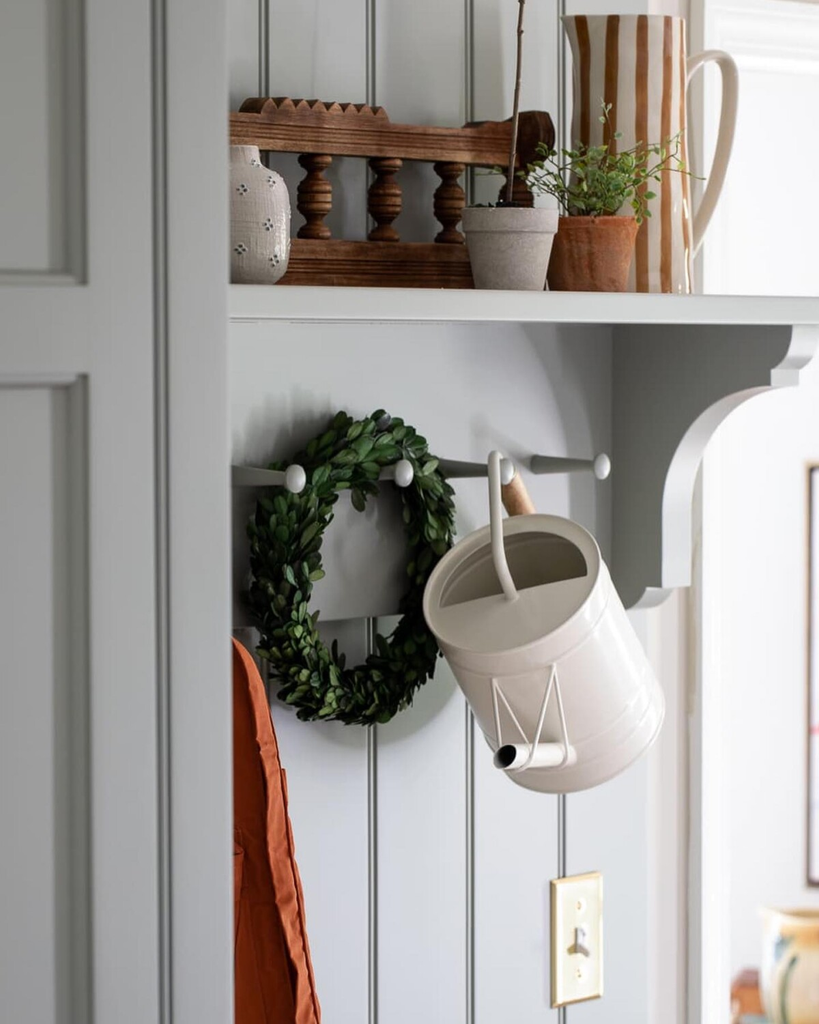
A wooden shelf with hooks combines display and storage in a way that works particularly well in compact entryways. The upper surface can hold a small plant, basket, or decorative piece while the hooks handle everyday items.
This has a different purpose from the cushioned entry bench: the shelf uses vertical wall space instead of floor space. That makes it especially useful when there is little room for furniture.
For renters, a freestanding entry organizer or appropriately rated removable mounting system can provide a similar function without permanently altering the wall.
30. Outdoor Gnome Display
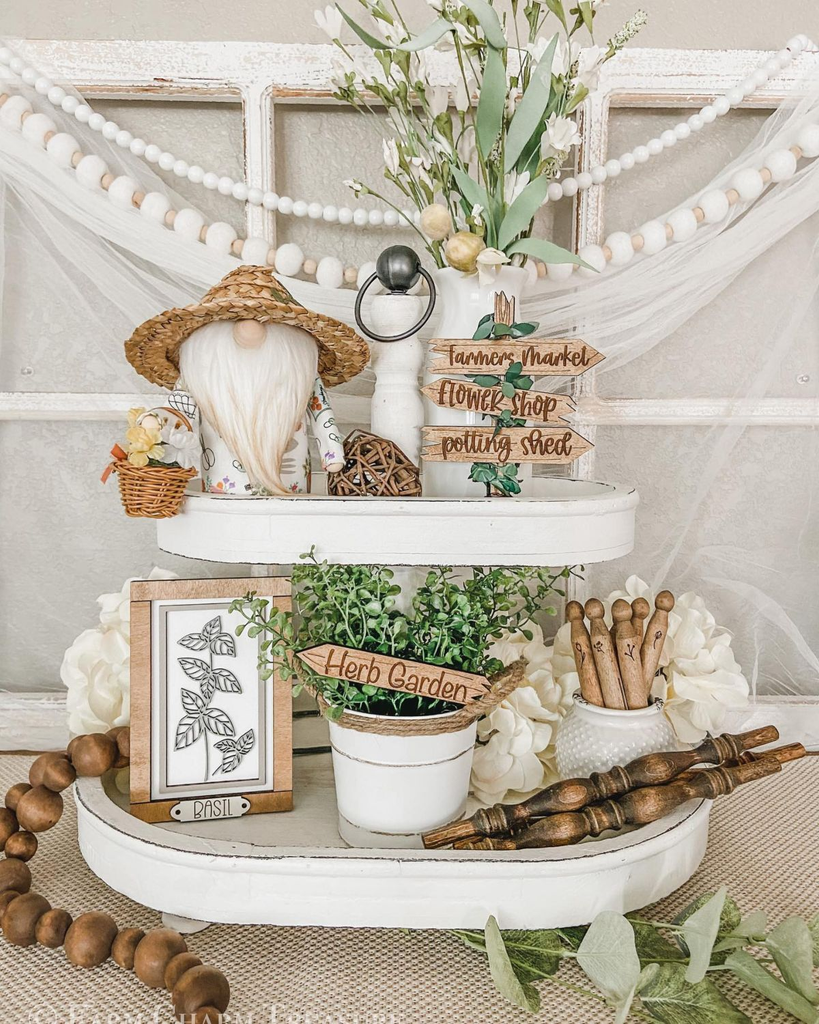
A small garden gnome can add personality to a summer herb or container garden. Placing one near basil or other herbs creates a playful display while keeping the plants themselves as the main feature.
Outdoor materials need to match the conditions. I would choose a weather-resistant planter and position lightweight decorations where strong wind is less likely to knock them over.
If a container sits in intense summer sun, I also consider whether the plant actually suits those light and temperature conditions rather than choosing it only for appearance.
31. Coastal Farmhouse Décor Accents
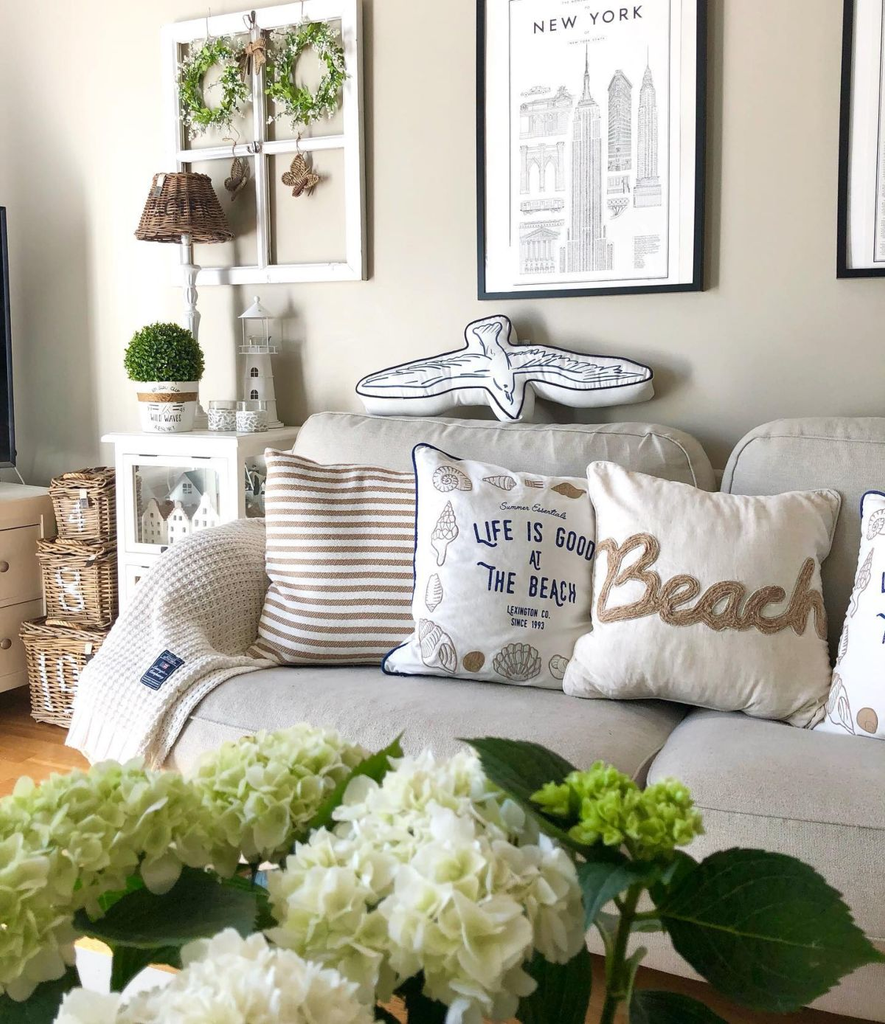
Coastal farmhouse style gives me another way to lighten a farmhouse room for summer. Weathered wood, woven textures, cream, soft blue, and a few restrained nautical details can create the feeling without turning the space into a beach-themed room.
I like using coastal elements as accents rather than replacing the entire farmhouse foundation. A blue throw, woven basket, shell-inspired accessory, or weathered wood piece may be enough.
The same principle makes this style easier to transition into fall: remove the strongest coastal accents while leaving the neutral wood, cream, and natural textures in place.
Read this next: Bumble Bee Crafts for Adults That Are Easy, Fun, and Actually Worth Making
Frequently Asked Questions
What colors work best for summer farmhouse decor?
Soft blue, white, yellow, green, red, and muted pink work well with natural wood and neutral farmhouse finishes.
How can I add summer farmhouse decor on a budget?
Use thrifted baskets, metal containers, glassware, cushions, and seasonal flowers instead of replacing larger furniture pieces.
How do I make farmhouse decor feel more summery?
Add lightweight textiles, fresh greenery, seasonal fruit, flowers, gingham, and a few brighter accents while keeping larger pieces neutral.
Can summer farmhouse decor work in a small home?
Yes. Focus on compact displays, removable cushion covers, wall storage, and multipurpose pieces so the room stays functional and uncluttered.
Conclusion
I find summer farmhouse decorating works best when the foundation of the room stays practical and relatively neutral. Seasonal character can then come from flowers, fruit, gingham, lighter textiles, greenery, and a few carefully chosen vintage or thrifted pieces.
There is no need to decorate every corner. A well-styled entryway, a useful kitchen display, a seasonal cushion, or one strong floral arrangement can give a room enough summer personality without creating clutter.
When I plan these changes, I also think about what will happen after summer. Removable cushion covers, portable trays, reusable vases, sturdy baskets, and versatile furniture pieces make seasonal decorating much easier because I can change the accents without starting over.