20 Fun Crafts for Kids That Will Keep Them Busy
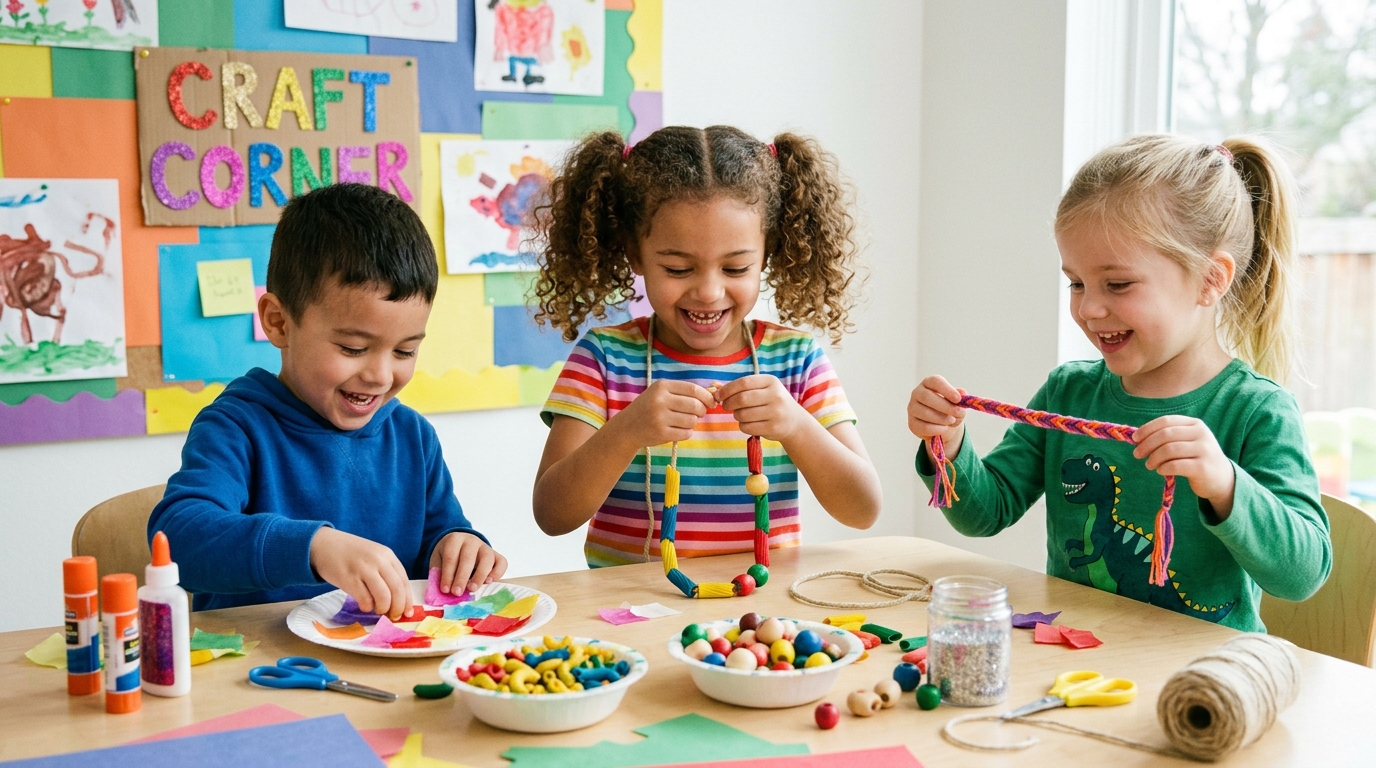
I know how quickly kids can run out of things to do, especially on weekends, school breaks, rainy afternoons, or days when we need a simple activity at home. Crafts give me an easy way to keep little hands occupied while giving children something they can actually make and enjoy afterward.
I also like that crafting does not have to mean buying a large pile of supplies. Many of these projects can be made with paper, cardboard, paint, fabric scraps, recycled containers, and other basic materials I already keep around the house.
For younger children, I stay nearby and handle anything involving needles, scissors, hot glue, small parts, or other tools that need extra care. I adjust the project to the child’s age rather than expecting every child to complete the same steps independently.
I put together 20 fun crafts for kids that cover a mix of paper crafts, painting, sewing practice, sensory activities, pretend play, recycled projects, and simple decorations. Some can be finished in a few minutes, while others give kids more time to work independently.
The list includes headband kites, flower pencil toppers, a unicorn wand, a rainbow decoration, butterfly snack bags, tropical flowers, an upcycled tote bag, chalk paint, Easter bunnies, paper butterflies, homemade slime, a cuddly snake, stitching practice, a dabbed fish, tape art, paper kites, a rubber band guitar, a paper-plate snail, a popsicle-stick plant pot, and tissue-paper butterflies.
Save this for later
Table of Contents
I choose crafts based on the child’s age, attention span, and ability to handle the materials safely. For toddlers, I keep the steps simple and provide close supervision. Older kids can take on more cutting, painting, stitching, and decorating.
Key Takeaways
- I use simple household and craft supplies whenever possible.
- Many of these projects can be adapted for different ages.
- Recycled cardboard, cans, clothing, and paper can become useful craft materials.
- I supervise children closely when scissors, needles, skewers, wires, or small decorative pieces are involved.
- I prepare washable surfaces before painting, slime-making, or other messy activities.
- I let children make creative choices instead of trying to make every finished project look perfect.
Related article: 21 Awesome Science Art Projects for Kids
1. Headband Kite Design
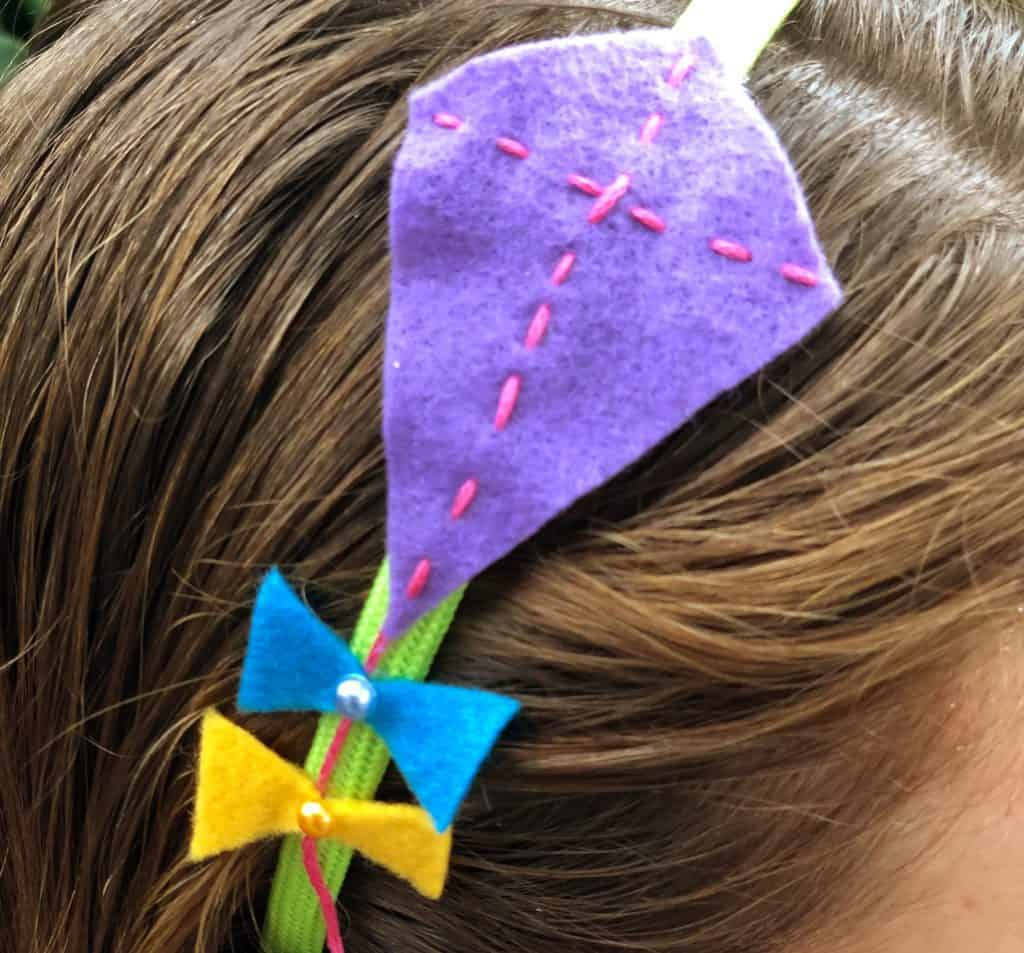
I like crafts that children can actually wear afterward, and this little kite headband is a fun example. Kids can choose their own felt colors and decorate the kite with different shapes, ribbons, or other lightweight details.
For this project, I would prepare a plain headband, colored felt, scissors, fabric-safe glue, and basic sewing supplies if an older child is ready to practice stitching. Younger children can help choose colors and decorations while an adult handles the needle.
I find this activity useful for introducing simple sewing movements without asking a child to complete a complicated pattern. I keep the finished decoration light so the headband remains comfortable to wear.
Pro Tip: I make one sample kite first. It gives children a visual guide while still leaving them plenty of freedom to create their own version.
2. Flower Pencil Tops
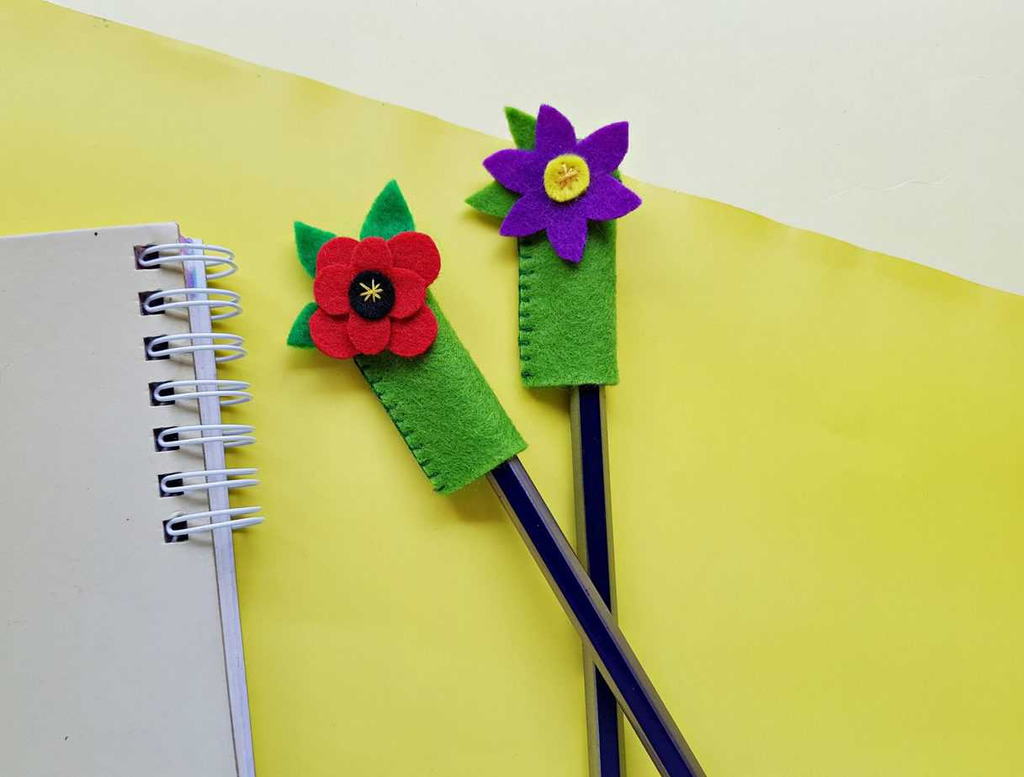
A plain pencil becomes much more exciting when I add a colorful flower to the top. This is a quick craft that works well for an afternoon activity, classroom-style craft session, or party favor.
I use cardstock or craft foam for the flower, then let kids draw details, choose colors, and decorate the petals. A printable template can make cutting easier for younger children, while older kids can draw their own flower shapes.
I also like this idea because the finished pencils can become small handmade gifts. If the children are young, I handle any cutting that requires more precision.
Pro Tip: I keep the flower pieces slightly larger for younger children because larger shapes are generally easier for small hands to decorate and handle.
3. Unicorn Magic Wand
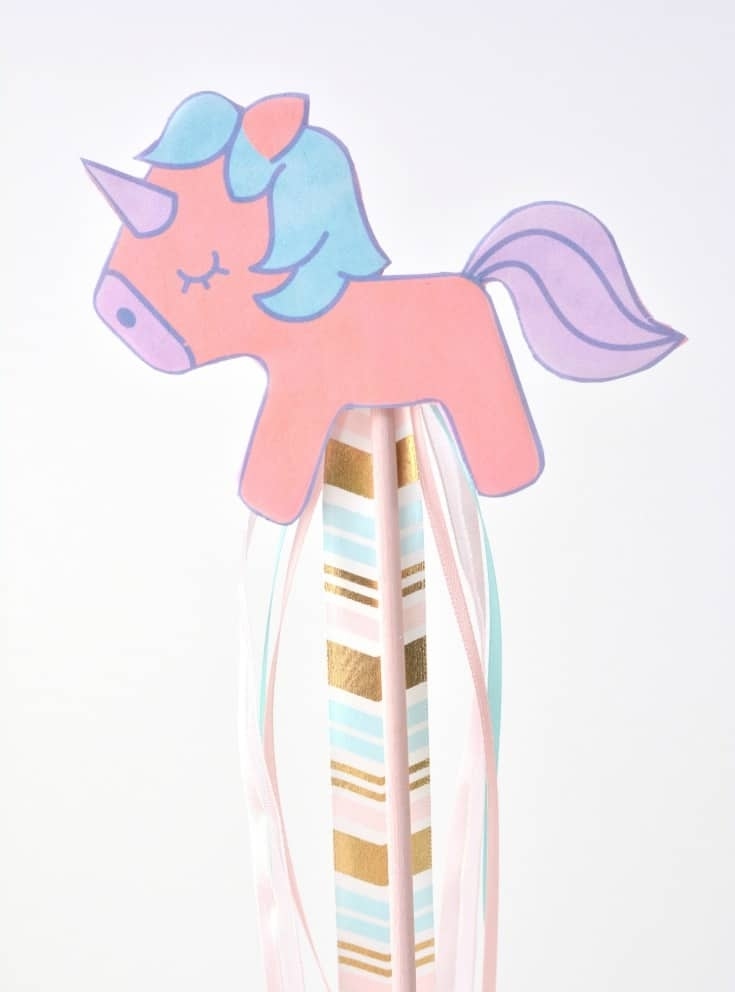
A homemade wand gives kids plenty of room for pretend play after the crafting is finished. I like using craft foam, paint, ribbon, a wooden dowel, scissors, and glue to create a colorful design.
I let each child decide whether the wand should have a star, heart, cloud, or another shape. Ribbons can be attached near the bottom to add movement when the wand is waved.
Because wooden dowels and pointed craft materials can be hazardous for younger children, I prepare those parts myself. I also make sure the finished wand has no sharp exposed ends.
Pro Tip: I use a blunt-ended craft stick or another age-appropriate handle when making this activity for very young children.
4. Hanging Cotton Rainbow Decor
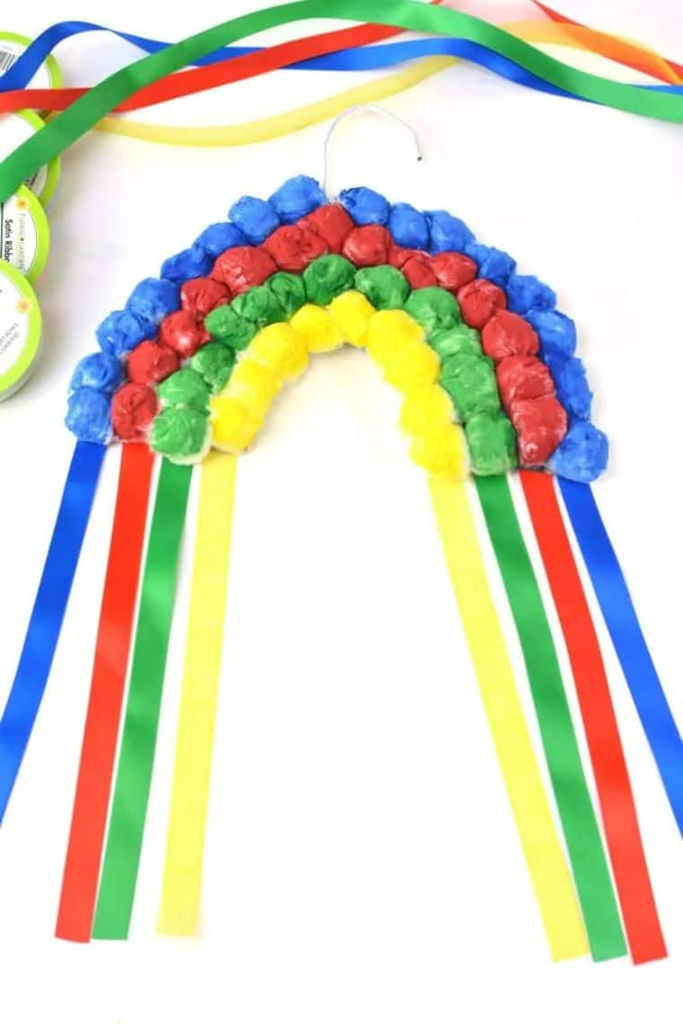
This rainbow craft makes a cheerful decoration for a child’s bedroom, playroom, classroom, or colorful party. I especially like it when I need a project that can double as room decor.
I start with a simple rainbow shape and use cotton or another soft material to create the cloud portions. Children can paint or arrange colorful ribbons underneath to represent the rainbow.
I keep the craft lightweight if I plan to hang it. For very young children, I prepare the hanging mechanism myself rather than giving them access to sharp tools or small hardware.
Pro Tip: I place a washable mat underneath when children are painting the rainbow pieces. It makes cleanup much easier.
5. Easy Butterfly DIY Snack Bags
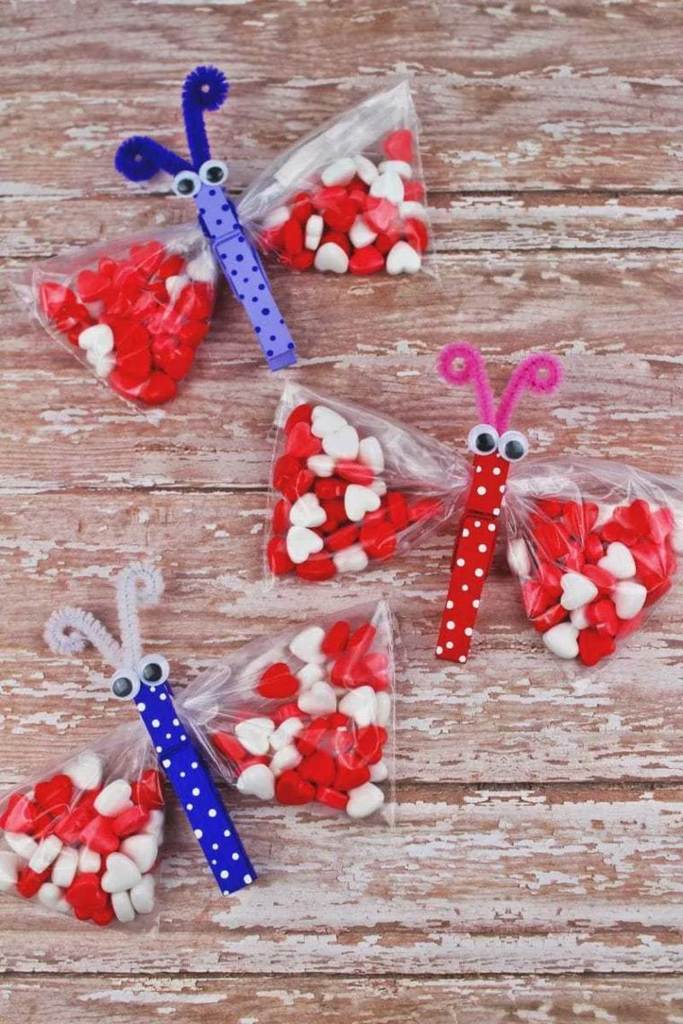
I like turning an ordinary snack into something that looks like a little butterfly. These bags can work for lunchboxes, children’s parties, or a simple afternoon snack.
I use small food-safe snack bags, clothespins, googly eyes, paint, glue, and small snacks. The clothespin becomes the butterfly’s center while the snack bag forms the wings.
I make sure the food stays inside a clean, appropriate container and allow painted pieces to dry completely before they are used near food. For younger children, I also avoid loose decorative pieces that could become a choking hazard.
Pro Tip: I use pre-colored clothespins when I want to skip the painting step and finish the craft faster.
6. Tropical Flower Craft
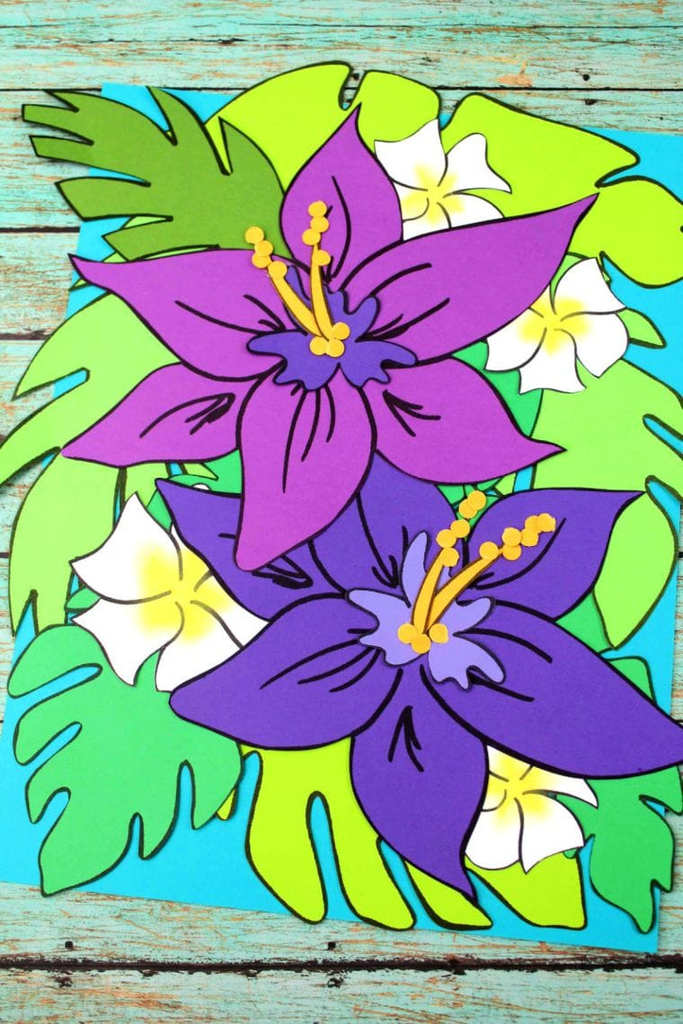
A simple paper flower can turn into a colorful tropical-themed craft without requiring expensive supplies. I like this one for summer afternoons, luau parties, or a tropical-themed children’s activity.
I use colored paper or cardstock and let kids choose different flower colors and shapes. They can add details with crayons, markers, paint, or other age-appropriate supplies.
The finished flowers can be used as decorations, attached to a craft display, or combined into a larger paper garland. I find that giving children several color choices makes the activity feel more personal.
Pro Tip: I prepare a few basic flower shapes before starting. Children can then focus on decorating rather than spending the entire activity cutting shapes.
7. Upcycled Tote Bag
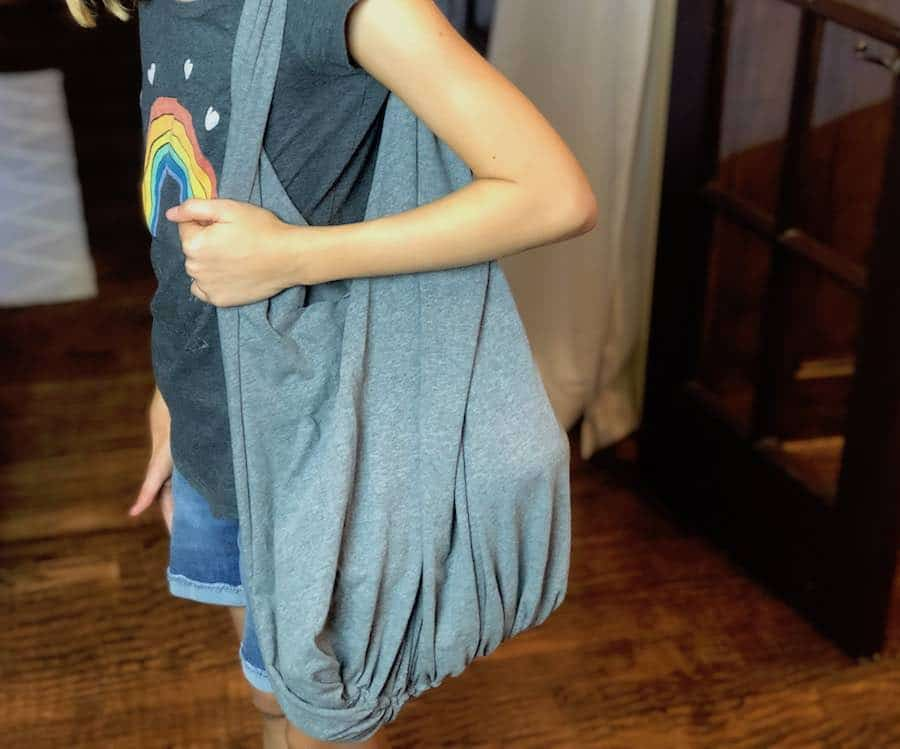
I like crafts that give an old item a second purpose. An outgrown T-shirt can be transformed into a simple reusable bag, which makes this a useful project as well as a creative one.
For a basic no-sew version, I use an old T-shirt and scissors. An adult should handle the cutting, especially when working with younger children, because the fabric needs to be cut in specific areas to create the bag shape.
Older kids can decorate their finished bags with fabric markers, paint, or simple designs. I always make sure any fabric paint is fully dry before using the bag.
Pro Tip: I choose a shirt with a fun color or print so the finished bag already has some personality before the kids even decorate it.
8. Magic Chalk Paint Recipe
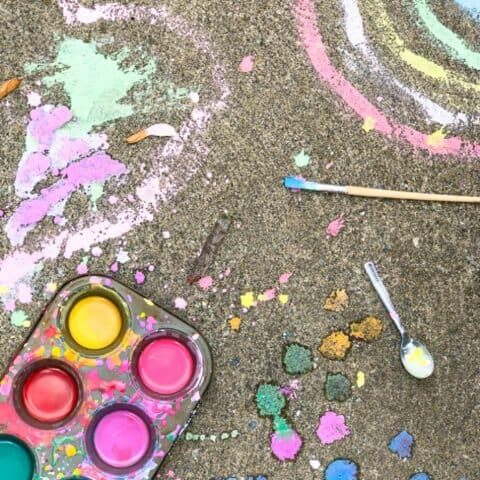
Homemade sidewalk chalk paint is one of my go-to choices when I want to move a craft outdoors. Children can use wide brushes to create large pictures on a suitable outdoor surface.
A simple version can be made with washable sidewalk chalk powder or crushed washable chalk mixed with water. I add the water gradually until the mixture reaches a paint-like consistency.
I keep this activity on a suitable paved surface and avoid areas where colored water could stain walls, untreated concrete, plants, or clothing. I also check that any chalk product I use is intended for children’s art.
Pro Tip: I give younger children wide paintbrushes because they are easier to grip and work well for large outdoor drawings.
9. Easter Bunny Handcrafts
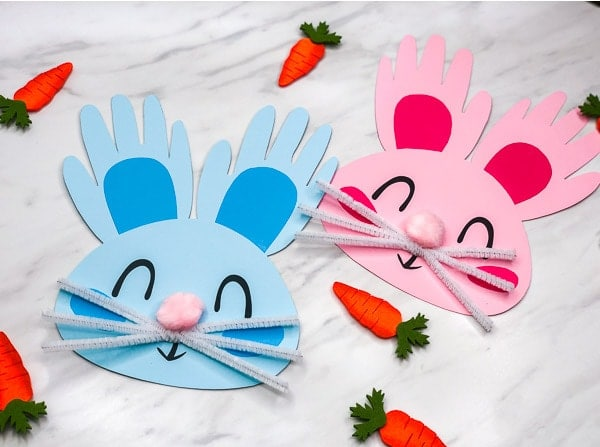
Paper bunnies are an easy seasonal craft that I can use for Easter decorations or a child’s room. I usually start with colored cardstock and add simple facial features with markers and craft materials.
Children can create traditional white bunnies or experiment with pink, blue, yellow, or patterned paper. I like letting them choose their own combinations rather than making every bunny identical.
For younger children, I prepare the shapes ahead of time and let them concentrate on gluing and decorating. Small pom-poms, pipe cleaners, and other loose pieces should be used with age-appropriate supervision.
Pro Tip: I turn several finished bunnies into a simple paper garland when I want to decorate a larger space.
Also read: Simple Indoor Games Ideas For Kids
10. Butterfly Paper Crafts
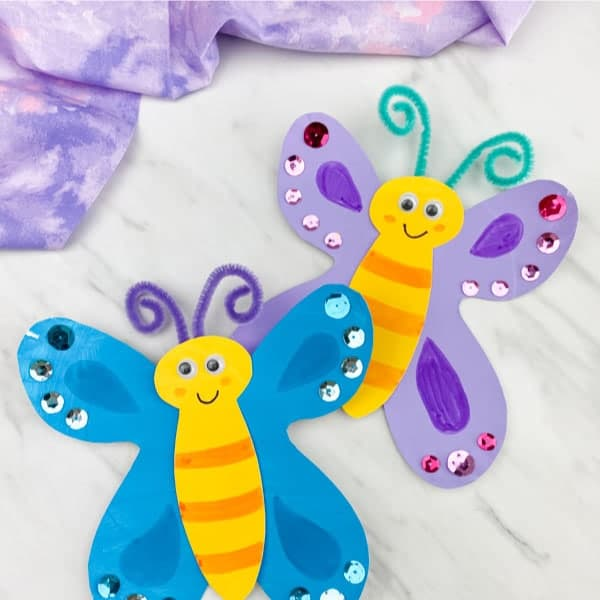
Paper butterflies are simple enough for younger children but still give older kids plenty of room to experiment with patterns. I use cardstock, markers, googly eyes, pipe cleaners, glue, and scissors.
After cutting the basic butterfly shape, children can decorate each wing with dots, stripes, hearts, flowers, or completely different patterns. I like displaying the finished butterflies on a wall, window, or craft board.
For toddlers, I cut the butterfly shapes in advance. Older children who can safely use scissors can draw and cut their own designs with appropriate supervision.
Pro Tip: I fold the paper butterfly slightly through the center to give the wings a raised appearance instead of leaving them completely flat.
11. DIY Slime
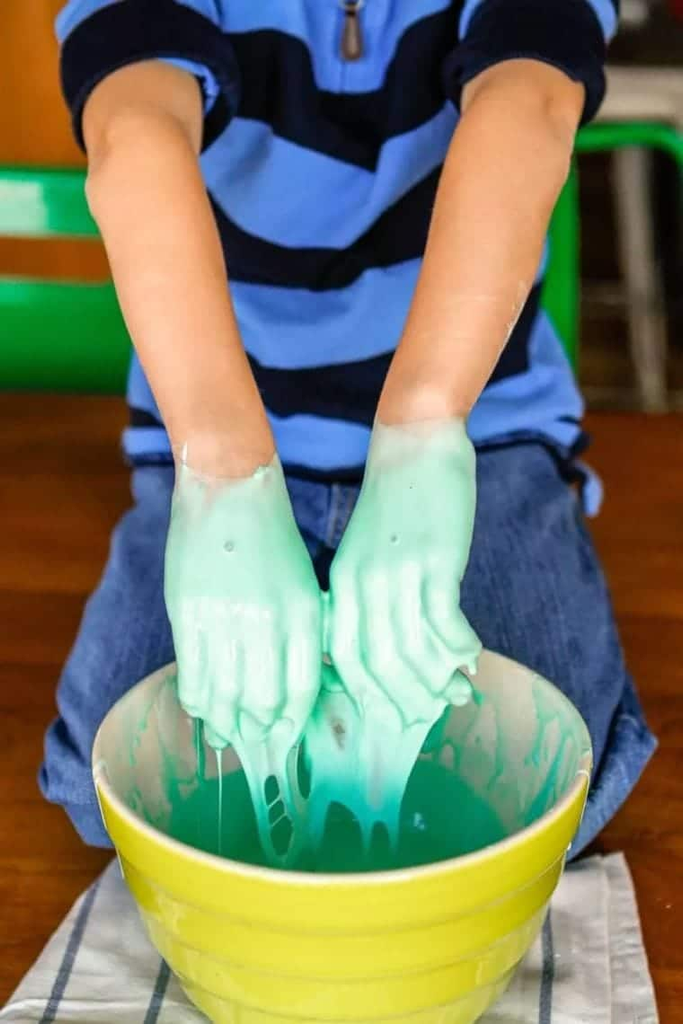
Slime is a messy activity, but I find that kids are often fascinated by the texture and mixing process. For a simple sensory version, I use cornstarch, water, and washable tempera paint.
I start with about ½ cup of cornstarch and gradually add water while mixing. The exact amount of water can vary, so I adjust it slowly until the mixture reaches the texture I want.
I use washable materials and protect the work surface before starting. I also keep slime away from eyes, mouths, carpets, and fabrics that could be difficult to clean. Children should wash their hands after playing, and I discard the mixture if it becomes dirty or develops an unusual smell.
Pro Tip: I prepare individual portions in separate bowls when several children are participating. It reduces grabbing and makes the activity easier to manage.
12. Snake Huggies For Your Kids Who Loves Cuddling!
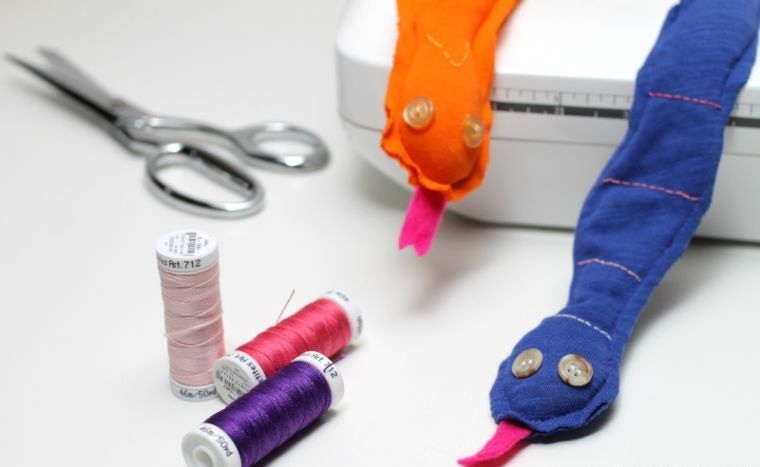
A soft handmade snake can become both a craft project and a pretend-play toy. I like this idea for children who enjoy making something they can hold or cuddle after finishing the activity.
The project involves fabric and sewing materials, so I decide how much of the construction a child can safely do based on age and experience. Younger children can help select fabric colors, arrange pieces, or add simple decorations while an adult handles the needlework.
If the finished snake is intended for a young child, I avoid loose parts that could come away during play. I also check the seams and decorations before giving it to a child.
Pro Tip: I use brightly patterned fabric scraps when available. It is an easy way to make each snake look different without buying new fabric.
13. Fun Stitch Sampler for Kids
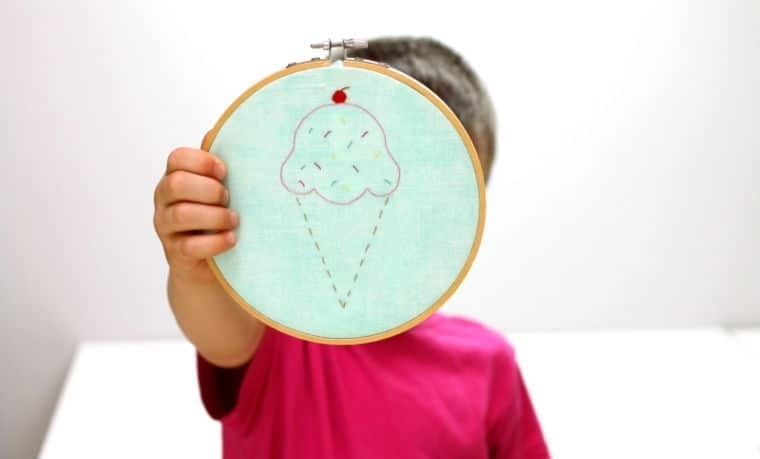
A simple stitch sampler can be a good introduction to hand sewing for older children who are ready to work with a needle under adult supervision.
I use an embroidery hoop, fabric, embroidery thread, and an age-appropriate needle. Children can practice basic straight stitches, lines, shapes, or simple patterns rather than trying to complete a complicated picture.
I keep the activity short at first because threading and repeated stitching can be tiring for beginners. An adult should remain nearby whenever a child is using a needle.
Pro Tip: I draw a few simple lines on the fabric before starting. This gives beginners a clear path to follow while they learn how the stitch works.
14. Colorful Dabbed Fish Craft
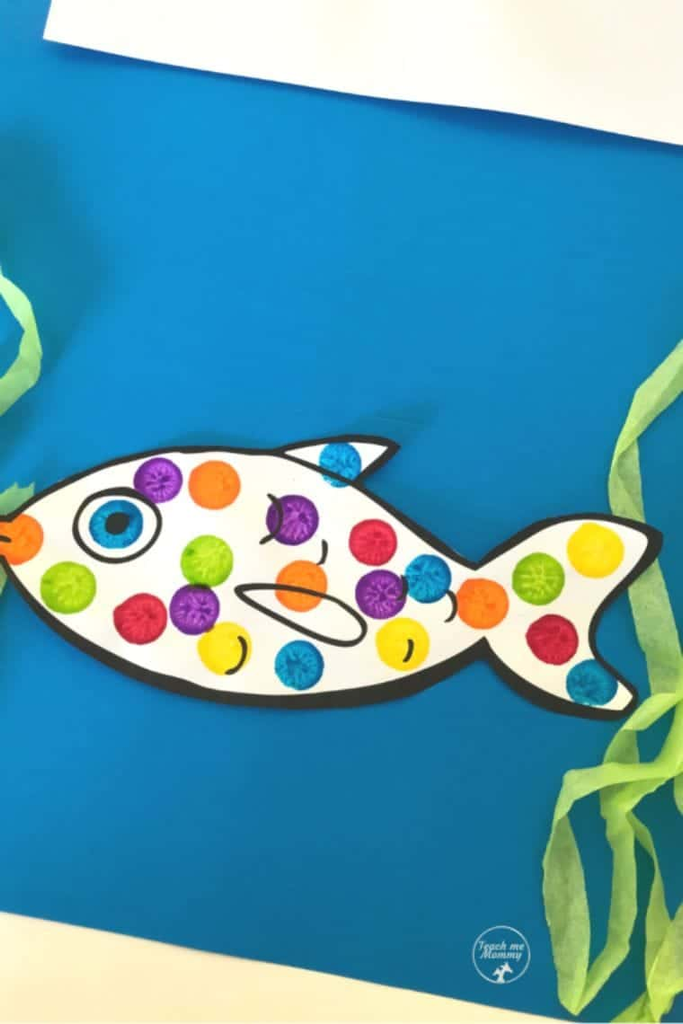
I like this fish craft because it introduces children to a painting method that feels different from simply brushing paint across paper.
I start with a fish shape on cardstock and let children use paint dabbers, cotton swabs, or a small piece of sponge to add color. They can overlap different shades to create scales and patterns.
If I am working with toddlers, I use washable, child-appropriate paint and supervise the activity closely. I also cover the work area because dabbing paint can send small splatters beyond the paper.
Pro Tip: I give children two or three related colors at a time instead of putting every paint color on the table. It keeps the activity manageable and makes cleanup easier.
15. DIY Tape Art
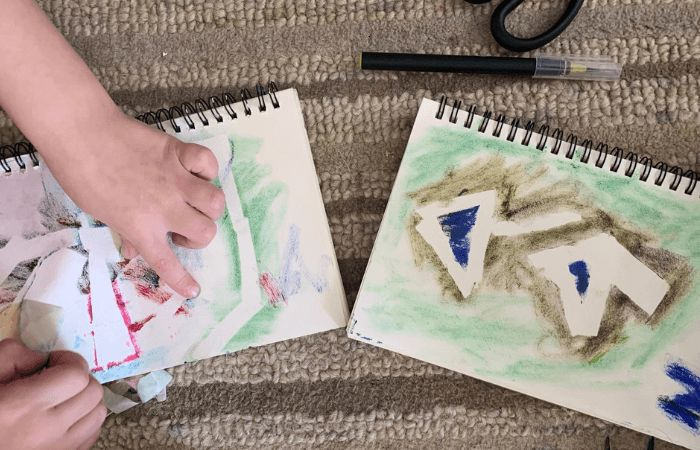
Tape art is one of those activities where the finished picture can look surprisingly different once the tape comes away. I use painter’s tape to create geometric lines on cardstock or a canvas before painting over the surface.
Once the paint has dried sufficiently, I carefully remove the tape to reveal the pattern underneath. Children can choose the colors and decide whether they want straight lines, blocks, triangles, or another design.
I use painter’s tape that can be removed without damaging the surface and avoid pressing it too firmly onto delicate paper.
Pro Tip: I let the child choose the tape pattern first. The design underneath does not need to be perfectly symmetrical for the final artwork to look interesting.
16. Mary Poppins Inspired Paper Kites
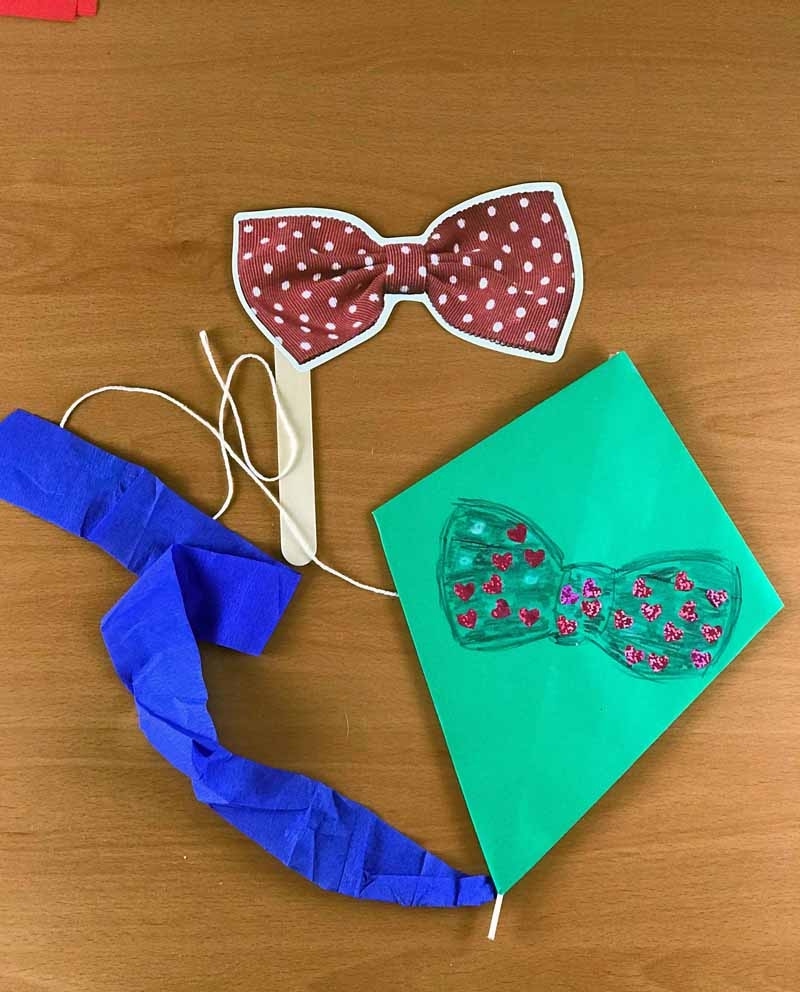
Paper kites are a fun indoor craft when outdoor weather is not cooperating. I use colored paper, wooden dowels or age-appropriate craft sticks, paper streamers, tape, scissors, and a pencil.
The main goal is creating a decorative kite rather than expecting it to fly like a full outdoor kite. Children can add patterns, stripes, shapes, and streamers to personalize the design.
I handle pointed skewers or similar materials for young children and replace them with safer alternatives whenever possible. If I use wooden pieces, I check that there are no splinters or sharp edges.
Pro Tip: I hang finished paper kites from a bedroom ceiling or craft display rather than treating them as outdoor flying toys.
17. Rubber Band Guitar
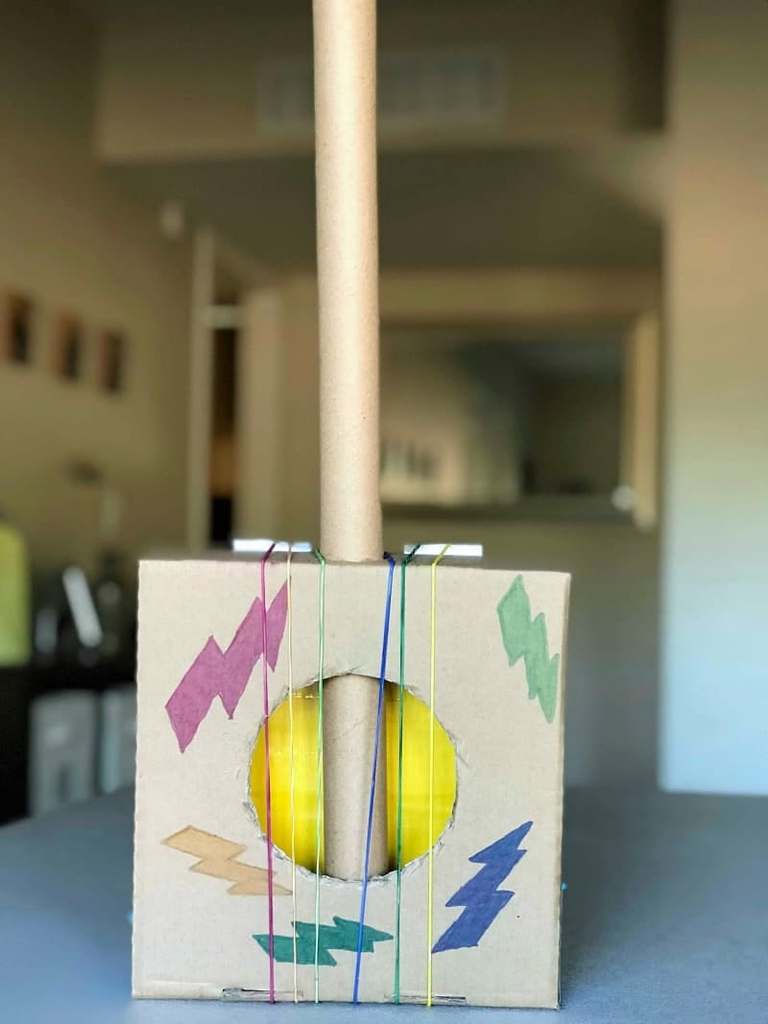
This recycled guitar is a fun way to combine crafting with pretend music. I use a cardboard box, cardboard tube, rubber bands, scissors, and markers to create the basic instrument.
The rubber bands stretch across the opening of the box and produce different sounds when children gently pluck them. I encourage kids to decorate the box like their own pretend instrument.
I check the rubber bands before giving the finished guitar to younger children because stretched bands can snap back. I also supervise children who are working with scissors or cutting cardboard.
Pro Tip: I use rubber bands with different thicknesses so children can compare how the sounds change when they gently pluck them.
18. Pompom Paper Plate Snail
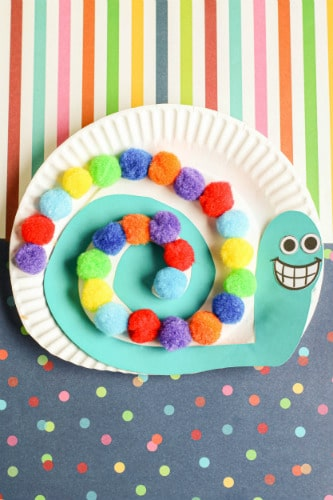
This paper-plate snail gives young children a chance to work with different textures. I use a paper plate for the shell and cardstock or construction paper for the body.
After cutting the body shape, I attach the paper plate as the shell and let the child decorate it with colorful pompoms. A marker can be used for facial details, while larger, securely attached eyes can add another playful element.
Because pompoms and small craft pieces can be choking hazards, I only use them with children who are old enough to handle them safely and supervise younger children closely.
Pro Tip: I put the pompoms into a small tray before starting instead of giving a young child access to the entire bag.
19. Popsicle Pot
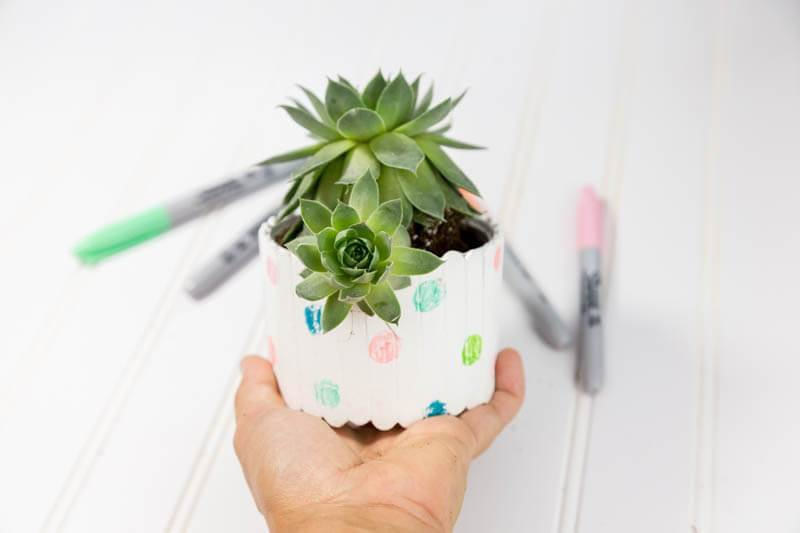
I like this project because it turns an ordinary container into a decorative plant pot. I use a clean can or another suitable round container, craft sticks, glue, and paint.
Children can arrange the sticks vertically around the outside and then choose their own colors and patterns. Colored craft sticks can save time when I want to avoid a separate painting step.
I make sure the container has no sharp edges before children work with it. If the pot will hold a plant, I also make sure the container is appropriate for that purpose and has suitable drainage.
Pro Tip: I cover sharp metal edges completely or choose a safer container, such as a sturdy plastic cup, when crafting with younger children.
20. Colorful Tissue Butterflies
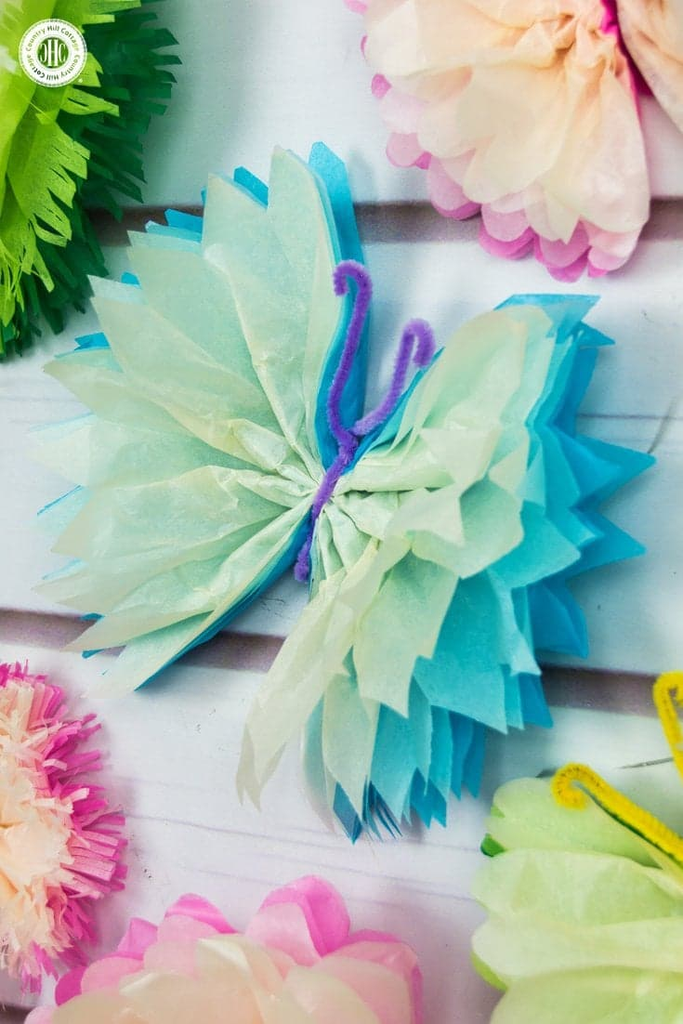
Tissue-paper butterflies are lightweight decorations that I can make in many different color combinations. I use tissue paper, pipe cleaners, and thin craft wire or another suitable material to shape the butterfly.
I let children layer or fold the tissue paper to create the wings, then use the pipe cleaner to form the center and antennae. The finished butterflies can be displayed on a wall, attached to a craft board, or used as part of seasonal decor.
I keep wire and other pointed materials away from very young children and handle those steps myself. I also make sure loose pieces are secured before displaying the finished craft.
Pro Tip: I use leftover tissue paper from gift wrapping for this project. It is an easy way to reuse material that might otherwise end up in the trash.
Read this next: Easy Bee Paper Craft for Kids with Simple Steps to Make at Home
FAQs
What are easy crafts for kids at home?
I find paper butterflies, flower pencil tops, tape art, paper-plate animals, and tissue-paper crafts easy to set up with basic supplies.
What crafts are suitable for toddlers?
Simple activities like painting, paper decorating, and sensory crafts can work well for toddlers when I provide age-appropriate materials and close supervision.
How can I make kids’ crafts safer?
I supervise children when using scissors, needles, wire, skewers, or small pieces. I also choose washable, child-appropriate supplies and prepare the workspace before starting.
Conclusion
I find that the best kids’ crafts do not need to be complicated or expensive. A cardboard box, an old T-shirt, some paper, paint, or a few basic craft supplies can give children plenty of opportunities to create.
I also try not to focus too much on whether the finished project looks perfect. The real value is in letting kids choose colors, practice simple skills, experiment with materials, and enjoy making something with their own hands.
For younger children, I keep the activities short and handle anything that requires sharp tools, needles, wire, or other potentially unsafe materials. With the right setup and supervision, these crafts can become easy activities for weekends, holidays, parties, and everyday creative time.