
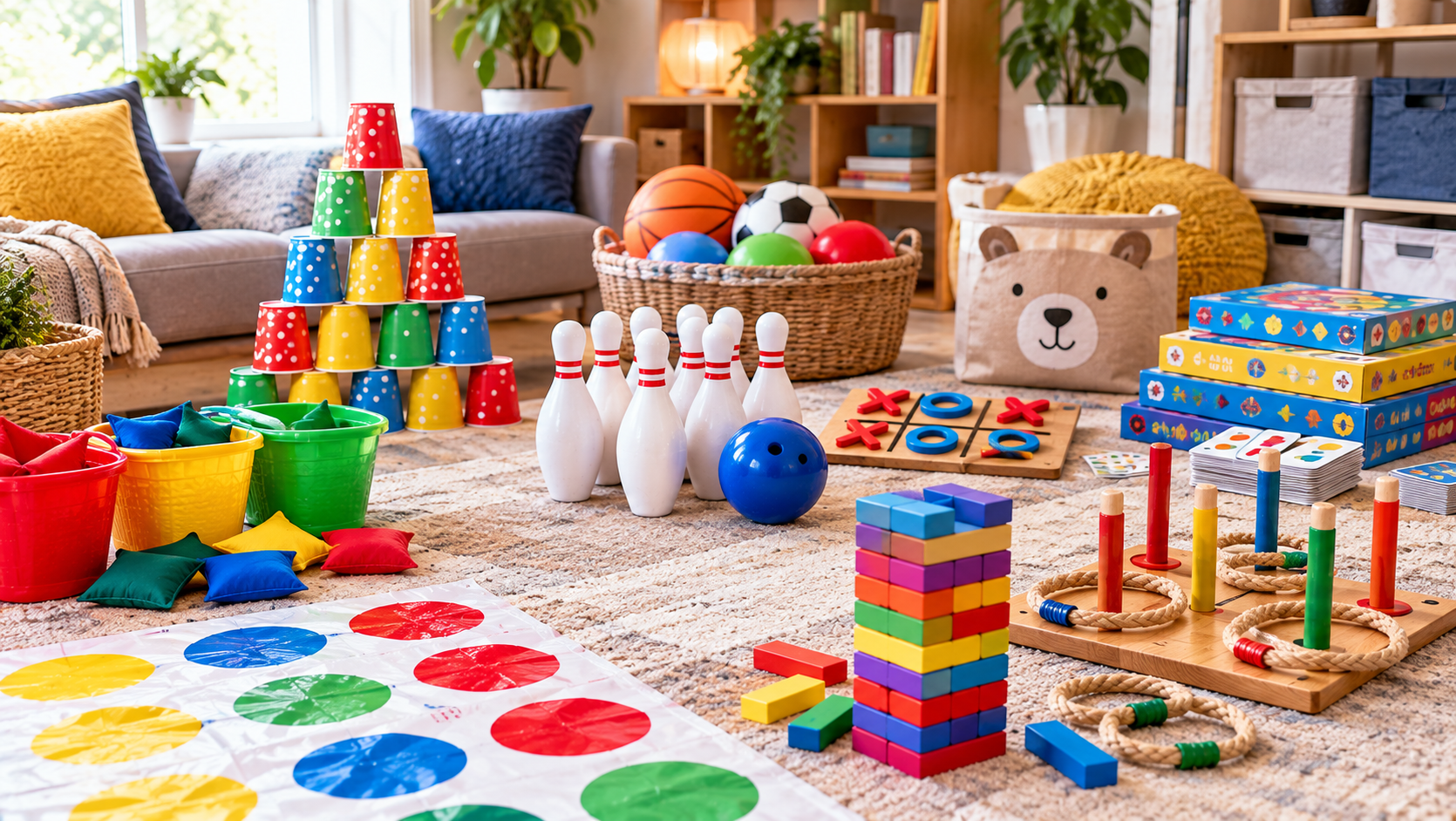
21 Simple Indoor Games for Kids That Work for Any Age
When the weather keeps my kids inside, I know how quickly boredom can turn into complaints. I’ve found that I don’t need expensive toys or a complicated activity plan to keep everyone busy. A few everyday items, some imagination, and a little space can turn an ordinary afternoon into hours of play.
I especially like indoor games because I can adjust most of them for toddlers, preschoolers, school-age children, or siblings of different ages. Some get kids moving, while others focus on creativity, memory, listening, or teamwork. That variety makes it much easier for me to keep screen-free time interesting.
I’ve put together 21 simple indoor games that I can use when my kids need something fun to do at home. The list includes active games such as Freeze Dance, balloon volleyball, indoor bowling, and obstacle courses, along with quieter options such as drawing, trivia, storytelling, and craft hunts.
Save this for later
Table of Contents
Most of these activities use inexpensive supplies or things I already have around the house. I can also make the games easier or harder depending on the children’s ages and abilities. That makes them useful for siblings, playdates, rainy afternoons, school breaks, and family game time.
Key Takeaways
- I can turn common household items into simple games without spending much money.
- Active games help children move when outdoor play isn’t possible.
- Creative games give kids opportunities to make decisions and use their imagination.
- Many activities can be changed to suit different ages.
- Playing together gives me a chance to encourage communication, cooperation, and confidence.
- Rotating between active, creative, and quiet games can make a long indoor day feel less repetitive.
Related article: 23 Party Games for Kids That Everyone Will Be Talking About
Why Indoor Games Matter
I see indoor games as more than a way to fill empty time. When children play, they get opportunities to practice skills such as following directions, remembering rules, making choices, communicating with others, and solving small problems.
Movement-based games can also give children a chance to stay physically active when they cannot run around outside. Games involving jumping, balancing, throwing, dancing, or crawling can add movement to an otherwise sedentary day.
I also find that group games teach social skills in a very natural way. Kids have to wait for their turn, listen to other players, handle winning and losing, and sometimes work together instead of competing.
Most importantly, indoor play gives me opportunities to spend real time with my children. Even a ten-minute game can lead to plenty of laughter and conversation. Those small shared moments are often what my kids remember long after the game is over.
1. Indoor Treasure Hunt
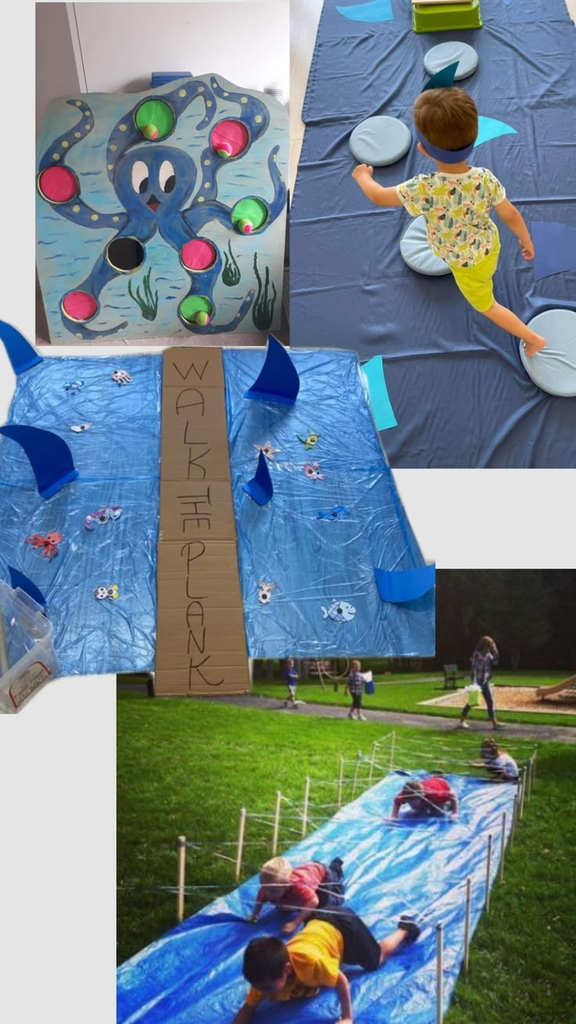
I can turn almost any room into a treasure hunt with a few clues and a small prize at the end. I hide objects or notes around the house and create a simple trail that leads children from one location to the next.
For younger kids, I keep the clues very simple, such as pictures or colors. Older children can handle riddles, counting clues, or short puzzles.
Pro Tip: I like to make the final reward something simple, such as choosing the next family game or getting a special snack. The anticipation is often more exciting than the prize itself.
2. Freeze Dance
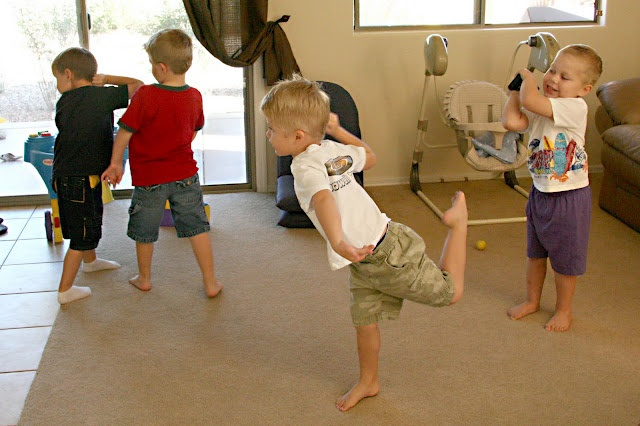
Freeze Dance is one of my easiest choices when my kids have lots of energy. I put on music and let everyone dance until I pause it.
The moment the music stops, everyone has to become completely still. Anyone who moves can either sit out for one round or simply keep playing without elimination.
I can make this game more challenging by calling out a funny pose or movement before starting the music. It works particularly well when children need to get some movement out of their system.
3. Simon Says
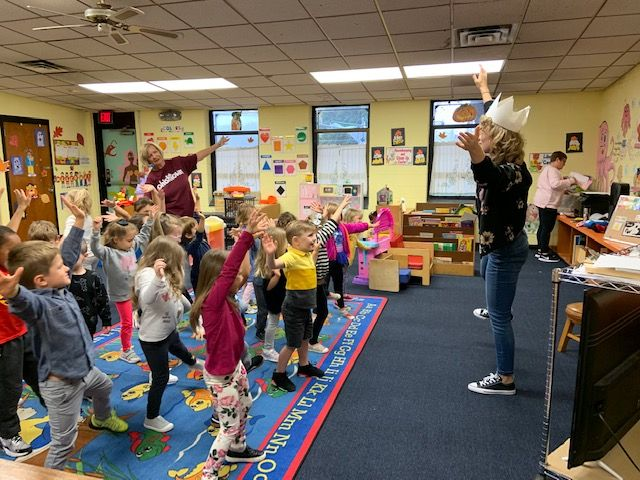
I use Simon Says when I want a game that needs almost no preparation. One person gives commands, but the children should only follow an instruction when it begins with “Simon says.”
I can use simple directions for younger children, such as touching their nose or jumping once. With older kids, I add several steps together or increase the speed.
The game gives children a reason to listen carefully instead of simply copying every movement they see.
4. Balloon Volleyball
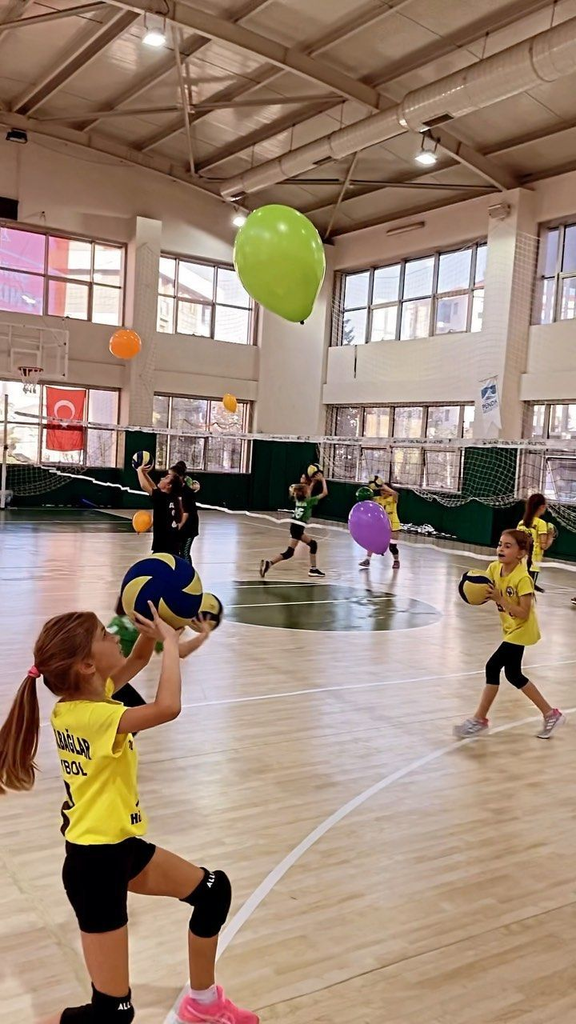
A balloon makes a much gentler alternative to a regular ball for indoor play. I mark an imaginary center line or place a piece of string across part of the room, then have the children hit the balloon back and forth.
The goal is to keep the balloon from touching the floor on their side. Kids can play individually or divide into teams.
Pro Tip: I move breakable objects out of the playing area first and use a larger open space whenever possible. Even soft balloons can knock things over when children get excited.
5. Animal Charades
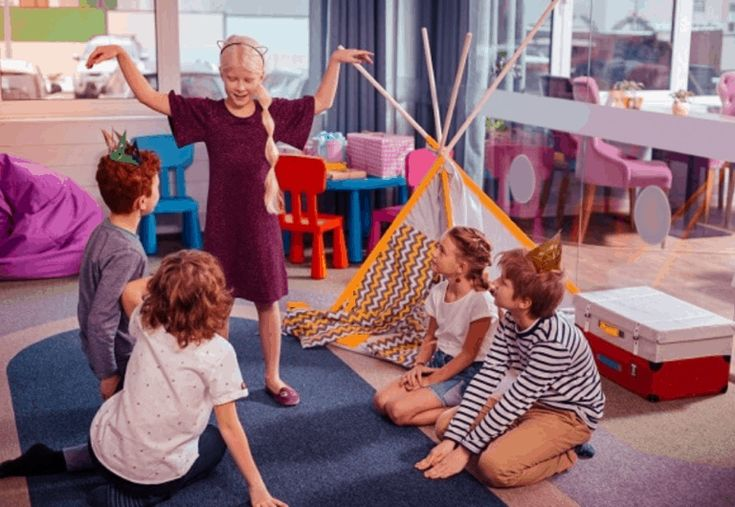
Animal Charades is an easy way for me to get kids acting, guessing, and laughing together. I write or draw different animals on small pieces of paper and let each child choose one without showing the others.
The player acts like the animal without speaking while everyone else tries to guess it.
Younger children can choose familiar animals such as cats, dogs, or elephants. Older kids can try less obvious animals, making the guessing part more challenging.
6. Pillow Path Challenge
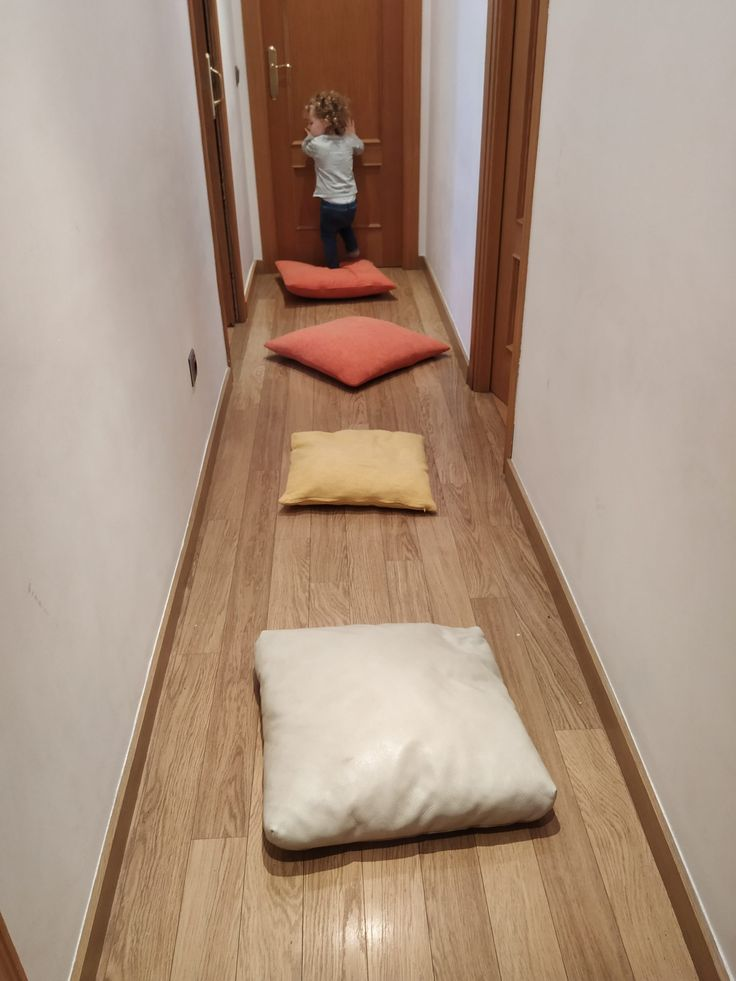
I spread pillows or cushions across a safe area of the floor and challenge my kids to move from one side to the other without stepping on the floor.
I can change the rules depending on their ages. Younger children might simply step between cushions, while older kids can be asked to jump, balance, or complete the course in a certain order.
I always check that the pillows are stable and that there are no sharp furniture edges nearby before starting.
Pro Tip: I avoid placing pillows on slippery floors or near stairs. Indoor movement games are much more enjoyable when I first make the play area safe.
7. Indoor Bowling
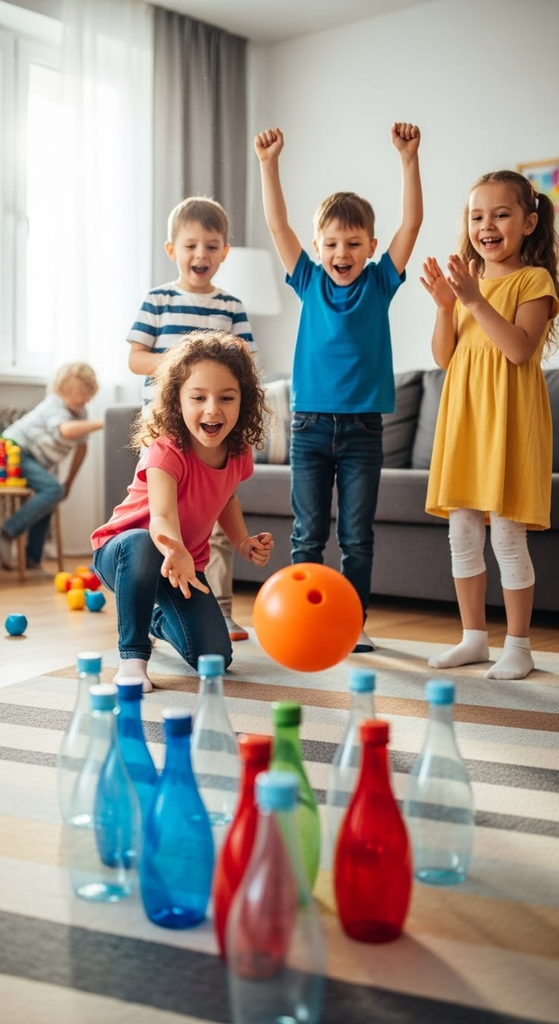
For indoor bowling, I use lightweight empty bottles as pins and a soft ball for rolling. I arrange the bottles in a triangle and give each child several turns.
The kids can keep score or simply try to knock down as many pins as possible. I can also move the starting line closer for younger children.
This game gives them a simple way to practice aiming, rolling, and hand-eye coordination without needing a bowling set.
8. Mystery Box Guessing Game
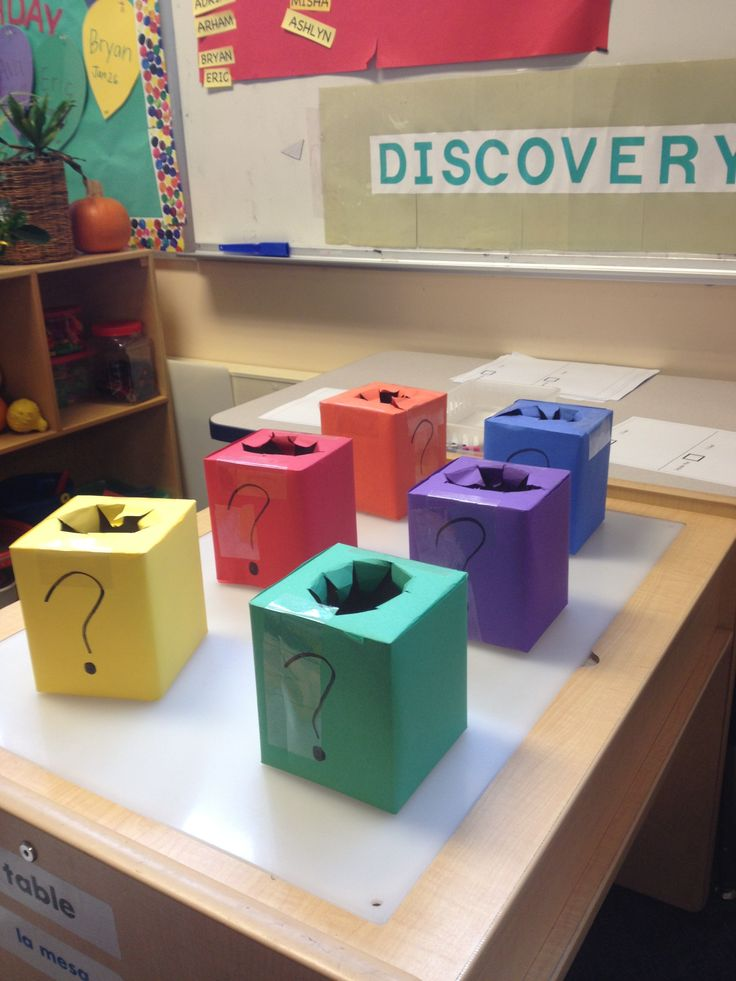
I place familiar objects inside a box or bag and let the children feel one item at a time without looking.
They have to use touch to work out what they are holding. I choose safe, recognizable objects for younger children and more unusual items for older kids.
I like this game because it slows things down and makes children pay attention to texture, shape, size, and other sensory details.
Pro Tip: I check every item before putting it in the box, especially when younger children are playing. I avoid anything sharp, breakable, very small, or otherwise unsuitable for their age.
9. Color Hunt
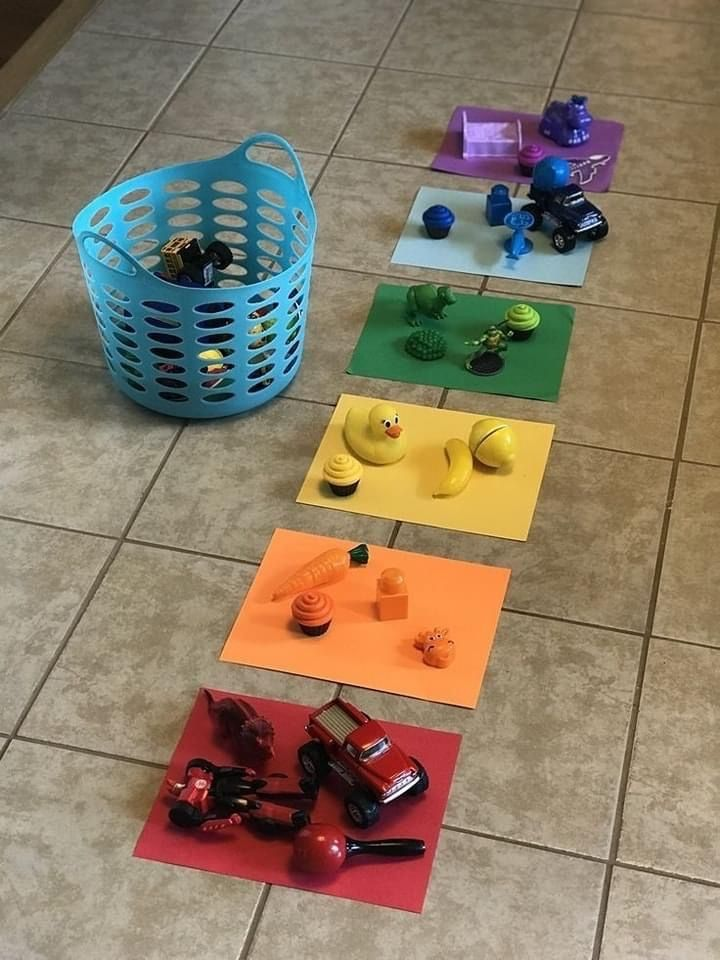
I call out a color and give the children a short amount of time to find something in the room that matches it.
For younger kids, I stick with basic colors and let them point to or bring back safe objects. Older children can search for several shades or find objects that match a particular theme.
I can also turn it into a learning activity by asking children to name the objects they find or sort several items by color afterward.
10. Paper Airplane Contest
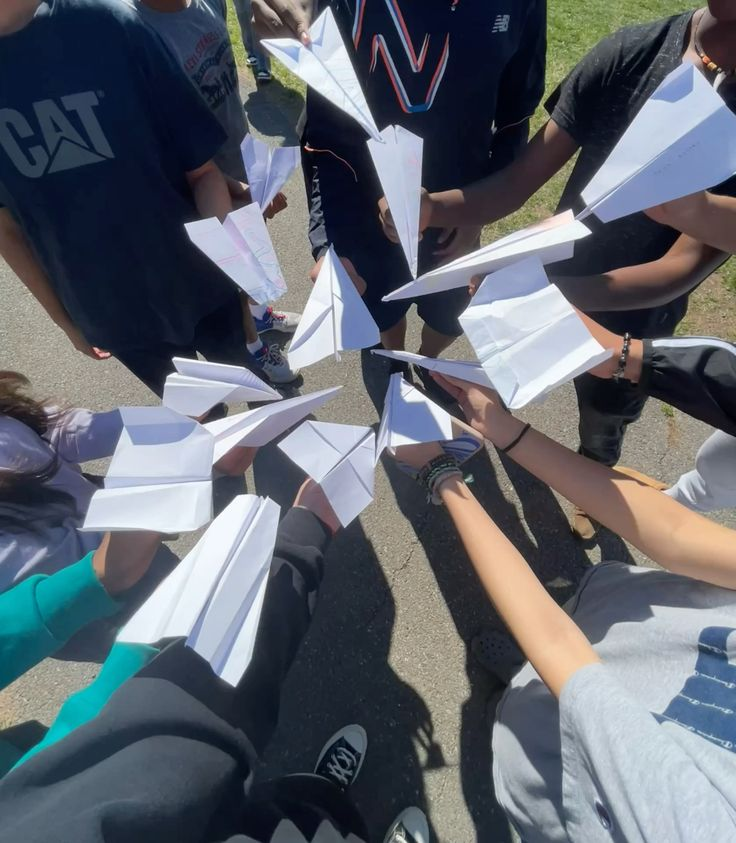
Making paper airplanes gives me a game and a craft in one activity. Each child folds a plane and then tests it to see how far or how accurately it can fly.
Instead of focusing only on distance, I can create different categories such as longest flight, closest landing to a target, or longest time in the air.
This is also a simple introduction to ideas about balance, shape, air resistance, and how small design changes can affect flight.
Pro Tip: I have the children test one plane at a time in a clear area. It keeps the activity organized and makes comparisons easier.
11. Sock Toss Game
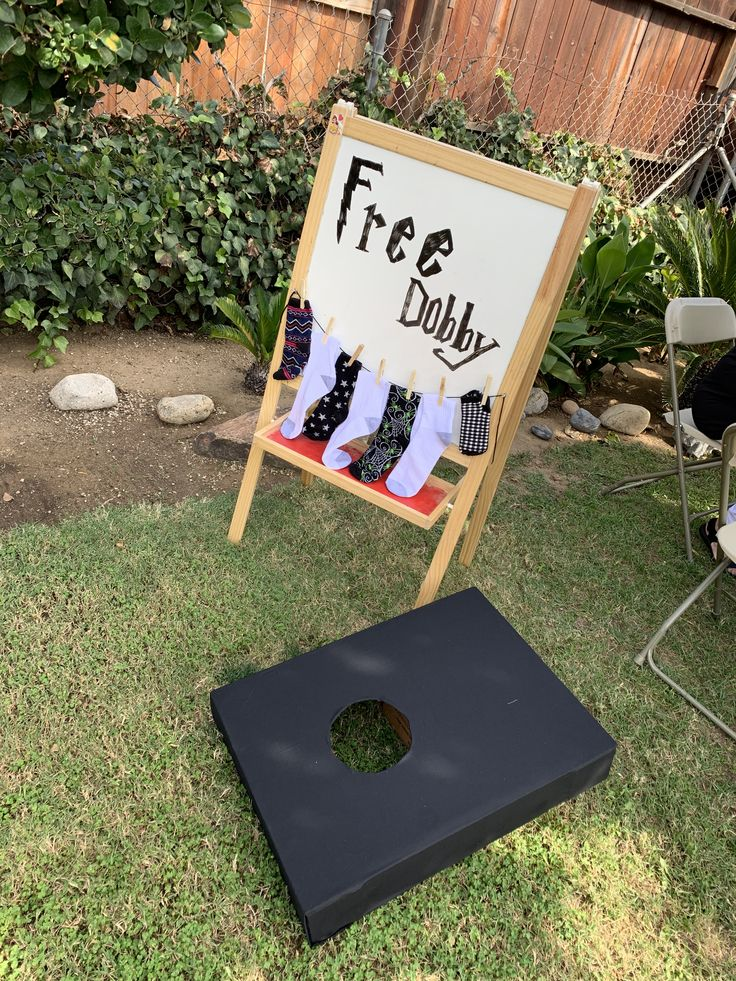
I roll clean socks into soft balls and set up baskets, boxes, or other sturdy containers as targets.
Each target can have a different point value based on how far away it is. Younger kids can stand close to the target, while older children move farther back.
I find this works especially well when I want a quick game that gets kids standing, throwing, counting, and competing without making a mess.
Also read: Simple Indoor Games Ideas For Kids
12. Cardboard Box Challenge
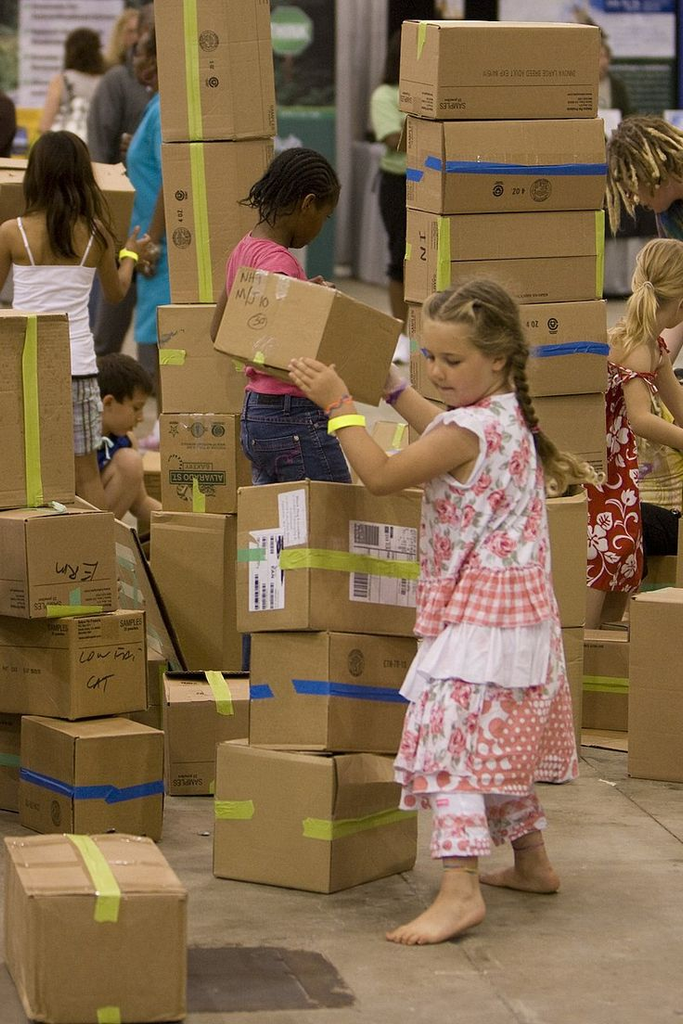
A large cardboard box can become almost anything when I give kids permission to use their imagination. Depending on the size, they might turn it into a house, spaceship, shop, animal shelter, robot, or race car.
I provide safe craft supplies such as washable markers, paper, tape, and child-safe scissors.
Instead of telling children exactly what to build, I give them a challenge and let them decide how to solve it. That usually produces much more creative results.
13. Indoor Obstacle Course
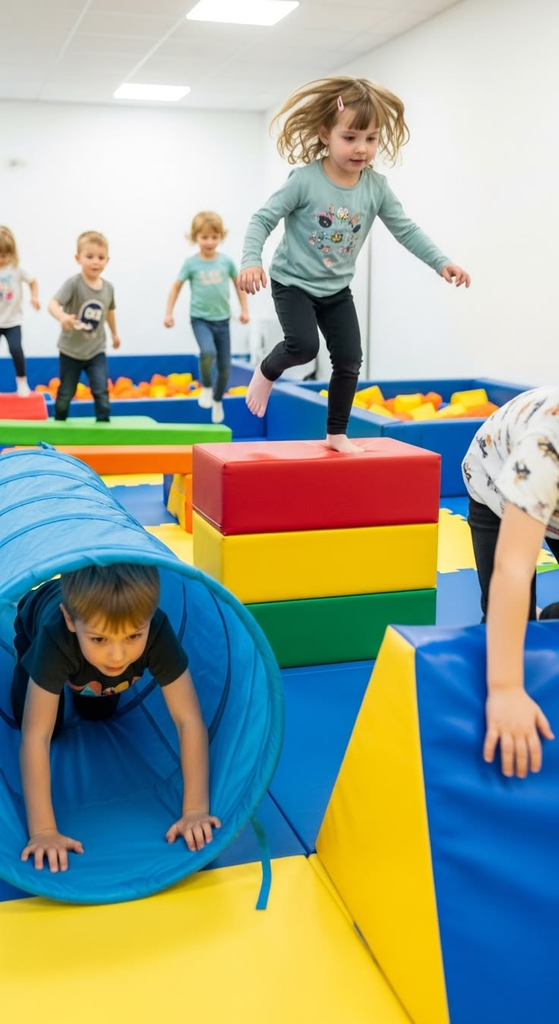
I create a simple indoor course using cushions, tape lines, chairs, blankets, and other safe household items.
A course might involve walking along a taped line, crawling under a table, stepping around cushions, and tossing a soft object into a basket.
I adjust the course for the available space and the children’s ages. Younger kids need fewer obstacles and simpler movements, while older children can handle sequences and timed challenges.
Pro Tip: I never use furniture that could tip over as an obstacle. I also leave plenty of room between activities so kids aren’t rushing into walls or other objects.
14. Story Building Game
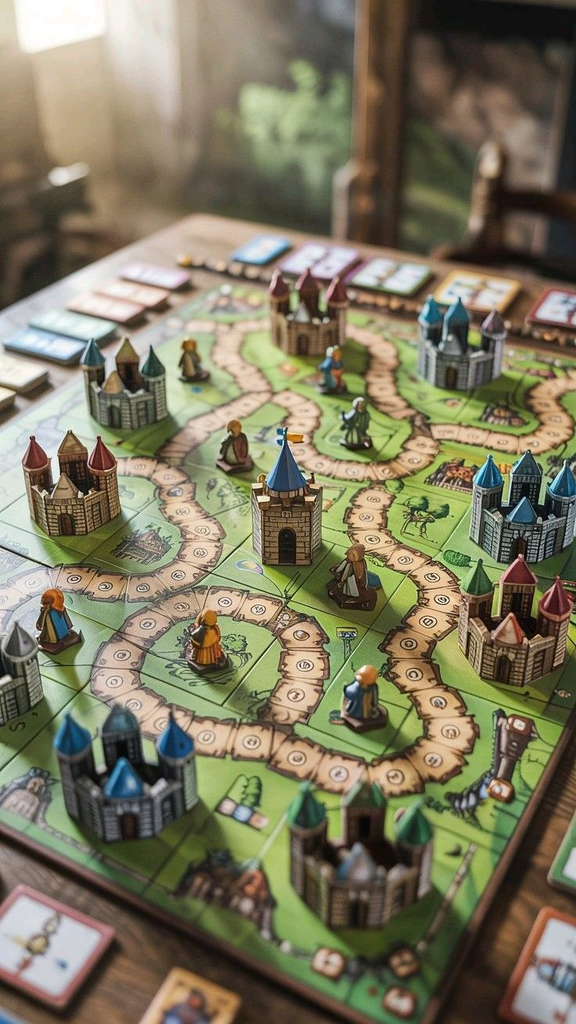
I start this game with one sentence, such as “One morning, we found a mysterious box at the front door.”
The next person adds another sentence, and we continue around the group until the story reaches an ending.
I like letting children introduce characters, surprises, and funny twists. Besides being entertaining, the game gives them practice with listening, memory, language, and creative thinking.
15. Paper Plate Ring Toss
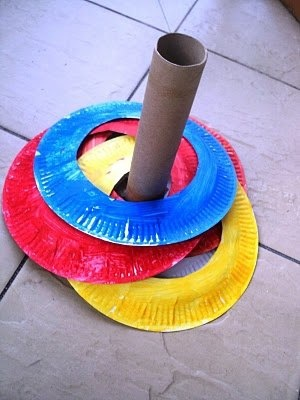
I cut the center from paper plates to make simple rings and arrange lightweight bottles or other safe targets nearby.
Children stand behind a line and try to land their rings over the targets. I can move the line closer or farther away depending on the child’s age.
It takes only a few minutes to prepare, but kids can keep practicing because they naturally want to improve their accuracy.
16. Indoor Campout
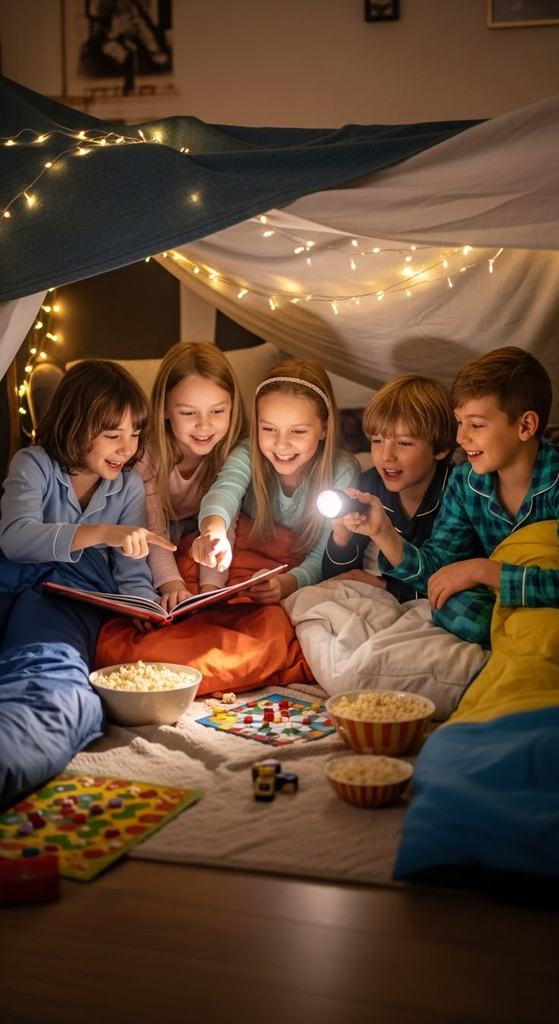
When we cannot go camping outdoors, I can create a small campout right in the living room. Blankets, cushions, sleeping bags, flashlights, and a few books are usually enough.
The kids can pretend to tell campfire stories, read books, play quiet games, or have a simple snack inside their fort.
I like this idea for rainy evenings because it changes the atmosphere of the room without requiring a major setup.
Pro Tip: I keep candles, matches, and other real fire sources completely out of the activity. Battery-powered lights or flashlights give the same cozy effect without the added risk.
17. Drawing Challenge
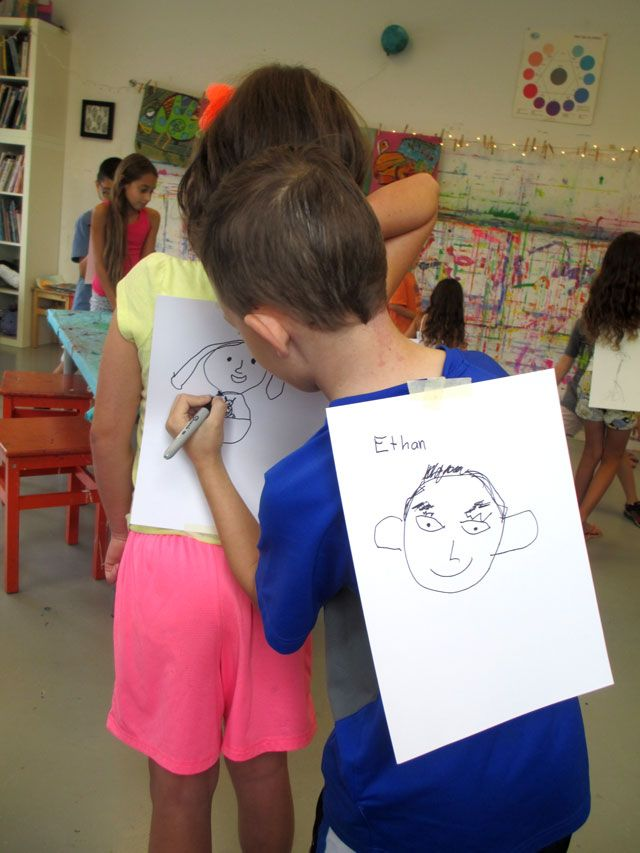
I give everyone a drawing prompt and a short time limit. Prompts can be as simple as “draw a funny animal” or “design a dream bedroom.”
When the timer ends, everyone shows their picture. I avoid judging drawings by artistic skill and instead ask children to explain what they created.
This keeps the activity positive and gives kids a chance to practice imagination and self-expression.
18. Construction Paper Race
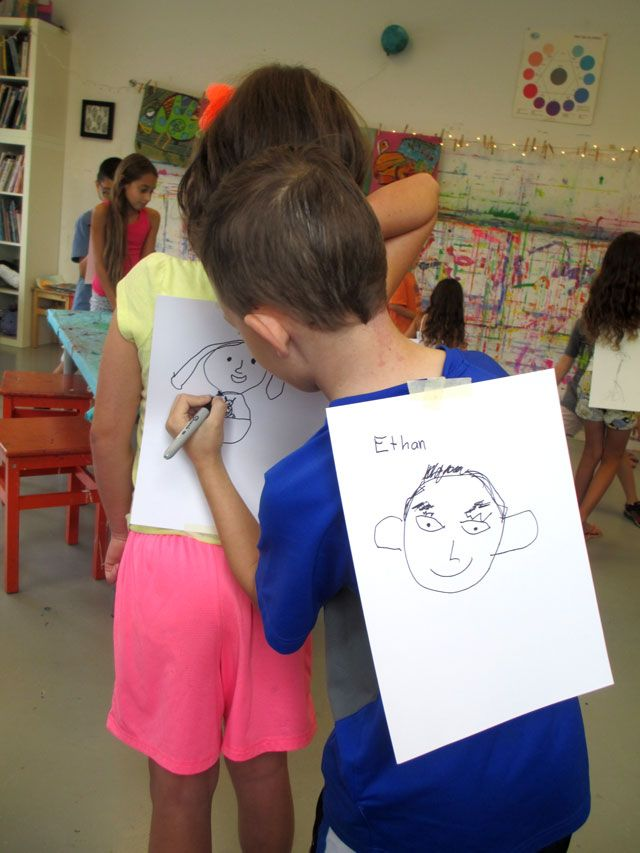
I provide construction paper along with child-safe scissors, glue, and a few optional supplies.
Then I give the children a challenge, such as making an animal, vehicle, flower, character, or completely imaginary invention within a set amount of time.
I find that a time limit makes the activity feel like a game while still leaving children enough freedom to make their own choices.
Pro Tip: I use washable glue and protect the table with scrap paper or an old tablecloth. It makes cleanup much easier afterward.
19. Group Trivia Game
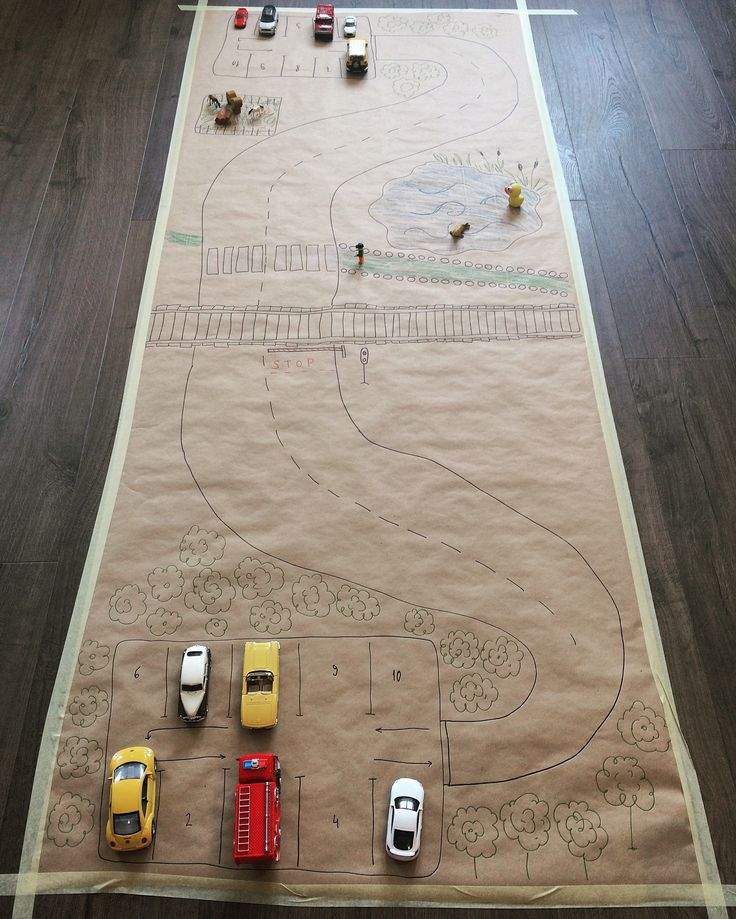
I create short trivia questions based on subjects the children already enjoy. Animals, cartoons, sports, school subjects, food, and family facts can all work.
For younger children, I use simple questions with a few possible answers. Older children can answer more detailed questions or play in teams.
I also like including questions where nobody is expected to know the answer. Kids can guess, learn something new, and keep the atmosphere relaxed rather than overly competitive.
20. Craft Supply Hunt
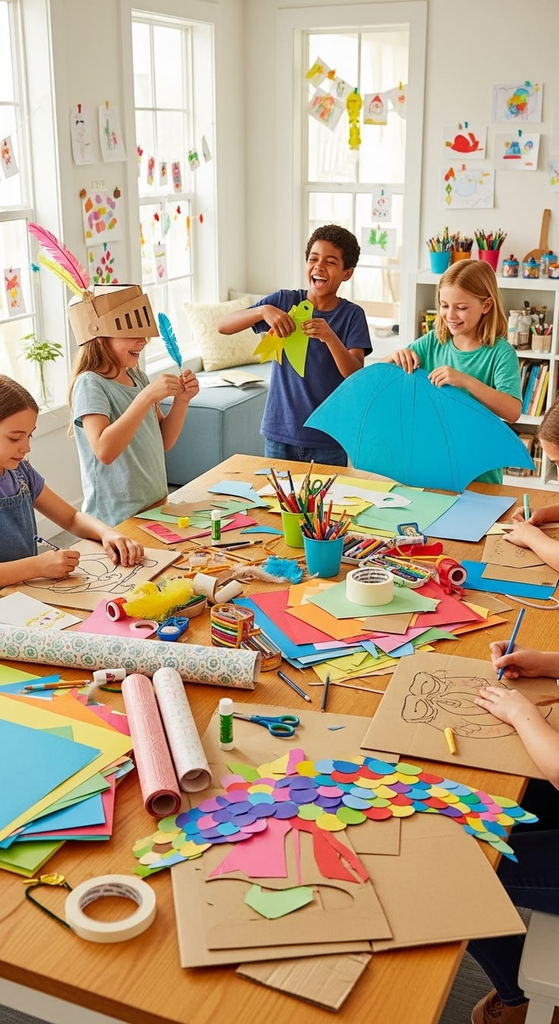
I hide safe craft materials around one room and give children a list of things to find.
They might search for a marker, sheet of paper, sticker, ribbon, or particular color of craft material. Once everything has been collected, the children use their supplies to make something.
This gives me two activities in one: a search game followed by an open-ended craft session.
Pro Tip: I count the supplies before hiding them so I know exactly what should be found. I also keep tiny craft pieces away from toddlers who may put objects in their mouths.
21. Ultimate Indoor Adventure Game
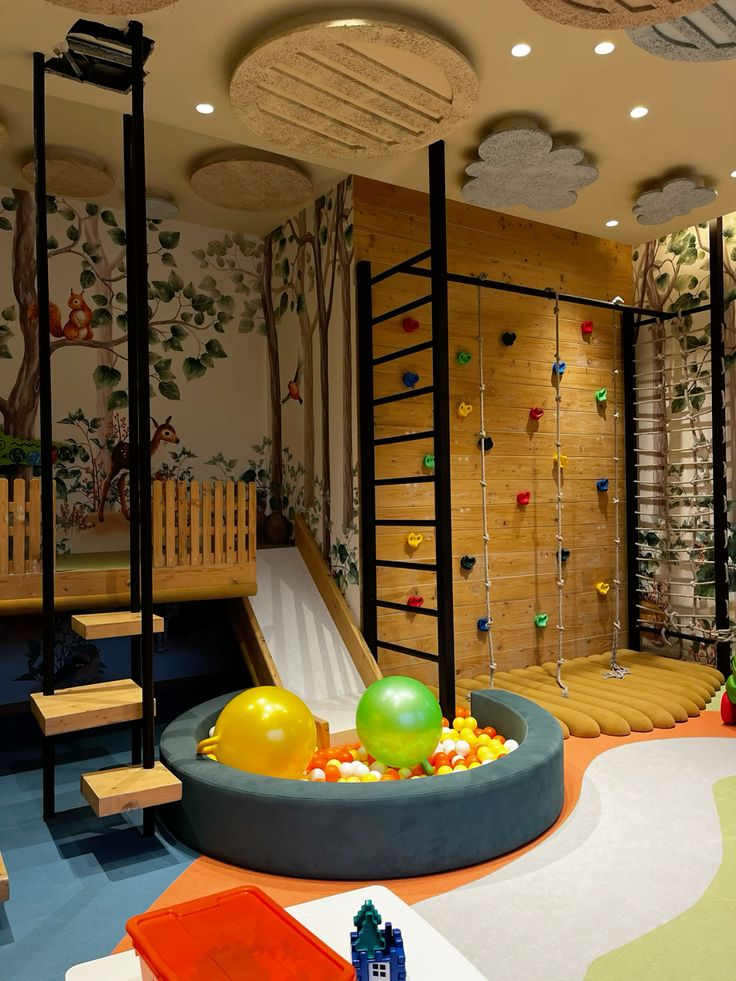
When my kids have been indoors for a long time, I combine several games into one indoor adventure.
I might begin with a treasure hunt, follow it with a balloon challenge, then add an obstacle course and finish with a drawing or storytelling activity.
The changing activities help prevent the children from losing interest. I can also give each challenge a small mission or point value to make the whole experience feel connected.
For a long rainy afternoon or school-break day, this gives me a flexible activity plan without requiring me to organize an entirely new game every few minutes.
Read this next: 22 Ideas For Kids Group Games
Frequently Asked Questions
What are the best simple indoor games for kids?
I like games that need little preparation and can be adjusted for different ages. Treasure hunts, Freeze Dance, Simon Says, balloon volleyball, charades, bowling, and obstacle courses are all easy options.
How can I keep kids entertained indoors without screens?
I rotate between movement, creative play, and quieter games. Drawing challenges, storytelling, treasure hunts, cardboard projects, trivia, and craft hunts can keep children busy without relying on phones or tablets.
What indoor games work for multiple age groups?
I find that charades, treasure hunts, balloon volleyball, trivia, and obstacle courses are especially flexible. I simply change the rules, distance, time limit, or difficulty so younger and older children can participate together.
Are indoor games educational for children?
Yes. Many games give children practice with listening, communication, memory, coordination, creativity, decision-making, and problem-solving. The learning happens naturally because children are focused on playing.
What are some indoor games for rainy days?
On rainy days, I often choose balloon volleyball, indoor bowling, Freeze Dance, pillow paths, paper airplane challenges, treasure hunts, or indoor camping. These activities help make staying inside feel less restrictive.
How do indoor games benefit child development?
Different games support different areas of development. Active games encourage movement and coordination, while storytelling and creative challenges support communication and imagination. Group games also give children practice with sharing, cooperation, and taking turns.
What household items can I use for indoor games?
I regularly use pillows, socks, cardboard boxes, paper, balloons, empty bottles, paper plates, baskets, blankets, and craft supplies. Before using anything, I check that it is appropriate for the children’s ages and safe for the play area.
Conclusion
I’ve learned that keeping kids entertained indoors does not have to mean buying another toy or handing over a tablet. Some of the easiest games can be made with things I already have at home.
A few pillows can become a balance challenge, socks can turn into soft balls for a target game, and a cardboard box can keep children creating for an entire afternoon. The key for me is having a mix of activities ready so I can switch things up when interest starts to fade.
I also try not to make every game about winning. Sometimes the best indoor activities are the ones where everyone gets to laugh, create, move, and participate together. These simple indoor games give me plenty of ways to make rainy days, weekends, school breaks, and quiet afternoons more enjoyable while giving kids valuable opportunities to play and learn.


One Comment