35 Clever Small patio Decor Ideas On A Budget
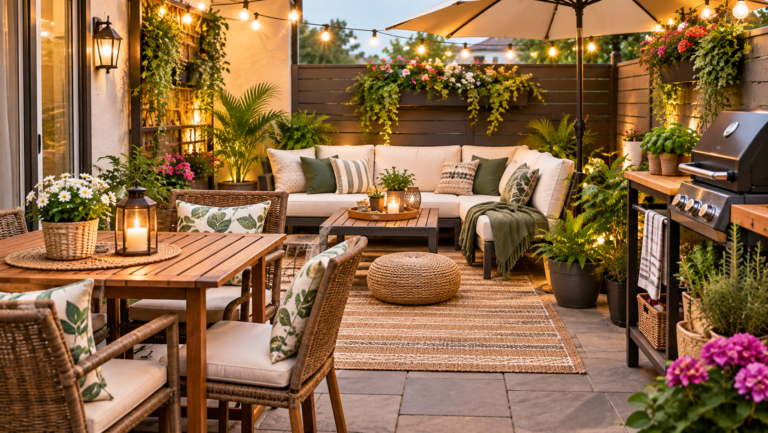
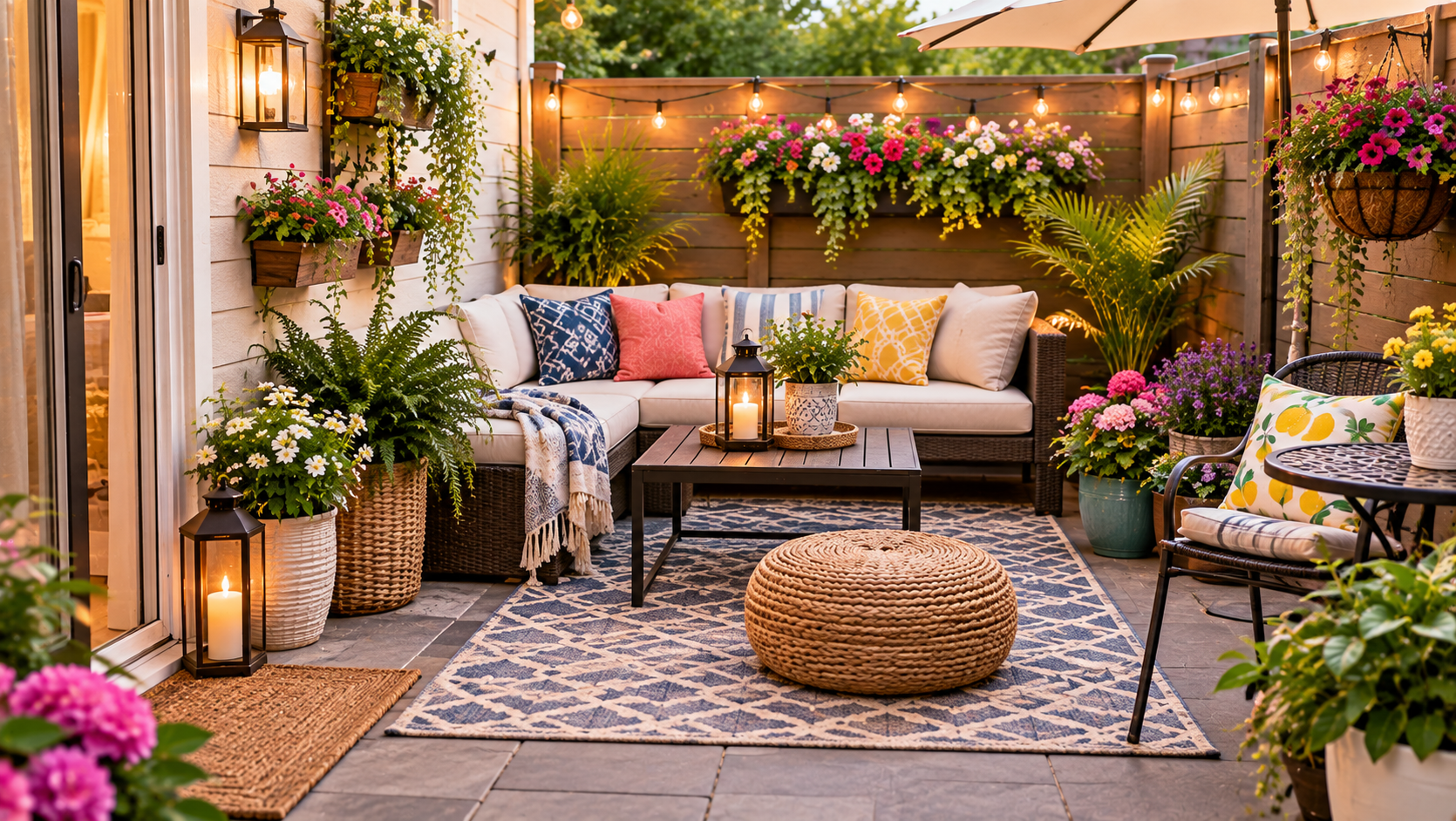
I love a small patio because it doesn’t take much to make it feel like a real extension of my home. Even when I’m working with limited floor space, I can create a comfortable outdoor corner with plants, lighting, useful furniture, and a few personal touches.
For me, decorating a small patio is less about buying lots of things and more about choosing pieces that serve a purpose. A chair can become a reading spot, a vertical planter can add greenery without taking up floor space, and simple lighting can make the entire area feel warmer after sunset.
I also like using what I already have before shopping for something new. Old containers, wooden crates, unused furniture, jars, and even leftover craft supplies can often become useful patio decor with a little creativity.
Whether I have a tiny balcony, narrow patio, compact deck, or small backyard sitting area, I can make it feel inviting without spending a fortune. These ideas are especially useful when I want budget-friendly small patio decor that looks intentional rather than crowded.
If I’m decorating a small patio on a budget, I focus first on vertical space, multifunctional furniture, lighting, greenery, and inexpensive DIY accents. Vertical gardens and hanging planters help me add plants without sacrificing valuable floor area, while repurposed furniture and pallets can provide seating or surfaces for much less than new patio furniture.
For atmosphere, I like string lights, lanterns, fairy lights, outdoor rugs, pillows, and simple centerpieces. These small additions can change the appearance of a patio without requiring a complete makeover.
I can also personalize the space with painted pots, mosaic projects, painted rocks, macramé planters, wind chimes, outdoor art, rope decor, and nature-inspired accents. For anyone who enjoys gardening, herbs, succulents, and recycled planters make practical additions to a compact outdoor space.
Save this for later
Table of Contents
When I have enough room and the proper setup, features such as a small water fountain, hammock, or fire pit can turn the patio into a relaxing gathering area. Safety matters with anything involving fire, candles, electrical connections, or hanging structures, so I always check that materials and installation methods are suitable for outdoor use.
Key Takeaways
- I use vertical surfaces whenever floor space is limited.
- I choose furniture and decor that can serve more than one purpose.
- I reuse containers, pallets, old furniture, and other materials whenever practical.
- I use outdoor-rated rugs, cushions, and lighting so they can better handle outdoor conditions.
- I add plants through hanging baskets, herb pots, succulents, and vertical gardens.
- I use lighting to make a small patio feel comfortable in the evening.
- I avoid filling every available corner because a little open space helps a small patio feel larger.
- I prioritize safety around fire pits, candles, electrical lighting, and heavy hanging planters.
Related article: 25 Ways To Transform A Small Patio Into A Multipurpose Space
1. Vertical Gardens
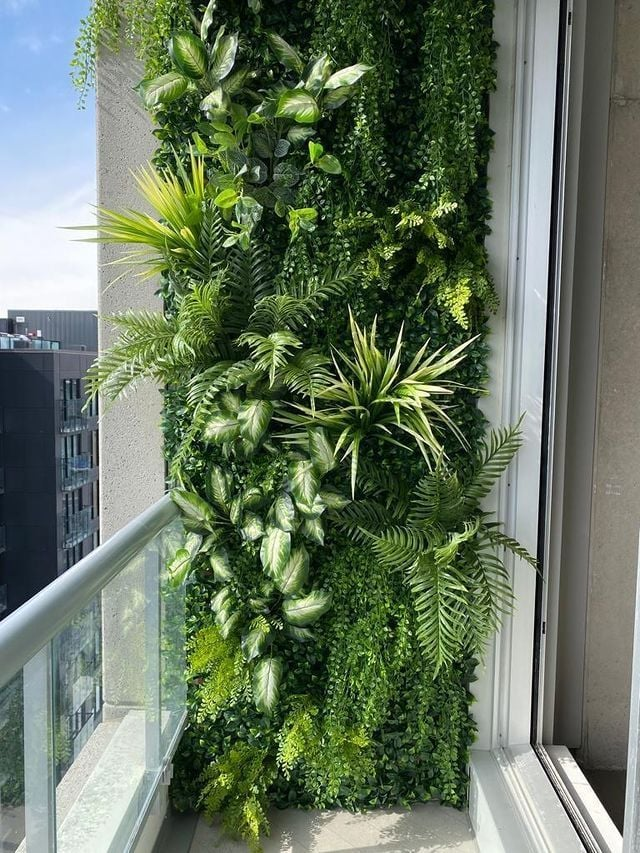
I turn to vertical gardening whenever my patio has more wall space than floor space. A trellis, wall planter, ladder shelf, or mounted planter can give me room for greenery without making the walking area feel cramped.
I especially like this approach for herbs, trailing plants, and compact flowering plants. Before installing anything, I check how much sunlight the wall receives because plant selection should match the available light.
Pro Tip: I keep heavier planters low and use secure wall anchors for anything mounted above seating or walking areas.
2. Pallet Furniture
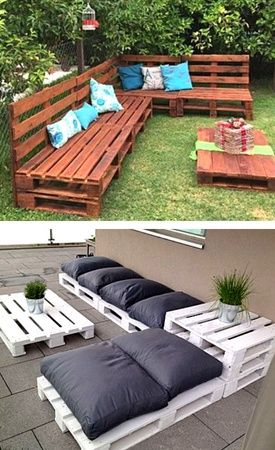
Wooden pallets can give me a starting point for inexpensive outdoor seating, coffee tables, or plant stands. I like this option because I can adapt the size to my patio instead of trying to squeeze standard furniture into an awkward corner.
Before using a pallet outdoors, I inspect it carefully for damage, contamination, protruding nails, and unsafe treatment. I also sand rough areas and add suitable outdoor protection when needed.
I usually add a cushion or outdoor mattress to make pallet seating more comfortable.
3. String Lights
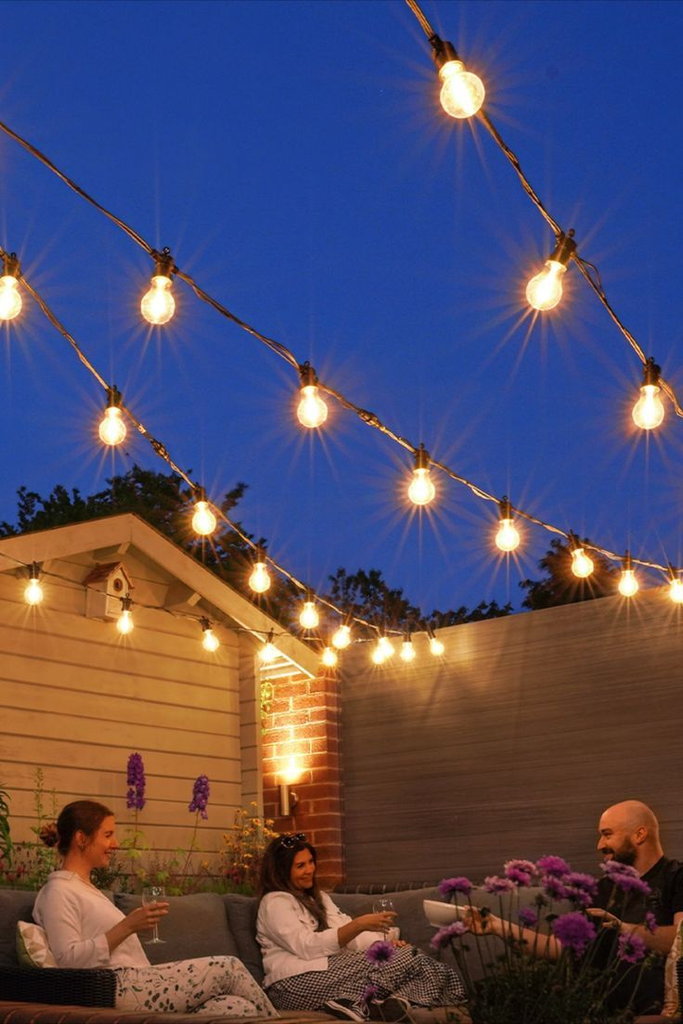
String lights are one of the easiest ways I can change the mood of a small patio after dark. Instead of adding lots of decorative objects, I can use one lighting feature to create a warm focal point.
I can run them along a railing, fence, pergola, or overhead support. For outdoor use, I always choose lights specifically rated for outdoor conditions and follow the manufacturer’s instructions.
Pro Tip: I avoid overcrowding the ceiling with lights. A simple border or gentle overhead arrangement usually gives me enough glow without making the patio feel busy.
4. Upcycled Containers
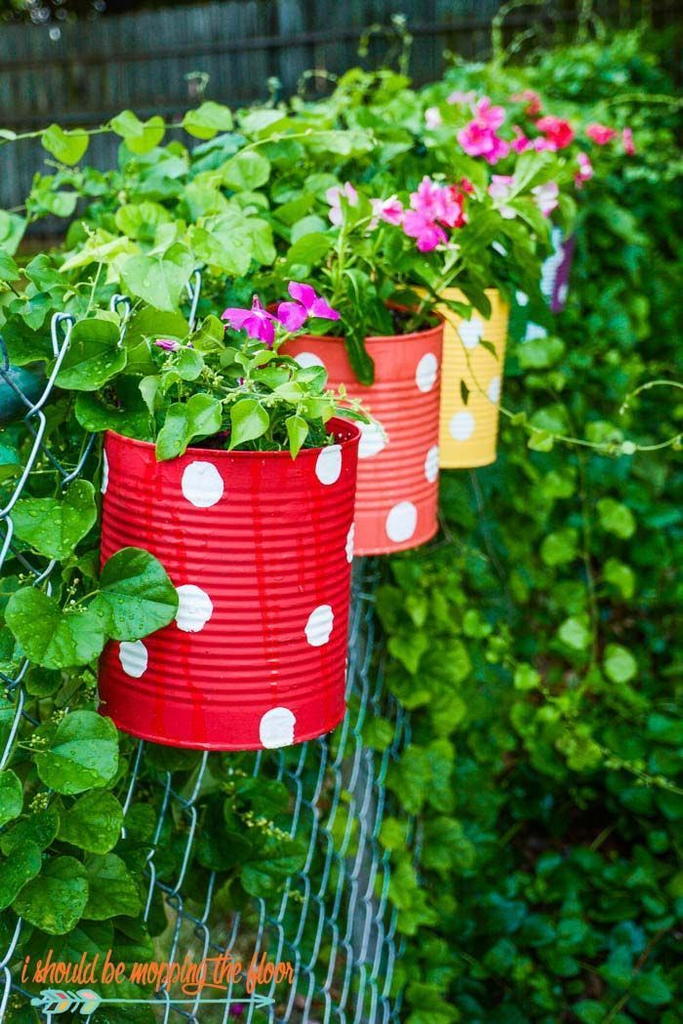
I don’t always need to buy new planters. Old buckets, tins, jars, baskets, and other suitable containers can become inexpensive plant holders when they are cleaned and prepared properly.
For containers that will hold plants, I make sure there is adequate drainage. If the material is not suitable for outdoor exposure, I either protect it or use it in a covered location.
I also enjoy painting several containers in related shades so they look like part of the same patio design.
5. DIY Mosaic Table
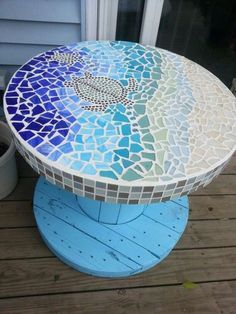
A plain side table can become a decorative feature when I cover its surface with a simple mosaic design. I can use purpose-made tiles or suitable leftover pieces to create a pattern that works with my existing outdoor colors.
I prefer keeping the design fairly simple on a small patio. A busy tabletop can look overwhelming when the surrounding area is already compact.
Pro Tip: I use an appropriate outdoor adhesive and grout for a project that will be exposed to moisture and temperature changes.
6. Repurposed Furniture
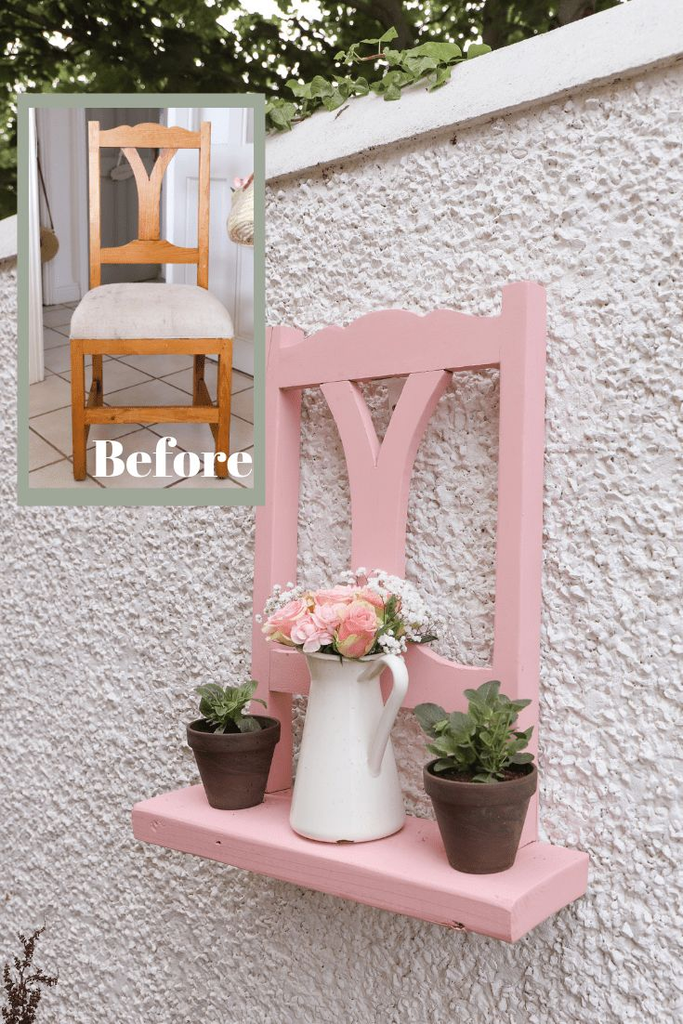
One of my favorite budget decorating tricks is giving an old piece of furniture a second life. A small wooden chair, stool, bench, or side table can often work outdoors after the right preparation.
I look for pieces with dimensions that actually fit my patio. A narrow bench may give me more usable seating than several individual chairs while leaving room to move around.
Before placing indoor furniture outside, I check whether its material and finish can handle the weather. Otherwise, I keep it in a protected area or use outdoor-rated replacements.
7. DIY Fire Pit
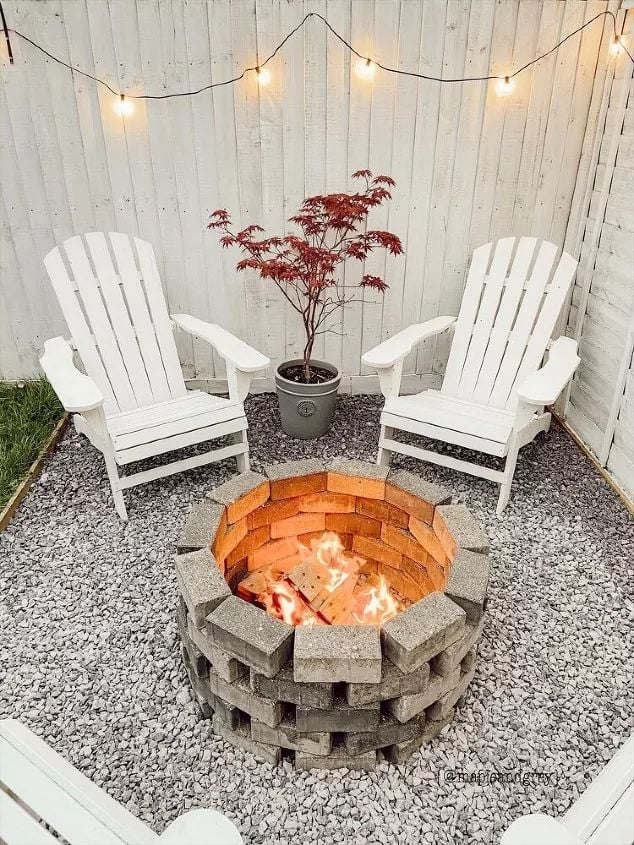
A fire pit can become a natural gathering point, but I treat this as a safety project rather than simply a decorating project. I first check local fire rules, building requirements, and the manufacturer’s or material guidelines.
For a small patio, I would only consider a fire feature if there is sufficient clearance from walls, furniture, plants, roofs, and other combustible materials. A commercially manufactured compact fire pit may also be more suitable than an improvised design.
Pro Tip: I never use a homemade fire pit indoors, on an enclosed balcony, or in a location where smoke and flames cannot safely disperse.
8. Outdoor Rug
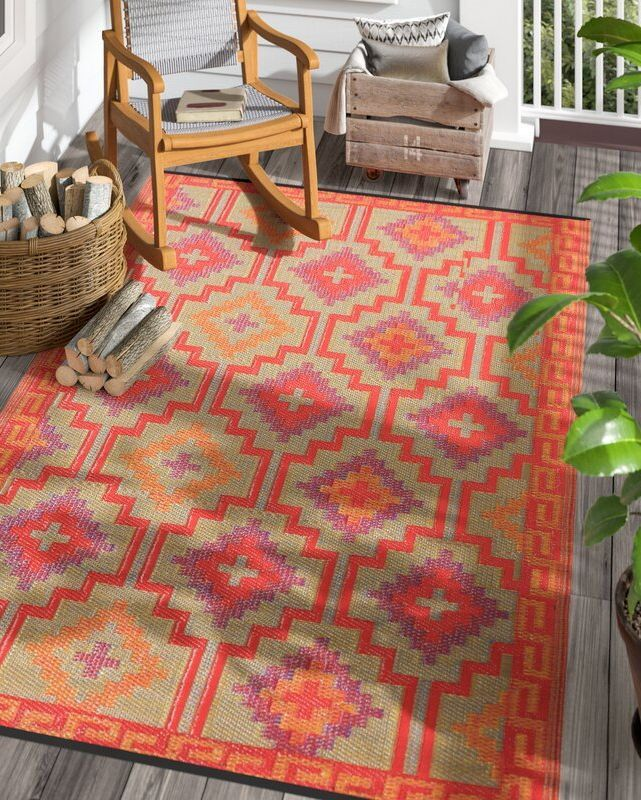
An outdoor rug can help me visually define a seating area without adding bulky furniture. Even a compact rug underneath a small table and two chairs can make the patio feel more finished.
I look for outdoor-rated materials that are easy to shake, sweep, or clean. I also choose a size that leaves enough room around the furniture so the area doesn’t feel squeezed.
For a tiny patio, a simple pattern can add personality without competing with plants and other decor.
9. Patio Umbrella
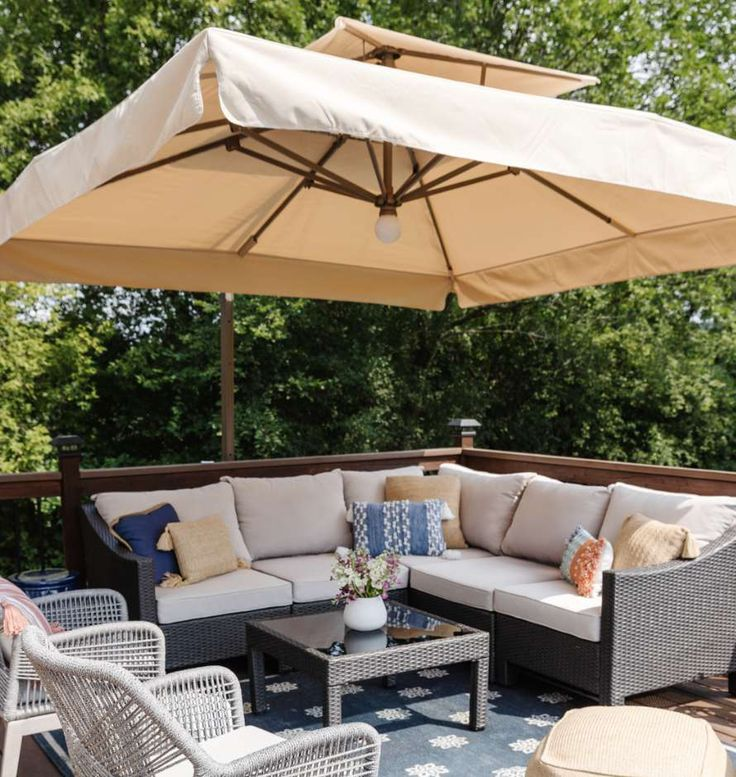
When my patio receives strong sunlight, a compact umbrella can provide both shade and a decorative focal point. I choose the size based on the actual seating area rather than buying the largest umbrella available.
A stable base is particularly important because outdoor umbrellas can catch wind. I also close and secure the umbrella when conditions become windy.
Pro Tip: I measure the available space before buying so the umbrella can open fully without hitting walls, railings, trees, or overhead structures.
10. Hanging Planters
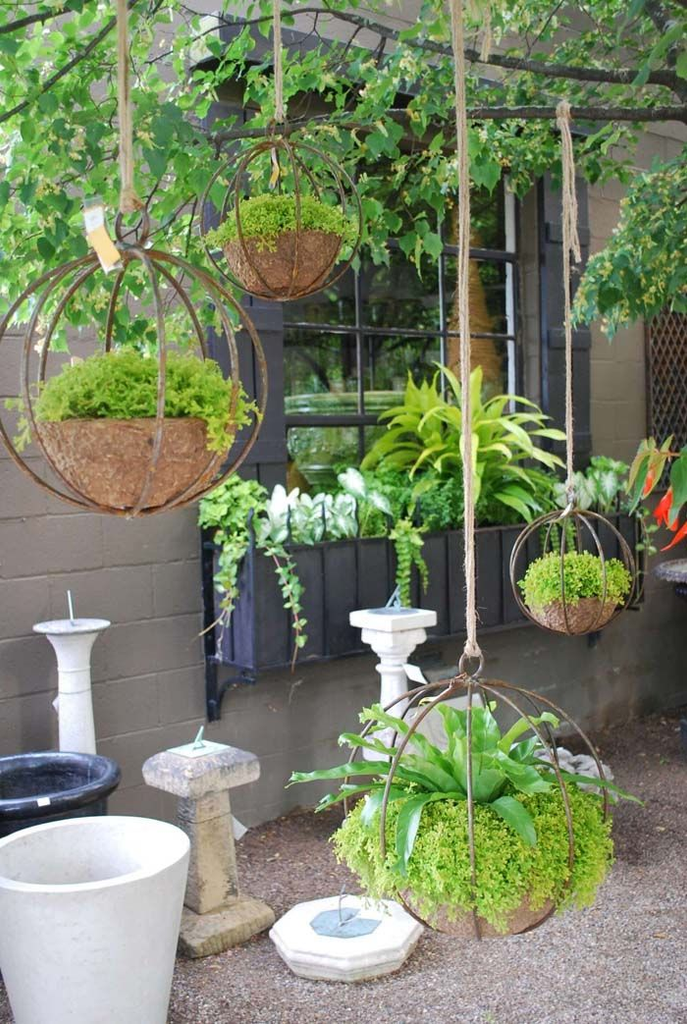
Hanging planters are useful when I want more greenery but don’t have enough room for additional pots on the ground. I can hang baskets from suitable hooks, brackets, or overhead structures.
I like using them for trailing plants, flowers, or herbs. However, I always consider the weight of the planter after watering and make sure the support can safely carry it.
A few carefully placed hanging baskets usually look better than filling every overhead space.
11. DIY Wind Chimes
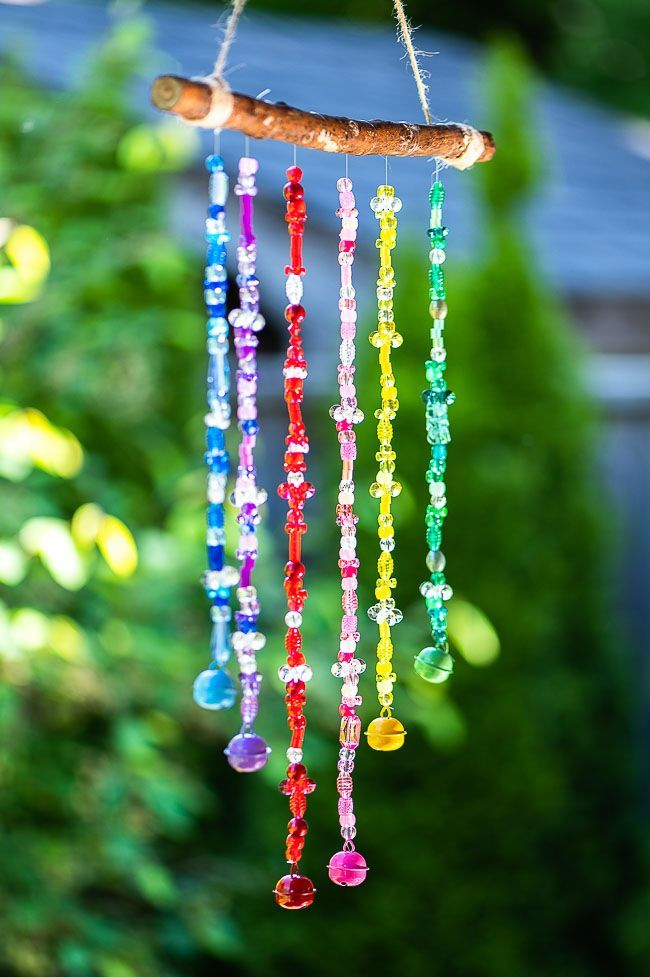
I can make a simple wind chime using materials such as beads, shells, wood pieces, or other suitable objects. It gives me a small decorative project while adding movement and sound to the patio.
I choose materials that can tolerate the weather and make sure small parts are securely attached, especially if children or pets spend time nearby.
I usually hang wind chimes where they can catch a light breeze without constantly hitting a wall or window.
12. Outdoor Art Gallery
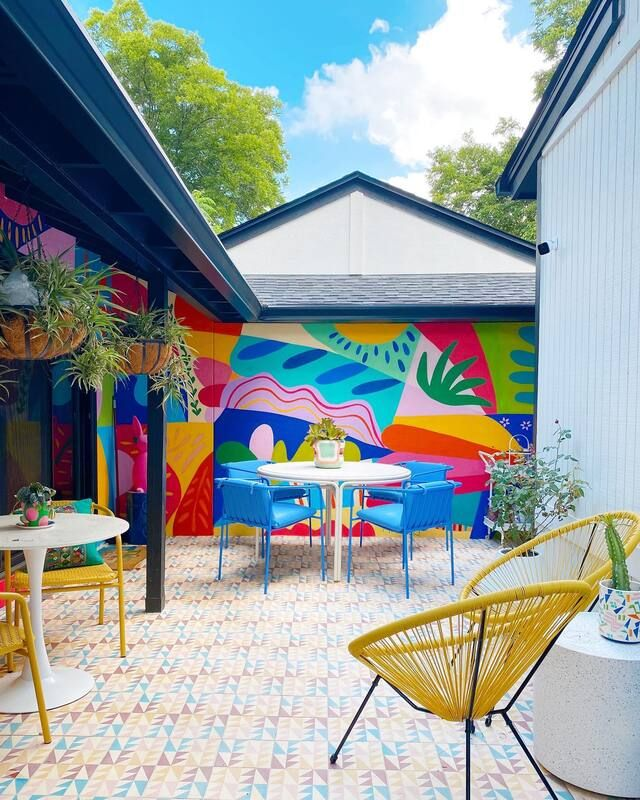
I can make a blank patio wall much more interesting by treating it like a small outdoor art display. Weather-resistant prints, painted boards, metal artwork, or suitable handmade pieces can add personality without using floor space.
I like grouping a few related pieces instead of covering the entire wall. This creates a focal point while keeping the rest of the patio visually calm.
Pro Tip: I avoid displaying delicate artwork in exposed areas unless it is specifically designed for outdoor conditions.
13. Repainted Terra Cotta Pots
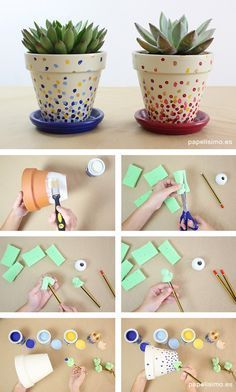
Plain terra cotta pots are an easy starting point for inexpensive patio decor. I can refresh them with outdoor-suitable paint and use simple stripes, blocks of color, dots, or geometric patterns.
I usually repeat one or two colors across several pots so the collection feels coordinated. This is also an easy way to connect the patio colors with nearby cushions or rugs.
I make sure painted surfaces are properly prepared and use products appropriate for the intended outdoor conditions.
14. Succulent Garden
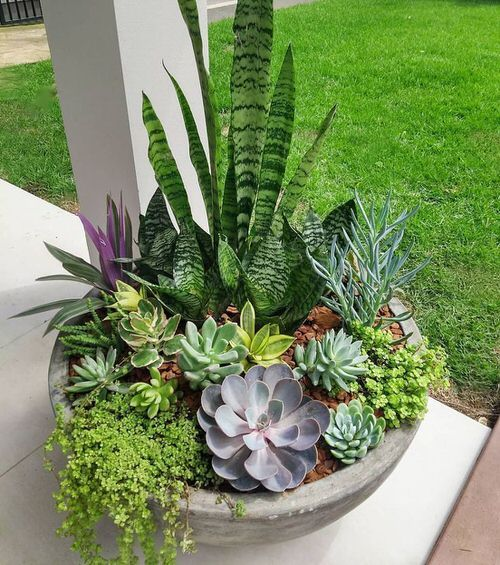
Succulents work well for me when I want attractive greenery without creating a large garden installation. Their compact forms also make it easy to arrange several varieties in small containers.
I still pay attention to sunlight, drainage, and watering needs because succulents are not maintenance-free. Overwatering is a common problem, so I use well-draining soil and containers with drainage holes.
For a small patio, I can place a few pots together to create one larger visual display.
15. Repurposed Shelving
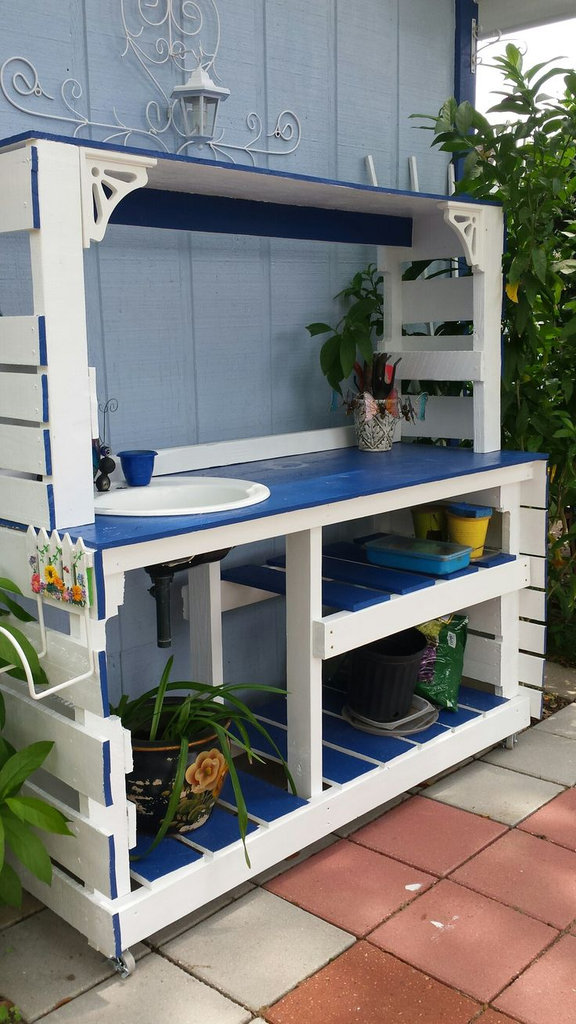
Old shelves can become useful vertical storage on a small patio. I can use them for lightweight pots, lanterns, gardening tools, or small decorative pieces.
The main thing I consider is stability. Outdoor shelving needs to be securely positioned, particularly when it will hold multiple containers that become heavier after watering.
Pro Tip: I keep heavier items on lower shelves and lighter decorative pieces higher up to improve stability.
16. Nature-Inspired Accents
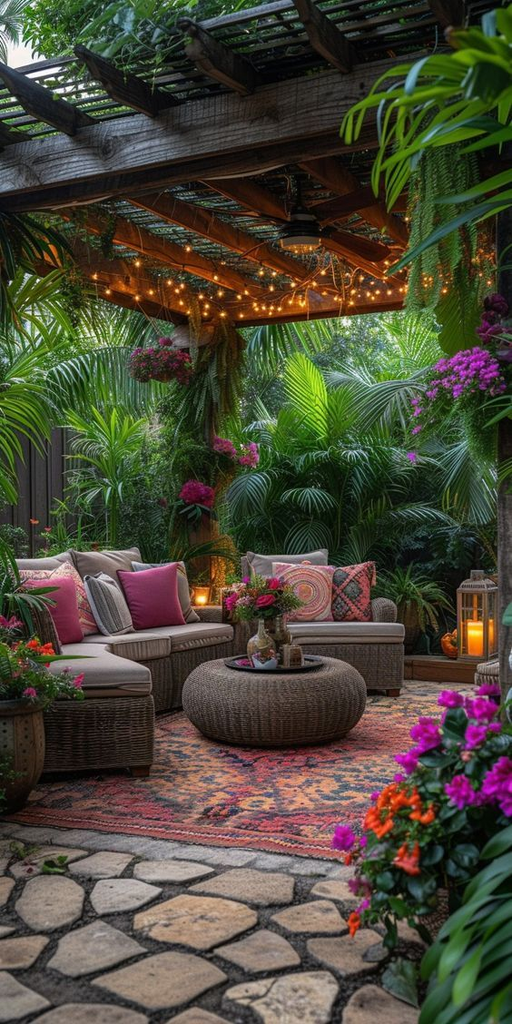
I like bringing natural materials into my patio design because they can soften a space filled with concrete, metal, or painted surfaces. Smooth stones, suitable branches, driftwood, shells, and natural textures can work as simple decorative accents.
I can place a few pieces on a table, around planters, or beside a seating area. I avoid collecting materials from protected natural areas and choose pieces that are safe and clean for the intended use.
A small collection is usually enough to create the effect without making the patio look cluttered.
17. DIY Hanging Macramé Planters
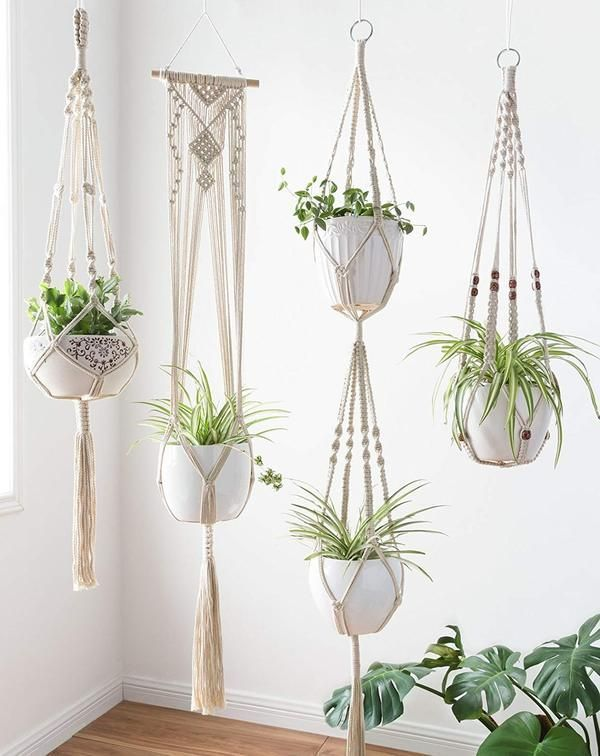
Macramé plant hangers are a fun project when I want to combine crafting with patio decorating. With cord and a few basic knots, I can make a holder sized for the planter I already own.
I prefer lightweight pots for hanging projects and always test the strength of the finished hanger before positioning it above furniture or a walkway.
Using the same cord color across two or three hangers can give a small patio a more coordinated appearance.
18. Fairy Lights in Jars
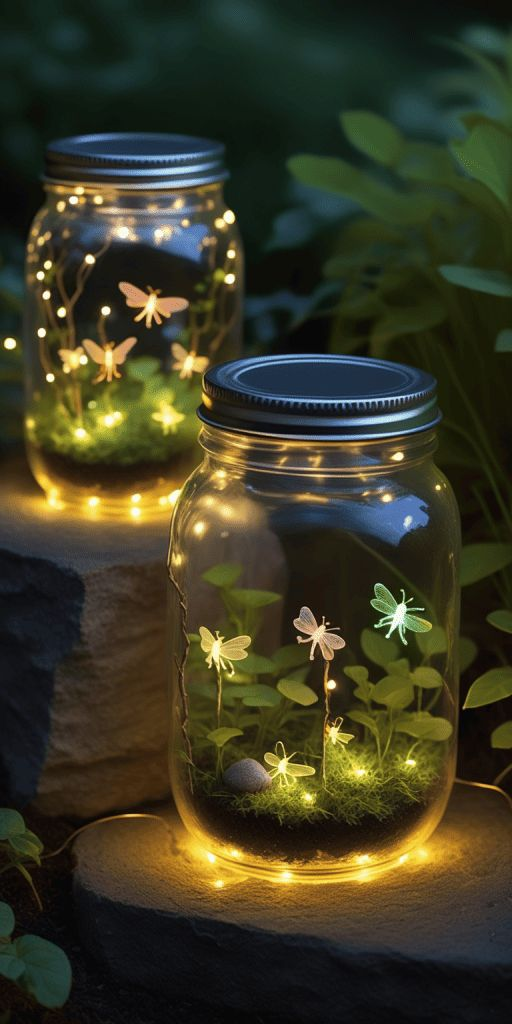
I can turn simple glass jars into soft evening accents by placing battery-powered fairy lights inside them. This works particularly well as table decor because the lights take up very little space.
I use lights designed for the intended environment and keep batteries and electrical components protected from moisture according to the product instructions.
Grouping several jars at different heights can create more visual interest than spreading individual lights randomly around the patio.
19. Recycled Bottle Torch
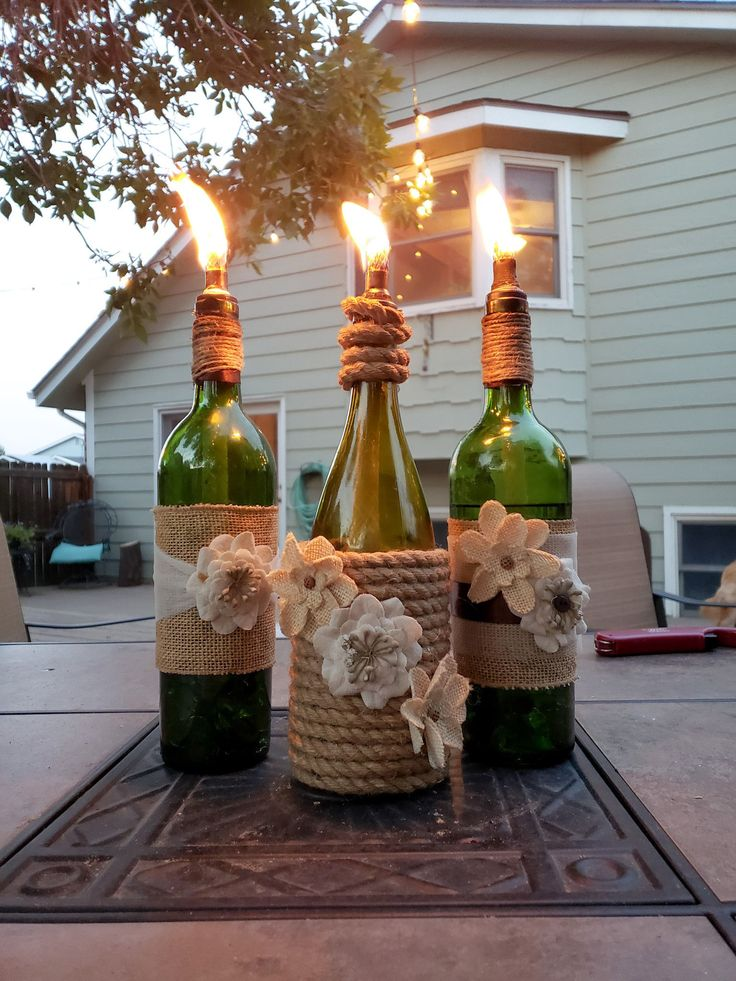
Glass bottles can be reused as decorative lighting, but I take extra care with any design involving an open flame or fuel. Commercial outdoor torch products designed for this purpose are generally a safer choice than improvised bottle torches.
If I use a decorative torch, I keep it well away from curtains, plants, cushions, wooden structures, and other combustible materials. I also never leave a flame unattended.
Pro Tip: For a similar look without an open flame, I can use outdoor-rated LED torch lights instead.
Also read: 15 Summer Patio Decor Ideas on a Budget (Under $50)
20. DIY Garden Path
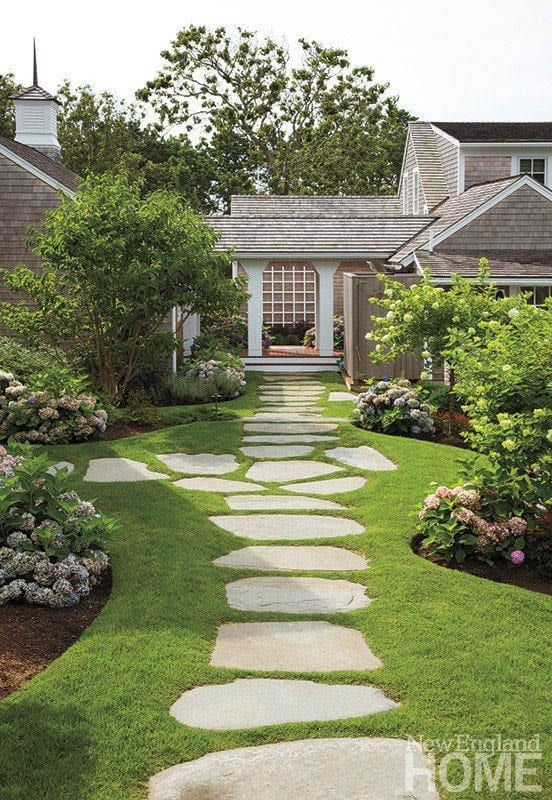
Even a very small patio can benefit from a defined walkway. Gravel, pavers, stepping stones, or reclaimed materials can help separate a seating area from plants or another outdoor zone.
I keep the path wide enough to walk through comfortably and make sure the surface is stable and reasonably level. Loose materials should also be contained so they don’t spread into walking areas.
For a tiny patio, I may only need a short pathway between two functional zones rather than a full garden walkway.
21. Repurposed Shutters
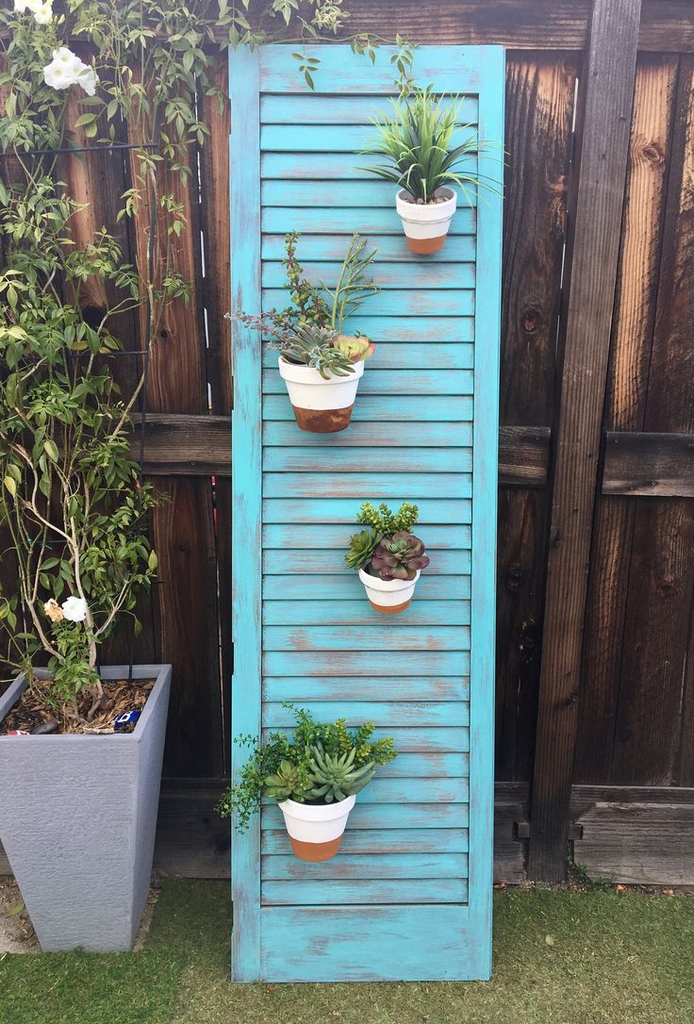
Old shutters can become decorative screens, plant backdrops, or wall features. I like this idea when I need visual separation without building a permanent wall.
A fresh coat of suitable paint can help an old shutter fit the patio’s color scheme. I can also attach small planters or use it as support for suitable climbing plants if the structure is strong enough.
I secure larger shutters properly because outdoor wind can turn lightweight decorative pieces into hazards.
22. DIY Herb Garden
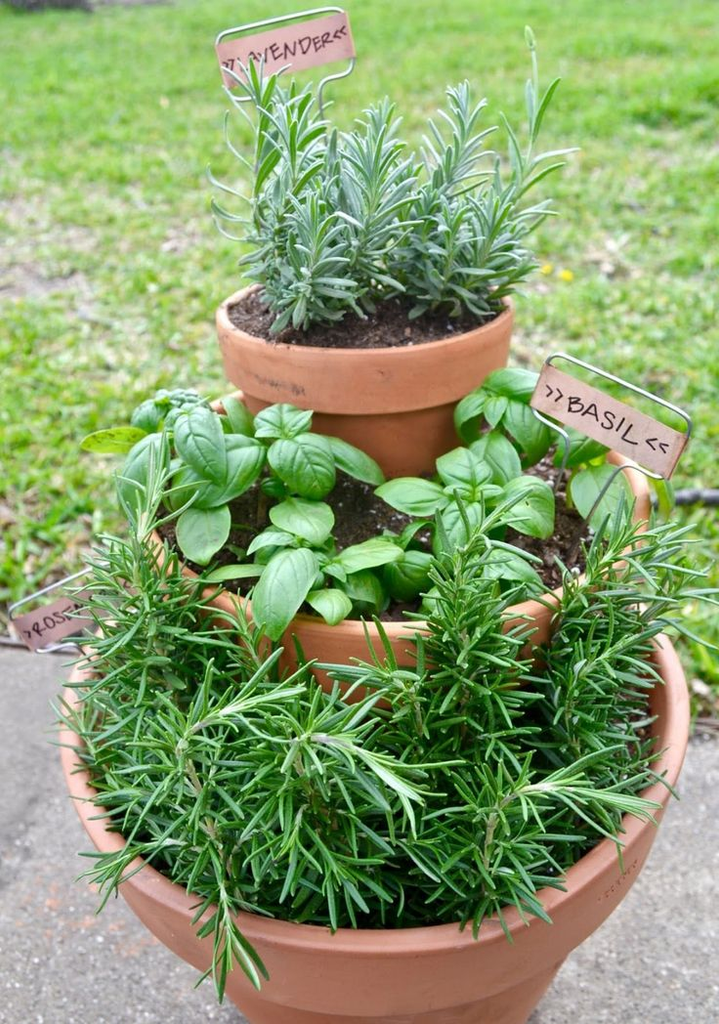
A small herb garden gives me something useful as well as decorative. I can grow herbs such as basil, mint, thyme, rosemary, or parsley in individual containers, depending on my climate and available sunlight.
I prefer keeping herbs close to where I prepare or eat food so I can easily snip what I need. Each herb has different watering and sunlight requirements, so I avoid treating every pot exactly the same.
Pro Tip: Mint can spread aggressively, so I prefer keeping it in its own container.
23. Outdoor Pillows
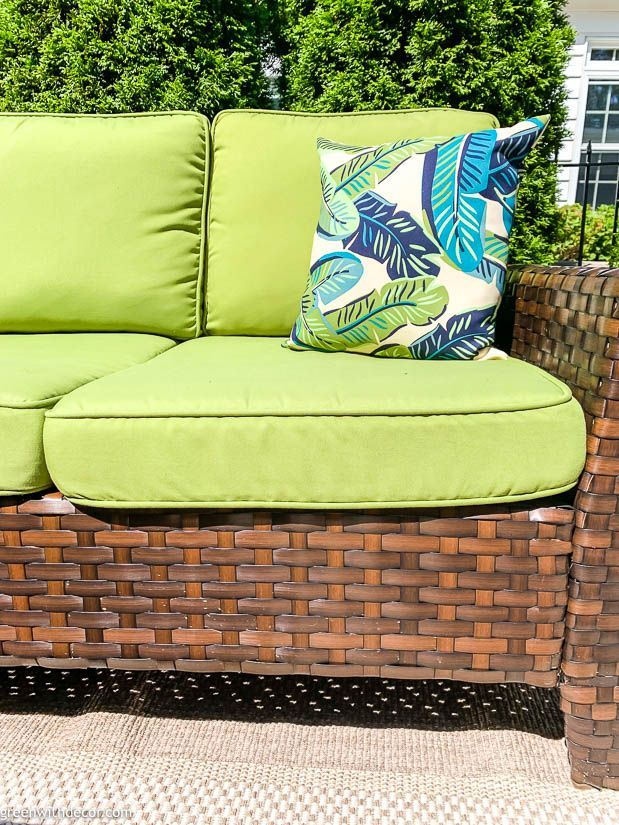
Adding outdoor cushions is one of the quickest ways I can make basic patio furniture more comfortable. I look for weather-resistant fabrics and removable covers that are easy to clean.
For a small seating area, I usually choose one main color and add one complementary pattern rather than mixing too many prints.
I also store cushions indoors or in a weather-protected container when they aren’t being used for longer periods.
24. Bird Feeder
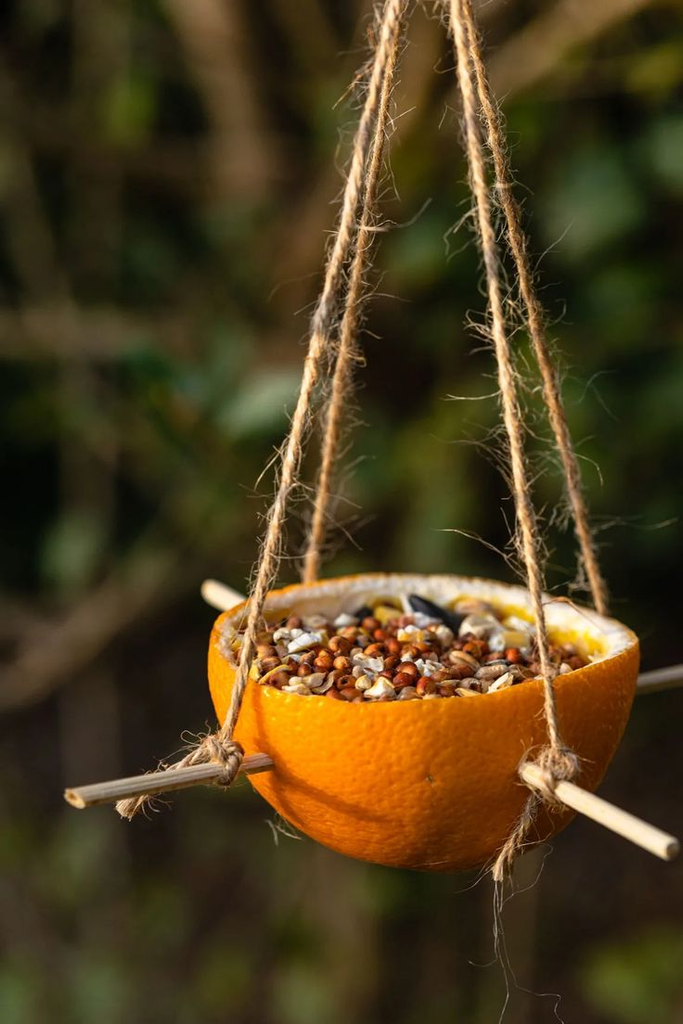
A bird feeder can bring more natural activity to a patio while serving as a simple outdoor feature. I can make a basic feeder from suitable recycled materials or choose a ready-made design.
I place feeders where birds have some protection but where I can still clean and refill them easily. Regular cleaning is important because dirty feeders can contribute to the spread of disease among birds.
I also consider local wildlife and avoid placing a feeder somewhere that creates problems with unwanted pests.
25. Citrus Fruit Centerpieces
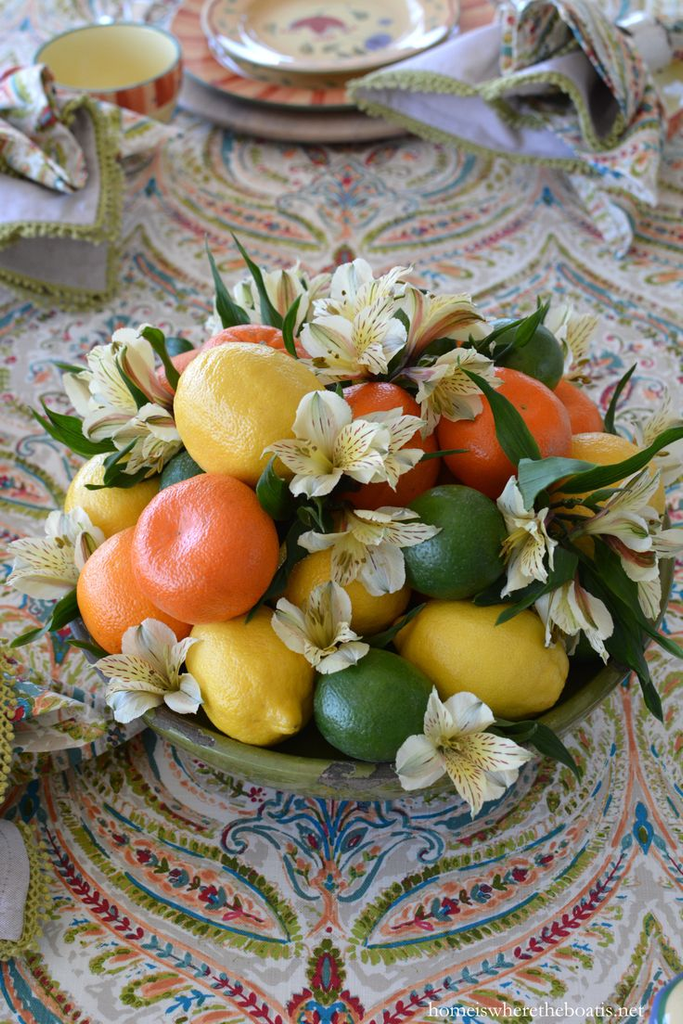
A bowl of lemons, limes, oranges, or other colorful fruit can make an inexpensive patio table centerpiece. I like this approach because it gives me decoration without buying another permanent item.
I can use a simple bowl, basket, tray, or glass container and combine the fruit with a few flowers or greenery.
For outdoor meals, I keep food protected from insects and excessive heat rather than leaving uncovered fruit sitting outside for long periods.
26. DIY Hanging Shelves
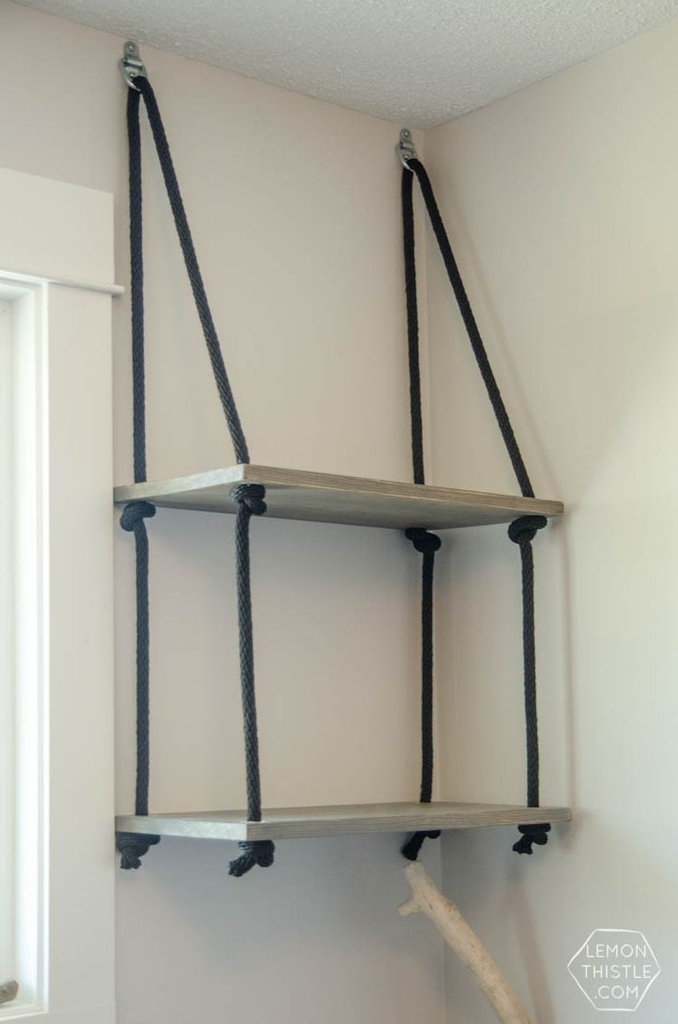
Hanging shelves allow me to use vertical space while keeping the floor open. A simple combination of sturdy wood and suitable rope can create a useful display for lightweight patio items.
I make sure the mounting point is strong enough for the finished load and keep the shelf away from areas where someone could bump into it.
I usually reserve these shelves for lightweight plants, lanterns, or decorative objects rather than heavy storage.
27. Recycled Tire Planters
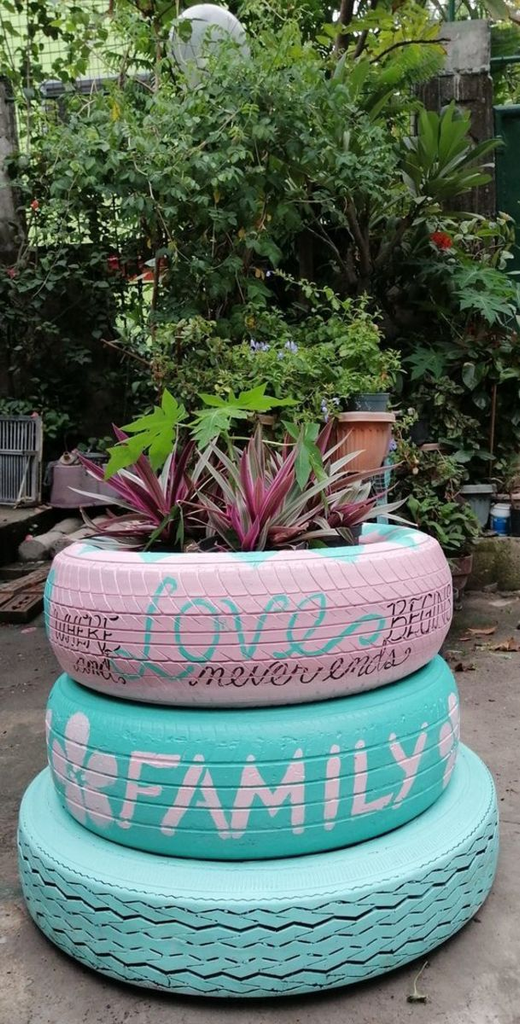
Old tires can be transformed into unusual planters when they are cleaned and positioned securely. I can paint them, stack them, or use a single tire as a colorful garden accent.
I make sure any tire used outdoors is stable and has appropriate drainage. I also avoid creating tall stacks that could become unstable.
For a polished look, I use a consistent paint color that connects the tire planter to the rest of my patio decor.
28. DIY Painted Rocks
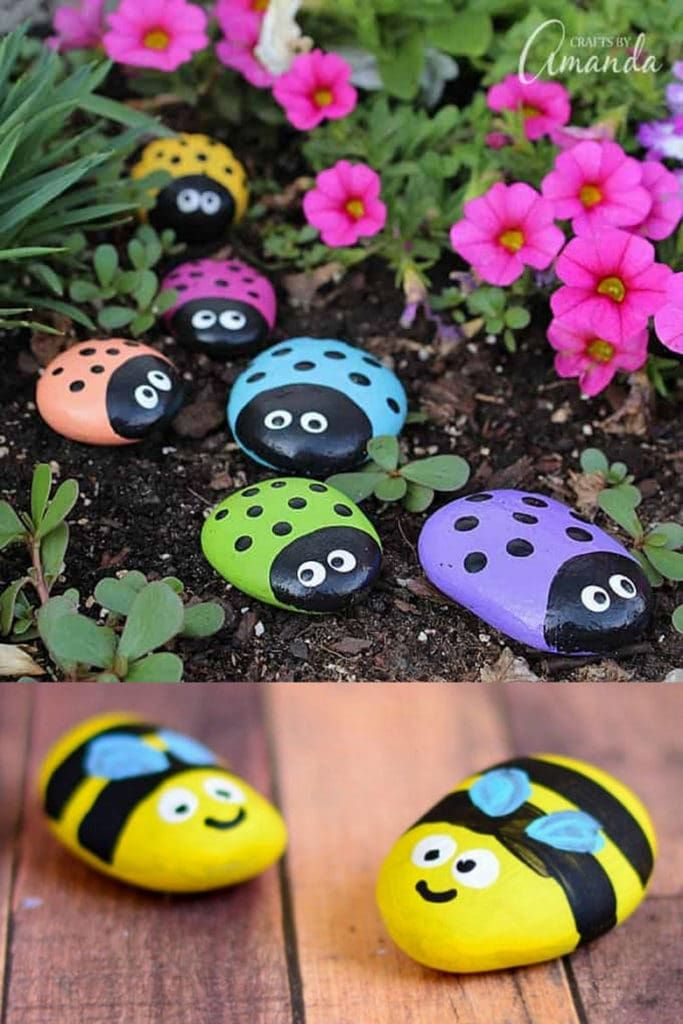
Painting rocks is a simple craft that lets me add handmade details without spending much. I can create patterns, tiny garden markers, simple illustrations, or seasonal designs.
I use suitable outdoor paint or sealant if the rocks will remain exposed to weather. Smooth, clean stones are easier to paint than rough surfaces.
I like placing the finished rocks beside planters or along the edge of a small garden area where they add color without taking up useful space.
29. Outdoor Lanterns
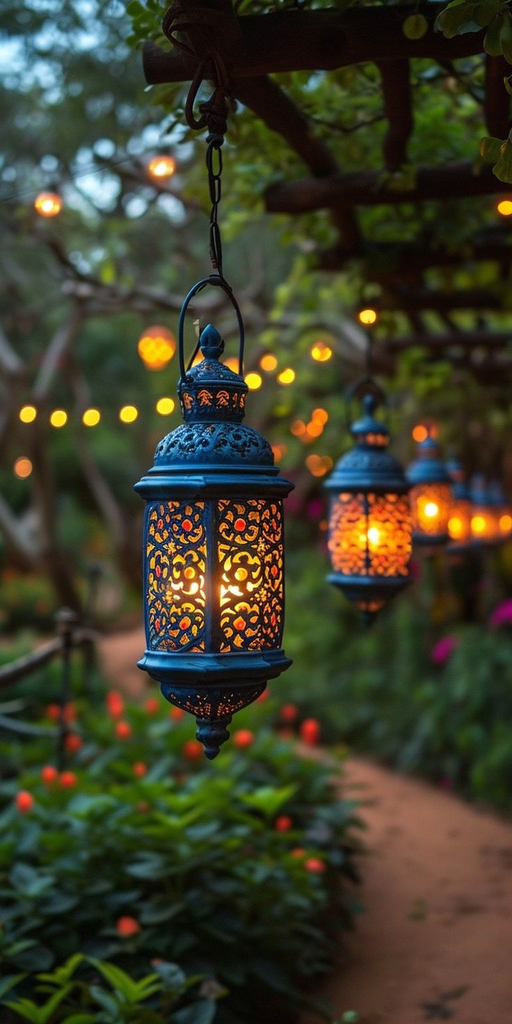
Lanterns can give me flexible lighting because I can move them around depending on how I use the patio. Solar, battery-operated, and other outdoor-rated options are available in many styles.
I can place one on a table, group several near a seating area, or use them to mark a pathway. I always check that the lantern is designed for outdoor conditions before leaving it exposed.
Pro Tip: I use different lantern heights to create a layered lighting effect instead of placing everything at the same level.
30. DIY Rope Decor
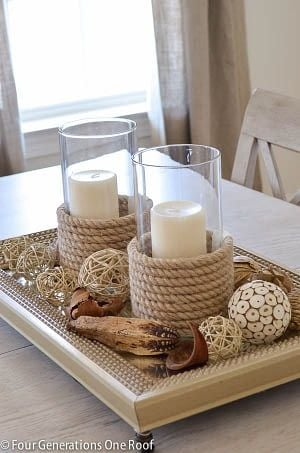
Rope is inexpensive and easy to work with, making it useful for several small patio projects. I can wrap it around suitable containers, create simple plant hangers, make coasters, or add texture to existing decor.
I choose rope based on the project and its exposure to moisture. Natural fibers may weather differently from synthetic outdoor materials, so I consider where each piece will be placed.
A few rope accents can introduce a relaxed coastal or rustic feel without changing the entire patio.
31. DIY Concrete Planters
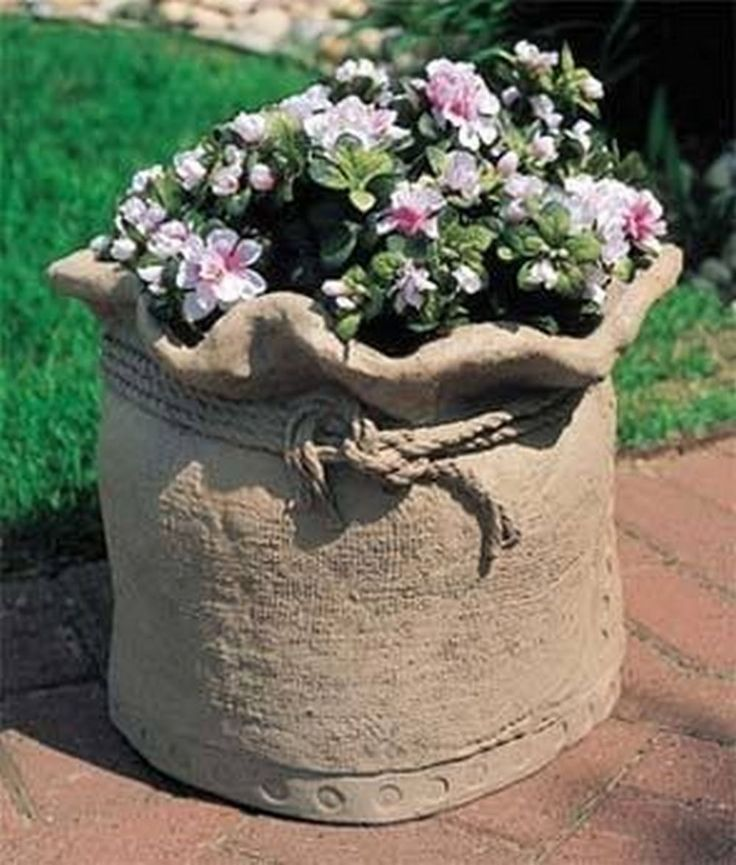
Concrete planters can give a small patio a clean, modern appearance. I can make simple molds using suitable household containers and cement mix, although I always follow the product’s mixing and curing instructions.
Because concrete can be heavy, I think about the final location before filling the planter with soil. Smaller molds are often more practical for balconies and compact patios.
I can leave the concrete natural or add a suitable finish to coordinate it with my outdoor furniture.
32. Repurposed Wood Pallets
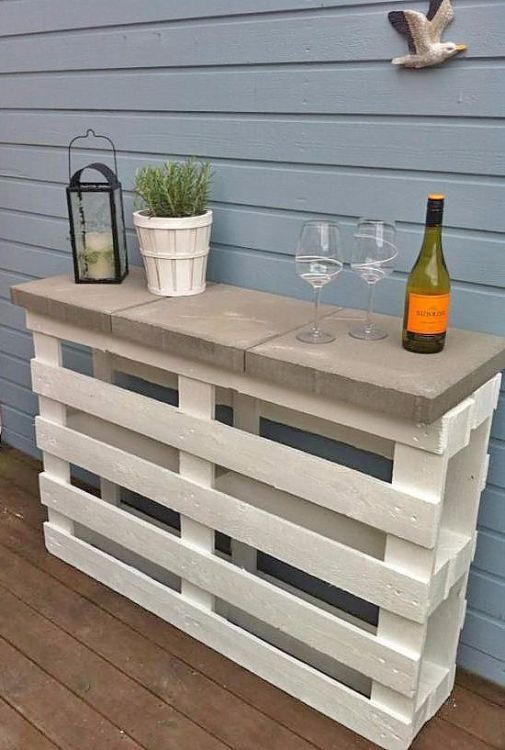
I can reuse pallets in several ways beyond furniture. A pallet may become a vertical plant display, garden organizer, small table, or decorative backdrop.
I inspect every pallet carefully before using it and avoid materials that show signs of chemical contamination, mold, major damage, or unsafe treatment.
Pro Tip: I measure the patio first and sketch the intended pallet project before cutting anything. This helps me avoid creating a piece that is too large for the space.
33. DIY Water Features
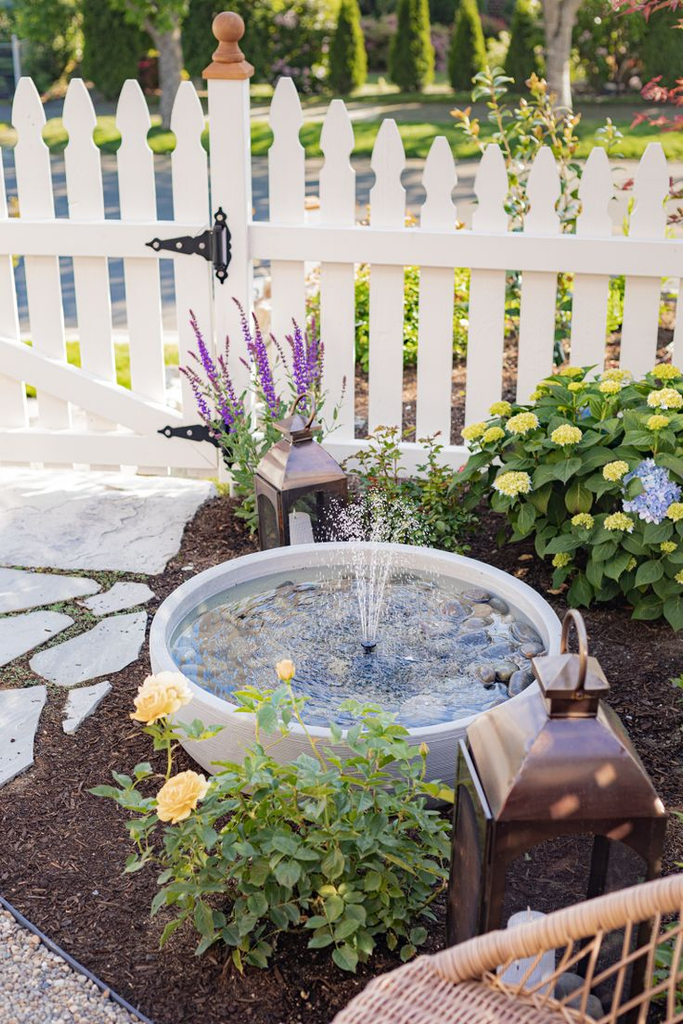
A small water feature can add movement and the gentle sound of running water without requiring a large garden. A compact tabletop fountain or container-based feature can work better than a large pond when space is limited.
I choose a pump and container designed for the intended setup and keep electrical connections protected as directed by the manufacturer.
I also clean the water feature regularly because standing or dirty water can become unpleasant and may attract insects.
Read this next: 15 Space Saving Small Kitchen Table Ideas
34. Hammock
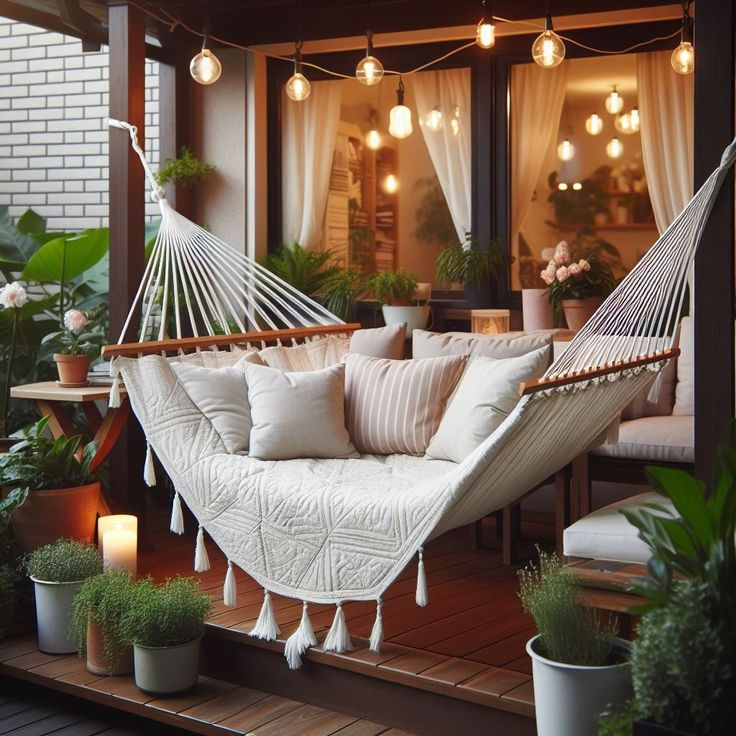
A hammock can turn a small outdoor area into a dedicated relaxation spot, but I only use one when I have a safe and suitable support system. Strong posts, appropriate trees, or a properly rated stand are important.
I check the weight rating and attachment hardware before using it. I also leave enough clearance underneath and around the hammock so it can move safely.
If my patio doesn’t have suitable anchor points, a compact hammock chair or freestanding model may be more practical.
35. Bug Repellent Candles
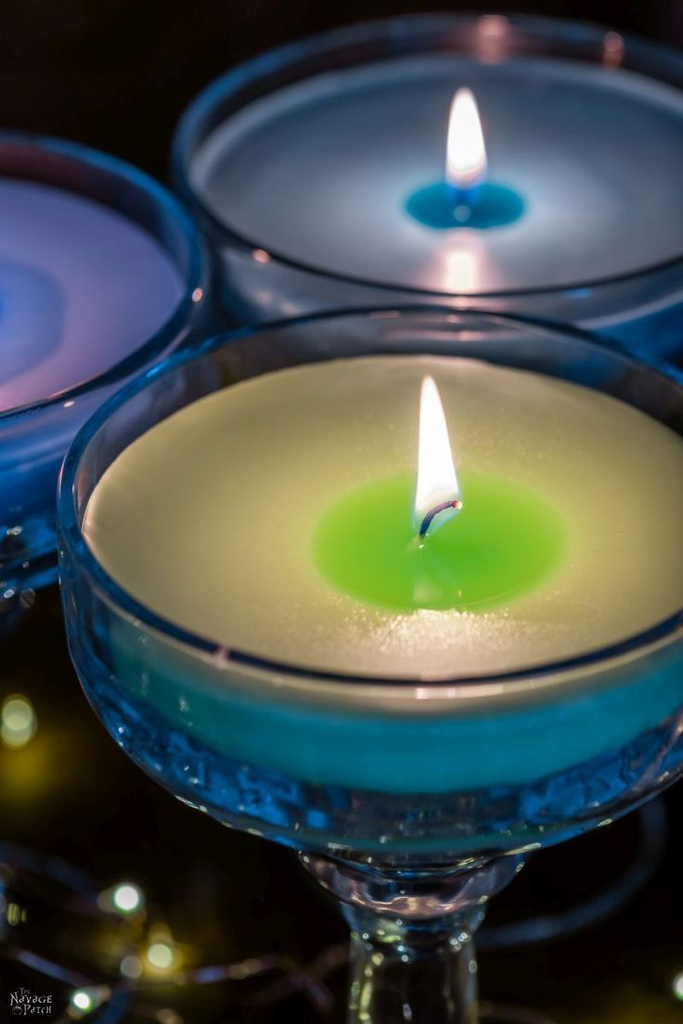
Outdoor candles can add atmosphere during an evening on the patio, and some products are marketed for insect control. I use products according to their labels and never assume that citronella or another scent will completely prevent mosquitoes.
For a safer setup, I keep burning candles on stable, heat-resistant surfaces and away from anything that can catch fire. I never leave an open flame unattended.
If I want the candlelight effect without a flame, outdoor LED candles give me another option.
FAQ’s
What is the cheapest way to decorate a small patio?
I start with items I already have, such as old planters, jars, crates, and furniture. Adding plants, cushions, or string lights can also make a noticeable difference without a large budget.
How can I make a small patio look bigger?
I use vertical planters, compact furniture, light-colored decor, and clear walking areas. Keeping the floor uncluttered helps the patio feel more open.
What plants are good for a small patio?
I like compact herbs, succulents, and container-friendly flowering plants. I choose plants based on the patio’s sunlight, climate, and available space.
How can I make a small patio cozy at night?
I use outdoor-rated string lights, lanterns, cushions, and a small outdoor rug to create a warm atmosphere. Soft layered lighting can make the space feel inviting without taking up much room.
Conclusion
I’ve found that decorating a small patio on a budget is mostly about using the space thoughtfully. I don’t need a huge furniture set or an expensive outdoor makeover to create a place where I actually want to sit.
I can start with one comfortable seating area, add a few plants, bring in warm lighting, and then build from there. Repurposing furniture and containers also gives me plenty of opportunities to personalize the space while keeping costs under control.
My biggest tip is to resist the temptation to fill every empty corner. Leaving some breathing room can make a compact patio feel more comfortable and functional.
Whether I choose a vertical garden, painted pots, an outdoor rug, hanging shelves, or simple string lights, the goal is the same: create an outdoor space that works for the way I actually live.