19 Easy Cricut Projects for Beginners
When I first started using a Cricut machine, I quickly realized that I did not need complicated designs to make something I was proud of. A simple name on a mug, a clean label on a storage bin, or a small paper decoration can teach you the basics while giving you something useful at the end.
For beginners, I recommend starting with projects that involve simple shapes, short words, and materials that are easy to handle. Vinyl, cardstock, and iron-on are especially helpful because they let you practice cutting, weeding, transferring, and layering without making the process unnecessarily difficult.
I’ve put together these Cricut project ideas to help you build confidence one project at a time. Some are useful around the house, while others work well for gifts, parties, clothing, and personalized accessories.
These 19 easy Cricut projects give beginners a practical way to learn the basics without starting with complicated designs. You can personalize mugs, shirts, tote bags, notebooks, water bottles, storage containers, party decorations, greeting cards, and more.
I find it easiest to begin with adhesive vinyl or cardstock before moving into more advanced materials. Simple projects also make it easier to learn important Cricut skills such as choosing the correct material setting, placing material on the mat, weeding small details, and applying designs smoothly.
Save this for later
Table of Contents
Most of these projects can be adapted to different colors, fonts, sizes, and occasions. That means the same basic technique can often be reused for birthdays, holidays, home organization, teacher gifts, weddings, or everyday decor.
Key Takeaways
- I recommend starting with simple vinyl or cardstock projects before trying detailed designs.
- Measure the surface before cutting so the finished design fits properly.
- Always test unfamiliar materials or small designs before committing to a large project.
- Permanent adhesive vinyl works well for many smooth surfaces, while HTV is designed for fabric.
- Simple personalized items can make practical gifts without requiring advanced Cricut skills.
- Keeping your first projects small helps reduce wasted material while you learn.
Related article: 33 Under the Sea Craft Ideas to Keep Kids Busy
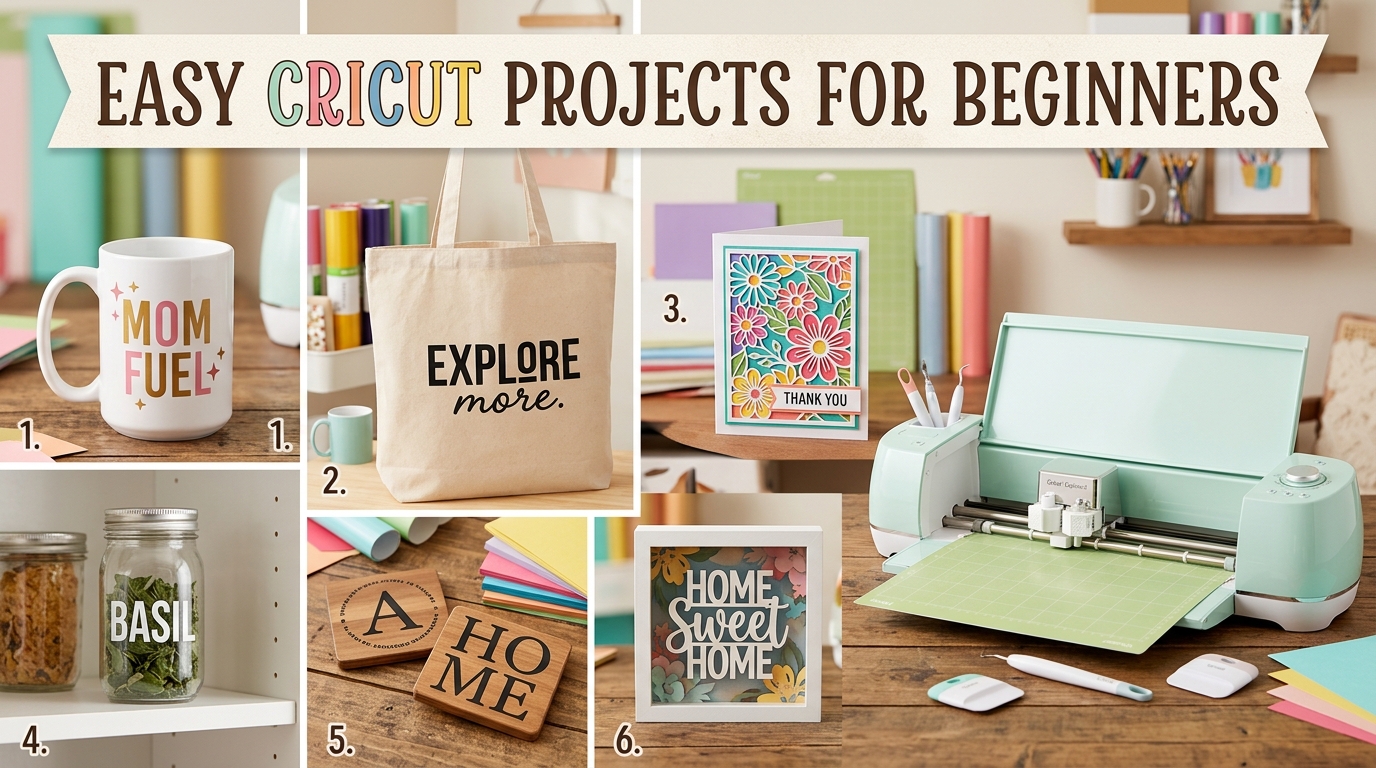
1. Personalized Coffee Mugs

A plain coffee mug is one of the first projects I would suggest to a new Cricut user because the surface is simple and the design can be kept small.
I like using permanent adhesive vinyl for decorative mugs that will be handled regularly. Names, short sayings, initials, and simple graphics are all good starting points.
Before cutting, I measure the flat area of the mug and keep the design comfortably away from the curved edges. A design that is too large can become difficult to apply smoothly around the sides.
Pro Tip: Clean the mug thoroughly with rubbing alcohol and allow the surface to dry before applying vinyl. Oils and residue can interfere with adhesion.
2. Custom T-Shirts with HTV
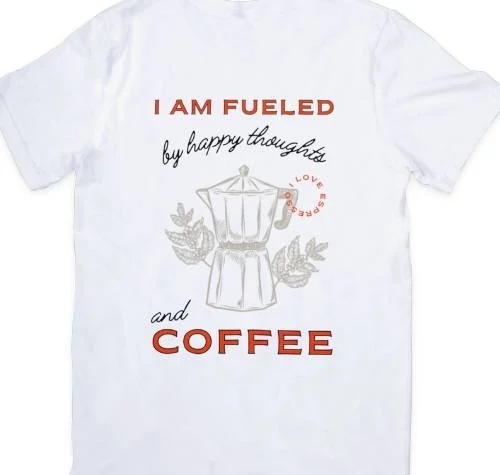
Custom t-shirts are a great way to learn how heat-transfer vinyl works. I would start with one short word, name, or simple graphic rather than a detailed multi-layer design.
HTV is designed to bond to fabric when the correct heat, pressure, and application time are used. The exact settings depend on the vinyl and fabric, so I always check the manufacturer’s instructions instead of guessing.
I also make sure the design is mirrored before cutting when using standard iron-on vinyl. This small step is easy to forget and can ruin an otherwise good project.
Pro Tip: Test your heat settings on a scrap piece of similar fabric whenever possible. It is much cheaper to test first than to repair a damaged shirt.
3. Paper Banners for Parties
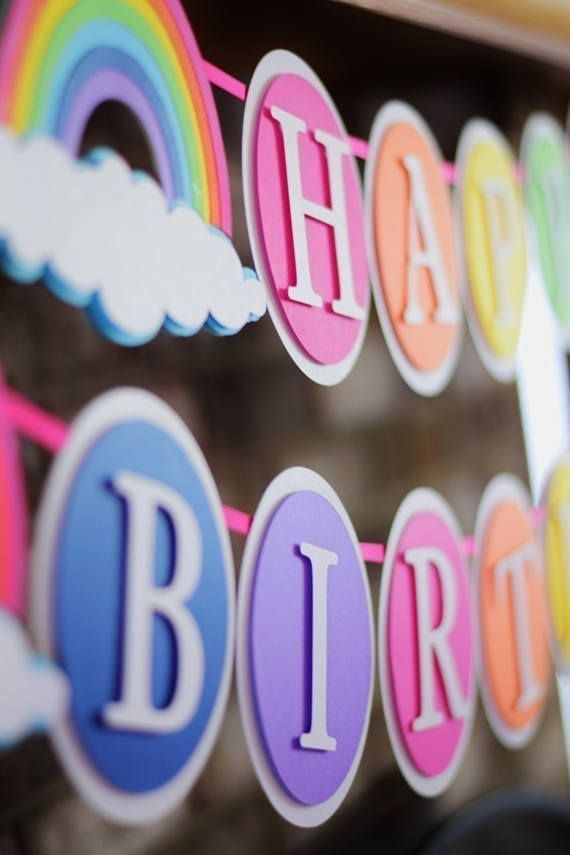
Paper banners are inexpensive, customizable, and useful for birthdays, baby showers, holidays, and family celebrations.
I like using medium-weight cardstock because it has enough structure to hold its shape without becoming unnecessarily difficult for a beginner to cut.
You can cut individual letters, circles, flags, stars, or other simple shapes and connect them with ribbon, twine, or string. I find that keeping the shapes consistent makes the finished banner look much more polished.
A Cricut also makes it easy to create a banner that matches a party’s exact color palette instead of relying on whatever is available in a store.
4. Vinyl Wall Decals
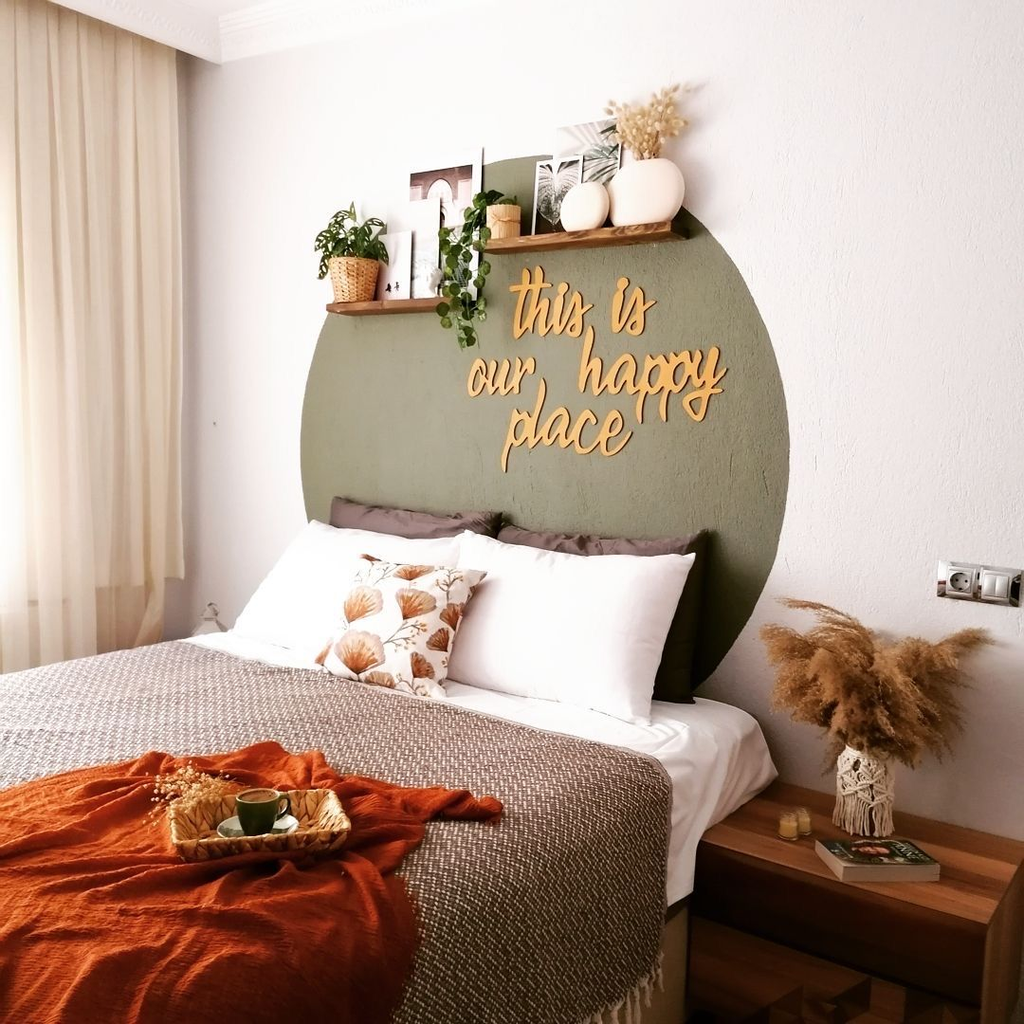
Vinyl wall decals are a simple way for me to add personality to a room without painting an entire wall.
For a first project, I recommend using a short quote, a name, or a few simple shapes. Large, detailed designs can be harder to weed and transfer, especially when you are still learning how vinyl behaves.
Before applying a decal, I clean the wall and make sure the paint is fully cured. I also plan the placement carefully because removing and repositioning adhesive vinyl can affect how well it sticks.
A small decal can work nicely above a desk, beside a reading area, in a craft room, or as part of a child’s bedroom decor.
5. Customized Tote Bags
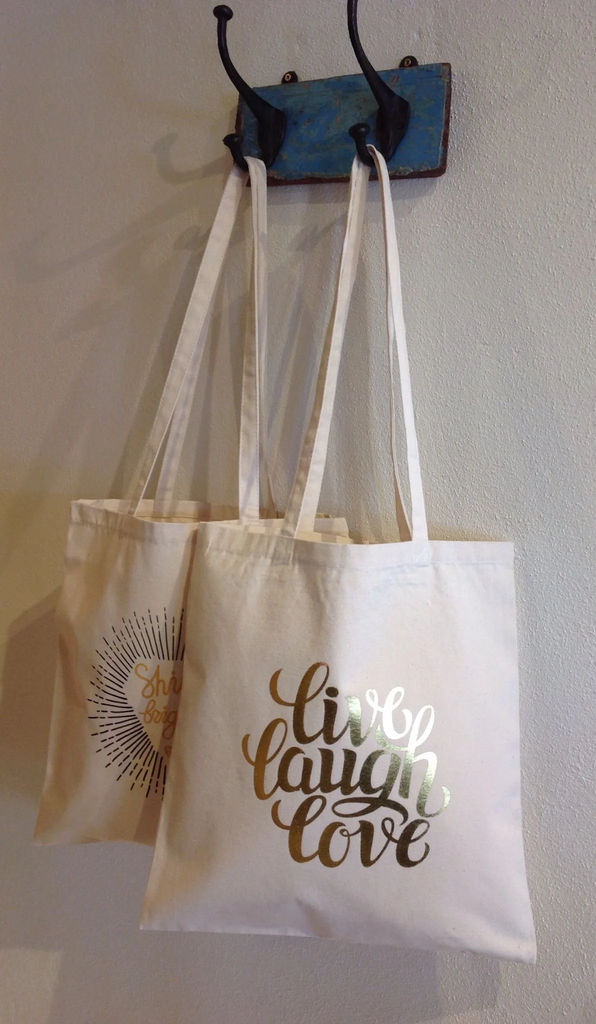
Canvas tote bags are another practical project because they give me a useful item instead of something that simply sits on a shelf.
I usually keep the first design fairly simple, such as a name, initial, short phrase, or small illustration. Iron-on vinyl works particularly well for fabric totes when applied according to the product instructions.
I measure the front of the tote before designing so the finished graphic does not look too small or oversized.
Tote bags can also make inexpensive personalized gifts for teachers, book lovers, party guests, or friends.
Pro Tip: Place a firm, heat-safe surface inside the tote while pressing HTV. This helps provide more consistent pressure and prevents unwanted transfer through the fabric.
6. Greeting Cards
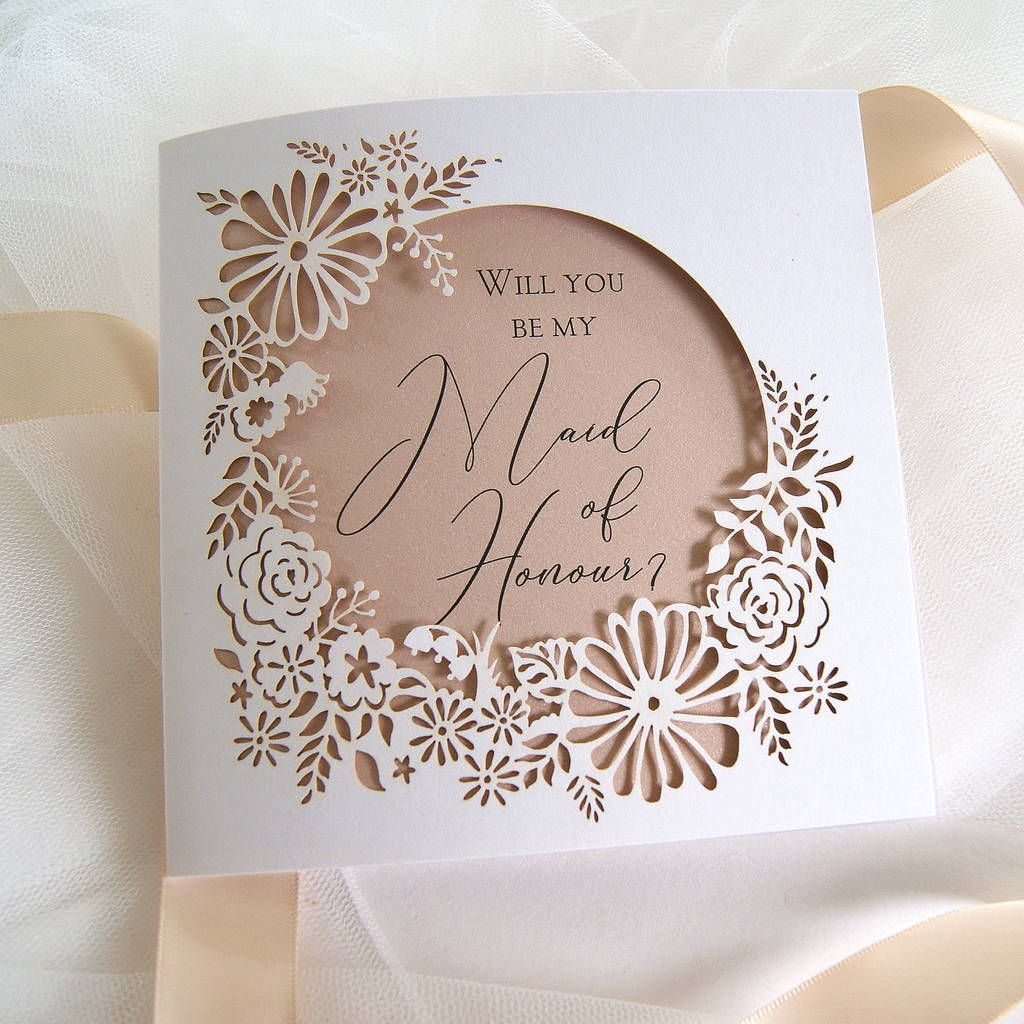
Cricut greeting cards are one of my favorite ways to turn simple cardstock into something that feels much more personal.
I can use the machine to cut decorative edges, windows, flowers, hearts, names, and other shapes. Layering two or three cardstock colors can create dimension without requiring complicated techniques.
For beginners, I suggest starting with a simple folded card and one decorative element. Once that feels comfortable, you can experiment with layered designs, inserts, and more detailed cutouts.
Handmade cards are especially useful when I need a birthday, thank-you, anniversary, or holiday card that feels specific to the recipient.
7. Personalized Keychains
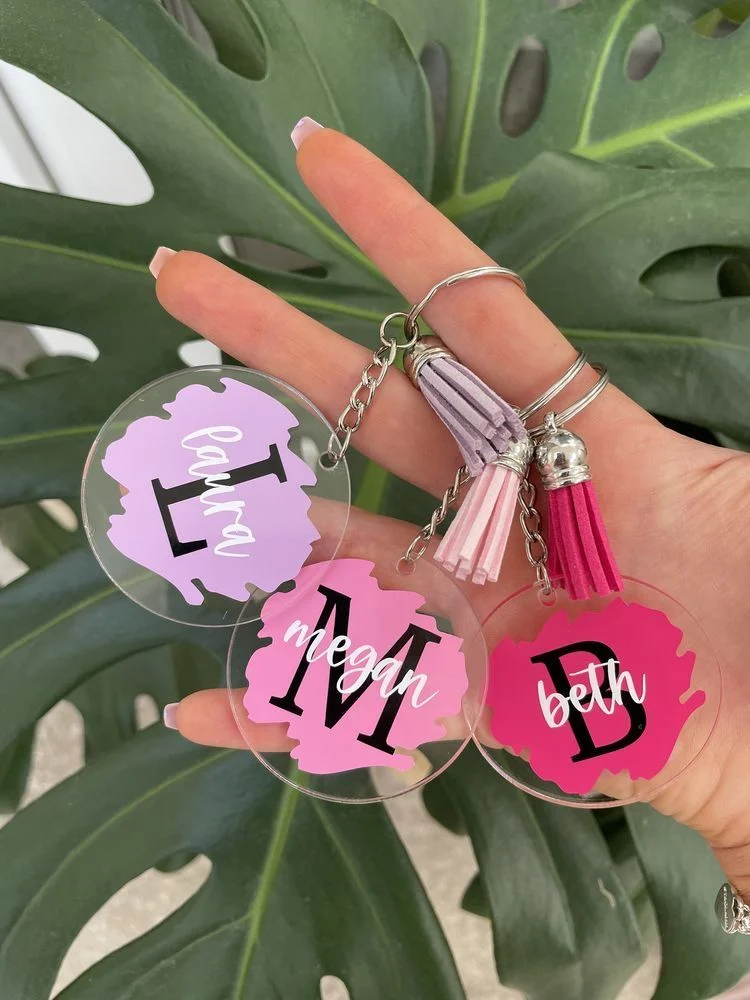
Keychains are small projects, which makes them useful when I want to practice working with detailed designs without using much material.
Acrylic, wood, or other compatible blank keychains can be personalized with names, initials, small graphics, or vinyl designs. The small surface does require careful measuring because even a few millimeters can make a noticeable difference.
I prefer simple lettering for a first attempt. Very thin fonts can be difficult to weed, especially when the design is tiny.
Personalized keychains also work well as party favors, stocking stuffers, teacher gifts, or small handmade presents.
8. Laptop or Phone Stickers
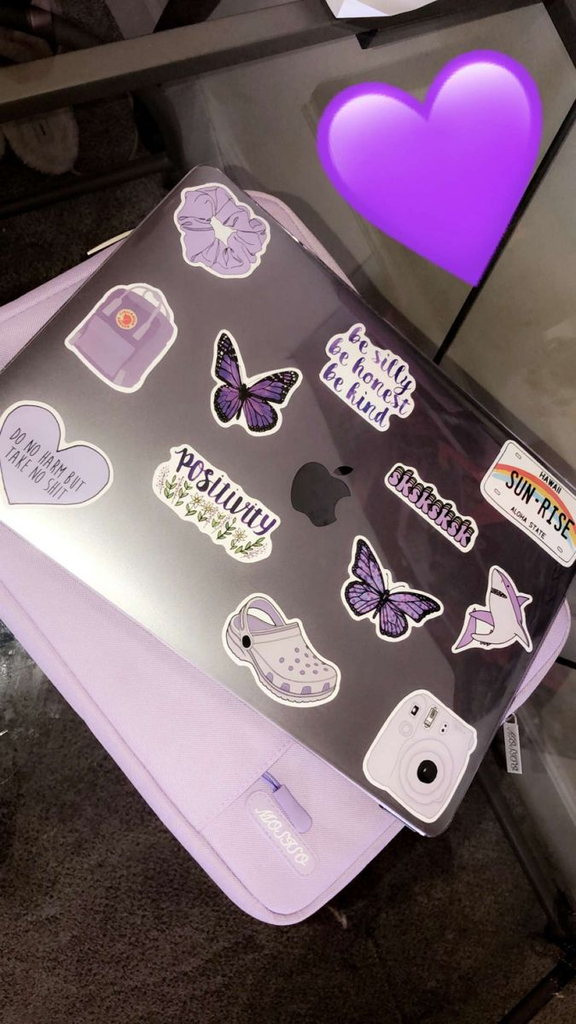
Custom stickers are a fun way to practice print-then-cut or simple vinyl cutting.
I like creating small sets instead of making just one sticker. A coordinated collection of initials, symbols, quotes, or simple illustrations can make a laptop, notebook, or phone case feel much more personal.
If you are using printable sticker material, follow the specific print-then-cut instructions for your Cricut model and material. Calibration can also help improve cutting accuracy.
Pro Tip: Keep important artwork away from the outer cut line. A little extra space around the design can make the finished sticker look cleaner and easier to trim.
9. Mason Jar Labels
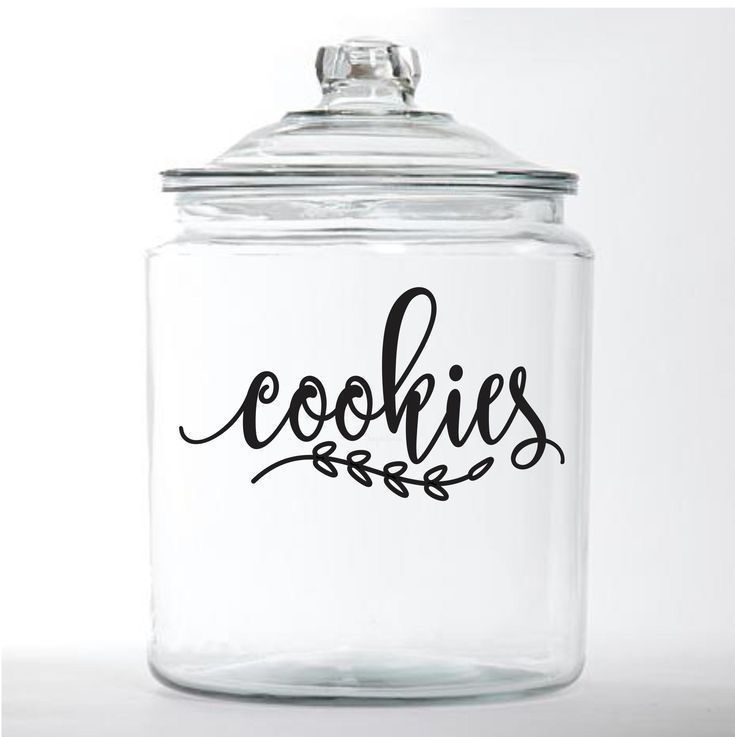
Mason jars become much easier to organize when I give each one a clear label.
I can use adhesive vinyl for pantry ingredients, craft supplies, office materials, bathroom items, or homemade gifts. Simple labels such as flour, rice, beads, buttons, or ribbon can make storage much easier to maintain.
Before cutting several labels, I measure the usable area on the jars and decide whether I want the text centered or aligned consistently.
For a cohesive look, I usually stick with one font family and a limited color palette throughout the collection.
10. Decorative Coasters
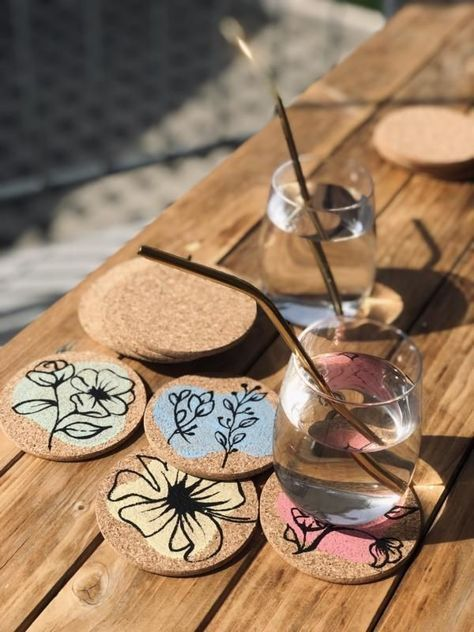
Custom coasters are a practical Cricut project because they combine decoration with everyday use.
Depending on the Cricut model and material, I can work with compatible blanks or materials such as cork, faux leather, or other machine-approved surfaces. I always check the machine’s material compatibility before cutting something unfamiliar.
Simple geometric patterns are particularly beginner-friendly because they can be duplicated and arranged into a matching set.
For coasters that will regularly encounter moisture or heat, I also pay attention to the durability of the chosen material and adhesive. Decorative appearance is useful, but everyday performance matters just as much.
Also read: 19 Rainbow Crafts for Kids That Brighten Any Rainy Day
11. Party Favor Tags
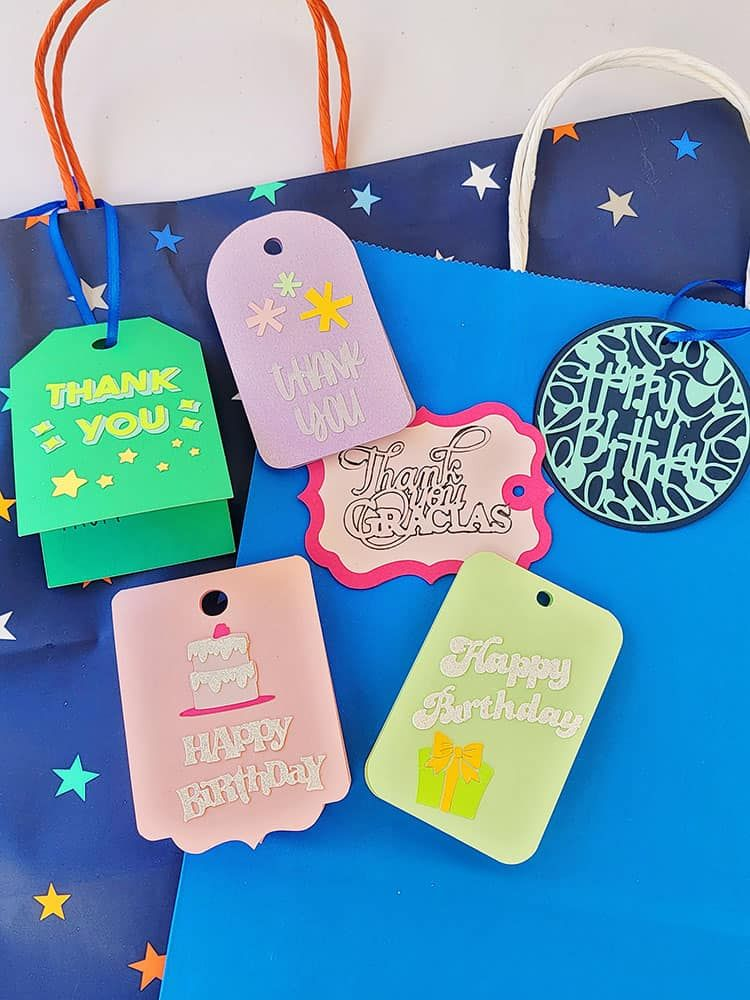
Personalized favor tags can make inexpensive party favors look much more thoughtfully prepared.
I can cut circles, rectangles, scalloped shapes, or other simple tag designs and add names, short messages, or event details.
I recommend cutting several tags from one sheet of cardstock to make the most of the material. Punching a small hole afterward allows me to attach the tags with ribbon, twine, or string.
These tags are useful for birthdays, bridal showers, baby showers, weddings, holiday gatherings, and classroom celebrations.
Pro Tip: If the tags will be handled frequently, choose cardstock with enough weight to resist bending. Very thin paper can look less polished once attached to a favor bag.
12. Monogram Stickers
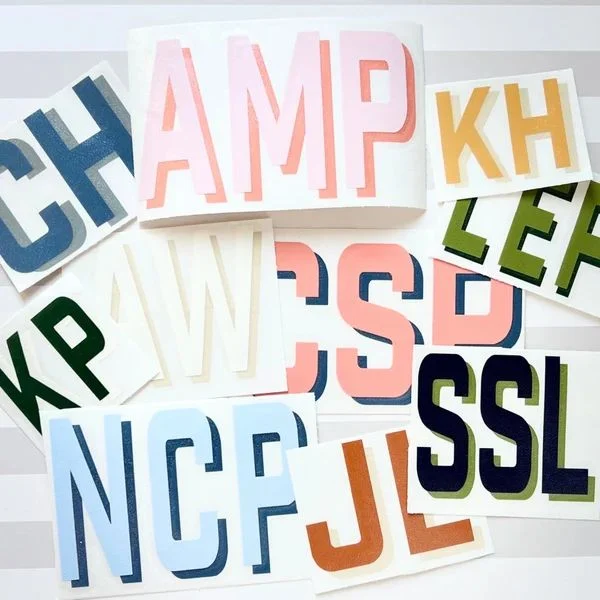
Monogram stickers are an easy way to personalize planners, notebooks, water bottles, storage containers, and other smooth surfaces.
I find that bold, uncomplicated fonts work better for beginners than extremely thin script lettering. The simpler the design, the easier it is to cut, weed, and transfer.
Before cutting a sheet of monograms, I test one design at the intended size. A letter that looks perfect on the computer screen can become difficult to weed once it is reduced significantly.
You can also use different colors to create sets for family members, school supplies, gifts, or home organization.
13. Customized Notebooks
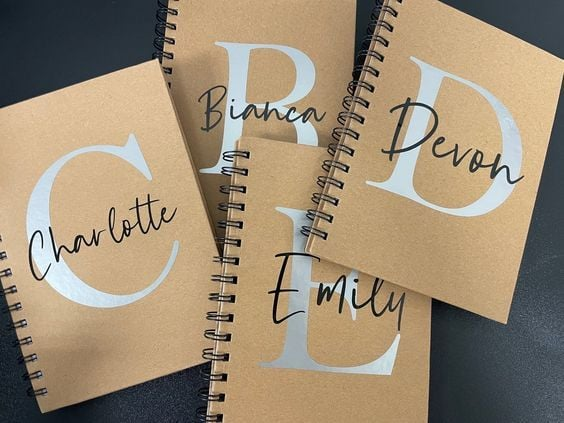
A plain notebook can become a personalized journal, planner, recipe book, or project notebook with just a small amount of vinyl.
I like using names, initials, short phrases, or simple botanical and geometric shapes on the cover. This is also a useful project for practicing how to center a design on a larger surface.
I measure the notebook cover first and leave enough space around the design so it does not look crowded near the edges.
If I am making several notebooks, I keep the same layout but change the names or colors. This creates a coordinated set without requiring a completely new design each time.
14. Party Confetti
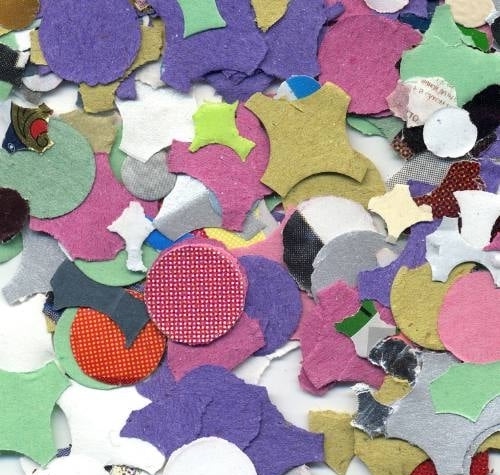
Cricut-cut confetti can add a custom detail to a party table without requiring complicated crafting skills.
I can cut hearts, stars, circles, flowers, letters, or seasonal shapes from lightweight cardstock or other compatible materials.
Because confetti pieces are small, I pay attention to the material setting and mat condition. A material that is not secured properly can shift during cutting and turn neat shapes into wasted scraps.
I also like making confetti that matches the larger party theme rather than using random colors. Small details look more intentional when they connect with the tableware, balloons, invitations, or other decorations.
15. Wall Art Prints
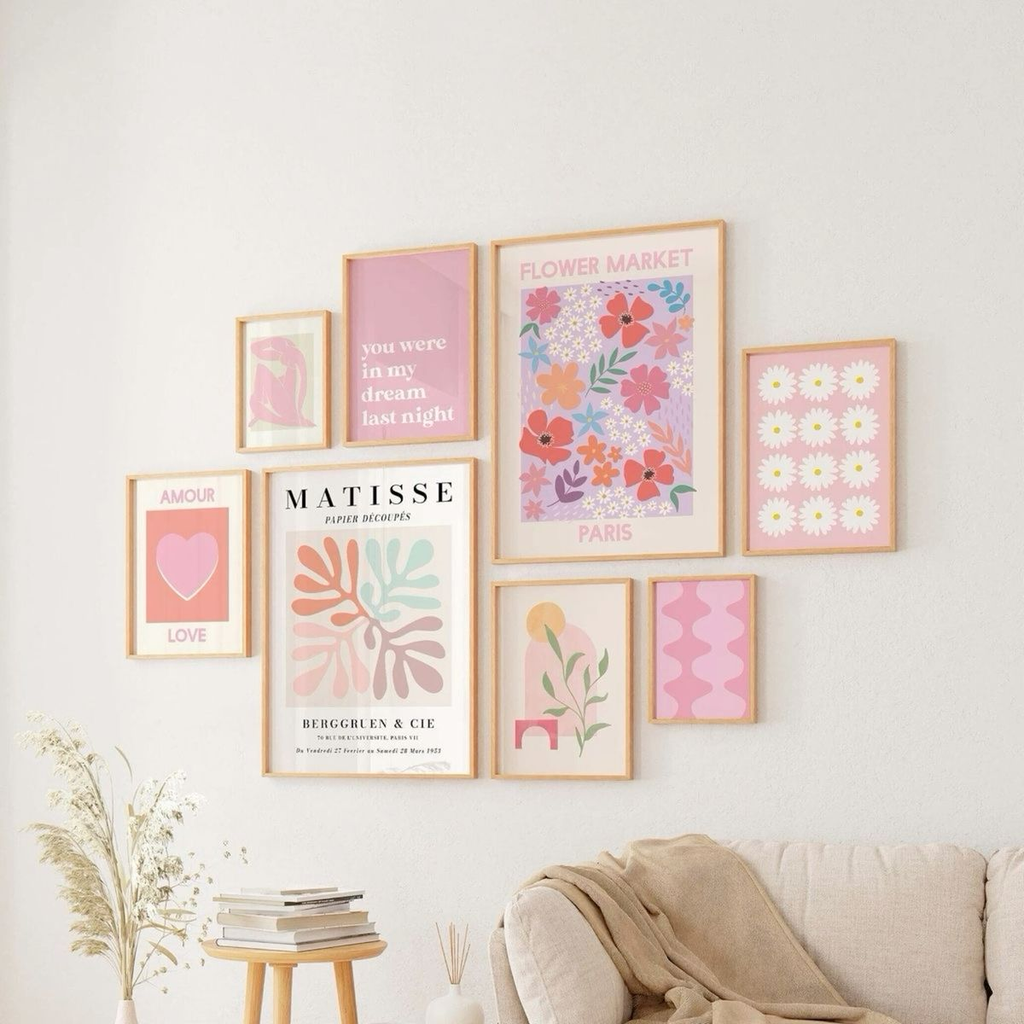
Creating Cricut wall art gives me a simple way to make inexpensive decor that matches the exact colors and style of a room.
I can cut cardstock shapes, lettering, or layered designs and place them inside a frame. Geometric patterns, simple botanical forms, initials, and short phrases are all easy places to start.
For a more dimensional appearance, I can layer cardstock with foam adhesive between selected pieces. This creates shadows and depth without requiring complicated materials.
I also consider the size of the frame before designing. For example, a small 8-by-10-inch frame needs a very different layout from a larger 16-by-20-inch piece.
Pro Tip: Make a quick paper mock-up before cutting expensive cardstock. It helps me check proportions and spacing before committing to the final materials.
16. Personalized Water Bottles
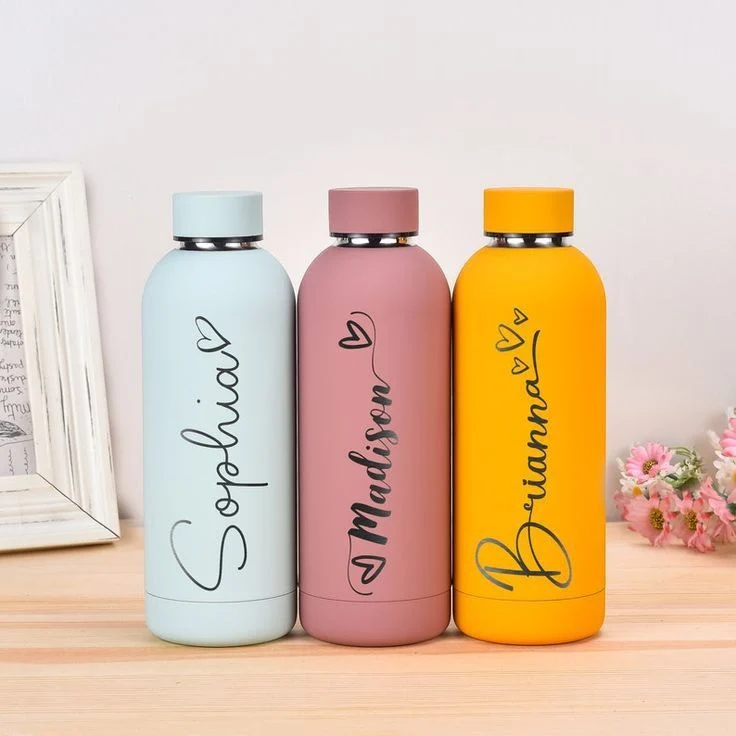
Personalized water bottles are useful because they combine a decorative Cricut project with something I can actually use every day.
I can add a name, initials, a short phrase, or a simple graphic using suitable adhesive vinyl. Before applying the design, I clean the bottle surface thoroughly and make sure it is completely dry.
Curved bottles require a little extra care. I keep designs reasonably narrow and apply the vinyl gradually rather than trying to place the entire piece at once.
For items that will be washed regularly, I always follow the vinyl manufacturer’s care instructions. Hand washing may be recommended for some decorative applications.
17. Gift Boxes and Wrapping
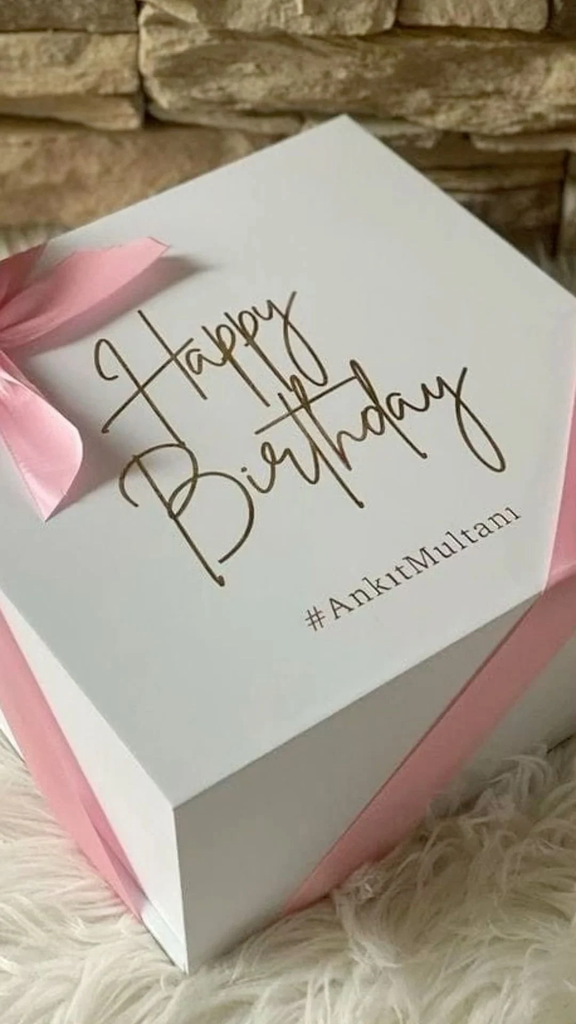
Cricut projects can make simple gift packaging feel much more personal.
I can create small boxes from cardstock, cut decorative bands, make gift tags, or add a recipient’s name to the packaging. Even a basic box can look special when the colors and details are coordinated.
I prefer keeping the packaging design simple when the gift itself is the main focus. A name, small graphic, or matching tag is often enough.
This idea works particularly well for birthdays, holidays, teacher gifts, handmade presents, and party favors.
18. Paper Flowers
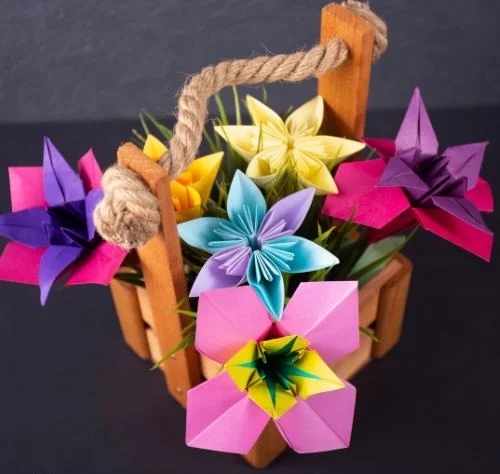
Paper flowers are a fun project when I want to add handmade color and texture to a room, gift, or party display.
I can cut petals in different sizes and layer them around a center piece to create flowers with more depth. Cardstock weight affects how easy the petals are to shape, so I test a small flower before making a larger arrangement.
I also find that using several shades from the same color family creates a more natural-looking bouquet.
Paper flowers can be arranged in a vase, attached to a gift box, used as wall decor, or incorporated into a party backdrop. They are especially useful when I want flowers that can be made ahead of an event.
19. Custom Labels for Storage
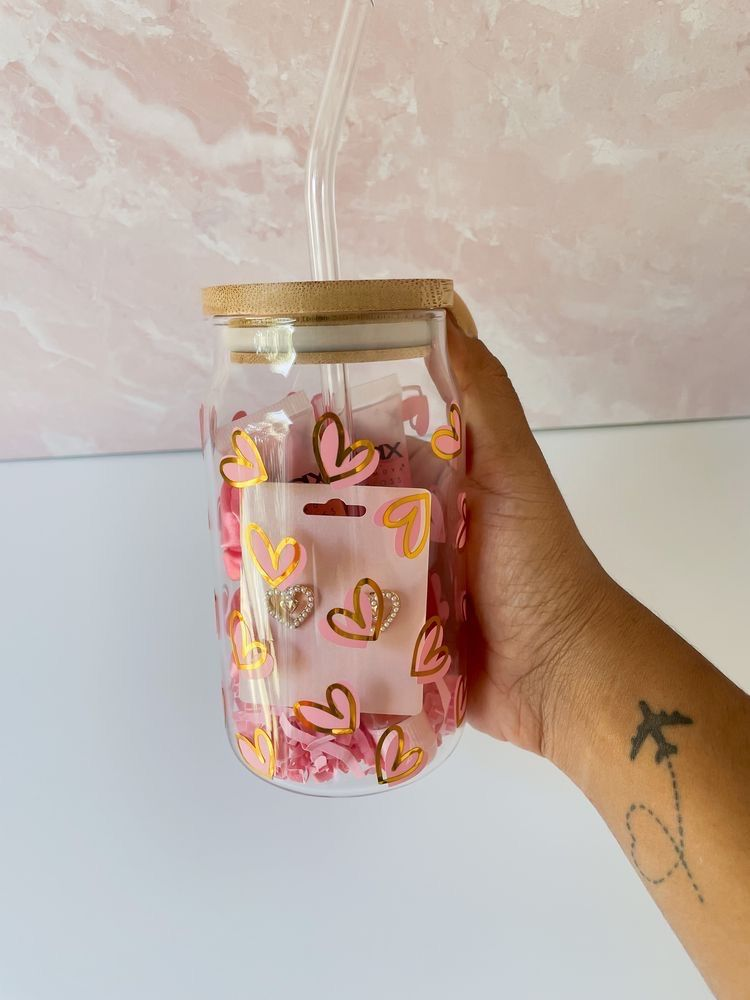
Custom storage labels are one of the most useful Cricut projects for my home because they combine organization with a finished decorative look.
I can label jars, baskets, bins, boxes, drawers, or craft containers with simple words that make everything easier to locate.
I recommend measuring each storage container before designing the labels. Keeping the label size and placement consistent can make an entire pantry, craft room, or closet look more organized.
I also avoid using overly decorative fonts when the main purpose is identification. A label should be attractive, but it should still be easy to read from a few feet away.
Pro Tip: Create a reusable label template with your preferred font, size, and spacing. Once the template is ready, changing the wording takes much less time.
Read this next: 25 Book Craft DIY Ideas for 2026
Frequently Asked Questions
What is the easiest Cricut project for a beginner?
A personalized mug, simple sticker, or cardstock greeting card is a great first Cricut project because each one uses basic cutting and application techniques.
What materials should I start with for Cricut projects?
I recommend starting with adhesive vinyl, cardstock, and basic iron-on vinyl. These materials are relatively easy to work with and cover many beginner projects.
What Cricut project can I make as a gift?
Personalized mugs, tote bags, keychains, notebooks, water bottles, and custom gift tags are simple options that can be tailored to the recipient.
Final thoughts
I think the best Cricut projects for beginners are the ones that teach a useful skill while producing something I can actually use. A mug can teach vinyl application, a shirt can introduce HTV, and a greeting card can help me understand cardstock cutting and layering.
I would not worry about making the first project perfect. Cricut crafting involves a little trial and error, especially when learning material settings, blade depth, pressure, weeding, and transfer techniques.
Starting with small projects also helps me avoid wasting expensive materials while I learn. Once the basic techniques become familiar, I can move toward larger designs, multiple materials, and more detailed projects.
Whether I am making home organization labels, party decorations, personalized gifts, or everyday accessories, these beginner Cricut ideas give me plenty of ways to practice while creating something useful and personal.