23 Fun and Easy DIY Candles to Make at Home
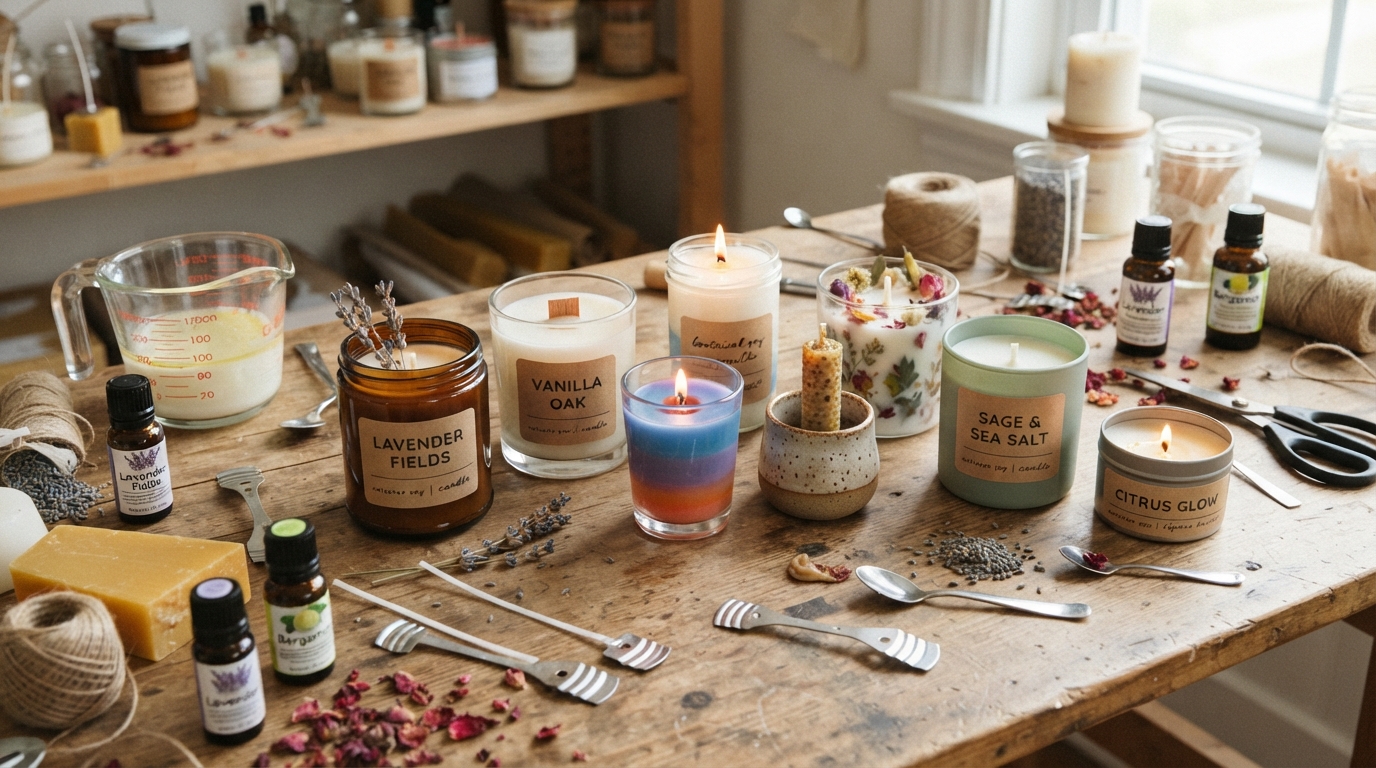
I love DIY projects that are useful after I finish making them, and homemade candles are one of my favorites. I can turn a simple jar, old container, leftover wax, or a few basic supplies into something that adds warmth to my home.
Candle-making also gives me plenty of room to experiment. I can change the fragrance, color, container, shape, or decoration depending on the season or the room where I plan to use it.
I don’t need an elaborate craft setup either. With the right wax, wick, container, and fragrance, I can make a simple candle without buying a long list of supplies.
Before I start, I always make safety a priority. I use heat-safe containers, keep melted wax away from children and pets, and never leave a burning candle unattended. I also keep the wick trimmed to about 1/4 inch before lighting because a shorter wick generally helps produce a more controlled flame.
In this guide, I’m sharing 23 DIY candle ideas that range from simple soy candles and recycled jars to colorful crayon candles, rolled beeswax candles, scented blends, and decorative designs. Some are especially beginner-friendly, while others give me more room to experiment with color and texture.
Save this for later
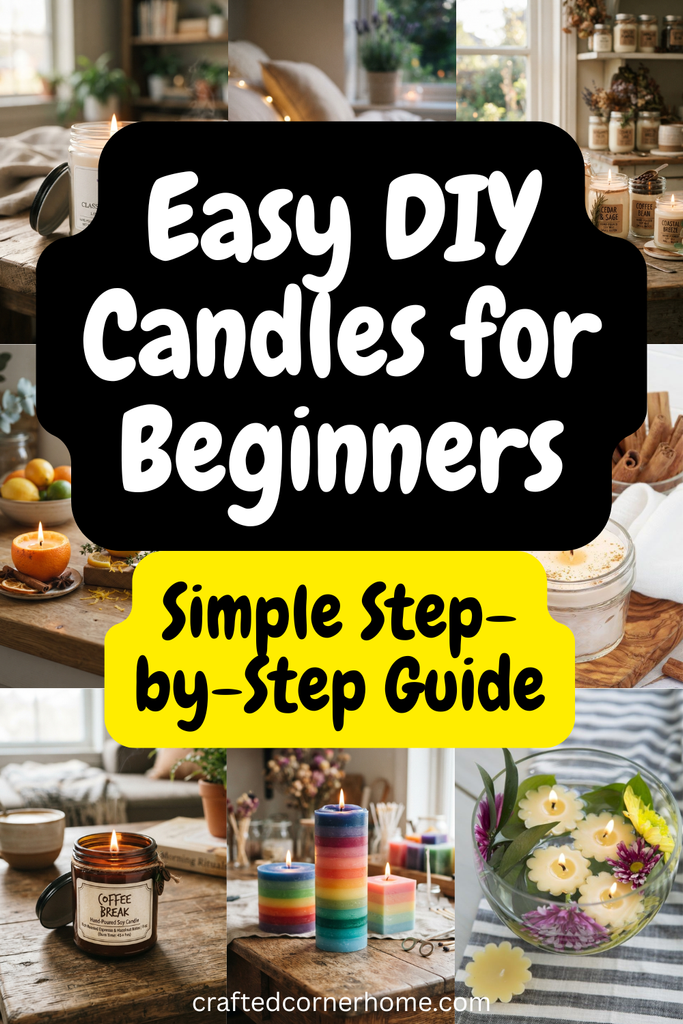
Table of Contents
I also cover the basics of homemade candle-making, including the supplies I need, fragrance ratios, possible savings, and the main ingredients used in candles. Whether I want a relaxing candle for my bedroom, a seasonal design for the holidays, or a handmade gift, there is an idea here I can adapt to my own style.
Key Takeaways
- I can start candle-making with basic supplies instead of a large collection of craft tools.
- Soy wax, beeswax, and paraffin are among the common wax choices for homemade candles.
- Reusing jars, tins, and suitable containers can help reduce the cost of each candle.
- I always choose a heat-safe container and a wick appropriate for its diameter.
- Fragrance should be measured carefully rather than added by guesswork.
- Dried decorations need extra care because loose plant material near a flame can create a fire hazard.
- Simple candles can make thoughtful gifts, seasonal decorations, or everyday home accents.
Related article: Bumble Bee Crafts for Adults That Are Easy, Fun, and Actually Worth Making
1. Classic Jar Soy Candle
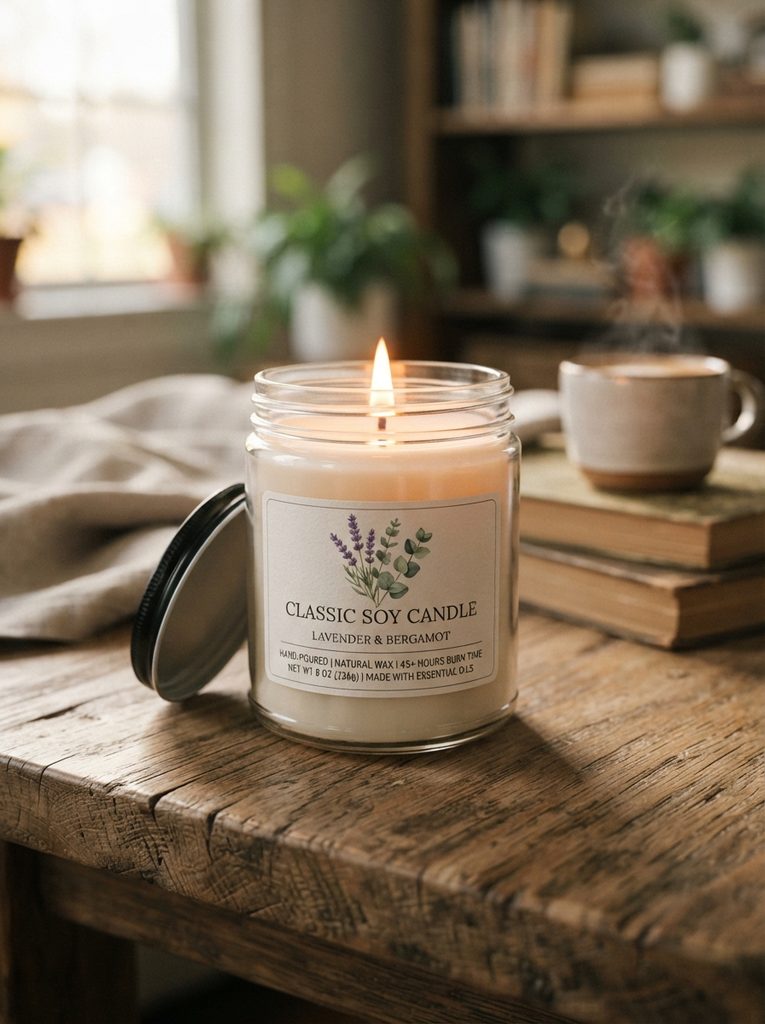
A simple soy candle in a glass jar is where I would recommend starting if I were completely new to candle-making. The design is uncomplicated, and I can customize nearly every part of it.
I can use a clean candle-safe glass container and choose a fragrance that matches the room. Vanilla, lavender, citrus, and coffee-inspired scents are easy starting points.
Soy wax is popular for container candles because it has a relatively low melting point and works well with many fragrance oils. I still check the wax manufacturer’s instructions because pouring temperatures and fragrance recommendations vary between products.
Pro Tip: I label every candle with the wax type, fragrance, and date I made it. This makes it much easier to remember which combinations I liked.
2. Citrus Peel Candles
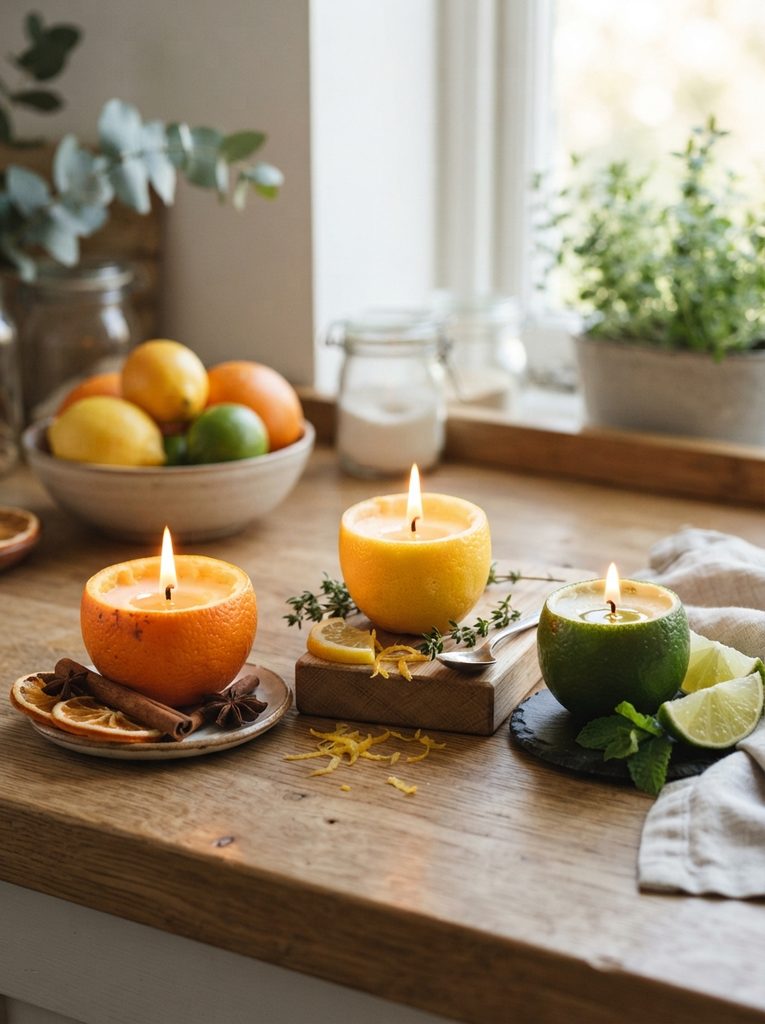
Citrus peel candles give me a creative way to turn part of an orange or grapefruit into a temporary candle container. They look especially pretty on a seasonal table or outdoor gathering.
I can carefully remove the fruit while keeping the peel intact, then use a properly sized wick and suitable wax. Orange and grapefruit peels naturally add a fresh visual element, even when I don’t add fragrance.
I treat these as decorative, short-term candles rather than something I store for months. The peel is a natural material, so I make sure it stays dry and monitor the candle closely while it burns.
Pro Tip: I never assume a food peel is automatically fire-safe. I keep plenty of open space around the flame and never leave this type of candle burning unattended.
3. Coffee-Scented Candle
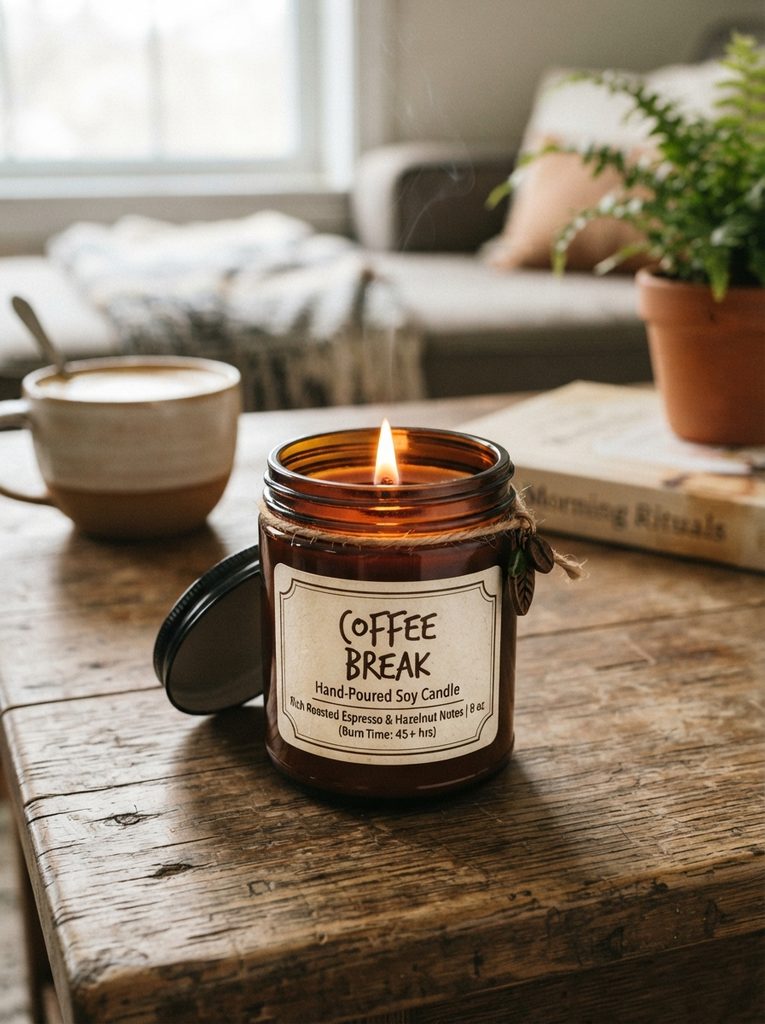
I enjoy coffee-scented candles because they make a kitchen, reading area, or home office feel warm and inviting. A coffee fragrance can create that familiar café-like atmosphere without actually brewing another cup.
For this idea, I prefer using a candle fragrance oil made for candle-making rather than relying on loose coffee grounds inside the wax. Fragrance oils are formulated for this purpose and make it easier to achieve a consistent scent.
If I want the coffee theme to be visible, I can decorate the outside of the container with a simple coffee-inspired label instead of putting loose grounds near the flame.
4. Lavender Relaxation Candle
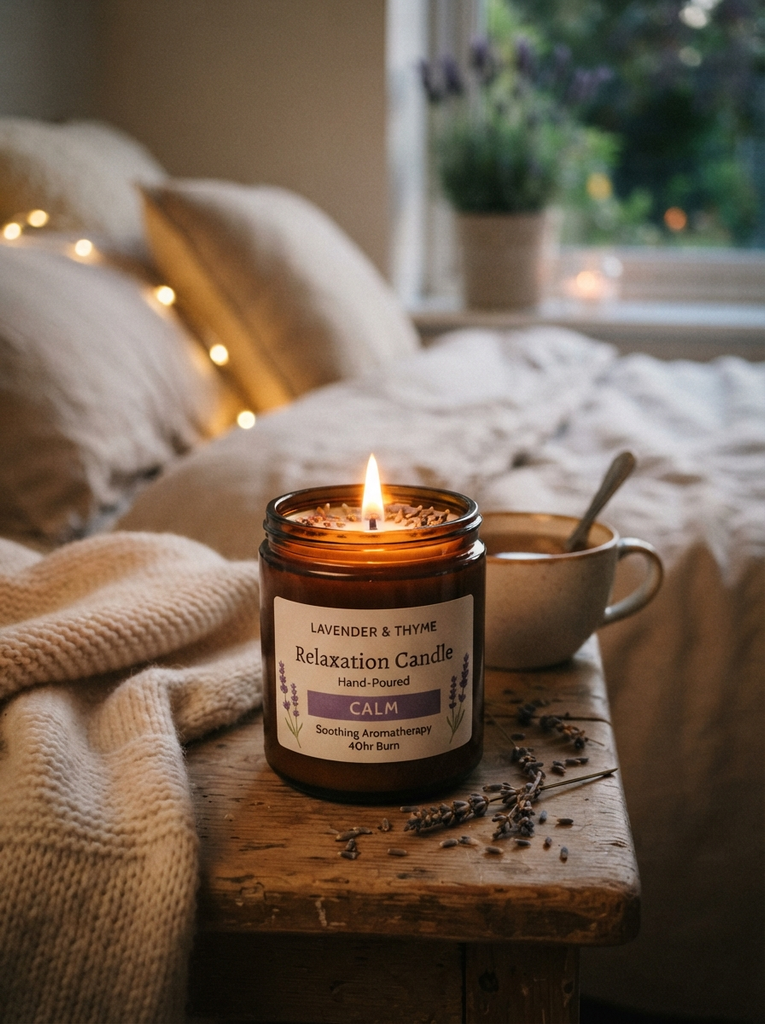
A lavender candle is one of my favorite choices when I want a softer atmosphere in the evening. I like using it in bedrooms, bathrooms, or a quiet reading corner.
I can use a candle-safe lavender fragrance oil and adjust the amount according to the wax manufacturer’s recommended fragrance load. I avoid assuming that adding more oil will automatically make the candle better.
The finished candle can also make a simple handmade gift. A small jar, neutral label, and understated packaging are enough to make it feel thoughtful.
Pro Tip: I test a candle before giving it away. A candle can look perfect but still need wick or fragrance adjustments during an actual burn.
5. Teacup Candles
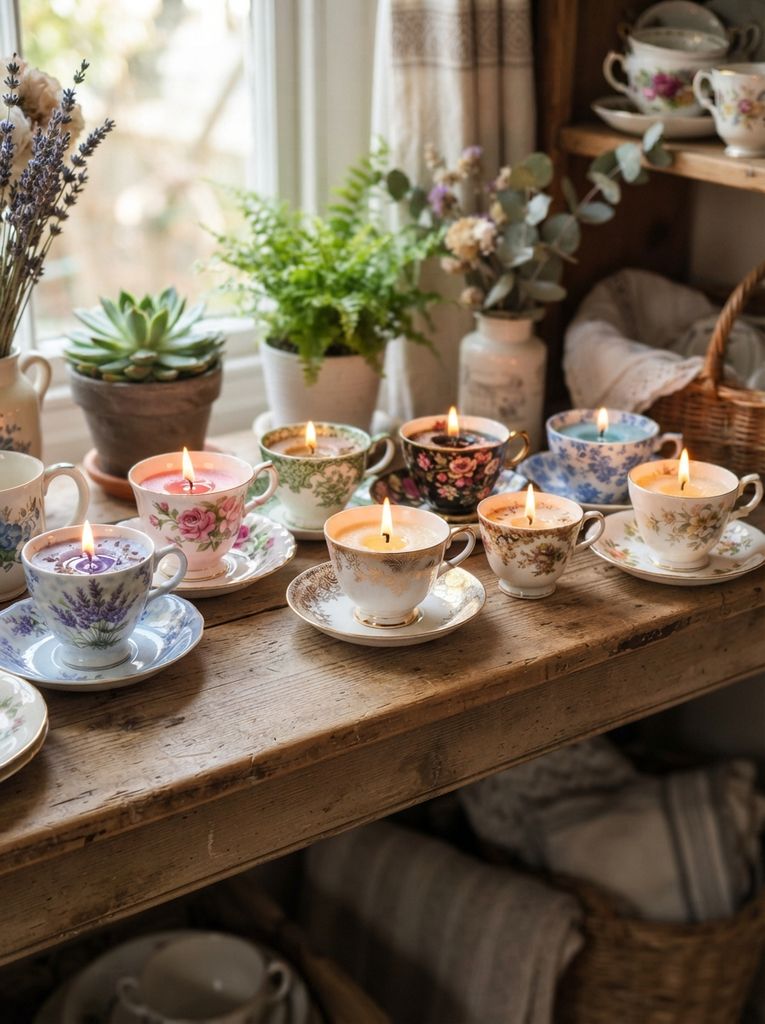
Teacup candles are a fun way to give an unused cup a new purpose. I especially like using mismatched pieces because the different patterns make every candle feel one-of-a-kind.
Before using a teacup, I inspect it carefully for cracks, chips, or damage. I also make sure the container is suitable for the heat produced by a candle.
This idea works particularly well for gifts, vintage-inspired rooms, tea parties, and small decorative displays.
Pro Tip: I keep the wick centered while the wax is setting. A centered wick helps the candle burn more evenly and reduces the chance of excessive wax remaining on one side.
6. Layered Color Candles
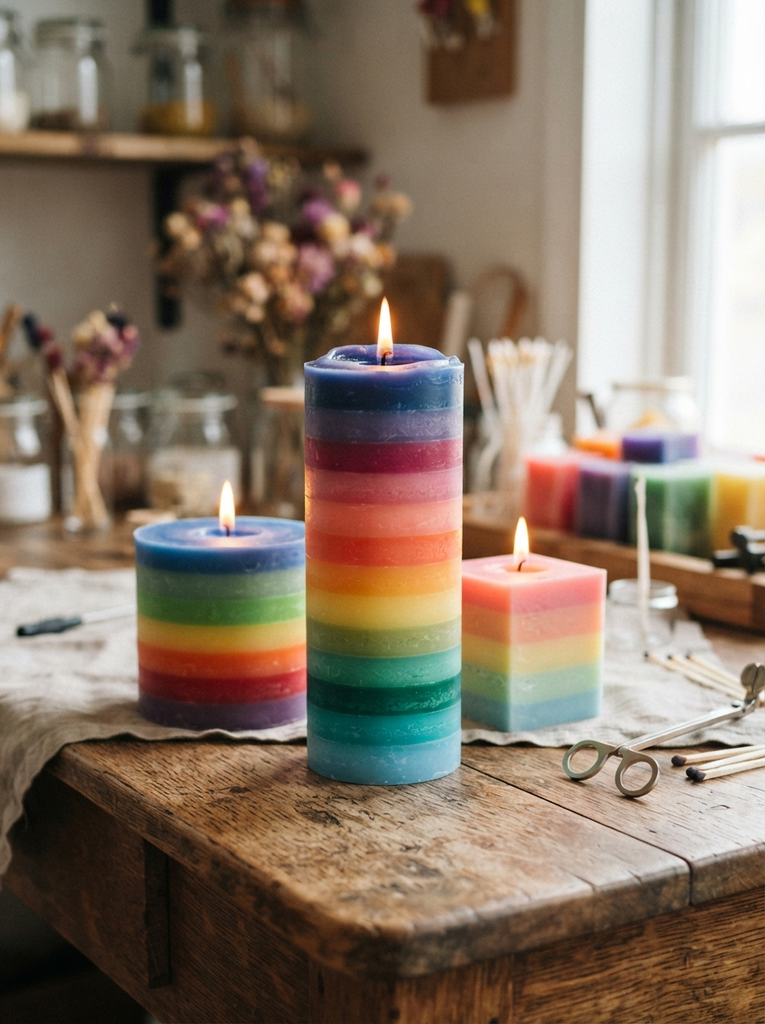
Layered candles let me play with color without needing complicated molds. I can pour one color, allow it to set enough to support the next layer, and continue until I reach the look I want.
I can use complementary colors for a subtle design or contrasting shades for something more playful. Leftover wax can also become useful here, provided I know what type of wax I am combining.
The most important part for me is patience. Pouring the next layer too quickly can disturb the layer underneath.
Pro Tip: I keep a small notebook with my color combinations and wax types. That makes it much easier to recreate a design I really like.
7. Mason Jar Candles
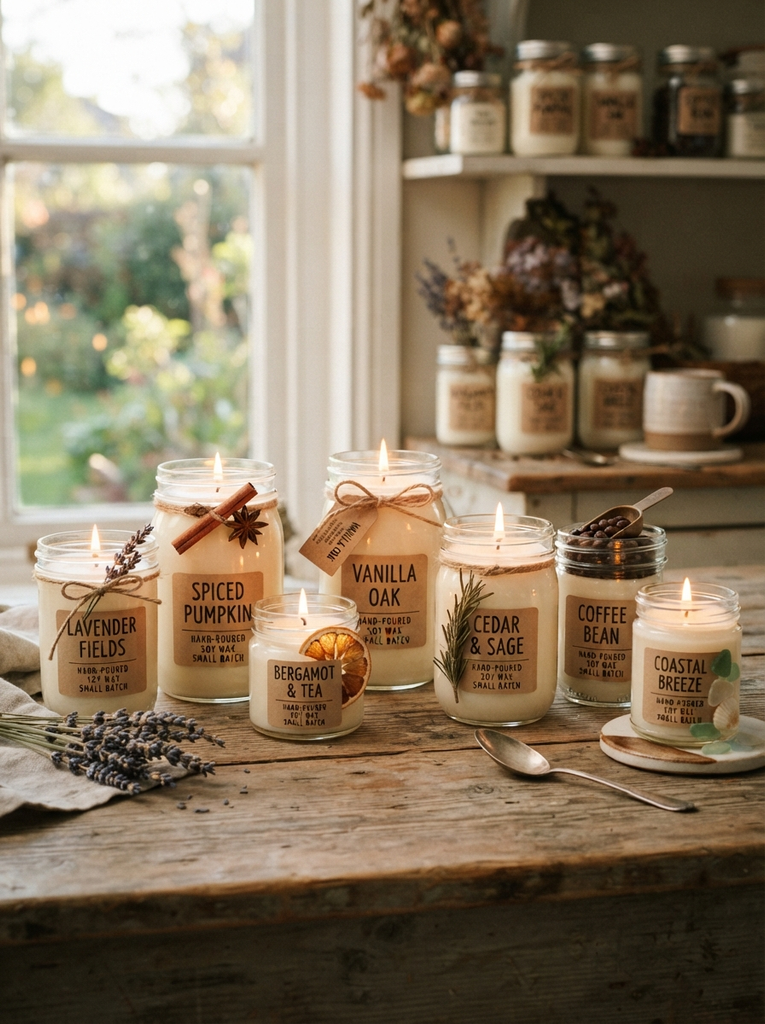
Mason jars are convenient candle containers because they are easy to find and available in different sizes. I can keep the design simple or add a handmade label, ribbon, or twine around the outside.
I make sure the particular jar is appropriate for candle use and free from cracks or damage before filling it. Not every glass container is designed to handle repeated heating and cooling.
These candles work well as gifts because I can personalize the label for birthdays, holidays, housewarmings, or other occasions.
8. Vanilla Cinnamon Candle
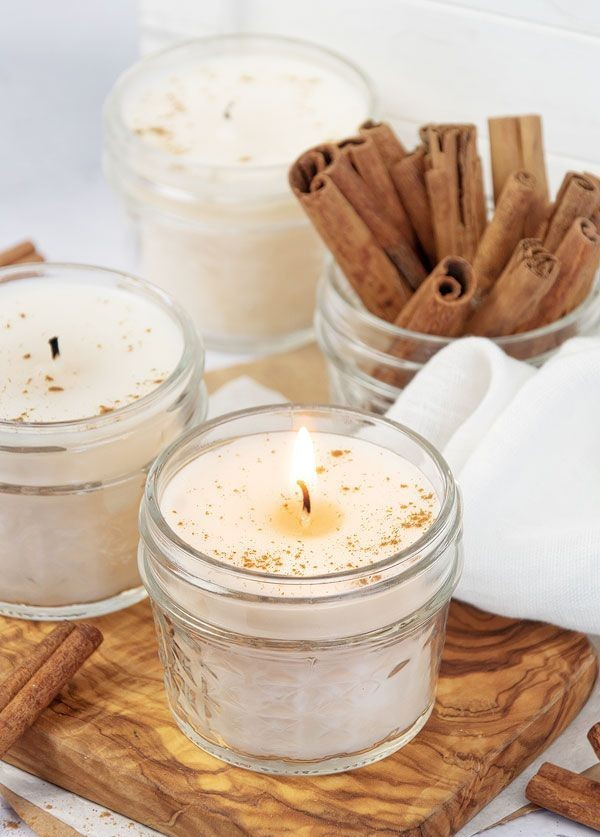
Vanilla and cinnamon create a warm combination that I naturally associate with cozy evenings and cooler seasons. It works particularly well in living rooms, dining spaces, and kitchens.
For a homemade version, I use candle-safe fragrance oils and follow the manufacturer’s recommended fragrance percentage. I avoid adding large pieces of cinnamon directly beside the wick because combustible materials close to an open flame can create unnecessary risk.
A simple neutral container makes the fragrance the main feature without making the candle look overly decorated.
Pro Tip: I test fragrance combinations in a small batch first. That saves wax if the final scent isn’t quite what I expected.
9. Floating Flower Candles
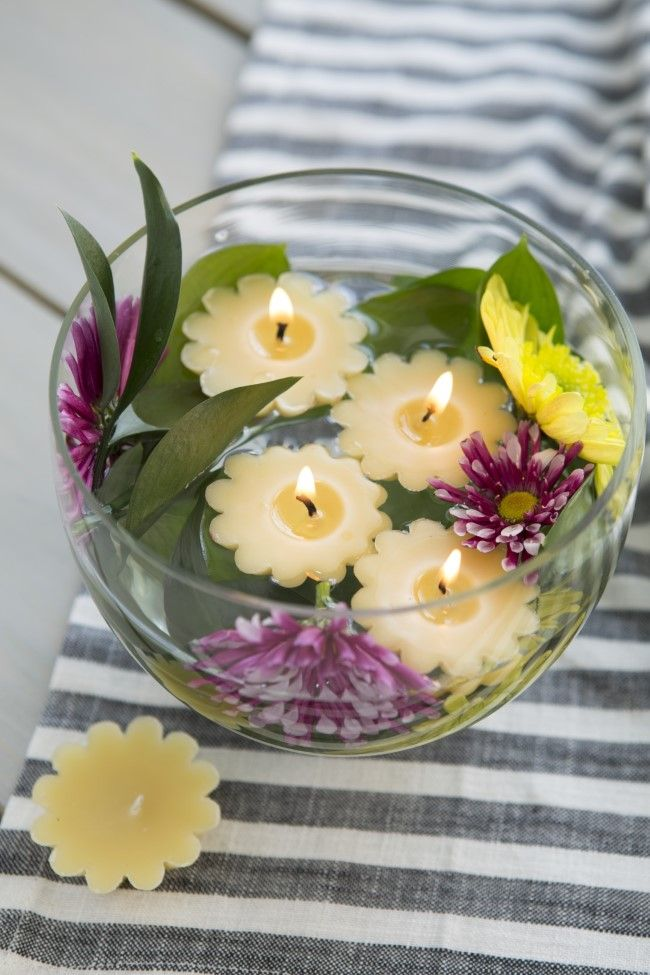
Floating flower candles can create a beautiful table display for dinners, celebrations, or relaxing evenings. I like the way the candlelight reflects across the surface of the water.
For safety, I keep the design simple and make sure decorative materials cannot interfere with the flame. Dried flowers and other combustible pieces should not be placed close to a burning wick.
These candles can be small, which also means I don’t need much wax for each one.
10. Beeswax Rolled Candles
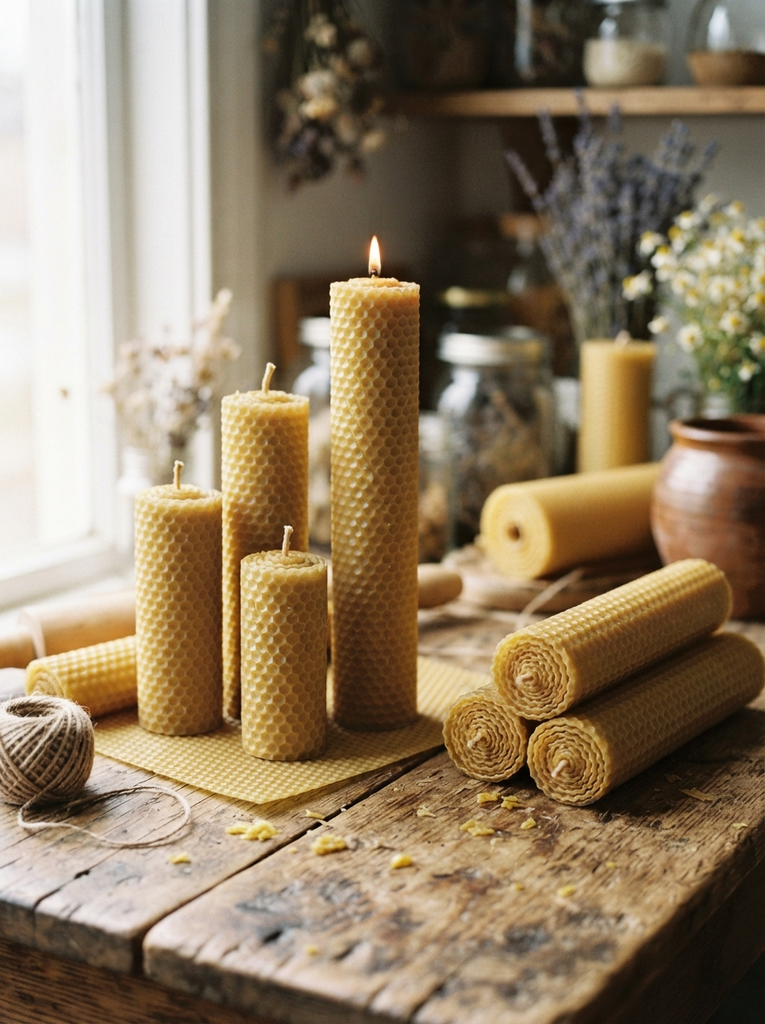
Rolled beeswax candles are especially appealing when I don’t want to deal with melted wax. I simply cut a beeswax sheet to the size I need, position the wick correctly, and roll the sheet firmly around it.
This makes the project quick enough for an afternoon craft session. Beeswax sheets are also available in different colors and patterns, so I can create simple natural candles or more decorative versions.
I find this method particularly useful for beginners because there is no hot wax to pour.
Pro Tip: I make sure the wick is positioned straight before rolling. A crooked wick can affect how the finished candle burns.
11. Herb-Infused Candles
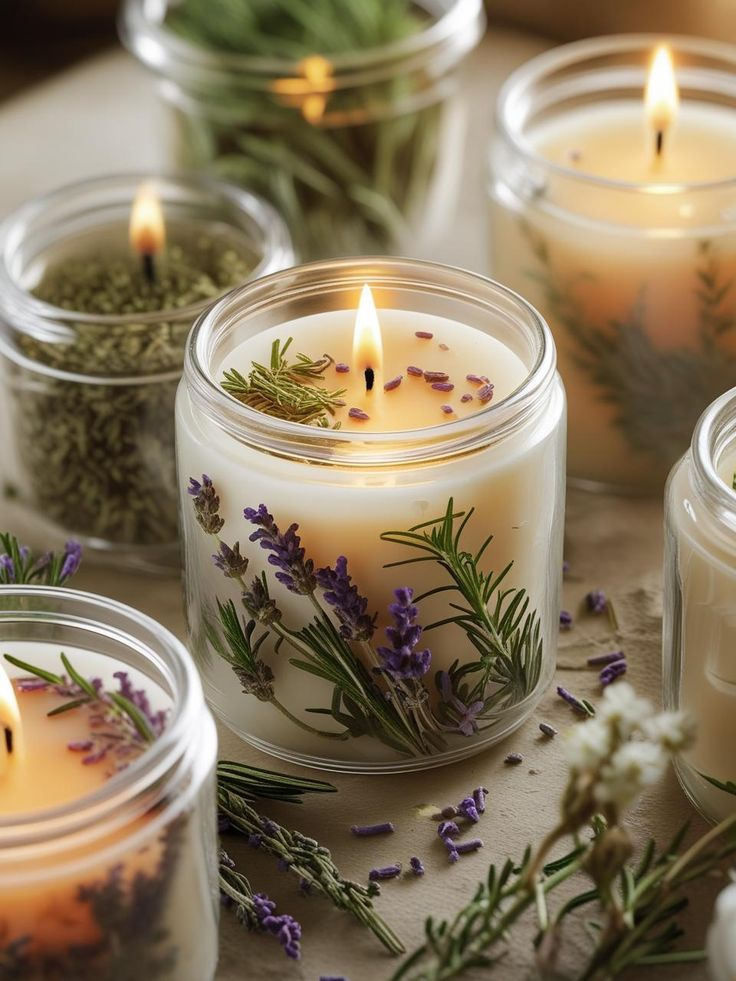
Herbs such as rosemary, thyme, mint, or basil can inspire beautiful candle designs, especially for kitchens and dining spaces.
However, I prefer keeping loose dried herbs away from the flame. Instead, I can create the herb theme through the fragrance, container label, packaging, or carefully selected decorative details outside the burn area.
A rosemary-scented candle in a simple glass jar can give me the same garden-inspired feeling without placing combustible plant material directly around the wick.
Pro Tip: I always separate decoration from the actual burn area. Anything flammable should stay well away from the flame.
12. Crayon Colorful Candles
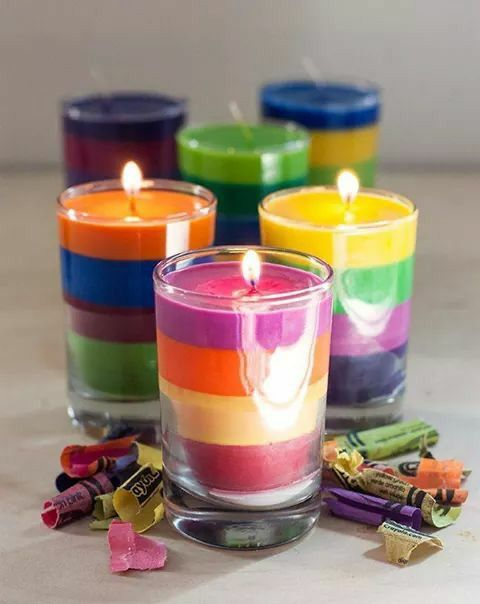
Colorful crayon candles are a fun craft idea, especially when I have broken crayons that would otherwise sit unused.
I would use crayons primarily for decorative experimentation and follow the instructions for the candle wax I am using. I don’t rely on crayons alone to create a properly formulated candle because candle wax and candle colorants are designed specifically for different purposes.
Bright layers can make these candles cheerful additions to craft rooms, shelves, or children’s supervised craft activities.
Pro Tip: If children are helping, I handle the hot wax and melting equipment while they help with safe tasks such as choosing colors and decorating labels.
13. Minimal White Pillar Candles
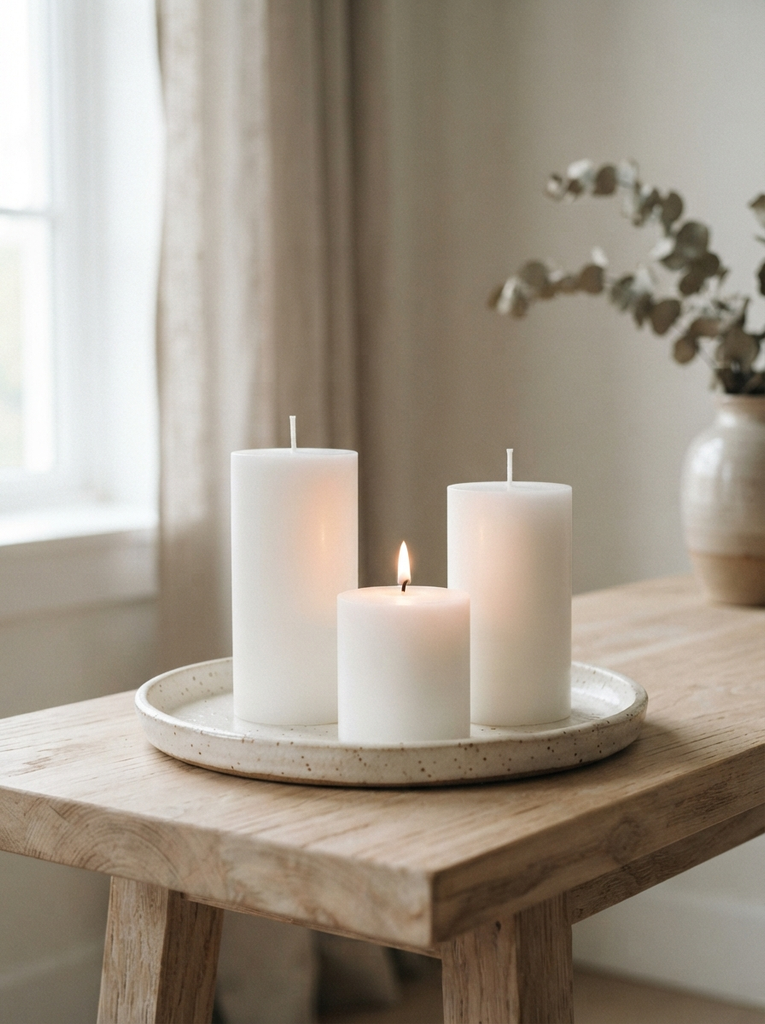
I love the clean appearance of a plain white pillar candle. It doesn’t need fragrance, color, or decoration to look finished.
Making pillar candles at home gives me control over the height, width, and shape. I can use a suitable candle mold and choose a wax formulated for molded candles rather than automatically using container wax.
These candles work with almost any decorating style and can be grouped together in different heights for a simple centerpiece.
Also read: Mushroom Crafts for Adults: From Quick Projects to Thoughtful Gifts
14. Coconut Shell Candles
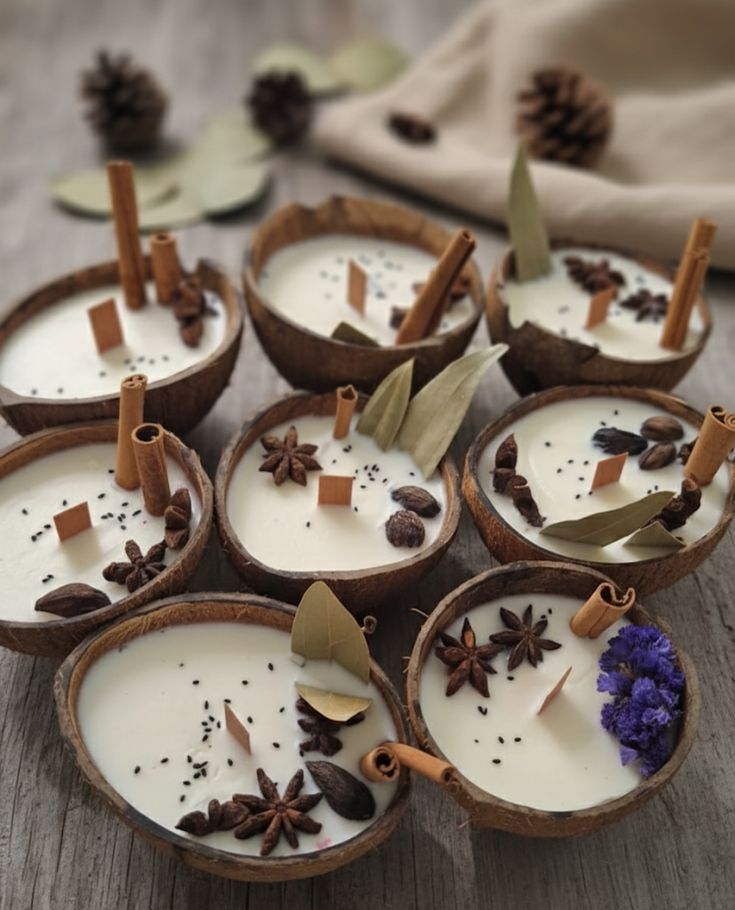
Coconut shell candles have a relaxed, natural appearance that works particularly well with tropical, rustic, or coastal-inspired decor.
Before using a coconut shell, I clean and dry it thoroughly and inspect it for cracks. I also make sure the shell is stable and won’t tip while the candle is burning.
I like pairing this idea with subtle scents such as coconut, vanilla, or citrus.
Pro Tip: I place handmade container candles on a stable, heat-resistant surface with plenty of clearance around them. A beautiful container is never a substitute for safe placement.
15. Lemon Rosemary Candles
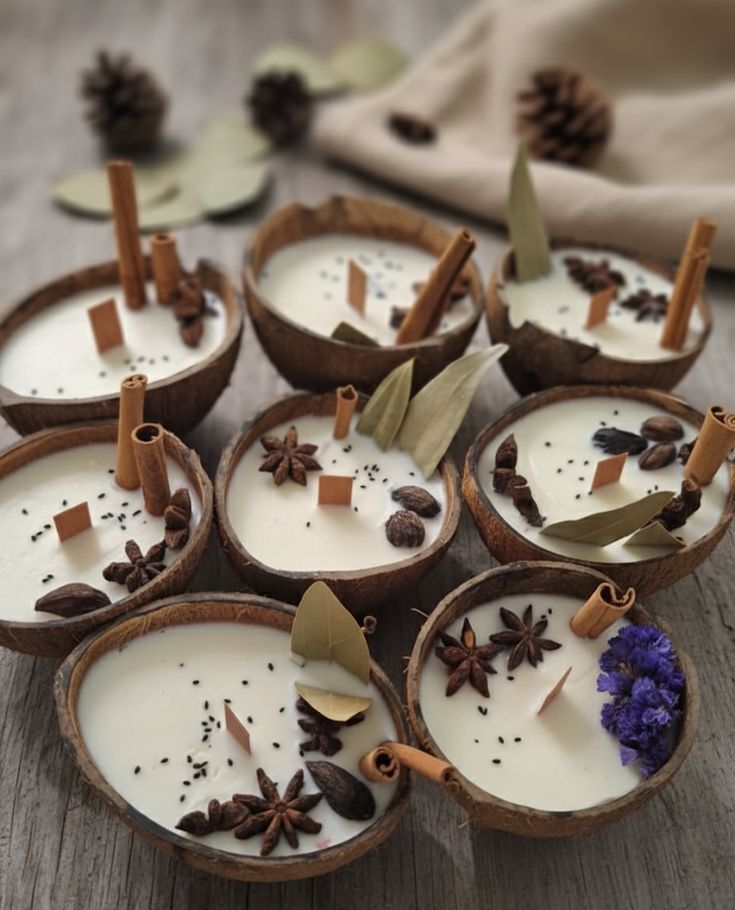
Lemon and rosemary create a fresh combination that I like for daytime spaces. The scent works naturally in kitchens, entryways, bathrooms, and home offices.
I can use a lemon fragrance oil with a rosemary fragrance or another compatible candle fragrance blend. I keep the scent balanced because very strong fragrance can quickly become unpleasant in a small room.
The finished candle looks especially nice in a clear jar with a simple botanical-inspired label.
16. Gel Candles with Shells
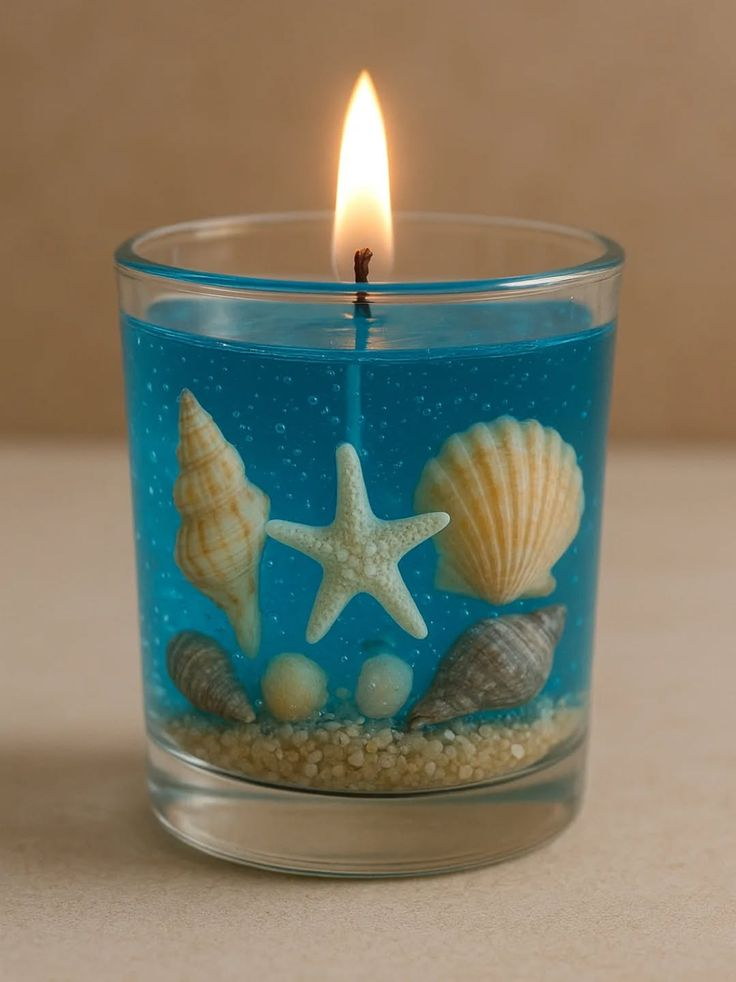
Gel candles have a completely different appearance from traditional wax candles because the material can be transparent. This makes it possible to create a glass-like decorative effect.
For this type of candle, I use gel specifically formulated for candle-making and follow the manufacturer’s instructions carefully. I also choose decorative materials that are specifically recommended for use in gel candles.
Shell-inspired designs can work beautifully in bathrooms, beach-themed rooms, or summer displays.
Pro Tip: I don’t put random beads, stones, plastic pieces, or other objects into candle gel. Decorative items need to be compatible with the material and intended for candle use.
17. Ombre Gradient Candles
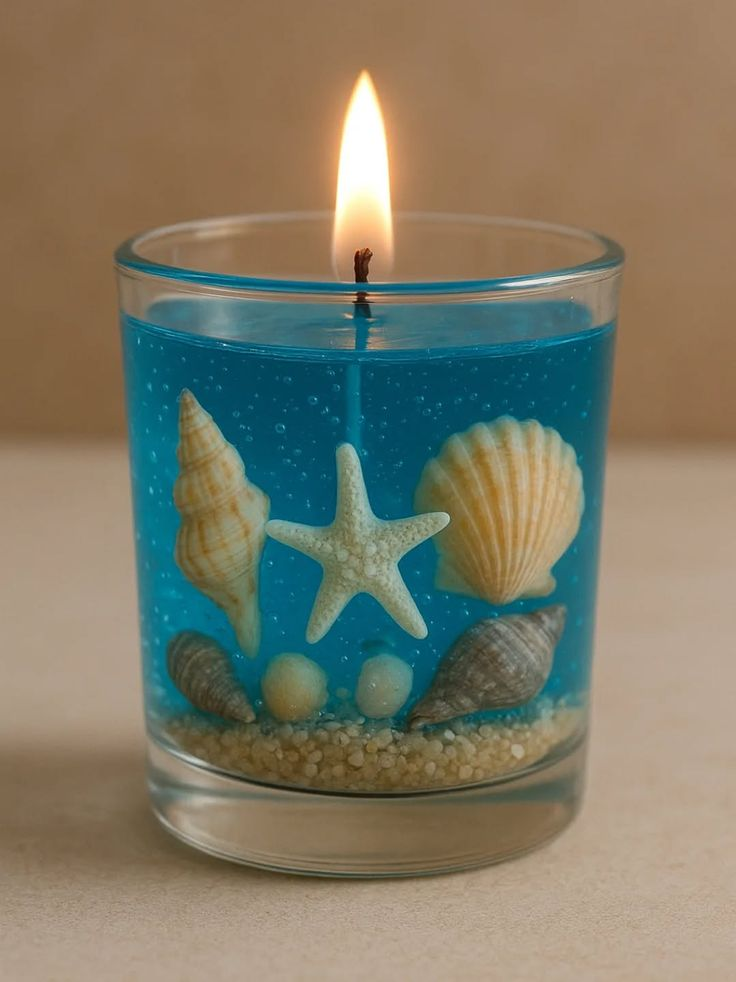
Ombre candles are a great choice when I want to experiment with color. The gradual change from one shade to another gives a handmade candle a decorative finish without requiring complicated patterns.
I can create the effect by preparing several related shades and pouring them in stages. Similar colors usually give me a softer result, while stronger contrasts create a more noticeable gradient.
This is also a useful project for small amounts of leftover wax when I have colors that can work together.
Pro Tip: I keep the temperature and pouring process as consistent as possible between layers. This helps me achieve cleaner transitions.
18. Recycled Tin Can Candles
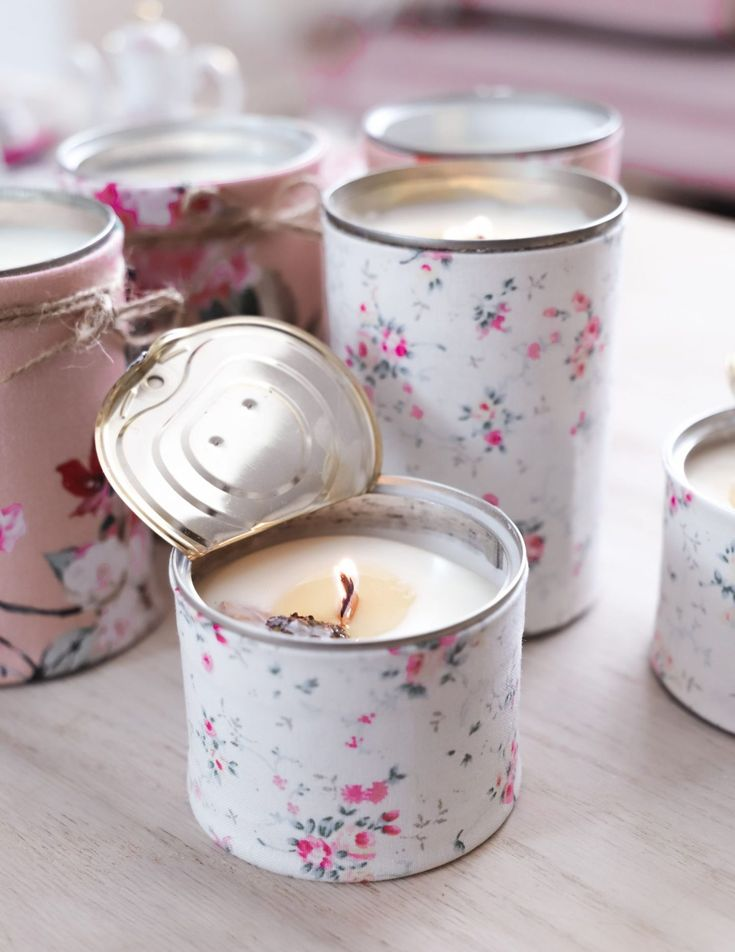
Clean metal tins can make practical candle containers, especially for rustic or industrial-style projects. I can decorate the outside with paint, paper labels, fabric, or a simple natural finish.
Before using a tin, I remove sharp edges and make sure it is clean and completely dry. I also check that the container is suitable for candle-making and won’t become unstable when heated.
This project appeals to me because it gives a useful second life to a container that might otherwise become household waste.
19. Rose Petal Candles
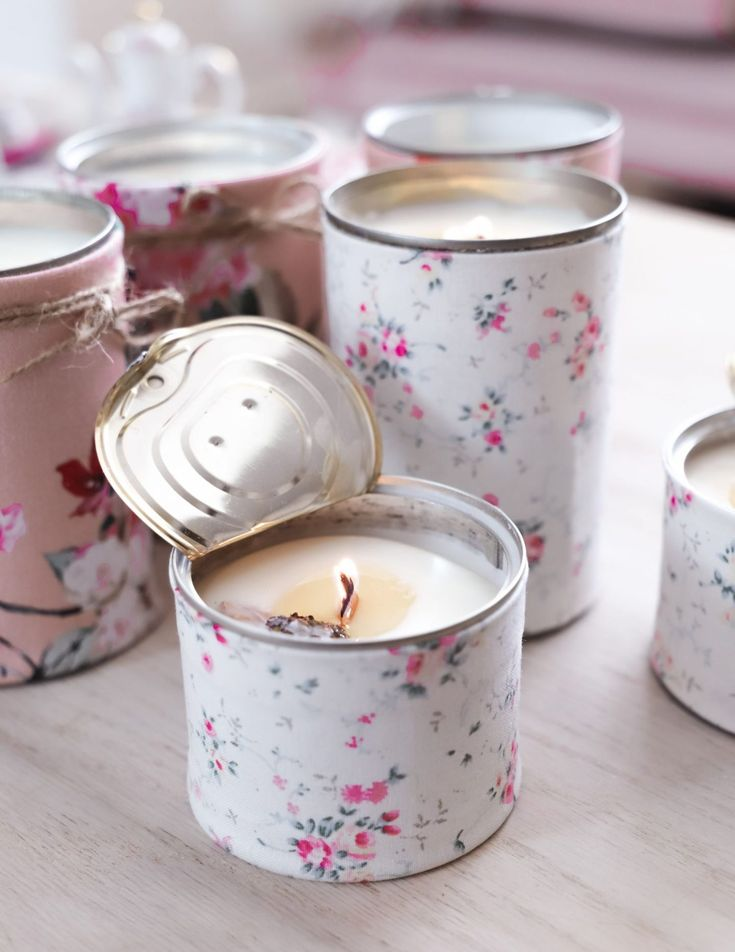
Rose-inspired candles can make a lovely addition to romantic bedrooms, wedding tables, Valentine’s Day displays, or handmade gift baskets.
I prefer using rose fragrance oil for the scent and keeping dried petals away from the wick and flame. If I want the rose theme to be visible, I can use the petals on the exterior packaging or choose a rose-shaped mold instead.
A soft pink, cream, or white candle can keep the overall look simple and elegant.
20. Holiday Spice Candles
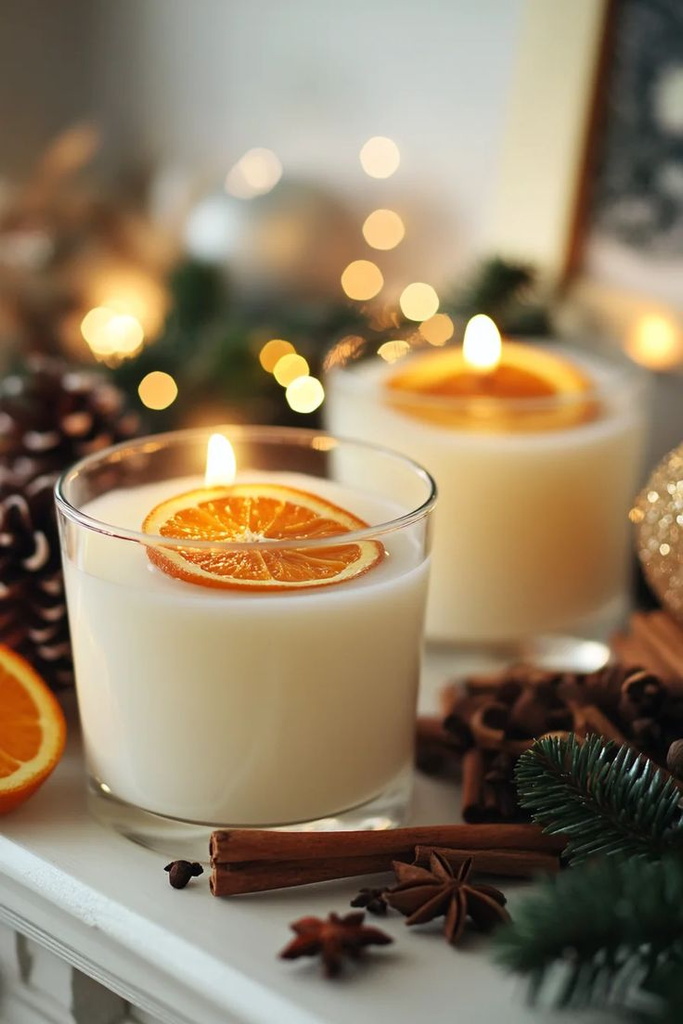
Holiday spice candles are one of the easiest ways I can make my home feel seasonal. Cinnamon, clove, nutmeg, orange, and similar fragrance profiles can create a warm atmosphere.
I use fragrance oils designed for candle-making and follow the supplier’s recommended usage rate. I don’t assume that adding whole spices directly to the wax is safer or produces a better candle.
These candles also make practical handmade gifts because I can prepare them ahead of the holiday season and personalize the labels.
Pro Tip: I make seasonal candles several weeks before gifting them so I have enough time to test the scent and burn performance.
21. Matcha Green Tea Candles
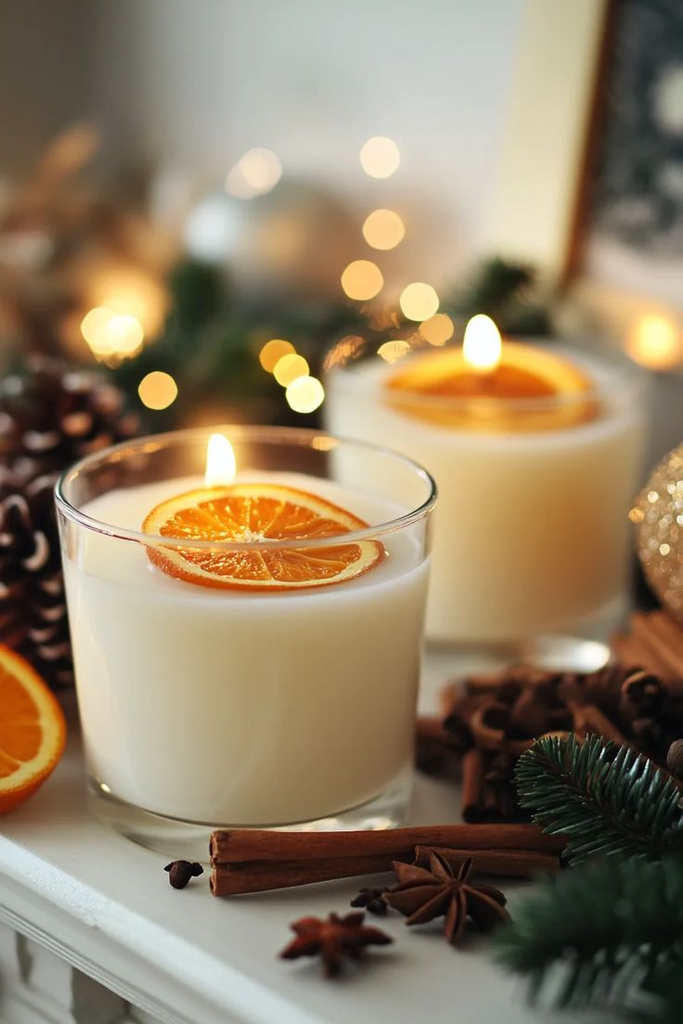
Matcha-inspired candles appeal to me when I want something a little different from the usual vanilla, cinnamon, or floral scents.
I can create the visual theme with a soft green candle color and use a fragrance blend inspired by green tea. I prefer candle-safe colorants instead of adding kitchen matcha powder directly to the wax.
The finished candle can work well on a desk, bedside table, reading nook, or minimalist shelf.
22. Mini Travel Tin Candles
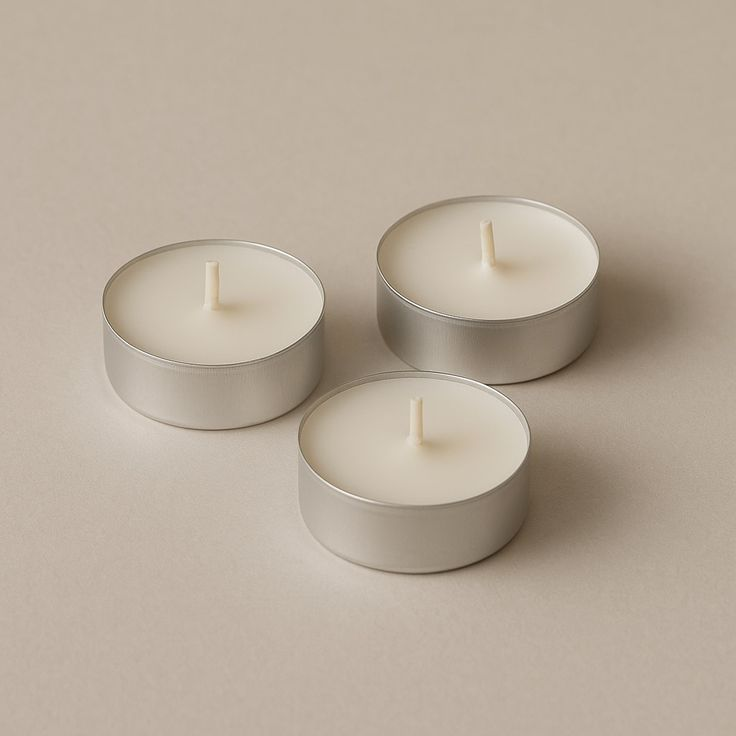
Mini tin candles are practical when I want to make small batches or test a new fragrance without using a large amount of wax.
Their compact size also makes them convenient for gift baskets, party favors, care packages, and travel. I can make several different scents and compare how they perform before committing to larger containers.
I always check that the tins are designed for candle-making and have enough room for safe burning.
Pro Tip: I label each small tin clearly. Once I make several scents at once, it is surprisingly easy to forget which fragrance is inside each container.
23. Unscented Meditation Candles
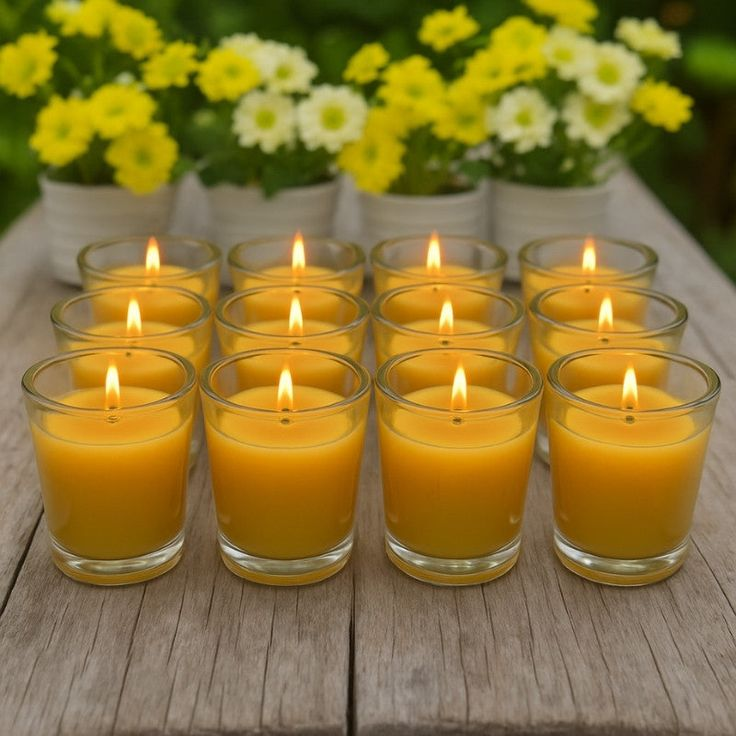
Not every candle needs fragrance. Sometimes I simply want a soft flame without adding another scent to the room.
Unscented candles work well for meditation spaces, reading corners, dinners, and homes where people prefer fragrance-free products. A simple white or cream candle can create a calm visual effect without competing with the rest of the room.
For me, this is also one of the easiest candle styles to customize because I only need to focus on the wax, wick, shape, and container.
How Do You Make Homemade Candles
Making homemade candles usually starts with four basic components: wax, a suitable wick, a container or mold, and optional fragrance or color.
I begin by measuring my wax rather than guessing. I then melt it according to the wax manufacturer’s recommended temperature range, secure the wick in the center of the container, and prepare the fragrance if I’m using one.
Once the wax reaches the appropriate temperature for the product I’m using, I add the recommended amount of fragrance and stir according to the manufacturer’s directions. I then pour the wax carefully into the prepared container.
After pouring, I let the candle cool undisturbed. Depending on the wax, container, and recipe, the candle may need additional curing time before its first burn.
Pro Tip: I don’t rush the first test burn. I trim the wick, place the candle on a stable heat-resistant surface, keep it away from drafts, and watch how the flame and melt pool behave.
Read this next: Mindfulness Crafts for Adults: Slow, Simple Ideas for When Your Mind Feels Loud
What Is the 8:10 Rule for Candles
The “8:10 rule” is commonly described as using around 8% to 10% fragrance oil in relation to the weight of the wax. However, I don’t treat that range as a universal rule for every candle.
Different waxes have different maximum fragrance-load recommendations, and the fragrance supplier may provide its own usage instructions. More fragrance doesn’t necessarily mean a better candle, and exceeding the wax’s recommended load can affect performance.
For example, if a particular wax allows a 10% fragrance load, I would calculate the fragrance based on the actual weight of the wax rather than simply measuring by volume.
Pro Tip: I follow the technical information supplied with my specific wax and fragrance oil. That gives me a much more reliable starting point than applying one percentage to every candle recipe.
Is It Cheaper to Buy or Make Your Own Candles
Making candles can save money, particularly when I buy wax and other supplies in larger quantities and make several candles from the same batch.
The calculation changes when I include fragrance oils, wicks, containers, labels, packaging, equipment, and my time. A single handmade candle may not always cost less than an inexpensive store-bought candle.
Where I notice the biggest advantage is customization. I can reuse suitable containers, make several candles at once, choose my own scents, and create gifts that would cost considerably more if I bought a highly customized version.
Pro Tip: I calculate the total cost of one finished candle before deciding whether a DIY batch is actually cheaper. I include the container, wax, wick, fragrance, label, and packaging.
What Are the Ingredients in Homemade Candles
The main ingredient in a homemade candle is wax. Common options include soy wax, beeswax, paraffin, coconut blends, and other commercially formulated candle waxes.
I also need a wick that matches the candle’s diameter and wax type. The correct wick size matters because a wick that is too small may struggle to create an adequate melt pool, while an oversized wick can produce excessive heat or a large flame.
Fragrance oil or essential oil may be added when I want a scented candle, but I only use products that are appropriate for candle-making and follow their recommended usage rates.
Other supplies can include candle-safe colorants, wick stickers, wick holders, molds, thermometers, and suitable containers. Decorative materials require extra care because anything combustible near a flame can increase fire risk.
Pro Tip: I always test a new candle formula before making a large batch. Small test batches help me check the scent, flame, melt pool, container temperature, and overall burn before I commit to making more.
Conclusion
I find homemade candles rewarding because they combine creativity with something I can actually use around my home. I can keep the design simple, experiment with colors and fragrances, or turn suitable old containers into something useful again.
The best place to start is with a straightforward jar candle. Once I understand how my chosen wax and wick behave, I can move on to layered colors, shaped candles, seasonal scents, and handmade gifts.
Most importantly, I treat candle-making as both a craft and a heat-and-flame project. I use appropriate materials, test my candles, keep burning candles attended, and avoid placing flammable decorations close to the wick.
With a few basic supplies and a little patience, I can create candles that feel personal, practical, and right at home in my own space.

2 Comments