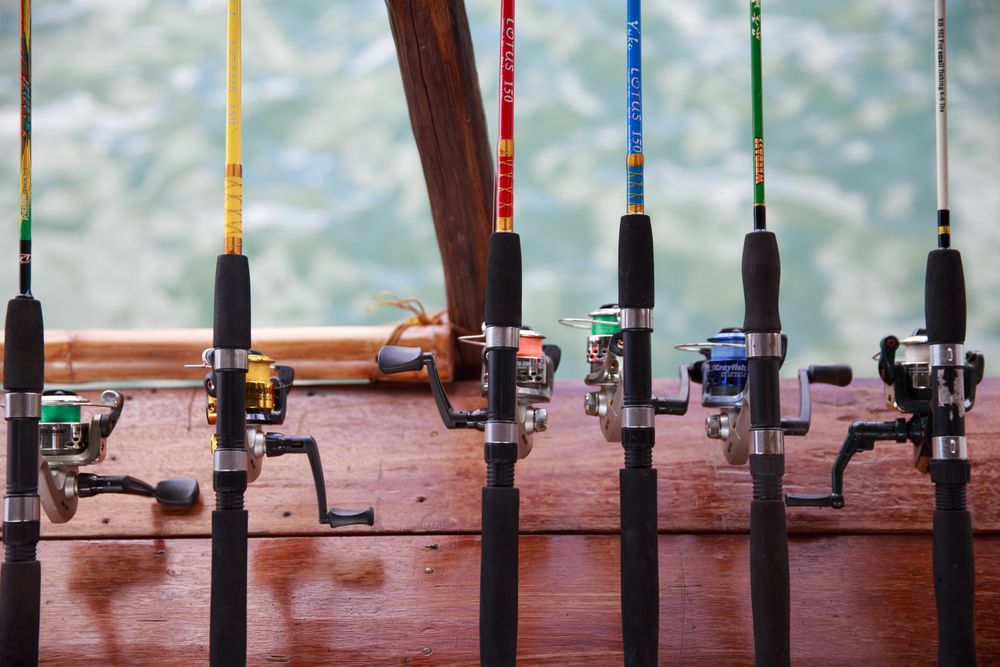
19 Fishing Rod Storage Ideas for 2026
Fishing rods are the bullies of the garage — too long for shelves, too fragile for corners, and somehow always tangled together by spring. After years of leaning mine against the wall and untangling guides every March, I worked through the fishing rod storage ideas that actually protect your gear, and these nineteen earned a permanent place in our home.
You’ll find wall racks, five-minute DIY fixes, and sensible off-season habits here, whether you own two rods or twenty. The goal is simple: every rod stored straight, dry, and off the floor, with its reel protected — so the next trip starts with casting, not cursing.
Key Takeaways
- Store rods straight and off the floor; leaning warps blanks and chips guides.
- Vertical racks suit everyday rods; horizontal racks suit long or fragile ones.
- Always store rods clean and fully dry, with reel drags loosened.
- Separate the everyday pair from the full collection to cut clutter.
- Rod tubes are the safest option for travel and off-season storage.
- A quick rinse and dry after each trip prevents most storage damage.
Related article: Rods are just one part of the garage puzzle — my roundup of 18 Lawn Mower Storage Ideas for 2026 tackles the biggest machine in the room.
19 Fishing Rod Storage Ideas for 2026
1. A Vertical Wall Rack by the Door
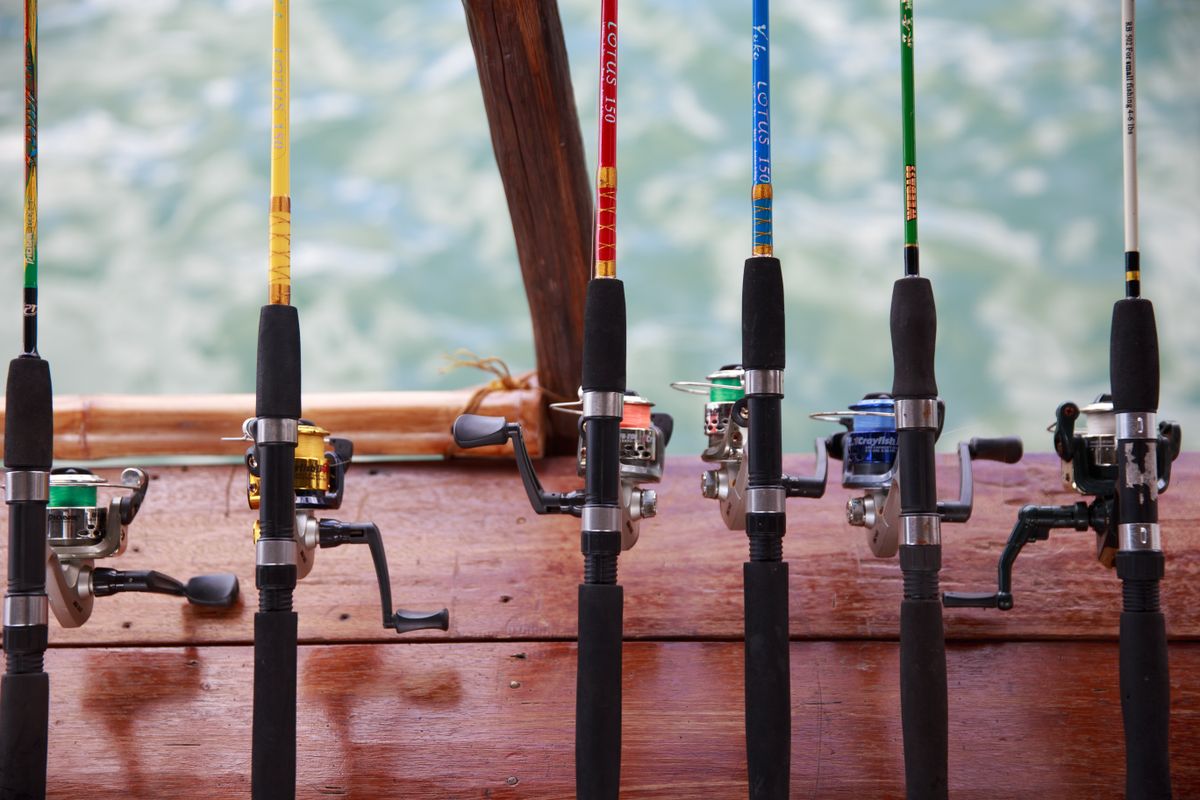
A vertical wall rack near the garage door is where our everyday rods live. Butts sit in a base rail, tips rest in soft slots above, and each rod has its own place — no leaning, no sliding, no tangled lines. I can grab the rod I want with one hand on my way out to the truck.
Pro Tip: Screw the rack into studs so a full load of rods can’t pull it loose.
2. Lean-To Corner Storage, Done Right
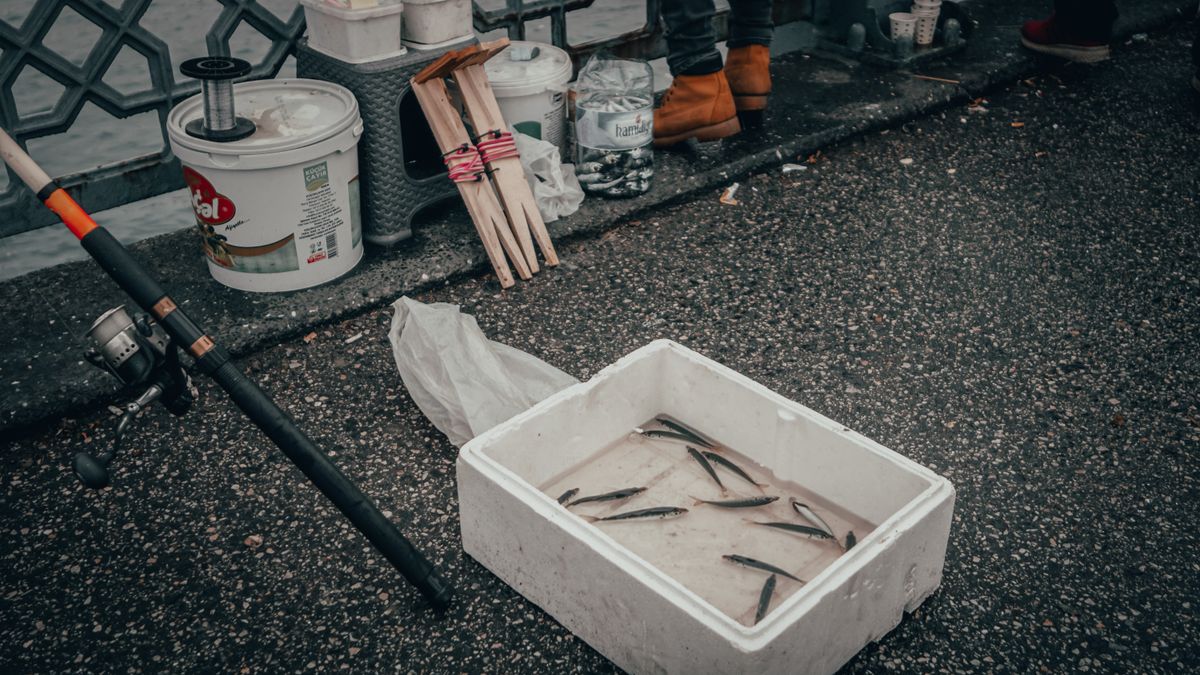
If you lean rods in a corner, do it on purpose: a short length of pool noodle or a slotted foam strip along the wall keeps tips separated and safe. Our guest rods live this way in the cabin corner. It’s not the fanciest system here, but it beats the broom-closet tangle we started with.
Pro Tip: Slip a sock over each reel in corner storage; corners are where reels get knocked.
3. A Tackle-and-Rod Garage Corner

I gave fishing one dedicated garage corner: rods in a rack on the wall, tackle boxes stacked beneath, and boots on a mat below. Everything for a trip lives in one three-foot square, so loading the truck takes five minutes. When a hobby has a home, it stops colonizing the whole garage.
Pro Tip: Keep a small trash tin in the corner for clipped line so the floor stays tangle-free.
4. A Grab-and-Go Gear Station
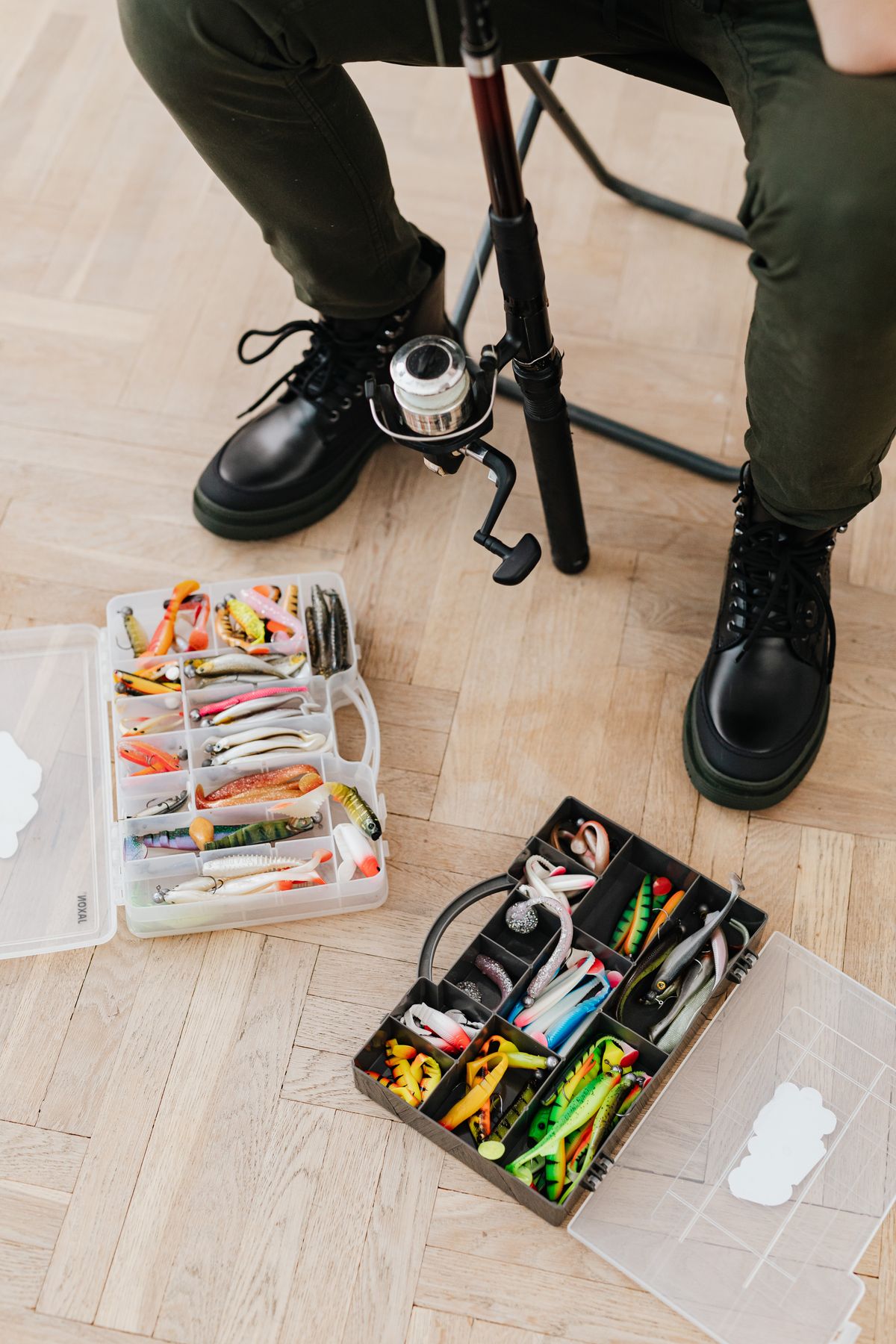
Before every trip, I lay out my gear station-style: rod, reel, tackle tray, pliers, and license all in one spot. Storing things in the order I pack them means nothing gets forgotten at 5 a.m. A shallow tray on the shelf under the rods keeps the small pieces from migrating between trips.
Pro Tip: Photograph your laid-out kit once; packing from the photo is foolproof.
5. A Bucket Rod Holder for Quick Trips
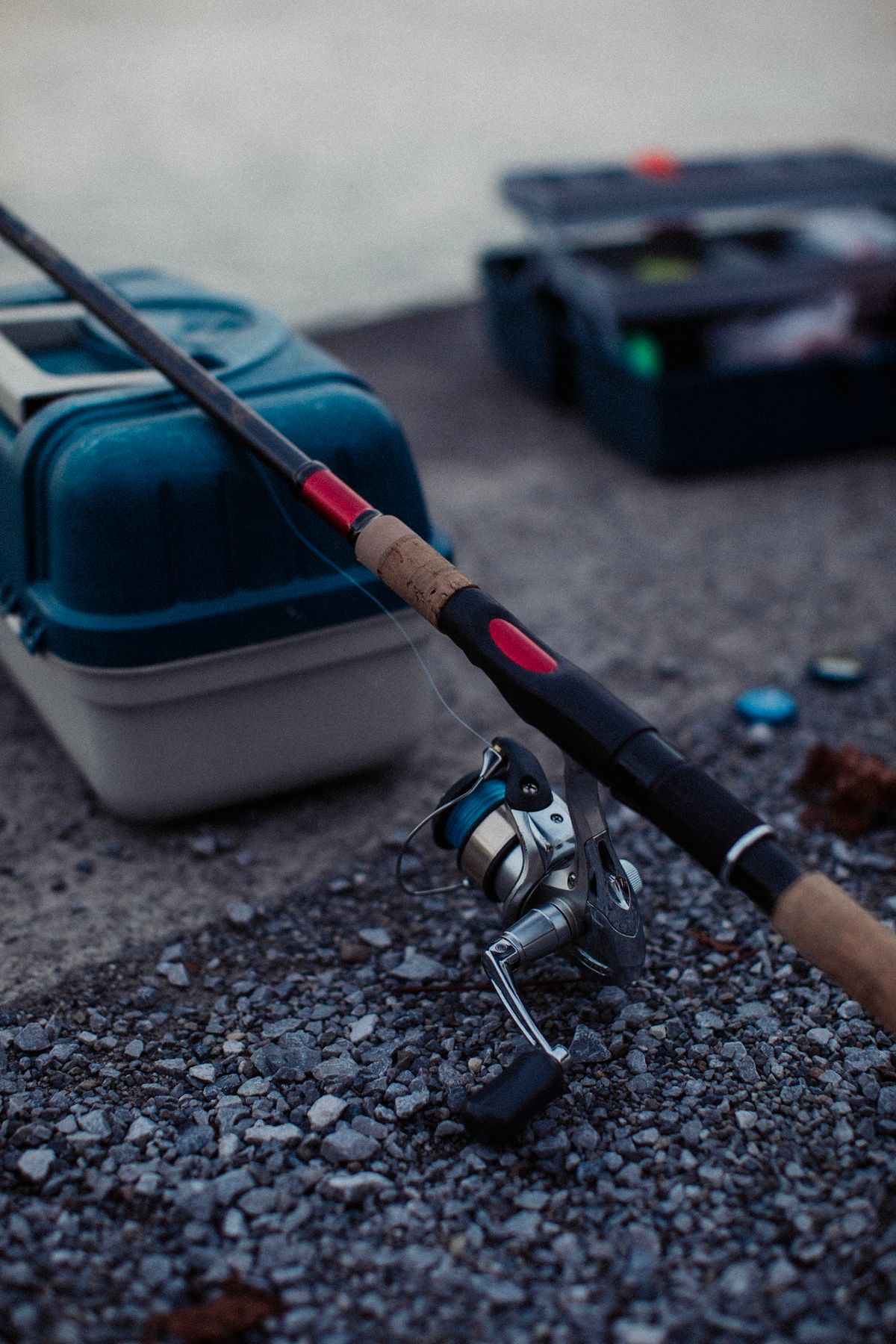
For pond runs, a five-gallon bucket with rod notches cut into the rim is my favorite cheap trick. Rods ride upright, tackle sits in the bottom, and the bucket becomes my seat when I arrive. It lives in the garage ready to grab, and it cost me nothing but ten minutes with a saw.
Pro Tip: Add a brick or some water in the base so a tall rod can’t tip the bucket.
6. Fly Rod Tubes and a Low Shelf
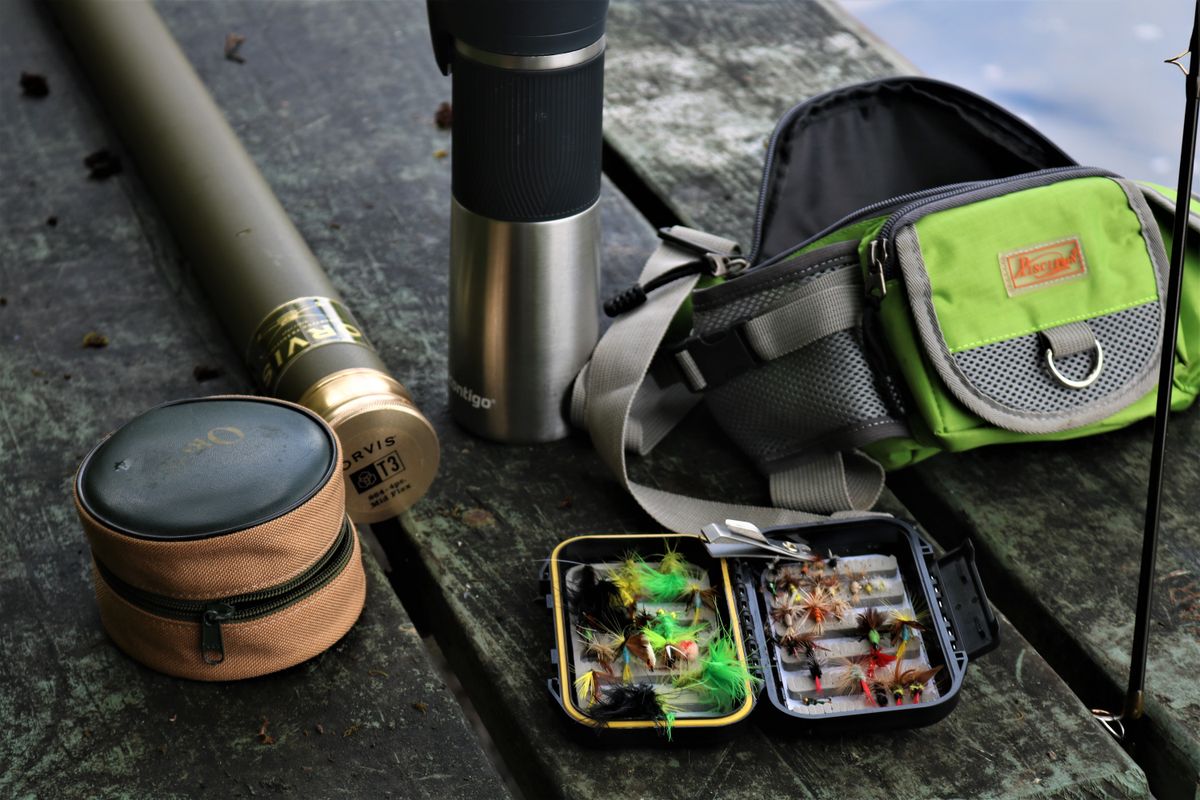
Fly rods break down into tubes, and tubes stack beautifully on a low shelf alongside my vest and fly boxes. I label each tube cap with the rod weight in paint pen — no more opening three tubes to find the 5-weight. Delicate gear deserves the calm corner, well away from garage traffic.
Pro Tip: Store fly lines in loose coils over winter to stop memory curls setting in.
7. Store Rods With Reels Protected
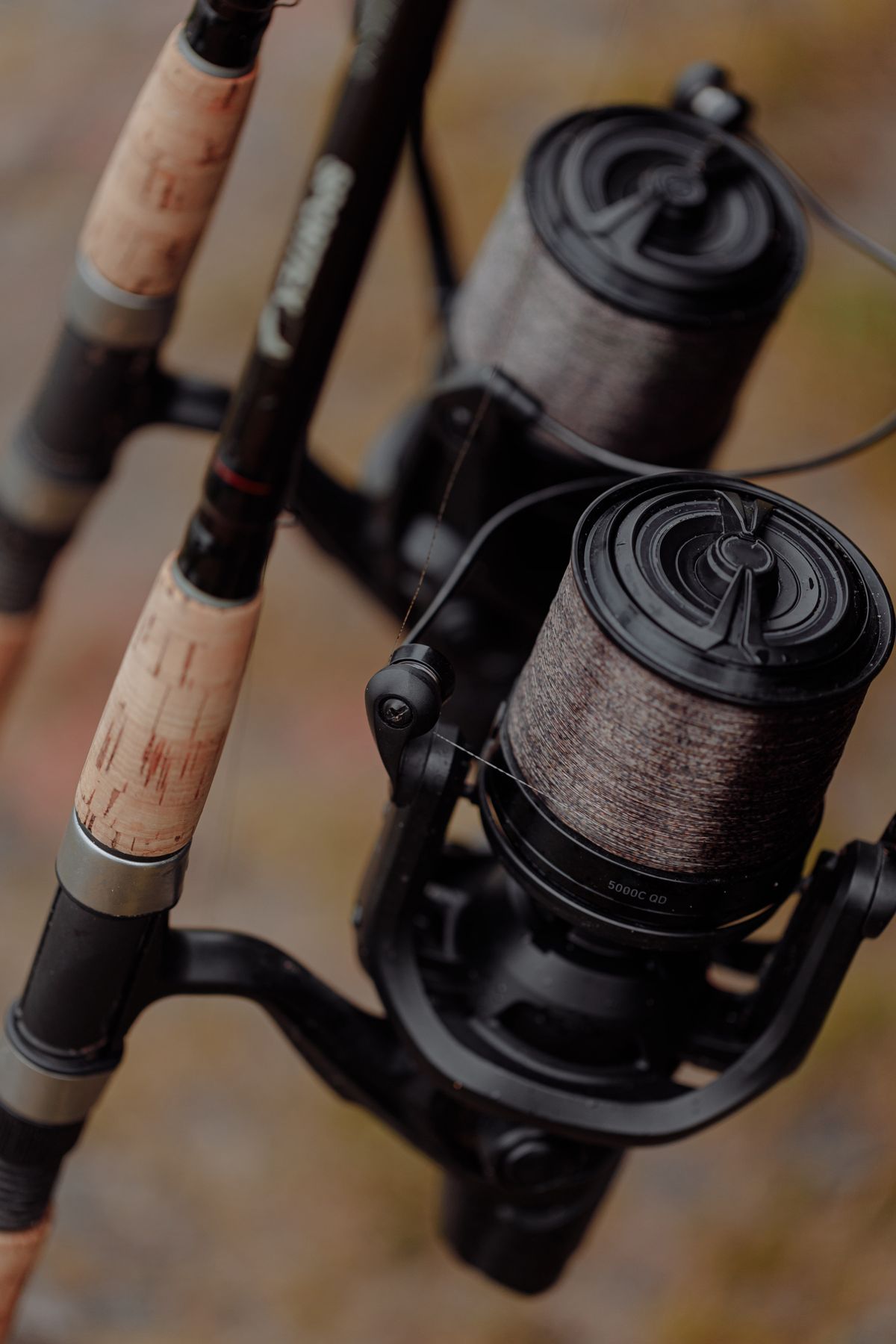
Reels are the expensive half of the outfit, so I store rods reel-up in the rack and slip simple covers over the reels I use most. It keeps dust out of the drag and stops handles chipping each other. Once a season, I wipe every reel down before the collection rests for a while.
Pro Tip: Loosen drags fully for storage; a tight drag all winter flattens the washers.
8. Boat Rod Holders That Stay Put
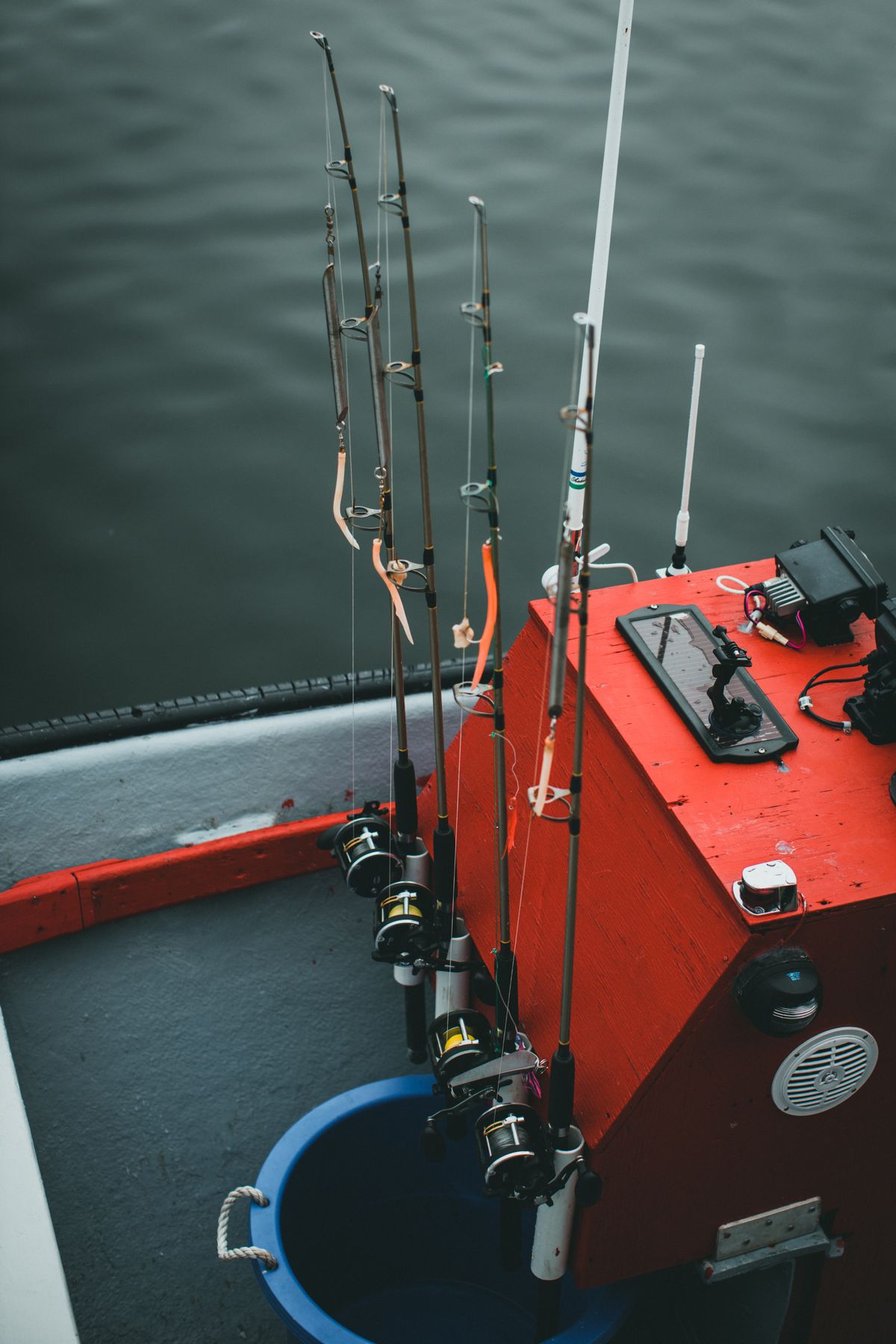
On the boat, rods live in vertical holders along the console — secure while underway and easy to reach at anchor. The same holders screwed to a garage wall panel work beautifully ashore. If your rods split time between boat and home, matching holders in both places make the good habit automatic.
Pro Tip: Rinse boat holders when you rinse the rods; salt crust chews rod finishes.
9. Off-Season Storage, Cleaned and Dry
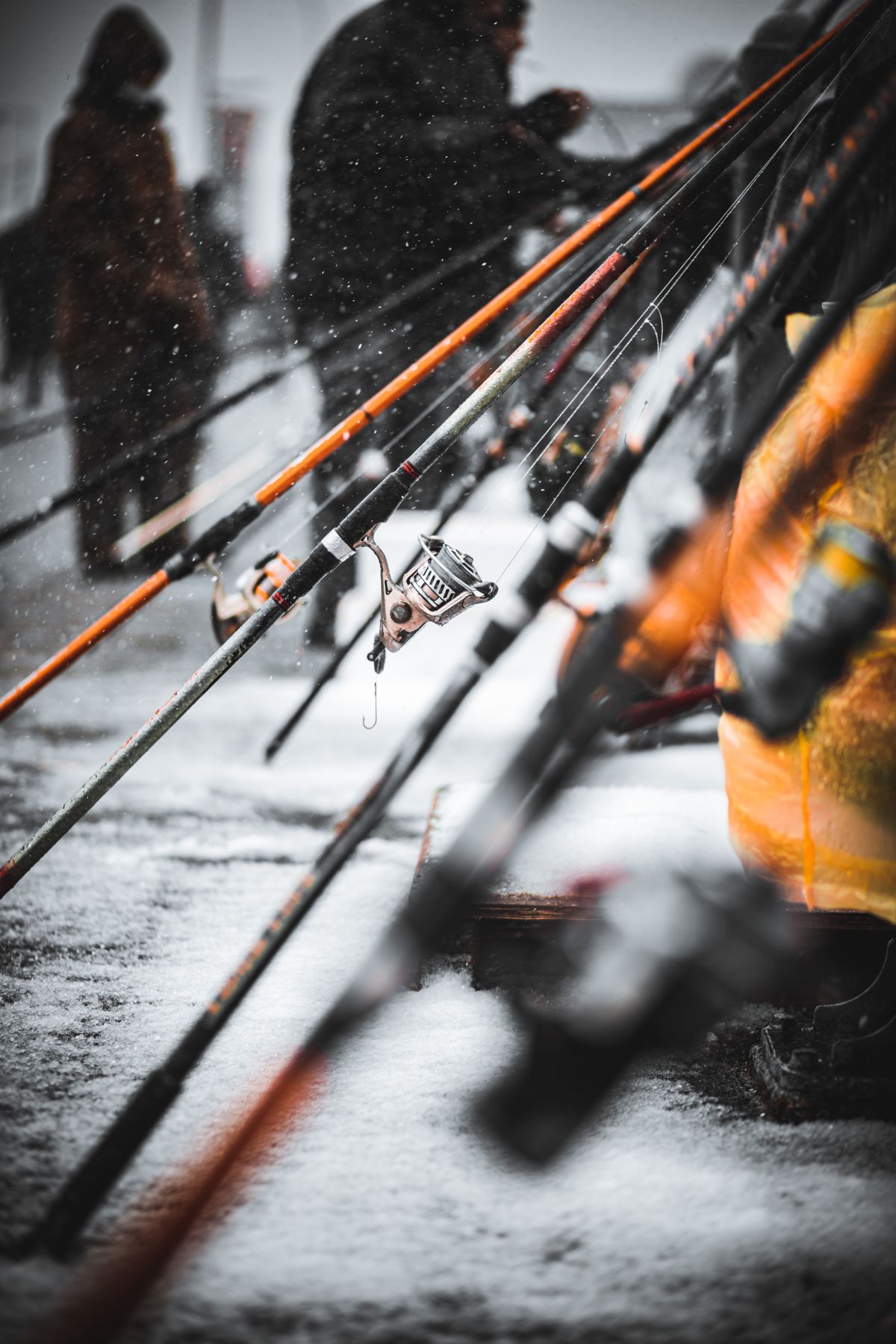
When the season ends, my rods get washed with mild soap, dried completely, and checked guide by guide before they rest. Ice and surf rods get the same wash after winter trips, because salt left sitting is what corrodes the hardware. Clean first, store second — in that order, every time.
Pro Tip: Run a cotton ball through each guide; a snag means a cracked ring that eats line.
10. Cabin Wall Hooks by the Lake
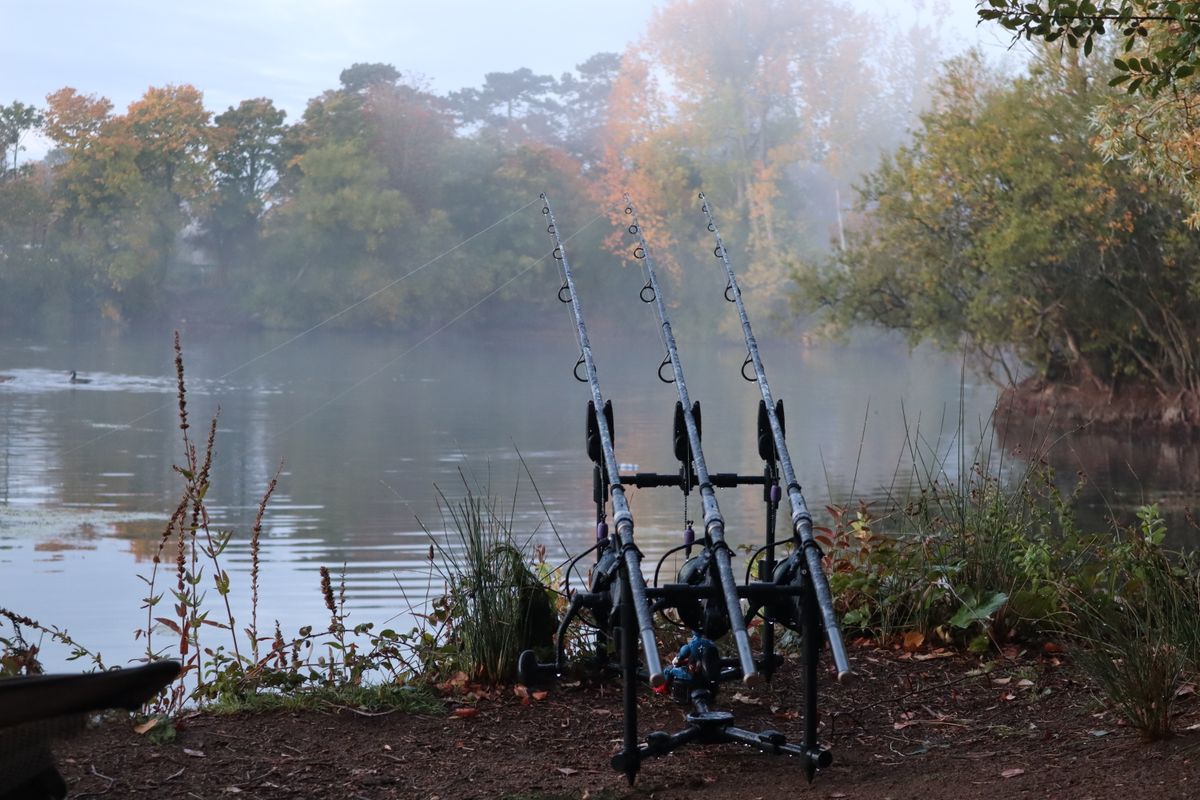
At the lake place, two rows of simple hooks on the porch wall hold the house rods that guests can borrow. They’re visible, dry, and nobody has to ask where anything is. Guest gear should be the easiest gear to find — and, if I’m honest, the cheapest to replace if it wanders off.
Pro Tip: Label one simple setup as the house rod so your best gear never becomes guest gear.
Also read: Wet rods and wet boots travel together in our house, so it helps that my 21 Boot Storage Ideas for 2026 includes the drip-tray setup right beside our rod rack.
11. A Porch Post Rod Rest
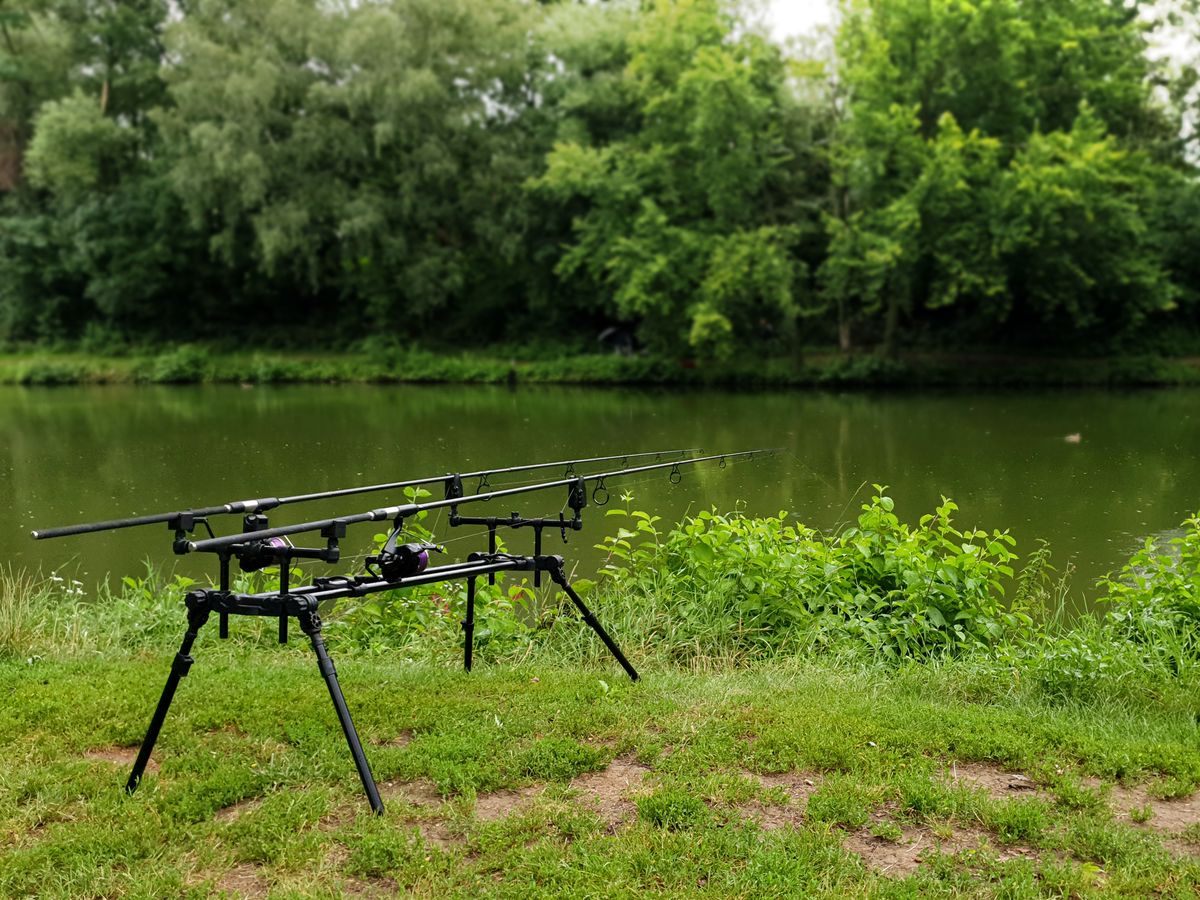
Between outings, our river rods rest on padded hooks under the porch roof — shaded, aired, and off the ground. It’s a halfway home for gear that’s going back out tomorrow, and it keeps damp rods out of the house. Just don’t let tomorrow become all summer; porch storage is a layover, not a destination.
Pro Tip: Choose the wall that never takes direct rain, even in sideways storms.
12. Under-Deck Horizontal Storage
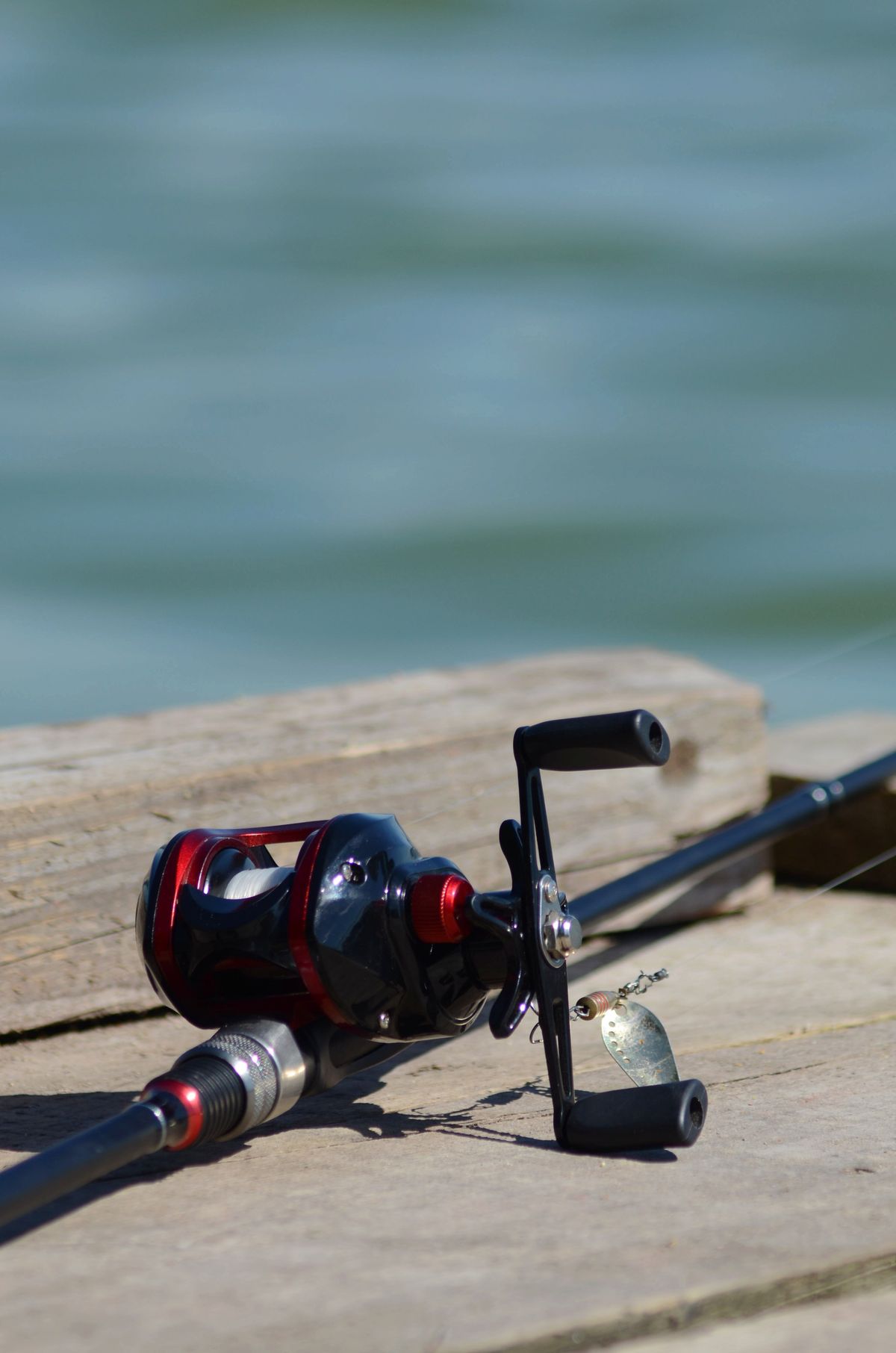
Long surf and fly rods store best horizontally, and the space under our raised deck fits them perfectly on two padded rails. They’re shaded, ventilated, and completely out of foot traffic. I ran a bungee across the middle so nothing rolls when the kids thunder up and down the steps.
Pro Tip: Keep horizontal rods at least a foot off the ground, safe from splashing rain.
13. Balcony Clips for Apartment Anglers
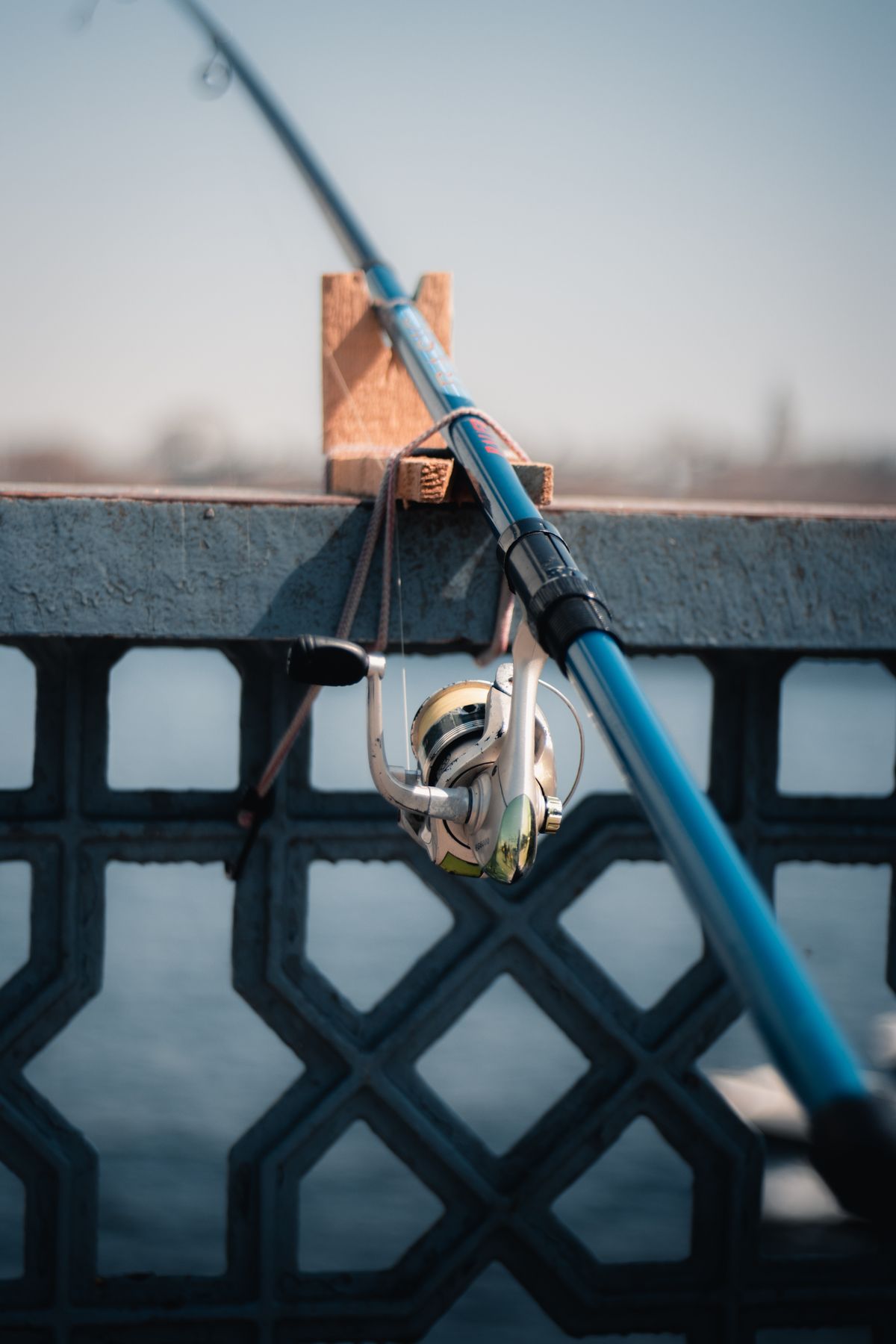
No garage? Railing clips on a balcony hold two rods neatly along the rail, tips in and reels covered. My nephew fishes from a city apartment with exactly this setup, plus a rod tube in the hall closet for winter. Small spaces just need vertical thinking and a landlord-friendly, no-drill install.
Pro Tip: Angle rods tips-down slightly so rain runs off instead of pooling in the guides.
14. A Two-Rod Travel Tube
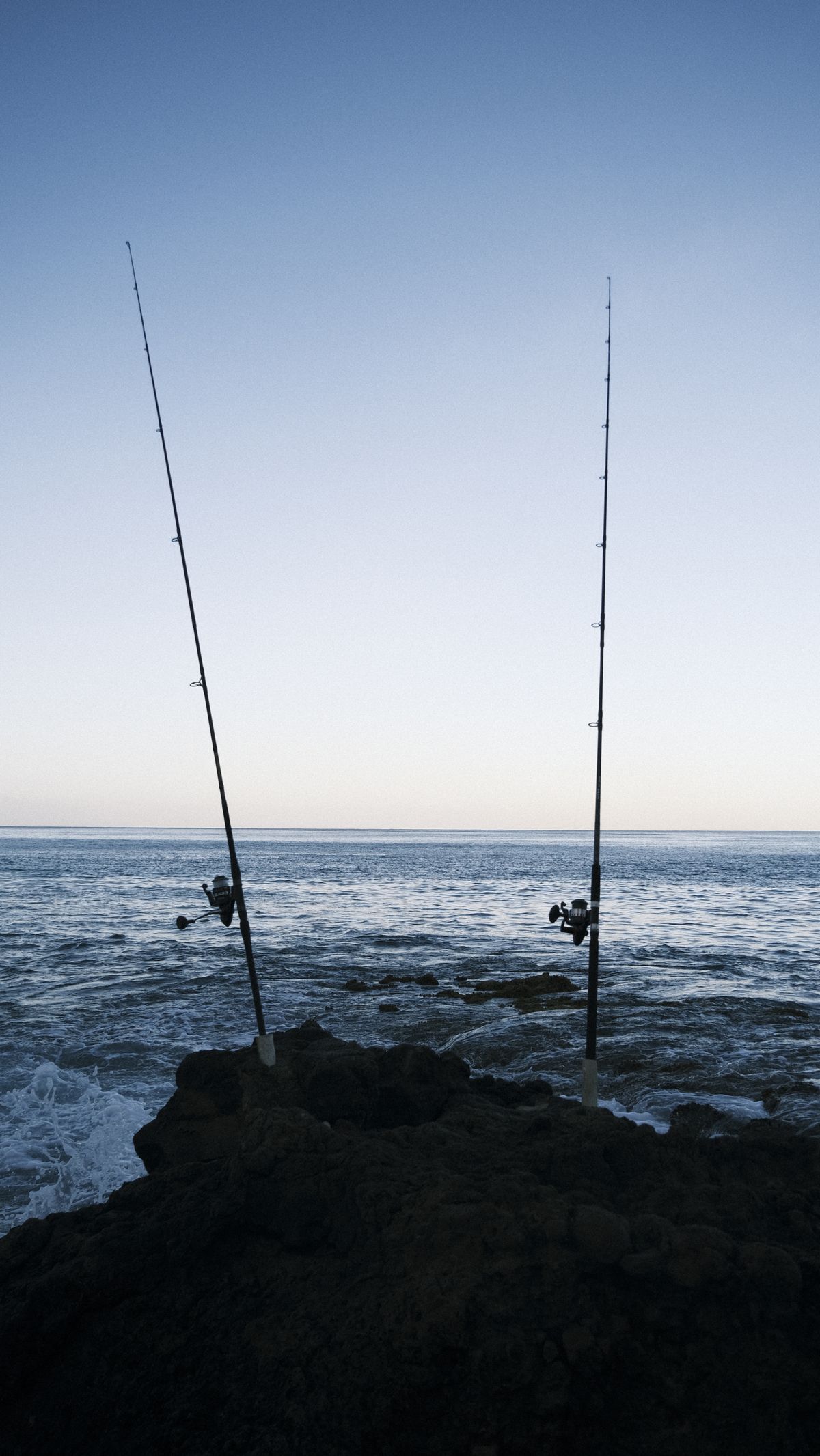
My two favorite rods travel in one hard tube with foam at both ends — in the truck, on the plane, anywhere. At home the tube stands in the closet corner, so travel storage and home storage are the same thing. Fewer transfers between holders means fewer broken tips, full stop.
Pro Tip: Wrap each rod section in its sock before tubing; sections rattle more than you think.
15. The Rinse-and-Dry Routine Before Storing
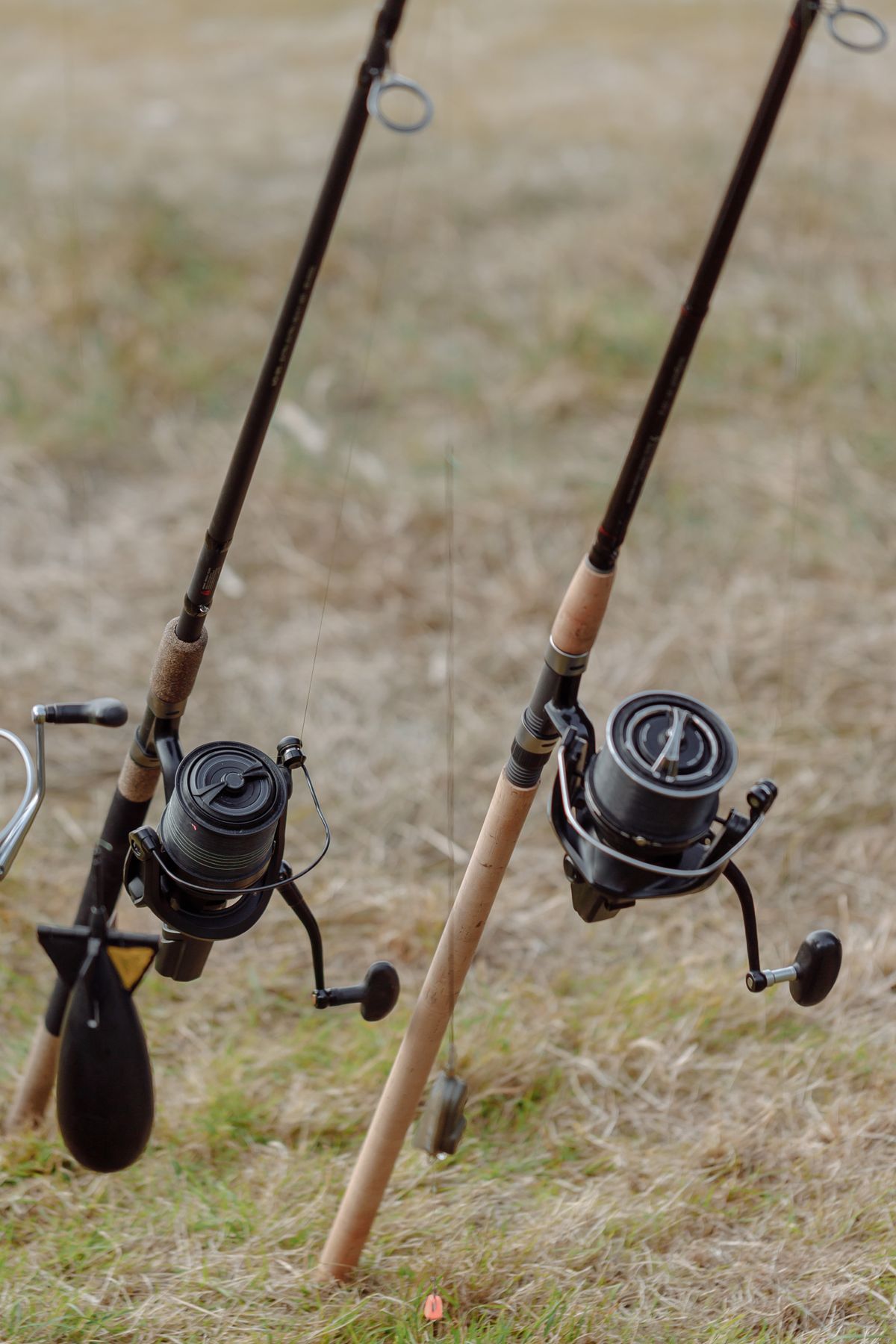
Every rod that comes home gets five minutes on the lawn: a gentle hose rinse, a shake, and a lean in the sun until the wraps are dry. Storing a damp rod is how mildew and rust start, and it’s the most avoidable damage there is. The routine is quick; the repairs it prevents are not.
Pro Tip: Dry rods handle-up so water drains away from the reel seat, not into it.
Read this next: Long, awkward gear is a theme in our house — the same vertical thinking shapes my Umbrella Storage Ideas by the front door.
16. A Vacation-Home Closet Corner
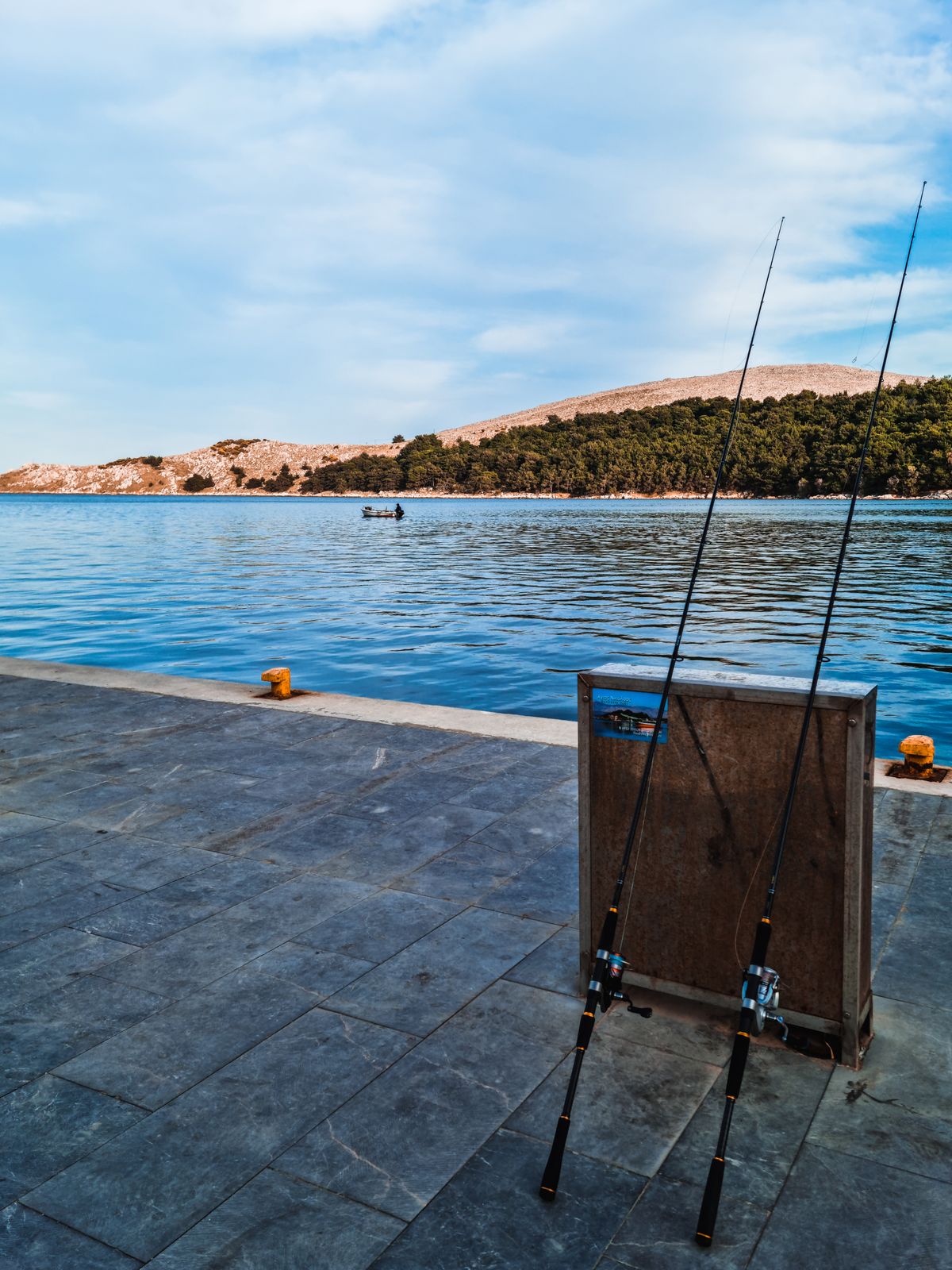
At our little seaside rental, two rods live in the hall closet on a door-mounted rack — out of sight for guests and ready for us. A small silica pack in the closet fights the coastal damp. Vacation gear should wait patiently and need nothing from you between visits, and this setup does exactly that.
Pro Tip: Leave a note in the closet listing what’s stored; future-you always forgets.
17. A Rustic Rack for Rods and Nets
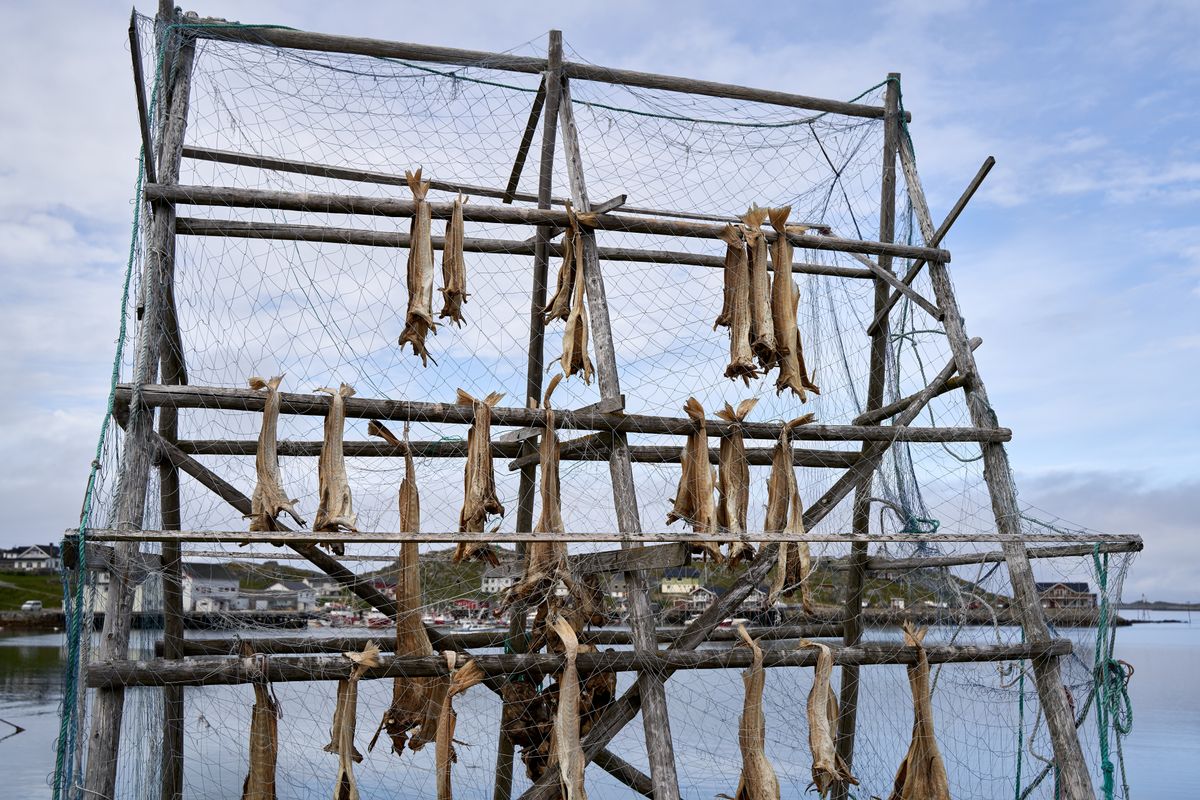
A simple wooden rack with pegs holds our rods on one side and the landing nets on the other, shed-style. Pegs beat hooks for nets, because nothing snags. If you like storage that looks like it’s always been there, weathered wood and chunky pegs are forgiving to build and kind to cork handles.
Pro Tip: Sand pegs smooth and round the ends; rough wood frays net mesh and frays line.
18. Dock Box Storage at the Marina
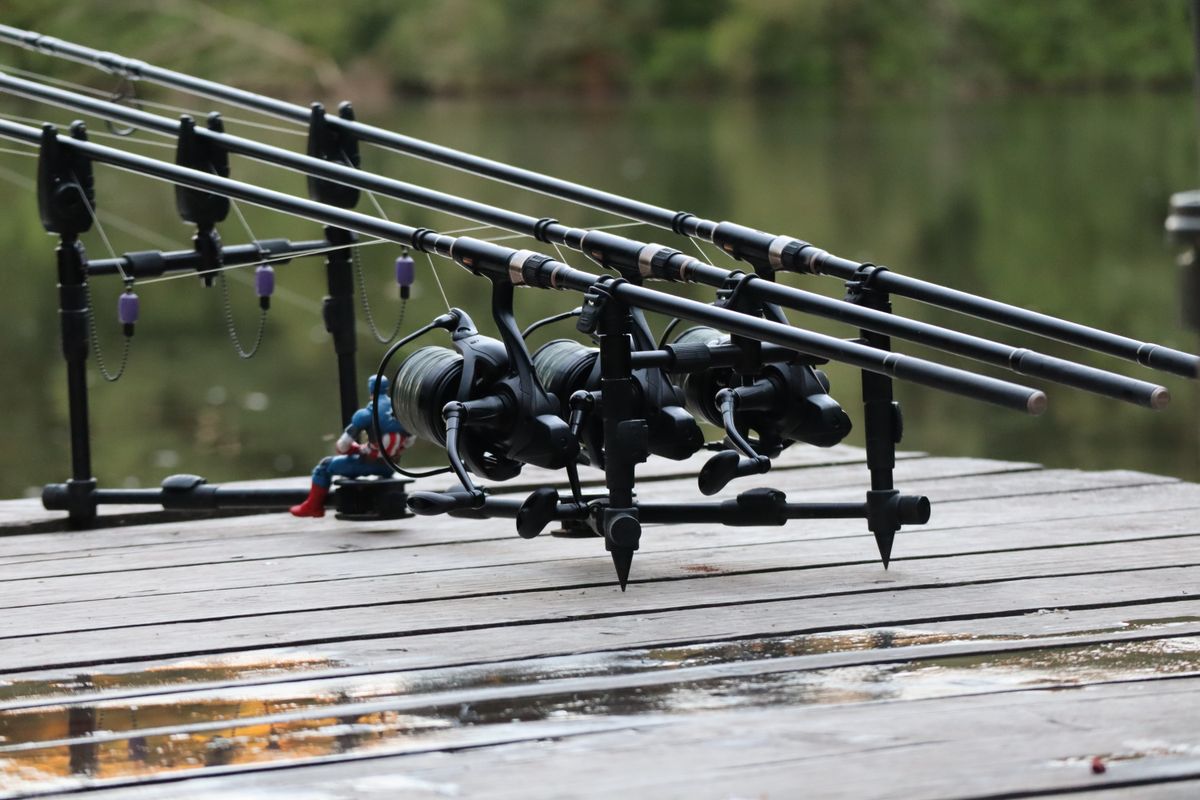
Keeping a boat at the marina? A dock box with two rod tubes inside means your good rods never have to ride in a hot car. I line the box with outdoor carpet offcuts so nothing rattles, and the tubes stand in a crate to stay in order. Everything stays just steps from the water.
Pro Tip: Ventilate the dock box or add a moisture absorber; sealed boxes bake gear in July.
19. A Bucket-and-Crate System for Pier Days
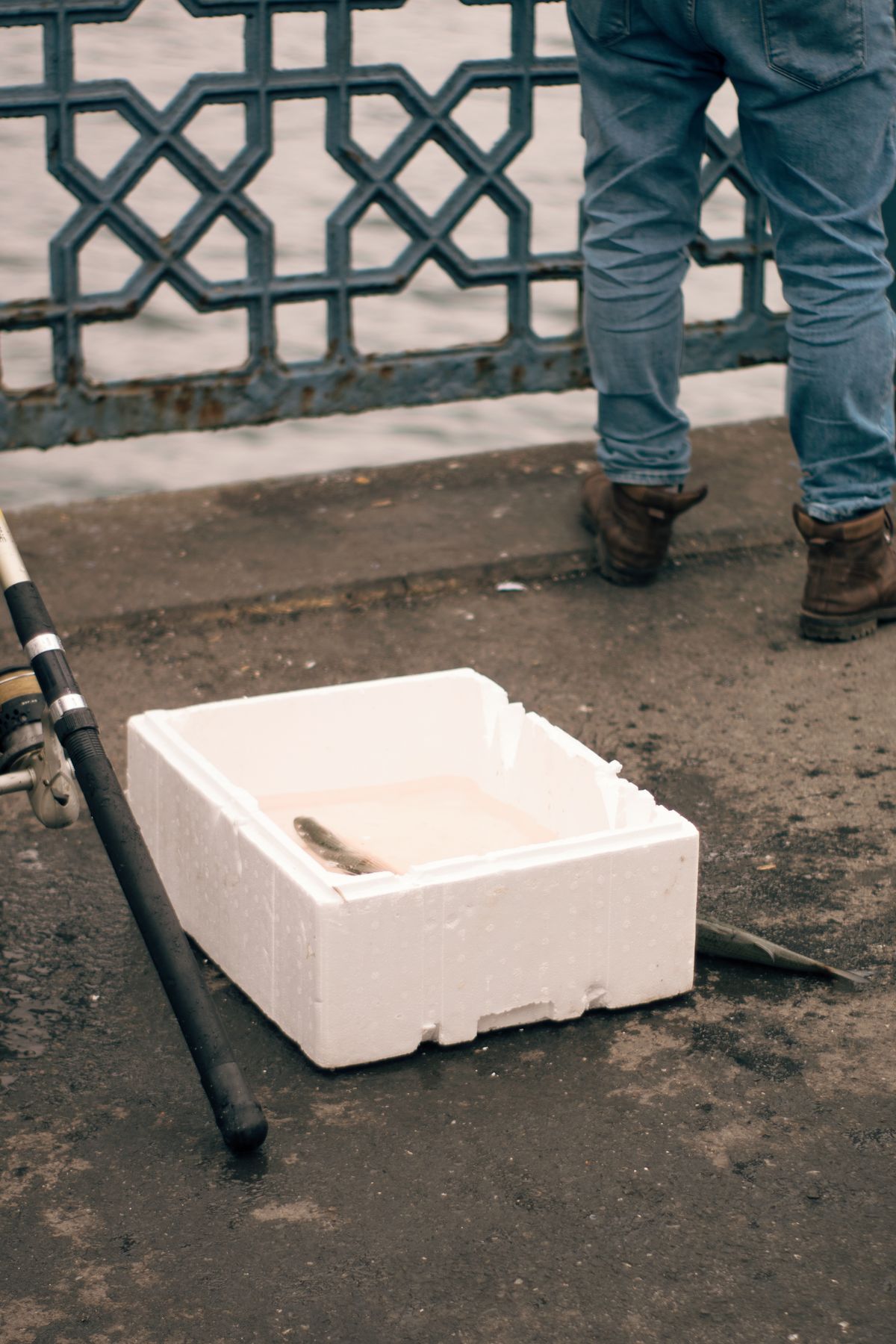
For pier fishing I keep a crate packed and ready: bait bucket, spare spools, pliers, and one rod that lives with the kit. It stores on the garage shelf as a single unit, so a spontaneous evening trip becomes a one-grab decision. Systems you can grab in the dark are the ones that actually get used.
Pro Tip: Restock the crate the night you get home, not the morning you leave.
Frequently Asked Questions About Fishing Rod Storage
Is it better to store fishing rods vertically or horizontally?
Both work when they’re done properly. I store everyday rods vertically in a rack because they’re easy to grab, and long or delicate rods horizontally on padded rails so nothing bends. What matters most is that rods never lean at an angle, rest on their tips, or lie under anything heavy.
Can I store fishing rods in the garage?
Yes — my main collection lives in the garage year-round. Keep rods off the concrete floor, away from the car door’s swing, and out of direct sun through windows. If your garage gets extremely hot in summer, move your best rods to an indoor closet during heat waves.
Should I loosen the drag before storing a reel?
Yes, I back the drag right off on every reel before long storage. A drag left tight for months compresses its washers, and you’ll feel the difference as a jerky drag next season. It’s a ten-second habit that saves real money on reel servicing down the road.
How do I store fishing rods in a small apartment?
Think vertical and hidden: railing clips on the balcony, a slim rack behind a door, or a rod tube standing in a closet corner. My nephew keeps two rods on his balcony and one in a tube indoors, and his whole setup takes up less room than a broom.
How do I protect rods during the off-season?
Wash each rod with mild soap and water, dry it completely, and check the guides for cracks before storing. Then rest them in a rack or tube in a dry spot, reels covered and drags loose. A silica pack nearby helps in damp basements and coastal homes like ours.
Why do my rods keep getting tangled in storage?
Almost always, it’s loose line and hooks left on. I remove lures, reel line up snug to the guide, and secure it with a small hook keeper or a twist tie before any rod goes back. One rod per slot, line secured — tangles simply stop happening.
Final Thoughts
Good fishing rods aren’t cheap, and most damage I’ve seen over the years happened at home, not on the water — a rod leaned, stepped on, or put away wet. A rack, a dry corner, and five minutes of care after each trip change all of that, whatever your budget looks like.
Start with the two rods you reach for most, give them a proper home this weekend, and work through the rest when you can. I’d love to hear which of these fishing rod storage ideas fits your garage, boat, or balcony best.



One Comment