24 Grown Woman Bedroom Ideas for A Matured Elegance
When I’m designing a bedroom for a grown woman, I don’t think the room needs to look overly formal or lose its personality. I want it to feel polished, comfortable, and personal while still being practical enough for everyday life.
For me, the biggest change from a younger bedroom is choosing pieces that feel intentional. A beautiful headboard, quality-looking bedding, layered lighting, useful storage, and a few meaningful decorative pieces can completely change the atmosphere without requiring a full renovation.
I’ve gathered 24 grown woman bedroom ideas covering a wide range of decorating styles, from elegant monochrome and sophisticated neutrals to dark and moody, coastal, minimalist, vintage, and eclectic designs. Each idea shows how I would use color, furniture, textiles, lighting, and accessories to create a more mature bedroom.
Save this for later
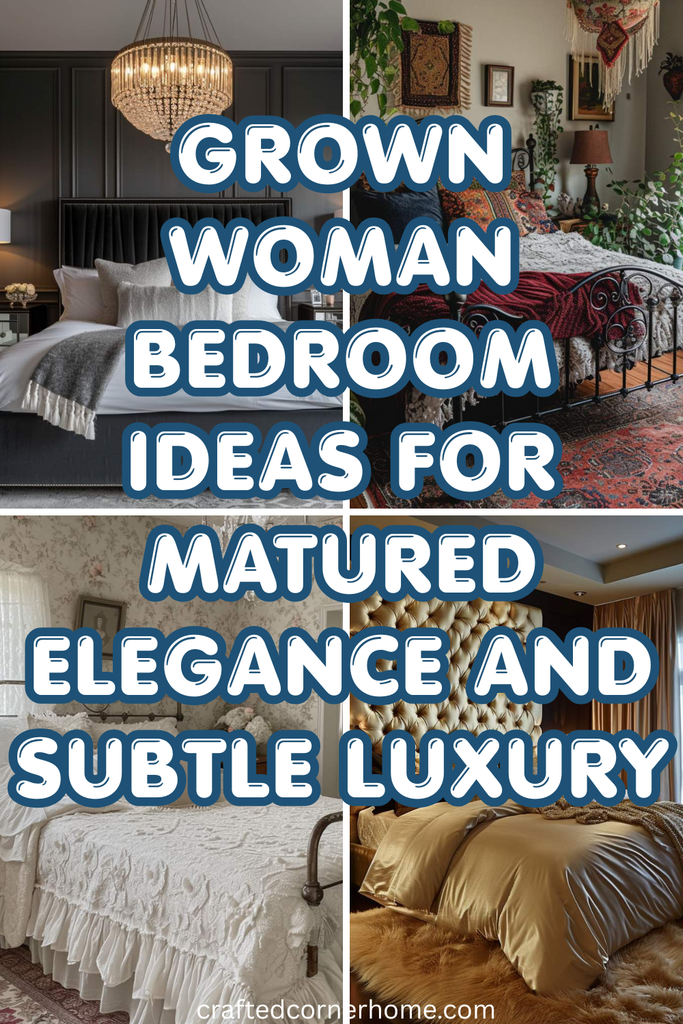
Table of Contents
I don’t believe a grown-up bedroom has to be expensive. I can create a polished look by focusing on a few high-impact elements, such as coordinated bedding, a substantial headboard, matching bedside lighting, curtains, rugs, and artwork. The goal is to make the room feel finished rather than simply filled with furniture.
Key Takeaways
- I use a consistent color palette to make a bedroom feel more pulled together.
- I mix textures such as velvet, linen, wool, wood, and metal to add visual interest.
- I prioritize comfortable bedding because the bedroom needs to work for everyday living.
- I use lighting at different levels instead of depending on one ceiling fixture.
- I keep decorative pieces personal so the room feels like mine rather than a showroom.
- I choose storage carefully so clothes, accessories, and everyday items don’t create visual clutter.
Related article: Modern Teen Boy Bedroom Decor: 21 Stylish Ideas That Feel Personal
1. Elegant Monochrome
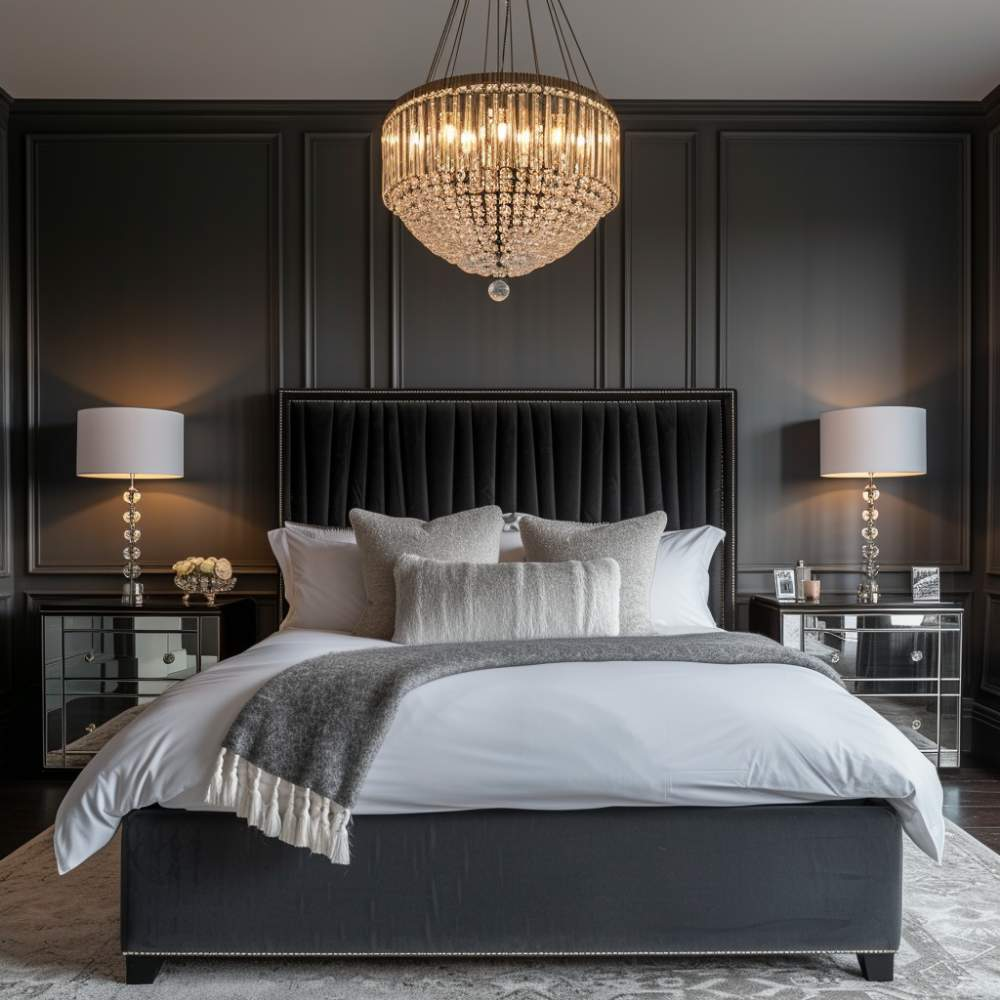
I love a monochrome bedroom when I want a sophisticated look without relying on lots of colors. I would build the room around shades of white, charcoal, gray, or soft taupe and then repeat those tones through the bedding, furniture, curtains, and accessories.
A padded headboard can become the main focal point, while crisp bedding keeps the room looking fresh. I’d add a textured throw, streamlined bedside tables, and soft bedside lamps to prevent the neutral palette from feeling flat.
Pro Tip: When working with one color family, I use at least three different textures. This gives the room depth even when the colors stay simple.
2. Bohemian Chic
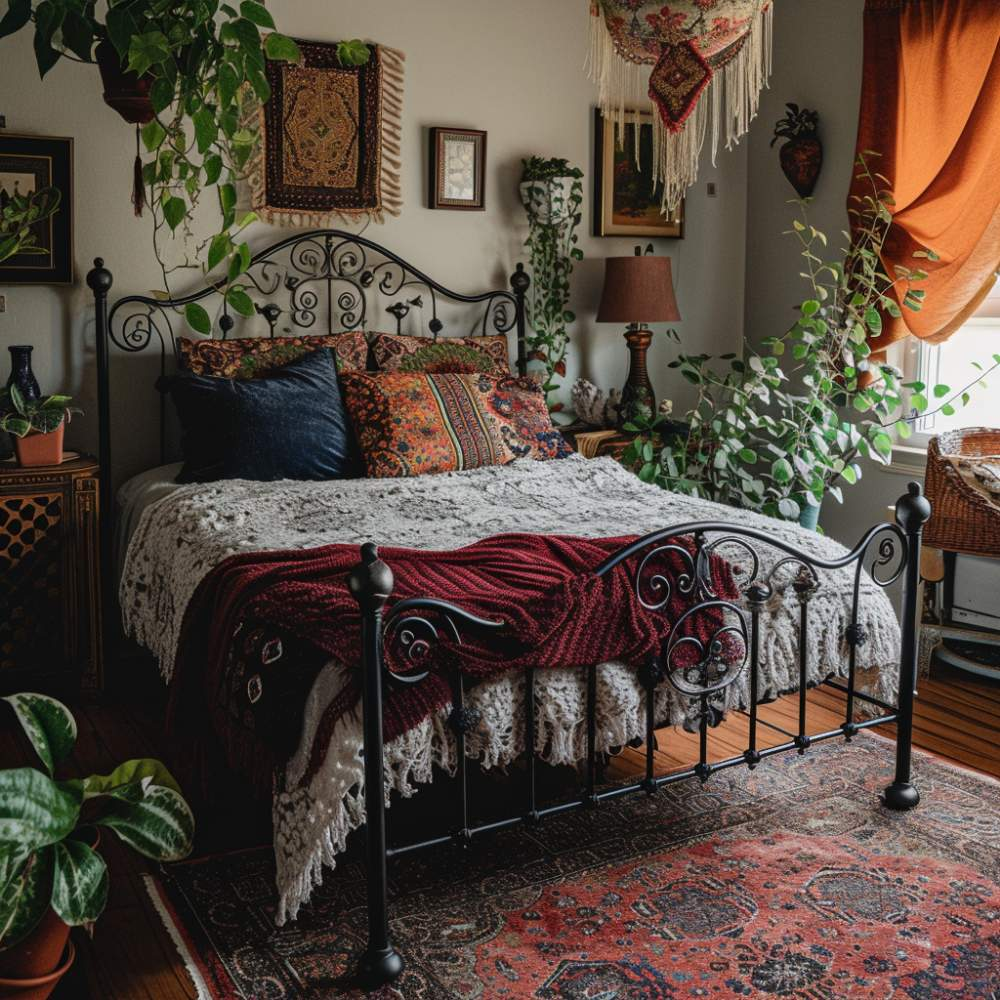
For a bedroom with more personality, I’d combine warm colors, natural materials, and patterns for a relaxed bohemian feel. A simple metal or wooden bed gives me a good foundation for layered blankets, patterned pillows, and textured throws.
I would add a woven rug, macramé wall art, baskets, and a few plants to make the space feel collected rather than overly coordinated. The key is allowing different patterns to work together while keeping one or two colors consistent.
3. French Country
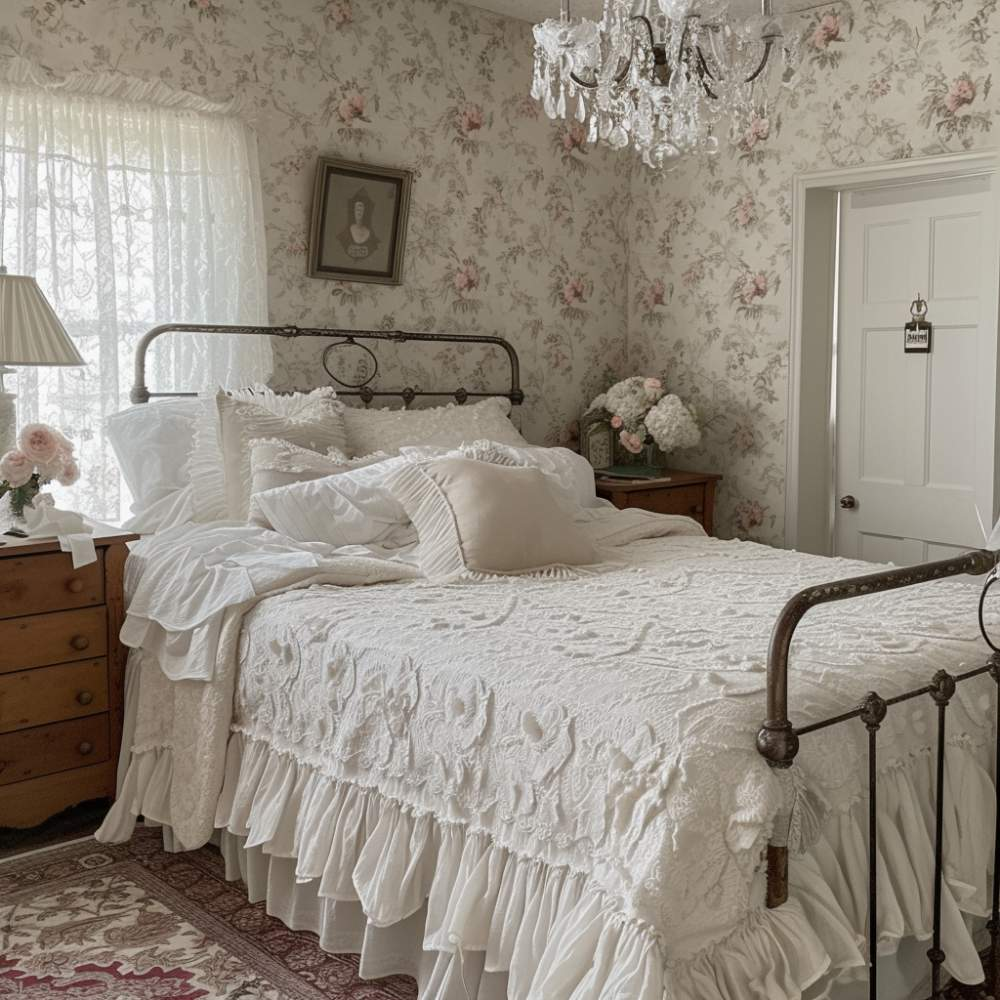
I find French country bedrooms especially appealing when I want something romantic without making the room feel too delicate. I would start with an iron or painted wood bed and layer it with relaxed linen or cotton bedding.
Floral patterns, weathered furniture, soft curtains, and an elegant light fixture can add the traditional character. Fresh flowers or a small vintage-style vase on a dresser can finish the look without requiring many accessories.
4. Luxurious Glam
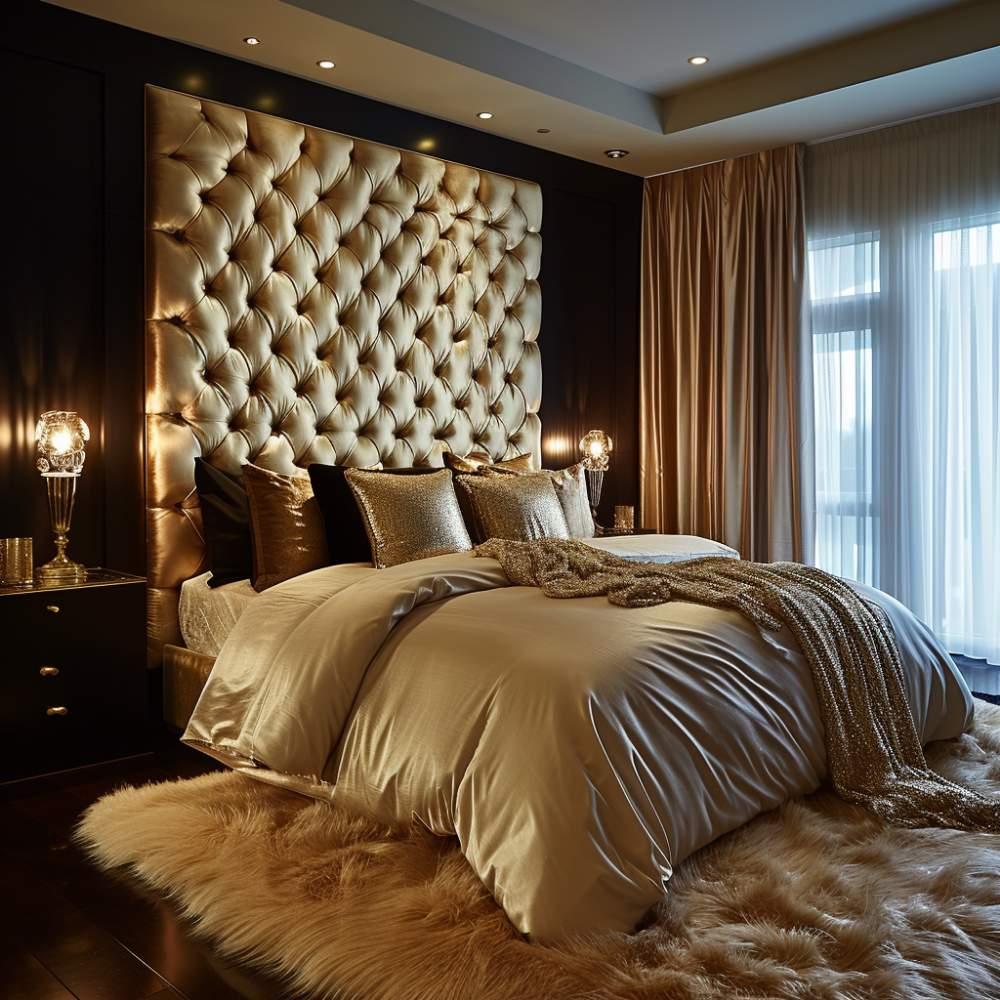
When I want my bedroom to feel glamorous, I focus on a few materials that instantly create that effect. Velvet, polished metal, glass, and soft faux fur can all contribute without requiring an excessive amount of decoration.
I would choose a statement upholstered headboard, elegant curtains, layered lighting, and bedding with subtle sheen. Gold, brass, or silver accessories can then be used in small amounts around the room.
Pro Tip: I avoid using metallic finishes everywhere. Repeating one metallic finish two or three times usually creates a more coordinated look.
5. Sophisticated Neutrals
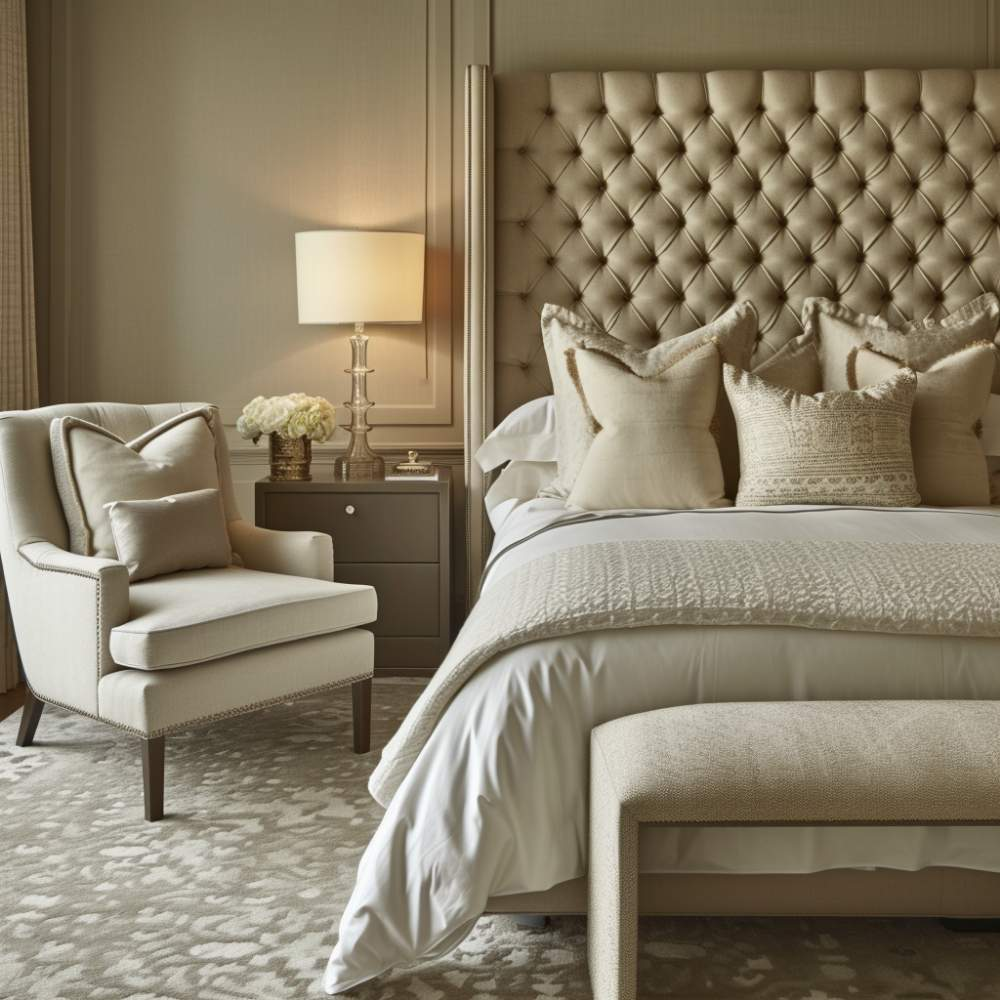
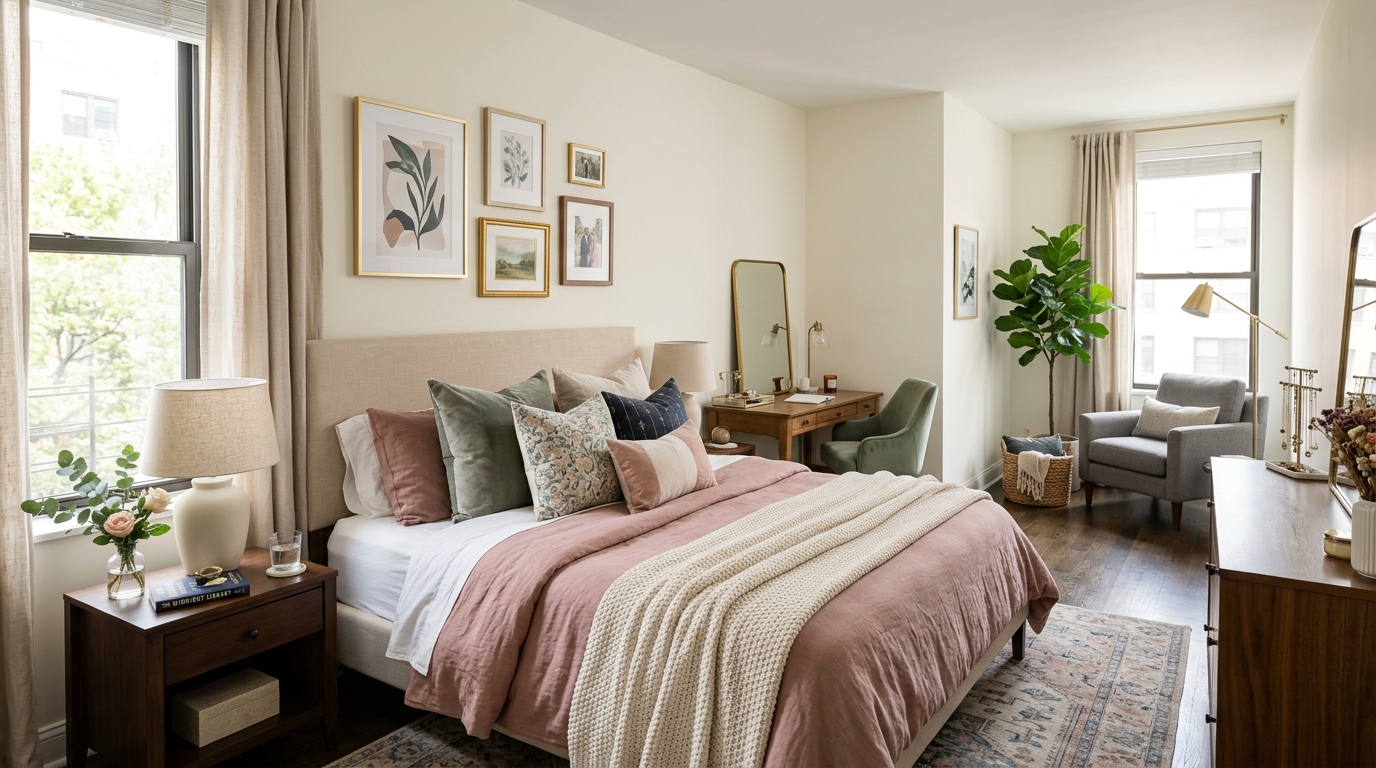
Neutral bedrooms are one of my favorite options because they can feel mature without becoming boring. I like combining cream, beige, warm white, taupe, and soft brown rather than using a single shade throughout the entire room.
An upholstered bed, comfortable chair, textured rug, woven basket, and layered bedding can give the room plenty of visual interest. I would also bring in natural wood to add warmth to the softer colors.
6. Art Deco Influence
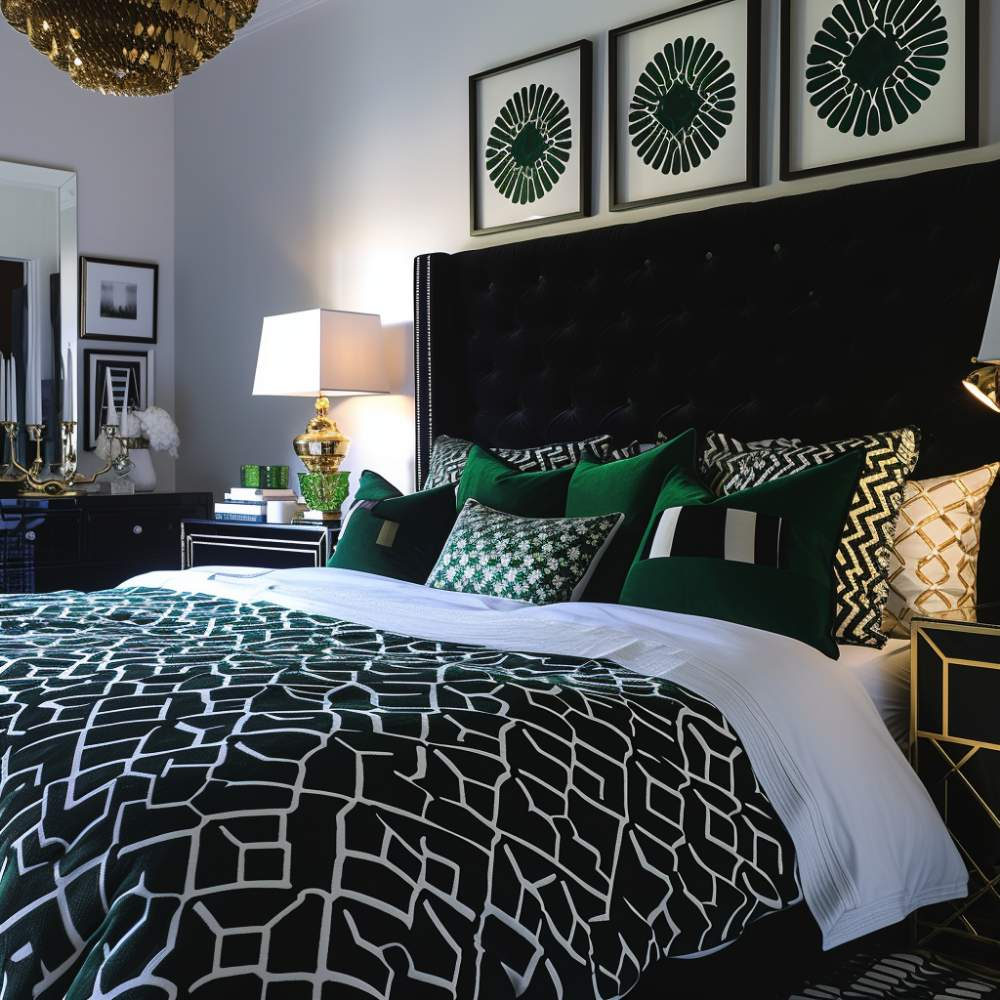
I would use Art Deco details when I want the bedroom to have a little more drama. Geometric shapes, velvet upholstery, brass accents, mirrored surfaces, and strong symmetry can create that recognizable look.
I might choose a curved or channel-tufted headboard, geometric bedside lamps, and artwork with bold lines. Keeping the overall palette controlled helps these statement details feel intentional rather than overwhelming.
7. Rustic Retreat
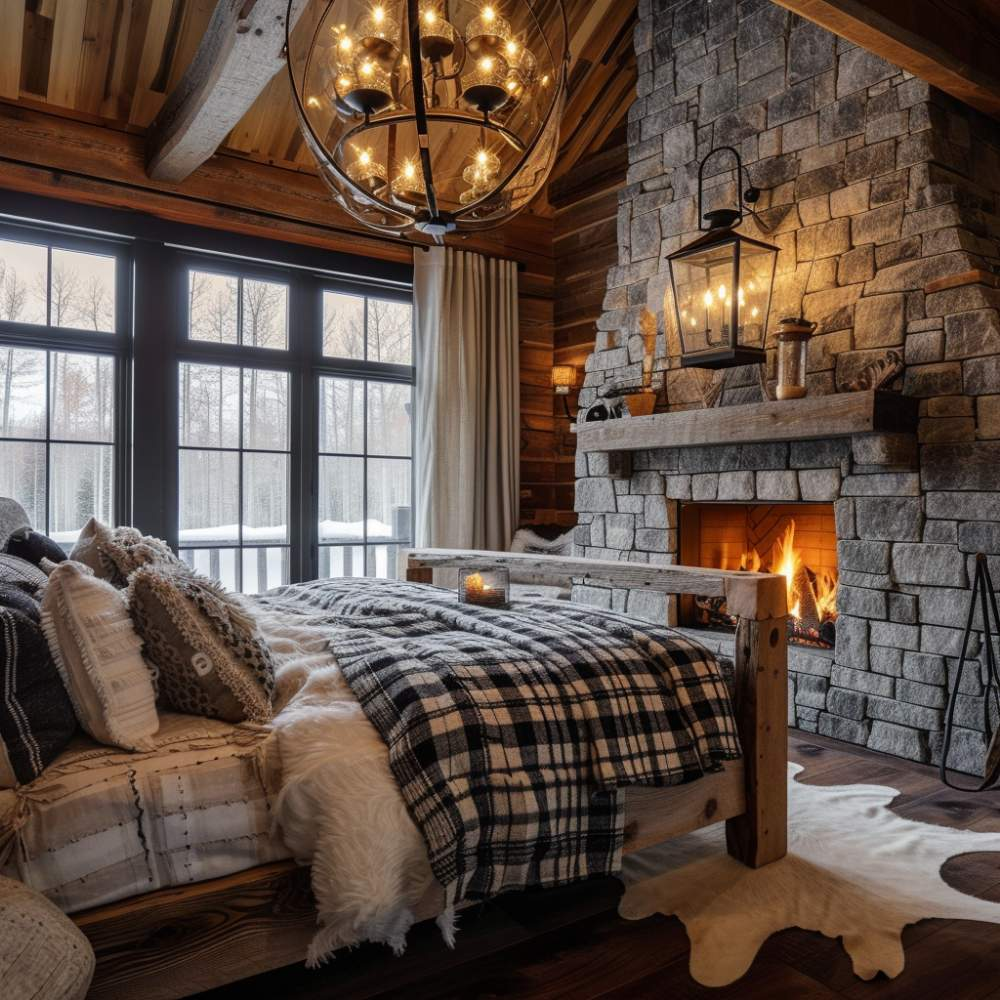
A rustic bedroom works beautifully when I want my space to feel warm and comfortable. Natural wood is usually my starting point, whether it appears through the bed, nightstands, flooring, or ceiling details.
I would combine it with soft bedding, chunky throws, woven textures, and warm lighting. If the room already has architectural features such as exposed beams or a fireplace, I’d let those details become part of the design instead of covering them up.
8. Vintage Elegance
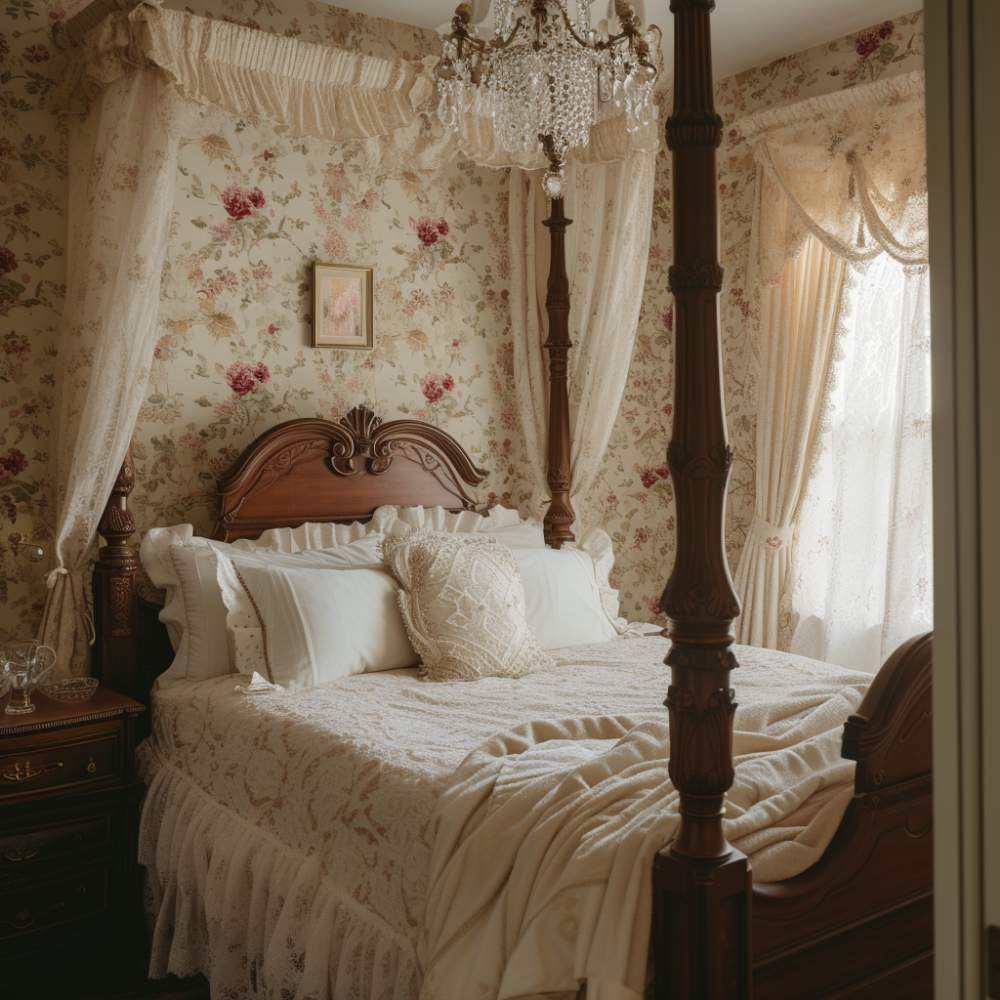
For a vintage-inspired bedroom, I like mixing older-looking pieces with comfortable modern essentials. A four-poster bed, antique-style dresser, floral wallpaper, or traditional mirror can establish the character quickly.
I would keep the bedding simple enough to make the room practical and use vintage accessories selectively. A beautiful lamp, framed artwork, or older wooden piece can add history without making the whole room feel dated.
9. Regal Luxury
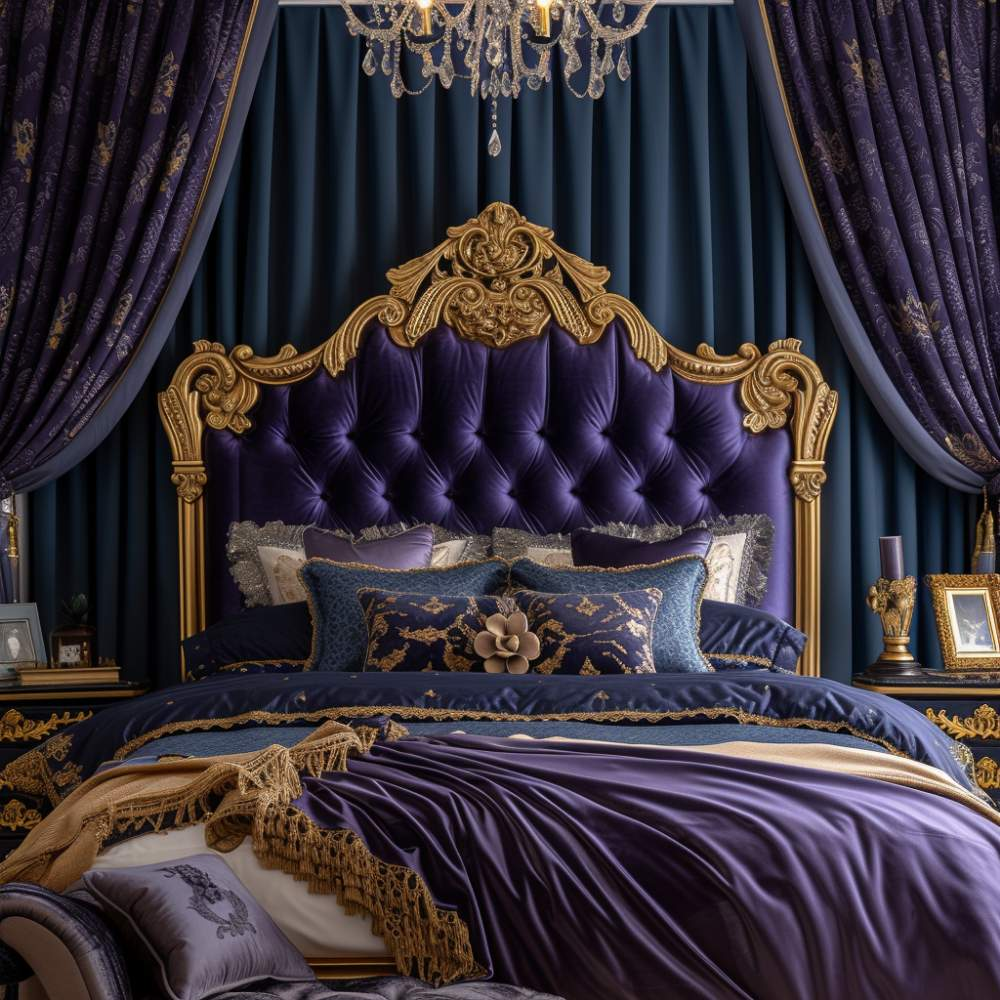
If I want a dramatic bedroom, I would work with deep blue, plum, emerald, or other rich colors. These shades can make a large bedroom feel more intimate while giving the space a strong visual identity.
I would pair darker colors with an upholstered headboard, layered bedding, substantial curtains, and carefully chosen metallic accents. A patterned rug can help connect the darker walls and furniture together.
10. Contemporary Cool
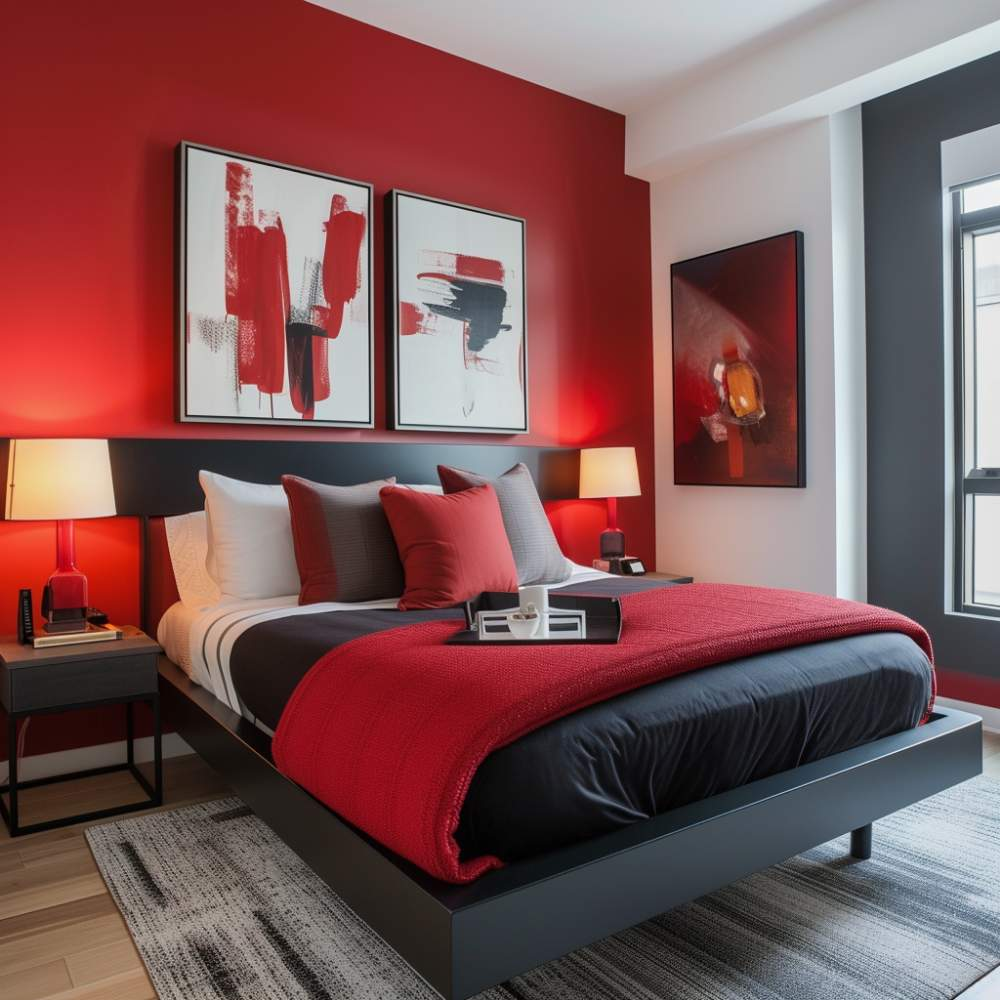
I like contemporary bedrooms when I want clean furniture and a less traditional appearance. I would keep the major pieces simple and introduce personality through artwork, a feature wall, lighting, or one strong accent color.
A neutral foundation makes it easier to change small details later. For example, I can update the bedding or decorative pillows without replacing the bed, dresser, or other larger furniture.
11. Classic Blue and White
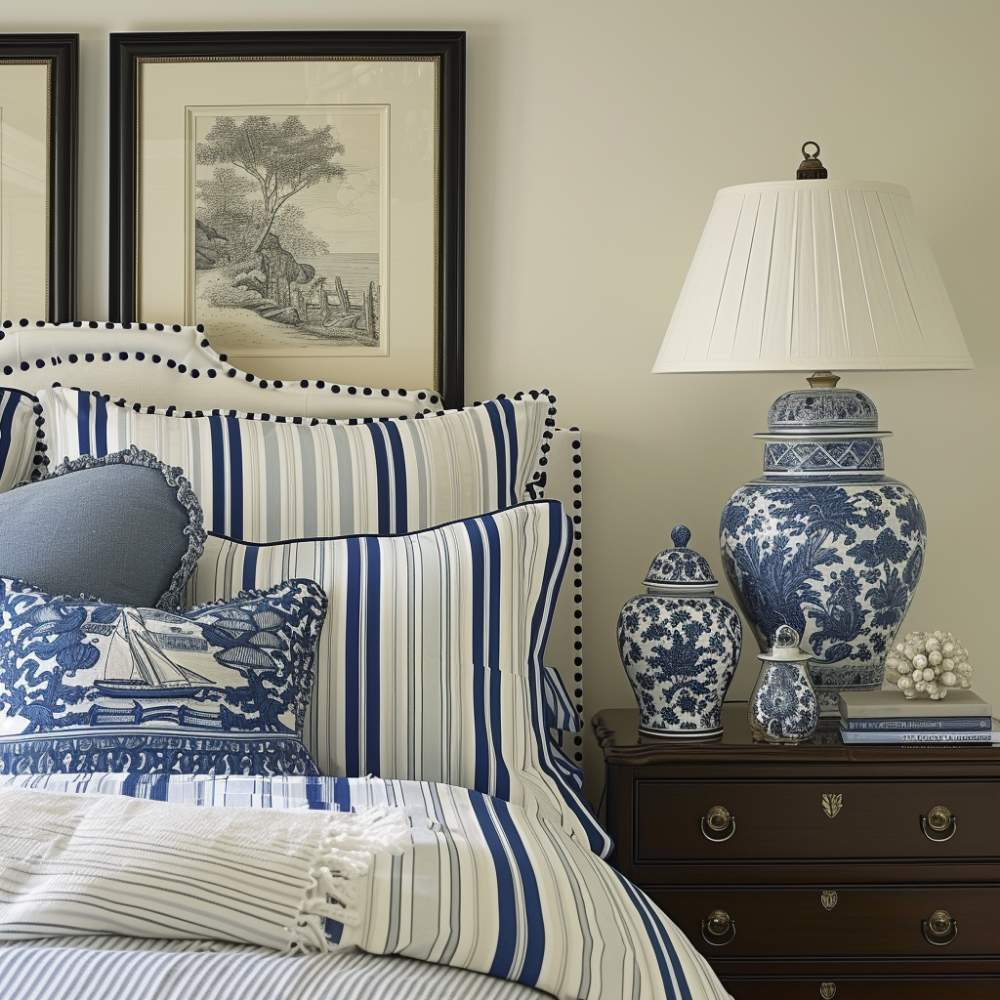
Blue and white is a combination I can return to again and again because it feels fresh without being trendy. I would use white as the main foundation and introduce blue through bedding, curtains, lamps, artwork, or an area rug.
Striped, floral, or traditional patterns can give the bedroom a classic character. I’d repeat the same blue shade in several places so the room feels connected rather than decorated piece by piece.
Also read: Teen Boy Bedroom Inspiration: 30 Stylish and Practical Ideas
12. Serene Coastal
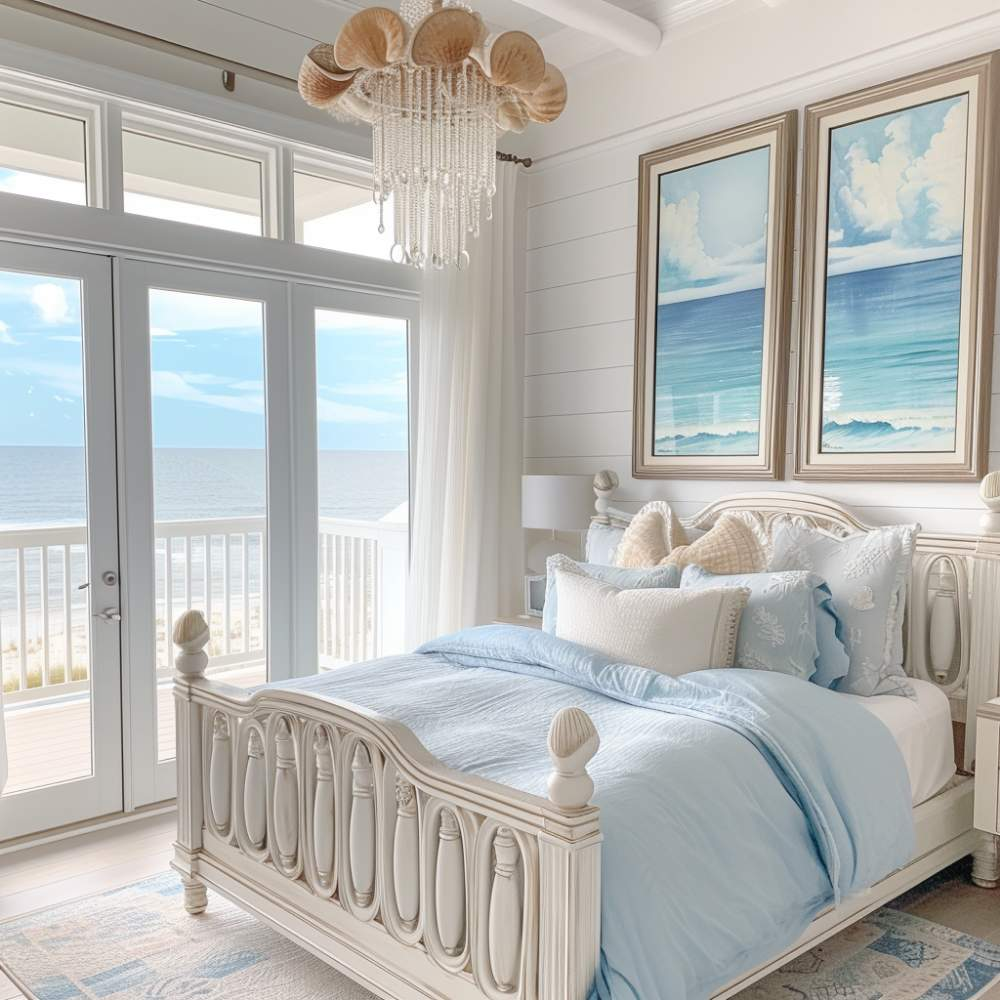
For a relaxed coastal bedroom, I would keep the colors light and natural. Soft blues, warm whites, sandy beige, and pale wood can create a peaceful atmosphere without turning the room into a themed beach house.
I would choose lightweight bedding, natural woven accessories, and artwork inspired by the sea. Instead of filling the room with seashell decorations, I prefer subtle coastal references that keep the design mature.
Pro Tip: Natural texture can create a coastal feeling without adding obvious nautical decorations. I’d try woven baskets, linen bedding, jute rugs, or light wood first.
13. Modern Minimalist
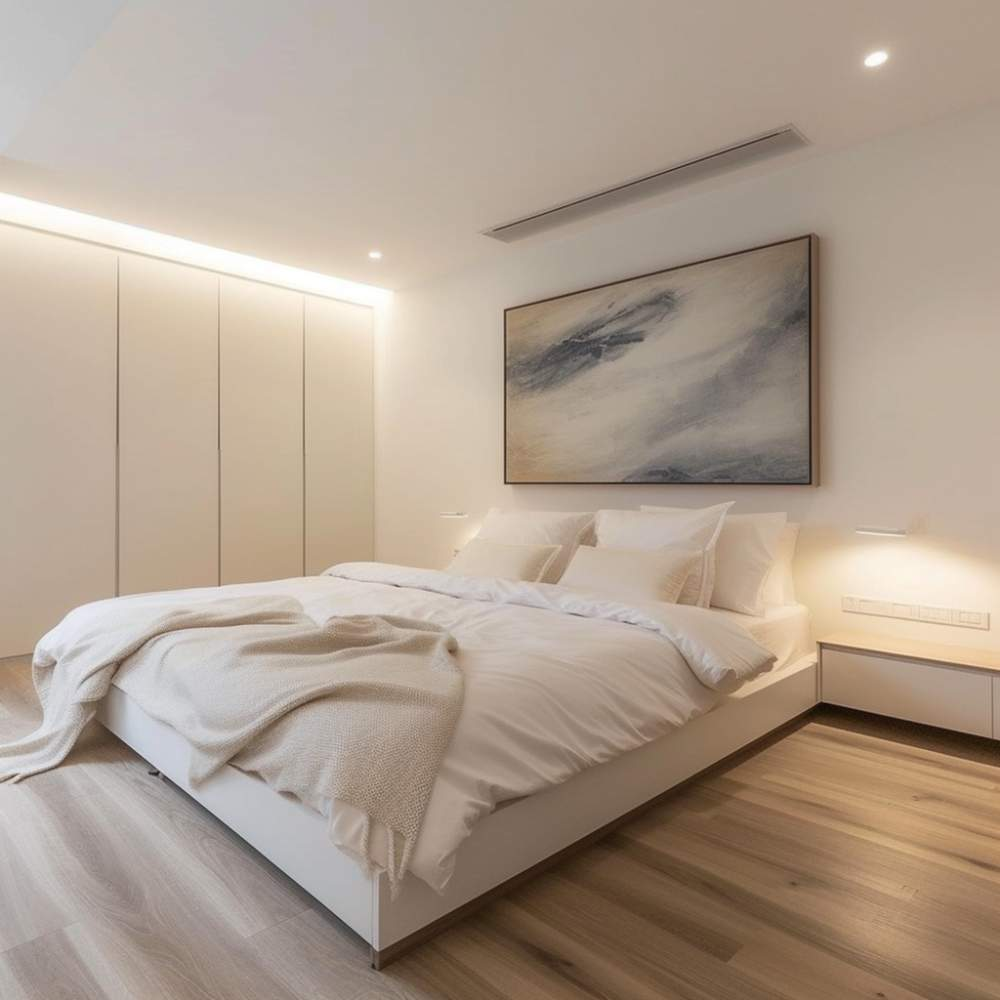
When I want a calm bedroom, I remove anything that doesn’t serve a purpose or add genuine beauty. A low-profile bed, clean-lined furniture, neutral colors, and concealed storage can make the room feel much more open.
I would keep the bedside area especially simple because clutter there can make the whole room feel messy. One large artwork or a carefully selected decorative object can have more impact than several small pieces.
14. Hollywood Regency
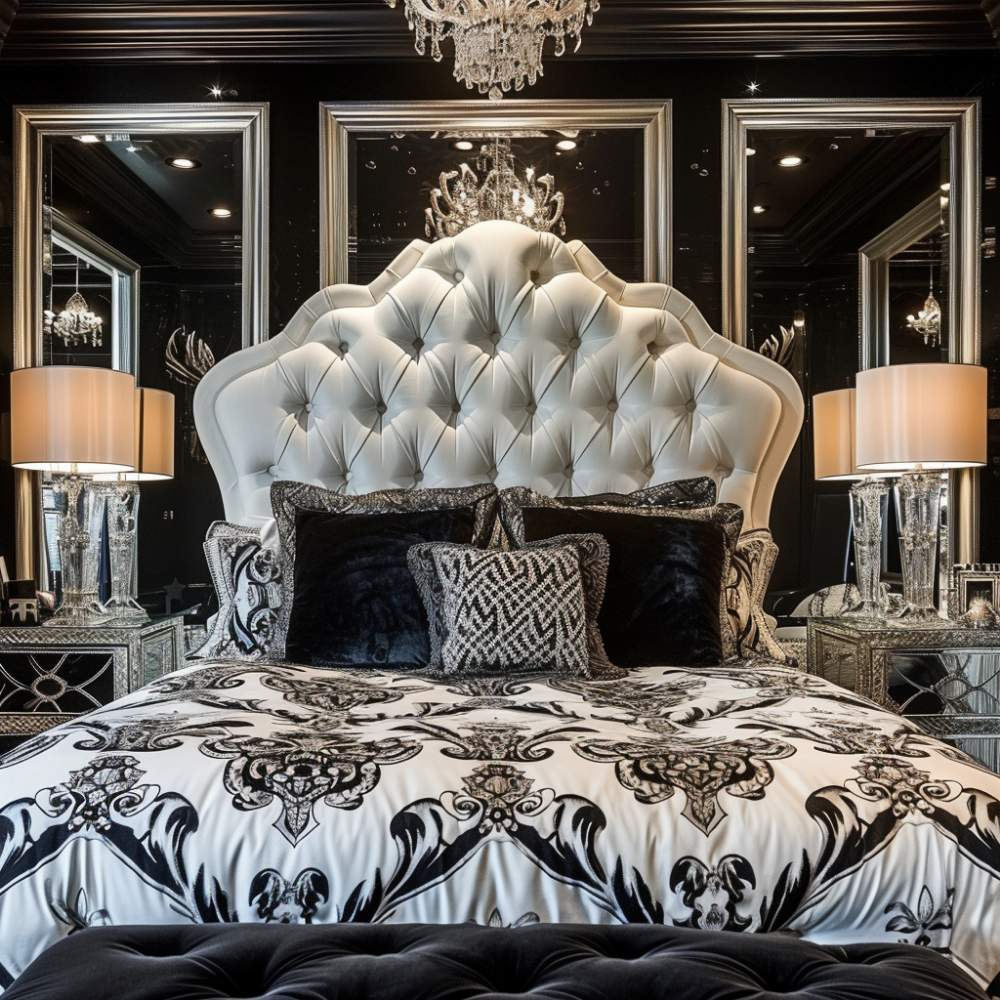
For a glamorous old-Hollywood-inspired room, I would combine dramatic contrast with luxurious materials. Black, white, cream, and metallic accents can create a strong foundation.
I’d look for tufted furniture, reflective surfaces, elegant lamps, plush fabrics, and a statement mirror. The trick is balancing glamour with comfort so the room still feels like somewhere I actually want to relax.
15. Scandinavian Simplicity
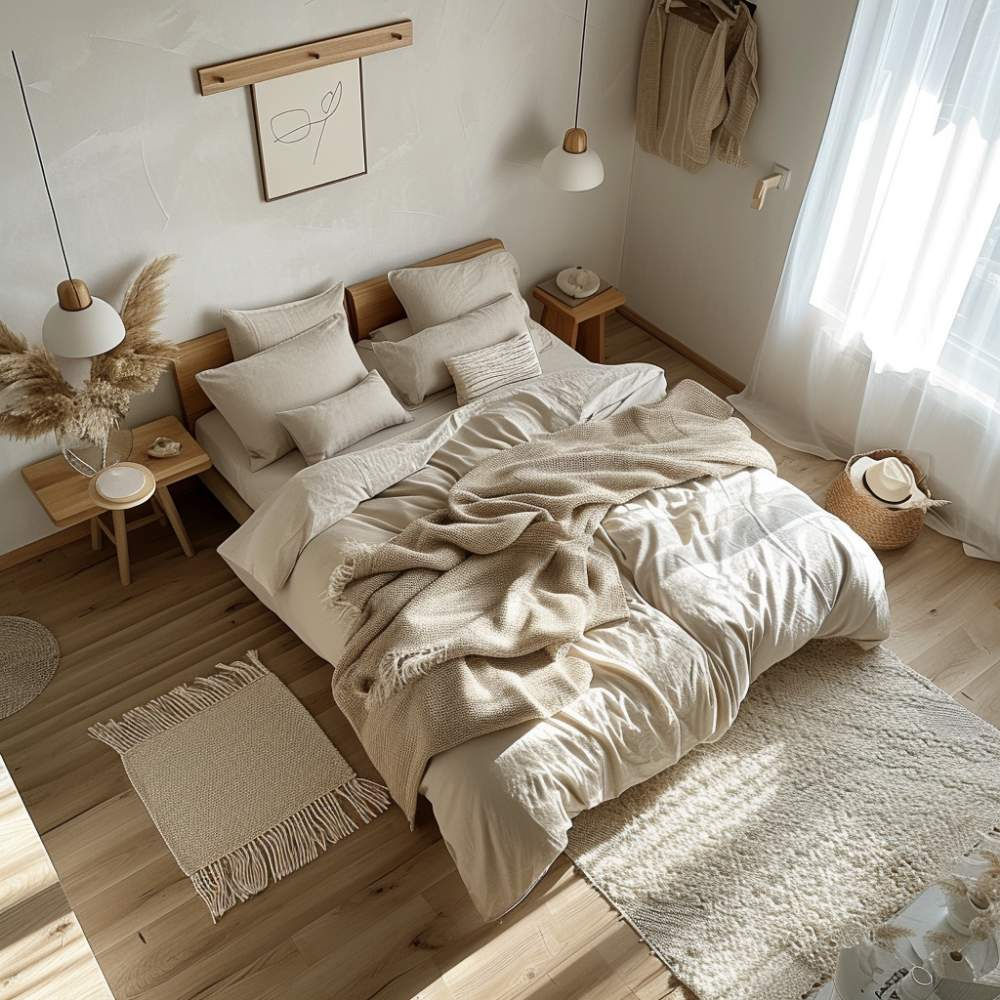
Scandinavian-inspired bedrooms appeal to me when I want a space that feels bright, comfortable, and uncluttered. I would use white, pale gray, muted colors, natural wood, and simple furniture.
Soft wool or knitted textiles can make a minimalist room feel warmer. I’d also make sure the storage is practical because keeping surfaces clear is an important part of maintaining this style.
16. Cottage Core
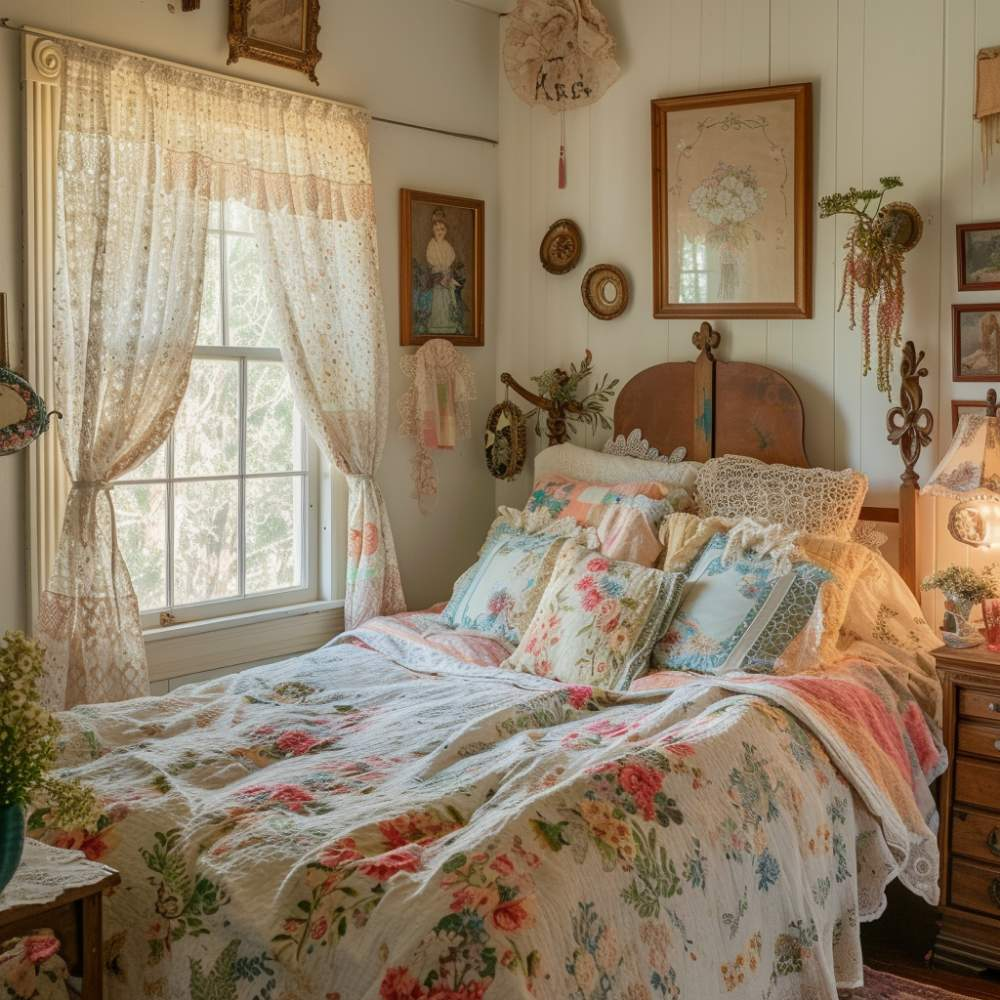
For a softer, nostalgic bedroom, I would use floral prints, faded colors, vintage-style furniture, and natural fabrics. A patchwork quilt or floral duvet can become the main decorative feature without needing much additional styling.
I’d add a small collection of meaningful vintage objects, a traditional mirror, and light curtains. The goal for me would be to create a room that feels comfortably lived in rather than perfectly staged.
17. Bold and Beautiful
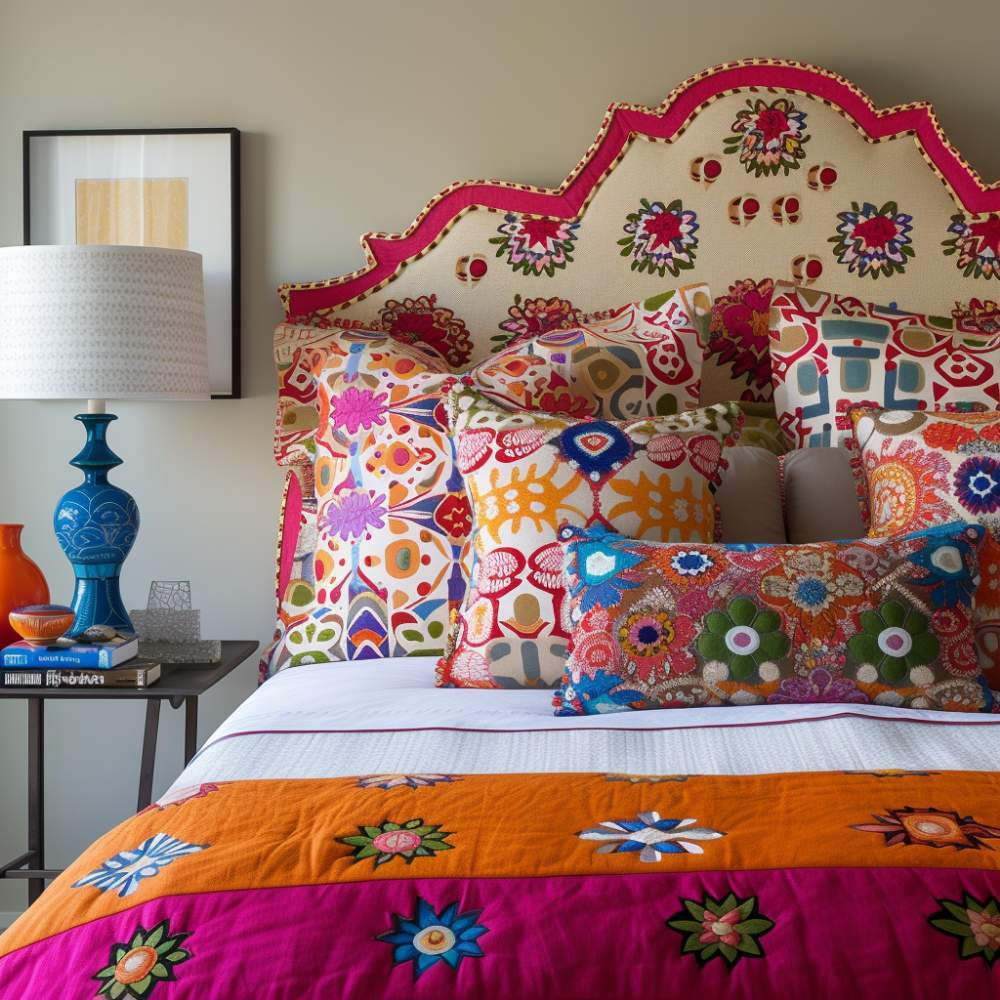
I don’t think a mature bedroom has to be neutral. If I love color, I can make it part of the design while still keeping the room sophisticated.
I would choose one dominant bold color and balance it with quieter walls or furniture. A colorful headboard, artwork, bedding, or accent chair can provide enough personality without making every surface compete for attention.
Pro Tip: Before committing to a strong wall color, I test a sample at different times of day. Natural and artificial light can change how the same paint looks considerably.
18. Eclectic Collector
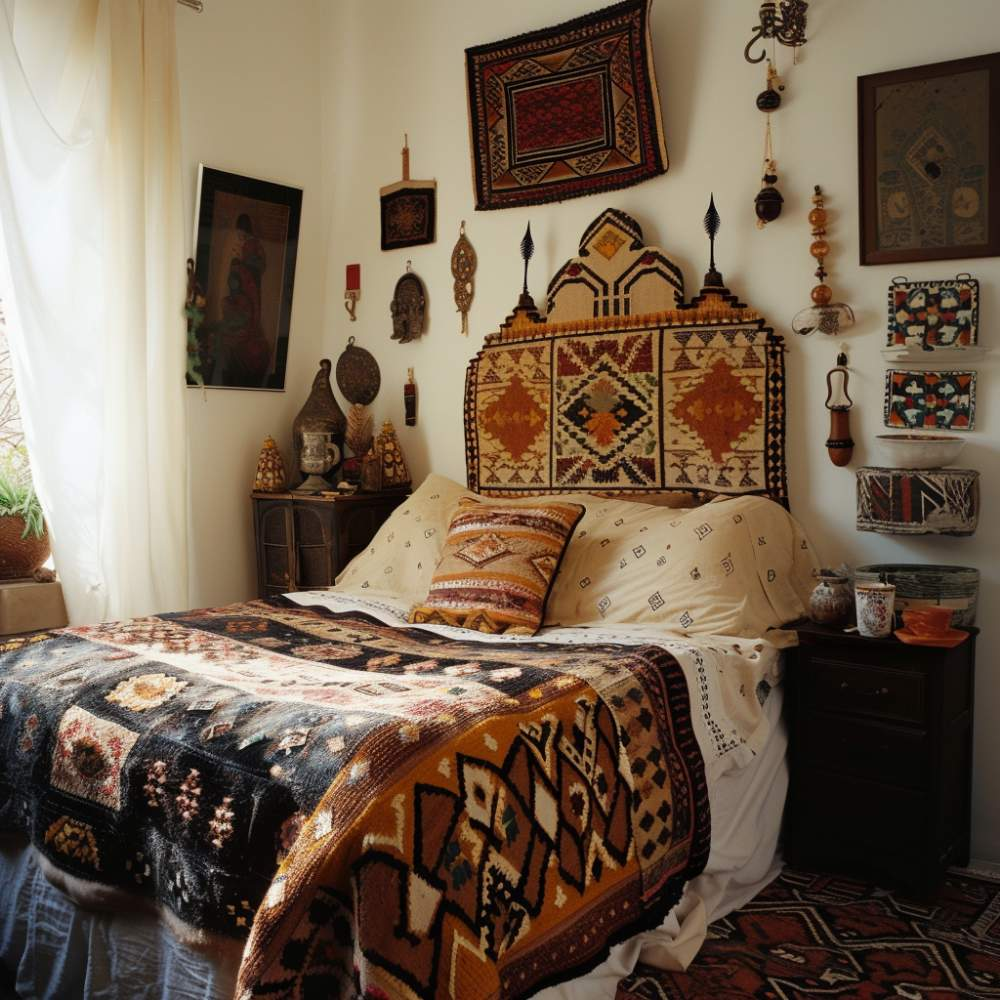
An eclectic bedroom gives me the freedom to combine pieces that have different histories and styles. I might pair modern bedding with an antique dresser, a vintage rug, handmade accessories, and artwork collected from different places.
I try to create some connection between the pieces through repeated colors or materials. That small bit of consistency keeps an eclectic room from looking random.
19. Mid-Century Modern
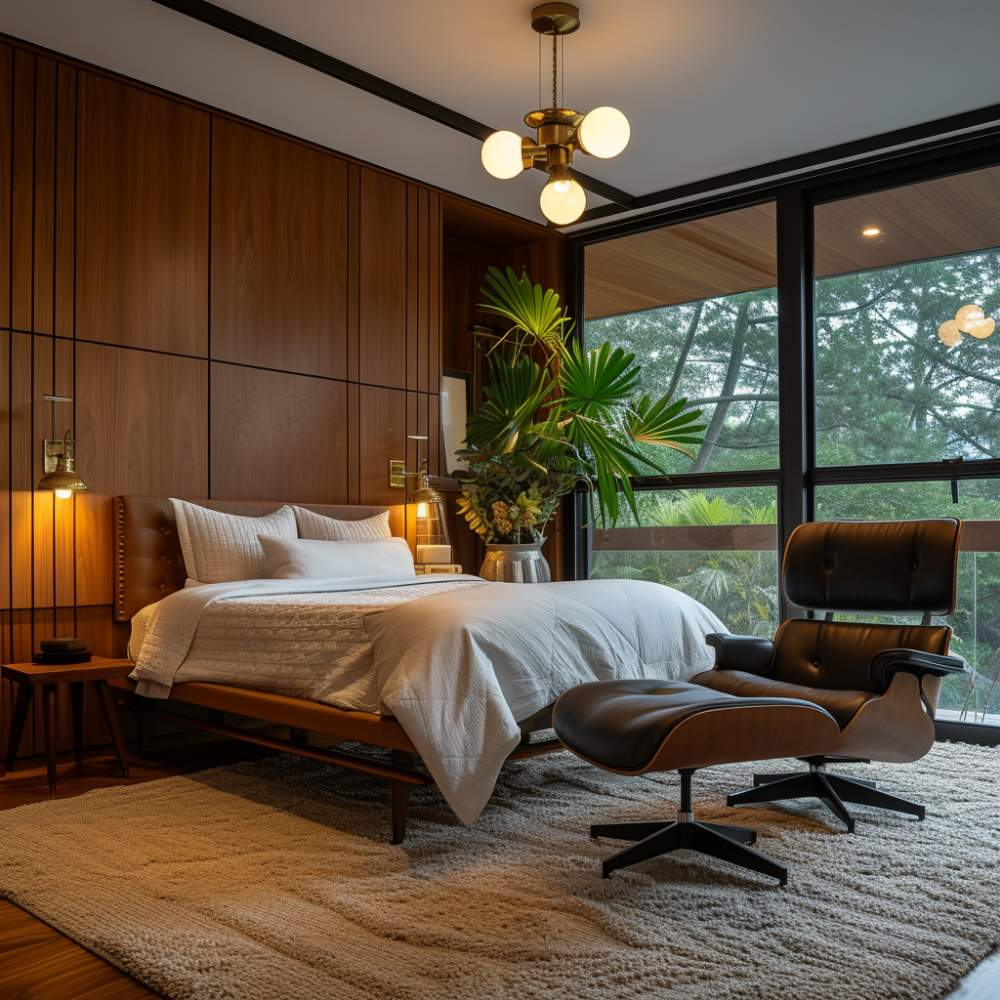
I like mid-century modern bedrooms for their simple silhouettes and practical approach to furniture. Tapered legs, warm wood, clean lines, and organic shapes can give the room a distinctly retro feel without making it look old-fashioned.
I would pair a streamlined bed with a wooden nightstand, a simple lounge chair, and a sculptural lamp. A small amount of vintage-inspired artwork can reinforce the style.
20. Feminine Retreat
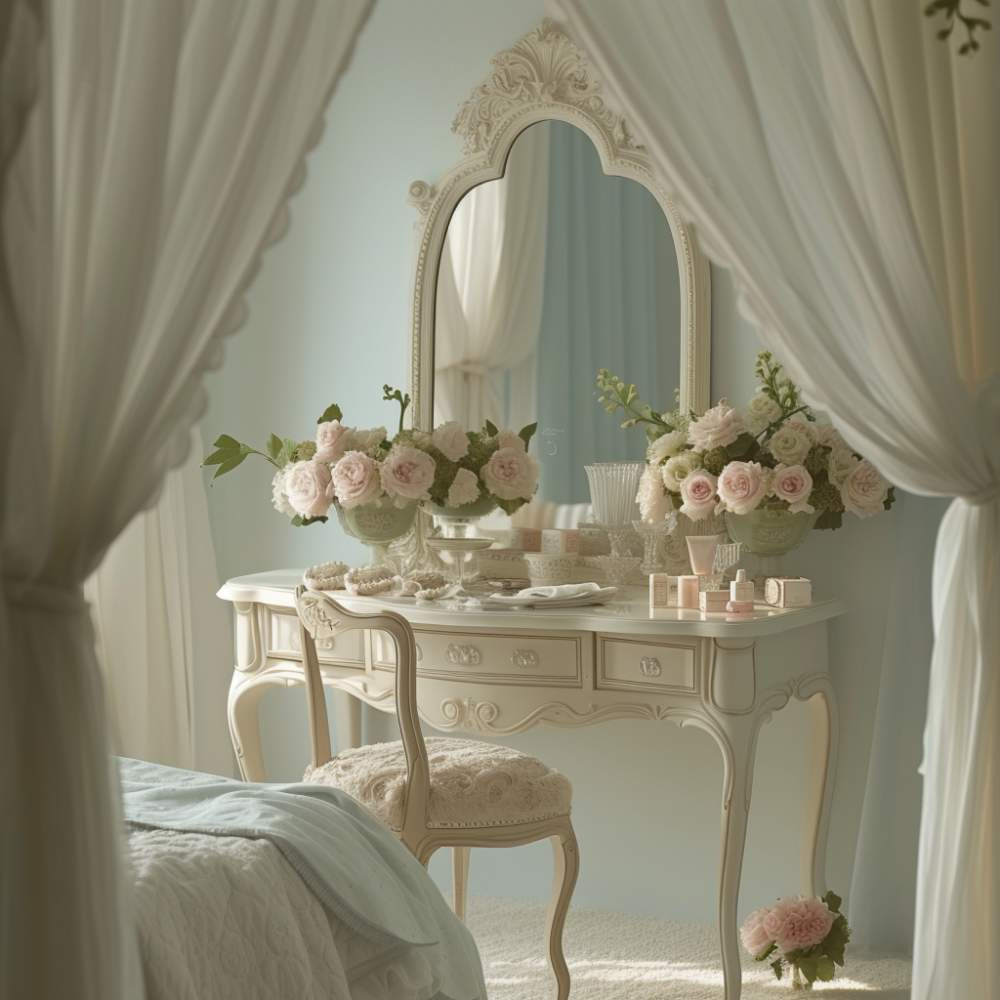
A feminine bedroom can be soft and elegant while still feeling grown-up. I would use gentle colors, curved furniture, comfortable fabrics, and a few beautiful personal details.
A vanity, attractive mirror, soft curtains, and fresh flowers can create a relaxing area for getting ready. I’d avoid filling every surface with decorative items and instead give each feature some breathing room.
21. Dark and Moody
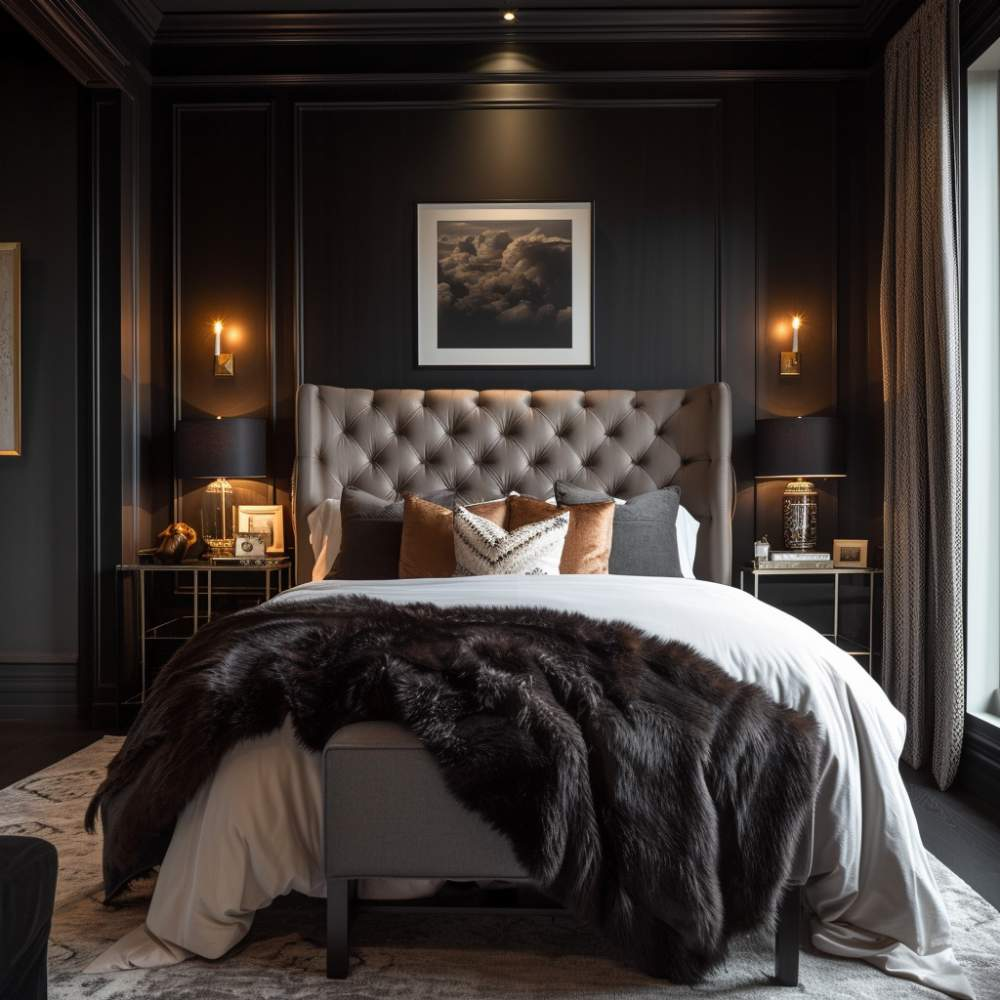
Dark bedrooms can feel incredibly cozy when the colors and lighting are balanced correctly. I would consider charcoal, deep green, navy, chocolate brown, or another rich shade for the walls.
Then I’d layer in warm bedding, soft lamps, textured curtains, and natural materials to prevent the room from feeling cold. If the room receives limited daylight, I’d pay extra attention to layered artificial lighting.
Pro Tip: In a dark bedroom, I like using several smaller light sources instead of relying on one bright ceiling fixture. Bedside lamps, wall lights, and accent lighting can create a much softer evening atmosphere.
22. Global Fusion
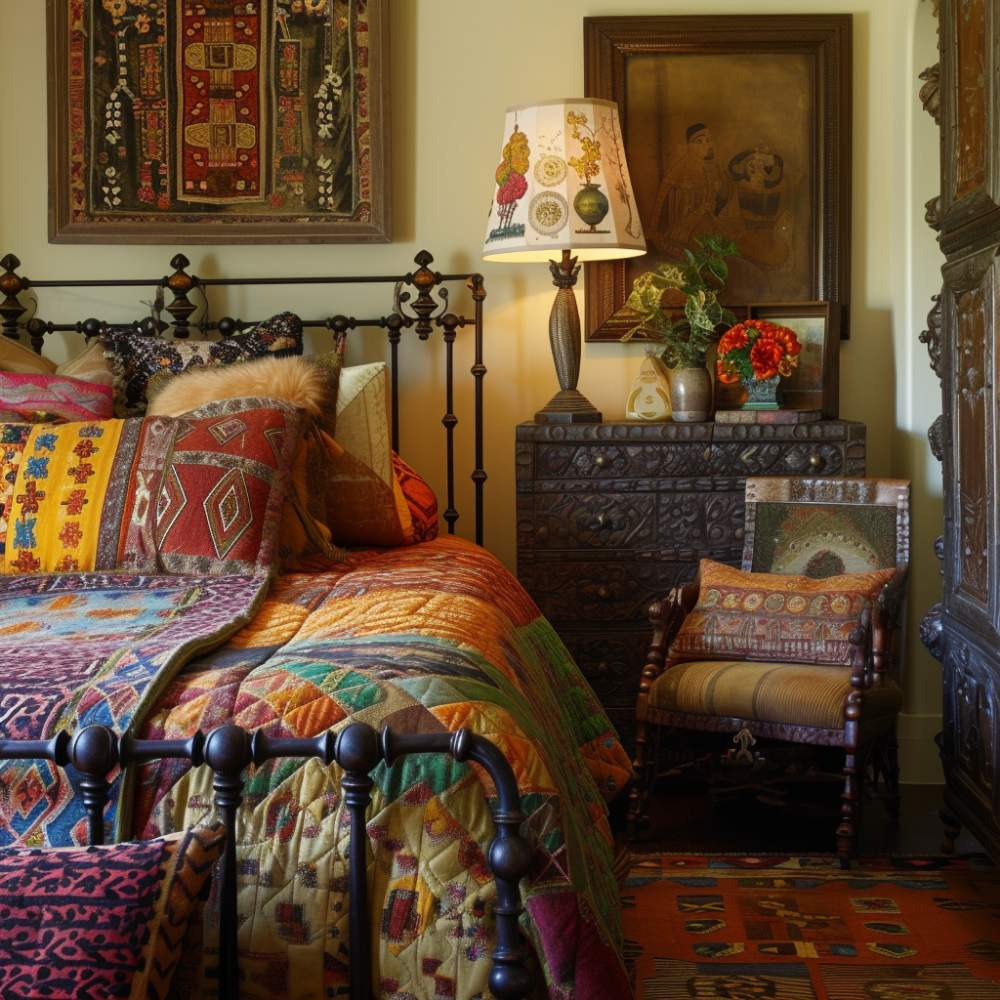
For a global-inspired bedroom, I would combine patterns, textures, materials, and handcrafted-looking pieces while being thoughtful about how they work together.
A woven headboard, patterned rug, textured pillows, carved wood furniture, or handmade-style accessories can add character. I would choose pieces because I genuinely like them rather than filling the room with decorations simply to create an international theme.
Read this next: 21 Small Bedroom Inspirations
FAQ’s
What makes a bedroom feel more grown-up?
I focus on coordinated colors, quality-looking bedding, layered lighting, practical storage, and a few personal decorative pieces. These details can make the room feel polished without making it formal.
What colors work well for a grown woman’s bedroom?
I like neutral shades such as beige, cream, taupe, gray, and soft white, but deeper colors like navy, green, plum, or charcoal can also create an elegant look.
How can I make my bedroom look luxurious on a budget?
I usually focus on a few noticeable upgrades, such as new bedding, attractive lamps, curtains, decorative pillows, or a large mirror. Mixing textures can also make an affordable room feel more finished.
How do I keep a grown-up bedroom from looking cluttered?
I keep bedside tables and dressers mostly clear, use baskets or closed storage for everyday items, and limit decorative pieces to things I genuinely like. A simple layout can make a big difference.
Conclusion
Creating a grown woman bedroom is less about following one decorating style and more about making thoughtful choices that reflect how I live now. I can use a calm neutral palette, rich colors, vintage furniture, modern lines, natural textures, or a mixture of styles and still create a mature space.
I always start with comfort and function before adding decorative details. Once the bed, storage, lighting, and layout work well, I can layer in artwork, textiles, plants, mirrors, and accessories that make the bedroom feel personal.
A polished bedroom doesn’t have to be expensive or perfectly matched. For me, the best result comes from choosing pieces I genuinely enjoy and giving the room enough structure that everything feels intentional.