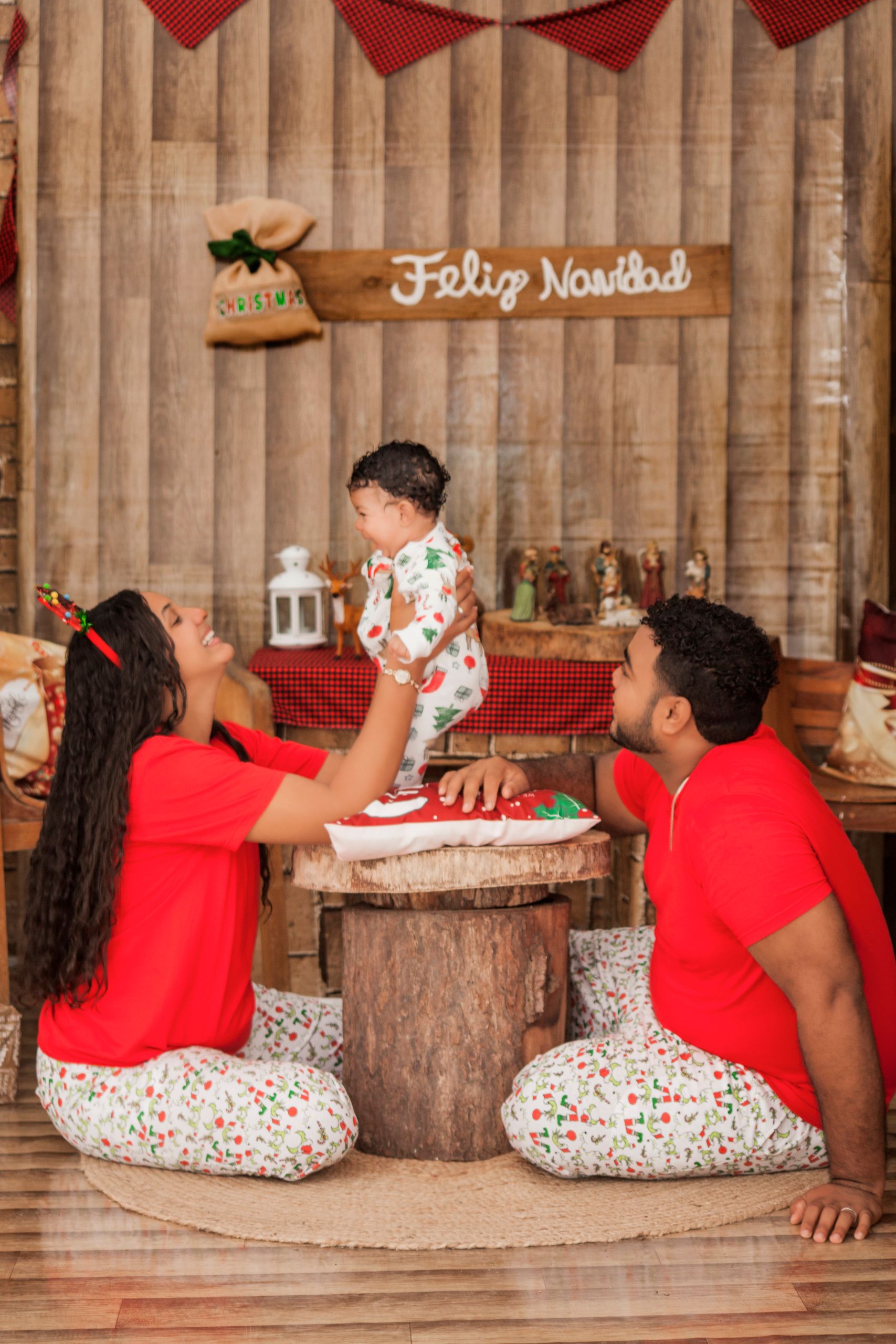
Kids Christmas Charades Games
Kids Christmas charades games turned our quietest family evening into the loudest, happiest night of December last year. I had expected the children to be shy, but the moment my son acted out a snowman melting, the whole room was in tears of laughter.
Charades works so well at Christmas because children already know Santa, reindeer, snowmen, and elves. Nobody needs to read fluently or buy equipment, and a first-time player can join in within one round.
I tested these twenty versions at home, at a school party, and at our Christmas Eve family night. I kept the ones that made children laugh and dropped the ones that left anyone feeling stuck.
Before you start, agree on three rules: no talking, no pointing at the object, and no giving up after ten seconds. I keep picture cards for younger children and word cards for older ones.
Related article if you want more low-prep games for the same party.
Key Takeaways
- Picture cards work for ages 3 to 6, and word cards work best for readers aged 7 and up.
- Let an adult act first, so shy children see that being silly is safe and fun.
- Keep each turn short, about one minute, and let teams guess together.
- Kids Christmas charades games need no equipment, just cards, a timer, and a little courage.
20 Kids Christmas Charades Games
1. Classic Kids Christmas Charades Games at Family Night

This is the version I start with every year, and it is simply traditional charades with Christmas prompts: Santa, a snowman, a reindeer, a gift, and a Christmas tree. I write each prompt on a card, and children take turns acting while their team guesses.
I once watched my shyest niece act out a tree by standing very still with her arms out, and her pride when her team guessed it was wonderful. The only downside is that the first actor often feels nervous, so I always act first myself, badly and happily.
Pro Tip: Use a one-minute timer, and let the team shout as many guesses as they like.
Cost: Free. Time: 20 minutes. Difficulty: Easy. Best for ages: 5 to 12, plus adults.
2. Santa Charades
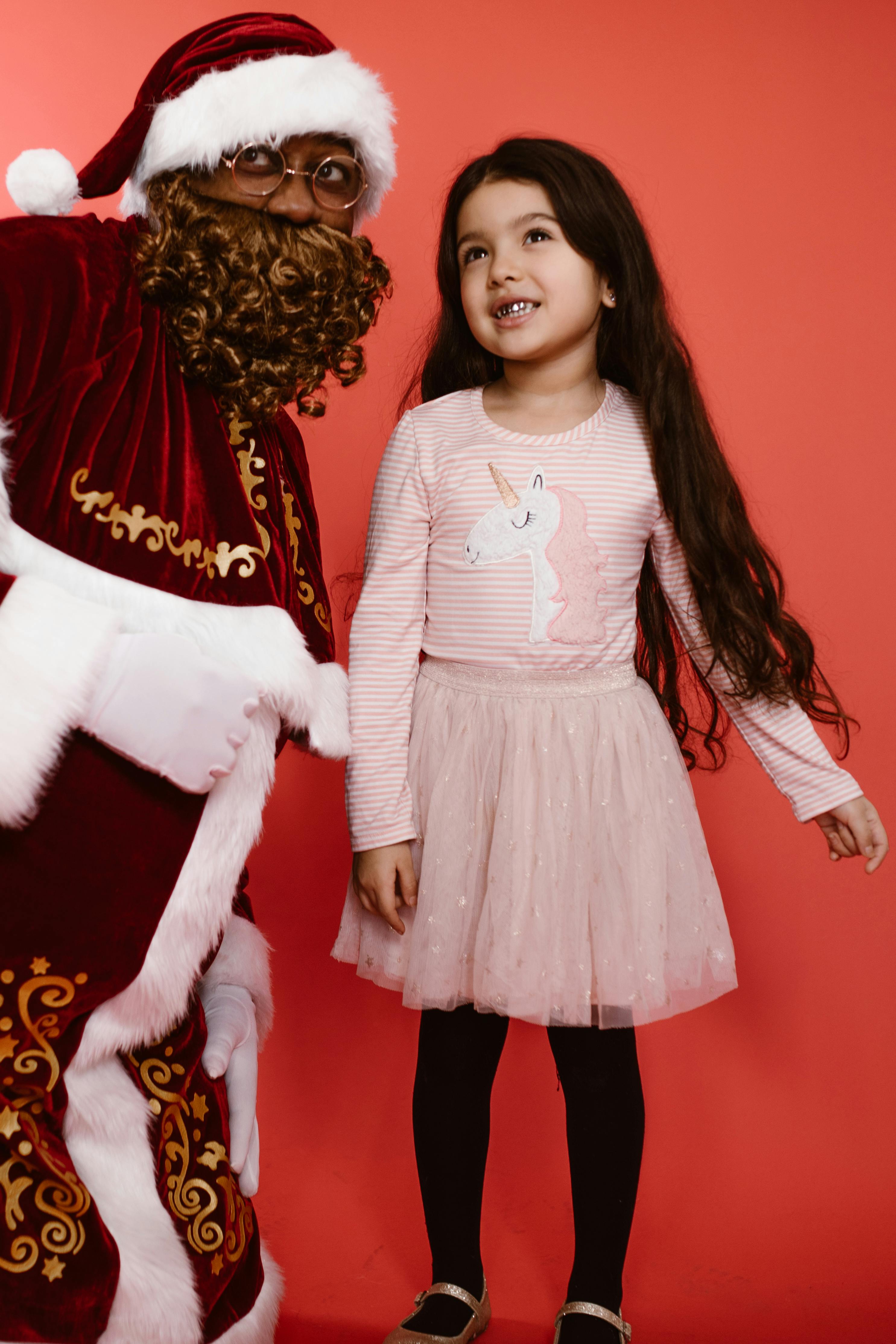
In Santa charades, every prompt is something Santa does: delivering gifts, eating cookies, laughing, climbing down a chimney, and checking his list. Children love acting out Santa’s big belly laugh, and even toddlers can join in with that one.
My son once acted out Santa stuck in a chimney so convincingly that his cousins rolled on the floor. The watch-out is that chimney acting can get wild, so I set a rule: act it out standing up, with no climbing on furniture.
Pro Tip: Give the actor a Santa hat to wear, which instantly makes them feel like the character.
Cost: Free, plus a Santa hat. Time: 15 minutes. Difficulty: Easy. Best for ages: 4 to 10.
3. Reindeer Charades
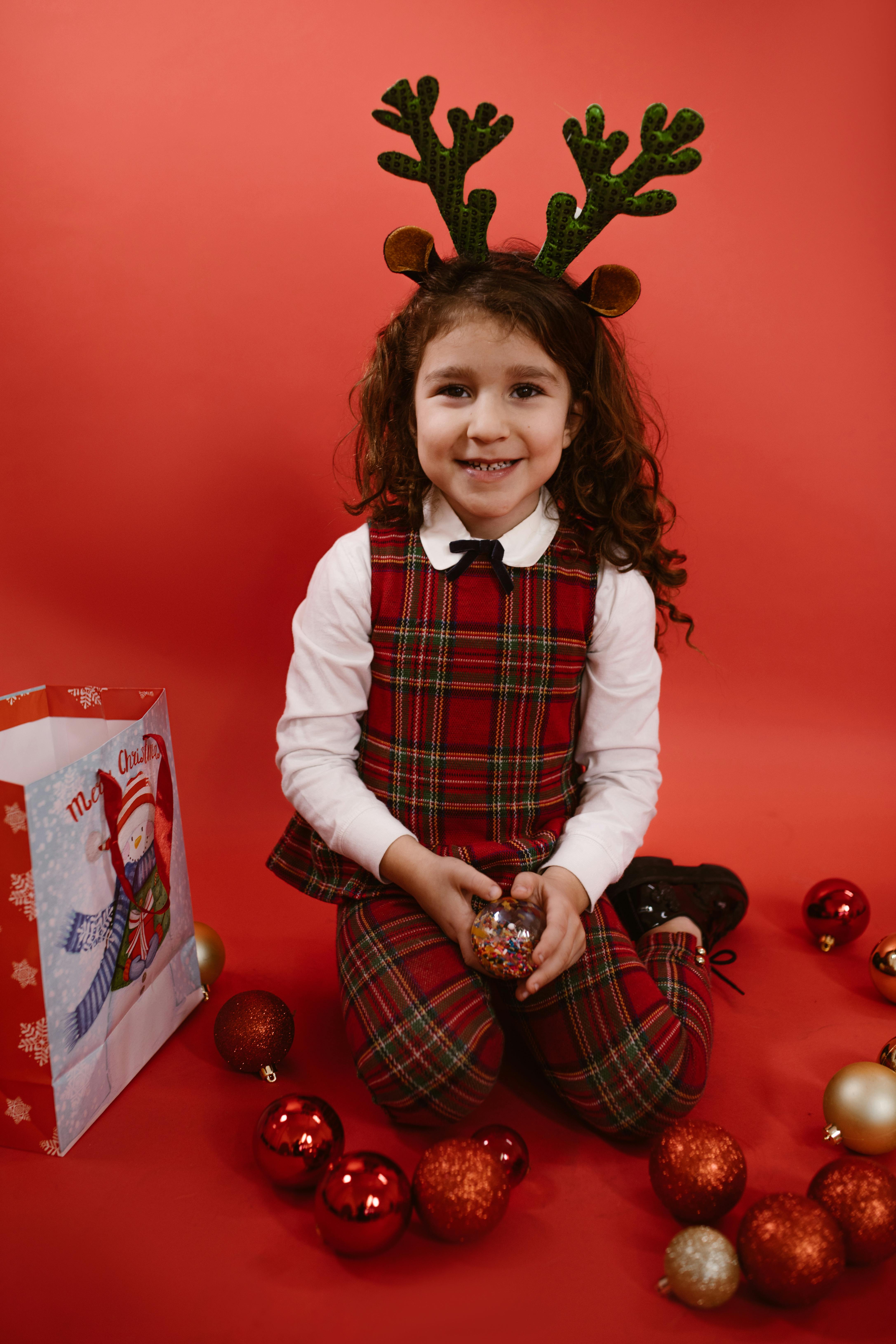
Reindeer charades is all antlers, galloping, munching carrots, and pulling a sleigh, and it is perfect for energetic children who need to move. I add prompts like a sleepy reindeer, a dancing reindeer, and a reindeer with a cold, which always gets giggles.
Galloping indoors needs space, so now I clear a small acting area before we start. One honest downside is that excited children may bump into each other, so I keep turns short and the acting area clear.
Pro Tip: Hand out paper antlers before the game, so every actor already looks the part.
Cost: Free, plus paper antlers. Time: 15 minutes. Difficulty: Easy. Best for ages: 3 to 9.
4. Snowman Charades

Snowman charades asks children to act out building a snowman, rolling a snowball, putting on a scarf, and melting in the sun. Melting is always the favourite, because children slowly sink to the floor in the silliest way they can manage.
When we played this last winter, my daughter melted so slowly that nobody guessed for a full minute. The only watch-out is that melting on a hard floor can hurt knees, so I put a rug or blanket in the acting area.
Pro Tip: Act out the snowman in stages: roll, stack, dress, then melt, which gives the team more clues.
Cost: Free. Time: 15 minutes. Difficulty: Easy. Best for ages: 3 to 8.
5. Elf Charades
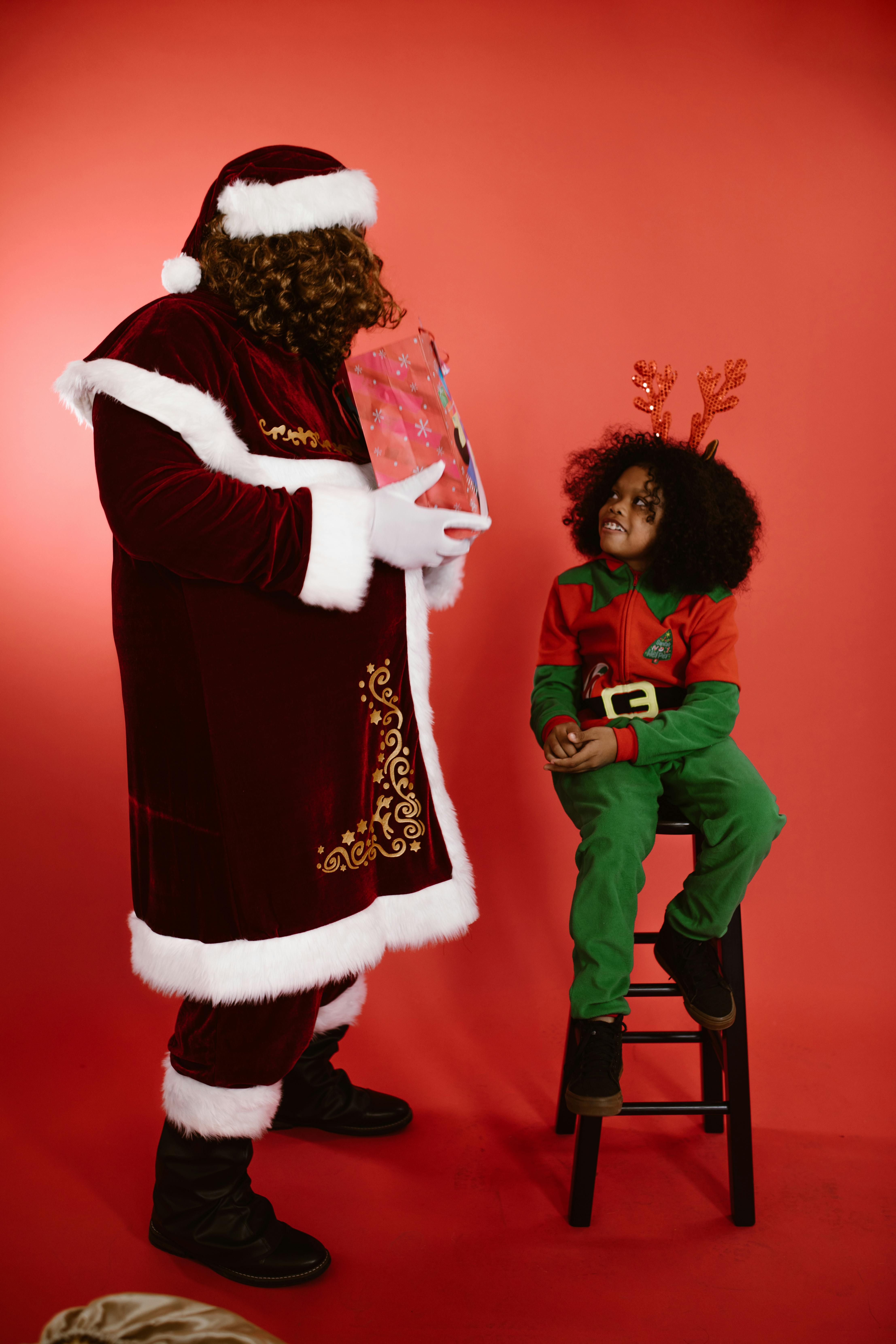
Elf charades is full of workshop jobs: wrapping gifts, hammering toys, painting dolls, testing a train, and tasting candy. I love this version because children can use pretend tools and mime, which makes the acting easier than acting out a feeling.
I once saw a quiet boy come alive pretending to hammer a toy train, complete with sound effects. The downside is that children may want real tools, so I make it clear before we start: pretend tools only, and no running with anything.
Pro Tip: Let children invent their own elf job first, then act it out, which builds confidence.
Cost: Free. Time: 15 minutes. Difficulty: Easy. Best for ages: 4 to 10.
6. Gift-Opening Charades

In gift-opening charades, children act out unwrapping a gift, peeking inside, looking surprised, hugging the giver, and trying on a new sweater. It works beautifully on Christmas morning, when opening gifts is fresh in every child’s mind.
I played this after presents one year, and the children acted out each other’s reactions so accurately that the grown-ups were recognised. The watch-out is that a child who received a disappointing gift may feel sensitive, so I keep all prompts happy and general.
Pro Tip: Use a wrapped empty box as a prop, so the actor has something to hold.
Cost: Free. Time: 15 minutes. Difficulty: Easy. Best for ages: 4 to 10.
7. Tree-Decorating Charades

Tree-decorating charades asks children to hang a bauble, wind tinsel, untangle lights, reach for the star, and step back to admire the tree. Untangling lights is always the funniest, because every adult in the room recognises that struggle.
I tried this on decorating evening, and my youngest acted out untangling lights with such frustration that even my mother-in-law laughed. The honest downside is that children may want to touch the real tree mid-game, so I play this in a room away from the tree, or after decorating is done.
Pro Tip: Let the winner place a real bauble on the tree as their prize.
Cost: Free. Time: 15 minutes. Difficulty: Easy. Best for ages: 4 to 9.
8. Cookie-Baking Charades
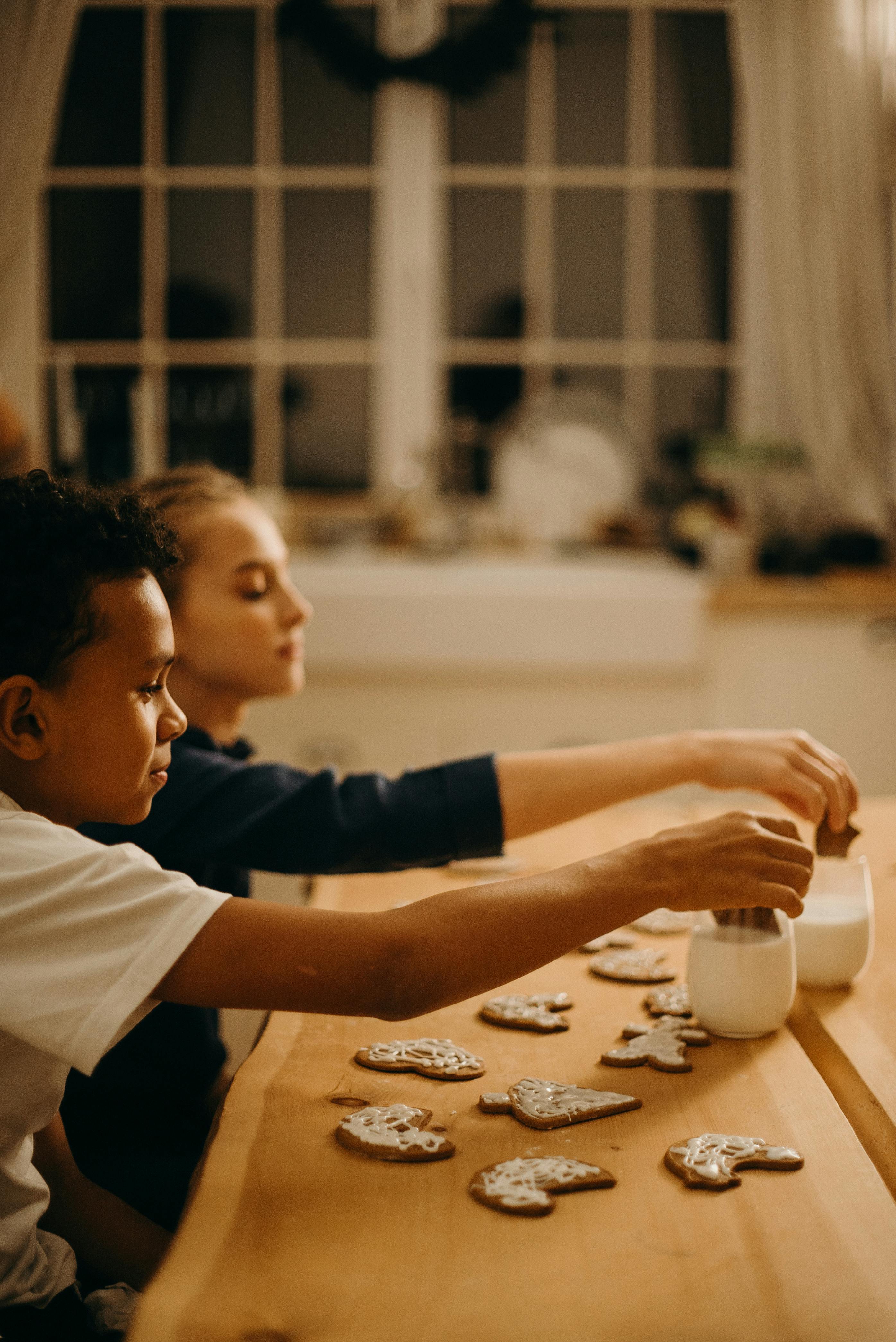
Cookie-baking charades is perfect for baking day, with prompts like rolling dough, cutting shapes, icing a gingerbread man, licking the spoon, and sneaking a cookie. Children who have just baked know every action by heart, so guessing is fast and joyful.
When we played this after baking, the children were already floury and happy. The watch-out is that hungry children will ask for cookies constantly, so I keep a plate ready for after the game, not during.
Pro Tip: Give the actor a rolling pin as a prop, which makes the first move obvious.
Cost: Free. Time: 15 minutes. Difficulty: Easy. Best for ages: 4 to 10.
9. Snow Day Charades

Snow day charades covers sledging, throwing snowballs, making snow angels, shivering, and drinking hot chocolate to warm up. I play this after a snowy morning, when children are full of real memories to act out.
I once watched a child act out a snow angel so carefully, lying on the rug, that her team guessed it before she finished. The downside is that snowball acting can turn into real throwing, so I set a firm rule: pretend snowballs only, and nobody throws anything.
Pro Tip: Act out the cold first, with shivering and rubbing hands, which gives a strong opening clue.
Cost: Free. Time: 15 minutes. Difficulty: Easy. Best for ages: 4 to 9.
10. Family Team Charades

Family team charades splits everyone into teams of adults and children mixed together, which is my favourite format for a big gathering. Each team acts and guesses in turn, and points are kept on a simple scoreboard on paper.
At our last family night, a team of grandparents and grandchildren beat the teenagers. The honest downside is that competitive adults can take over, so I cap guesses at one minute and let children act most rounds.
Pro Tip: Pair each young child with an older teammate who can whisper ideas, without acting for them.
Cost: Free. Time: 25 minutes. Difficulty: Easy. Best for ages: 5 to 12, plus adults.
11. Christmas Story Charades

Christmas story charades uses characters and moments from favourite books and films: a kind stranger, a long journey, a magical night, a generous gift, and a happy ending. I read a short story first, then children act out scenes from it.
I tried this with a long story once and lost the younger children, so now I choose one short picture book and five prompts. The watch-out is that children who have not heard the story may struggle, so I always read it aloud first.
Pro Tip: Let children act in pairs for story scenes, which is less scary than acting alone.
Cost: Free. Time: 20 minutes. Difficulty: Medium. Best for ages: 5 to 10.
12. Stocking Charades

Stocking charades is a gentle version for younger children, with prompts like hanging a stocking, peeking inside, finding a candy cane, and pulling out a tiny toy. The actions are small and easy, which suits children who feel shy about big, wild acting.
I used this with four-year-olds, and every child managed a turn. The only downside is that older children may find it too easy, so I add trickier prompts like a stocking that is too full to lift.
Pro Tip: Hang a real stocking nearby as a prop, so the actor can mime reaching into it.
Cost: Free. Time: 15 minutes. Difficulty: Easy. Best for ages: 3 to 7.
13. Outdoor Christmas Charades

Outdoor Christmas charades moves the game outside, where children can act out choosing a tree, carrying it home, crunching through snow, and waving at neighbours. It works best on a mild day, or in a garden with space to move.
We played this in our garden one year, and the children used the whole space, which made the acting bigger and funnier. The watch-out is weather: cold or wet children lose interest fast, so I keep outdoor rounds short and bring everyone inside for cocoa after.
Pro Tip: Use a garden path as a stage, with the audience on one side, so everyone can see.
Cost: Free. Time: 20 minutes. Difficulty: Easy. Best for ages: 5 to 11.
14. Pajama Charades

Pajama charades is my favourite Christmas Eve game, with prompts like brushing teeth, putting on slippers, yawning, reading a bedtime story, and peeking out of the window for Santa. Children play in their pajamas, which makes the whole evening feel cosy.
I hosted this for a sleepover once, and the yawning prompt started a chain of real yawns. The downside is that sleepy children may not want a long game, so I keep this to ten minutes and follow it with a story.
Pro Tip: Play this as the last game of the night, right before bed.
Cost: Free. Time: 10 minutes. Difficulty: Easy. Best for ages: 3 to 8.
15. Carol-Singing Charades
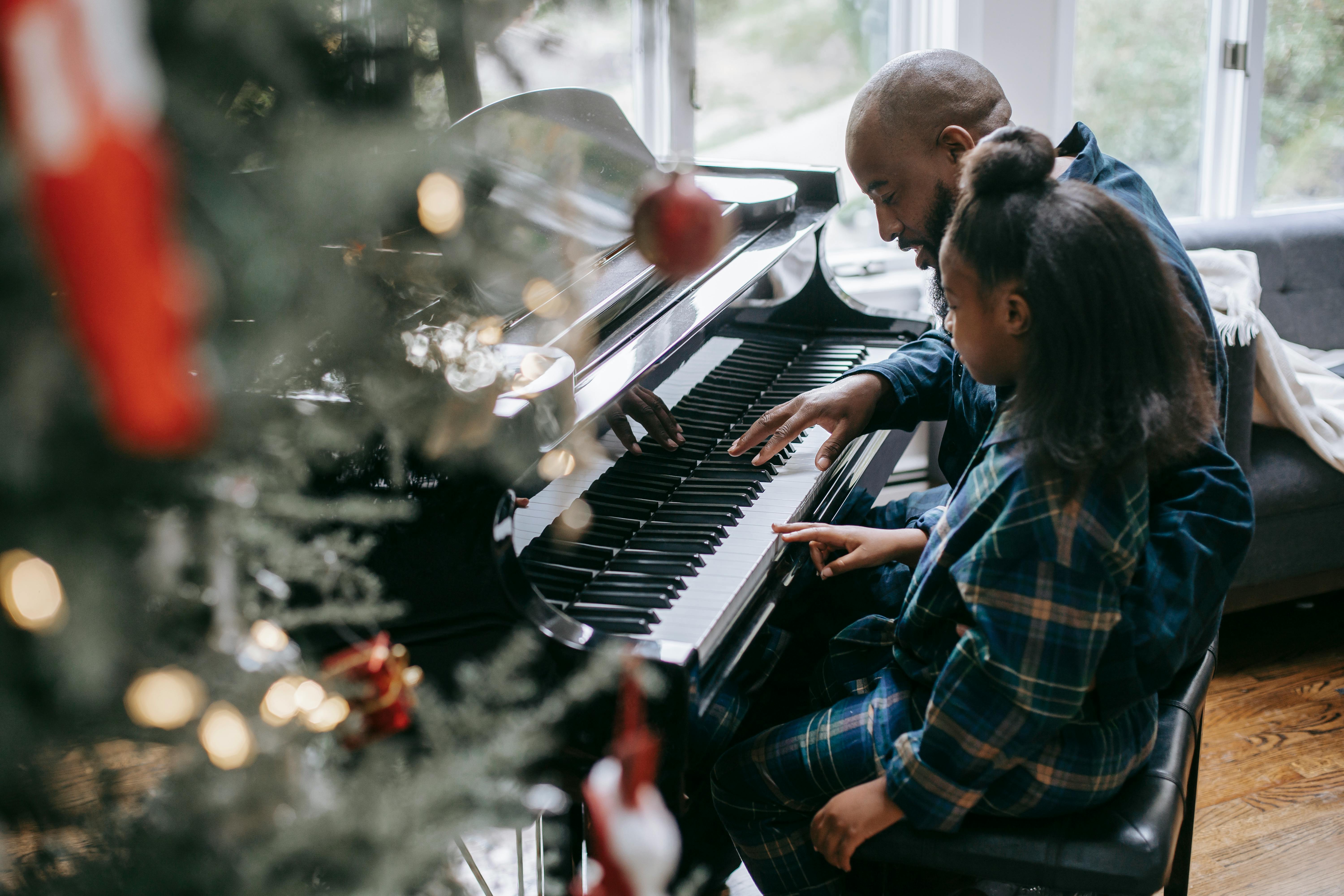
Carol-singing charades is a musical twist, where children act out a carol without singing it, using only gestures, while the team guesses which song it is. Jingle bells is easy, with mime bells, while quieter carols are a real challenge for older children.
My daughter once acted out a carol by miming a drum, a star, and a baby, and her team guessed it in seconds. The watch-out is that humming is tempting, so I remind everyone that humming counts as talking and ends the turn.
Pro Tip: Start with the three most famous carols, so younger children can succeed straight away.
Cost: Free. Time: 20 minutes. Difficulty: Medium. Best for ages: 6 to 12.
16. Board-Game Charades

Board-game charades is for older children who love game night, with prompts like rolling dice, moving a piece, drawing a card, and celebrating a win. It leads naturally into an actual board game afterwards, which makes it a great warm-up.
I played this with my ten-year-old and her friends, and they invented prompts for games I had never heard of. The downside is that younger children may not know board-game pieces, so I keep this version for ages 7 and up, or play it in mixed teams.
Pro Tip: Follow charades with the board game that was guessed most often.
Cost: Free. Time: 20 minutes. Difficulty: Medium. Best for ages: 7 to 12.
17. Present Charades
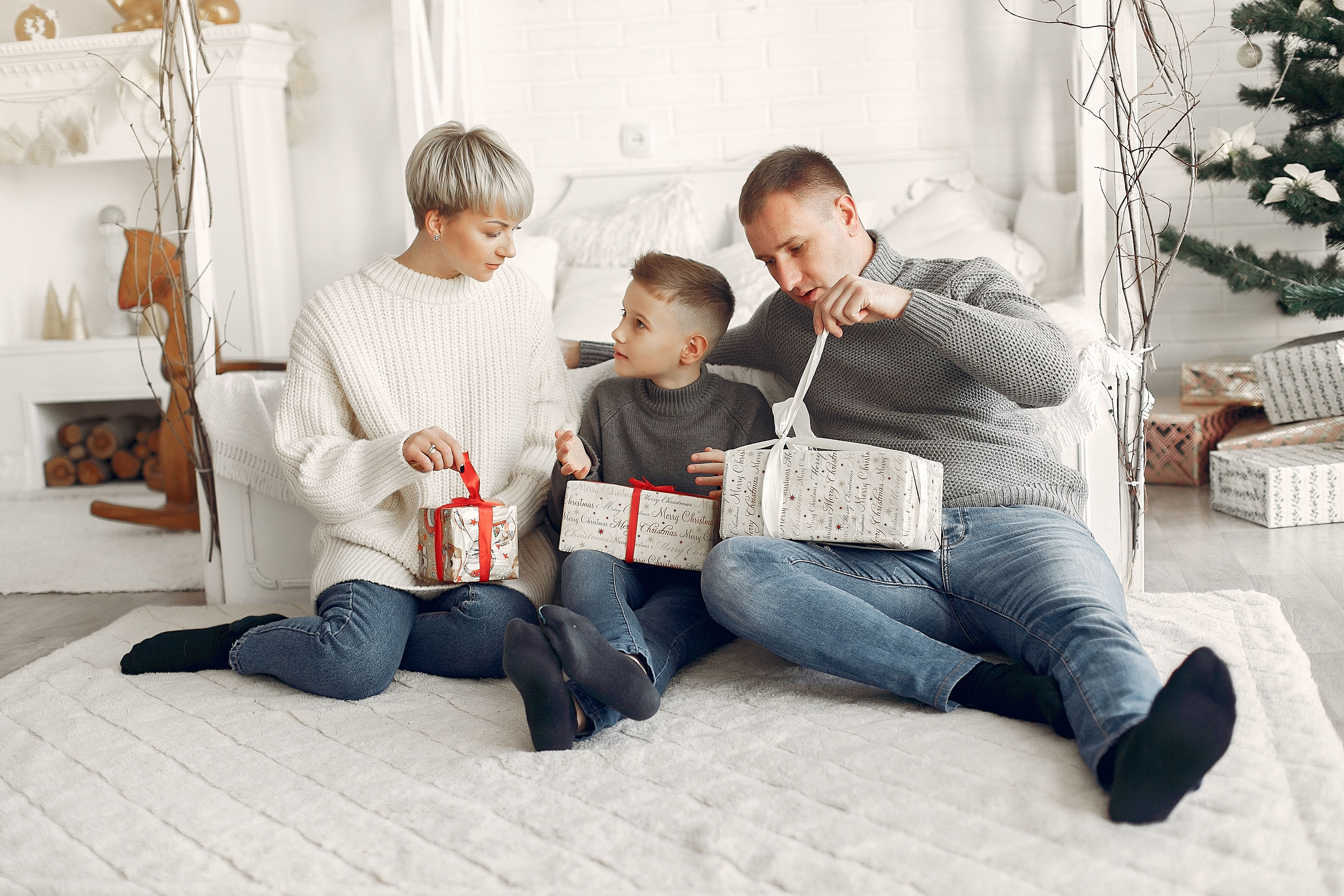
Present charades asks children to act out wrapping a gift, tying a bow, shaking a box to guess what is inside, and carrying a heavy present. Shaking the box is always the favourite, because children love guessing from sound and weight alone.
When we played this, my son shook an imaginary box so hard that he pretended to drop it. The watch-out is that children may shake real presents afterwards, so I play this away from the tree, or after gifts are opened.
Pro Tip: Use an empty wrapped box as a prop, so the actor can shake and lift it safely.
Cost: Free. Time: 15 minutes. Difficulty: Easy. Best for ages: 4 to 10.
18. Ornament Charades

Ornament charades uses delicate actions: hanging a bauble carefully, polishing a star, unwrapping tissue paper, and admiring a shiny ornament. It is a calm version, which I use when children need to settle down after a wild game.
I played this after noisy reindeer charades, and the slower pace helped everyone catch their breath. The honest downside is that calm acting can feel less exciting, so I mix in one silly prompt, like an ornament that keeps falling off the tree.
Pro Tip: Use plastic ornaments only as props, never glass ones, when children are acting.
Cost: Free. Time: 15 minutes. Difficulty: Easy. Best for ages: 4 to 9.
19. Frosty Charades

Frosty charades is a snowman-themed round with prompts like waving with stick arms, wearing a magic hat, dancing in the snow, and waving goodbye as the sun comes out. Children love the dancing prompt most, because they can be as silly as they like.
I once had a child dance as a snowman for a full minute, and he refused to stop after they guessed correctly. The watch-out is that dancing on a slippery floor is risky, so I keep the acting area on a rug and ask children to stay in one spot.
Pro Tip: Give the actor a scarf and hat to wear, which makes the snowman obvious from the first second.
Cost: Free, plus a scarf and hat. Time: 15 minutes. Difficulty: Easy. Best for ages: 3 to 9.
20. Grand Finale Team Charades

Grand finale team charades is the last game of the night, where teams act out a whole Christmas scene together, like a family decorating a tree, Santa visiting, or a snowball fight. Each team gets three minutes, and the other team guesses the scene.
The first time we played the finale, one team acted out an entire Christmas morning in three minutes, and it was the highlight of the evening. The downside is that group acting needs a confident leader, so I let each team choose their director before they start.
Pro Tip: Keep a small prize for every team in the finale, so the last game ends happily for everyone.
Cost: Free, plus small prizes. Time: 30 minutes. Difficulty: Medium. Best for ages: 5 to 12, plus adults.
Comparison Table
| Version | Best Age | Players | Prep Time | Why Kids Love It |
|---|---|---|---|---|
| Classic Family Night | 5 to 12 | 4 to 20 | 5 minutes | Everyone knows the characters |
| Santa Charades | 4 to 10 | 3 to 15 | 5 minutes | Santa laugh is easy to act |
| Reindeer Charades | 3 to 9 | 3 to 15 | 5 minutes | Galloping burns energy |
| Snowman Charades | 3 to 8 | 3 to 12 | 5 minutes | Melting is hilarious |
| Elf Charades | 4 to 10 | 3 to 15 | 5 minutes | Pretend tools are fun |
| Gift-Opening Charades | 4 to 10 | 3 to 12 | 5 minutes | Fresh from Christmas morning |
| Tree-Decorating Charades | 4 to 9 | 3 to 12 | 5 minutes | Untangling lights is relatable |
| Cookie-Baking Charades | 4 to 10 | 3 to 12 | 5 minutes | Pairs with baking day |
| Snow Day Charades | 4 to 9 | 3 to 12 | 5 minutes | Recaps a snowy morning |
| Family Team Charades | 5 to 12 | 6 to 20 | 5 minutes | Grandparents can join in |
| Christmas Story Charades | 5 to 10 | 3 to 12 | 10 minutes | Links reading and play |
| Stocking Charades | 3 to 7 | 3 to 12 | 5 minutes | Gentle for shy children |
| Outdoor Charades | 5 to 11 | 4 to 15 | 5 minutes | More space to move |
| Pajama Charades | 3 to 8 | 3 to 10 | 5 minutes | Cosy Christmas Eve game |
| Carol-Singing Charades | 6 to 12 | 4 to 15 | 10 minutes | Guessing the song is a puzzle |
| Board-Game Charades | 7 to 12 | 3 to 12 | 5 minutes | Leads into game night |
| Present Charades | 4 to 10 | 3 to 12 | 5 minutes | Shaking the box is fun |
| Ornament Charades | 4 to 9 | 3 to 12 | 5 minutes | Calm-down game |
| Frosty Charades | 3 to 9 | 3 to 12 | 5 minutes | Dancing snowman is silly |
| Grand Finale Team Charades | 5 to 12 | 6 to 20 | 5 minutes | Whole Christmas scene at once |
Mistakes I Made / What I Learned the Hard Way
Letting the first actor struggle alone. In my first year, I handed a card to a shy child and watched her freeze. Now I act first, badly on purpose, and let children act in pairs until they feel brave.
Using prompts that were too hard. I once wrote prompts like a film character younger children had never seen, and the game stalled. Now every card is something a five-year-old would recognise.
Forgetting the timer. Without a timer, one turn can stretch on while the actor grows frustrated. A one-minute timer keeps turns fair, with one extra acted hint if the team is close.
Playing too long. Children tire faster than adults expect. I limit charades to thirty minutes, then move to a calm game.
Also read for more party games that pair well with charades night.
Frequently Asked Questions
What age is charades best for? Picture charades works from age 3, and word charades works from age 7. For mixed ages, use picture cards for younger children and let them act in pairs with an older child.
How do I help a shy child? Act first yourself, let them act with a friend, and give them an easy first prompt, like a snowman or Santa. I never force a turn, and I always cheer the attempt, not just the correct guess.
Can charades work for a large group? Yes, split into two teams and let teams take turns acting. I have played with 20 children this way, and it works as long as one adult keeps score and time.
What if a child cannot guess the prompt? Let the team guess together, allow one acted hint, and move on kindly if time runs out. I always reveal the answer with a laugh, so nobody feels they failed.
Do I need any equipment? No, just cards and a timer. A hat, a scarf, or an empty box as a prop helps, but the game works perfectly well with nothing but your imagination.
Final Thoughts
Charades has become my favourite Christmas game because it is gloriously silly. Quiet children become dancing snowmen, and reluctant grandparents end up acting out Santa.
Start with classic family charades, try one themed version, and finish with a team finale if energy remains. Keep turns short and prompts easy.
Read this next if you want an active game to play after charades, when everyone needs to move.