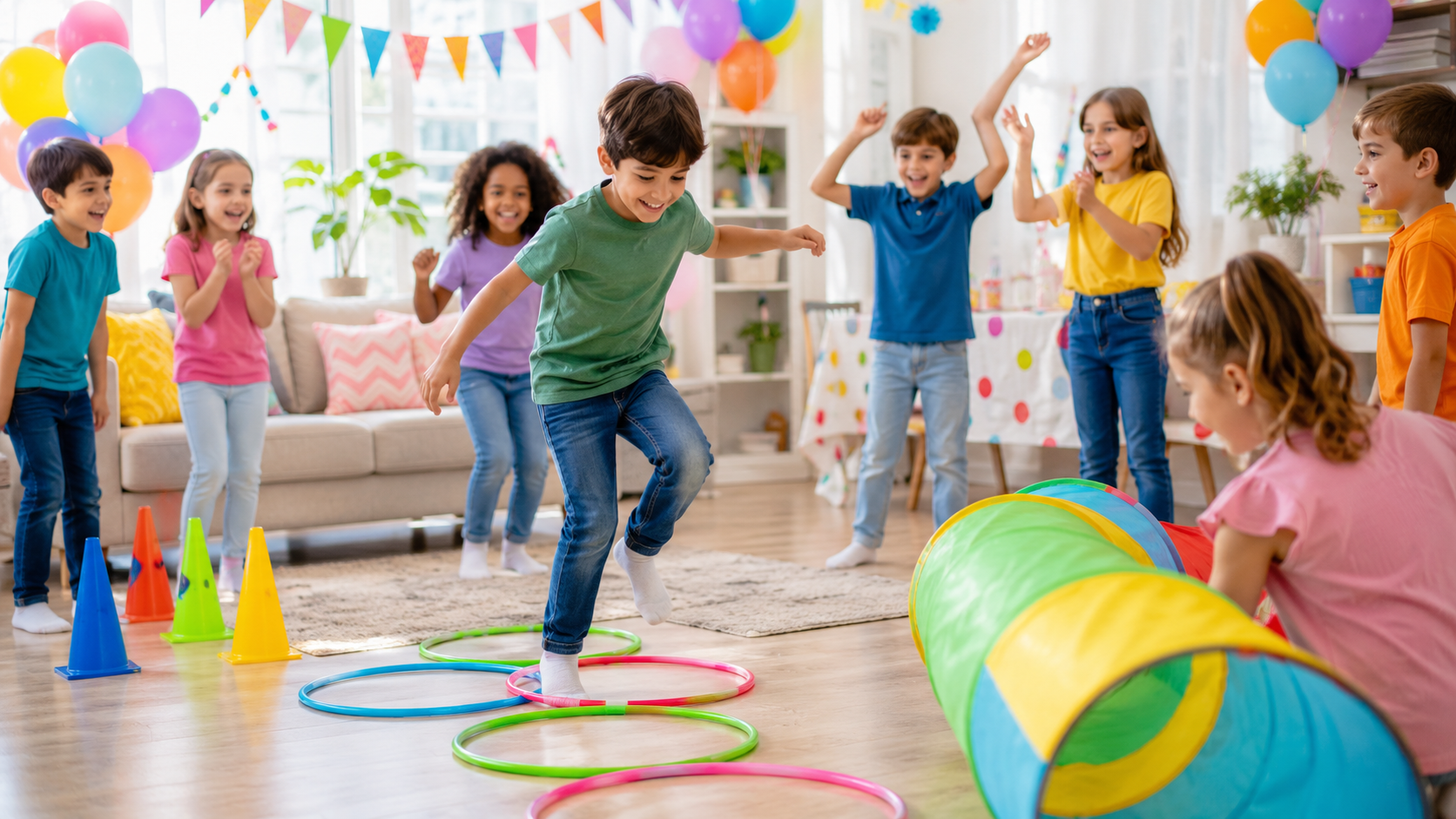
22 Party Games for Kids
Planning a kids’ party sounds simple until I have a room full of excited children, different ages, and very different ideas about what counts as fun. I’ve found that the best party games are not always the ones with a clear winner. For younger children especially, too much competition can quickly turn a fun afternoon into arguments and hurt feelings.
That’s why I prefer games that keep everyone moving, laughing, creating, or working together. I can still give children a little challenge without making the entire party depend on who finishes first.
In this guide, I’m sharing 22 kids’ party games that work for birthdays, family gatherings, classroom celebrations, and backyard parties. I’ve included active games, creative activities, indoor options, outdoor games, and several ideas that need very little preparation.
I recommend choosing party games based on the children’s ages, available space, and energy level rather than simply picking the most competitive activities. Ring toss, hula hoop play, bubble chasing, balloon games, parachute play, and slime stations are easy choices when I want everyone involved.
For active parties, I like sack races, three-legged walking, balloon waddles, and tug-of-war because they give children a chance to move without requiring complicated equipment. Indoor parties can use games such as pin the tail, cookie crawl, Twister, block balance, and cotton transfer.
Save this for later

Table of Contents
I also find that changing a few simple rules makes traditional games much friendlier. Instead of eliminating children, I let everyone keep playing, use teamwork, celebrate funny attempts, and keep rounds short. This keeps the mood positive and gives shy children a chance to join when they feel comfortable.
Key Takeaways
- I choose cooperative or low-pressure games for mixed-age parties.
- Short rounds help prevent boredom and frustration.
- I avoid elimination whenever possible.
- Outdoor games need clear boundaries and enough space for safe movement.
- I keep younger children away from complicated rules.
- Creative stations are useful when children need a quieter activity.
- I always prepare a few backup games in case one activity loses the group’s attention.
- For larger parties, I prefer games where several children can participate at once.
Related article: 16+ Creative Arts and Crafts Birthday Party Ideas
Which Party Games Are Fun Without Being Too Competitive?
I’ve learned that a party game doesn’t need a winner to be exciting. Kids can have just as much fun when the goal is to complete a silly challenge, keep an object moving, create something, or simply make everyone laugh.
For younger children, I usually avoid games where players are eliminated one by one. The American Academy of Pediatrics recommends age-appropriate play and emphasizes the importance of safe environments, so I also consider the child’s physical abilities before choosing an active game.
I prefer activities that let children rejoin immediately after a mistake. That small change can make a big difference at a birthday party.
Team-based activities can work especially well because children have a shared goal instead of feeling like they are playing against everyone else. I also keep instructions simple because long explanations can lose a group of excited children within seconds.
Pro Tip: I always explain the rules before handing out equipment. For active games, I also show children exactly where they can run, stand, or wait.
Ring Toss
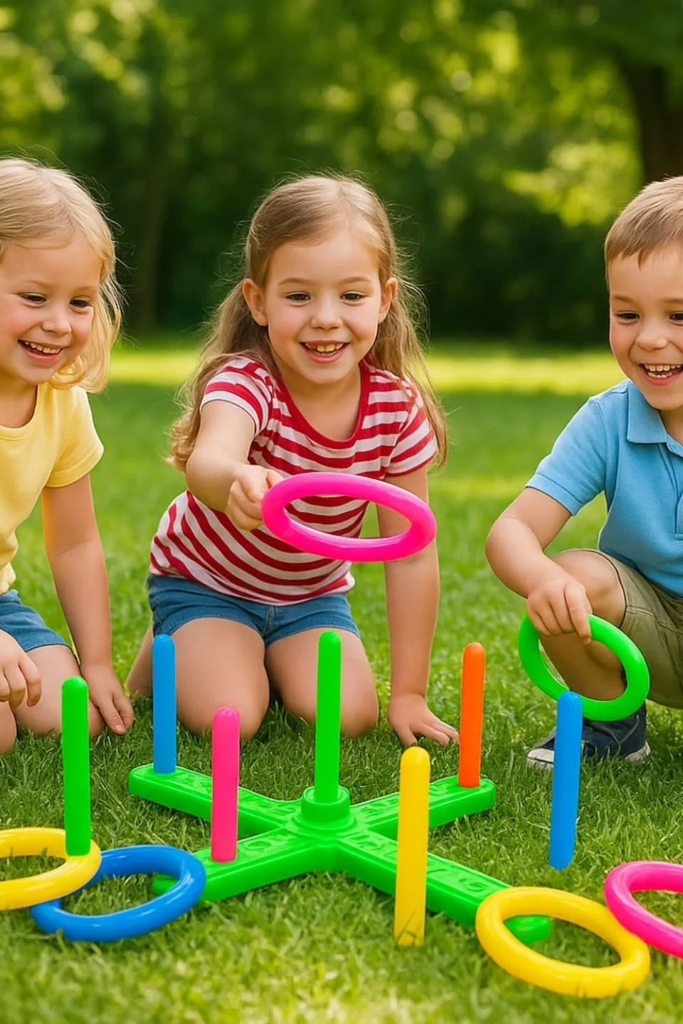
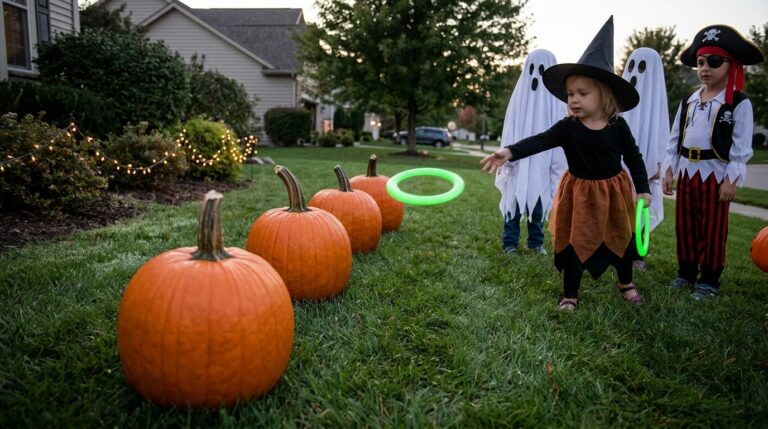
Ring toss is one of my favorite choices when I need an easy game that works for different ages. I can set it up indoors or outside with cones, bottles, pegs, or other stable targets.
I place the targets at different distances and give each child several lightweight rings. Younger children can stand close to the targets, while older kids can move farther away for an extra challenge.
I don’t need to keep a running score. Instead, I encourage children to celebrate successful throws and funny misses. It keeps the activity relaxed while still giving them something to concentrate on.
For an outdoor birthday, I like using bright-colored equipment because it makes the game easy to spot and adds a cheerful party touch.
Pro Tip: I use sturdy targets that cannot easily tip over and leave plenty of space between children who are throwing.
Musical Chairs
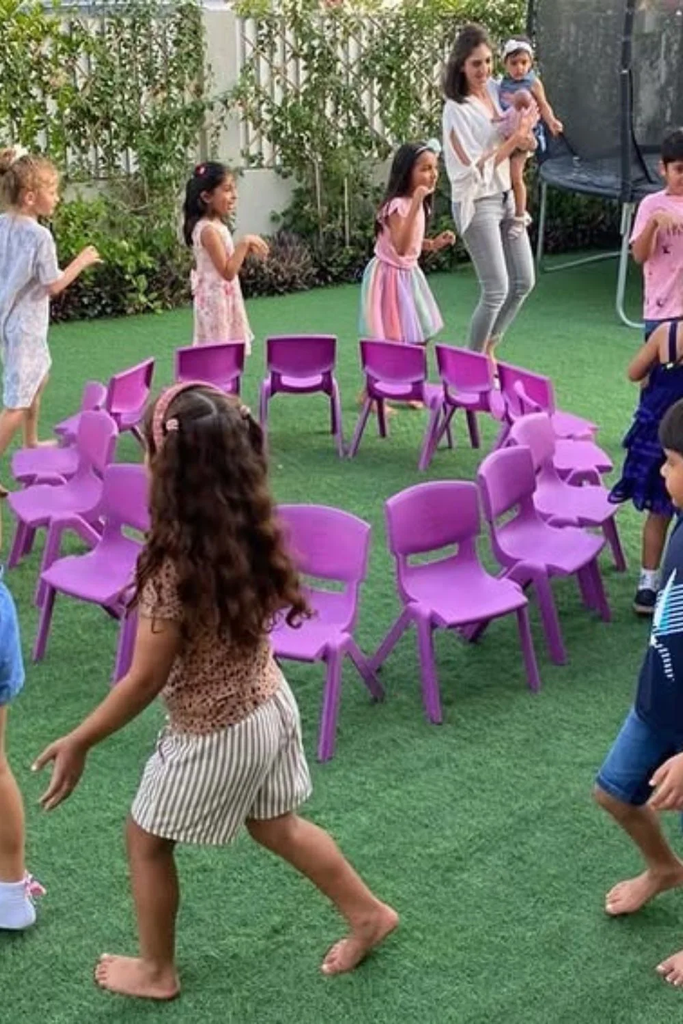
Musical chairs can become frustrating when children are removed after every round, so I prefer a friendlier version. I keep everyone involved and change the goal from elimination to finding a chair when the music stops.
I can add an extra chair, use cushions instead of hard chairs, or let children share a designated sitting area. This is especially useful for preschool-age groups that may not understand why they suddenly have to stop playing.
I keep each music segment short and choose cheerful songs that match the party theme. Children can walk around the chairs rather than running to reduce pushing.
If I want a little competition for older kids, I might give small recognition for creative moves or the fastest seat without making losing a major part of the game.
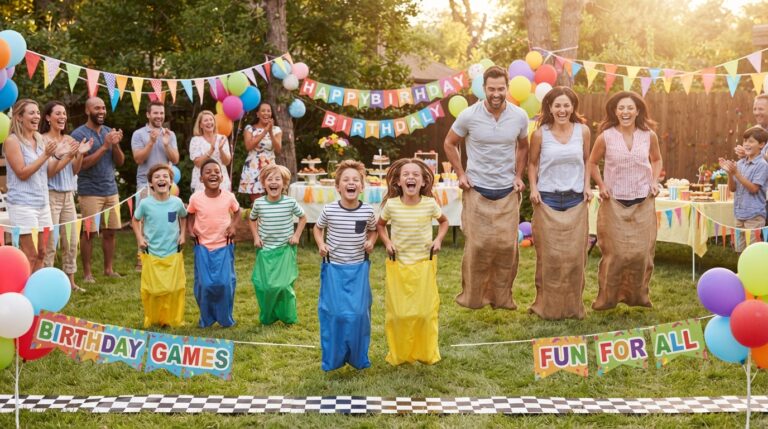
Sack Race
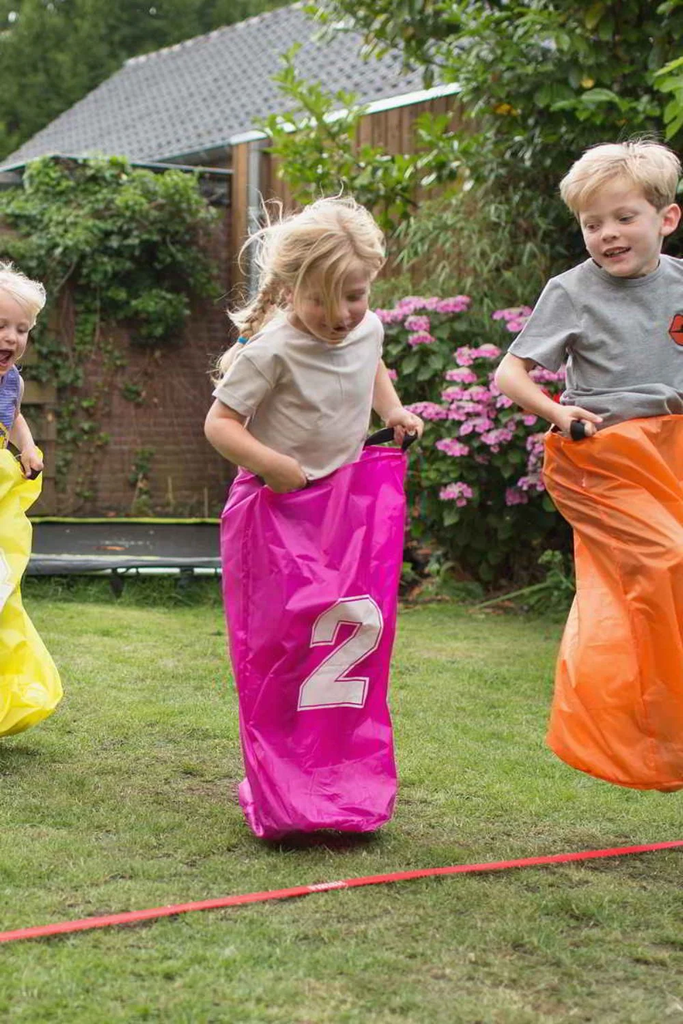
A sack race gives children plenty of movement and usually produces plenty of laughter too. I use a flat grassy area whenever possible and mark a clear starting and finishing point.
Rather than having a large group race at once, I divide children into smaller groups. This gives everyone enough room to move and reduces the chance of children bumping into each other.
For younger children, I shorten the course and use roomy sacks that are easy to hold. I also remind them to hop slowly instead of trying to beat everyone else.
Another option I like is a relay where each child completes a short section before passing the activity to a teammate. This puts more attention on teamwork.
Pro Tip: I check the ground first for holes, toys, stones, or other obstacles before starting any hopping game.
Pin Tail
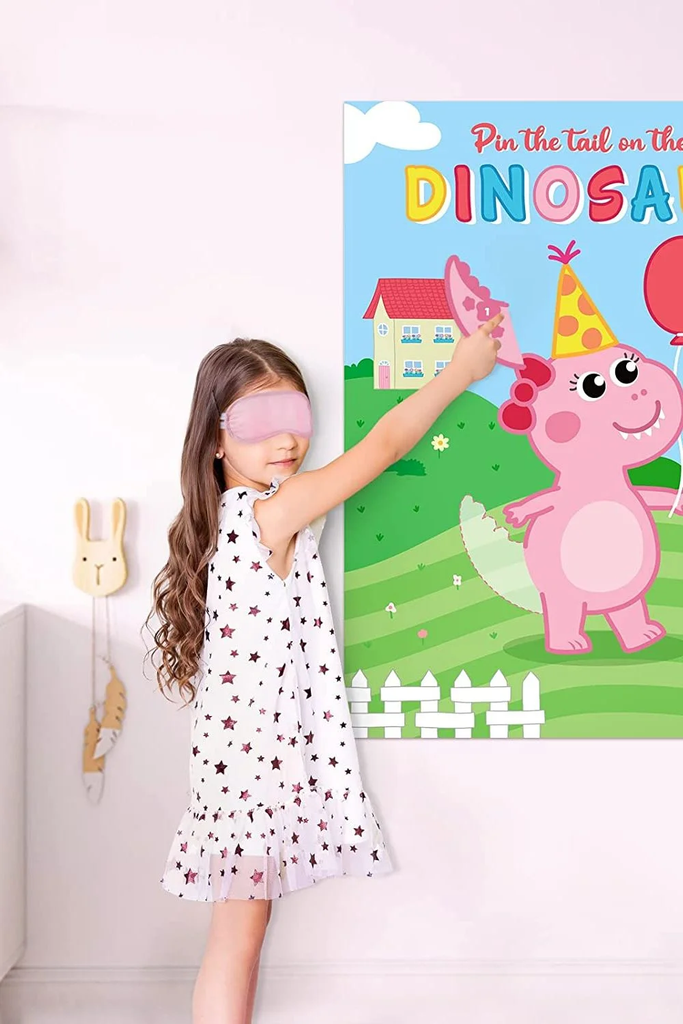
Pin the tail is a classic choice because I can adapt it to almost any birthday theme. Instead of a donkey, I might make a dinosaur, unicorn, pirate, superhero, or favorite cartoon-style character.
I hang the poster at a comfortable height and give children a paper tail or other lightweight piece to place on the picture. I blindfold each child briefly and gently guide them toward the poster.
I don’t spin children repeatedly because that can make them dizzy. The funny part is seeing where everyone places their tail, so I don’t need to make accuracy the only measure of success.
I make sure every child gets a turn, and I can give small stickers or praise for creative placements rather than declaring one person the winner.
Cotton Transfer
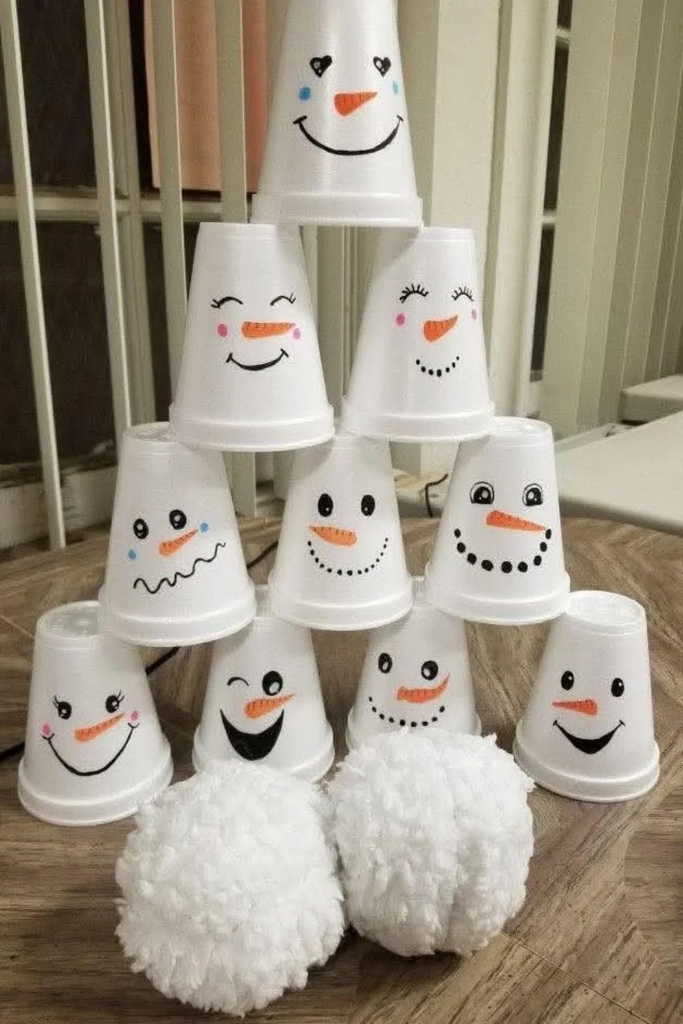
This game needs only a few basic supplies and works well when I want an indoor activity. I place cotton balls on a table and give children cups or bowls to use as targets.
The challenge is to move the cotton using only their breath. I keep the rounds short because the activity becomes tiring if children have to blow continuously.
I can also turn it into a cooperative challenge by asking everyone to help move all the cotton balls from one container to another before a timer ends.
Because cotton balls are lightweight, I make sure the playing area is away from fans or strong air movement. I also supervise younger children closely around small craft materials.
Pro Tip: I use larger cotton balls for younger children and keep small pieces away from toddlers who may put objects in their mouths.
Block Balance
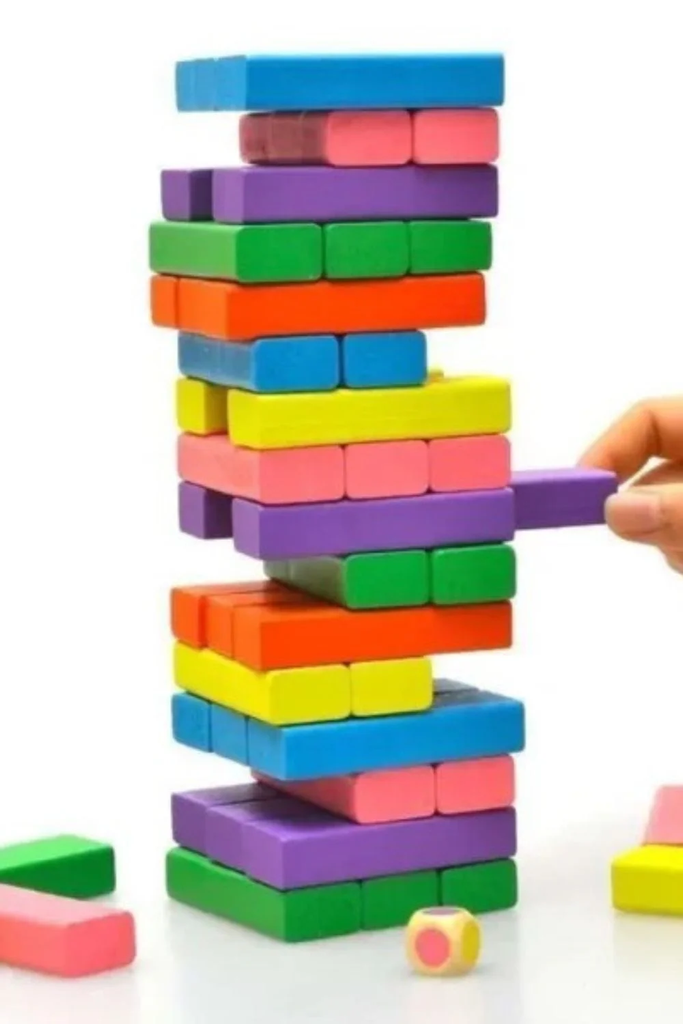
A simple block-stacking activity can keep children surprisingly focused. I use large building blocks or a child-friendly stacking set on a stable surface.
Instead of making children compete to see who can build the tallest tower, I let everyone take turns adding or removing pieces. The shared goal can be building the tallest structure possible before it falls.
For older children, I can add a challenge by asking them to use certain shapes or colors. Younger children can simply practice stacking.
I like this activity for indoor parties because it takes up little floor space and gives energetic children a quieter break.
Cookie Crawl
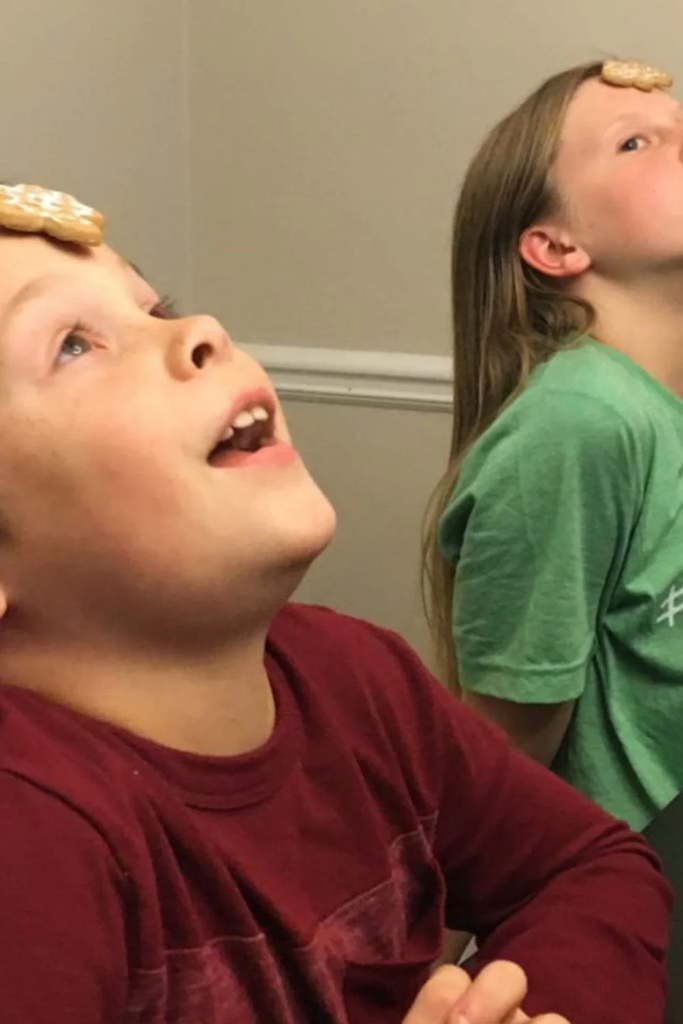
This silly game is almost guaranteed to make children laugh. I place a small cookie on each child’s forehead and challenge them to move it toward their mouth without using their hands.
I have children sit down while playing so they are less likely to trip or bump into furniture. I also keep the game optional because some children may not enjoy having food on their face.
I don’t require everyone to finish first. Watching the different facial expressions is often more entertaining than the actual challenge.
For younger children, I demonstrate once so they understand the idea before everyone starts.
Pro Tip: I check for food allergies before using cookies or any edible item at a children’s party.
Hula Spin
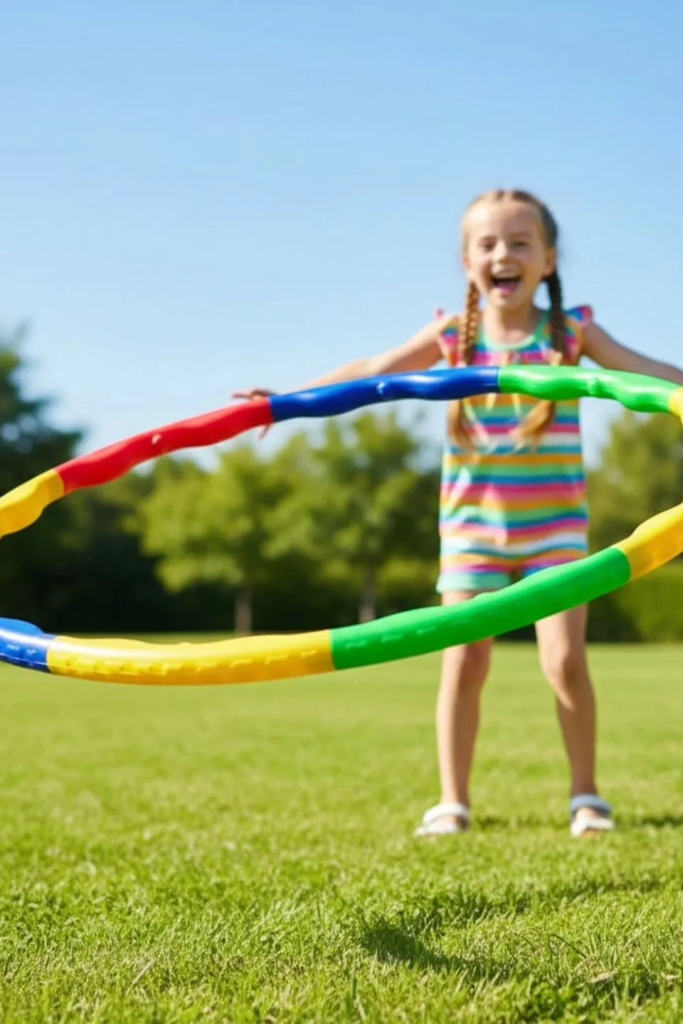
Hula hoops are an easy way to add movement without complicated rules. I give each child a hoop and let them experiment with spinning, stepping through, or moving around it.
For a simple challenge, I can call out actions such as “spin five times,” “walk two steps,” or “freeze.” This gives older children something to work toward while younger kids can simply enjoy the movement.
I prefer letting several children play at the same time when there is enough space. That reduces waiting and keeps the energy moving.
I don’t use a stopwatch unless the children specifically ask for a timed challenge. Falling hoops are part of the fun.
Balloon Waddle
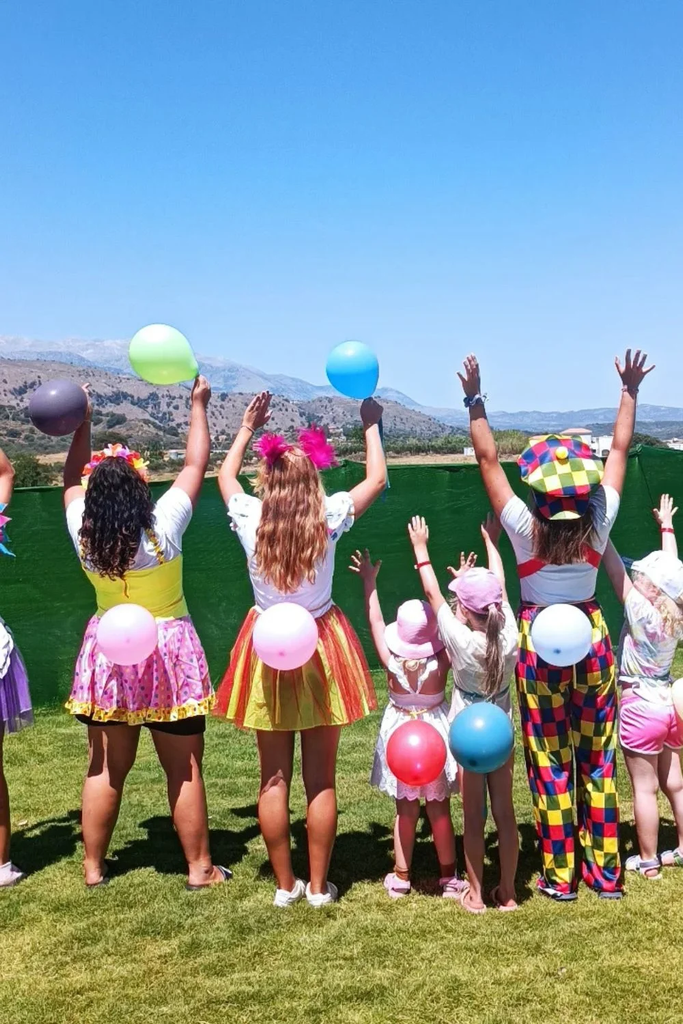
Balloon games are useful when I want something inexpensive and easy to understand. I place a balloon between a child’s knees or secure it in a safe position and ask them to waddle from one point to another.
I use a grassy area outdoors because it gives children more room and provides a softer surface if someone loses balance.
If a balloon drops, I simply let the child reset and continue. There is no reason for one mistake to end the game.
For pairs, I can place one balloon between two children and have them move together. This version naturally encourages communication and teamwork.
Pro Tip: I use regular party balloons only with close adult supervision, especially around toddlers, because broken balloon pieces can be a choking hazard.
Color Hop
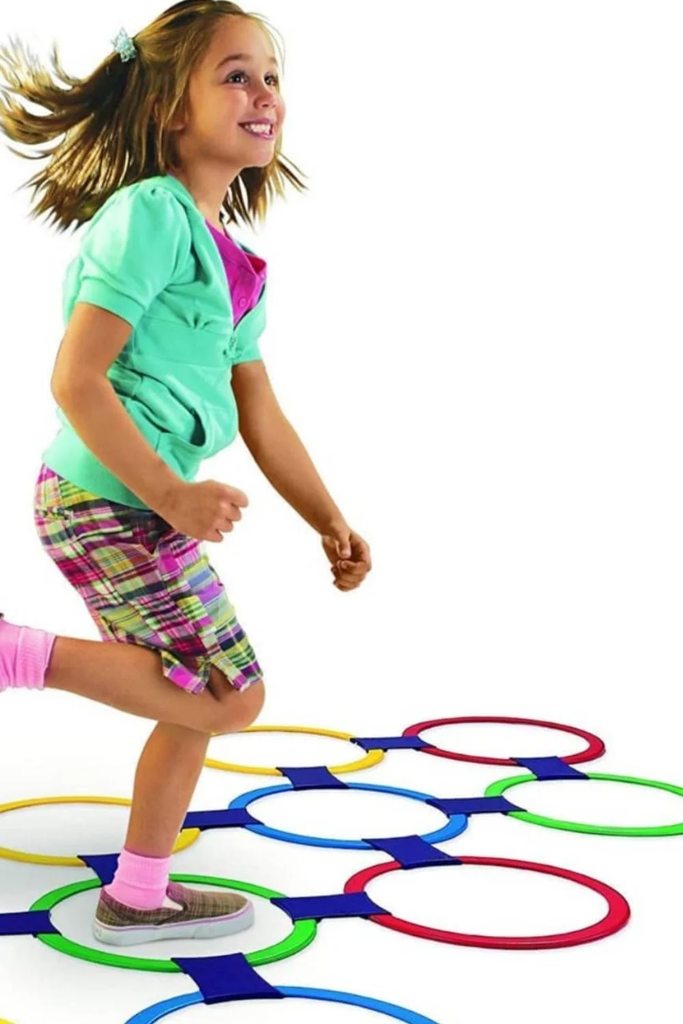
Color hop combines movement with quick listening. I arrange colored hoops, paper circles, or floor markers around a safe playing area.
I call out a color and have children move toward the matching marker. To make it more interesting, I can ask them to hop, walk backward carefully, freeze, or use one foot.
There is no need to remove children when they choose the wrong color. I simply call another color and let everyone continue.
The game is easy to adjust for age. I keep markers close together for younger children and increase the spacing for older kids.
Team Tug
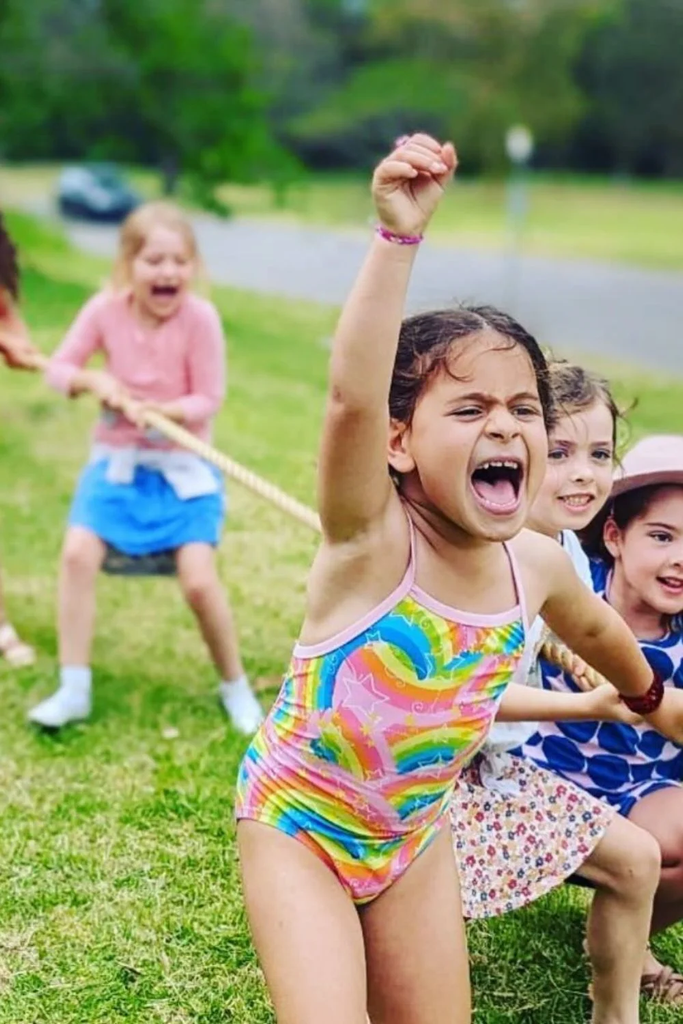
Tug-of-war can be exciting, but I take safety seriously with this one. I use a suitable rope, a flat outdoor surface, and enough space behind both teams.
I divide children into reasonably balanced groups rather than putting all the stronger children on one side. I explain that they should stop immediately when an adult gives the signal.
Short rounds work better than long battles. I can also make the goal cooperative by having teams practice pulling together in rhythm rather than focusing heavily on winning.
I avoid this activity on hard, slippery, or uneven surfaces. If children are too young to follow safety instructions, I choose another group game instead.
Pro Tip: I inspect the rope before using it and keep children away from nearby trees, fences, furniture, and other obstacles.
Balloon Tap
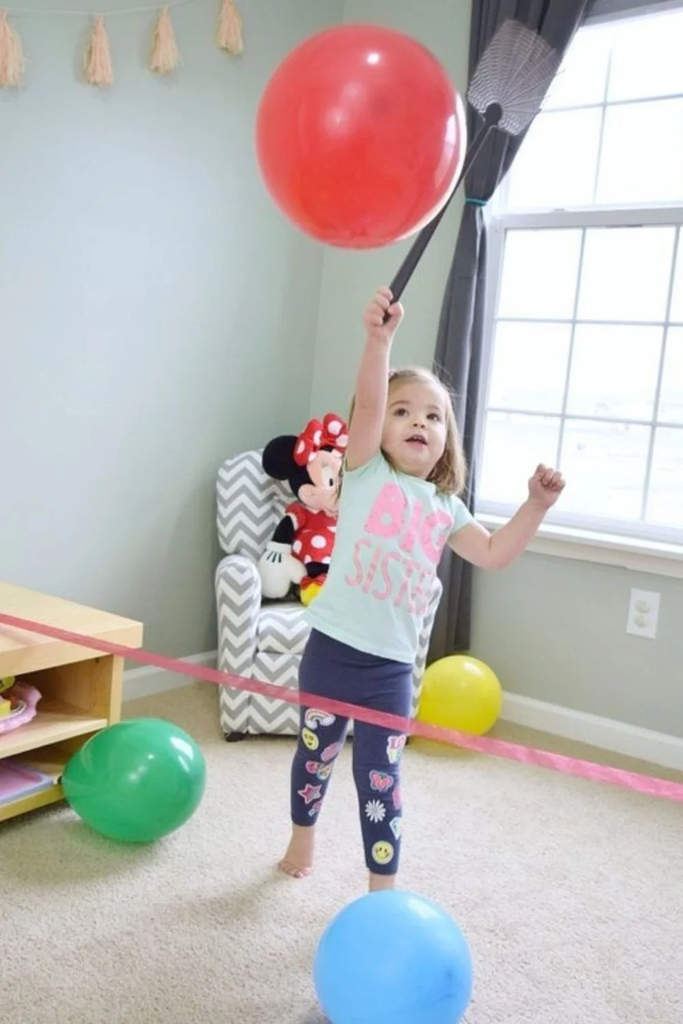
For an indoor balloon game, I stretch a piece of ribbon or string across part of the room to create a simple boundary. Children then try to keep balloons moving over the line using their hands.
I don’t need a net or special sports equipment. The balloon moves slowly enough for most children to follow.
I can make the challenge cooperative by asking everyone to keep one balloon in the air for as long as possible. Older kids can try different light taps while younger children simply chase and hit the balloon.
I remove broken balloons immediately and supervise the activity closely, especially when younger children are involved.
Also read: 25 Summer Outdoor Birthday Party Ideas for Fun Celebrations
Zip Line
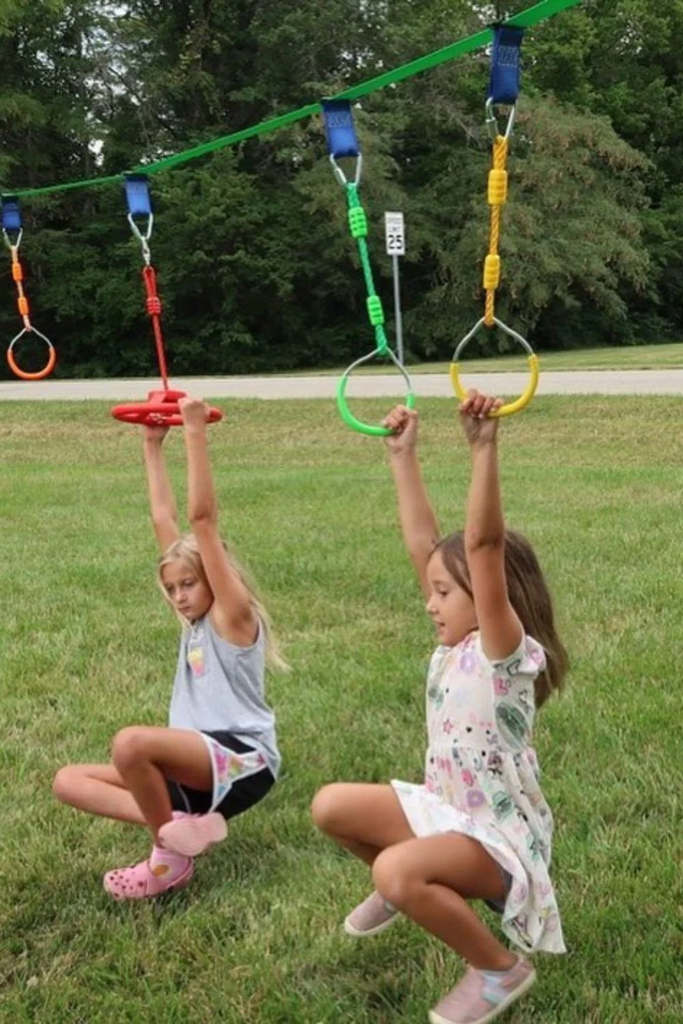
A backyard zip line can be an exciting party feature, but I would only use one that is professionally installed or specifically designed and rated for children. This is not an activity I would improvise with rope, trees, or homemade equipment.
I organize turns so children are not pushing or crowding around the launch area. While one child rides, the others can cheer from a safe distance.
Age, weight limits, harness requirements, landing zones, and equipment instructions all need to be followed exactly. If I cannot confirm that the setup is safe and appropriate for the children attending, I choose a different activity.
For a party, safety matters much more than creating a dramatic attraction.
Mini Golf

Mini golf gives children a slower-paced option after energetic games. I can create a simple course using plastic cups, cardboard obstacles, cones, or other safe household materials.
I set up several small holes and allow children to take turns. Older children can help younger ones with positioning and aiming.
I only keep score if the children actually want to. Otherwise, I celebrate good attempts and creative shots.
This activity works particularly well for outdoor parties because I can spread the holes around the yard and let small groups move through them without crowding.
Pro Tip: I use lightweight child-friendly clubs and balls rather than hard equipment that could cause injury indoors.
Bubble Chase
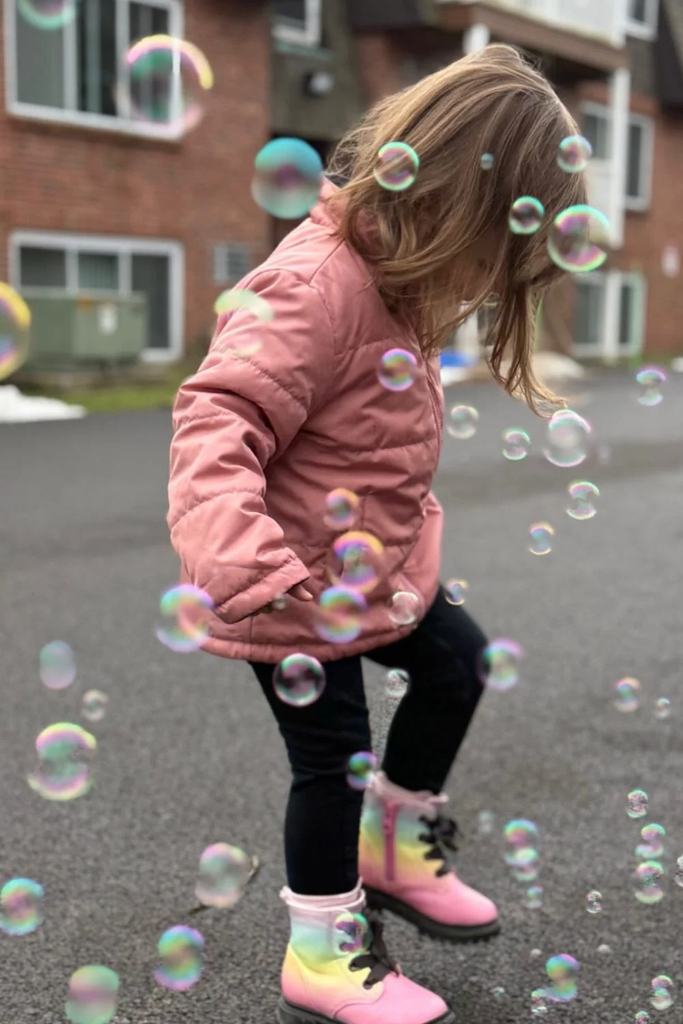
Bubble play is one of the easiest activities I can prepare for younger children. I use individual bubble wands or a bubble machine and let children chase, pop, and count bubbles.
I don’t need complicated instructions. That makes it useful for toddlers and preschoolers who may not have the attention span for structured games.
Outside is usually the best location because bubbles can drift freely without getting furniture wet. I also keep the activity away from steps, slippery surfaces, and areas where children might run into one another.
For an optional challenge, I ask children to see how many bubbles they can pop or whether they can gently catch one without bursting it.
Balloon Magic
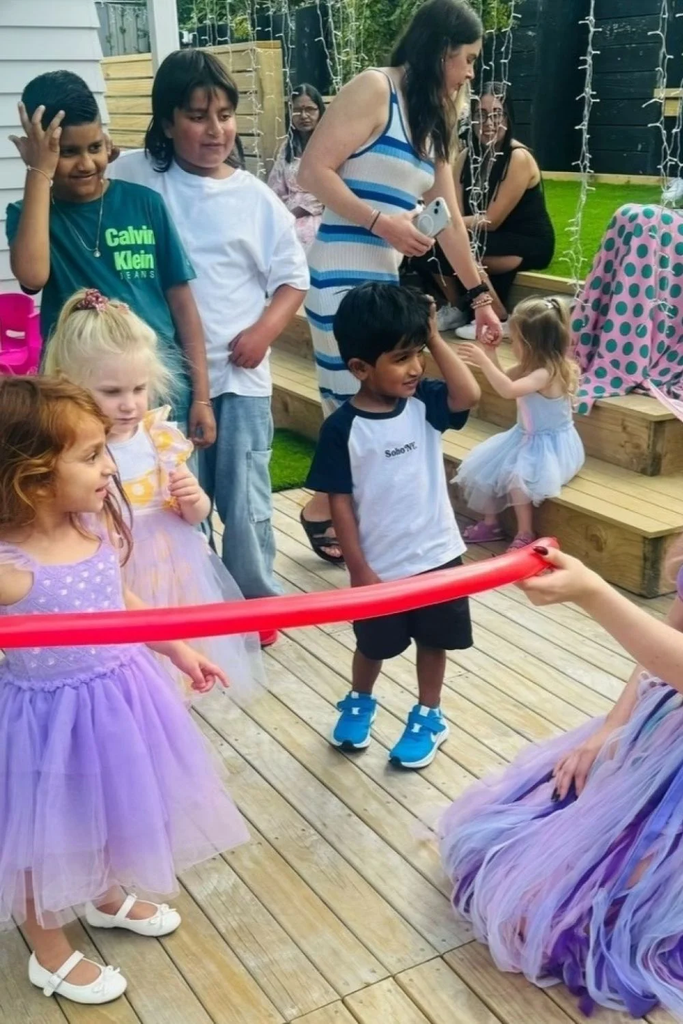
A balloon artist can turn a simple party activity into entertainment that keeps children watching and talking. If I’m working with a smaller budget, I can also learn a few basic balloon shapes myself.
I arrange the children so everyone can see and give them a chance to request simple shapes or animals. This works well during food preparation or another transition when I need the group occupied.
I keep balloons away from very young children unless an adult is closely supervising. Broken balloons should be collected immediately.
The activity works indoors or outdoors as long as there is enough room for children to sit or stand safely.
Parachute Play
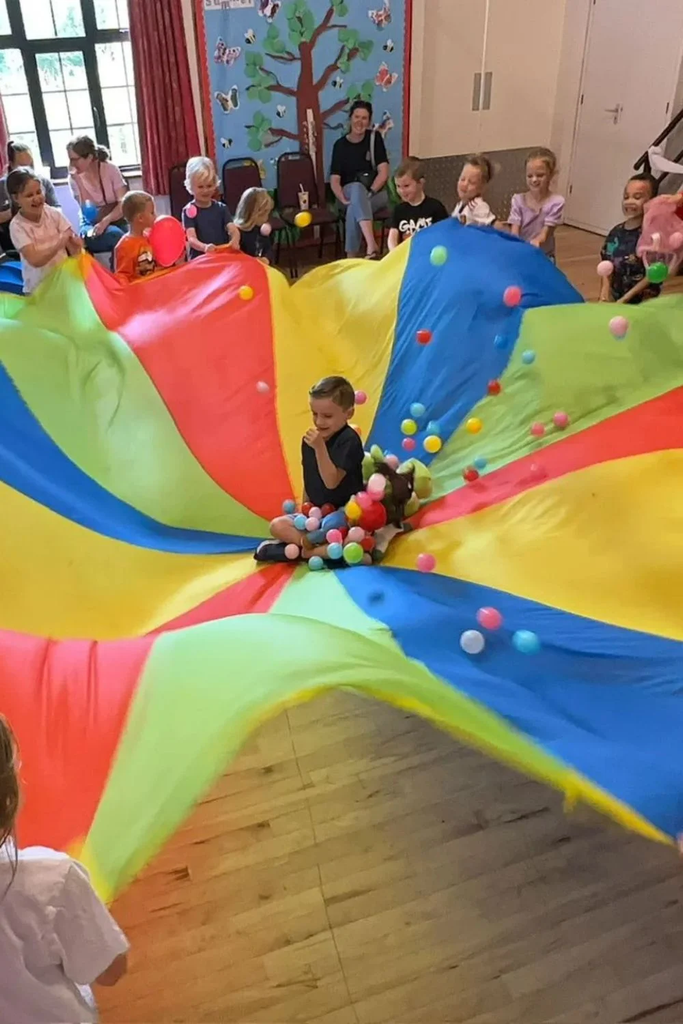
A large play parachute is excellent for group parties because many children can participate at the same time. I have everyone stand around the edge and hold the handles or fabric securely.
We can raise it together, lower it slowly, or make small waves. For an extra activity, I place lightweight balls on top and ask the group to keep them bouncing.
Younger children can sit in the center during suitable activities while older kids create gentle waves around them.
I avoid turning it into a competition. The fun comes from getting everyone to move at the same time and watching what happens.
Pro Tip: I choose lightweight objects for parachute play and make sure there is plenty of clear space around the group.
Balloon Chase
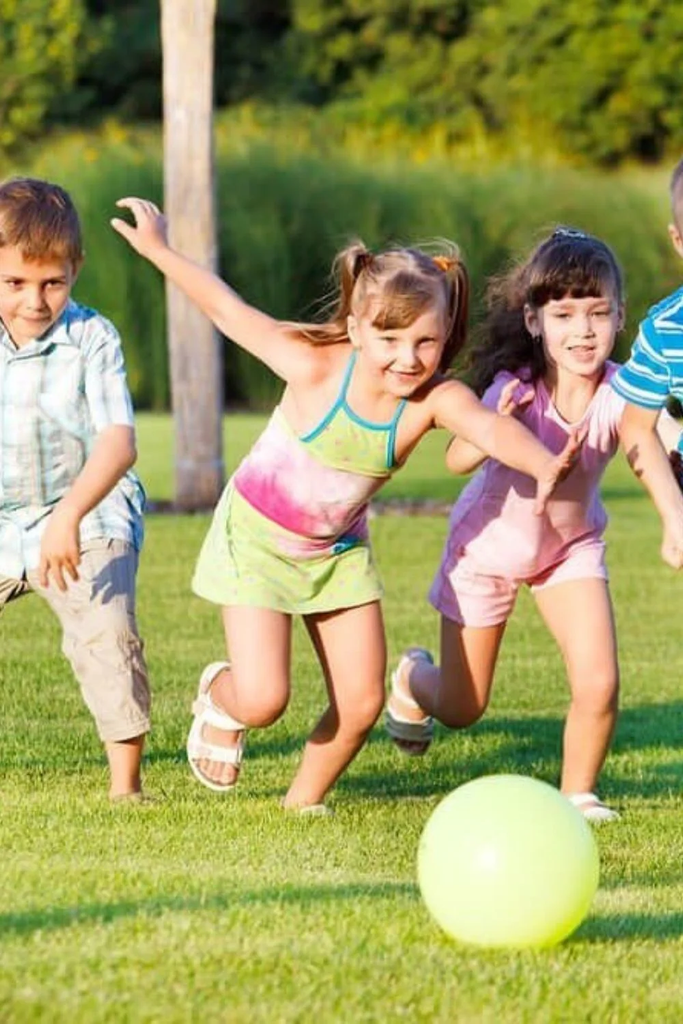
A large balloon or soft lightweight ball can create a surprisingly entertaining group game. I roll it across the yard and let the children chase after it together.
I can change the way they move by calling out instructions such as “walk slowly,” “tiptoe,” or “freeze.” These simple variations keep the same equipment interesting.
I keep the play area free of furniture, garden tools, sharp objects, and other hazards. Children should have enough room to move without running into one another.
Short rounds work best because children can quickly reset and start again.
Three-Legged
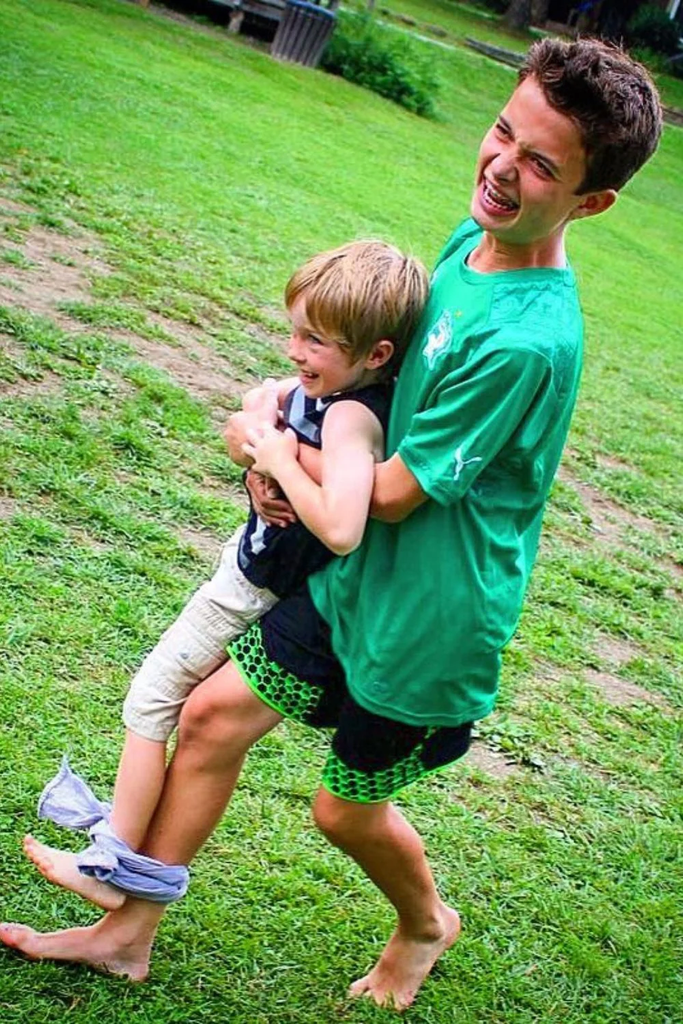
Three-legged games can encourage teamwork because children have to coordinate their movements with a partner. I pair children of similar height when possible and use a soft, secure band or scarf around their adjoining legs.
I ask pairs to walk rather than run. Counting together, such as “one, two, one, two,” can help partners find a comfortable rhythm.
For younger children, I keep the route very short. I also make sure the ground is even and free of obstacles.
Rather than making the first pair to finish the only winner, I can challenge each pair to reach the end without stopping. That makes the activity less stressful and more cooperative.
Pro Tip: I demonstrate how to stop safely before beginning and never tie anything so tightly that it restricts circulation or movement.
Slime Station
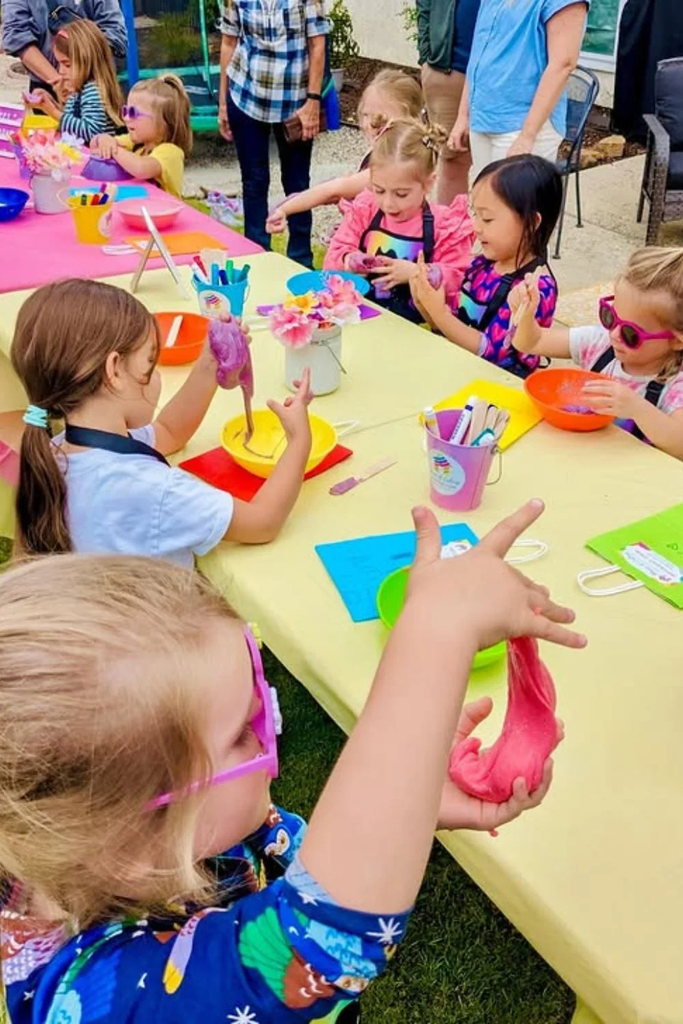
A slime station gives children a chance to slow down and make something they can take home. I set up a table with the ingredients and tools needed for the particular slime recipe I’m using.
I protect the table with a washable covering and keep paper towels nearby. Old shirts or aprons can help protect party clothes from accidental spills.
I follow a tested recipe and make sure children do not put slime near their mouths or eyes. Adult supervision is especially important when ingredients require careful handling.
I don’t compare finished slime creations. I let children choose colors, textures, or add-ins within the safe materials I provide.
This is especially useful when I need a calm activity between louder party games.
Giant TicTac
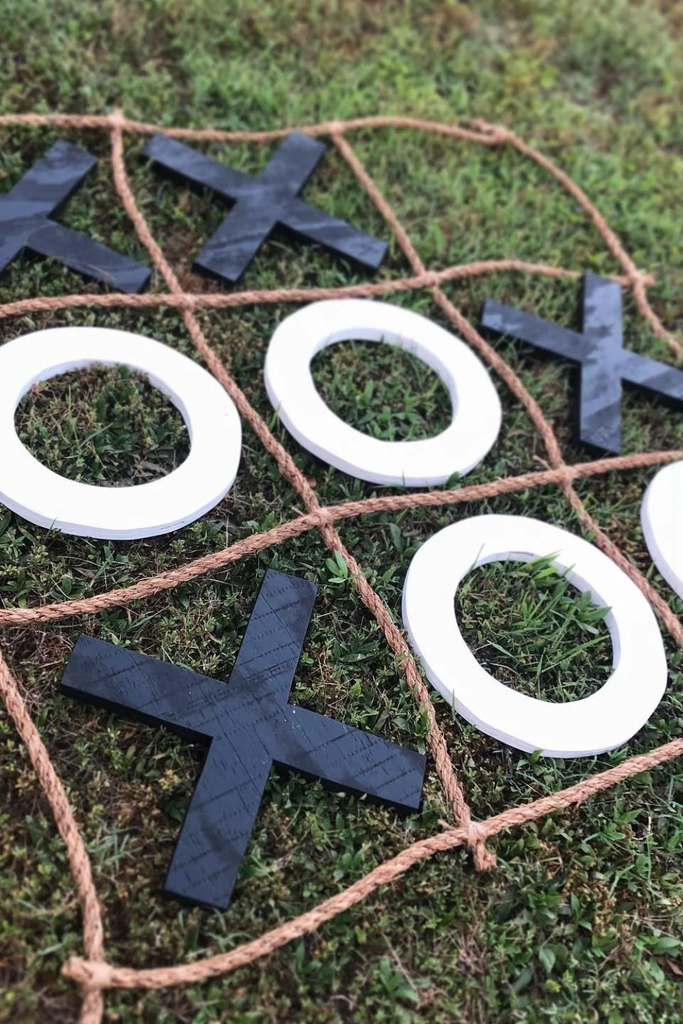
A giant tic-tac-toe board turns a familiar game into a physical activity. I make a large grid with rope, painter’s tape, or outdoor-safe markers and use oversized X and O pieces.
Children can take turns placing pieces while the others watch and suggest moves. I keep games short so nobody has to wait for too long.
For a group, I can rotate partners after each round instead of keeping one winner at the board.
Younger children can use the game to practice patterns and matching, while older kids can think more carefully about their next move.
Read this next: 25 Backyard Birthday Party Ideas To Celebrate in Style
Twister Twist
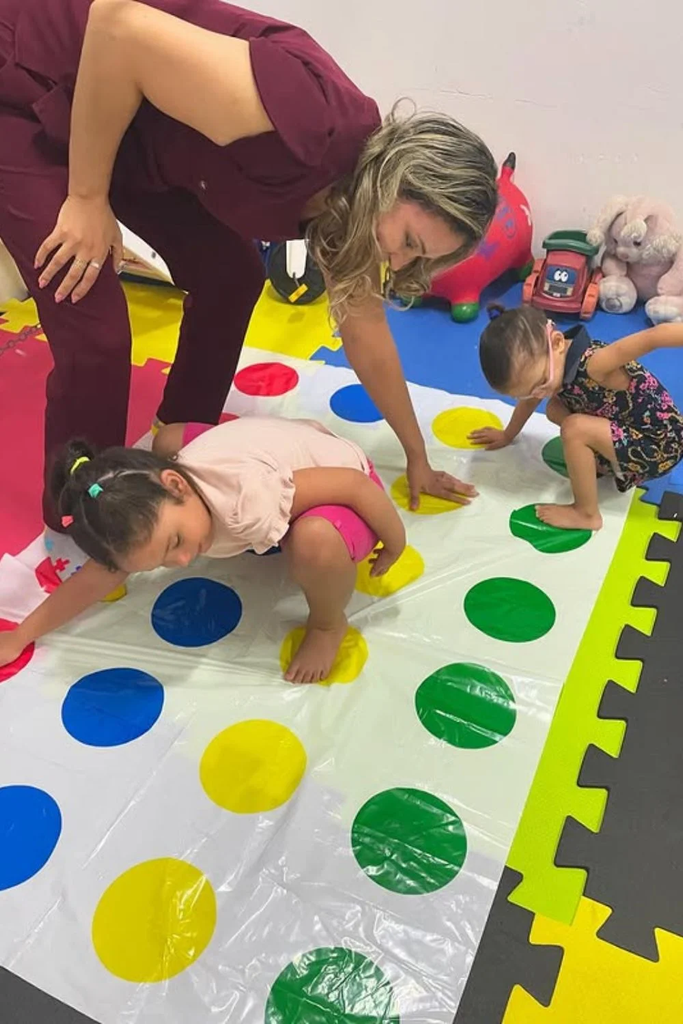
Twister is a fun way to get children moving without requiring much equipment beyond the mat. I call out colors and body positions slowly enough for the children to understand.
For younger players, I keep instructions simple and give them time to find a safe position. Older kids can handle more complicated combinations.
I don’t make children hold uncomfortable positions just to stay in the game. If someone falls or needs a break, we simply reset and start another round.
I place the mat on a clear, non-slippery surface and move nearby furniture out of the way before beginning.
The result is usually a lot of laughter, especially when everyone starts trying to figure out where their hands and feet should go.
FAQ’s
How do I stop party games from turning into arguments?
I explain before each game that the main goal is to have fun. I avoid elimination whenever possible and keep competitive rounds short.
I also balance teams carefully when teamwork is involved. If a game starts causing frustration, I’m happy to switch activities instead of forcing everyone to continue.
What if some kids are shy or don’t want to join?
I never force a child to participate. I usually begin with easy activities such as bubbles, crafts, balloon play, or watching a demonstration.
I can also give a shy child a small role, such as handing out supplies or helping me count. Once they feel comfortable, they may decide to join on their own.
Conclusion
I’ve found that the best kids’ party games are the ones that keep everyone laughing, moving, and included. Whether I choose a simple balloon game, a creative slime station, or an outdoor team activity, I focus on fun rather than winning. With a few age-appropriate choices and simple rules, I can create a party that kids remember for all the right reasons.



4 Comments