24 Storage Ideas For Small Spaces in 2026
Living in a small home can make everyday organization difficult. I know that when closets fill up, kitchen counters become crowded, and furniture takes over the floor, even a tidy room can feel cramped. The answer isn’t always buying more organizers or getting rid of everything you own. Often, the better solution is to use overlooked areas and choose storage that fits the way you live.
I recommend looking at walls, corners, door backs, and the space underneath furniture before adding another cabinet. With a few thoughtful changes, you can make room for everyday essentials while keeping your home comfortable and easy to move around in.
Save this for later
Table of Contents
These 24 storage ideas for small spaces show how I would organize bedrooms, bathrooms, kitchens, entryways, laundry areas, and living rooms without wasting valuable floor space. From under-bed drawers and slim cabinets to wall-mounted shelves and storage benches, each idea offers a practical way to make better use of your existing layout. I also recommend choosing storage based on what you own, how often you use it, and how much clearance you need around doors, furniture, and walkways.
Key Takeaways
- Use vertical space: Tall cabinets, wall shelves, and over-door organizers can add storage without spreading furniture across the floor.
- Choose furniture with more than one purpose: Storage beds, benches, and drawer consoles help combine everyday functions.
- Keep frequently used items accessible: Store daily essentials at comfortable heights and less-used belongings in higher or harder-to-reach areas.
- Organize by category: Grouping similar belongings makes it easier to find things and return them to their proper places.
- Measure before buying: Check the available width, depth, height, door swing, and walking clearance before installing storage.
- Keep safety in mind: Secure tall furniture and wall-mounted units properly, and avoid overloading shelves or blocking ventilation.
Related article: 25 Fruit Storage Ideas for 2026
How to Create Storage in a Small Space?
I start by looking at the storage a room already offers before deciding what to add. The space above a doorway, the back of a closet door, an empty corner, or the area under a bed can often hold items that would otherwise take up valuable floor space.
The next step is to sort belongings by how frequently I need them. Everyday essentials should be easy to reach, while seasonal decorations, spare bedding, and occasional-use items can go into less accessible storage.
I also consider how each storage solution will affect the room. A tall, narrow cabinet may work better than a wide dresser, but a deep unit can still make a tight walkway uncomfortable. Measuring the room and checking how doors and drawers open helps prevent costly mistakes.
My goal is to create a place for everything without filling every available inch. Open areas, clear walkways, and easy access matter just as much as the amount of storage I can add.
Recessed Wall Storage

Recessed shelving can provide useful storage in a small bathroom without adding a cabinet that sticks out into the room. I particularly like this option for lightweight toiletries, folded washcloths, and other everyday bathroom essentials.
Before planning a recessed shelf, I would check the wall construction and identify pipes, electrical wiring, and structural elements. A cavity between wall studs may provide space, but not every wall can be safely opened. In bathrooms, the installation must also maintain proper waterproofing and moisture protection.
For a simpler alternative, I recommend a shallow surface-mounted cabinet or a mirror cabinet. These options can provide similar benefits without the work involved in cutting into a wall.
Pro Tip: Measure the tallest bottles you want to store before choosing shelf spacing. Keep heavy glass containers low and avoid placing items where they could fall into a sink or bathtub.
Entryway Drop Zone
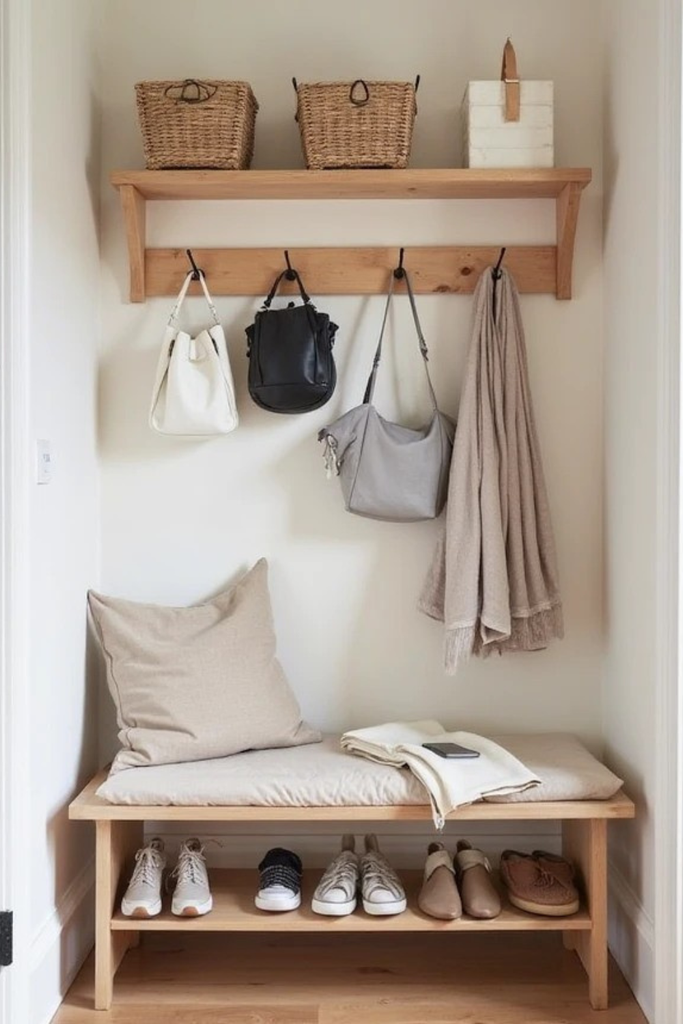
A small entryway can become cluttered quickly when shoes, bags, keys, and coats have no designated place. I would turn an unused section of wall into a compact drop zone that keeps these everyday items together.
Start with a narrow bench or shoe rack, then add sturdy hooks for jackets and bags. A small shelf above the hooks can hold a basket for keys, sunglasses, and other items you need before leaving home. If the entryway is particularly narrow, wall-mounted storage can help preserve floor space.
I recommend keeping the setup simple enough for everyone in the household to use. Too many baskets and hooks can make a small entrance look just as crowded as before.
Pro Tip: Check the clearance needed for the front door to open fully. Keep shoes and bags out of the walking path, especially near stairs or an entrance used by several people.
Slim Vertical Cabinet
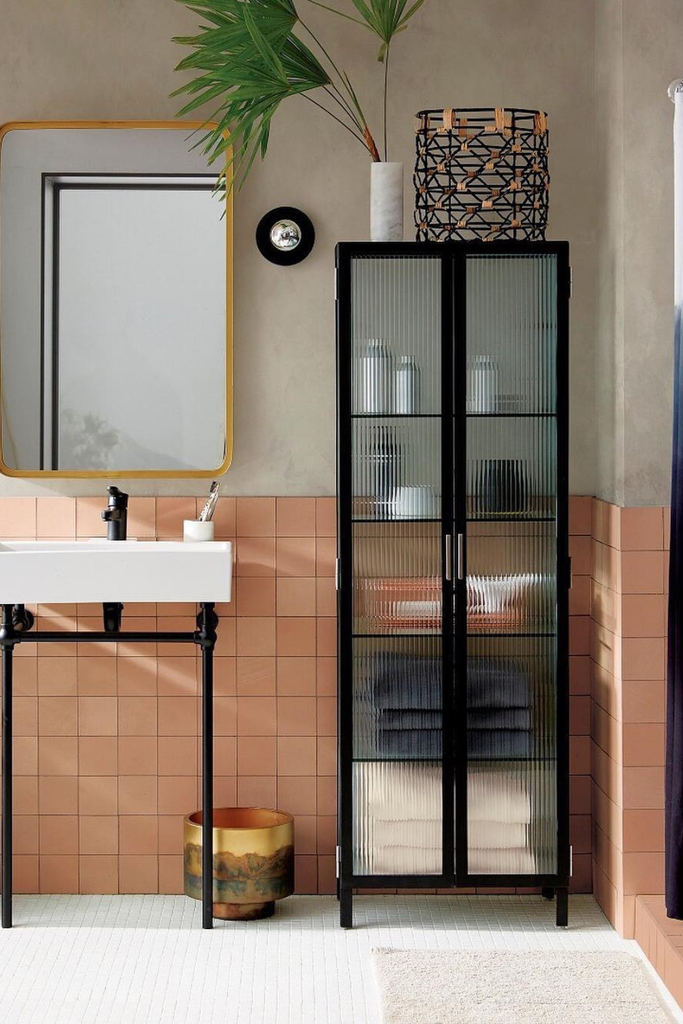
A narrow vertical cabinet is a practical choice when a bathroom, hallway, or utility area has limited floor space. Instead of choosing a wide storage unit, I would look for a taller cabinet that uses available height while leaving the surrounding area accessible.
Adjustable shelves make the cabinet more useful because you can change the spacing for towels, toiletries, cleaning products, or other household essentials. Closed doors are helpful when you want to keep small items out of sight, while open shelves work well for neatly arranged towels and frequently used products.
Before purchasing one, measure the cabinet’s full depth and check whether its doors can open without hitting nearby fixtures. Tall furniture should also be secured according to the manufacturer’s instructions.
Pro Tip: Place lightweight, occasionally used items on the upper shelves and heavier belongings on the lower shelves. This makes the cabinet easier and safer to use.
Built-In Bed Storage
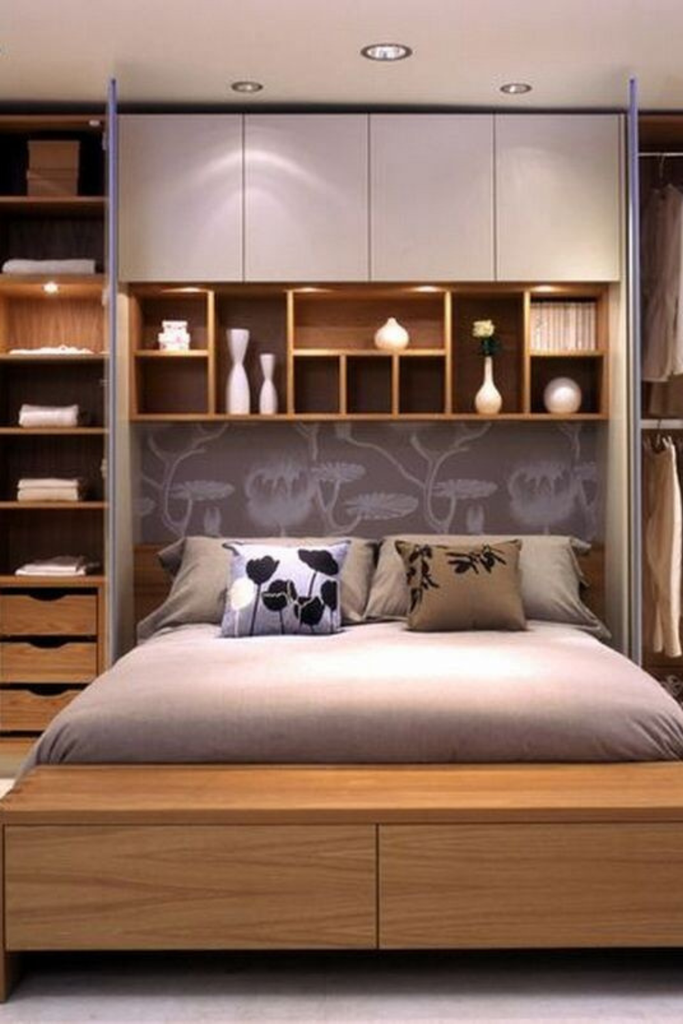
The wall around a bed can offer useful storage when a bedroom is too small for a large wardrobe and separate bedside tables. I would consider a layout that combines overhead cabinets, side shelving, and compact drawers to make better use of the available wall.
For example, cabinets above the headboard can hold spare bedding or seasonal items, while side units can store books, clothing, and bedside essentials. Modular furniture is worth considering if you want a built-in appearance without committing to fully custom cabinetry.
However, overhead storage needs careful planning. I would make sure cabinets are properly secured and that their doors do not interfere with lighting, windows, or comfortable access to the bed. Keep heavy objects out of overhead units where possible.
Pro Tip: Measure the mattress, bed frame, ceiling height, and bedside clearance before planning the layout. Leave enough room to sit up comfortably and access the bed without bumping into shelves.
Open Closet System
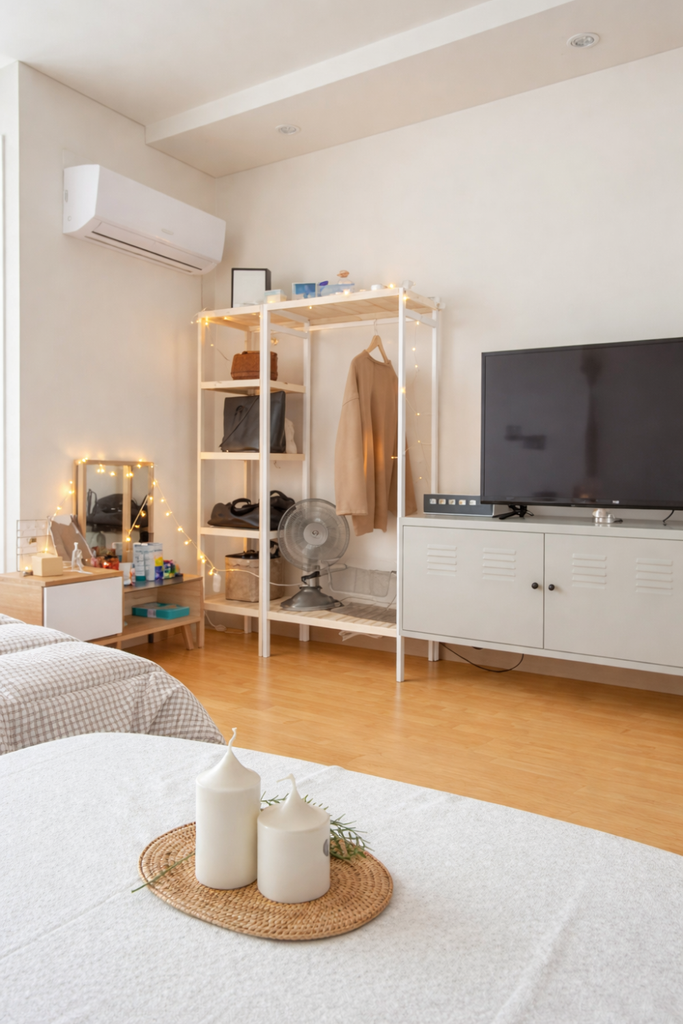
An open closet system can replace a bulky wardrobe in a small bedroom, particularly when a full-size cabinet would make the room feel crowded. I would use a combination of a hanging rail, adjustable shelves, and a few storage bins to create a simple clothing station.
The key is to organize the system rather than display everything you own. Keep everyday clothing on the main rail, folded items on shelves, and accessories in clearly labeled containers. If you have limited space, a compact system dedicated to your most frequently worn clothes can be easier to maintain than an oversized open rack.
Open storage does require regular tidying because clothing remains visible and can collect dust. If you prefer a cleaner appearance, consider adding a curtain or using a combination of open and closed storage.
Pro Tip: Check the weight rating of the rail and its supports before hanging heavy coats. Secure the system properly and avoid placing it where it blocks a window, heater, or main walkway.
Storage Room Divider
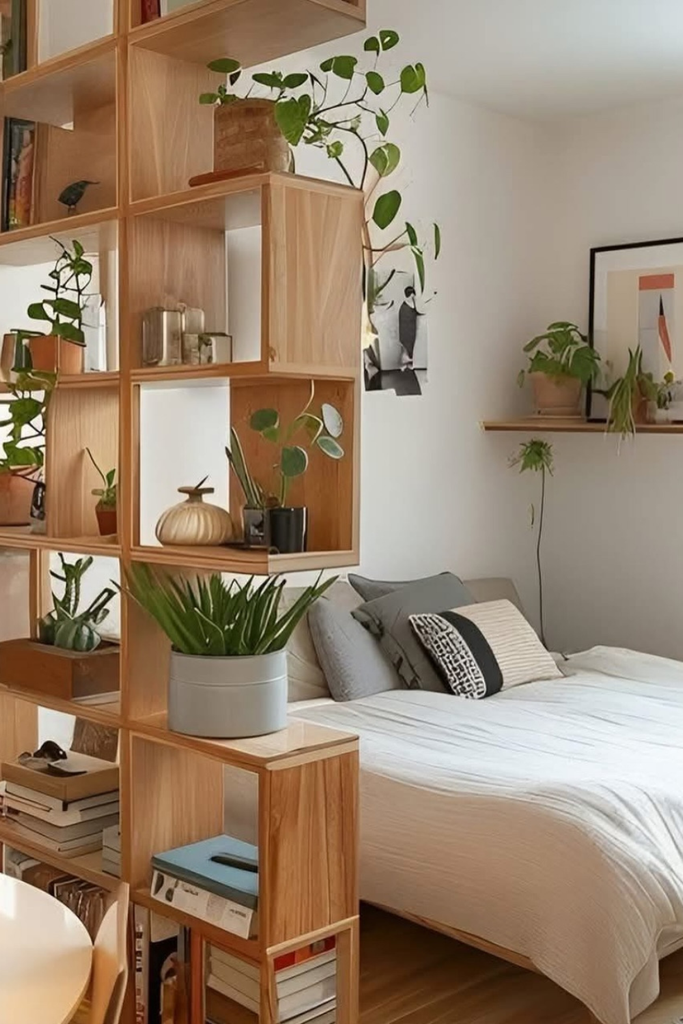
In a studio apartment or a bedroom that serves multiple purposes, a storage divider can separate areas without building a permanent wall. I would consider open shelving when I want to create a visual boundary between a sleeping area and a living or working space.
A cube-style shelving unit can hold books, baskets, plants, and everyday supplies while allowing some light to pass through. Positioning the unit perpendicular to a wall can help define separate zones without closing off the entire room.
The best layout depends on the size of the space and how you move through it. A large divider may provide plenty of storage but leave too little room for comfortable movement. For a very small studio, a low shelf may be a better choice.
Pro Tip: Anchor tall shelving units to a suitable wall or use the manufacturer’s recommended anti-tip hardware. Avoid loading one side heavily, and leave a clear route between the room’s main activity areas.
Stacked Laundry Storage

Laundry equipment and cleaning supplies can occupy a surprising amount of space in a small home. I would consider a stacked washer and dryer arrangement when the appliances are compatible and the manufacturer permits vertical installation.
Stacking the machines can free up floor area for a narrow cabinet, laundry hamper, or wall-mounted shelves. Use these spaces to organize detergent, stain removers, spare towels, and cleaning cloths instead of spreading everything across the room.
Before making the change, confirm the appliance dimensions, required stacking kit, ventilation, electrical connections, plumbing access, and service clearances. Not every washer and dryer can be stacked safely, and some installations require a qualified professional.
Pro Tip: Store frequently used laundry products at an easy-to-reach height. Keep chemicals in their original labeled containers and away from children and pets.
Doorway Storage Wall
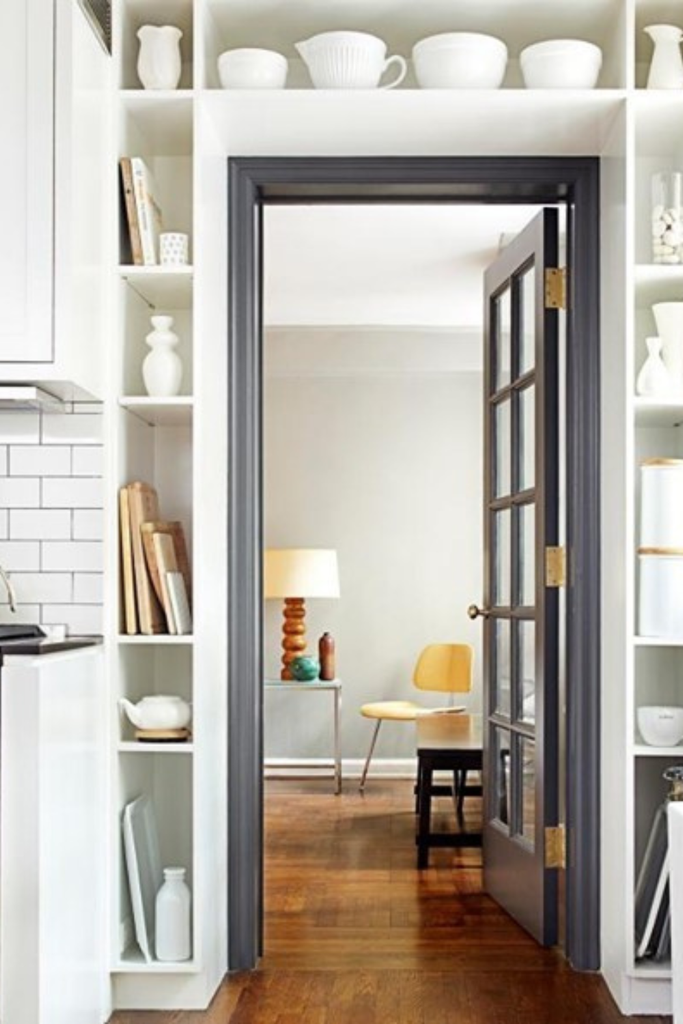
The area around a doorway can sometimes provide extra storage without requiring another freestanding cabinet. I would consider shallow shelving above or beside a door when there is enough wall space and the arrangement will not interfere with the opening.
This can work well in kitchens, home offices, and small living rooms. Shelves can hold lightweight books, small baskets, or decorative objects, while deeper storage can be reserved for less frequently used items if the structure allows it.
The measurements matter here. Shelving that projects too far into the room can create a hazard, particularly in a narrow passage. I would also check the position of the door frame, nearby switches, and any trim before installation.
Pro Tip: Keep items above a doorway lightweight and securely contained. Store fragile objects and heavy containers somewhere easier to reach.
Deep Drawer Storage
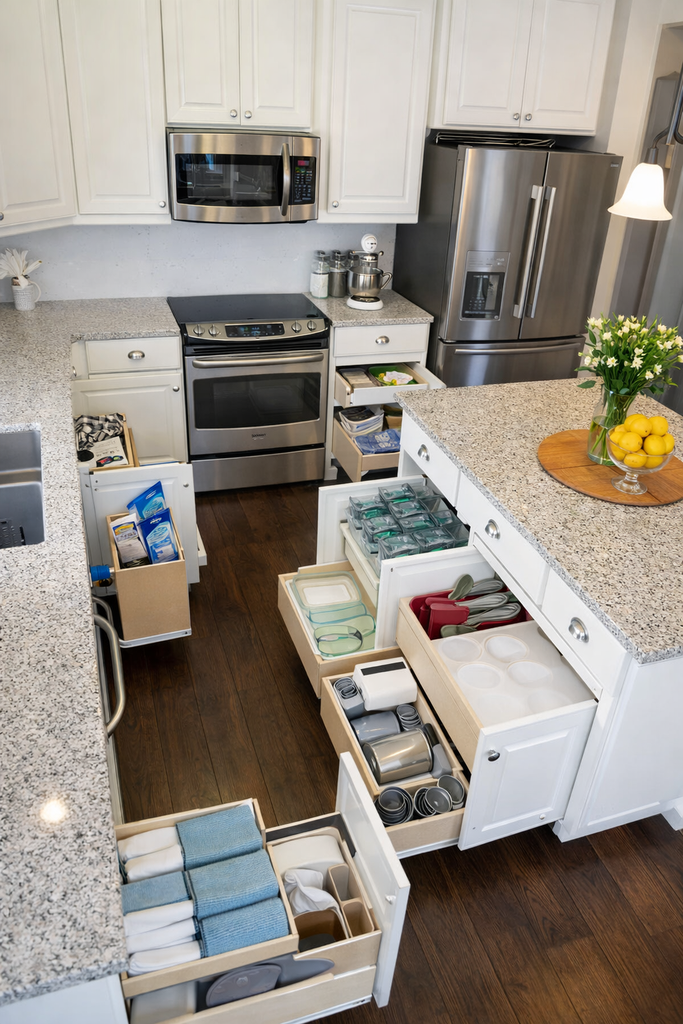
Deep drawers can make kitchen cabinets easier to organize because you can pull the contents toward you instead of reaching past items on a fixed shelf. I would consider replacing suitable lower cabinet shelves with full-extension drawers when a kitchen renovation or cabinet upgrade is already planned.
Drawers work especially well for pots, pans, food containers, and dishes that are awkward to stack. Dividers can separate lids, cooking utensils, and smaller tools so that items remain easy to locate.
You do not necessarily need to replace your existing cabinets. Pull-out organizers can offer some of the same benefits, provided the cabinet dimensions and construction are suitable. Before purchasing an insert, measure the interior width, depth, and height, accounting for hinges and plumbing where relevant.
Pro Tip: Put heavier cookware in lower drawers and avoid exceeding the drawer slides’ weight limits. Keep the items you use most often near the front.
Pull-Out Pantry
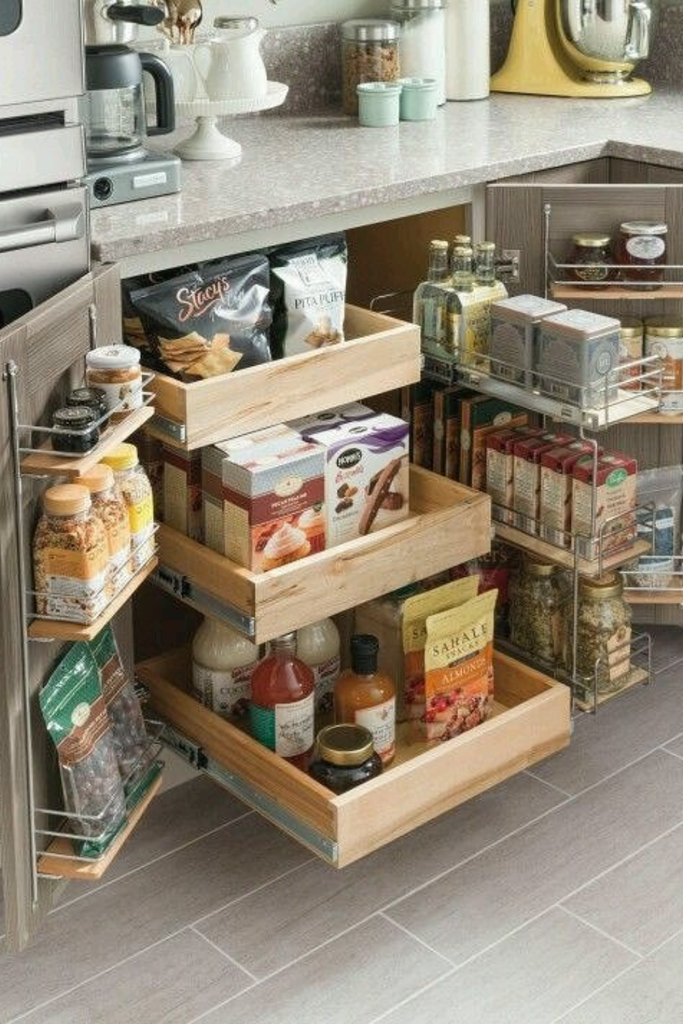
A narrow kitchen cabinet can be more useful when its contents slide forward instead of disappearing at the back. I would consider a pull-out pantry or sliding trays for dry goods, spices, canned food, and other kitchen essentials.
These organizers make it easier to see what you already have and can reduce the need to move several containers to reach one item. Group similar foods together and arrange products so that older items are used before newer purchases.
A pull-out system needs to fit the cabinet properly. Check the usable opening width, internal depth, shelf height, and weight capacity before choosing an organizer. Not every corner cabinet can accommodate a sliding mechanism.
Pro Tip: Keep pantry food in suitable, clearly labeled containers when transferring it from its original packaging. Follow storage instructions and check expiration or best-before dates as appropriate.
Zoned Closet Layout
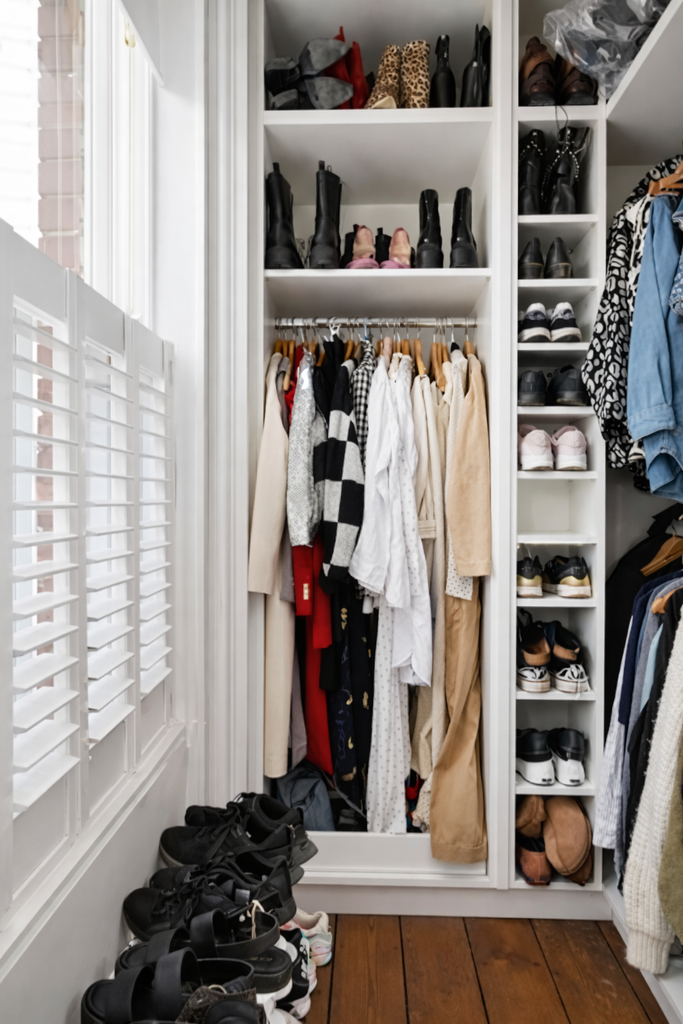
A small closet can feel much more functional when every section has a clear purpose. I would divide the available space into zones for hanging clothes, folded garments, shoes, accessories, and occasional-use belongings.
Use the vertical height where possible, but avoid filling the closet so tightly that clothes become difficult to remove. Adjustable shelves and a second hanging rail can help you adapt the layout to shorter garments, while bins can keep accessories together.
I recommend placing everyday items at a comfortable height and reserving upper shelves for seasonal clothing or spare bedding. If the closet is deep, pull-out baskets can make the rear section easier to reach.
Pro Tip: Measure your longest hanging garments before installing a second rail. Leave enough space beneath clothing for shoes or drawers, and do not block access to the closet’s lighting or ventilation.
Also read: 26 Under Cabinet Storage Ideas for 2026
Vertical Utility Shelving
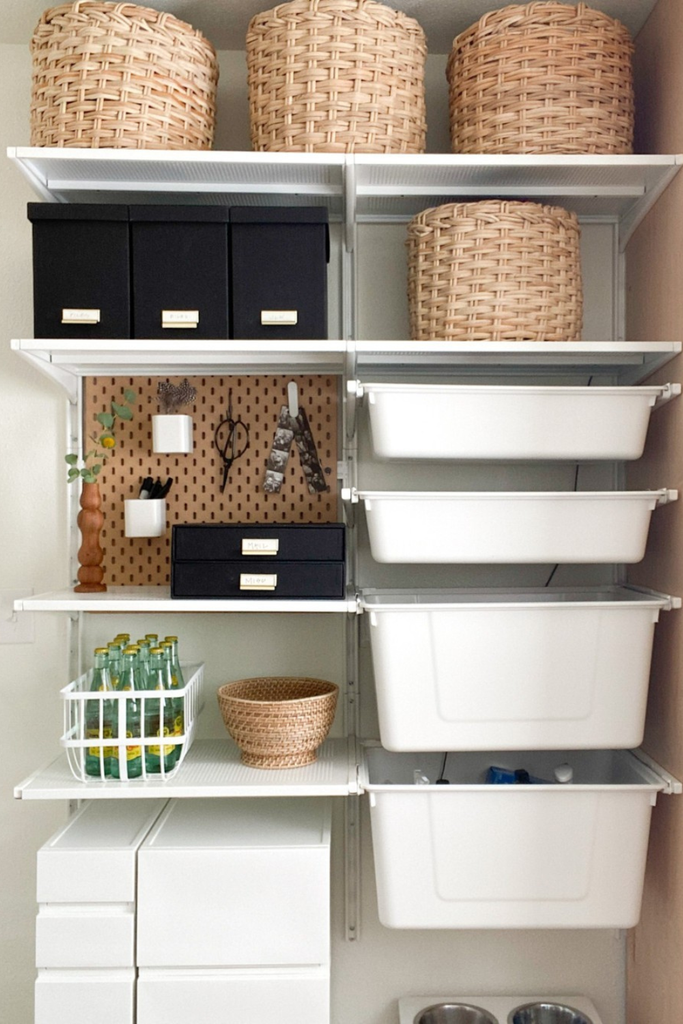
Cleaning supplies, tools, spare paper products, and household equipment can quickly crowd a laundry room or utility closet. I would use vertical shelving to keep these items organized while leaving the floor clear for cleaning and moving around.
Adjustable shelves are useful because storage needs change over time. Add bins for smaller supplies and keep a separate area for items such as cloths, brushes, and replacement sponges. Heavier containers should sit on lower shelves, and frequently used products should be easy to reach.
Before installing wall-mounted shelving, check the wall material and choose suitable fixings for the expected load. If you rent, a freestanding unit may be a more practical option than drilling into walls.
Pro Tip: Store cleaning products according to their labels, away from children and pets. Never combine cleaning chemicals unless their labels specifically permit it.
Modular Wall Shelves
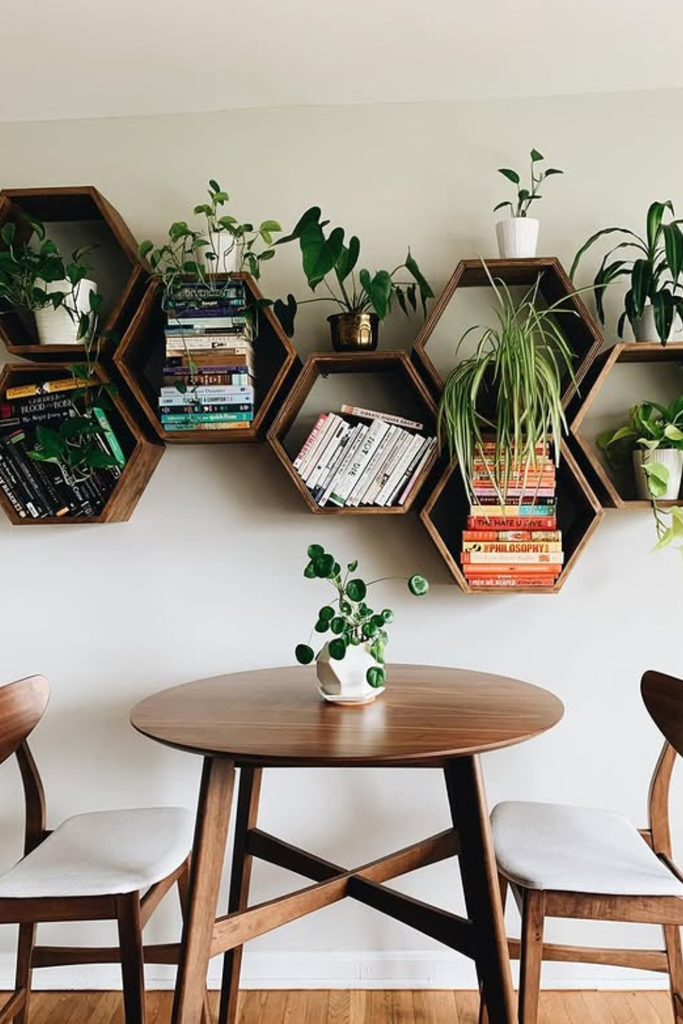
Wall-mounted modular shelves offer flexible storage in rooms where floor space is limited. I would use them in a small living room, dining area, home office, or bedroom to display books, organize everyday essentials, and keep selected decorative pieces off tables.
Individual shelves can be arranged at different heights to suit the items you need to store. A few well-spaced shelves often look calmer than a wall packed with small objects. Baskets can help conceal loose accessories, cables, and other items that are less attractive to display.
The installation should suit the wall type and the weight of the contents. I would plan the arrangement around furniture, windows, switches, and comfortable reach rather than simply filling every empty section of wall.
Pro Tip: Leave some shelf space empty. This makes the arrangement easier to maintain and gives you room to accommodate new items without overcrowding the wall.
Linen Closet Stacking
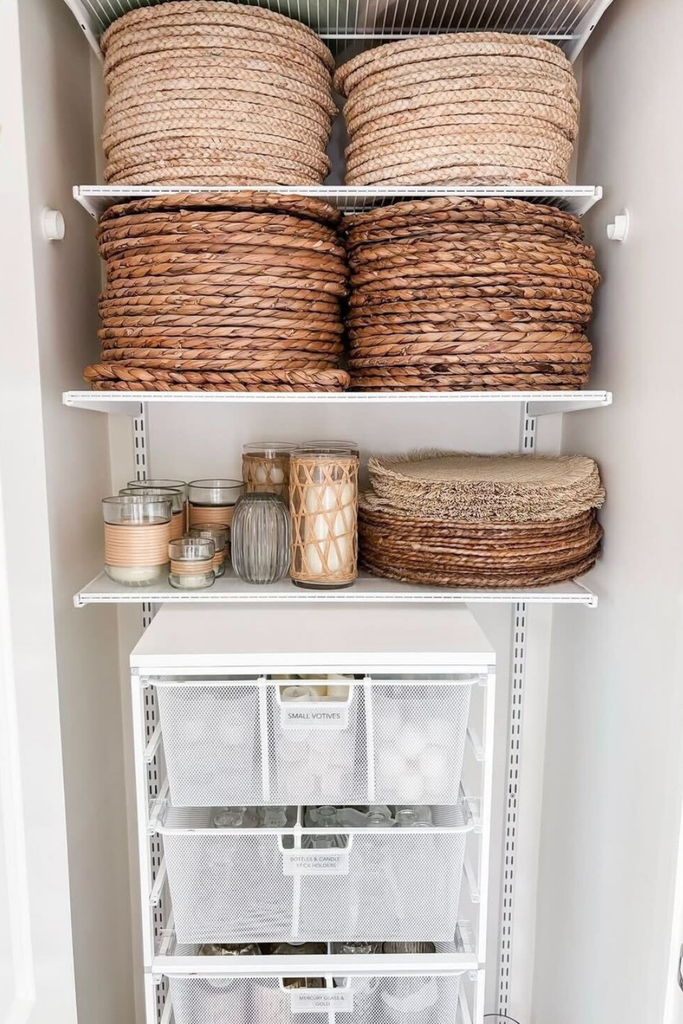
A linen closet can become difficult to manage when towels, sheets, blankets, and toiletries are piled together. I would start by grouping items by type and measuring the shelves before choosing baskets or storage bins.
Stacking folded towels and bedding in separate sections makes it easier to find the right set without disturbing everything else. Adjustable shelving can improve the fit, while labeled bins are useful for smaller items such as washcloths, spare toiletries, and pillowcases.
Avoid stacking heavy blankets too high or forcing bulky bedding into containers that are too small. If you store linens for long periods, make sure they are completely dry before putting them away.
Pro Tip: Keep a complete sheet set together by folding the pieces into one matching pillowcase. This makes it easier to find the right set when changing the bed.
Behind-Door Storage

The back of a door can provide useful storage for items that would otherwise occupy a shelf or cabinet. I would consider over-door organizers for accessories, lightweight household supplies, or small bathroom essentials, depending on the door and the organizer’s design.
Before buying one, check the gap between the door and its frame, the thickness of the door, and whether the door can still close properly. Some organizers are designed for specific door types, while others require screws or other fixings.
For cleaning supplies, choose racks that hold bottles securely and prevent them from tipping when the door moves. Keep heavy objects off lightweight organizers and avoid using a door that needs to remain unobstructed for safety.
Pro Tip: Open and close the door several times after installing the organizer to check for rubbing, swinging items, or loose fittings. Keep the door handle and any required emergency access clear.
Slim Console Storage
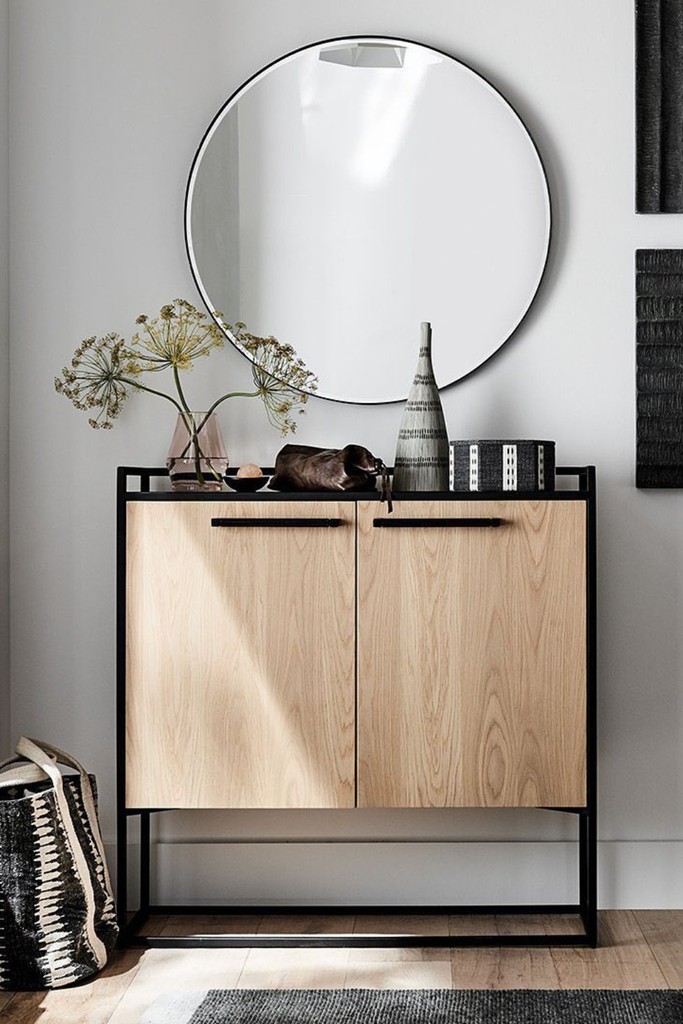
A slim console can provide a useful landing place for keys, mail, small electronics, and everyday accessories without taking up the space of a deep cabinet. I would consider one for a hallway, behind a sofa, or against an unused living room wall.
Look for a model with drawers or a closed shelf if you want to hide small items. A narrow top can hold a lamp, a small tray, or a few decorative pieces, while the storage underneath keeps everyday clutter contained.
The console should fit the available wall and leave enough room to walk past comfortably. I would measure its depth carefully, especially in a hallway where furniture can easily narrow the route.
Pro Tip: Use a small tray to collect keys and other pocket items rather than spreading them across the surface. Secure a tall or narrow console if the manufacturer recommends anchoring it.
Corner Wall Shelves
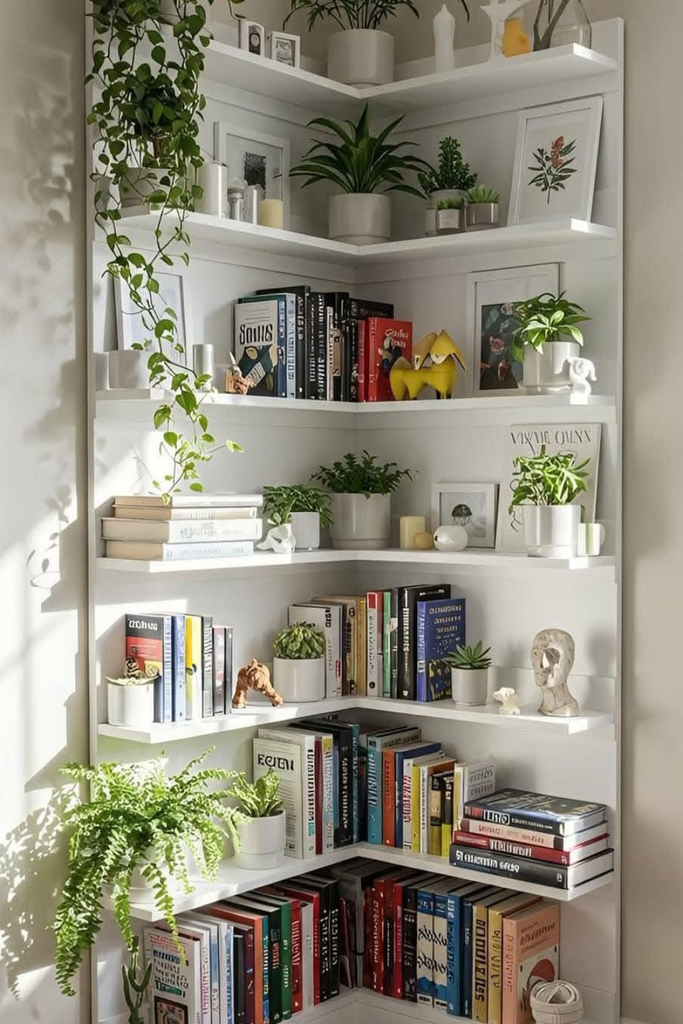
Corners are easy to overlook when planning storage, but corner shelves can turn an unused section of a room into a practical place for books, plants, or small personal belongings. I would consider them in bedrooms, living rooms, bathrooms, and reading nooks.
Choose shelf dimensions that fit the corner without projecting too far into the room. A small stack of shelves can hold useful items while leaving the floor open, and a combination of baskets and selected decorative objects can keep the arrangement organized.
For bathrooms or other humid spaces, choose materials and finishes suited to moisture exposure. In any room, confirm that the mounting hardware is appropriate for the wall and the weight of the items.
Pro Tip: Avoid placing frequently used items so high that you need to stretch or climb to reach them. Keep the lowest shelf clear of furniture and objects that interfere with movement.
Lofted Storage Zone
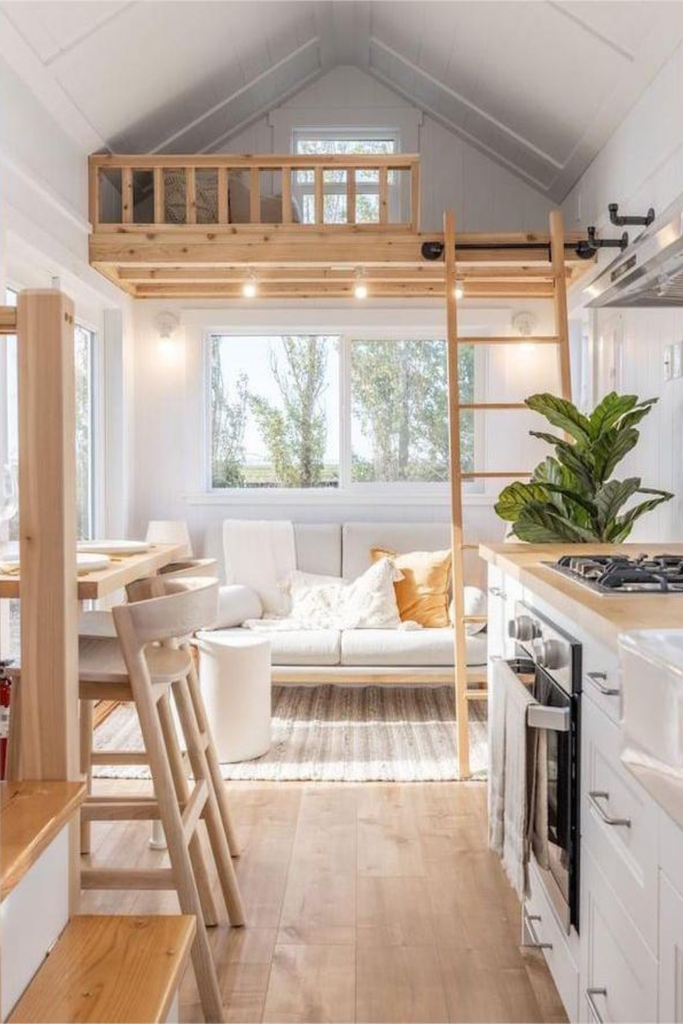
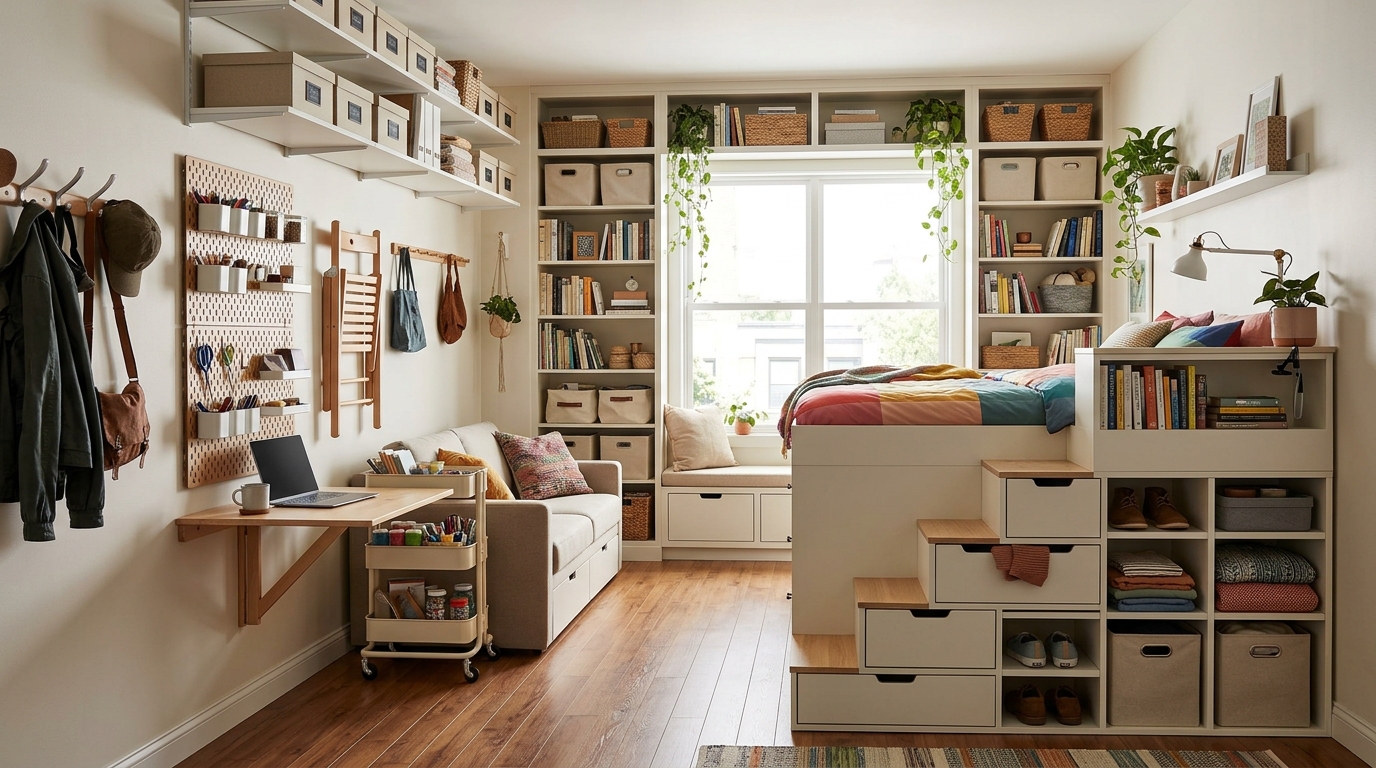
A lofted platform can create a separate storage or sleeping area in a room with sufficient ceiling height. I would consider this option for certain studio apartments, tiny homes, or compact rooms where the layout allows an elevated platform without making the space uncomfortable.
The lower area can be used for a desk, drawers, seating, or storage bins, while the upper section serves its intended purpose. Built-in storage stairs may provide extra room for belongings, but the entire structure needs to be planned around safe access and the building’s requirements.
A loft is not suitable for every home. Ceiling height, structural support, guardrails, stairs or ladders, headroom, and applicable building rules all need to be considered. A permanent platform should be designed and installed appropriately rather than improvised with ordinary furniture.
Pro Tip: Before committing to a loft, measure the available height above and below the platform. Make sure the lower area remains practical and that access is safe for the people who will use it.
Low Console Drawers
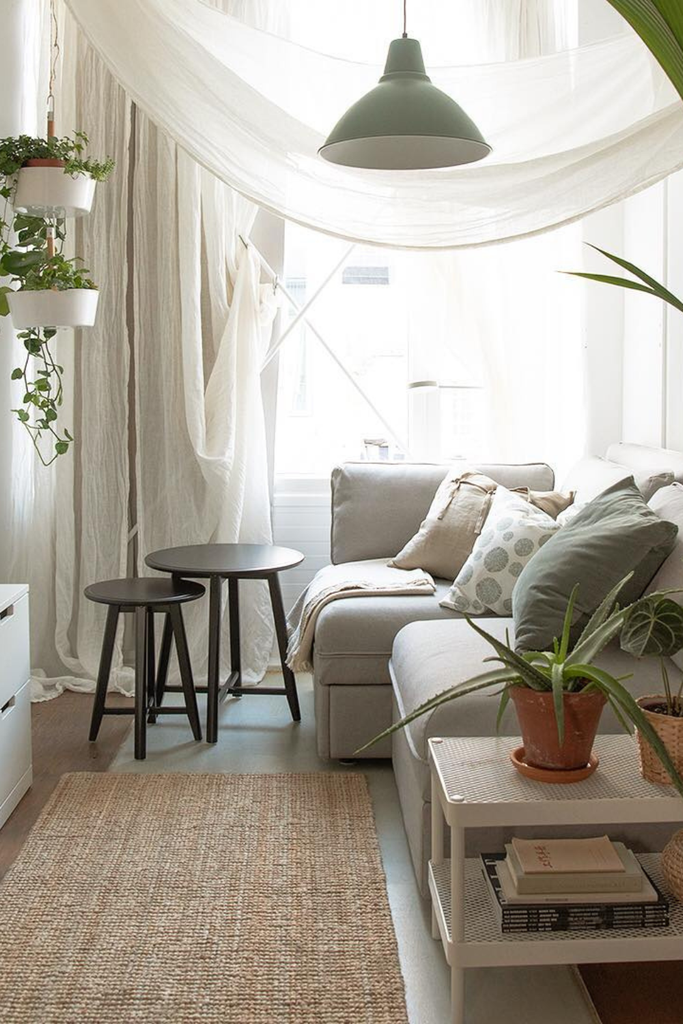
A low console with drawers can provide substantial everyday storage while keeping the upper portion of a room visually open. I would use this type of unit in a living room, bedroom, or dining area where a tall cabinet might feel too imposing.
Choose a unit that fits the wall without extending too far into the walking area. Drawers can hold games, remote controls, cables, documents, or other small household items, while the top can be kept relatively clear for a lamp or a few decorations.
The interior is just as important as the exterior. I recommend grouping belongings by purpose and using small dividers when necessary, rather than allowing the drawers to become a place for miscellaneous items.
Pro Tip: Check the console’s drawer extension and nearby furniture before placing it. Leave enough space for drawers to open fully without blocking a walkway or hitting another piece of furniture.
Raised Bed Storage
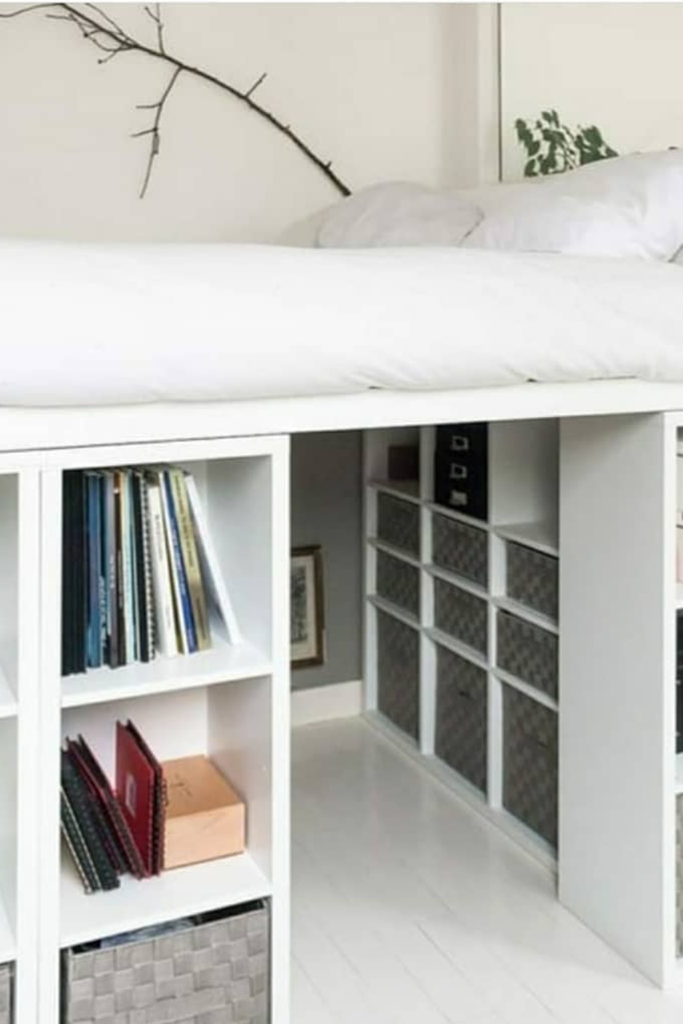
The space underneath a bed can hold a surprising number of belongings when it is organized properly. I would consider a raised bed frame with built-in drawers or a platform that accommodates storage bins, especially in bedrooms without enough room for a large dresser.
Use the available space for seasonal clothing, spare bedding, shoes, or other items that do not need daily access. Drawers are convenient for frequently used belongings, while lidded containers can help protect less-used items from dust.
Before raising a bed or choosing a storage frame, check its weight rating, stability, mattress compatibility, and available clearance. The frame should remain sturdy, and stored items should not obstruct ventilation or any required access points.
Pro Tip: Measure the clearance beneath the bed before purchasing storage bins. Choose containers that slide easily and leave enough room to remove them without lifting or dragging the bed.
Sofa Wall Storage
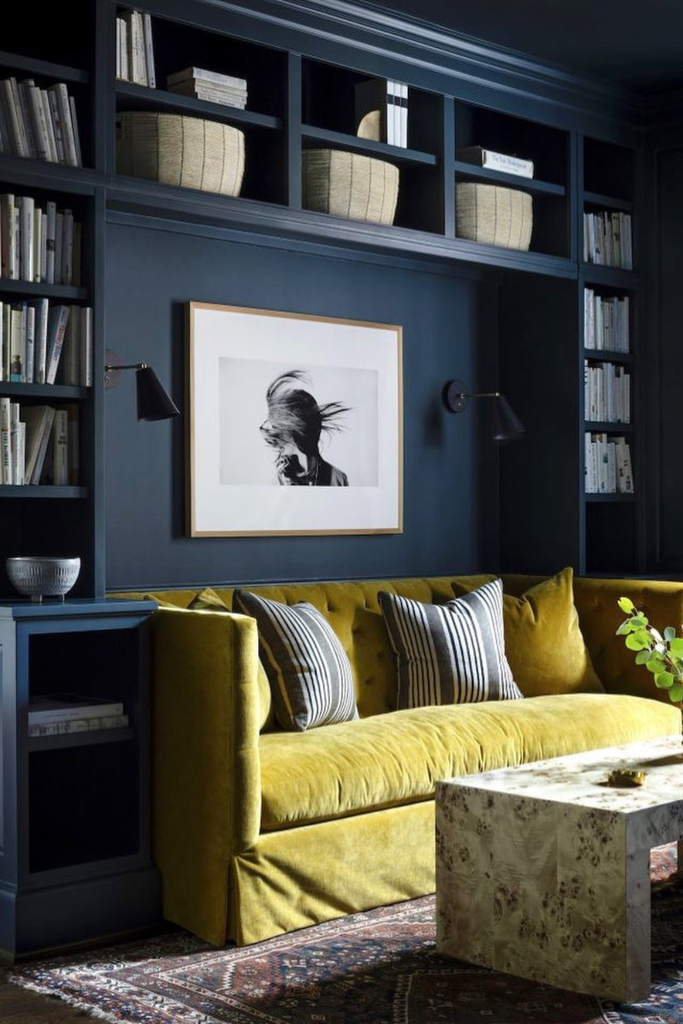
The wall behind or beside a sofa can provide extra storage in a small living room. I would consider a combination of shelves, closed cabinets, or a low storage unit to keep books, games, and everyday essentials organized.
If the sofa sits against a long wall, shelving beside it may be more practical than placing bulky furniture behind the seating. For a larger room, a built-in arrangement around the sofa can combine display space with concealed storage.
Comfort and accessibility should guide the layout. Shelves placed directly above seating must be securely installed, and objects should not hang over the area where people sit. Keep cables and charging devices organized so they do not become trip hazards.
Pro Tip: Position frequently used books, reading accessories, and remote controls within easy reach. Use closed cabinets or baskets for smaller items that tend to make open shelves look untidy.
Storage Bench Seating
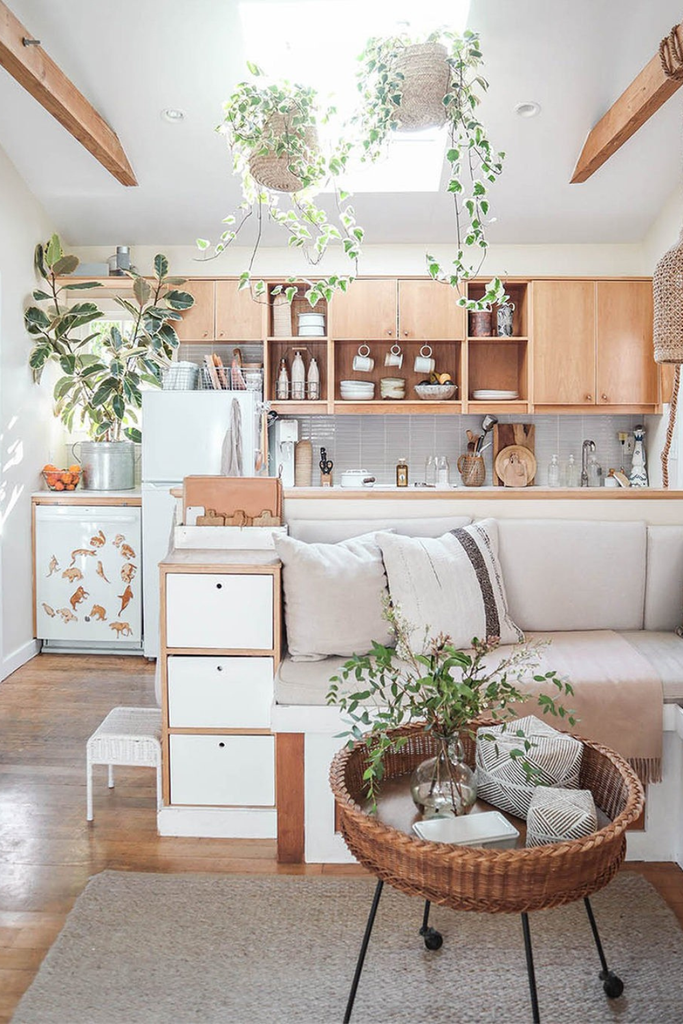
A storage bench can provide seating and a place to keep belongings without requiring two separate pieces of furniture. I would consider one in a small living room, dining nook, entryway, or bedroom where additional seating is useful.
Depending on the design, the bench may include drawers, lift-up storage, or open cubbies. Use it for shoes, blankets, board games, or other items that suit the location. A dining bench with storage can be particularly helpful when there is limited room for additional cabinets.
Choose a bench with a suitable weight rating and a comfortable seat height. If it has a lift-up lid, check the opening mechanism and make sure it can be used safely. Do not store heavy items where they could fall out when the lid opens.
Pro Tip: Use separate bins inside a large storage compartment to keep different categories apart. This makes it easier to retrieve one item without emptying the entire bench.
Office Closet Storage
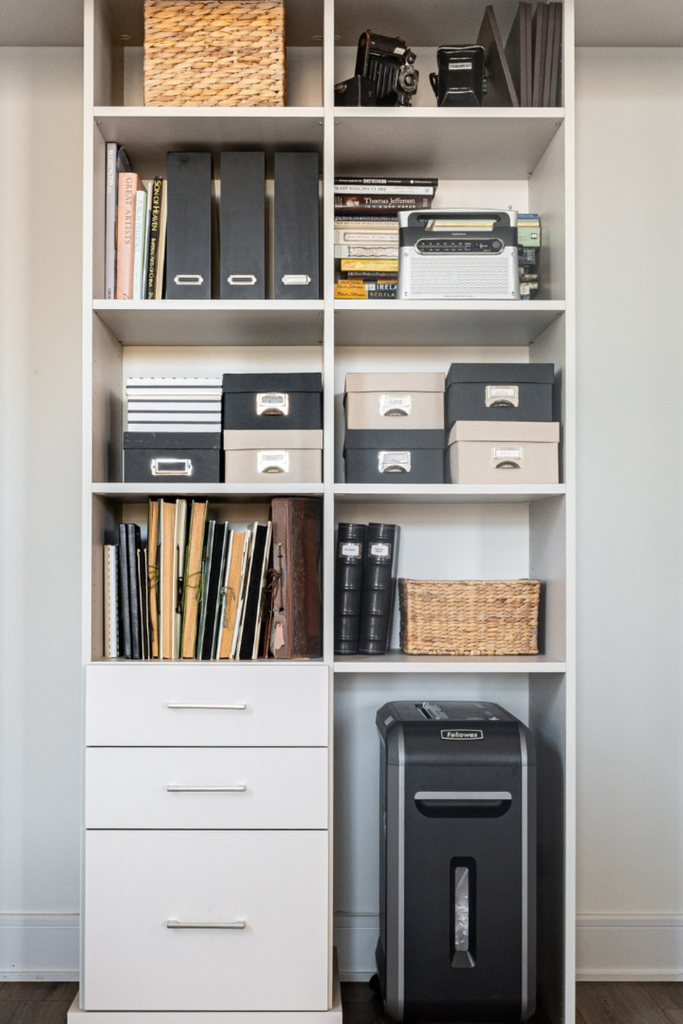
A closet can become a compact home office when a separate desk would take up too much room. I would organize the interior around a suitable work surface, shelves for supplies, and drawers or containers for documents and small equipment.
Before setting up the space, measure the closet’s width and depth and consider the chair, legroom, lighting, and electrical access. A small work area still needs enough room for comfortable sitting and for using a laptop or monitor safely.
Vertical shelves can hold notebooks, stationery, and office supplies, while labeled boxes can separate paperwork by category. If the closet has doors, make sure they can open fully during use or can be positioned without blocking the workspace.
Pro Tip: Add a suitable task lamp if the area lacks enough light. Keep cables organized and avoid overloading electrical outlets with office equipment.
Full-Height Mirror Cabinet
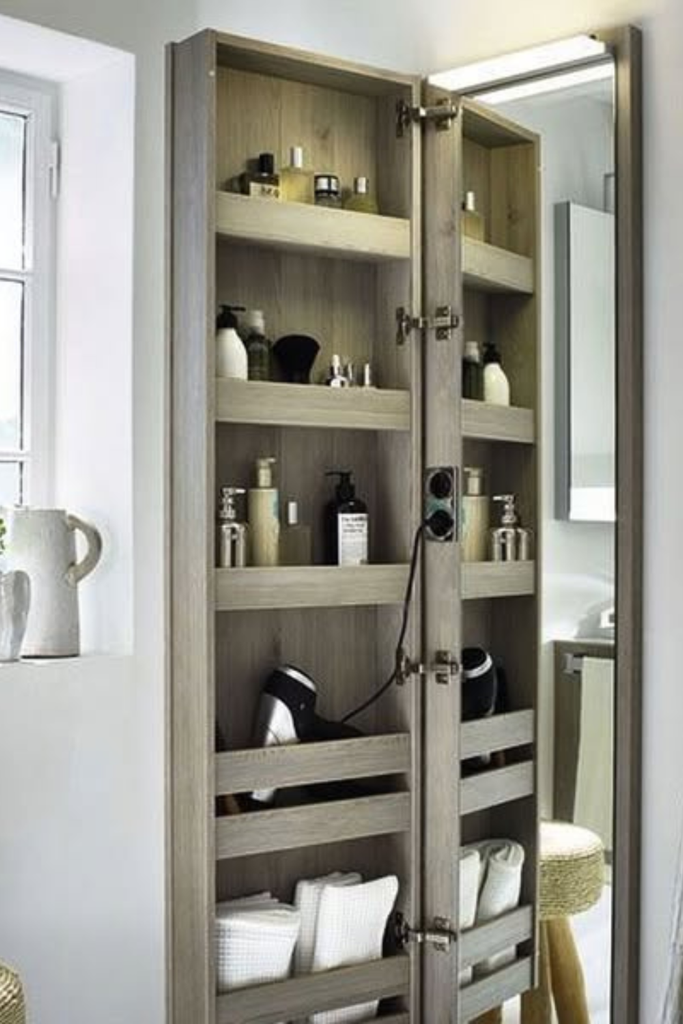
A full-height mirror cabinet can combine a reflective surface with concealed storage, making it useful in a small bathroom, bedroom, or dressing area. I would consider this option when wall space is limited and a separate mirror and cabinet would occupy too much room.
Adjustable shelves inside the cabinet can accommodate toiletries, grooming tools, or smaller personal items. In a bathroom, choose a product designed for the moisture conditions and confirm that the mirror, mounting hardware, and electrical features, if included, are suitable for the location.
A tall mirror can also reflect available light, but the effect depends on its placement and the room’s existing lighting. I would position the cabinet where it is easy to use without obstructing a doorway or making the room feel crowded.
Pro Tip: Check the cabinet’s depth and door swing before installation. Keep heavier items on lower shelves, and use appropriate wall fixings to support the unit securely.
FAQs
How do I add storage without making my space feel smaller?
I recommend starting with wall-mounted shelves, narrow cabinets, and storage that fits underneath furniture. These options can free up valuable floor space without introducing several bulky pieces of furniture.
Choose furniture that suits the room’s dimensions and leave clear paths between doors, seating, and work areas. Closed storage can hide miscellaneous belongings, while a few open shelves can display items you use regularly.
It also helps to organize what you already own before purchasing anything new. Removing duplicate or unused items can free up space without adding more furniture or storage containers.
What storage mistakes make small spaces look messy?
One common mistake is adding too many organizers without deciding what each one should hold. Several different bins, baskets, and shelves can make a small room look busy, particularly when their contents spill over or remain visible.
Oversized furniture is another problem. A cabinet may provide plenty of storage but still make a room difficult to use if it blocks a walkway, door, or window. Deep shelves can also become cluttered when items at the back are forgotten.
I recommend choosing storage that matches the room’s size, grouping belongings by category, and keeping frequently used items easy to reach. Measure before buying and leave some open space so the room remains comfortable to move through.
Read this next: 26 Dining Room Storage Ideas for 2026
Conclusion
Small-space storage works best when it solves a real problem without creating another one. I would begin with the unused areas in each room, decide which belongings need the easiest access, and choose storage that fits the available dimensions.
You do not have to install built-ins or purchase an entirely new set of furniture to improve organization. A slim cabinet, a few well-placed shelves, or a storage bench may be enough to make everyday routines easier.
Start with one problem area, measure before making changes, and adjust the arrangement as your needs change. With a practical layout and a place for everyday essentials, even a small home can feel more organized and comfortable.




3 Comments