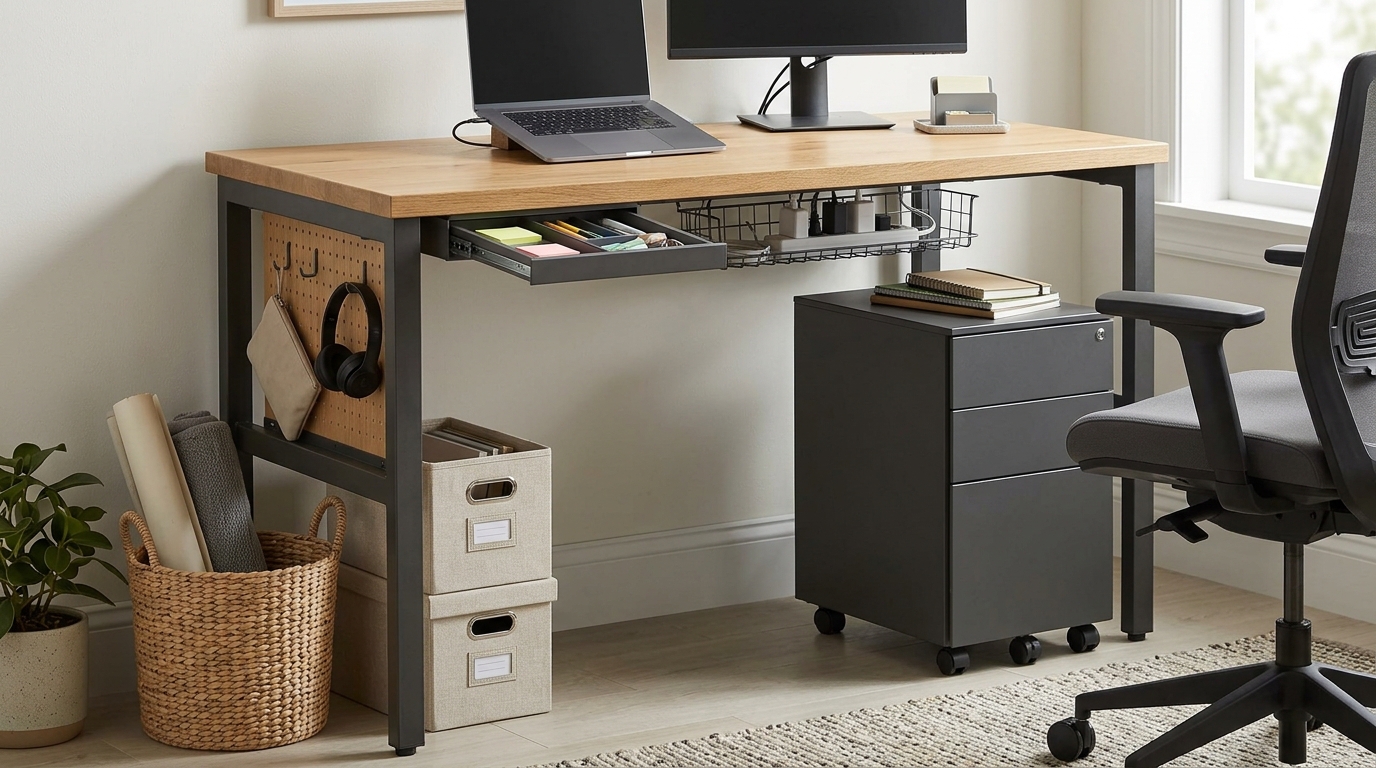
22 Under Desk Storage Ideas for 2026
A cluttered desk can make even a simple workday feel disorganized. When notebooks, charging cables, paperwork, and office supplies have nowhere to go, the desktop quickly becomes crowded. I prefer to look at the unused space around a desk before considering a larger workstation, because a few well-planned storage changes can make a noticeable difference.
The right under desk storage depends on the furniture, room layout, and amount of space available for sitting. Shallow drawers can hold stationery, compact cabinets can store paperwork, and rolling organizers can keep supplies close without becoming permanent obstacles. If the area beneath the desk is too small, nearby shelves or a side cabinet may be the more practical solution.
Save this for later
Table of Contents
These 22 under desk storage ideas cover built-in drawers, slim storage units, filing cabinets, open shelves, rolling organizers, and nearby furniture. I focus on choosing storage that fits the available space, keeps frequently used supplies accessible, and leaves enough room for comfortable sitting. Whether you work in a home office, bedroom, craft room, or small apartment, the goal is to reduce clutter without making your workspace harder to use.
Key Takeaways
- Measure the usable height, width, and depth beneath your desk before buying storage.
- Check desk legs, support bars, existing drawers, cable trays, and power connections.
- Keep frequently used supplies within easy reach and move backup items to lower or nearby storage.
- Preserve enough room for your knees, feet, chair, and normal seated movements.
- Choose built-in drawers for permanent workstations and freestanding units when you need flexibility.
- Consider wall shelves, bench drawers, or a nearby cabinet when the underside cannot accommodate furniture safely.
- Check drawer extension, door swing, stability, and cable access before finalizing the layout.
Related article: 24 Basement Storage Ideas for 2026
How to Add Storage Under a Desk?
I start by measuring the space beneath the desktop rather than relying on the desk’s advertised height. The usable clearance can be reduced by support bars, drawer runners, cable trays, desk legs, and other structural parts. Measuring the available width and depth also helps me determine whether a storage unit will fit without crowding the seating area.
Next, I sort the items I want to store. Pens, sticky notes, notebooks, and charging accessories generally suit shallow drawers, while paperwork and folders may need a dedicated filing cabinet. Backup supplies and items I rarely use can go in lower drawers or a nearby cabinet instead of taking up valuable space directly beneath the desk.
The way I sit matters just as much as the amount of storage. I check whether my knees and feet have room to move, whether the chair can slide in naturally, and whether drawers can open without hitting the chair. If a unit makes me twist, stretch, or sit awkwardly, I look for another position.
I also account for cable connections, cleaning access, and ventilation around computers or other equipment that produces heat. Nearby wall shelves or a low side cabinet can be better than forcing furniture into a space that is already tight.
Pro Tip: Before buying a freestanding unit, mark its footprint on the floor with removable painter’s tape. Sit at the desk, move your chair through its normal range, and check whether the proposed position interferes with your feet or the room’s walkway.
1. Flush Side Drawers
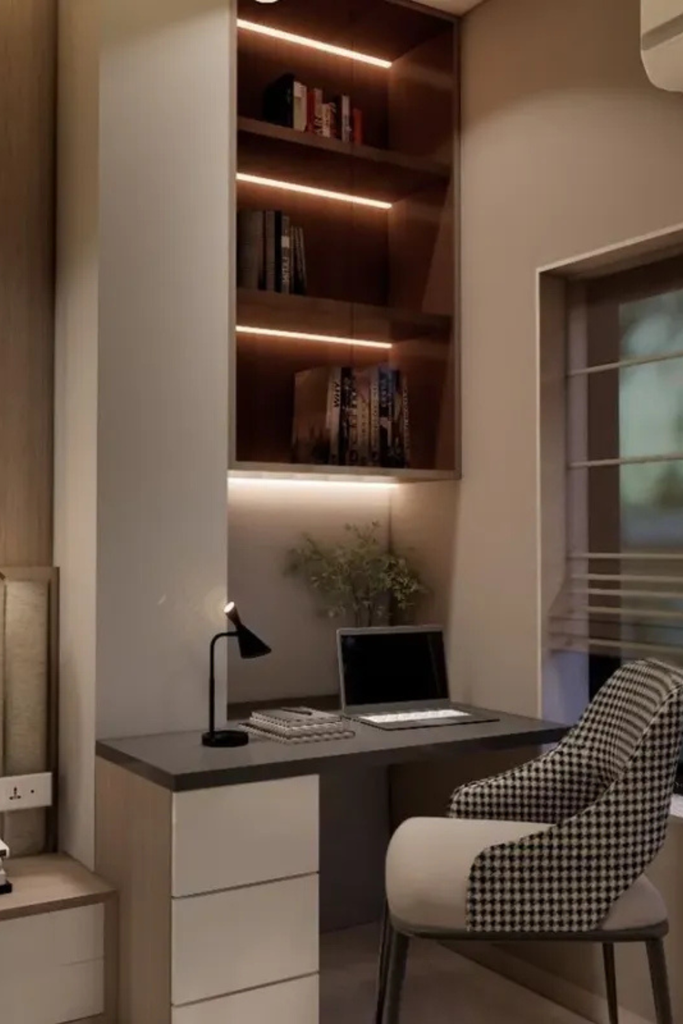
Flush side drawers are a good option when a desk has a compatible solid side panel or frame that can accommodate integrated storage. Because the drawers follow the desk’s structure, they can provide a tidy appearance without introducing a separate piece of furniture into the room.
I would reserve shallow drawers for pens, notebooks, sticky notes, charging cables, and small accessories. Keeping everyday supplies in the most accessible drawer reduces the need to reach around the desk or leave everything on the desktop.
Before adding mounted drawers, check the desk material, construction, available clearance, and installation instructions. Not every desk panel can safely support extra hardware or weight, so a freestanding alternative may be more suitable for lightweight or hollow furniture.
Pro Tip: Check where the drawer runners and mounting screws will sit before installation. They should not interfere with existing supports, wiring, or the desk’s structural components.
2. Desk-Back Cabinets

A corner desk or a workstation positioned against a wall may have a useful rear or side area for low cabinets. This arrangement works when the cabinet can sit outside the main seating zone instead of occupying the space where your knees and feet need to move.
I would use the cabinet for folders, spare stationery, reference books, and supplies that do not need to stay on the desktop. Daily essentials can remain in a desk drawer, while less frequently used items go into the cabinet.
Check that cabinet doors and drawers can open fully without striking the wall, chair, or nearby furniture. It is also important to keep power connections accessible so routine maintenance does not require moving the entire workstation.
Pro Tip: If the cabinet will sit behind or beside a computer, leave the equipment’s required ventilation space and avoid trapping cables between the cabinet and wall.
3. Open Side Shelf
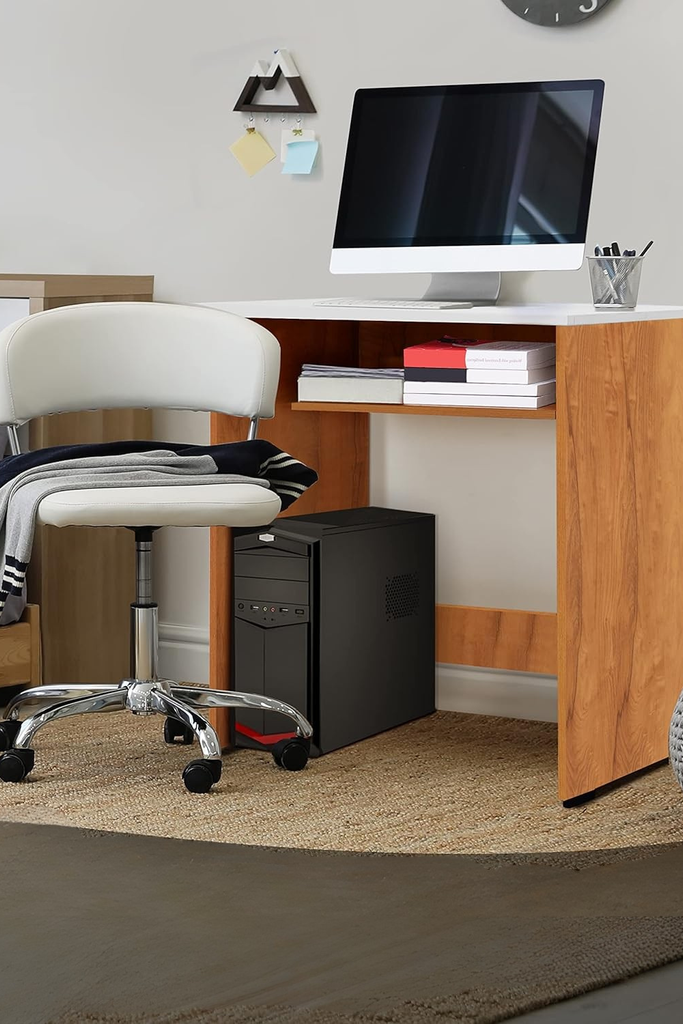
An open side shelf provides visible, easy-to-reach storage for books, folders, baskets, and supplies. I like this layout for workspaces where I want to see what I have without opening several drawers.
A shelf can be positioned beneath one side of the desk or along a compatible side frame, provided it does not interfere with the chair or desk supports. Small baskets help group related items, such as stationery, charging accessories, and current project materials.
Open shelves are also easier to inspect for dust and clutter than enclosed compartments. However, I would avoid filling every shelf with bulky equipment, especially if a computer tower needs adequate ventilation.
Pro Tip: Give each basket a specific purpose and leave some open space around larger equipment. This makes supplies easier to retrieve and prevents the shelf from becoming an overcrowded storage area.
4. Stair-Side Drawers
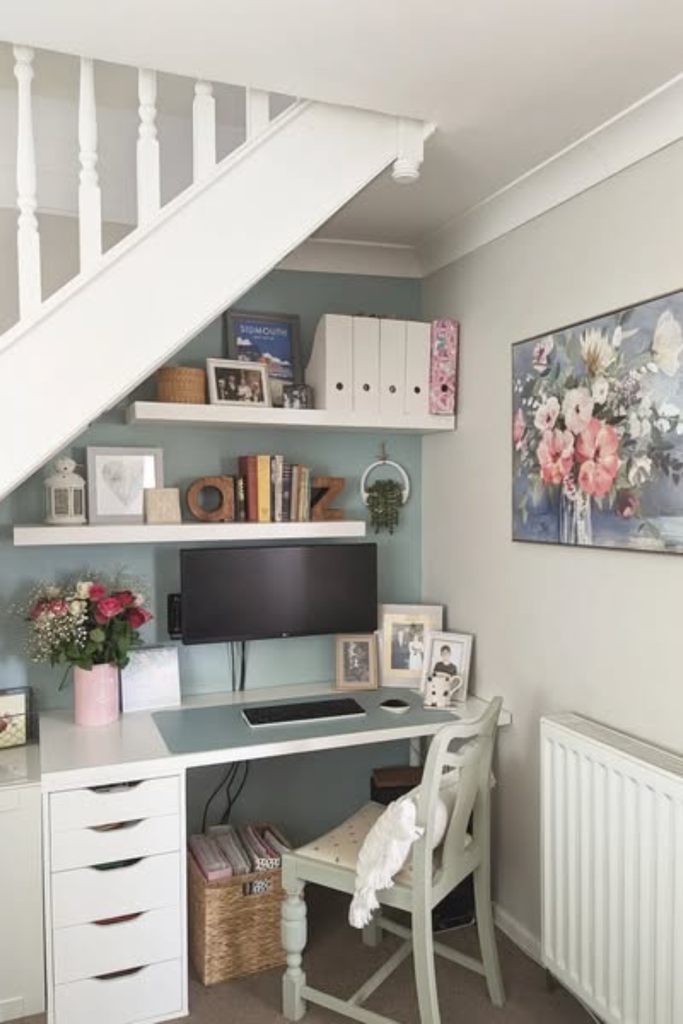
A workspace beneath a staircase presents a different storage challenge because the available height may change across the desk. Custom drawers or cabinets can follow the shape of the nook more effectively than standard furniture, especially where the ceiling slopes downward.
I would place the desk in the section with enough headroom for comfortable sitting and use the lower or narrower sections for storage where they remain accessible. Deeper compartments can hold files or backup supplies, while smaller drawers near the work surface can accommodate stationery and accessories.
This is a broader workspace-planning solution rather than a standard under-desk organizer. Before commissioning built-in furniture, check the actual dimensions, chair clearance, and access to electrical connections.
Pro Tip: Store items you rarely need in the lowest or most awkward compartments. Keep daily supplies in the easiest-to-reach drawers so the unusual layout does not make routine tasks inconvenient.
5. Built-In Cabinets

Built-in cabinets work well for a permanent home office where storage can be planned alongside the desk. Rather than adding furniture later, the cabinets can be designed to fit the room and provide dedicated space for office supplies, documents, and equipment.
I would keep the central sitting area open and place cabinets along one or both sides of the workstation. Adjustable shelves make it easier to accommodate different items, while doors can hide supplies that would otherwise make the room look busy.
Built-in storage requires more planning than a freestanding organizer. The installer should account for the desk’s construction, cabinet weight, mounting method, drawer movement, and any anchoring requirements. I would also consider whether the layout allows easy cleaning and access to cables.
Pro Tip: Measure the largest items you expect to store before finalizing the cabinet design. This is especially helpful for binders, equipment cases, and boxes that may not fit standard shelf spacing.
6. Slim Drawer Unit

A slim freestanding drawer unit can add storage to an existing desk without requiring a complete furniture change. It can fit beneath a compatible desktop or sit beside the desk if the underside is too low or crowded.
I would use the upper drawers for pens, notebooks, sticky notes, and small accessories. Lower compartments are better for folders, spare paper, and backup supplies that do not need to be within immediate reach.
A freestanding drawer unit should support its own weight and remain stable during normal use. Do not assume it can hold up a desktop simply because the desk fits on top; the unit and desk must be designed for that arrangement.
Pro Tip: Check the unit’s total external width, including handles and wheels, and measure the space needed to open its drawers fully. A narrow cabinet can still interfere with chair movement if it is positioned poorly.
7. Ladder Desk Storage
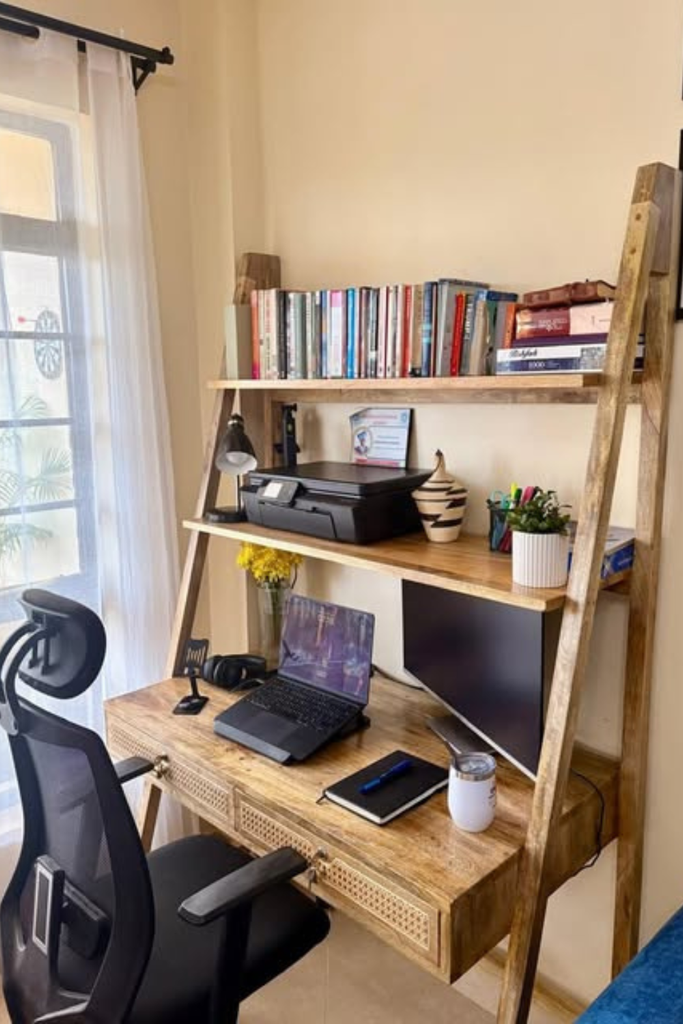
A ladder desk combines a work surface with vertical shelving, making it useful for bedrooms, small offices, and multipurpose rooms. Rather than treating the shelves as separate under-desk storage, this design incorporates storage into the workstation itself.
I would use the shelves for books, labeled baskets, notebooks, and office supplies while keeping the floor beneath the work surface open for a chair. Heavier items should be placed according to the furniture manufacturer’s instructions and weight limits, with lighter supplies kept on higher shelves.
This setup is especially helpful when floor space is limited but there is usable vertical space. Before choosing one, check the desk’s overall footprint, stability, shelf capacity, and whether it needs to be secured to the wall.
Pro Tip: Keep the shelf closest to your seated position for items you use regularly. Reserve higher shelves for occasional-use supplies so you do not have to interrupt your work to reach for everyday essentials.
8. Split Side Drawers

Two separate drawer units can create distinct storage zones on opposite sides of a desk. This layout is useful when I need room for different types of supplies but do not want a single bulky cabinet in the center.
One side can hold work materials, such as stationery, paperwork, and active project files. The other can store personal accessories, spare chargers, and backup supplies, leaving the middle open for sitting.
The units do not need to be identical, but both should fit the available space without obstructing the chair. Check their height, depth, and drawer extension, and make sure they do not block power connections or the desk’s supporting frame.
Pro Tip: Decide what each unit will hold before filling the drawers. Separating work supplies from personal items makes it easier to locate things and return them to the right place.
9. Priority Top Drawers
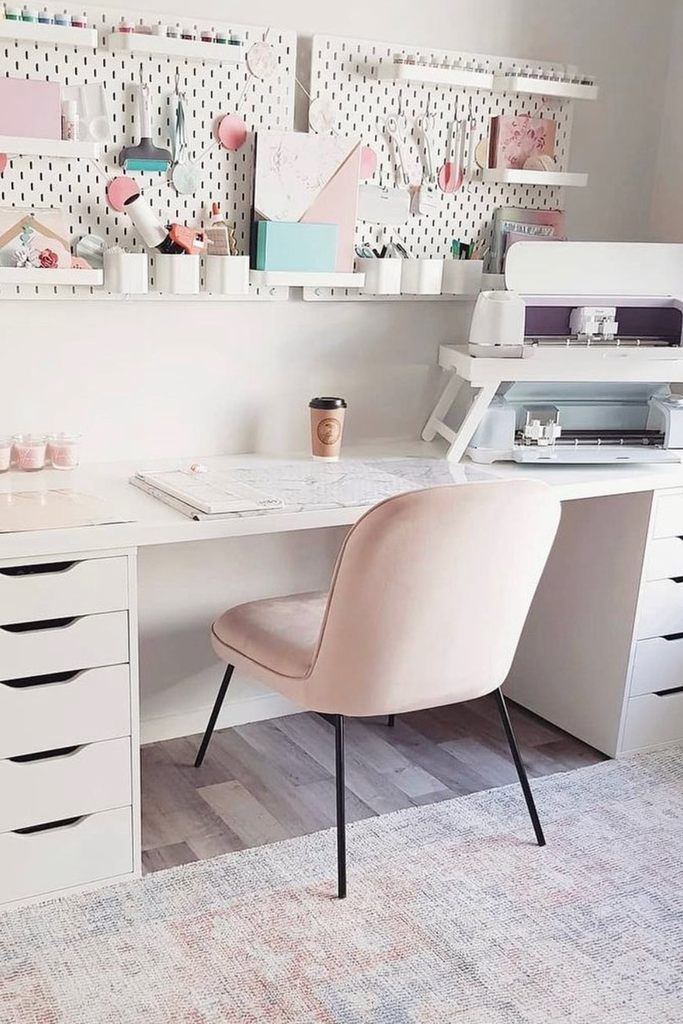
The most useful drawer is often the one that holds the items I reach for throughout the day. Priority top drawers keep everyday supplies close, while lower compartments can handle materials that are used less often.
I would put pens, sticky notes, charging adapters, small notebooks, and frequently used accessories in the top drawer. Paperwork and spare supplies can go into deeper or lower drawers, depending on the unit’s design.
The drawer should be easy to open from the seated position without pressing against my knees or forcing me to lean forward repeatedly. If the drawer is difficult to reach, its contents may end up back on the desktop.
Pro Tip: Review the top drawer every few weeks and remove duplicate or unused items. A quick reset helps preserve space for the supplies you actually need every day.
10. Balanced Twin Drawers
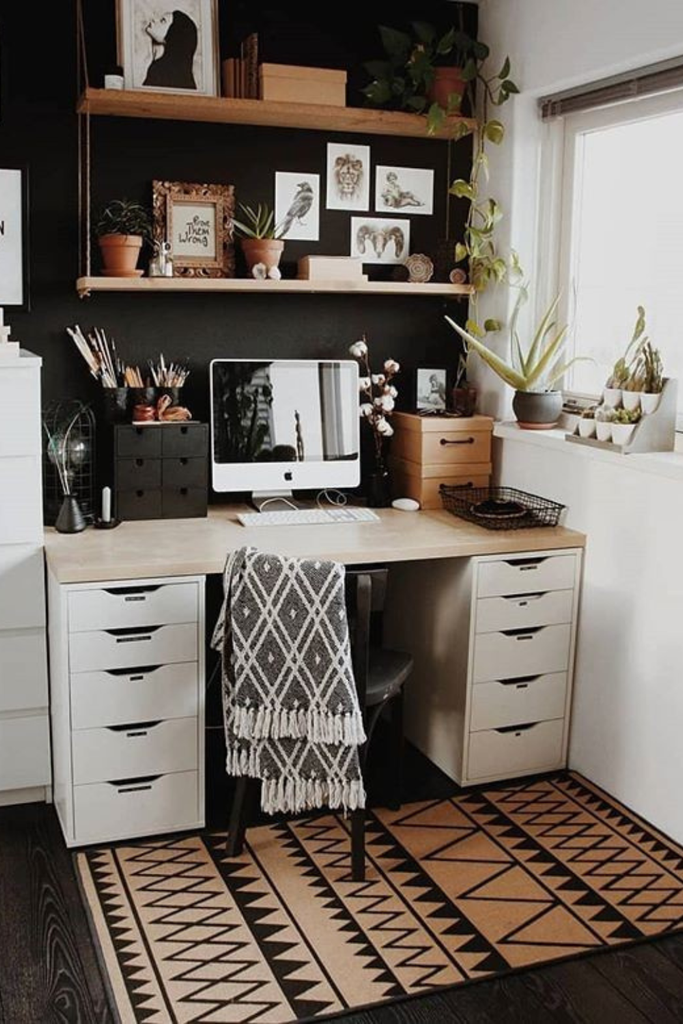
Two matching drawer units can work well beneath a wide desk when I need more storage but want to keep the middle area open. Positioning the units toward the outer edges creates separate storage zones while preserving room for the chair.
This arrangement is useful for dividing supplies by category. One unit might hold office stationery and current paperwork, while the other stores personal accessories, cables, and backup materials.
Matching furniture can create a balanced appearance, but appearance should not determine the placement. I would check the clearance between the units, the chair’s width, and the amount of room needed for natural leg movement.
Pro Tip: Test the arrangement with both units in place before filling them. Check that you can slide the chair in and out, move your feet comfortably, and open the drawers without bumping into the other unit.
11. Side Wall Storage

When the desk’s underside cannot accommodate furniture, a nearby wall can provide additional storage without reducing legroom. Narrow shelves, wall-mounted organizers, and small cabinets can keep notebooks, folders, and supplies close to the workstation.
I would place everyday items within easy reach and use higher shelves for things I need less often. This approach is particularly useful in small apartments, bedrooms, and home offices where floor space is limited.
Before installing shelves or cabinets, check the wall material, use suitable fixings, and follow the manufacturer’s load recommendations. Keep the arrangement clear of doors, walkways, and electrical connections.
Pro Tip: If you rent, consider freestanding shelving or an approved removable storage system when permanent drilling is not allowed. Always check the product’s mounting requirements before relying on an adhesive or removable fixture.
Also read: 24 Storage Ideas For Small Spaces in 2026
12. Zoned Drawer Storage

Zoned drawer storage works by giving each drawer a defined purpose. Instead of mixing unrelated supplies, I can separate stationery, active projects, paperwork, and backup materials so everything has a predictable place.
For example, the top drawer might hold pens and small office accessories, a middle drawer could store current project materials, and a lower compartment could contain spare paper or less frequently used supplies. The exact arrangement depends on the drawer sizes and the items I need to keep nearby.
This method is especially helpful for people who switch between computer work, paperwork, and creative projects. A rolling unit can add flexibility if the storage needs to move occasionally, provided it stays stable and does not obstruct the chair or walkway.
Pro Tip: Label drawers according to their actual contents, such as “Current Projects” or “Charging Accessories.” Specific labels are more useful than a general “Miscellaneous” category.
13. Shallow Built-Ins

Shallow built-in drawers can provide discreet storage for small items without extending far into the seating area. They are useful when a desk design can accommodate integrated storage but there is limited depth available beneath the desktop.
I would use them for stationery, sticky notes, pens, cables, and other compact accessories. Bulky equipment, large binders, and heavy supplies are better placed in a suitable cabinet or separate storage unit.
Because these drawers are integrated into the desk, the mounting method and desk construction matter. Before installation, confirm that the desk can accommodate the drawer hardware without weakening its structure or interfering with existing components.
Pro Tip: Make a quick list of the items you want to store and check their height before selecting the drawer design. This avoids creating compartments that are too shallow for the supplies you use.
14. Spread-Out Cabinets
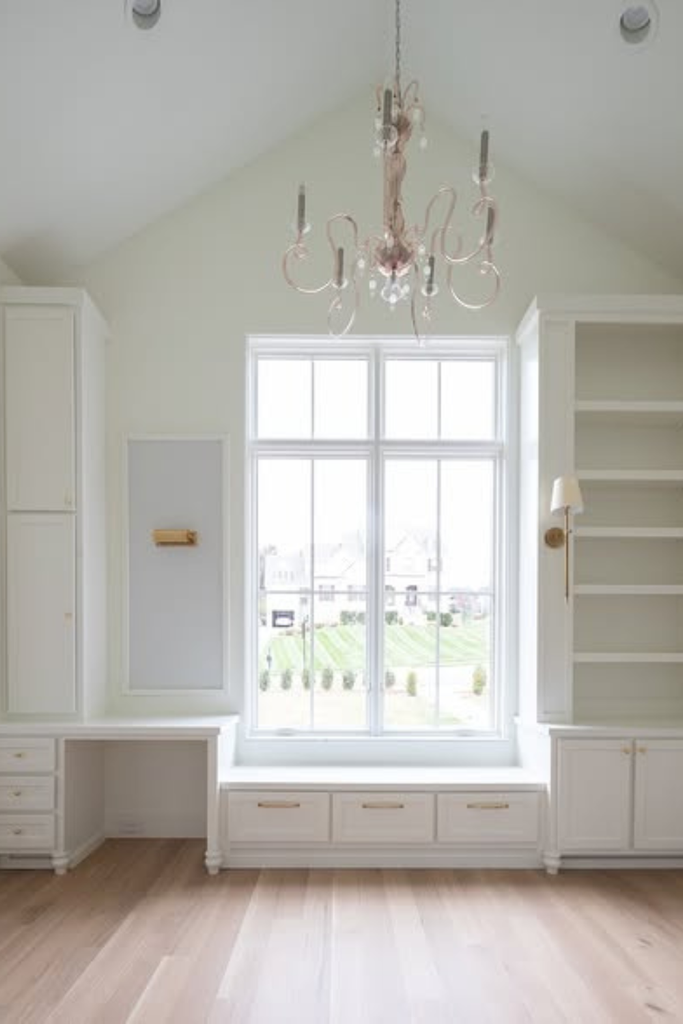
A wide workstation may have room for cabinets positioned at both ends, creating substantial storage while leaving the center open. This arrangement can suit a dedicated home office where documents, craft materials, and backup supplies need more space than a small drawer unit can provide.
I would use closed cabinets for items that create visual clutter, such as spare paper, folders, and packaged supplies. Adjustable shelving can help accommodate different sizes without wasting the available space.
The main consideration is preserving a comfortable sitting area. Cabinets should not force the chair into an awkward position, restrict foot movement, or block a nearby walkway. Their doors and drawers also need enough room to open fully.
Pro Tip: Sort the items into categories before deciding how many cabinets you need. This helps avoid filling the entire underside with furniture when a smaller arrangement might be sufficient.
15. Bench Drawer Storage
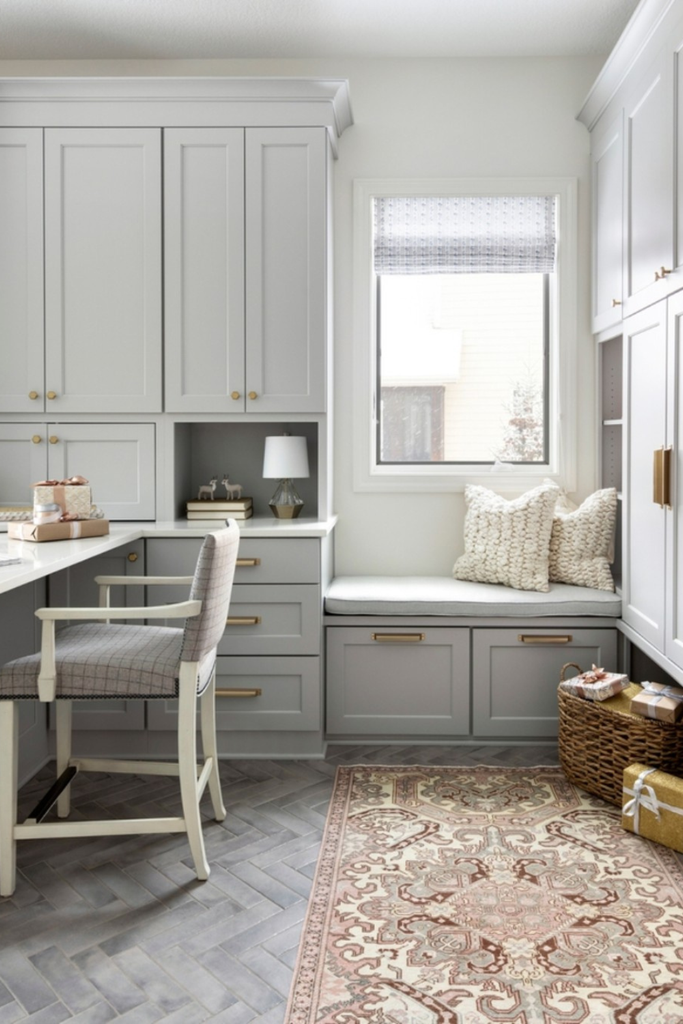
Bench drawers can supplement desk storage when a workstation sits beside a window seat or an existing low storage bench. In this arrangement, the drawers are nearby furniture rather than storage fitted directly beneath the desk.
I would use the bench for bulky or occasional-use items, such as spare notebooks, craft materials, and paper supplies. The desktop or a small desk drawer can hold daily essentials, so I do not need to keep everything immediately beneath the work surface.
This layout works well in multipurpose rooms where the same area serves as an office, reading nook, or craft space. Check that the bench drawers can open freely and that the desk and chair do not block access.
Pro Tip: Use separate labeled containers for work supplies and household items. This makes a shared storage bench easier to maintain and prevents office materials from getting mixed with unrelated belongings.
16. Single Side Drawer
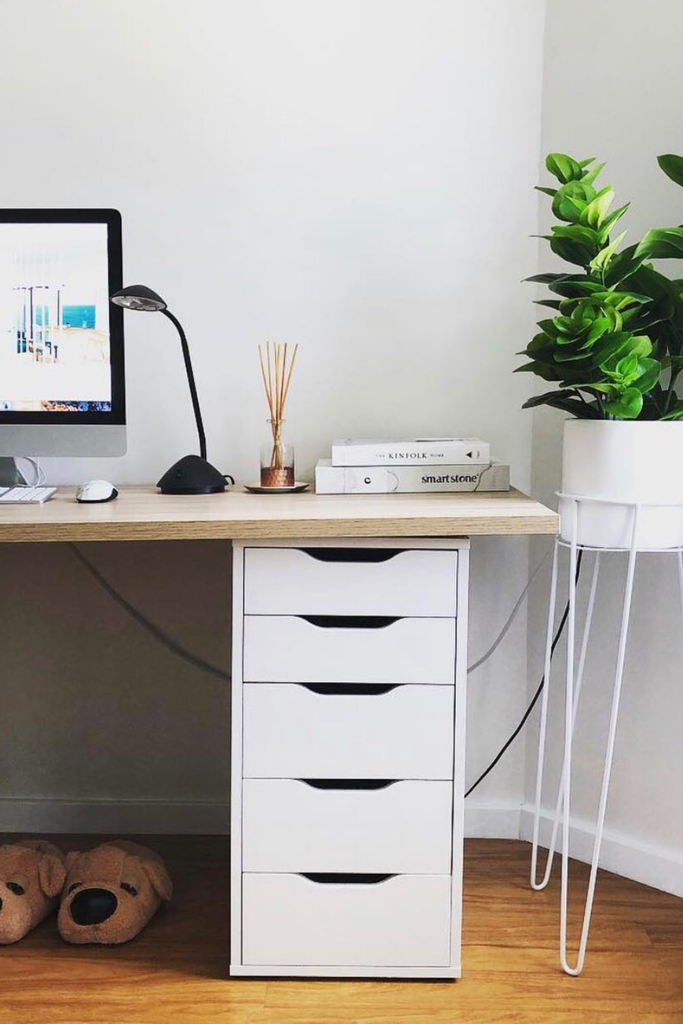
A single side drawer unit is a practical starting point when the desk needs a little more storage but the room cannot accommodate a larger arrangement. Placing one unit at the side can provide extra capacity while leaving much of the underside open.
I would keep frequently used stationery, cables, and small accessories in the upper drawer. Lower drawers can hold spare notebooks, folders, and supplies that I only need occasionally.
This option suits smaller bedrooms, apartments, and compact home offices. It is also easier to reposition or replace than built-in storage if the desk arrangement changes later.
Pro Tip: Start by storing the items that currently create the most clutter on your desktop. If one drawer solves the problem, there may be no need to add another piece of furniture.
17. Intentional Desk Drawer
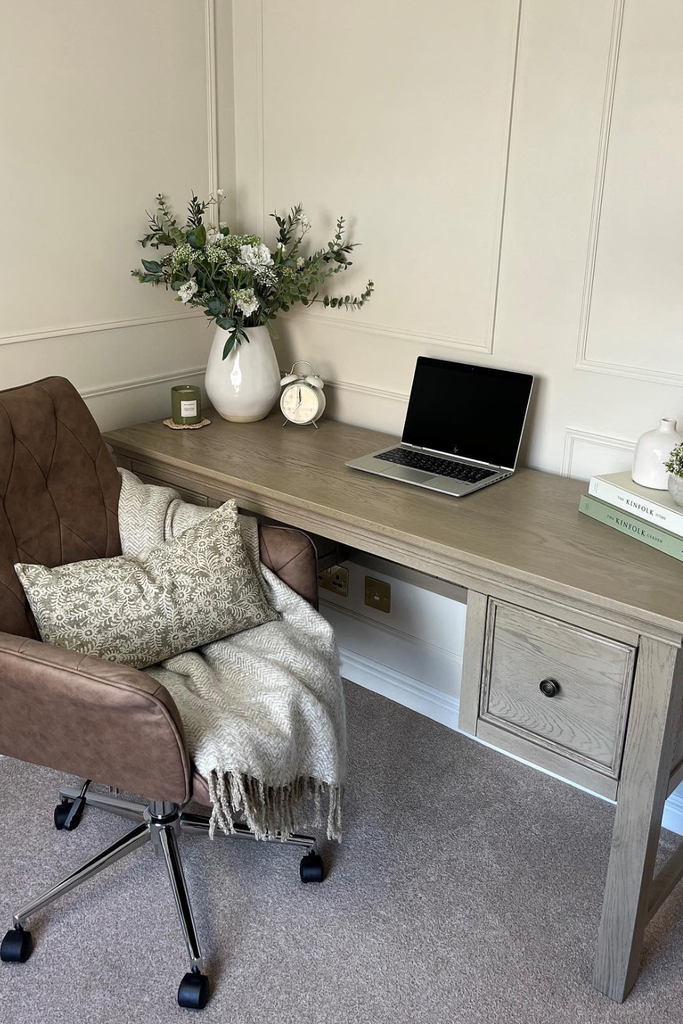
Before buying new furniture, I would make better use of any drawer already built into the desk. A well-organized existing drawer can often accommodate the small items that otherwise spread across the desktop.
Use dividers to separate pens, paper clips, sticky notes, charging accessories, and other compact supplies. Keep the drawer focused on everyday essentials rather than filling it with large equipment or backup materials that are better stored elsewhere.
If the drawer is difficult to use, check whether it is overloaded or contains items that belong in another location. Additional storage should be considered only after the existing space has been organized effectively.
Pro Tip: Empty the drawer onto a clear surface and sort everything into keep, relocate, and discard piles. Return only useful items, grouping them by purpose so the drawer remains easy to maintain.
18. Corner Cabinet Fit

An awkward corner or small desk nook may have enough room for a compact cabinet, even when the main area beneath the desk is too narrow. I would consider this option for supplies that need a home but do not require constant access.
The cabinet might hold spare stationery, small boxes, cables, or reference materials. Placing less frequently used items here can leave the desktop and central seating area available for daily tasks.
Measure the corner carefully, including the space needed for doors, drawers, and chair movement. A cabinet that fits against the wall can still obstruct a walkway or block access to nearby electrical outlets.
Pro Tip: Check the cabinet’s door swing before deciding which way it should face. A small change in orientation can make it much easier to reach the contents without moving the desk.
19. Adjacent Low Storage
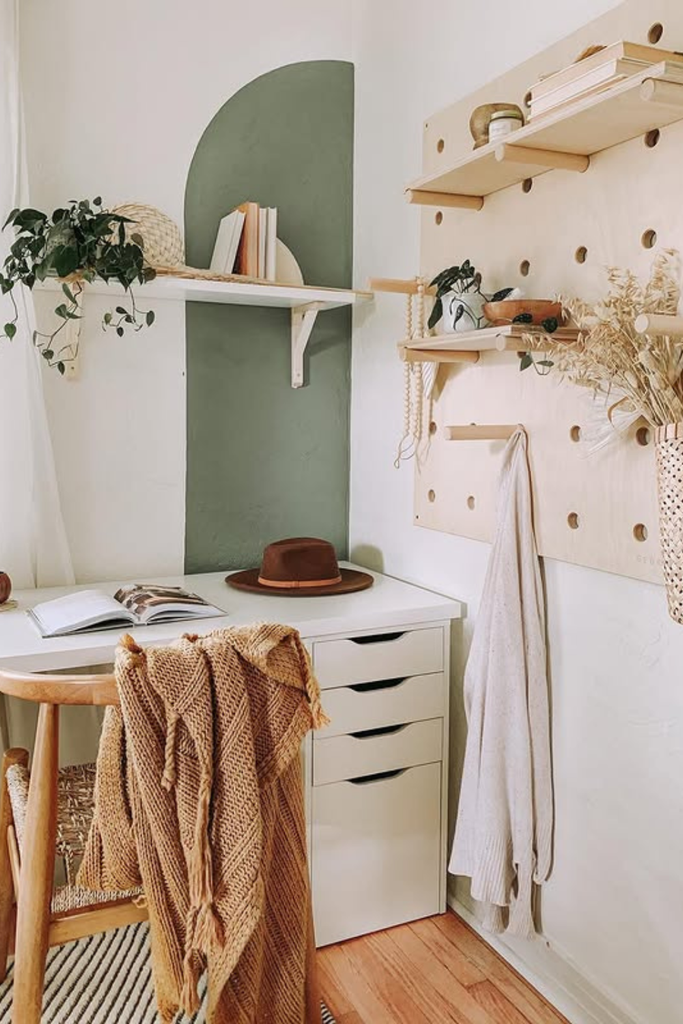
A low cabinet or cube organizer placed beside the desk is a useful alternative when the underside has insufficient clearance. Unlike an under-desk unit, this furniture sits next to the workstation, keeping supplies close without crowding the central leg area.
I would use open cubes for labeled baskets, notebooks, and items I need regularly. Closed bins or drawers can hold backup materials, spare cables, and other belongings that I would rather keep out of sight.
Choose a unit that fits beside the desk without blocking the chair, door, or main walkway. Keeping the storage at a convenient height can also make it easier to reach supplies while seated or standing.
Pro Tip: Place the most frequently used basket on the side closest to your normal working position. This reduces unnecessary reaching and keeps daily supplies accessible.
20. Compact File Cabinet

A compact file cabinet is useful when paperwork and folders take up too much space on the desktop. It gives documents a dedicated location and makes it easier to separate current projects from records that need to be kept.
I would position the cabinet to one side of the desk if possible, leaving the main seating area open. Current files can go in the easiest-to-reach drawer, while archived or occasional-use documents can be stored in lower compartments.
Before purchasing a cabinet, check the usable space beneath the desk and measure how far the drawers extend when open. Follow the manufacturer’s assembly and anchoring recommendations, particularly for taller cabinets or filing units that could tip when drawers are extended.
Pro Tip: Keep active paperwork separate from archived documents. Review the active file section regularly so outdated papers do not take up the space you need for current work.
21. Movement-First Storage

Storage should fit the way I sit and work, not force me to adjust my posture around furniture. Before settling on a layout, I pay attention to where my knees and feet move, how the chair approaches the desk, and whether I can change position without hitting a cabinet.
A slim unit may fit beside the desk but still be uncomfortable if its handles protrude into the chair’s path. The same applies to drawer fronts, wheels, and cables that extend into the area where my feet naturally rest.
I also consider access to equipment. Cables should not become trapped behind moving drawers or wheels, and computers need the ventilation clearance specified by their manufacturers. Storage should not obstruct electrical connections or make cleaning unnecessarily difficult.
Pro Tip: Try the proposed arrangement during a normal work session before making permanent changes. Pay attention to repeated movements, such as pulling out the chair, reaching for supplies, and changing your foot position.
22. Rolling Drawer Flex
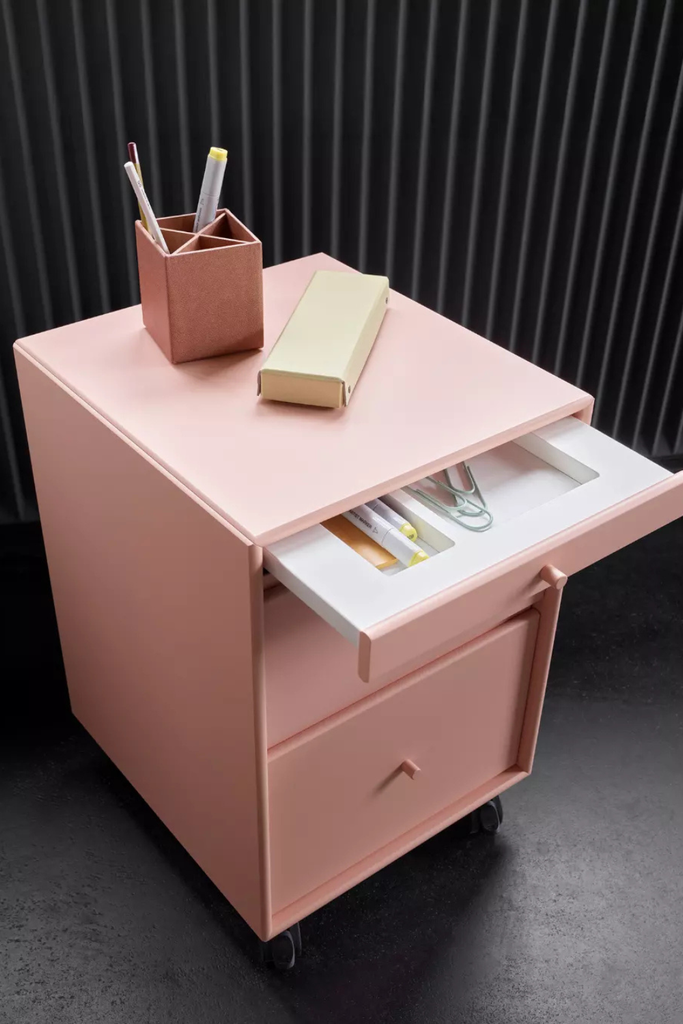
A rolling drawer unit is useful when the workspace needs to change throughout the day. It can stay beside the desk during work, move out of the way for cleaning, or be repositioned when a shared room needs to serve another purpose.
I would keep everyday stationery and small accessories in the upper drawers, using lower compartments for backup supplies and notebooks. A unit with suitable wheels and working locks can make repositioning easier, provided the floor surface is compatible with the wheels.
Check the unit’s stability, drawer extension, and weight limits before filling it. Lock the wheels when it is in use if the model provides that feature, and avoid parking it where it can obstruct the chair or a walkway.
Pro Tip: Leave a clear parking spot for the unit before you buy it. A mobile organizer is most useful when there is somewhere safe to move it without blocking doors, exits, or access to equipment.
FAQs
1. How do you choose the right under-desk storage without losing comfort?
Start by measuring the usable height, width, and depth beneath the desk, including any support bars or cable trays. Then check whether the unit leaves enough room for your knees, feet, chair, and normal seated movements.
Shallow drawers or side-mounted storage may work well when space is limited. If a cabinet makes the sitting area uncomfortable, consider a nearby shelf or low cabinet instead.
2. What’s the biggest mistake people make with under-desk storage?
A common mistake is filling every available inch without considering how the space will be used. Oversized units can restrict legroom, obstruct the chair, and make cables or electrical connections difficult to reach.
I recommend identifying what needs to be stored before purchasing anything. Moving occasional-use items to a nearby cabinet can be more practical than forcing another unit beneath the desk.
3. What is the best under-desk storage for a small home office?
The best choice depends on the desk’s construction and the amount of usable clearance. A slim drawer unit, a shallow organizer, or a small filing cabinet may work if it fits without interfering with the chair.
When the underside is already crowded, wall shelves or a compact cabinet beside the desk can provide extra storage without reducing legroom. Measure the space and consider what you need to reach most often before choosing.
4. How can I organize desk supplies without blocking legroom?
Keep only the supplies you regularly use directly beneath the desk, and move backup materials to side storage or nearby shelves. Shallow drawers can hold small accessories, while labeled baskets can group supplies on an open shelf.
Place storage outside your usual knee and foot area, and check that drawers can open fully without hitting the chair. The right arrangement should make supplies easier to reach without restricting normal movement.
5. Is a rolling drawer unit better than a fixed under-desk cabinet?
A rolling drawer unit is useful when you need to move storage for cleaning, shared activities, or changes in room layout. A fixed cabinet can be a better choice when you want a permanent arrangement that does not need to be repositioned.
Both options need suitable dimensions, stable construction, and enough clearance for drawers to open. Check wheel locks and weight limits on a rolling unit, or mounting and anchoring requirements for fixed furniture, before making a decision.
Read this next: 26 Under Cabinet Storage Ideas for 2026
Conclusion
The most useful under desk storage ideas start with the space you have and the items you actually need to store. Measuring the desk, organizing supplies by frequency of use, and preserving comfortable movement can help you choose between built-in drawers, freestanding units, and nearby storage.
I would start with the smallest practical change that addresses the clutter, such as organizing an existing drawer or adding one slim unit. If the underside is too crowded, a wall shelf or side cabinet can provide the extra capacity without making the workstation uncomfortable.



3 Comments