28 Living Room Storage Ideas for 2026
My living room works hard: it hosts movie nights, guests, laundry folding, and every stray book and charger we own. Over the years I have tested a lot of living room storage ideas, and the winners all share one trait — they hide the mess inside furniture that still looks beautiful. These are the 28 setups I recommend to everyone who asks.
Ahead: ottomans, cabinets, shelves, baskets, and a few vintage tricks. Mix two or three and even a small room starts to feel calm — I note what each piece swallows best as we go.
Key Takeaways
- Choose furniture that stores: ottomans, consoles, and cabinets with doors beat open surfaces.
- Closed storage hides visual clutter; save open shelves for books and pretty objects.
- Use vertical space — tall shelves and library walls hold a remarkable amount.
- Baskets corral the daily drift: remotes, throws, toys, and chargers.
- Group storage by activity — reading, movie night, games — so it sits where life happens.
- Vintage pieces like trunks and armoires add storage and character in a single buy.
Related article: Storage thinking works in every room — my roundup of 22 Clothes Storage Ideas for Small Spaces in 2026 applies the same hide-it-beautifully rules to bedrooms.
28 Living Room Storage Ideas for 2026
1. A Storage Ottoman That Swallows the Throws
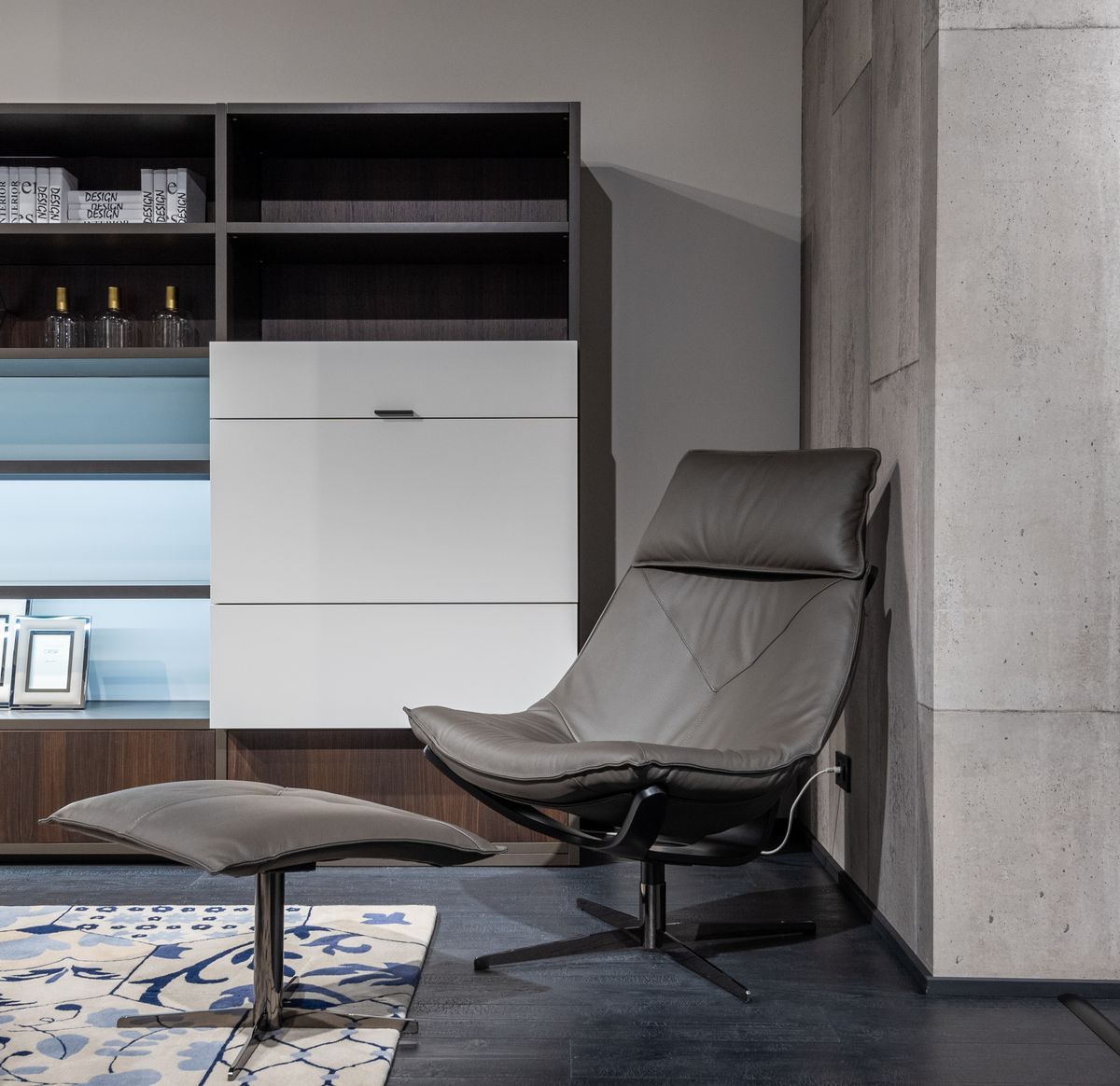
My storage ottoman is the hardest-working piece I own. Inside it: two throws, the good spare cushions, and a board game or three. On top, it is a footrest by night and extra seating when friends visit.
Choose a hinged lid with a safety stay, and a fabric you can spot-clean — this piece will be opened daily.
Pro Tip: Measure your sofa height first — the ottoman should sit level with the seat cushions.
2. A Low Media Console with Real Cabinets

Open TV stands show every cable and console. I switched to a low wooden console with doors, and the whole room exhaled.
Inside mine: the streaming box, the game console, remotes, and a power strip mounted to the back panel so cords never touch the floor.
Pro Tip: Choose a console with back cut-outs — electronics need airflow as much as they need hiding.
3. Floor-to-Ceiling Bookshelves

If you have one blank wall, floor-to-ceiling shelves are the biggest storage win in this whole list. Mine hold hundreds of books, plus baskets on the low shelves for the less pretty things.
Style the eye-level shelves loosely — short stacks, one object, breathing room — and the wall reads as a library, not a warehouse.
Pro Tip: Keep heavy and kid-used items on the lowest shelves and save the top for rarely touched decor.
4. A Glass-Front Cabinet for the Pretty Things
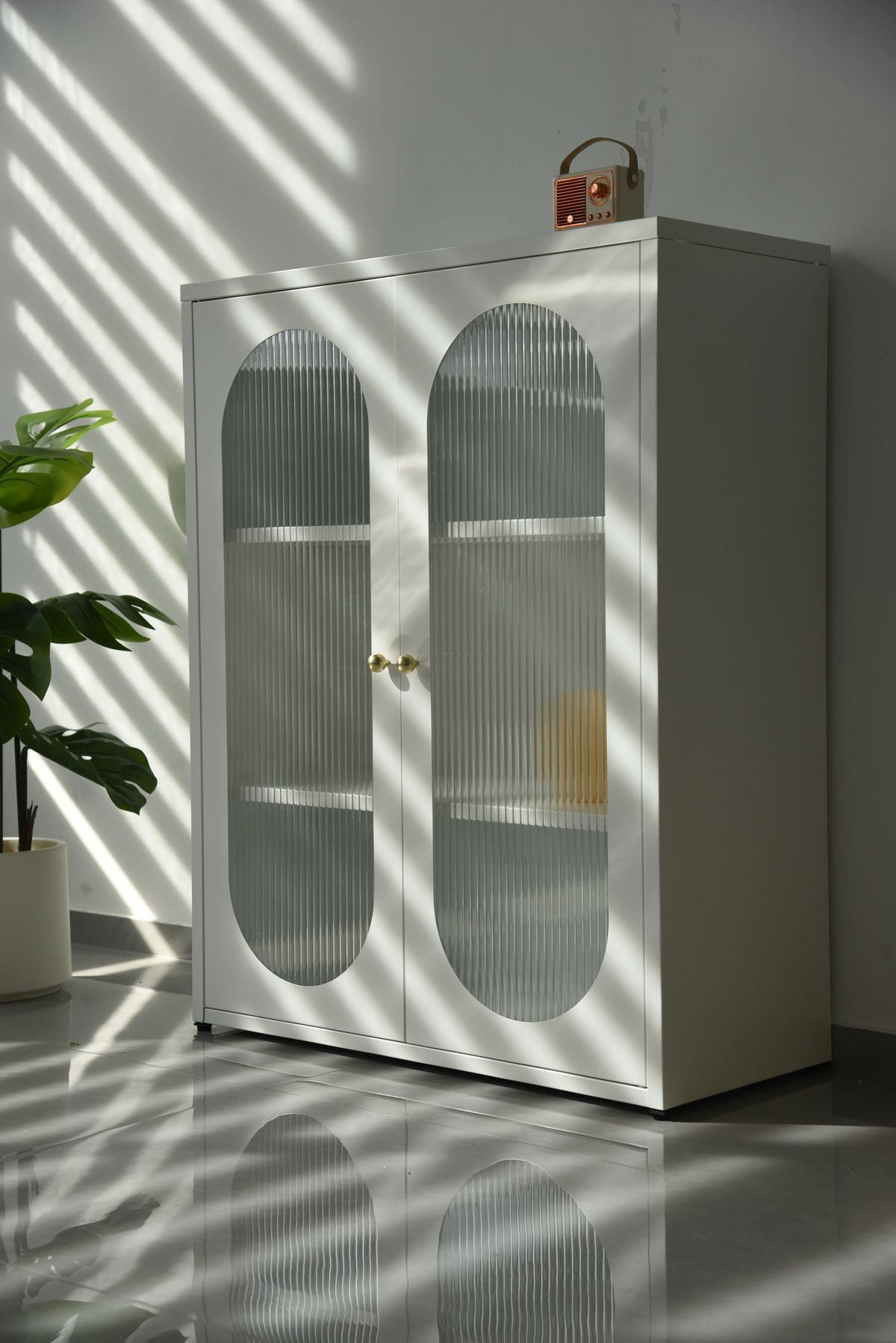
Glass doors give you display and dust protection in one piece. I keep my ceramics, a few art books, and my grandmother’s vases behind glass in a white cabinet by the window.
Pro Tip: Leave one shelf deliberately half-empty; glass cabinets look best with a little air inside.
5. A Vintage Armoire for Blankets and Games
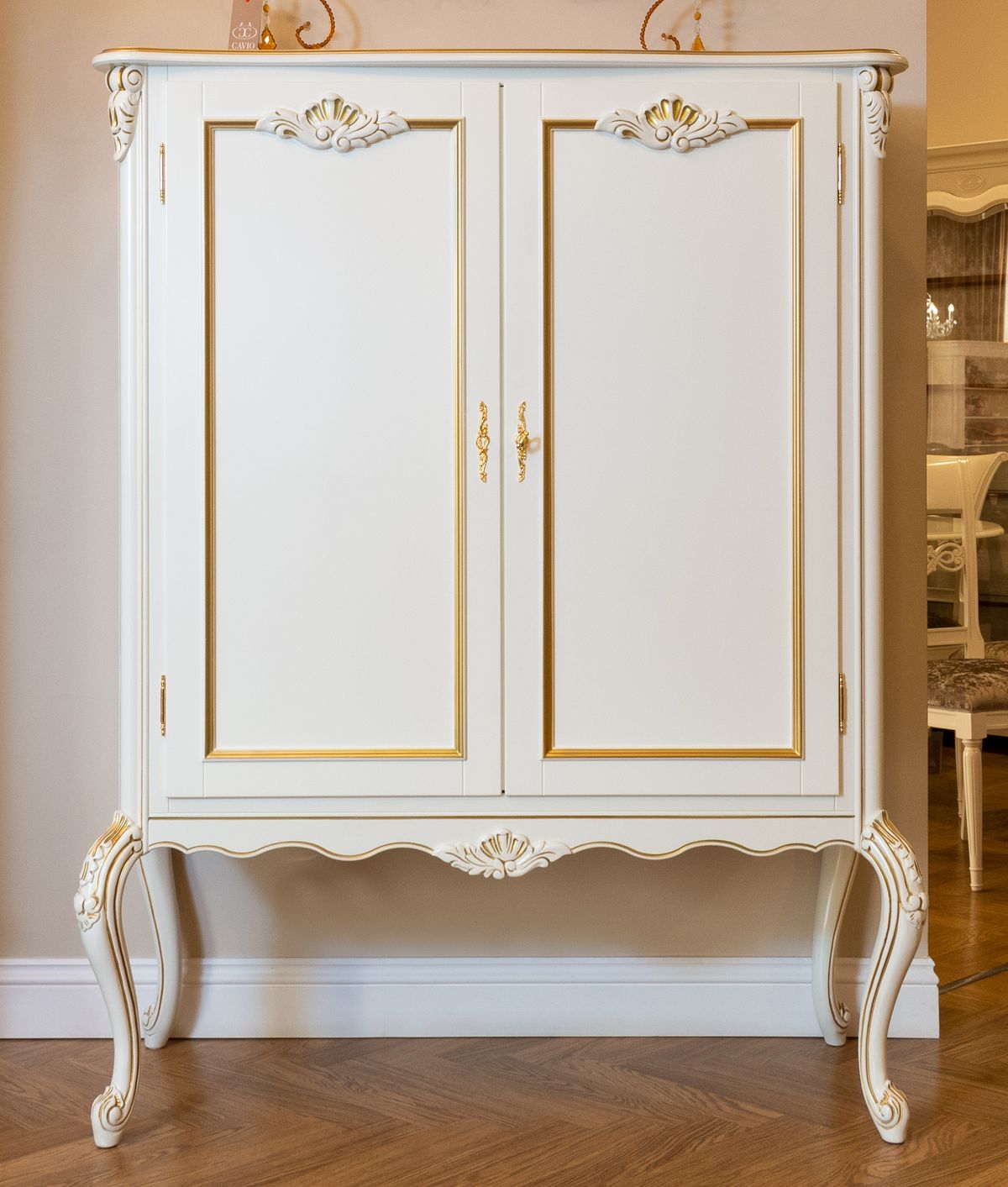
An old armoire is my secret weapon in a living room with no closet. Behind its doors: spare blankets, the sewing kit, board games, and gift wrap.
Hunt secondhand — solid wood armoires go cheap because they are heavy, and that weight is why they last forever.
Pro Tip: Stick an LED light strip inside the door frame and you will actually find things at the back.
6. A Leaning Ladder Shelf
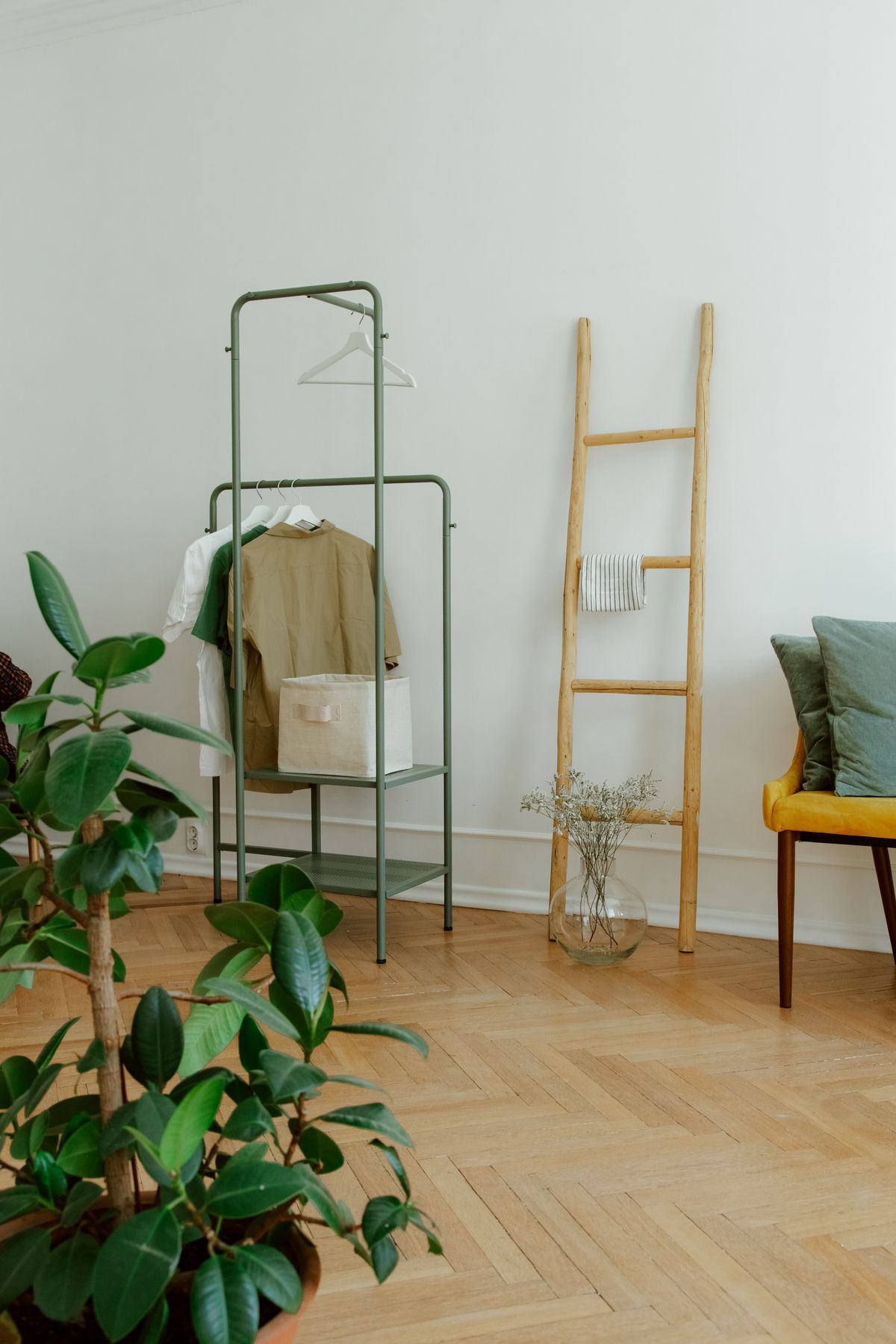
Ladder shelves lean, so they suit renters and small rooms: narrow at the top, deep at the bottom where the baskets go. Mine holds plants up high and a lidded basket of chargers down low.
Secure it to the wall anyway — leaning furniture and climbing toddlers are a bad mix.
Pro Tip: Style in a zig-zag — object left, books right, plant left — so the eye travels instead of stalling.
7. Wicker Baskets on Open Shelves
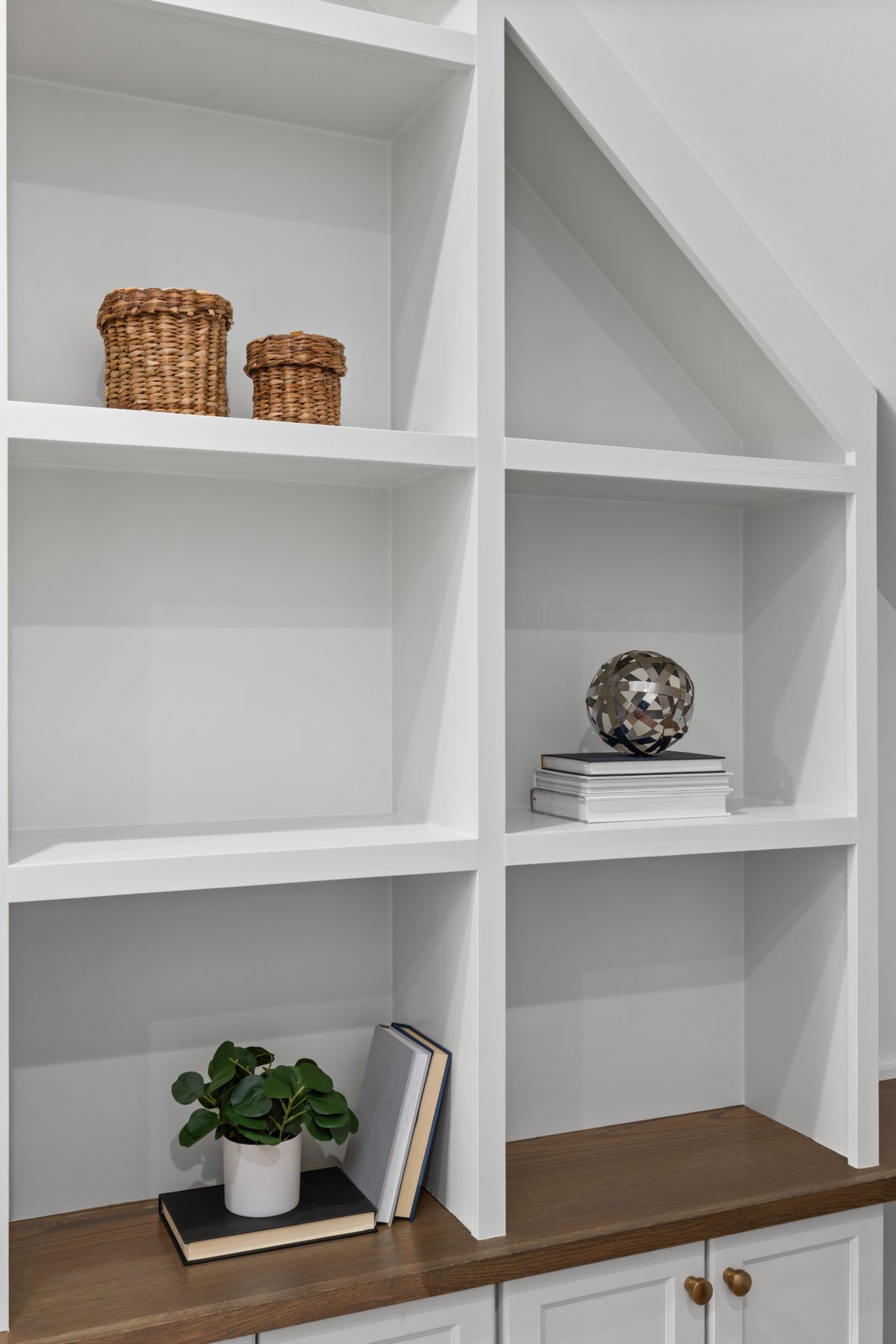
Open shelves only stay pretty if the messy things go in baskets. I line mine with wicker baskets in one consistent tone — inside them lives the honest clutter: remotes, coasters, dog toys, knitting.
Matching baskets make six different messes read as one calm pattern.
Pro Tip: Label the inside rim of each basket, not the front — same findability, tidier look.
8. A Coffee Table That Stores

My coffee table has a lower shelf and two drawers, and it earns both. The drawers take remotes and coasters; the shelf holds a tray with my current reads.
If yours is a plain slab, slide two low baskets underneath — same function, no new furniture.
Pro Tip: Keep only this week’s books on the table; the rest belong on shelves or the room feels restless.
9. A Slatted Cabinet with Wicker Drawers
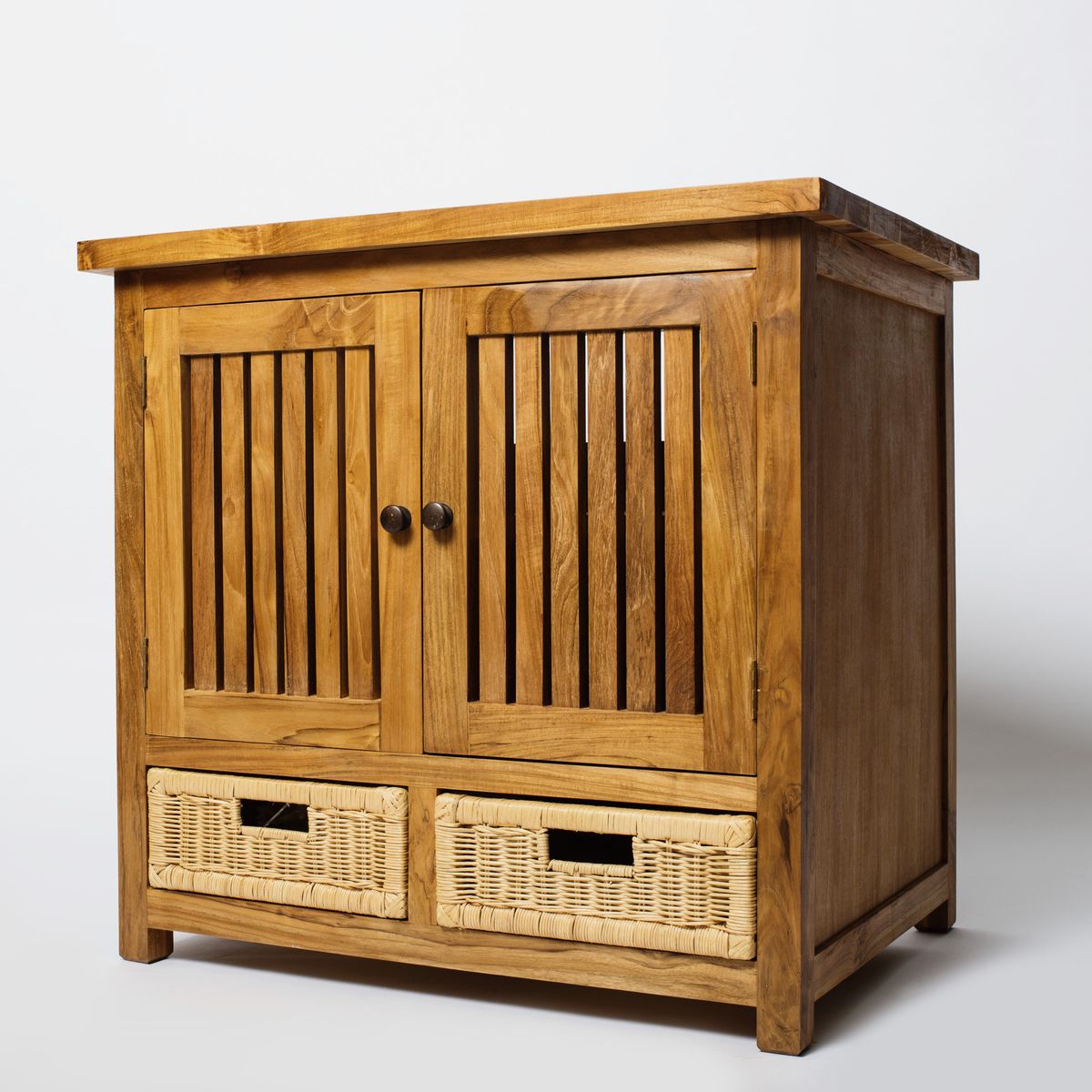
Slatted doors and woven drawers let a cabinet breathe, which makes it perfect for the throws and linens that live in the living room. Mine sits beside the sofa as a sideboard and blanket store in one.
Pro Tip: Wicker drawers suit anything that should not be sealed airtight, like wool throws.
10. A Floating Wall Shelf
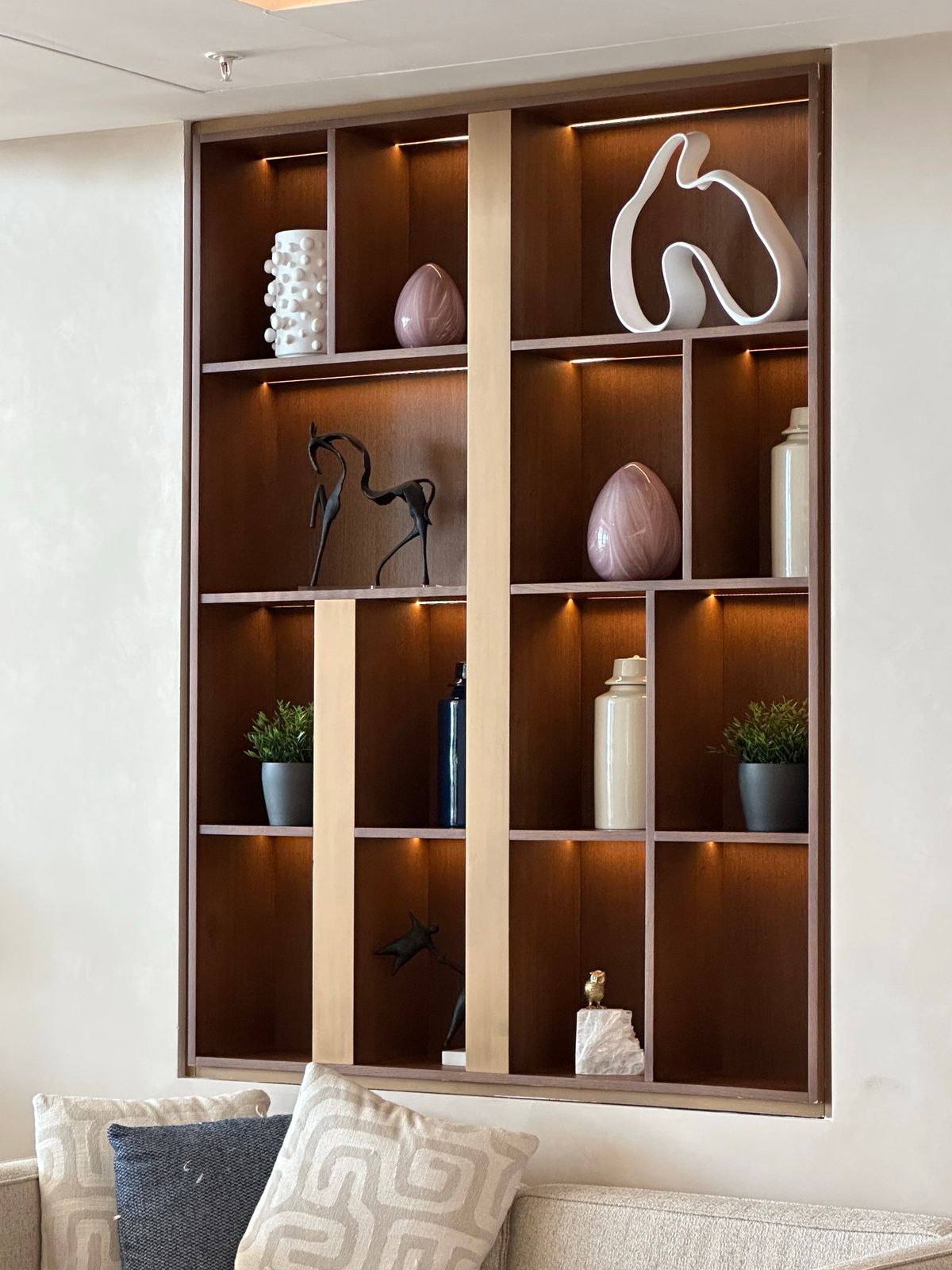
One deep floating shelf above the sofa holds more than you would guess: framed photos, a plant, and the small bowls for keys and coins.
Floating shelves keep floor space completely free — gold in a small room.
Pro Tip: Install into studs and rate the shelf honestly — books are heavier than they look.
11. A Library Wall Reading Nook
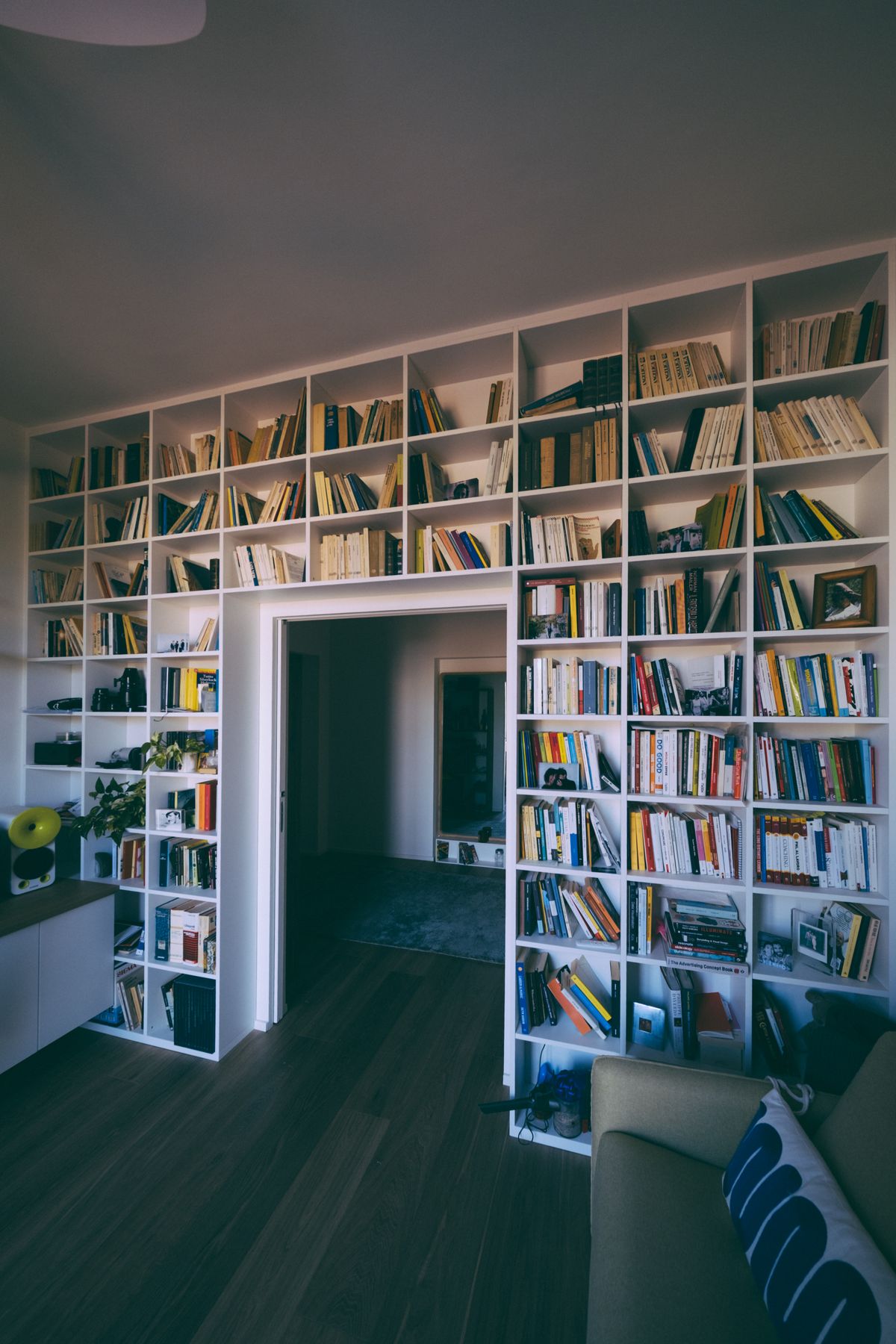
I turned an awkward corner into a reading nook with tall shelves and one good chair, and it quietly stores our entire overflow book collection.
A nook gives storage a destination: books, a throw, reading glasses, all within arm’s reach of the chair.
Pro Tip: Add a side table with a drawer for bookmarks and glasses.
12. A Vintage Suitcase Side Table
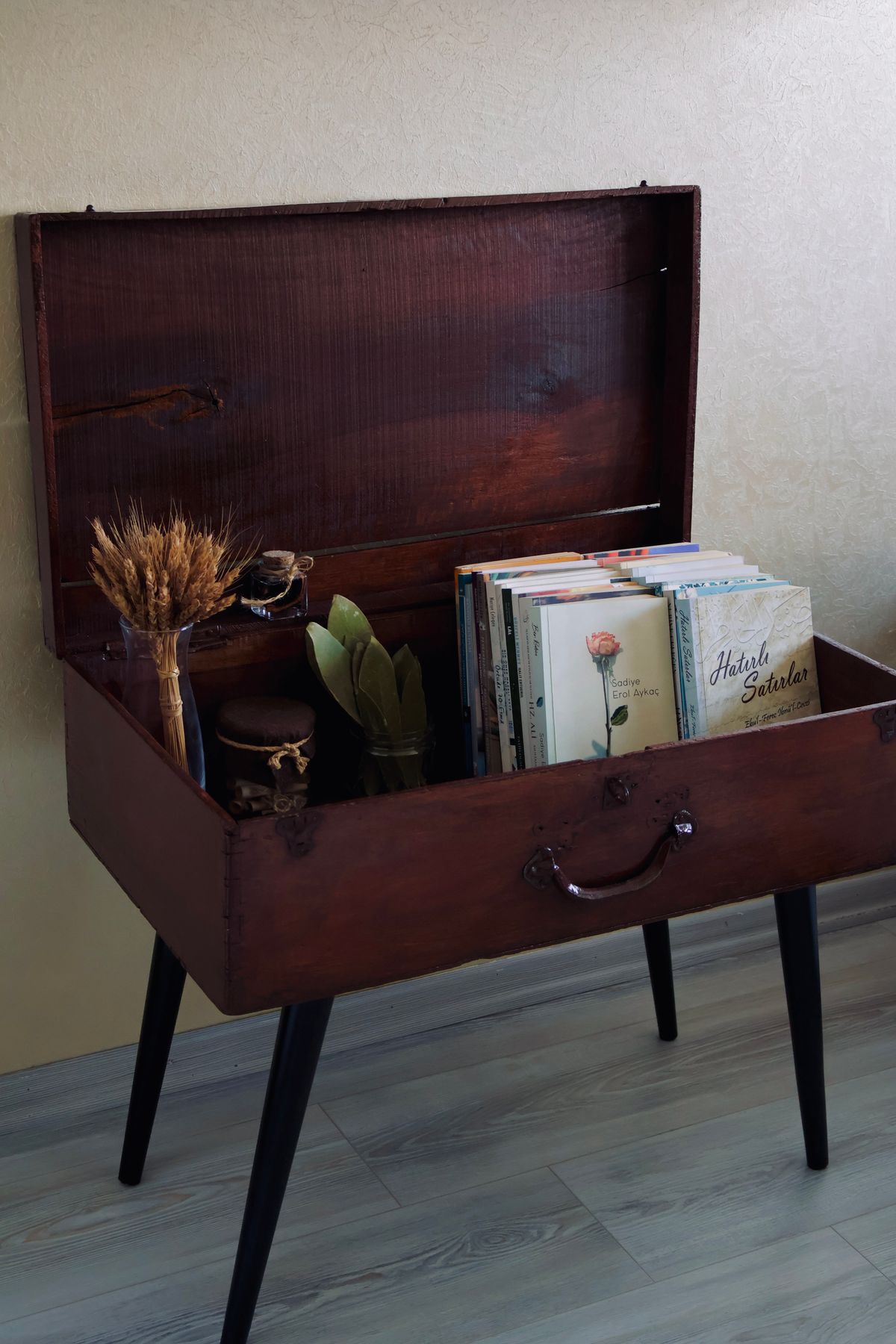
A hard vintage suitcase on a stand is a side table with a secret: inside mine are the photo albums. Stack two and you get height plus double storage.
Suitcases suit anything flat and rarely used — albums, letters, the good table linens.
Pro Tip: Line old suitcases with fresh fabric or cedar paper before storing textiles in them.
13. An Open Bookshelf as a Room Divider
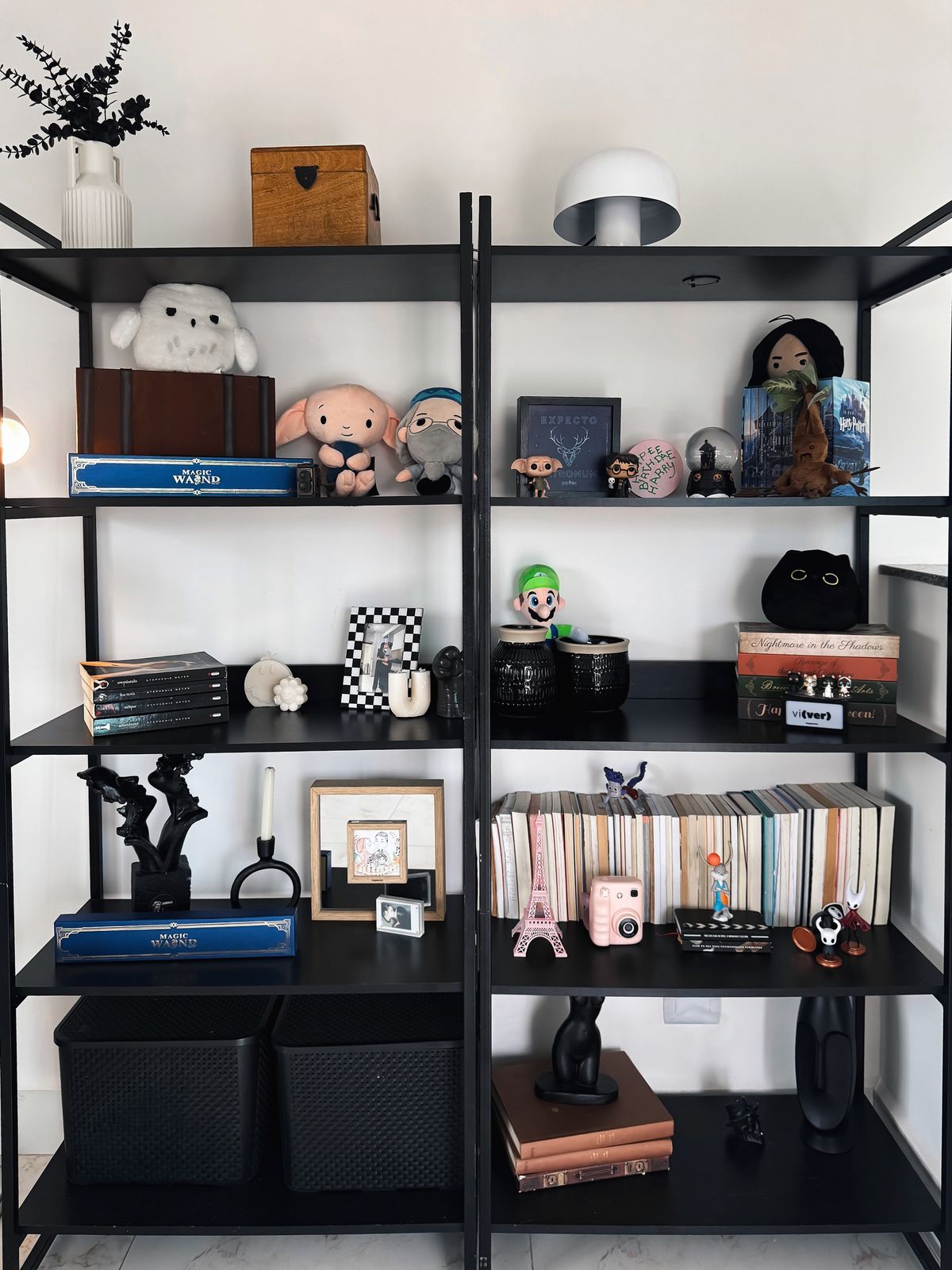
In an open-plan space, a low open bookshelf divides living from dining while storing for both sides. Mine holds cookbooks facing the kitchen and novels facing the sofa.
Keep the top clear, or use one trailing plant — a divider that doubles as a surface invites clutter back.
Pro Tip: Style divider shelves from both sides — check the view your guests get.
14. Styled Shelves with Plants and Books
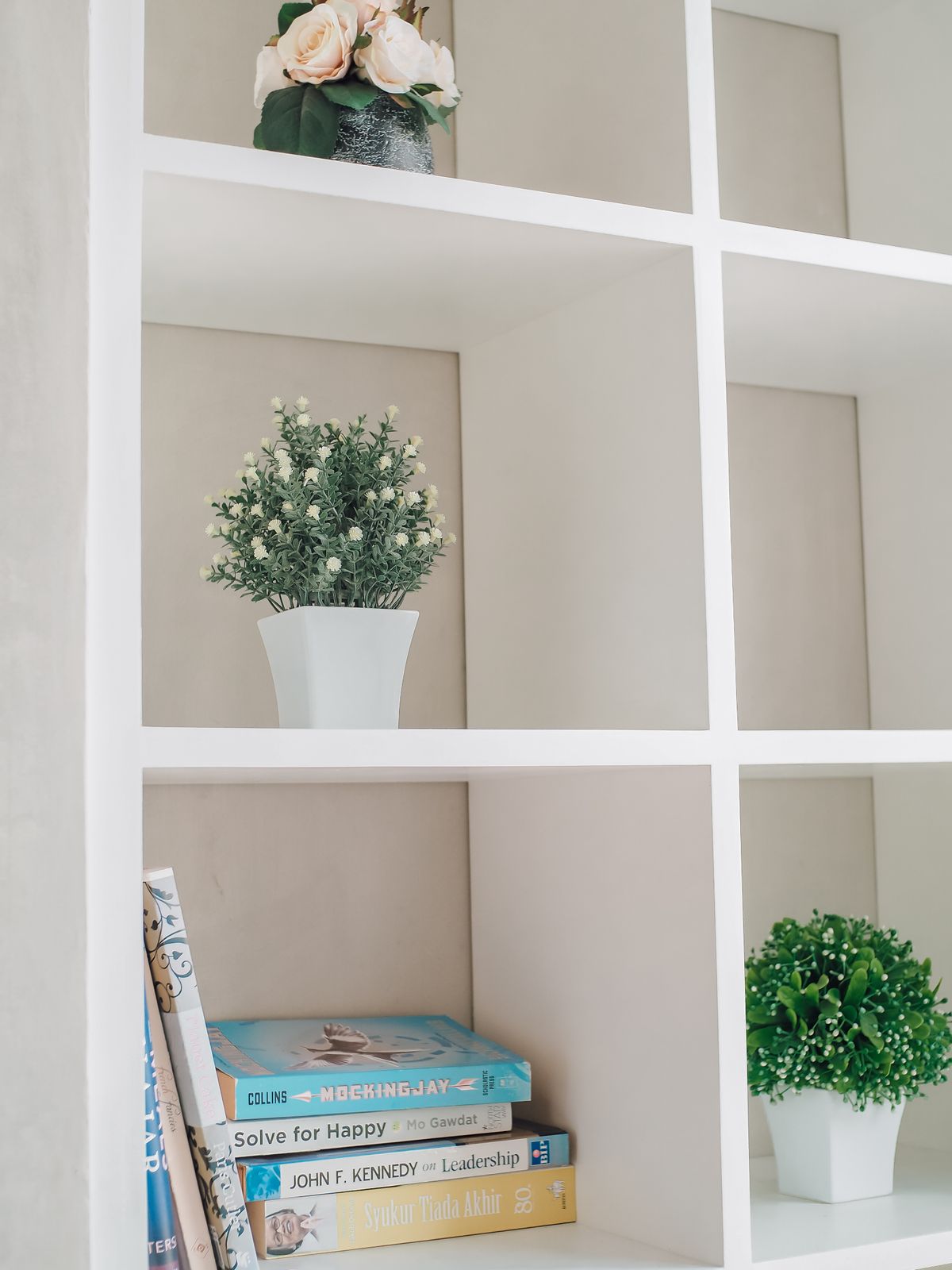
My rule for open bookcases: two-thirds books, one-third objects and plants — storage that still looks styled.
Plants soften all those hard edges and right angles, and a trailing pothos hides a multitude of mismatched spine colors.
Pro Tip: Turn some book stacks horizontal — they make perfect risers for small plants and objects.
Also read: If your shelves groan under books like mine do, you will love these Genius Book Storage Ideas for every room in the house.
15. A Long Wooden Sideboard

A sideboard along the longest wall is classic for a reason: drawers for the small stuff, cupboards for the bulky stuff, and a styled top for lamps and art.
Mine hides the printer — yes, in the living room — plus paper, board games, and my candle stash.
Pro Tip: Run a power strip inside a sideboard cupboard and you have an invisible charging station.
16. A Console Cabinet Behind the Sofa

The back of a floating sofa is wasted space until you add a slim console cabinet. Mine holds a lamp, a basket of remotes, and drawers of coasters and candles.
Pro Tip: Keep the console a few inches narrower than the sofa so it reads as intentional, not squeezed.
17. A Scandinavian Shelf with a Clock
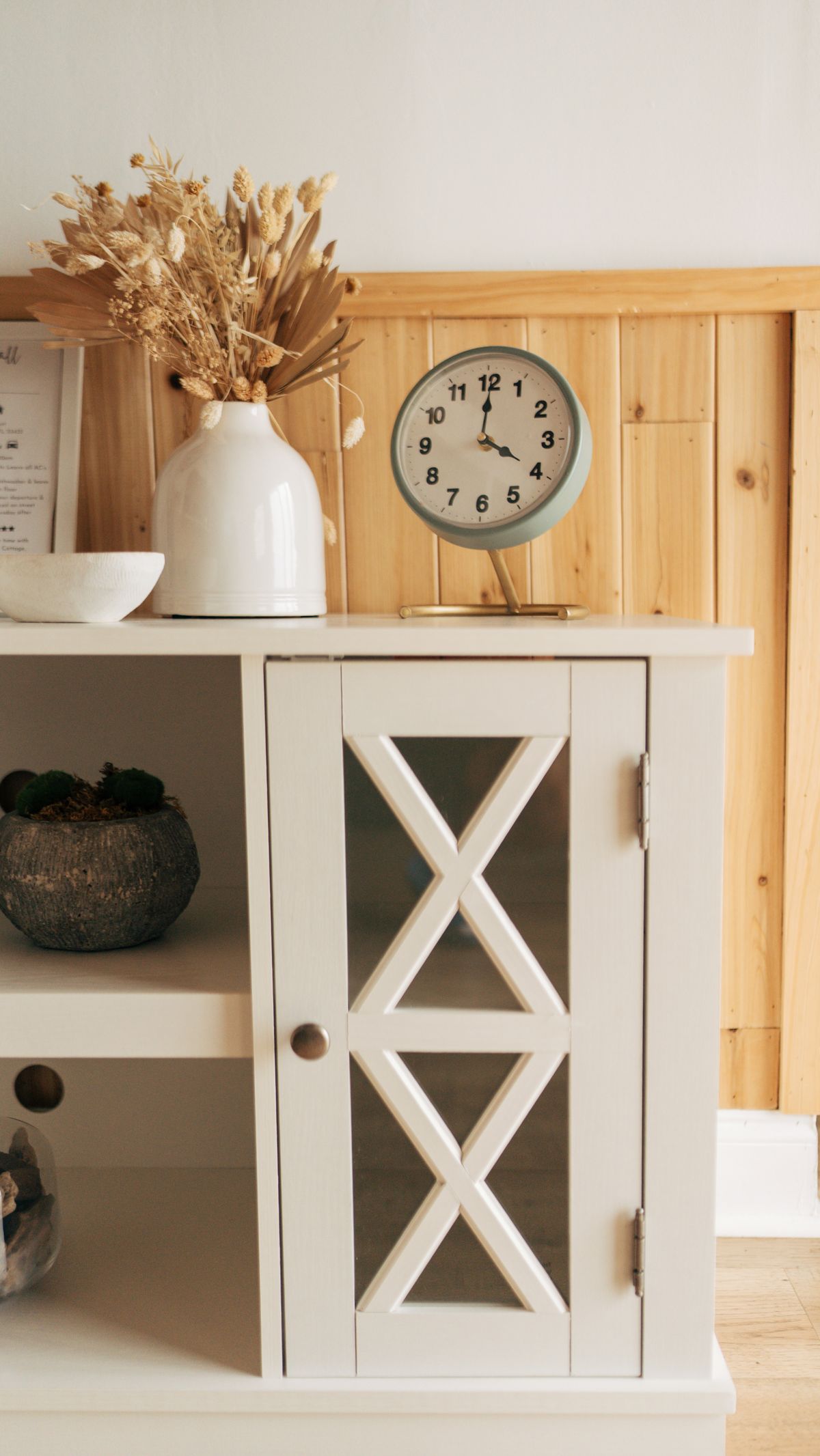
A small Scandi-style wall shelf corrals the daily handful: a clock, a bowl for keys, two plants, and the mail until I sort it.
Small shelves earn their keep near the room’s entrance — everything in my pockets lands there instead of on the coffee table.
Pro Tip: Give mail a hard rule: it leaves the shelf every Sunday, or small shelves become paper piles.
18. A Wooden Magazine Rack
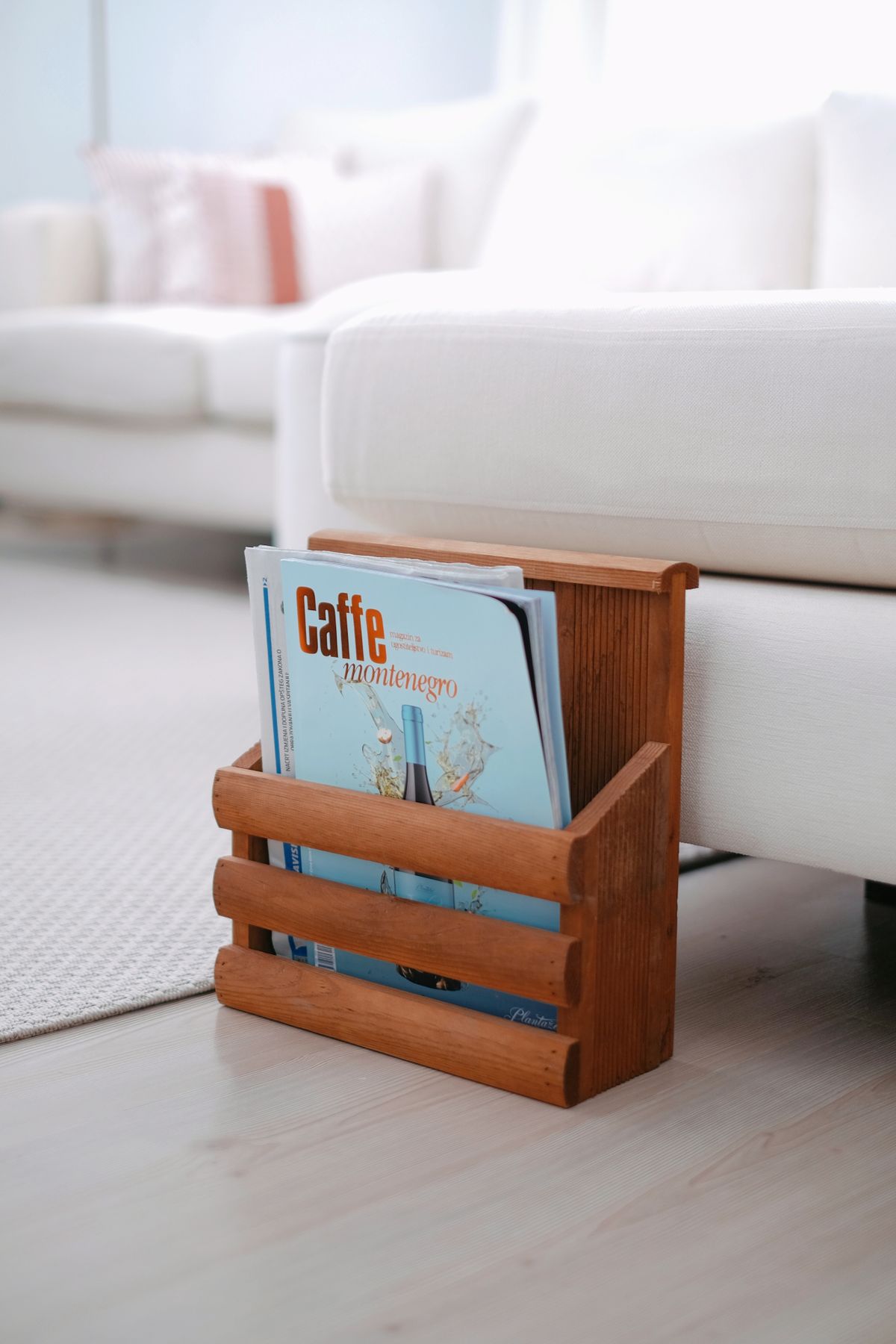
I thought magazine racks were relics until I tired of catalogs sliding off the sofa arm. A slim wooden rack by my chair holds the current stack neatly and visibly.
It works just as well for coloring books or the kids’ current favorites.
Pro Tip: Edit monthly — a rack with only current reads looks curated; a stuffed one looks like recycling.
19. Low Cube Shelves for a Vinyl Collection
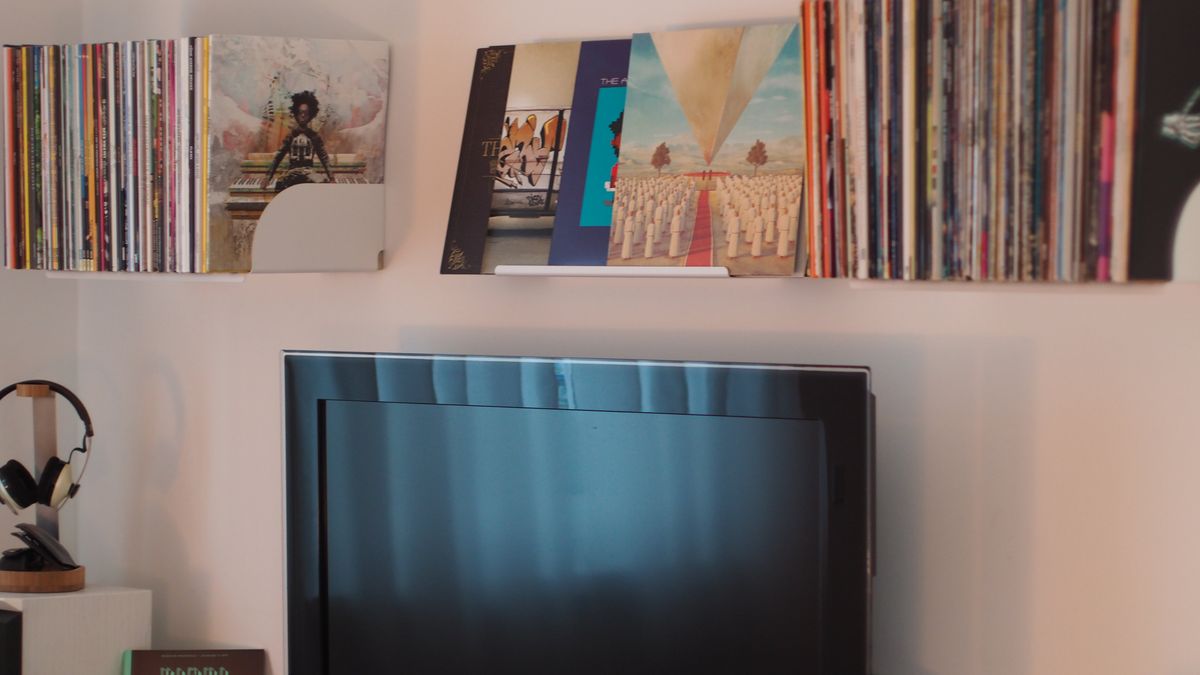
Records are storage-hungry and too pretty to hide. Low, deep cube shelves under my TV hold the whole collection upright, with room to flip through.
Keep vinyl vertical, out of direct sun, and off the floor — cubes on short feet check every box.
Pro Tip: Use a bookend or divider every foot or so; leaning records warp over time.
20. A Narrow Bookshelf with a Cascading Plant
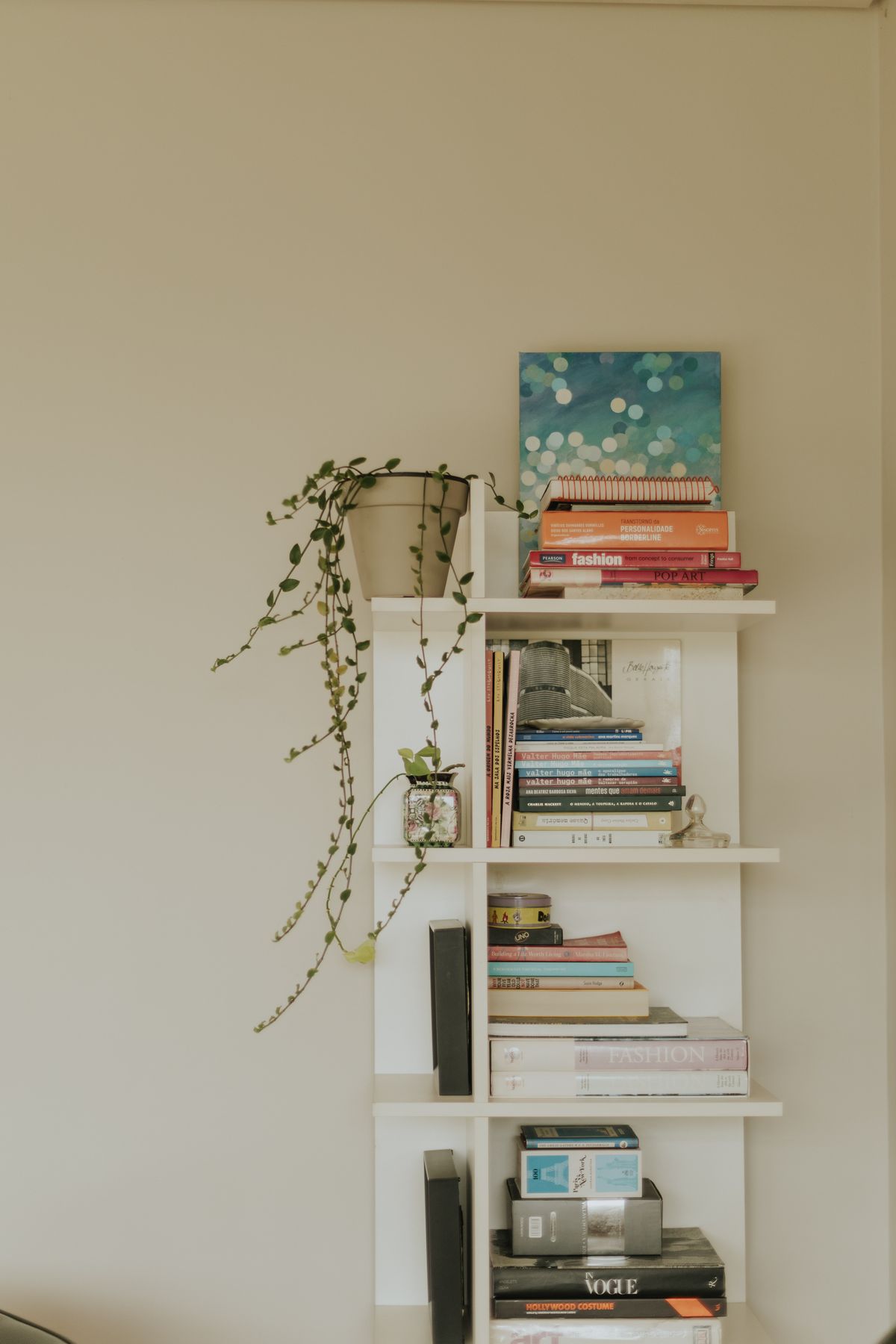
A narrow minimalist bookcase slides into the gap between sofa and wall that nothing else fits. Mine stores the oversized art books that defeat normal shelves.
One cascading plant on top finishes it — twelve inches of floor for a whole collection’s worth of storage.
Pro Tip: Measure your tallest book before buying any bookcase; art books are the usual deal-breaker.
21. A Tall Storage Wardrobe in Disguise
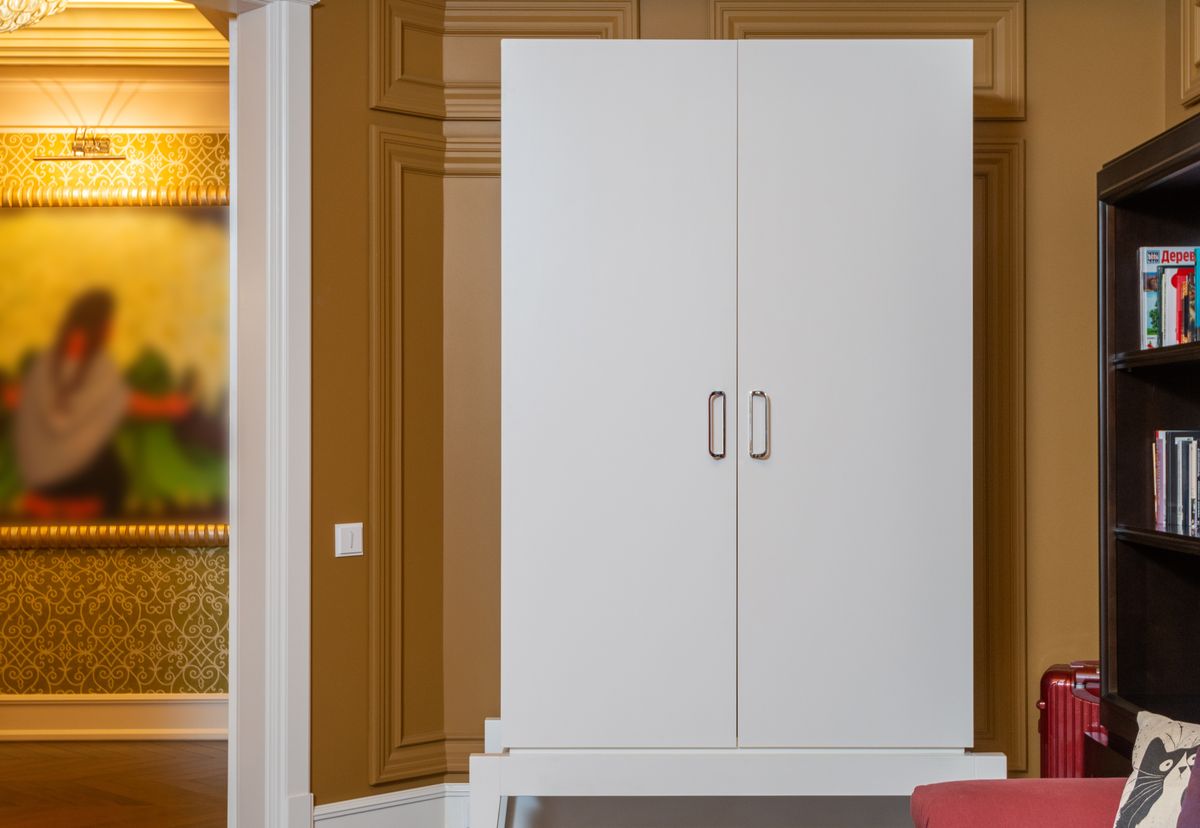
If your living room doubles as a guest room or office, a sleek wardrobe earns its floor space: inside mine are the air mattress, spare bedding, and my work files.
Plain fronts matter — a wardrobe that reads as a calm white panel does not shout bedroom furniture at your guests.
Pro Tip: Fit the inside with shelves, not a hanging rail, unless guests truly need hanging space.
22. A Compact Gray Cabinet in a Small Room
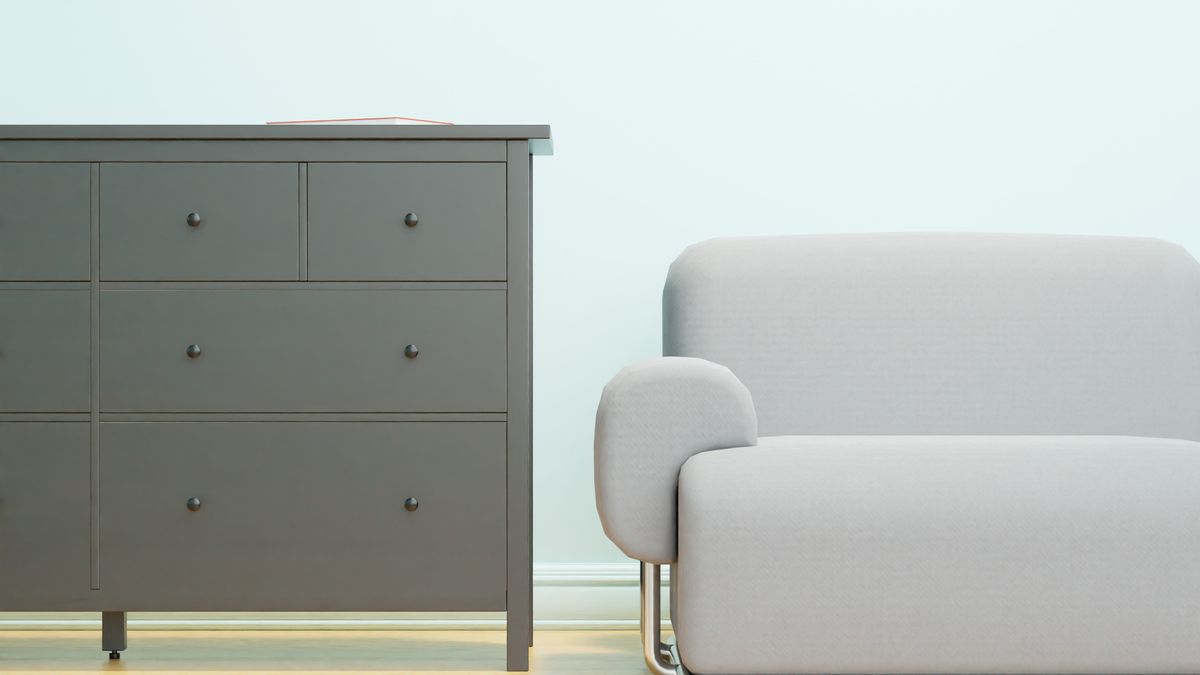
Small rooms need storage that visually recedes. A low gray cabinet against a pale wall stores the same amount as a bulky dark one but seems to take half the space.
Pro Tip: Match cabinet color to wall color for an instant built-in look.
23. A Wooden Drawer Unit Beside the Sofa
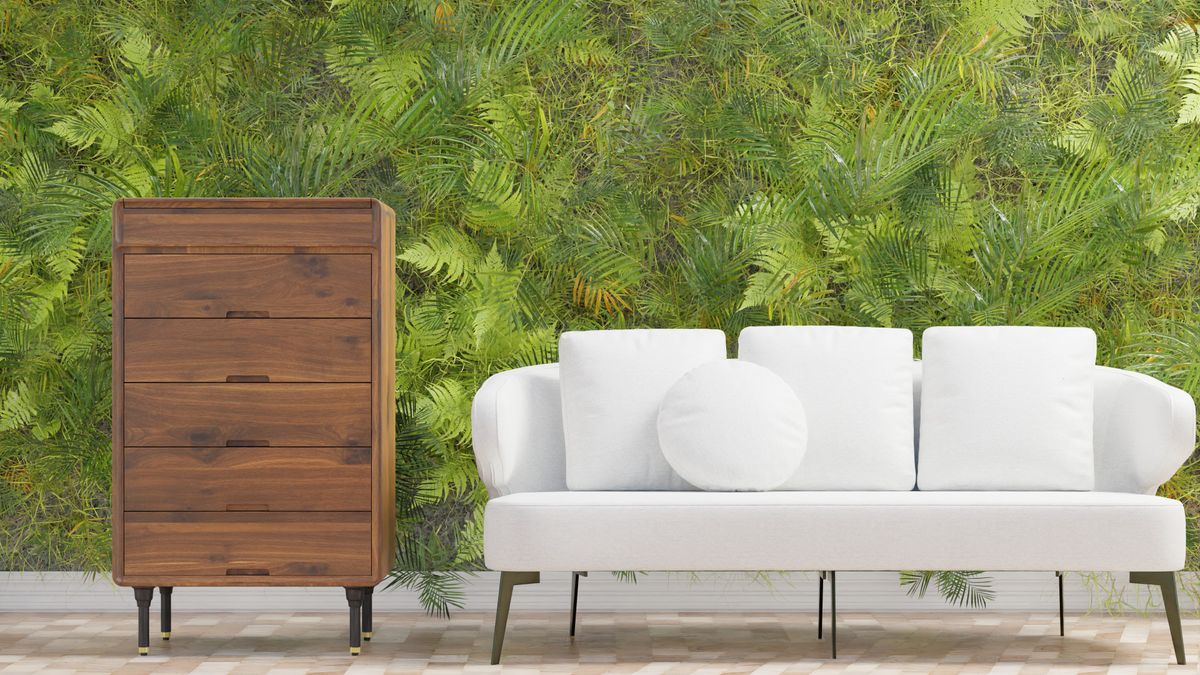
I replaced our wobbly side table with a small wooden chest of drawers and gained three drawers of storage for zero extra floor space.
Top drawer: remotes and glasses. Middle: chargers and cords, neatly coiled. Bottom: the current jigsaw puzzle, mid-build, on a board that slides right in.
Pro Tip: Drawer dividers turn a junk drawer into findable categories.
Read this next: The same furniture-does-double-duty thinking transformed our entry — see my Creative Mudroom Storage Ideas for the hallway version.
24. Colorful Storage Cubes for Family Life
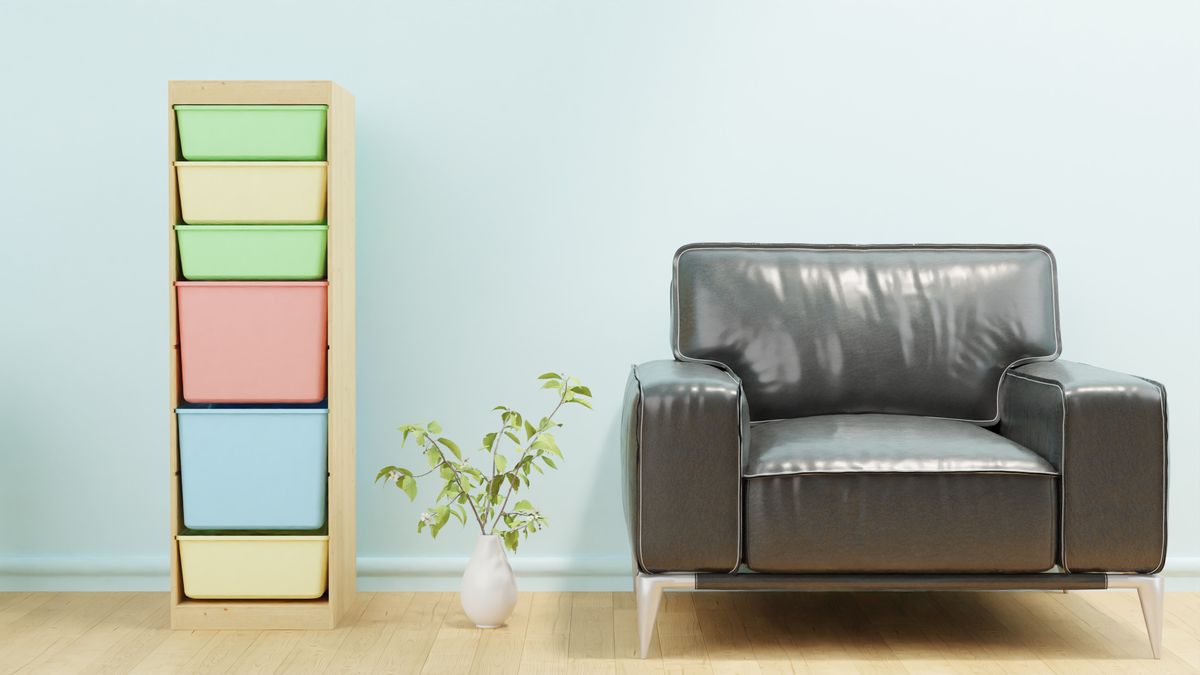
In a family room, I use colorful fabric cubes in an open frame: one per child, one for art supplies, one for the dog. Cleanup becomes a five-minute toss game.
Cubes hide everything and wash easily — the most forgiving system I own.
Pro Tip: Assign each person a color and never negotiate it again — cube ownership ends most tidying arguments.
25. A Rustic Wooden Storage Box
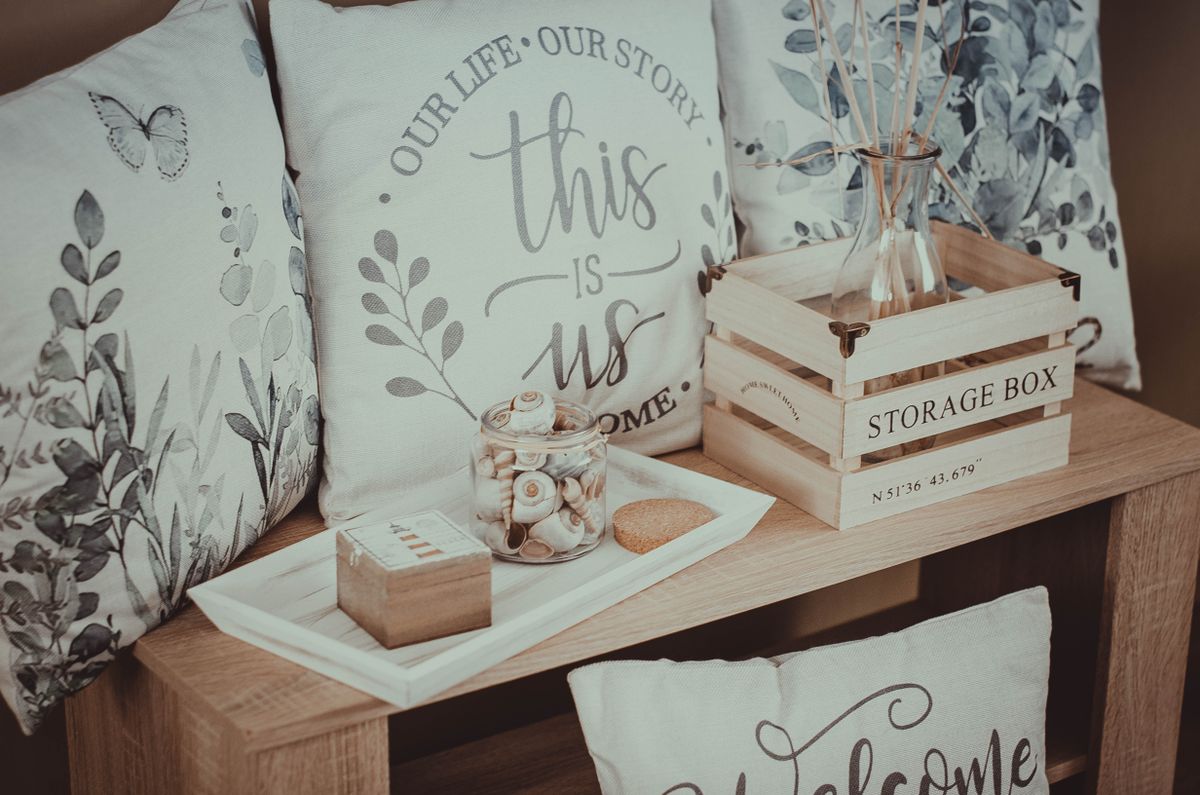
A lidded wooden box on a shelf or hearth swallows fireplace tools, candle ends, or charging bricks with rustic charm.
I keep one by the sofa for knitting — lid on, it is a side table; lid off, my project is exactly where I left it.
Pro Tip: Felt pads under wooden boxes save your shelves.
26. An Open Display Shelf for Collections
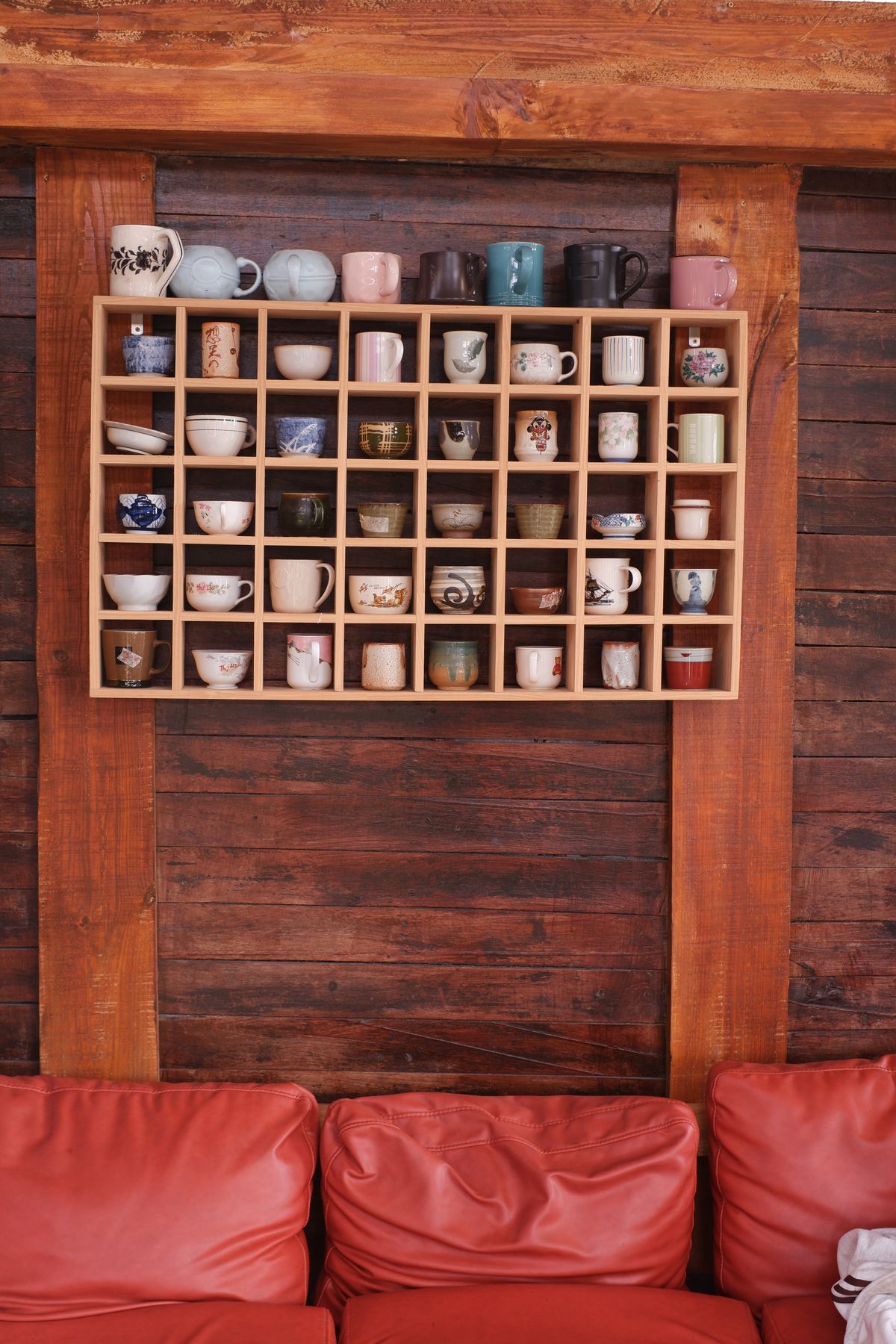
Collections are storage problems in disguise. A dedicated open shelf — mine displays the mugs we actually use and love — turns accumulation into a curated wall.
The rule that keeps it pretty: the shelf is the limit. When it fills, something leaves before anything new joins.
Pro Tip: Group by color or material, not by type — it reads as styling instead of storage.
27. A Bookshelf Styled with Wooden Crafts
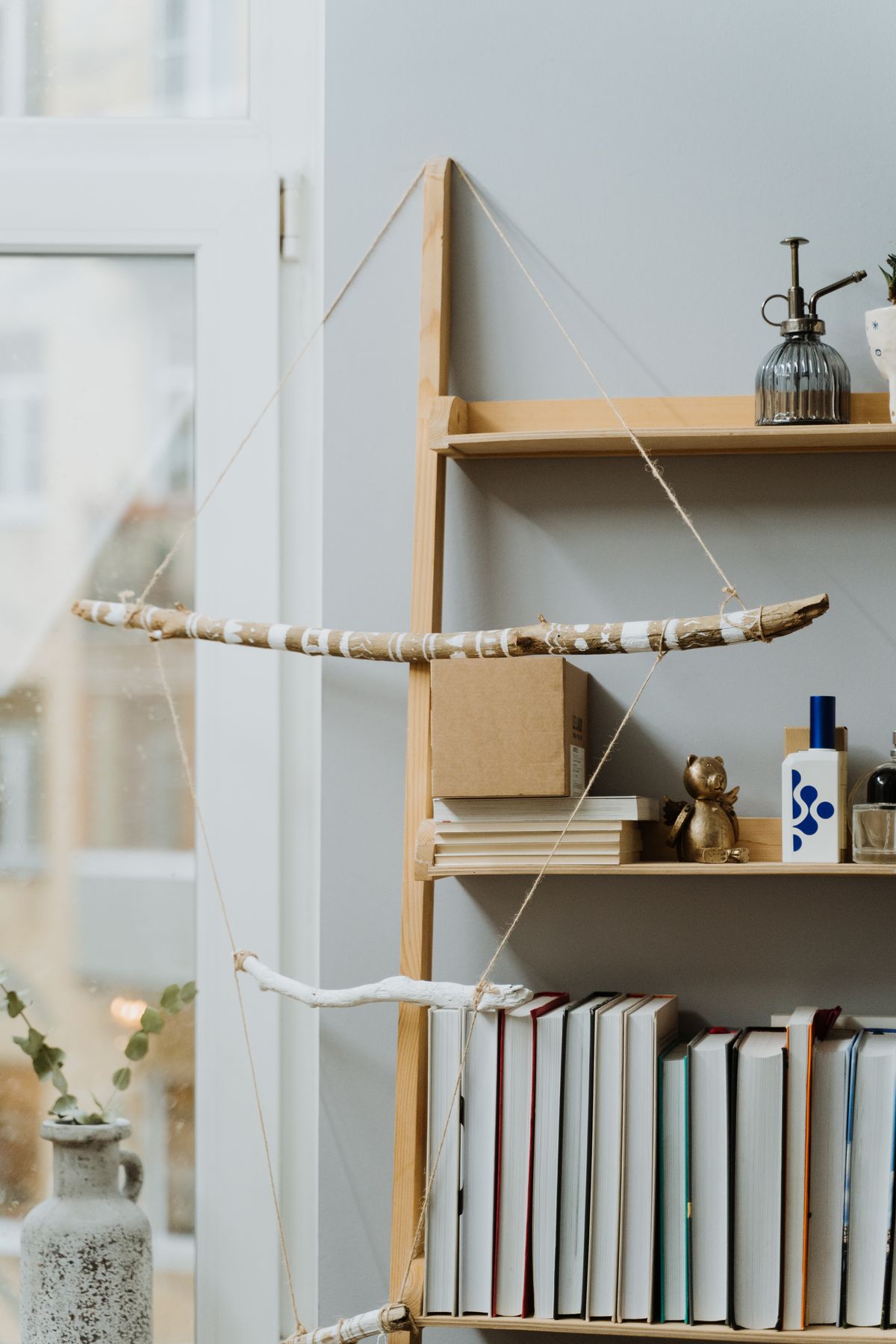
Half my living room bookcase is books; the other half is the wooden crafts and pottery I have made and collected over the years.
Mixing handmade pieces among books keeps shelves personal — a solid wall of spines alone can feel like a warehouse.
Pro Tip: Repeat one material — wood, brass, or ceramic — across the shelves to tie mixed objects together.
28. An Elegant Minimalist Bookshelf
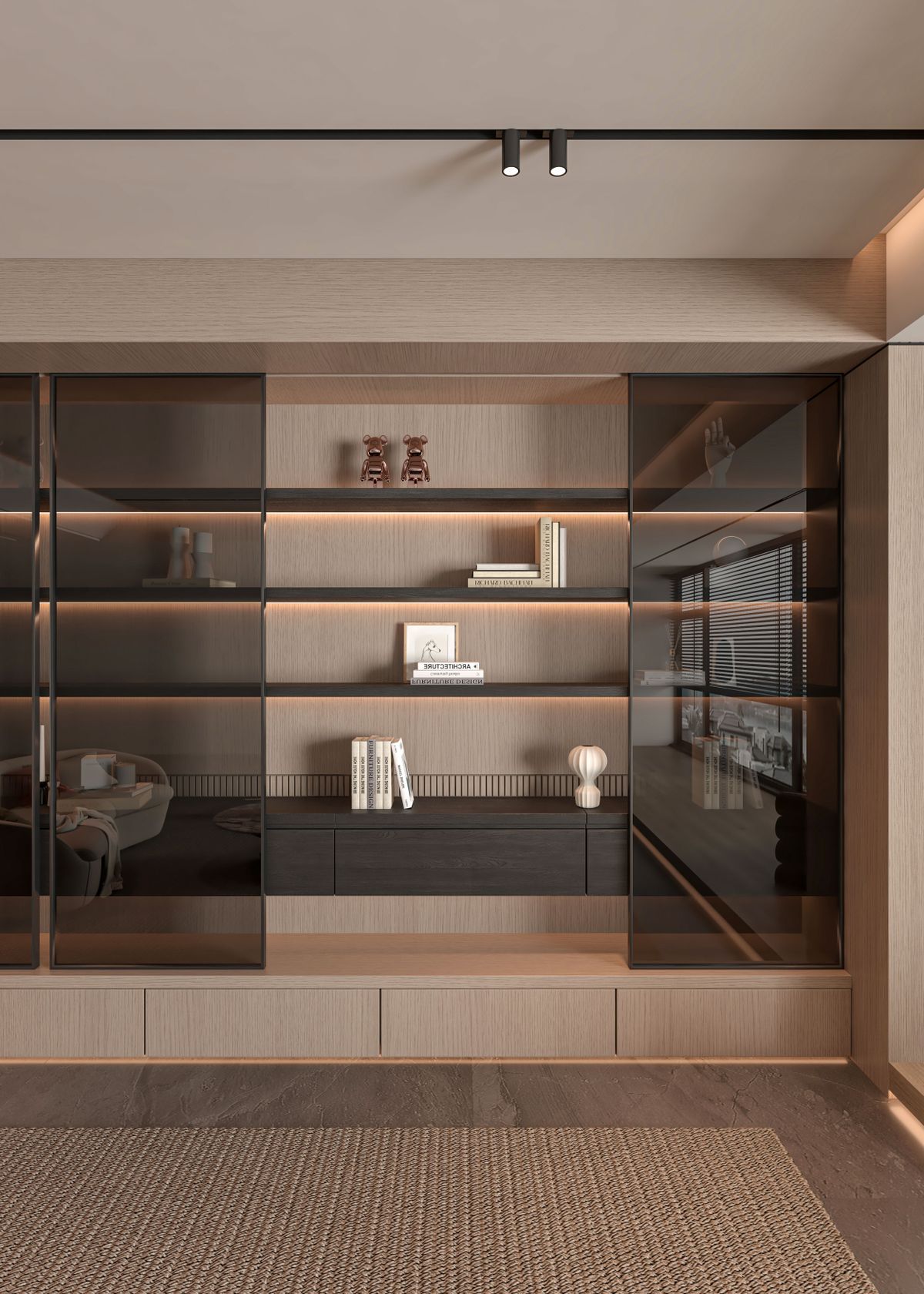
My final favorite is the simplest: one elegant, barely-there bookshelf holding only the books and objects we reach for weekly. Everything else lives in closed storage.
Minimal shelves force honest editing, and honest editing is the real storage idea behind this entire list.
Pro Tip: Do a ten-minute shelf edit each season; untouched items get donated.
Frequently Asked Questions About Living Room Storage
How can I add storage to a small living room without it feeling crowded?
Start with furniture that stores — an ottoman, a console with doors — before adding new pieces. Then go vertical with tall, narrow shelves in pale finishes. The room feels bigger, not smaller — the clutter just moves into pieces you were using anyway.
What is the best way to store blankets in the living room?
Keep blankets within arm’s reach of the sofa or they will never be put away. I rotate between a storage ottoman, an armoire, and one large lidded basket for the everyday throw. Guest blankets go in closed storage; the two prettiest throws stay out — they count as decor.
How do I hide TV cords and electronics?
A media console with doors is the whole secret. I mount a power strip inside the back panel, coil each cord to length, and everything — console, router, remotes — vanishes behind two doors. A small basket on the coffee table stops remotes migrating into the sofa.
Are open shelves or closed cabinets better for a living room?
You need both. Closed cabinets hide the visual noise — electronics, games, paperwork — while open shelves handle books and objects you enjoy seeing. My split is roughly half and half; when shelves look busy, I move things behind doors instead of buying more furniture.
How can I store kids’ toys in the living room without it looking like a playroom?
Give toys closed, low, kid-reachable storage: fabric cubes, lidded baskets, or the storage ottoman. I cap the collection at what fits, and the toys that live here are the quieter, better-looking ones. A five-minute family tidy with a timer makes the system stick better than any container.
What storage works in a rental where I cannot drill or build in?
Leaning ladder shelves, freestanding bookcases, storage ottomans, and baskets do nearly everything built-ins do. Keep tall storage low and wide if you cannot anchor it, and lean into pieces that move with you. Almost everything on my list is renter-friendly and leaves no holes behind.
Final Thoughts
If this list leaves you with one idea, let it be this: every living room piece you buy from now on should either store something or earn its place by beauty alone — ideally both. Start with the ottoman or the console, feel the difference one hidden-clutter zone makes, and build from there.
Your living room does not need to hold less life; it just needs smarter places for that life to land. I would love to hear which you try first — my money is on the ottoman.