21 Kids Board Game Night Ideas for Families That Beat Screen Time
When I started kids board game night ideas in our house, I imagined a calm evening of strategy and laughter, and what I got was a missing die, a flipped board, and one very upset six-year-old. That messy first night taught me more than any parenting book, and now game night is the one evening my kids defend fiercely. I picked these 21 ideas by testing them with my own children, their cousins, and a few very patient grandparents, keeping only the ones that survived real families.
Some ideas here are about games themselves, like cooperative games and word games, and others are about the night around the game, like snack bars, prize boxes, and house rules. Both matter, because a great game can still fail if kids are hungry, bored, or arguing over who picks. I learned that the hard way more than once.
Start with one game from the shelf, add one ritual like the pick jar or the Friday rule, and let the tradition grow slowly. These kids board game night ideas work best when they fit your family, not when you copy someone else’s perfect evening.
Key Takeaways
- Start with familiar classics and cooperative games, so younger kids can win and older kids stay interested.
- End the what-should-we-play argument with a game pick jar, a rotation, or a simple tournament bracket.
- Snacks, prizes, and house rules matter as much as the game itself, because hungry or upset kids stop playing.
- Keep game night short, 30 to 60 minutes, and let kids choose, create, and even design their own games.
- A weekly screen-free ritual beats a perfect one-off night, because tradition is what kids remember.
1. Start With a Classic Game Shelf
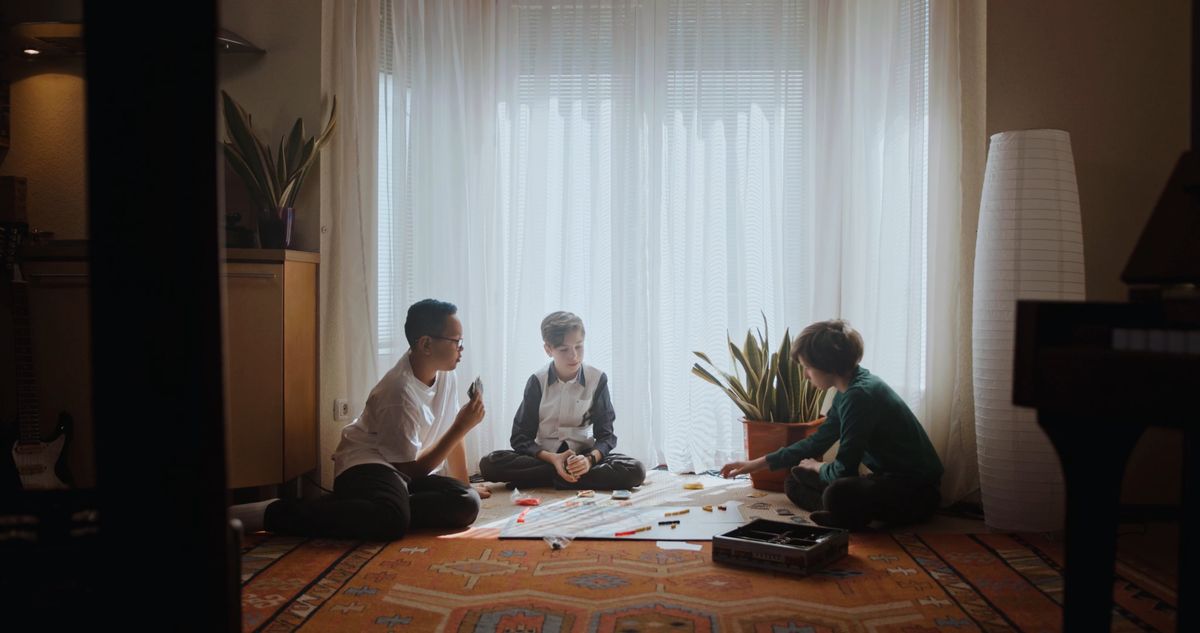
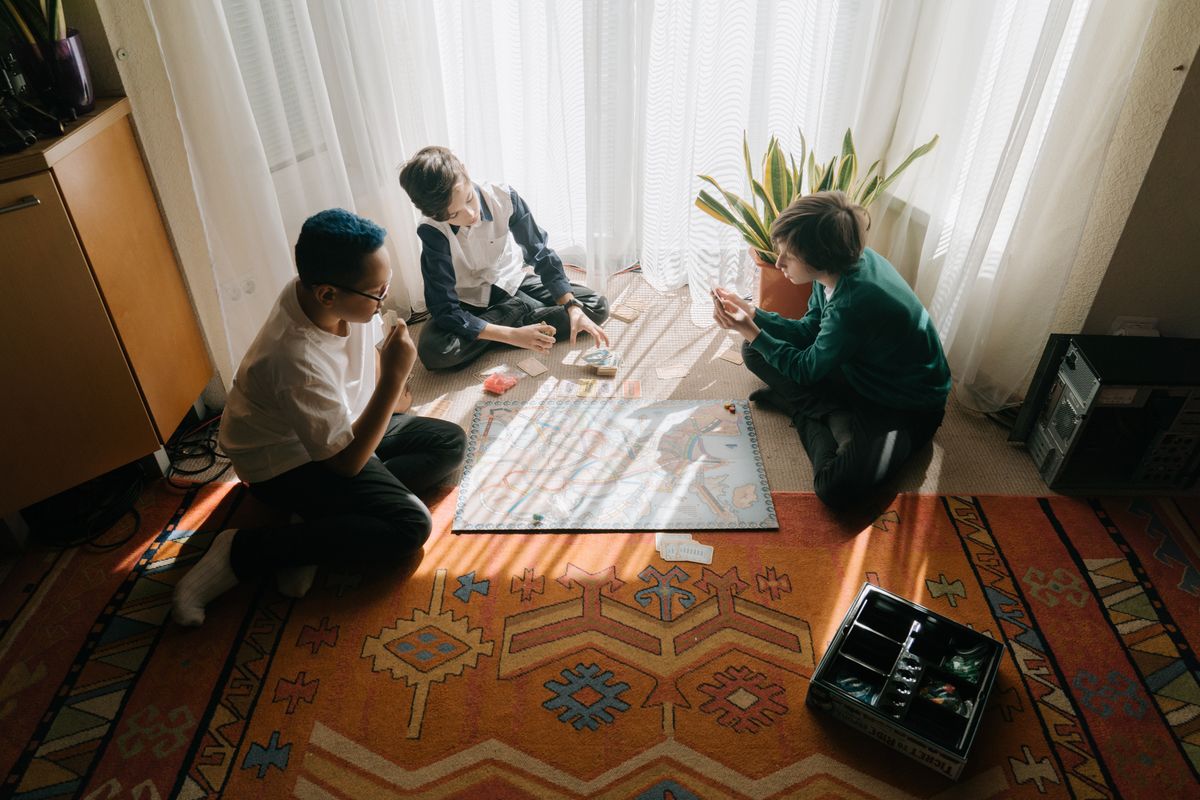
A classic game shelf is the backbone of kids board game night ideas, because familiar games mean nobody has to learn rules while hungry and tired. I keep Candy Land, Connect 4, Uno, and a simple matching game on one low shelf, so kids can see and choose without pulling everything out. My youngest still picks Candy Land every single time, and honestly, I have learned to love that rainbow road. The downside is that classics can feel repetitive for older kids, so I rotate one new game onto the shelf each month to keep it fresh.
Pro Tip: Put the game boxes spine-out like books, so kids can find a game without toppling the whole shelf.
Cost: $0-$30 for a starter set | 30 minutes | Easy
2. Play Cooperative Games First
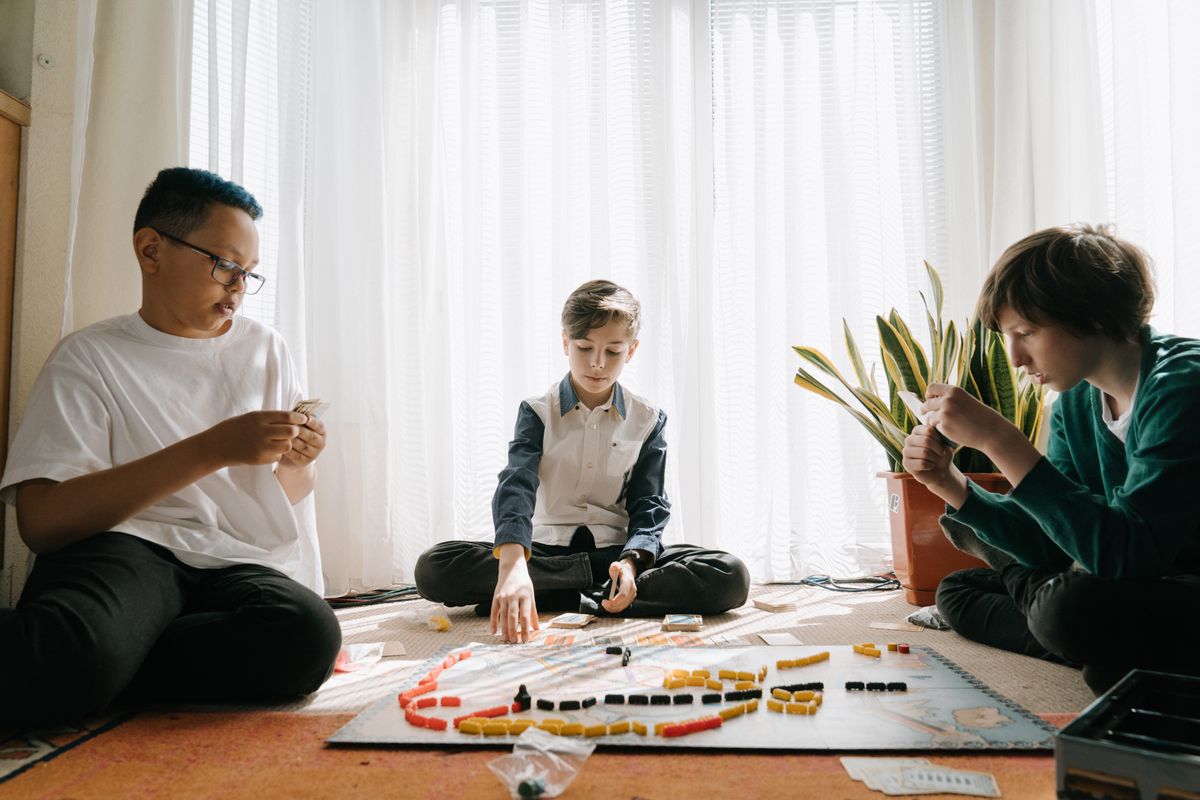
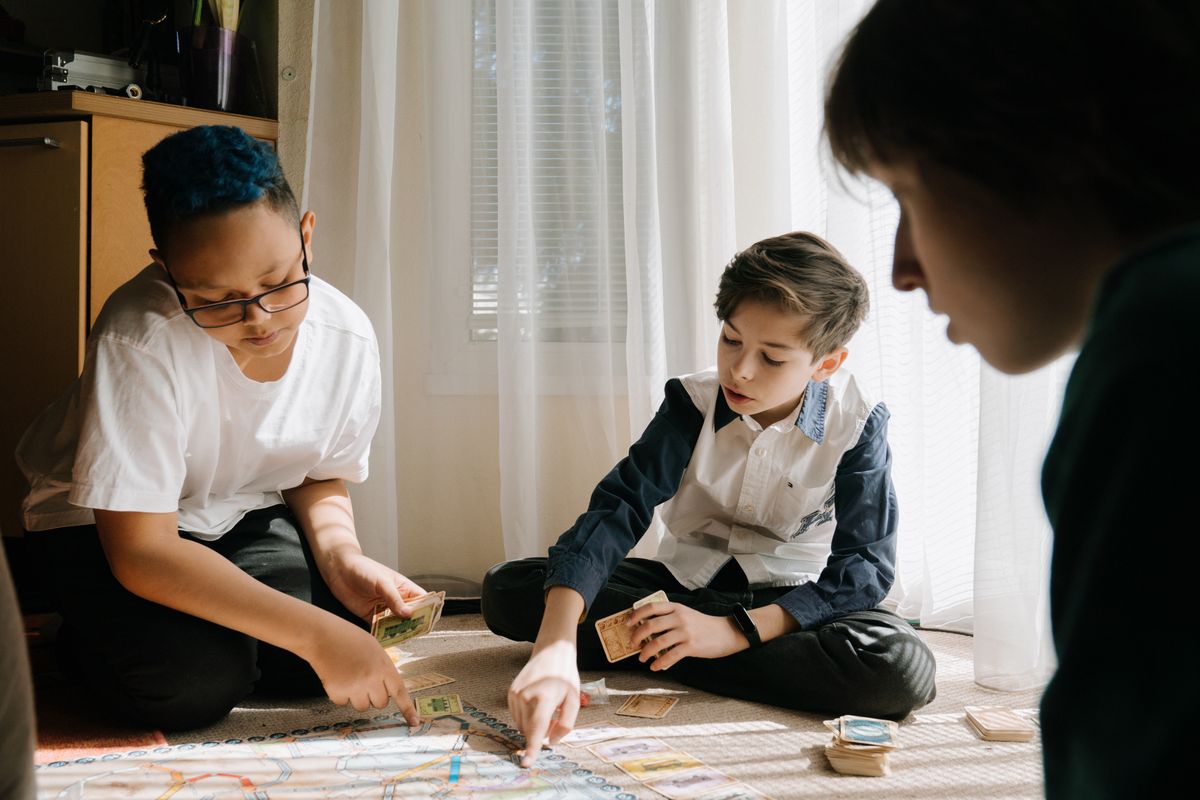
Cooperative games changed game night in our house, because everyone wins or loses together and nobody cries over losing alone. In these games, kids work as a team against the board, solving puzzles or collecting items before time runs out. My son, who used to flip the board when he lost, now cheers his sister on during co-op games, and that shift alone was worth the purchase. The downside is that co-op games can feel less exciting for competitive kids, so I pair them with one competitive game later in the night.
Pro Tip: Let the youngest player be the team captain for the first game, so they feel included from the start.
Cost: $15-$30 | 30-45 minutes | Easy
3. Keep a Card Game Basket Handy
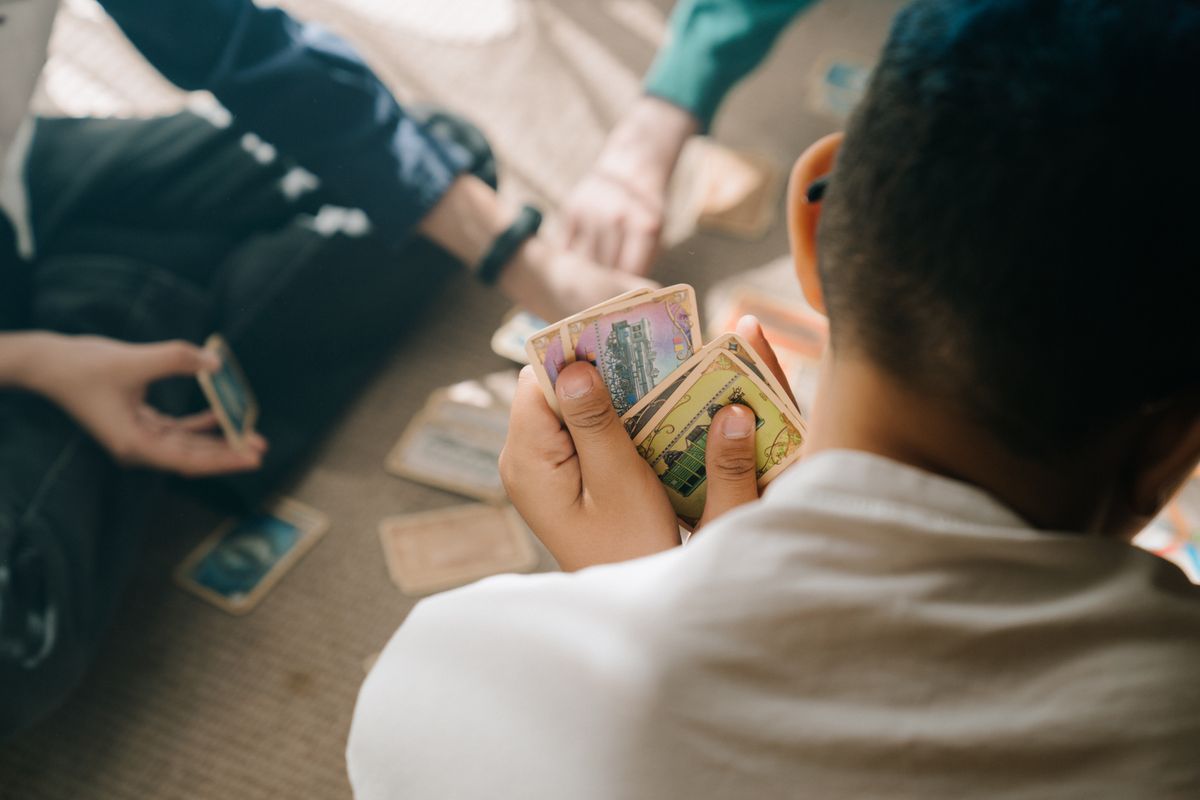
A basket of card games is my secret weapon for nights when a big board game feels like too much setup. Uno, Go Fish, and simple matching cards fit in a basket by the couch, and we can start playing within two minutes of sitting down. My daughter taught her grandmother Uno last summer, and now Grandma asks for a rematch every visit. The downside is that cards get bent, lost, and mysteriously sticky, so I buy a cheap second deck and keep score on paper instead of arguing over missing cards.
Pro Tip: Use a card holder for little hands, so cards do not slip and reveal everyone’s hand.
Cost: $5-$15 | 20-40 minutes | Easy
4. Let Kids Design Their Own Board Game
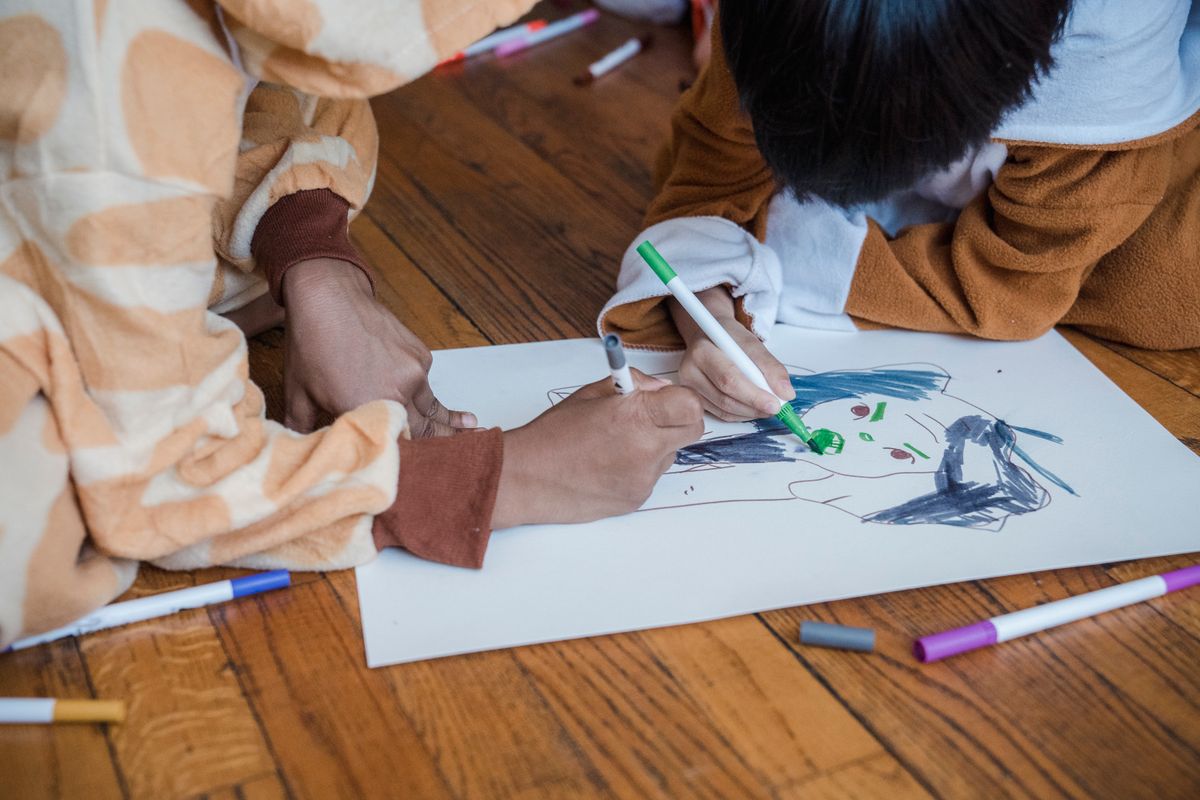
Designing a board game turns kids from players into creators, and it is the most-requested game night idea in our house. I give kids a large sheet of paper, markers, and a die, and they draw a path, invent rules, and name their game. My son created a game called Volcano Race where every player had to roar when landing on lava, and we still play it. The downside is that homemade rules can be unfair or confusing, so I help kids test the game once and fix the worst rules before the real match.
Pro Tip: Photograph the finished board, because paper games tear and kids will want to remake a favorite.
Cost: $0-$5 | 45-60 minutes | Easy
5. Play Memory and Matching Games
Memory games are perfect for mixed ages, because a four-year-old can genuinely beat a parent, and that rarely happens in other games. I lay out picture cards face down, and players flip two at a time trying to find a pair, which builds focus without feeling like schoolwork. My youngest once memorized the whole board in two rounds and beat all of us, and she still reminds us of it. The downside is that older kids may find simple memory too easy, so I add a timer or use two sets shuffled together for a harder version.

Image credit: The Tabletop Family
Pro Tip: Start with twelve cards for preschoolers and add more as they get confident, instead of overwhelming them.
Cost: $5-$15 | 15-30 minutes | Easy
Related article: 21 Simple Indoor Games for Kids
6. Teach Chess and Checkers Slowly
Chess and checkers teach patience better than any lecture, but only if you introduce them slowly and playfully. I started with checkers, then taught chess one piece at a time over several weeks, playing short games where we talked through each move. My son lost his first ten chess games and kept playing, because we celebrated good moves instead of just wins. The downside is that chess can frustrate kids who want fast action, so I keep games short and let kids swap to a faster game whenever they ask.
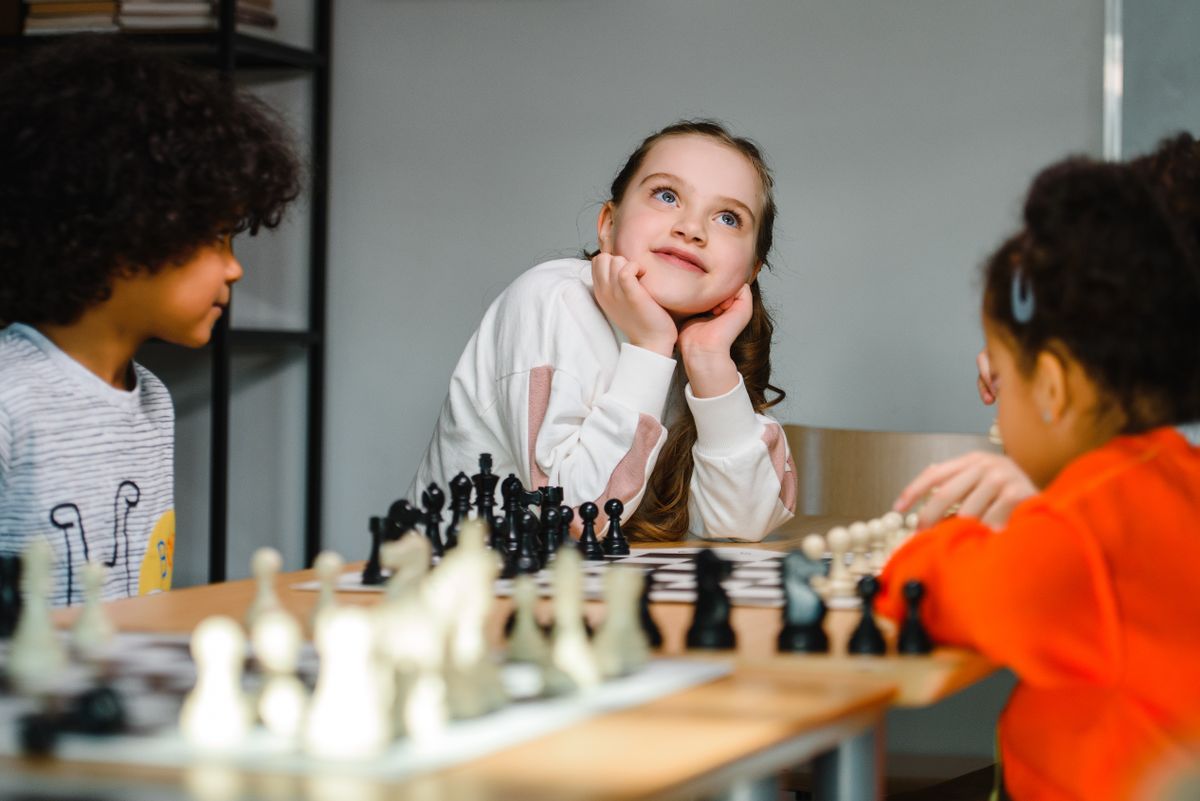
Pro Tip: Play open-hand chess first, where everyone shows their pieces and talks through moves together.
Cost: $10-$25 | 30-45 minutes | Medium
7. Try Word Games for Growing Readers
Word games sneak reading practice into game night so smoothly that kids never notice they are learning. Scrabble Junior, Bananagrams for kids, and simple word bingo all reward kids for finding letters and building words. My daughter, who once groaned at spelling practice, now begs for one more round of word bingo before bed. The downside is that reading levels vary a lot between siblings, so I team younger kids with a parent or let them play with picture clues instead of letters alone.
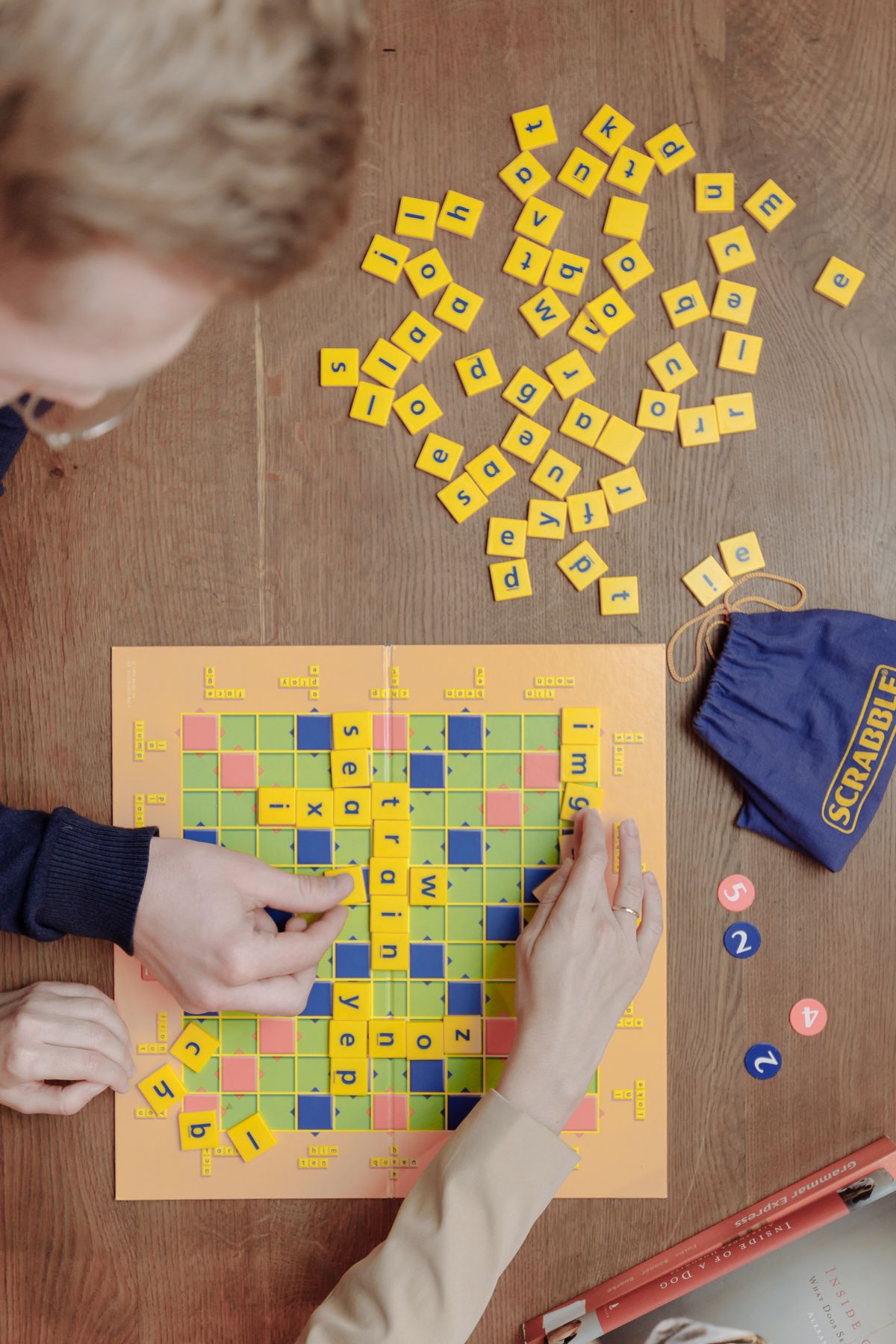
Pro Tip: Let younger players use a letter helper card, so they can join without feeling behind.
Cost: $10-$25 | 30 minutes | Easy
8. Host a Family Trivia Night
Trivia night works when you write the questions yourself, because you can mix silly family questions with real facts kids already know. I write twenty questions across animals, food, movies, and our family, and teams earn points for each correct answer. My favorite question ever was naming our dog’s favorite napping spot, which every child answered instantly. The downside is that trivia can favor older kids, so I give younger teams bonus questions and let them phone a parent for one answer.

Image credit: What’s Good To Play
Pro Tip: Read questions aloud and show them on paper too, so readers and listeners both have a fair chance.
Cost: $0 | 30-45 minutes | Easy
9. Race a Jigsaw Puzzle Together
A puzzle race turns a quiet activity into a team sport, and it suits kids who do not love competitive board games. I buy two identical small puzzles, split the family into teams, and race to finish first, or we work one big puzzle together against a timer. My kids surprised me by finishing a 100-piece puzzle in under twenty minutes once they stopped arguing over edge pieces. The downside is that puzzles need table space and patience, so I use a puzzle mat that rolls up if we need the table for dinner.
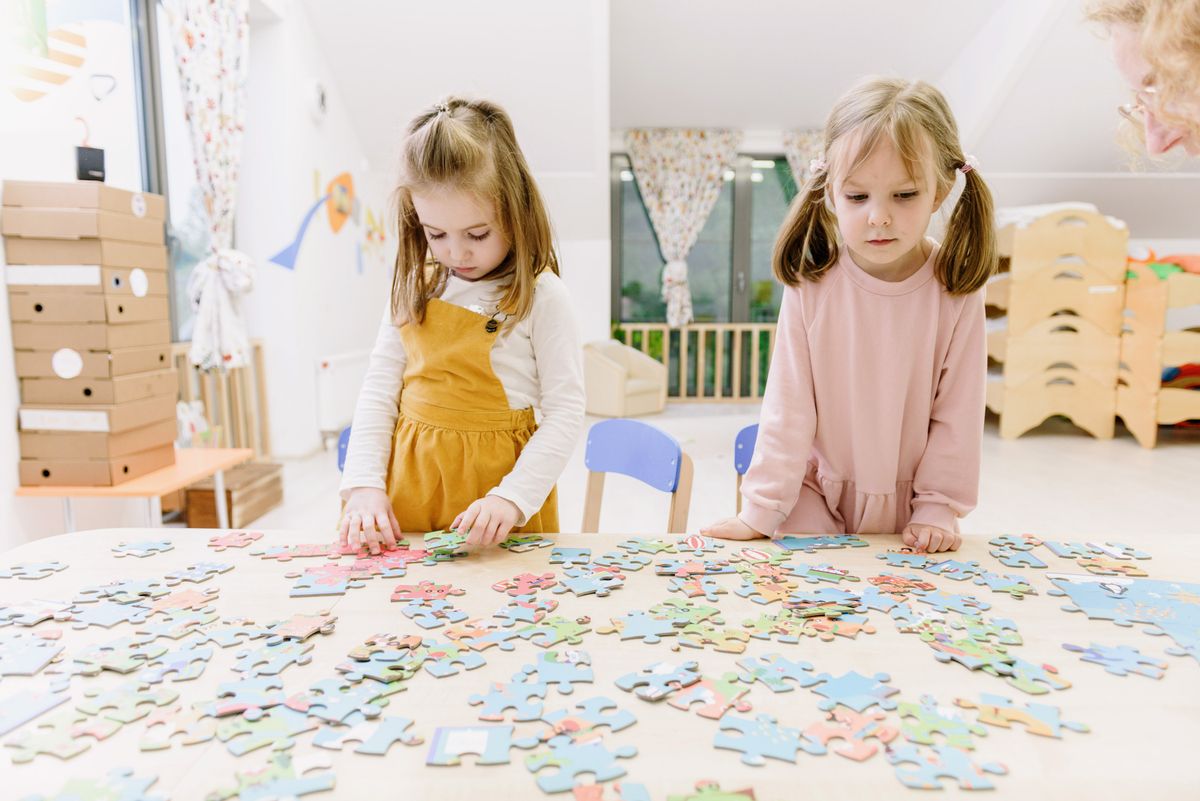
Pro Tip: Sort edge pieces first as a team, because it gives everyone a job and speeds up the whole puzzle.
Cost: $8-$20 | 30-60 minutes | Easy
10. Play Giant Floor Games
Giant floor games make game night physical, which is perfect after a day of sitting at school. Giant Jenga, floor bingo, and a big Snakes and Ladders mat let kids move, stretch, and laugh while they play. My son’s favorite moment was pulling the exact Jenga block that made the tower wobble for a full ten seconds before falling. The downside is that giant games need floor space and can be noisy, so I play them in the living room, not near a sleeping baby.
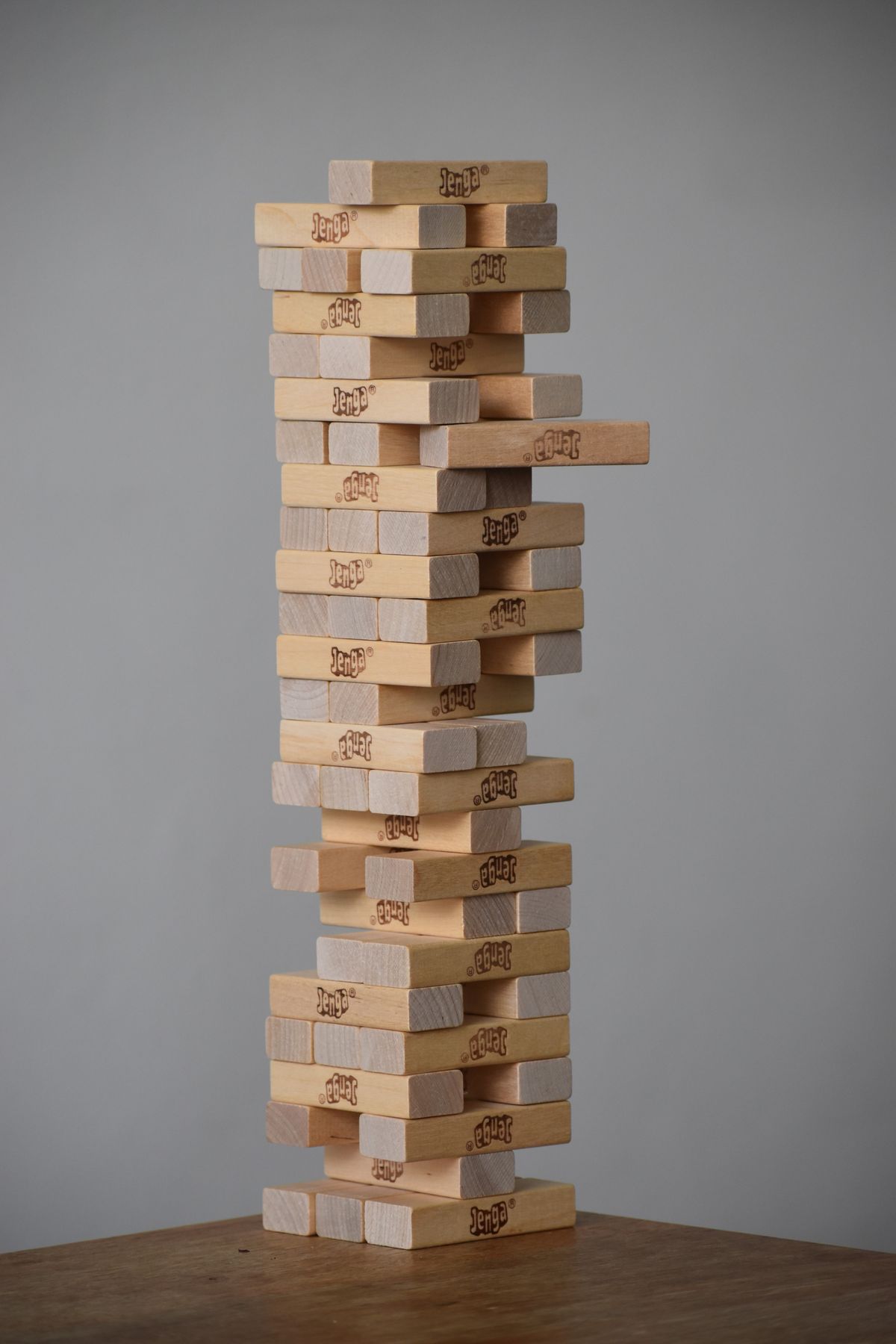
Pro Tip: Play giant Jenga on a rug, so falling blocks do not clatter loudly on hard floors.
Cost: $15-$30 | 20-40 minutes | Easy
11. Build a Game Night Snack Bar
A snack bar keeps game night going, because nobody has to pause the game for a formal dinner. I set out popcorn, pretzels, apple slices, cheese cubes, and juice boxes, and kids refill their bowls between turns. The first time I skipped snacks, the game ended early because everyone was hungry and cranky, and I never made that mistake again. The downside is crumbs on the board, so I use bowls with lids and keep drinks in cups with covers, away from the game pieces.

Pro Tip: Serve dry snacks only during the game, and save messy dips for a break between games.
Cost: $8-$20 | All evening | Easy
Also read: 18 Kids Games With Paper and Pencil Only
12. Use a Game Pick Jar
A game pick jar ends the nightly argument about what to play, because the jar decides, not a parent. I write each game name on a popsicle stick, put them in a jar, and the youngest player draws one stick to pick the game. My kids accepted losing the draw far better than losing an argument, and game night started faster. The downside is that the jar sometimes picks a game nobody wants, so I allow one redraw per night, and that rule has saved many evenings.
Pro Tip: Let kids decorate the jar and add new sticks whenever a new game joins the shelf.
Cost: $0-$3 | 5 minutes | Easy
13. Run a Family Tournament Bracket
A tournament bracket gives game night a season-long story, and kids love tracking points like a real league. I draw a simple bracket on paper, play one short game each Friday, and award points for wins, good sportsmanship, and helping a younger player. My daughter, who rarely wins, once won the sportsmanship trophy and treated it like a championship. The downside is that brackets can make losing feel bigger, so I keep the season short, four weeks, and celebrate effort as loudly as wins.

Pro Tip: Keep a visible score chart on the fridge, so kids can follow the tournament all week.
Cost: $0 | Weekly, 30 minutes | Easy
14. Play Storytelling Games
Storytelling games let imaginative kids shine, even if they never win a strategy game. In games like Dixit or simple story dice, players invent tales from pictures or rolled images, and the best story wins votes. My quietest child told a story about a cat pirate that had the whole table laughing, and she still retells it. The downside is that shy kids may freeze when it is their turn, so I let them tell stories in pairs or act them out instead of speaking alone.

Pro Tip: Start with picture cards instead of blank storytelling, so kids have something to spark ideas.
Cost: $15-$30 | 30 minutes | Easy
15. Sneak In Math Games
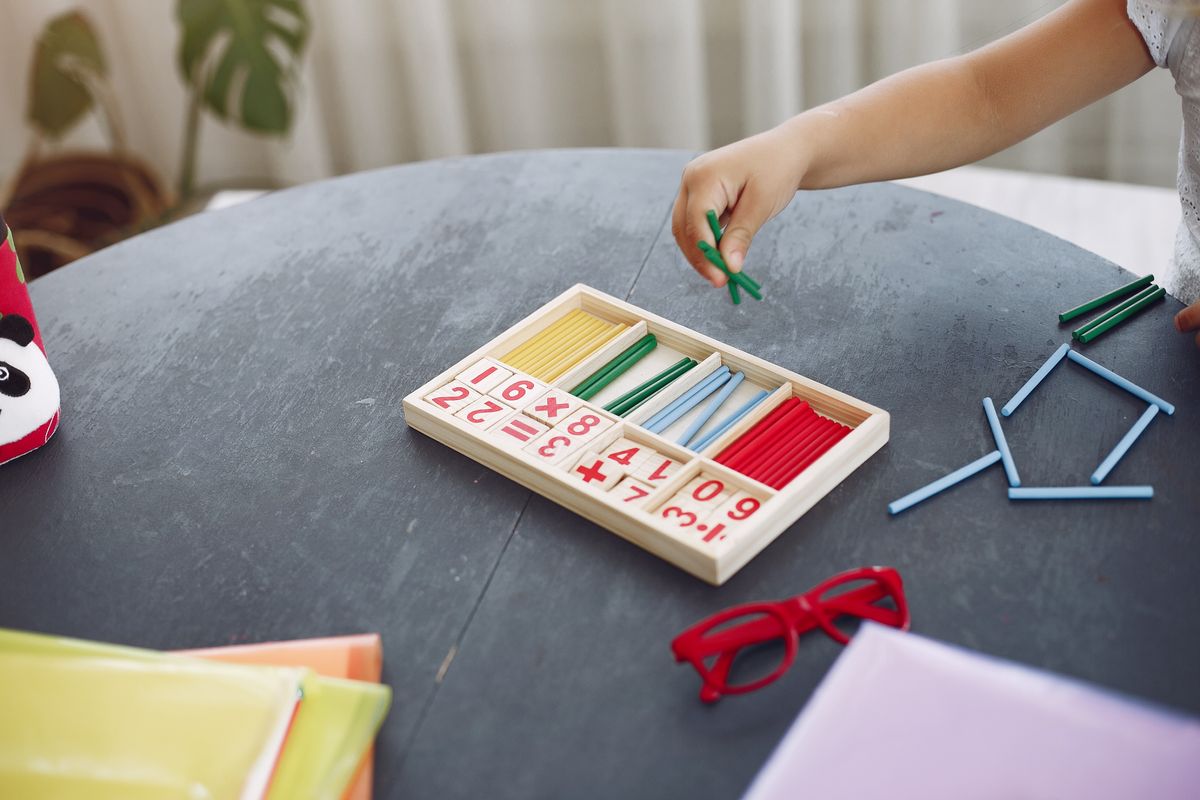
Math games work best when kids do not realize they are doing math, and board games are perfect for that trick. Games with dice, money, and counting spaces build addition and strategy without a worksheet in sight. My son learned to count by tens playing a shop game where he had to make change, and he still counts money faster than his older sister. The downside is that some math games feel like homework if you point it out, so I never say this is educational during the game.
Pro Tip: Choose games where counting is part of winning, not a separate lesson added on top.
Cost: $10-$25 | 30 minutes | Easy
16. Pack Travel and Portable Games
Portable games save road trips, restaurants, and waiting rooms, and they belong in every game night plan. I keep a small bag with travel Uno, magnetic checkers, and a dice game, and it lives by the door for trips. My kids played travel checkers for an entire delayed flight once, and fellow passengers actually thanked us. The downside is tiny pieces getting lost in cars and bags, so I use magnetic sets and zip pouches, and count pieces before we leave.
Pro Tip: Pack one game per child in their own pouch, so nobody fights over the same travel game.
Cost: $5-$20 | 20-30 minutes | Easy
17. Theme the Night Around a Story
A themed night turns an ordinary game into an adventure, and kids remember themed nights longest. I pick a theme like pirates, space, or dinosaurs, decorate the table simply, and choose games that fit, even loosely. Our pirate night had a treasure map tablecloth, gold chocolate coins as prizes, and a board game about sailing, and my kids still ask for it. The downside is that themes can take over the evening, so I keep decorations to the table and one costume piece per child.

Pro Tip: Let kids wear one costume accessory, like a pirate hat, instead of a full costume that gets hot.
Cost: $5-$15 | All evening | Easy
Read this next: 35 Minute to Win It Games for Kids
18. Let Kids Make the Invitations
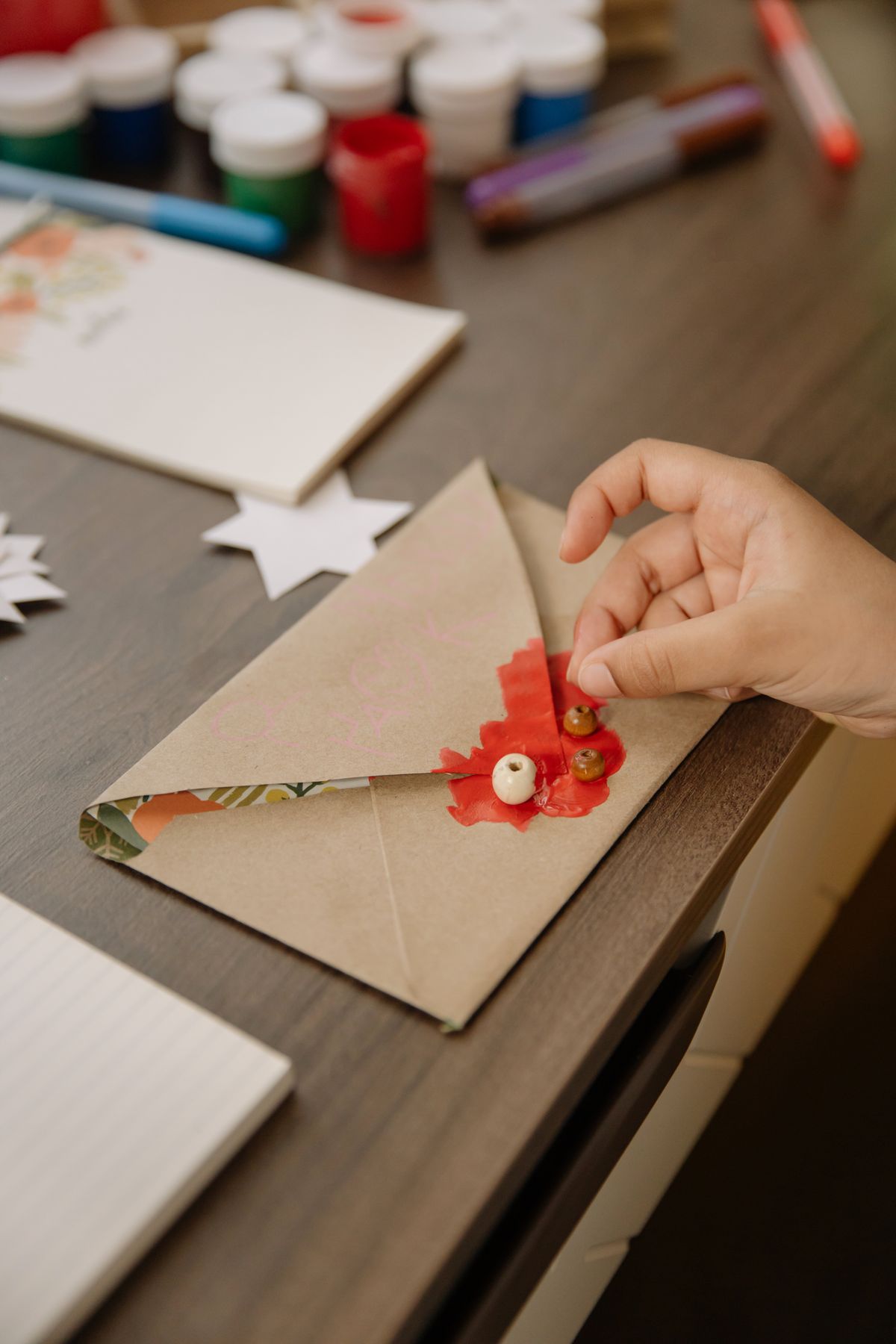
Handmade invitations make game night feel like a real event, and kids take ownership when they invite the players. I give kids paper and markers to make invitations for grandparents, cousins, or friends, with the date, game list, and snack menu. My daughter’s invitation to Grandma included a drawing of the board and a warning that Grandma would lose, which Grandma framed. The downside is that invitations can raise expectations, so I keep the guest list small and the promise simple: games, snacks, and fun.
Pro Tip: Deliver invitations a few days early, so guests can bring a favorite game too.
Cost: $0-$3 | 20 minutes | Easy
19. Keep a Prize Box, Not Just Candy
A prize box keeps game night exciting without a sugar overload, and kids love choosing their own reward. I fill a small box with stickers, pencils, mini notebooks, and small toys, and the winner picks one prize, while everyone else gets a sticker. My son once chose a pencil over a toy car because it was glittery, which taught me that choice matters more than value. The downside is that prize boxes can spark envy, so I keep prizes small, similar in value, and let every player pick a sticker.
Pro Tip: Restock the prize box monthly with dollar-store finds, so it never runs empty mid-tournament.
Cost: $5-$10 | Ongoing | Easy
20. Make Friday a Screen-Free Ritual
A weekly screen-free ritual is what turns occasional game nights into a family tradition kids actually protect. We play every Friday after dinner, phones go in a basket, and the game shelf decides the evening. My teenagers complained for the first three Fridays, then started reminding me when I forgot, which is how I knew it worked. The downside is that rigid schedules can clash with busy weeks, so I allow a swap to Saturday when needed, but never skip two weeks in a row.
Pro Tip: Put phones in a basket by the door, including yours, because kids notice when adults cheat.
Cost: $0 | Weekly, 60 minutes | Easy
21. Write House Rules Together
House rules written together prevent most game night arguments, because kids helped make them. Our rules are simple: no quitting mid-game, help younger players, and the winner shuffles for the next game. My son suggested the rule that anyone who flips the board has to set up the next game, and board-flipping stopped almost overnight. The downside is that rules can feel strict if adults impose them, so I let kids propose at least half the rules and write them on a poster we all sign.
Pro Tip: Review the rules once a month, because kids outgrow rules faster than you expect.
Cost: $0 | 15 minutes | Easy
Kids Board Game Night Ideas: Which Game Fits Your Family?
| Idea | Best For | Cost | Effort |
|---|---|---|---|
| Classic game shelf | Starting out | $0-$30 | Low |
| Cooperative games | Ages 4-8 | $15-$30 | Low |
| Card game basket | Quick nights | $5-$15 | Low |
| Chess and checkers | Ages 7+ | $10-$25 | Medium |
| Design your own game | Creative kids | $0-$5 | Medium |
| Tournament bracket | Weekly ritual | $0 | Low |
Mistakes I Made (So You Don’t Have To)
I bought games that were too advanced. I once bought a strategy game rated for ages ten and up for my seven-year-old, and it sat unplayed for a year. Now I check the age range, play a short test round, and return games that frustrate more than they entertain.
I let one child always pick. When my oldest always picked, my youngest stopped wanting to play at all. The pick jar fixed it in one week, because chance felt fair in a way my decisions never did.
I skipped snacks and house rules. Hungry kids and unclear rules ended more game nights than bad games ever did. Now snacks are ready before the first game, and our house rules poster hangs where everyone can see it.
I made game night too long. Two-hour game nights sounded fun and ended in tears, yawns, and arguments. Sixty minutes, with a clear ending time, keeps kids asking for more instead of begging to stop.
Frequently Asked Questions
What age can kids start board game night?
I started with simple matching and color games at age three, and by four my youngest could play Candy Land and Go Fish with help. Keep the first games short, visual, and cooperative, and let kids watch a round before joining.
How long should a kids’ board game night last?
Thirty to sixty minutes works for most families, with younger kids at the shorter end. I always announce the ending time at the start, so kids do not feel tricked when the game ends.
What if my child always loses and gets upset?
I switch to cooperative games, team play, and shorter games, and I celebrate good moves instead of only wins. If a child is still upset, I let them be the scorekeeper or game master for a round, which gives them a valued role.
How do I keep older and younger kids happy together?
I team younger kids with a parent, choose games with luck as well as skill, and use handicaps like extra cards or moves. Games where everyone contributes, like cooperative and storytelling games, work best across ages.
Do I need to buy expensive board games?
No, and some of our best nights used a deck of cards, a homemade board, or a puzzle we already owned. Start with two or three classics, add one game at a time, and let kids design their own before spending more.
Final Thoughts
Kids board game night ideas do not need a perfect collection or a perfect evening, and the imperfect nights often become the funniest stories. The flipped board, the lost die, and the glittery pencil prize are all part of our family history now.
Pick one game, set out snacks, put the phones away, and play. Do it again next week, and the week after, and one day your kids will be the ones reminding you that it is game night, which is the best review any parent can get.