Quiet Kids Games for Car Rides and Waiting Rooms
Introduction
If you have ever tried to keep two kids happy in a traffic jam while also trying not to lose your mind, you know why quiet kids games matter so much. I am not talking about games that are quiet in theory and loud in practice. I mean games that actually stay soft, even when the kids are excited.
I picked and tested these games on real car rides and in real waiting rooms, with my own kids and their cousins. I kept only the ones that lasted more than ten minutes without shouting, crying, or asking for a screen.
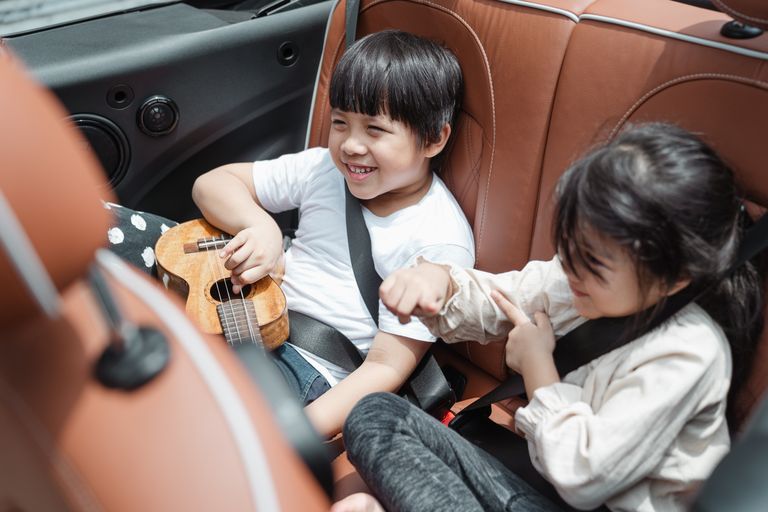
Before we start, two safety rules that are non-negotiable in our house. Seatbelts stay on for the whole ride, no matter how exciting the game gets. And nobody talks to the driver during tricky driving, like merging, parking, or heavy rain. The driver can join in when it is safe, or sit a round out.
Key Takeaways
- Whisper and silent games work best in cars and waiting rooms because they turn quiet into part of the fun, not a punishment.
- The best games need almost nothing: a notebook, a pen, stickers, or just your hands.
- Keep rounds short, about ten to fifteen minutes, and switch games before boredom turns noisy.
- Always keep small parts, like bingo chips or tiny puzzle pieces, away from toddlers who still mouth objects.
- Pack a small quiet bag before you leave, so you are never starting from zero in a waiting room.
Why These Quiet Kids Games Actually Work
The trick is simple. Kids get loud when they are bored, competing hard, or waiting with nothing to do. These games give them a job for their eyes, hands, or imagination, without needing a big voice.
I also learned that whispering itself is exciting for kids. When I say, “This one has to be whispered or it does not count,” they suddenly take it very seriously. Silence becomes the challenge, not a rule to break.
1. I Spy Whisper Version
Classic I Spy, but every clue and every guess is whispered. One person picks something they can see, inside the car or out of the window, and whispers, “I spy with my little eye something beginning with B.” The others whisper their guesses back.
I first tried this on a two-hour drive to my sister’s house, and it kept my kids going for almost forty minutes. The whisper rule slowed everything down in a good way, and my youngest loved being the spy because she got to lean in close and feel important.
The honest downside is that younger kids often forget the whisper rule when they get excited. You will need to gently remind them, and sometimes restart the round with a soft voice.
Pro Tip: Let the spy hold a small soft toy as a “talking stick.” Only the child holding it may whisper a clue.
Cost: Free | Time: 10–20 minutes per round | Difficulty: Easy
2. Car Bingo (Quiet)
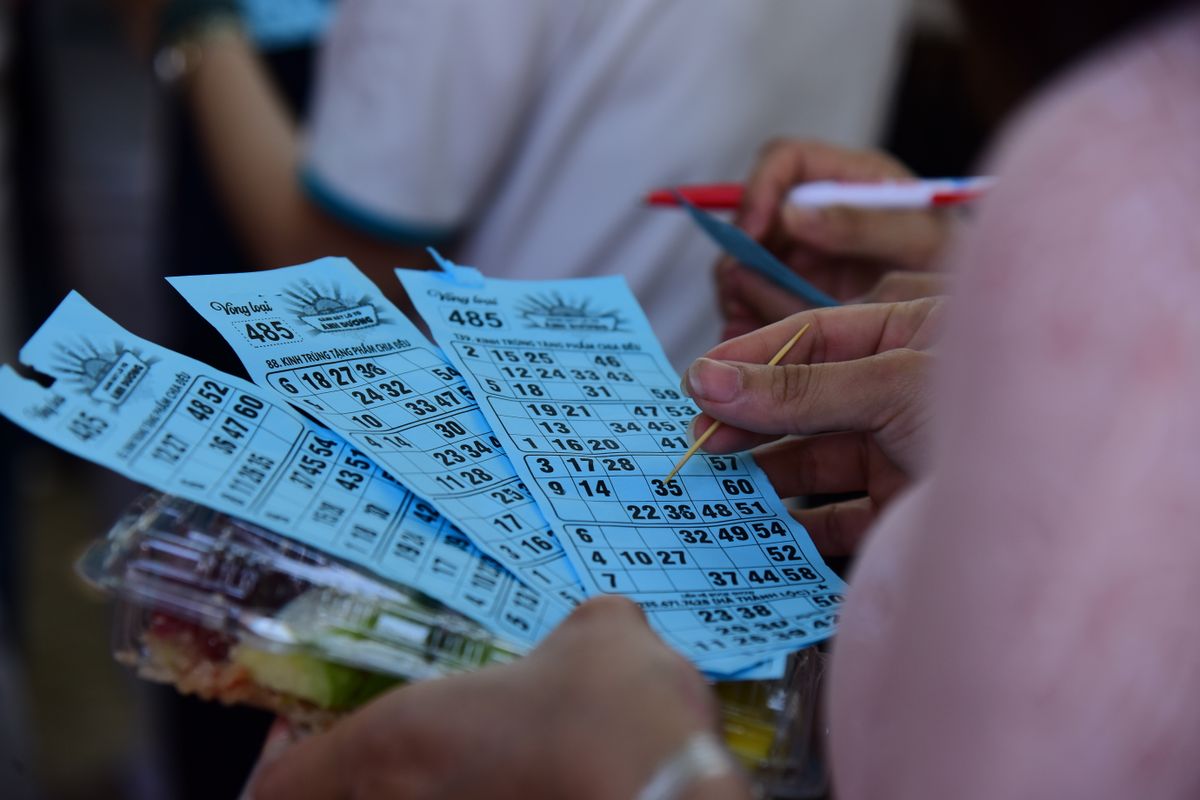
Make a simple bingo card before you leave, with pictures or words like a red truck, a bridge, a dog, a church, or a yellow car. Kids mark each thing they spot, silently, and the first to complete a row wins quietly by raising a hand.
I drew our first cards by hand on a rainy Sunday, using little squares and stick drawings, and my kids still ask for those exact cards. On our last long drive, one card lasted the whole first hour.
The downside is that bingo can turn competitive fast. If one child finishes much earlier, the other may get upset, so I always play best of three short rounds rather than one long game.
Pro Tip: Use a dry-erase sleeve or a clipboard with a crayon so cards can be reused and nothing rolls under the seat.
Cost: Free to $2 for printed cards | Time: 15–30 minutes | Difficulty: Easy
3. 20 Questions Whisper
One person thinks of an animal, a food, or a famous character, and the others ask up to twenty yes-or-no questions, all in whispers. The guesser has to think carefully, because every question counts.
I played this in a doctor’s waiting room when our appointment was delayed by almost an hour. It saved us. My daughter picked “a penguin,” and it took eighteen questions, lots of giggling, and zero noise complaints from the other families.
The downside is that kids under about five often struggle with yes-or-no logic. They may ask, “Is it big or small?” and get frustrated when you can only answer yes or no.
Pro Tip: Start with animals only. It narrows the choices and keeps younger kids from feeling stuck.
Cost: Free | Time: 10–15 minutes per round | Difficulty: Easy to medium
4. Story Chain in Whispers
One person whispers the first sentence of a story, like “Once there was a cat who loved riding in cars.” The next person whispers the next sentence, and the story grows, one soft sentence at a time.
I tried this with my niece on a train, and the story went wonderfully silly. The cat ended up opening a bakery for dogs, and we were both trying not to laugh out loud. It lasted about twenty minutes, which is a long time for a made-up game.
The honest downside is that the story can stall if a child cannot think of a sentence. I now allow a pass, once per round, so nobody feels put on the spot.
Pro Tip: Give a story starter card, like a place or a character, to any child who freezes. It gets them going again fast.
Cost: Free | Time: 15–25 minutes | Difficulty: Easy
5. Finger Puppet Story
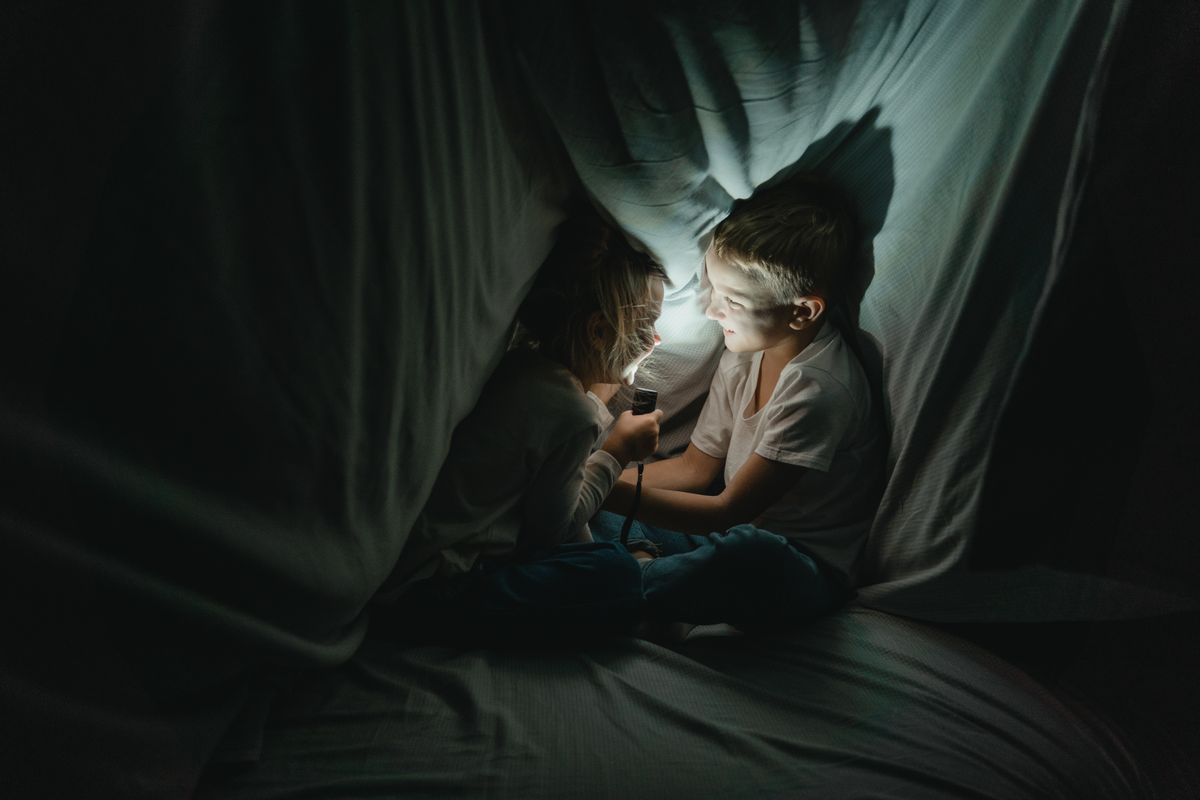
Use your fingers as characters, or bring two or three small finger puppets in a pocket. Kids act out a tiny story using only their hands and whispered voices, right on their lap or on the seat beside them.
I keep a set of felt finger puppets in our car’s glove box, and they have rescued more waiting-room waits than I can count. My son once made his fox puppet “drive” along the armrest for a full half hour.
The downside is that puppets can fall on the floor in a car, and a child may unbuckle to reach one. Keep puppets on a short string or in a lap tray, and pause the game if anything drops.
Pro Tip: No puppets? Draw faces on fingertips with a washable pen. Kids love it, and it costs nothing.
Cost: Free to $5 for a puppet set | Time: 10–20 minutes | Difficulty: Easy
6. Quiet Drawing Challenge
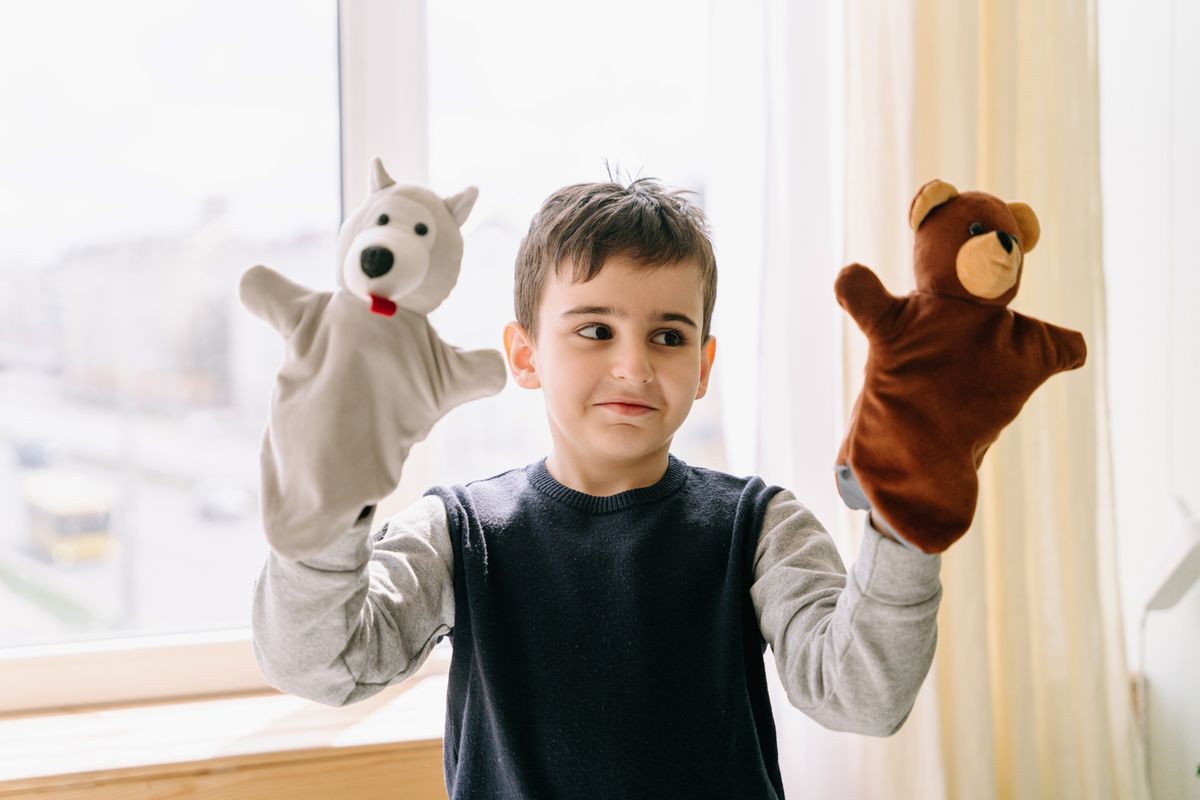
Give each child a small notebook and a pencil, then set a silent drawing challenge: draw a house with a dog, draw your dream bedroom, or draw what you see out of the window. No talking until the timer ends, then everyone shows their picture.
I use this in waiting rooms all the time, because it needs almost no space. Last month, my daughter drew our whole car, complete with a snack box and a very grumpy cat, in about twelve minutes.
The downside is that pencils roll, and crayons melt in a hot car. I switched to short colored pencils in a zip pouch, and I keep the pouch in my bag, not loose on the seat.
Pro Tip: Set a five-minute timer on your phone, on silent. A clear ending keeps kids focused instead of drifting.
Cost: $1–$3 for a notebook and pencils | Time: 10–20 minutes | Difficulty: Easy
7. Alphabet Hunt (Silent Pointing)
Kids work through the alphabet, finding one thing for each letter, but they point silently instead of shouting. They can point out of the car window, or at things in a waiting room, like a chair for C or a poster for P.
I played this with my kids on a drive through town, and the silent pointing made it feel like a secret mission. They were so focused on finding Q and Z that they forgot to ask, “Are we there yet?” for a good twenty minutes.
The downside is that Q, X, and Z are genuinely hard, especially in a waiting room. Allow those letters to come from words on signs or book covers, or the game can stall and frustrate younger players.
Pro Tip: Play as a team instead of competing. One shared alphabet list keeps siblings helping each other, not racing.
Cost: Free | Time: 15–25 minutes | Difficulty: Easy to medium
8. Number Plate Bingo
This is bingo with a twist. Kids look for numbers on license plates, house numbers, or signs, and tick them off on a simple 1-to-9 grid. The first to find all nine numbers wins, quietly, with a raised hand.
I made a grid on the back of an old envelope during a traffic jam, and it worked so well that I now keep a printed copy in the car. My kids love the hunting part, and it teaches number recognition without feeling like schoolwork.
The downside is that in slow traffic or a quiet waiting room, there may not be enough plates or signs to find. Have a backup list, like numbers on posters or book pages, so the game does not fizzle out.
Pro Tip: For younger kids, use numbers 1 to 5 only. It keeps the game short and winnable.
Cost: Free | Time: 15–30 minutes | Difficulty: Easy
9. Thumb Wrestling Tournament
Two players hook thumbs, chant softly or in whispers, “One, two, three, four, I declare a thumb war,” and try to pin the other’s thumb down. Play a small tournament, best of three, with a silly paper crown for the winner.
I pulled this one out in a clinic waiting room when my son was getting restless, and it worked instantly. It takes almost no space, needs no supplies, and the quiet chanting made other waiting families smile instead of stare.
The downside is that thumb wrestling can get rough if kids get too competitive. Set a rule before you start: gentle pressure only, and anyone who squeezes hard sits out one round.
Pro Tip: Keep rounds to about thirty seconds. Short rounds mean more turns and fewer arguments about who really won.
Cost: Free | Time: 5–15 minutes | Difficulty: Easy

10. Memory Tray Game
Put eight to ten small, safe objects on a tray or a book: a coin, a button, a small toy, a crayon, a hair tie. Let kids study the tray for thirty seconds, cover it, then ask them to whisper or write down everything they remember.
I use a small baking tray at home to practice, and a flat book with objects laid on top when we are out. My daughter remembered nine out of ten items on her third try, and she was so proud she asked to play it again the next day.
The downside is small parts. This game is not safe for toddlers who still put things in their mouths. Use larger objects, like a spoon or a toy car, for kids under four, and always count pieces back in at the end.
Pro Tip: Start with five objects for younger kids and add one each round. Small wins build real memory confidence.
Cost: Free, using household items | Time: 10–15 minutes | Difficulty: Easy to medium

11. Quiet Charades (Mime Only)
One child mimes an animal, a job, or a simple action, with no sounds and no words at all. The others guess silently by whispering, or by writing the answer down. No shouting out, even when someone gets it right.
I played this in a waiting room with animal cards I had drawn myself, and it was a hit. My son’s mime of a penguin, waddling in his chair with his arms tucked in, had us all silently shaking with laughter.
The downside is that some kids feel shy about performing, even silently. Let shy kids pick the easiest cards first, or let them mime with a sibling as a team until they feel brave.
Pro Tip: Use picture cards instead of written words for kids who cannot read yet. They can pick a card and mime what they see.
Cost: Free to $2 for homemade cards | Time: 15–25 minutes | Difficulty: Easy

12. Counting Game (Count Red Cars Silently)
Pick something to count, like red cars, white vans, or dogs, and each child keeps a silent tally on their fingers or in a notebook. At the end of ten minutes, compare counts and see who spotted the most.
I use this on every motorway drive, because it turns boring stretches into a quiet competition. On one trip, my kids counted forty-one red cars in twenty minutes, and they still argue about whether a maroon car should have counted.
The downside is that counting silently is hard for younger kids, who may lose track or forget to count. Give them a simple tally sheet with boxes to tick, one box per sighting, so they do not have to hold numbers in their heads.
Pro Tip: Pick two things to count, one easy and one rare. The rare one keeps older kids interested longer.
Cost: Free | Time: 10–20 minutes | Difficulty: Easy
13. Silent Rock Paper Scissors
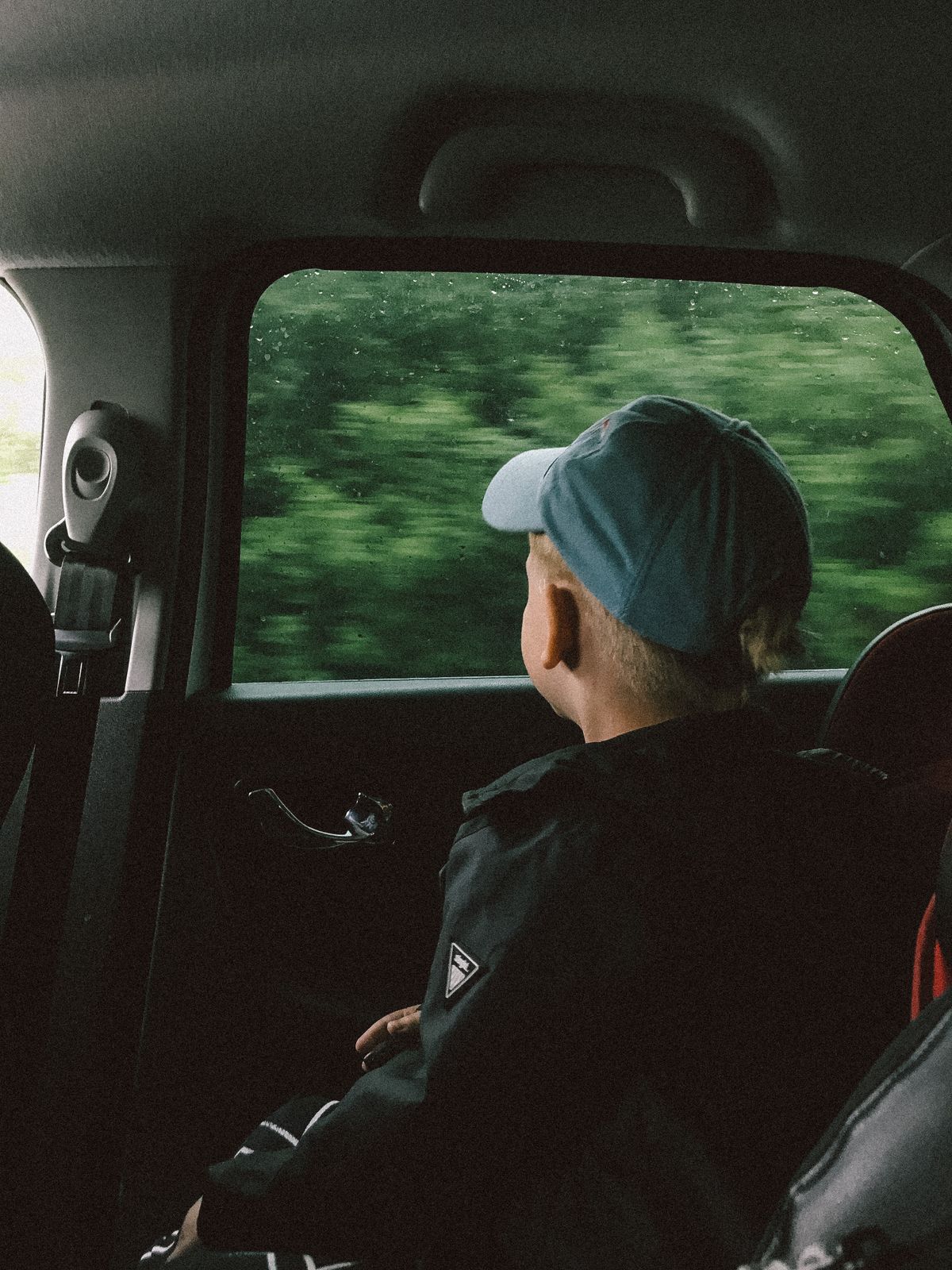
Rock, paper, scissors, but with no shouting and no sound effects. Players shake their fists silently three times, then show their sign on the fourth beat. Best of five wins, and losers must stay silent, which kids find very funny.
I taught this to my kids in a library corner while waiting for a class, and they played it for fifteen minutes without a single loud word. The silent shaking became a joke in itself, with exaggerated serious faces.
The downside is that without a clear count, kids may show their signs at different times and argue. Count the beats by tapping your leg or nodding, so everyone throws on the same silent beat.
Pro Tip: Play tournament style, winner stays on. It keeps a group game moving without needing a score sheet.
Cost: Free | Time: 5–15 minutes | Difficulty: Easy
14. Whisper Telephone
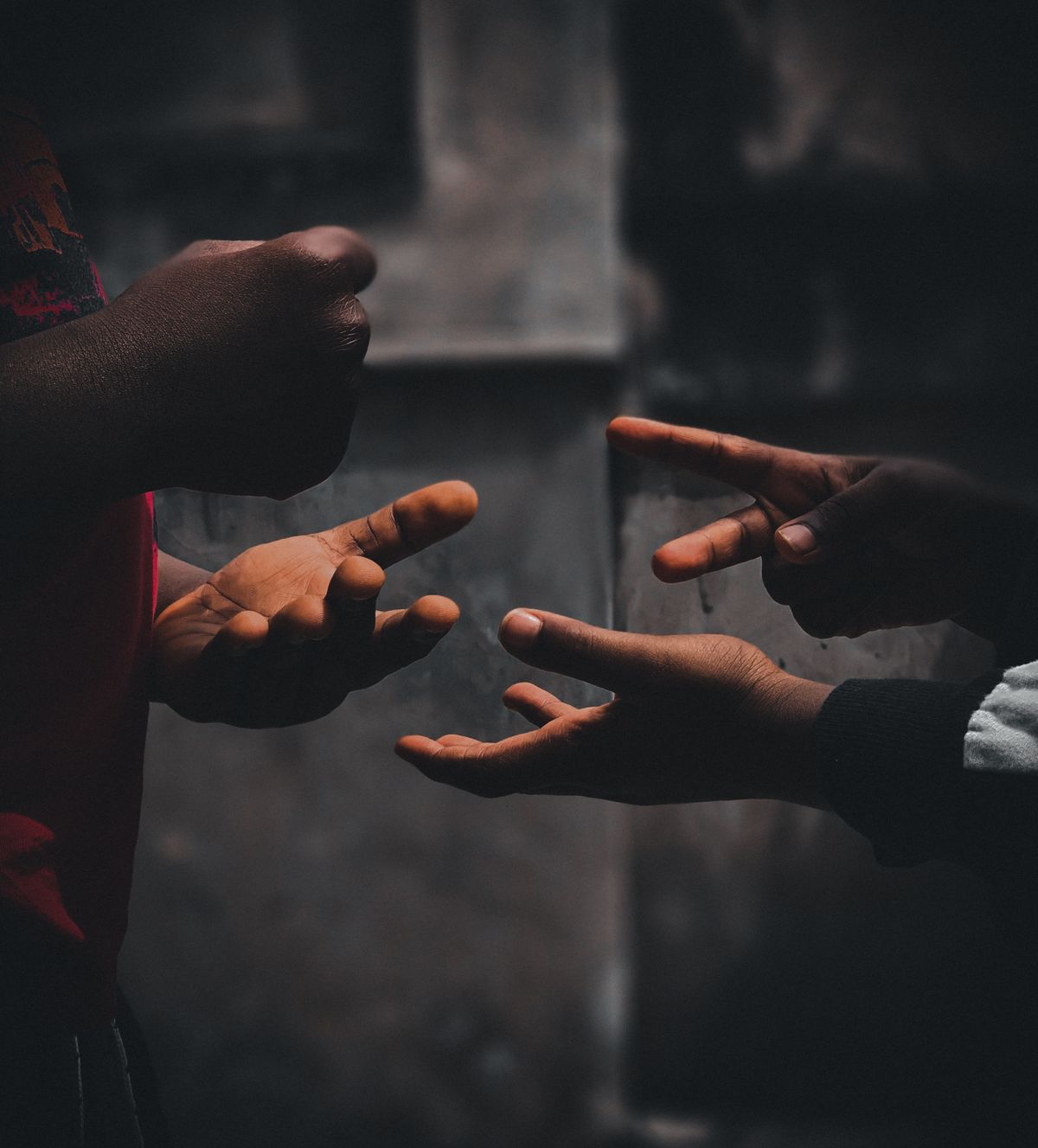
One child whispers a short phrase into the next child’s ear, who whispers what they heard to the next person, and so on. The last person says the phrase out loud, very softly, and everyone compares it to the original.
I played this at a family gathering in a quiet hallway, and the phrase “purple elephants eat popcorn” came back as “purple elephants eat socks.” The kids laughed so hard, silently, that tears were running down their faces.
The downside is that in a noisy car, whispers get lost, and the game can feel unfair. Keep phrases short, with four to six words, and play it in waiting rooms or parked cars rather than on a loud motorway.
Pro Tip: Start with silly, easy phrases. The funnier the starting phrase, the funnier the mix-up at the end.
Cost: Free | Time: 10–15 minutes | Difficulty: Easy
15. Sticker Story Book
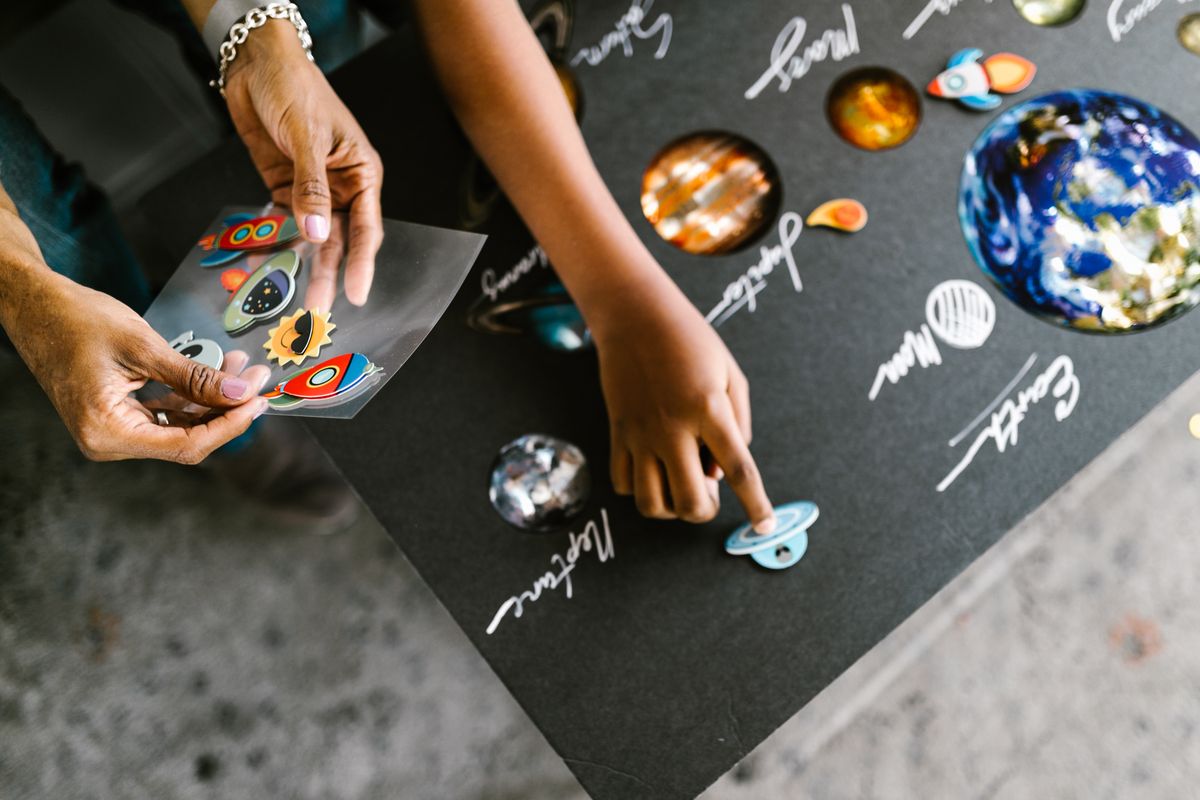
Give each child a small blank notebook and a sheet of stickers. They place stickers on a page, then whisper or write a tiny story about what is happening in the picture. A dinosaur sticker plus a star sticker becomes a space adventure.
I keep a sticker book kit in my handbag, and it has saved many long waits. My daughter once made a whole story about a cat who ran a sticker shop, using just nine stickers and a lot of imagination, and she still keeps that page.
The downside is that sticker sheets can get messy, with backing paper everywhere. Peel a few stickers off in advance for younger kids, and bring a small bag for the waste paper.
Pro Tip: Use reusable stickers if you can. They survive more trips and do not leave sticky residue on car seats.
Cost: $2–$5 for a notebook and stickers | Time: 15–30 minutes | Difficulty: Easy
16. Quiet Puzzle Book
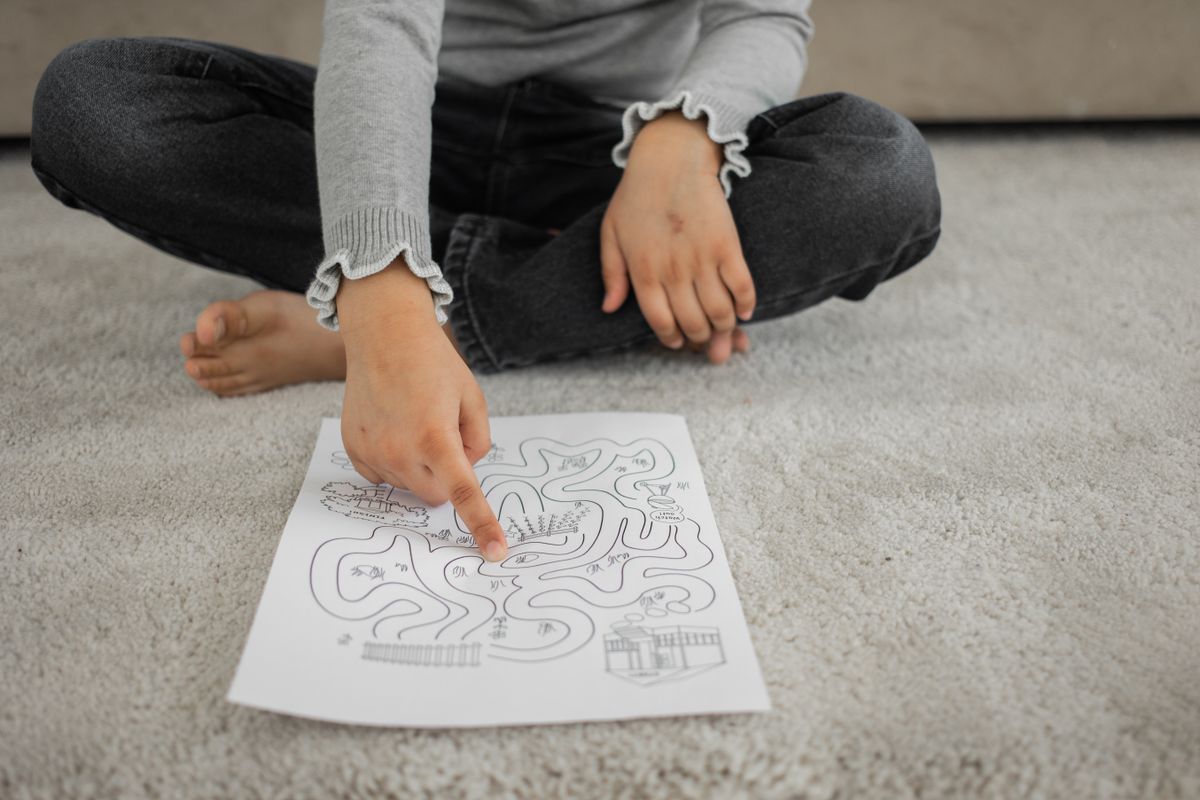
A small puzzle book, with mazes, spot-the-difference, word searches, or dot-to-dots, is one of the easiest quiet games to pack. Kids work silently, and you can check answers together at the end without any noise.
I bought a pocket puzzle book for a three-hour drive, and it lasted two full trips. My son loved the mazes most, and he would show me his finished maze with a proud, silent thumbs-up instead of shouting across the car.
The downside is that puzzle books vary a lot by age. A book that is too hard leads to frustration and giving up, while one that is too easy is finished in ten minutes. Check the age range before you buy.
Pro Tip: Tear out, or fold over, the answer pages. Kids who peek at answers finish faster and enjoy it less.
Cost: $3–$6 for a puzzle book | Time: 20–40 minutes | Difficulty: Easy to medium
17. Soft Animal Sounds Guessing
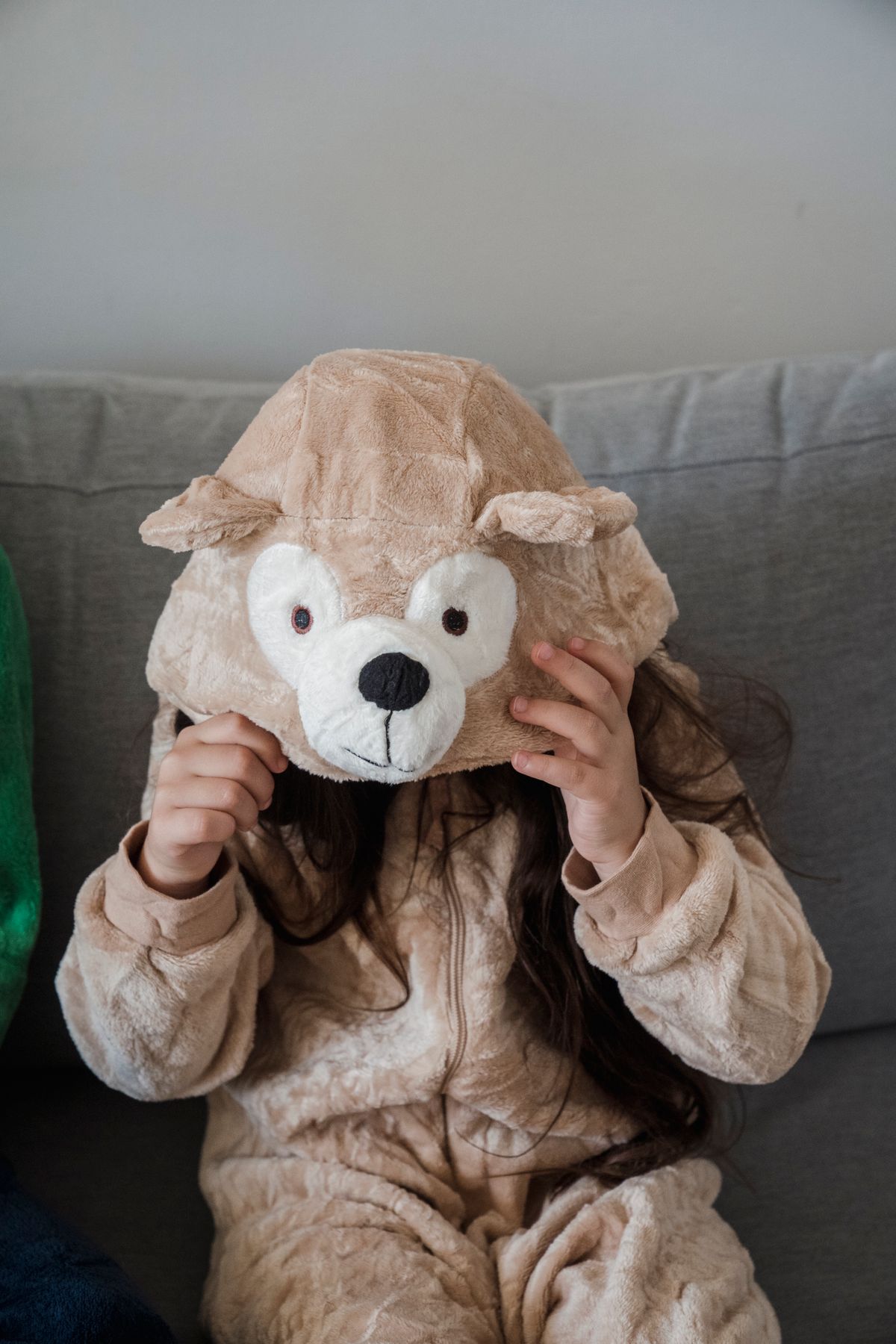
One child makes a very soft animal sound, like a tiny mouse squeak or a sleepy cat purr, and the others whisper their guesses. The key rule is that sounds must stay soft, like a sleeping animal, not a zoo animal.
I tried this in a waiting room with my youngest, and her “sleepy cow” sound was so quiet that we all had to lean in to hear it. That leaning in is exactly what makes the game work. It rewards softness instead of loudness.
The downside is that some kids cannot resist doing a loud lion roar. Set the rule clearly first: if the sound is loud, that round does not count. Most kids accept that rule quickly when the game is fun.
Pro Tip: Use animal picture cards for younger kids. They pick a card, then try to make that animal’s soft sound.
Cost: Free | Time: 10–15 minutes | Difficulty: Easy
18. Waiting Room Picture Scavenger Hunt
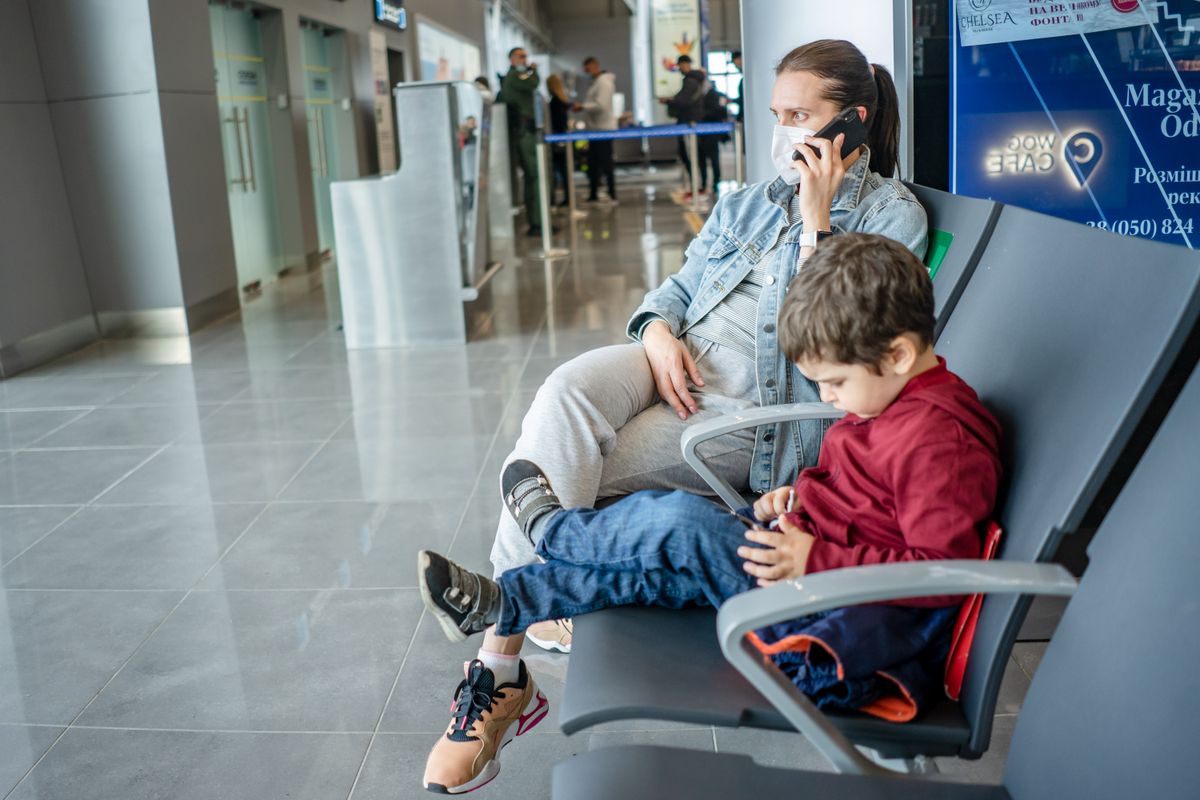
Make a picture list before you go: a plant, a clock, a poster with a dog, a blue chair, a magazine. Kids hunt silently through the waiting room, ticking off each picture they find, without running or shouting.
I made one of these for a dentist waiting room, using simple drawings instead of words so my youngest could play too. She found everything in about fifteen minutes, and the receptionist told me she was the quietest child they had seen that day.
The downside is that every waiting room is different, so a fixed list may not fit. I now make a flexible list with ten items and tell kids that finding seven counts as a win.
Pro Tip: Add one tricky item, like “something round and red,” that could be several things. It keeps older kids hunting longer.
Cost: Free | Time: 15–25 minutes | Difficulty: Easy
Comparison Table
| Game | Best For | Needs | Noise |
|---|---|---|---|
| I Spy Whisper Version | Car rides, all ages | Nothing | Whisper |
| Car Bingo (Quiet) | Long drives | Cards, crayon | Silent |
| 20 Questions Whisper | Waiting rooms, 5+ | Nothing | Whisper |
| Story Chain in Whispers | Cars, waiting rooms | Nothing | Whisper |
| Finger Puppet Story | Younger kids | Puppets or pen | Whisper |
| Quiet Drawing Challenge | Waiting rooms, cars | Notebook, pencils | Silent |
| Alphabet Hunt (Silent Pointing) | Car rides, 5+ | Nothing | Silent |
| Number Plate Bingo | Car rides, 4+ | Grid, pen | Silent |
| Thumb Wrestling Tournament | Waiting rooms, 4+ | Nothing | Very low |
| Memory Tray Game | Waiting rooms, 4+ | Tray, safe objects | Silent |
| Quiet Charades (Mime Only) | Waiting rooms, groups | Picture cards | Silent |
| Counting Game | Car rides, all ages | Notebook | Silent |
| Silent Rock Paper Scissors | Anywhere, quick waits | Nothing | Silent |
| Whisper Telephone | Waiting rooms, 3+ | Nothing | Whisper |
| Sticker Story Book | Younger kids, long waits | Notebook, stickers | Silent |
| Quiet Puzzle Book | Long drives, 5+ | Puzzle book, pencil | Silent |
| Soft Animal Sounds Guessing | Waiting rooms, younger kids | Nothing or cards | Very soft |
| Waiting Room Picture Scavenger Hunt | Waiting rooms, all ages | Picture list, pen | Silent |
If you only pack three things, pack a notebook, a pencil, and a sticker sheet. Those cover drawing, counting, bingo, and story games, and they fit in a small bag.
Mistakes I Made (So You Don’t Have To)
The first time I tried quiet games in the car, I made every mistake possible. I announced a “no talking” rule, which made the kids talk more. I brought games with tiny pieces that rolled everywhere. And I tried a long game when we only had ten minutes.
Lesson one: never frame quiet as a punishment. Say, “This game only works if we whisper,” instead of, “Be quiet or else.” Kids cooperate with a challenge far more than with a scolding.
Lesson two: test the game at home first. I once brought a new puzzle book on a long drive, only to find it far too hard for my youngest. A five-minute trial at the kitchen table would have saved a miserable half hour.
Lesson three: keep small parts in a closed pouch, and count them back in. I lost a bingo chip under a car seat for months. A zip pouch is not fancy, but it saves real cleanup time.
Lesson four: switch games before the noise starts, not after. When I see fidgeting or louder voices, I change the game right away. A fresh game resets the mood far better than a lecture about volume.
Frequently Asked Questions
How long do these games actually keep kids busy?
One game lasts about ten to twenty minutes, and a good quiet bag covers a one to two hour wait. Plan three or four games for a long drive, and switch before boredom sets in. No single game will quietly fill three hours, and that is normal.
What age are these games best for?
Most work best for ages three to ten, with small changes. Toddlers do best with drawing, sticker books, and animal sounds. Older kids enjoy 20 Questions, alphabet hunts, and puzzle books. For toddlers, use large pieces only, and skip anything small enough to fit in a mouth.
What would you do differently next time?
I would pack less, not more. My first quiet bag was huge, with loose pieces everywhere. Now I pack a notebook, pencils, stickers, and one card game, all in one zip pouch. Less clutter means less mess, and kids actually use what is there.
Are these games safe in a moving car?
Yes, if you follow two rules. Seatbelts stay on, always, and nothing in the game should require reaching or leaning. If a pencil drops, leave it until you stop. Never let a game distract the driver, and pause any game during tricky driving.
What if my kids just will not stay quiet?
That is normal, especially on long days. Try a game that rewards softness, like whisper telephone, rather than one that only bans noise. If nothing works, take a snack break at a safe stop and try again. Quiet games work best when kids are not overtired or hungry.
Final Thoughts
Quiet car rides and calm waiting rooms are possible, and they do not need screens or expensive toys. These games worked for us because they are simple, they use whispering as part of the fun, and they give kids something real to do.
Start with I Spy Whisper and the counting game on your next short drive. See which one your kids ask for again, and build your quiet bag around that. That is how I built ours, one game at a time.
If you try one of these quiet kids games this week, I would love to know which one lasted longest in your car or waiting room. The best games are always the ones kids ask for again.