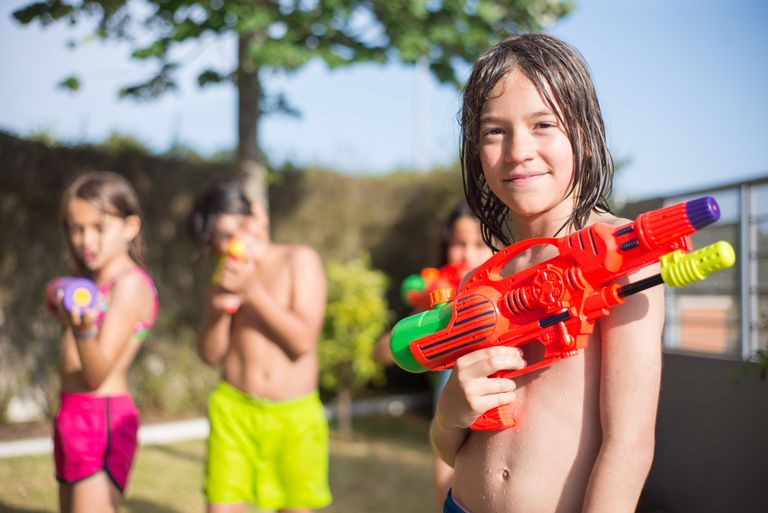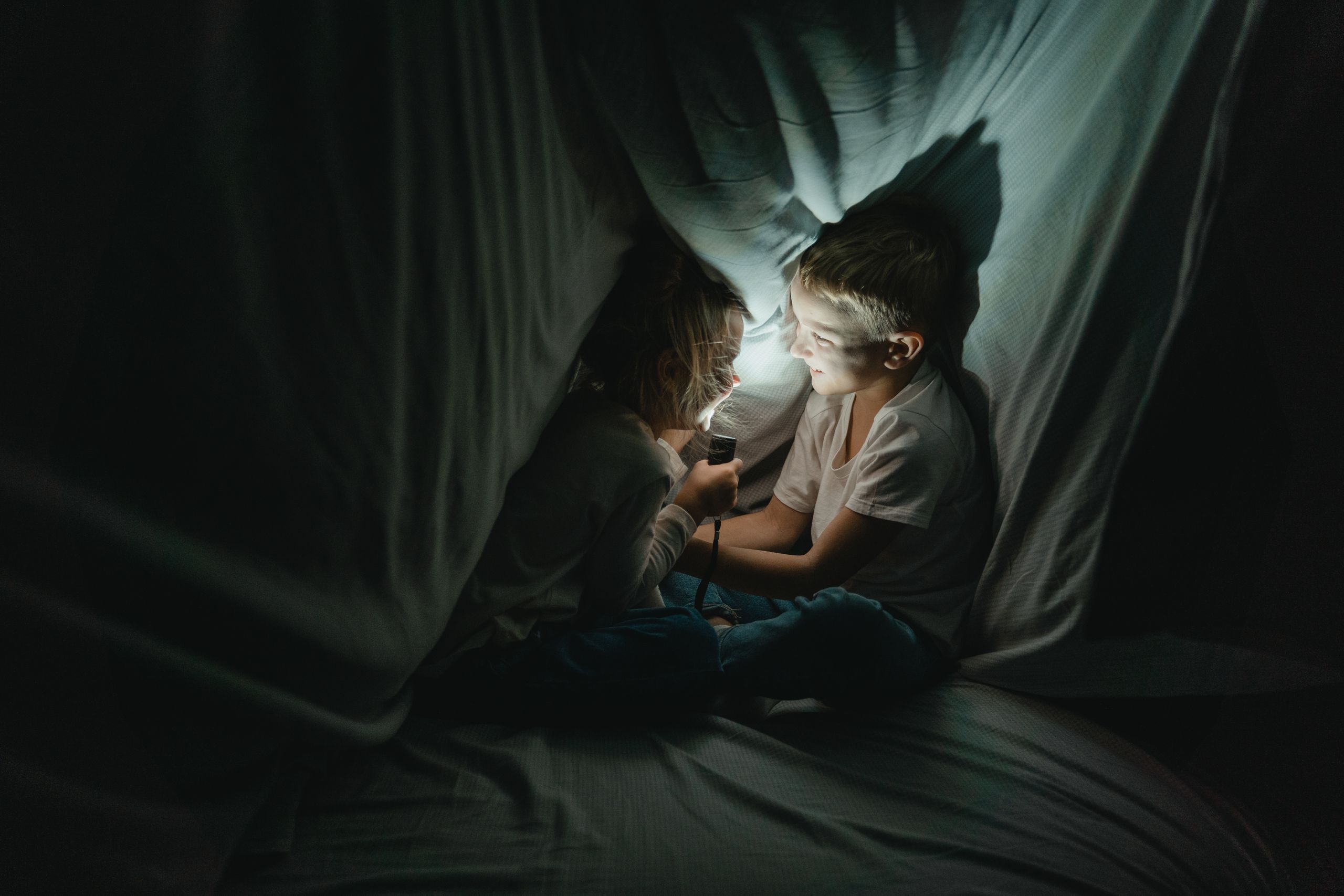
Rainy Day Games for Kids
Rainy day games for kids are the difference between a cozy afternoon and a house full of bouncing-off-the-walls chaos, and I picked the games on this list by testing them on actual rainy days — not sunny days when I imagined rain, but real, stuck-indoors, muddy-shoes-by-the-door days. Every game below survived at least one full rainy afternoon in my house, and most of them have survived several.
Two ground rules make rainy days work in our house: first, the living room is the play zone, and bedrooms and my office are off-limits for games; second, every game ends with a five-minute tidy-up before the next one starts, or the house looks like a toy shop exploded by lunchtime.
Key Takeaways
- Alternate active games with calm ones — an hour of only quiet games ends in restlessness, and an hour of only wild games ends in a broken lamp.
- Blanket forts, board games, and baking cover the three rainy-day needs: a hideout, a challenge, and something to eat.
- Set the play zone before the first game starts, and build a five-minute tidy-up into every transition.
- Keep small parts away from children under three, and save glitter, beads, and tiny game pieces for when little ones are napping.
- The best rainy-day games use things you already own: blankets, cushions, cardboard boxes, and kitchen supplies.
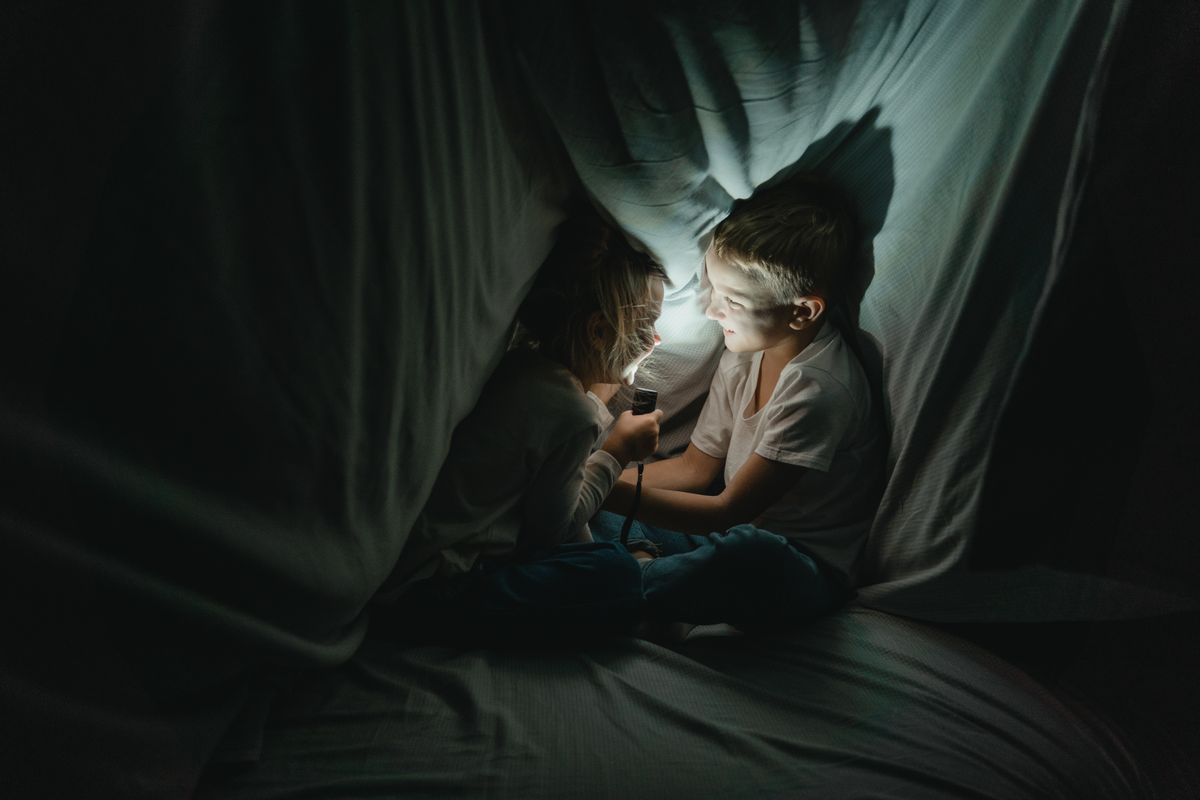
18 Rainy Day Games for Kids That Actually Work
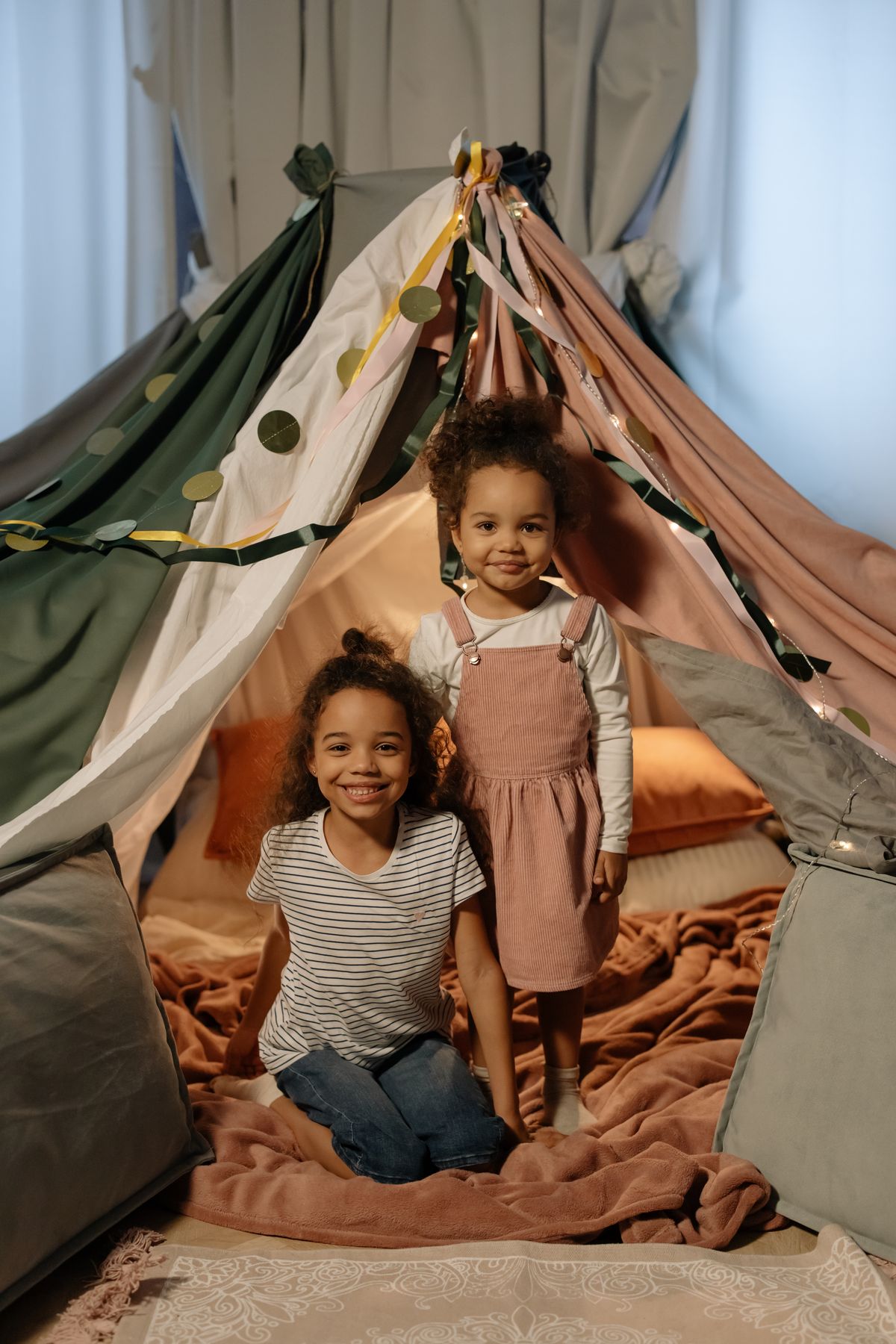
1. Blanket Fort Building Challenge
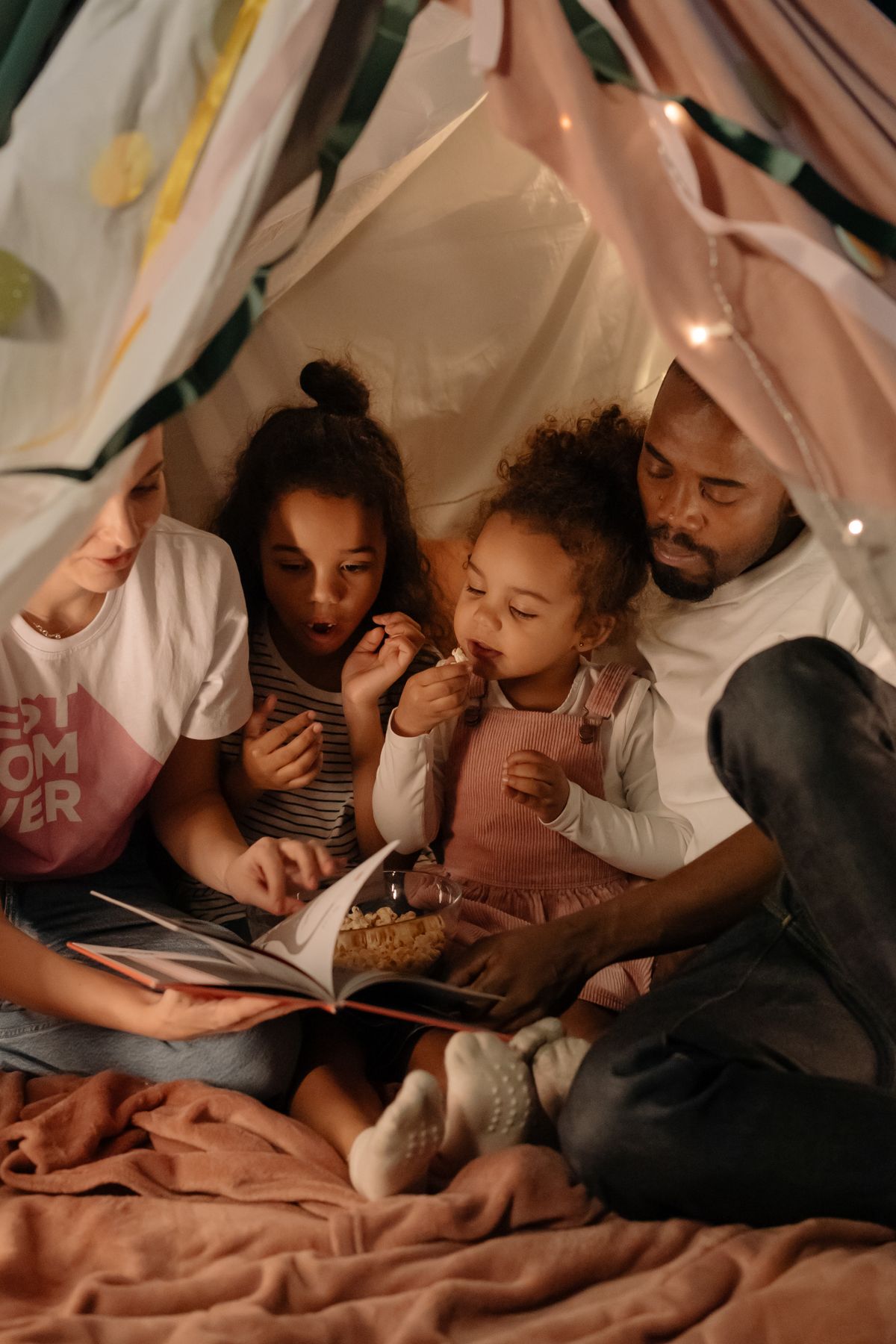
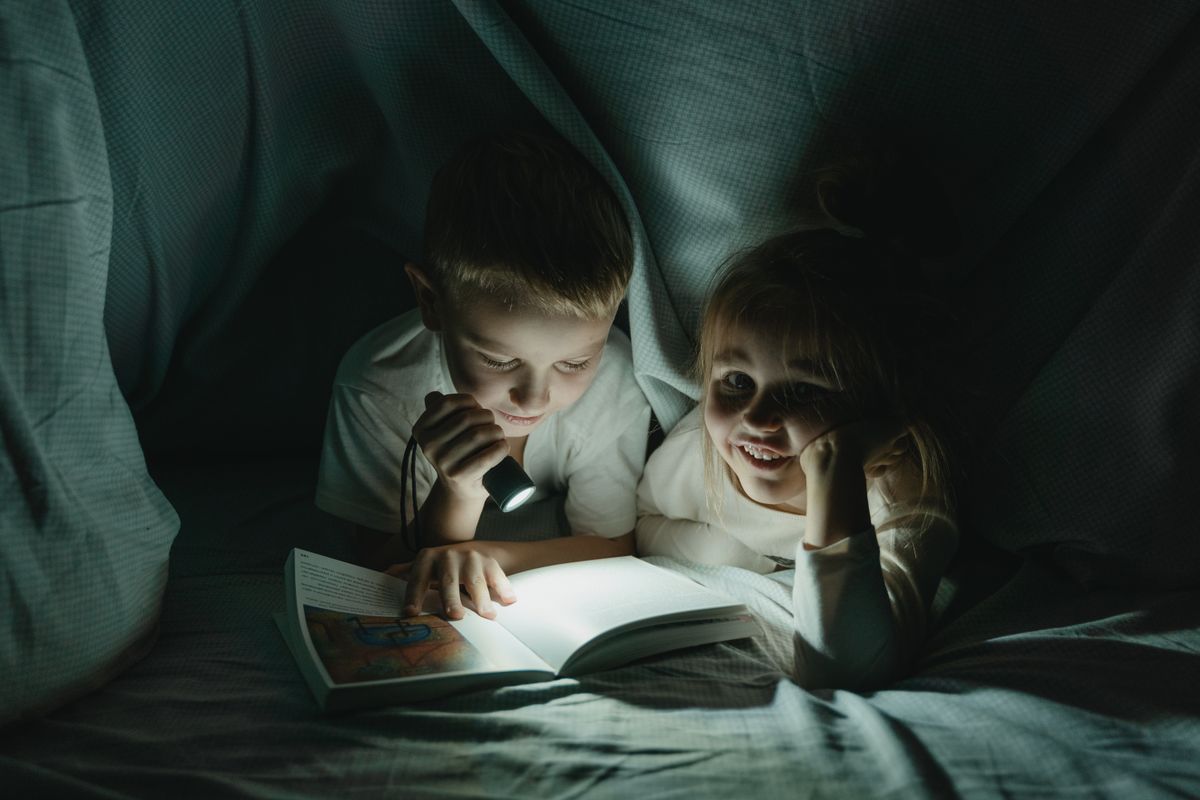
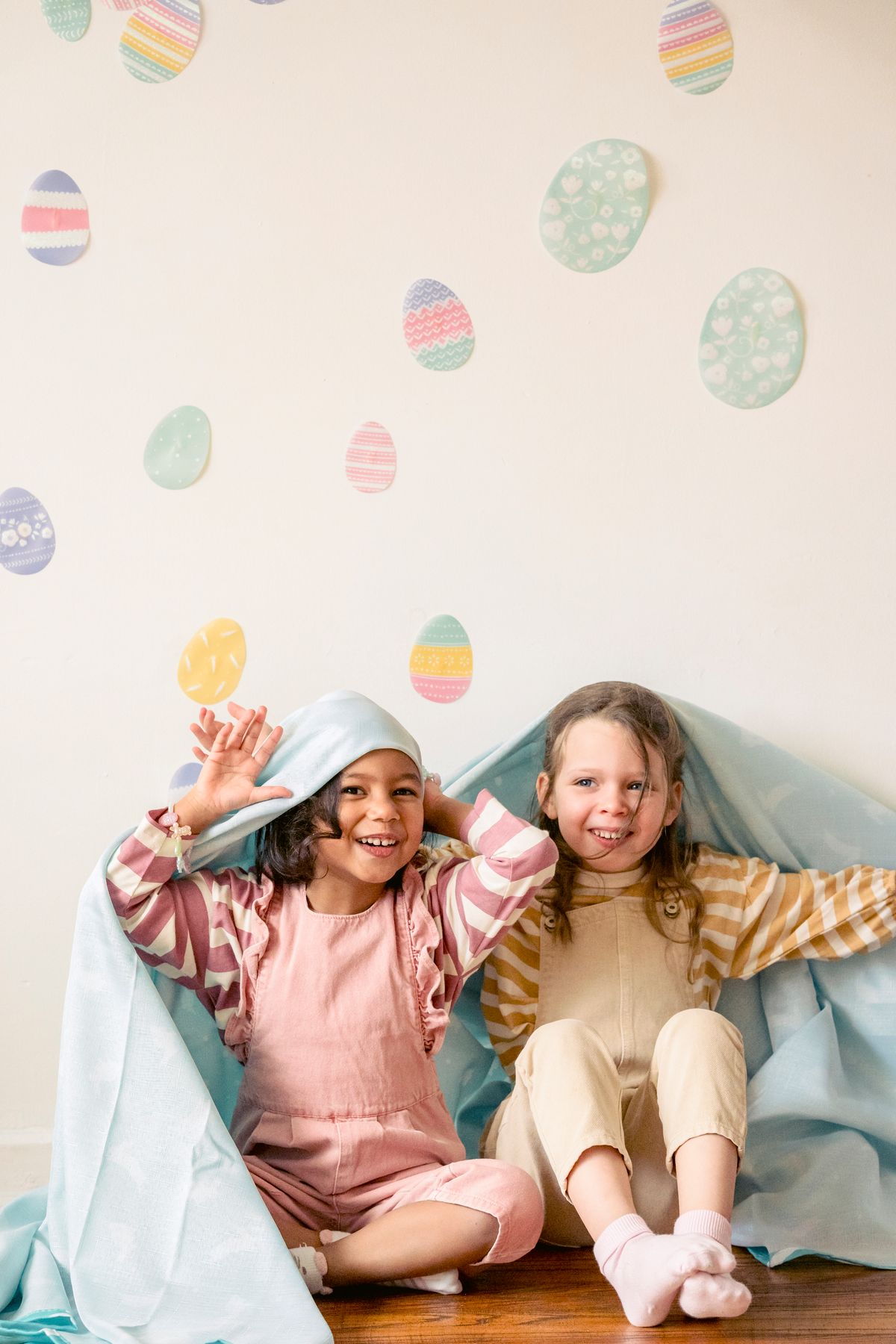
Give kids every blanket, sheet, cushion, and dining chair you can spare, and challenge them to build the biggest fort that can fit all of them inside. I set a timer for thirty minutes and judge on size, coziness, and whether the roof stays up when I gently poke it. Now I keep a box of old sheets and blankets specifically for forts, and the good bedding stays safely in the cupboard. Watch-out: chairs tip, so I check that every chair leg is stable before building starts, and I ban climbing on top of the fort.
Pro Tip: String fairy lights inside the finished fort.
Cost / Time / Difficulty: Free / 45 minutes including play inside / Easy.
2. Living Room Obstacle Course
Cushions to hop between, a blanket tunnel to crawl through, a masking-tape line to balance along, and a laundry basket to throw a soft ball into at the end. Kids time each other with my phone timer, and the competition gets fierce in the best way. I ran this on a stormy Saturday with four kids and it filled a whole hour, including the redesigns, because every child wanted to add a station. The downside: it is loud, especially the hopping, so I only run it when the downstairs neighbors or the baby’s nap are not a concern, and I keep the course away from anything breakable.
Pro Tip: Make the final station a silly one — wear a funny hat, do a spin — so the course ends in laughter, not just a finish line.
Cost / Time / Difficulty: Free / 30 minutes / Easy.
3. Board Game Tournament
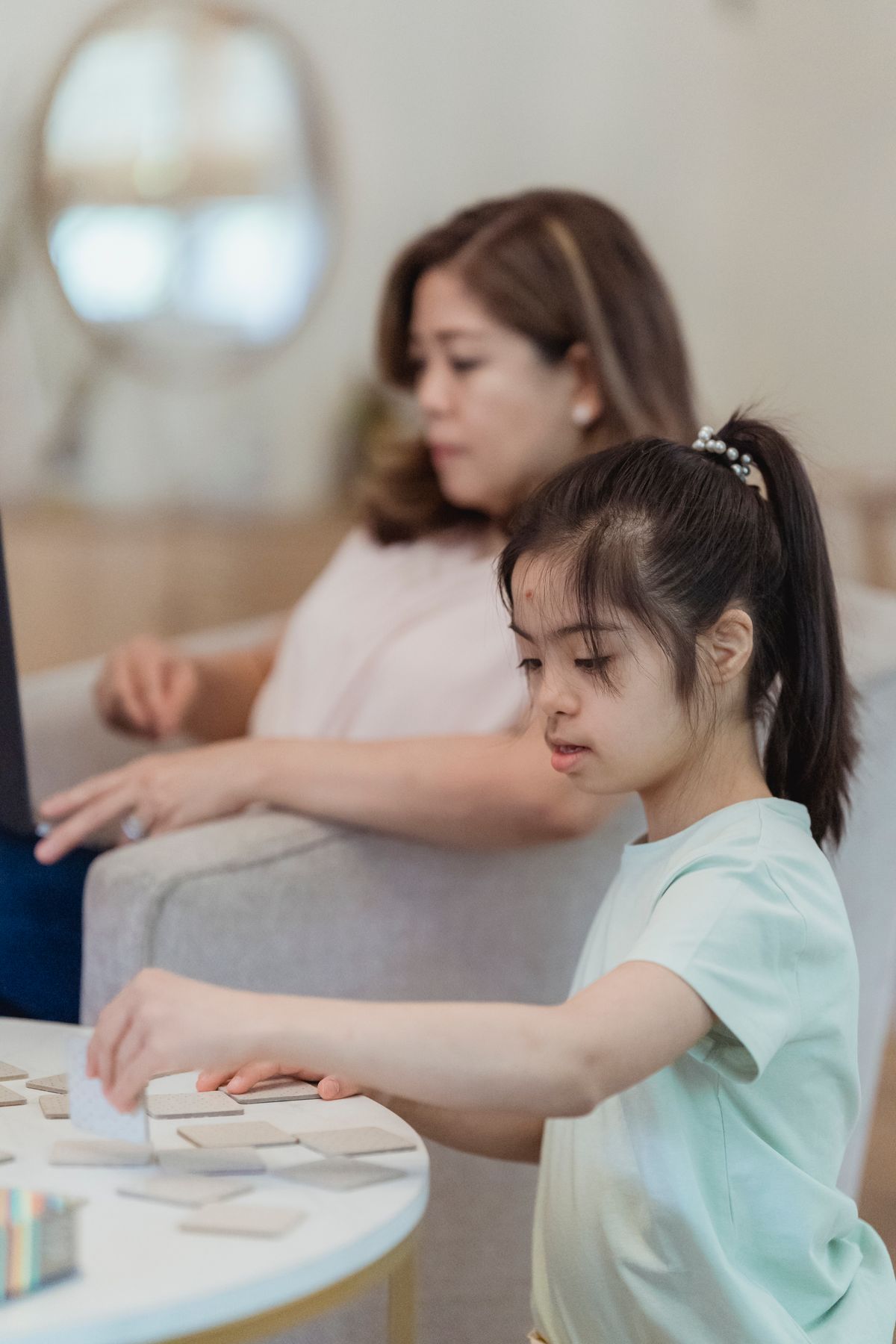
Pick three short board games, play a round of each, and keep a running scoreboard on a piece of paper stuck to the fridge. I choose games that take twenty minutes or less per round — longer games lose younger players halfway through, and I have the abandoned Monopoly board to prove it. At our last rainy tournament, the scoreboard became the real star: kids checked it between games like it was a sports league table. The honest downside: board games have small pieces, so I keep this one for ages five and up, and the toddler plays with chunky wooden blocks nearby instead.
Pro Tip: Let the youngest player go first in every game.
Cost / Time / Difficulty: Games you own / 60 minutes / Easy.
4. Indoor Treasure Hunt
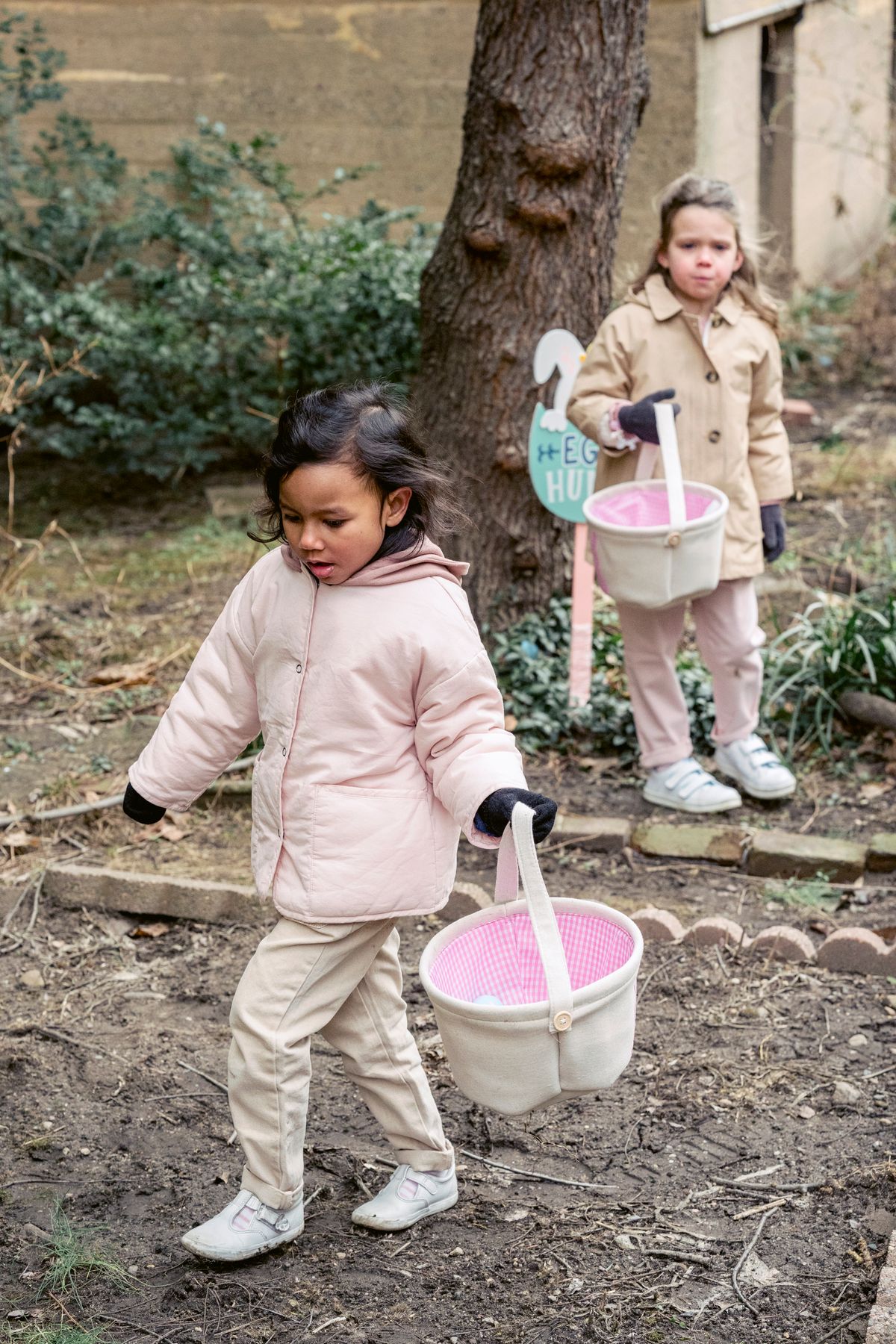
Hide ten small items around the living areas — a spoon, a red sock, a toy car, a book — and give kids a picture list to find them. I write the list based on what is actually in my house that day, which takes about ten minutes, and I set two rules: no opening closed drawers or cupboards, and nothing from bedrooms. The noise is the one real problem: twelve kids hunting indoors is loud, so with a big group I run it in two waves. For younger kids, I use photos of the hiding spots’ general areas instead of item names, and they can hunt without reading a word.
Pro Tip: Hide one golden item — a chocolate coin, a shiny sticker — worth double points.
Cost / Time / Difficulty: Free / 20 minutes / Easy.
5. Baking Challenge
Rainy days were made for baking, and I turn it into a game: each child decorates their own cookies or cupcakes, and we judge on creativity, not neatness. The first time I let kids loose with icing bags, the kitchen looked like a frosting explosion, so now I use spoons and butter knives for spreading, and the mess stays manageable. Safety note: kids wash hands first, an adult handles the oven, and I keep the toddler away from the small candies, which are a choking hazard.
Pro Tip: Line the table with a cheap plastic tablecloth before decorating.
Cost / Time / Difficulty: A few dollars for ingredients / 60 minutes / Easy to medium.
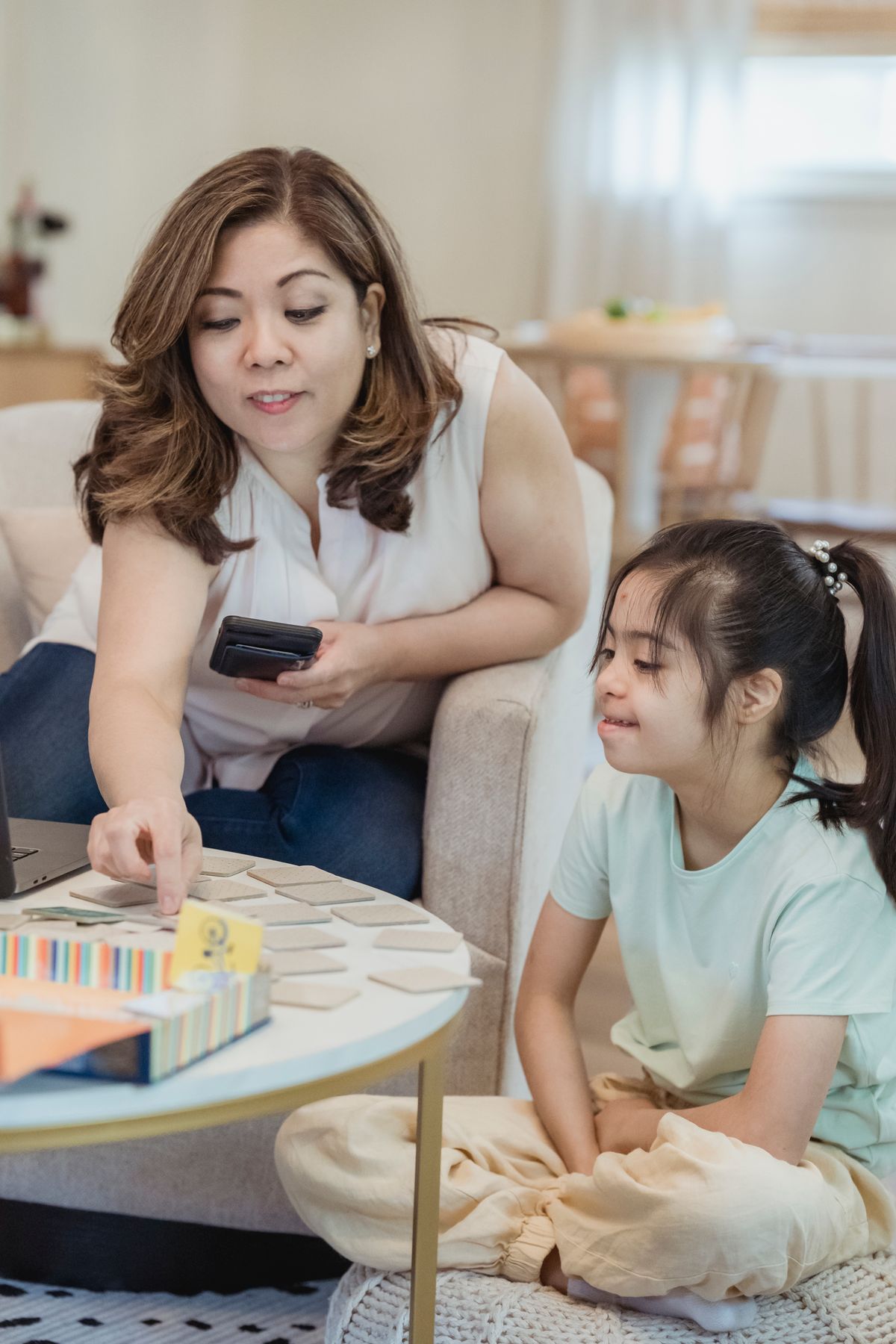
6. Card Game Afternoon
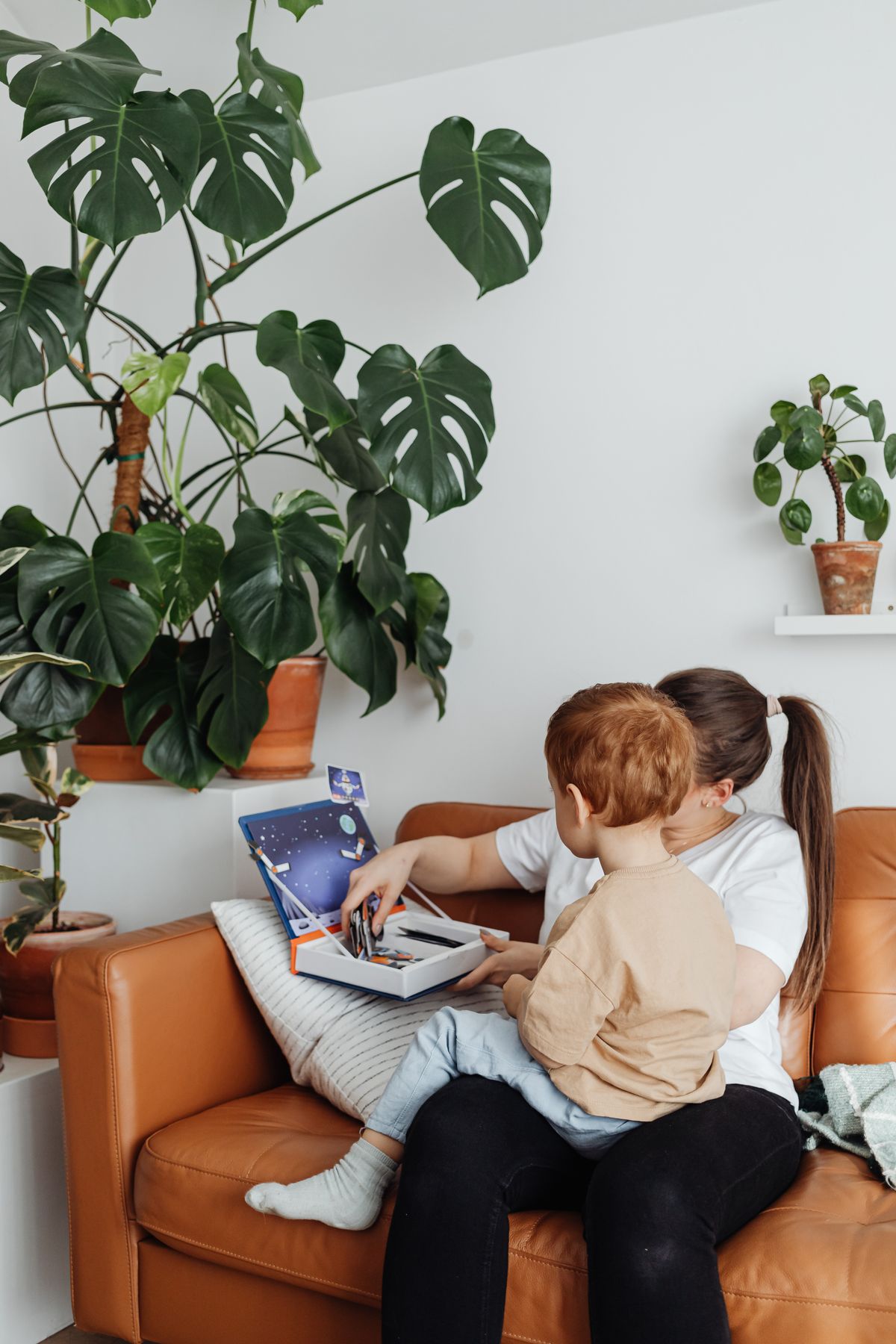
A deck of cards, a simple game like Go Fish or Uno, and a blanket on the floor. I teach one new card game per rainy season, and Go Fish is where every child starts, because the rules take about thirty seconds to explain. The downside: card games need patience, and a four-year-old’s patience lasts about fifteen minutes, so I keep rounds short and let younger kids be the card dealer, which makes them feel important even when they are not really playing strategically.
Pro Tip: Use a card holder or a small box lid to prop up younger kids’ cards.
Cost / Time / Difficulty: A few dollars for cards / 30 minutes / Easy.
7. Puppet Show
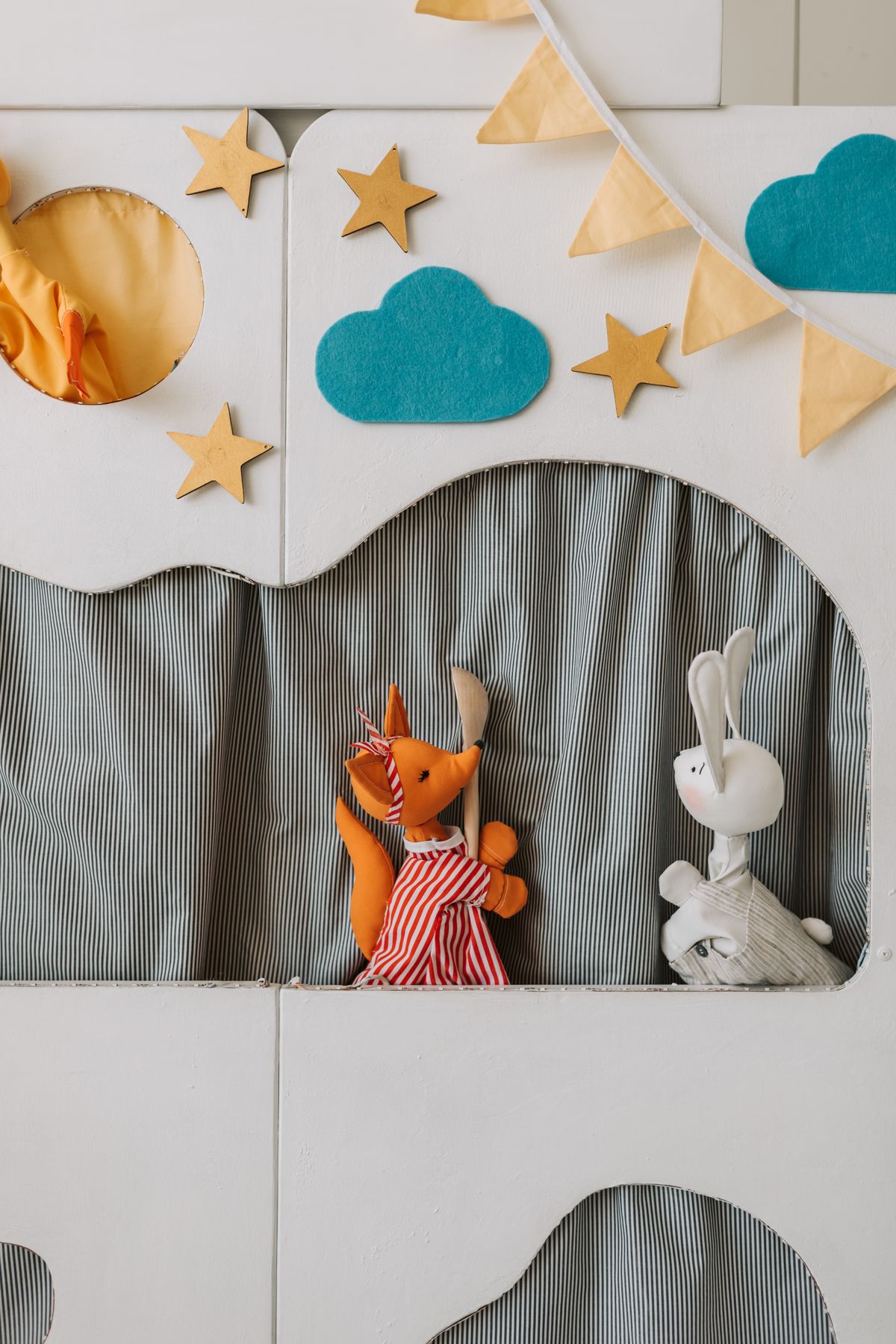
Kids make sock puppets or paper-bag puppets, then put on a show behind the sofa or a table draped with a sheet. I give them thirty minutes to make puppets and write a very loose story — three scenes, no more — and then we all sit down as the audience. At one rainy playdate, the puppet show ran for twenty minutes and the kids talked about it for a week, which is a better return than most toys I have bought. The watch-out: puppet-making involves scissors and glue, so I supervise the under-sixes closely, and I use child-safe scissors and washable glue only.
Pro Tip: Record the show on your phone.
Cost / Time / Difficulty: Free with old socks and paper bags / 45 minutes / Easy.
8. Dance Freeze
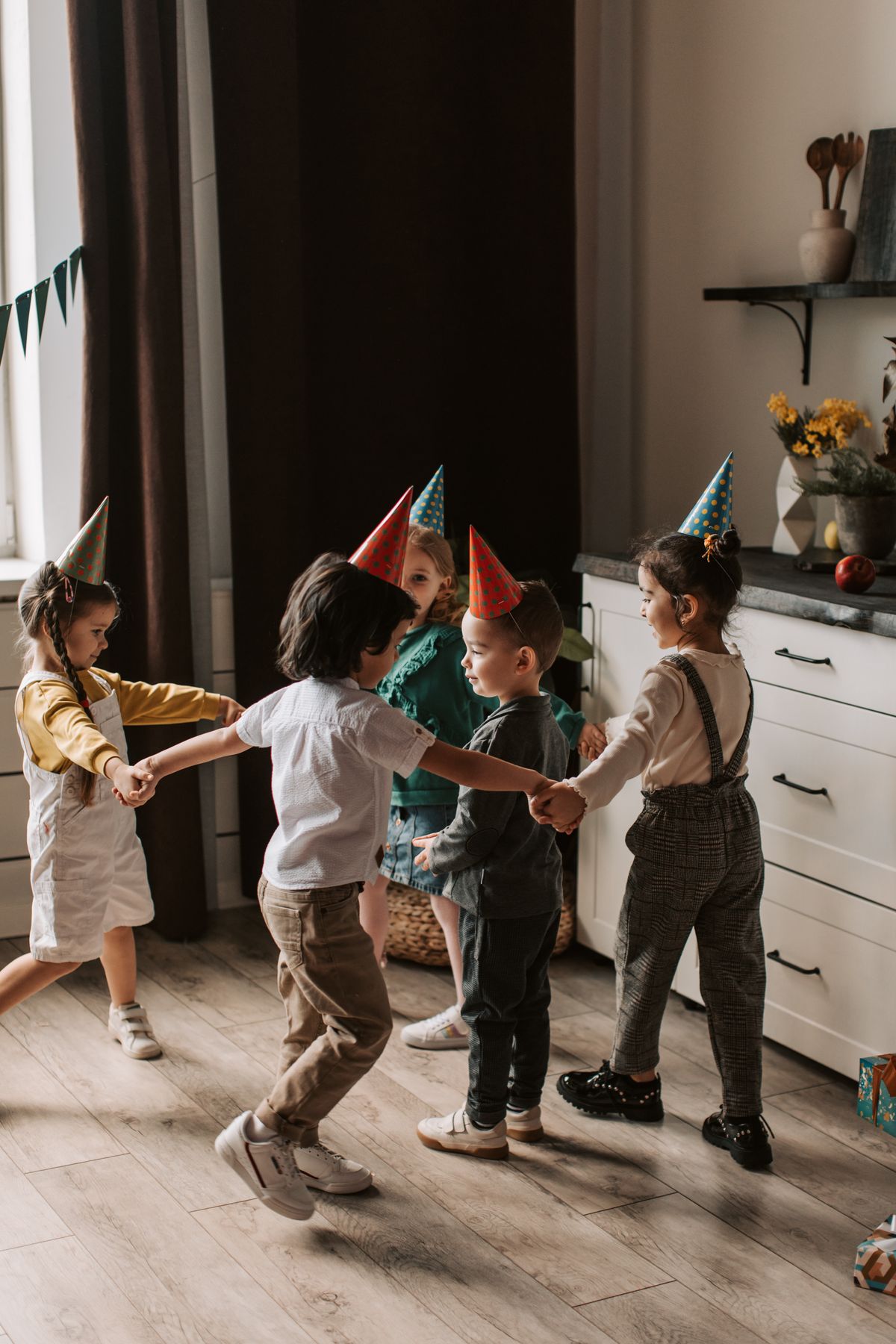
Play music, kids dance, pause the music, everyone freezes. Last one to freeze is out, or for younger kids, nobody is out and we just laugh at the frozen poses. I use a playlist of songs the kids already love, because unfamiliar music makes them stand around instead of dancing. The first time I played it, I forgot to clear the floor, and a dancing child tripped over a toy car — now clearing the dance floor is step one, every time, and I push the coffee table to the wall before the first song.
Pro Tip: Let kids take turns being the DJ who pauses the music. The power to freeze everyone is deeply satisfying at age seven.
Cost / Time / Difficulty: Free / 15 minutes / Easy.
9. Build-a-City With Boxes
Save cardboard boxes, and on a rainy day, kids build a city: houses, roads drawn on paper, a bridge made from a cereal box, and toy cars for traffic. I keep a box of clean cardboard specifically for this, because the moment I throw boxes away, a rainy day arrives and I regret it. The downside is the aftermath: cardboard cities do not tidy in five minutes, so I photograph the city, let the kids admire the photo, and then we recycle it together. The photo makes the demolition acceptable.
Pro Tip: Give each child a “district” to build. It prevents arguments over who owns the best corner of the city.
Cost / Time / Difficulty: Free / 60 minutes / Easy.
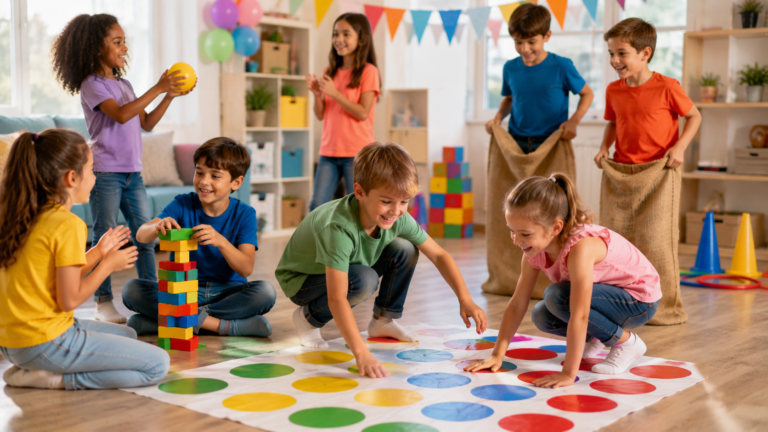
10. Jenga Tower Challenge
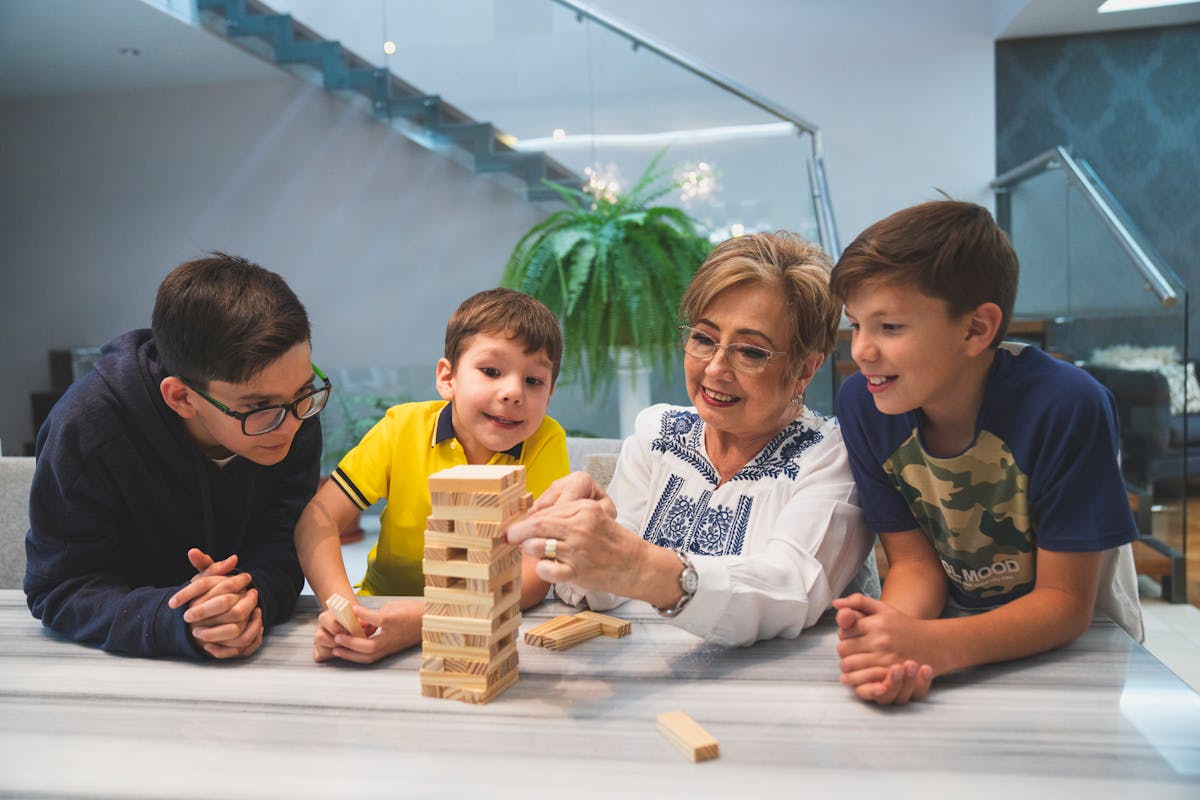
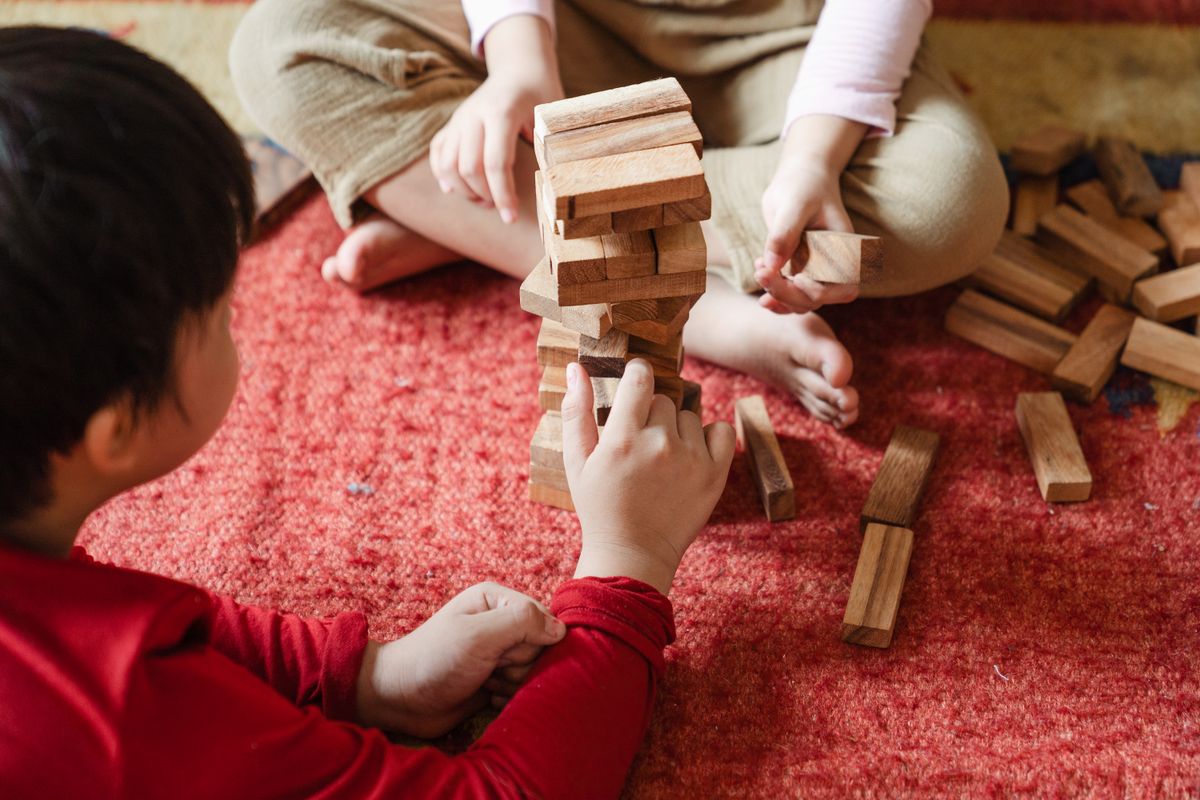
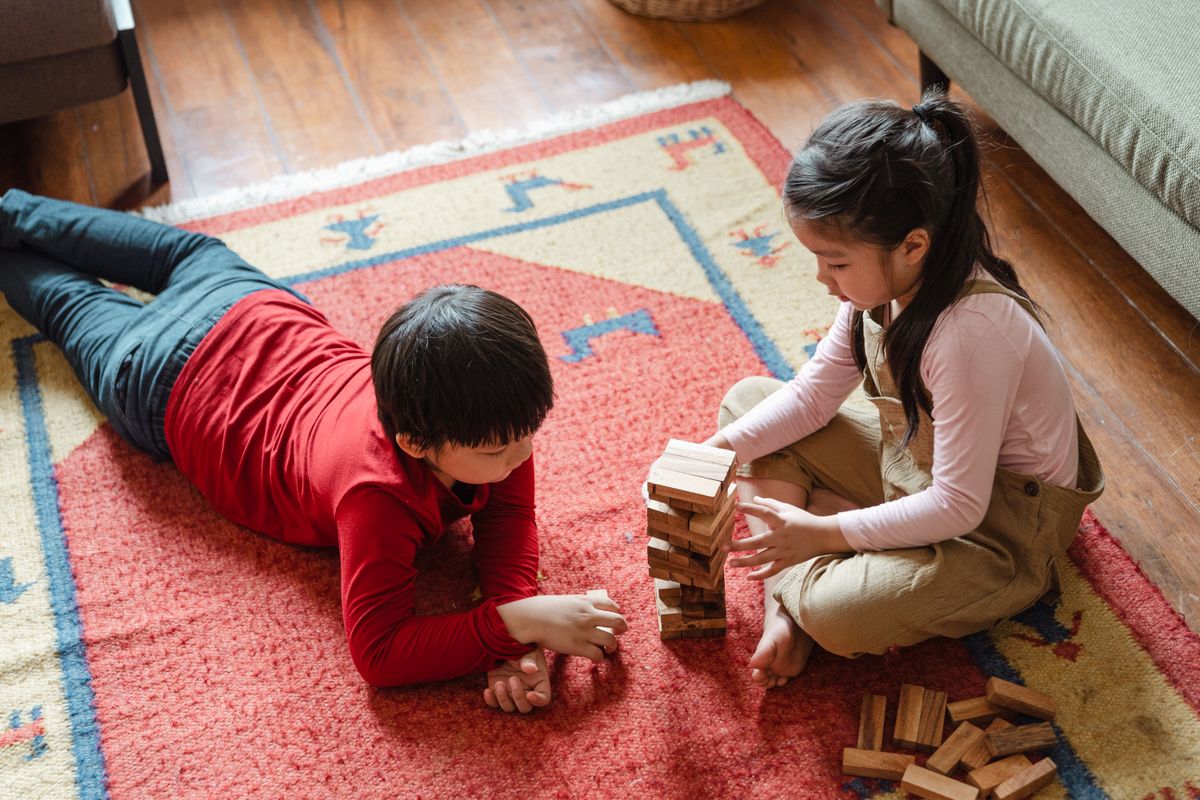
Stack the blocks, take turns pulling one out, and try not to be the one who topples the tower. I use a chunky wooden set because the small plastic versions are fiddly for young hands and topple too easily. The game takes about fifteen minutes per round, and we play best of three. The watch-out: falling blocks on bare feet hurt, so I play it on a rug, and I keep toddlers away from the small blocks, which are a choking hazard for under-threes.
Pro Tip: Let the youngest player rebuild the tower. They love the job, and it teaches them the stacking pattern for next time.
Cost / Time / Difficulty: Under $15 for a set / 20 minutes / Easy.
11. Story Dice Game
Roll dice with pictures on them — or just roll regular dice and match numbers to a list of story elements — and build a story from what you roll. A dragon, a bicycle, a thunderstorm: suddenly the story writes itself. I made a set of story dice from wooden cubes and stickers years ago, and they still come out on rainy days, because the randomness removes the pressure of inventing from nothing. The downside: it needs a bit of adult steering at first, so I play the first round myself to show how silly the stories are allowed to be.
Pro Tip: Write the story down as it grows. Reading it back at the end is the funniest part, and kids love hearing their own words read aloud.
Cost / Time / Difficulty: Free with homemade dice / 20 minutes / Easy.

12. Indoor Bowling
Line up empty plastic bottles as pins at the end of a hallway, and roll a soft ball to knock them down. I fill the bottles with a little water so they do not fly everywhere, and I use a foam ball so the hallway walls survive. I keep score on a whiteboard, and the kids treat it like a real bowling alley, complete with dramatic celebrations. The watch-out: the ball will escape into other rooms, so I close the doors along the hallway first, and I ban the game after bedtime for anyone else in the house — rolling pins are not a quiet game.
Pro Tip: Let kids decorate the pins with paper faces. A pin with a face is far more satisfying to knock down.
Cost / Time / Difficulty: Free / 20 minutes / Easy.
13. Dress-Up Fashion Show
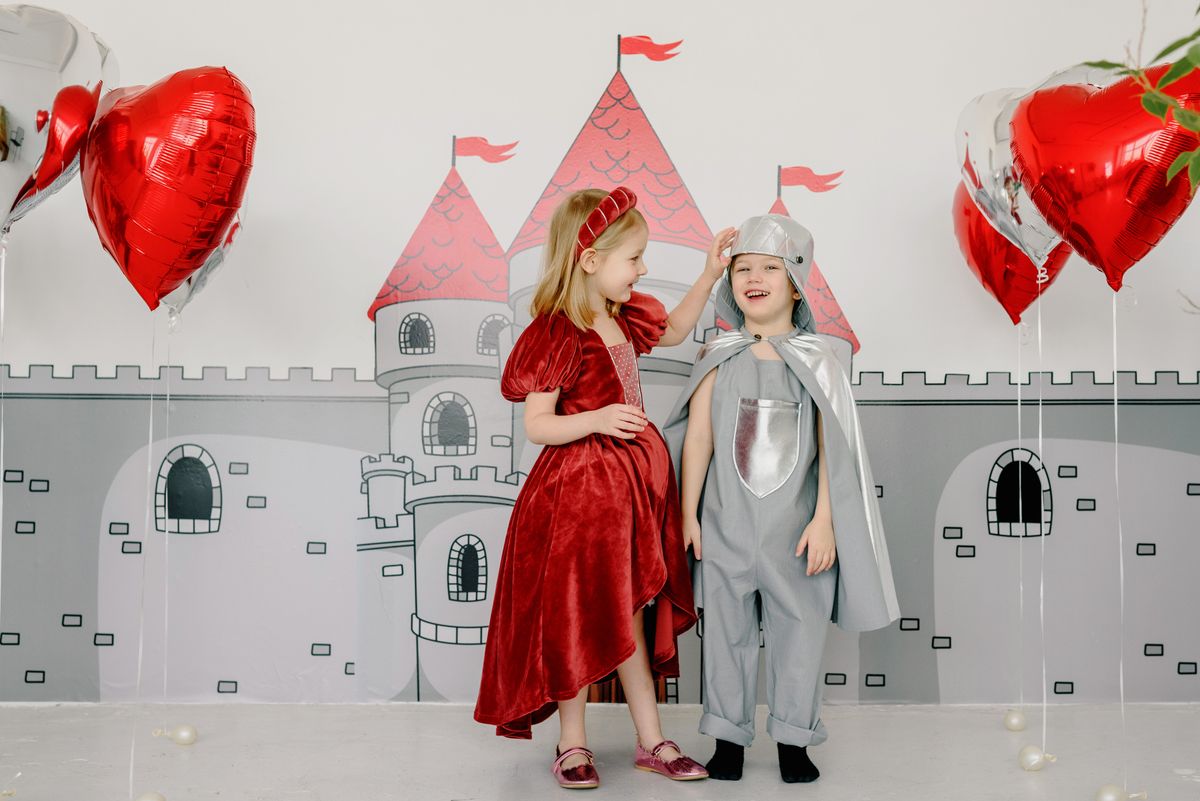
Open the dress-up box — old clothes, hats, scarves, costume jewelry — and let kids create outfits, then walk a “runway” made of masking tape on the floor while music plays. I keep a dress-up box ready all year, topped up with charity-shop finds, because it is the single most-used toy on rainy days in our house. The first time I ran it, I let kids use my good scarves and one came back with a juice stain, so now the box contains only clothes I do not mind staining. For under-threes, I skip small accessories like beads and buttons, which are choking hazards, and stick to big hats and scarves.
Pro Tip: Add a theme per round — “superhero,” “fancy party,” “backwards day” — and the outfits get twice as creative.
Cost / Time / Difficulty: Free with a dress-up box / 30 minutes / Easy.
14. Science Experiment Hour
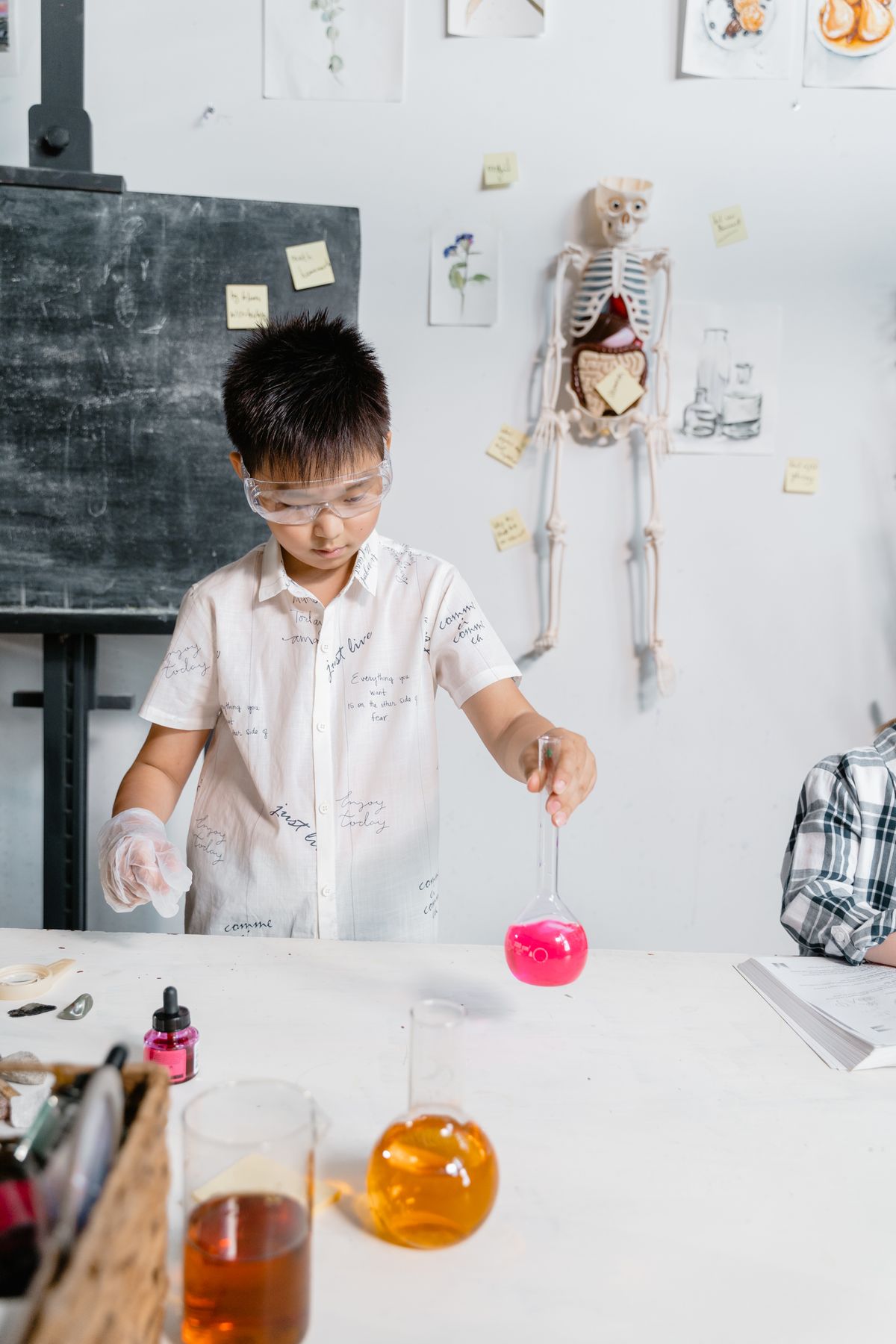
Rainy days are perfect for kitchen science: a baking soda volcano, milk-and-food-coloring swirls, a density tower with oil and water. I pick one experiment per rainy day, lay newspaper over the table, and let the kids do the pouring while I supervise. The downside is the mess, which is real: I now do all experiments on a baking tray inside a larger tray, and I keep towels ready. Safety note: I handle any hot water myself, and I never use experiments involving heat or sharp tools with kids under eight.
Pro Tip: Let each child predict what will happen before the experiment. The predictions are often better than the results, and it turns watching into thinking.
Cost / Time / Difficulty: A few dollars for supplies / 30 minutes / Medium — adult supervision required.
15. Charades for Kids
Act out animals, jobs, or favorite characters without speaking, while everyone else guesses. I write the prompts on slips of paper and let younger kids pick from a picture pile instead, so reading is never a barrier. I keep rounds short — one minute per actor, timed on my phone — so nobody is stuck on stage feeling embarrassed. The honest downside: shy kids hate being watched, so I let anyone pass and act with a partner instead, and the partner system has coaxed more than one shy child onto the “stage” (which is really just the rug).
Pro Tip: Start with animals only. Everyone can act an animal, and the game warms up fast before you add harder categories.
Cost / Time / Difficulty: Free / 25 minutes / Easy.
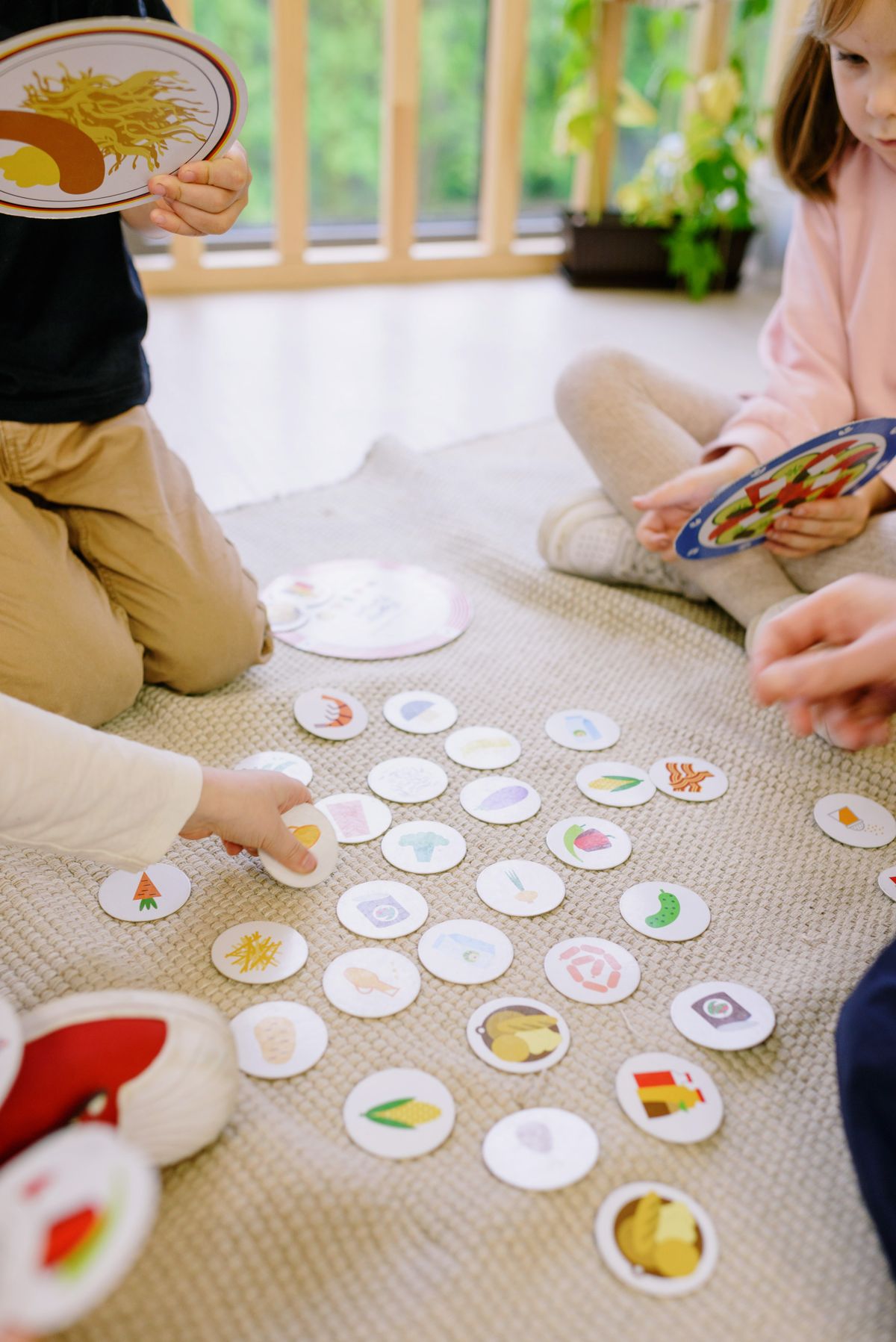
16. Movie Marathon With a Twist
Sometimes the best rainy-day game is not a game at all: it is a movie marathon with rules. The ticket system is what turns passive watching into an event — at our last marathon, the trivia round was louder than the film. I keep the total screen time to about three hours with a break between films for snacks and a stretch, because a whole day of movies leaves kids groggy and grumpy. The downside: choosing the films can take longer than watching one, so I offer three choices and vote, and the vote is final.
Pro Tip: Make paper tickets in advance. Handing a child a ticket they earned feels like a real cinema, and it costs nothing.
Cost / Time / Difficulty: Cost of popcorn / 3 hours with breaks / Easy.
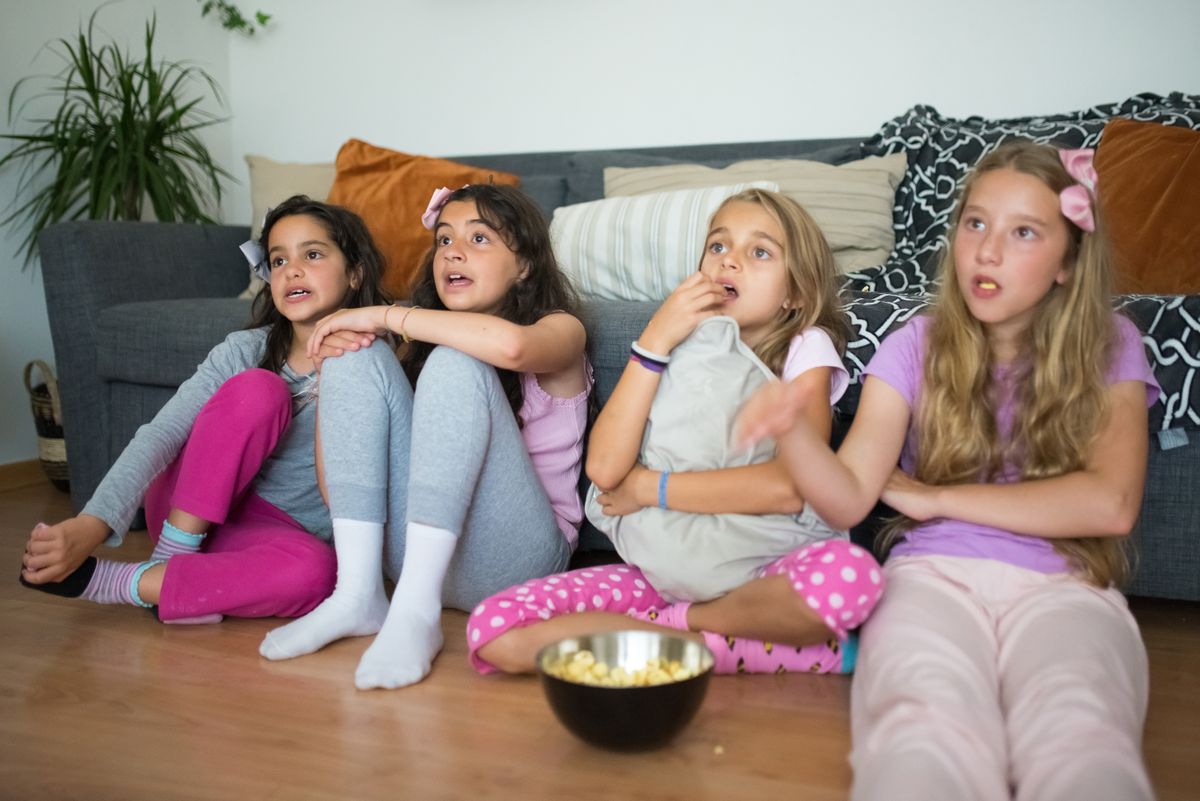
17. Puddle Jumping (Between Showers)
When the rain pauses, I send the kids out in rain boots and coats for ten minutes of puddle jumping, then straight back in for dry clothes and hot chocolate. I set two rules: boots on, and no jumping near the road or drains. The first time I allowed it without a towel station by the door, the hallway ended up soaked, so now towels and dry socks wait by the entrance, and the rule is “boots off at the door, no exceptions.” The kids come back pink-cheeked, wet, and happy, and the hot chocolate tastes better for it.
Pro Tip: Keep a spare set of dry clothes ready before they go out. Hunting for dry socks with wet children in the hallway is a special kind of chaos.
Cost / Time / Difficulty: Free / 15 minutes outdoors / Easy.
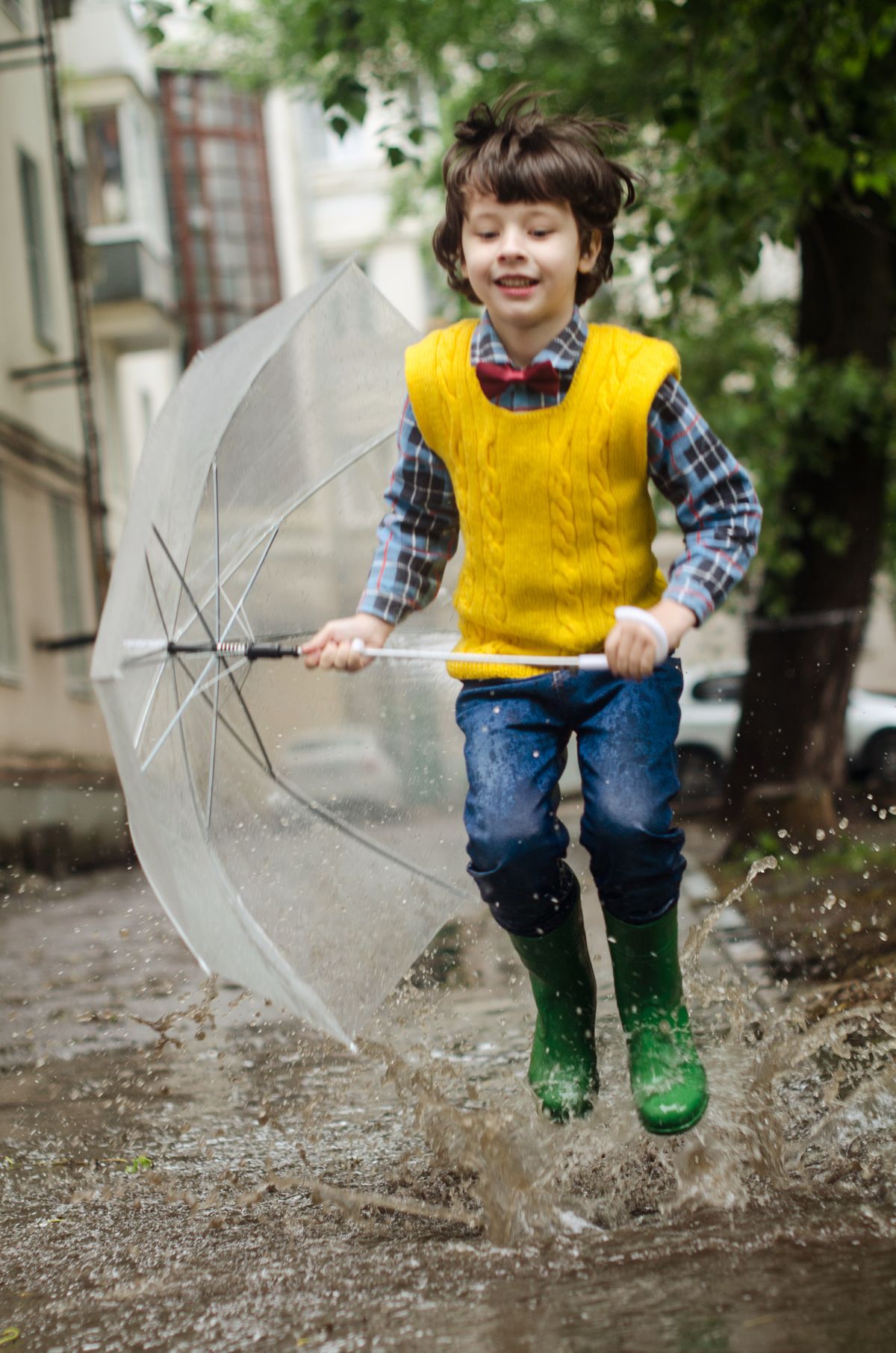
18. Quiet Reading Nook Challenge
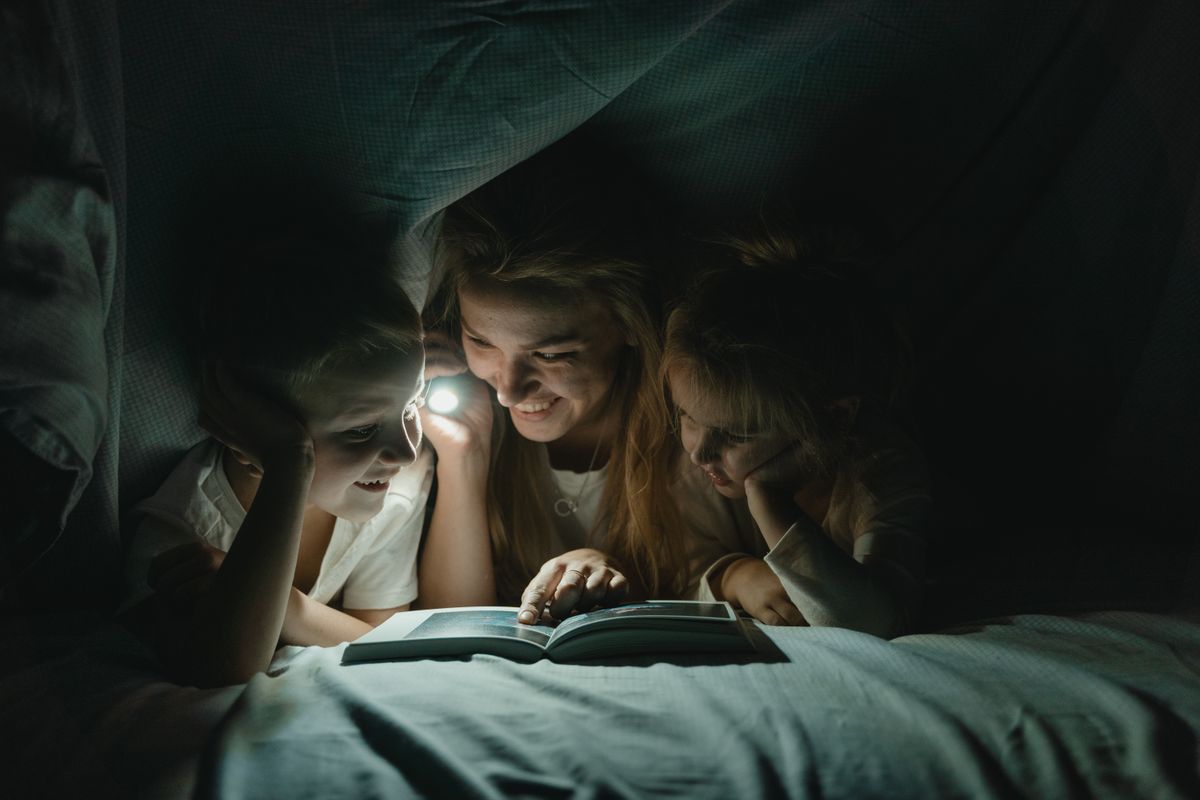
Each child picks a book, builds a reading nook from cushions and blankets, and reads for twenty minutes — then tells the group one thing about their book. I add a small prize for the best “book talk,” which turns reading into a game without making it a chore. This is my late-afternoon game, when energy is fading and I need calm before dinner. The downside: it only works if the books are good, so I keep a basket of books the kids actually chose, not books I think they should read.
Pro Tip: Let kids read comics and graphic novels for this challenge. Reading is reading, and a comic counts.
Cost / Time / Difficulty: Free / 30 minutes / Easy.
For more indoor play, also read these simple indoor games for kids, and for a crafty rainy afternoon, check out these rainbow crafts for kids. Need more ideas to fill the day? Read this next: fun crafts for kids that will keep them busy.
Mistakes I Made (So You Don’t Have To)
- I used the good sheets for a fort once. They came back stained and stretched, and I learned to keep a dedicated box of old sheets and blankets for fort-building. The good bedding never leaves the cupboard on a rainy day now.
- I planned only quiet games for a whole afternoon. By 2 p.m., the kids were climbing the furniture. Now I alternate active and calm games every thirty minutes, and Dance Freeze is always ready as an emergency reset.
- I let a board game run too long. An hour-long game lost the younger players halfway through, and the rest of the afternoon was sulking. Now I pick games with twenty-minute rounds, and tournaments with multiple short games beat one long game every time.
- I forgot the tidy-up rule once. By dinner, the living room was impassable and I spent the evening cleaning instead of relaxing. Now every game ends with a five-minute tidy before the next one starts, and the kids do it because it is part of the game, not a chore afterward.
Rainy Day Games for Kids at a Glance
| Game | Best For | Cost | Effort |
|---|---|---|---|
| Blanket Fort Challenge | All-day headquarters | Free | Low |
| Living Room Obstacle Course | Burning energy | Free | Medium setup |
| Board Game Tournament | Ages 5+, competitive kids | Games you own | Low |
| Indoor Treasure Hunt | Big groups, any age | Free | Low |
| Baking Challenge | Creative kids, snack lovers | A few dollars | Medium |
| Dance Freeze | Emergency energy reset | Free | Low |
| Jenga Challenge | Quiet tension, all ages | Under $15 | Low |
| Puddle Jumping | Between showers, mood reset | Free | Low |
Frequently Asked Questions
How do you keep kids entertained all day when it rains?
Alternate active and calm games every thirty minutes, and build the day around three anchors: a fort in the morning, a making activity (baking or crafts) midday, and a quiet game or movie in the late afternoon. No single game needs to last all day — a rotation of four or five games from this list fills a rainy day easily, with snack breaks between them.
How long did your rainy day games actually last?
The blanket fort lasted the whole day as a base, even though the building took forty-five minutes. The obstacle course filled a full hour with redesigns, baking took about an hour, and the board game tournament ran ninety minutes across three games. Short games like Dance Freeze lasted fifteen minutes but got repeated three times, which is normal — repetition is a feature, not a failure.
What would you do differently next time?
I would prep a rainy-day box in advance: old sheets, painter’s tape, a deck of cards, and a simple board game, all in one place. Hunting for supplies while kids wait is what turns a rainy afternoon stressful, and a ready box removes that completely.
Are these rainy day games safe for toddlers?
Several are: blanket forts, dance freeze, dress-up with big items, and puddle jumping with boots all work for toddlers with an adult close by. Skip board games with small pieces, science experiments, and anything with beads, buttons, or small candies for children under three — those pieces are choking hazards, and I keep them for naptime play with older kids only.
Final Thoughts
Rainy days do not have to be survived — they can be the days your kids remember best. And when the rain pauses, send them out to the puddles. Ten minutes of splashing makes every indoor game after it work twice as well.