30 Stylish Ways To Organize A Tiny Outdoor Space
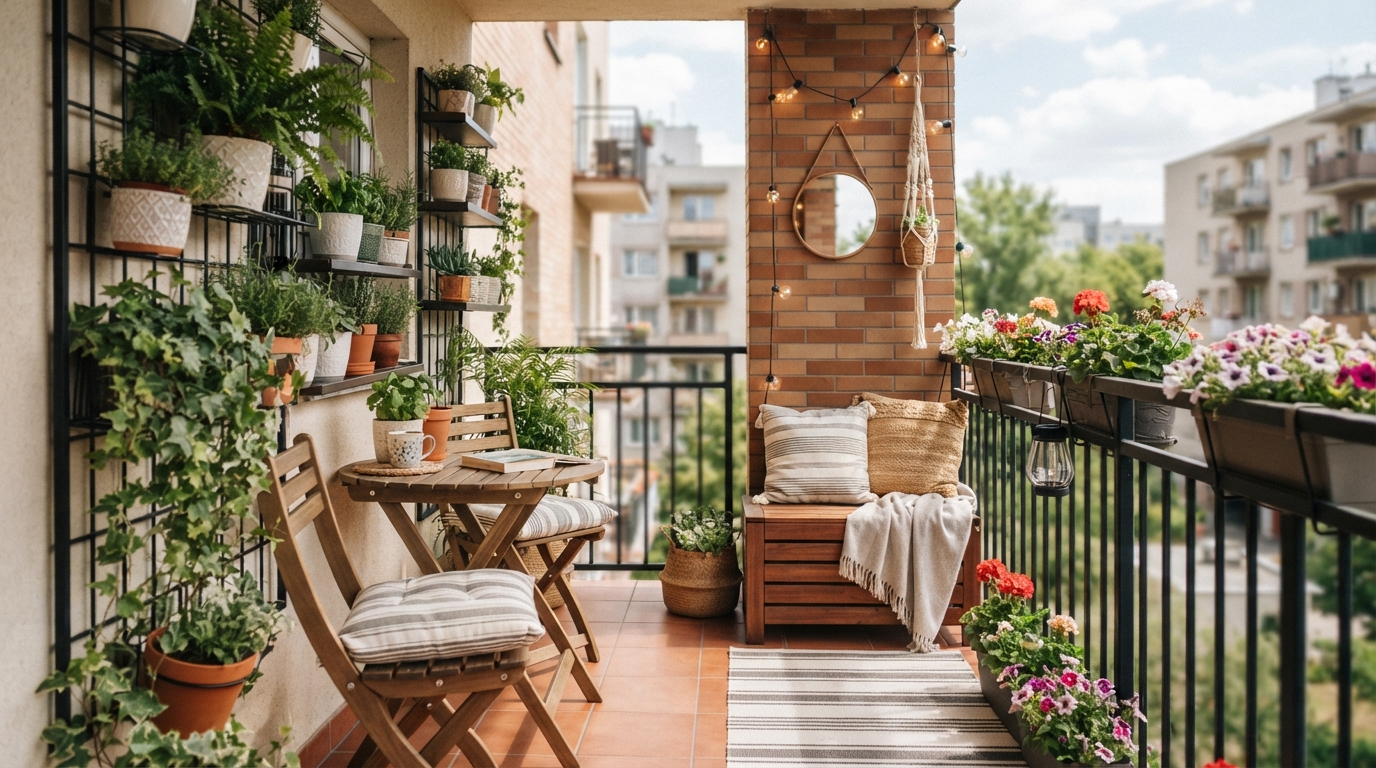
Even a very small balcony, patio, terrace, or garden corner can become one of my favorite areas at home when I organize it carefully. I have found that the biggest challenge is usually not the lack of space itself, but trying to fit too many things into it.
When I work with a tiny outdoor area, I focus on three things first: keeping the floor as open as possible, choosing furniture that does more than one job, and using walls or railings for storage and decoration.
In this guide, I’m sharing 30 practical ways I can make a small outdoor space feel organized, comfortable, and stylish without filling every available corner.
I can make a tiny outdoor space work harder by taking advantage of vertical areas, foldable furniture, compact storage, hanging planters, wall shelves, and movable accessories. These choices help me keep useful items nearby without creating unnecessary floor clutter.
For seating and entertaining, I can choose compact dining sets, portable carts, fold-down bars, small grills, and comfortable weather-resistant furniture. For decoration, outdoor rugs, plants, lighting, artwork, curtains, and colorful accents can make the space feel finished without requiring much room.
Save this for later
Table of Contents
The most important rule I follow is to match everything to the actual size of the area. I measure before buying furniture, leave enough room to move comfortably, and choose pieces that can be folded, stacked, hung, or stored when they are not needed.
Key Takeaways
- I use walls, railings, fences, and other vertical surfaces whenever possible.
- I choose foldable, stackable, or multi-purpose furniture for flexibility.
- I keep cushions, gardening tools, and outdoor accessories in weather-resistant storage.
- I use plants at different heights instead of spreading every pot across the floor.
- I choose outdoor materials that can handle sun, moisture, and temperature changes.
- I keep the color palette simple and add personality through smaller decorative pieces.
- I leave clear walking space so my tiny outdoor area does not feel overcrowded.
- I use lighting, rugs, mirrors, and privacy features to make the space more comfortable.
Related article: 32 Clever DIY Storage Solution For Small Spaces
1. Vertical Garden
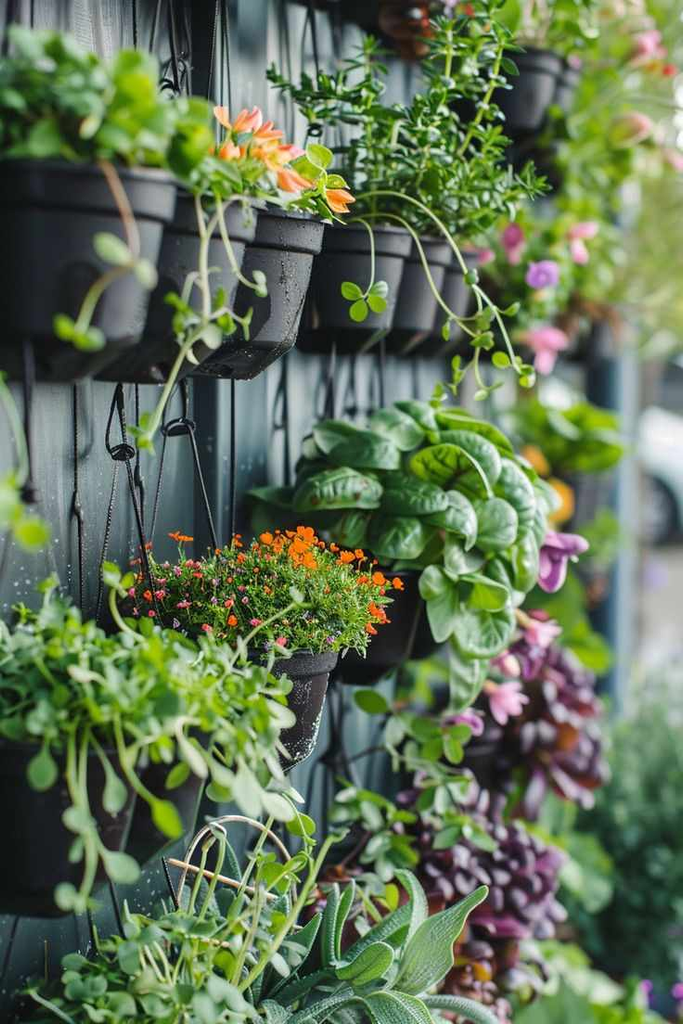
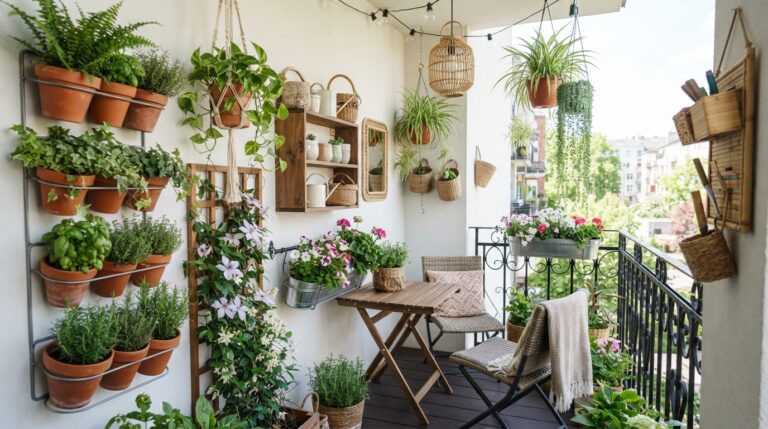
When floor space is limited, I look upward. A vertical garden lets me grow flowers, herbs, or compact plants along a wall, fence, balcony railing, or trellis instead of using several floor planters.
I can use wall-mounted pots, hanging containers, pocket planters, or a simple trellis. This gives me more planting space while also creating a natural feature.
Pro Tip: Before mounting anything, I check the wall, railing, and container weight limits. Wet soil can make planters considerably heavier than they appear when dry.
2. Foldable Furniture
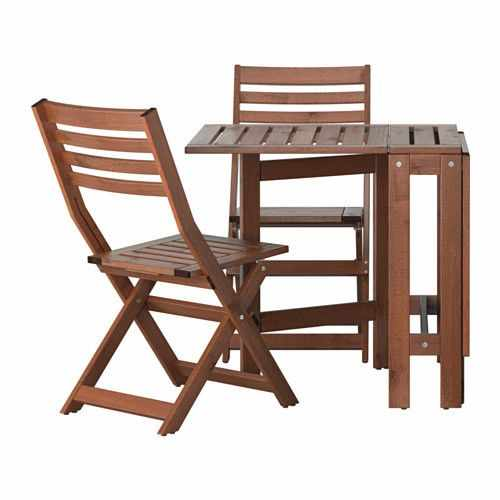
Foldable chairs and tables are some of the most useful choices I can make for a small patio or balcony. I can open them when I want to eat or relax and fold them away when I need more room.
This is especially helpful when one outdoor space has to serve several purposes, such as dining in the morning and entertaining in the evening.
I prefer lightweight pieces that are easy for me to move and store without assistance.
3. Multi-functional Furniture
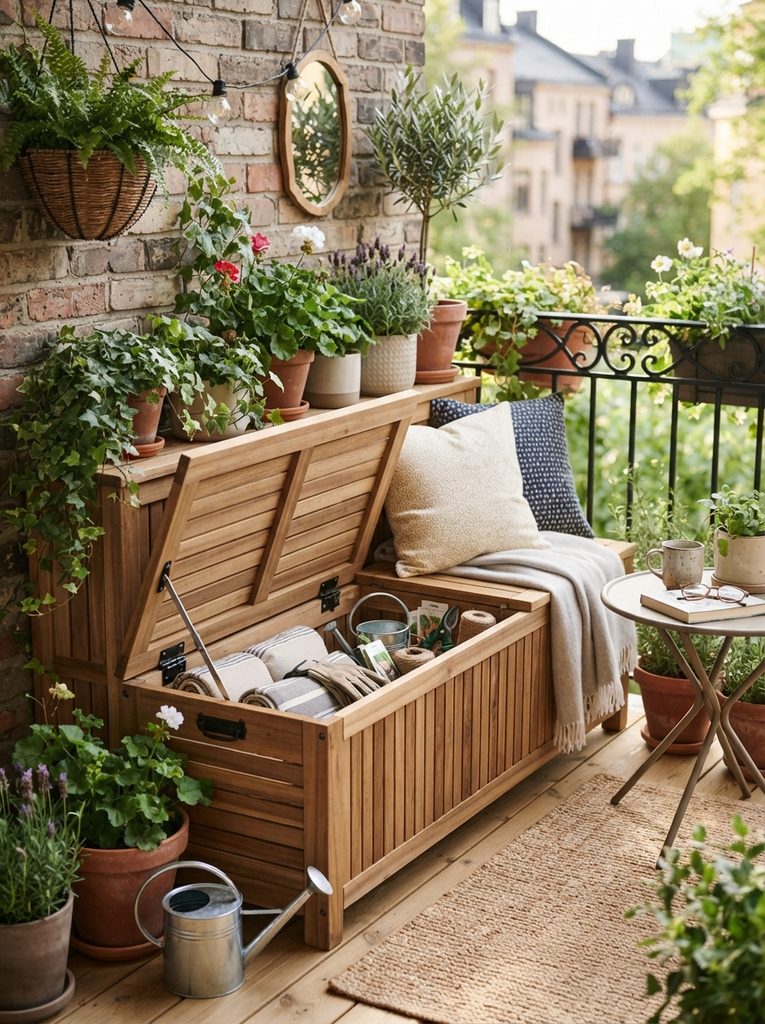
I always look for furniture that gives me more than one function. A storage bench, for example, can provide seating while hiding cushions, gardening supplies, or other outdoor items underneath.
An ottoman with storage, a bench with compartments, or a small table with shelving can reduce the number of separate pieces I need.
Pro Tip: I make a list of the items I need to store before choosing storage furniture. This helps me select the right capacity instead of buying a piece that looks useful but cannot hold what I actually have.
4. Stackable Planters
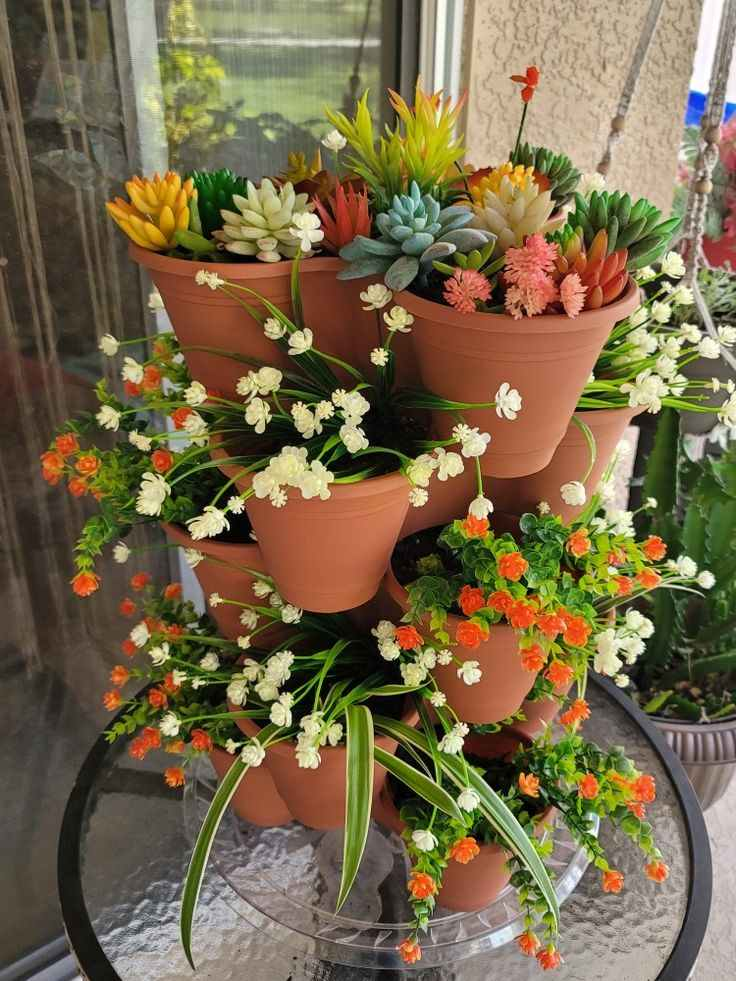
Stackable planters allow me to create a vertical planting arrangement without spreading pots across the entire floor.
I can use them for herbs, flowers, strawberries, or other suitable compact plants. The different levels also give my outdoor space more visual height.
I find this particularly useful when I want greenery but still need enough floor space for a chair or small table.
5. Hanging Lights
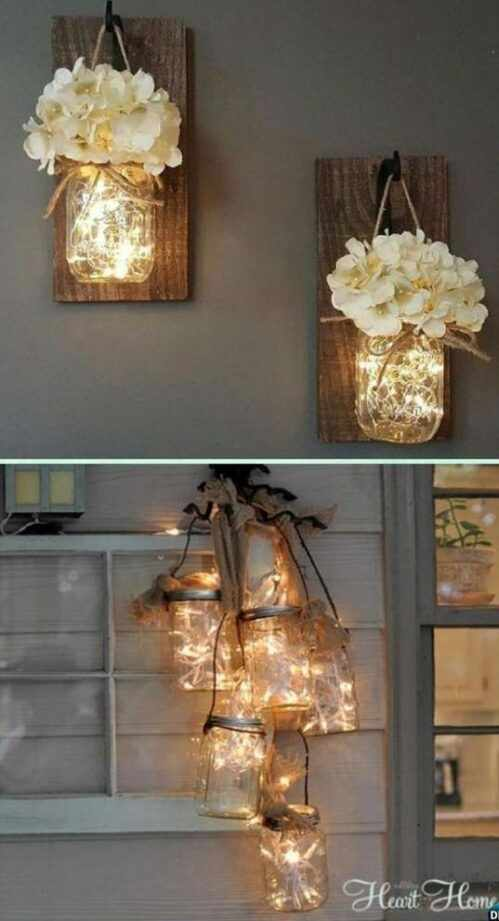
I can add plenty of atmosphere without using valuable table or floor space by hanging string lights, lanterns, or suitable outdoor pendant lighting.
Lights around a railing, overhead structure, or wall can make a tiny area feel warm and inviting after sunset.
For safety, I always choose lighting that is specifically rated for outdoor use and follow the manufacturer’s installation instructions.
6. Wall-mounted Shelves
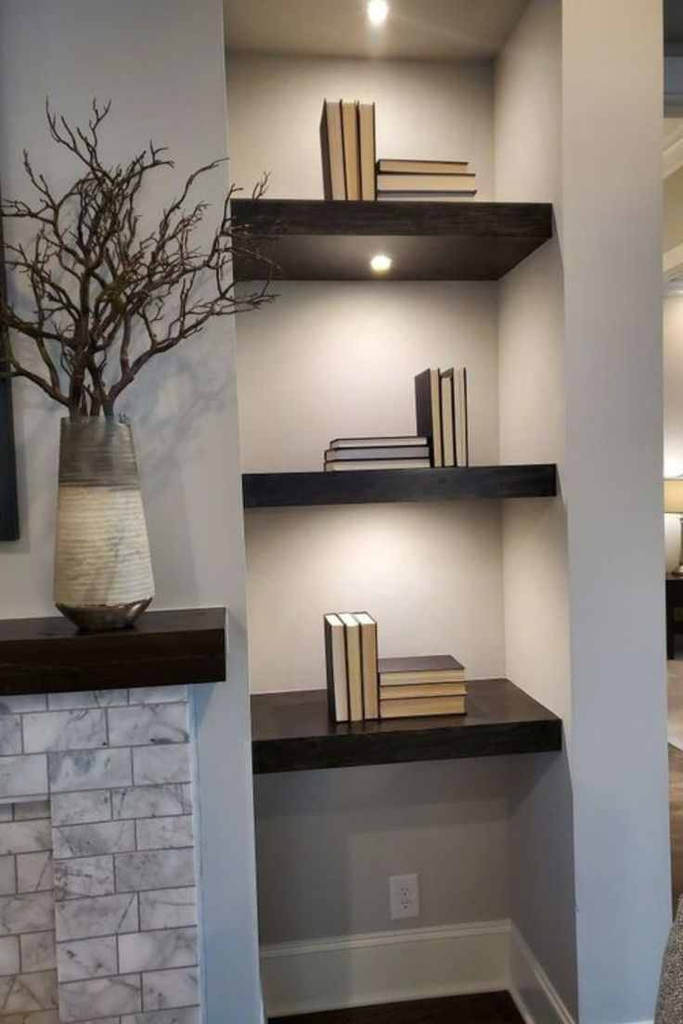
Wall-mounted shelves give me a convenient place for small plants, lanterns, decorative pieces, or gardening supplies.
Instead of placing several objects on the ground, I can move some of them upward and keep the floor more open.
I also like using shelves at different heights because they create a more layered appearance without adding bulky furniture.
7. Outdoor Rug
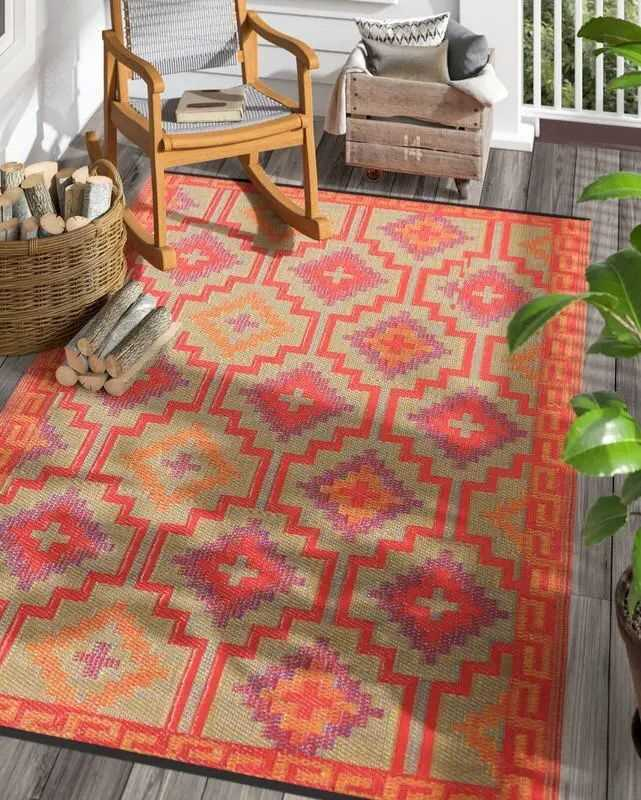
An outdoor rug can visually define a small seating area and make a basic balcony or patio feel more like an intentional room.
I use one to add texture and color while visually connecting chairs and a small table. It can also help make hard flooring feel more comfortable.
I choose a rug designed for outdoor conditions and make sure it can dry properly after rain to reduce moisture problems.
8. Compact Grill
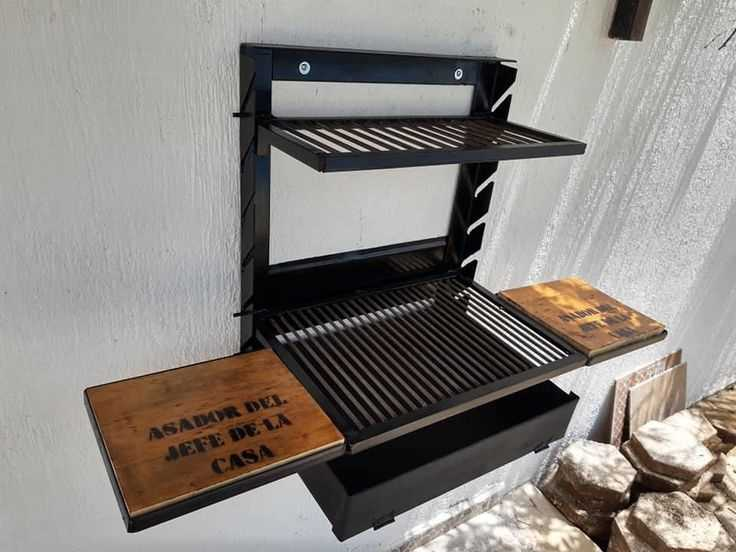
If I enjoy outdoor cooking, I do not necessarily need a large grill. A compact model can give me a practical cooking station while taking up much less room.
I choose a size based on how many people I normally cook for rather than buying the largest option available.
Pro Tip: I always check local fire, building, and housing rules before using a grill on a balcony or other small outdoor area. Some buildings prohibit certain types of grills entirely.
9. Cushion Storage
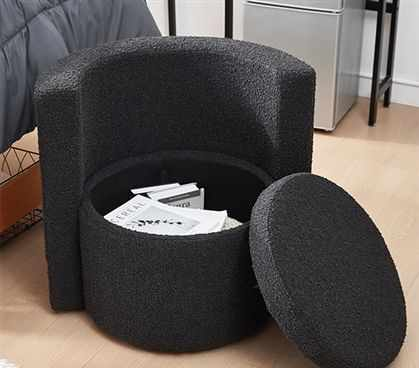
Outdoor cushions can quickly make a tiny space look messy when they are left on chairs or piled in a corner.
I prefer a waterproof storage box, outdoor storage bench, or another properly ventilated storage solution where appropriate. This protects cushions from unnecessary exposure and keeps seating ready for use.
I also make sure the storage container is actually suitable for outdoor conditions rather than assuming every plastic or wooden box is weatherproof.
10. Potted Plant
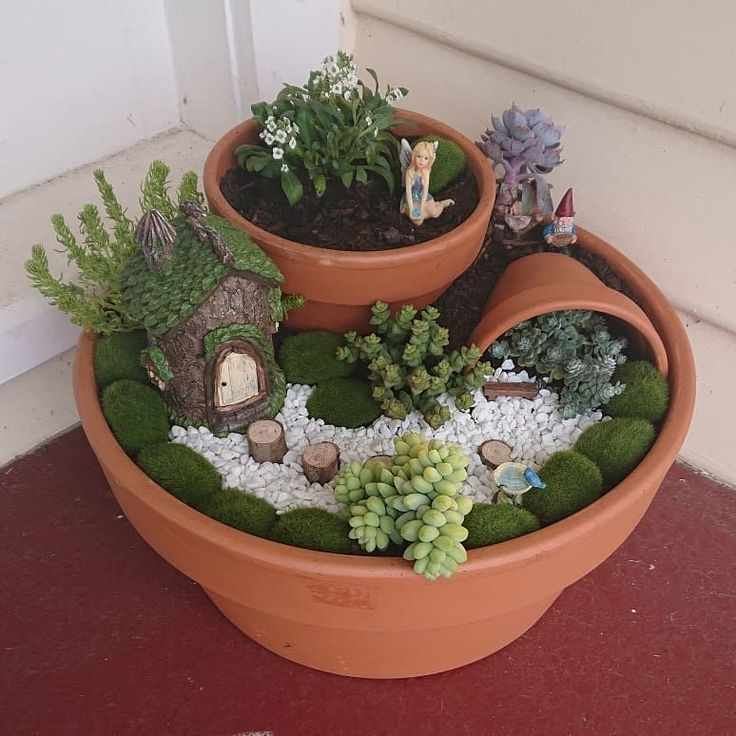
Potted plants can bring life to even the smallest outdoor corner, but I avoid placing too many containers randomly across the floor.
Instead, I group plants by height and position larger pots toward the back while keeping smaller ones where they will not interfere with movement.
This creates a fuller look while allowing me to maintain a practical layout.
11. Folding Screen
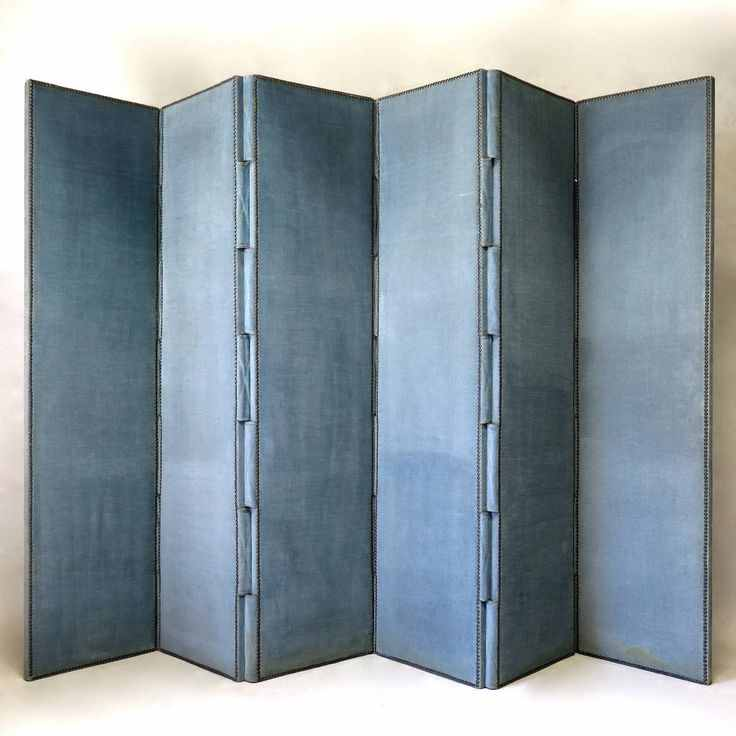
A folding screen can solve several problems in a compact outdoor area. I can use one to create privacy, hide an unattractive view, or visually separate a sitting area from plants or storage.
Because it folds, I can move it away when I need a more open layout.
For outdoor use, I choose a sturdy material and secure the screen properly if the area is exposed to wind.
12. Compact Dining Set
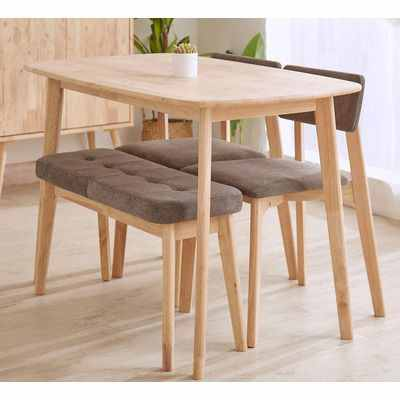
A small bistro-style table with two compact chairs can give me a dedicated place for morning coffee, meals, or outdoor work.
I do not need a full dining set if the space is only used by one or two people most of the time.
Round tables can also work well in tight layouts because they eliminate sharp corners that can interfere with movement.
13. Hanging Baskets
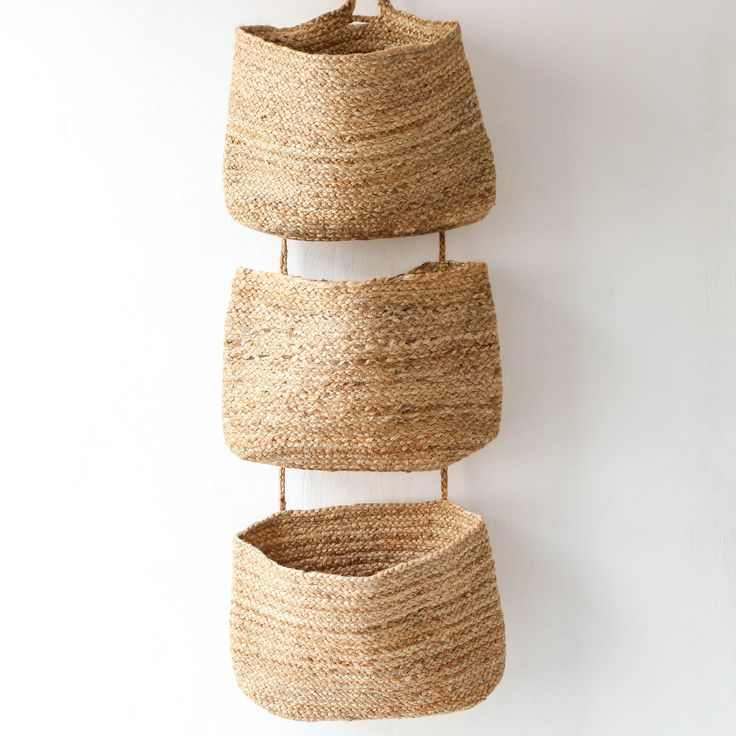
Hanging baskets let me add flowers, herbs, and trailing plants without giving up valuable floor area.
I can attach them to suitable hooks, railing systems, or other secure supports. Grouping several baskets vertically can create a small living wall effect.
Pro Tip: I check how much weight the support can safely carry before hanging a basket, especially after watering.
14. Wall Art
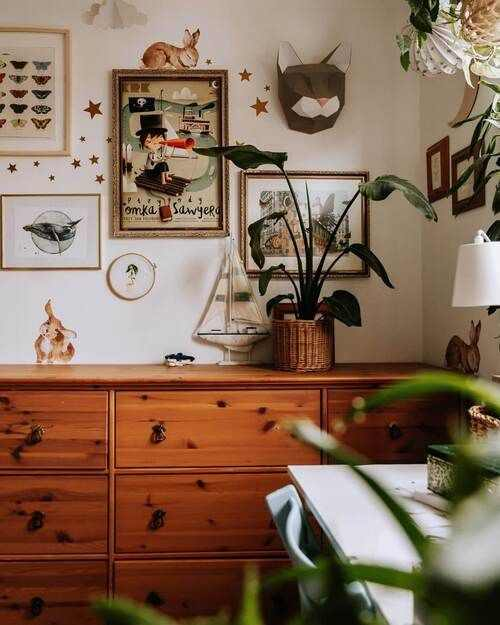
I can make a small outdoor area feel more personal by treating the walls as an extension of my home’s interior.
Weather-resistant artwork, decorative panels, signs, or outdoor-safe ornaments can add character without taking up floor space.
I avoid using indoor artwork outside unless the manufacturer specifically says it is suitable for outdoor conditions.
15. Portable Bar Cart
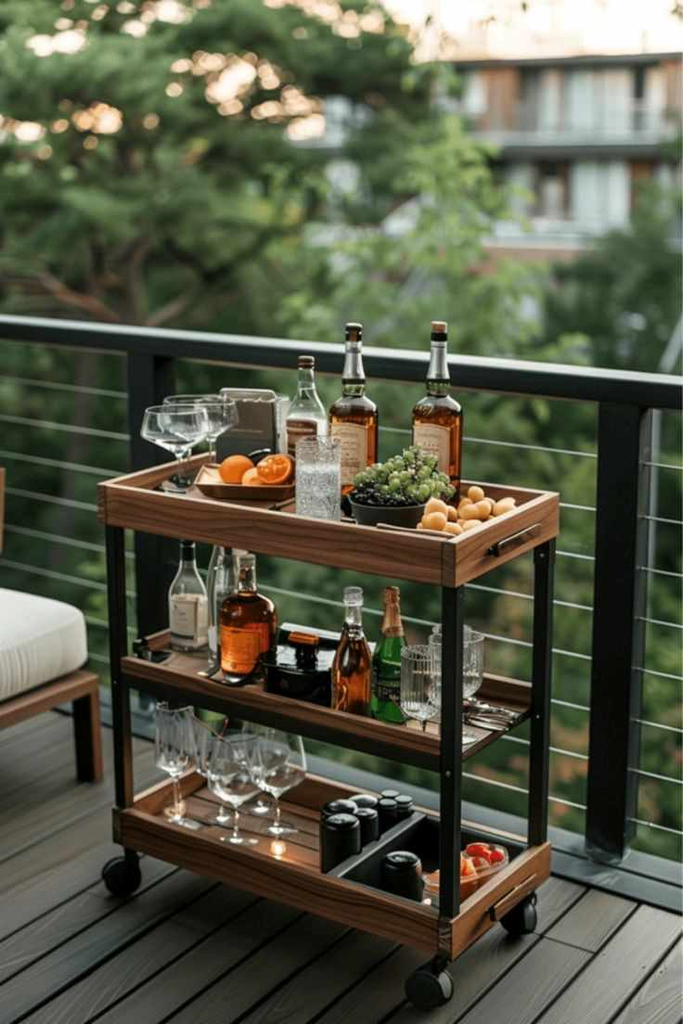
A compact bar cart can give me a dedicated place for drinks, glasses, snacks, napkins, and entertaining supplies.
Because it is movable, I can roll it into position when guests arrive and move it out of the way afterward.
I find this much more practical than keeping a permanent large serving station in an already crowded space.
16. Pergola or Awning
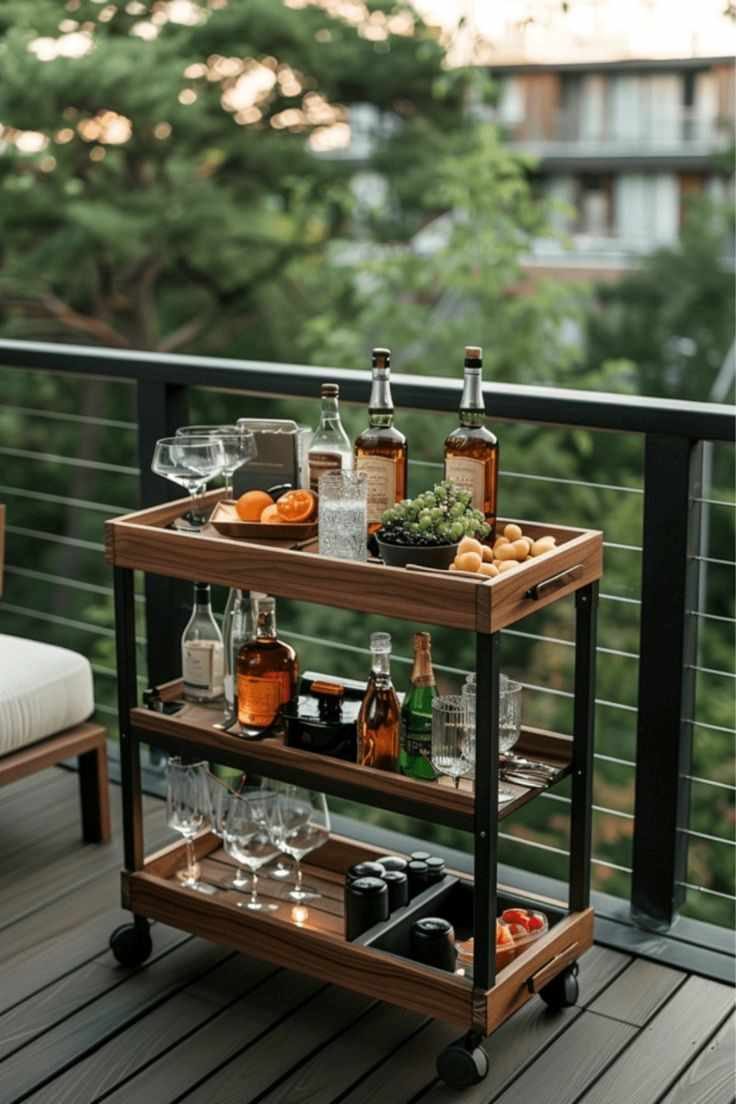
Shade can make a small outdoor area much more comfortable, particularly when the space receives strong direct sunlight.
A compact pergola, retractable awning, or other suitable shade solution can define the area while making it more useful for relaxing or dining.
Before installing a permanent structure, I check property rules and local requirements and make sure the design is appropriate for the available space.
17. Hooks and Rails
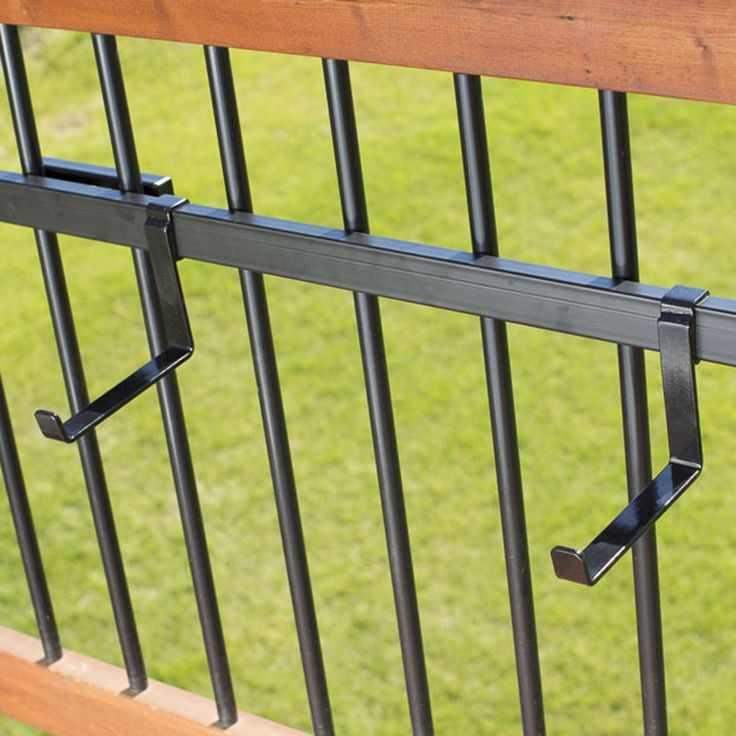
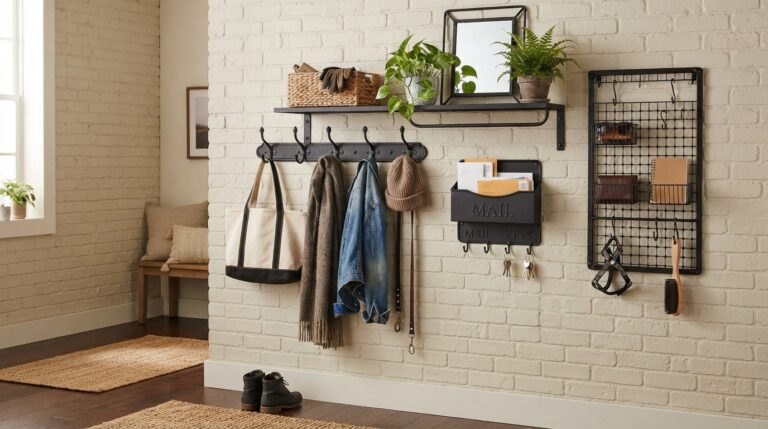
Hooks and rails are simple ways for me to keep frequently used outdoor items off the floor.
I can use them for lightweight gardening tools, hand towels, small baskets, watering accessories, or decorative pieces.
This approach works particularly well because I can see what I have instead of digging through a storage box every time I need something.
18. Compact Water Feature
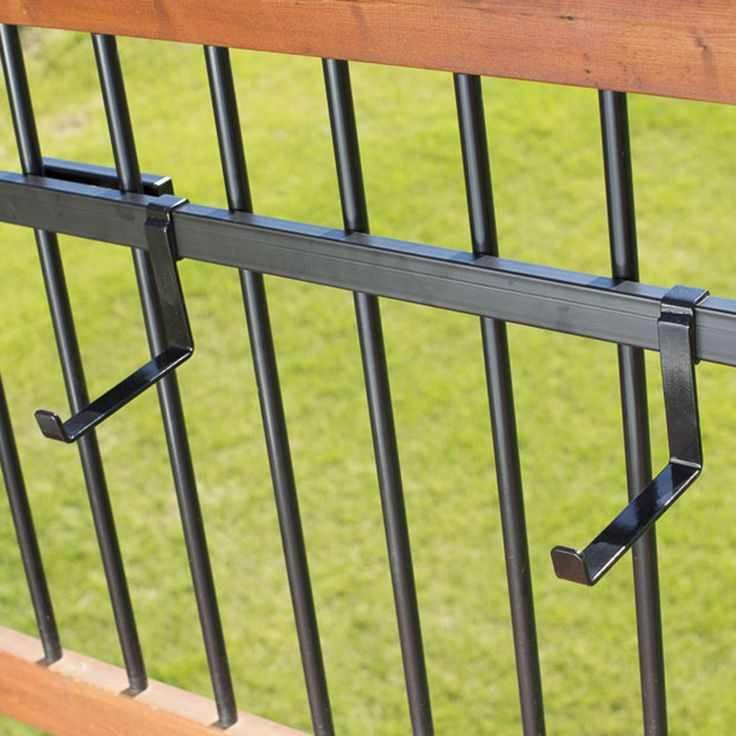
A small fountain or tabletop water feature can provide a decorative focal point without requiring a large garden.
I prefer compact designs that are easy to maintain and do not dominate the available space.
If electricity is required, I make sure the equipment is designed for the location and protected according to the manufacturer’s safety instructions.
19. Tiered Shelving
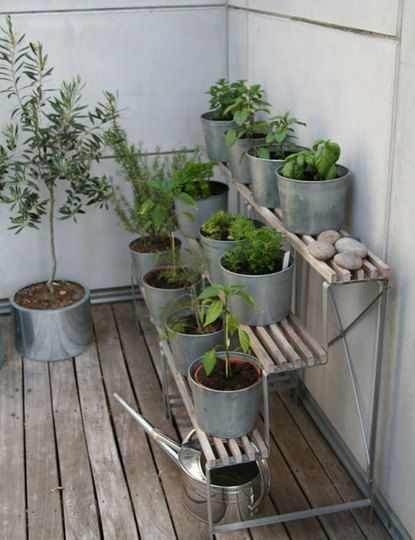
Tiered shelving lets me organize several items vertically rather than spreading them over the ground.
I can use the shelves for plants, lanterns, gardening accessories, or decorative objects. A narrow unit can fit into a corner that would otherwise remain unused.
Pro Tip: I keep heavier items on the lower levels and lighter decorative pieces higher up to improve stability.
20. Comfy Seating
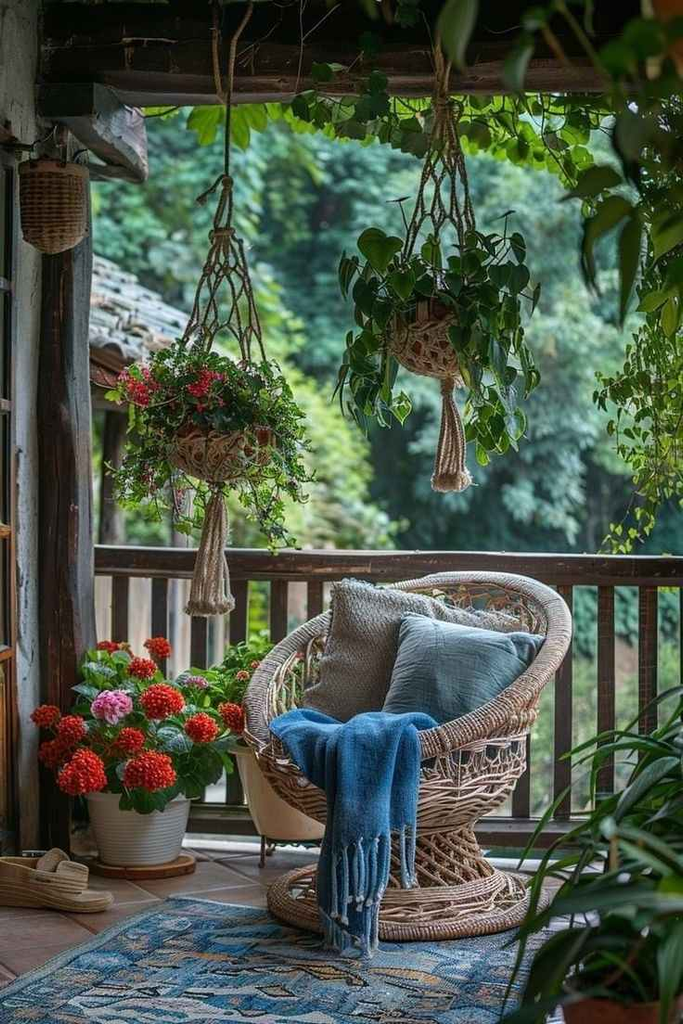
Small does not have to mean uncomfortable. I look for compact chairs, benches, or outdoor loungers that provide proper support without overwhelming the area.
Weather-resistant cushions can make simple furniture much more comfortable.
I also consider how easy the upholstery will be to clean because outdoor seating naturally encounters dust, pollen, moisture, and other messes.
Also read: 15 Amazing Bedside Table Ideas for Small Spaces
21. Colorful Accents
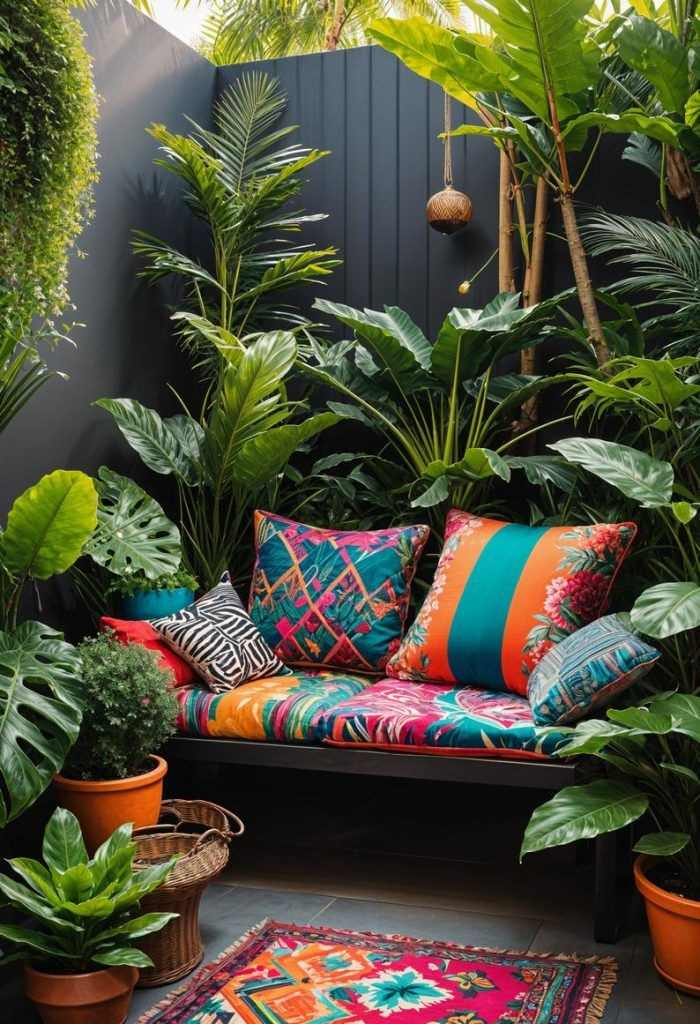
I can add personality without buying lots of large decorative pieces. A few colorful cushions, planters, rugs, or small accessories can completely change the feel of a compact outdoor area.
I usually choose two or three complementary colors instead of mixing too many unrelated shades.
This keeps the space visually coordinated while still giving me room to show my style.
22. Herb Garden
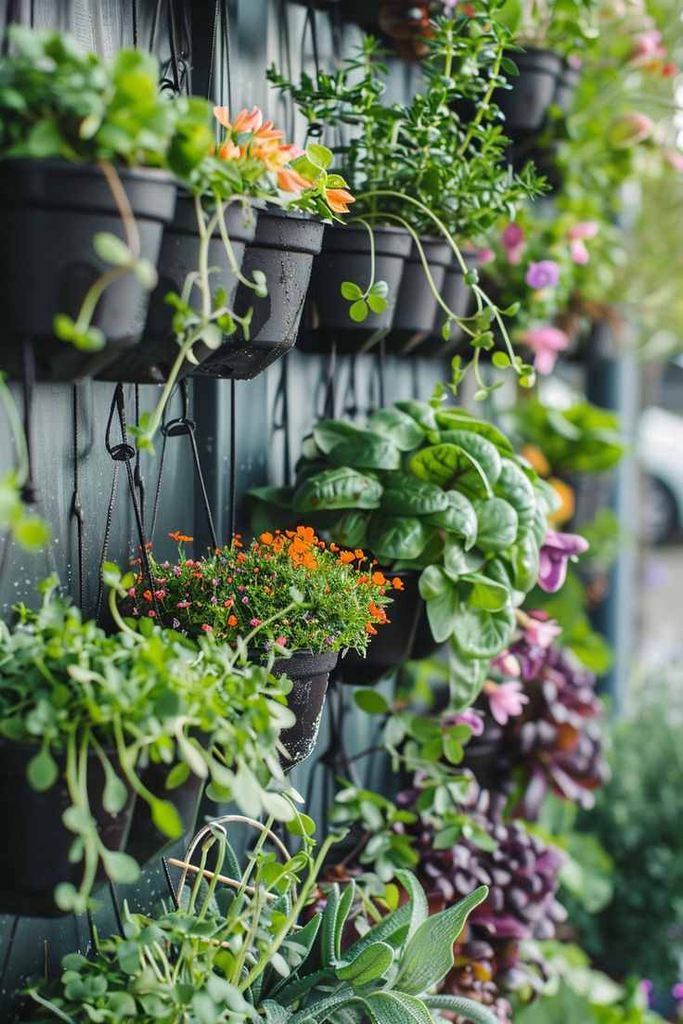
A tiny herb garden is one of my favorite ways to combine decoration with usefulness.
I can grow suitable herbs in small pots, railing planters, hanging containers, or a compact tiered planter. Having fresh herbs nearby also makes the garden functional rather than purely decorative.
I choose plants based on the amount of sunlight my particular outdoor area receives because light conditions can vary significantly between balconies, patios, and shaded corners.
23. Outdoor Bar
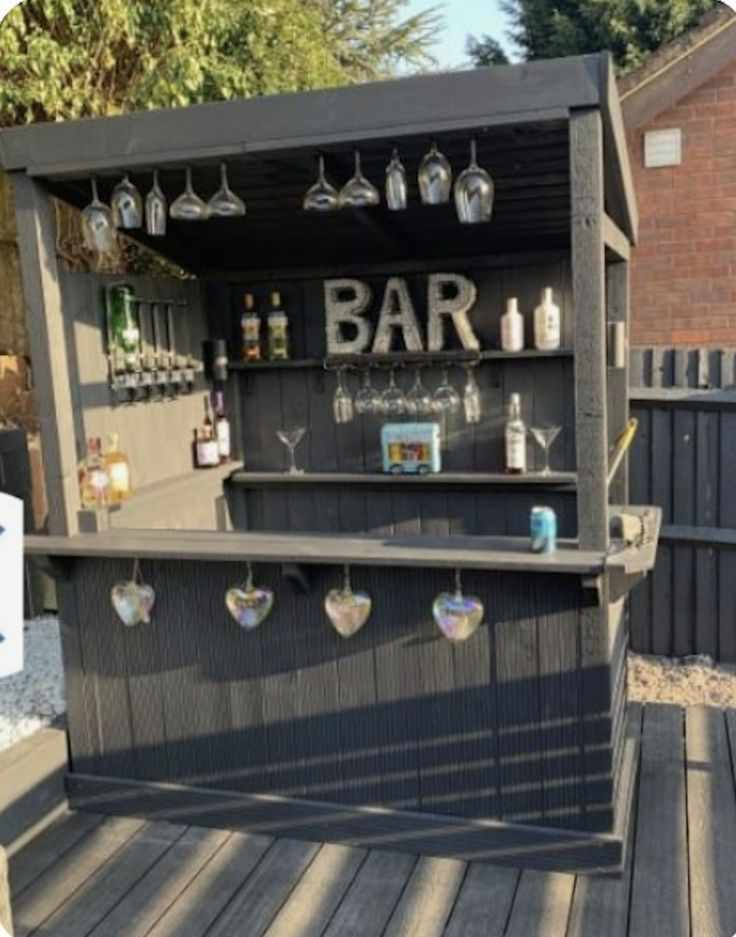
A fold-down shelf or wall-mounted serving station can give me the convenience of an outdoor bar without permanently taking up floor space.
When I am not entertaining, I can fold the surface away and reclaim the area.
I can use it for drinks, snacks, coffee, or even as a temporary serving surface during outdoor meals.
24. Foldable Umbrella
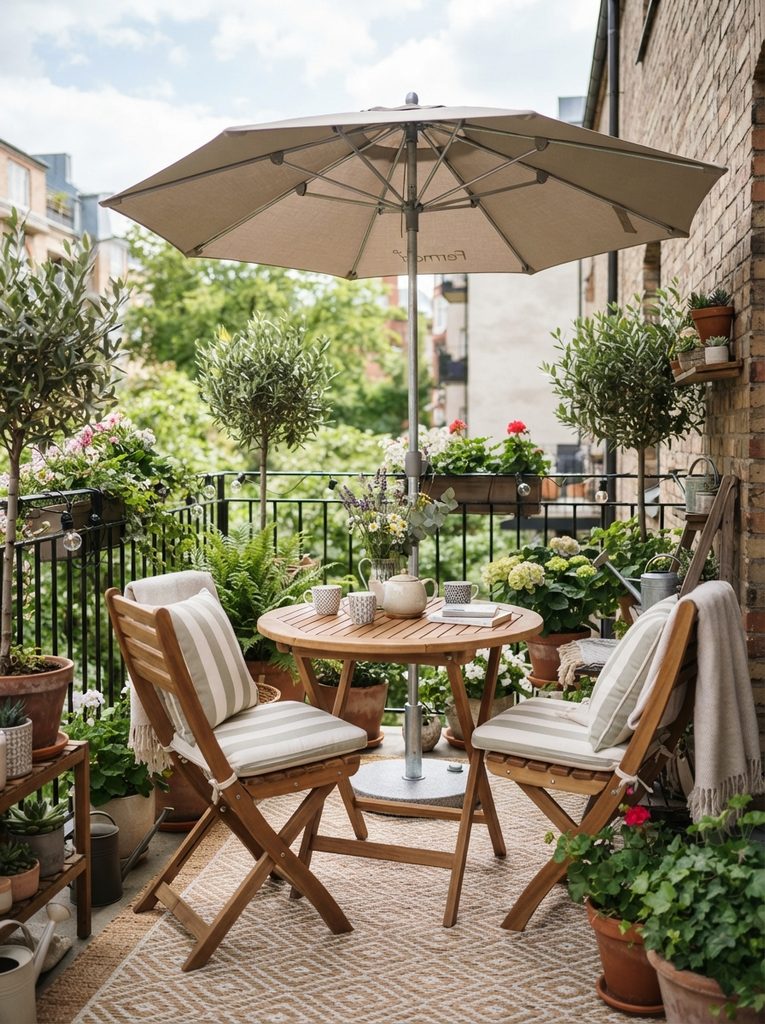
A compact, foldable umbrella gives me flexible shade without requiring a permanent overhead structure.
I can open it when the sun is strong and store it when I need more room or when weather conditions make it unsuitable.
For small spaces, I pay close attention to the umbrella’s base because the stand can sometimes take up almost as much room as the umbrella itself.
25. Solar Lights
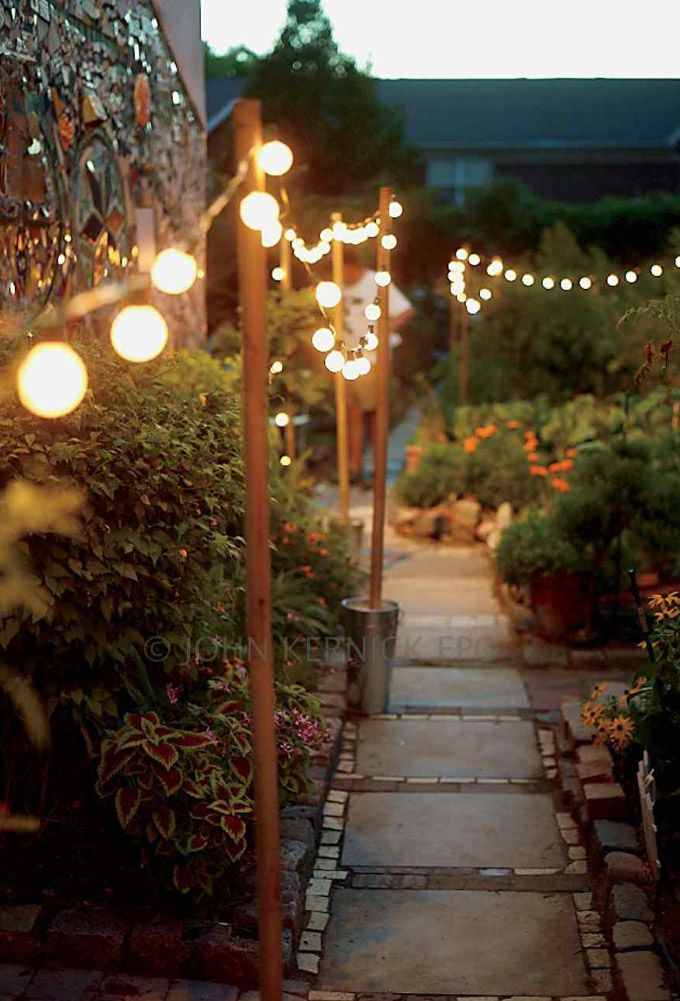
Solar-powered lights can provide useful evening illumination without requiring permanent electrical wiring in many setups.
I can place suitable solar lights along a border, around planters, or near a seating area.
I position them where the solar panel can receive enough daylight and clean the panel periodically so dirt does not reduce its performance.
26. DIY Plant Hangers
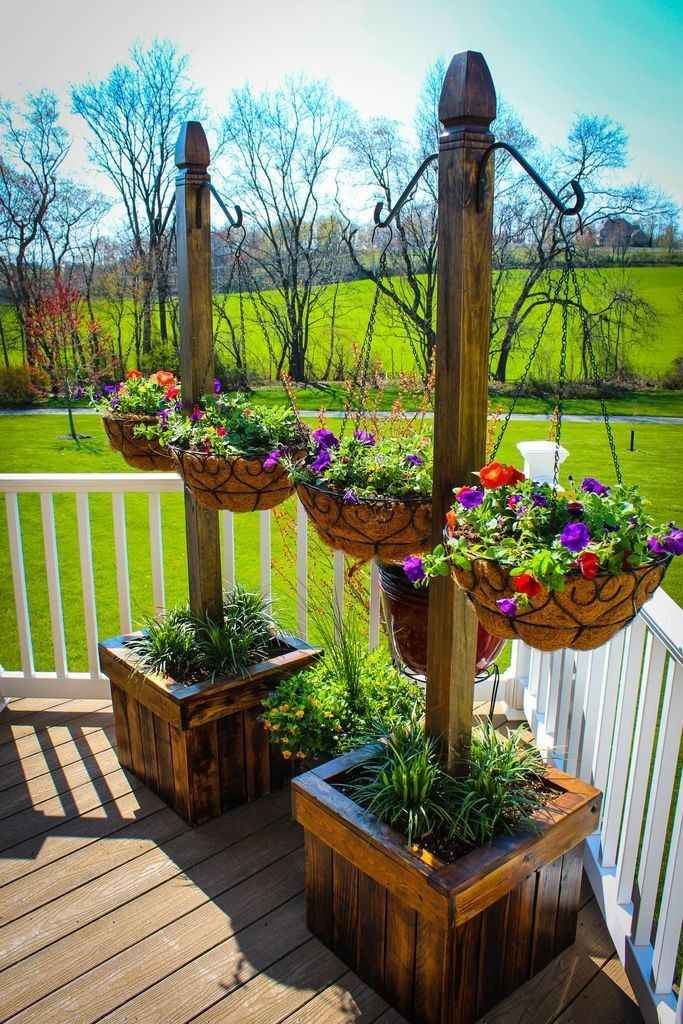
Making my own plant hangers is an inexpensive way to add vertical decoration. I can use rope, macramé, sturdy recycled materials, or other suitable supplies.
Different hanging heights can create a layered plant display while leaving my floor available for furniture.
Pro Tip: I use containers and hanging hardware appropriate for the plant’s full watered weight. A decorative hanger is only useful if it can safely support what I put inside it.
27. Miniature Fairy Garden
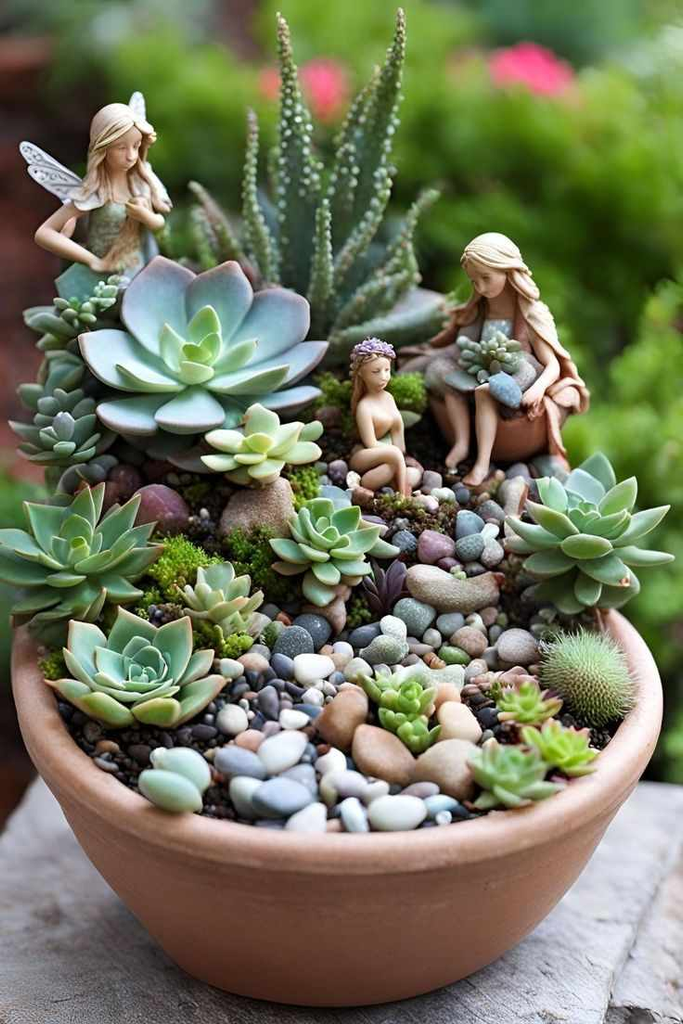
A miniature fairy garden can turn a small unused corner into a fun decorative feature.
I can create one in a shallow container, planter, or another suitable space using small plants and weather-appropriate miniature accessories.
Because the display is compact, I can change the tiny details seasonally without rearranging the entire outdoor area.
28. Compact Fire Pit
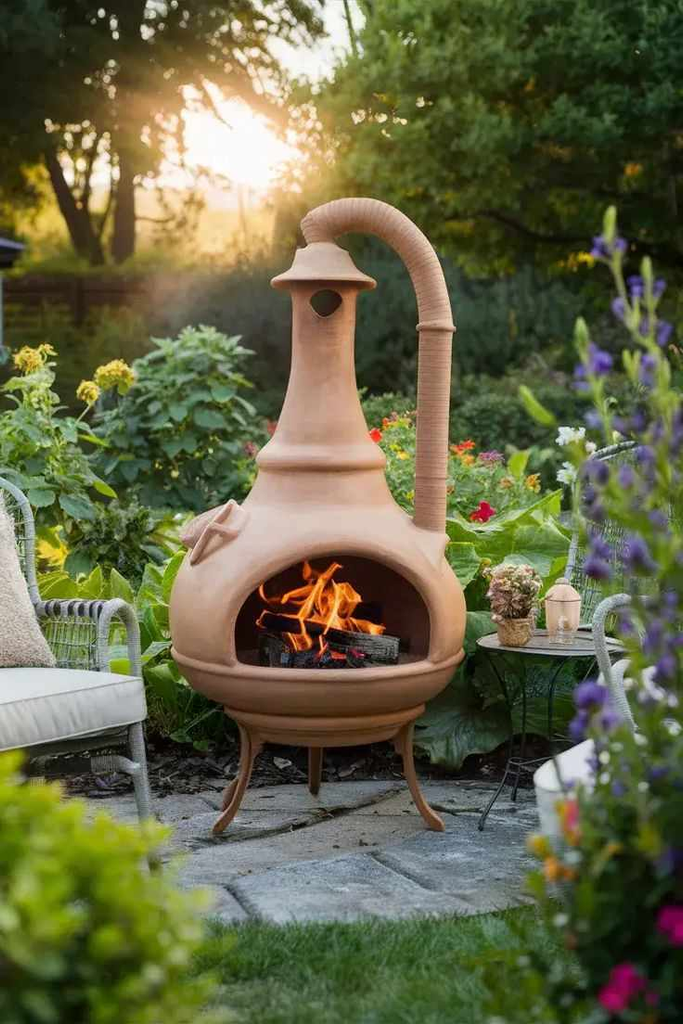
A small fire bowl or compact outdoor fire feature can create a cozy gathering spot when it is permitted and appropriate for the location.
I choose the size based on the available clearance rather than simply selecting the smallest model I can find.
Pro Tip: Fire safety matters more than decoration. I check local regulations, manufacturer clearance requirements, ventilation needs, and building rules before using any fire feature in a small outdoor space. I never use a fuel-burning fire feature in an enclosed or poorly ventilated area.
29. Reflective Surfaces
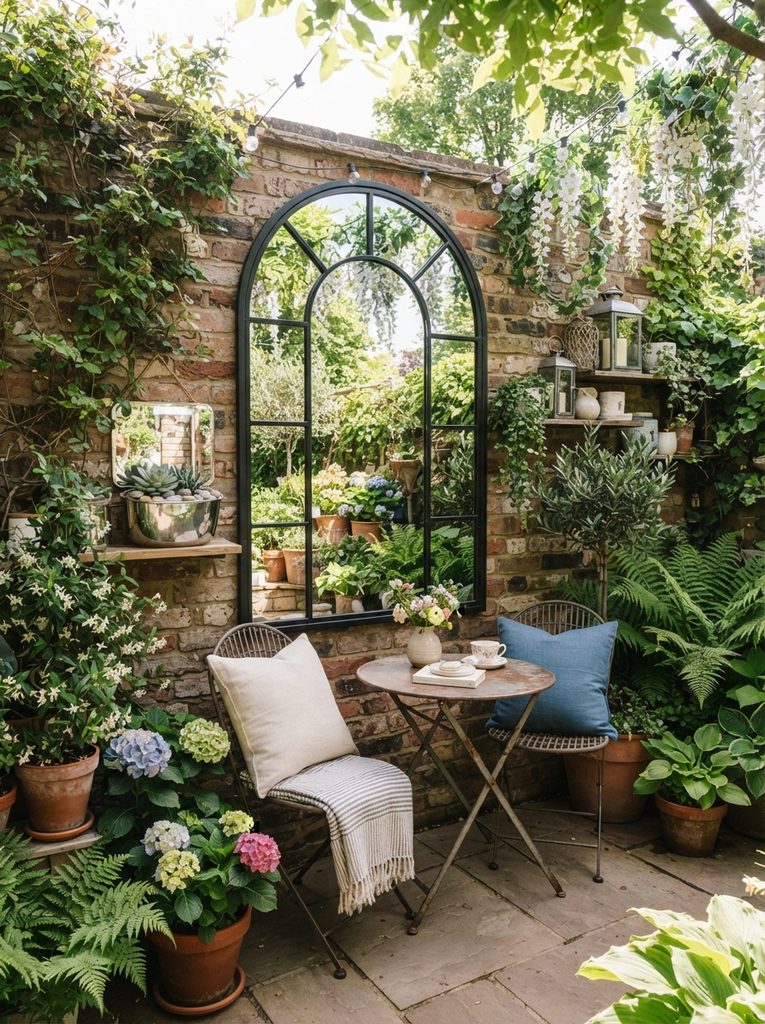
A properly placed outdoor-rated mirror or other reflective feature can make a compact area appear more open by reflecting light and nearby surroundings.
I use mirrors carefully rather than covering an entire wall. One well-positioned piece can be enough to create the visual effect I want.
I also make sure the mirror is securely mounted and suitable for outdoor exposure.
30. Curtains or Drapes
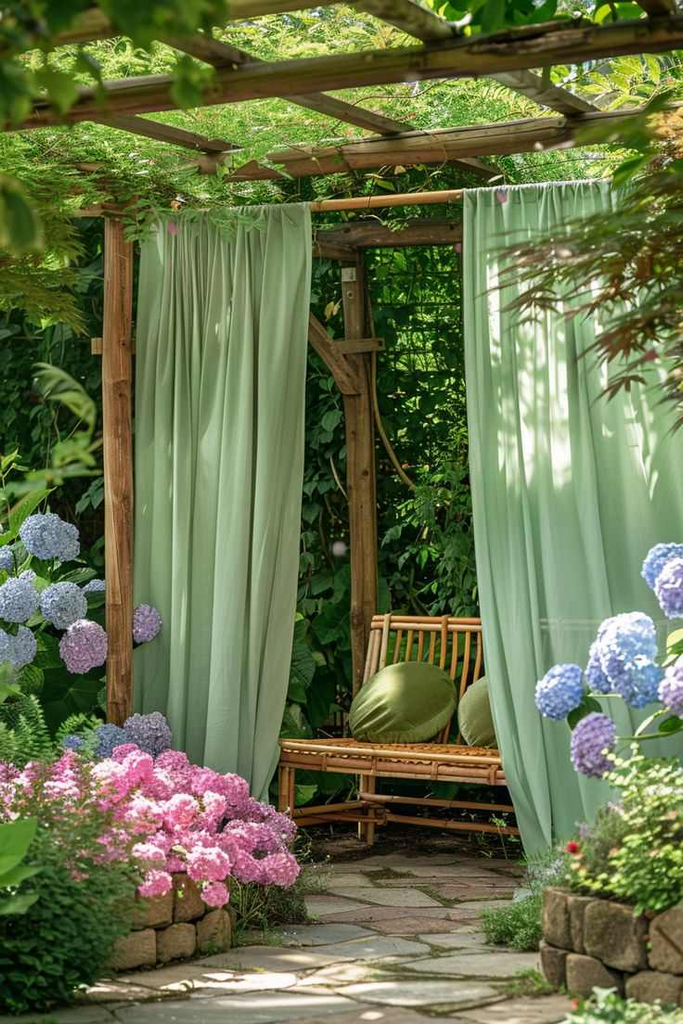
Outdoor curtains can give me extra privacy while also adding softness to a balcony, patio, pergola, or covered sitting area.
I can close them when I want shade or privacy and open them when I want the space to feel larger.
I select fabrics made for outdoor conditions and use secure hardware, particularly in locations that experience wind.
These ideas are designed to help you make the most of your tiny outdoor space by maximizing functionality, comfort, and style.
When I organize a small outdoor area, I do not try to use every available inch. Leaving some open space is important because it makes the area easier to walk through and prevents it from feeling crowded.
Read this next: 25 Fall Living Room Decor Ideas To Cozy Up Your Space in 2026
Specific considerations when designing and organizing a tiny outdoor space
Organizing a tiny outdoor space takes more than choosing attractive furniture. I first consider how I actually use the area, how much sunlight and weather exposure it receives, and what needs to be stored there.
Here are the main principles I use when planning a compact outdoor area:
1. Utilize Vertical Space
I make walls, fences, railings, and overhead structures work harder by adding shelves, hooks, hanging baskets, or suitable trellises.
Moving items upward frees valuable floor space and gives me more room for seating and movement.
2. Multi-functional Furniture
I prefer furniture that performs two jobs whenever possible.
A storage bench, folding table, nesting table, or convertible piece can reduce the number of individual items I need while giving me more flexibility.
3. Smart Storage Solutions
I keep outdoor essentials organized with weather-resistant boxes, storage benches, compact cabinets, and vertical storage.
Before buying anything, I measure both the available area and the items I plan to store. This helps me avoid oversized storage that creates another space problem.
4. Define Zones
Even a tiny outdoor space can have separate purposes.
I can create a dining zone, relaxing zone, or gardening area with a small rug, different furniture placement, planters, or a folding screen. Clear zones make the space easier to use.
5. Choose Scale-Appropriate Decor
I always consider proportion before buying outdoor furniture or decorations.
A large sofa or oversized planter might look beautiful in a showroom but can make a tiny patio difficult to use. Compact pieces with a lighter visual profile usually work better.
6. Lighting and Ambiance
Good lighting can make my outdoor area useful beyond daylight hours.
String lights, lanterns, wall lighting, and suitable solar lights can provide atmosphere without requiring large decorative objects.
I make sure all electrical products are rated for outdoor use and installed safely.
7. Weather Considerations
Outdoor furniture and accessories need to handle the conditions where they will actually be used.
I look for materials and fabrics appropriate for sunlight, rain, humidity, and temperature changes. I also store removable cushions and other vulnerable items when severe weather is expected.
8. Personalization and Style
I do not want my outdoor area to look like a storage zone. A few carefully selected colors, plants, textiles, and decorative pieces can make it feel connected to the rest of my home.
I find that repeating a color or material two or three times is often enough to create a coordinated look.
9. Maintenance Ease
I choose plants, furniture, and accessories based on how much maintenance I realistically want to handle.
Low-maintenance plants and easy-clean outdoor materials allow me to spend more time enjoying the space instead of constantly caring for it.
10. Flexibility
I like keeping small outdoor spaces adaptable.
Lightweight furniture, folding pieces, movable planters, and portable accessories let me change the arrangement for meals, gardening, relaxing, or entertaining.
This flexibility is especially valuable when the same small area has to serve several purposes throughout the year.
By applying these strategies, I can turn a tiny outdoor area into a comfortable and useful extension of my home. The goal is not to squeeze as many objects as possible into the space. Instead, I focus on choosing fewer, smarter pieces that support the way I actually live.
A small balcony, patio, or garden corner can still feel inviting when I combine practical storage, appropriately sized furniture, greenery, lighting, and a little personality.
This post showed you 30 stylish ways to organize a tiny outdoor space and things to consider when decorating and organizing your outdoor area.
FAQ’s
1. How can I organize a tiny outdoor space?
I start by using vertical storage, foldable furniture, hanging planters, and multi-purpose pieces. Keeping the floor open helps my small outdoor area feel less crowded.
2. What furniture works best for a small patio?
I prefer compact, foldable, stackable, or multi-functional furniture. A small bistro set, storage bench, or folding table can provide useful seating without taking over the space.
3. How can I add plants without using too much space?
I use wall planters, hanging baskets, vertical gardens, and tiered plant stands. These options let me add plenty of greenery while keeping valuable floor space available.
4. How do I make a tiny outdoor space feel bigger?
I use light-colored decor, appropriately sized furniture, mirrors, vertical elements, and simple layouts. I also avoid overcrowding the space and keep clear pathways for easier movement.
Conclusion
I have found that organizing a tiny outdoor space becomes much easier when I start with the layout instead of the decorations. I measure the area, decide what I need it to do, and then select pieces that solve more than one problem.
Vertical storage, foldable furniture, hanging plants, compact seating, and smart lighting can make a surprisingly big difference. I also leave enough open space to move comfortably because an organized outdoor area should feel relaxing, not packed.
With a few thoughtful changes, even the smallest outdoor corner can become a practical place for morning coffee, growing herbs, reading, entertaining, or simply enjoying some fresh air.

3 Comments