
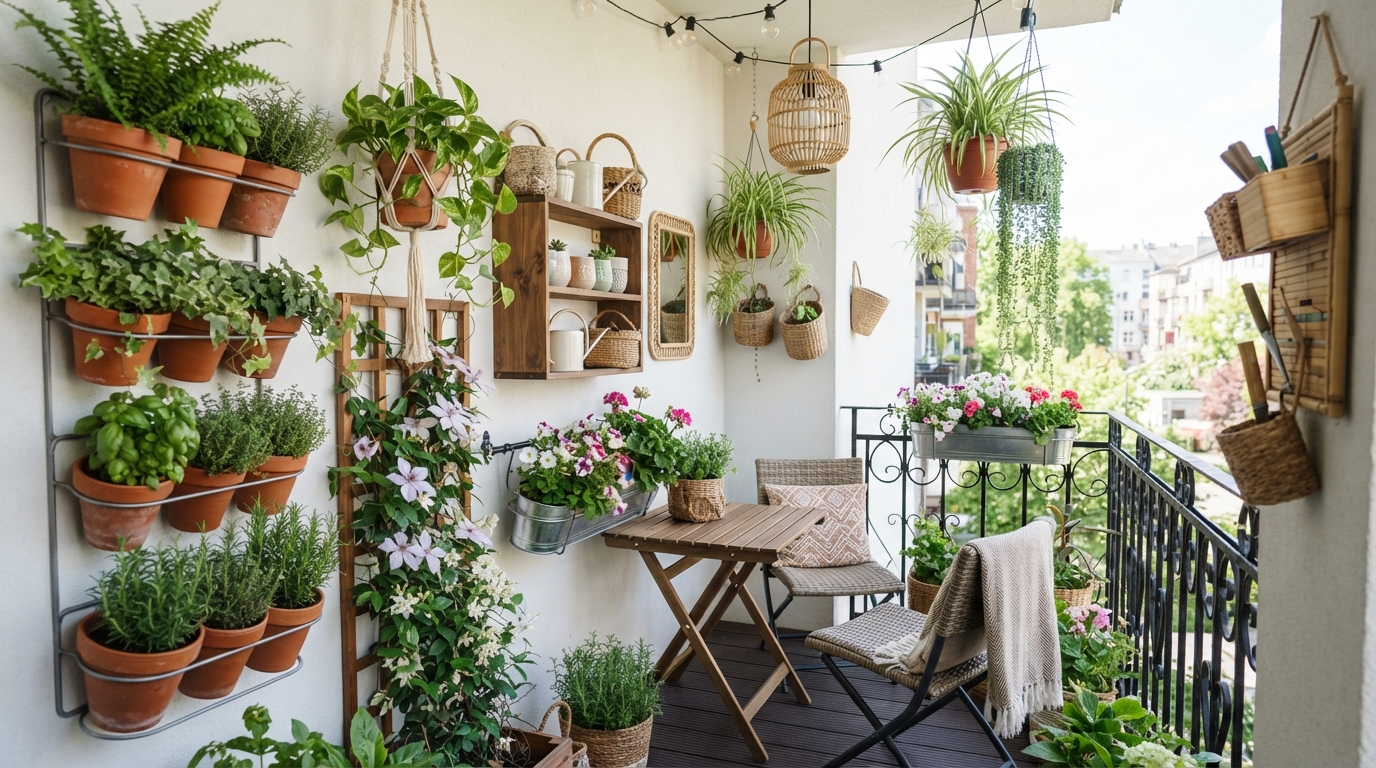
Creative Ways to Utilize Vertical Spaces on Your Balcony or Patio
A small balcony or patio can still feel comfortable, useful, and stylish when I stop thinking only about the floor area. One of the easiest changes I can make is to use the walls, railings, ceilings, and other unused vertical areas.
I have found that vertical decorating works especially well outdoors because it gives me more room for plants, storage, lighting, seating, and decor without making the floor feel crowded. With a few well-planned additions, even a narrow balcony can become a much more enjoyable part of my home.
In this guide, I’m sharing 17 practical ways I can use vertical space on a balcony or patio. My ideas include vertical gardens, hanging planters, trellises, shelves, wall storage, outdoor lighting, mirrors, curtains, fold-down tables, and even compact water features.
Save this for later
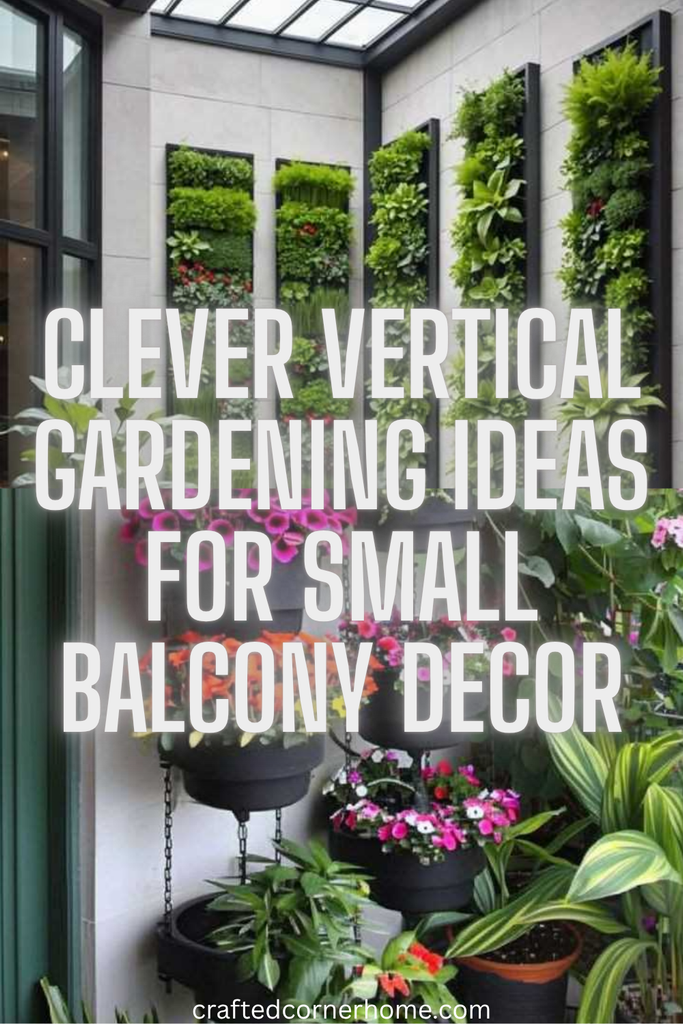
Table of Contents
I’m also including simple DIY vertical garden projects using materials such as pallets, gutters, PVC pipes, shoe organizers, ladders, bottles, and fabric pockets. These ideas can help me add plants and useful features while keeping valuable floor space open.
Key Takeaways
- I can use walls, railings, ceilings, and corners instead of relying only on floor space.
- Hanging planters and wall gardens are useful when I want more greenery in a small area.
- Foldable tables and wall storage can make a compact balcony much more functional.
- Mirrors, curtains, and outdoor art can add style without taking up much room.
- I should always choose outdoor-rated materials and secure anything that could fall or become unstable.
- DIY vertical gardens can be made from inexpensive or repurposed materials.
Related article: 25 Ways To Transform A Small Patio Into A Multipurpose Space
Creative Ways to Utilize Vertical Spaces on Your Balcony or Patio
1. Vertical Gardens
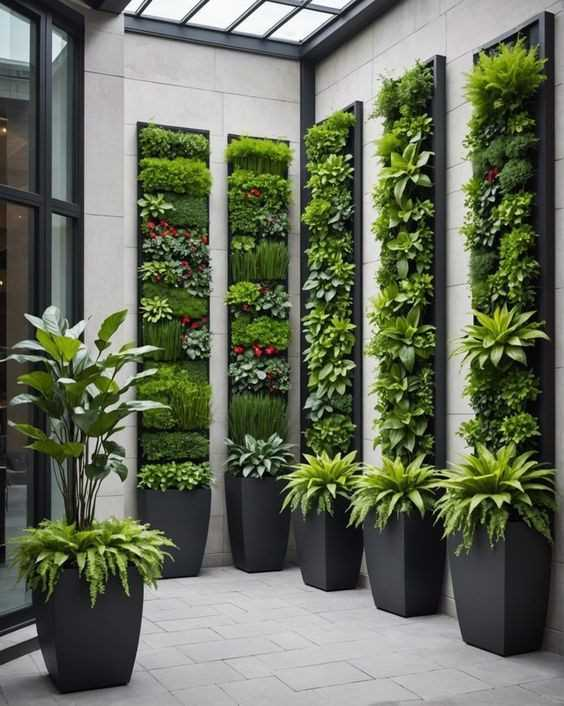
When I want plenty of plants without filling every available spot on the floor, I turn to a vertical garden. Wall planters, pocket systems, stacked pots, and modular garden panels can all turn a blank wall into a living feature.
I can grow herbs, flowers, leafy plants, and some compact vegetables depending on the amount of sunlight my balcony receives. I also like this approach because it gives a plain outdoor wall more color and texture.
Pro Tip: Before installing a plant wall, I check how much direct sunlight the location receives during the day. Choosing plants based on the actual light conditions usually makes maintenance much easier.
2. Hanging Planters
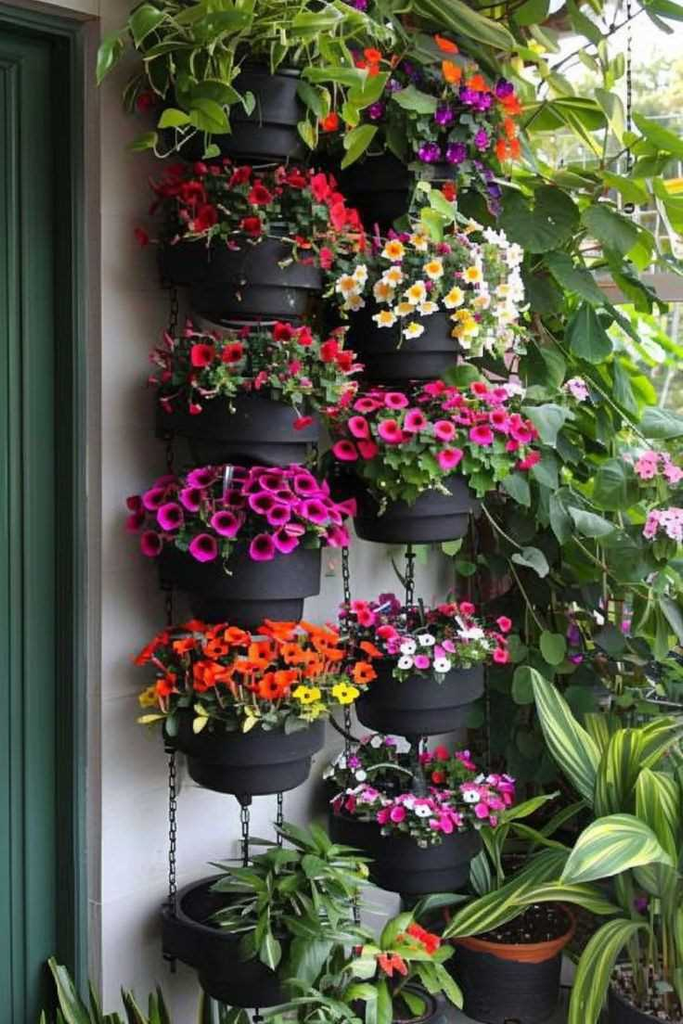
Hanging planters give me another way to bring plants upward instead of spreading them across the floor. I can hang them from a suitable ceiling point, railing, wall bracket, or purpose-built outdoor stand.
Trailing plants can create a soft, layered look as they grow downward. I can also mix different pot sizes and heights to make a small balcony feel more visually interesting.
Pro Tip: I always check the weight rating of the hook and mounting hardware, especially after the planter has been watered. Wet soil can make a container considerably heavier.
3. Trellis with Climbing Plants
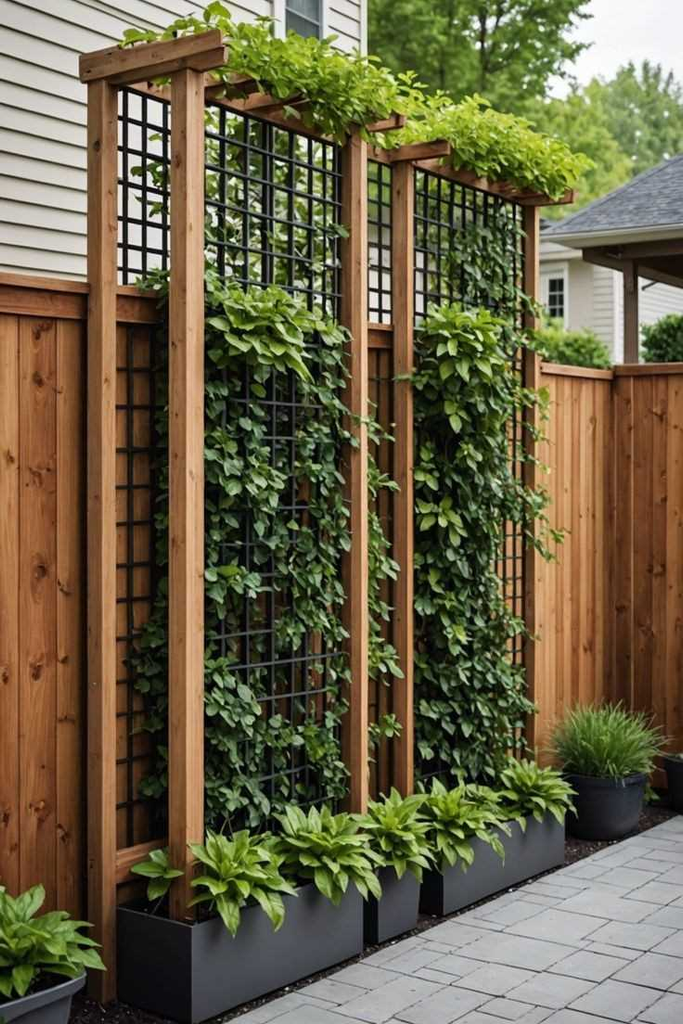
A trellis allows me to use a vertical wall for plants that naturally grow upward. Depending on my climate and available sunlight, I can train suitable climbers such as jasmine, ivy, climbing roses, or certain vegetable vines along the structure.
A trellis can also help create some separation from neighboring spaces. As the plants become fuller, the structure can act as a natural screen while adding greenery.
I can choose wood, metal, or another outdoor-safe material based on the style of my patio.
Pro Tip: I leave enough room around the trellis for pruning and airflow. A plant that becomes too dense can be harder to maintain and may stay damp after watering or rain.
4. Shelving Units
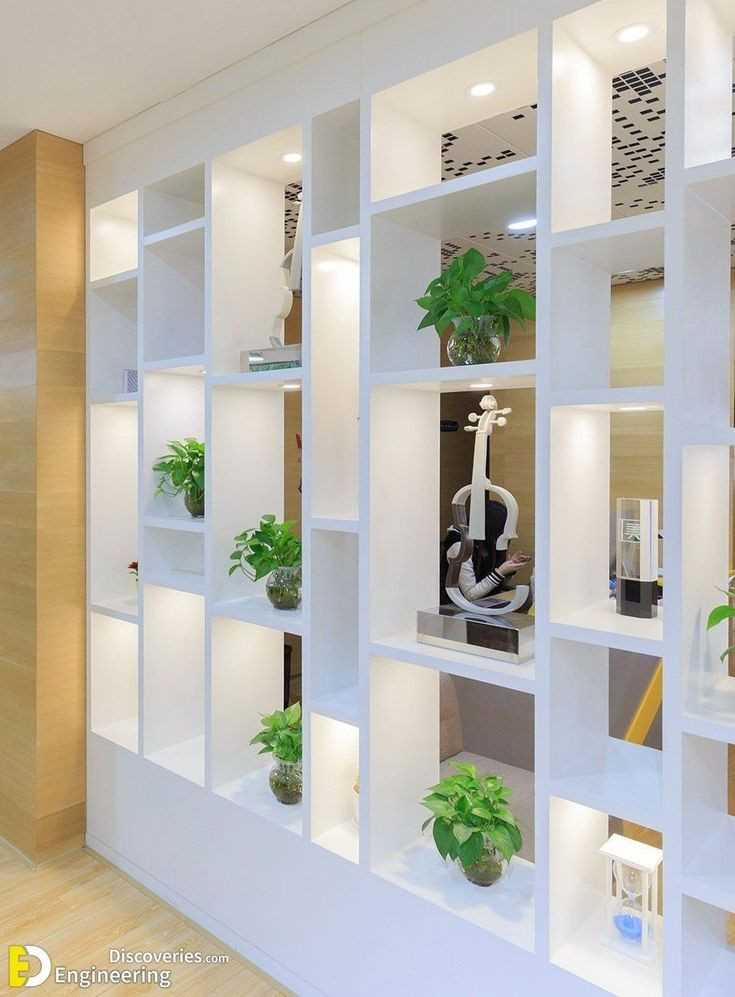
Wall-mounted shelves give me useful space for displaying plants, lanterns, small decorations, and outdoor accessories. Instead of placing everything around my feet, I can move some of those items upward.
For outdoor use, I prefer shelves made from weather-resistant materials. Treated wood, coated metal, and suitable outdoor plastics can handle the conditions better than ordinary indoor furniture.
I also like using shelves at different heights because they create a layered display without requiring much floor space.
5. Wall-Mounted Storage
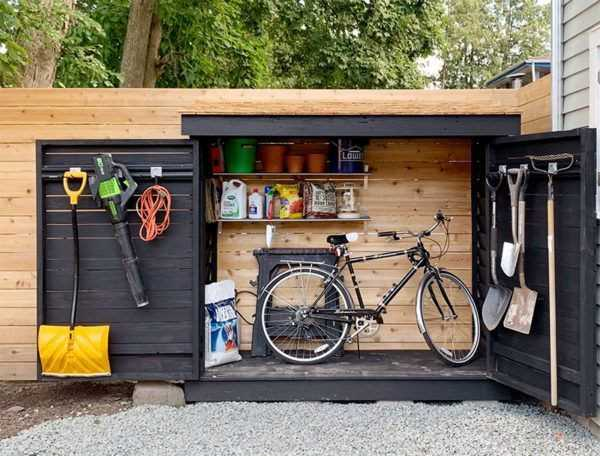
If my balcony becomes cluttered with gardening tools, cushions, small pots, or outdoor supplies, I can move storage onto the wall. Hooks, baskets, peg-style organizers, and compact racks can make everyday items easier to find.
This approach is particularly useful on a narrow patio where a storage cabinet could take up too much room.
Pro Tip: I keep frequently used items at an easy-to-reach height and reserve higher storage areas for things I use less often.
6. Hanging Lights
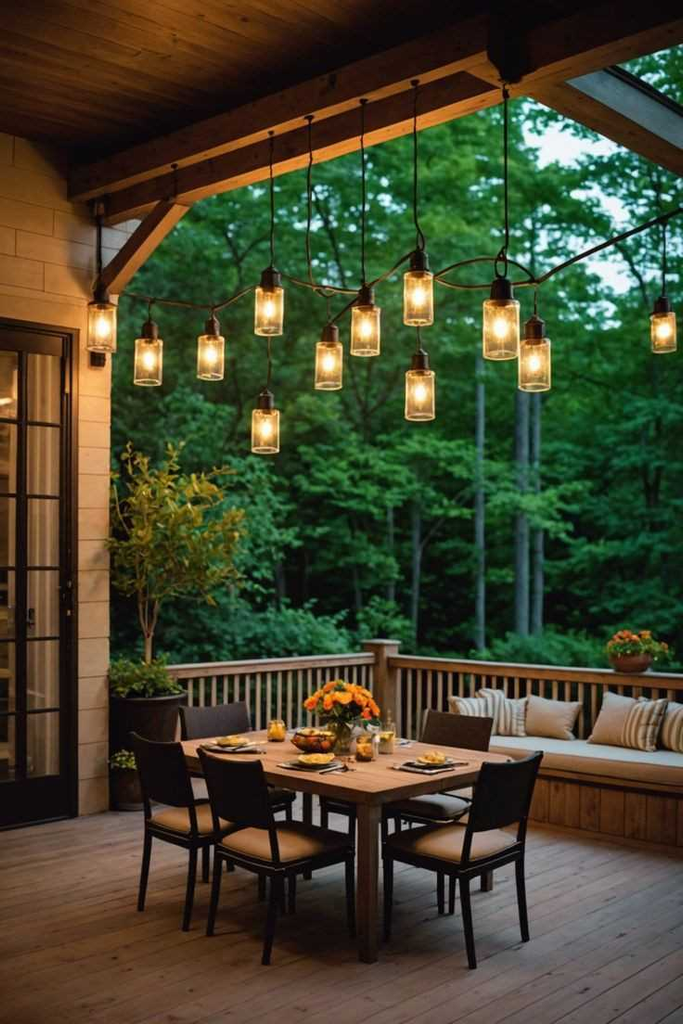
Lighting is one of my favorite ways to make use of vertical space after dark. I can hang outdoor-rated string lights, lanterns, or suitable pendant-style fixtures from walls, railings, or overhead structures.
Instead of relying on a single bright light, I prefer spreading smaller sources around the space. This can make my patio feel warmer and more comfortable for evening meals or quiet time.
For safety, I use lighting specifically designed and rated for outdoor conditions and follow the manufacturer’s installation instructions.
7. Outdoor Art
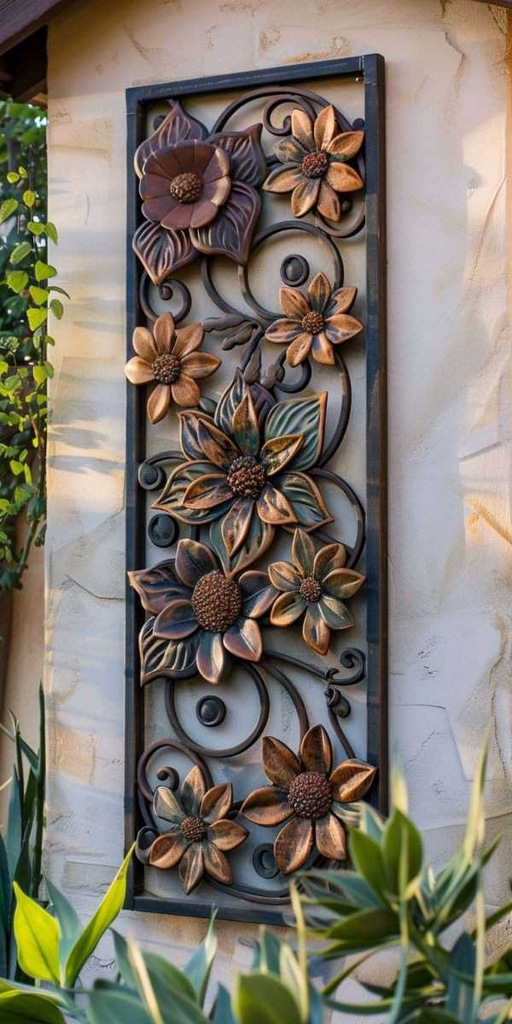
A blank wall doesn’t have to remain empty. I can use weather-resistant artwork, metal pieces, decorative panels, outdoor-safe tiles, or other pieces designed to handle exterior conditions.
This is an easy way to bring the colors and personality of my indoor decorating style outside.
I avoid hanging ordinary indoor artwork outdoors unless it is specifically protected for exterior use because humidity, rain, and temperature changes can damage it.
8. Vertical Pallet Garden
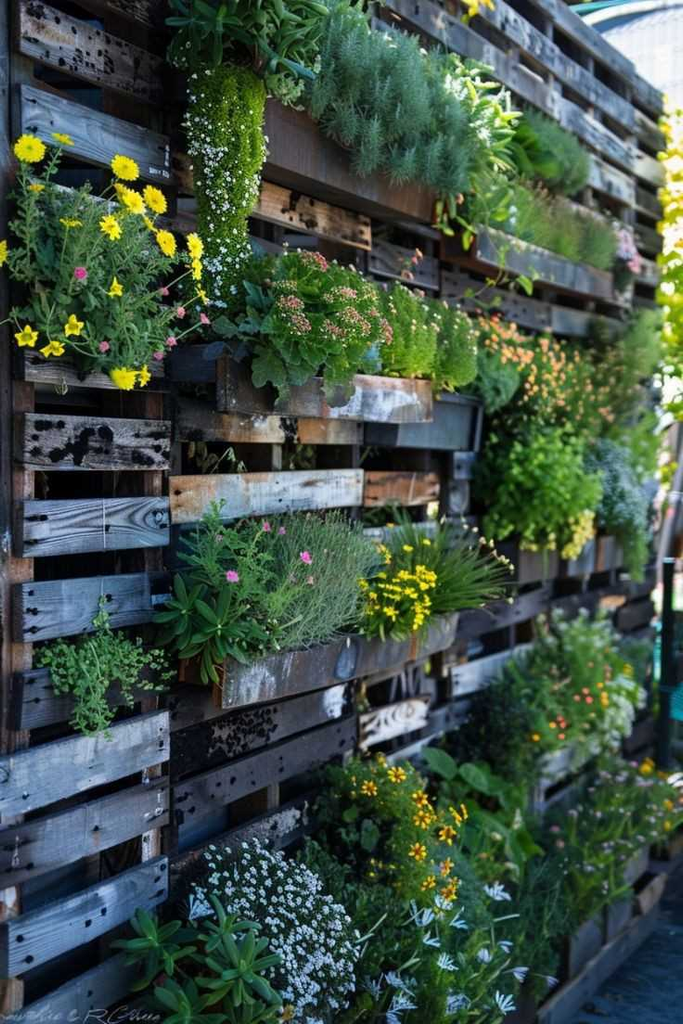
A wooden pallet can be repurposed into a simple vertical planting structure. I can secure it properly, add suitable landscape fabric where needed, and fill designated areas with growing material for compact plants.
Herbs, flowers, and certain small plants can work well in this type of setup. The finished project can give my patio a rustic look without requiring a large planter.
Pro Tip: I never assume that every discarded pallet is suitable for gardening. I look for pallets that are clean and appropriately treated, and I avoid using ones that may have been exposed to chemicals or contaminants.
9. Wall-Mounted Birdhouses
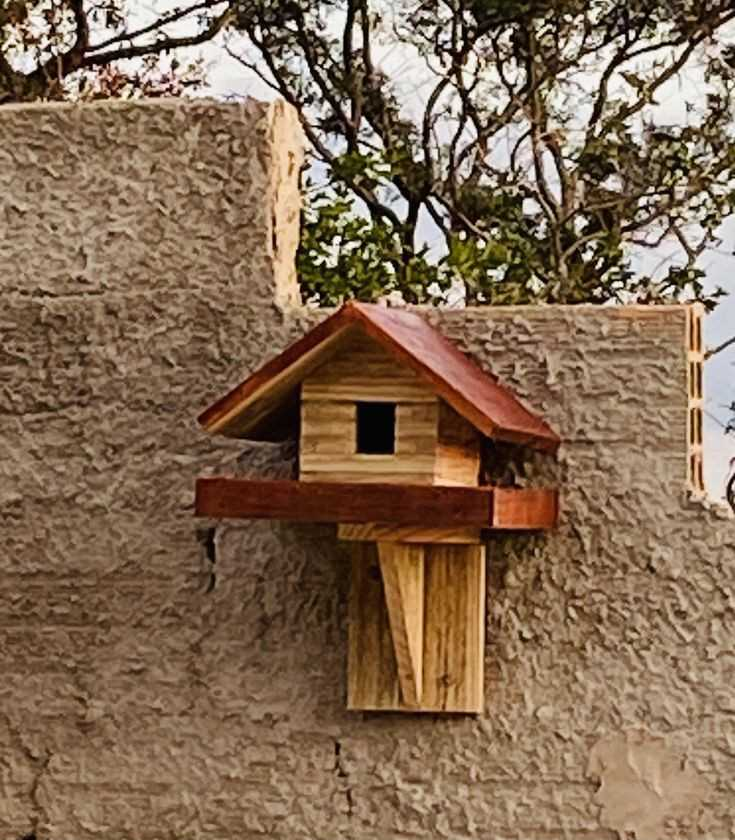
A birdhouse can turn an otherwise unused wall area into a decorative feature while providing a potential nesting space for suitable local birds.
If I add one, I pay attention to its placement, maintenance needs, and local wildlife guidance. I also make sure it is firmly attached and positioned where it won’t interfere with people using the balcony.
For an apartment or urban patio, I can choose a compact design that blends with the rest of my outdoor decor.
10. Hanging Chairs or Swings
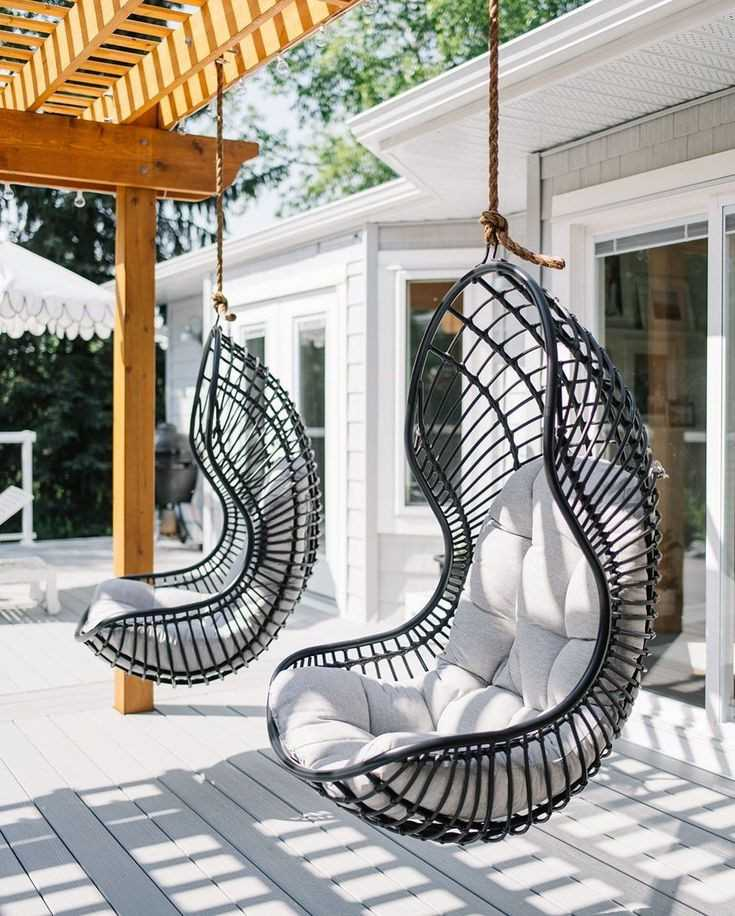
A hanging chair can give me a comfortable place to sit without requiring the footprint of a traditional chair and side table combination.
However, this is one idea where safety matters more than appearance. I only install a hanging seat from a structure that is specifically capable of supporting the load, or I use a properly designed freestanding frame.
Pro Tip: I check the manufacturer’s weight limits and installation requirements before buying or mounting a hanging chair. I never attach a heavy swing to an unverified ceiling or railing.
Also read: 15 Space Saving Small Kitchen Table Ideas
11. Foldable Wall-Mounted Tables
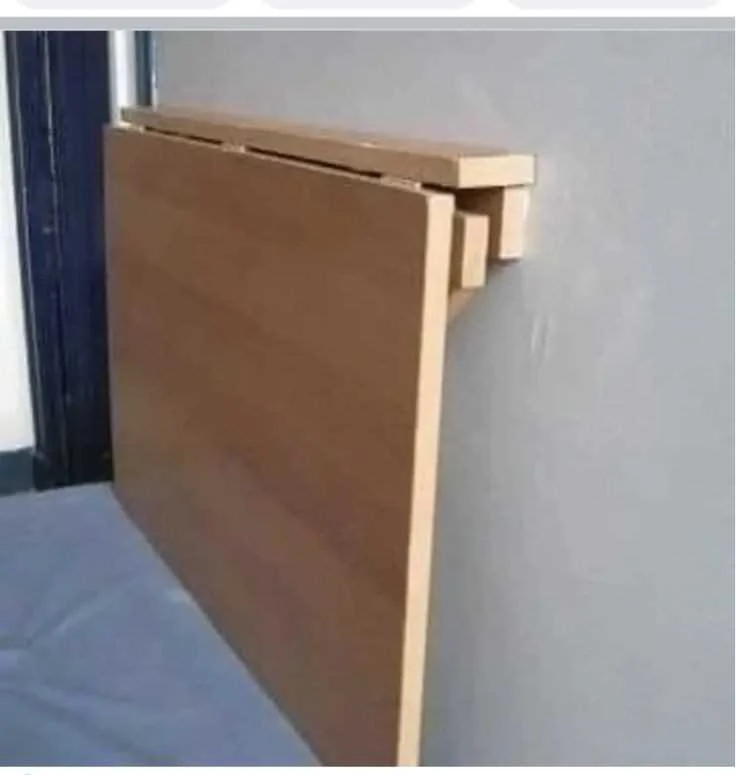
A fold-down wall table can turn a small balcony into a practical eating, working, or gardening area. When I need the surface, I fold it down; when I’m finished, I can fold it back against the wall.
This is especially useful when there isn’t enough room for a permanent outdoor dining table.
I can pair the table with a compact folding chair or stool that can also be stored away when it isn’t needed.
12. Vertical Herb Gardens
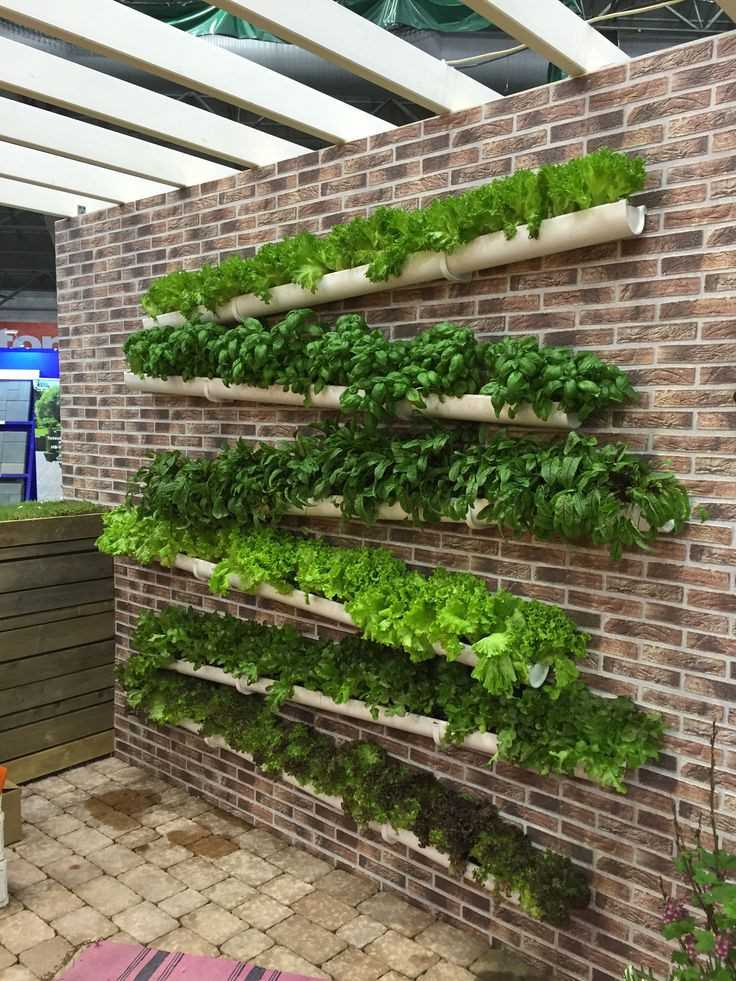
A vertical herb garden gives me a convenient way to grow cooking herbs without dedicating a large section of the patio to pots.
I can use wall planters, hanging containers, tiered baskets, or narrow shelves. Herbs such as basil, mint, parsley, thyme, and chives can be options depending on my local climate and the sunlight available.
I like placing herbs somewhere easy to reach so that harvesting a small amount for cooking doesn’t become a chore.
Pro Tip: I make sure each container has proper drainage. Standing water can damage roots and make container plants much harder to maintain.
13. Outdoor Mirrors
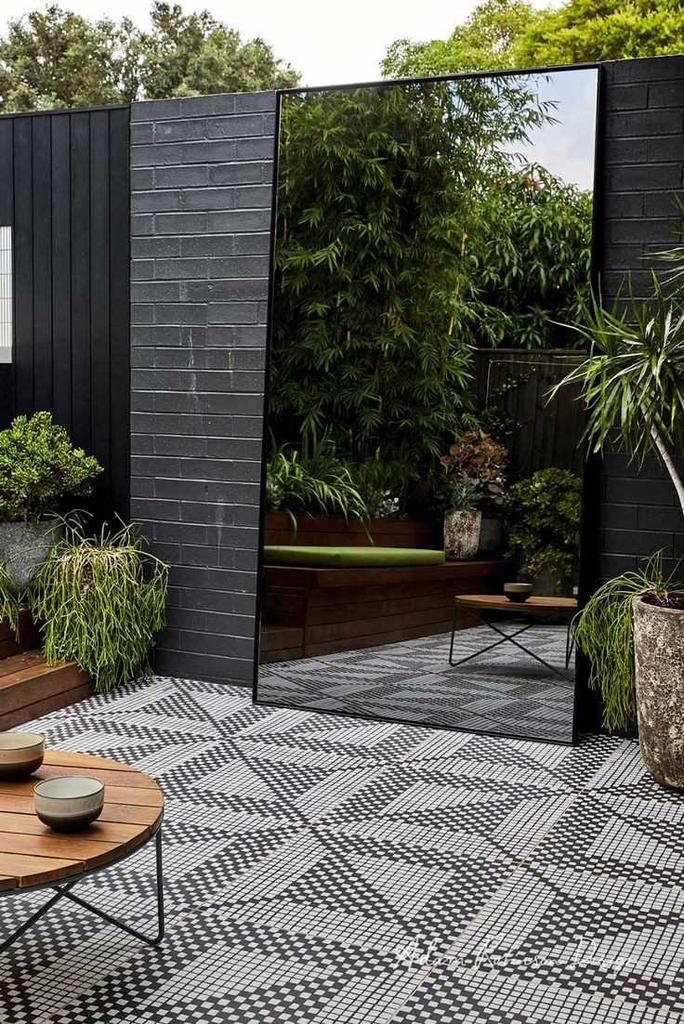
A properly positioned outdoor mirror can make a compact patio appear more open by reflecting light and nearby scenery.
I choose a mirror specifically suitable for outdoor conditions rather than automatically using a regular indoor mirror. I also consider what the mirror will reflect before mounting it.
Placing it opposite greenery or an attractive part of the patio can make the reflection feel intentional rather than simply decorative.
14. Ladder Shelf
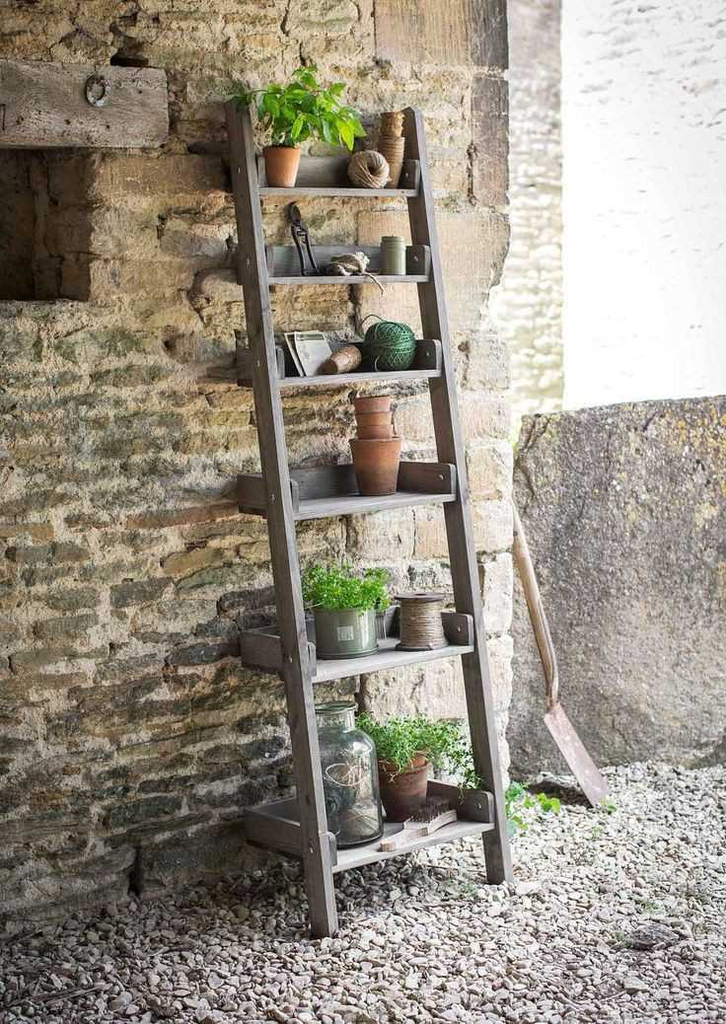
A ladder shelf is a simple way for me to create several levels of vertical display space. I can place small pots, lanterns, candles, gardening supplies, or decorative objects on the different rungs.
Another advantage is flexibility. A freestanding ladder shelf can usually be repositioned more easily than permanent wall shelving.
Pro Tip: I secure a ladder shelf when necessary, particularly on an exposed balcony or in a home with children or pets. Outdoor wind can make lightweight pieces less stable than they appear.
15. Curtain Dividers
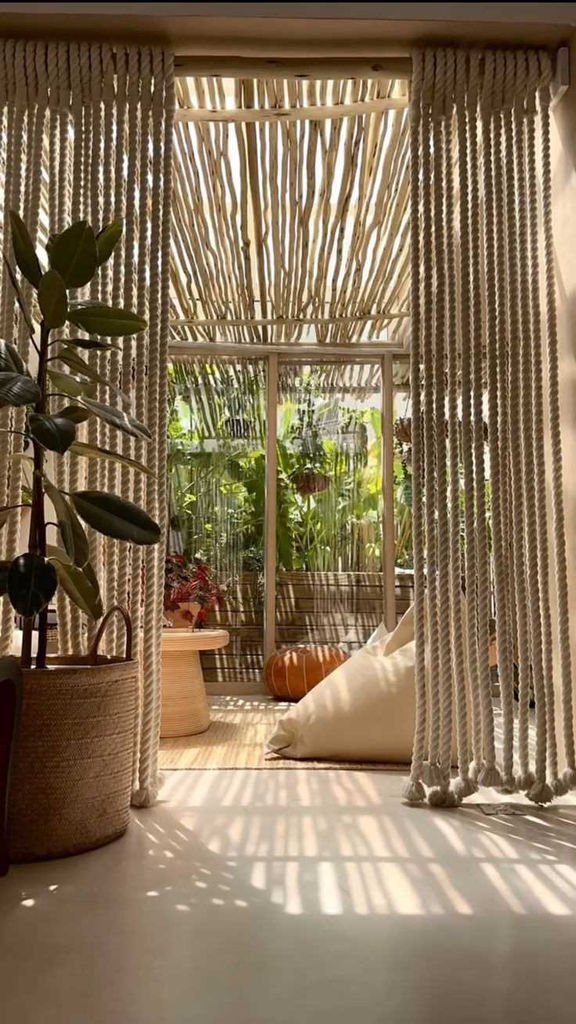
Outdoor curtains can help divide one small patio into separate zones. I can use them to create a more private sitting area, visually separate a dining spot, or add shade during certain parts of the day.
Lightweight outdoor curtains can also soften a space that contains a lot of hard surfaces such as concrete, metal, or brick.
I choose fabrics intended for outdoor use and install the curtain hardware securely so it can handle normal outdoor conditions.
16. Outdoor Clocks and Thermometers
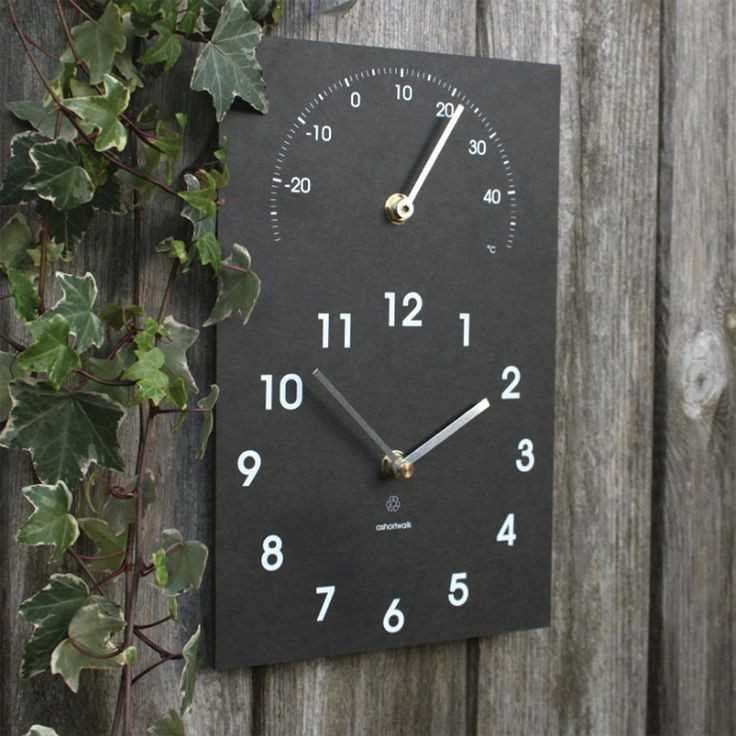
A wall-mounted clock or outdoor thermometer can add both function and decoration to an unused vertical area.
I can use a clock to keep track of time while relaxing or entertaining outside, while a thermometer gives me a quick idea of the current outdoor temperature.
For the best durability, I look for products specifically designed for exterior conditions rather than treating indoor accessories as outdoor decor.
17. Vertical Water Features
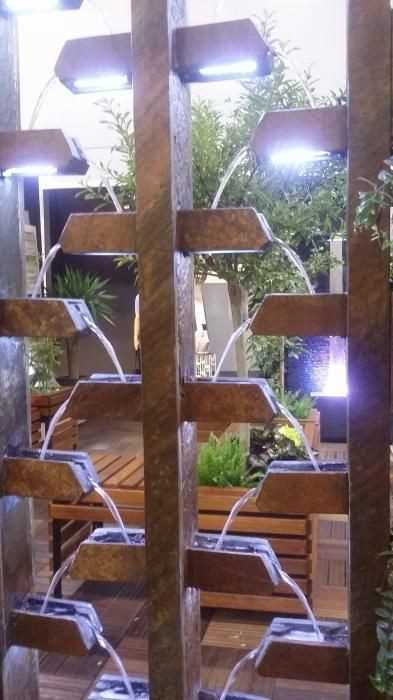
A compact wall fountain or vertical water feature can add movement and sound without requiring a large pond or floor-level installation.
I like this idea when I want my patio to feel more peaceful. The sound of moving water can help create a relaxing atmosphere, particularly in a busy urban setting.
Before installing one, I consider access to electricity if required, water management, drainage, weight, and the manufacturer’s installation instructions.
Pro Tip: I choose a water feature that is appropriately sized for the space. A small balcony usually benefits from a compact design rather than a feature that dominates the entire wall.
Step-by-step Guides And Creative Ideas For Building Your Own Vertical Garden Structures Using Different Materials:
1. Hanging Planters
Materials: Plant pots, strong hooks, suitable rope or chains.
I can create a layered arrangement by hanging several containers at different heights. I make sure each mounting point is strong enough for the fully watered planter before installing it.
2. Pallet Garden
Materials: Wooden pallet, landscape fabric, growing soil, and plants.
I can cover the appropriate sections of the pallet with landscape fabric, add growing material, and place compact plants into the openings.
Before using a pallet, I inspect it carefully and choose one that is appropriate for the project.
3. Living Wall Panels
Materials: Wall-mounted planting containers or a purpose-built living wall system.
I can mount the panels securely and arrange plants according to their sunlight and watering needs. A modular system also makes it easier to replace individual plants when necessary.
4. Gutter Garden
Materials: Suitable rain gutters, mounting brackets, growing medium, and plants.
I can mount several gutter sections horizontally at different heights to create narrow planting rows. This setup can work particularly well for herbs and other plants with modest root requirements.
I make sure the gutters have appropriate drainage so excess water doesn’t remain trapped.
5. Trellis Garden
Materials: Trellis and suitable climbing plants.
I can secure a trellis to an appropriate wall or use a stable freestanding structure. Once the plants begin growing, I gently guide the stems across the trellis instead of forcing them into place.
6. Shoe Organizer Garden
Materials: Fabric shoe organizer, suitable growing medium, and plants.
A fabric pocket organizer can be repurposed into a compact planter by filling individual pockets with growing material and suitable plants.
I check that the material can handle outdoor moisture before using it and avoid overloading the organizer.
7. PVC Pipe Planters
Materials: PVC pipe sections, end caps, growing medium, and plants.
I can cut the pipe into manageable sections, close the appropriate ends, create planting openings, and mount the pieces securely.
This works best for smaller plants because the available growing area inside narrow pipes is limited.
8. Ladder Garden
Materials: Stable wooden or metal ladder, plant containers, and plants.
I can lean or secure a suitable ladder and place pots on each level to create a tiered garden.
I like this option because I can change the arrangement whenever I want to refresh the look of my patio.
9. Vertical Herb Spiral
Materials: Stones or suitable edging material, soil, and herbs.
A spiral-style planting area allows me to create different planting levels within a relatively small footprint. I can position plants according to their sunlight, moisture, and growing requirements.
I make sure the finished structure is stable and that water can drain properly through the planting area.
10. Hanging Bottle Garden
Materials: Reused plastic bottles, strong string or wire, growing medium, and plants.
I can carefully modify suitable bottles to create small planting containers and suspend them along a secure wall or fence.
I prefer using this idea for lightweight plants and making sure the containers have drainage holes so excess water can escape.
11. Pocket Planters
Materials: Outdoor-suitable fabric pockets, growing medium, and plants.
Fabric pocket systems can turn a narrow wall into a compact planting area. I can dedicate different pockets to herbs, flowers, or small foliage plants.
I check the pockets regularly because fabric containers can dry out more quickly than larger traditional pots.
12. Shelf Garden
Materials: Outdoor-suitable shelves, plant pots, and plants.
I can install several shelves vertically and arrange containers from small to large to create a layered display.
This method also gives me an easy way to move individual pots around when their light or watering needs change.
These projects give me plenty of options when I want to add greenery without sacrificing the limited floor space on my balcony or patio. I can choose a project based on my budget, available wall space, sunlight, and DIY experience.
Using vertical space has also helped me think beyond traditional planters. A wall can become a garden, storage area, display, lighting feature, privacy screen, or even a compact work surface.
A successful small outdoor space doesn’t have to contain everything. I get better results when I first decide how I want to use the area and then choose vertical solutions that support that purpose.
For safety, I always pay attention to mounting hardware, weight limits, drainage, outdoor ratings, and local building or property rules. This is especially important for balconies, where heavy or poorly secured items can create serious hazards.
By making better use of the walls and other vertical areas, I can create a balcony or patio that feels more organized, comfortable, and personal while keeping the floor open for the things I actually want to do outside.
Read this next: 30 Stylish Ways To Organize A Tiny Outdoor Space
FAQ’s
What is the best way to use vertical space on a small balcony?
I can use wall planters, hanging baskets, shelves, trellises, and foldable tables to add function without taking up valuable floor space.
What plants work well for vertical balcony gardens?
I can grow herbs, trailing plants, flowers, and compact vegetables depending on the sunlight, temperature, and container size available on my balcony.
How can I add storage without making my patio feel crowded?
I can install wall-mounted hooks, baskets, shelves, and compact racks to keep gardening tools, cushions, and outdoor accessories off the floor.
Are vertical gardens difficult to maintain?
Most vertical gardens are fairly easy to maintain when I choose plants suited to my light conditions and provide proper drainage. I also check them regularly for watering and pruning needs.
Conclusion
I don’t need a large backyard to create an inviting outdoor retreat. When I use vertical space thoughtfully, even a small balcony or patio can hold plants, storage, lighting, seating, and decorative details without feeling overloaded.
My favorite approach is to combine practical and decorative ideas rather than filling every wall. A few well-placed shelves, hanging plants, lights, or a fold-down table can make a noticeable difference.
The key is to work with the space I already have, choose weather-appropriate materials, and make safety a priority. With the right combination, an unused wall can become one of the most useful parts of my outdoor space.

2 Comments