25 Ways To Transform A Small Patio Into A Multipurpose Space
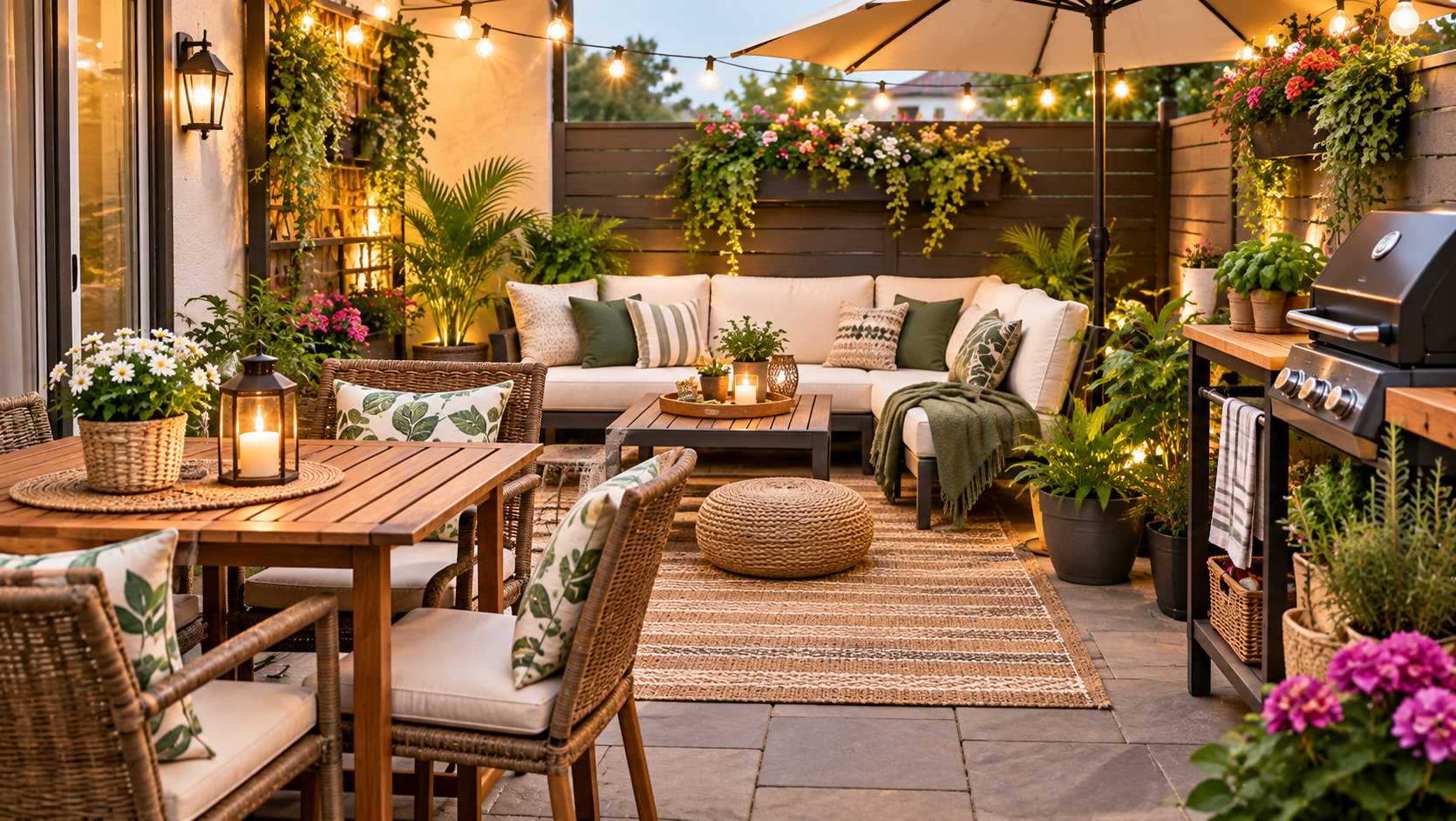
A small patio does not have to serve just one purpose. I have found that when I plan the layout around flexibility, even a compact outdoor area can work as a dining spot, reading corner, garden, play area, or place to entertain.
The key is to avoid filling every inch with furniture. I prefer pieces that fold, stack, roll, store items, or serve more than one function. Using walls, corners, and vertical space also gives me more usable floor area.
I can turn a small patio into a multipurpose outdoor space by combining flexible furniture, smart storage, vertical gardening, shade, lighting, and activity-specific zones. Foldable chairs, storage benches, modular seating, compact grills, and rolling carts make it easier to change the patio from one use to another.
Save this for later
Table of Contents
I can also create dedicated areas for working, dining, relaxing, gardening, children, or pets without permanently dividing the patio. The best approach is to keep the center relatively open and use the edges for storage, plants, seating, and other fixed features.
Key Takeaways
- I use vertical walls and railings for plants and storage when floor space is limited.
- I choose foldable, stackable, rolling, or multifunctional furniture whenever possible.
- I keep cushions, toys, gardening supplies, and other items contained with smart outdoor storage.
- I use rugs, lighting, curtains, and furniture placement to create flexible zones.
- I keep larger permanent pieces around the perimeter so the middle of the patio remains useful.
- I plan for the activities I actually do outdoors instead of trying to include everything at once.
Related article: 11 Cute Makeup Vanity Decor Ideas
Ways To Transform a Small Patio Into a Multipurpose Space
1. Vertical Gardens
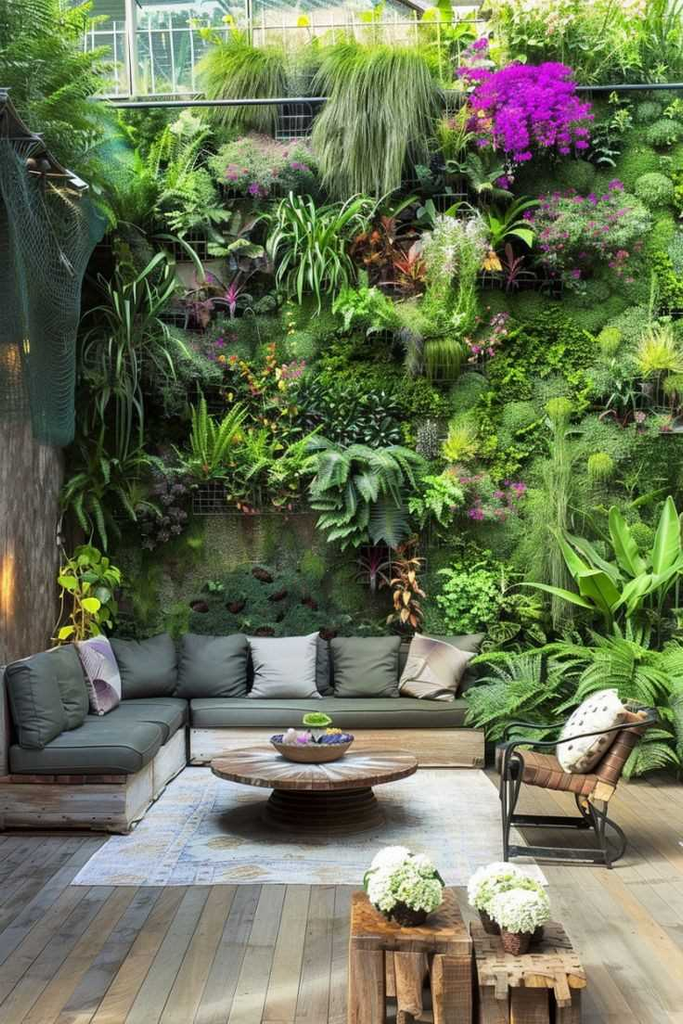
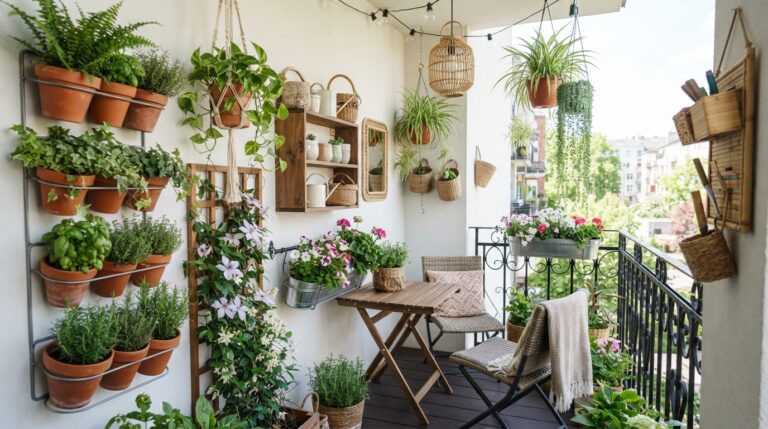
When I am short on floor space, I look upward. A vertical garden can hold herbs, flowers, or trailing plants on a wall, fence, railing, or freestanding planter.
This lets me add greenery without giving up valuable space for chairs or a table. Herb pockets are especially practical because I can keep frequently used plants close to the kitchen.
Pro Tip: I always check how much sunlight the wall receives before choosing plants. A beautiful vertical planter will not stay healthy if the location does not match the plant’s light requirements.
2. Foldable Furniture
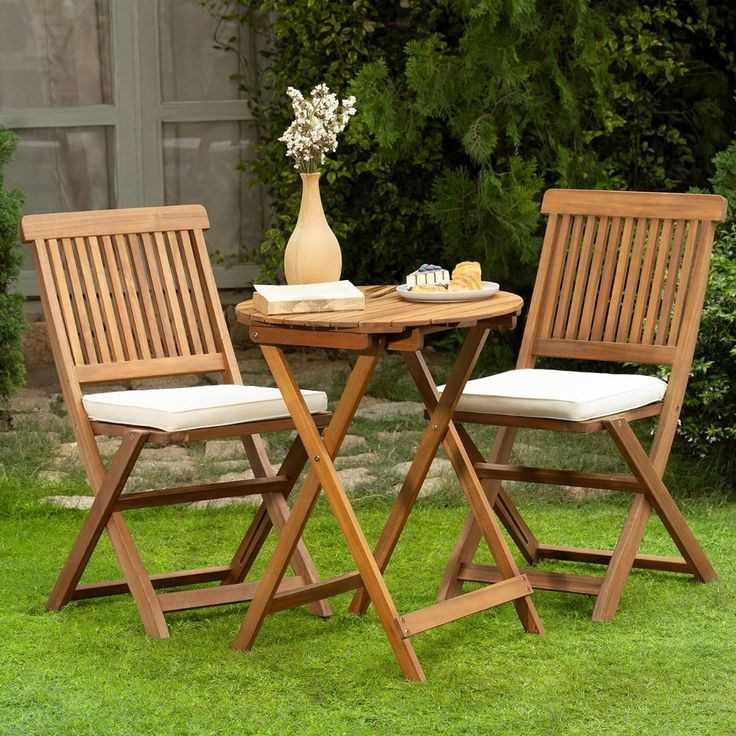
Foldable tables and chairs are some of my favorite choices for a compact patio. I can open them when I want to eat outside and fold them away when I need more room.
This also works well when I want to use the patio for stretching, children’s activities, or simply having more open floor space.
3. Built-in Seating
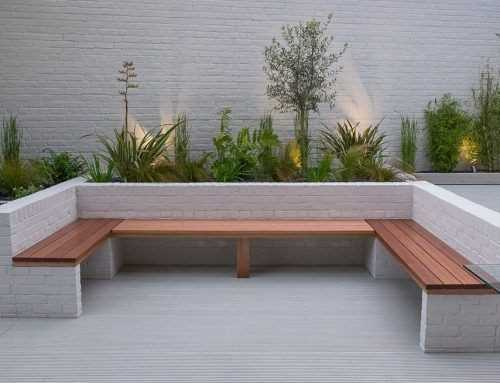
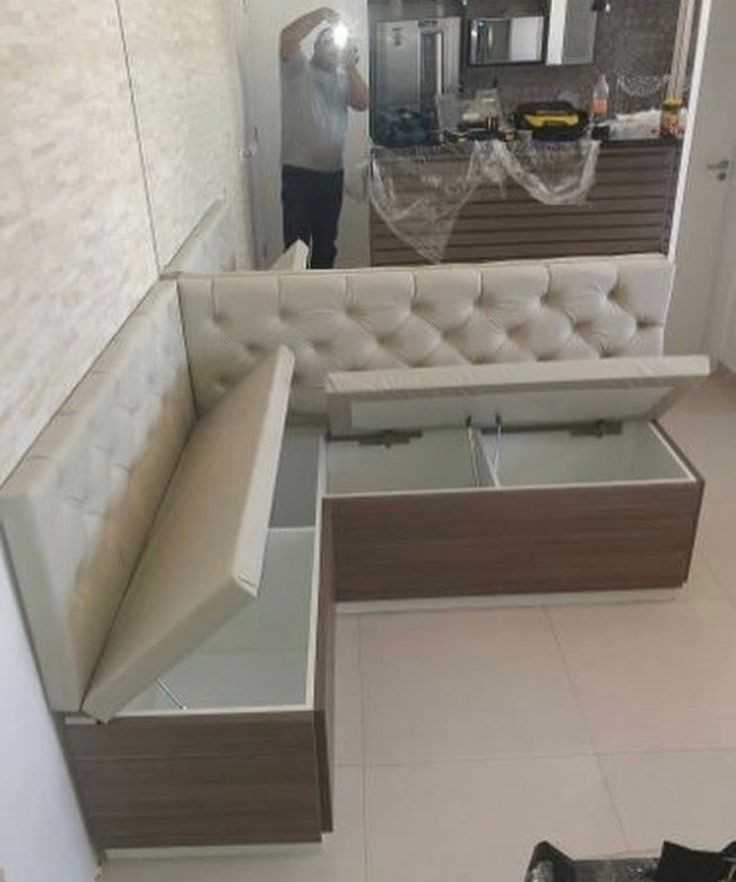
A built-in bench can make use of an awkward wall or corner while providing comfortable seating. If I add a hinged or lift-up seat, the bench can also hide cushions, blankets, gardening supplies, or outdoor toys.
The biggest advantage is that I do not need a separate seating piece and storage box taking up two areas.
4. Outdoor Rugs
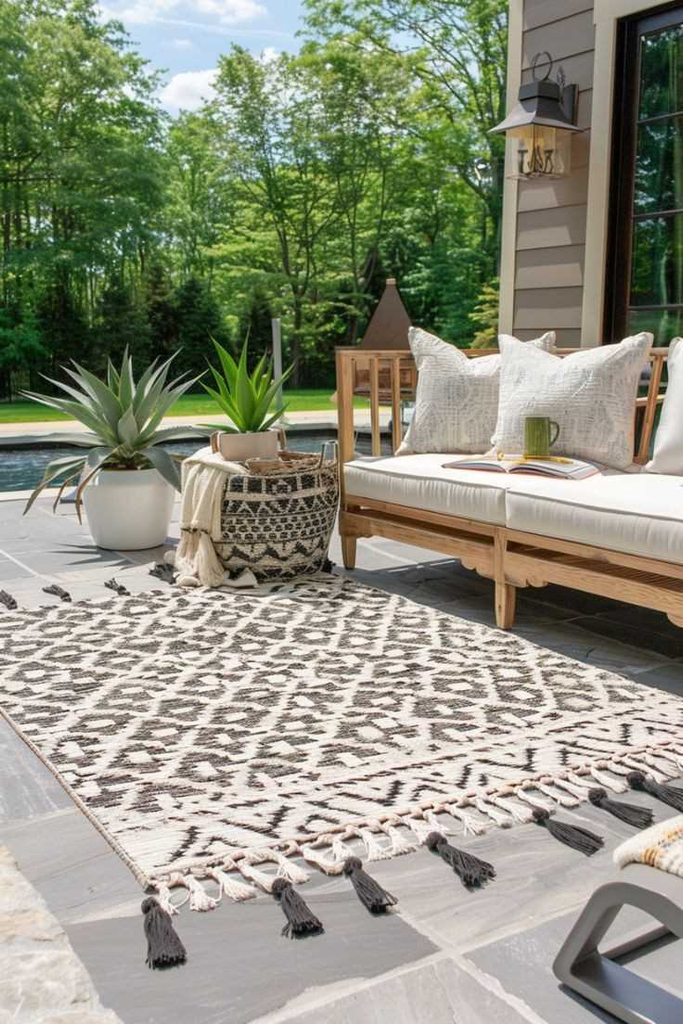
I use an outdoor rug to visually separate areas without building permanent walls. A rug under a small table can establish a dining zone, while another defined area can become a relaxing corner.
For a small patio, I prefer a rug that is easy to clean and sized to leave enough walking space around it.
5. Multi-Functional Furniture
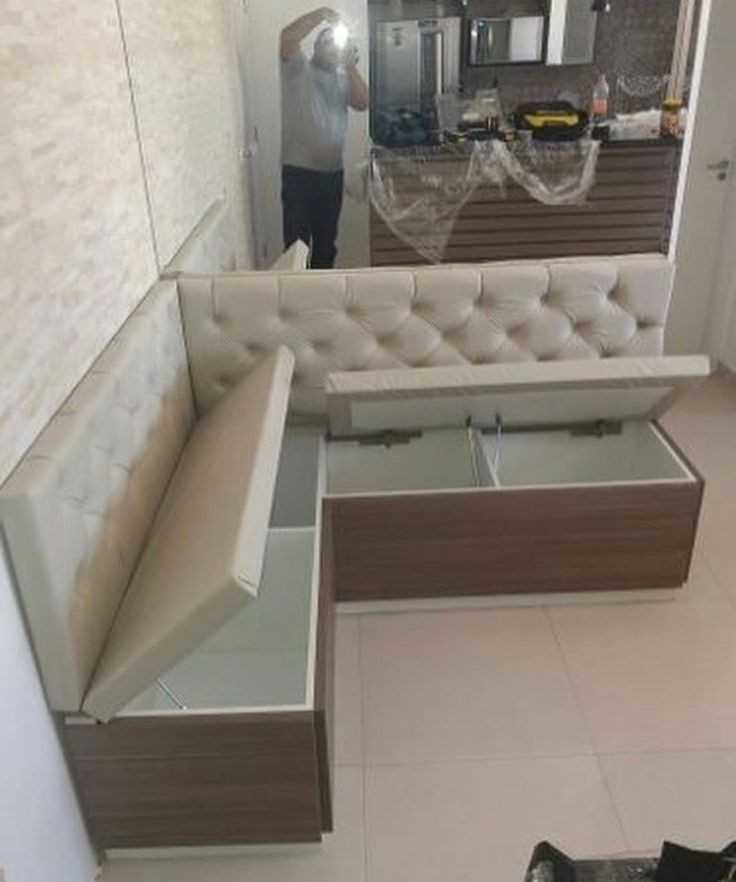
I look for furniture that can perform two jobs instead of buying a separate item for every purpose. A storage ottoman can provide seating, a table can have an expandable surface, and a bench can double as a storage unit.
This approach helps me keep the patio useful without making it feel crowded.
Pro Tip: Before buying furniture, I measure both the patio and the furniture footprint. I also leave enough clearance to walk comfortably and pull out chairs.
6. Lighting
Good lighting allows me to use the patio after sunset without relying on one harsh overhead light. I can combine string lights, lanterns, wall lights, or solar-powered options depending on the layout.
I also think about function. Brighter lighting works near a dining or work area, while softer lighting can make a relaxing corner more comfortable.
7. Portable Fire Pit
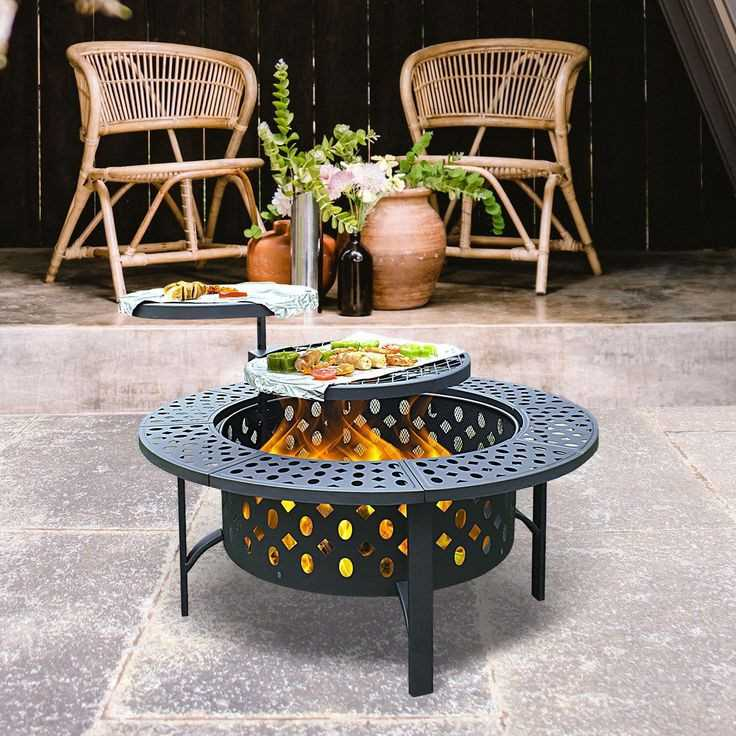
A portable fire pit can provide warmth and create a natural gathering point when conditions and local rules allow its use. Because it can be moved or stored, I do not have to dedicate a permanent section of my patio to it.
I always keep fire features away from flammable materials and follow the manufacturer’s clearance and safety instructions.
8. Compact Grill
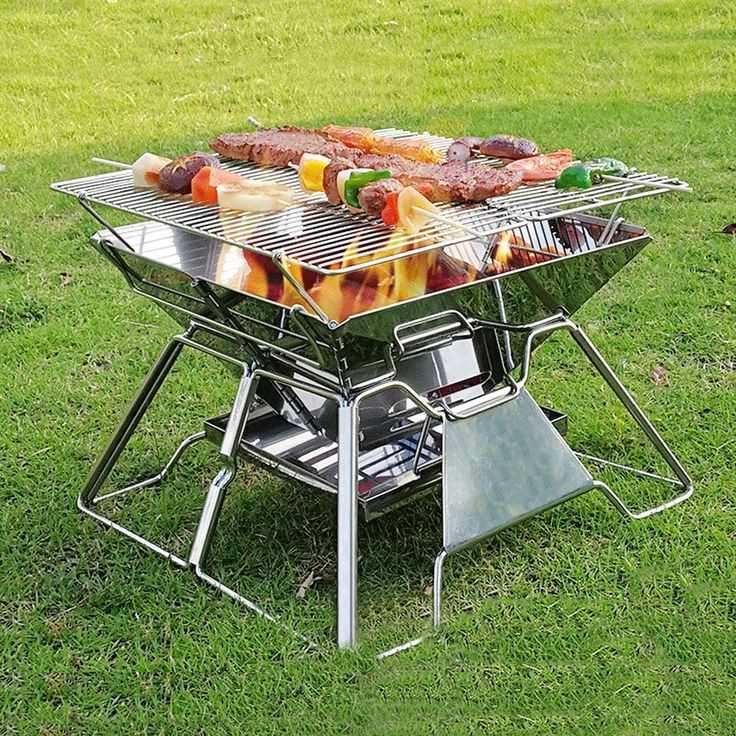
I do not need a full outdoor kitchen to cook outside. A compact grill can give me a practical cooking station while taking up much less room.
A portable model is particularly useful because I can move it when I need the patio for dining, entertaining, or another activity.
9. Retractable Awnings
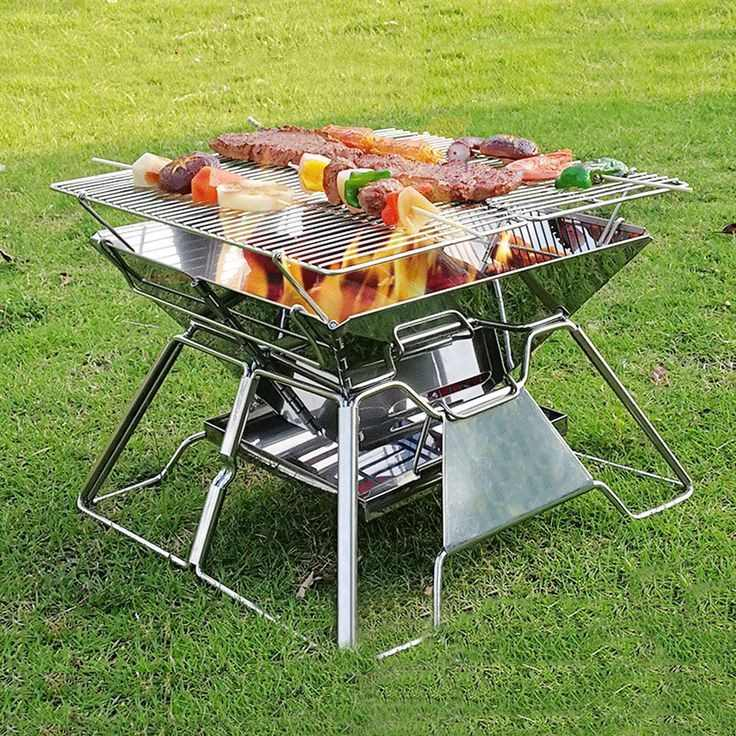
Shade can make a small patio much more comfortable during bright or hot parts of the day. A retractable awning lets me cover the area when needed and open it when I want more sunlight.
A large patio umbrella can provide a similar benefit if an awning is not suitable for the structure.
10. Outdoor Curtains
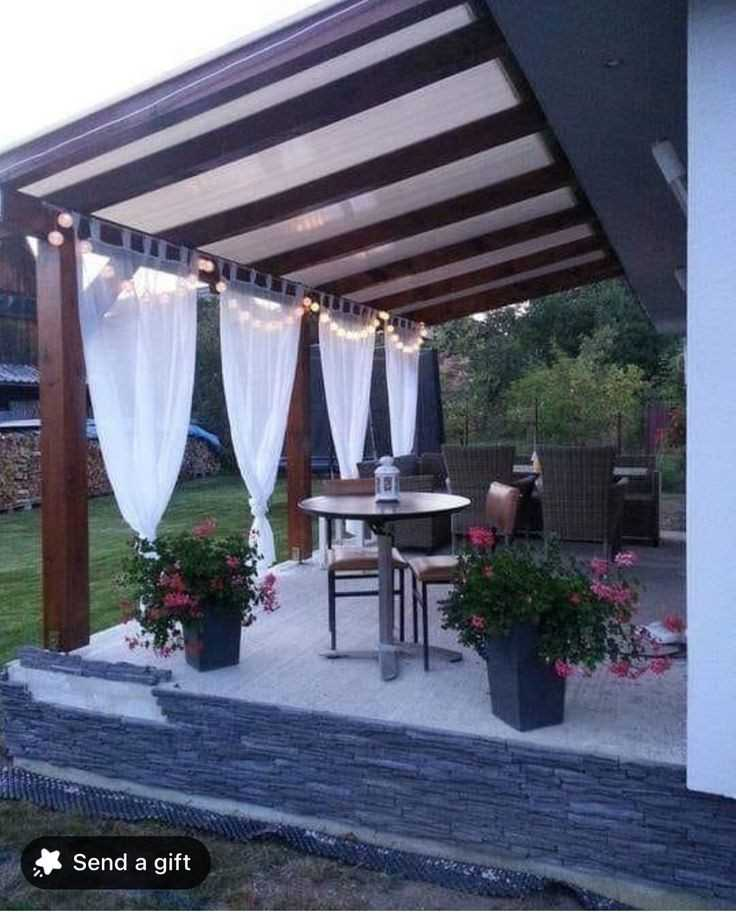
Outdoor curtains can make a patio feel more private while also visually separating one section from another. I can keep them open when I want an airy feel and close them when I want more privacy or shade.
I choose weather-appropriate fabric and make sure the installation is secure enough for the conditions in my area.
11. Modular Furniture
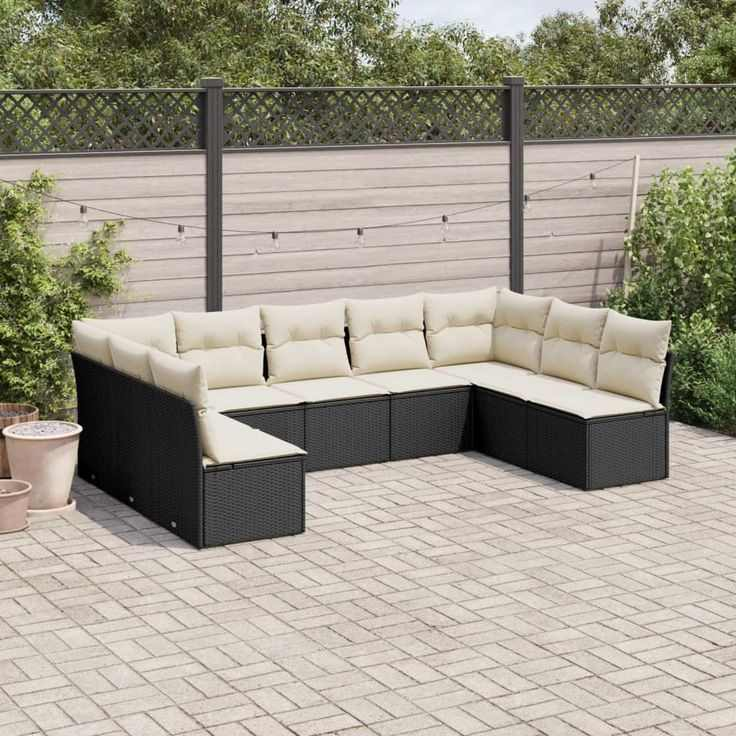
Modular seating gives me the flexibility to change the layout according to the occasion. I can arrange pieces together for a larger seating area or separate them when I need individual chairs.
This is particularly helpful when the patio serves both everyday family use and occasional entertaining.
12. Stackable Chairs
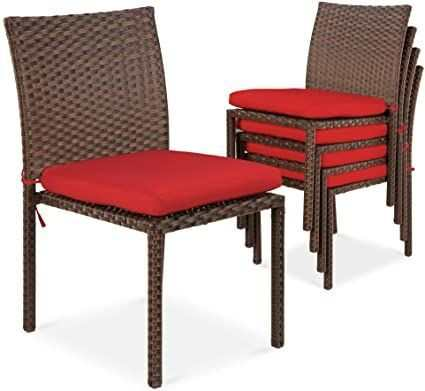
Stackable chairs solve a simple but common small-patio problem: extra seating takes up space even when nobody is using it.
I can keep a few chairs available for everyday use and stack the extras in a corner or storage area. When guests arrive, I can bring them out without permanently crowding the patio.
13. Compact Storage
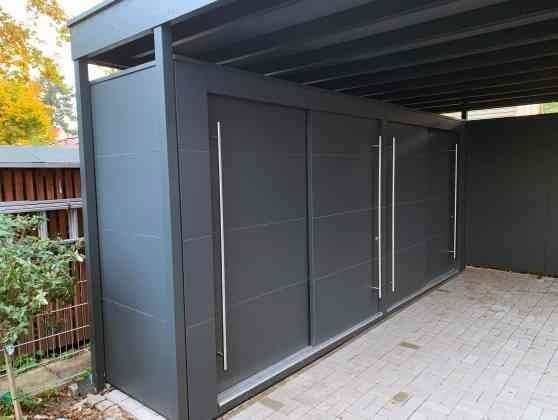
I use narrow shelves, storage benches, deck boxes, and slim cabinets to keep useful items close without consuming the middle of the patio.
Good storage also prevents the area from becoming a collection of cushions, toys, tools, and gardening supplies. I find that a tidy patio feels considerably larger than one covered with loose items.
14. Green Walls
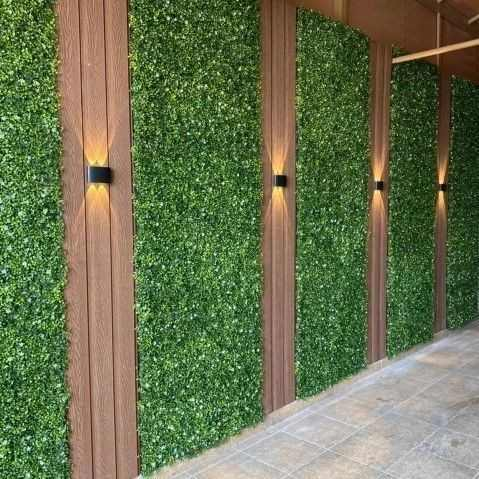
A green wall gives me another way to bring plants outdoors without sacrificing much floor area. Depending on the setup, I can use planters, wall-mounted containers, or a purpose-built living wall.
Plants can also soften hard surfaces such as concrete walls and fencing, giving the patio a more inviting appearance.
15. Outdoor Office Setup
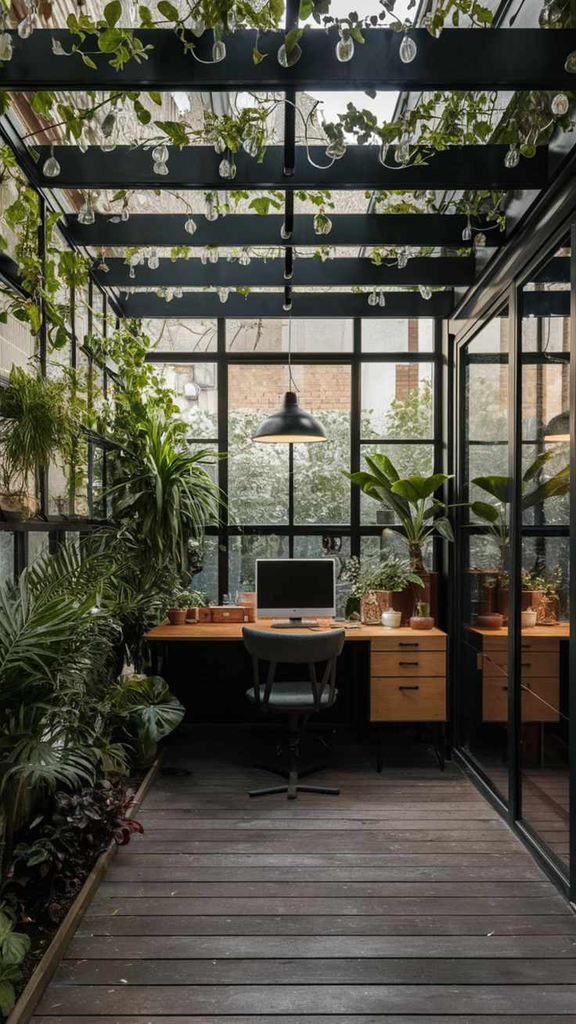
I can turn a quiet patio corner into a useful work-from-home area with a compact desk and a comfortable outdoor-suitable chair.
Shade is important because direct sunlight can make screens difficult to see and make the workspace uncomfortable. I also consider weather exposure, electrical safety, and whether the furniture can be protected when not in use.
Pro Tip: I keep my work setup lightweight whenever possible. That way, I can clear the area quickly when I want to use the patio for dinner or entertaining.
16. Kids’ Play Area
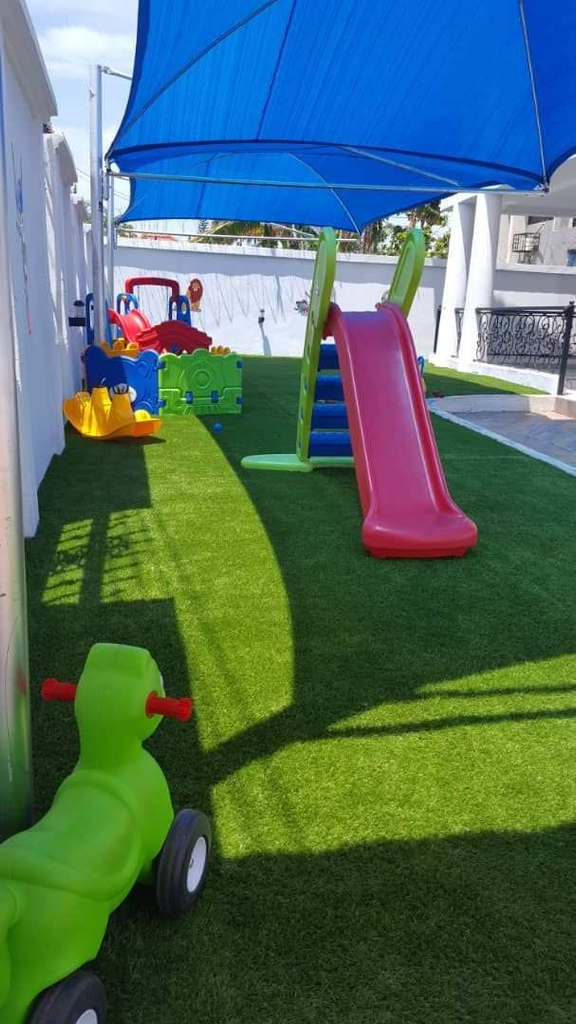
A small patio can provide children with a defined outdoor activity area without becoming a permanent playroom.
I can use a washable play mat, compact sandbox, outdoor toys, or a small toy storage box. Choosing portable pieces means I can pack them away when adults need the space for dining or relaxing.
Also read: 15 Space Saving Small Kitchen Table Ideas
17. Pet-Friendly Zone
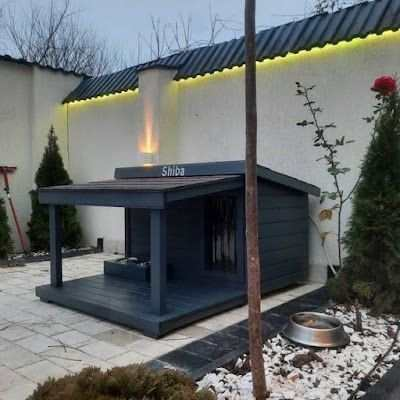
If I have a pet that enjoys spending time outdoors, I can dedicate a small section to a comfortable pet zone.
A washable bed, water bowl, toys, and a pet-safe surface can give the area a clear purpose. I keep pet supplies organized so they do not spread across the entire patio.
18. Water Feature
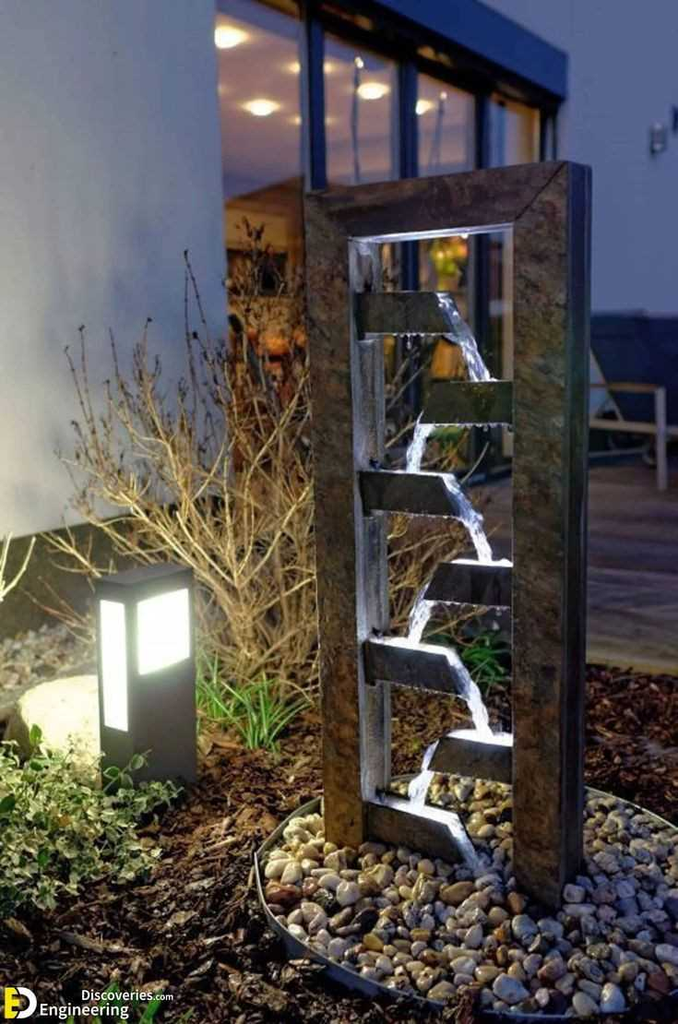
A small tabletop fountain or compact water feature can add movement and gentle background sound without requiring a large installation.
I prefer smaller designs for compact patios because they are easier to maintain and move if I need to change the layout.
19. Bar Cart
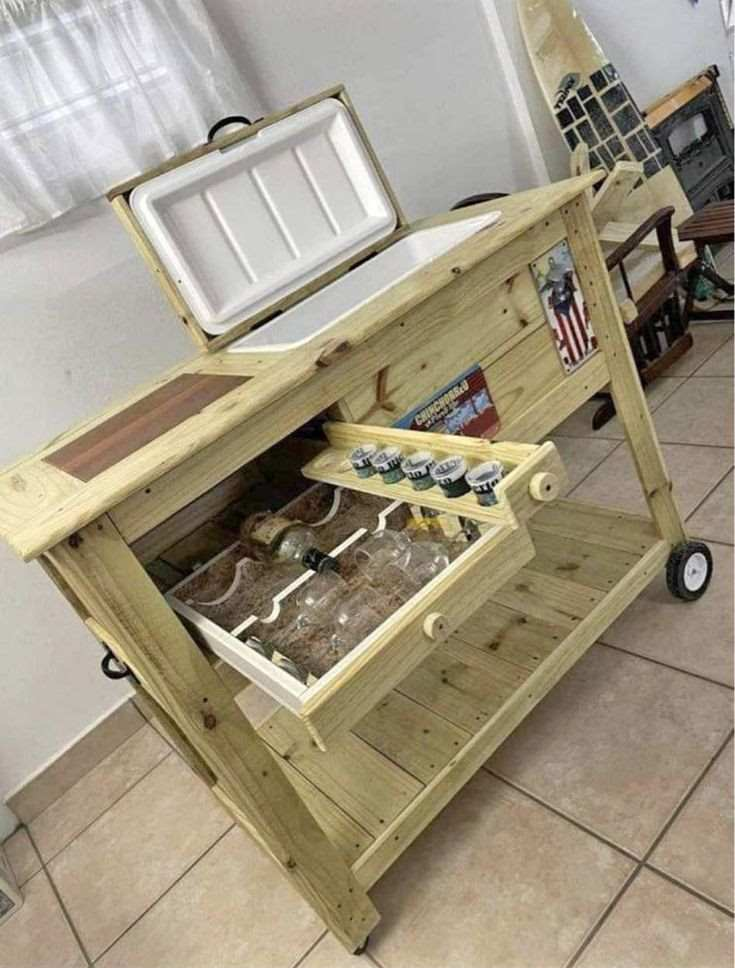
A rolling cart can become a useful entertaining station. I can load it with drinks, snacks, plates, napkins, or serving supplies and move it closer to the seating area when needed.
When I am not entertaining, the same cart can hold gardening accessories or other patio essentials, provided the items are protected from the weather.
20. Hammock or Swing Chair
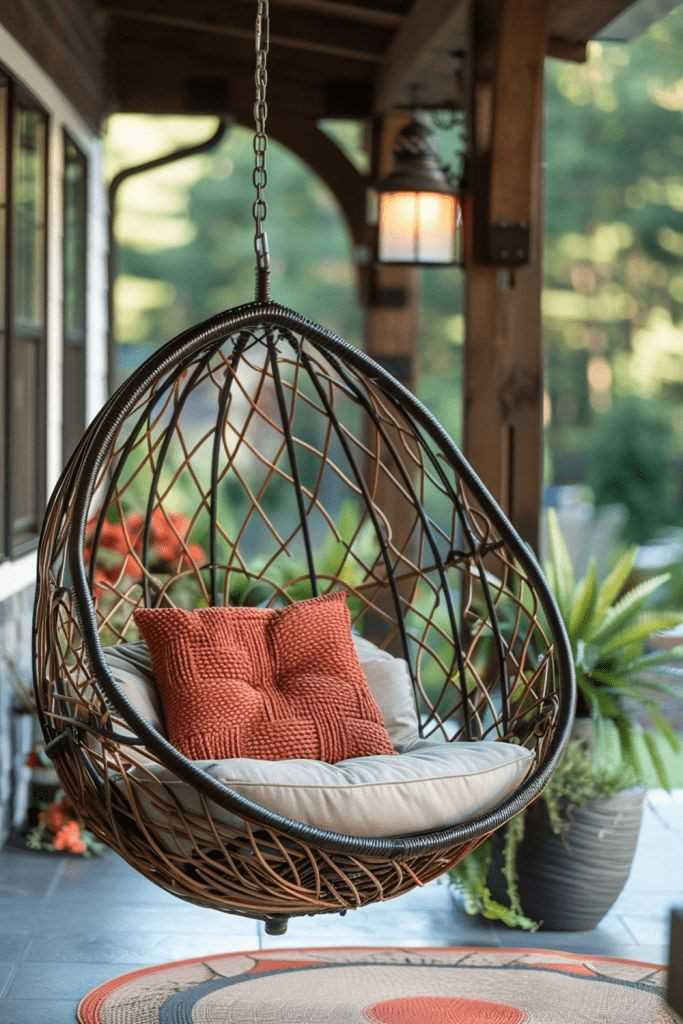
A hammock or swing chair can create a dedicated relaxation spot without requiring a traditional lounge chair and footrest.
Before installing a hanging seat, I make sure the supporting structure and hardware are rated for the intended load. If I cannot safely install one, a compact freestanding option is a better choice.
21. Outdoor Storage Cabinet
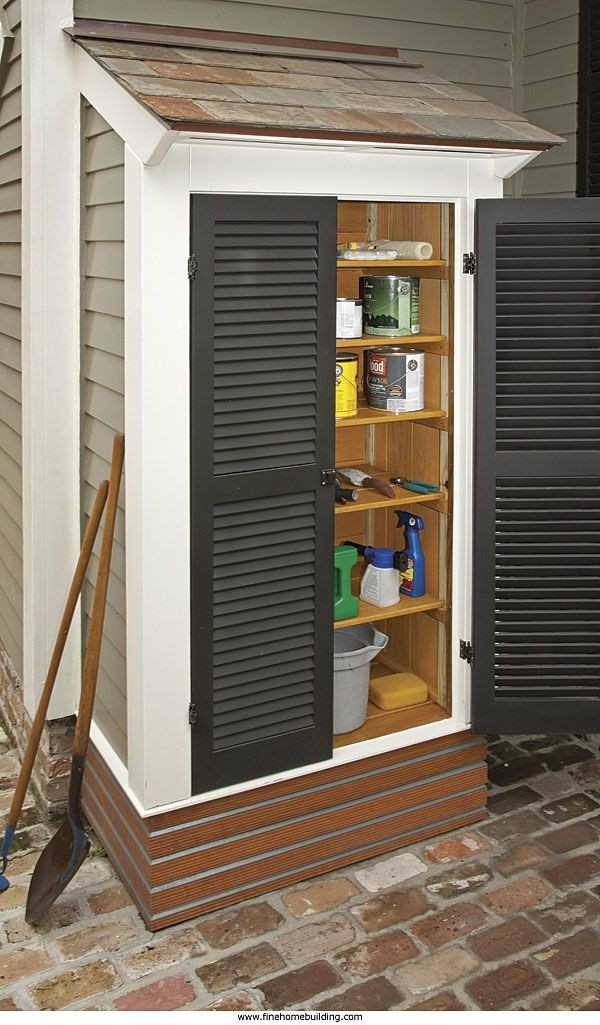
A slim outdoor cabinet is useful when I need enclosed storage but do not have room for a large shed or storage box.
I can organize gardening tools, cushions, cleaning supplies, and other patio accessories inside. Adjustable shelves can make the available vertical space even more useful.
22. Raised Garden Beds
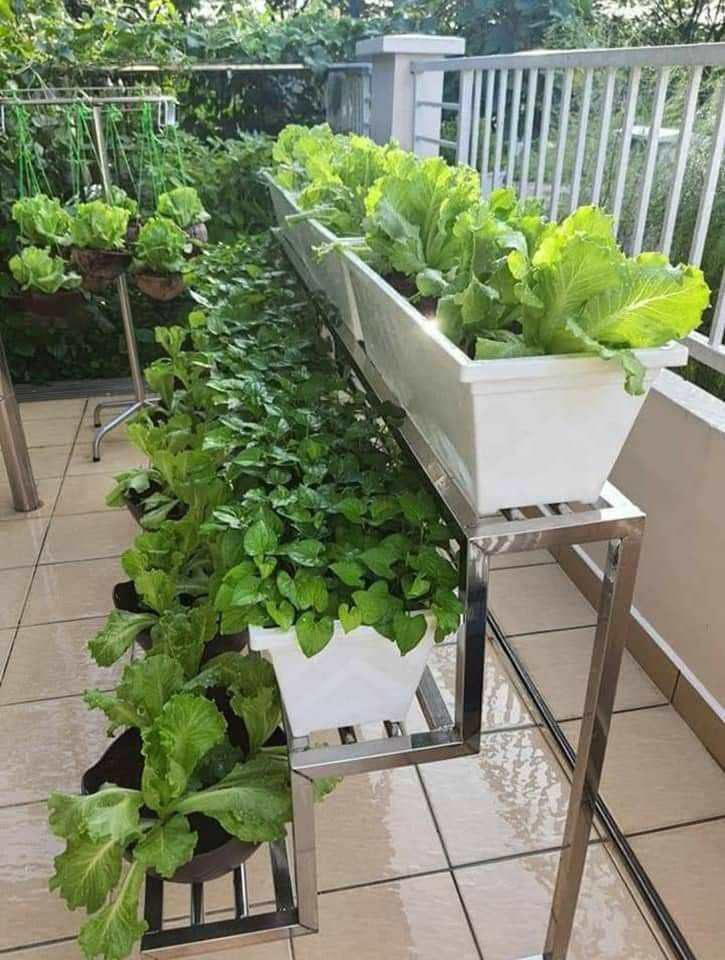
Raised beds allow me to grow herbs, vegetables, and flowers while keeping the growing area organized.
For a small patio, I place them along an edge rather than in the center. This keeps the main walking and activity area open while still giving gardening a clear place.
23. Outdoor Cinema
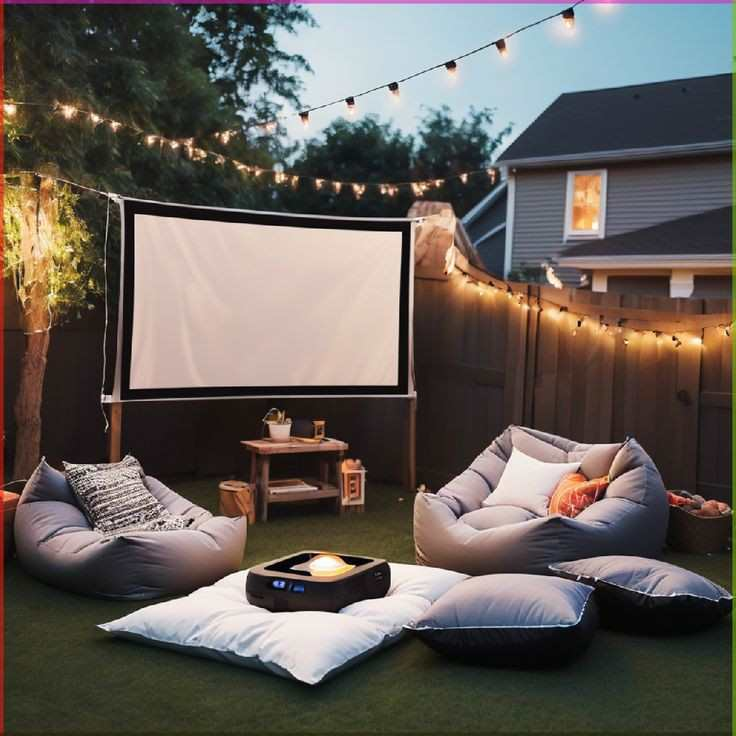
For movie nights, I can use a compact projector and a portable screen or suitable blank surface. The important part is choosing equipment that can be packed away after the movie.
I keep the seating flexible so the same space can return to its everyday purpose once movie night is over.
24. Dining Nook
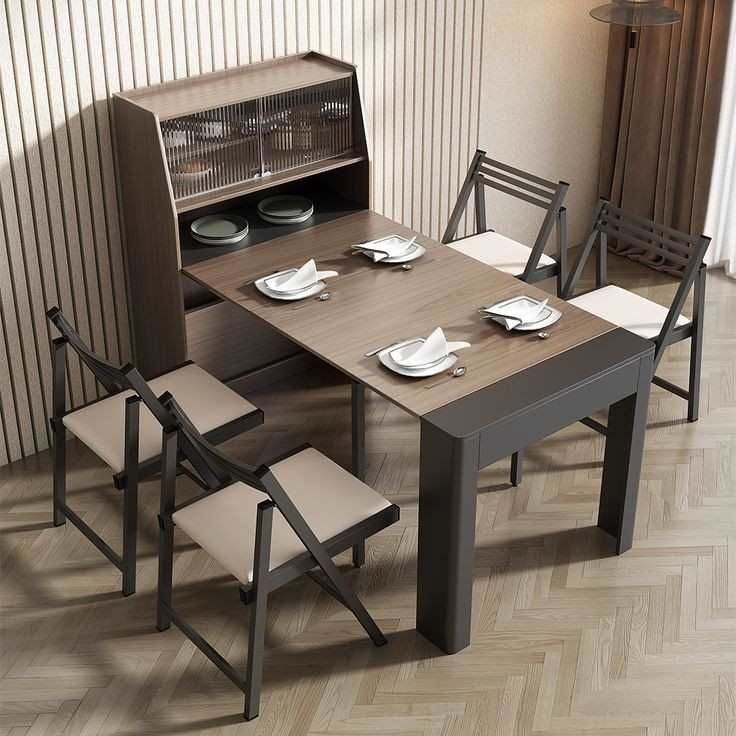
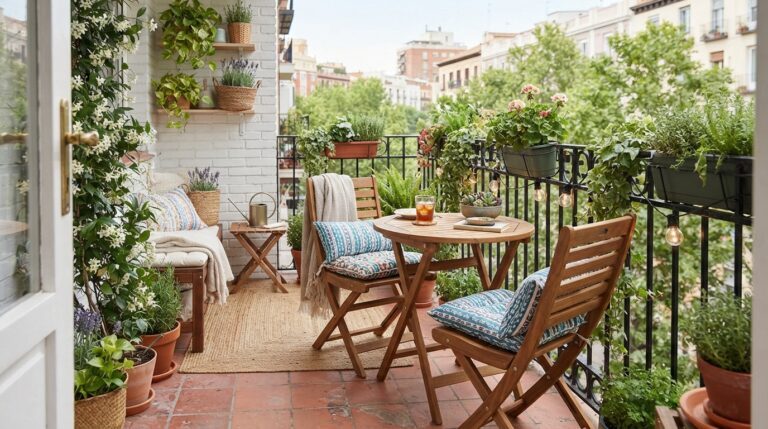
A small bistro-style table can give me a dedicated place for breakfast, coffee, lunch, or dinner without overwhelming the patio.
I usually place a dining set against a wall or in a corner, leaving enough room to pull chairs out comfortably. Folding furniture is especially useful when I want the option of clearing the area.
25. Decorative Elements
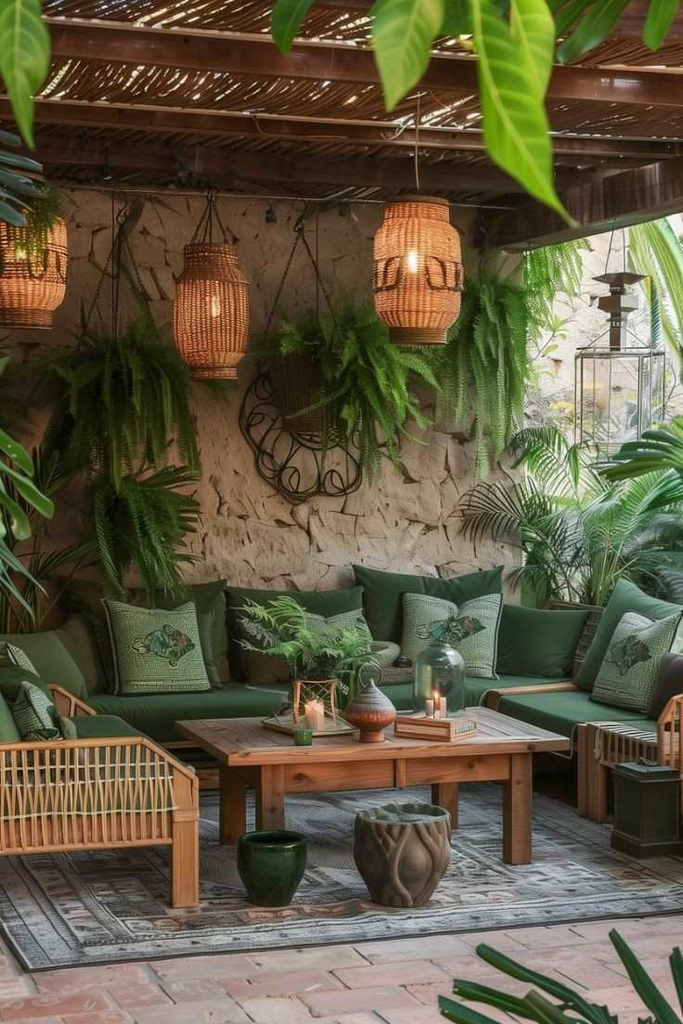
I add personality with a few carefully chosen decorative pieces rather than covering every available surface.
Outdoor artwork, planters, cushions, lanterns, or a small sculpture can make the patio feel finished. I find that repeating one or two colors or materials helps different areas look connected.
Key Benefits of Having a Multipurpose Patio Space
A multipurpose patio gives me more ways to use the same outdoor area without requiring additional square footage. The benefits become especially noticeable when I have to work with a compact balcony-style patio, townhouse patio, or small backyard seating area.
1. Versatility
I can use the same patio for breakfast, gardening, reading, children’s activities, working, or entertaining.
Instead of assigning the entire area to one function, I can change the setup according to what I need that day.
2. Maximized Use
A patio that works for several activities is less likely to sit unused.
I can enjoy the space during morning coffee, afternoon gardening, evening meals, or weekend gatherings without needing separate outdoor areas for each activity.
3. Space Optimization
Smart planning helps me get more use from every available square foot.
Using vertical surfaces, corners, foldable furniture, and multifunctional pieces allows me to keep more usable floor space open.
4. Cost-Effectiveness
I can often save money by purchasing items that perform several jobs rather than buying separate furniture for each activity.
For example, a storage bench can replace the need for both a standalone bench and a separate outdoor storage box.
5. Increased Home Value
A functional outdoor area can contribute to a home’s overall appeal, although the effect on resale value varies by property, market, and buyer preferences.
I focus first on making the patio genuinely useful rather than adding features simply because they might look impressive to future buyers.
6. Enhanced Aesthetics
A multipurpose patio can still look polished. I use a consistent color palette, matching materials, coordinated textiles, and a limited number of decorative accents.
This helps the different functions feel like parts of one outdoor room instead of unrelated zones.
7. Convenience
When everything I need is already outside, I spend less time carrying furniture and supplies back and forth.
A rolling cart, nearby storage, and foldable furniture can make everyday transitions much easier.
8. Social Benefits
A flexible patio gives me more options when friends or family visit.
I can arrange chairs around a table for a meal, move furniture into a conversation layout, or clear the center for a casual gathering.
Read this next: 30 Stylish Ways To Organize A Tiny Outdoor Space
9. Health and Well-being
Having a comfortable outdoor area gives me an easier reason to spend time outside.
I can use the patio for quiet reading, gardening, light stretching, meals, or simply getting some fresh air. The exact benefits depend on how much time I spend outdoors and what activities I choose.
10. Customization
There is no single correct layout for a multipurpose patio. I can design mine around my household, climate, hobbies, and daily routine.
Someone who loves gardening will need a different setup from someone who primarily wants an outdoor dining and entertaining area.
11. Reduced Clutter
Storage is one of the most important parts of making a small patio work.
When every item has a designated place, I can clear the floor quickly and switch between activities without moving piles of outdoor belongings around.
12. Adaptability to Seasonal Changes
I can adjust the patio throughout the year by changing cushions, textiles, plants, lighting, shade solutions, and furniture arrangements.
I also store items that are not suitable for the current weather instead of allowing seasonal accessories to occupy valuable space all year.
FAQ’s
How can I make a small patio multipurpose?
I use foldable furniture, vertical storage, multifunctional pieces, and flexible zones so the same patio can work for dining, relaxing, gardening, or entertaining.
What furniture is best for a small patio?
I recommend foldable, stackable, modular, and storage furniture because these pieces can serve multiple purposes without taking up permanent floor space.
How do I make a small patio feel bigger?
I keep the center open, use slim furniture, take advantage of vertical walls, and choose light-colored or visually simple furnishings to make the patio feel more spacious.
How can I add storage without crowding my patio?
I use storage benches, slim outdoor cabinets, wall-mounted shelves, and narrow storage boxes to keep cushions, tools, toys, and other items organized.
Conclusion
A small patio can become much more useful when I stop treating it as a single-purpose outdoor area. I can combine flexible furniture, smart storage, vertical planting, lighting, and practical zones to create a space that changes with my needs.
I do not need to use all 25 ideas at once. I would start with the activities I enjoy most, measure the available space, and choose a few pieces that solve more than one problem. That approach keeps the patio comfortable, organized, and genuinely useful.

2 Comments