
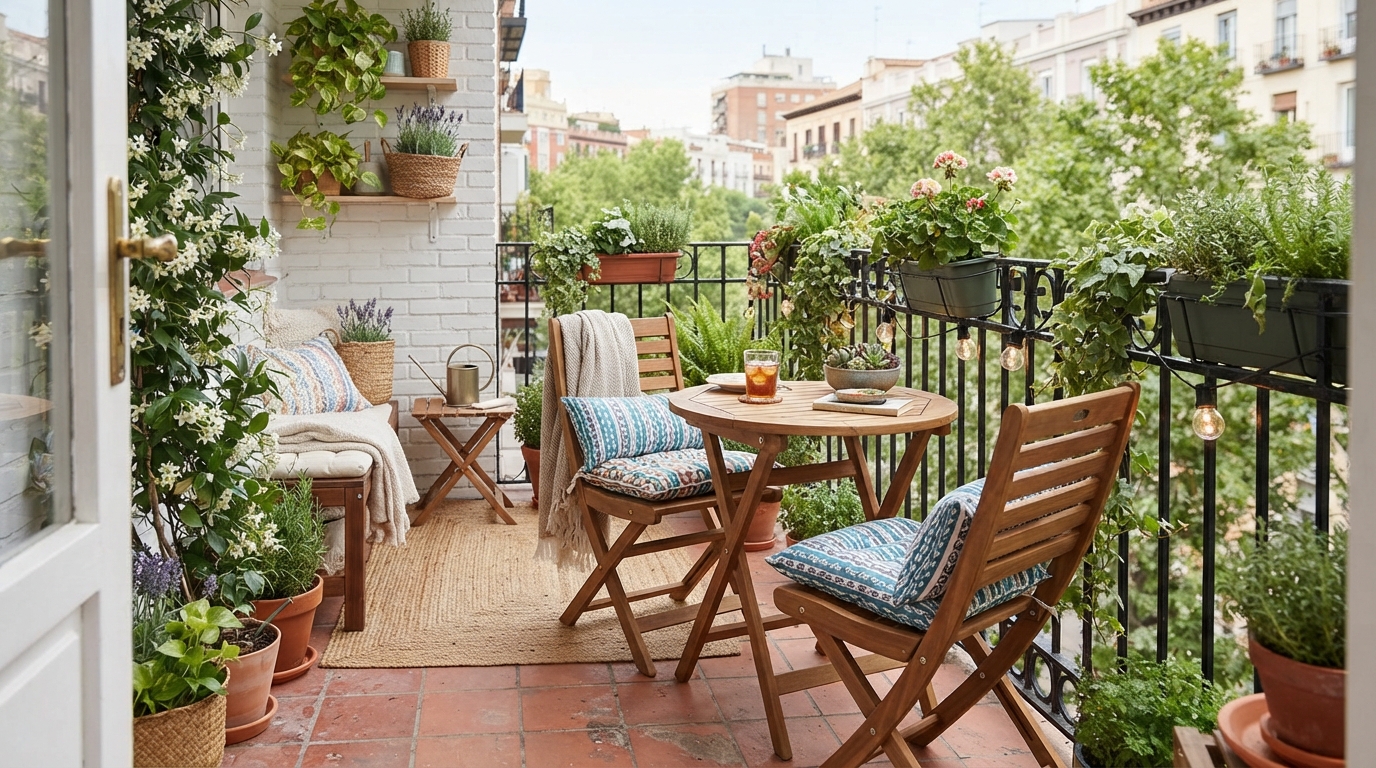
13 Affordable Outdoor Seating Options For Small Spaces
I’ve found that a small balcony, patio, deck, or garden corner can still feel comfortable when the seating is chosen carefully. I don’t think you need a large outdoor area or an expensive furniture set to create a place where you can sit, enjoy a drink, read, or spend time with family.
When I’m working with a compact outdoor space, I focus on three things first: the available floor area, how the seating will be used, and where everything will go when it isn’t needed. Pieces that fold, stack, move easily, or serve more than one purpose can make a noticeable difference.
I’m sharing 13 affordable outdoor seating ideas that work especially well in small spaces, including folding chairs, bistro sets, stools, floor cushions, hammocks, benches, ottomans, and picnic blankets. I’ve included options for different layouts, budgets, and outdoor decorating styles.
Save this for later
Table of Contents
I’ll also cover 10 important things I would check before buying outdoor seating. Size, comfort, storage, weather resistance, durability, maintenance, versatility, and budget all matter when every inch of outdoor space counts.
Key Takeaways
- I recommend measuring the space before buying any outdoor seating.
- Folding and stackable furniture can make small areas easier to use.
- Multifunctional pieces, such as stools and storage benches, can serve more than one purpose.
- Outdoor materials should be selected according to your local weather conditions.
- Cushions and fabrics need suitable protection from moisture and strong sunlight.
- I always consider where the furniture will be stored during severe weather.
- A small seating arrangement can be comfortable without filling the entire outdoor area.
Related article: Creative Ways to Utilize Vertical Spaces on Your Balcony or Patio
1. Folding Chairs
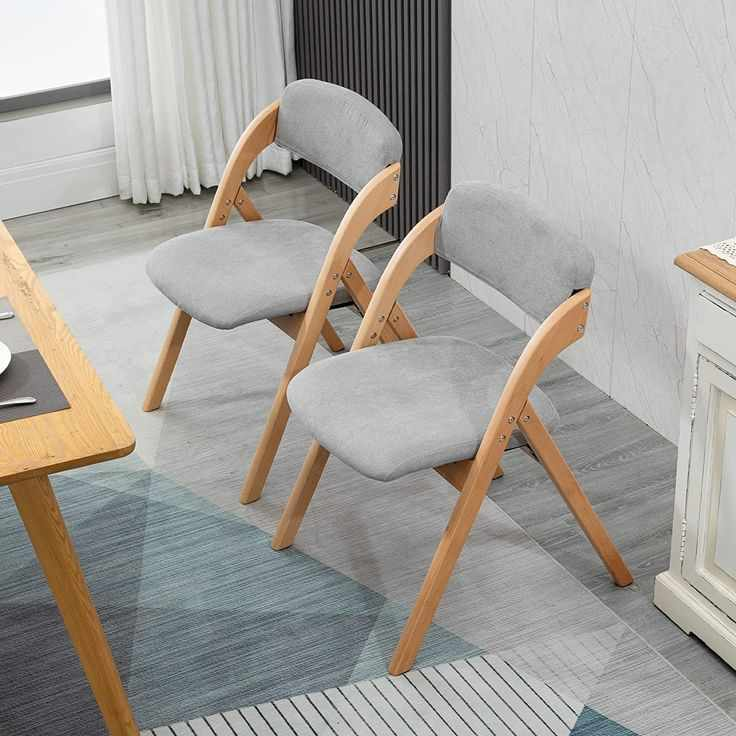
Folding chairs are one of the easiest choices I would consider when floor space is limited. I can open them when I need extra seating and fold them flat when I want the patio or balcony clear.
They come in wood, metal, plastic, and other materials, so it’s easy to find something that works with different decorating styles. They’re also useful when I occasionally have guests but don’t want permanent chairs taking up valuable space.
Pro Tip: I like to choose folding chairs that are easy to carry and have a slim folded profile. That makes them much easier to store behind a door, against a wall, or inside a storage closet.
2. Bistro Sets
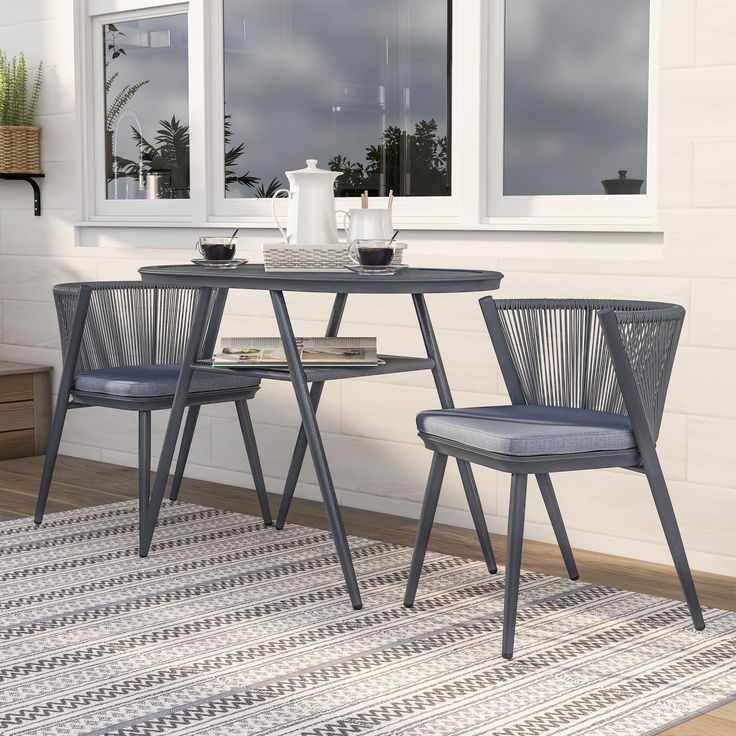
A small bistro set can turn an unused balcony corner or compact patio into a practical little sitting area. Most sets include two chairs and a small table, which is enough for morning coffee, breakfast, or a quiet evening outside.
I especially like this option when I want both seating and a surface for drinks without buying several separate pieces. Folding versions are even more useful because I can clear the area when necessary.
For a small space, I would check the table diameter or width carefully before purchasing. A few inches can make a big difference when the furniture sits near a doorway or narrow walkway.
3. Adirondack Chairs
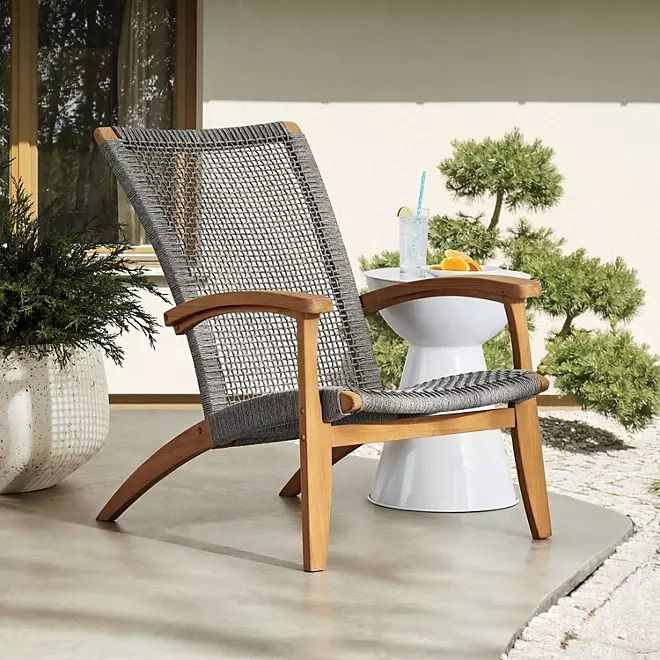
Adirondack chairs have a recognizable relaxed shape with wide armrests and a deep, angled seat. I find them especially appealing when I want outdoor seating that feels comfortable and has a classic garden look.
Traditional versions are often made from wood, while modern options may use plastic or other weather-resistant materials. Some designs can also be folded for easier storage.
Because Adirondack chairs can have a wider footprint than basic patio chairs, I would measure the available width first. They work best when there is enough room to sit comfortably without blocking the rest of the area.
4. Stackable Chairs
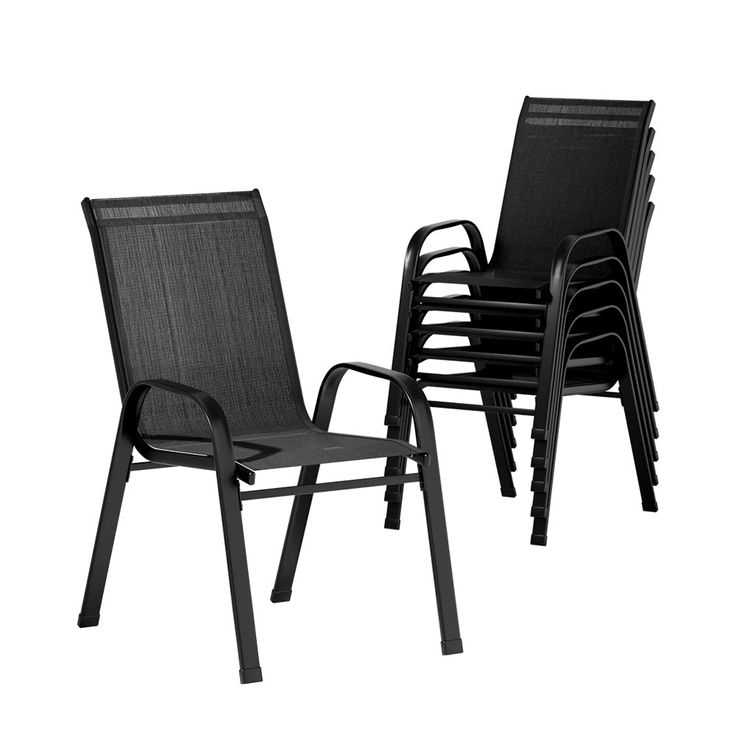
Stackable chairs are another practical solution I would use when storage space is limited. Instead of folding, several chairs can be placed directly on top of one another, reducing the amount of floor space they need when stored.
I can find stackable outdoor chairs made from plastic, resin, metal, and other materials. This makes it possible to match them with both casual and more polished outdoor settings.
Pro Tip: Before buying several stackable chairs, I would check the actual stacked height. A tall stack may still be difficult to fit beneath a table, against a wall, or inside a storage area.
5. Patio Stools
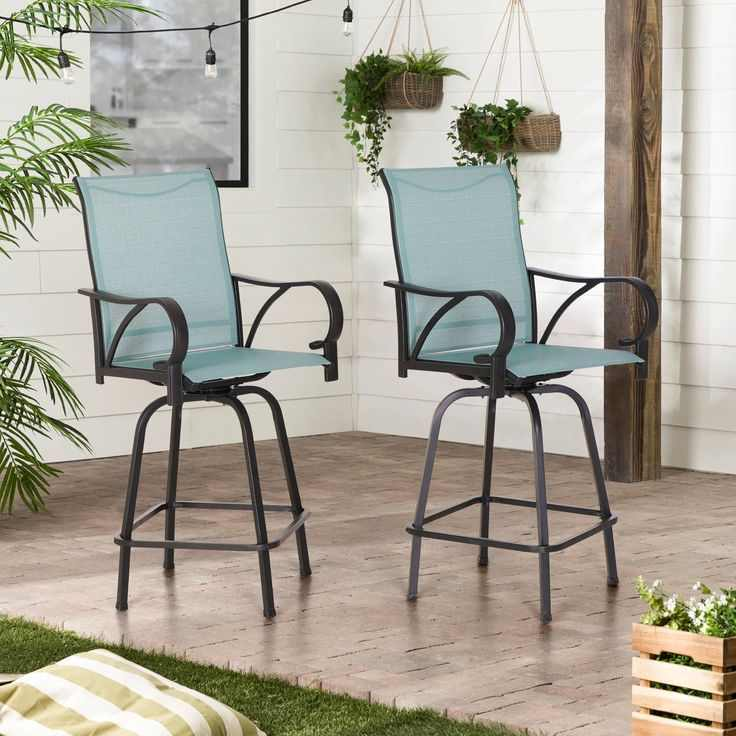
Patio stools are useful when I want flexible seating without bulky chairs. Depending on the design, I can also use a stool as a small table for a drink, planter, lantern, or other outdoor accessory.
They are available in materials such as metal, plastic, wicker, and other outdoor-friendly finishes. Some are lightweight enough to move around whenever I change the arrangement.
For very small spaces, I prefer pieces that can perform two jobs. That way, I’m not using valuable floor space for separate seating and side tables.
6. Floor Cushions
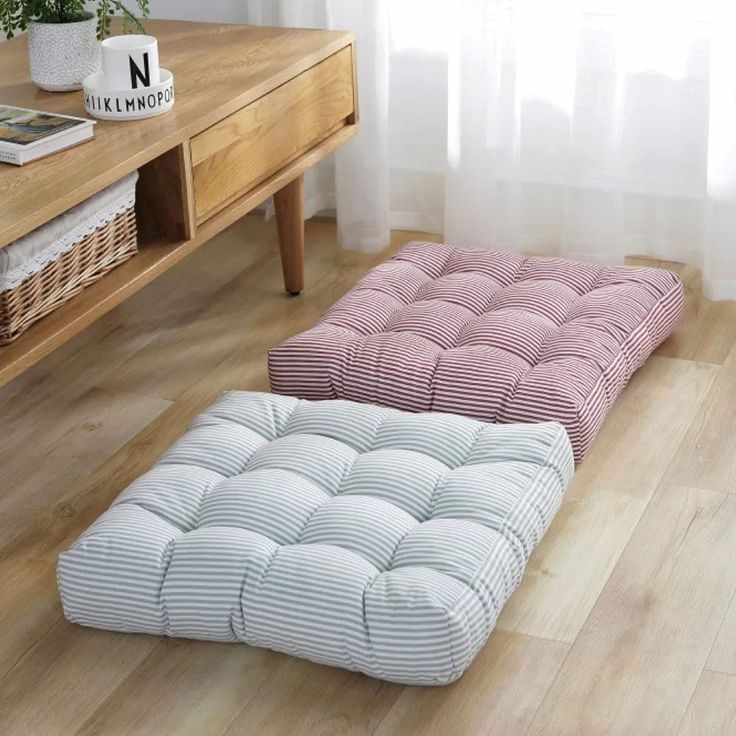
Floor cushions give me a simple way to add casual seating without bringing large furniture into a small outdoor area. I can place them on a clean patio surface, outdoor rug, or suitable mat when I need somewhere comfortable to sit.
They also give me plenty of decorating flexibility because I can change colors and patterns without replacing furniture. When I’m finished, I can stack the cushions in a storage basket or bring them indoors.
I would choose cushions made for outdoor use whenever possible. Indoor fabrics may not handle moisture, sunlight, or outdoor dirt as well as materials designed for exterior conditions.
7. Hammocks
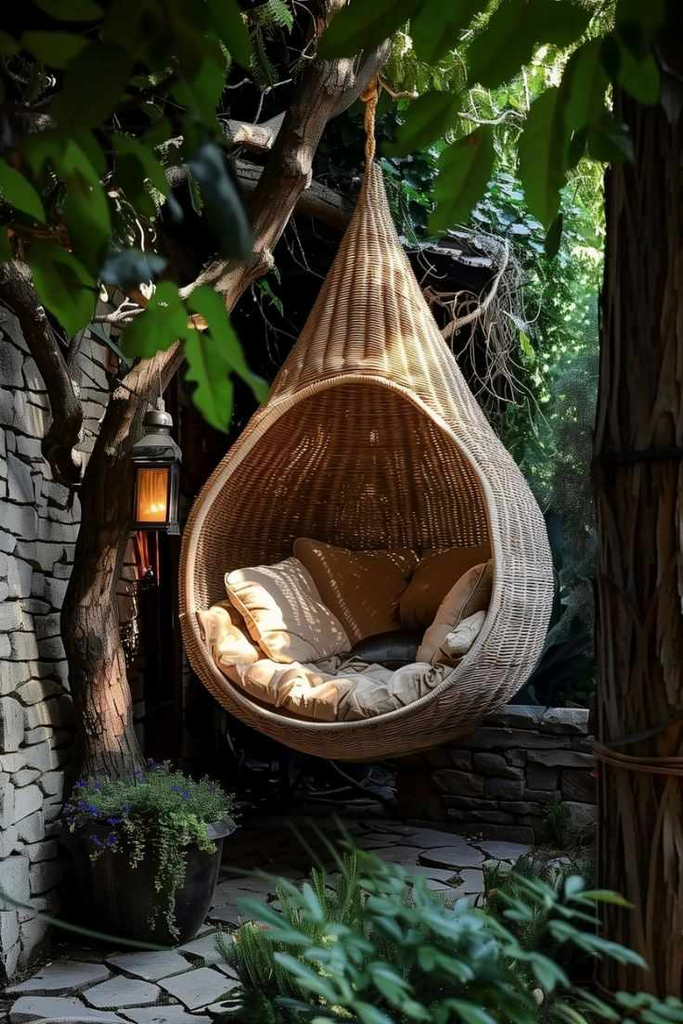
A hammock can create a relaxing outdoor spot without requiring a traditional chair or sofa. If I already have suitable trees, posts, or another secure support system, I can use the vertical space instead of filling the ground with furniture.
There are also hammock chairs that occupy less room than full-length hammocks. These can work well in a small garden or outdoor corner where a conventional lounge chair would feel too large.
Pro Tip: I always check the manufacturer’s weight rating and installation instructions before using a hammock. A secure attachment point matters more than saving a few dollars on hardware.
8. Porch Swings
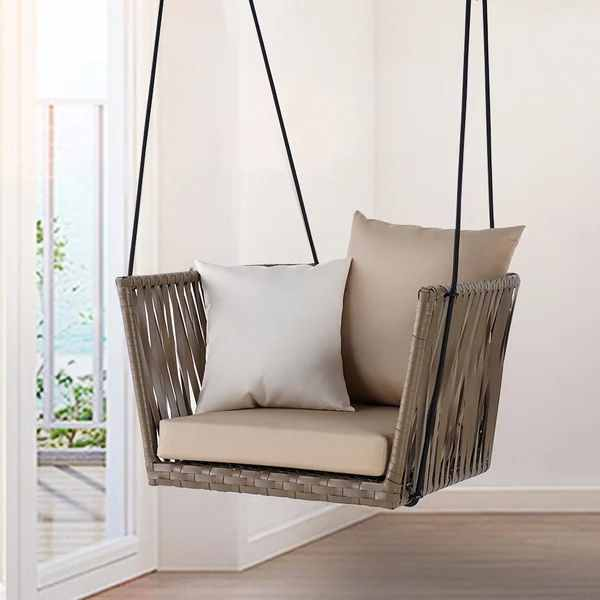
A porch swing can provide comfortable seating while using overhead space rather than relying entirely on the floor. This makes it an interesting option for a covered porch, balcony, or other area with a safe structure for installation.
Depending on the design, I can find swings made from wood, metal, wicker, or other materials. Cushions can also make them more comfortable for longer periods of sitting.
Before choosing one, I would make sure the ceiling, beam, or stand is designed to support the swing and its intended load. I would also leave enough clearance around it for safe movement.
9. Director’s Chairs
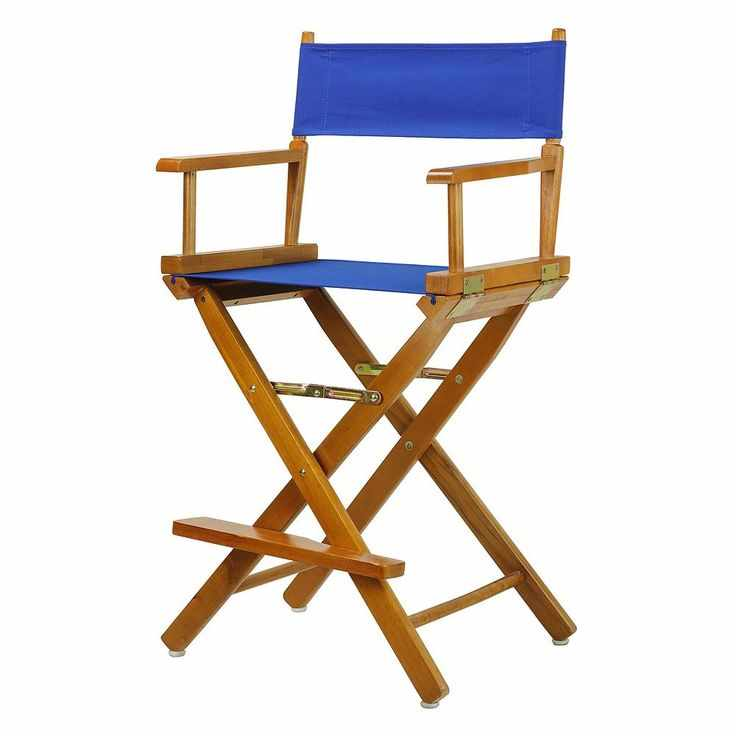
Director’s chairs have a folding frame and fabric seat and back, making them particularly convenient for temporary outdoor seating. I can fold them away when I need more open space.
Their relatively simple construction also makes them useful for balconies, decks, and small patios where bulky furniture can become an obstacle.
I would look for outdoor-suitable fabric and a frame that can handle the conditions where I plan to use it. If the chair will remain outside regularly, I would also consider how easily the fabric can be removed and cleaned.
Also read: 15 Amazing Bedside Table Ideas for Small Spaces
10. Patio Benches
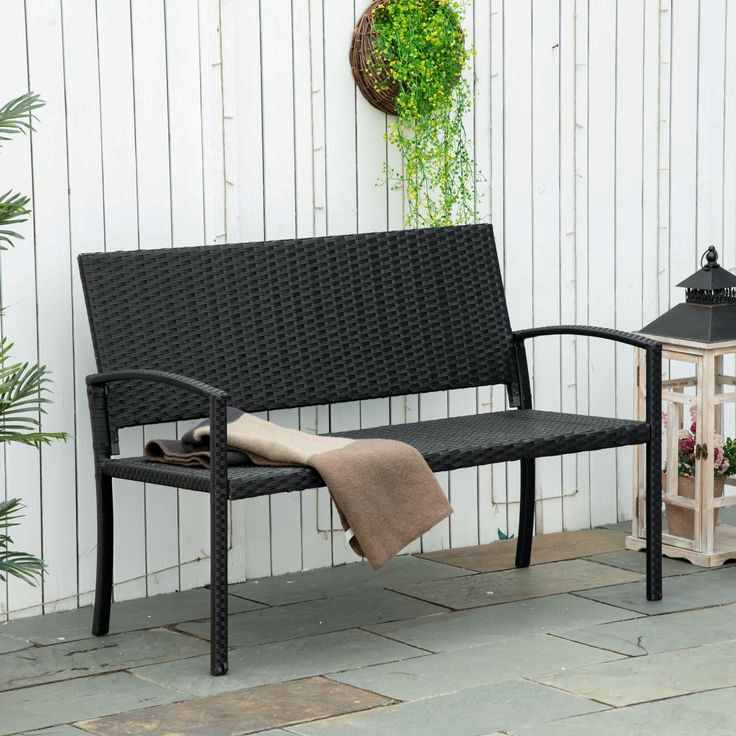
A patio bench can give me seating for more than one person without requiring several individual chairs. A compact bench can fit along a wall or edge of a patio, leaving the center of the space available for movement.
Some benches also include storage underneath, which is particularly valuable in a small outdoor area. I can use that space for cushions, gardening accessories, or other items, depending on the construction and weather protection.
Pro Tip: I would measure both the bench length and the depth. A bench may fit against a wall but still make the walkway feel cramped if it extends too far into the usable space.
11. Folding Tables
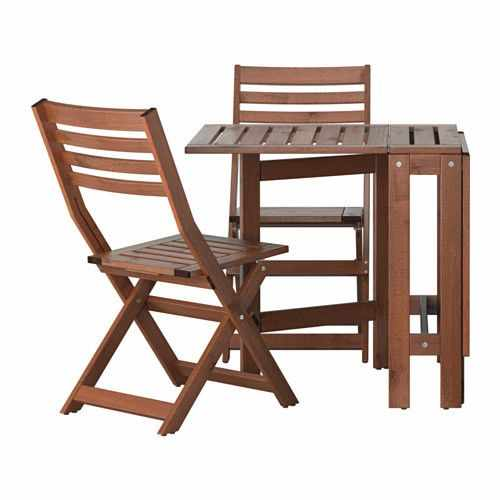
Although a folding table isn’t technically seating, I consider it a useful companion when creating a small outdoor sitting area. I can use one for meals, drinks, crafts, or as a temporary side table.
When I’m finished, I can fold it and store it vertically instead of leaving a permanent table in the middle of the space.
For a compact patio, I would choose the smallest table that comfortably serves its purpose. A table that is too large can make even a well-planned seating arrangement feel crowded.
12. Patio Ottomans
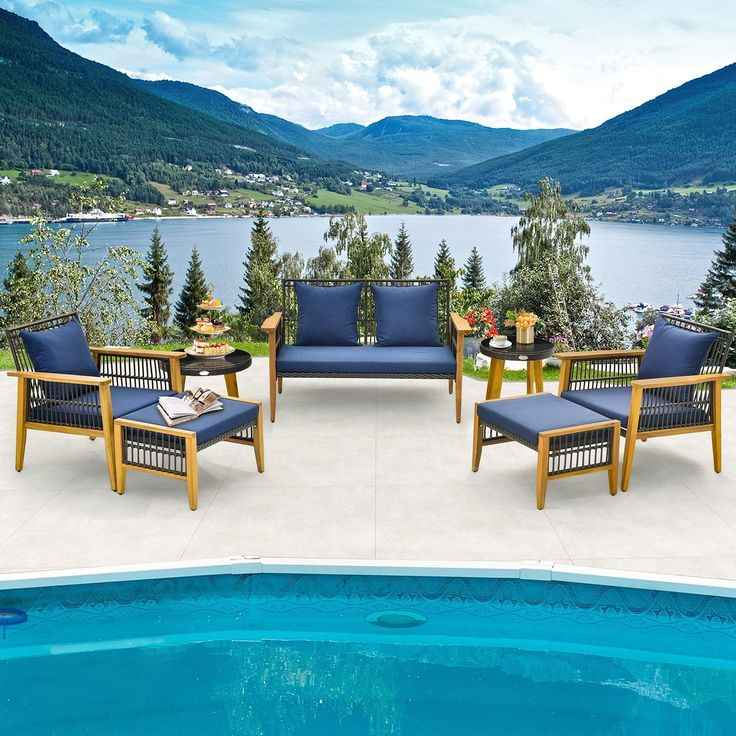
Patio ottomans can be surprisingly useful in a small outdoor setting. I can use one as a footrest while relaxing, then move it over when I need an extra seat.
Some designs can also work as small side tables, while others include hidden storage. That combination makes an ottoman a practical choice when I want furniture to serve multiple purposes.
I would check the materials and weight capacity before using an ottoman as seating. If it will stay outdoors, I would also choose a finish and fabric designed for exterior conditions.
13. Picnic Blankets
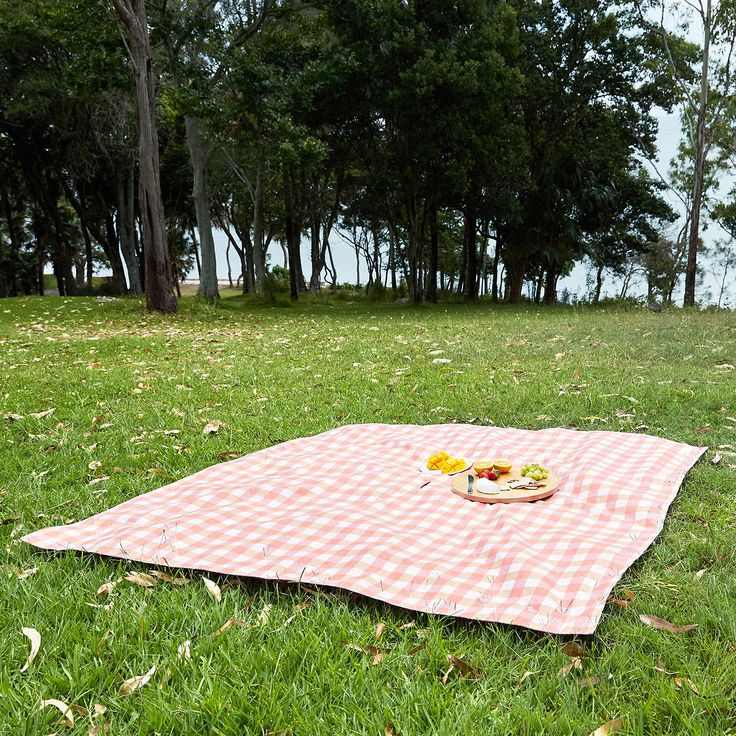
A picnic blanket is probably one of the simplest and least expensive ways I can create temporary outdoor seating. Instead of adding another chair, I can spread the blanket on a suitable clean surface and create a relaxed spot for sitting.
Water-resistant or outdoor-specific blankets are particularly useful because they are easier to clean and better suited to grass or outdoor surfaces.
When I’m done, I can fold or roll the blanket and store it in a very small space. This makes it a practical choice when I want outdoor seating only occasionally.
These 13 options give me plenty of ways to furnish a small outdoor area without filling it with oversized furniture. I can choose folding pieces when storage is my biggest concern, cushions or blankets for casual seating, or multifunctional furniture when I need to get more use from every square foot.
10 THINGS TO LOOK OUT FOR WHEN CONSIDERING AN OUTDOOR SEATING OPTION FOR SMALL PLACES
When I choose seating for a compact outdoor area, I don’t look at appearance alone. A chair may look perfect online but become frustrating if it blocks a doorway, cannot withstand the weather, or has nowhere to go during bad conditions.
These are the 10 factors I would check before making a purchase.
1. Size and Scale
I always measure the available space before buying furniture. I check the width, depth, and height of the area and pay attention to doors, railings, walkways, and other permanent features.
I also measure the furniture itself rather than relying only on product photos. This helps me avoid creating a cramped layout.
2. Functionality
I first decide how I expect to use the space. If I mainly want somewhere to drink coffee, two compact chairs may be enough.
If I plan to eat outdoors, I need a suitable table. If relaxation is the priority, a hammock, lounge chair, or comfortable cushions may make more sense.
3. Storage and Portability
Storage is one of the biggest issues I consider in a small outdoor area. Folding, stacking, or lightweight furniture gives me more flexibility when the space needs to serve another purpose.
I also think about where the furniture will go during storms, heavy rain, or other harsh conditions before I buy it.
4. Weather Resistance
Outdoor furniture has to deal with conditions that indoor furniture doesn’t. Depending on where I live, that can include rain, humidity, strong sunlight, wind, and temperature changes.
Materials such as treated wood, aluminum, and suitable synthetic outdoor materials can be useful choices, but I always check the manufacturer’s care instructions rather than assuming any material is maintenance-free.
5. Durability
I want outdoor seating to handle regular use without becoming uncomfortable or damaged quickly. I look at the frame construction, joints, weight capacity, hardware, fabric, and finish.
I also check product reviews for repeated comments about issues such as rust, fading, loose parts, or poor construction. One isolated review isn’t enough for me to make a decision, but repeated patterns are worth noticing.
6. Comfort
Affordable furniture doesn’t have to be uncomfortable. I consider seat height, back support, cushion thickness, armrests, and the amount of space available for sitting.
If I plan to spend an hour or more outside, comfort becomes much more important than simply choosing the smallest chair available.
Pro Tip: I measure the seat depth and height when shopping online. Product dimensions give me a better idea of how a chair will actually fit my body than a styled photograph does.
7. Style and Design
I want my outdoor seating to work with the rest of my home and outdoor decor. Even a small balcony can look intentional when the furniture, cushions, rugs, planters, and accessories share a similar style.
I don’t think everything needs to match perfectly. Instead, I usually choose one main material or color and use smaller accessories to bring the look together.
8. Maintenance Requirements
I always check how much maintenance a piece needs before buying it. Some outdoor furniture may need regular cleaning, protective covers, sealing, or seasonal storage.
If I know I won’t have time for frequent upkeep, I look for options that are easier to clean and maintain. A slightly simpler design can sometimes be more practical in the long run.
9. Versatility
Multifunctional furniture is especially valuable when space is limited. A stool that can work as both seating and a side table gives me two uses from one item.
A storage bench can provide seating and a place to keep outdoor accessories. An ottoman can function as a footrest, extra seat, or small surface depending on its design.
Read this next: 32 Clever DIY Storage Solution For Small Spaces
10. Budget
I set my spending limit before shopping so that I don’t focus only on how attractive a piece looks. I also consider the long-term cost of cushions, covers, replacement parts, maintenance, and storage.
Sometimes spending a little more on a durable, weather-appropriate piece can make more sense than repeatedly replacing a cheaper item. I compare the construction and expected use rather than looking at the price alone.
Choosing outdoor seating for a small space is really about finding the right balance between comfort, size, function, and cost. I don’t need to fill every available corner to make the area useful.
The 13 seating ideas above give me several ways to work with limited space. Folding chairs and stackable seating are helpful when storage is important, while bistro sets work well when I want a dedicated spot for meals or coffee.
For a more relaxed setup, I can use floor cushions, hammocks, or picnic blankets. Benches, stools, and ottomans are useful when I want furniture that can serve more than one purpose.
Before buying anything, I would measure the area, think about how I will use it, check the weather conditions, and decide where the furniture will be stored when necessary.
A small balcony or patio can still become one of my favorite places to relax. With the right-sized pieces and a little planning, I can create a comfortable outdoor retreat without spending a fortune or overcrowding the space.
This post showed you 13 affordable outdoor seating options for small spaces, along with 10 practical things I would consider before choosing furniture for a compact outdoor area.
Conclusion
I’ve found that a small outdoor space can still be comfortable and inviting with the right seating. Folding chairs, bistro sets, stools, cushions, benches, and ottomans can all work well when I choose pieces that fit the space and my needs.
Before buying, I always consider measurements, comfort, storage, weather resistance, maintenance, and budget. With a little planning, I can create a cozy outdoor seating area without overcrowding my patio, balcony, or garden.
Frequently Asked Questions
What is the best seating for a very small patio?
Folding chairs, compact bistro sets, stools, and floor cushions are practical choices because they take up little space and can be moved or stored easily.
How can I make a small outdoor seating area comfortable?
I add supportive cushions, an outdoor rug, soft lighting, and a small side table while keeping enough open space for easy movement.
What outdoor seating is easiest to store?
Folding and stackable chairs are among the easiest options to store. Folding tables and lightweight cushions are also useful when storage space is limited.
How do I protect outdoor seating from bad weather?
I use weather-resistant furniture and cushions, cover pieces when appropriate, and move lightweight items into a dry storage area during heavy rain or severe weather.

3 Comments