15 Space Saving Small Kitchen Table Ideas
A small kitchen can still have a comfortable place to eat, work, prep food, or enjoy coffee. I’ve found that the biggest difference often comes from choosing furniture that works with the room instead of fighting against it.
When floor space is limited, I look for tables that fold, extend, tuck away, or provide another useful function. Even a few inches of saved clearance can make a narrow kitchen feel much easier to move around in.
In this guide, I’m sharing 15 space-saving small kitchen table ideas that can help you create a practical dining area without making the kitchen feel crowded.
I use a mix of folding, wall-mounted, nesting, extendable, and multifunctional tables when working with a small kitchen. Drop-leaf tables and compact bistro tables are especially useful when I need everyday seating without a large footprint.
For kitchens with unused corners, I like breakfast nooks and bench seating because they can turn awkward areas into useful dining space. Wall-mounted and pull-out tables are another smart choice when I want the floor to stay as open as possible.
Save this for later
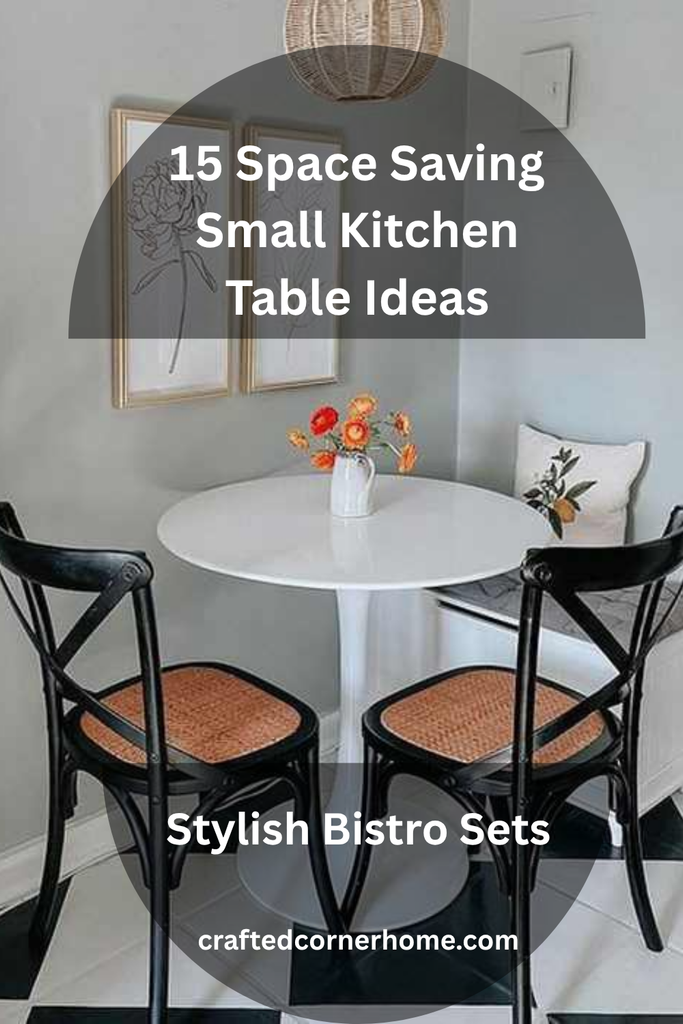
Table of Contents
Storage is also important. When a table, bench, island, or console can provide storage in addition to a dining surface, I can make better use of limited kitchen space without adding another cabinet or piece of furniture.
Key Takeaways
- I choose folding or expandable furniture when I need flexibility.
- Wall-mounted and pull-out tables keep valuable floor space open.
- Round and pedestal tables can make movement around the table easier.
- A corner breakfast nook can make use of an otherwise wasted area.
- Tables with built-in storage give a small kitchen more than one function.
- I always measure the table, chairs, and walking area before buying furniture.
Related article: 20 Cozy Fall Kitchen Decor Ideas to Make Your Home Feel Warm and Inviting
1. Drop-Leaf Table
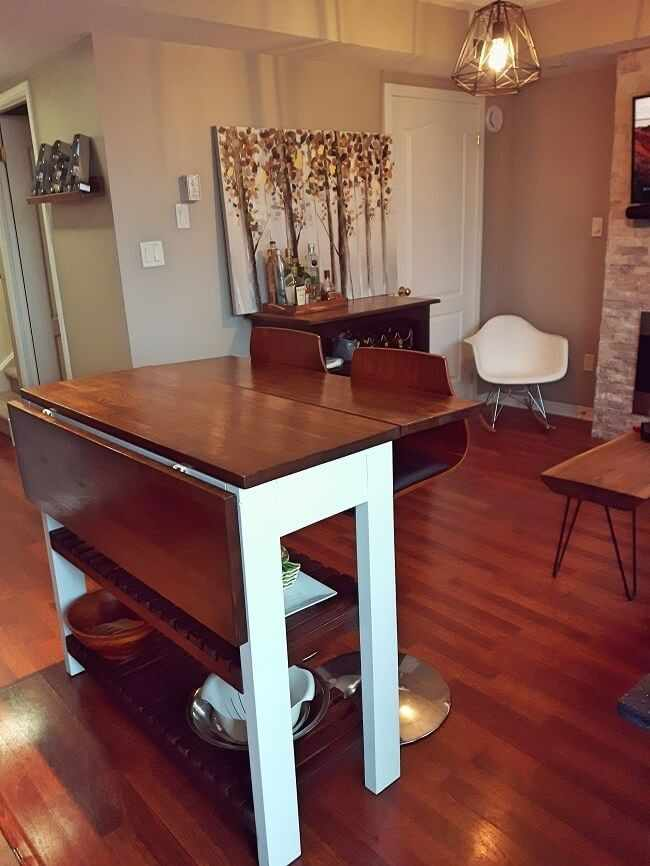
A drop-leaf table is one of the first options I consider for a compact kitchen. The hinged sections can be lowered when I need more walking room and raised when I want additional dining or preparation space.
For everyday use, I can keep one leaf up and position the table against a wall. When family or friends come over, I can open the other side and create a larger surface.
I also like this style because it doesn’t have to look like strictly “small-space furniture.” A well-designed wooden or painted drop-leaf table can work with farmhouse, traditional, Scandinavian, or modern kitchen styles.
Pro Tip: Before buying, check how much clearance the table needs when both leaves are fully open. The folded size may fit perfectly, but the expanded size still needs enough room for chairs and movement.
2. Wall-Mounted Fold-Down Table
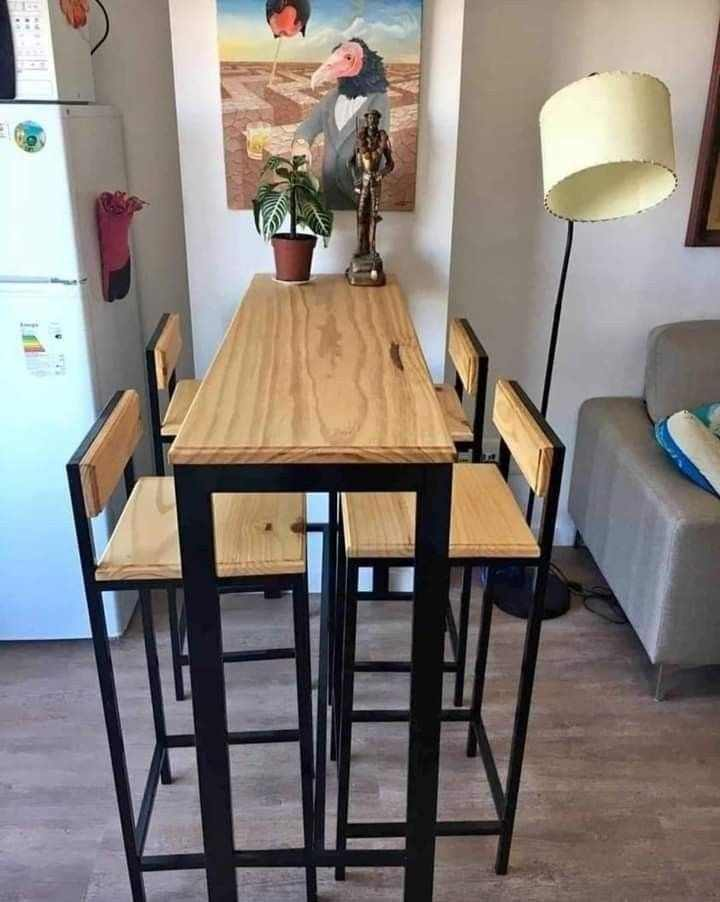
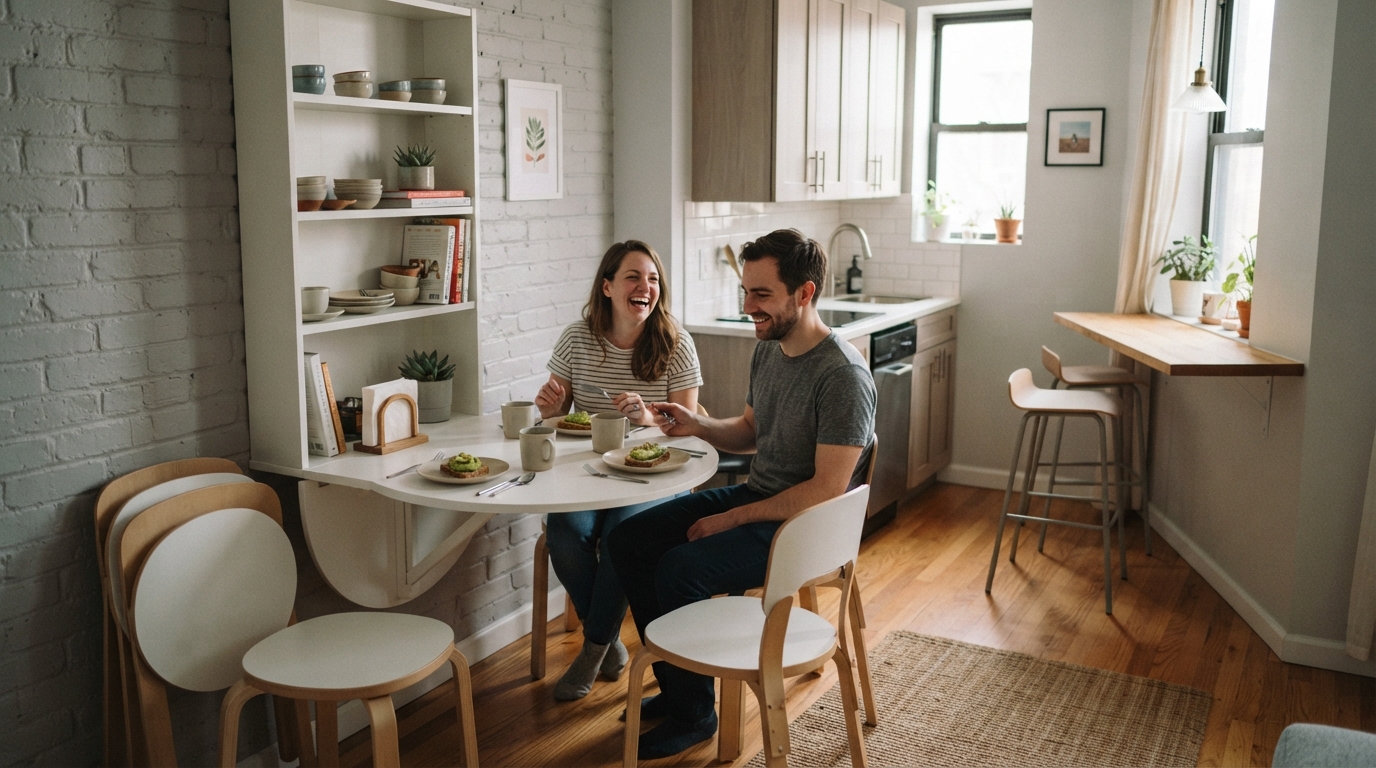
When floor space is extremely limited, I like the idea of taking the table completely off the floor. A wall-mounted fold-down table can be closed against the wall after meals, leaving the area open for cooking or walking.
This can work particularly well in narrow kitchens, apartments, breakfast corners, and multipurpose rooms. I can use the surface for eating, preparing ingredients, working on a laptop, or having coffee.
The wall where I install it needs to be suitable for secure mounting, especially if the table will regularly carry dishes, appliances, or other weight.
Pro Tip: I prefer positioning a fold-down table near a wall where chairs can also be stored or pushed completely out of the main walkway.
3. Nesting Tables
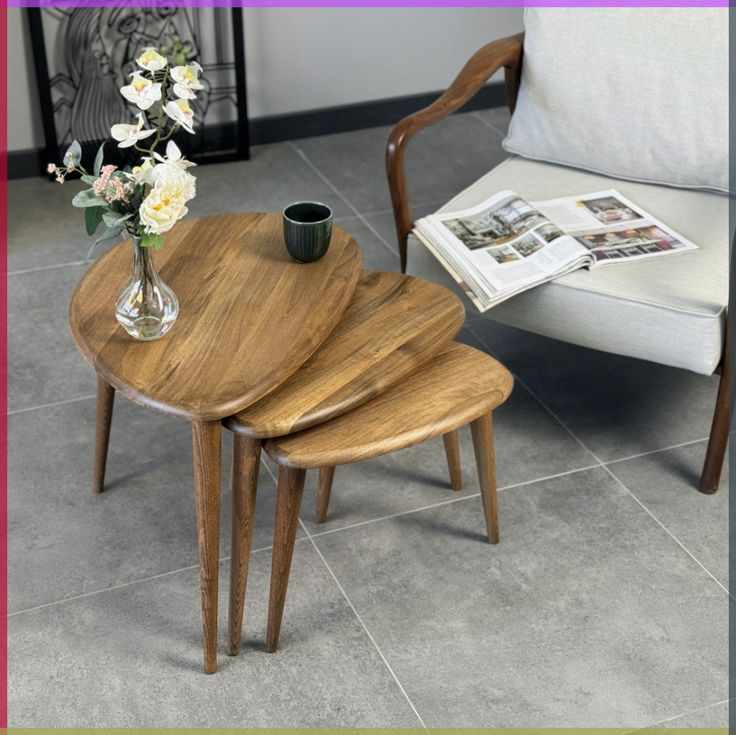
Nesting tables give me several surfaces without requiring the floor area of several separate tables. Smaller tables slide underneath or beside a larger table when they aren’t needed.
I find this setup useful when a kitchen sometimes needs extra surface space but doesn’t need a large table every day. I can pull out the smaller pieces for serving food, snacks, drinks, or extra seating.
They can also be helpful in homes where the kitchen doubles as a casual work or activity area.
Pro Tip: Look for nesting tables with different heights rather than nearly identical sizes. The height difference makes each table easier to use separately.
4. Bar-Height Table with Stools
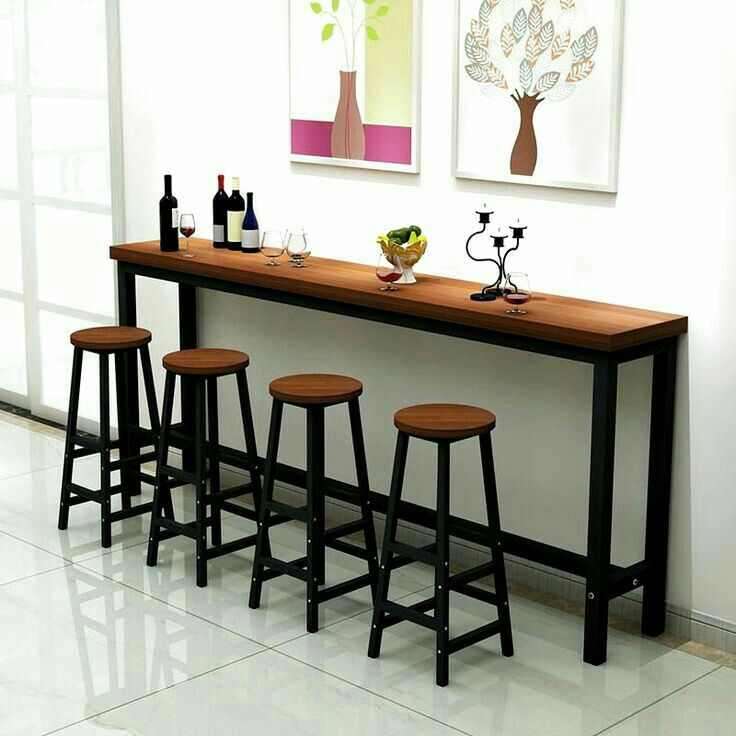
A bar-height table can give a small kitchen a casual eating area while allowing stools to slide underneath the tabletop.
I like this arrangement because chairs with backs can sometimes make a compact kitchen feel visually heavier. Simple stools can be pushed completely under the table when I’m finished eating.
This style works particularly well beside a kitchen wall, peninsula, or unused stretch of counter space. It can also create a convenient spot for breakfast or a quick cup of coffee.
Pro Tip: I always check the relationship between table height and stool height. There should be enough comfortable legroom underneath rather than choosing the pieces based only on appearance.
5. Convertible Console Table
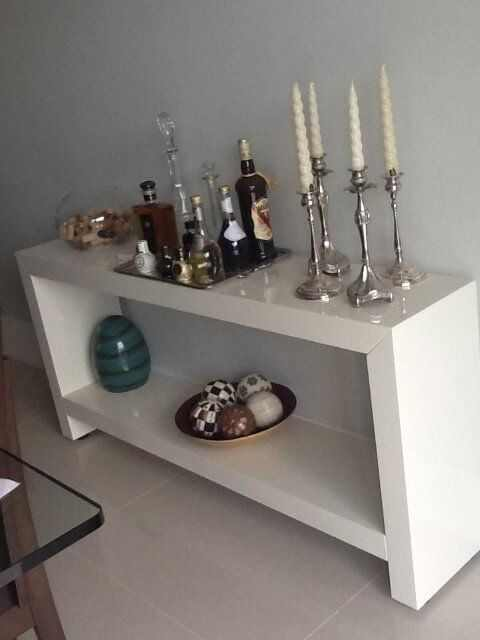
A convertible console table is useful when I want my everyday furniture to take up very little space but still have the ability to accommodate guests.
In its compact form, it can sit against a wall and function as a narrow surface. When I need a dining table, I can expand the sections to create a much larger tabletop.
This makes it a practical choice for kitchens that occasionally need extra seating but don’t have enough room for a permanent large dining table.
Pro Tip: I measure the fully extended table before purchasing. I also make sure there is a realistic place to store extra chairs when the table is being used at full size.
6. Round Pedestal Table
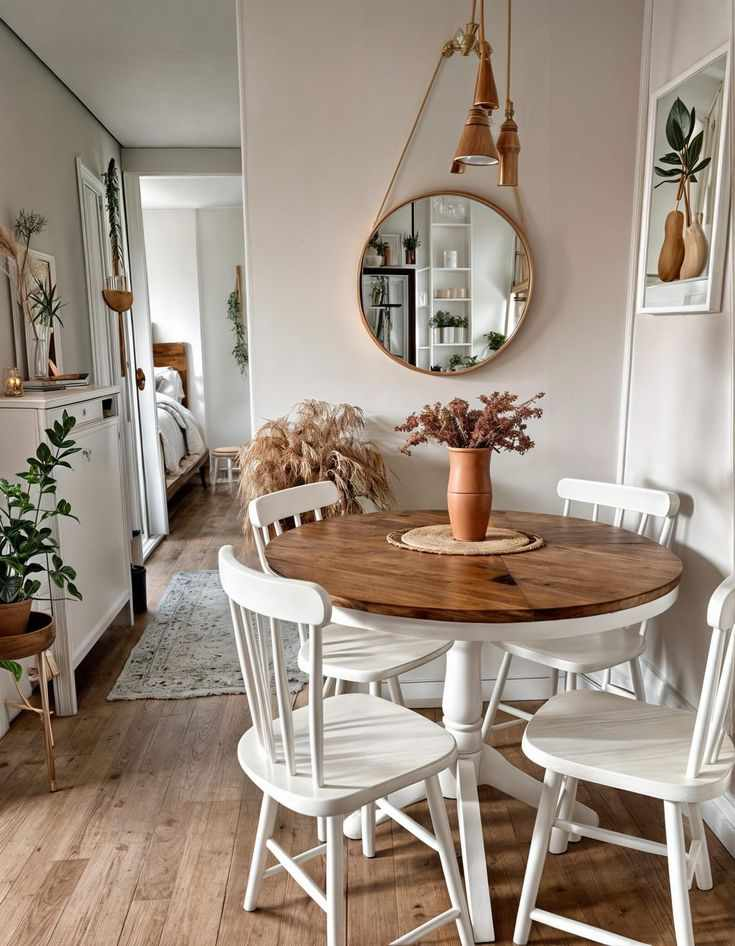
I often consider a round pedestal table when a kitchen has limited floor space. The central base eliminates the four corner legs that can sometimes get in the way of chairs and feet.
A round shape can also make a small dining area feel less rigid because there are no sharp table corners to navigate around. This is especially helpful in a busy kitchen where people are constantly walking between counters and appliances.
The size matters, though. I don’t choose a round table simply because it looks compact; I check its diameter and allow enough room for people to sit comfortably.
Pro Tip: I use a pedestal base when possible because it gives me more flexibility when positioning chairs around the table.
7. Extendable Dining Table
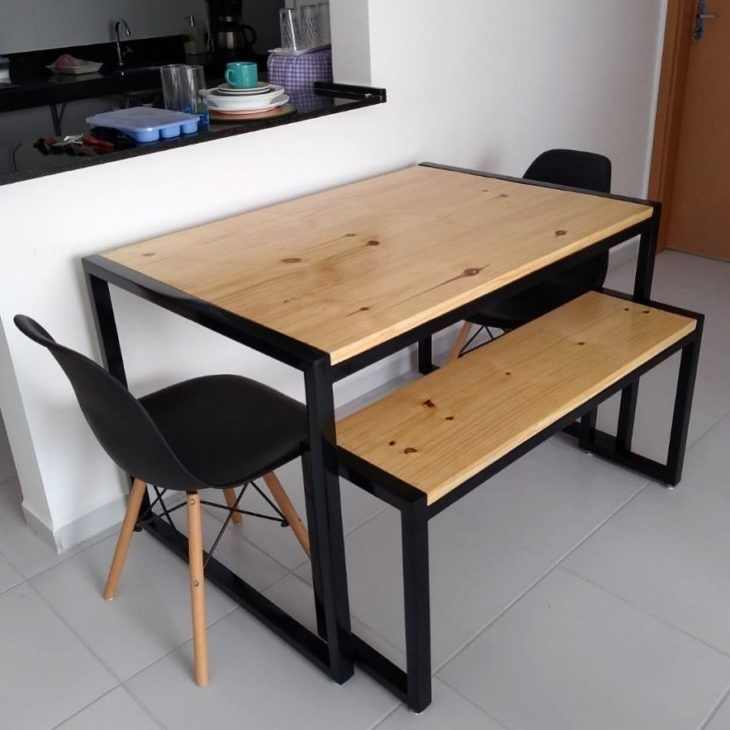
An extendable dining table gives me two sizes in one piece of furniture. I can keep it compact for normal meals and open the extension when I need additional seating.
This is particularly useful for households that don’t entertain frequently but still want a proper dining table. There is little reason to dedicate valuable floor space to the largest table size every day if I only need that capacity occasionally.
I look for extension mechanisms that are easy to operate because a table that is difficult to expand is less likely to be used as intended.
Pro Tip: Check where the extension leaves are stored. Built-in storage is convenient because I don’t have to find another place in the kitchen or home for separate pieces.
8. Floating Table with Storage
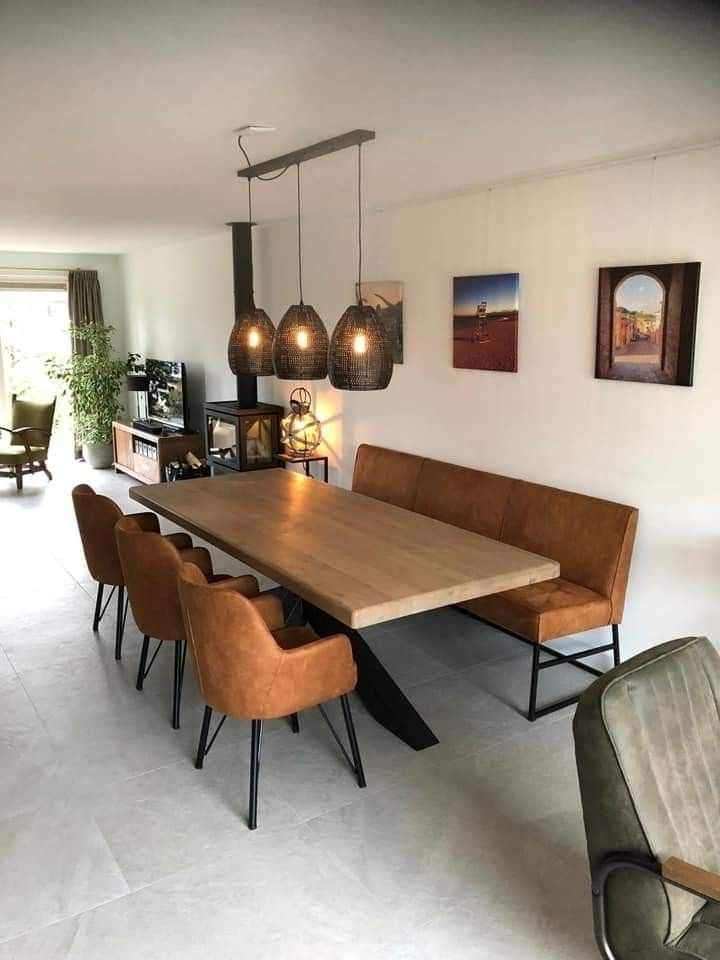
A floating table can make a small kitchen feel more open because the tabletop is attached to the wall rather than standing on traditional legs.
I especially like versions that combine the tabletop with shelves, drawers, or cabinets. That gives me a place to eat while also creating storage for smaller kitchen supplies.
The open space underneath can also make cleaning easier and keep the floor visually less crowded.
Pro Tip: I avoid storing heavy items on wall-mounted shelves unless the structure and mounting hardware are specifically designed to support that weight.
9. Corner Breakfast Nook
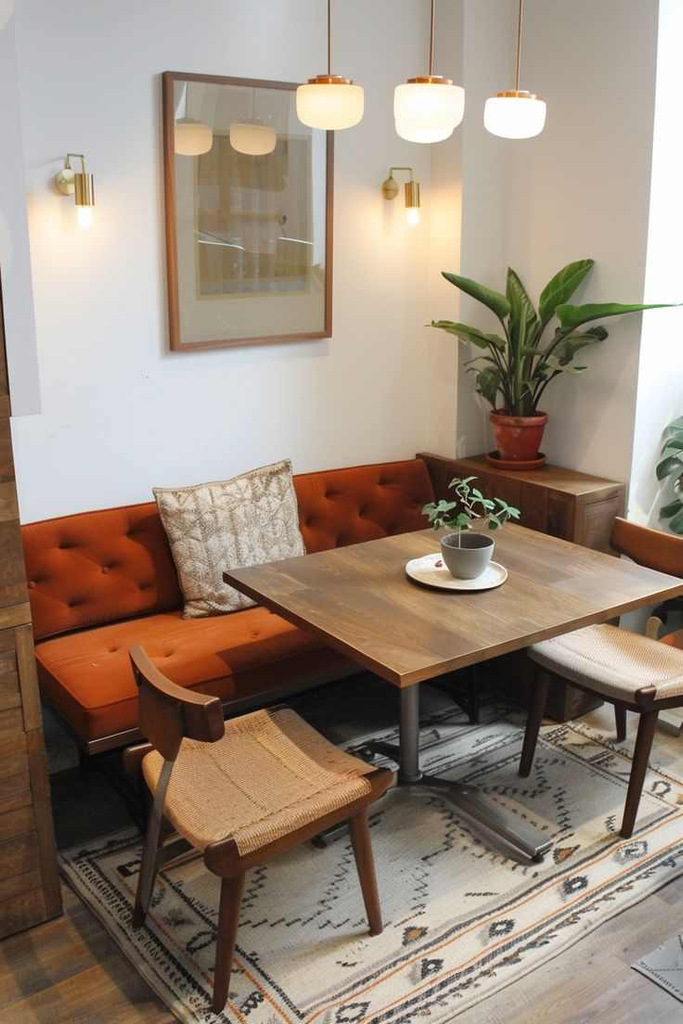
A corner breakfast nook can turn an overlooked kitchen corner into a useful dining zone. Instead of placing chairs around all sides of a table, I can use a bench against one or two walls.
This arrangement can provide several seats while keeping the furniture close to the perimeter of the room. I like it for morning coffee, family breakfasts, homework, or casual meals.
A built-in nook can be customized to the exact dimensions of the corner, but a freestanding bench and small table can offer a more flexible option for renters.
Pro Tip: I leave enough clearance around the entrance to the nook so nobody has to squeeze past the table every time someone sits down.
Also read: 20 Summer Kitchen Ideas To Maximize Natural Light
10. Folding Table with Hidden Storage
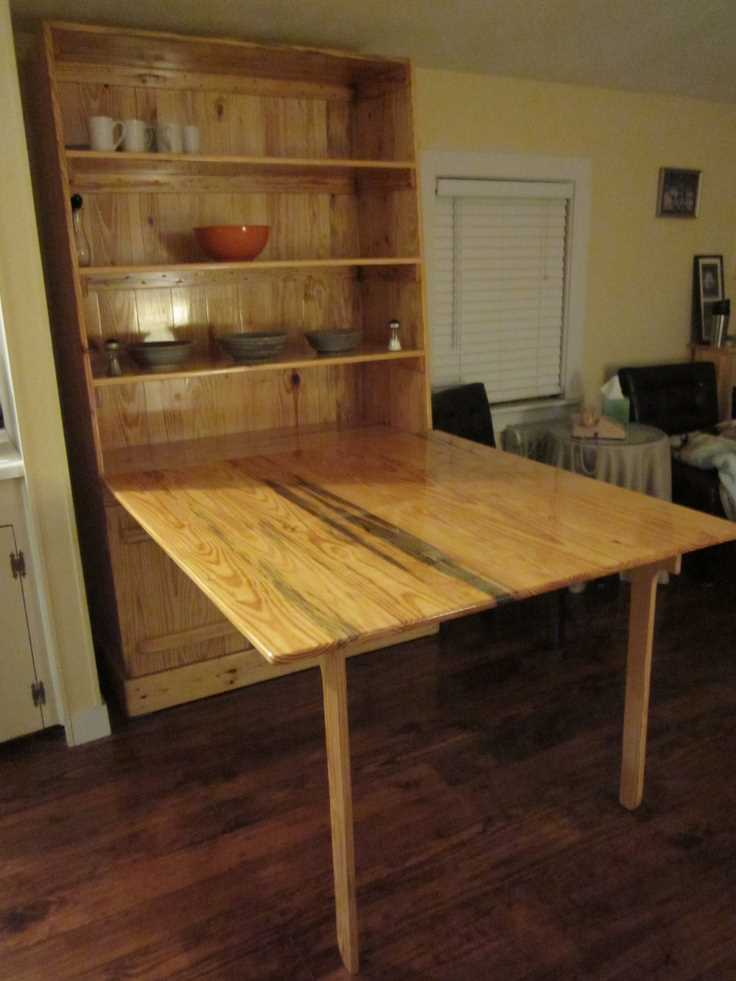
A folding table with hidden storage can solve two small-kitchen problems at once: limited dining space and limited storage.
When closed, the table takes up less room. Depending on the design, the storage area can hold placemats, napkins, serving pieces, or other small items I use around mealtimes.
I find this especially helpful when cabinets are already full and I don’t want to add another freestanding storage unit.
Pro Tip: I keep the hidden storage limited to items I use regularly. Overfilling a small compartment can make the folding mechanism difficult to operate.
11. Compact Bistro Table
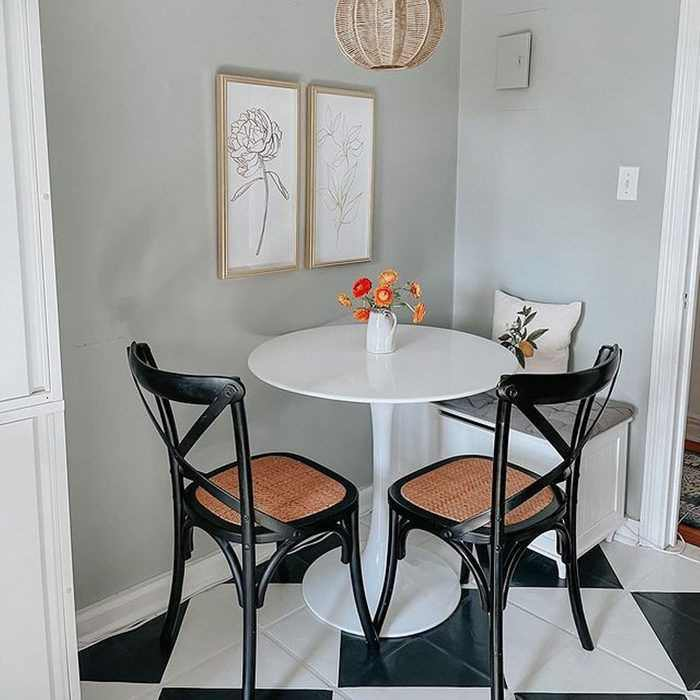
A compact bistro table is one of my favorite choices for a kitchen designed for one or two people. Its small footprint can fit into a narrow corner or beside a window without dominating the room.
I can use it for breakfast, coffee, light meals, or even as a small work surface. A round version can be particularly easy to move around because it doesn’t have corners extending into nearby walking paths.
For a couple or someone living alone, I don’t always see a reason to use a large dining table every day.
Pro Tip: I pair a small bistro table with lightweight chairs that can be moved easily. That gives me more flexibility when I need to clean or use the surrounding area.
12. Multipurpose Kitchen Island
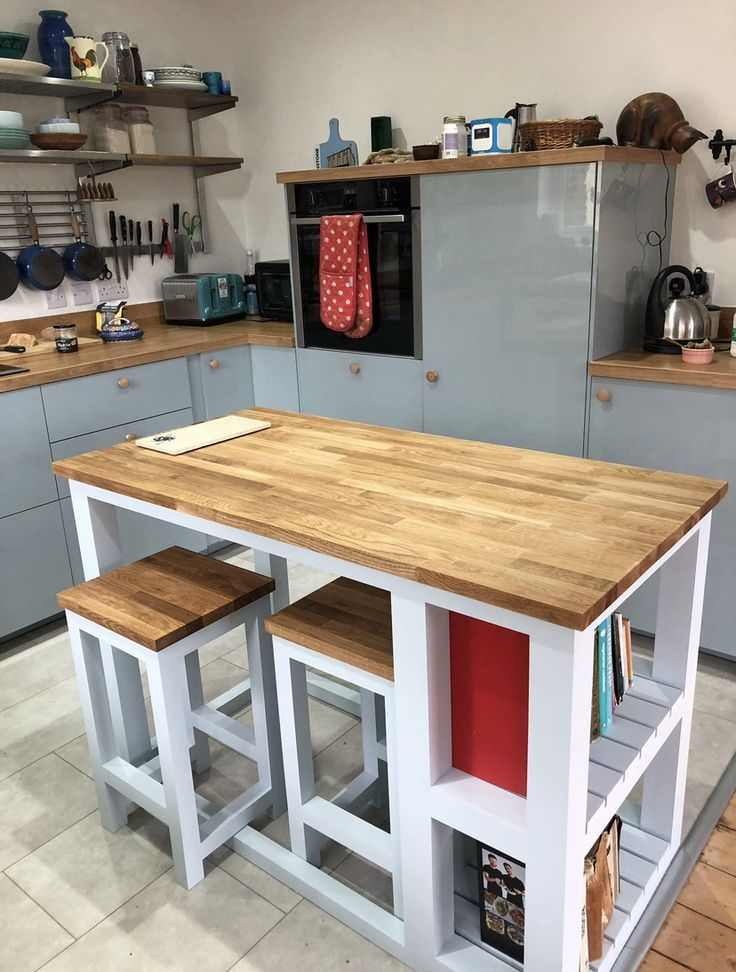
A kitchen island can take the place of a separate dining table when the layout allows enough clearance around it.
I like multifunctional islands because one piece can provide food preparation space, casual seating, storage, and sometimes room for appliances. Adding stools on one side can turn the countertop into an everyday eating area.
However, I always prioritize walking clearance. An island that technically fits but makes it difficult to open cabinets, appliances, or drawers can make a kitchen harder to use.
Pro Tip: Before installing an island, I map out the footprint with painter’s tape on the floor. This gives me a much better idea of how the finished island will affect movement.
13. Pull-Out Table
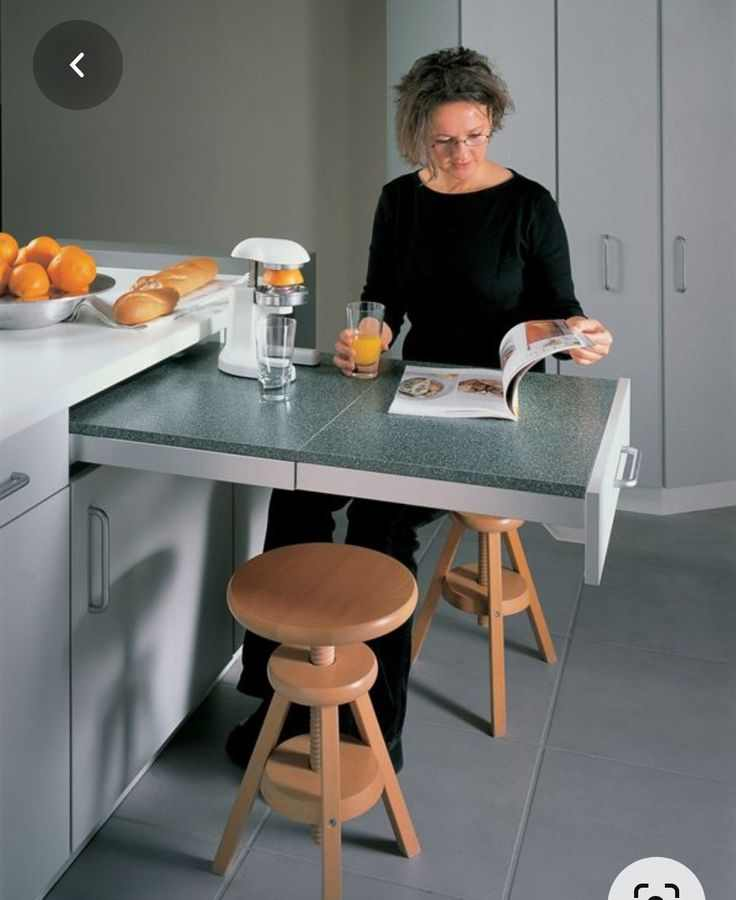
A pull-out table can be built into a cabinet, island, or another piece of kitchen furniture. I can slide it out when I need a temporary dining or preparation surface and push it away afterward.
This approach is particularly useful in very compact kitchens where a permanent table would interfere with everyday movement.
Because the table is integrated into existing cabinetry, it can make use of space that might otherwise remain unused.
Pro Tip: I check the table’s support system carefully. A pull-out surface should remain stable when extended instead of relying on the surrounding cabinet alone.
14. Bench Seating with Under-Seat Storage
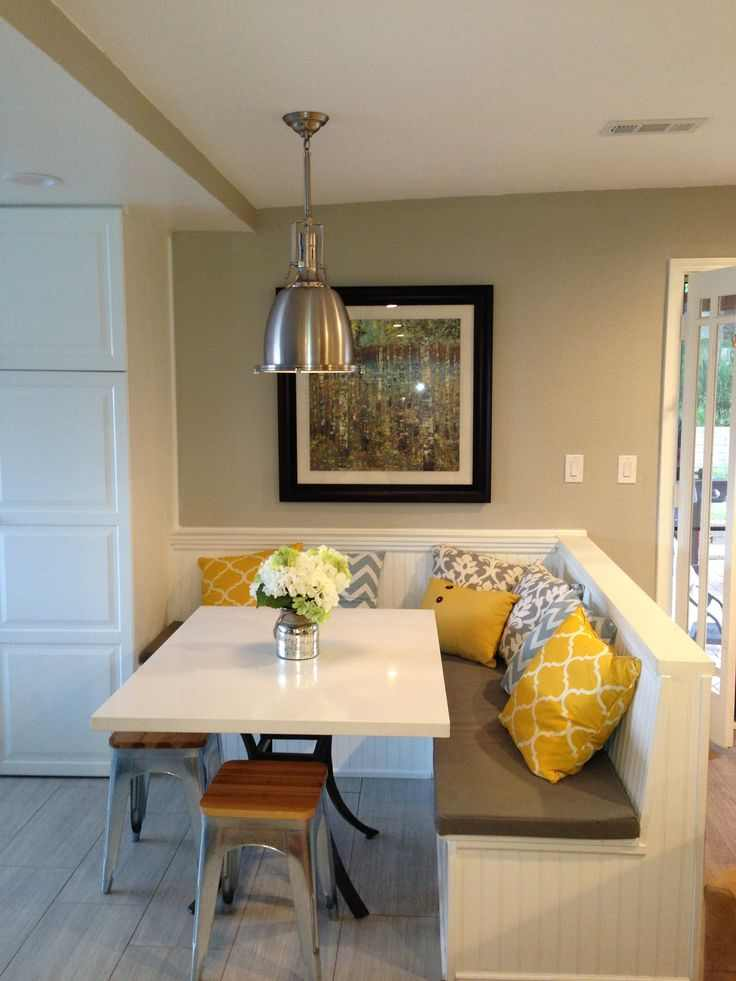
Bench seating is another practical way I can combine seating and storage. Instead of leaving the area underneath the seat unused, I can use it for kitchen linens, serving pieces, seasonal items, or other supplies.
A bench can also be positioned close to a wall, allowing the dining table to sit nearby without requiring several individual chairs.
For a family kitchen, I find benches especially useful because they can provide flexible seating while keeping the overall arrangement compact.
Pro Tip: I prefer storage benches with easy-to-lift lids or drawers that don’t require moving the entire table to access them.
15. Folding Chairs with Wall Hooks
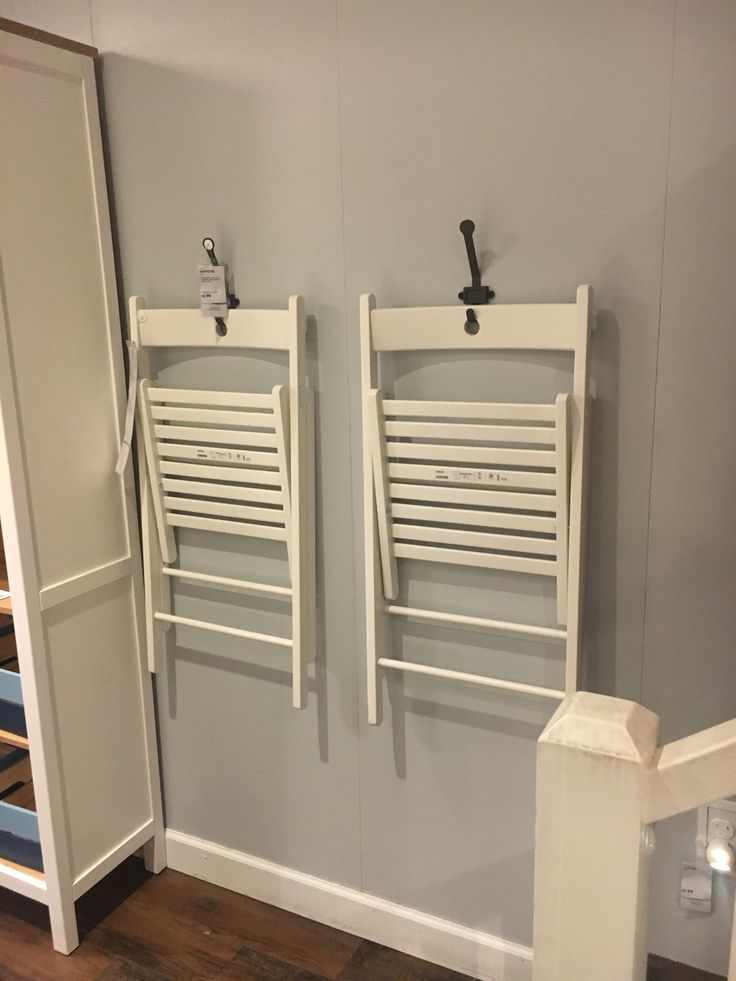
Even when I have a small table, bulky chairs can become the real space problem. Folding chairs give me a way to add seating only when I actually need it.
When meals are finished, I can fold the chairs and store them on properly installed wall hooks or in another designated area. This keeps the floor clearer and can make a narrow kitchen easier to navigate.
I would choose chairs that are comfortable enough for the amount of time they will be used rather than focusing only on how small they fold.
Pro Tip: I install wall hooks at a height that makes putting the chairs away easy. If storing them feels inconvenient, they are much more likely to end up leaning against a wall or blocking a walkway.
Read this next: 23 Easy Summer Kitchen Decor Ideas To Make Your Home Feel Fresh
FAQ’s
What type of table is best for a small kitchen?
I find drop-leaf, folding, wall-mounted, and compact bistro tables especially useful because they provide dining space without taking up too much room.
How can I save space around a kitchen table?
I use stools that slide underneath, folding chairs, benches, or wall-mounted seating to keep the floor area as open as possible.
Is a round table good for a small kitchen?
Yes. I like round tables for compact kitchens because they have no sharp corners and can make movement around the dining area easier.
Can a kitchen island replace a dining table?
Yes. A kitchen island with an overhang can provide a casual eating area while also serving as workspace and storage.
How do I choose the right table size?
I measure the available floor space first and account for chairs, walking paths, and nearby cabinets or appliances before choosing a table.
Final Thoughts
A small kitchen doesn’t mean I have to give up having a comfortable dining area. I can usually find a workable solution by choosing furniture that folds, extends, nests, mounts to the wall, or performs more than one job.
When I plan a small kitchen table, I measure the available floor area first and then consider how people will move around it. I also think about where chairs will go when they aren’t being used.
For me, the best small kitchen table is not necessarily the smallest one. It’s the one that gives me the function I need while keeping the rest of the kitchen comfortable, accessible, and uncluttered.

4 Comments