
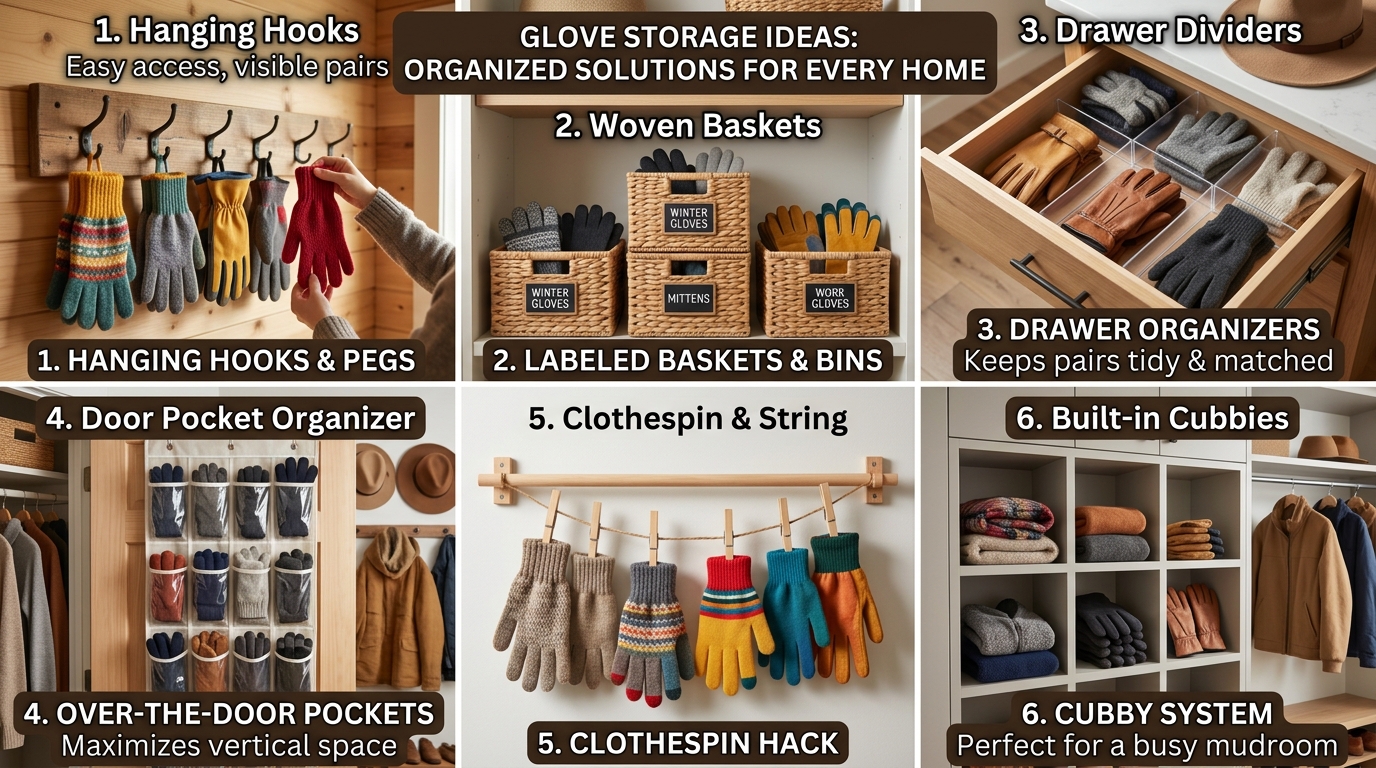
20 Glove Storage Ideas for 2026
Gloves are small enough to seem easy to store, but they can become surprisingly difficult to manage once you have winter gloves, work gloves, sports gloves, cleaning gloves, and several pairs for different family members. I’ve found that the biggest problem is rarely the amount of storage itself. It is usually the lack of a consistent place for each type of glove.
I organize gloves around three simple goals: keep pairs together, allow damp gloves to dry properly, and make frequently used pairs easy to reach. A good system should also match the type of glove. A pair of leather gloves needs different care from rubber cleaning gloves or padded sports gloves.
The 20 ideas below cover wall storage, drawers, baskets, hooks, drying systems, travel organizers, and a few cleaning and maintenance solutions. Some take only a few minutes to set up, while others work better as permanent storage stations in a mudroom, garage, laundry room, or entryway.
I use visible storage for everyday gloves and dedicated drying space for anything that comes home wet. Wall baskets, hooks, clips, and small racks are particularly useful because they keep gloves off crowded surfaces and make pairs easier to find. For families, assigning one container or section to each person can prevent mix-ups.
For work and sports gloves, I focus more on ventilation and drying than appearance. Damp gloves should not be left compressed in a closed bag or drawer because trapped moisture can contribute to unpleasant odors and material deterioration. Delicate gloves are better protected in compartments or soft pouches.
Save this for later

Table of Contents
The best system depends on where the gloves are used. Entryway storage works well for winter accessories, while garages and utility rooms are better suited to work gloves. Sports gloves may need a dedicated drying area, and cleaning gloves should have a place near the sink or laundry area.
Key Takeaways
- Give frequently used glove pairs a specific home instead of tossing them into a general drawer.
- Use vertical wall space when floor, shelf, and drawer space is limited.
- Let wet gloves dry fully before putting them into enclosed storage.
- Keep pairs clipped, compartmentalized, or stored together to reduce lost gloves.
- Match the storage method to the material and purpose of the gloves.
- Keep work and cleaning gloves separate from personal winter accessories.
- Use labels or individual baskets when several people share the same entryway.
Related article: 25 Mop And Broom Storage Ideas for 2026
What Is The Best Storage Solution For A Large Hat Collection?
For gloves, I look at accessibility and ventilation before choosing a storage method. Unlike hats, most gloves do not need protection from crushed brims, but they can become misshapen, damp, or separated from their matching pair when they are thrown into a large pile.
For everyday winter gloves, a small basket, drawer organizer, wall hooks, or individual family bins can work very well. I prefer open storage near an entry door when the gloves are used every day because it reduces the number of steps between coming home and putting them away.
If I’m organizing several types of gloves, I separate them by purpose rather than putting everything together. Winter gloves, gardening gloves, cleaning gloves, and sports gloves are much easier to manage when each category has its own location.
For a small home, vertical storage is especially useful. A wall rail, cabinet-door hooks, or hanging basket can create storage without taking up another drawer or section of floor space.
The main rule I follow is simple: store dry gloves together, but give wet gloves enough airflow to dry before they go into enclosed storage.
Wall Baskets
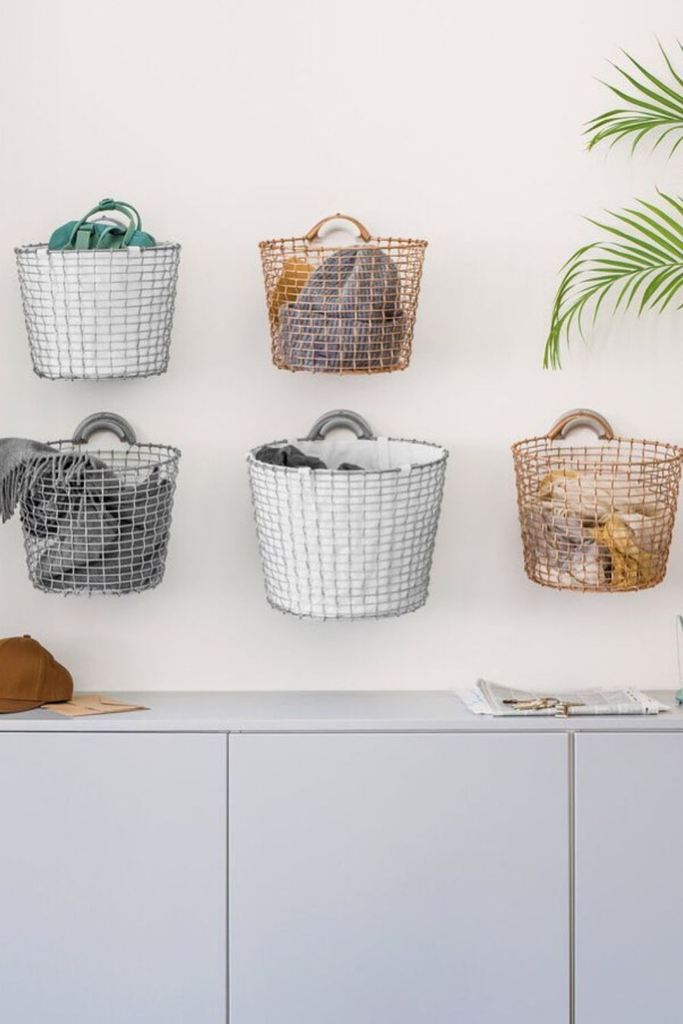
Wall baskets are one of my easiest solutions for a busy entryway. Instead of letting gloves collect on a bench, console, or shoe rack, I give them a dedicated container that everyone can see.
A shallow wire or woven basket works particularly well because it provides enough room for several pairs without requiring another piece of furniture. Open construction is also useful when gloves are slightly damp and need some air circulation.
For a family, I can assign one basket to each person. This eliminates much of the daily searching because everyone knows exactly where their gloves belong.
I recommend mounting baskets securely and placing them at a comfortable height. If children use the system, their basket should be low enough that they can put their own gloves away without assistance.
Pro Tip: Keep one small open basket for everyday gloves and a separate closed container for off-season pairs. Mixing all your gloves together makes the entryway system harder to maintain.
Family Bins
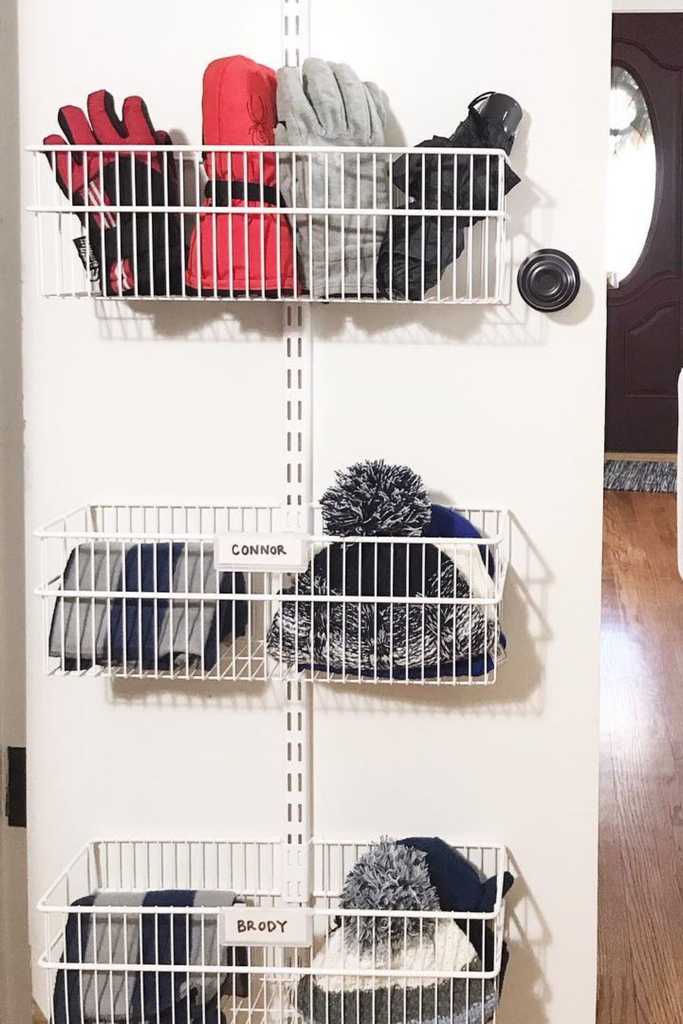
When several people share one entryway, individual bins can make a noticeable difference. I’ve found that the simplest family systems are usually the ones people continue using because there is no guessing about where an item belongs.
A vertical arrangement of labeled baskets can use wall space efficiently. Each person gets a designated bin for gloves, hats, scarves, or other small cold-weather accessories.
For younger children, picture labels can be easier to understand than written names. Older children and adults can use simple name labels or category labels.
I would avoid making the bins too deep. If gloves disappear underneath several layers, the storage system creates the same problem as an overcrowded drawer.
Pro Tip: Keep the most frequently worn gloves toward the front or in an easy-access bin. Reserve deeper storage for backup and seasonal pairs.
Drawer Dividers
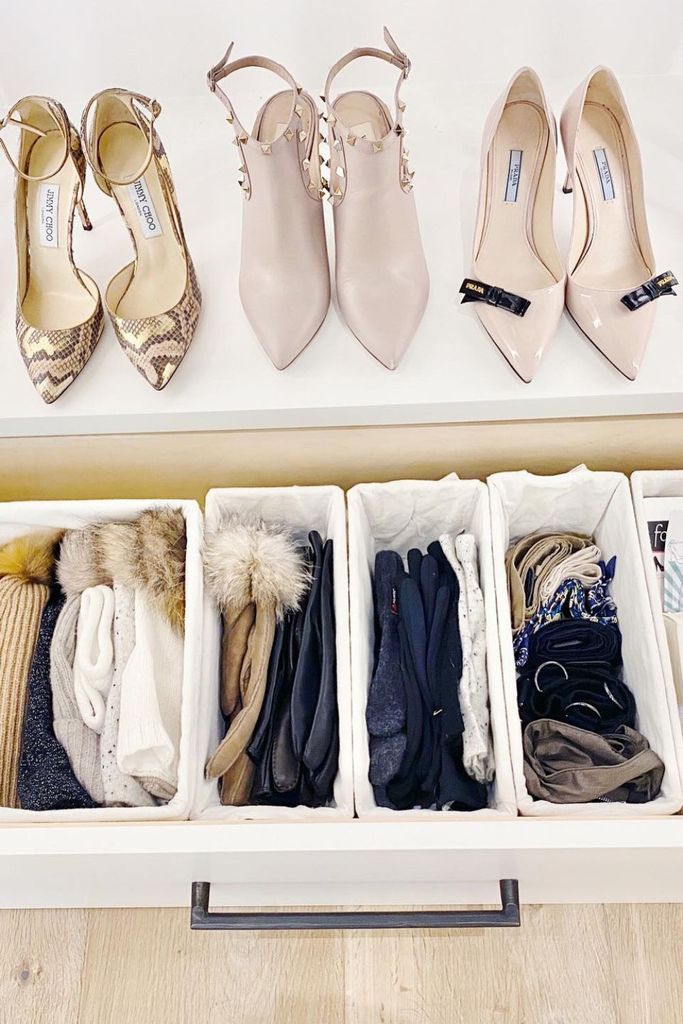
Drawer dividers are useful when I want the gloves hidden but still organized. A hallway console, bedroom dresser, mudroom cabinet, or closet drawer can all work for this setup.
Adjustable dividers allow me to create separate sections for adult gloves, children’s gloves, lightweight gloves, and heavier winter pairs. Small fabric organizers can provide the same separation without permanently changing the drawer.
I usually store each pair together rather than throwing individual gloves into separate compartments. Rolling soft gloves loosely can save space, but I avoid tight folding or compression when the material could crease.
A drawer system works best for clean, dry gloves. I would not put wet gloves directly into an enclosed drawer because the limited airflow can keep moisture trapped.
Clip Hangers
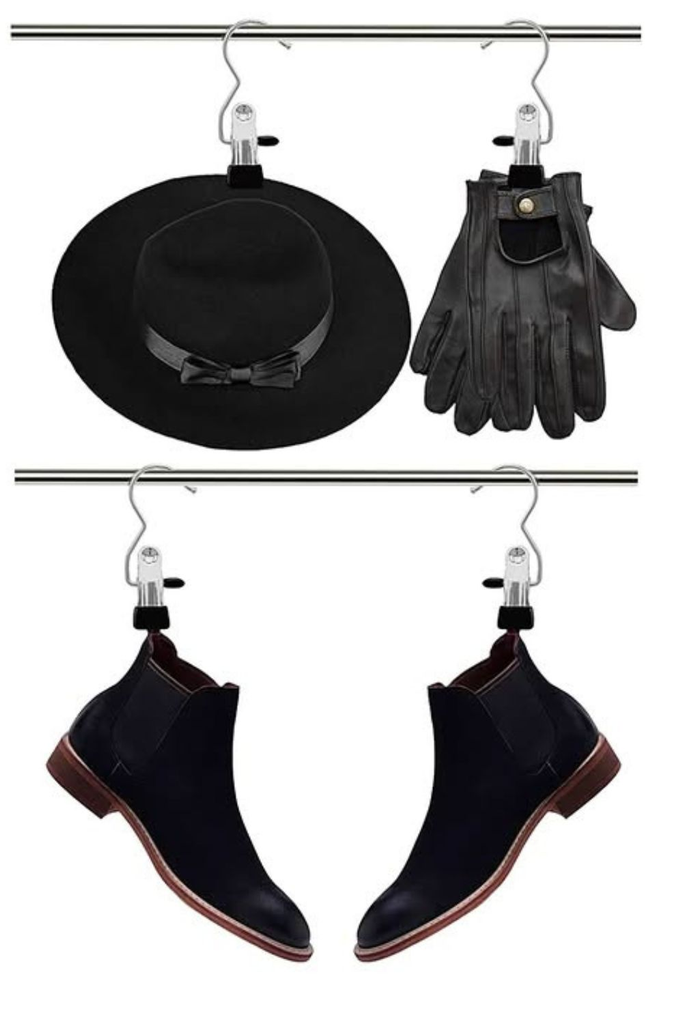
Clip hangers are a simple way to turn an existing closet rod into glove storage. I use small clamps to hold each pair together by the cuff, keeping both gloves visible and preventing one from disappearing underneath other clothing.
This works particularly well when winter coats are already stored on the same rod. The gloves can stay close to the jackets they are used with.
Clip hangers are also useful for gloves that need to finish drying. I leave enough space between pairs so that air can reach both sides rather than packing them tightly together.
When using clamps, I choose ones that grip securely without creating a strong crease or damaging delicate material.
Glove Rack
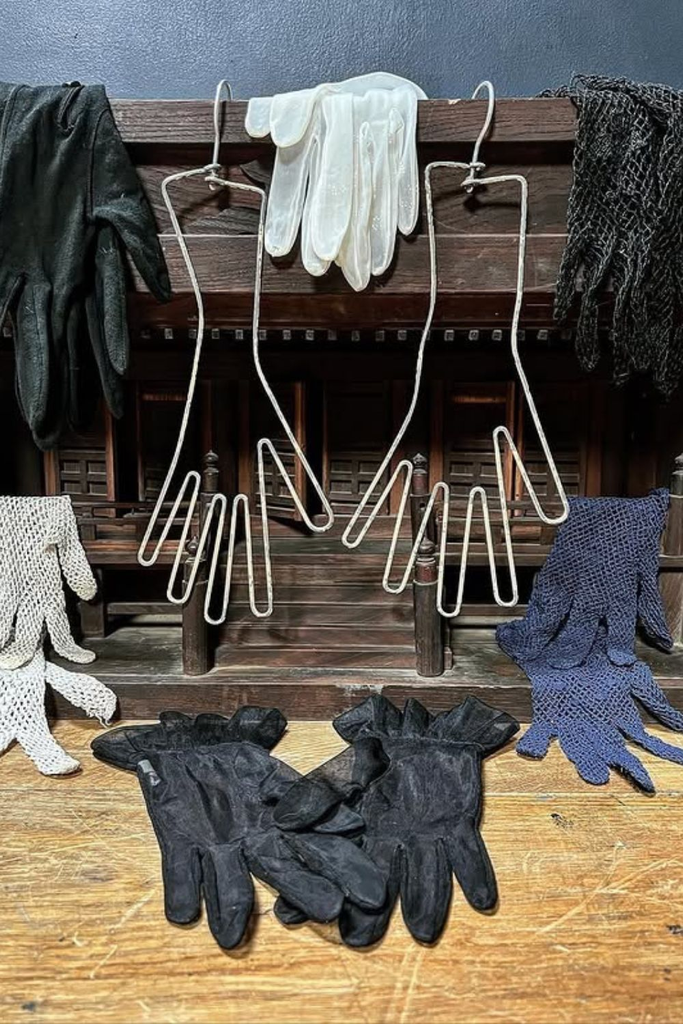
A dedicated glove rack is especially practical when wet gloves are a regular part of the household routine. I use this type of setup when several pairs need to dry at the same time.
A rack with separated prongs allows gloves to hang or stand apart rather than forming a damp pile. This gives moisture a better opportunity to evaporate.
Mudrooms, laundry rooms, garages, and entryways are natural locations for this type of storage. If the rack is close to where gloves are removed, putting them away becomes part of the normal routine.
I avoid placing wet gloves directly against very hot heating equipment. Gentle warmth combined with good airflow is generally more practical than intense direct heat, particularly for materials that can dry out, warp, or become damaged.
Pro Tip: Turn gloves inside out only when the manufacturer allows it and the material can tolerate it. For padded or structured gloves, focus on opening the cuffs and improving airflow instead.
Drying Hooks
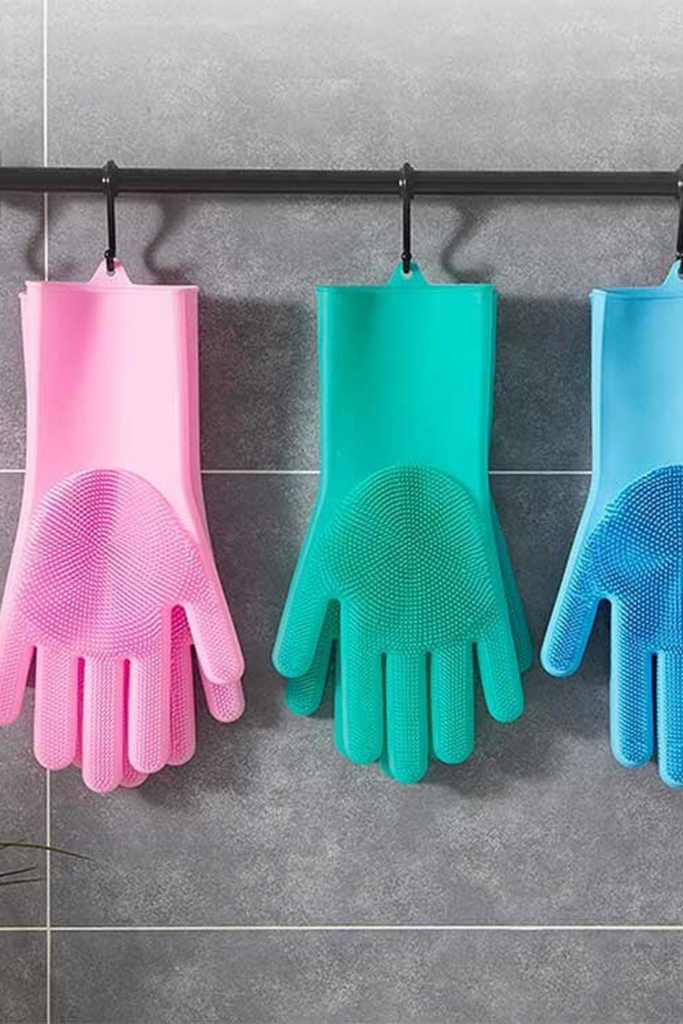
Drying hooks are a good choice when I have very little wall space. A short rail with several hooks can hold multiple pairs while keeping them separated.
I use these most often for rubber cleaning gloves, gardening gloves, lightweight winter gloves, and other pairs that regularly come home damp.
Spacing matters. If the gloves overlap, the moisture has fewer opportunities to escape. I leave enough room between hooks for air to circulate around each pair.
A small hook rail can fit inside a laundry room, utility area, garage, or mudroom without requiring a large drying station.
Travel Case
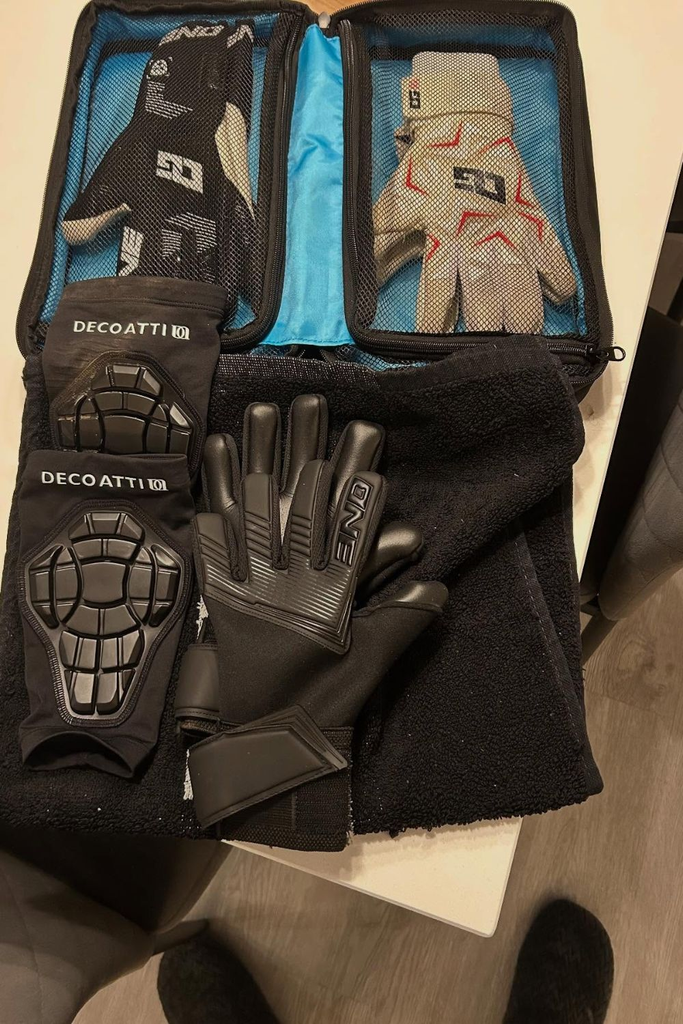
Travel cases are helpful when gloves need to move between home, a car, gym, workplace, or outdoor activity. Instead of letting several pairs float around inside a suitcase or backpack, I keep them together in one compact organizer.
A zippered case with mesh or divided sections lets me separate pairs by use. This is especially useful for cycling, skiing, hiking, sports, or cold-weather travel.
I prefer a case that is large enough to avoid compressing the gloves but small enough to fit easily into luggage. Soft compartments are useful for delicate materials that can become scratched or misshapen.
Before storing gloves in a closed travel case, I make sure they are completely dry. A sealed bag is not a good place for damp gloves to sit for hours.
Rail Hooks
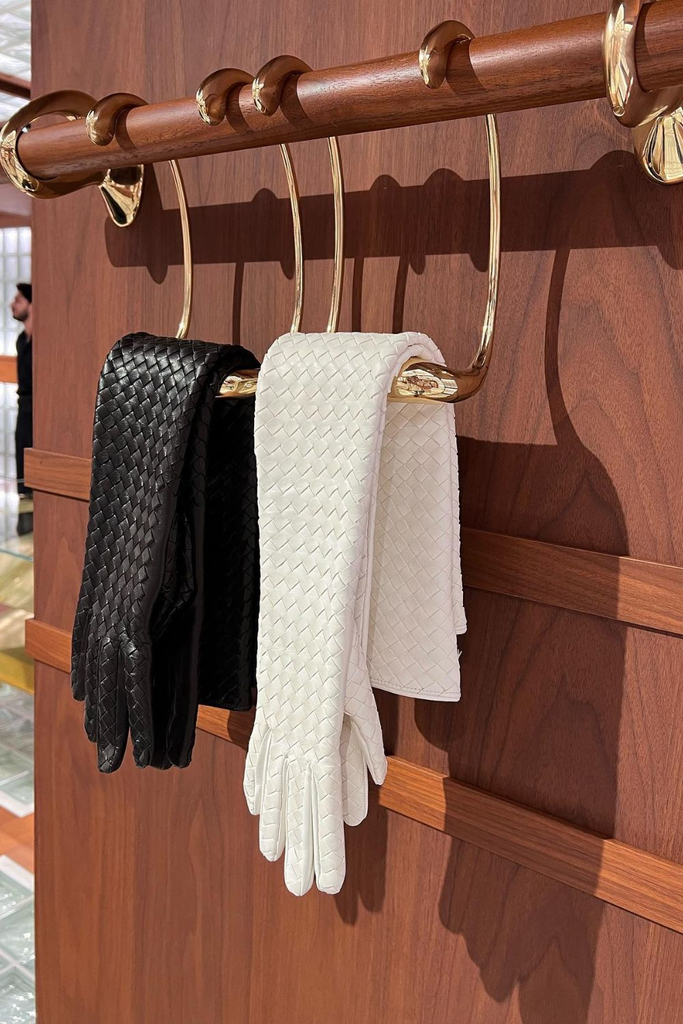
A wall rail with individual hooks gives gloves a permanent home without using drawer space. I find this especially useful in an entryway or mudroom where the goal is to make daily routines quick.
Each pair can have its own hook, or one hook can hold a pair together by the cuffs. Keeping the hooks spaced apart also makes it easier to see what is available.
For delicate leather gloves, I pay attention to how they are supported. I avoid hanging them in a way that puts unnecessary stress on a narrow area of the material.
A rail placed near coats and shoes creates a convenient cold-weather station where the entire outfit can be gathered in one location.
Cabinet Hooks
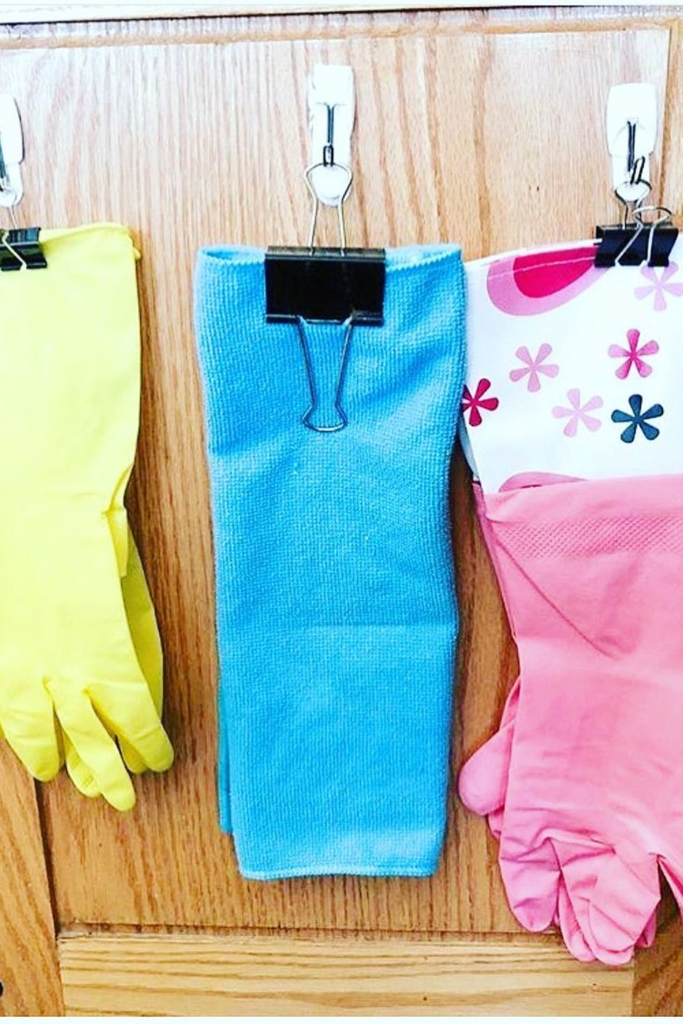
The inside of a cabinet door is often wasted storage space. I can add small adhesive or screw-mounted hooks to create a discreet location for gloves without changing the cabinet’s main shelves.
This works particularly well for cleaning gloves, gardening gloves, or household work gloves that need to stay close to cleaning supplies.
I use a suitable hook for the cabinet surface and check the manufacturer’s weight recommendation before loading it. For heavier items, a properly installed screw-mounted hook is more dependable than a lightweight adhesive option.
For small gloves, a clip can hold the pair together before it goes onto the hook. This keeps the cabinet organized instead of turning it into another catch-all area.
Clip Board
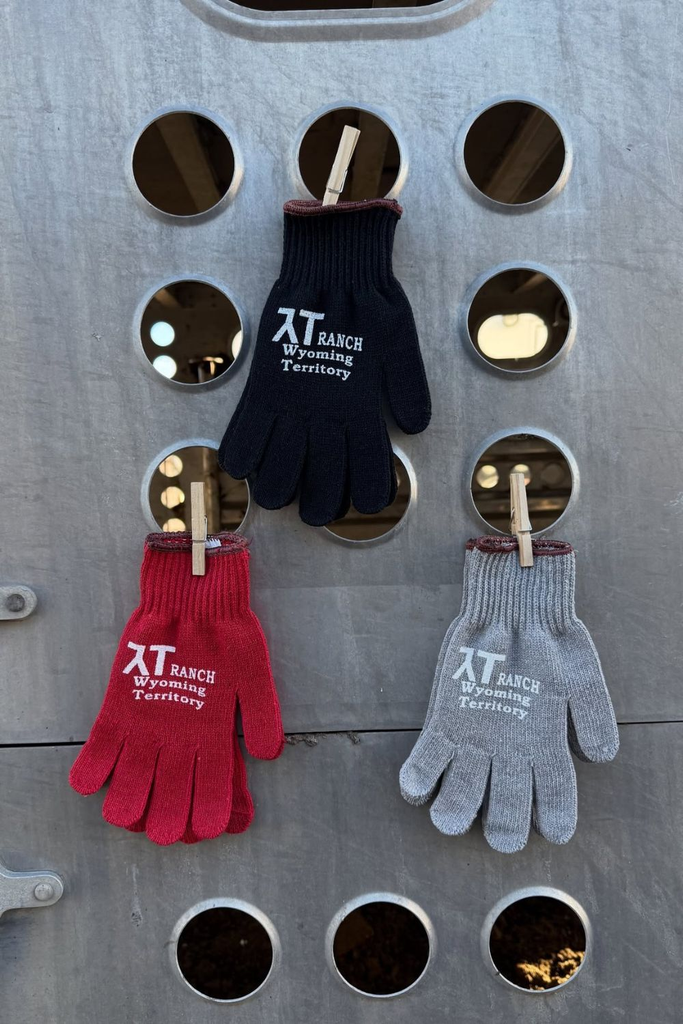
A pegboard or perforated board can become a useful glove station in a garage or workshop. I can attach clips to the board and give each pair its own position.
This setup is particularly useful for work gloves that return dusty, muddy, or damp after gardening, repairs, or outdoor jobs.
Wooden or spring-loaded clips can hold the cuffs without requiring shelf space. Because the gloves hang separately, they can also dry more effectively than they would in a heap.
I like pegboard systems because the storage can be changed later. If the number of gloves grows, I can add more clips instead of replacing the entire storage unit.
Also read: 15 Clever Small Kitchen Organization Ideas
Hook Rail
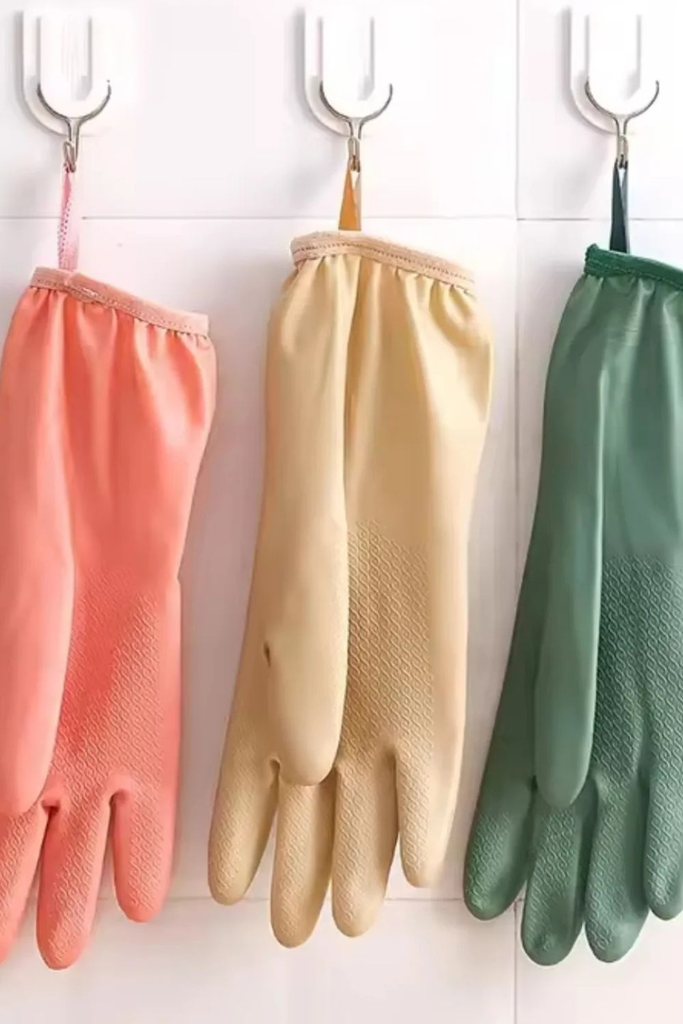
A simple hook rail is one of the most flexible glove-storage options. I can install it in a laundry room, mudroom, garage, or utility area depending on what type of gloves I need to store.
Hooks allow each pair to remain visible and accessible. For gloves that have a hanging loop, I use that loop rather than clamping the material.
For cleaning gloves, I hang them after washing so the inside and outside have an opportunity to dry. I avoid immediately putting damp gloves into a drawer or cabinet.
Pro Tip: If several people use the same rail, reserve specific hooks for different family members or glove categories. A little structure prevents the rail from becoming a random pile on hooks.
Bar Hooks
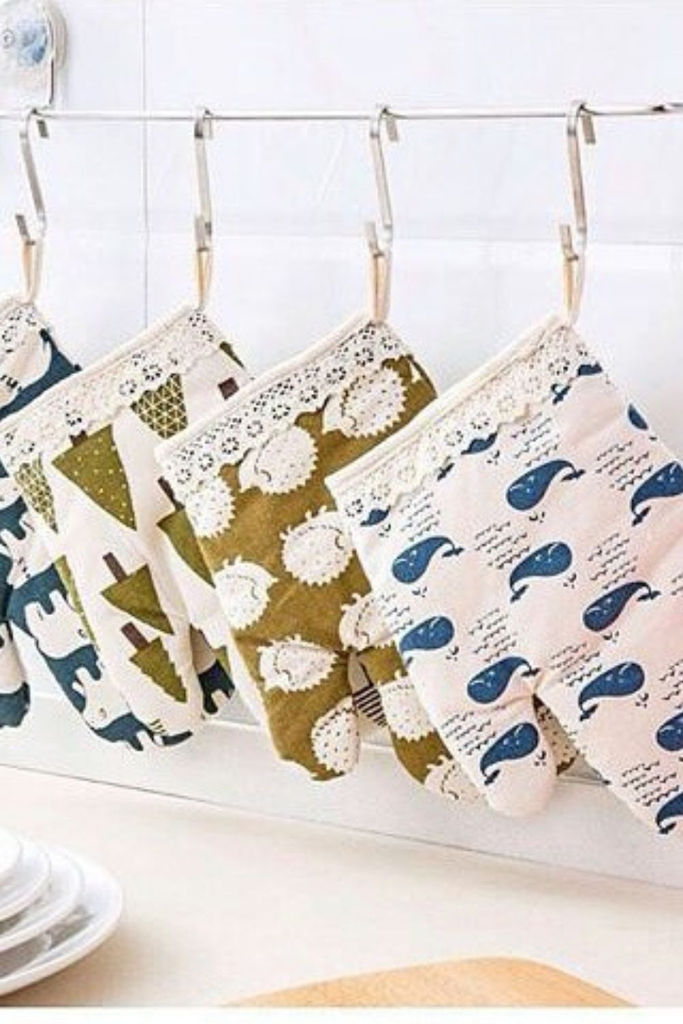
A short bar fitted with hooks works well when I need glove storage near a sink or work area. It keeps frequently used pairs off countertops and gives them a consistent place to return to.
For kitchen and household cleaning gloves, location is especially important. If the storage is directly beside the area where the gloves are used, I’m more likely to put them away immediately.
I leave space between pairs so that the gloves are not pressed together while drying. This also makes it easier to grab one pair without disturbing everything else.
A narrow bar can fit on a backsplash wall, inside a utility area, or on another suitable surface where it will not interfere with normal movement.
Shelf Basket
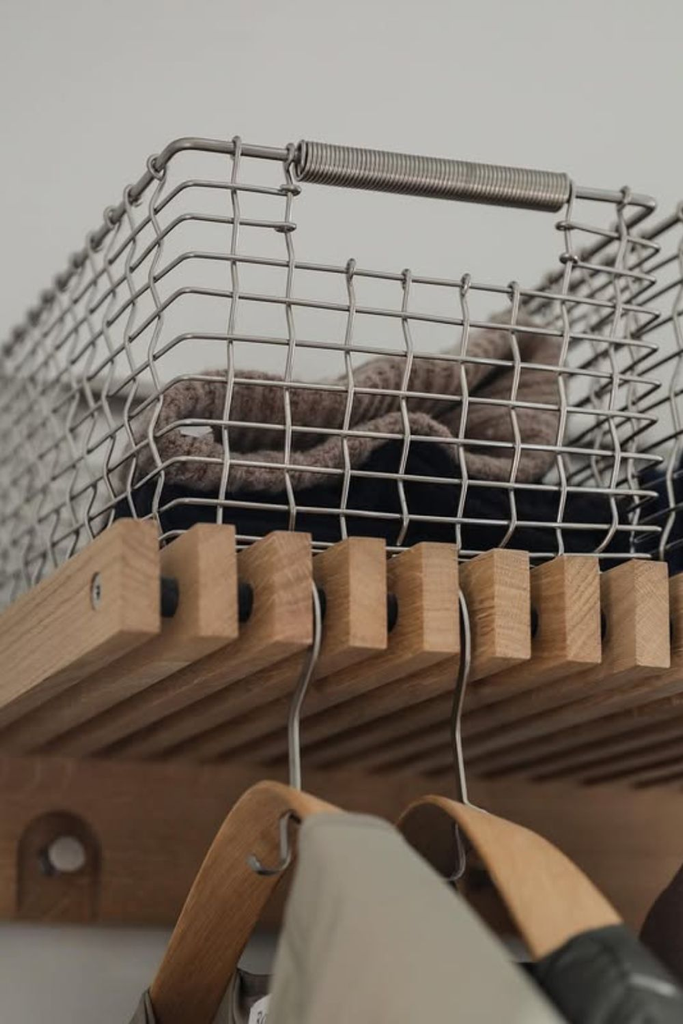
A shelf basket creates a useful drop zone without requiring a separate cabinet or floor-standing organizer. I often use this approach when an entryway already has a shelf for bags, shoes, or seasonal accessories.
An open wire basket is particularly useful for everyday winter gloves because I can see the contents quickly. A fabric or woven basket gives a softer appearance but should only hold fully dry gloves if ventilation is limited.
I keep the basket reasonably shallow so gloves do not disappear beneath a large pile. If the household has several people, separate smaller baskets can be easier to manage than one oversized container.
Drying Rack
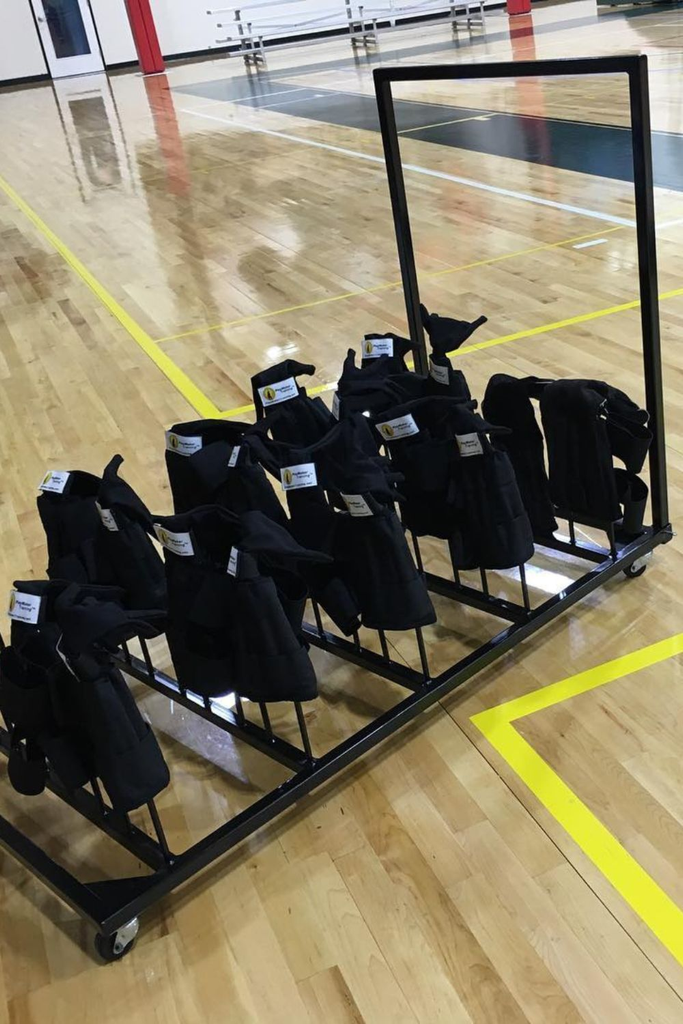
A drying rack is worth considering when sports or outdoor gloves are used frequently. Padded gloves can hold moisture longer than thin fabric gloves, so simply throwing them into a gym bag after use is not ideal.
A freestanding rack with separated supports allows each glove to stay open and exposed to moving air. I use this type of setup in a garage, home gym, laundry room, or sports storage area.
I avoid stacking damp gloves on top of one another. Separation is the main benefit of a drying rack, and leaving enough space around each pair makes that benefit much more effective.
Once the gloves are dry, I can move them to a drawer, basket, or gear bin if I prefer concealed storage.
Hanging Basket
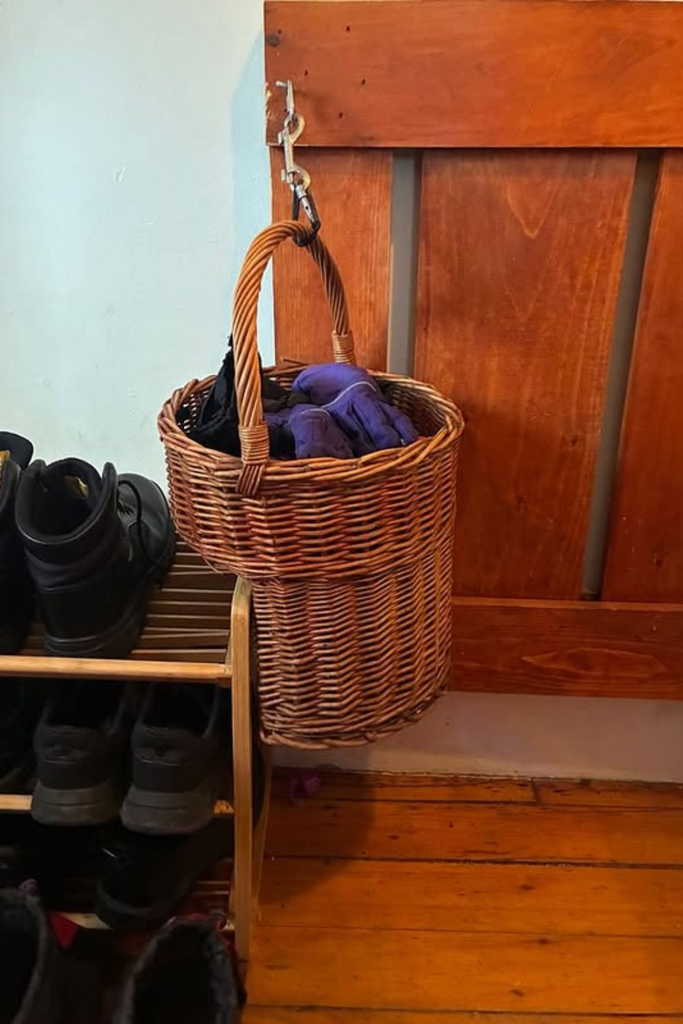
A hanging basket works particularly well beside an entry bench or shoe rack. It gives small accessories a designated landing zone while leaving the floor available for shoes and bags.
I choose a basket with a sturdy handle or mounting point and attach it securely to a suitable wall hook or bracket.
This is a flexible option because the same basket can hold gloves during winter and switch to other small accessories during warmer months.
For wet gloves, however, I would not rely on a tightly woven or enclosed basket as the primary drying area. I let the gloves dry first and then return them to the basket.
Zipper Pouch
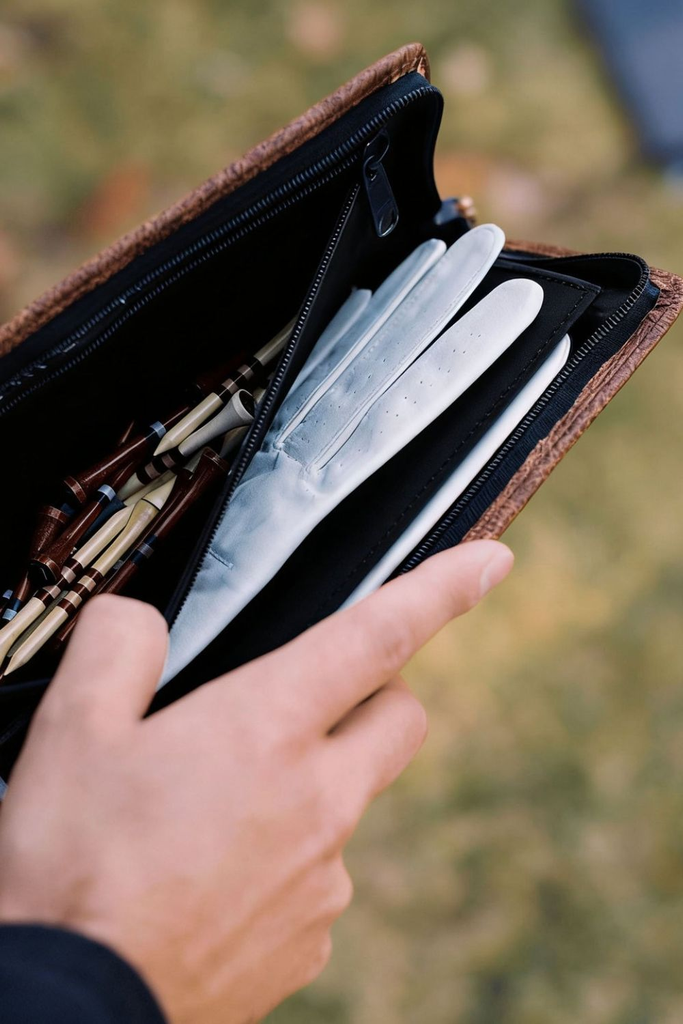
A zipper pouch is useful when I need to keep delicate gloves together inside a larger bag. Instead of allowing gloves to rub against keys, chargers, sports equipment, or other items, I give them their own compartment.
For travel and commuting, a soft pouch with internal sections can prevent pairs from becoming separated. It also makes it easier to move several pairs between bags.
I avoid overfilling the pouch because compressed gloves can lose their shape. The pouch should protect the gloves rather than become another crowded storage space.
This is especially useful for lightweight gloves, cycling gloves, golf gloves, and other small pairs that are easy to lose inside a backpack.
Clamp Clips
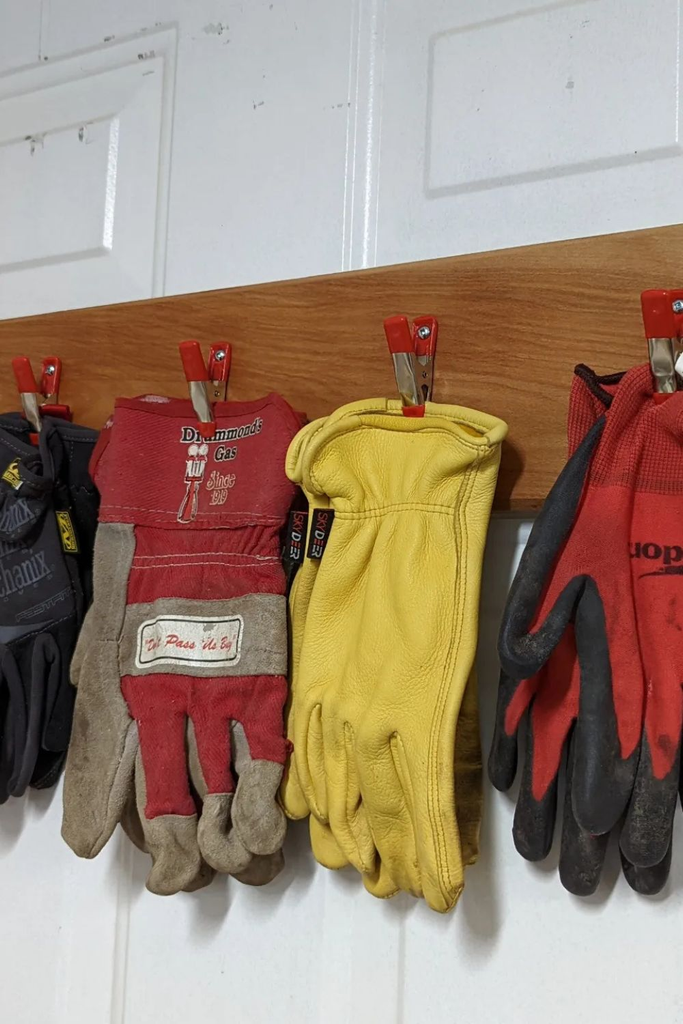
Clamp clips are inexpensive and useful for garages, workshops, and utility areas. I can attach several sturdy clips to a wall strip and use each one to hold a pair of gloves by the cuff.
This keeps work gloves off shelves where they might otherwise become mixed with tools, rags, or gardening supplies.
For heavier gloves, I make sure the clips and mounting surface are strong enough to support the load. The storage should stay secure when gloves are removed and replaced repeatedly.
I also leave room between pairs so that gloves can dry after outdoor work. Once dry, they remain visible and ready for the next task.
Deep Soak
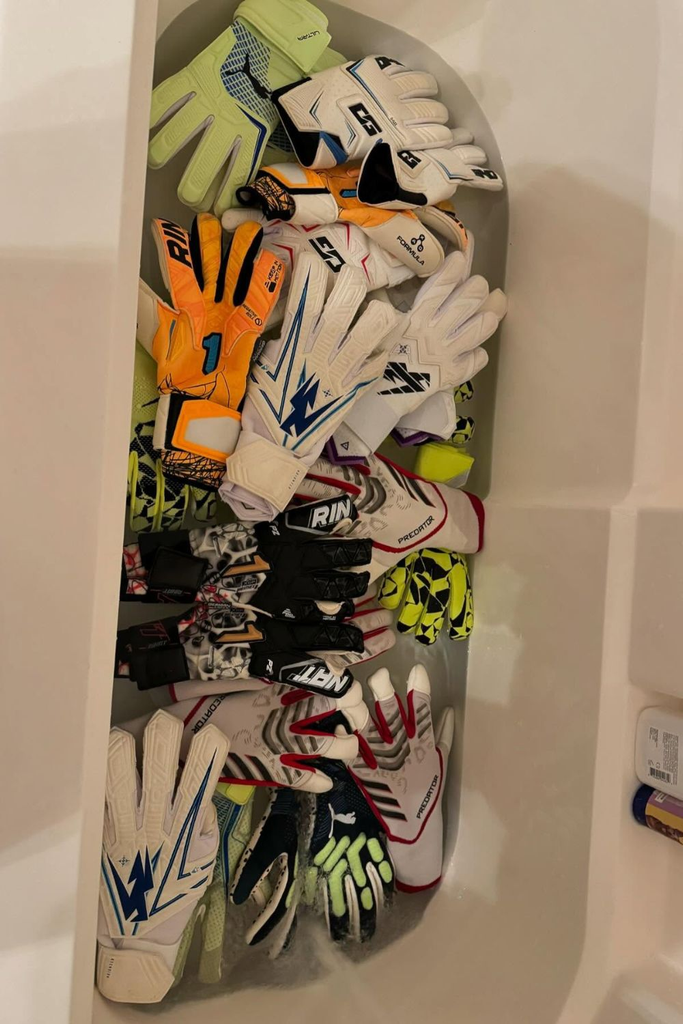
Some heavily used gloves need cleaning before they return to storage. For washable fabric or sports gloves, I may use a basin of lukewarm water and a mild cleaner when the care instructions allow it.
I always check the manufacturer’s cleaning instructions first because leather, coated materials, foam padding, and specialized sports gloves may require different treatment.
For washable gloves, I avoid aggressive twisting or wringing. Excess water can be pressed out gently, followed by thorough air drying.
A laundry sink or utility basin gives me enough room to clean several pairs at once. After washing, I separate the gloves on a drying rack rather than putting them directly into a closed container.
Pro Tip: Cleaning and storage are connected. If gloves repeatedly develop odor, look at the drying routine first rather than simply adding fragrance products.
Belt Clip
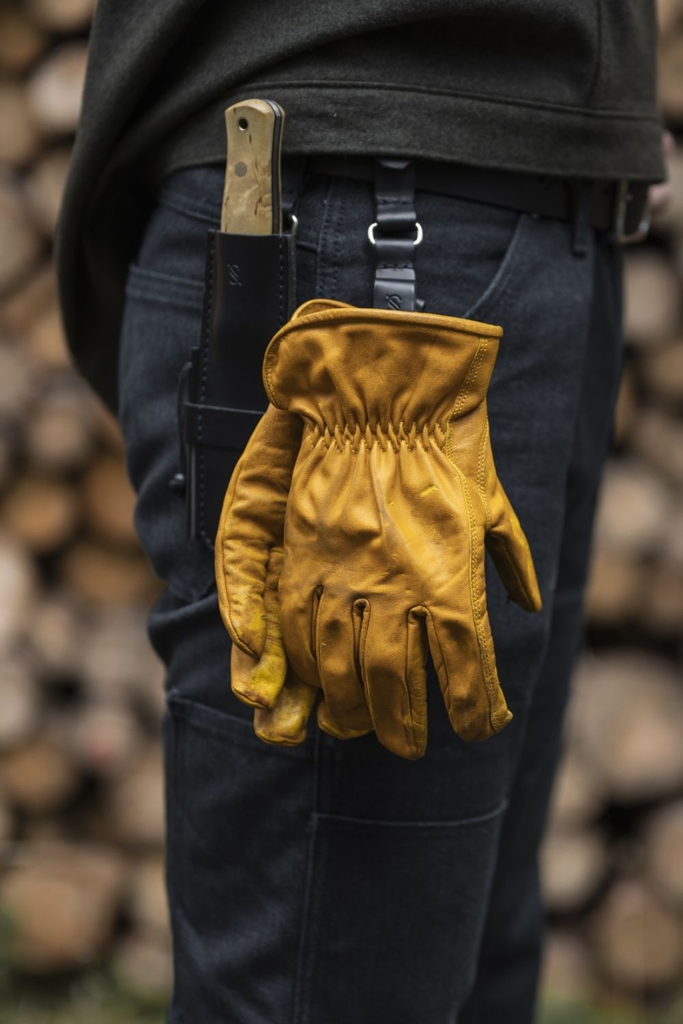
A belt clip is useful when gloves need to stay with me during outdoor work. Instead of leaving gloves on the ground every time I switch tasks, I can attach them to a belt, tool belt, or suitable work accessory.
This approach can work for gardening, camping, carpentry, construction, and other activities where gloves are removed and put back on repeatedly.
A purpose-made glove clip or suitable carabiner-style holder can keep the pair together. I make sure the clip is appropriate for the weight of the gloves and does not interfere with movement.
I would not use this method as long-term storage. It works best as a temporary carrying solution while I’m working.
Radiator Dry
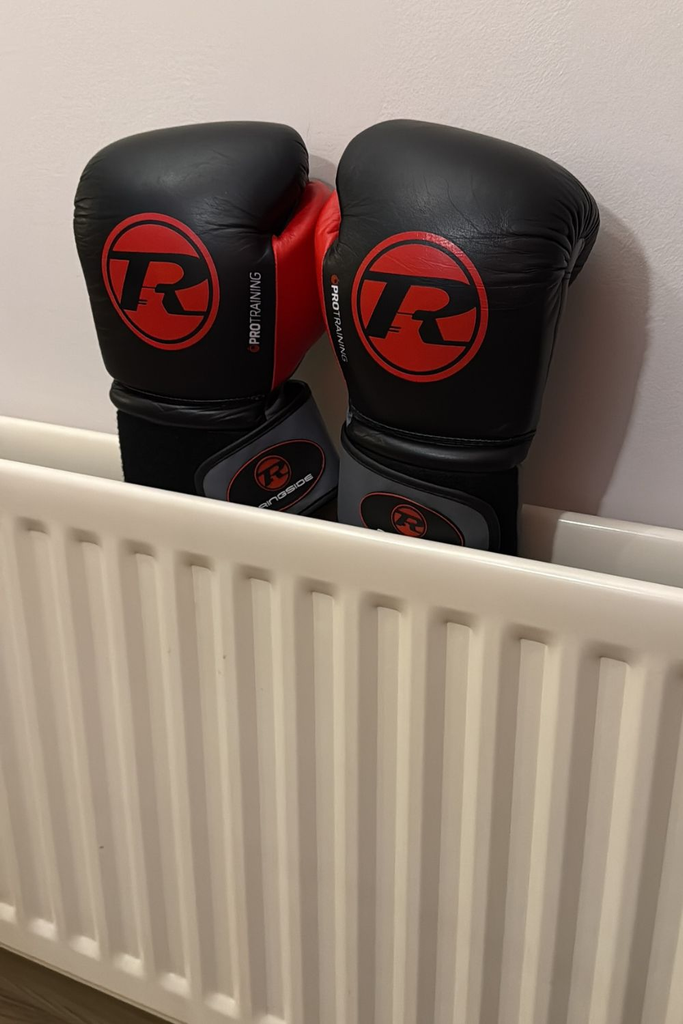
Warm indoor air can help damp gloves dry faster, but I’m careful about placing gloves directly on a hot radiator. Excessive heat can damage some fabrics, coatings, leather, adhesives, and synthetic materials.
Instead, I use nearby warm airflow when the glove manufacturer’s care instructions permit it. A drying rack positioned with reasonable clearance can provide better circulation than pressing the gloves directly against a heat source.
Thicker sports and winter gloves benefit from being opened as much as possible during drying. This allows air to reach the inside instead of leaving moisture trapped in the padding.
I always check that the gloves are fully dry before returning them to a closed drawer, bag, or storage bin.
Read this next: How to Organize Kitchen Cabinets
FAQs
What is the best way to keep glove pairs from getting separated?
I keep each pair together at the moment I remove it. A small clip, dedicated drawer section, labeled basket, or individual hook can prevent the classic problem of having one glove without its partner.
For families, separate bins are especially helpful because children’s gloves and adult gloves are less likely to become mixed together.
I also avoid storing individual gloves in several different places. One consistent storage location makes it much easier to notice when a pair is missing.
Where should gloves be stored in a small home or apartment?
In a small home, I make use of vertical and hidden spaces first. Wall hooks, cabinet-door hooks, narrow rails, hanging baskets, and small shelf baskets can provide useful storage without taking up much floor area.
For everyday winter gloves, I would place the storage close to the main exit. That makes the gloves easy to grab when leaving and gives everyone an obvious place to return them.
If the gloves regularly come home wet, I separate the drying area from the final storage area. Once they are completely dry, they can move into a smaller basket, drawer, or cabinet.
Conclusion
I’ve found that glove storage works best when it matches the way the gloves are actually used. Everyday winter gloves need quick access, work gloves need durable and ventilated storage, and sports gloves often need extra drying time before they go back into a bag or drawer.
The simplest improvement is to stop treating every glove as a loose item. Keeping pairs together, giving each category a home, and creating a dedicated place for damp gloves can make a surprisingly big difference.
Even a small wall rail, basket, or group of clips can be enough to keep gloves under control. Once the storage location is convenient, putting gloves away becomes part of the routine instead of another chore.


One Comment