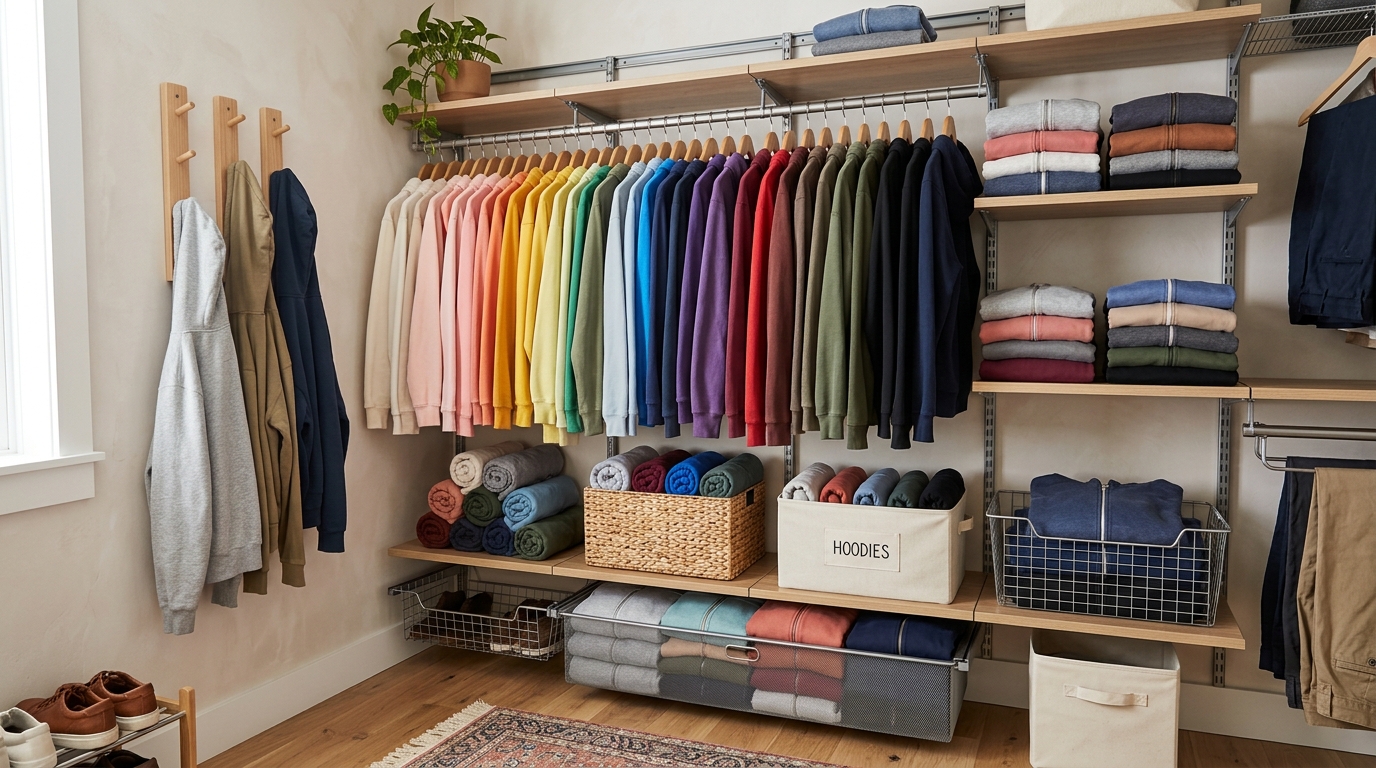
25 Hoodie Storage Ideas for 2026
Hoodies are comfortable everyday layers, but storing them can be challenging when closet space is limited. Their thick fabric, bulky hoods, and oversized sleeves can quickly fill a shelf or crowd a clothing rod. Before long, finding one favorite sweatshirt means moving several others out of the way.
I approach hoodie storage by looking at the garments I own and the space available. Heavy fleece pullovers may be easier to store folded, while lightweight zip-up hoodies can be convenient to hang. Drawers, shelf dividers, hooks, and storage bins each serve a different purpose, so I don’t rely on one method for every piece.
These 25 hoodie storage ideas offer practical ways to organize a collection without automatically buying a larger wardrobe. Whether I’m working with a small bedroom closet, a shared wardrobe, or an entryway that needs a better drop zone, the goal is to make hoodies easy to find, put away, and wear.
Save this for later

Table of Contents
The best hoodie storage ideas depend on garment weight, available space, and how often each piece is worn. I use folded stacks, drawers, and shelf dividers for many bulky hoodies, while suitable hangers keep selected lightweight pieces accessible. Wall hooks and clothing racks provide extra space when needed, and labeled storage bins help keep seasonal sweatshirts out of the main wardrobe. A few well-chosen methods can improve hoodie organization without overcrowding the closet or buying unnecessary furniture.
Key Takeaways
- Fold bulky hoodies: Heavy fleece and oversized pullovers often fit more comfortably on shelves or in drawers.
- Hang selectively: Lightweight hoodies and frequently worn zip-up styles can work well on suitable hangers.
- Keep stacks manageable: Short piles and shelf dividers make it easier to remove one hoodie without disturbing the rest.
- Use vertical space: Hanging cubes, layered shelving, and cubbies can help when floor space is limited.
- Store seasonal pieces separately: Clean, completely dry hoodies can be folded into suitable containers and stored until needed.
- Measure before buying: Check your furniture’s usable dimensions and the folded size of your bulkiest hoodie before choosing organizers.
- Keep everyday pieces accessible: Reserve convenient shelves, drawers, or hooks for the garments you reach for most often.
Related article: 24 Sweater Storage Ideas for 2026
How I Choose a Hoodie Storage Method
I start by considering the hoodie itself rather than choosing an organizer first. A heavyweight fleece pullover needs different support from a lightweight zip-up, and an oversized hoodie may take up too much room on a crowded hanging rod.
Next, I look at how often I wear each piece. Everyday hoodies belong in easy-to-reach places, while seasonal sweatshirts and occasional favorites can go on higher shelves or into storage bins. Graphic or decorative hoodies may need a little extra care if I want to keep their designs visible and avoid repeatedly unfolding them.
The available furniture matters, too. Before buying anything, I check the usable shelf width and depth, vertical shelf clearance, drawer interior width, depth and height, and the amount of hanging-rod space left. I also measure storage-bin dimensions and under-bed clearance, including enough room to pull removable containers out without catching them on the bed frame.
The folded dimensions of my bulkiest hoodie are a useful starting point. I check whether a drawer opens fully, a closet door swings freely, and a hanging organizer leaves enough room for neighboring clothes. A product may technically fit but still be inconvenient if I cannot reach or remove it easily.
Finally, I consider whether existing furniture can solve the problem. A drawer I already own, a spare shelf, or a suitable over-door organizer may be enough. The best hoodie storage method is the one that supports the garments, fits the available space, and remains easy to maintain.
1. Layered Shelving
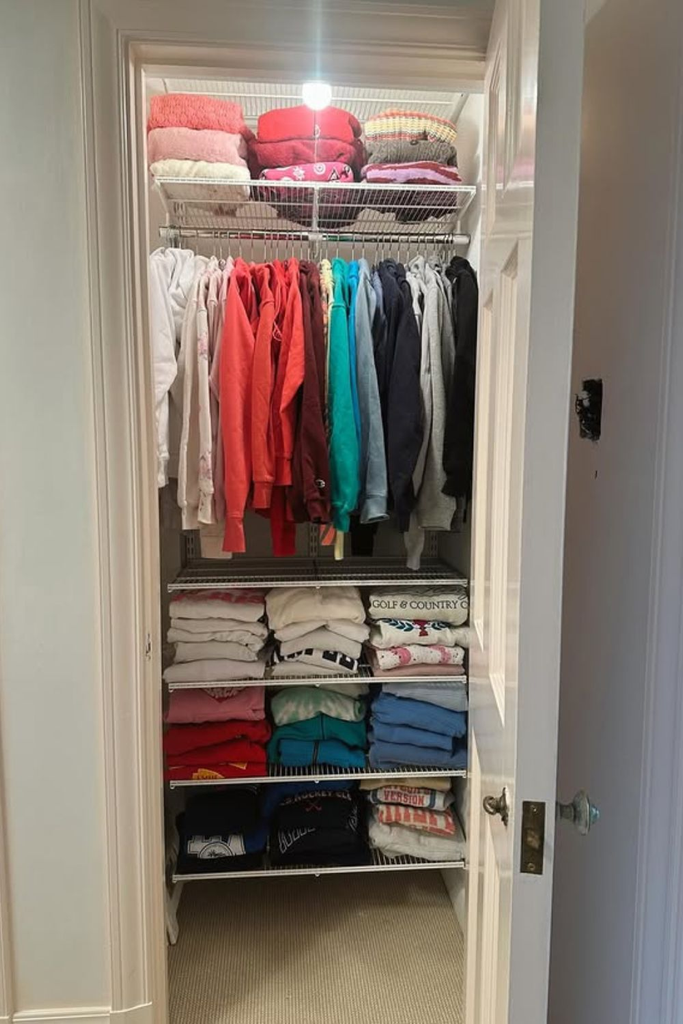
Layered shelving creates additional storage levels in a closet that has unused vertical space. Instead of piling every hoodie onto one shelf, I can separate everyday sweatshirts, heavier fleece pieces, and seasonal clothing into different areas.
Adjustable wire shelving can work beneath an existing hanging rod when there is enough clearance. I fold the hoodies into consistent shapes and assign each shelf a specific purpose. Before adding shelves, I check their weight ratings and make sure the new levels will not interfere with hanging garments.
Wire shelves may need suitable liners if their openings allow folded fabric to sag. I also leave enough space above each stack to remove clothing without pulling down the pieces beside it.
Pro Tip: Measure the vertical clearance between proposed shelf levels using the folded height of your thickest hoodie. The goal is to create usable levels, not so many shelves that every garment becomes difficult to reach.
2. Wooden Hangers
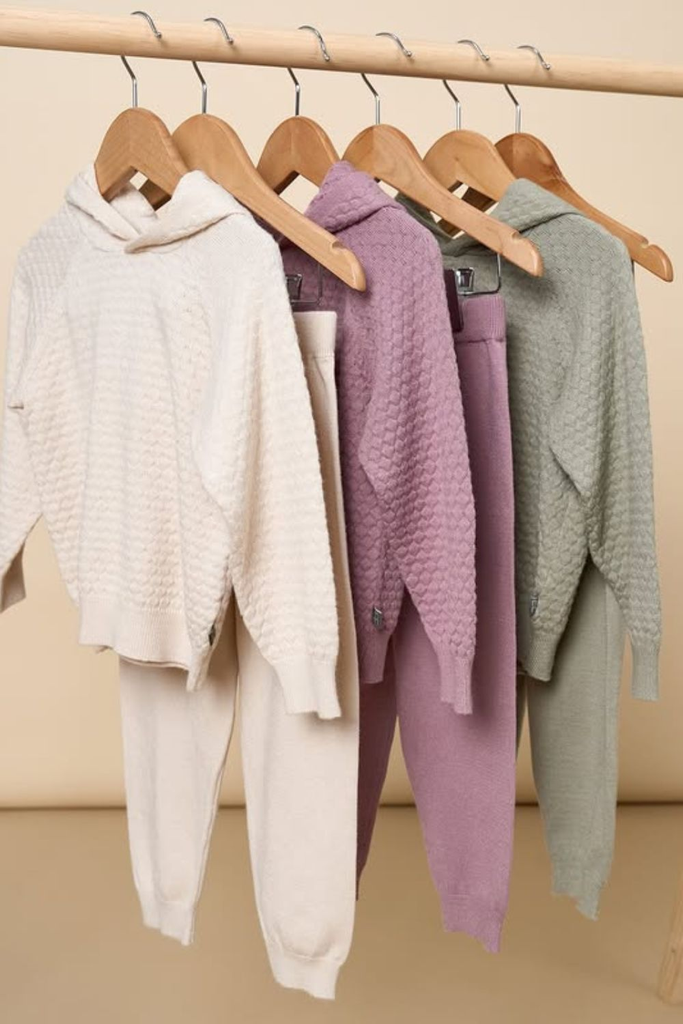
Wooden hangers can support selected hoodies while keeping them visible on a closet rod. I find hanging useful for lightweight zip-up hoodies and everyday layers that I want to grab without unfolding.
The important detail is the shape and support of the hanger, not simply whether it is wooden. A suitable hanger should support the shoulders evenly and accommodate the garment’s weight. Heavy fleece hoodies and oversized pullovers may be better stored folded if hanging them would put prolonged strain on the shoulders.
I give each hanging hoodie its own space and avoid forcing bulky pieces together. If the rod becomes crowded, I move heavier or less frequently worn garments to a shelf.
Pro Tip: Before hanging a hoodie for long-term storage, consider its weight, construction, and care instructions. A well-shaped hanger can be useful, but folding is often more practical for especially heavy garments.
3. Color Stacks
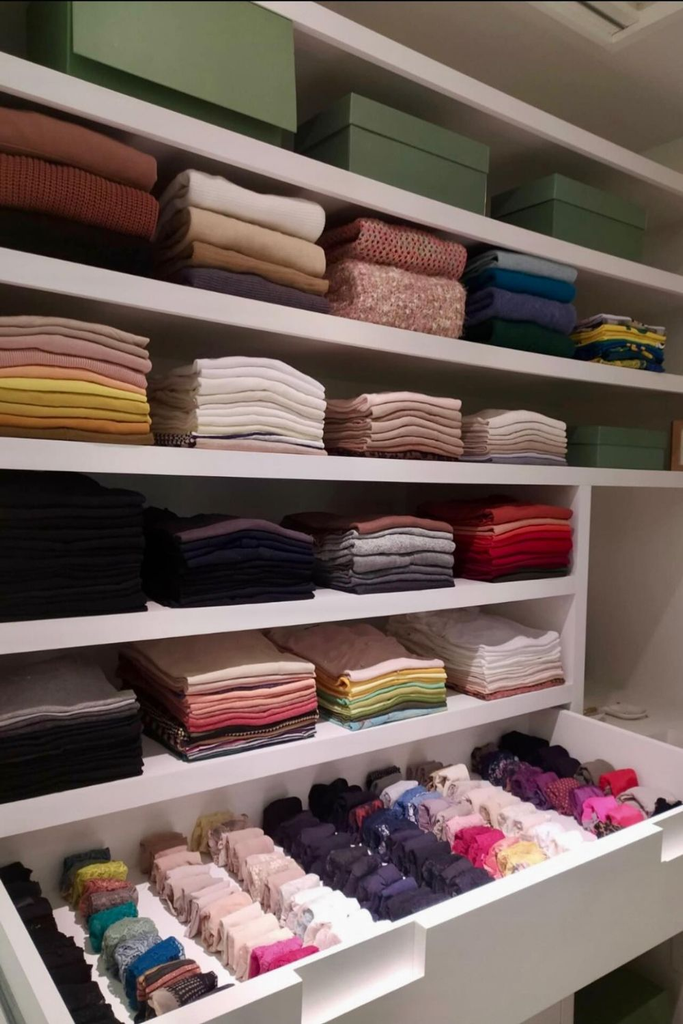
Color stacks make folded hoodies easier to identify on open shelves. I can group black and gray sweatshirts together, place neutral shades in another section, and keep bright colors separate.
This method is especially useful when I own several hoodies of similar thickness. Once the garments are folded to a similar width, the colors remain visible without requiring every piece to be unfolded.
I keep each stack manageable instead of building a tall pile that becomes unstable whenever I remove something from the middle. If different hoodie styles have very different thicknesses, I separate them before arranging the stacks by color.
Pro Tip: Group hoodies by weight or style first, then arrange each group by color. This keeps bulky fleece from overwhelming lighter sweatshirts while making the collection easier to scan.
4. Drawer Stacks
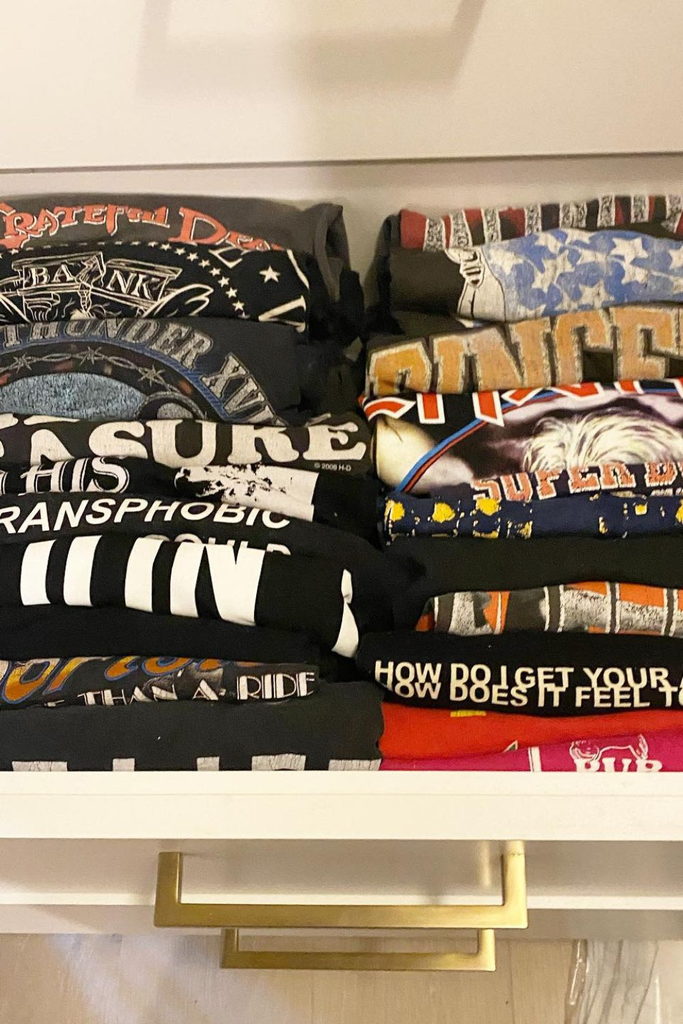
Drawers keep hoodies contained and out of sight, making them useful when open shelves look crowded. They work particularly well for folded sweatshirts that do not need to be displayed.
I fold each hoodie to fit the drawer’s interior dimensions, then arrange the garments in short stacks or upright rows. Vertical folding is helpful when the drawer has enough usable height and depth to support the folded pieces without squeezing them together.
For particularly bulky hoodies, flat stacks may be easier to manage. Drawer dividers can separate different styles or colors and help prevent garments from shifting into one another.
Pro Tip: Check the drawer’s interior dimensions rather than relying on its exterior measurements. If the drawer is too shallow for upright folding, use flatter folds instead of forcing the garments into place.
5. Open Rack
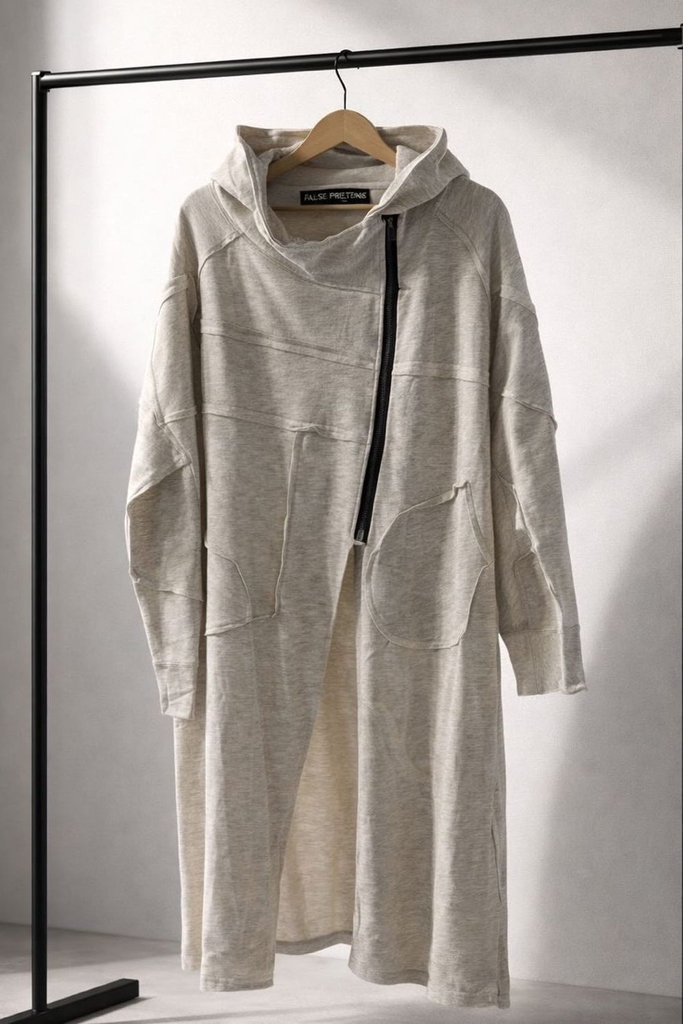
A fixed freestanding clothing rack provides extra hanging space when the closet rod is already full. I would use one for a selection of lightweight hoodies, zip-up sweatshirts, or longer pieces that are awkward to fold.
Unlike a rolling rack, a stationary rack is intended to remain in one location. This makes it useful in a bedroom corner or dressing area where I need a dedicated hanging zone.
Before setting it up, I check the rack’s weight limit and place it on a level surface. I leave enough space between the garments to slide the hangers and avoid obstructing doorways or walking routes.
Pro Tip: If the rack includes a lower shelf, use it for a small group of folded hoodies only if the shelf can support their combined weight. Keeping the rack within its stated capacity helps it remain stable.
6. Shelf Sections

Shelf sections divide one large shelf into functional areas without necessarily adding more shelving. I can use one part for lightweight hoodies, another for heavyweight fleece, and a third for sweatshirts I wear less often.
The difference between shelf sections and shelf dividers is that sections can be created simply by arranging separate stacks. This works well when I want to organize existing furniture without installing extra hardware.
I fold garments to a similar width and leave enough room to lift each stack out. If the shelf is deep, I avoid placing frequently worn hoodies behind pieces I rarely use.
Pro Tip: Use simple labels when several people share the wardrobe. A section for everyday hoodies and another for seasonal pieces can help everyone return clothing to the right place.
7. Hoodie Display

A hoodie display gives a few favorite graphic or decorative pieces a visible place outside the main closet. I might use this method for a hoodie with a design I particularly like or one I wear often enough to keep nearby.
A slim wall-mounted rod or a small set of hooks can hold a limited selection. I keep the display focused on a few garments so the wall does not become another crowded storage area.
Before installing a rod or hooks, I check the wall material and choose suitable fasteners. If I rent, I review the lease before drilling and consider a freestanding rack or appropriate over-door alternative instead.
Pro Tip: Rotate the displayed hoodies when your preferences or the season changes. Keep the remaining pieces folded or stored elsewhere so the display stays useful rather than becoming overflow storage.
8. Color Hanging
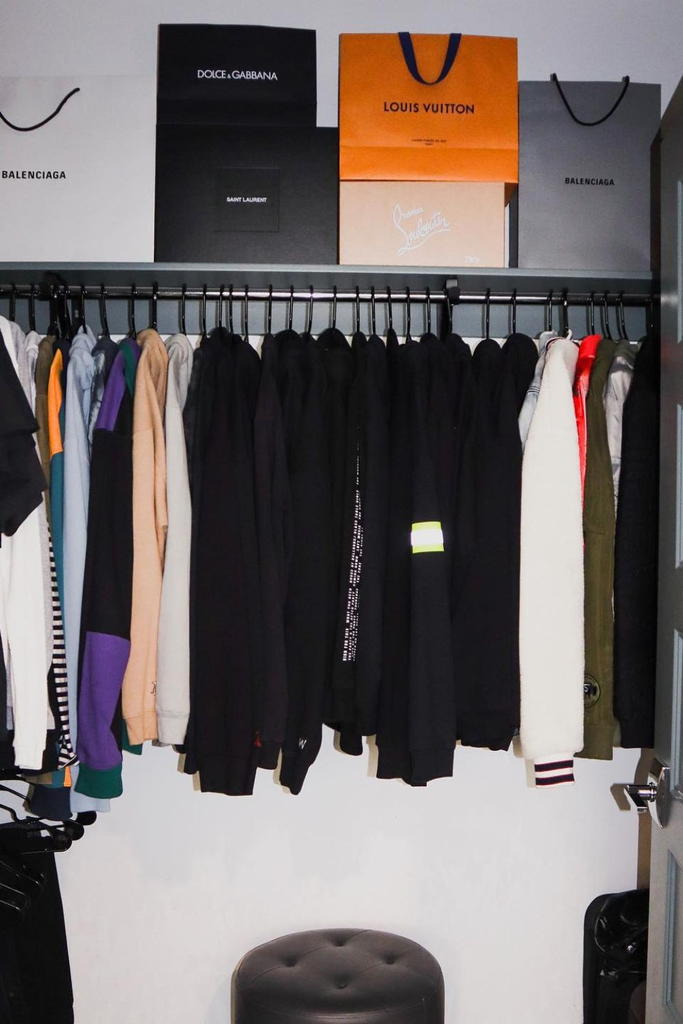
Color hanging organizes hoodies directly on the closet rod according to their shades. I can group similar colors together, making it easier to find a particular sweatshirt without moving every hanger along the rod.
I usually arrange garments in broad color groups, such as dark shades, neutrals, and brighter colors. The exact order matters less than choosing a system that makes sense for the collection.
This method differs from color stacks because the garments remain on hangers rather than folded on shelves. It works best when the rod has enough space to accommodate the hoodies without crushing bulky fabric together.
Pro Tip: If your hoodies vary significantly in thickness, arrange them by weight first and color second. Keep the heaviest pieces folded if the rod cannot accommodate them comfortably.
9. Corner Shelves
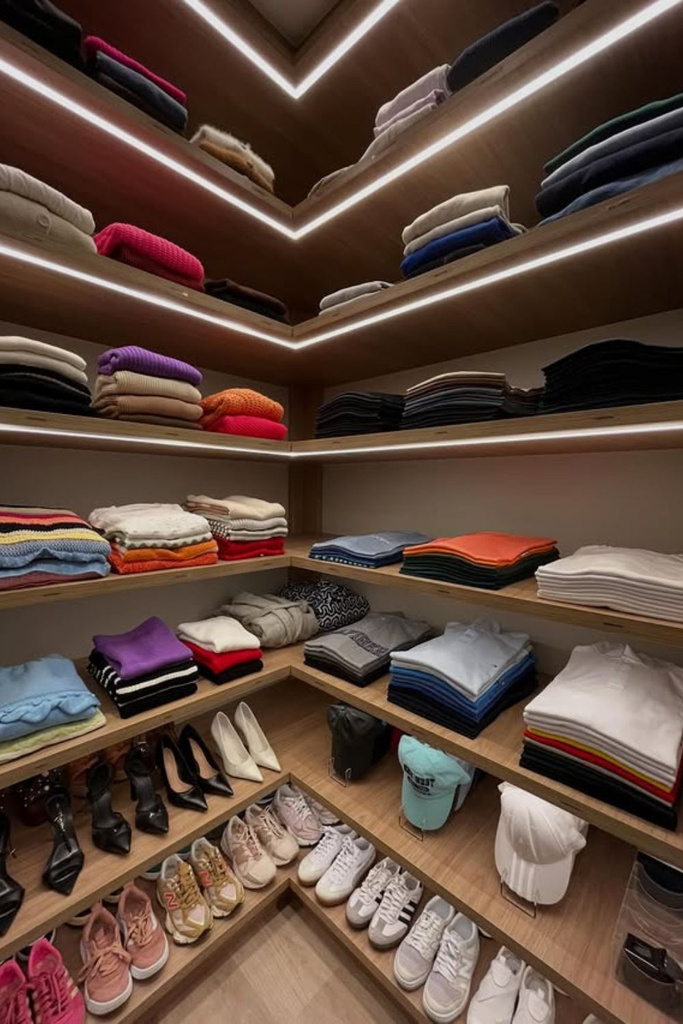
Corner shelves make use of awkward areas that may otherwise remain empty in a closet. An L-shaped shelf or a suitable corner unit can create a dedicated place for folded hoodies without taking over the main hanging section.
I use this space for garments that fit the shelf depth comfortably. Less frequently worn pieces can go higher up, while everyday hoodies should remain at a convenient height.
Before installing anything, I check whether the shelves interfere with closet doors, drawers, or hanging clothes. Deep shelves can be difficult to reach at the back, so I avoid using inaccessible corners for the garments I wear most often.
Pro Tip: If the corner is difficult to access, use a removable bin that fits the shelf. You can pull the bin forward rather than reaching behind a large stack.
10. Rolling Rack
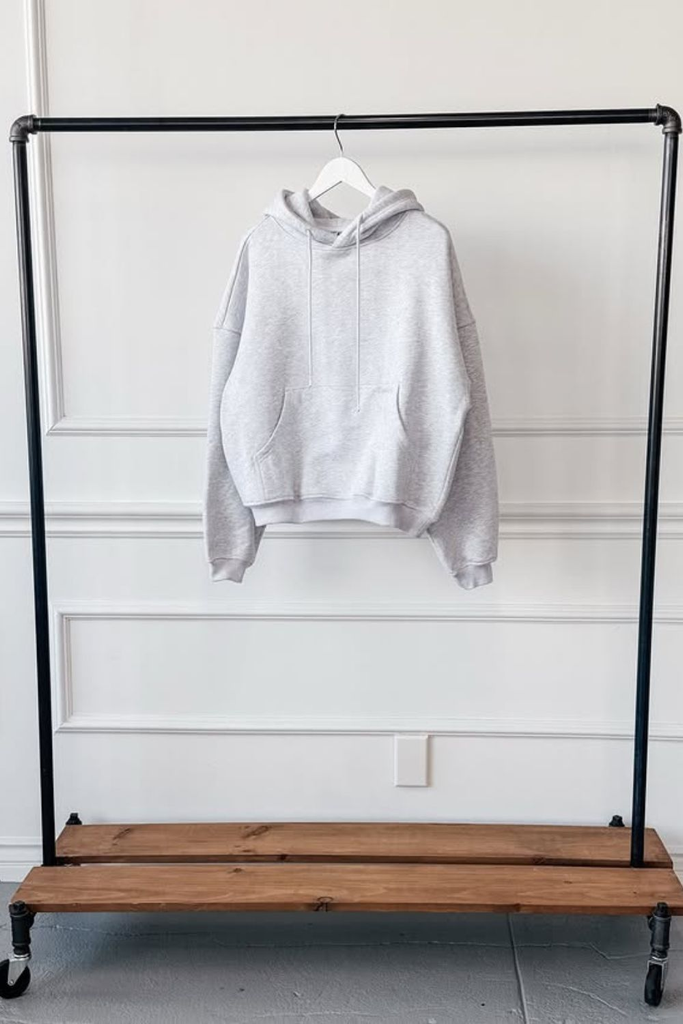
A rolling rack provides movable hanging storage that can be repositioned when needed. I find it useful when I want extra room for a temporary wardrobe change, laundry sorting, or a small selection of frequently worn hoodies.
Unlike a fixed open rack, this option can move between suitable areas of the home. Some models also have lower shelves for folded clothing, although I check the manufacturer’s load limits before using them.
I distribute the weight evenly and make sure the rack is stable before moving it. When removing garments, I lock the wheels so the rack does not roll unexpectedly.
Pro Tip: Check that the rack can move through doorways and across your flooring before loading it. Leave enough clearance around furniture so moving the rack does not become a daily inconvenience.
11. Shade Order
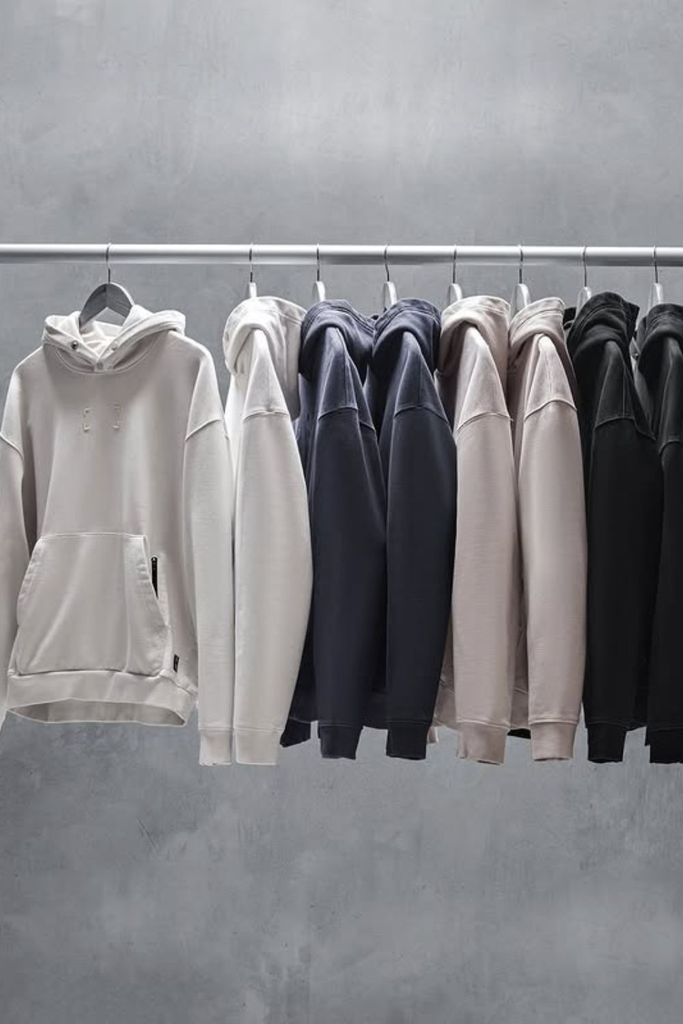
Shade order arranges hanging hoodies from light to dark, creating a clear visual sequence. For example, I might start with white and cream, move through gray and blue, and finish with darker shades.
This is a visual organization method rather than a separate storage system. It works alongside suitable hangers and enough space on the rod, helping me locate a particular color quickly.
I keep the arrangement practical by placing frequently worn pieces where they are easiest to reach. I would not sacrifice accessibility just to maintain a perfect color sequence.
Pro Tip: If you regularly wear only a few colors, keep those hoodies together at the most convenient end of the rod. The system should make getting dressed easier, not create another rule to maintain.
12. Storage Bins
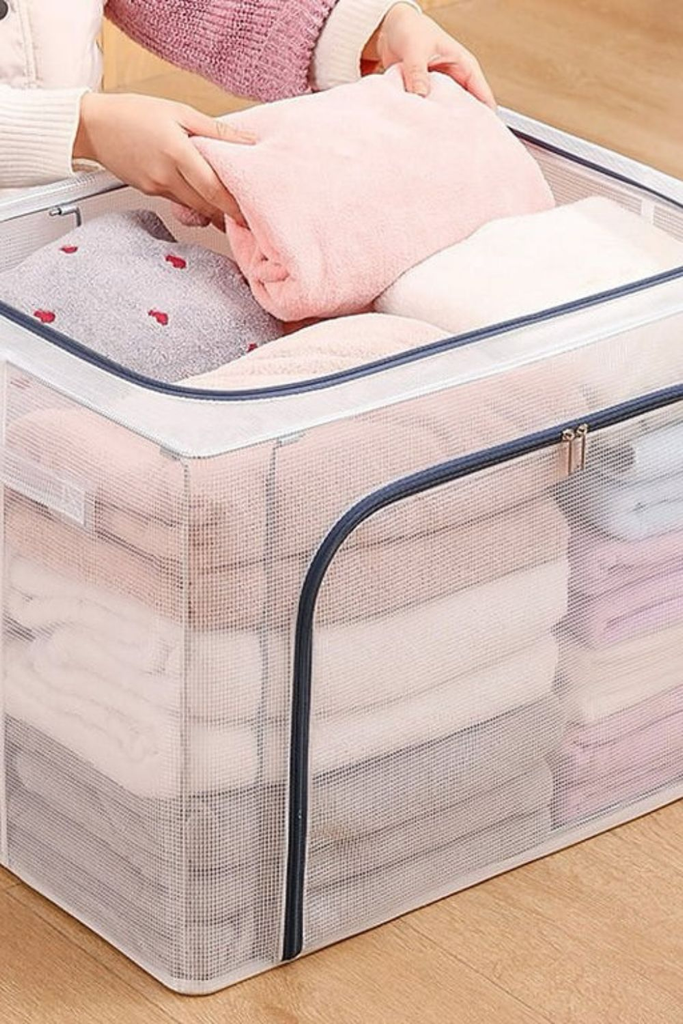
Storage bins are useful for seasonal hoodies and garments that do not need to stay in the main wardrobe. I can store heavier fleece pieces when the weather warms up, leaving the closet space available for lighter layers.
Before packing a hoodie away, I check its care label, clean it as directed, and make sure it is completely dry. I fold each garment into a manageable shape and avoid compressing the clothing more than necessary.
The container depends on where it will be stored. A fabric bin may work well on an accessible closet shelf, while a lidded container may suit another location. Clear containers make the contents visible, but opaque bins work too if I label them clearly. No container is ideal for every storage environment, particularly where moisture conditions vary.
For under-bed storage, I check the available clearance and make sure the bin can slide out without catching on the frame. I also consider whether the storage area is dry and suitable for keeping clothing for an extended period.
Pro Tip: Label bins by season or hoodie type, such as “Lightweight Hoodies” or “Winter Fleece.” If the storage area is prone to dampness, address the moisture issue rather than assuming a container alone will protect the clothing.
Also read: 21 Belt Storage Ideas for 2026
13. Wall Hooks
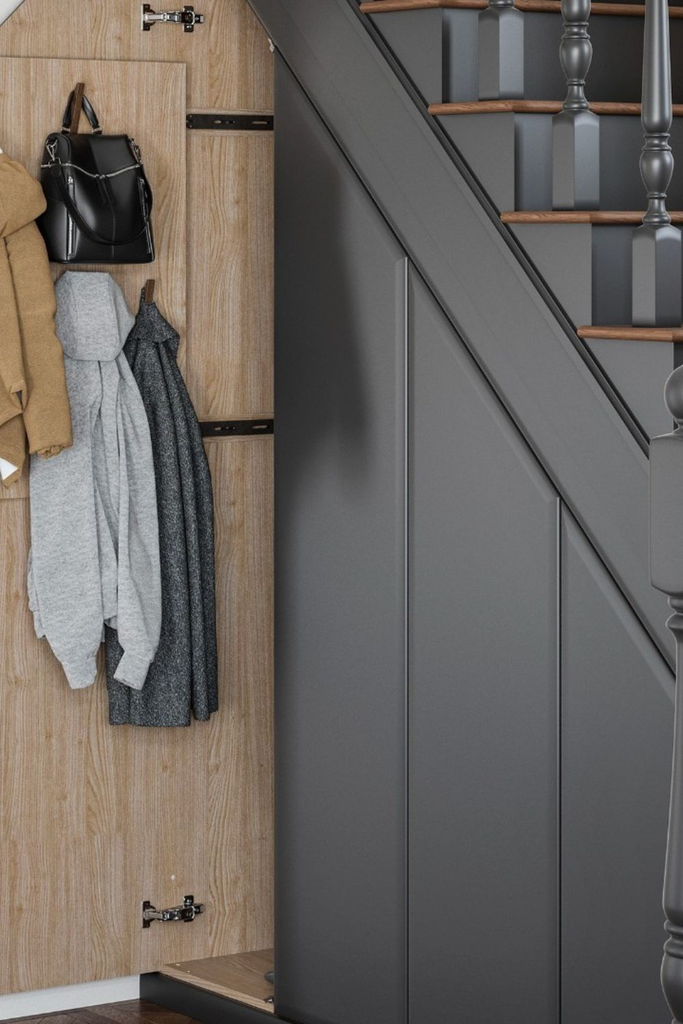
Wall hooks create an everyday drop zone for hoodies in a bedroom or dressing area. They are useful for lightweight pieces that I wear repeatedly and want to keep close at hand.
I can place a small hook rack near a bedroom door or beside a wardrobe. Giving each hoodie its own hook helps prevent several garments from becoming one bulky pile.
For permanent installation, I check the wall material and use fasteners suitable for both the surface and the expected load. If drilling is not allowed, a freestanding option or a suitable over-door product may be more practical. Removable hooks are not automatically suitable for heavy garments, so I follow their stated weight ratings and installation instructions.
Pro Tip: Position the hooks where hanging sleeves and hoods will not catch on a door or interfere with the walking path. Keep heavier hoodies on fixtures that are specifically rated to support them.
14. Travel Packing

Packing hoodies for a trip requires a balance between saving space and keeping the luggage easy to use. Thick fleece can take up a substantial portion of a suitcase, so I choose a folding method that works with the other clothes I need to pack.
To fold a hoodie, I lay it flat, smooth the fabric, fold the sleeves inward, and bring the sides toward the center. I then fold or roll the body into a compact shape, flattening the hood as much as its thickness allows.
A packing cube can keep the garment together and separate it from smaller items. Rolling may work well for some lightweight hoodies, while a flat fold may suit a thick pullover better.
I place a hoodie near the top of my luggage if I expect to need it during the journey. This makes it easier to reach without unpacking the entire suitcase.
Pro Tip: Compare the space taken by a folded hoodie and a rolled one before packing several garments. The best method depends on fabric thickness, suitcase shape, and the rest of your luggage.
15. Hanging Cubes

Hanging cubes use the vertical space beneath a closet rod to create small compartments for folded hoodies. They are helpful when a closet has a sturdy hanging rod but limited built-in shelving.
I use separate compartments for different types of hoodies, such as everyday sweatshirts, lightweight zip-ups, or graphic pieces. Each garment should fit comfortably without bulging out or making the organizer sag.
Before installing the organizer, I check its attachment method and the combined weight of the organizer and clothing. The closet rod must be suitable for that load, and the hanging cubes should not block nearby garments or drawers.
Pro Tip: Check each compartment’s usable width, depth, and height before buying. Oversized hoodies may fit better on an existing shelf than in a small hanging cube.
16. Wardrobe Zones

Wardrobe zones give hoodies a defined place within a larger clothing system. Rather than letting sweatshirts spread between shirts, jackets, and drawers, I assign them a specific area.
A shelf might hold heavyweight pullovers, a section of the rod might hold lightweight zip-ups, and a drawer could store smaller everyday pieces. This arrangement is especially helpful in shared wardrobes where different types of clothing compete for space.
I adjust the amount of room allocated to hoodies according to the size of the collection. A large wardrobe does not automatically need a large hoodie section, and a small wardrobe may work better with a combination of folding and selective hanging.
Pro Tip: Keep the hoodies you wear most often in the easiest-to-reach zone. Reserve higher shelves or less accessible areas for occasional and seasonal garments that you do not need every day.
17. Entry Hooks

Entry hooks keep selected hoodies near the front door, making them easy to grab before leaving home. This arrangement is different from bedroom wall hooks because it serves as a household entrance drop zone.
A small hook rack above a shoe cabinet or entryway shelf can hold everyday sweatshirts and light outer layers. I keep each hook available for one garment so that clothing does not build up into a tangled pile.
If I am renting, I check the lease before drilling into the wall. A suitable over-door rack or freestanding coat stand may work when permanent installation is not appropriate, provided it fits the space and supports the garments safely.
I also consider door movement and the width of the entryway. Hanging clothing should not block the front door, catch on nearby furniture, or make the walkway difficult to use.
Pro Tip: Keep only the hoodies currently in use at the entrance. Seasonal or rarely worn pieces belong in the main wardrobe or a suitable storage container.
18. Hoodie Stand
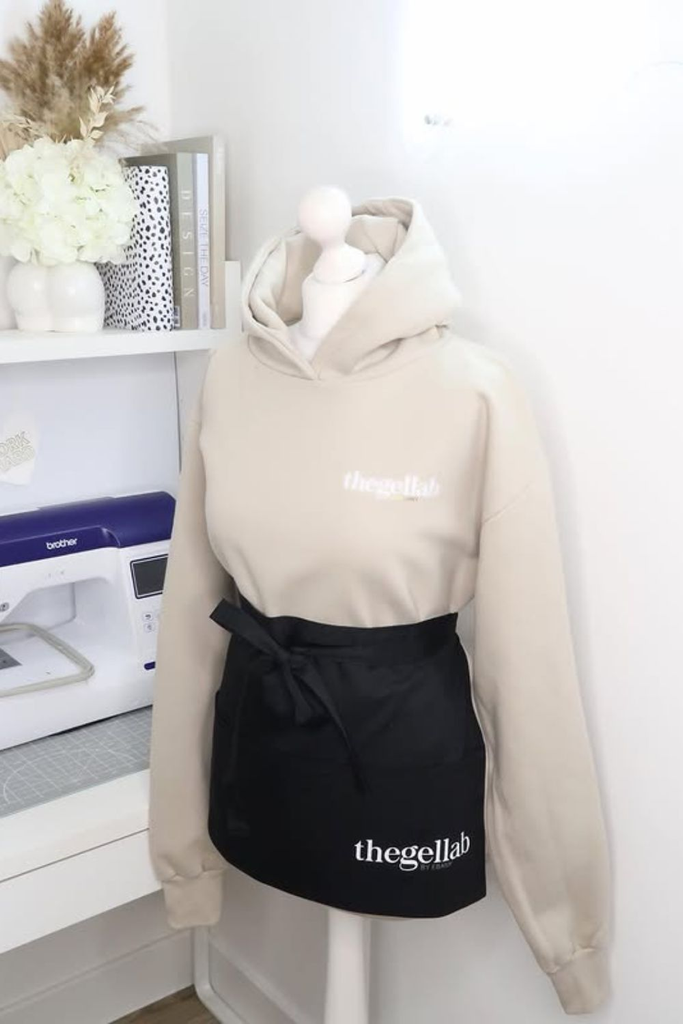
A freestanding clothing stand or dress form can display one favorite hoodie while keeping it ready to wear. I would use this idea for a graphic sweatshirt or a piece that I want to show in a bedroom or creative workspace.
Unlike a clothing rack, which stores several hanging garments, a hoodie stand is mainly for displaying one piece. It takes up more floor space than a simple hanger, so it makes the most sense where there is a suitable open area.
I place the stand on a level surface and check that its base is stable. The hoodie should rest naturally on the form without being pulled or stretched into an unnatural position.
Pro Tip: If space is limited, consider whether a regular hanger would serve the same purpose. Choose a stand only if the display itself is worth the extra floor space.
19. Mirror Hanger
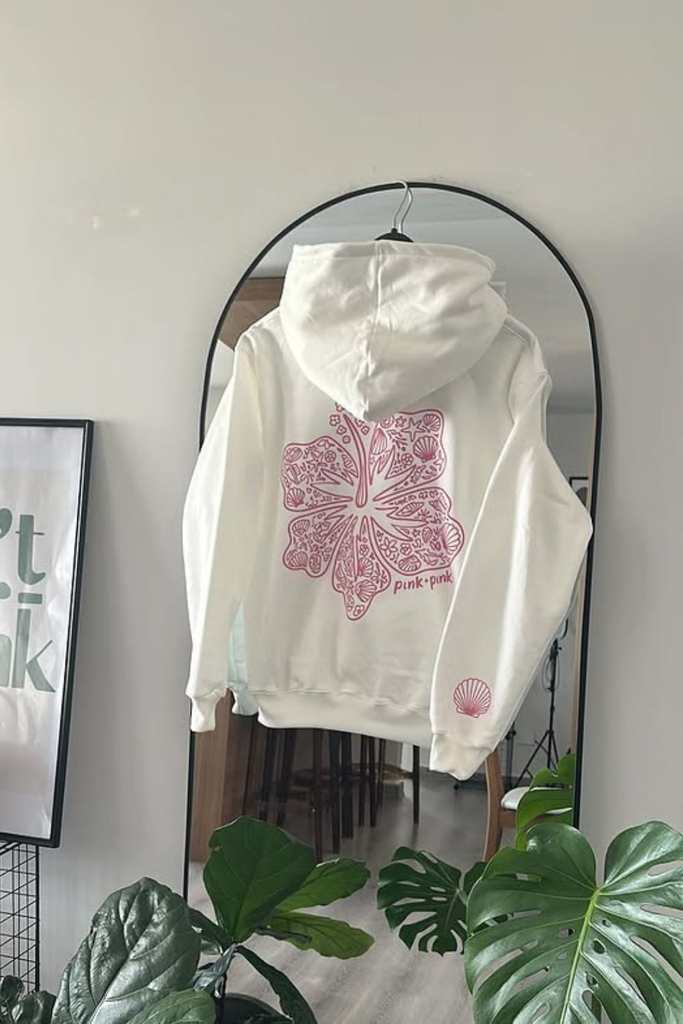
A mirror-adjacent hanger creates a convenient spot for one hoodie near a dressing area. It works well for a garment I plan to wear soon or a favorite piece I want to keep visible.
I use a suitable wall hook beside a full-length mirror rather than placing weight on a mirror frame that was not designed to hold clothing. If drilling is not appropriate, a suitable freestanding or over-door alternative may be easier to manage.
I keep the arrangement to one hoodie so that the garment does not cover the mirror or make the corner feel crowded. The hanger should also sit clear of doors and other furniture.
Pro Tip: Check the mirror’s mounting and the surrounding wall before adding a hook. Keep the hoodie high enough to stay off the floor without obstructing the mirror’s useful viewing area.
20. Shelf Dividers
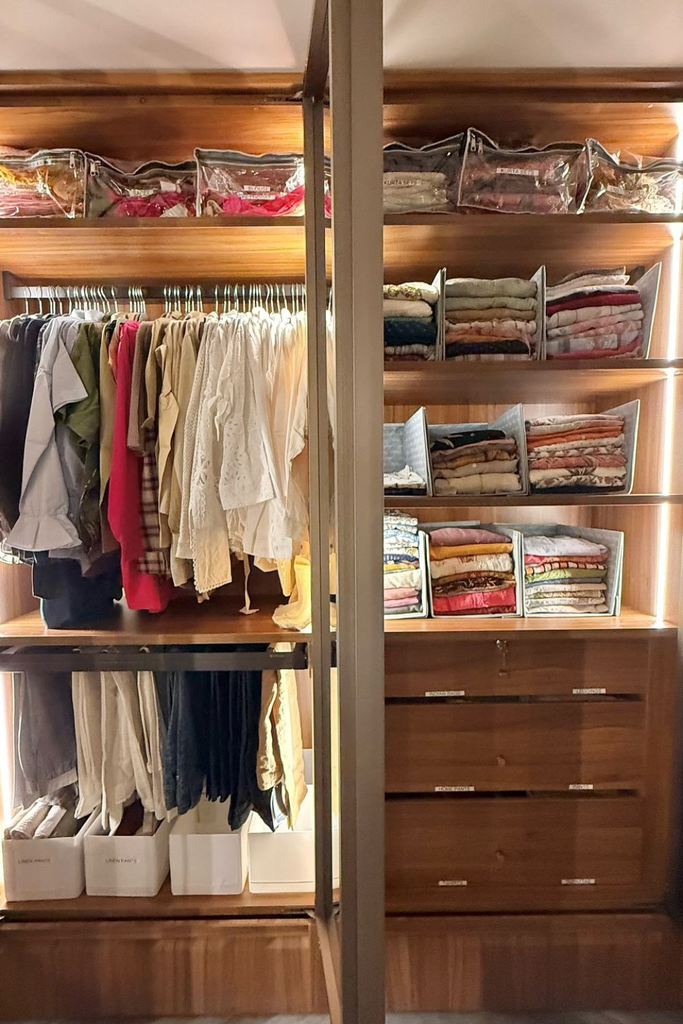
Shelf dividers physically separate folded hoodie stacks, preventing garments from spreading sideways across a wide shelf. They are particularly useful when thick fabric makes it difficult to keep different piles apart.
I can create separate sections for heavyweight fleece, graphic hoodies, and lightweight sweatshirts. When I remove one garment, the divider helps limit the disturbance to the neighboring stack.
Before buying dividers, I check that they fit the shelf’s thickness and depth and can be installed as intended. I also make sure the shelf itself can support the combined weight of the garments.
Pro Tip: Use dividers to control the width of each stack, not to force extra hoodies onto an already full shelf. If clothing bulges against the divider, move a few pieces elsewhere.
21. Minimal Hanging
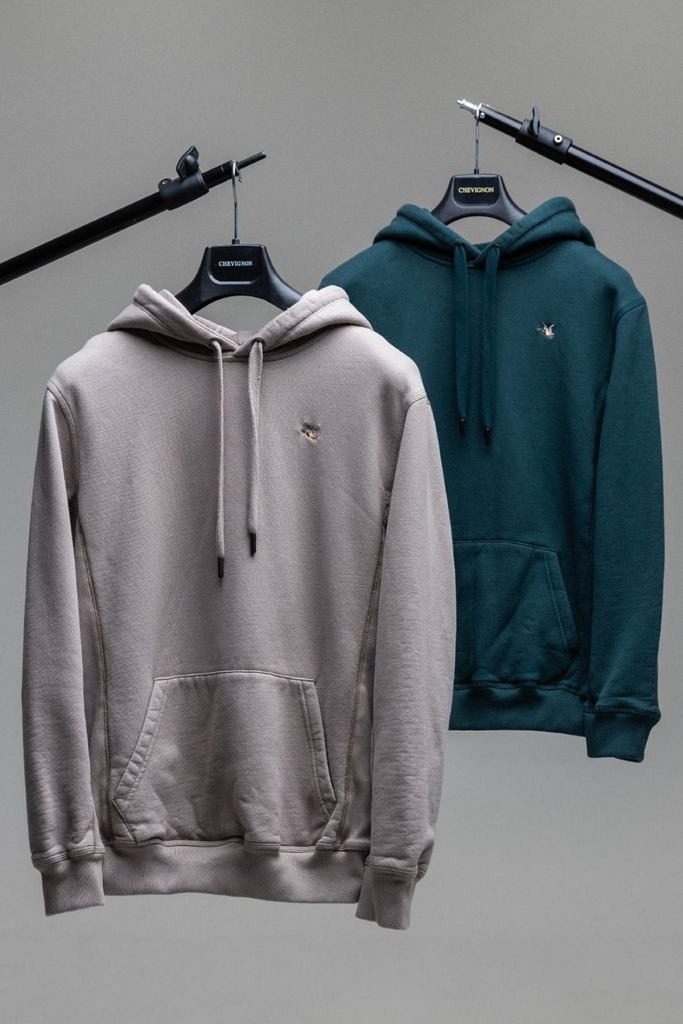
Minimal hanging reserves the closet rod for hoodies that benefit most from being hung. Instead of filling the rod with every sweatshirt, I keep lightweight, frequently worn, or easy-to-hang pieces there.
The remaining hoodies can go into drawers or onto shelves. This combination is often more practical for collections that include thick fleece pullovers and oversized designs.
I leave enough room to move each hanger without pulling neighboring garments out of place. If the rod is crowded, I review which pieces genuinely need hanging rather than adding more hangers.
Pro Tip: When choosing which hoodies to hang, consider both their weight and how often you wear them. A lightweight zip-up used daily may deserve rod space more than a bulky sweatshirt worn only occasionally.
22. Flat Folding

Flat folding is a useful basic technique for storing hoodies on shelves, in drawers, or inside bins. The aim is to create a manageable shape that fits the available space without forcing the garment into an overly tight fold.
I use this simple process:
- Lay the hoodie on a clean, flat surface.
- Smooth the fabric and fold the sleeves inward.
- Fold the sides and body into a rectangle that fits the shelf or drawer.
- Flatten or tuck the hood according to the garment’s thickness.
- Place the hoodie in storage without forcing it into an overcrowded stack.
Consistent folds make it easier to maintain a neat stack, but I adjust the shape for oversized hoodies and thick fleece. Upright folding can work well in drawers with enough height and depth, while flat stacks may be more practical on shelves.
Pro Tip: Fold the bulkiest hoodie first and use it to judge the space available. If the resulting stack is difficult to remove, reduce the number of garments rather than compressing them tightly.
23. Cubby Storage
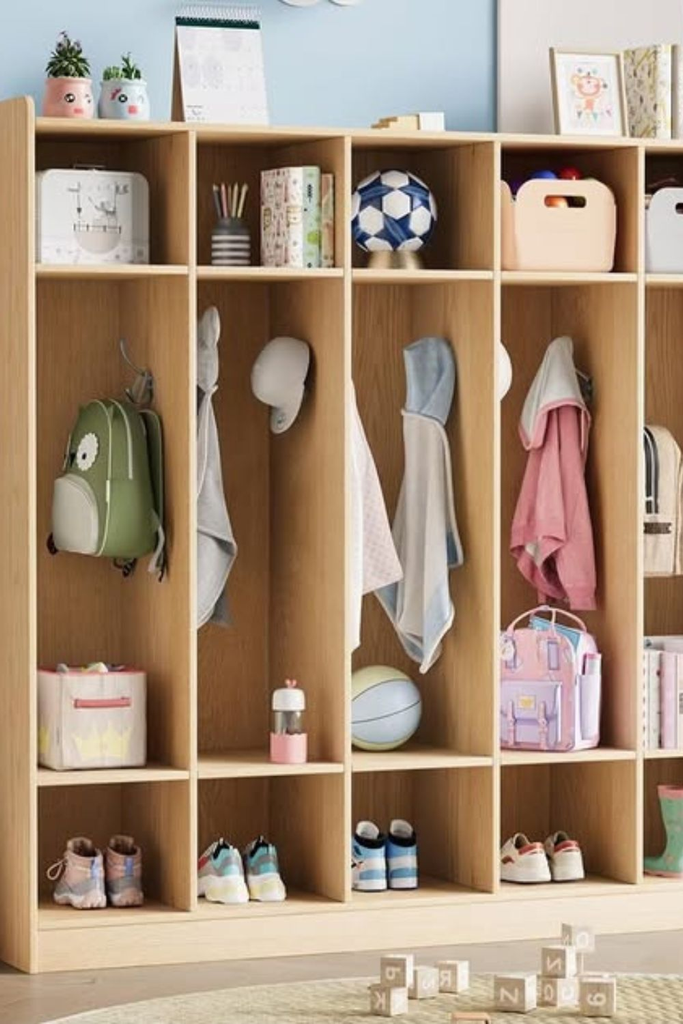
Cubby storage gives separate groups of hoodies their own compartments. It works well in shared bedrooms, family wardrobes, and entryways where clothing needs a clear place to return to after use.
I might use one cubby for everyday hoodies, another for lighter layers, and a third for oversized sweatshirts. Unlike shelf sections, which divide a continuous surface, cubbies provide separate compartments with their own boundaries.
I check each compartment’s dimensions before folding the garments to fit. A hoodie should slide out easily without catching on the edges or pushing neighboring clothing forward.
For freestanding cubby units, I follow the manufacturer’s weight limits and anchoring instructions where required. I also keep the unit on a level surface and avoid placing heavy items in compartments that are not designed to support them.
Pro Tip: If each cubby is too large for one folded hoodie, use a suitable fabric basket to group smaller pieces. Avoid overfilling the basket, which makes it harder to find and remove individual garments.
24. Hoodie Rotation

Hoodie rotation keeps the current season’s garments accessible while moving less-used pieces out of the main storage area. I find this helpful when my collection includes both lightweight sweatshirts and thick winter fleece.
I start by choosing the hoodies that suit the current weather and daily routine. These stay in accessible drawers, shelves, or on the hanging rod. Other pieces can be folded and placed on a higher shelf or in a labeled seasonal bin.
I review the arrangement when the weather changes or my clothing needs shift. There is no need to rotate every garment on a fixed schedule; the goal is simply to make the most useful pieces easy to reach.
This approach can also help me identify hoodies that I rarely wear. If a garment remains unused through several changes in season, I can decide whether it still deserves the storage space.
Pro Tip: Keep seasonal hoodies clean and completely dry before packing them away. Label the container so you can find the right garments without opening several bins.
25. Mudroom Hooks
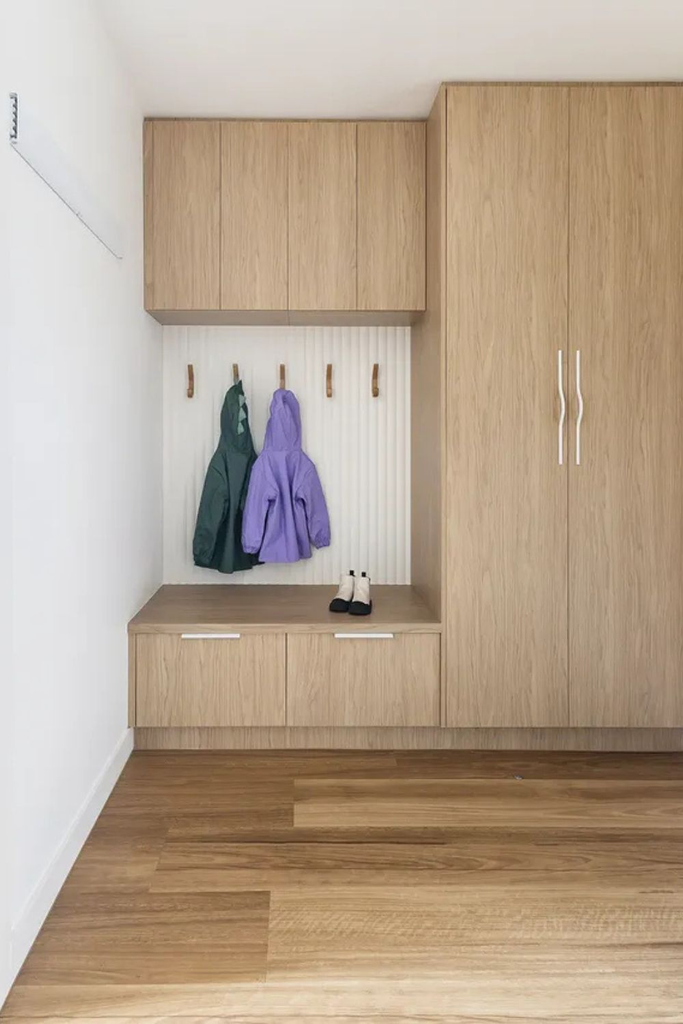
Mudroom hooks create a dedicated household spot for hoodies used when leaving or returning home. They are particularly helpful for everyday outer layers that otherwise end up on chairs or near the front door.
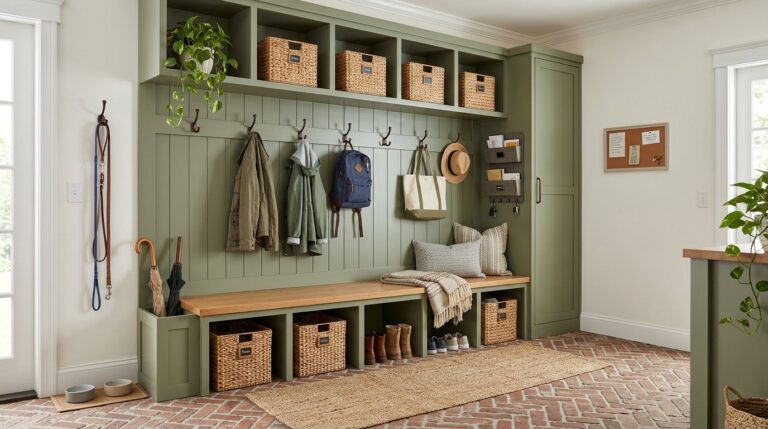
I can install a row of hooks above a bench or storage cabinet, leaving space for each person’s usual hoodie. Lower hooks may be useful for children, while higher hooks can hold adult clothing, depending on the layout.
Before installing the hooks, I check the wall material and use suitable fasteners for the expected load. Renters should review their lease before drilling and consider an appropriate freestanding alternative if permanent installation is not permitted.
I keep clean, dry hoodies separate from damp coats or wet footwear. I also leave enough room for the garments to hang without touching the floor or obstructing the entrance.
Pro Tip: Assign each household member a hook or clearly defined area. This small step can make the drop zone easier to maintain without turning it into a catch-all for every item brought into the house.
Hoodie Storage Ideas for Small Closets
When closet space is limited, I focus on using the furniture and storage areas I already have before buying more organizers. A combination of folded hoodies, selective hanging, and seasonal storage often works better than trying to fit every garment onto one rod.
Here is how I would approach a small closet:
- Use vertical drawer folding: Arrange folded hoodies upright when the drawer has enough usable height and depth. This makes the collection easier to scan.
- Keep shelf stacks short: Store bulky fleece in manageable stacks and use dividers if the garments tend to spread across the shelf.
- Use hanging organizers selectively: Fabric cubes can add compartments beneath a suitable closet rod, provided the rod can support the combined weight.
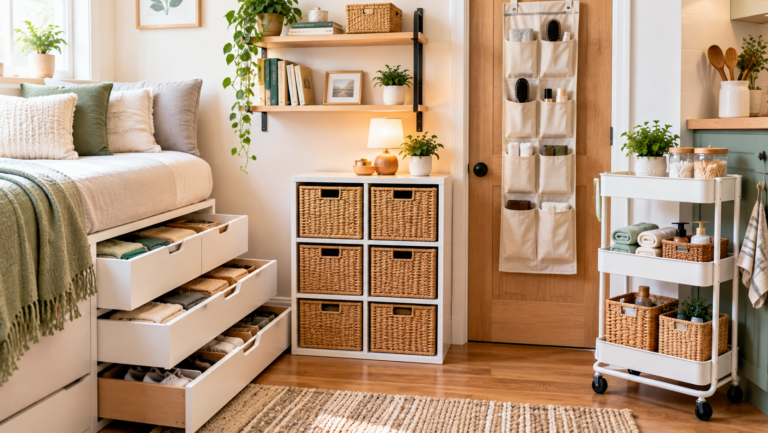
- Make use of under-bed space: Store less frequently worn hoodies in a container that fits the clearance and can be removed easily.
- Reserve rod space for selected pieces: Hang lightweight or frequently worn hoodies while folding heavy pullovers and oversized sweatshirts when appropriate.
- Rotate seasonal garments: Keep the pieces suited to the current weather accessible and move off-season hoodies to a suitable shelf or bin.
For renters, freestanding shelving, existing drawers, and suitable over-door organizers can offer alternatives to permanent wall-mounted storage. However, I still check product weight limits, door clearance, and installation requirements before using them.
The most important step is to avoid filling every gap. If I cannot remove a hoodie without disturbing the rest, I reduce the stack or move a few garments to another storage area.
How I Keep Hoodie Storage Organized
A storage system works best when it is easy to maintain during everyday use. I keep the routine simple rather than trying to make the closet look perfect all the time.
- Return clean hoodies to their assigned areas. After washing and drying, I fold or hang each garment according to its storage method.
- Refold unstable stacks. If a pile starts leaning or spreading, I straighten it before it becomes difficult to manage.
- Keep regular favorites accessible. The hoodies I wear most often stay on convenient shelves, in accessible drawers, or on suitable hangers.
- Review seasonal storage when needed. When the weather or my routine changes, I move the relevant pieces into the main wardrobe.
- Avoid permanent temporary piles. A chair or bed can become an overflow storage area if I keep leaving hoodies there, so I return them to their designated places.
- Reassess the collection when space becomes tight. If the storage system is consistently overcrowded, I consider whether every hoodie needs to remain in the main closet.
I do not need to reorganize everything at once. A quick adjustment to one shelf or drawer is often enough to keep the overall arrangement manageable.
Hoodie Storage FAQ
What is the most space-efficient way to store hoodies in a small closet?
For many small closets, folding hoodies into compact shapes and arranging them in drawers or on shelves is a practical starting point. Upright folding can help in drawers with sufficient usable height and depth, while shelf dividers can keep flat stacks from spreading.
I would reserve hanging space for selected lightweight or frequently worn pieces and move seasonal hoodies elsewhere when appropriate. The best combination depends on the garment thickness and the actual dimensions of the closet.
Should hoodies be folded or hung?
Both methods can work. Heavyweight fleece and oversized pullovers are often easier to store folded because their weight may put prolonged strain on the shoulders when hung. Lightweight hoodies and frequently worn zip-up styles can be convenient to hang if the hanger supports the garment appropriately.
I choose according to the hoodie’s construction, weight, frequency of use, and the space available. A mixed system is often more practical than insisting on one method for every piece.
How do I store bulky hoodies in drawers?
Start by measuring the drawer’s usable interior dimensions. Fold each hoodie so that it fits without being forced against the drawer sides or compressed into an overly tight stack.
For deep drawers with sufficient height, upright folding may make the garments easier to see. For shallow drawers or especially thick sweatshirts, flat stacks may work better. Drawer dividers can help separate different hoodie styles.
How can I organize hoodies by color?
For folded hoodies, group similar shades into separate stacks on shelves or in drawers. For hanging garments, arrange them in color groups along the closet rod.
If your hoodies vary in thickness, sort them by weight or style first and color second. This keeps bulky pieces from disrupting the arrangement and helps make the system practical as well as visually organized.
What is the best way to store hoodies for the off-season?
Check the care labels, clean the garments as directed, and make sure they are completely dry before storage. Fold them into manageable shapes and place them in containers suited to the storage location.
Label opaque bins so you can identify their contents later. Choose a suitable dry location, avoid excessive compression, and consider the area’s moisture conditions rather than assuming a container will protect clothing in every environment.
How do I keep hoodie stacks from falling over?
Fold hoodies into consistent shapes and avoid making stacks taller than you can comfortably manage. Keep particularly bulky pieces separate if they make the pile unstable.
Shelf dividers can help keep neighboring stacks apart, while drawers can contain garments that tend to slide around. If a stack repeatedly collapses, reduce its height or move some hoodies to another storage area instead of trying to squeeze everything onto the same shelf.
Read this next: 15 Scarf Storage Ideas for 2026
Conclusion
The best hoodie storage ideas are the ones that suit the garments I own and the space available. Heavy pullovers may be easier to fold, lightweight zip-ups can work on suitable hangers, and shelf dividers or drawers can help keep everyday clothing accessible.
I would start with one shelf or drawer, separate the hoodies I wear most often from seasonal pieces, and test an arrangement before purchasing more organizers. A few practical changes can make a crowded closet easier to use without requiring a complete makeover.